173 Magnificent Industrial Relief Artworks
173 Magnificent Industrial Relief Artworks
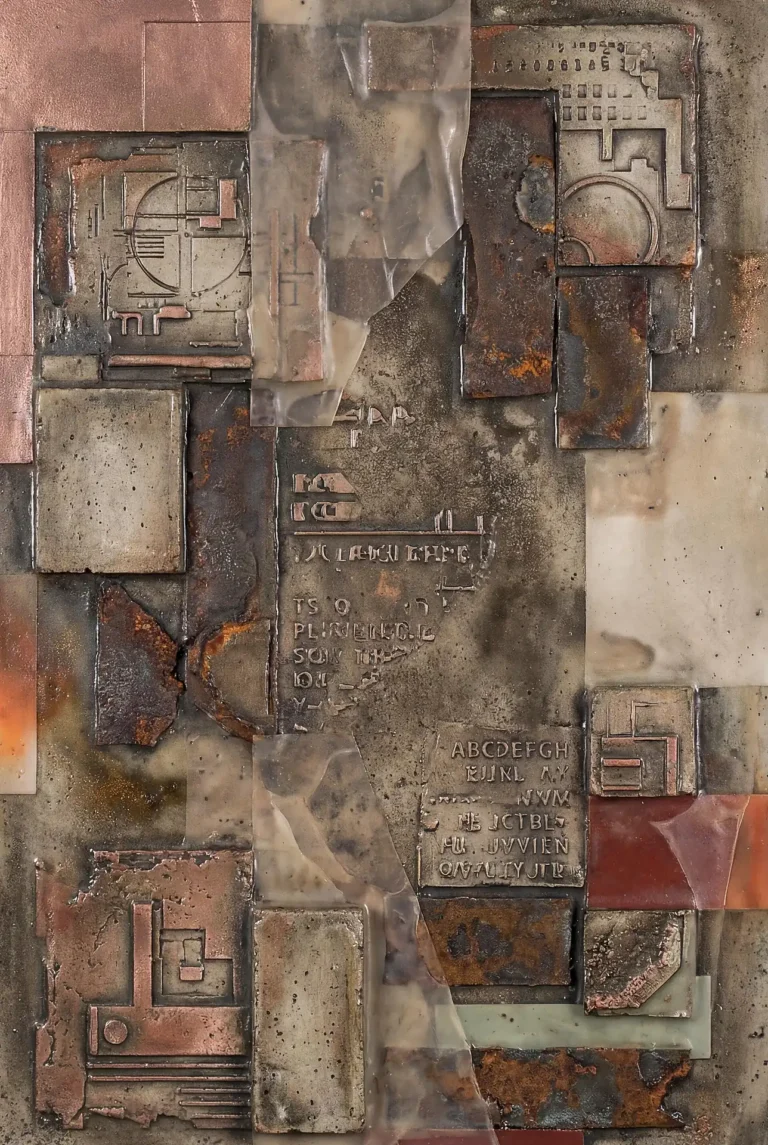
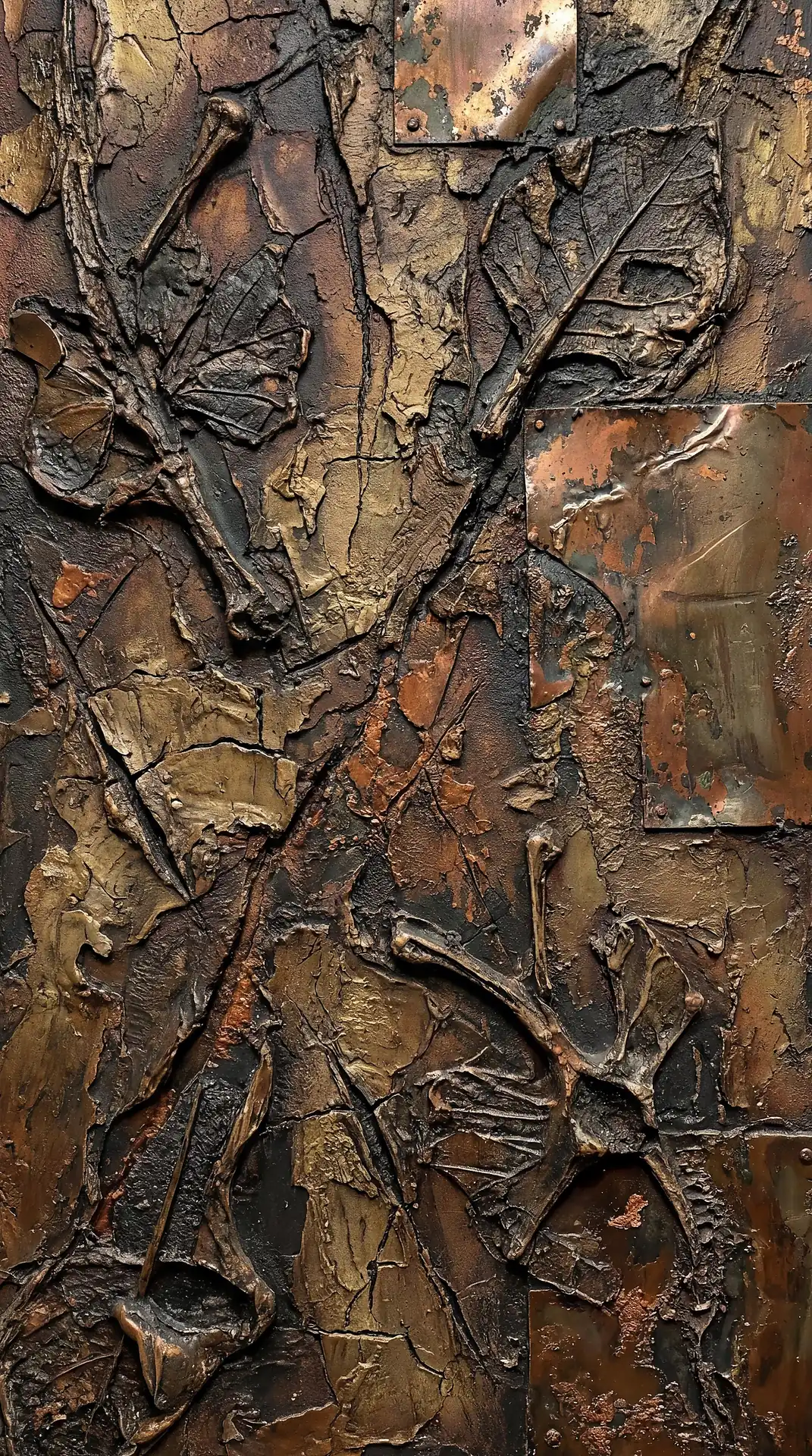
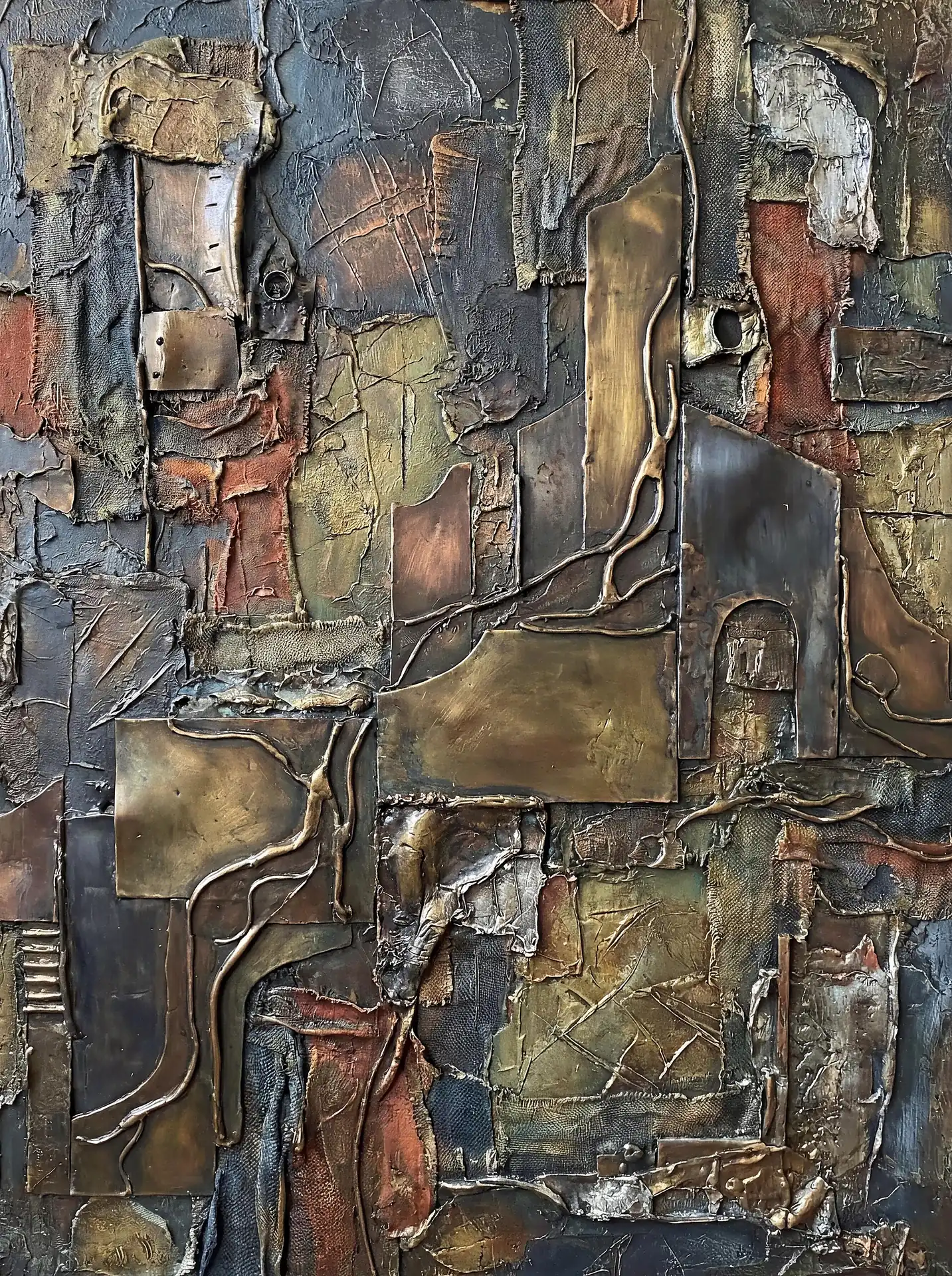
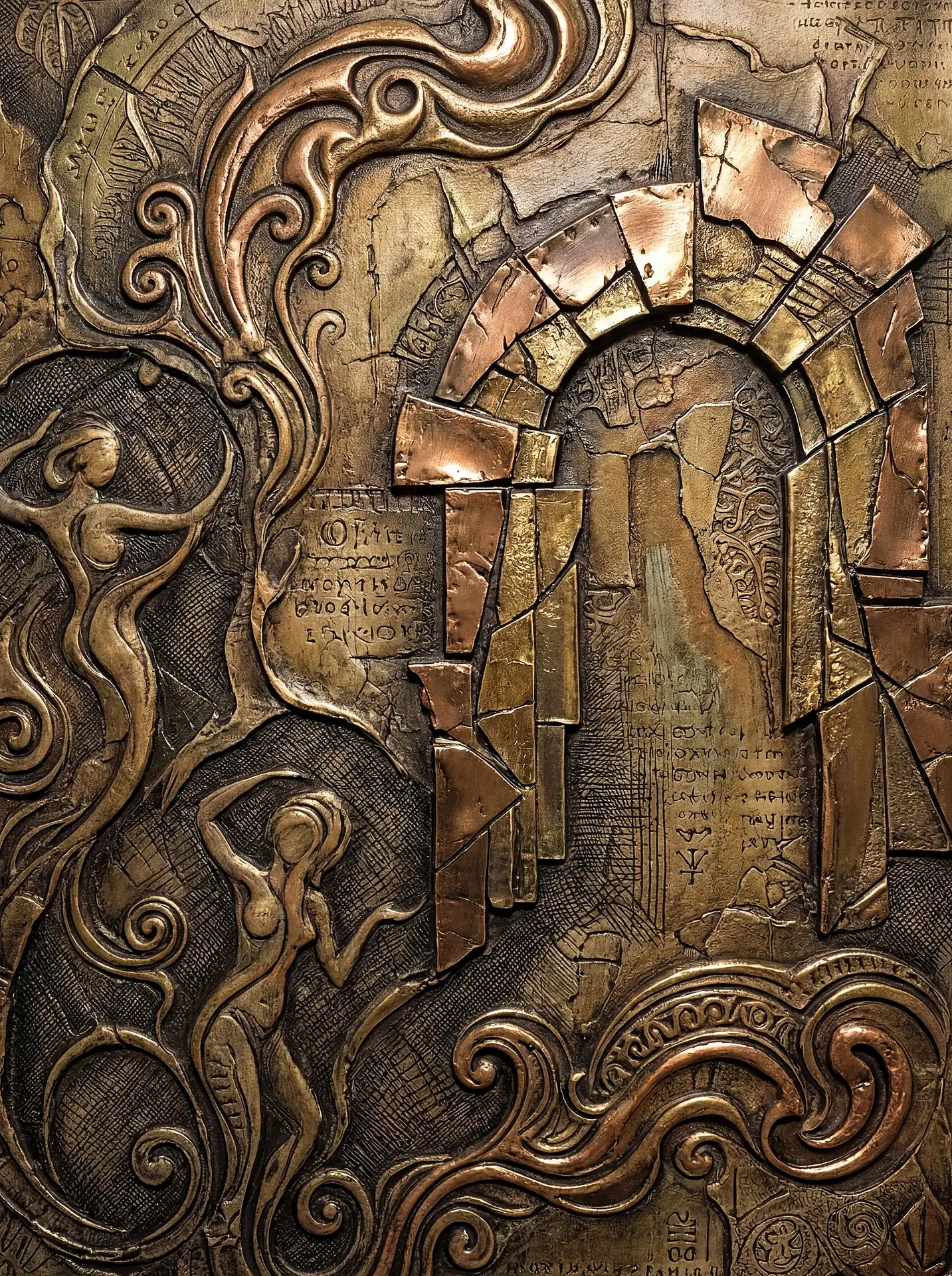
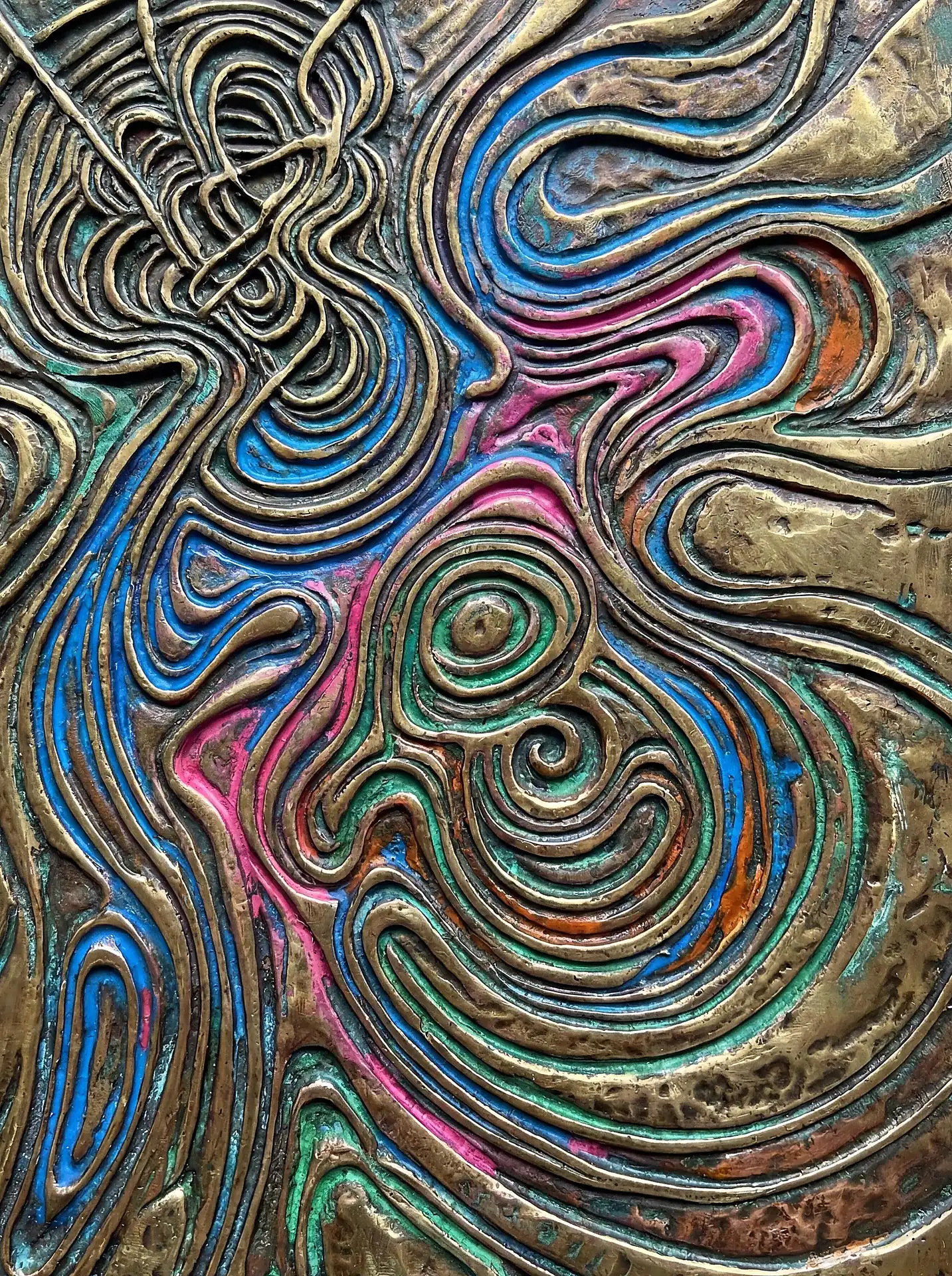
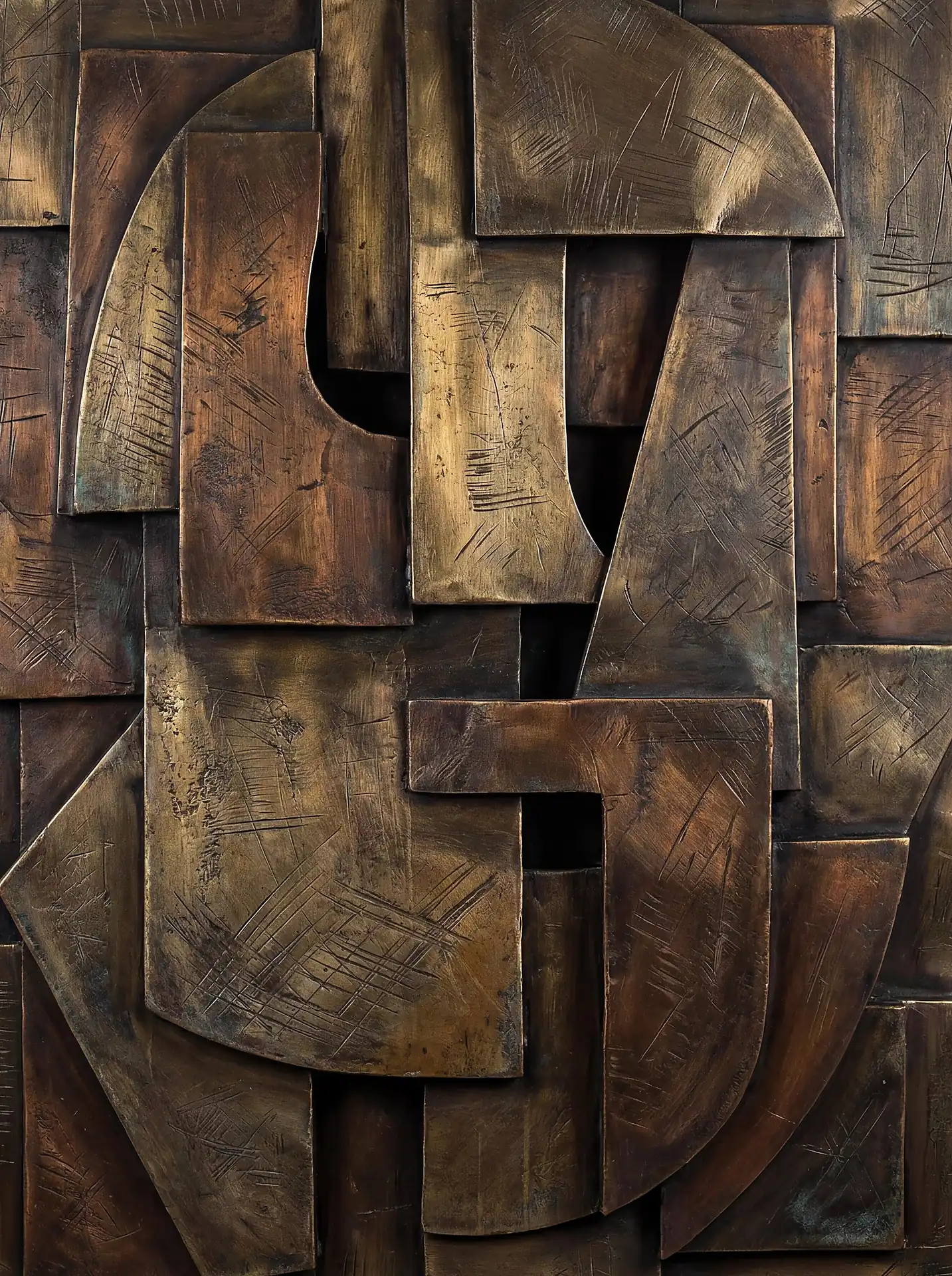
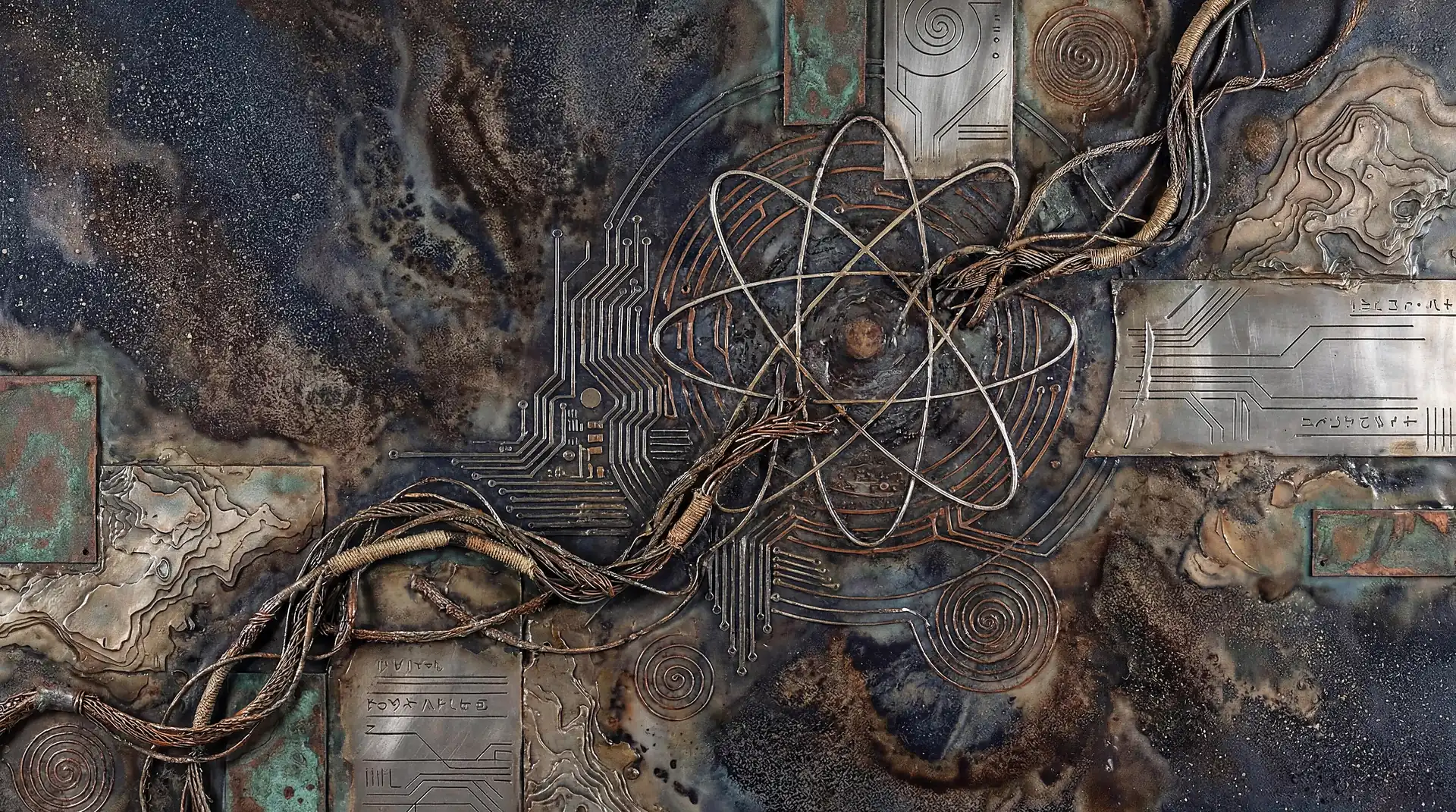
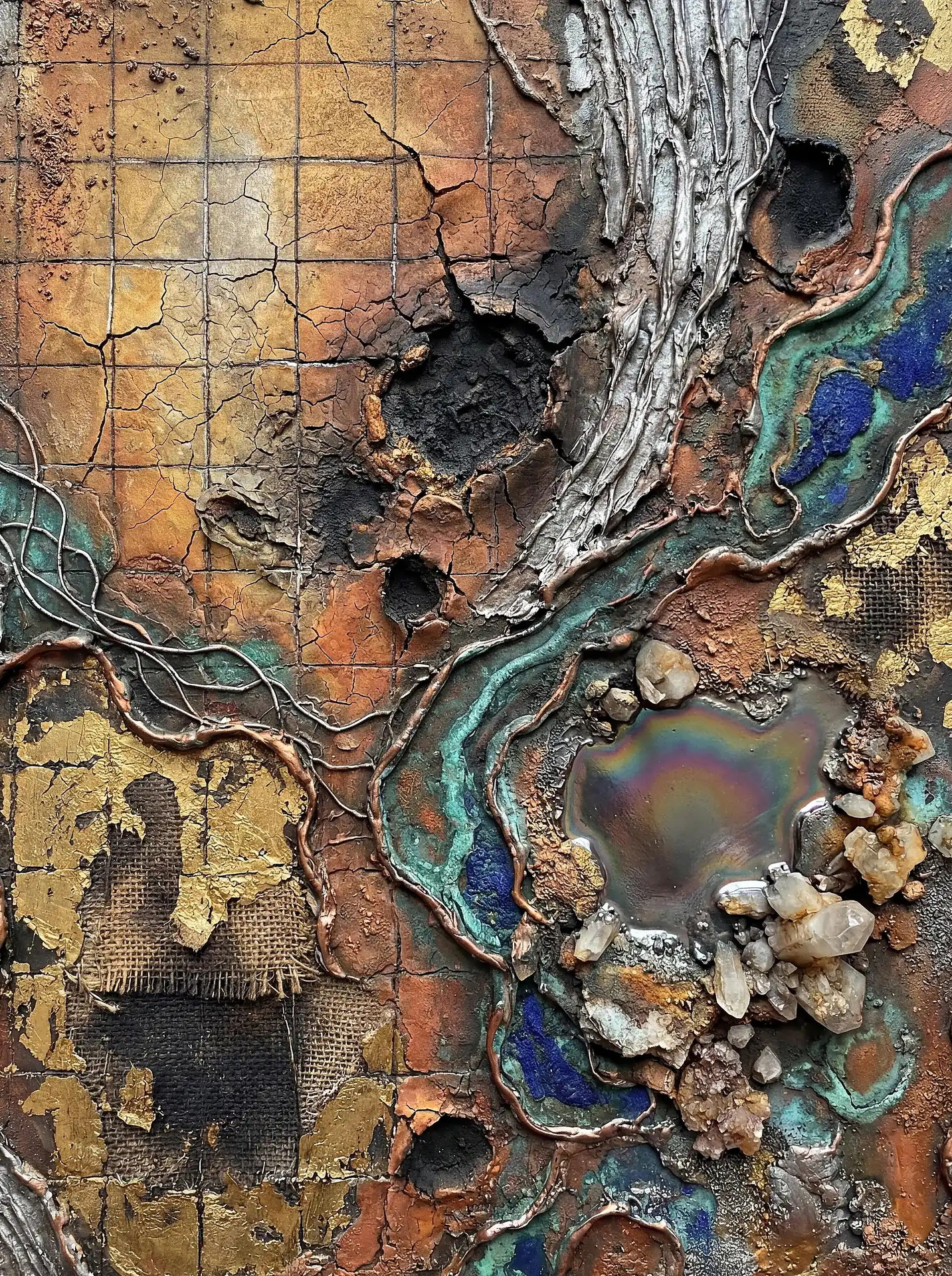
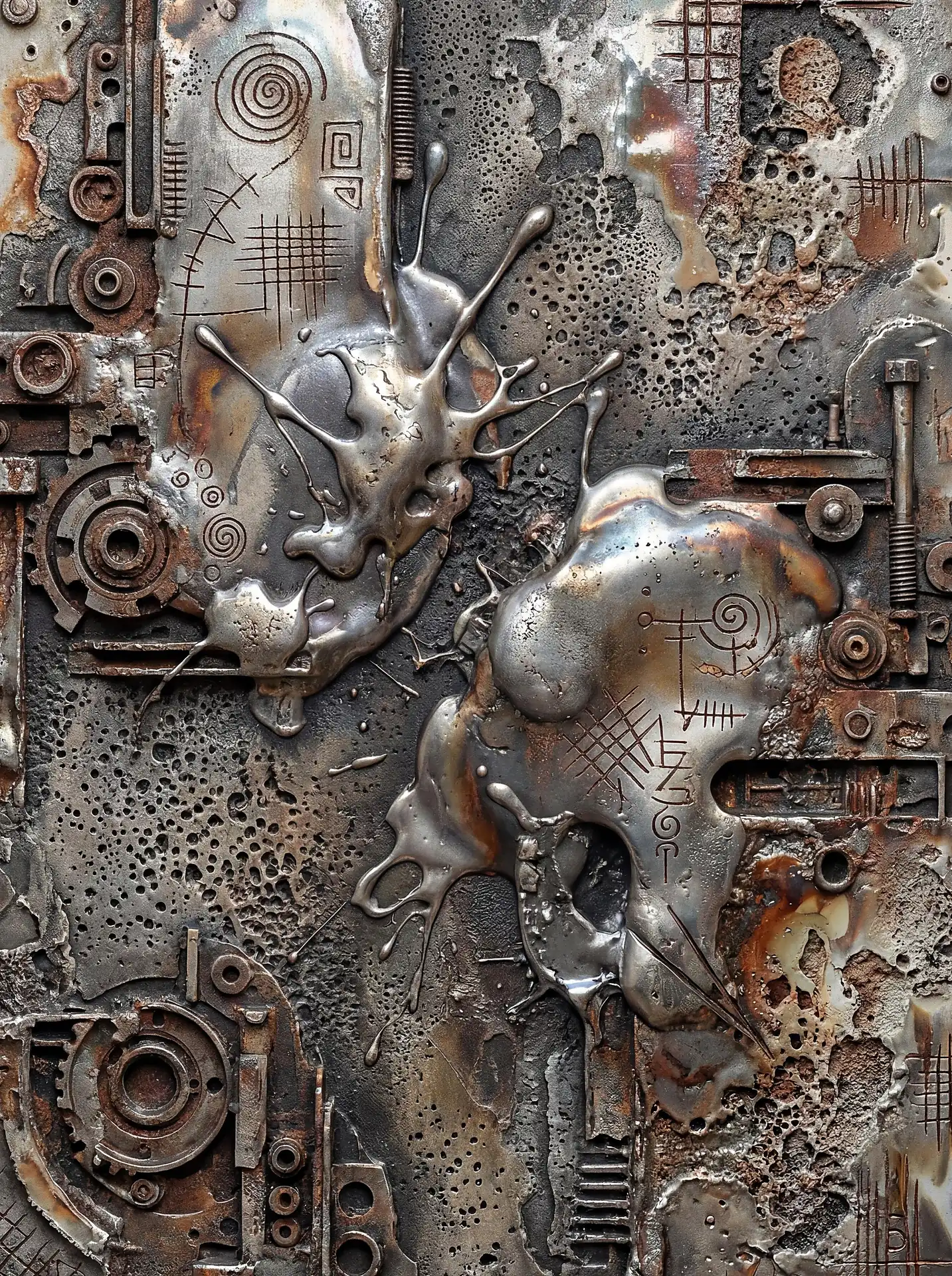
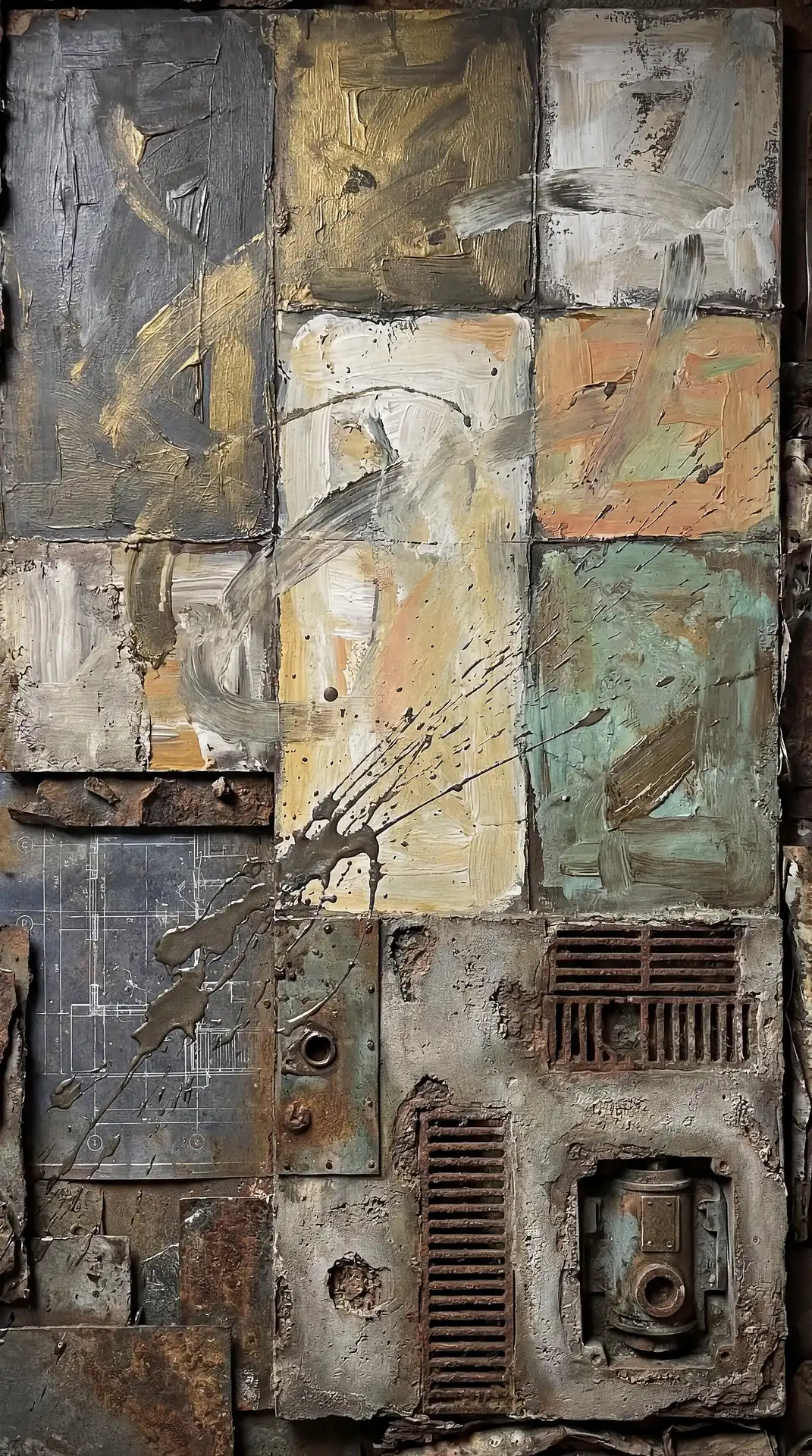
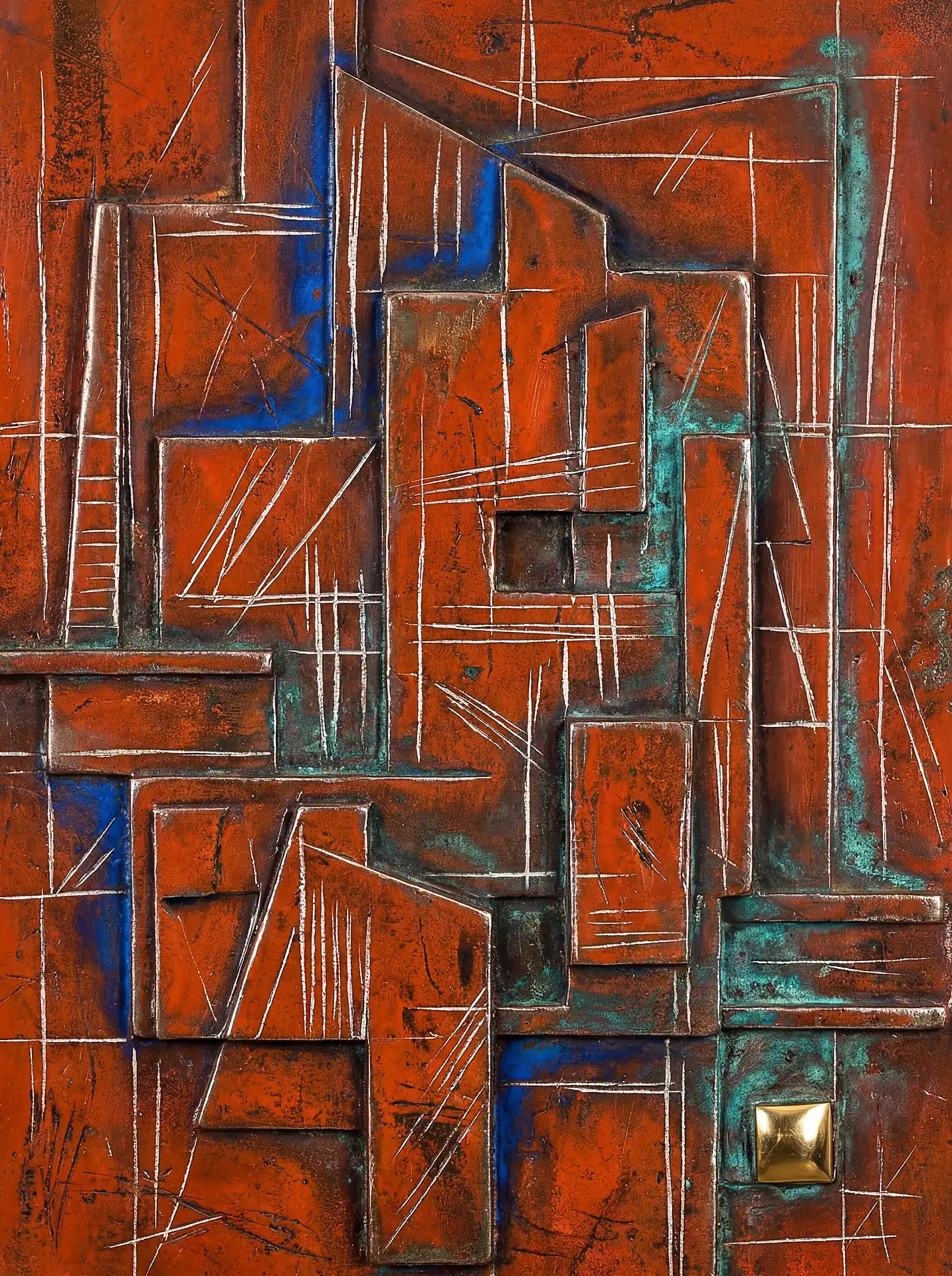
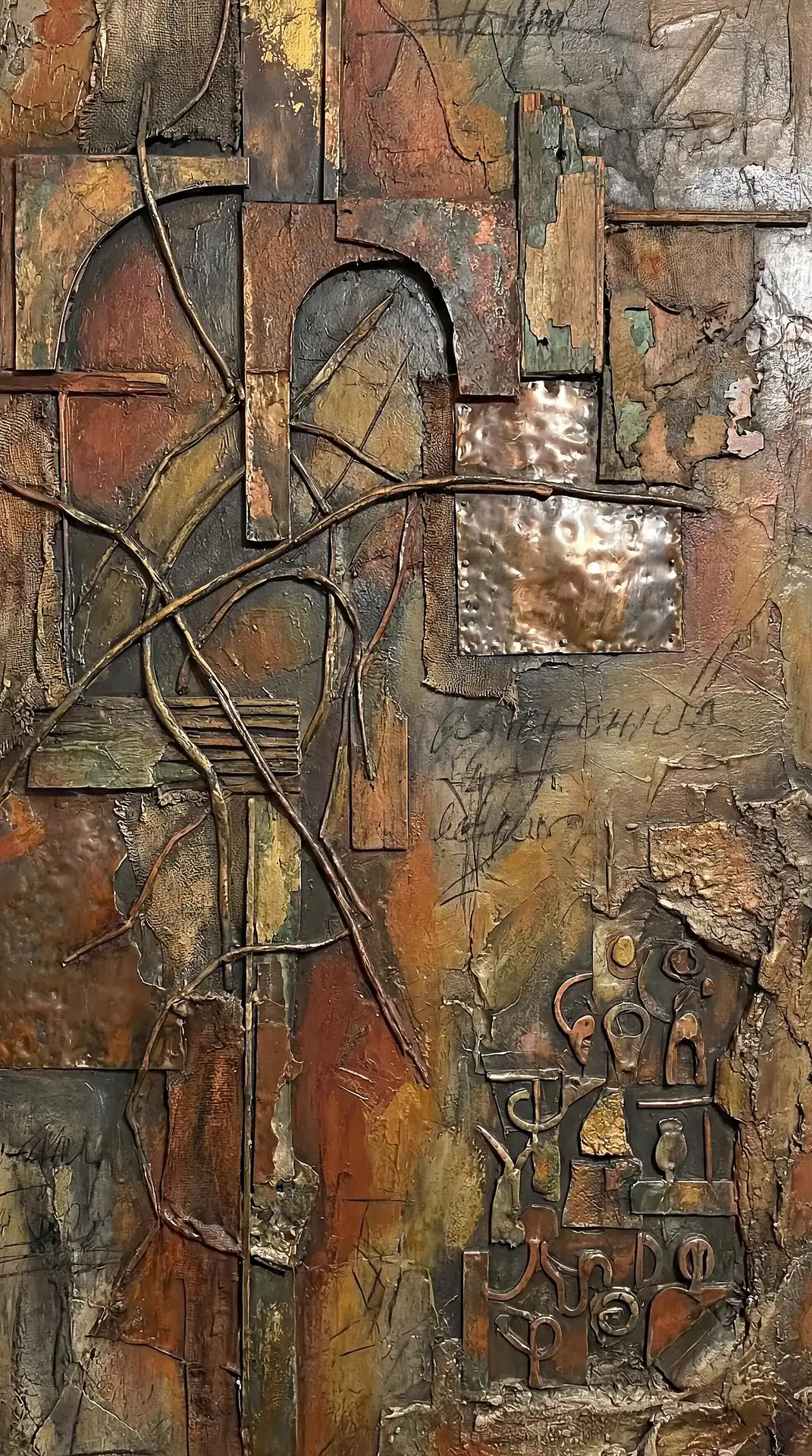
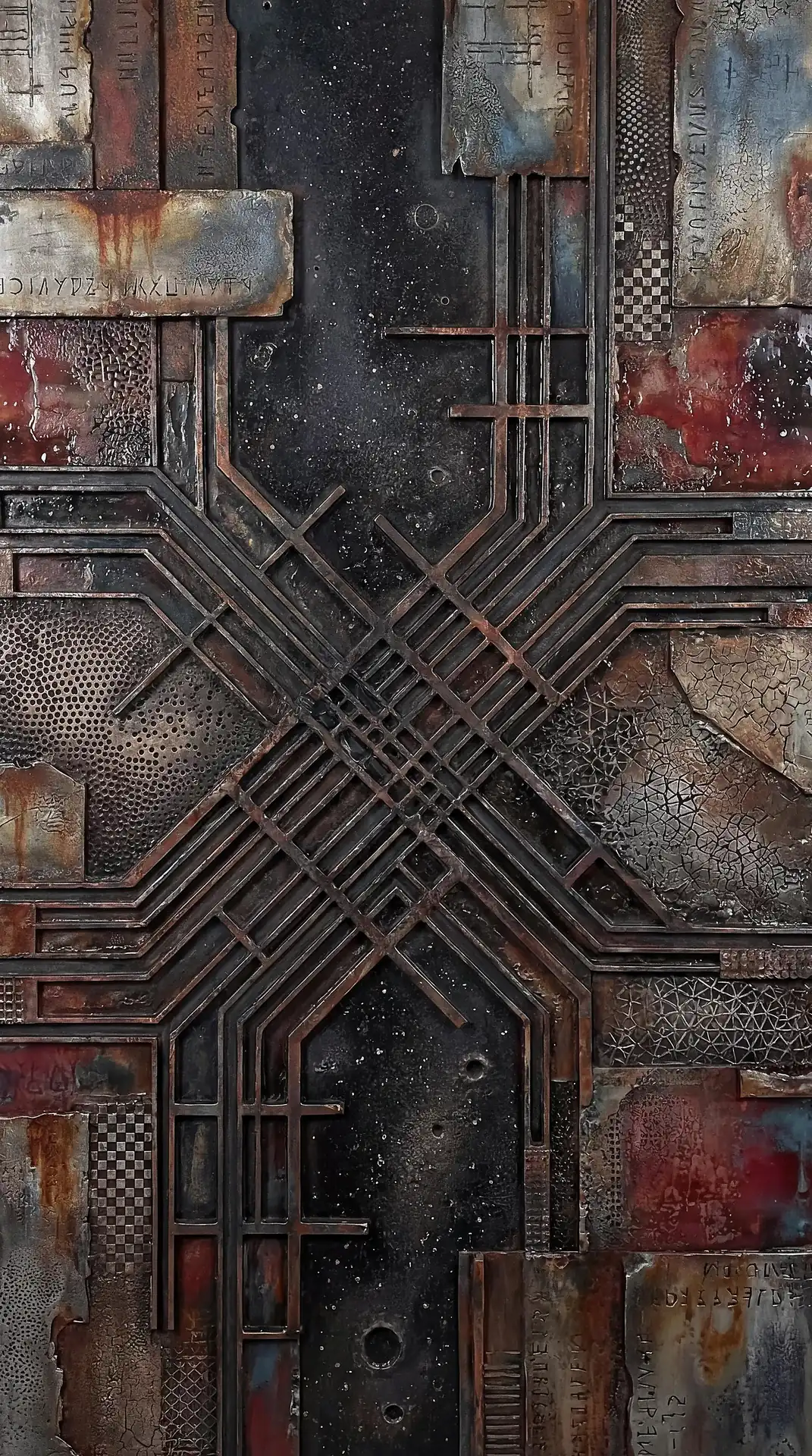
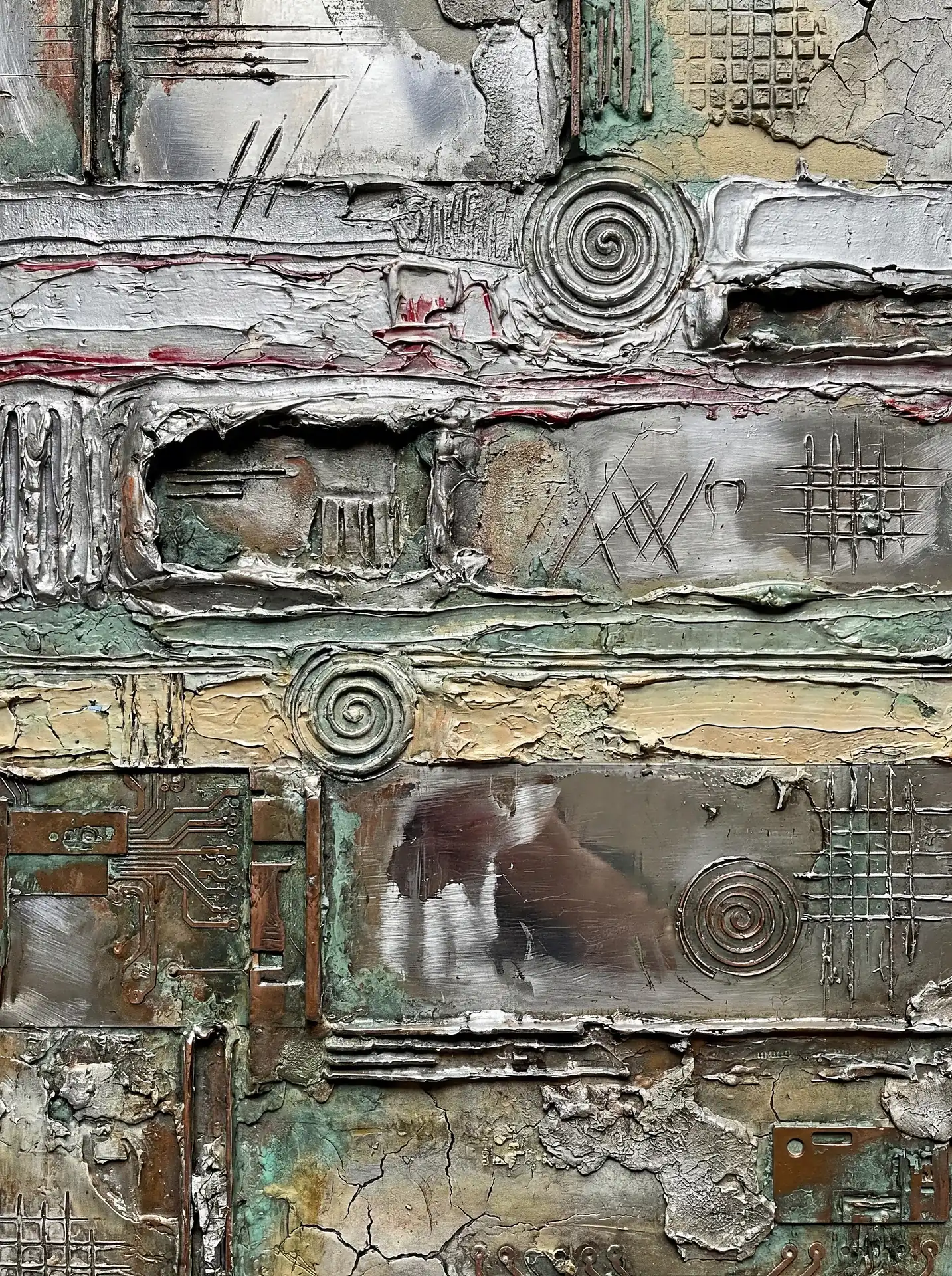
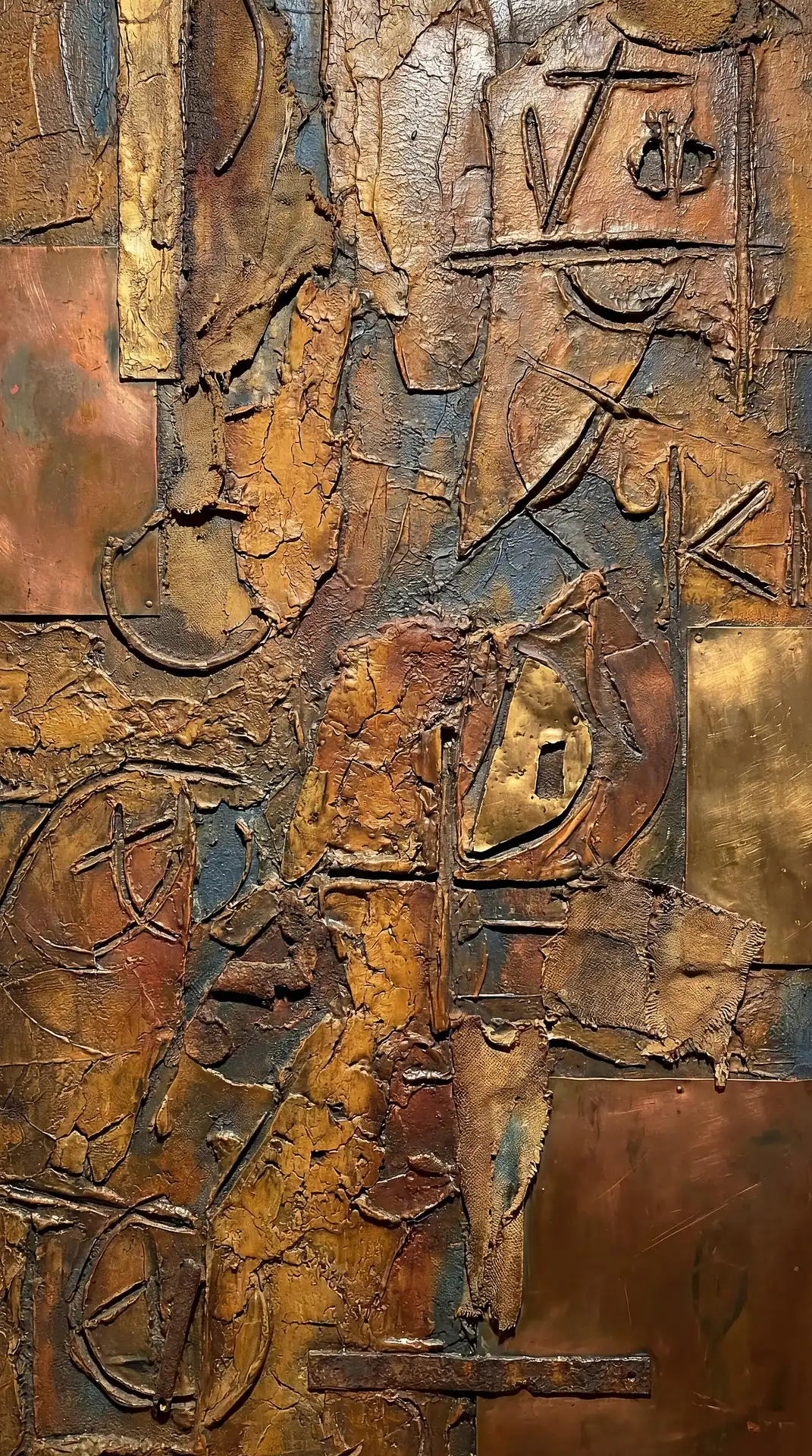
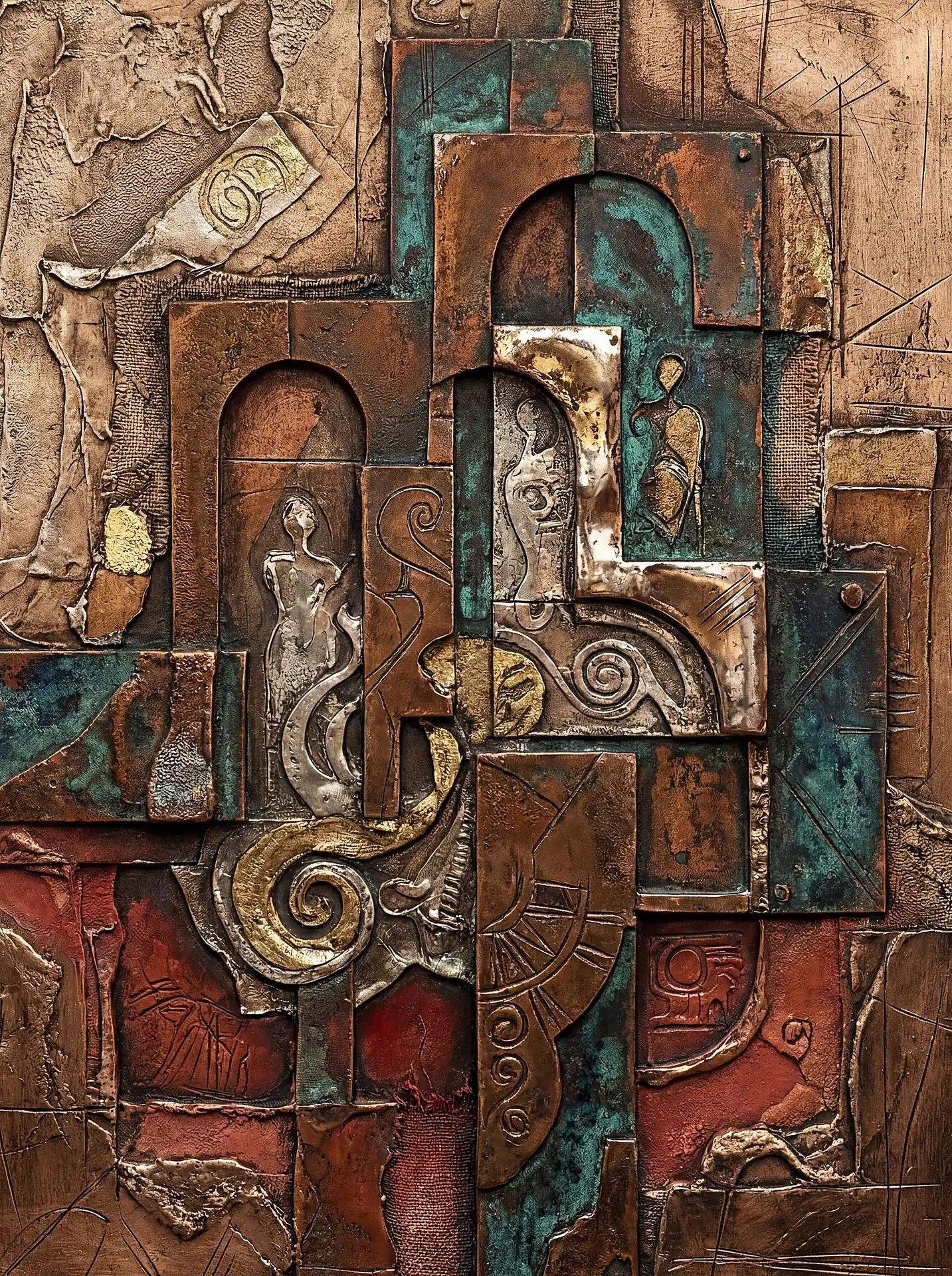
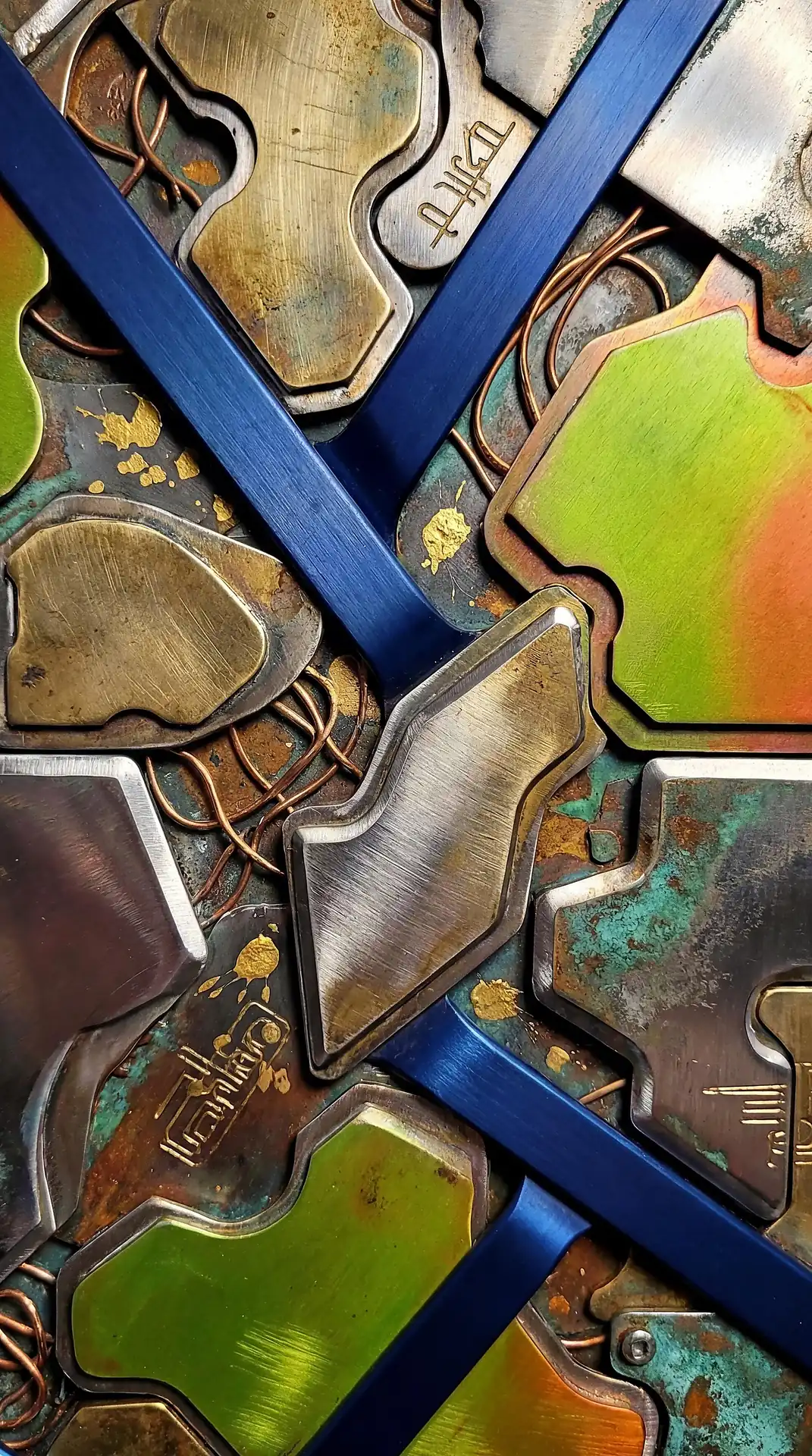
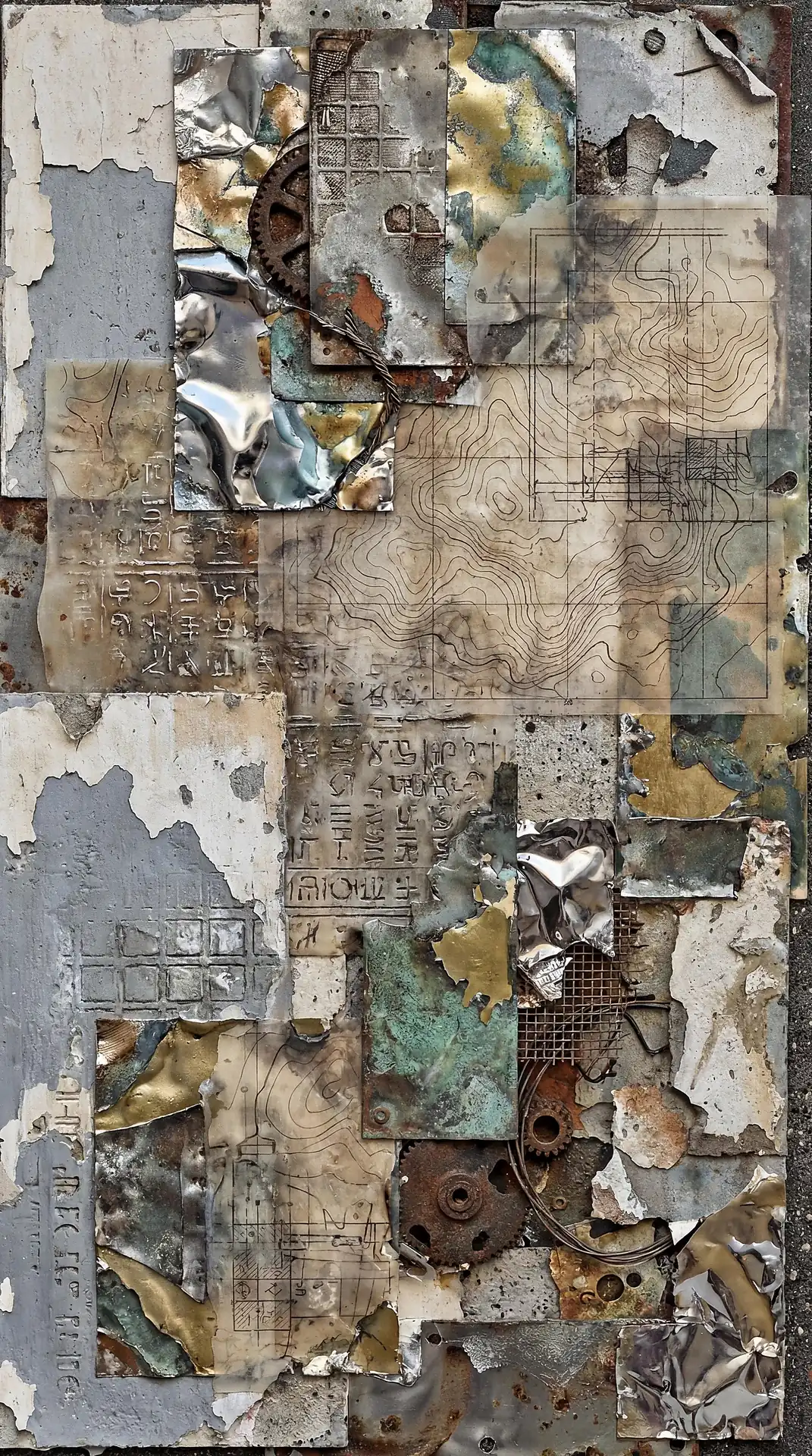
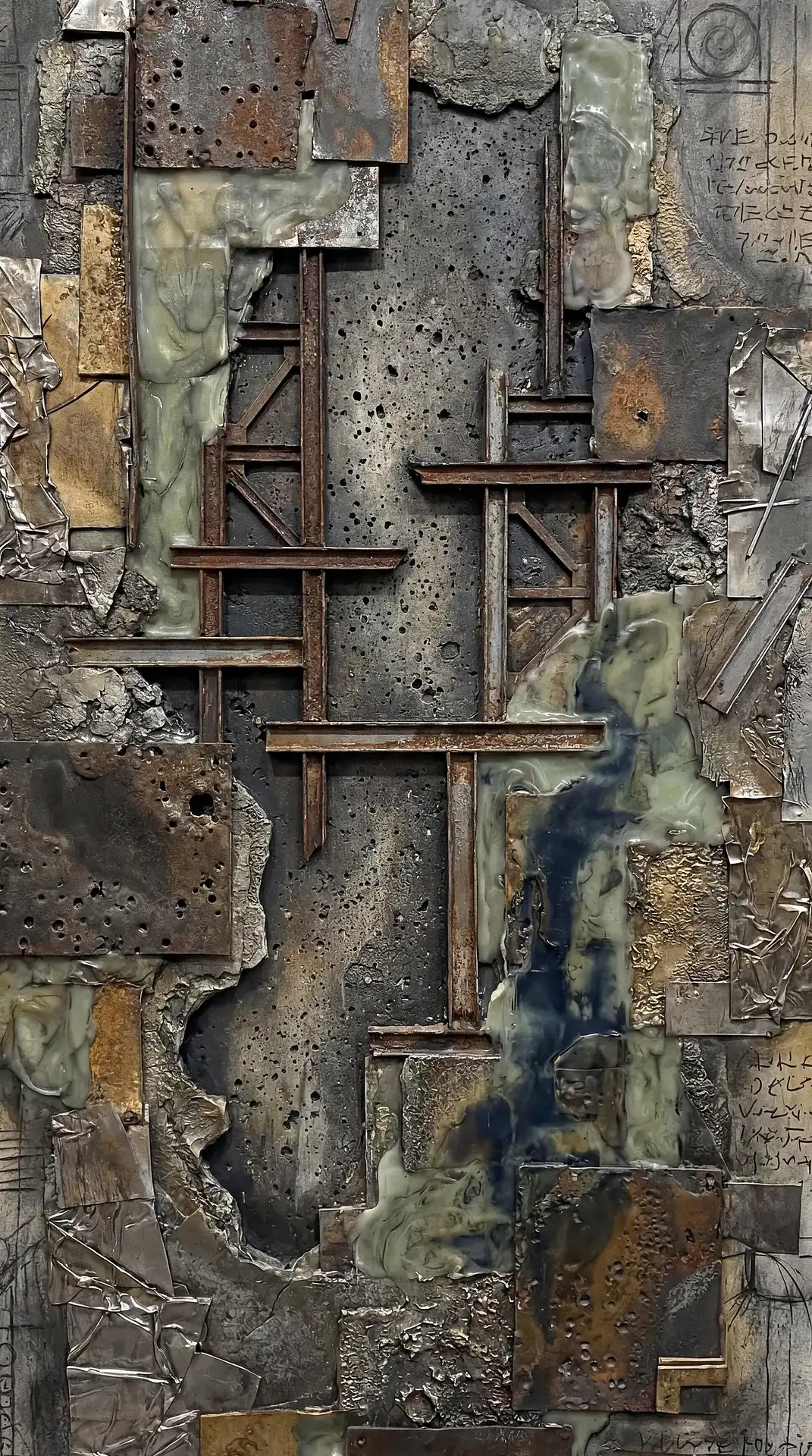
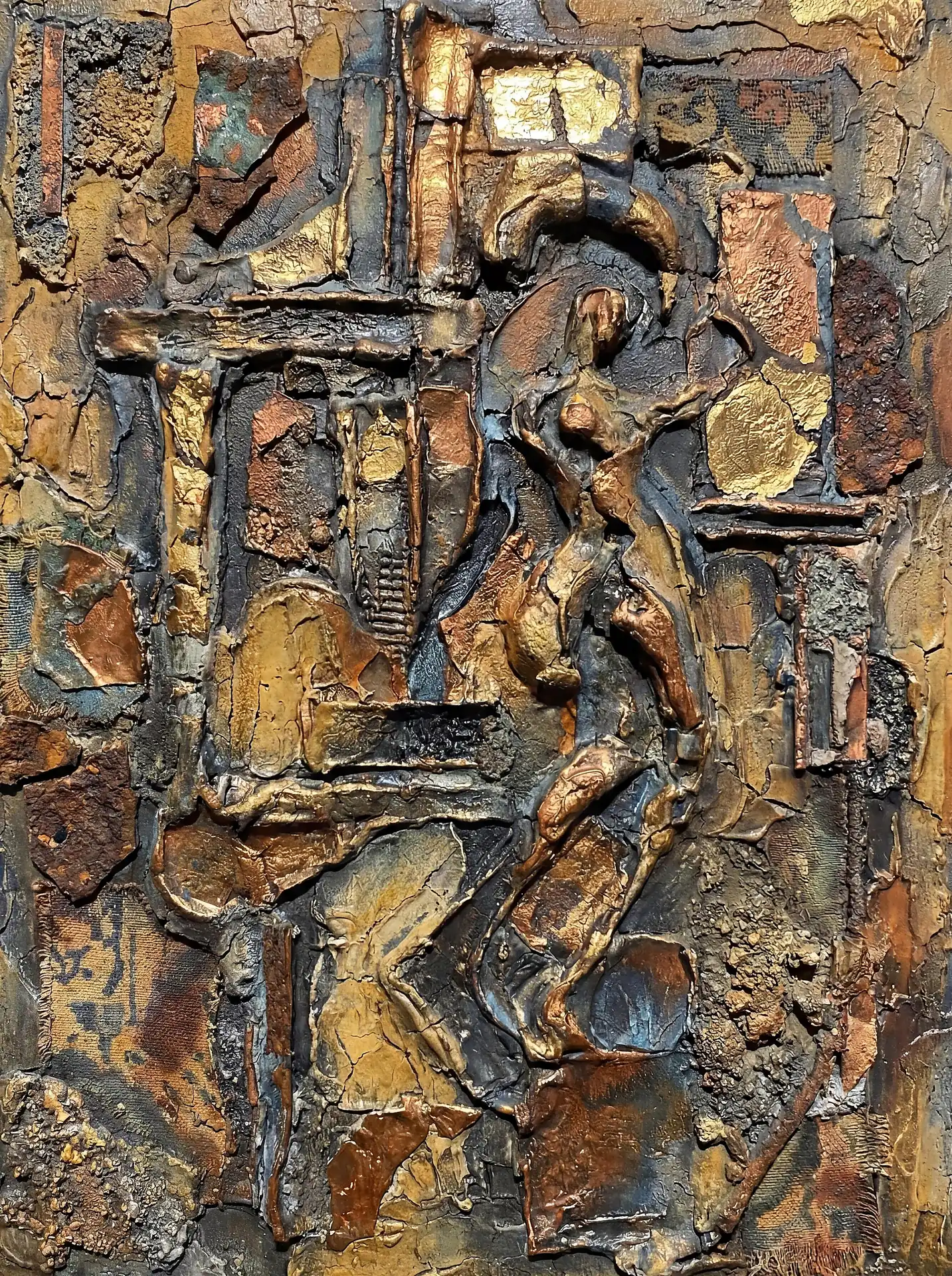
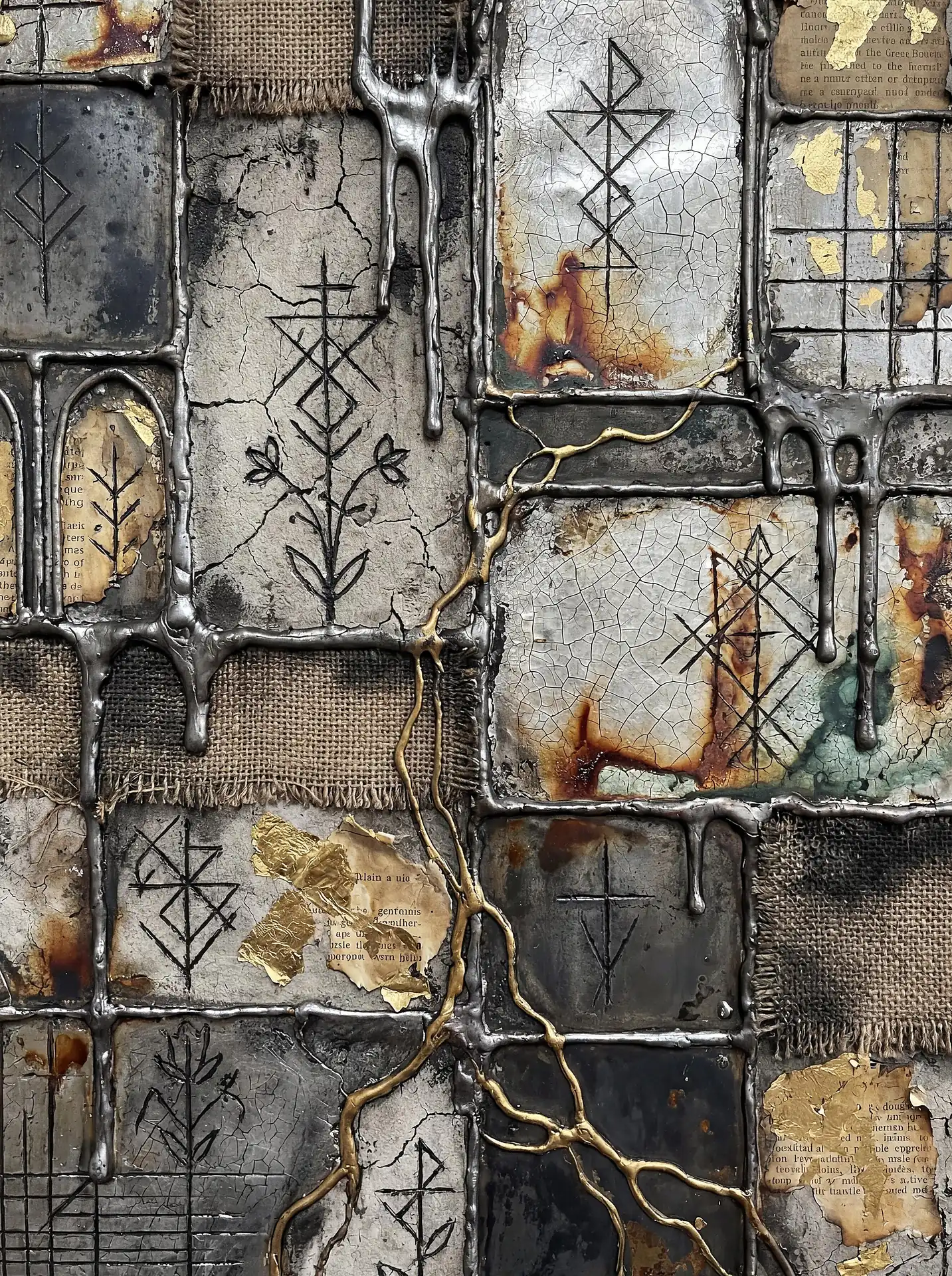
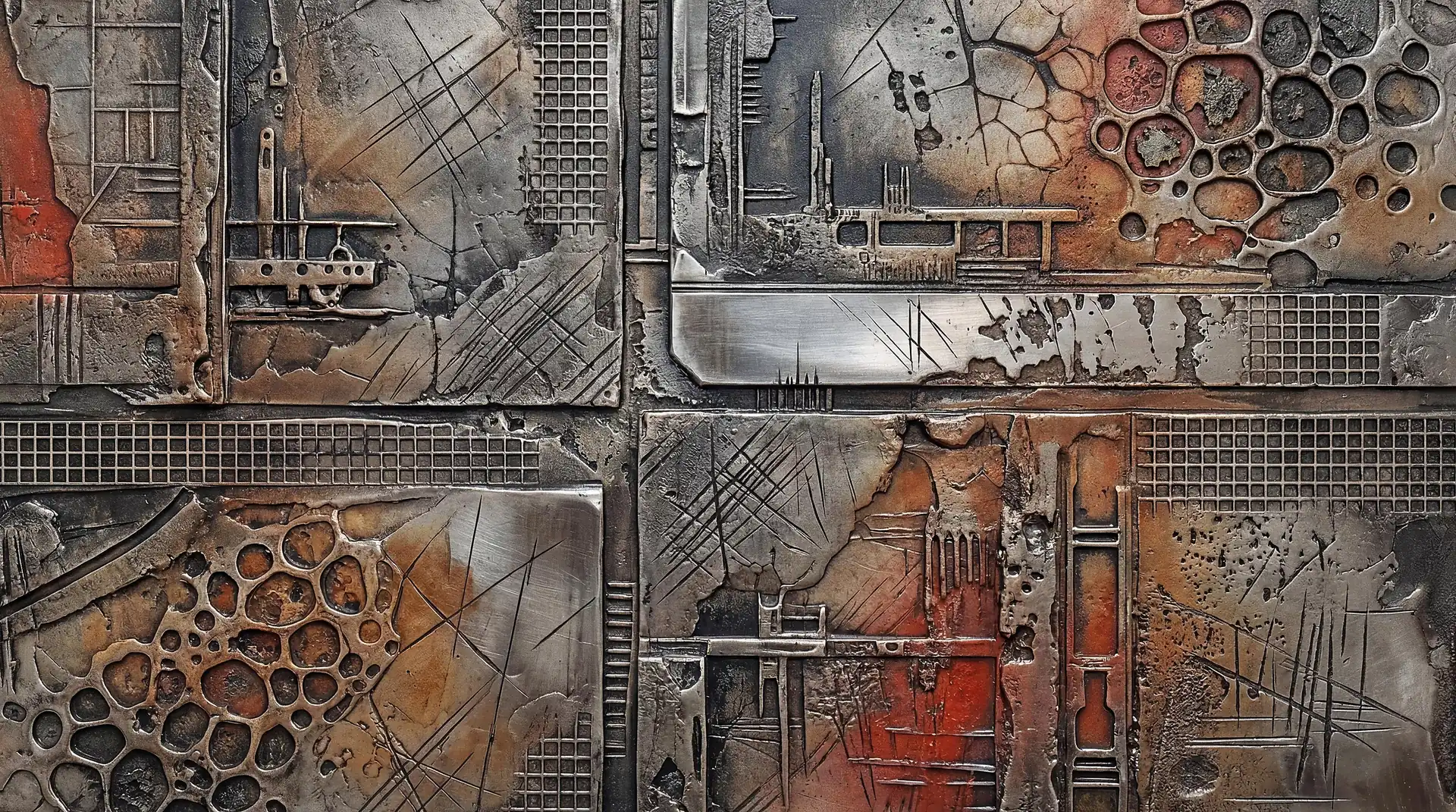
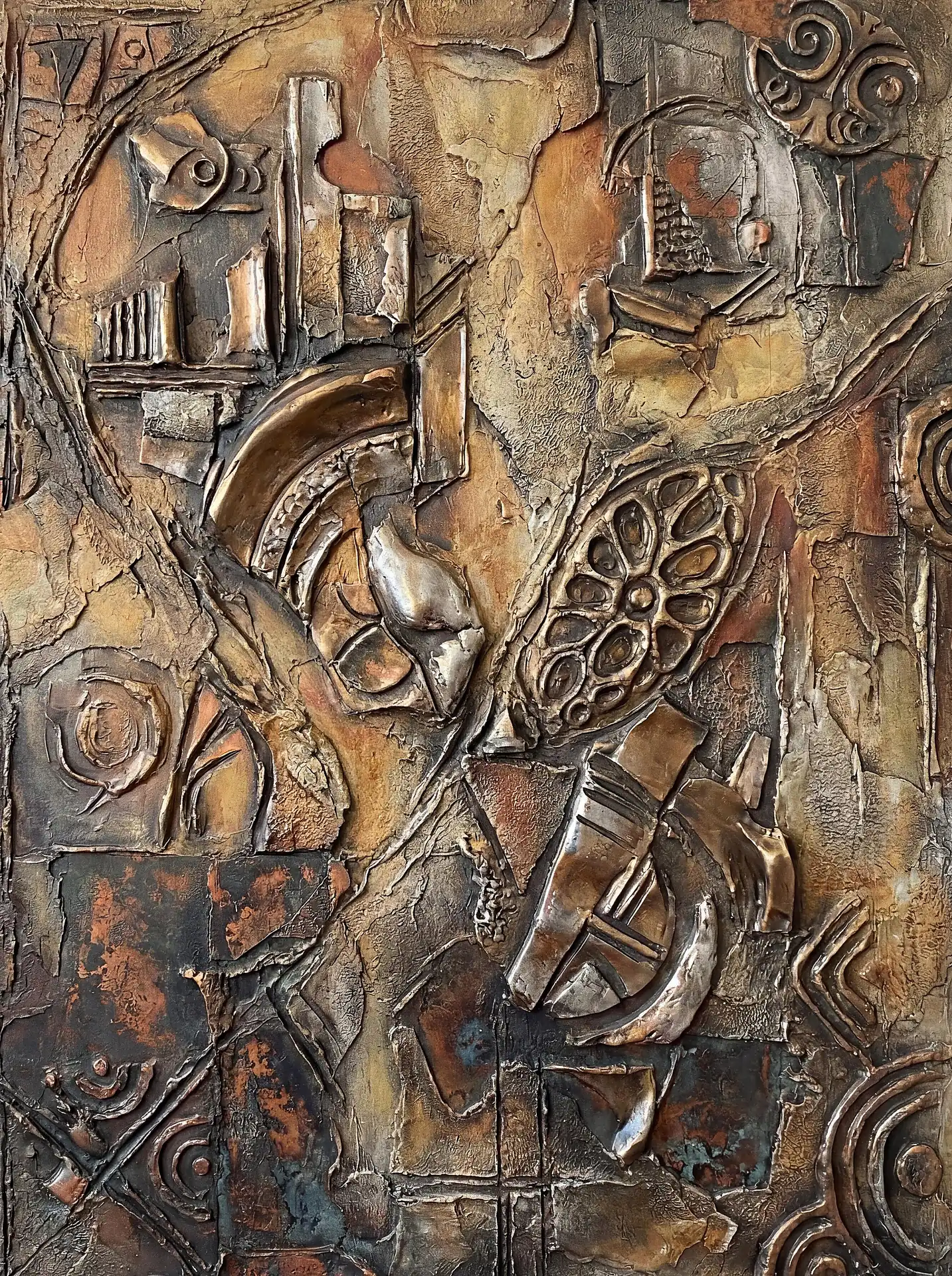
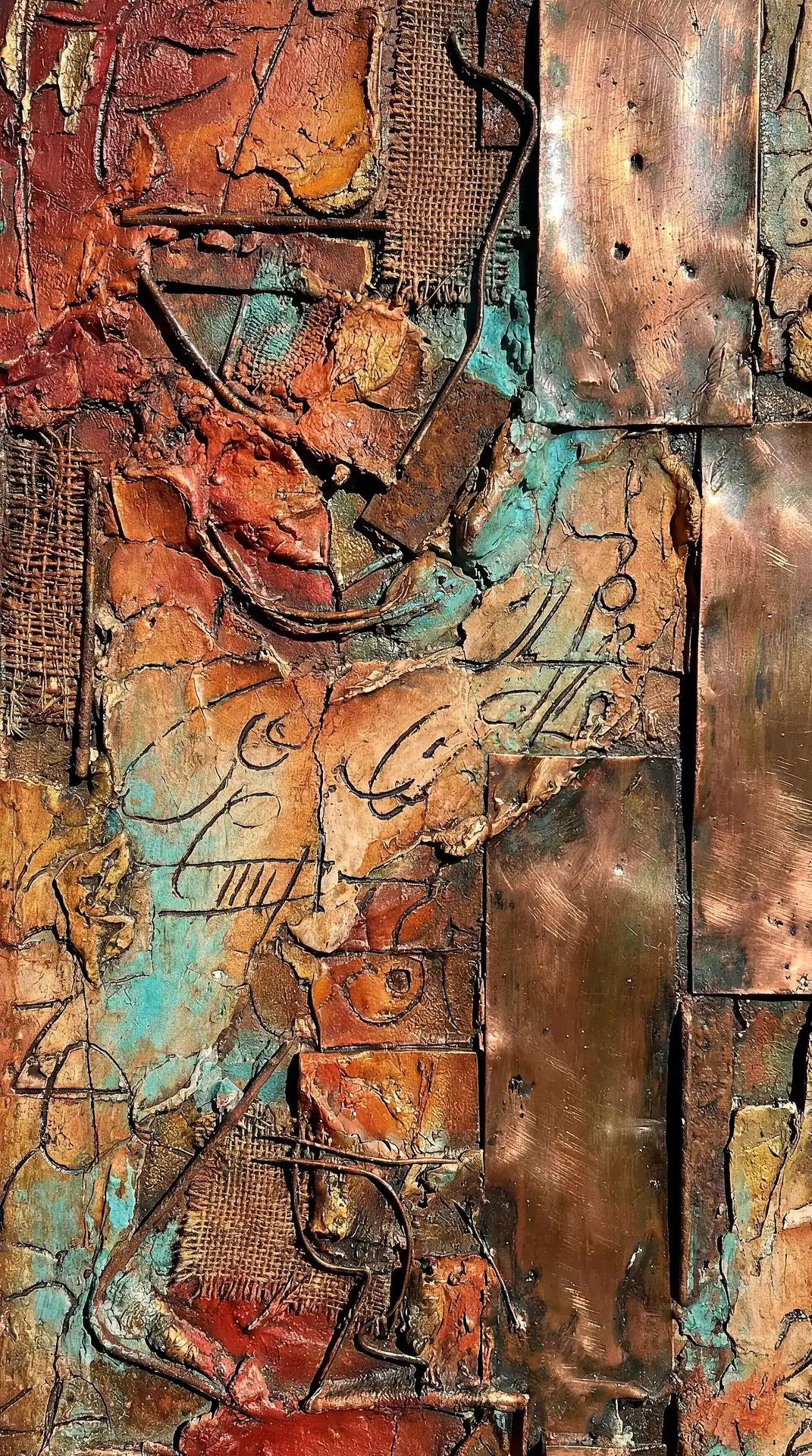
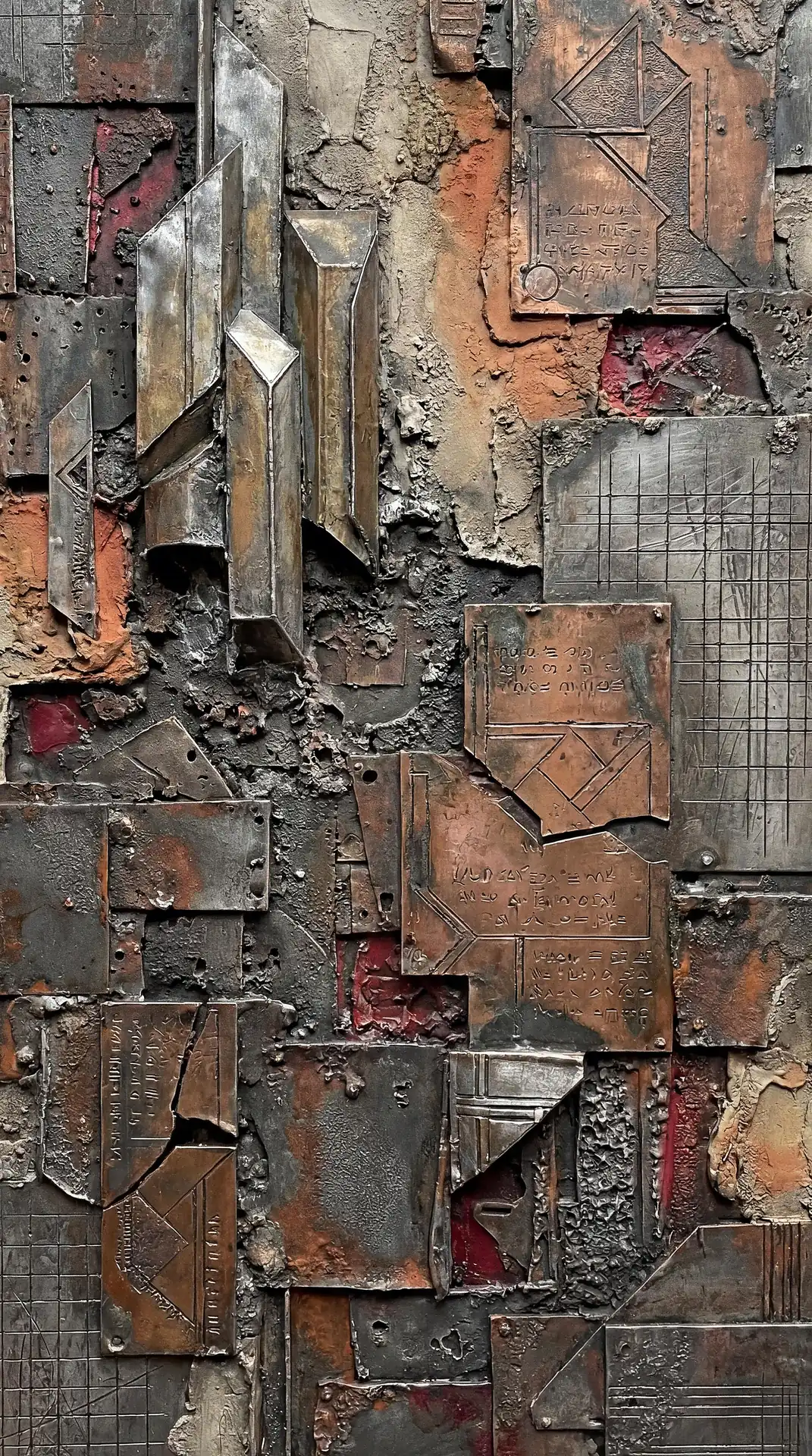
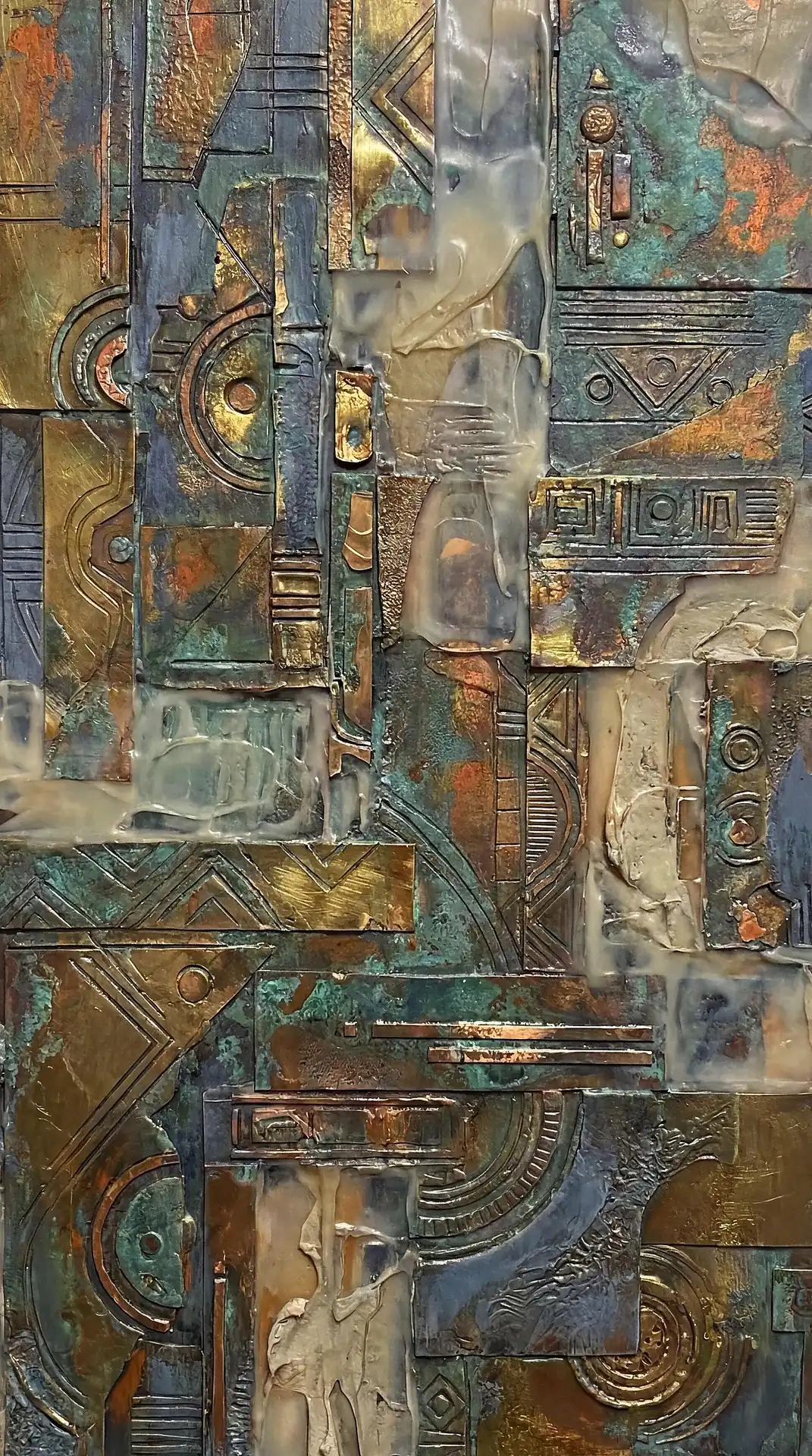
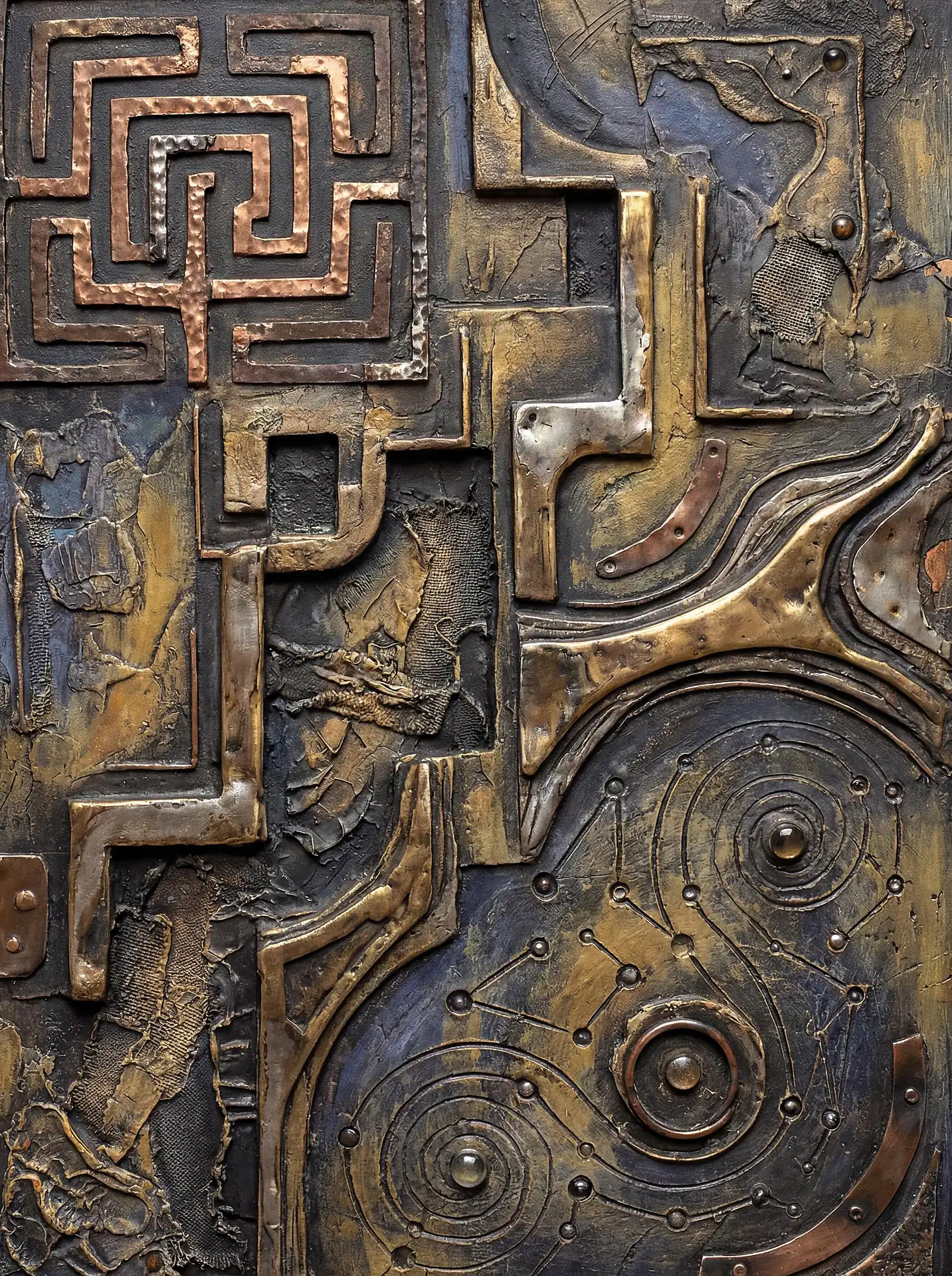
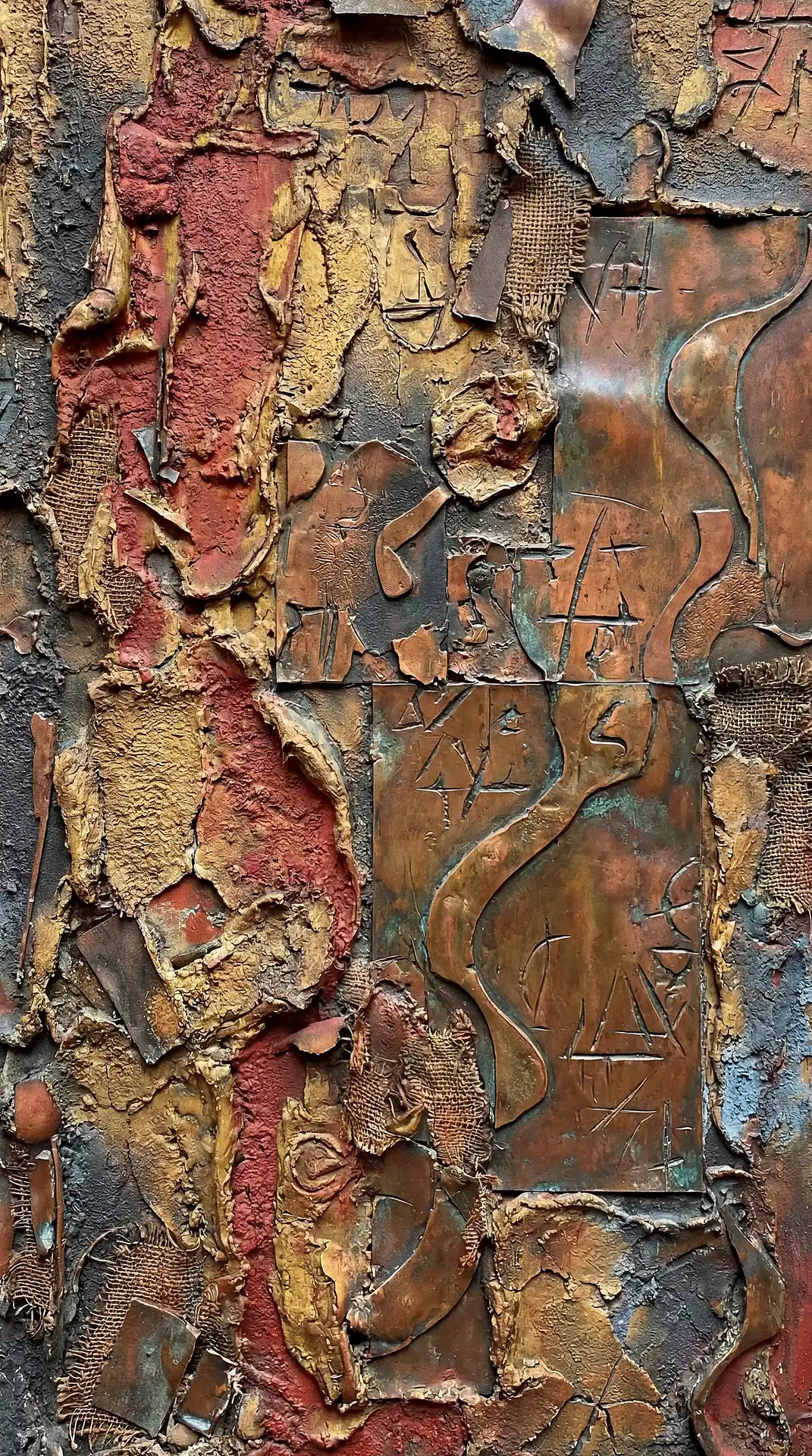
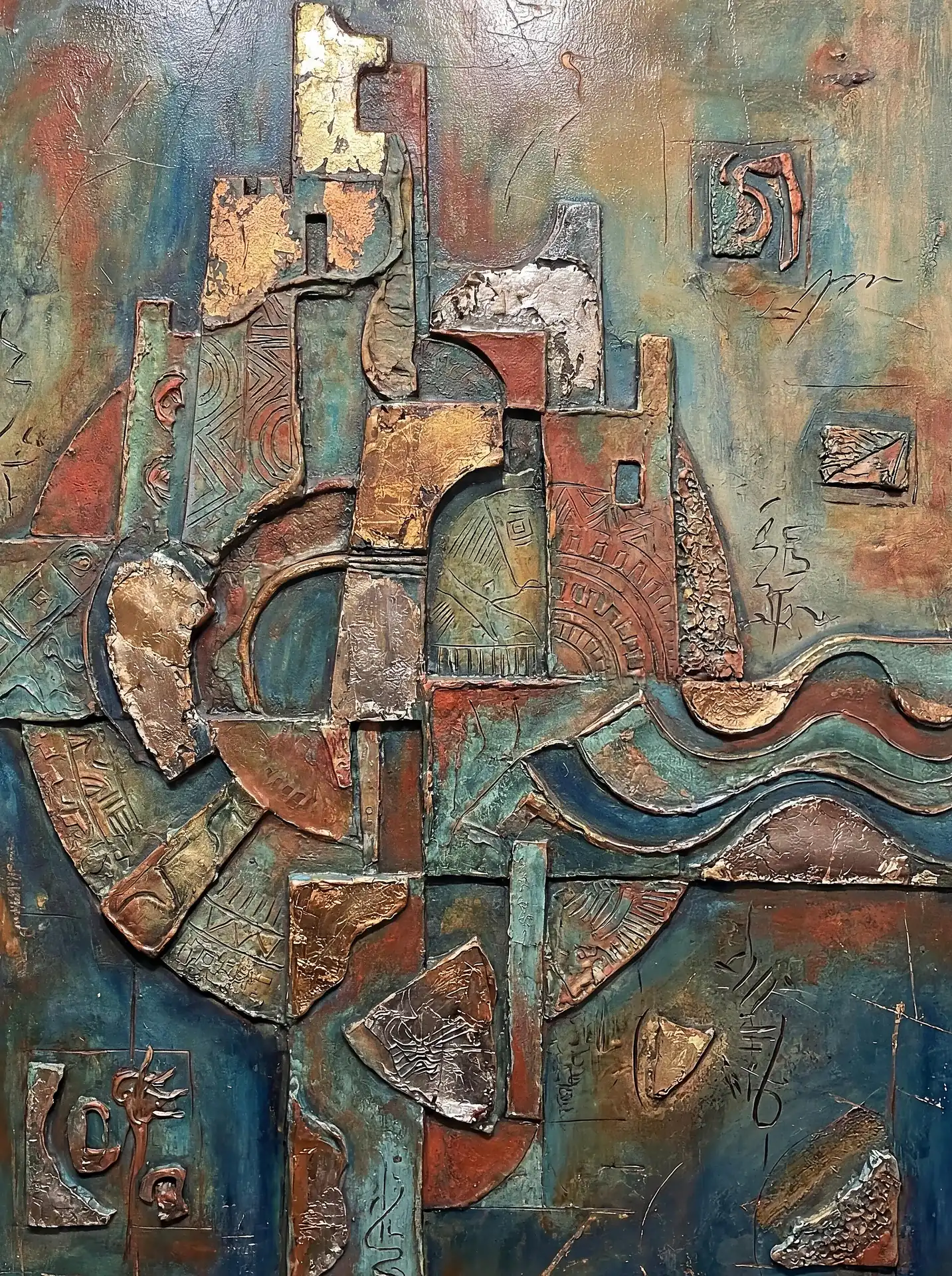
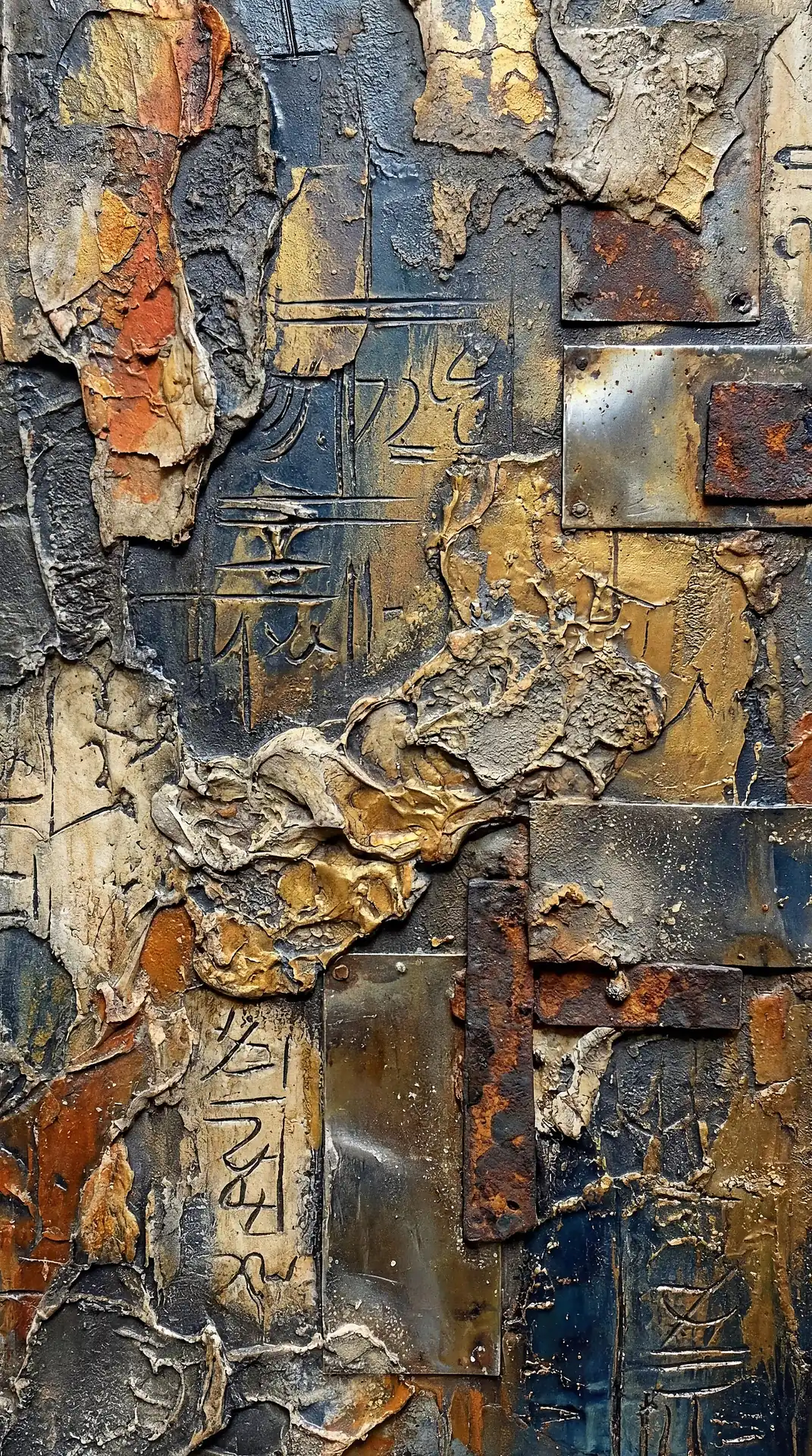
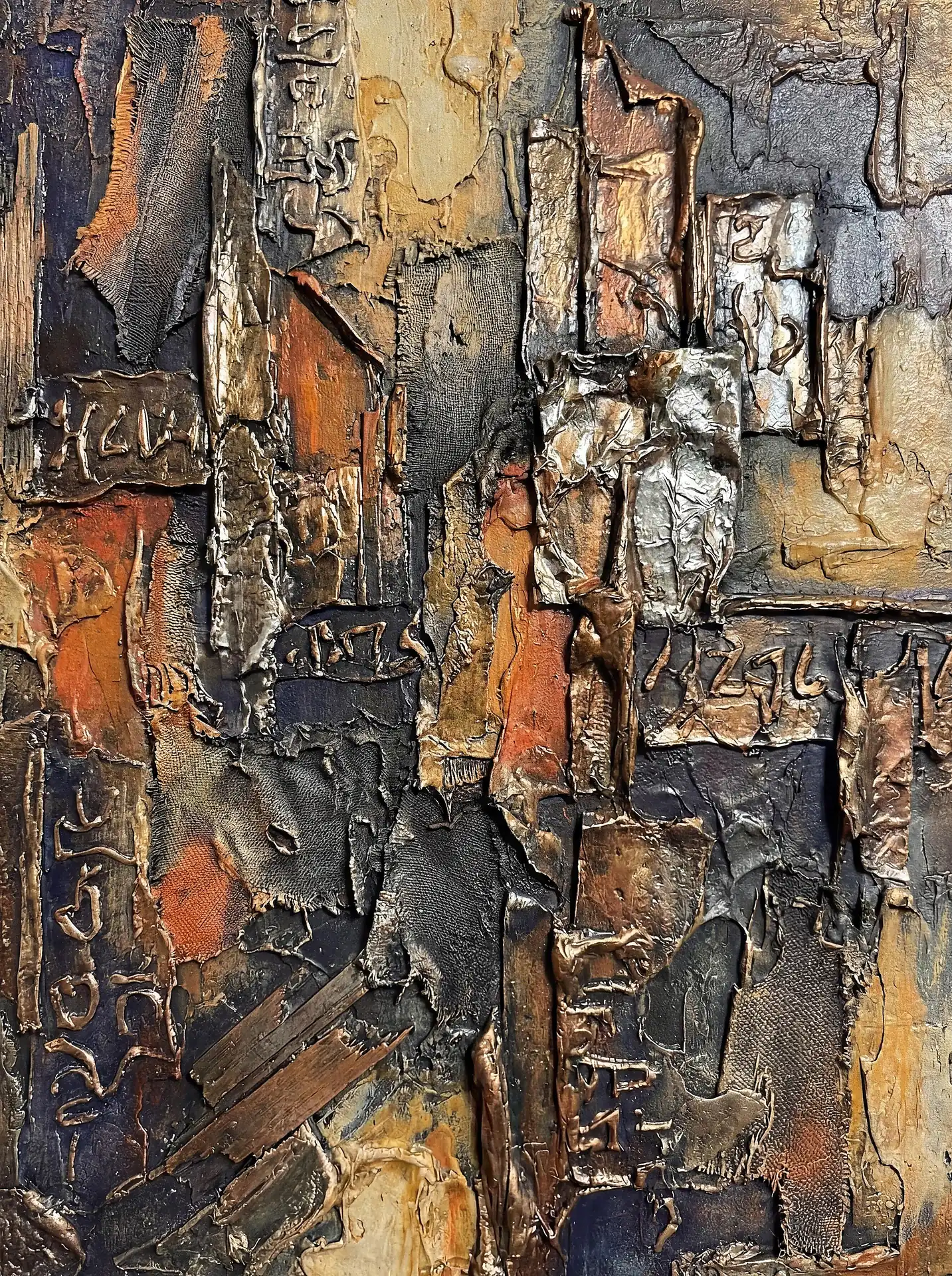
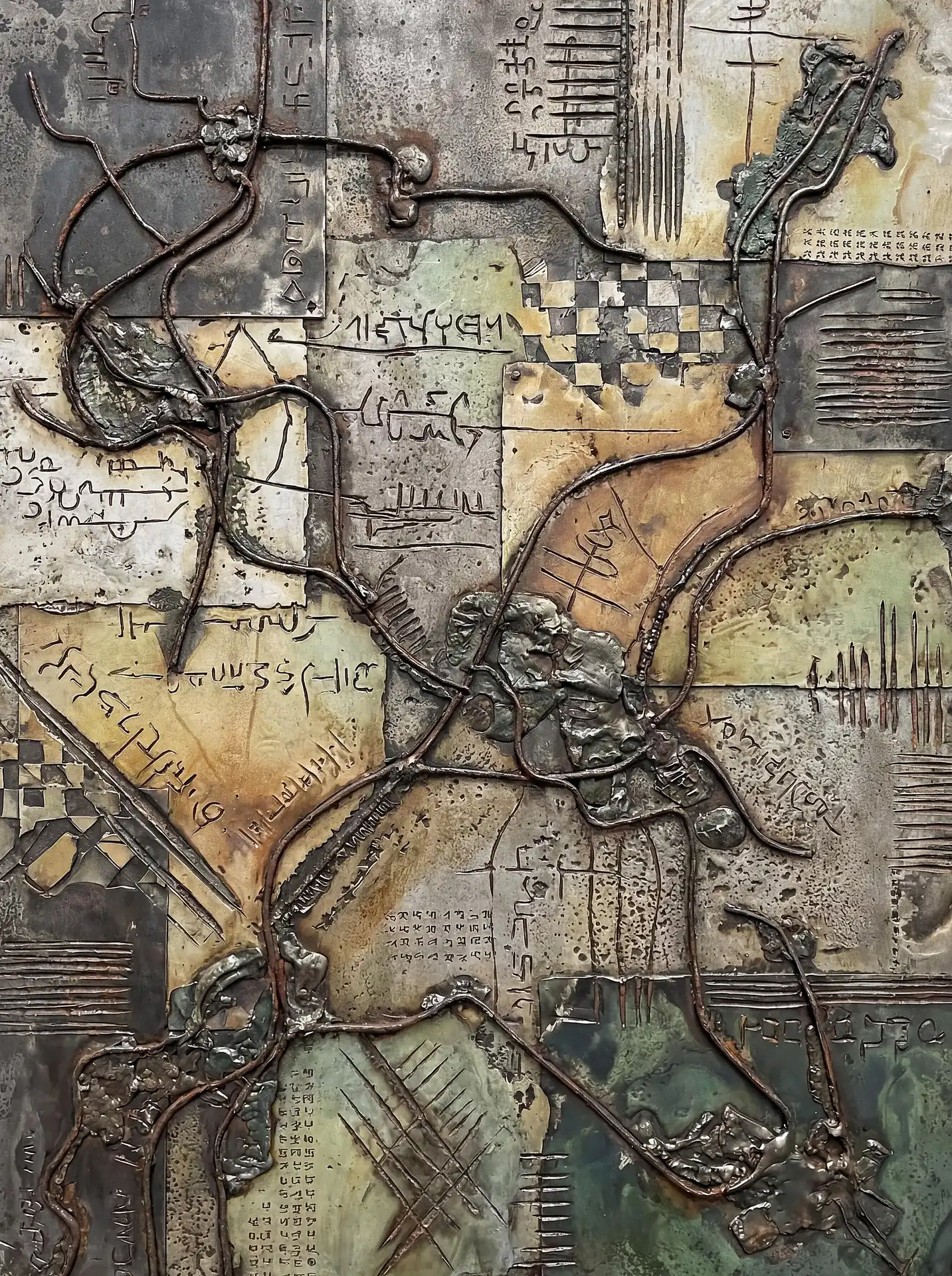
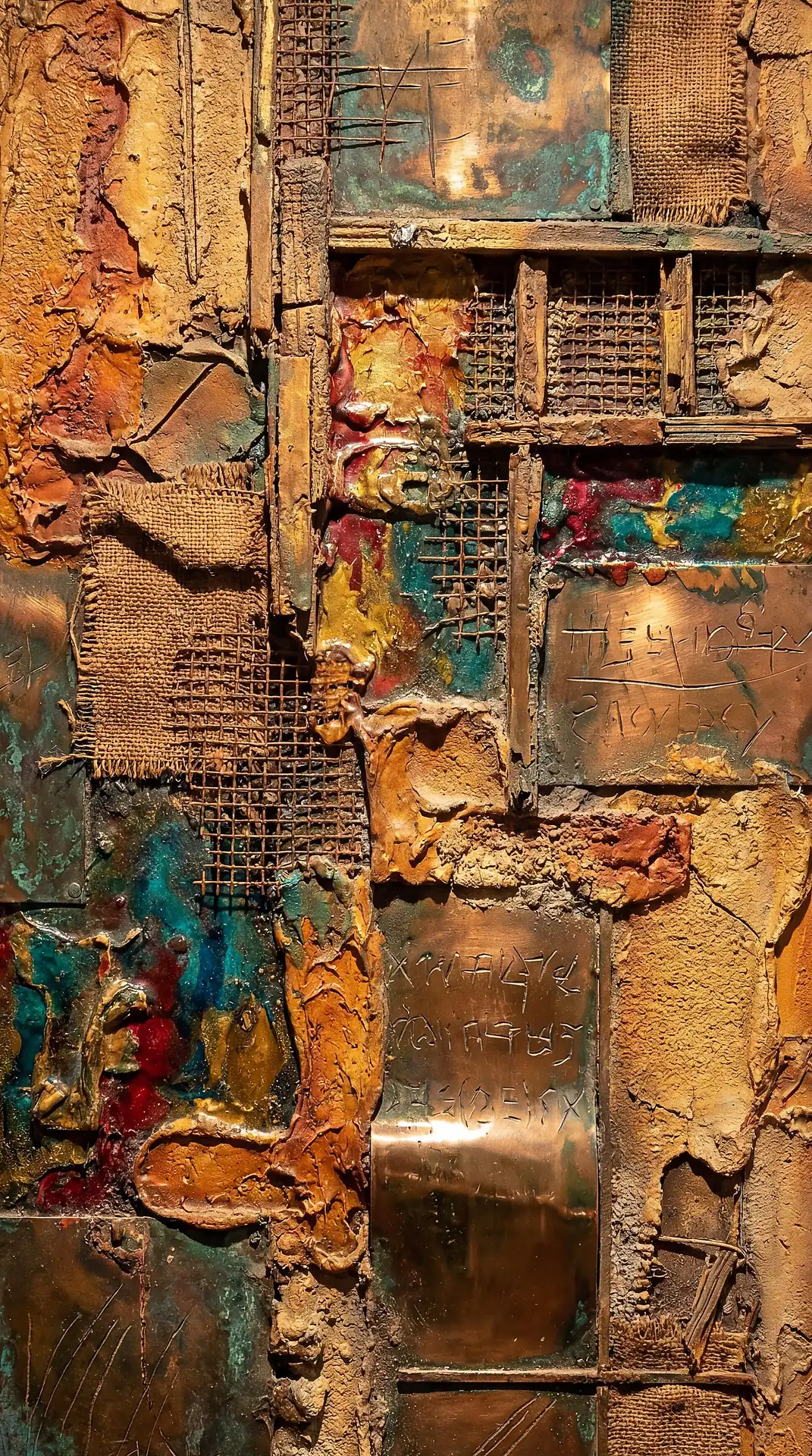
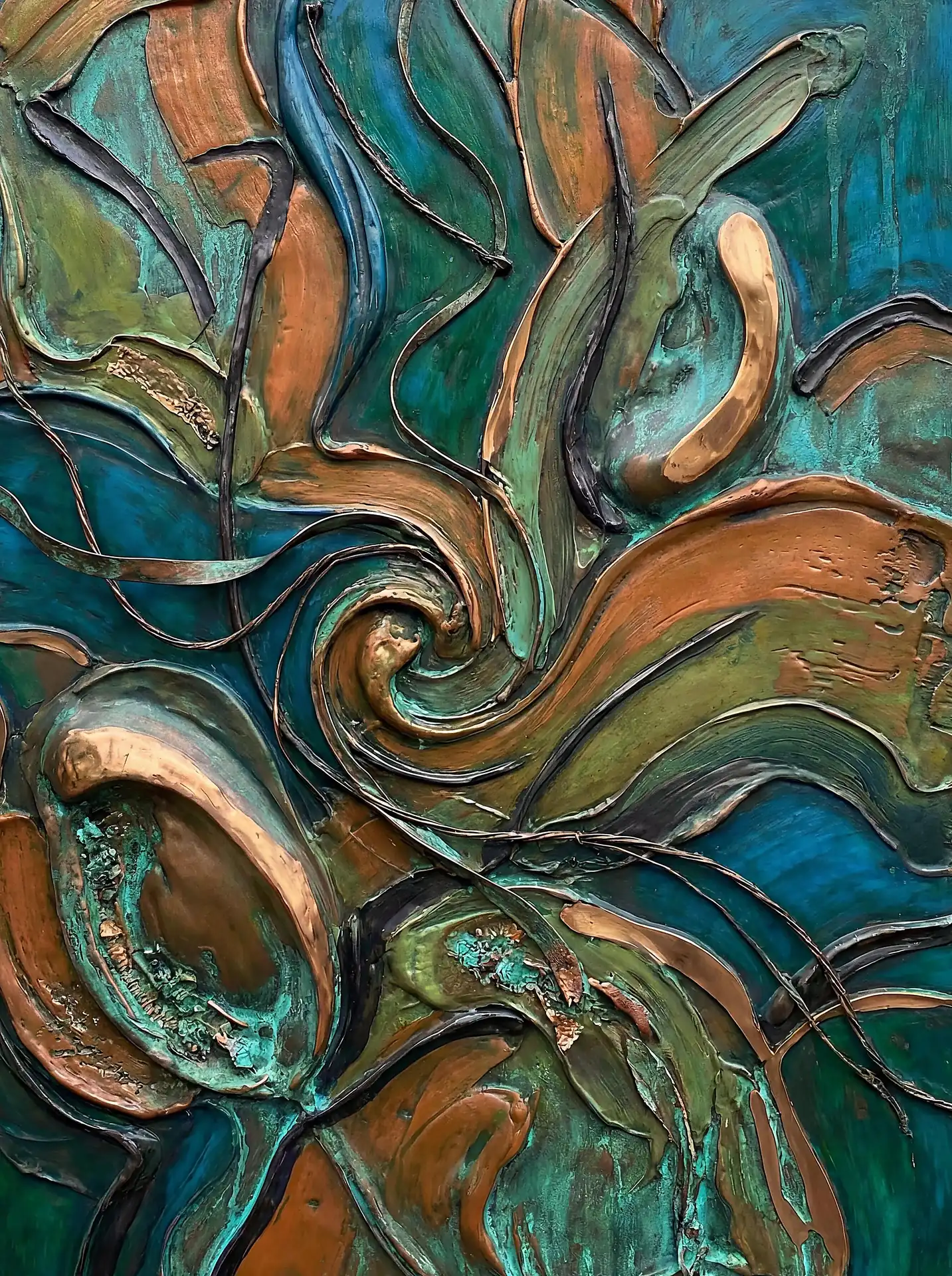
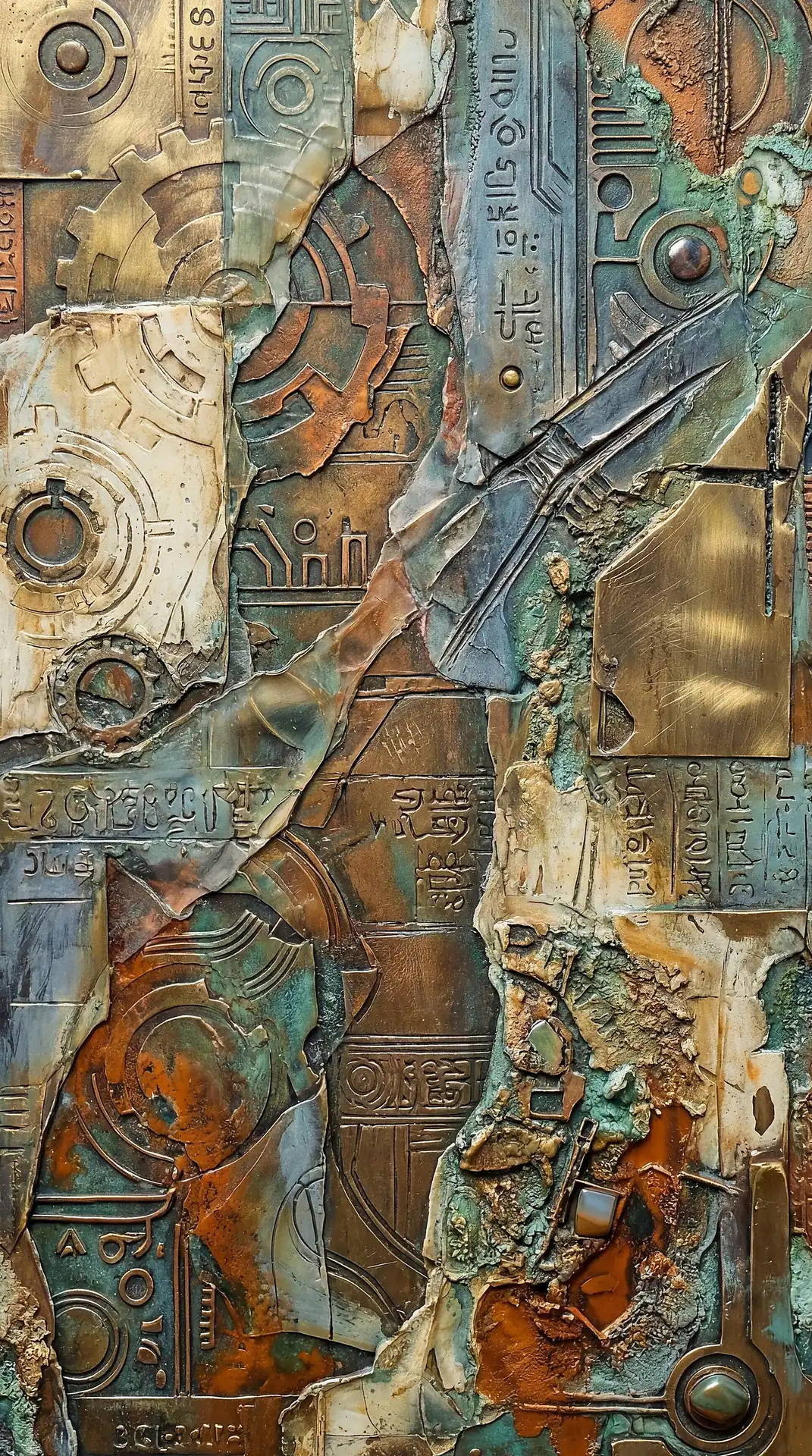
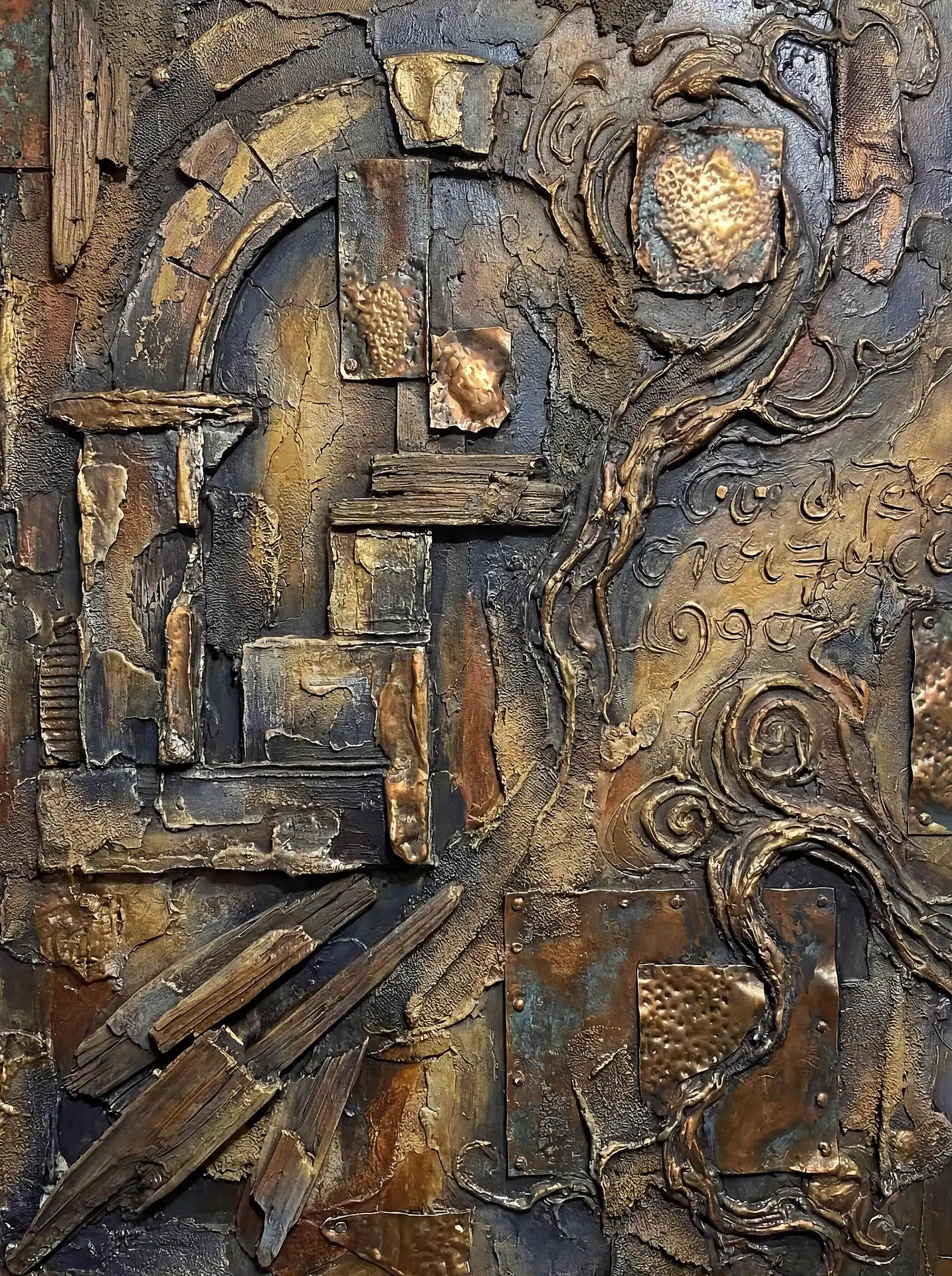
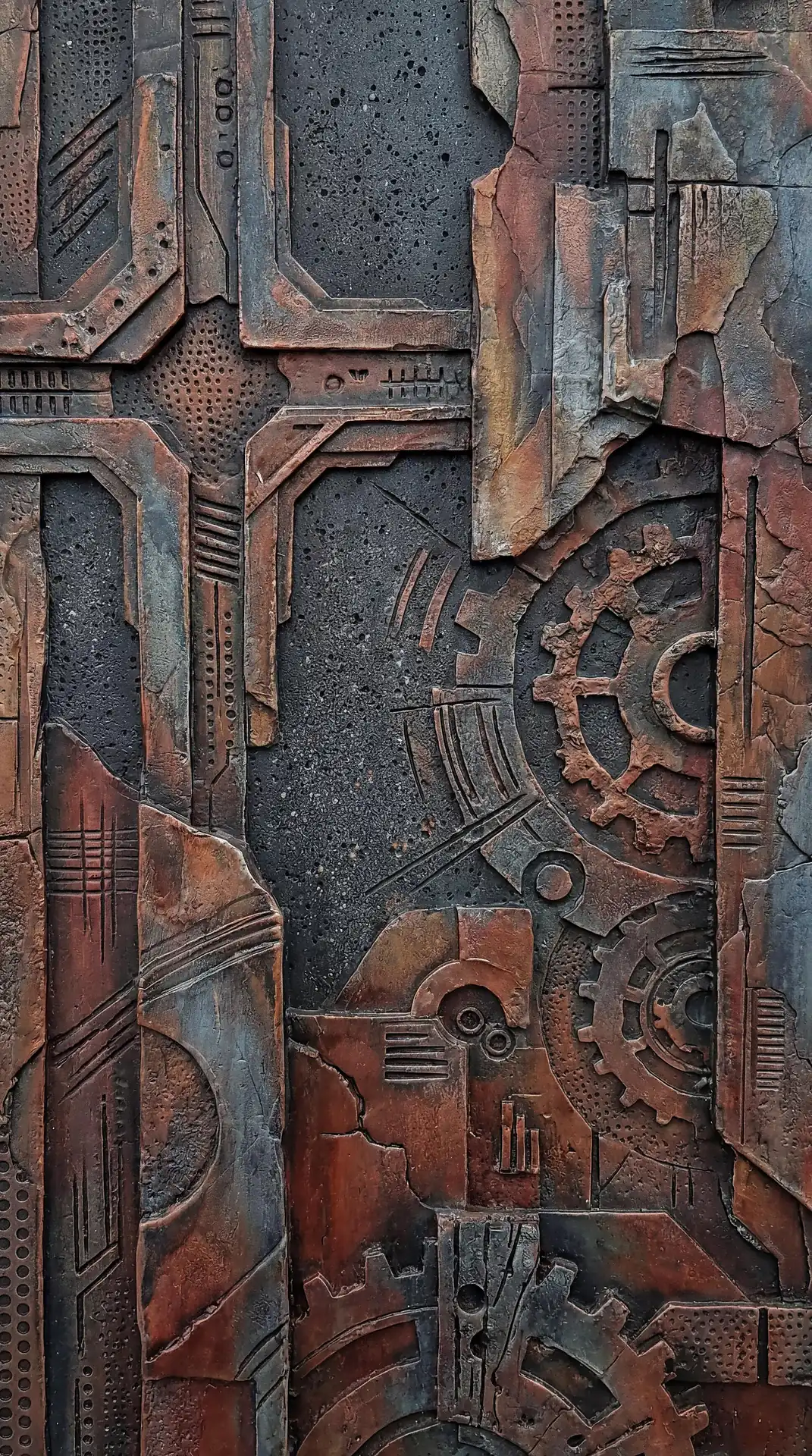
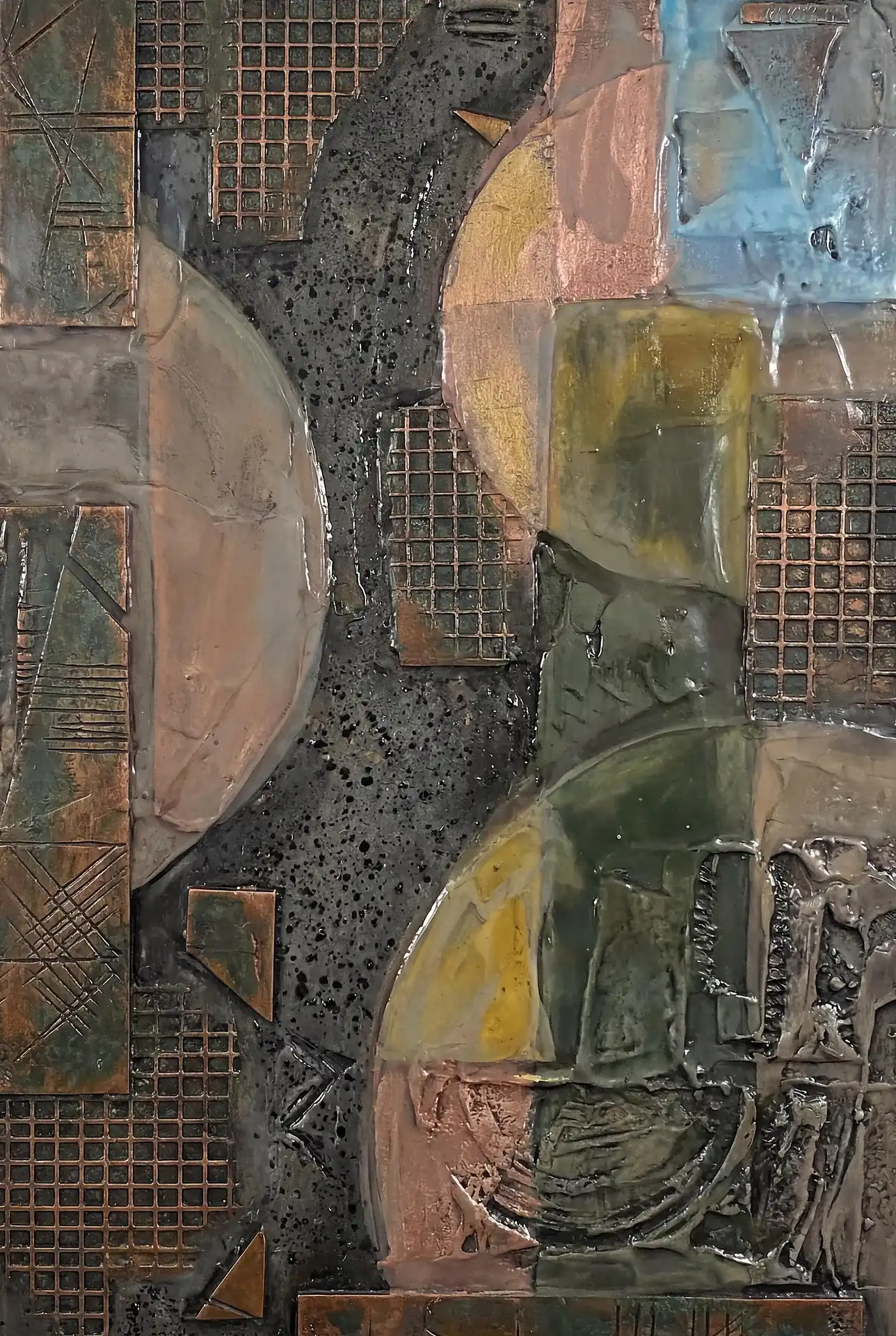
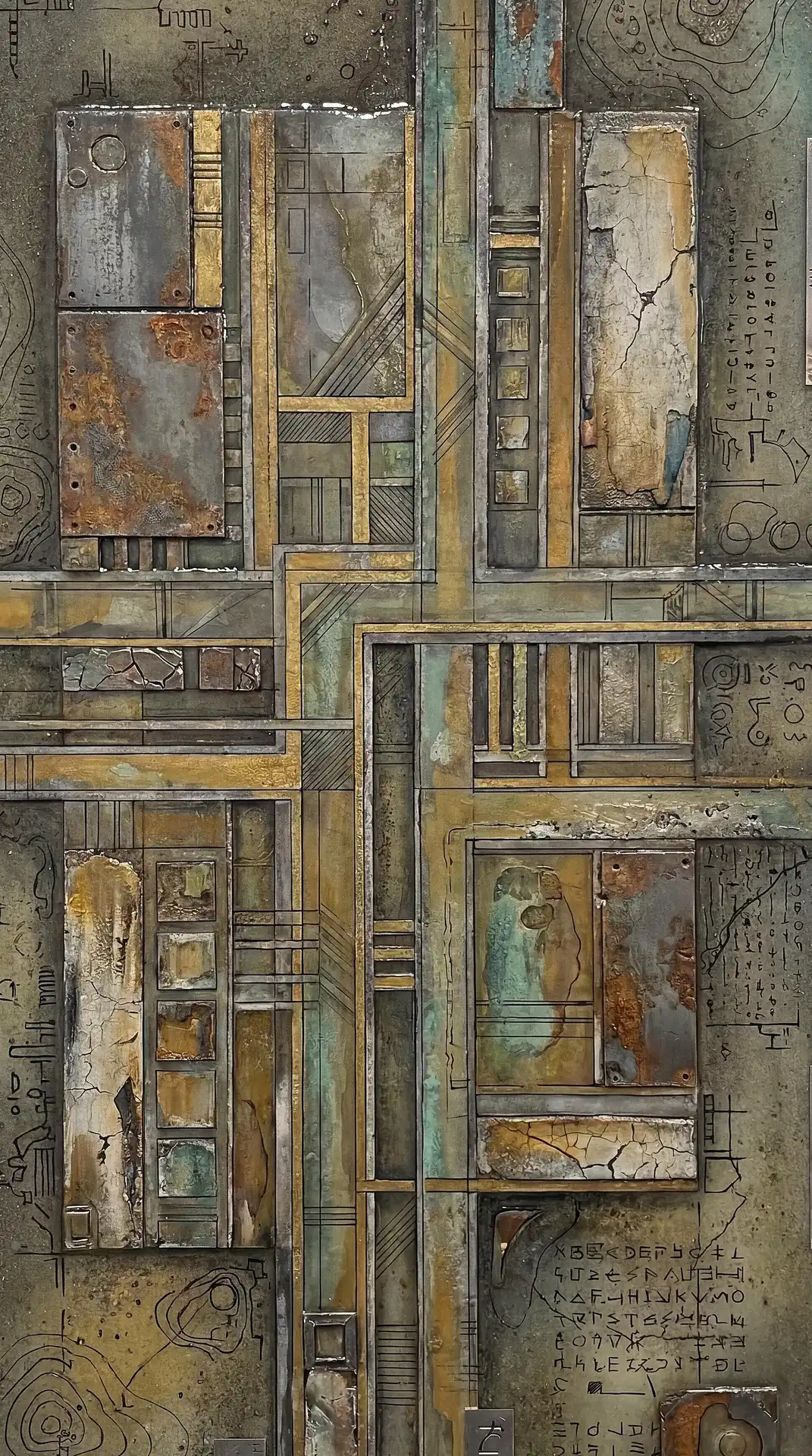
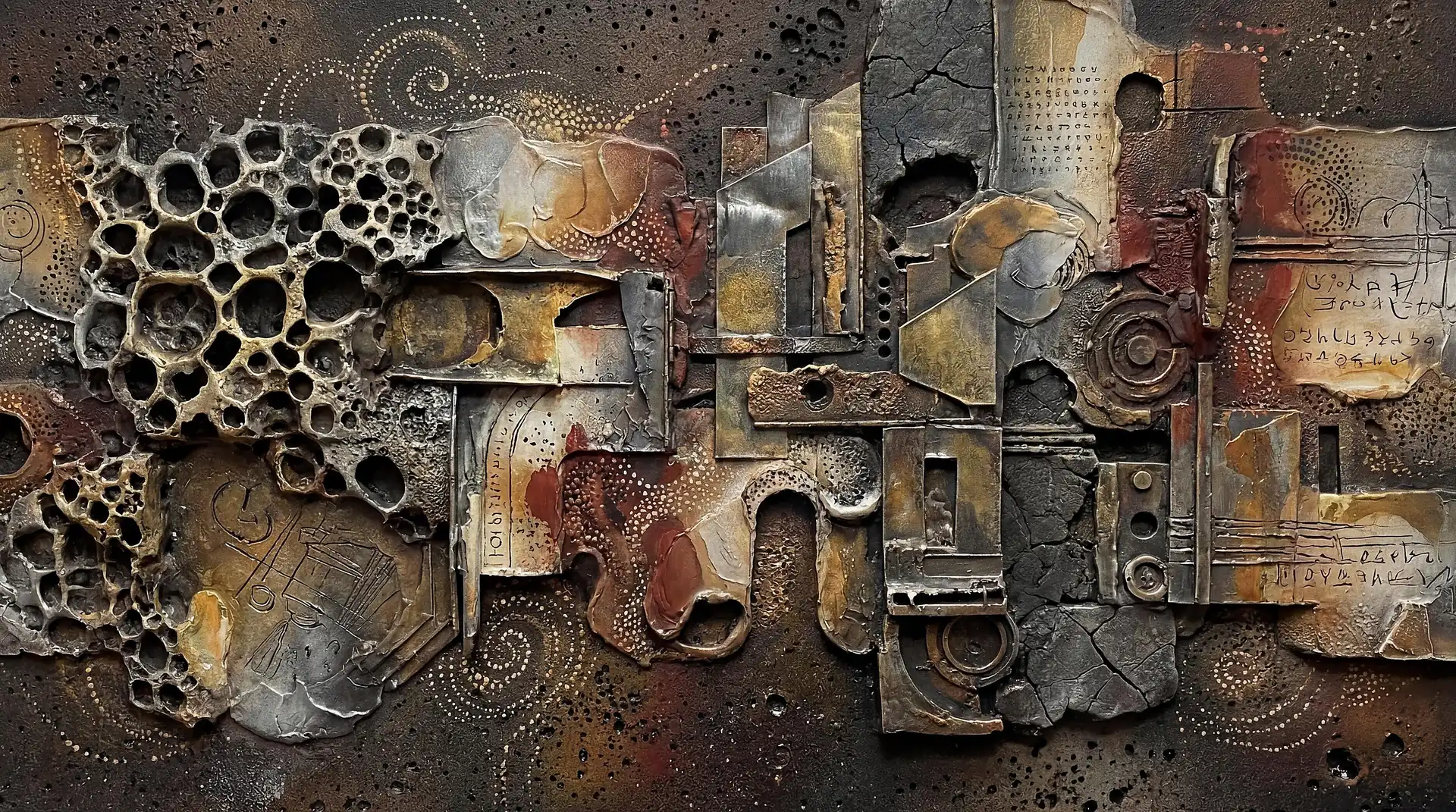
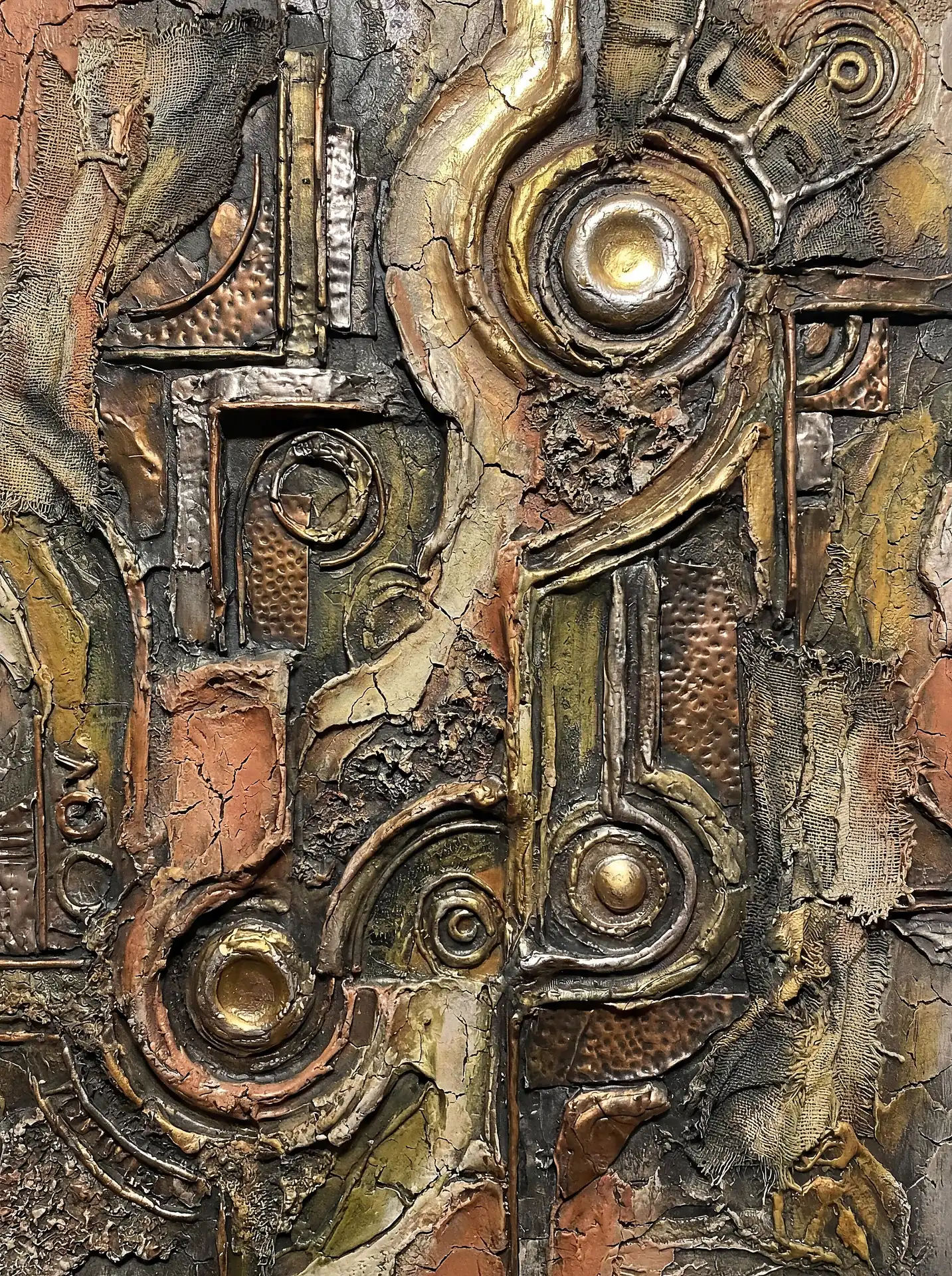
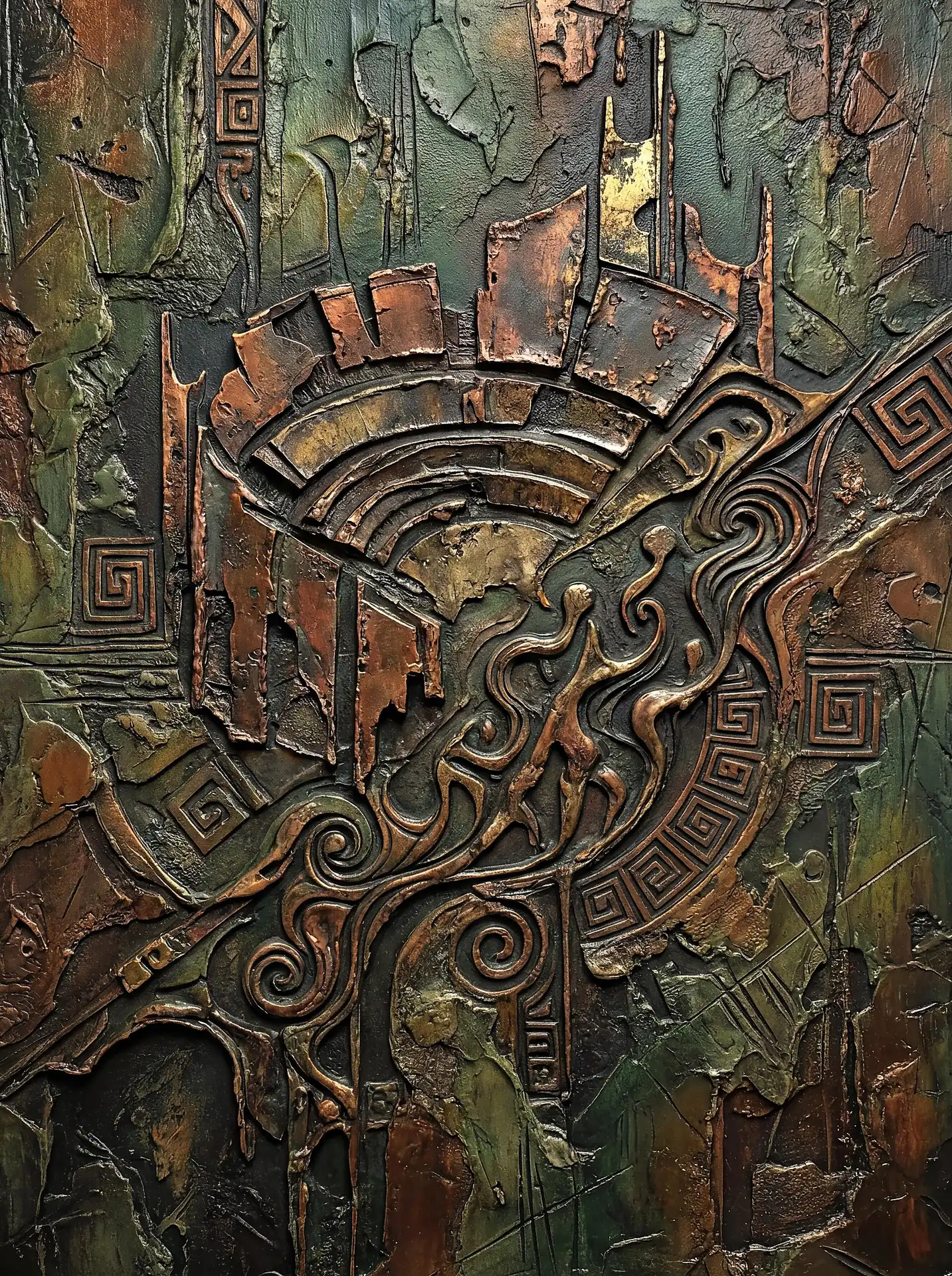
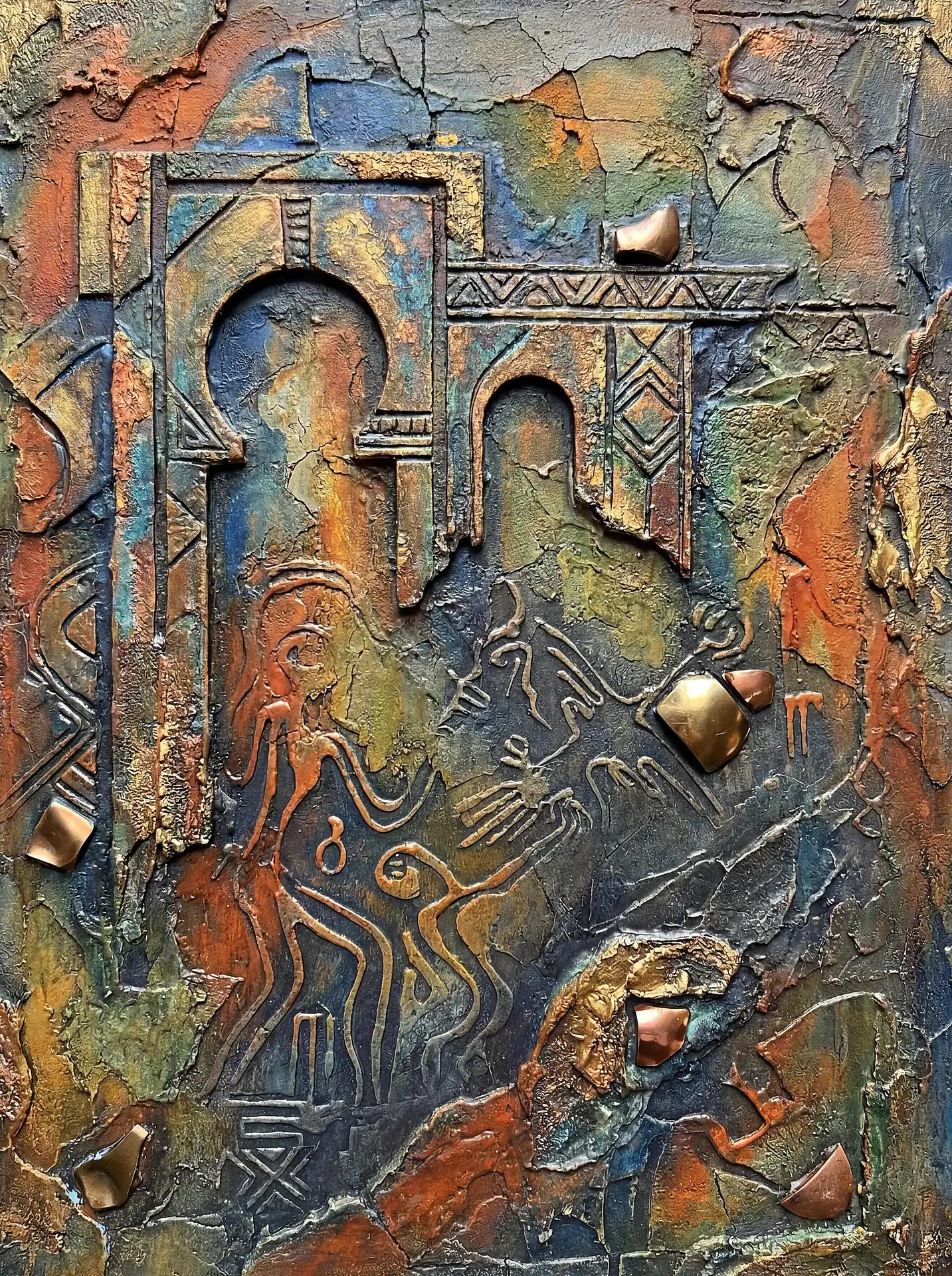
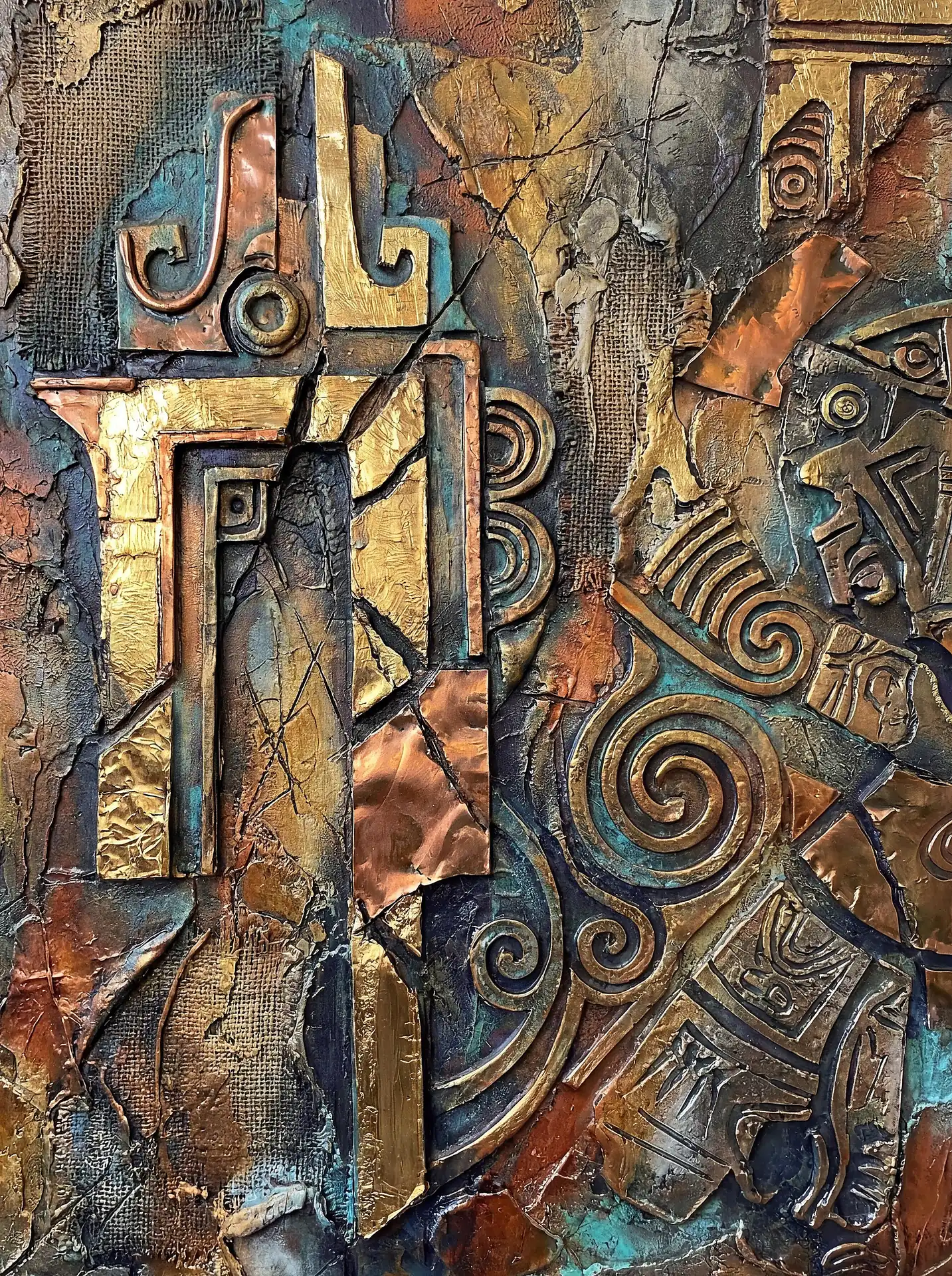
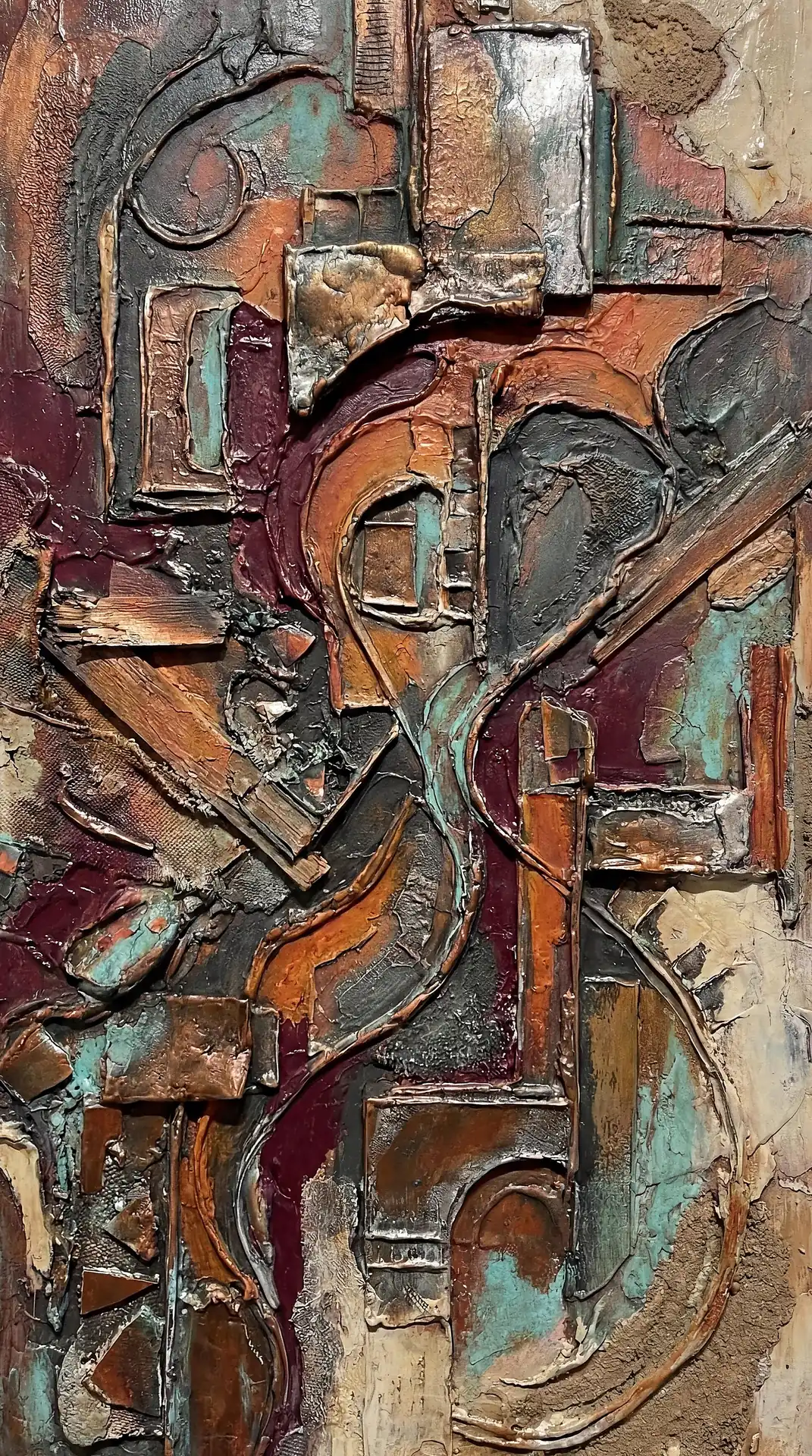
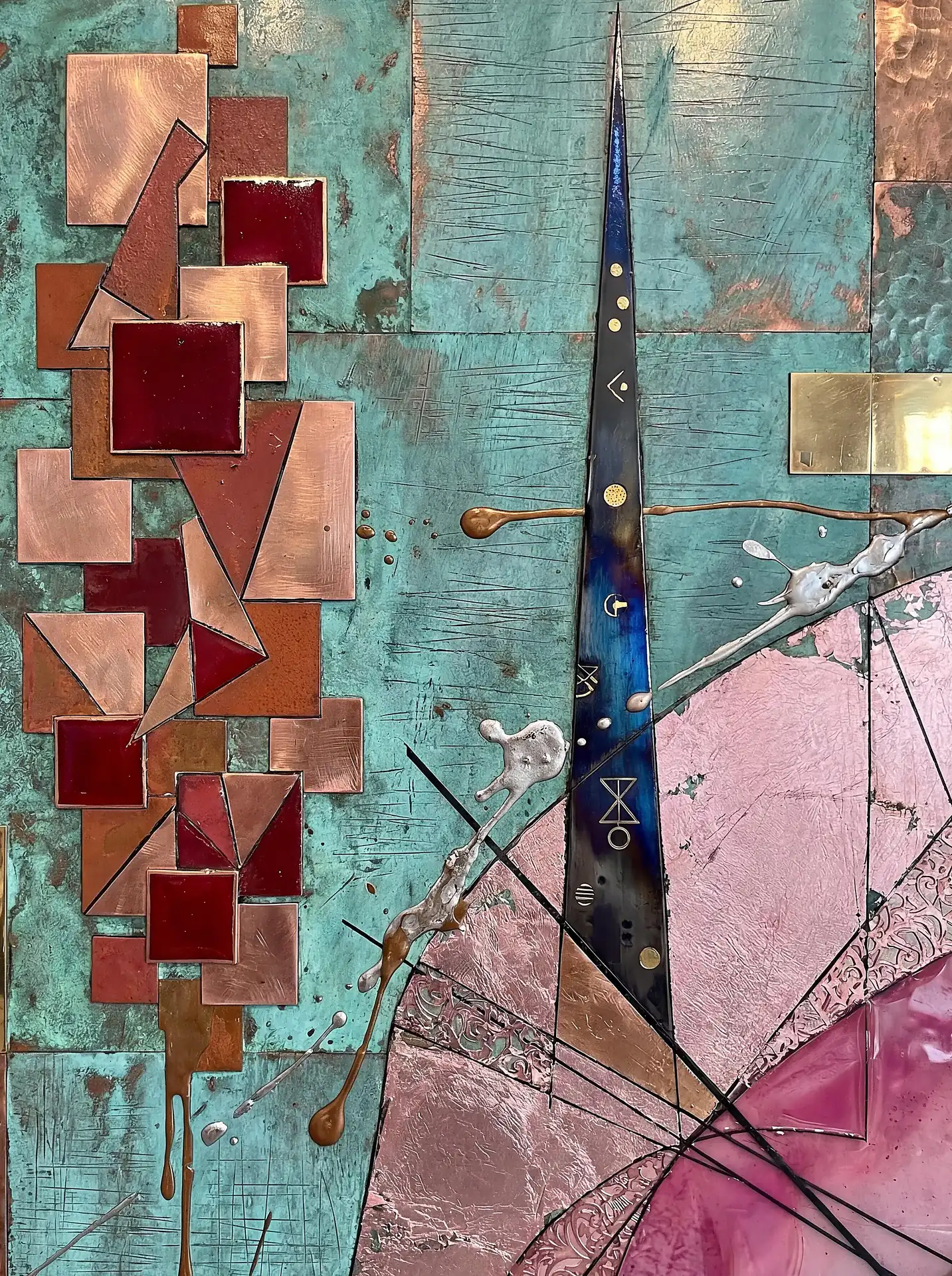
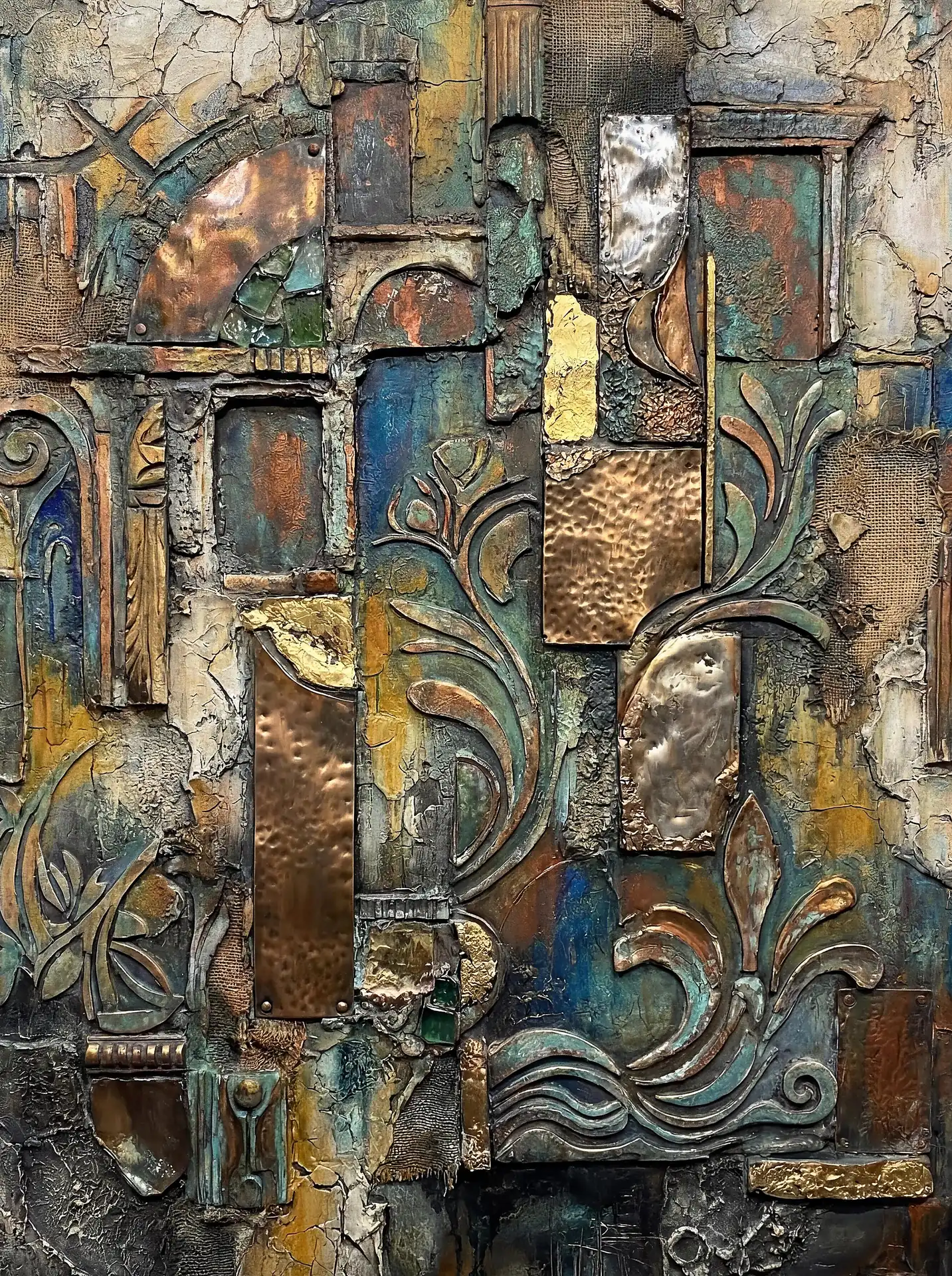
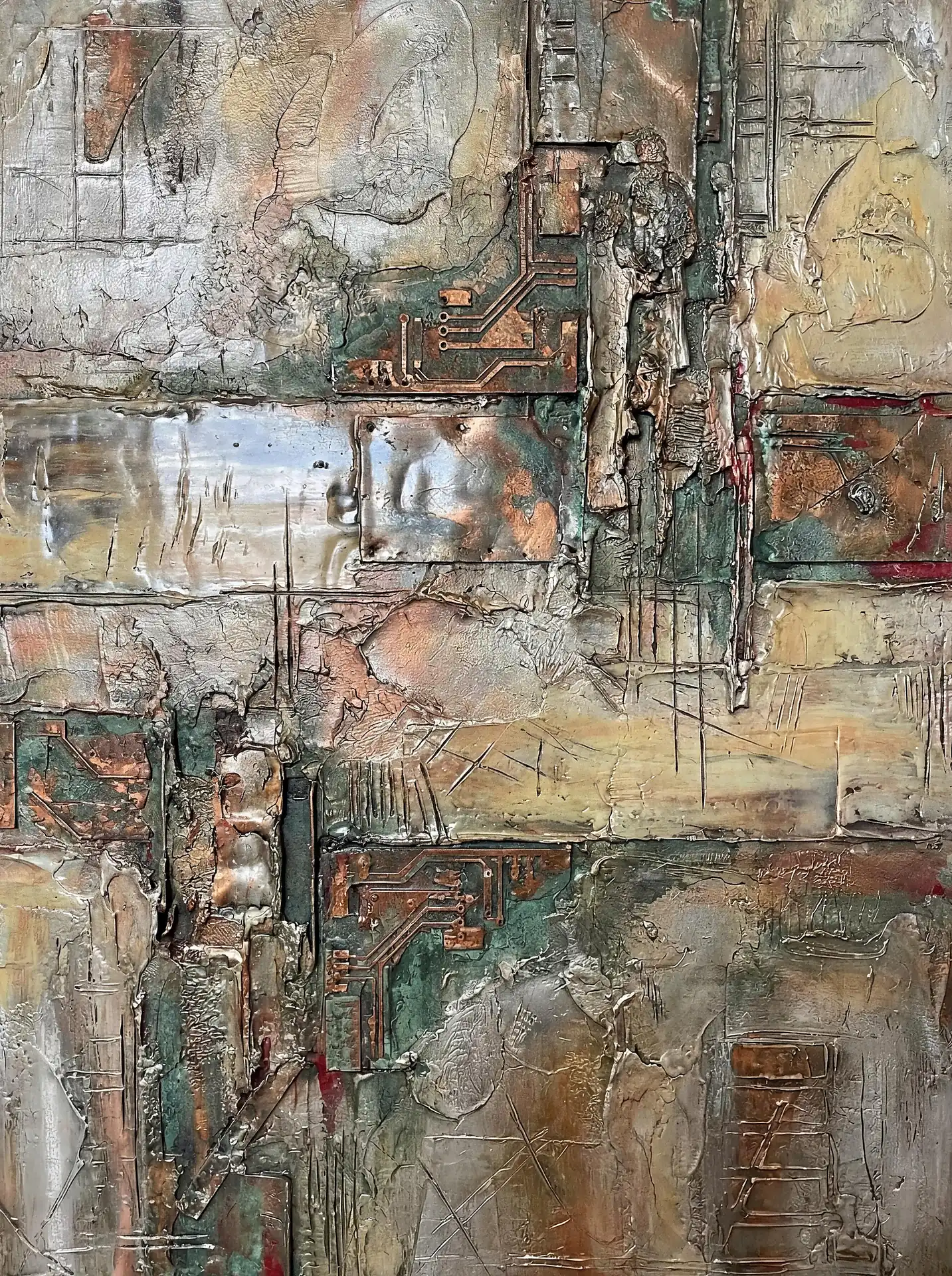
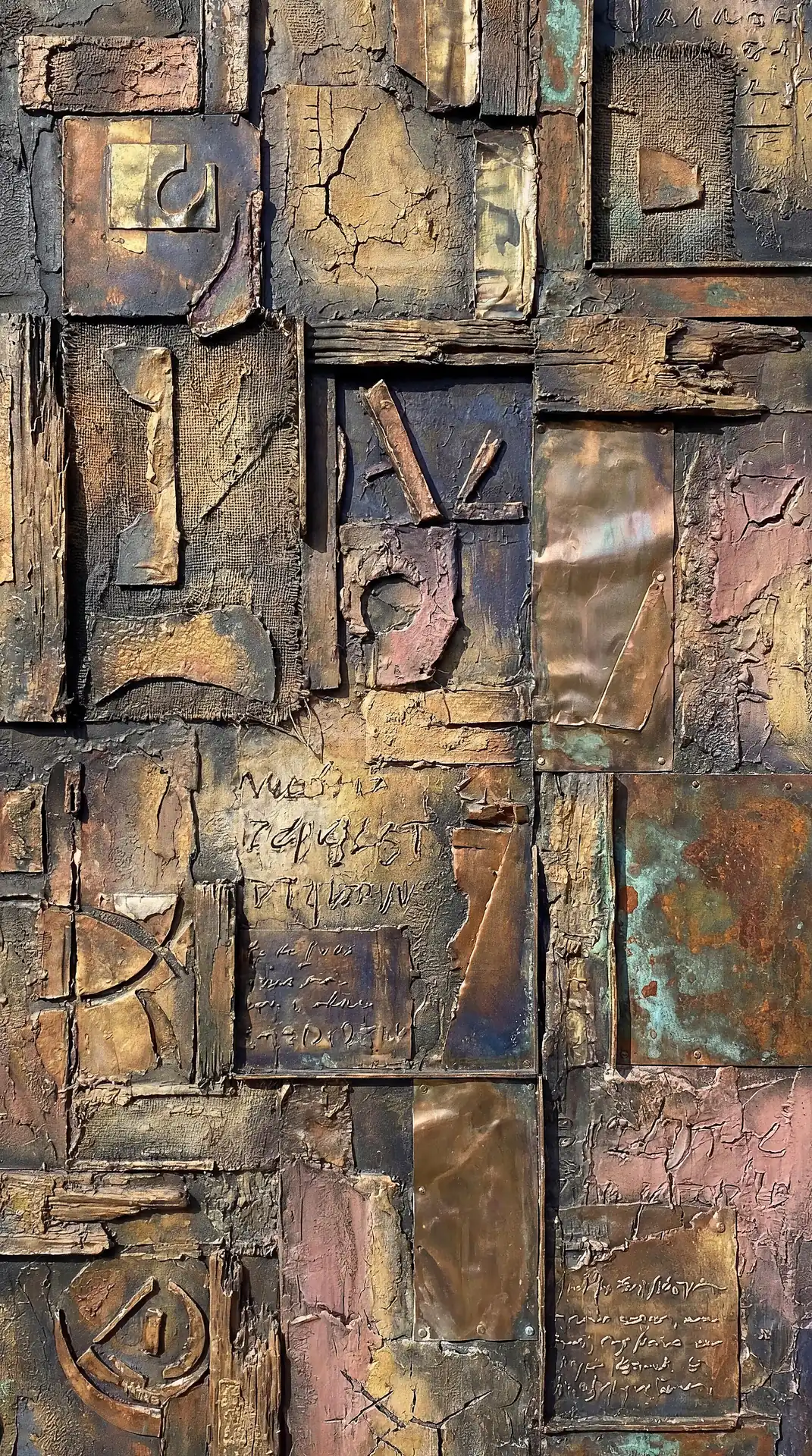
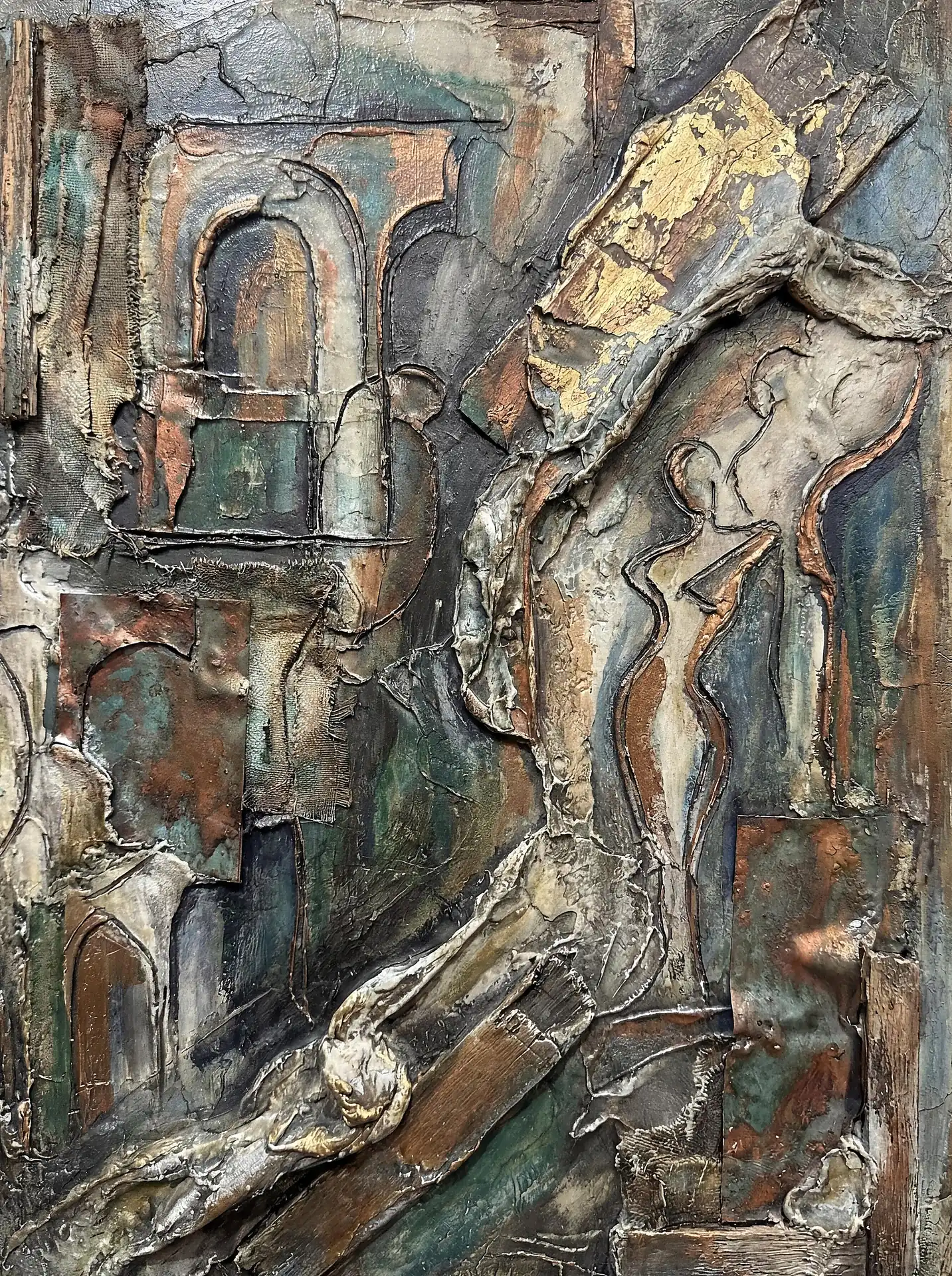
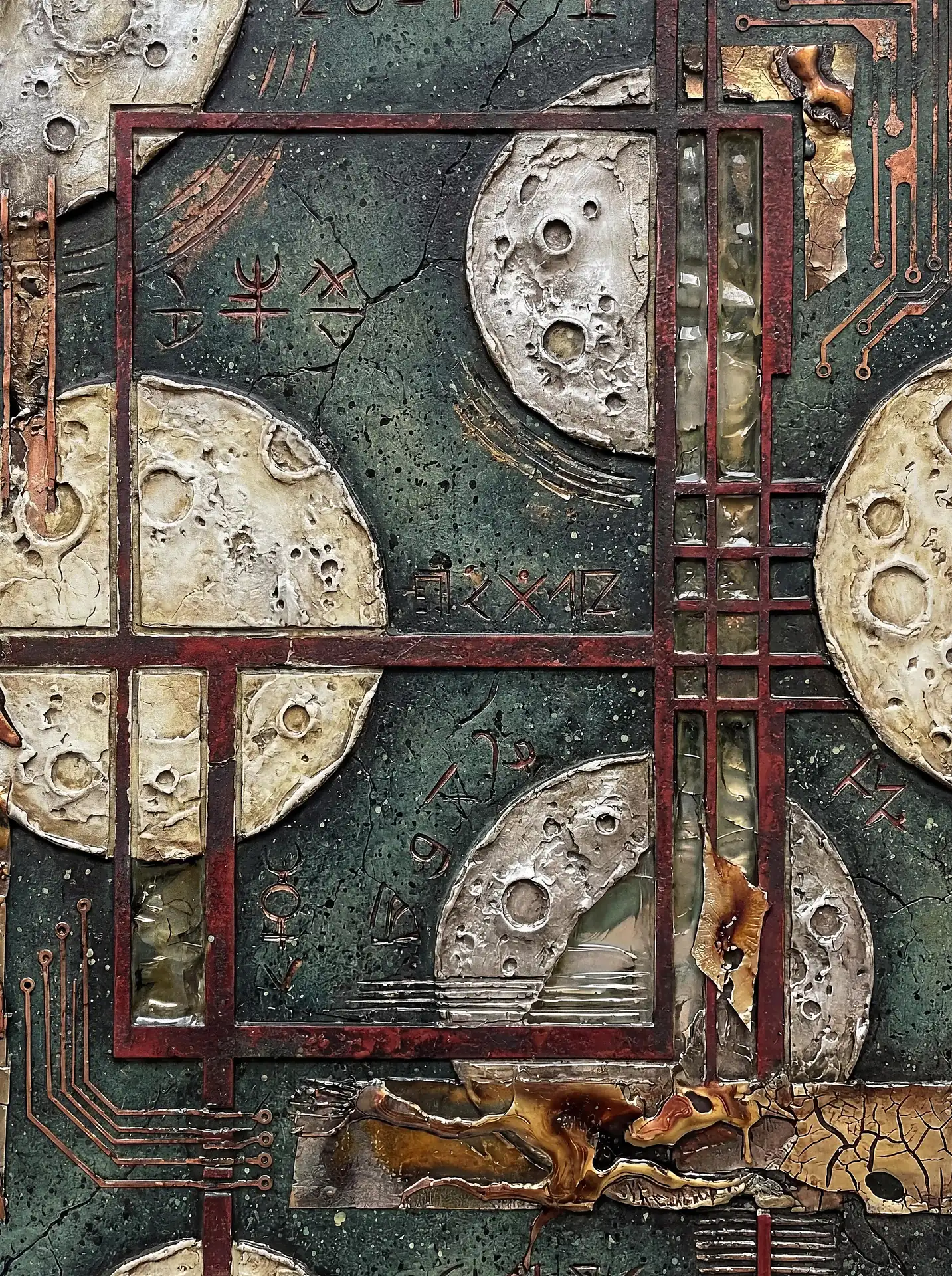
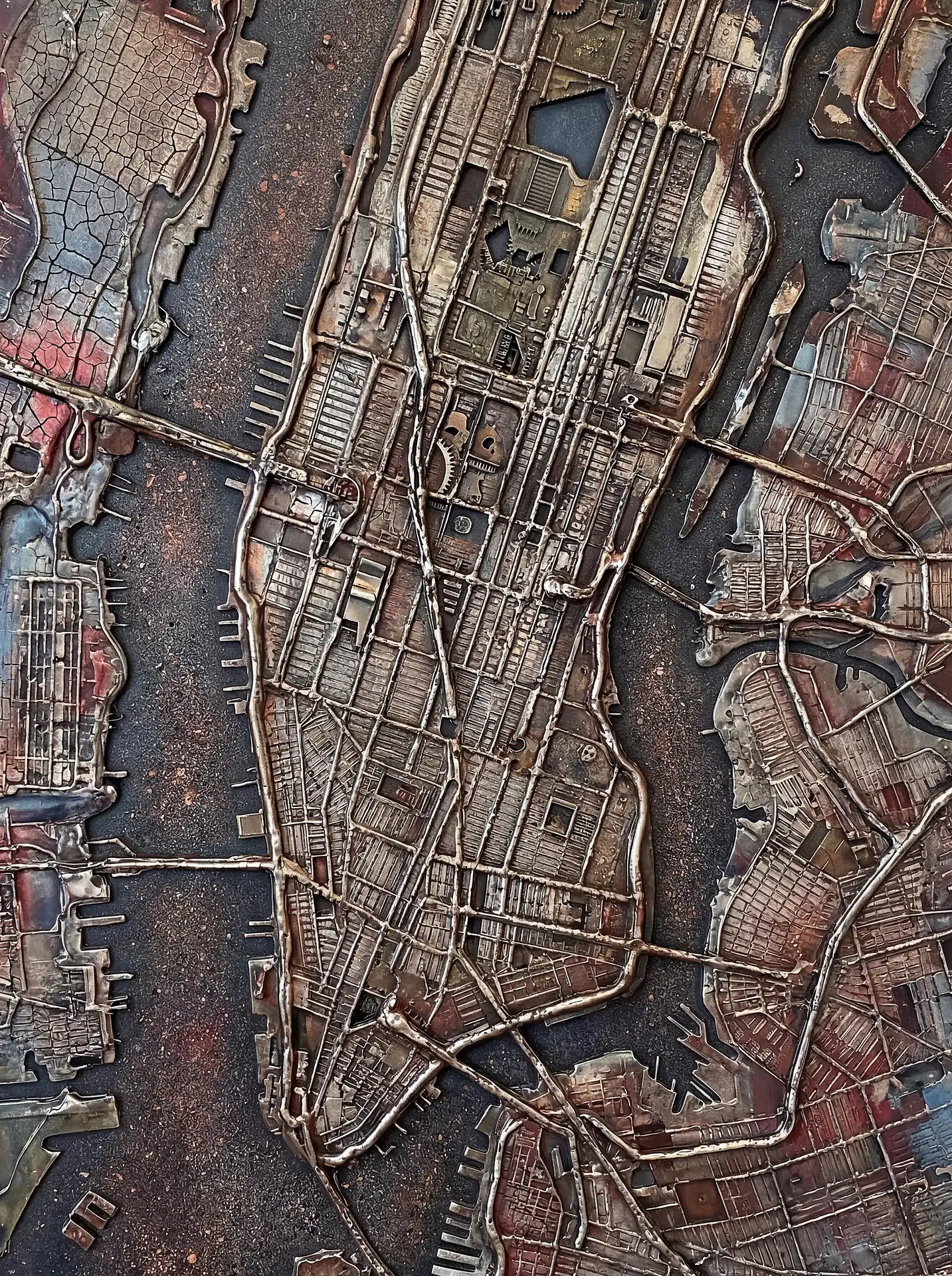
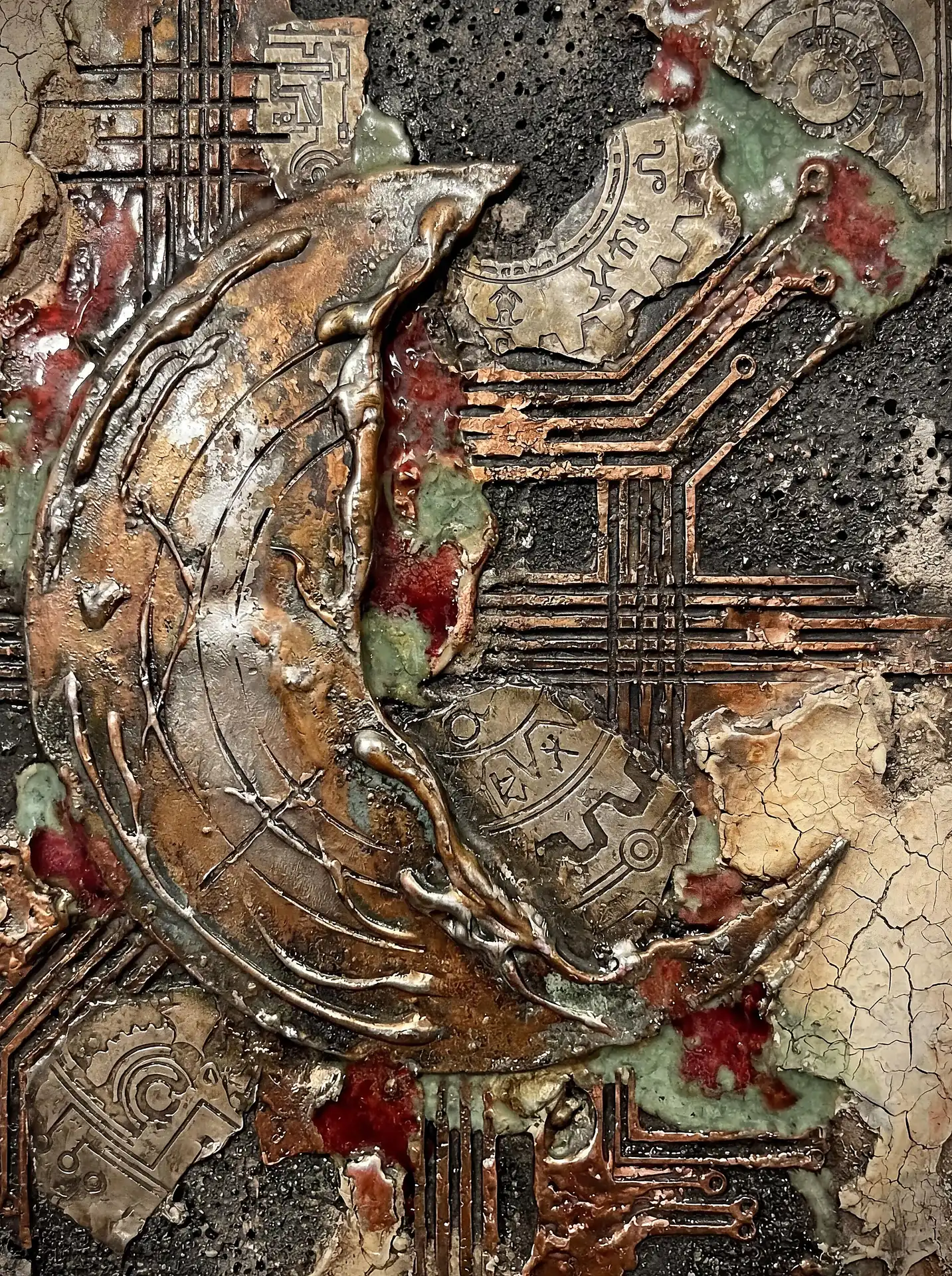
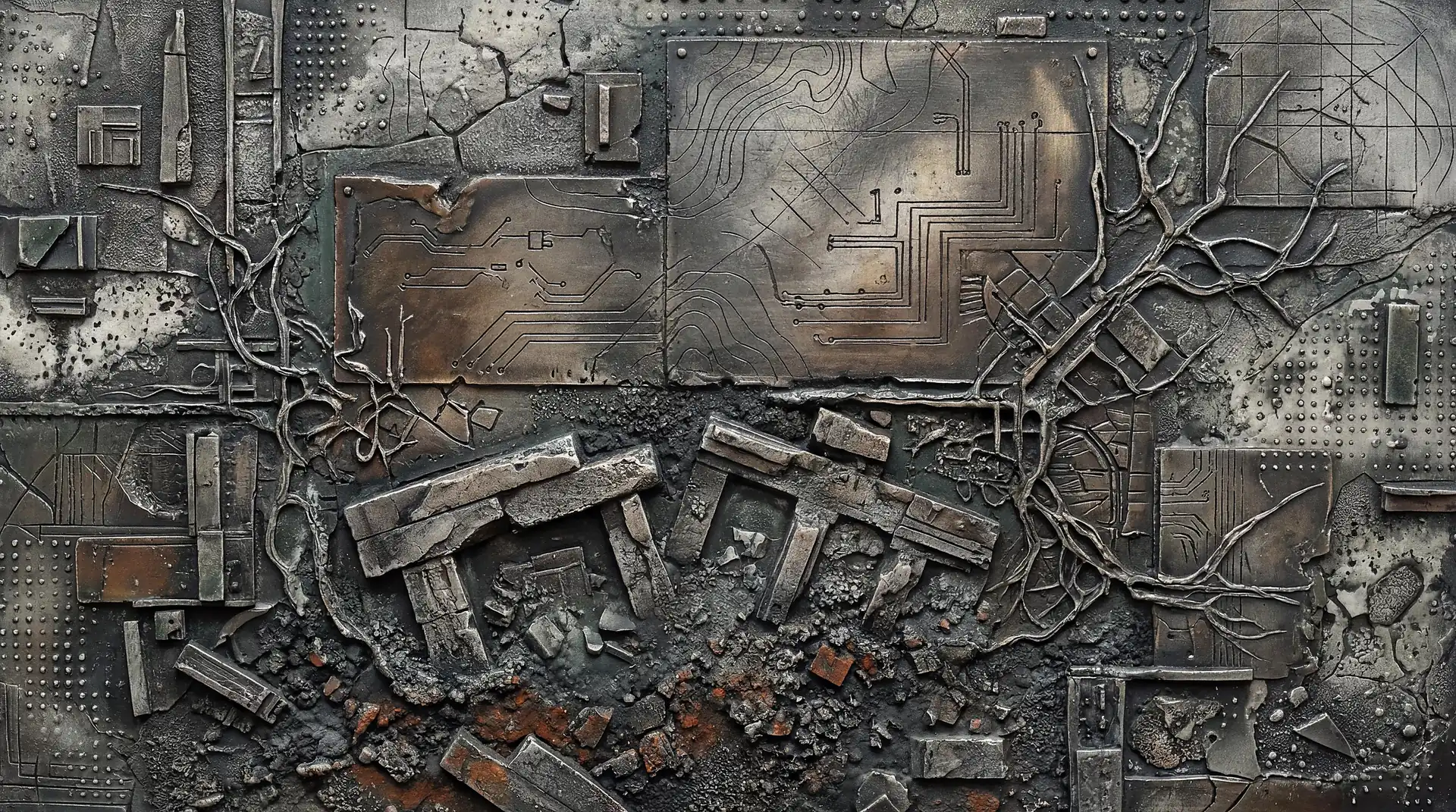
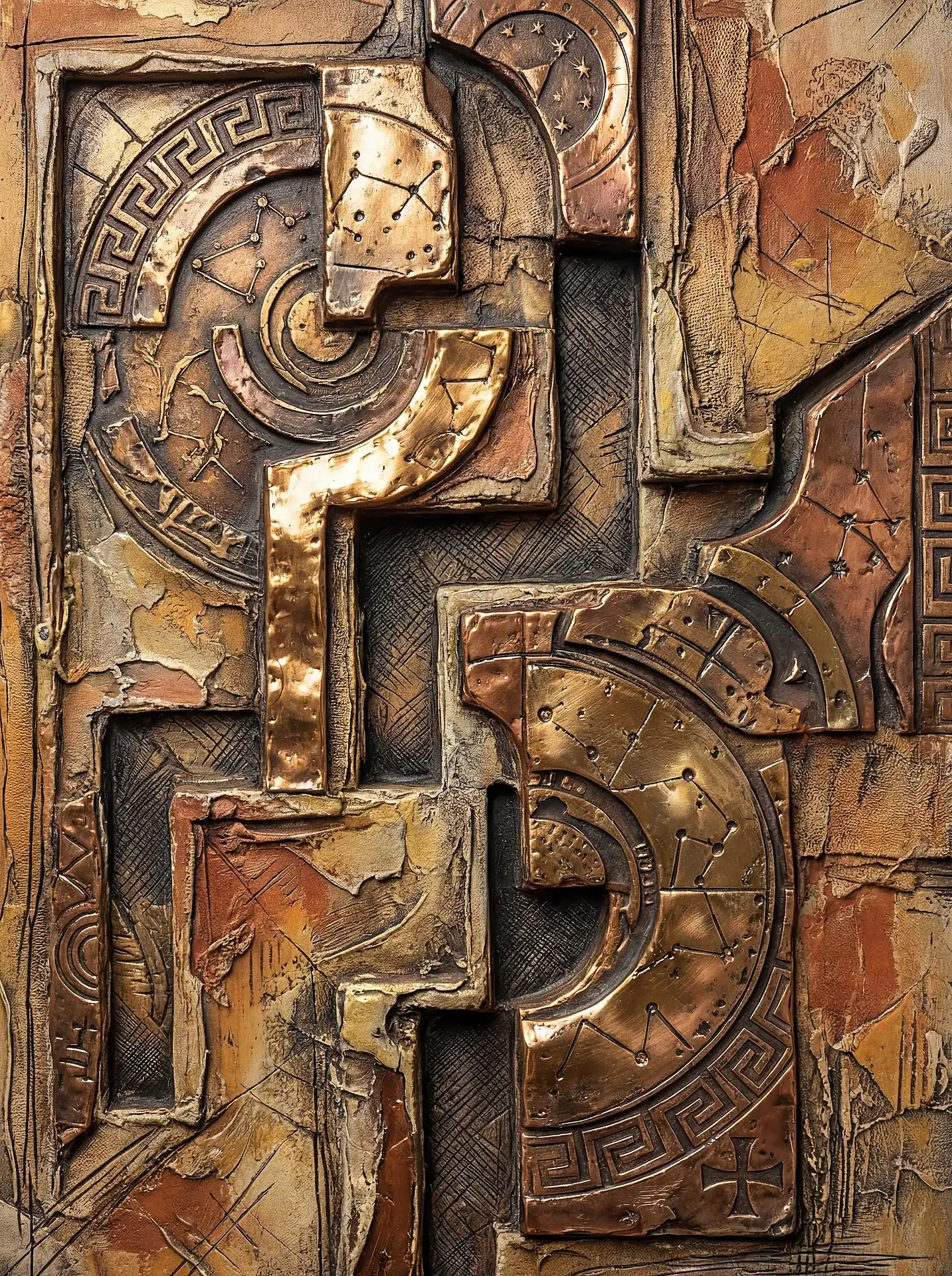
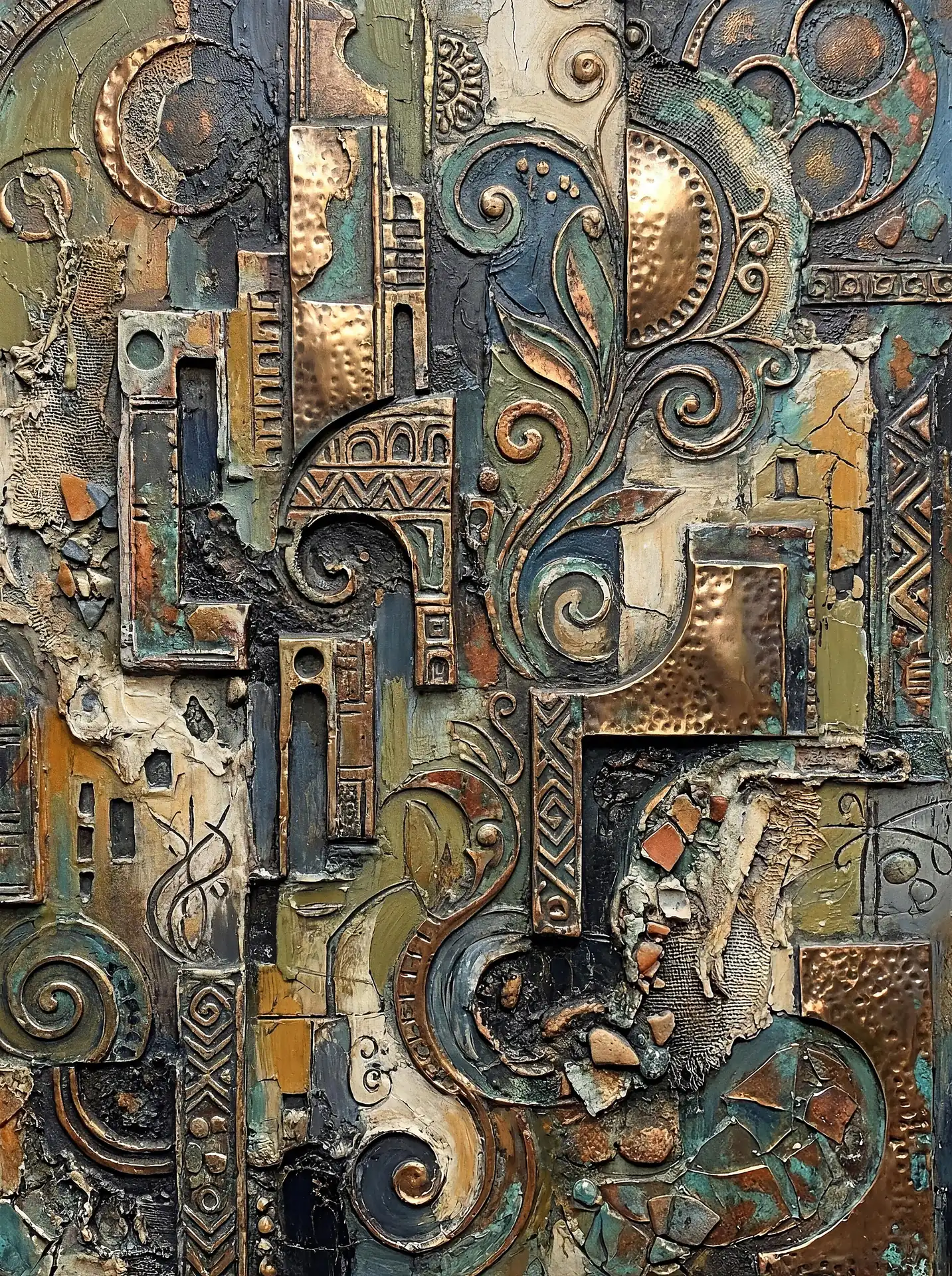
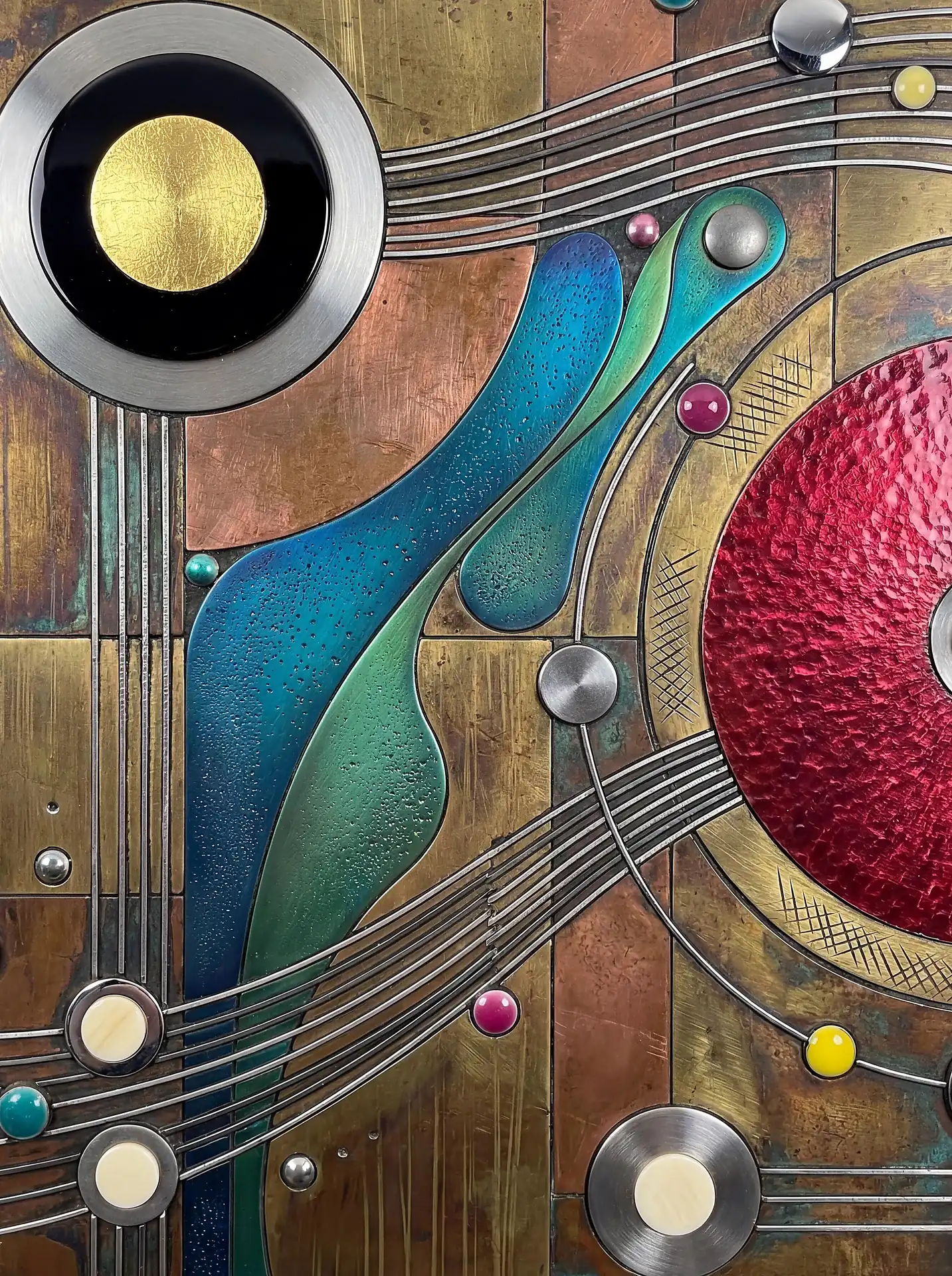
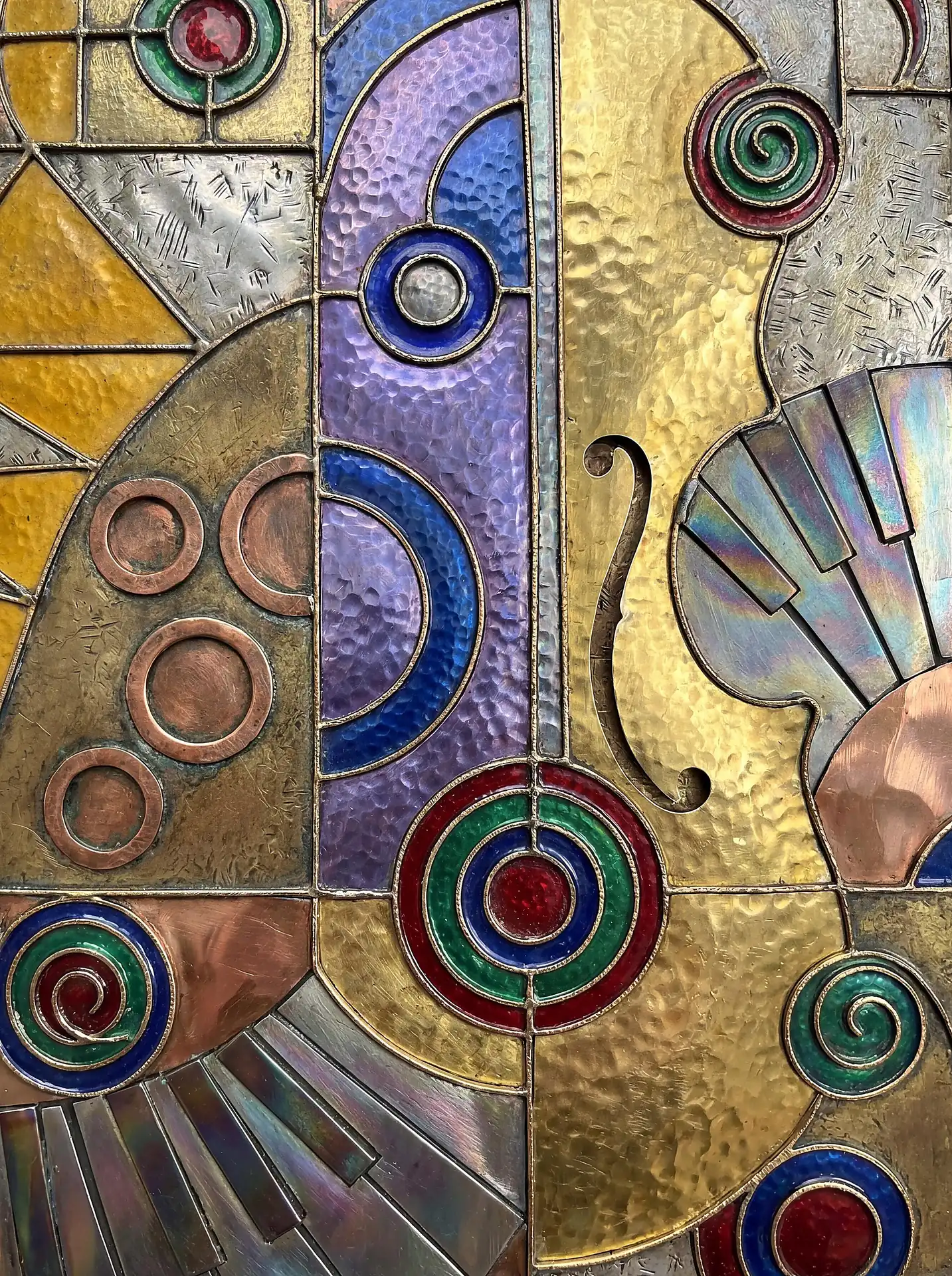
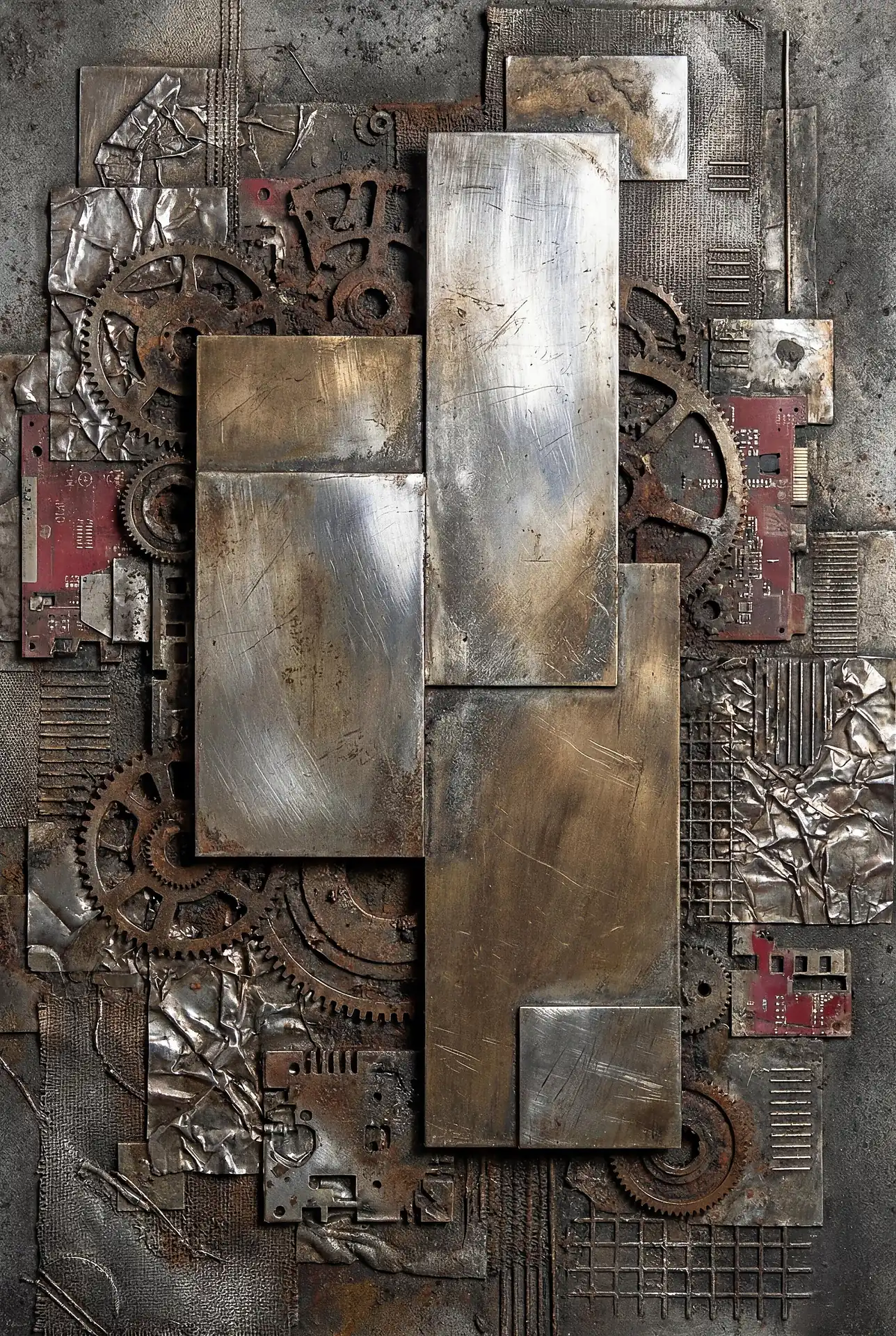
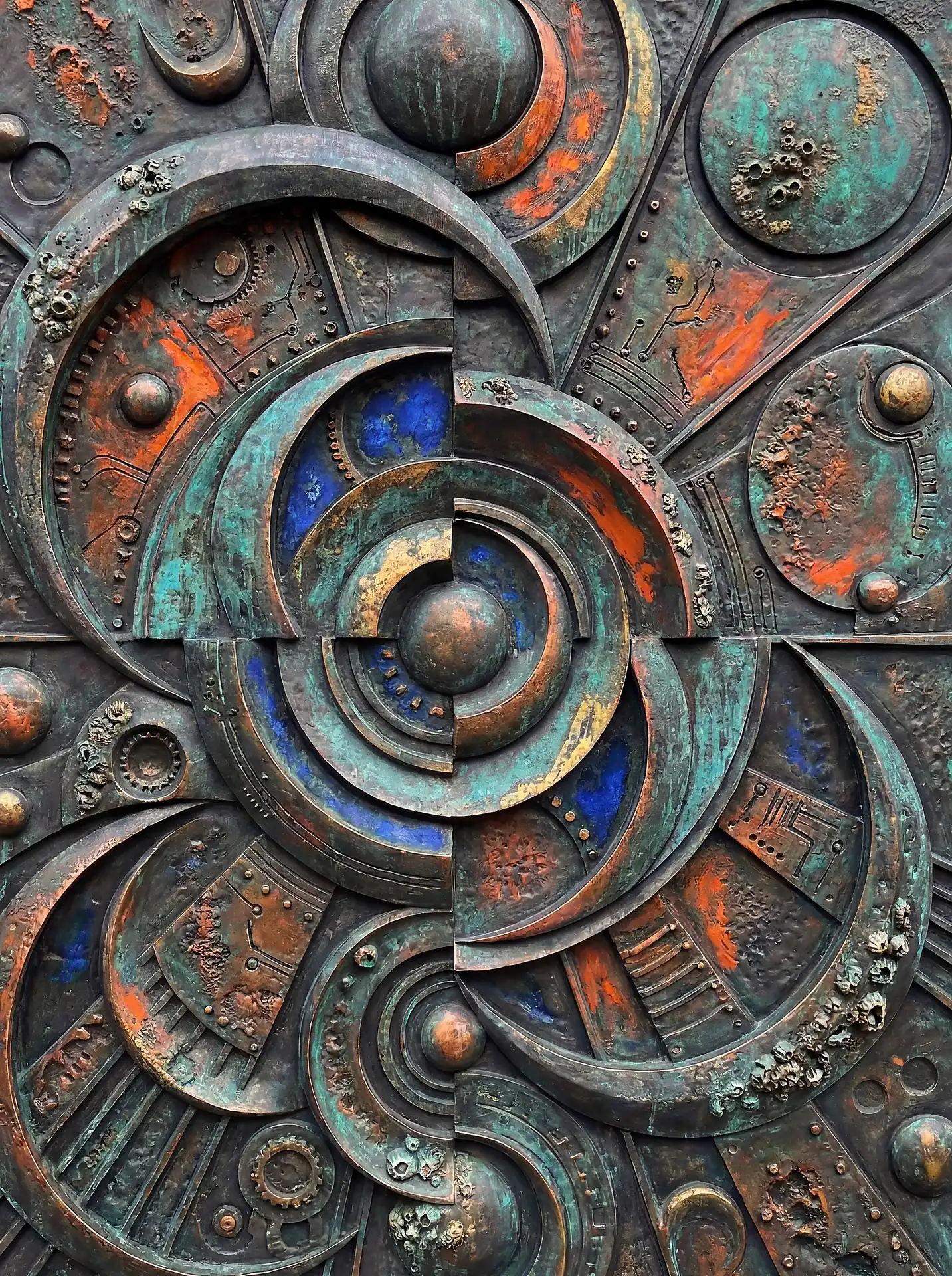
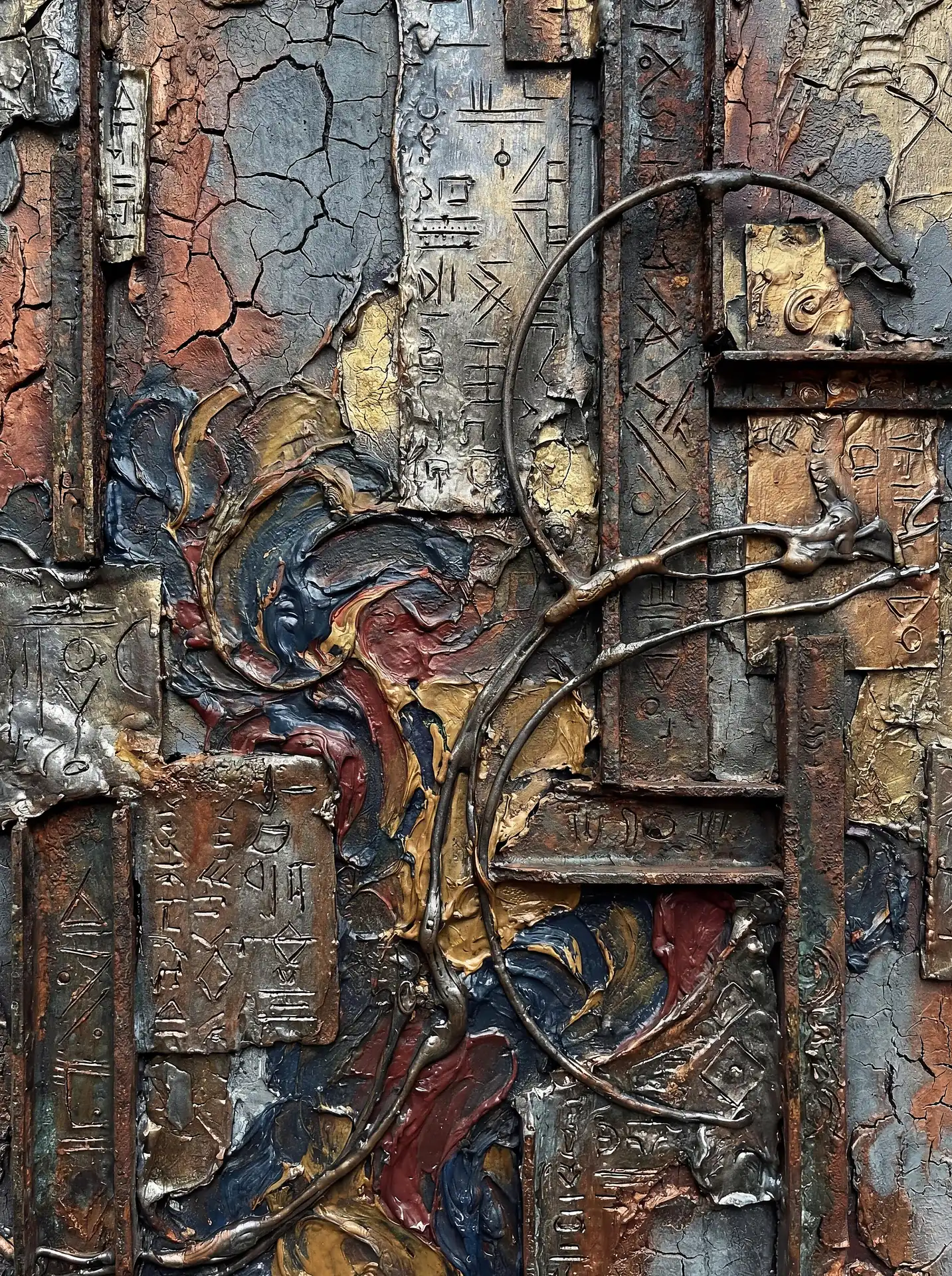
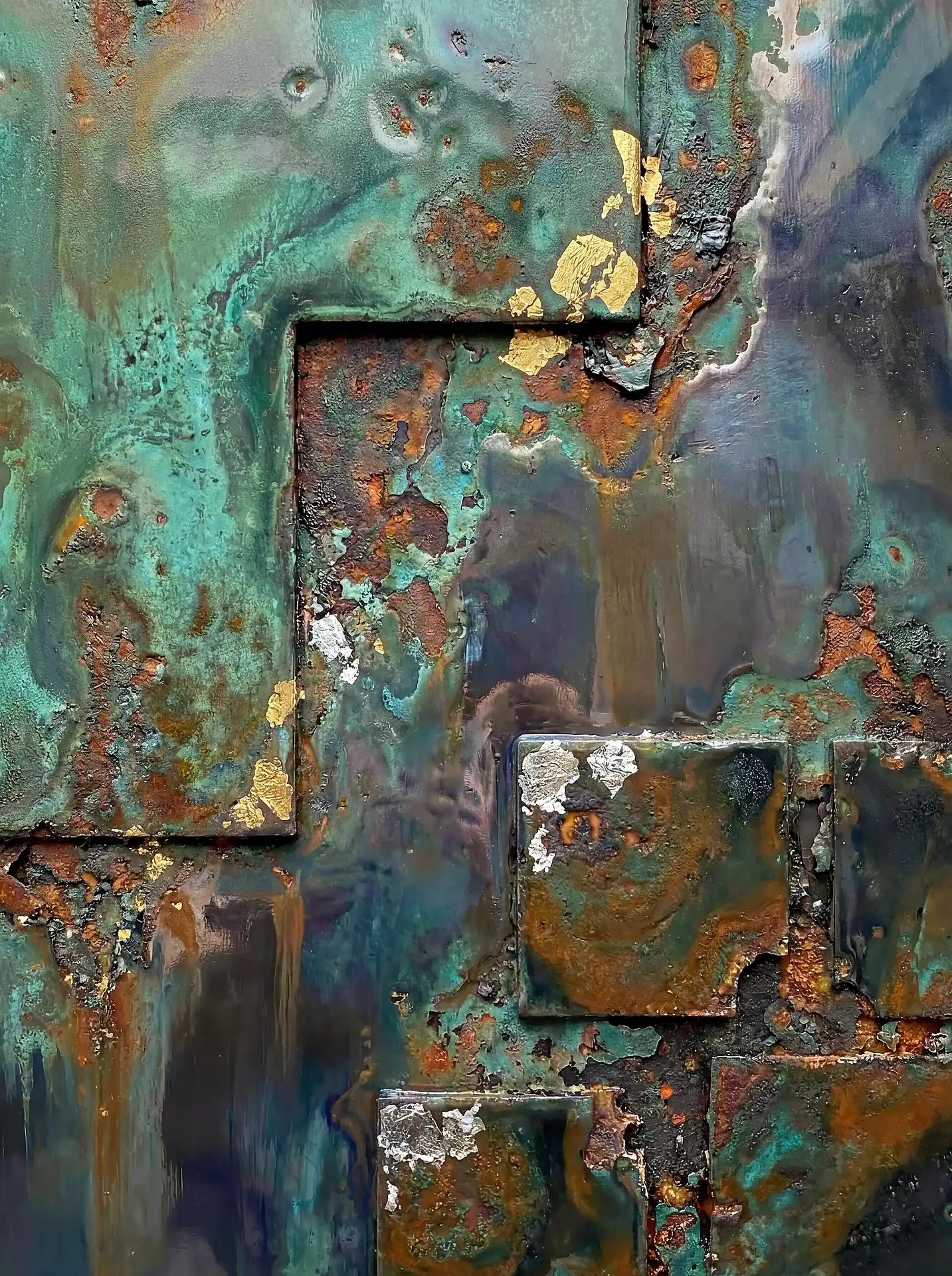
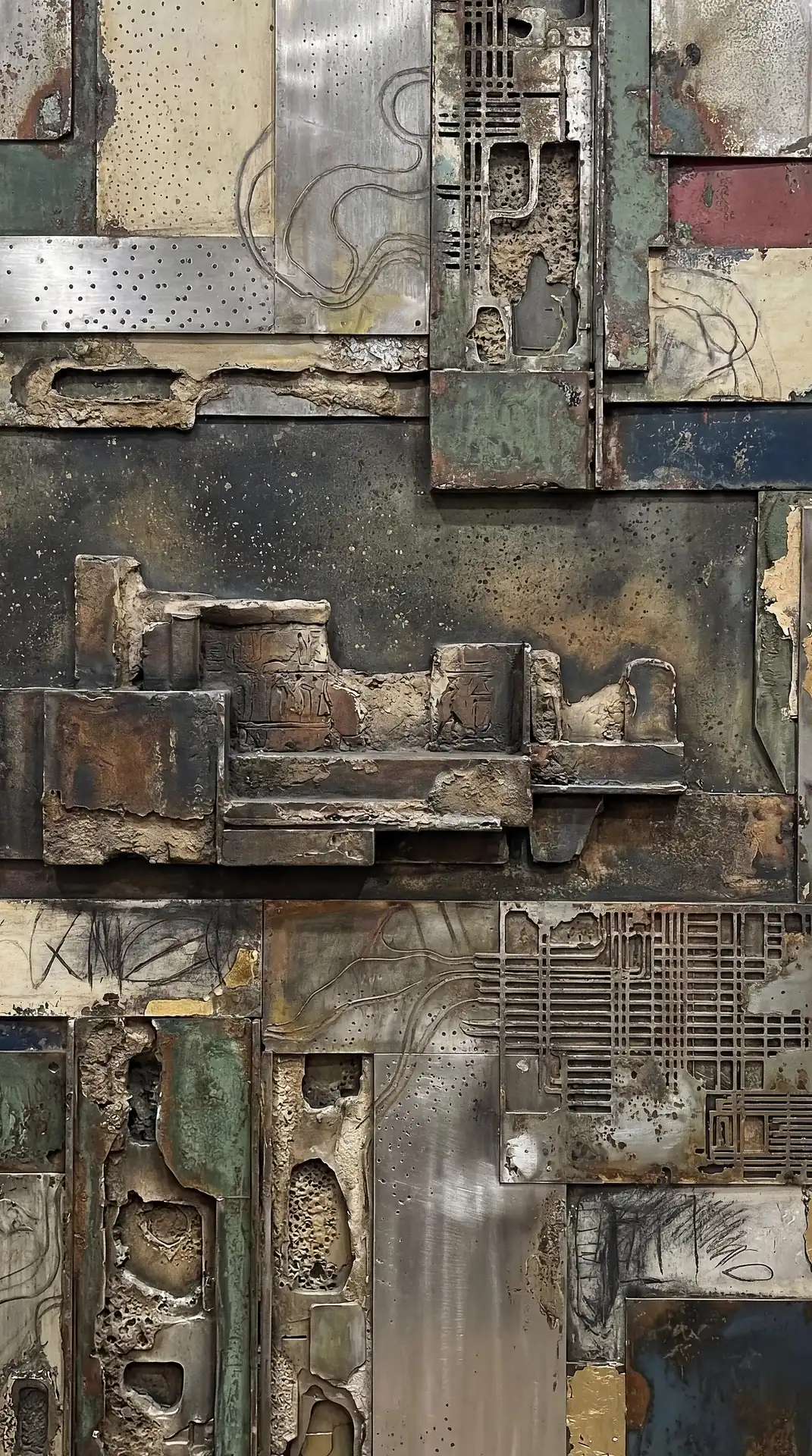
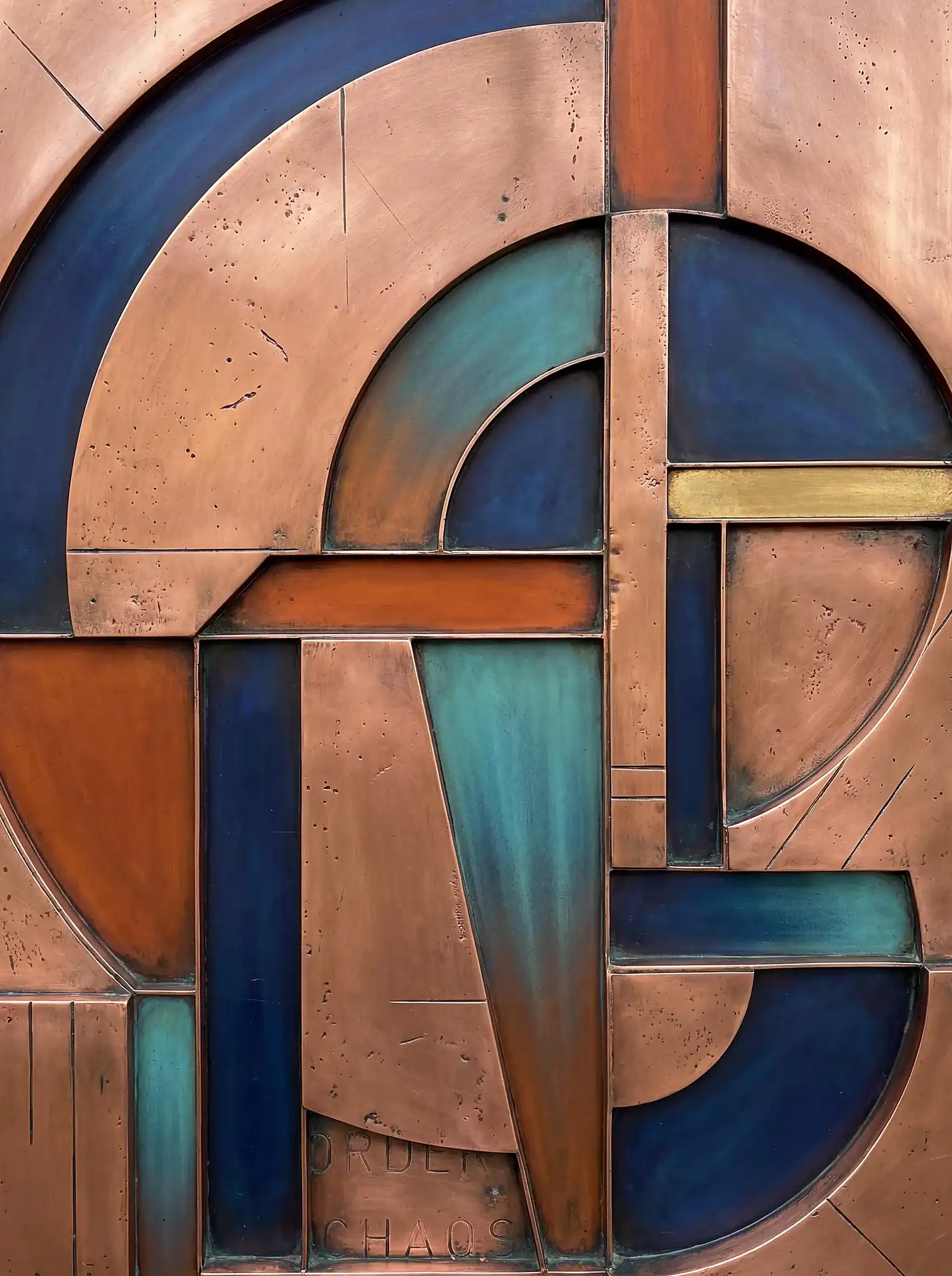
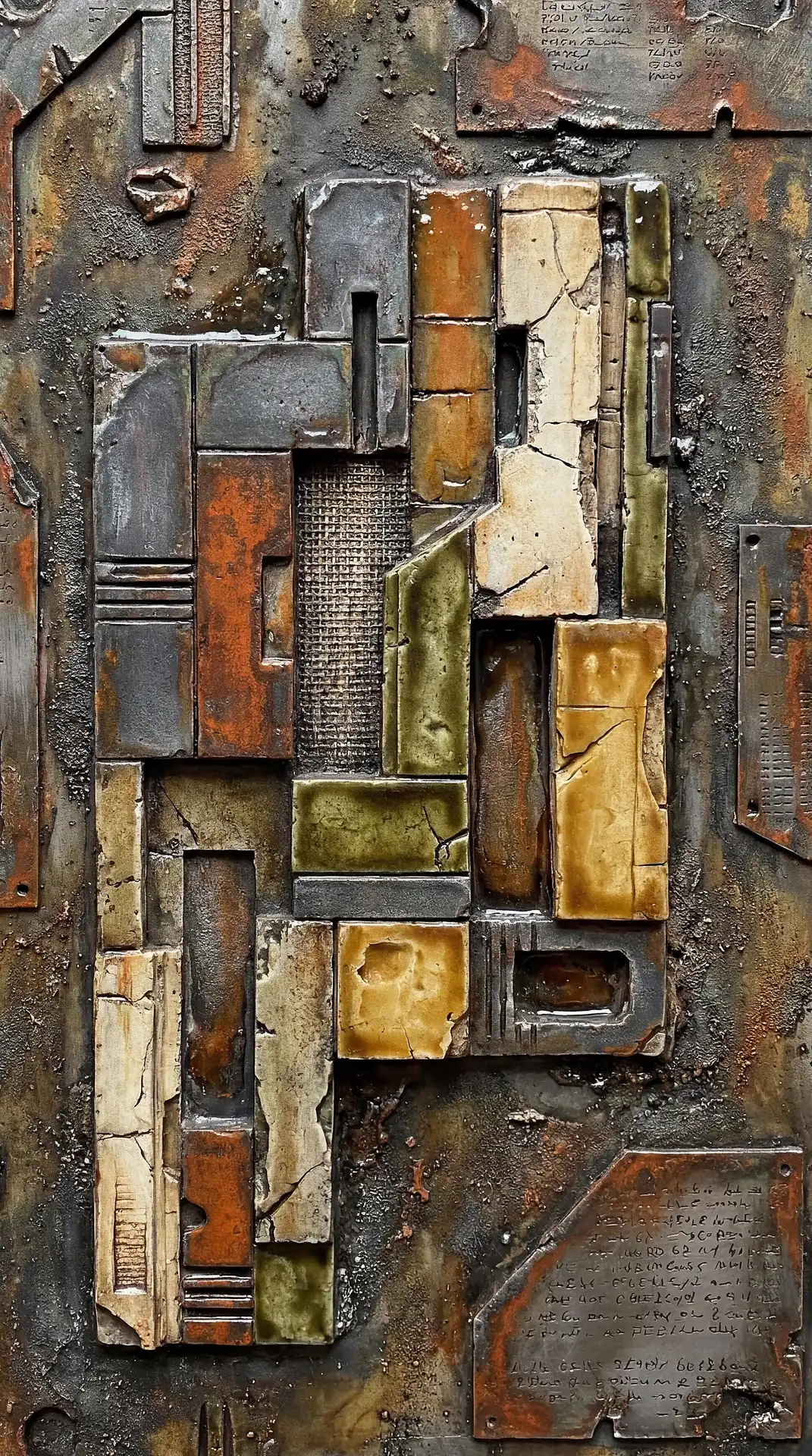
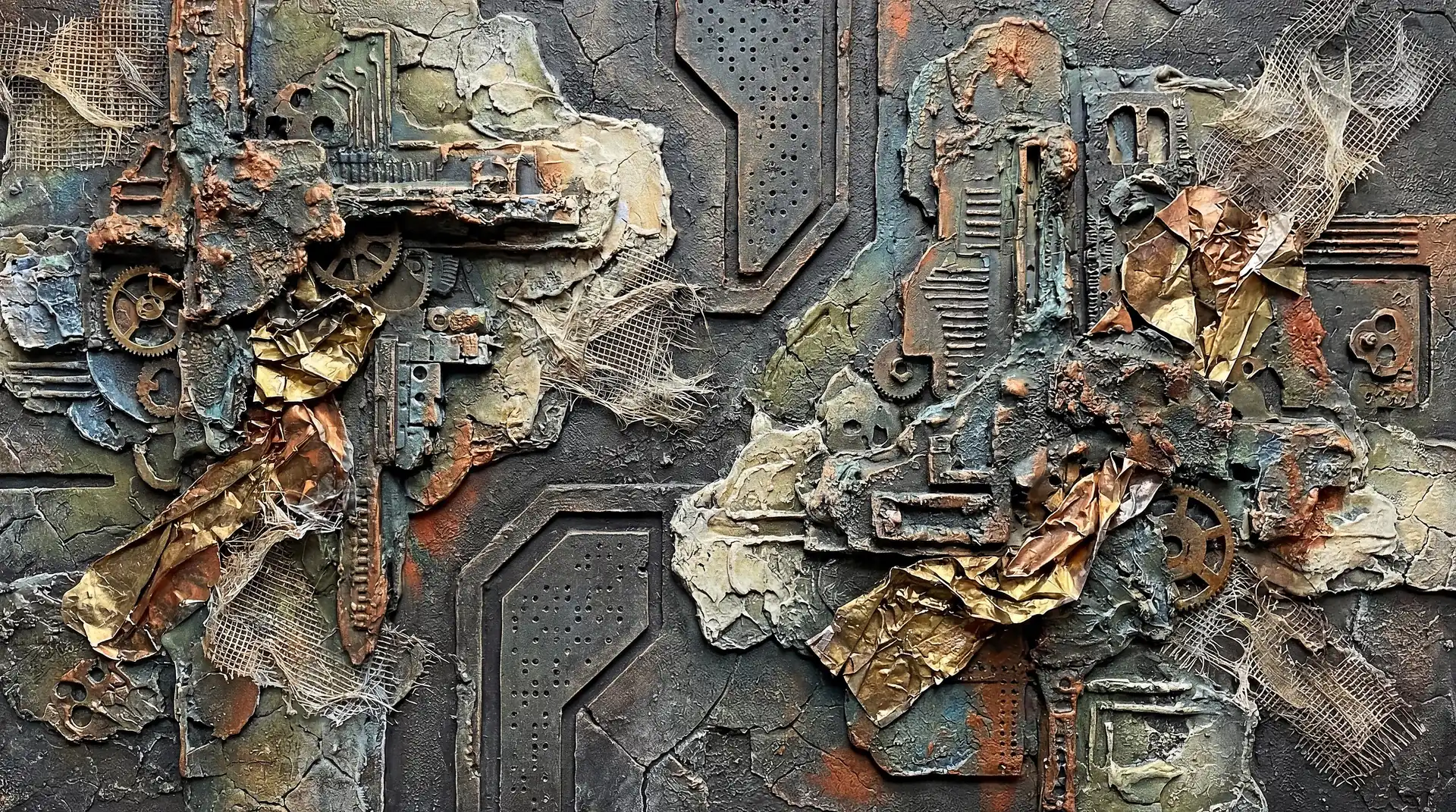
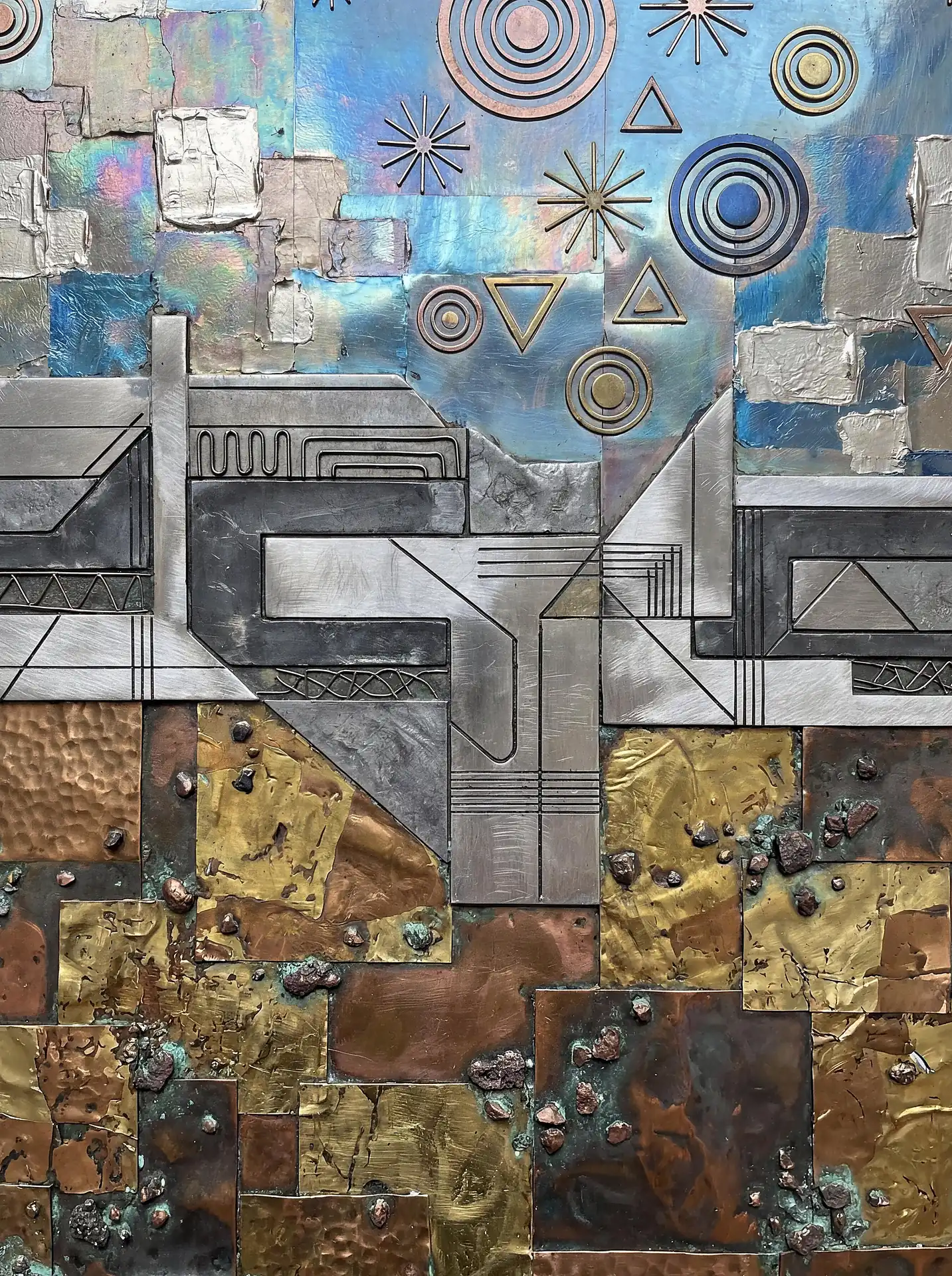
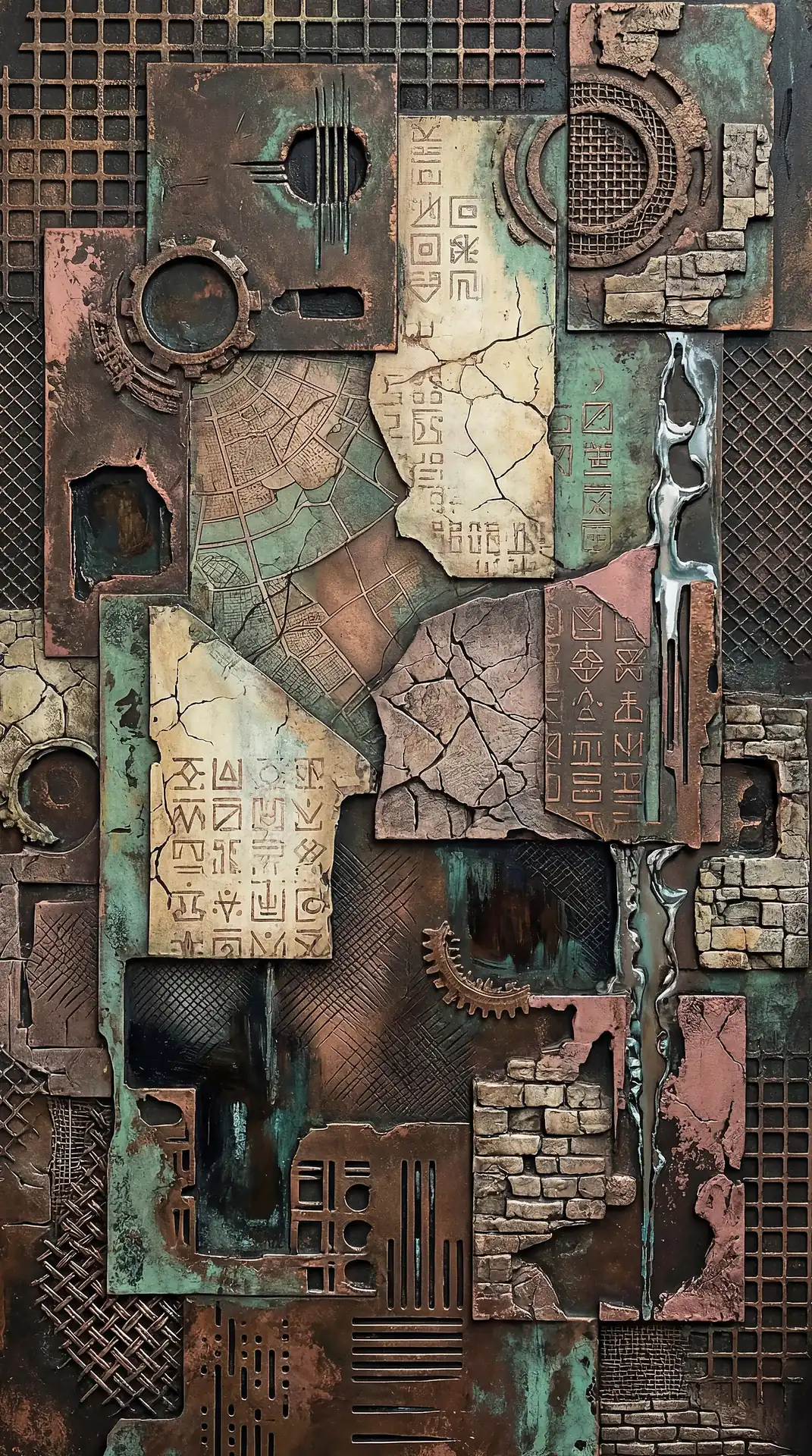
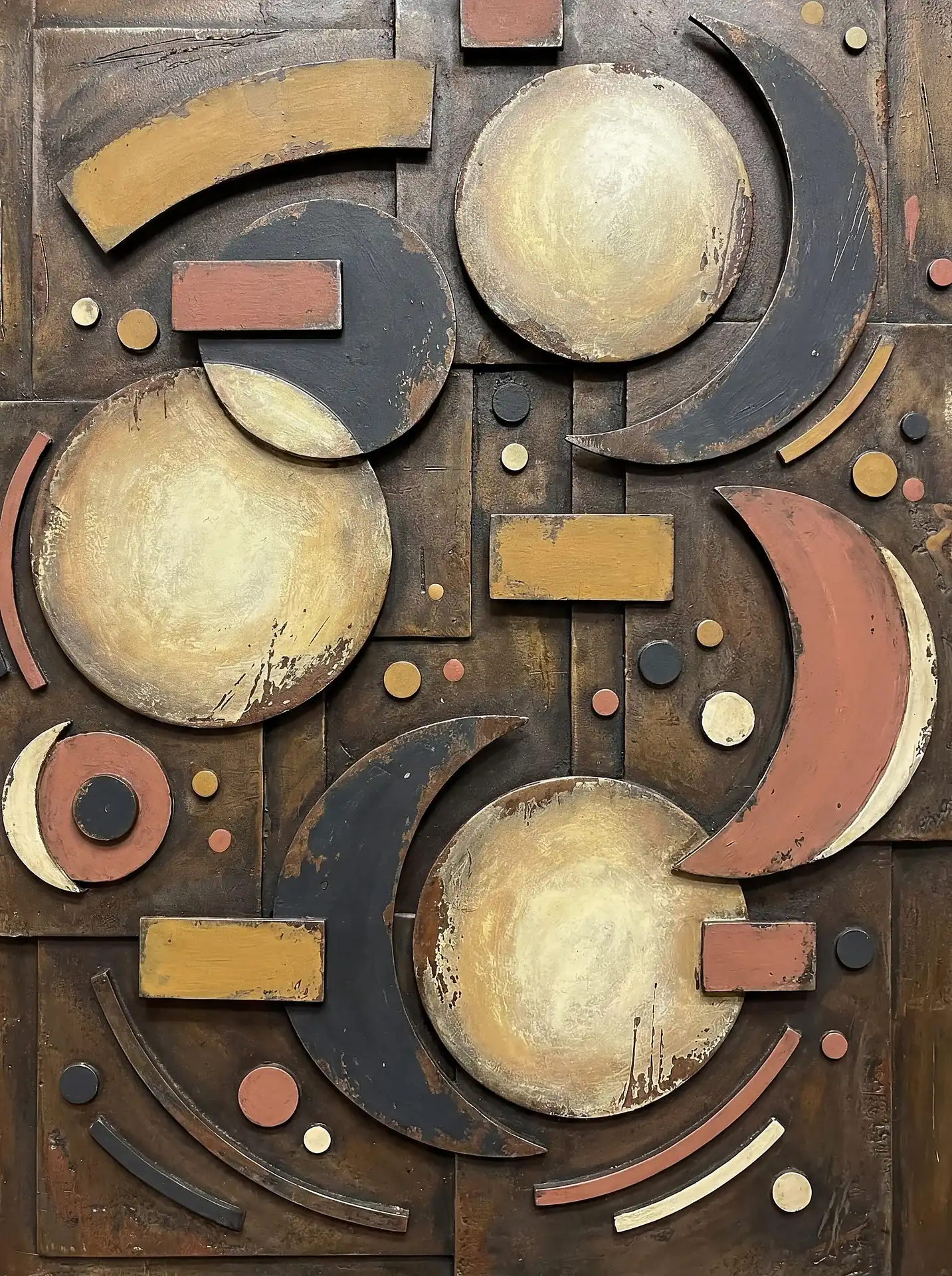
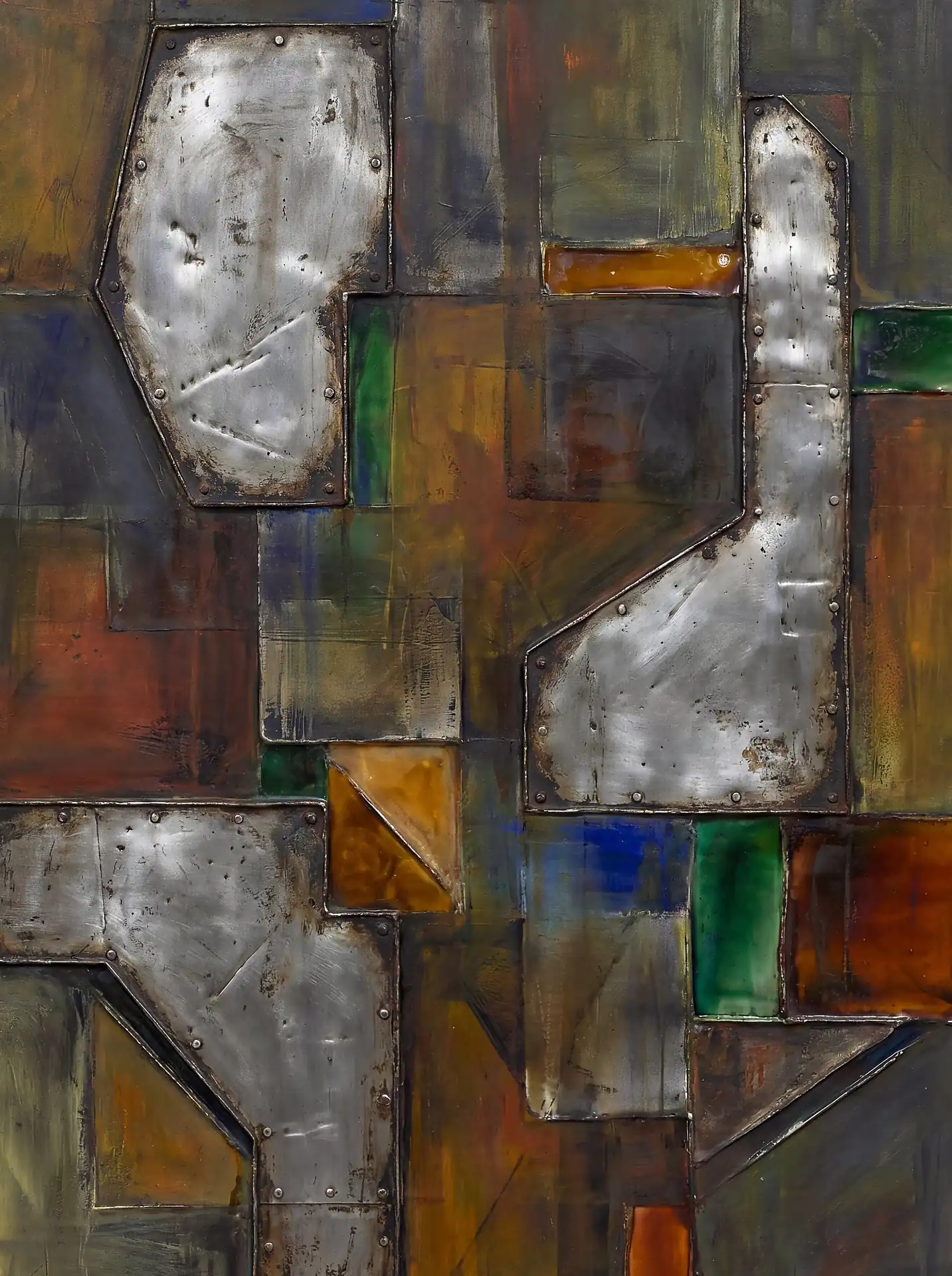
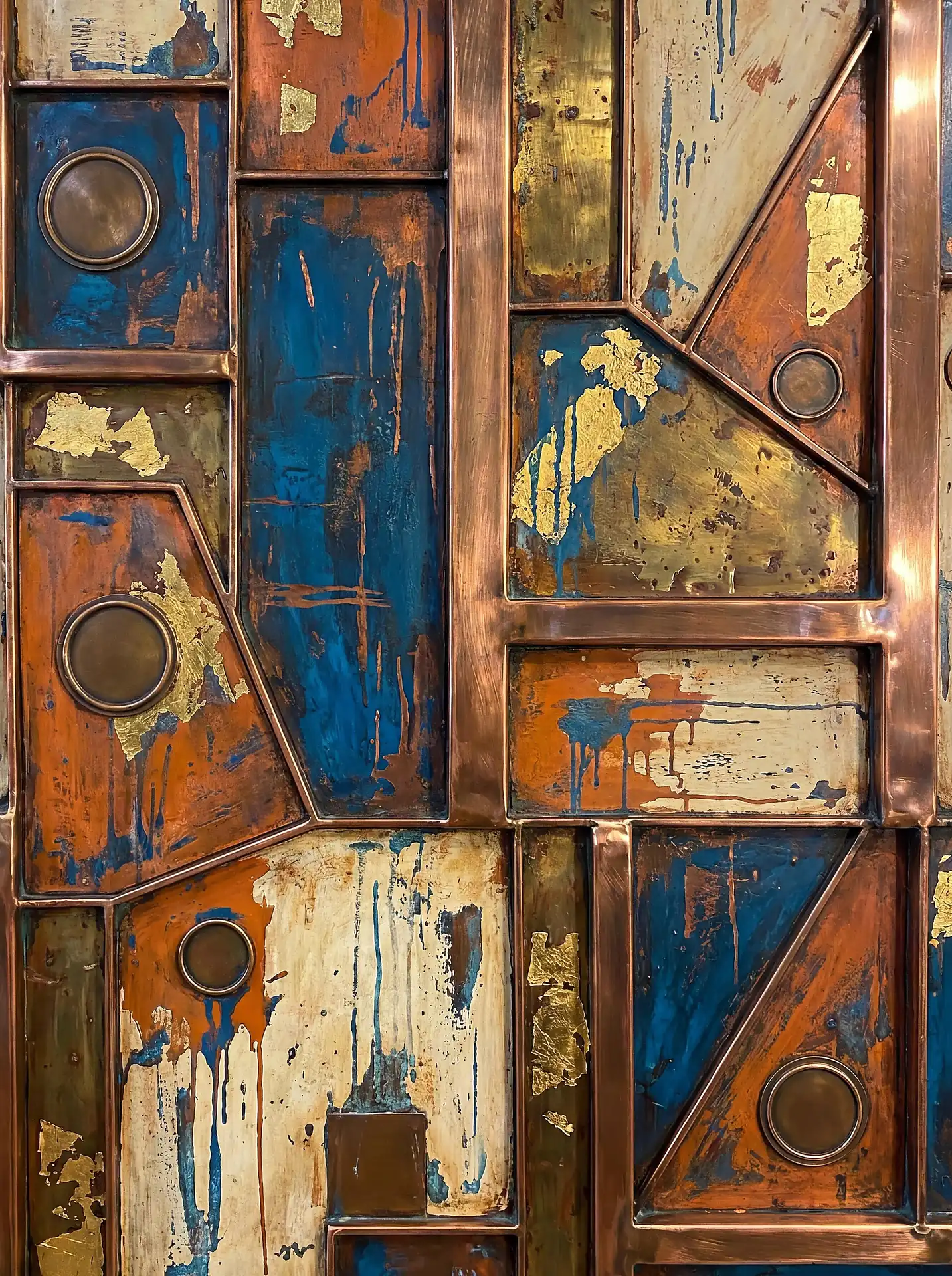
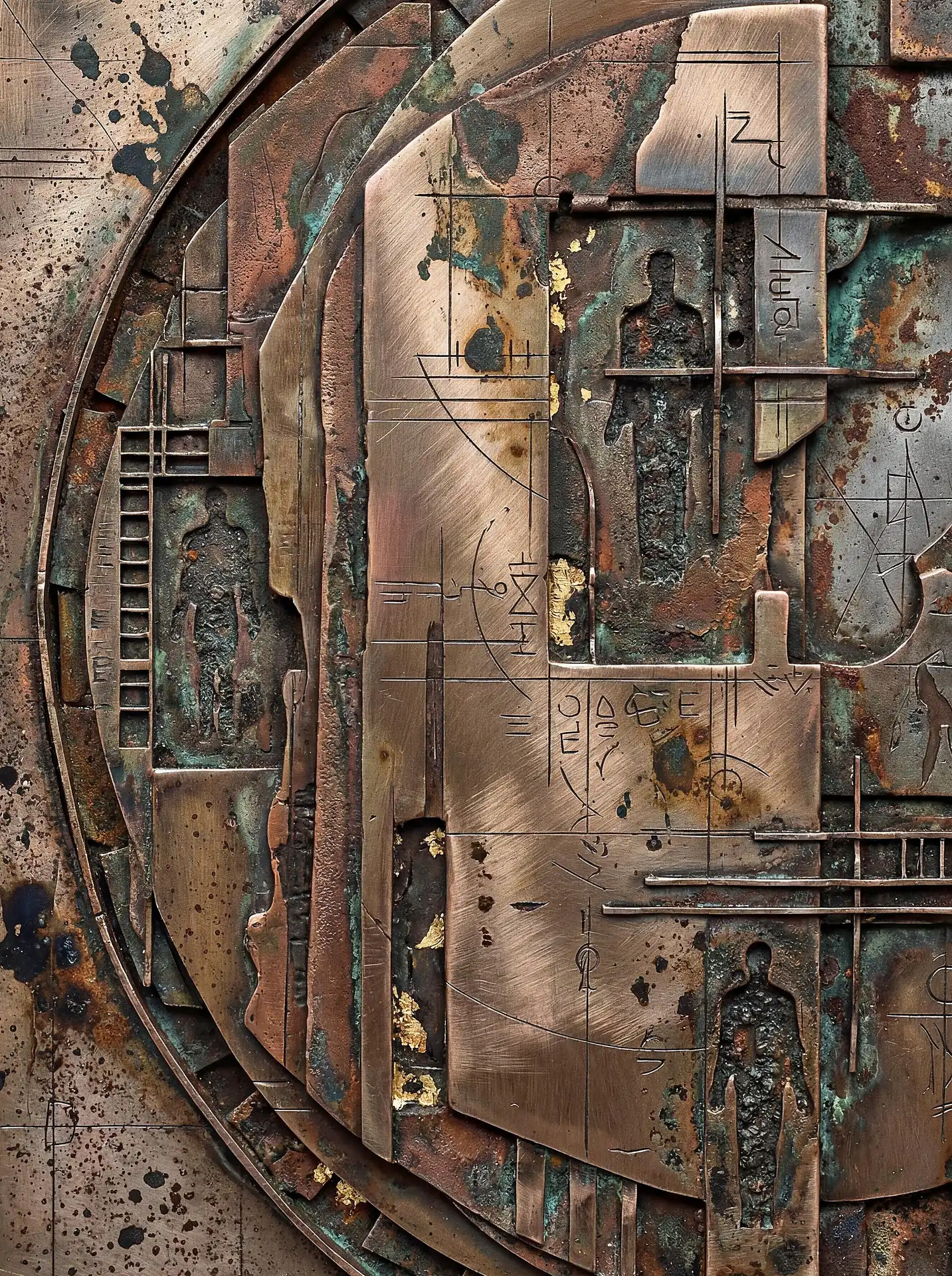
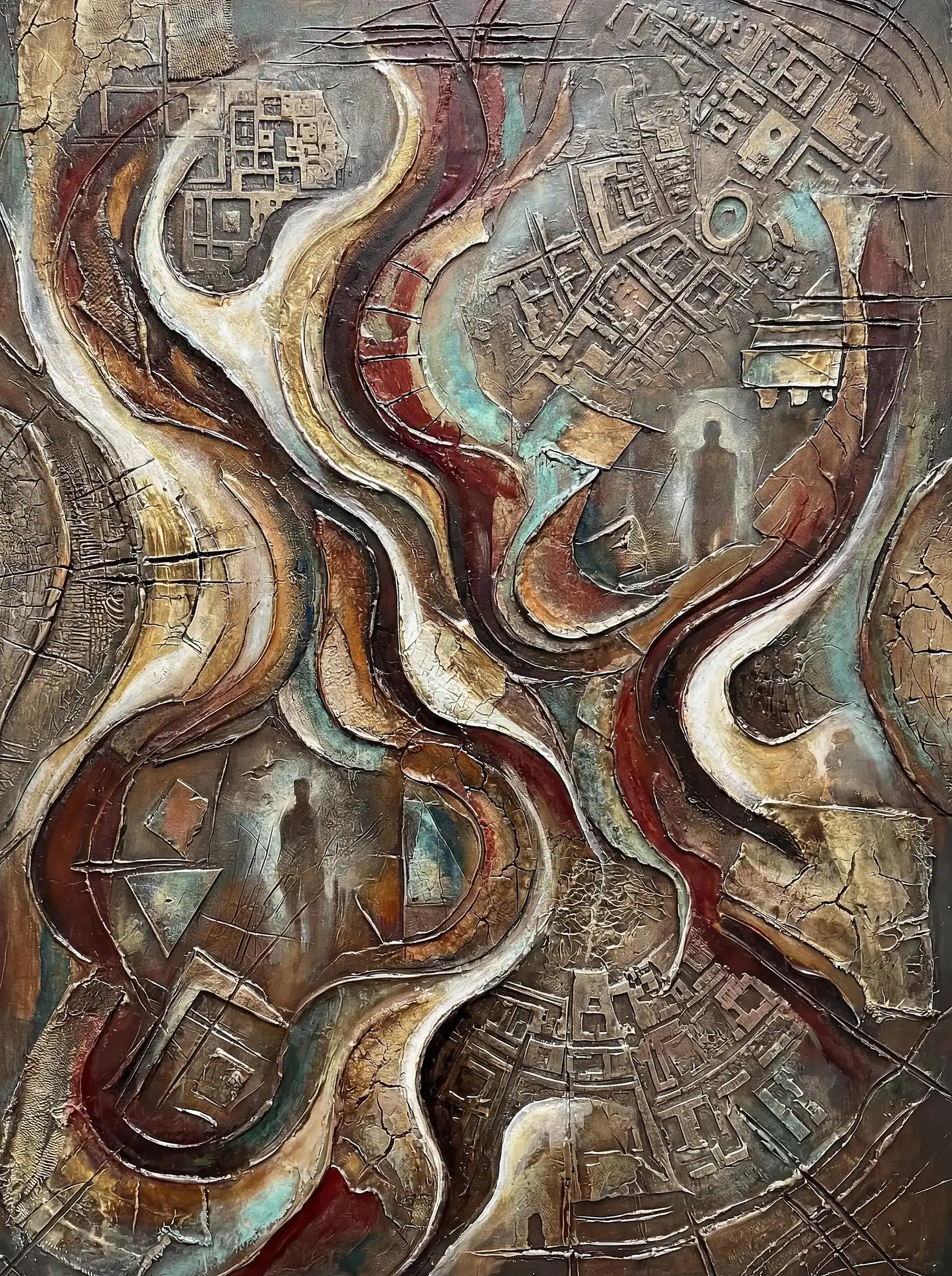
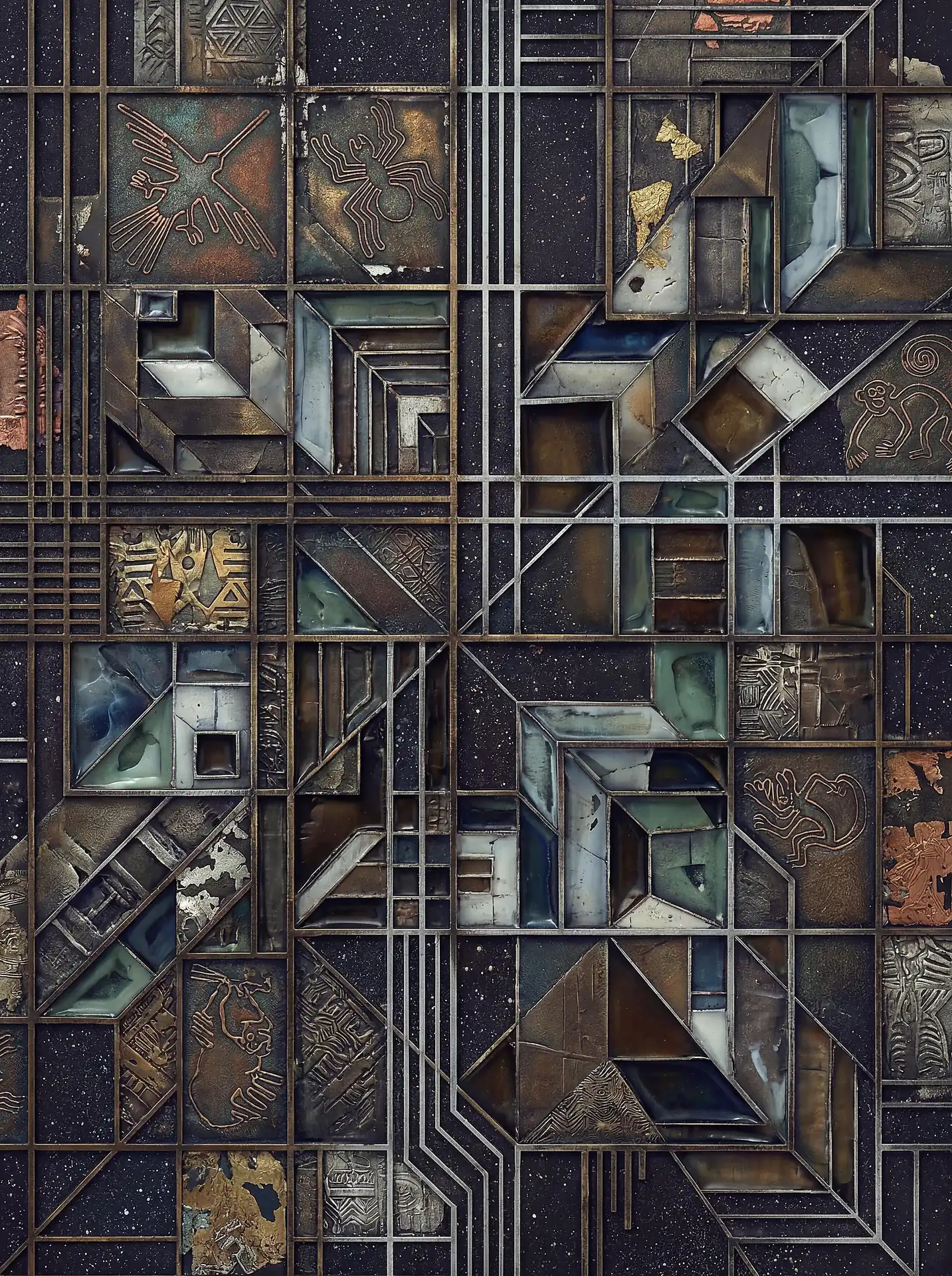
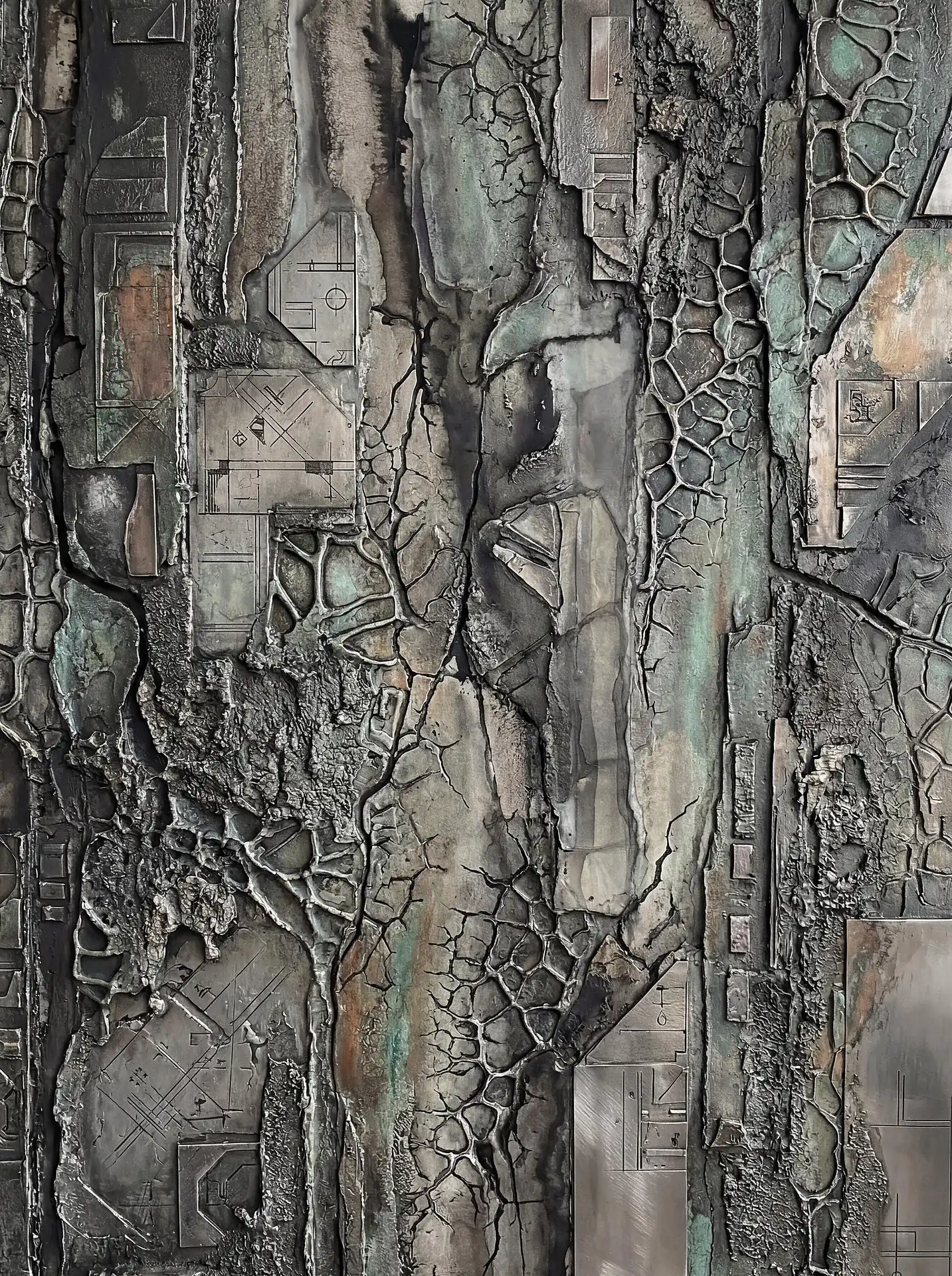
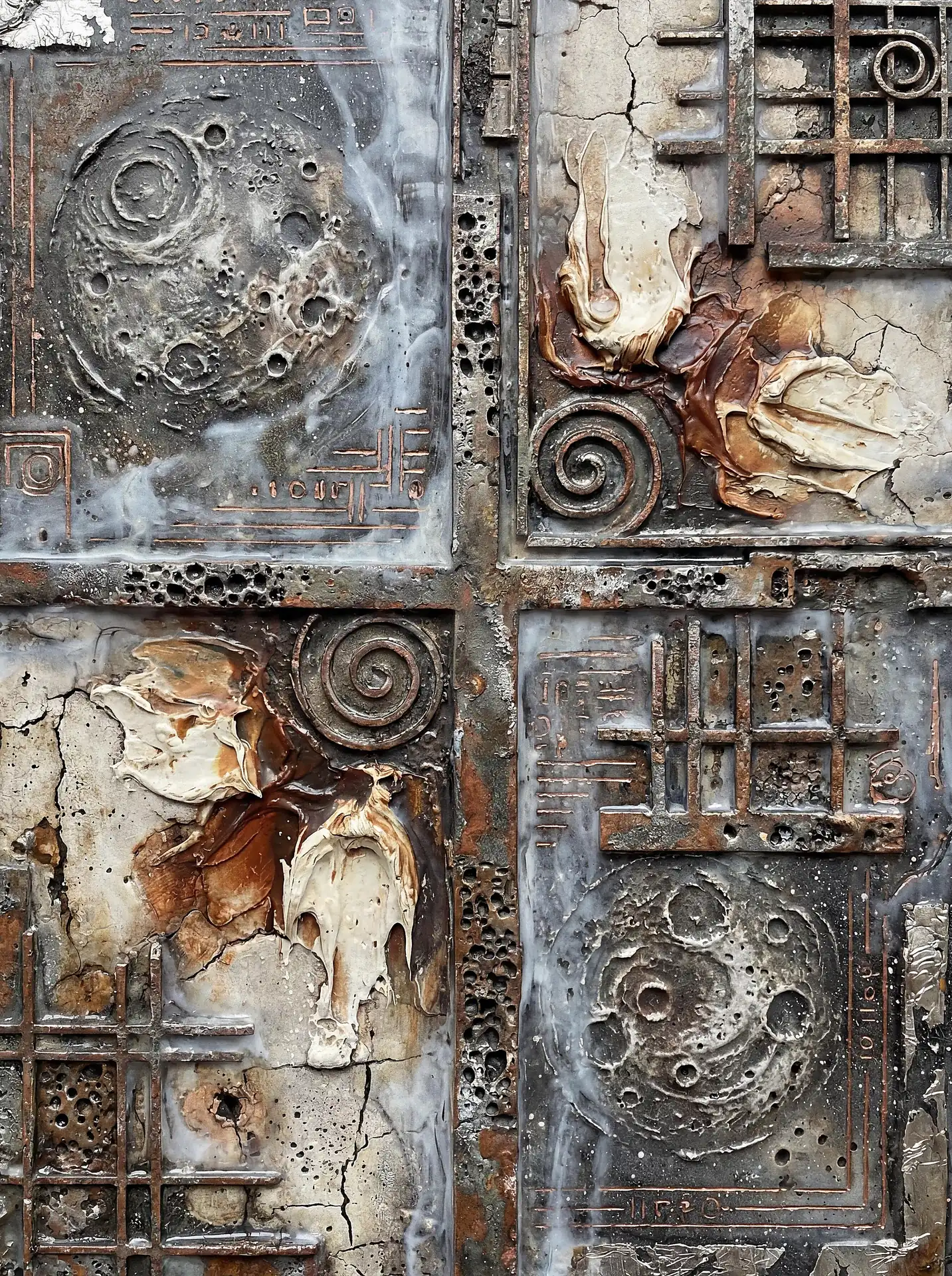
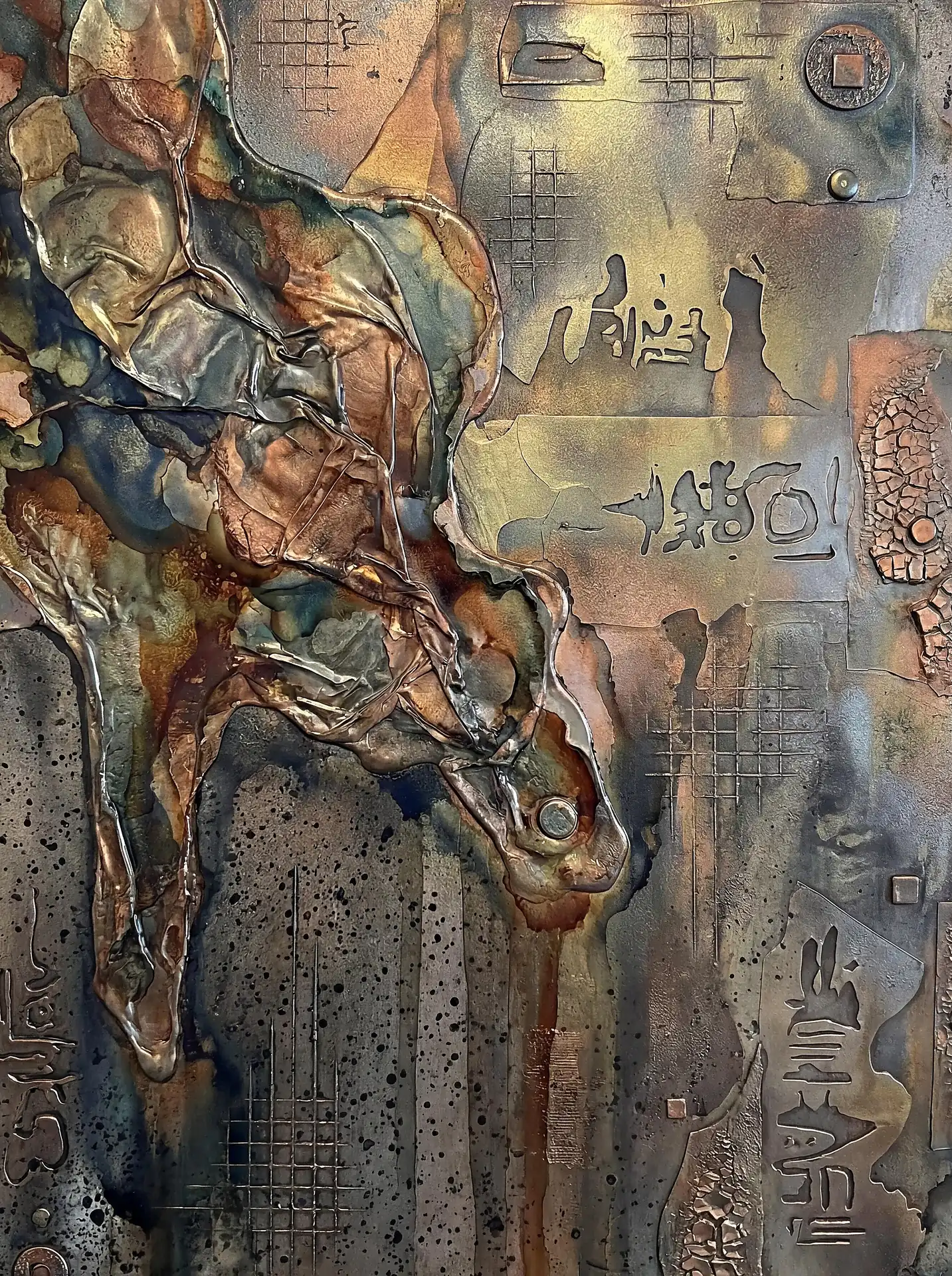
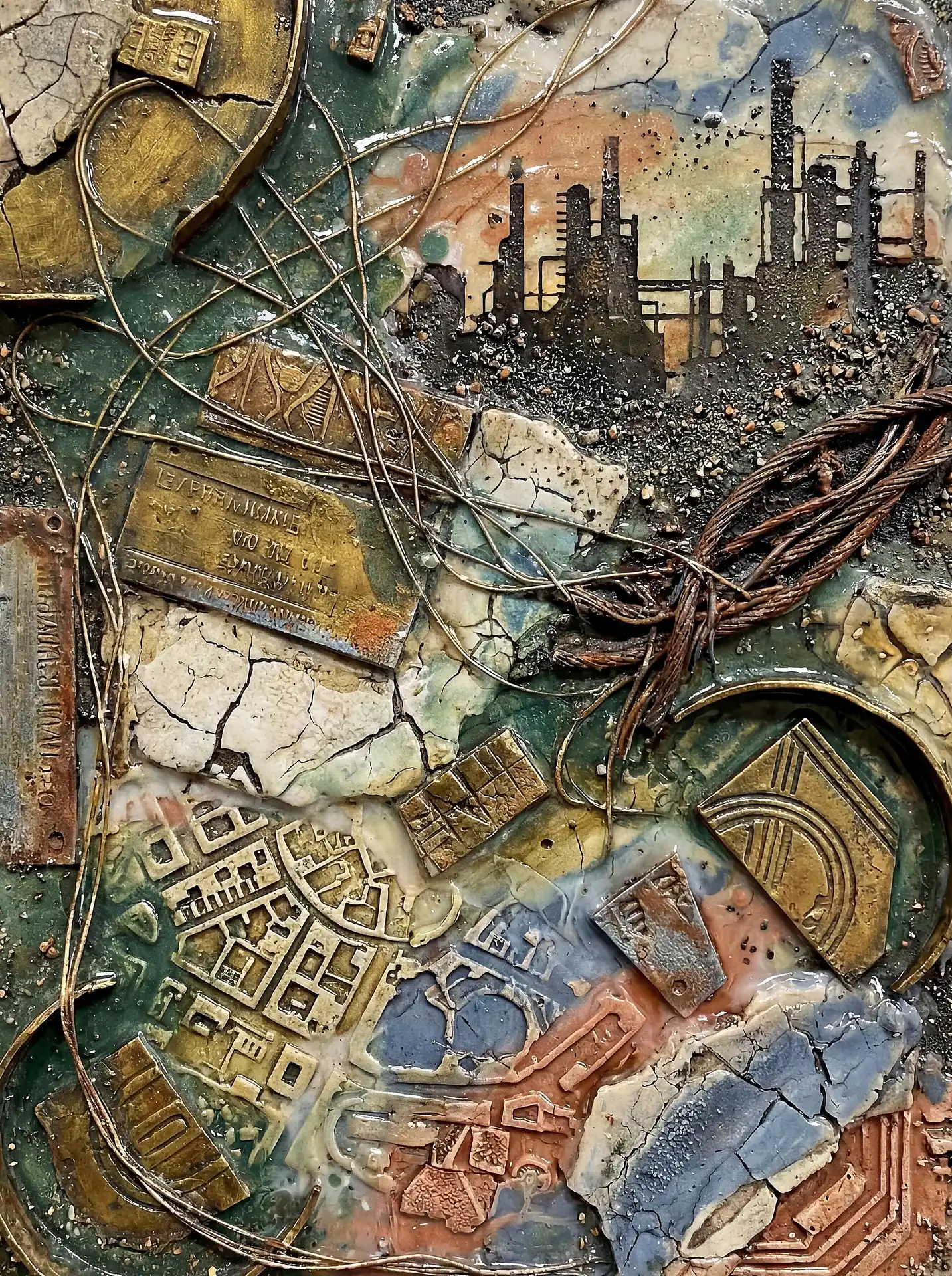
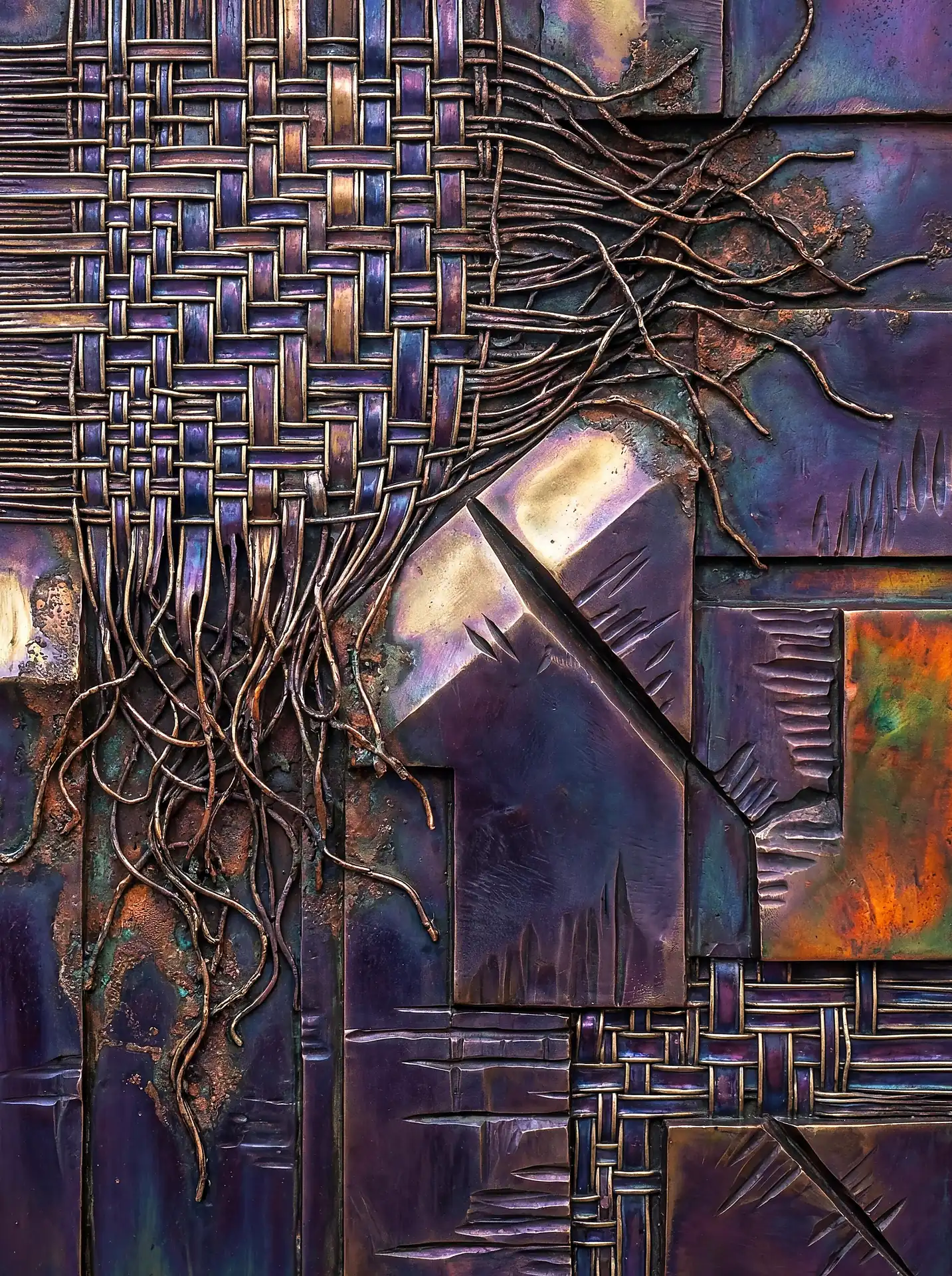
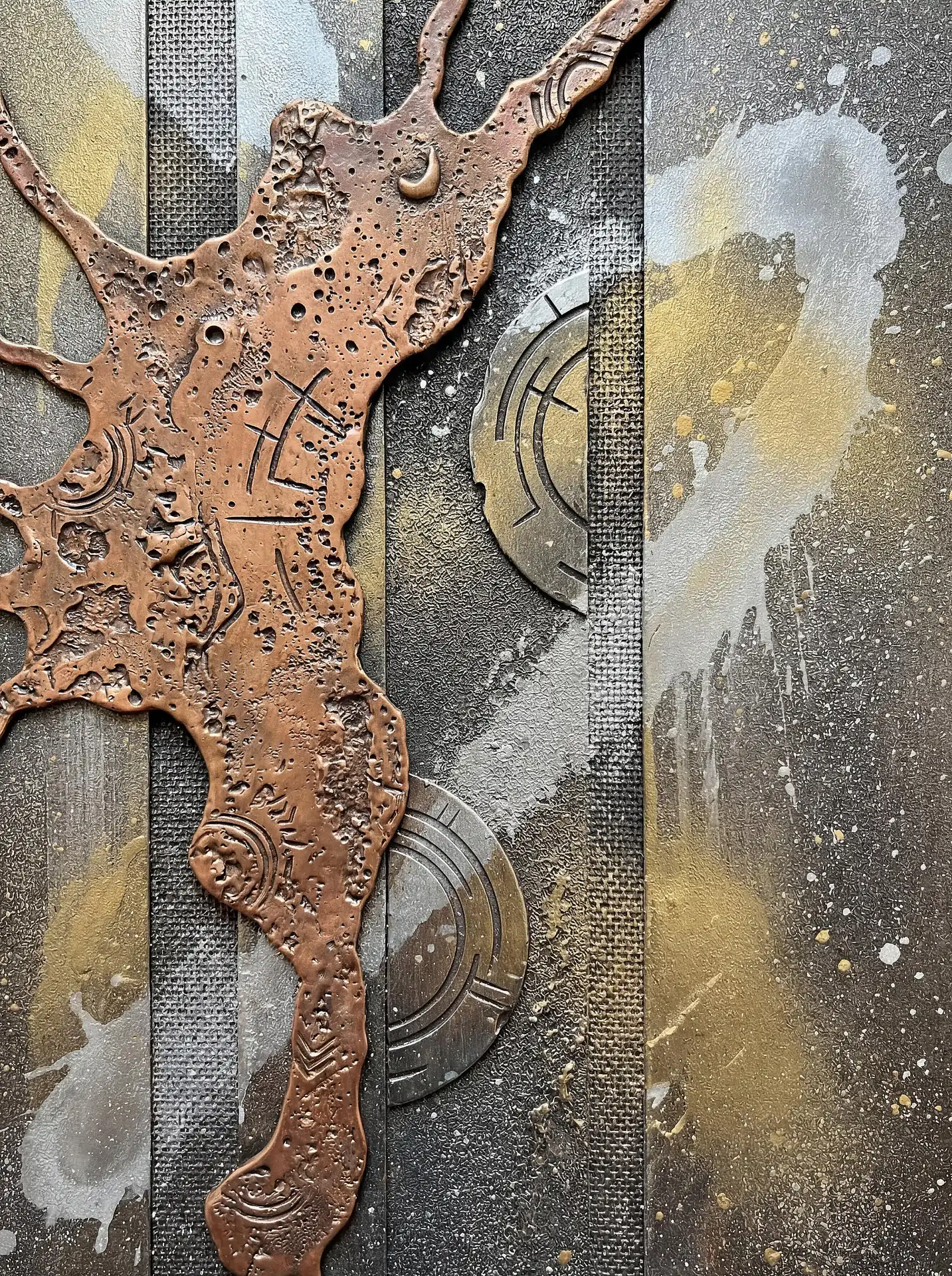
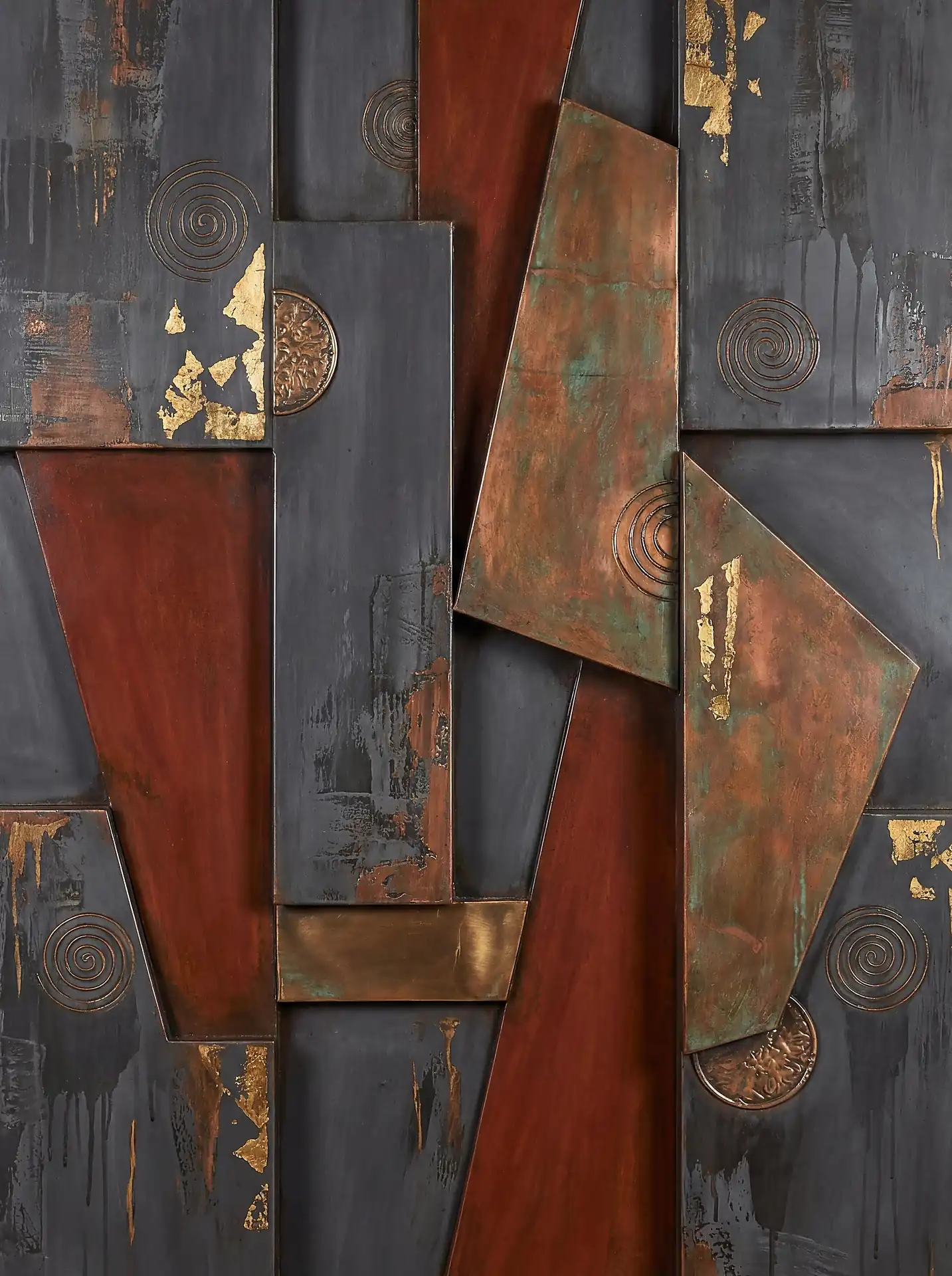
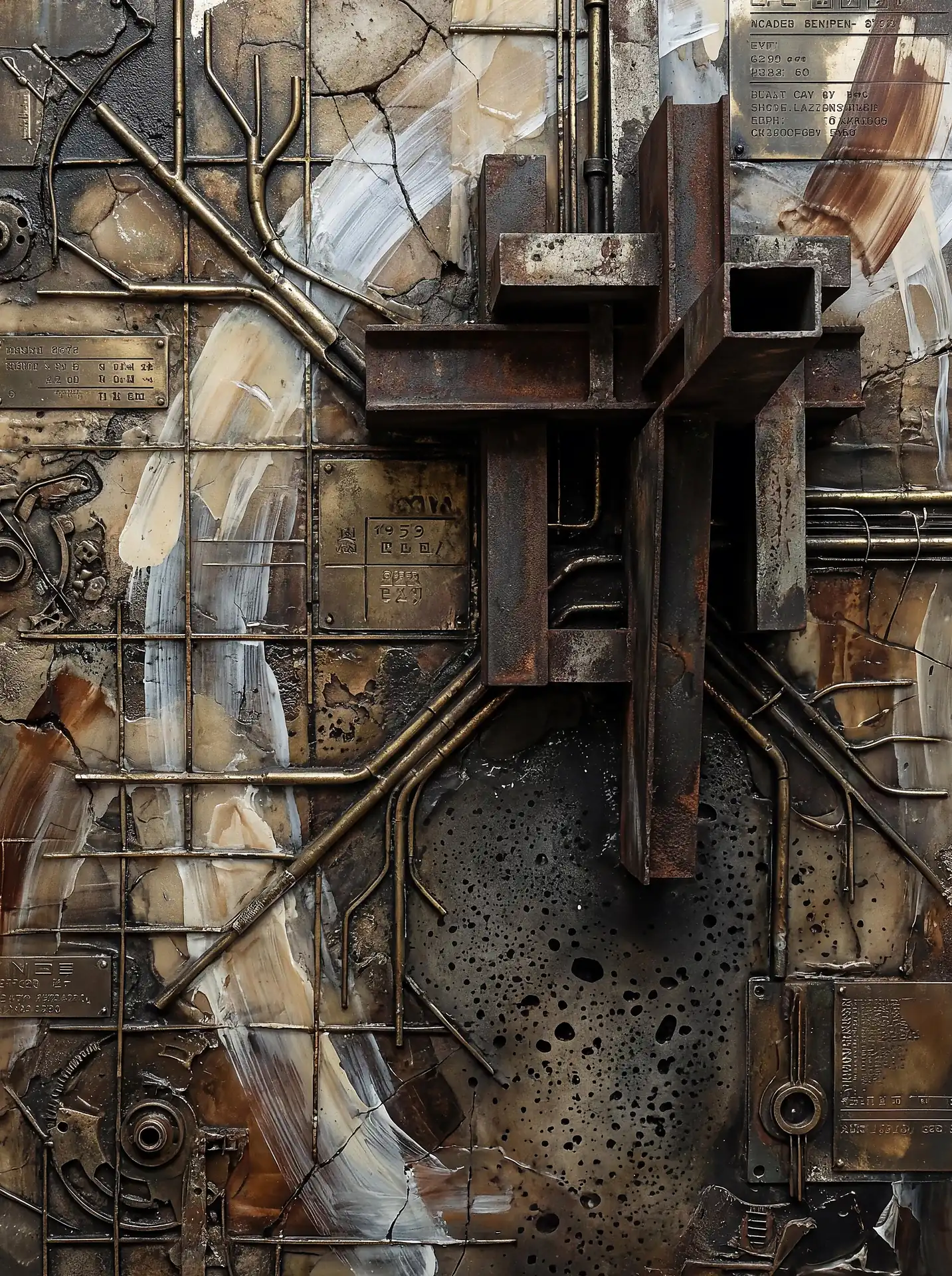
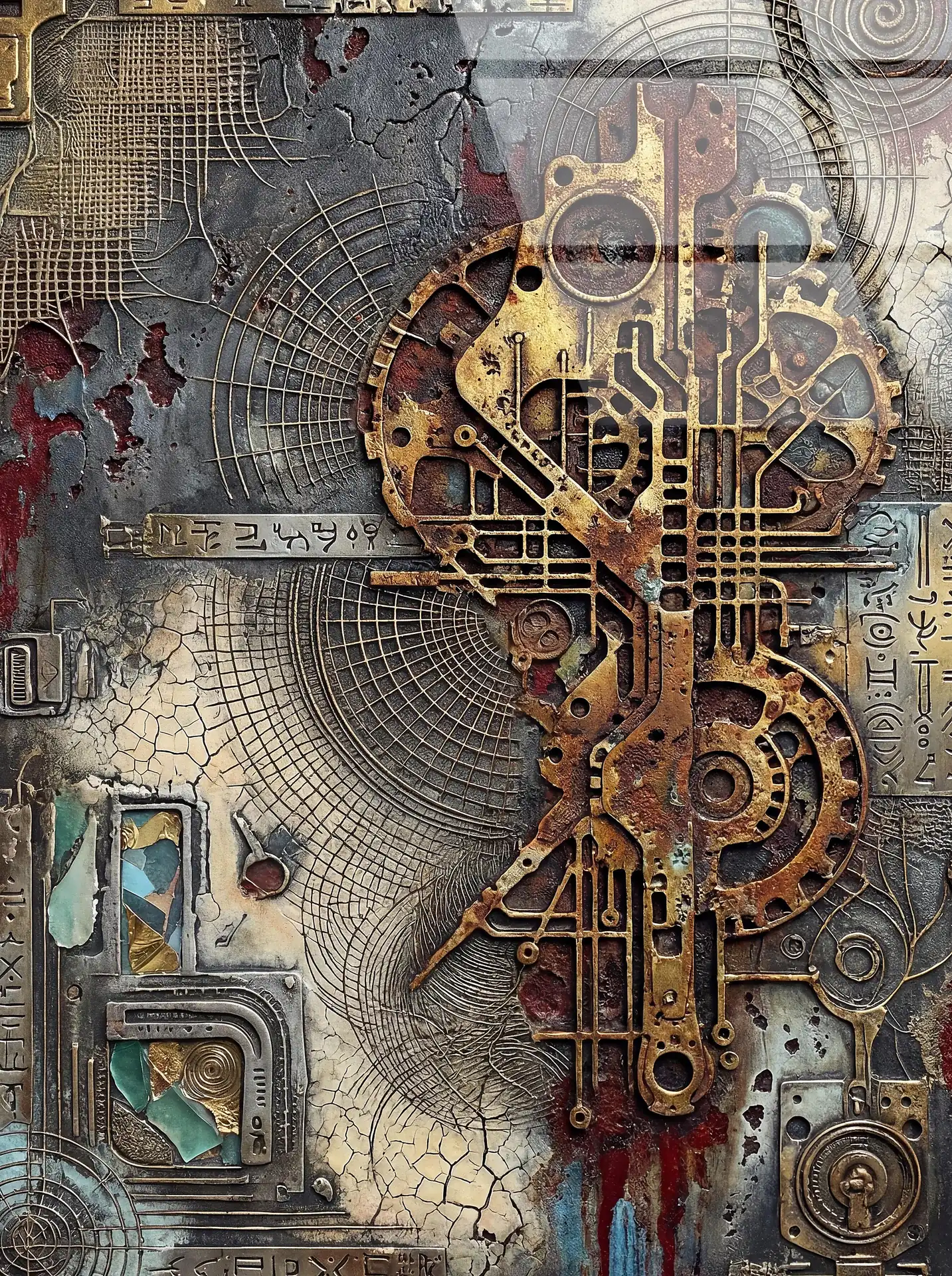
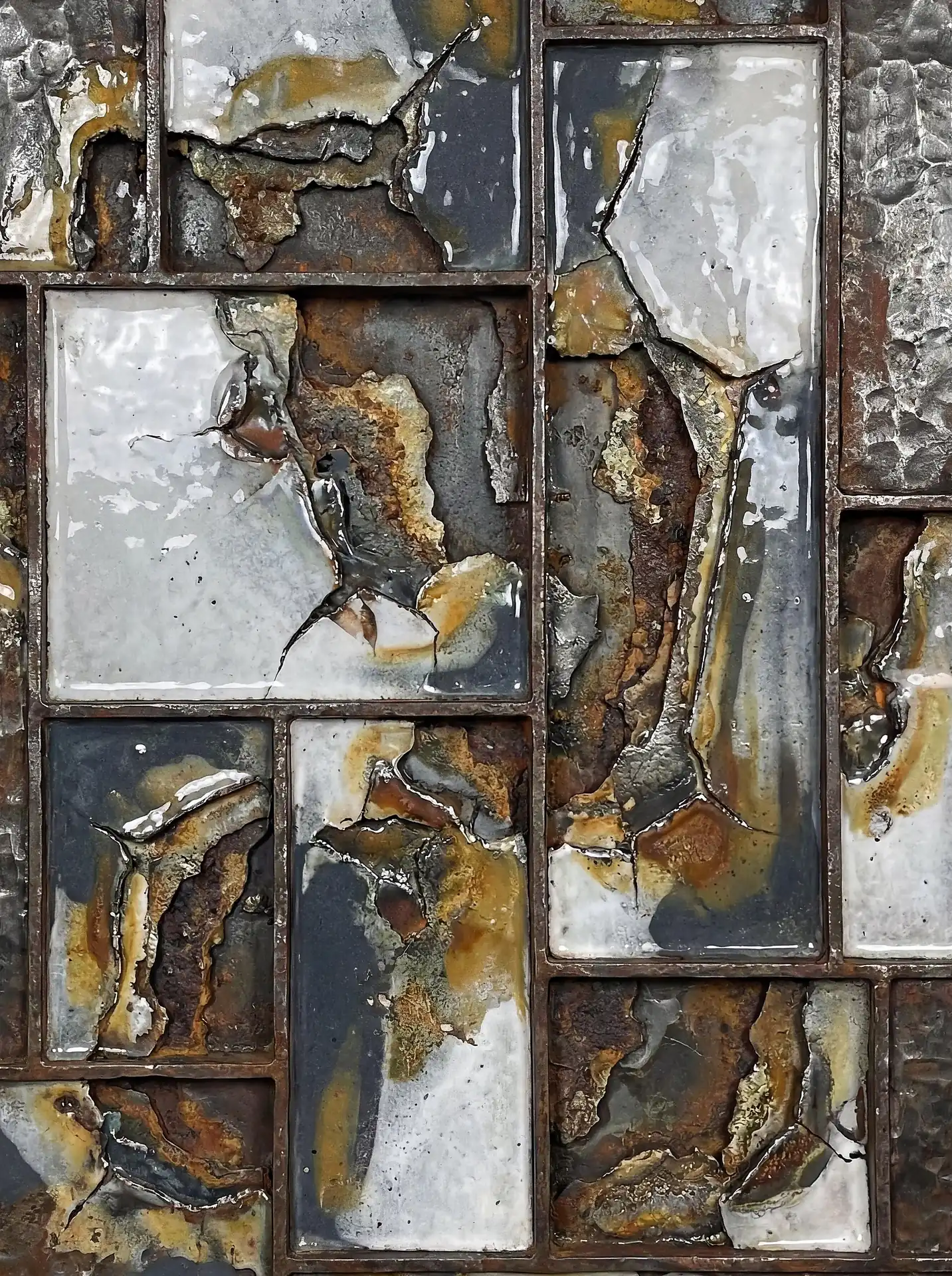
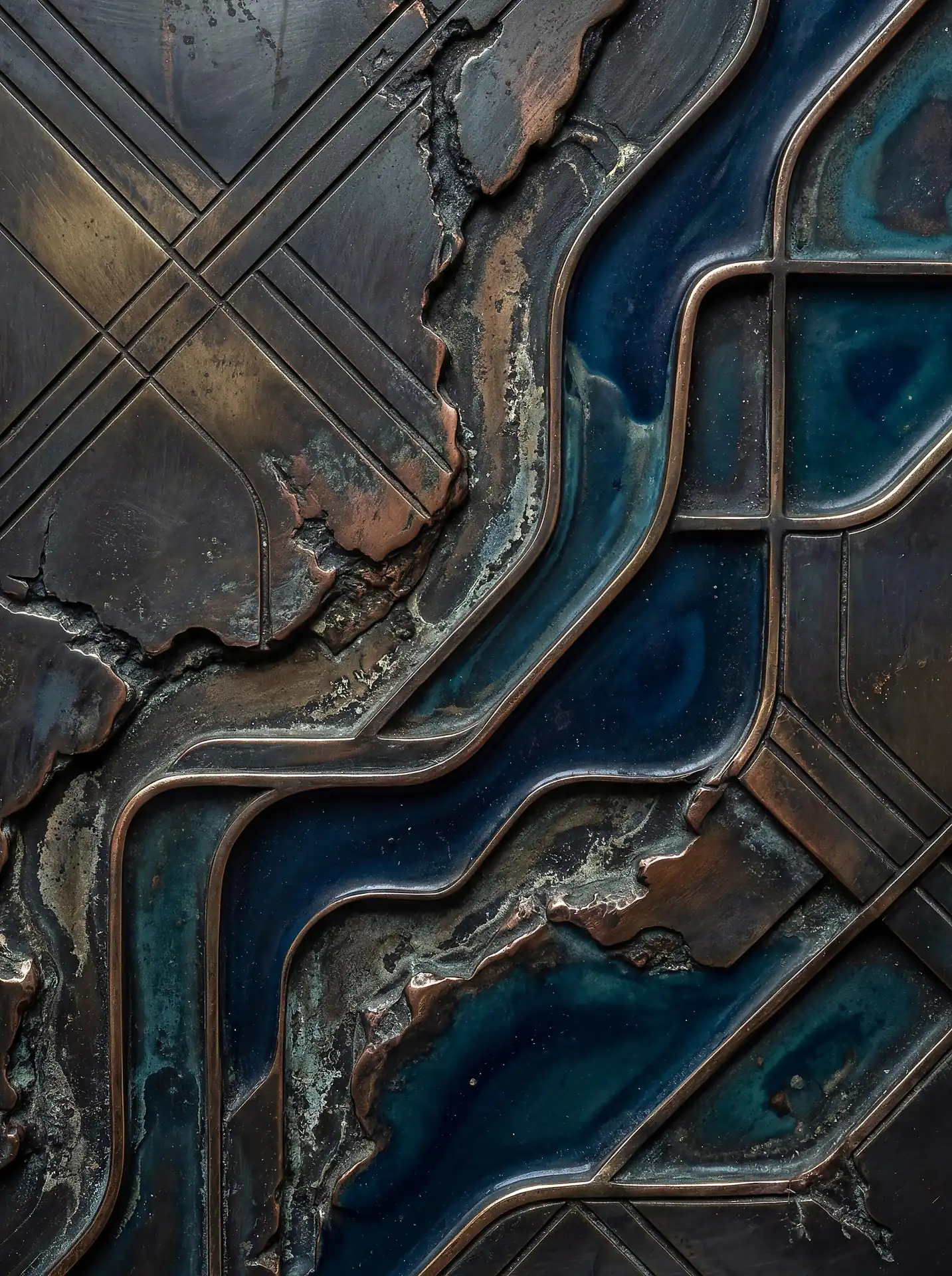
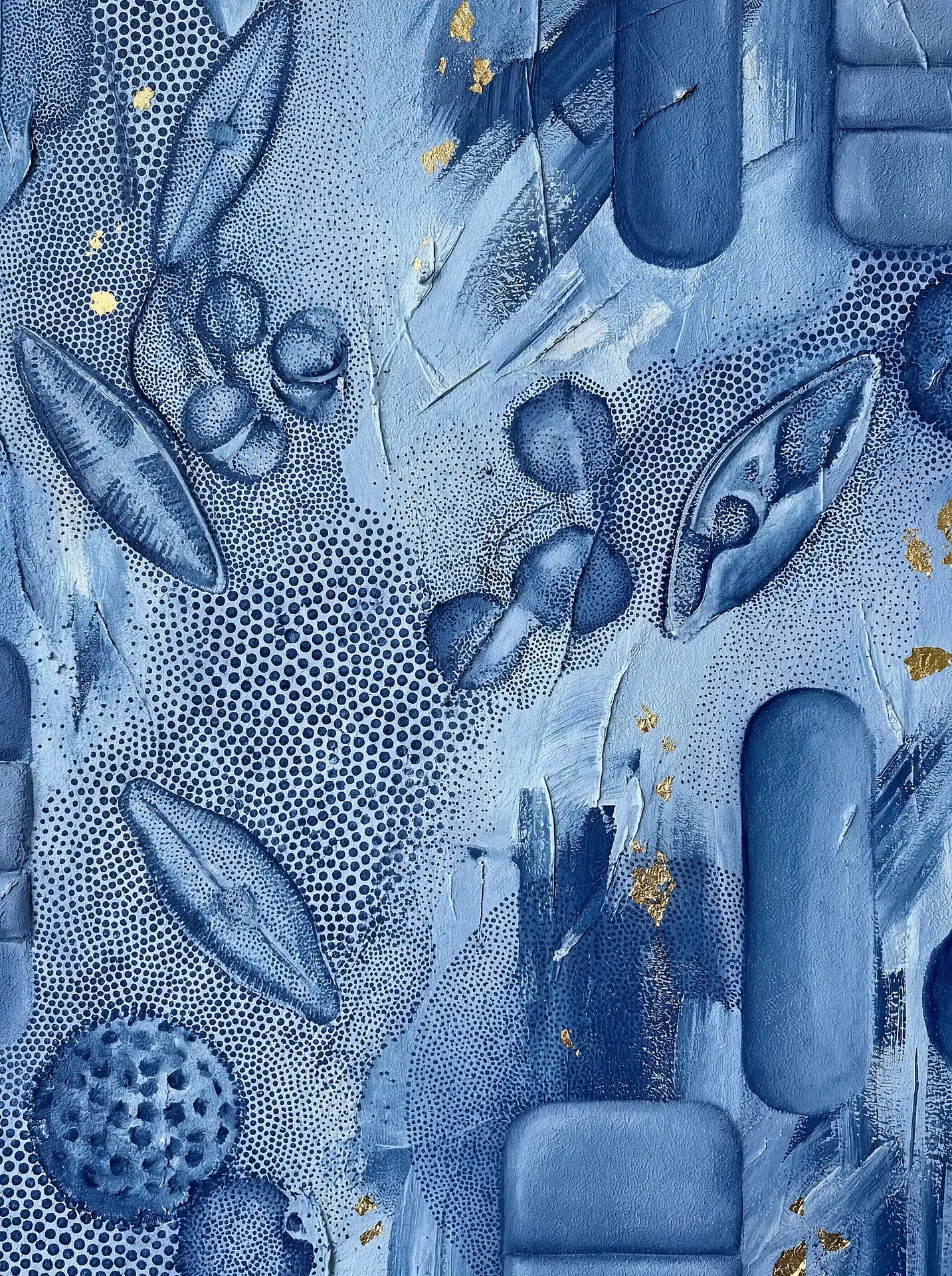
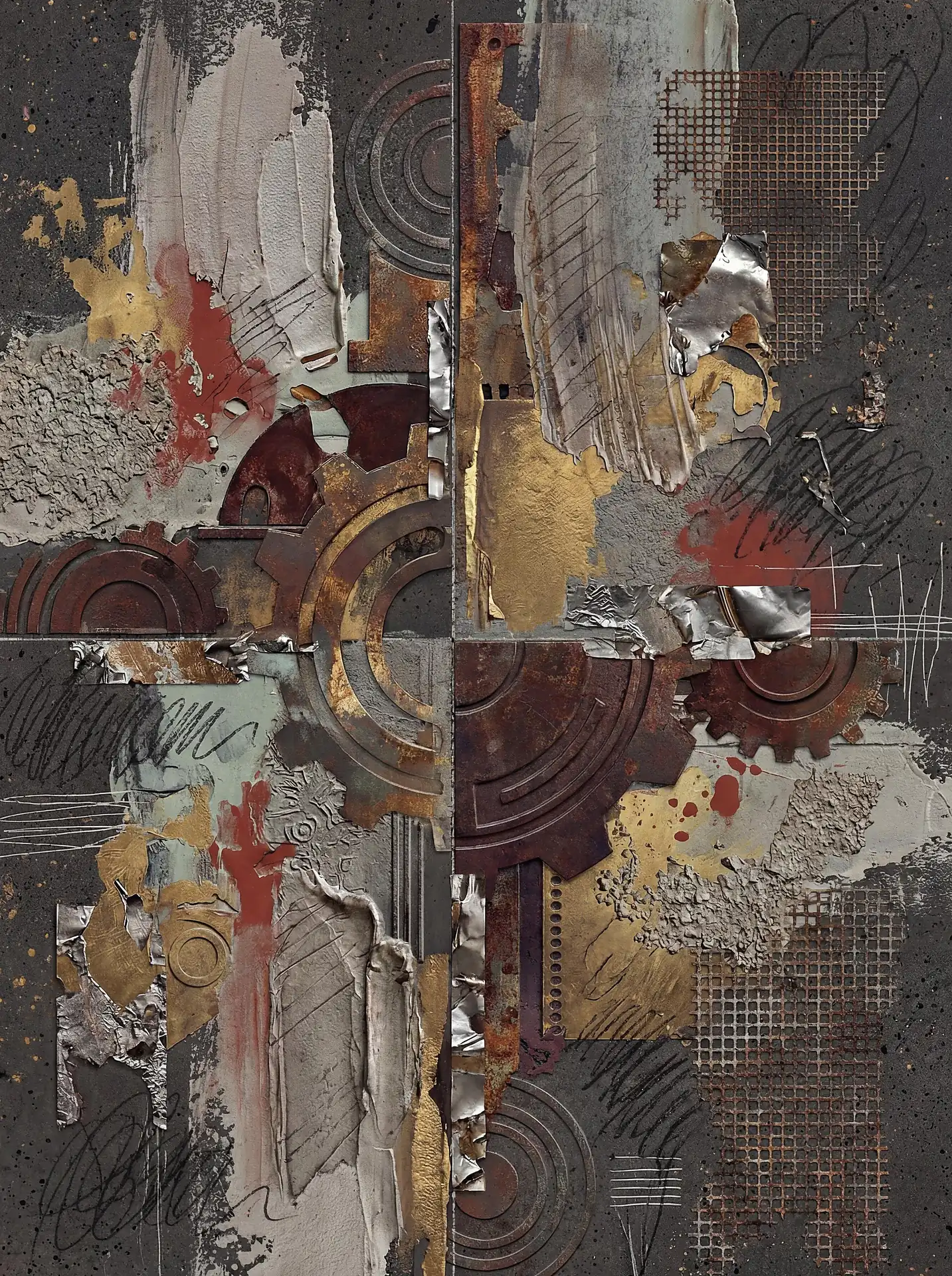
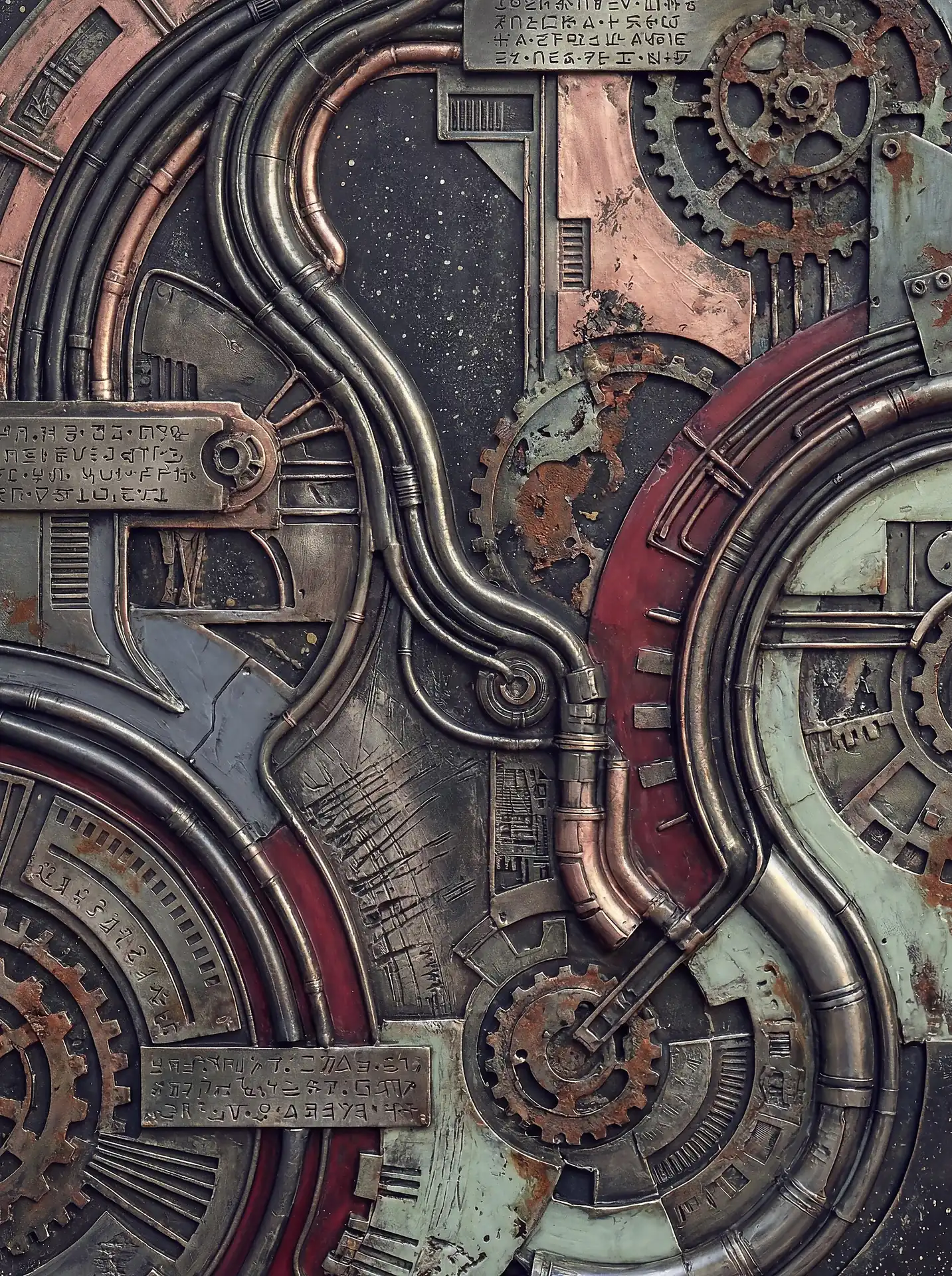
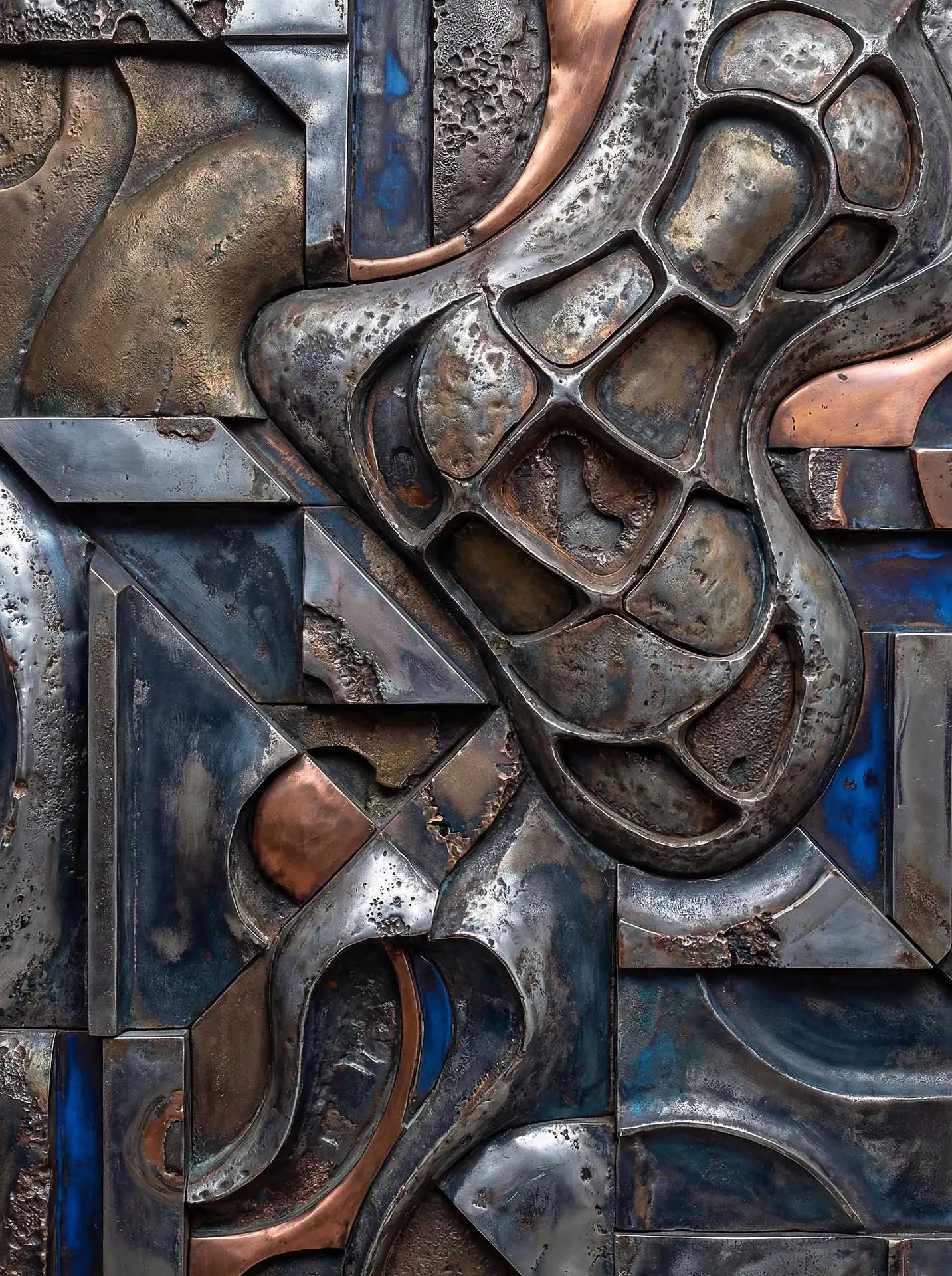
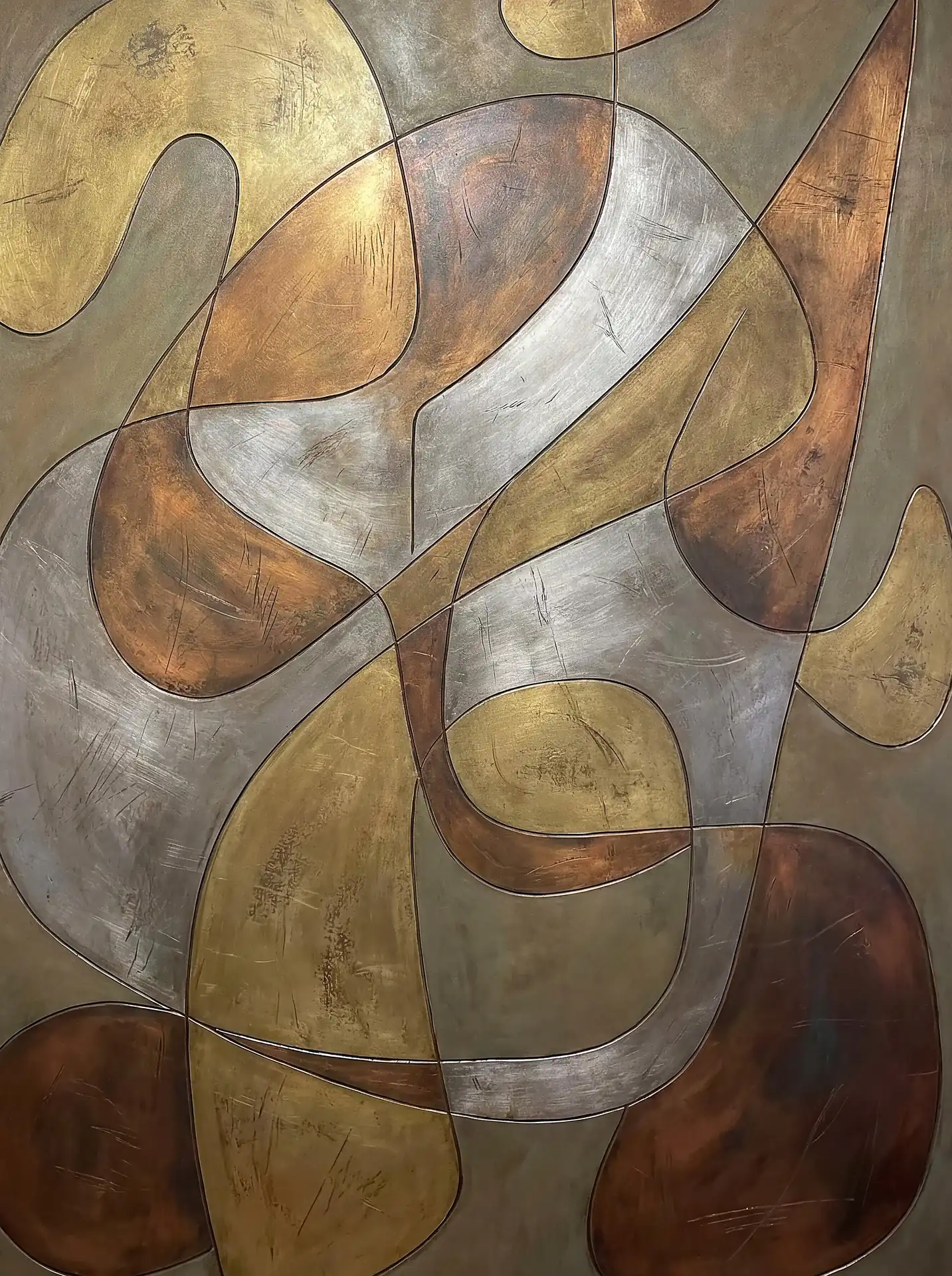
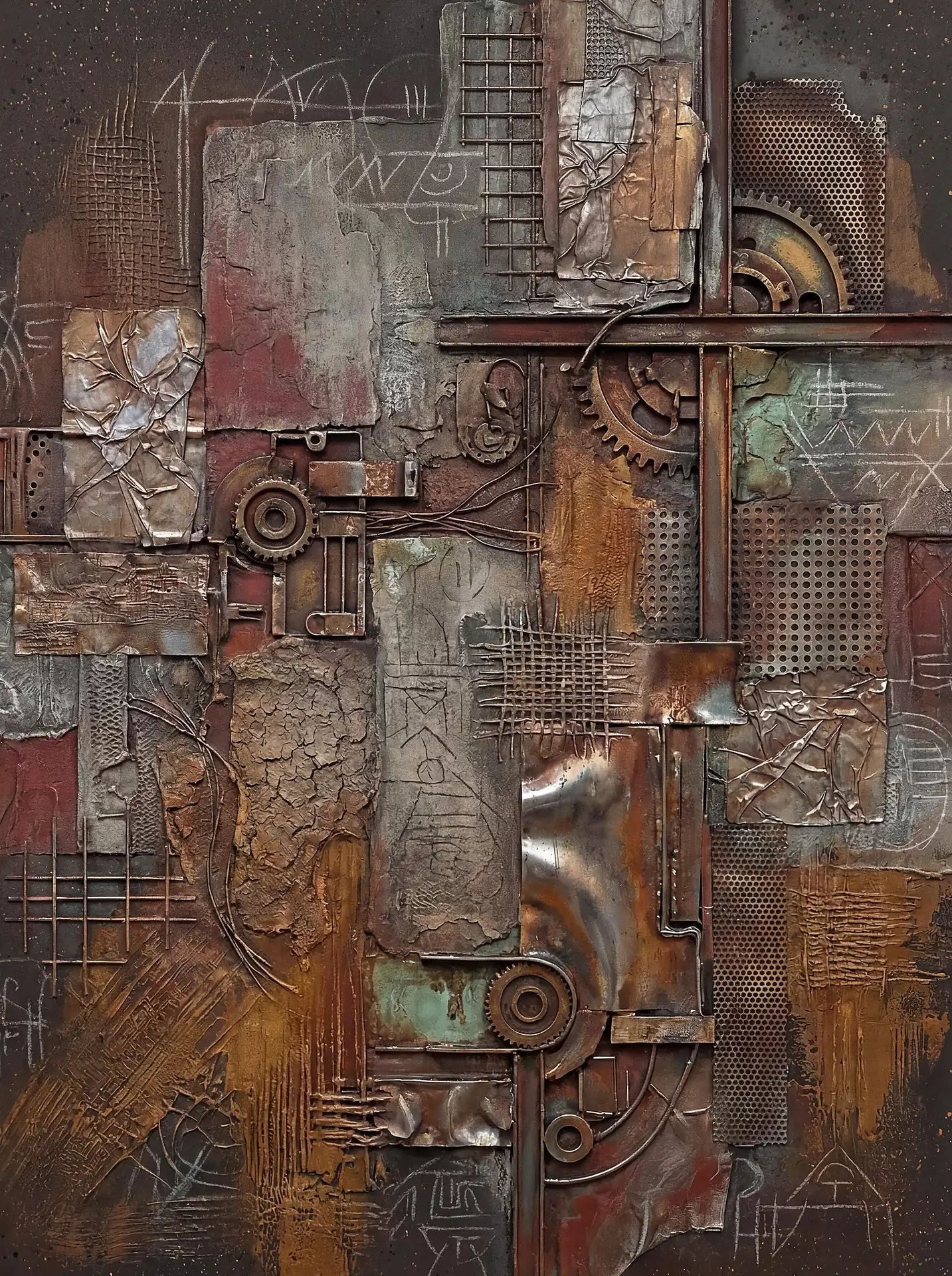
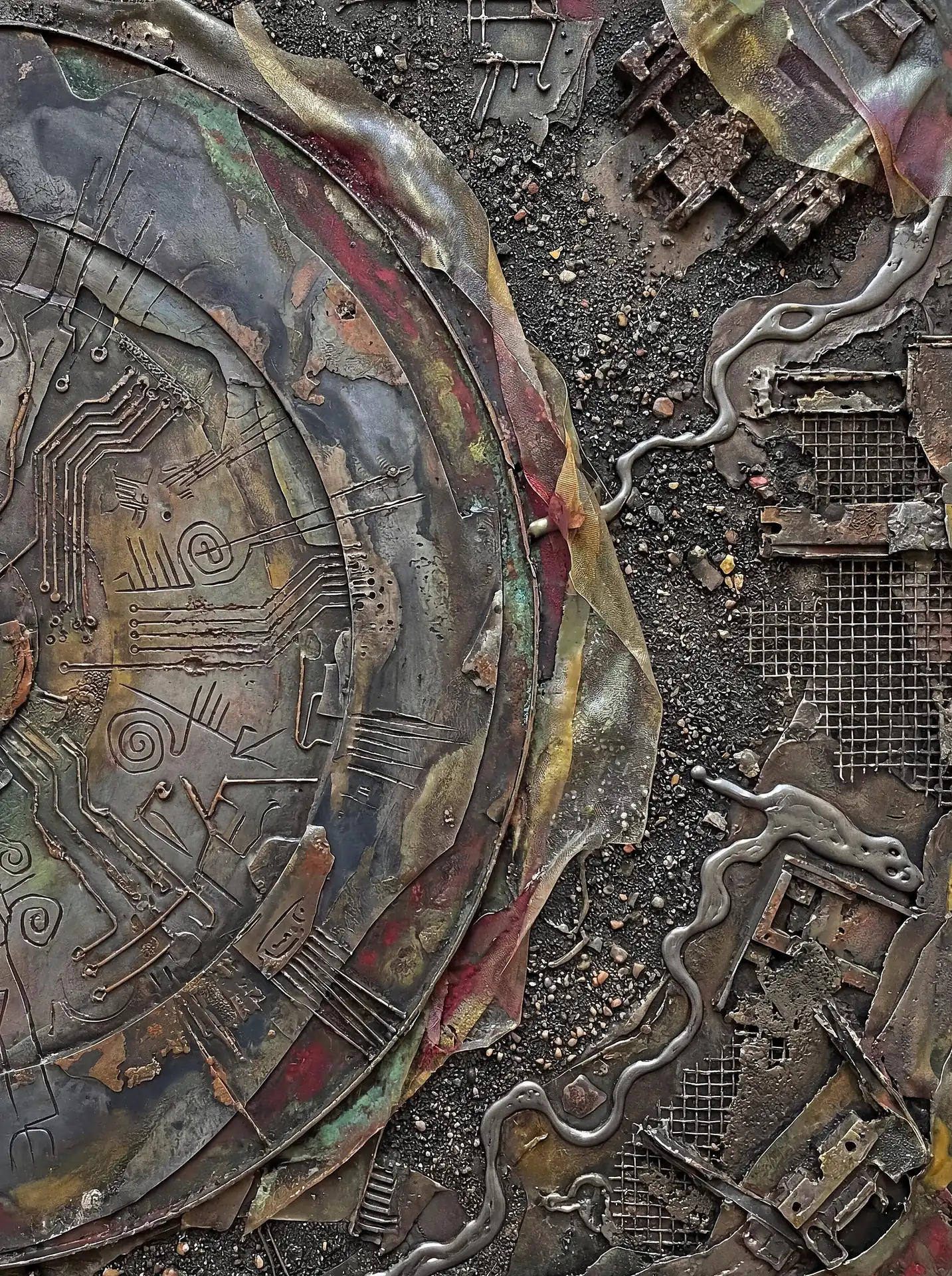
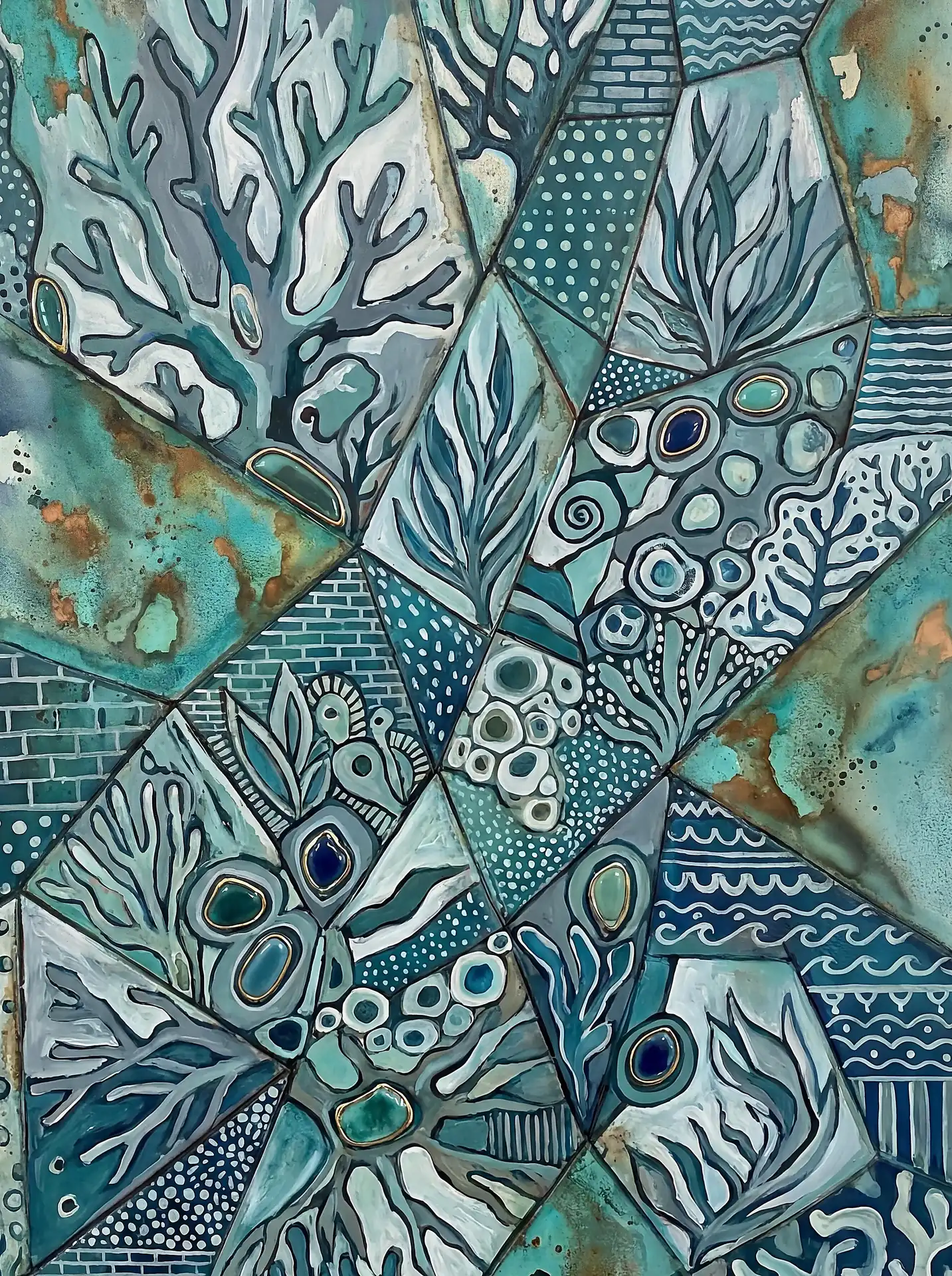
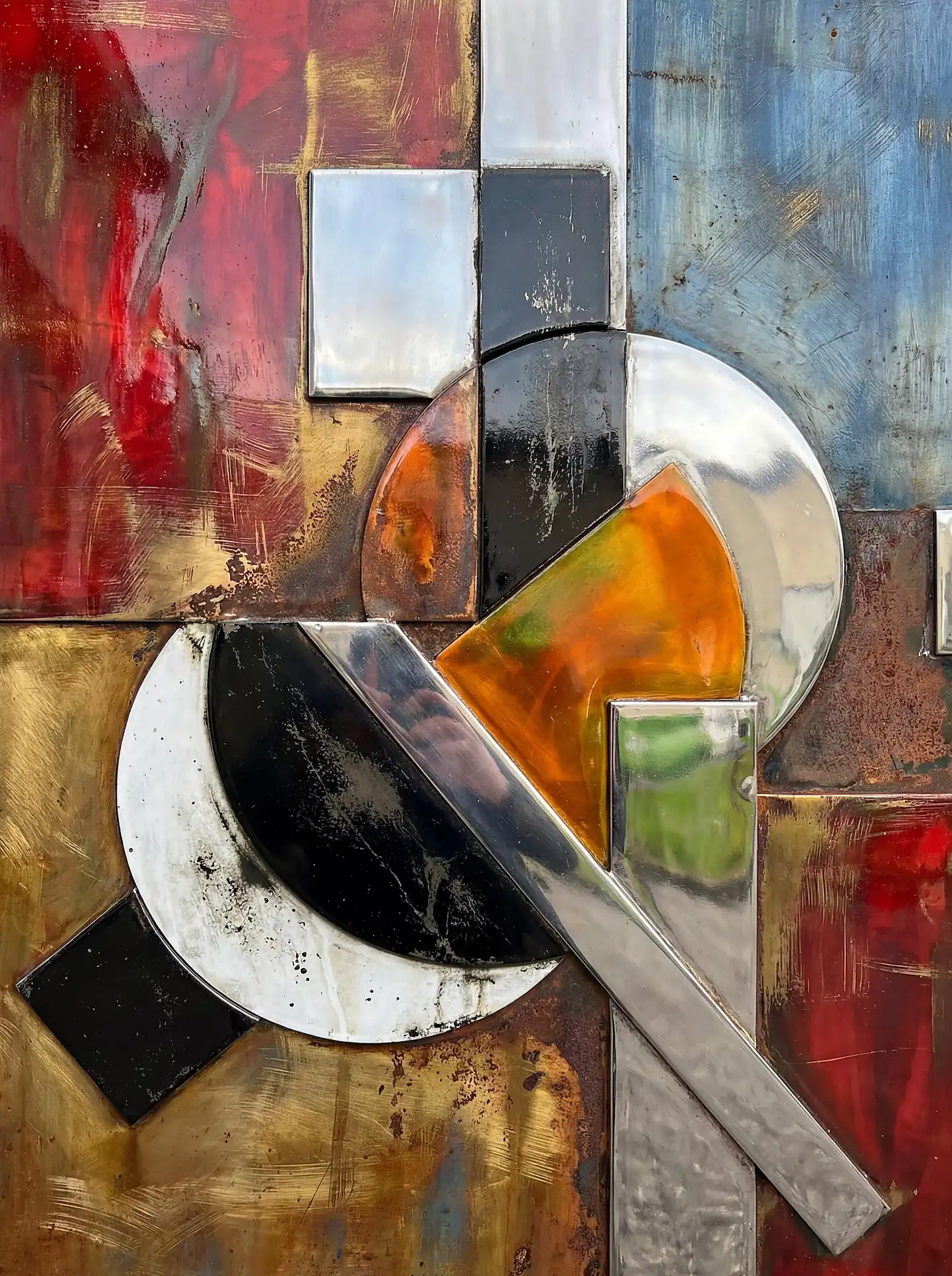
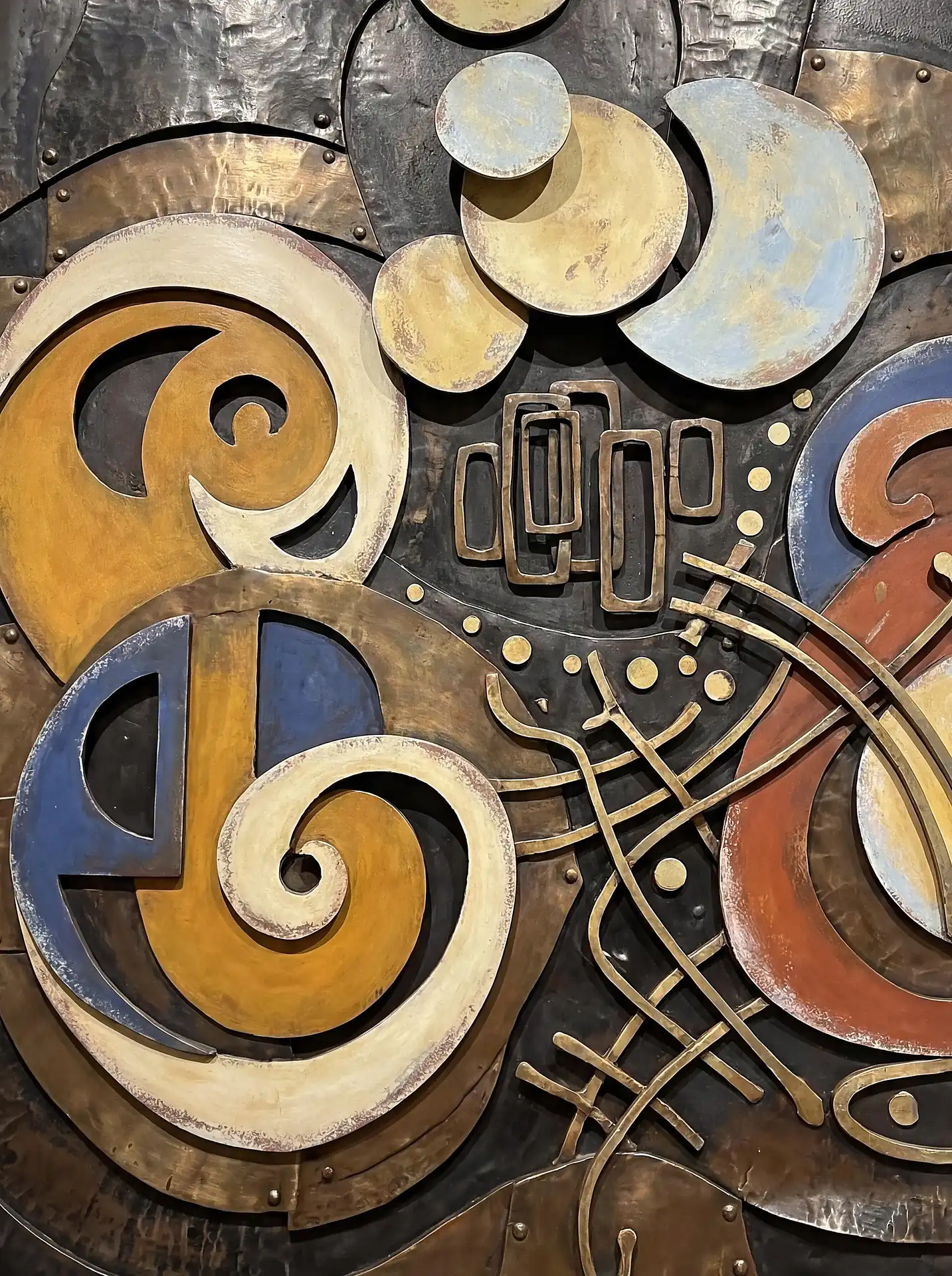
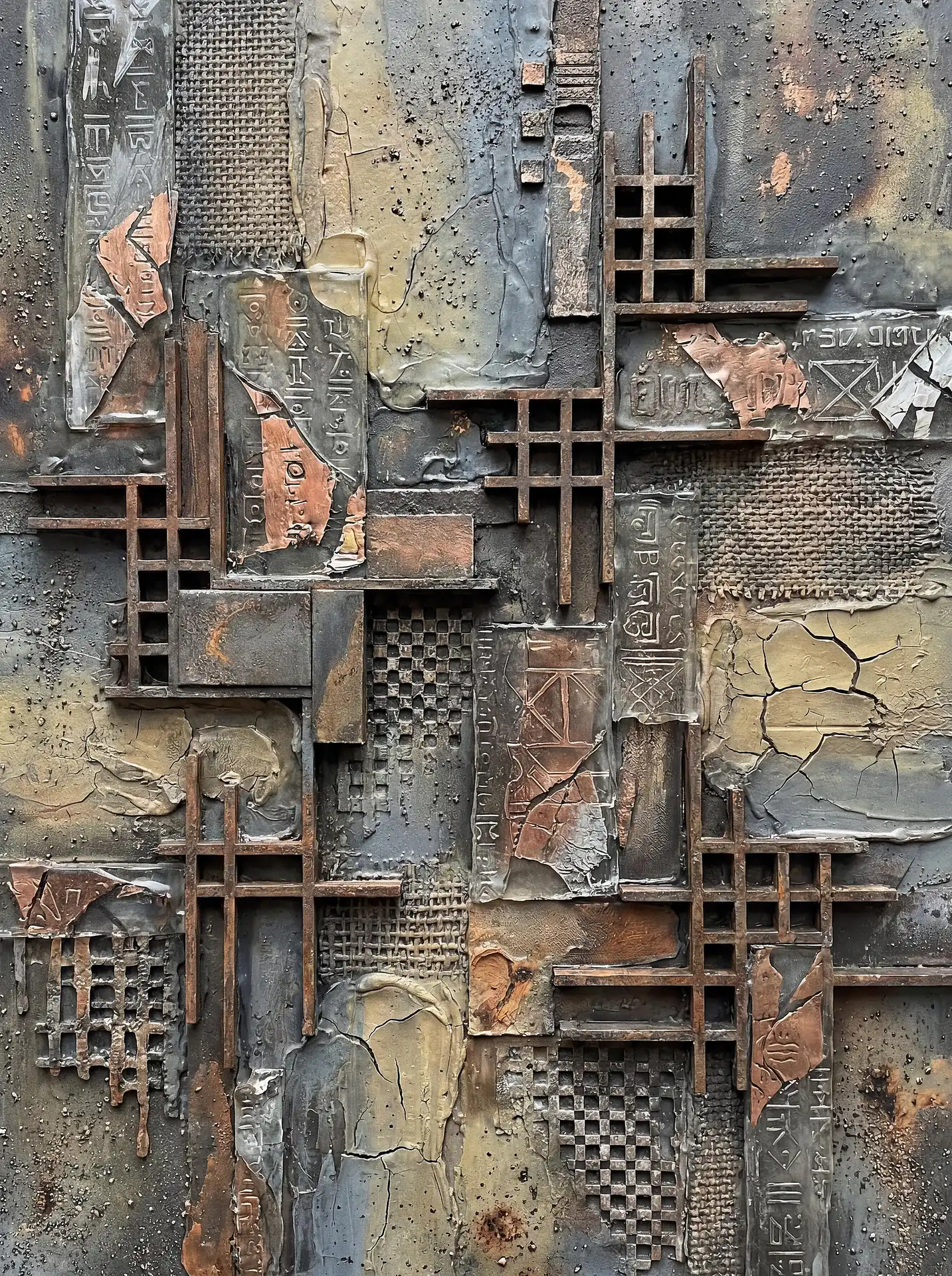
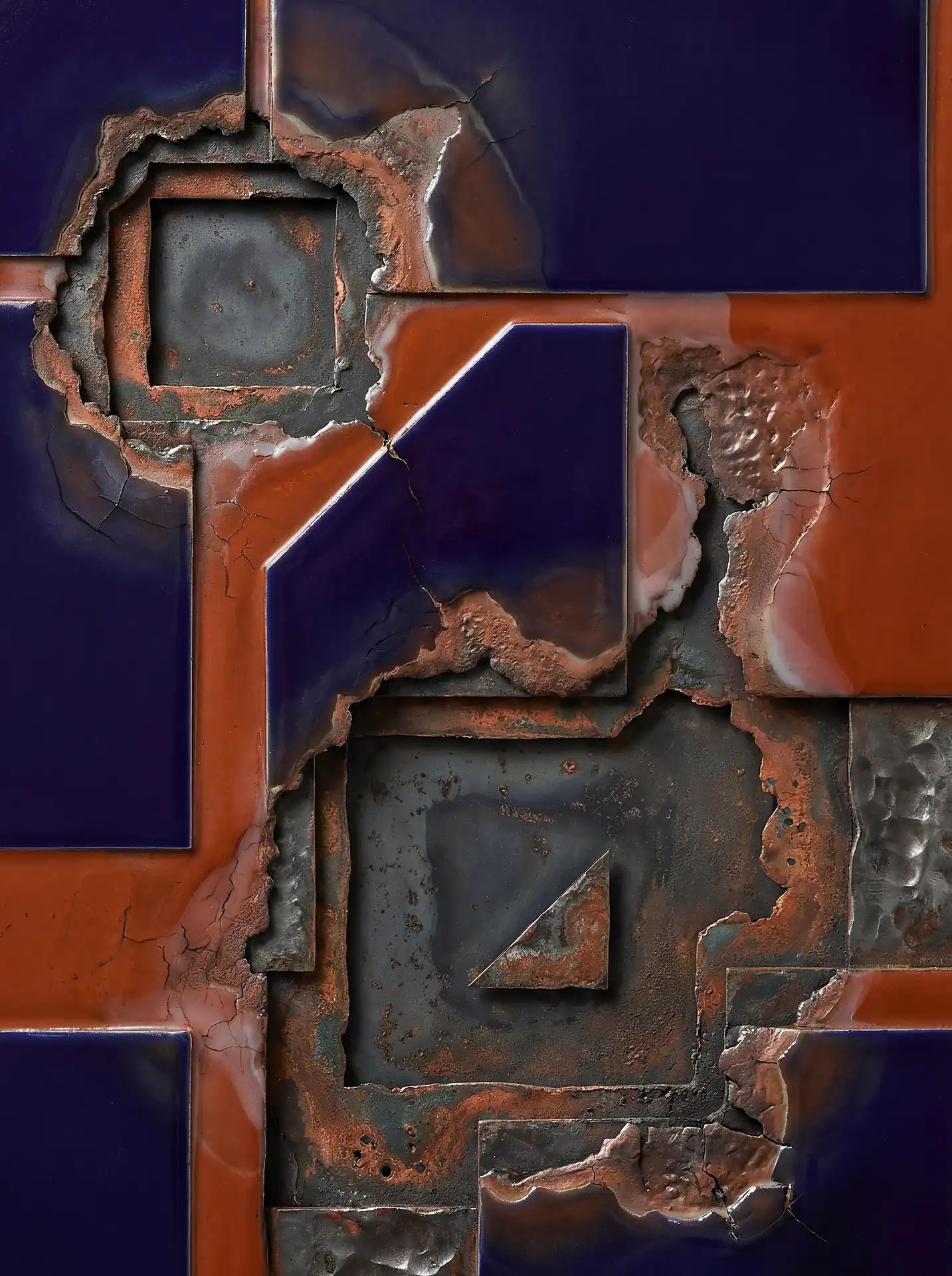
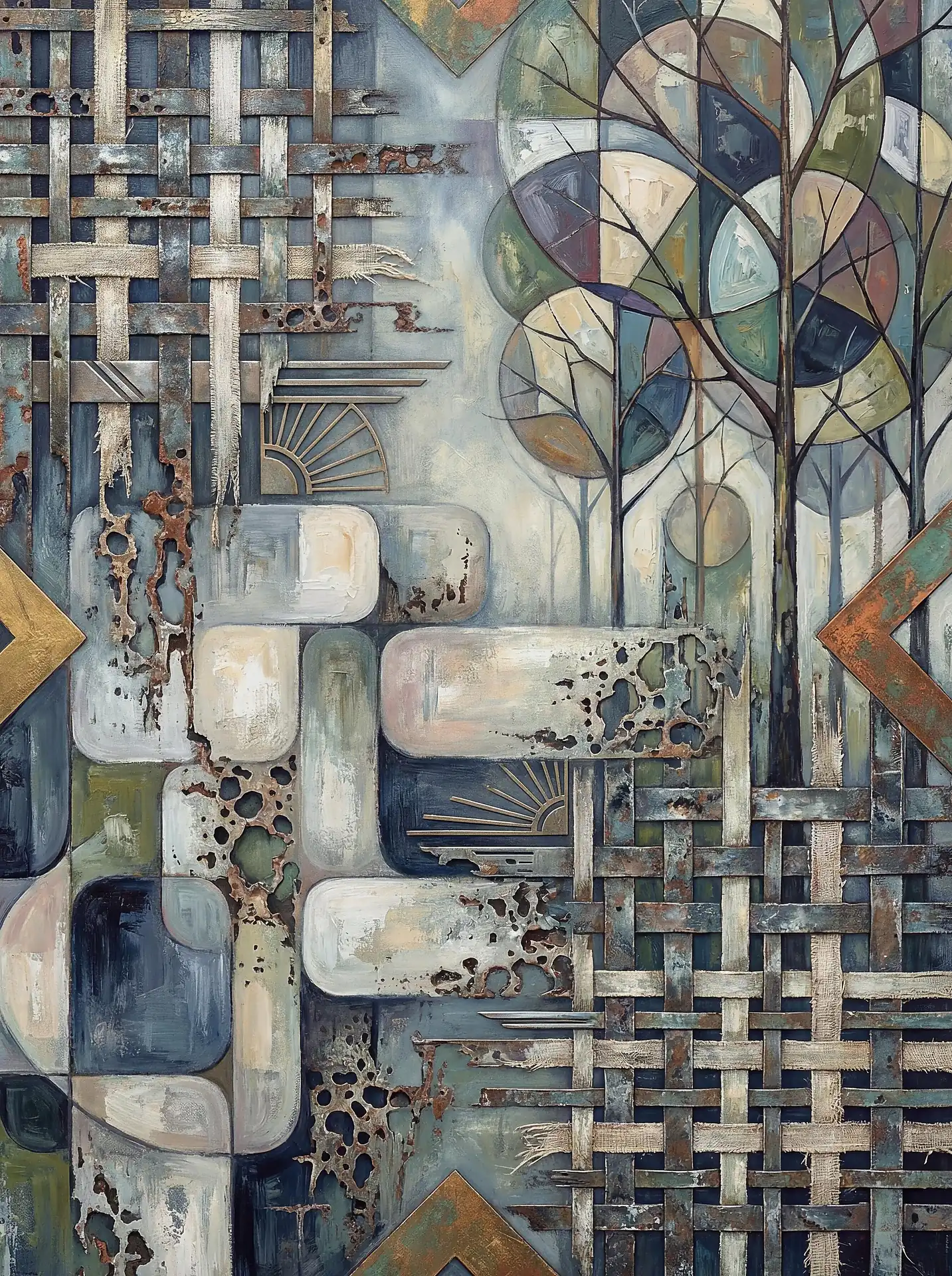
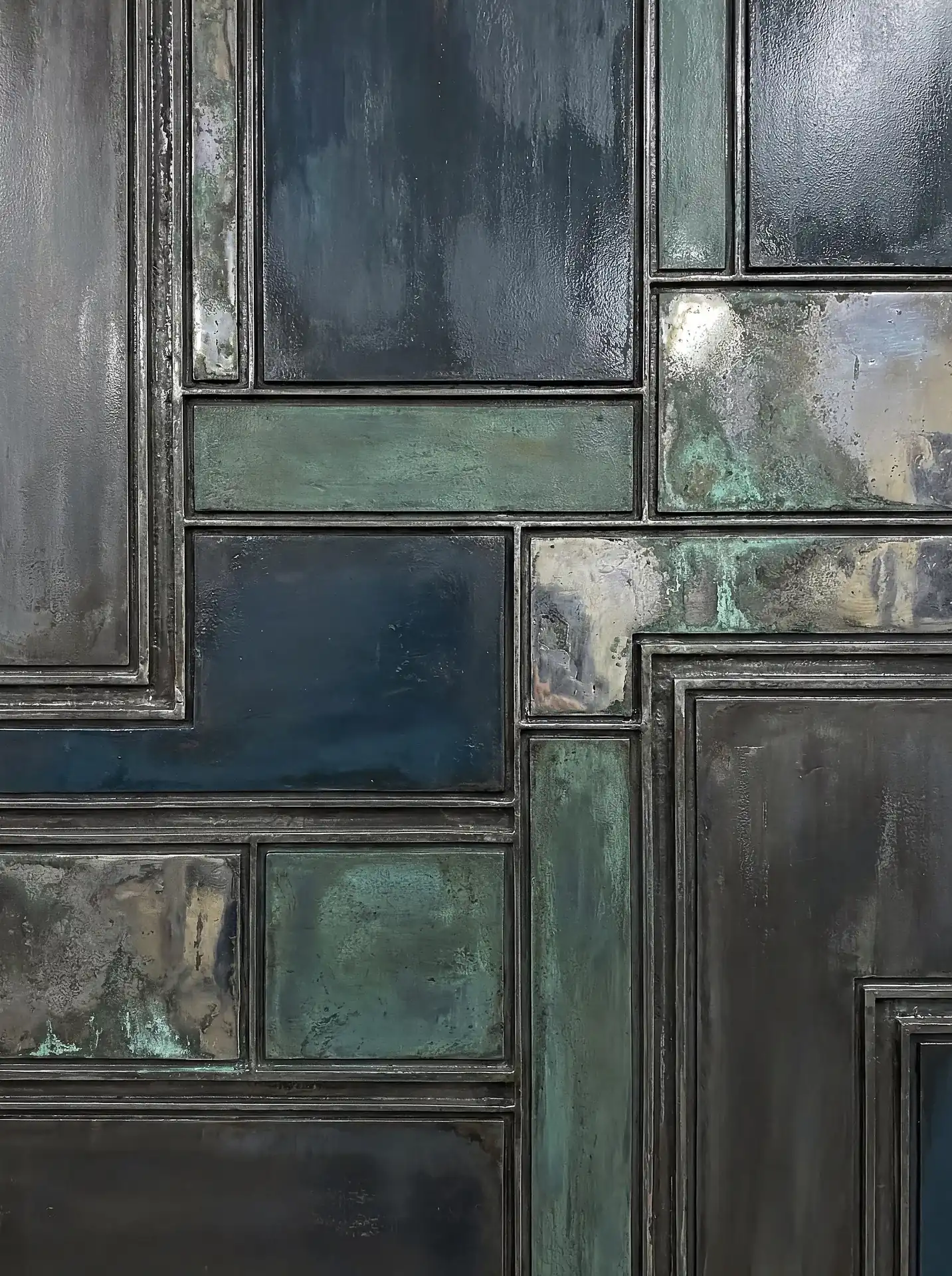
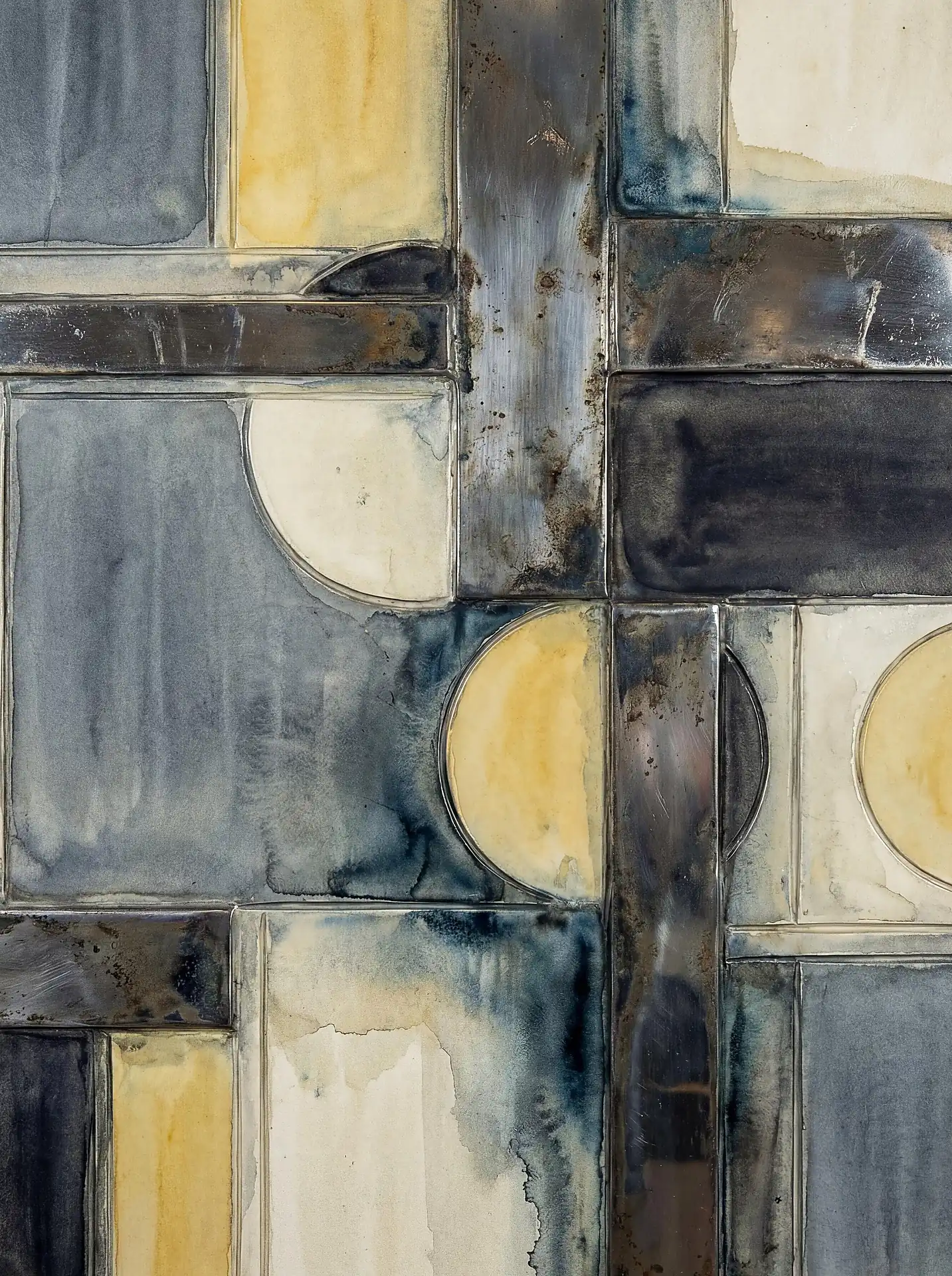
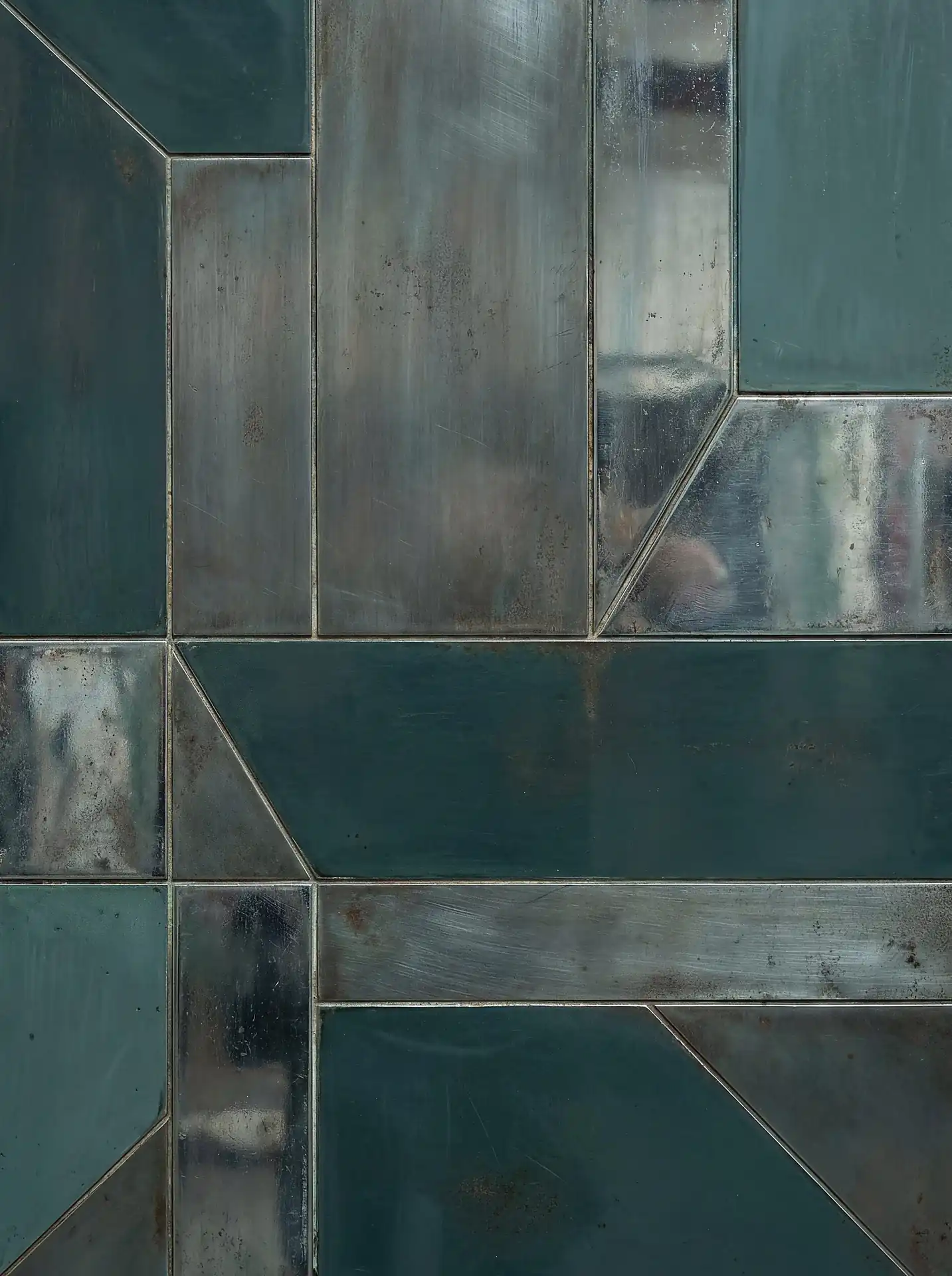
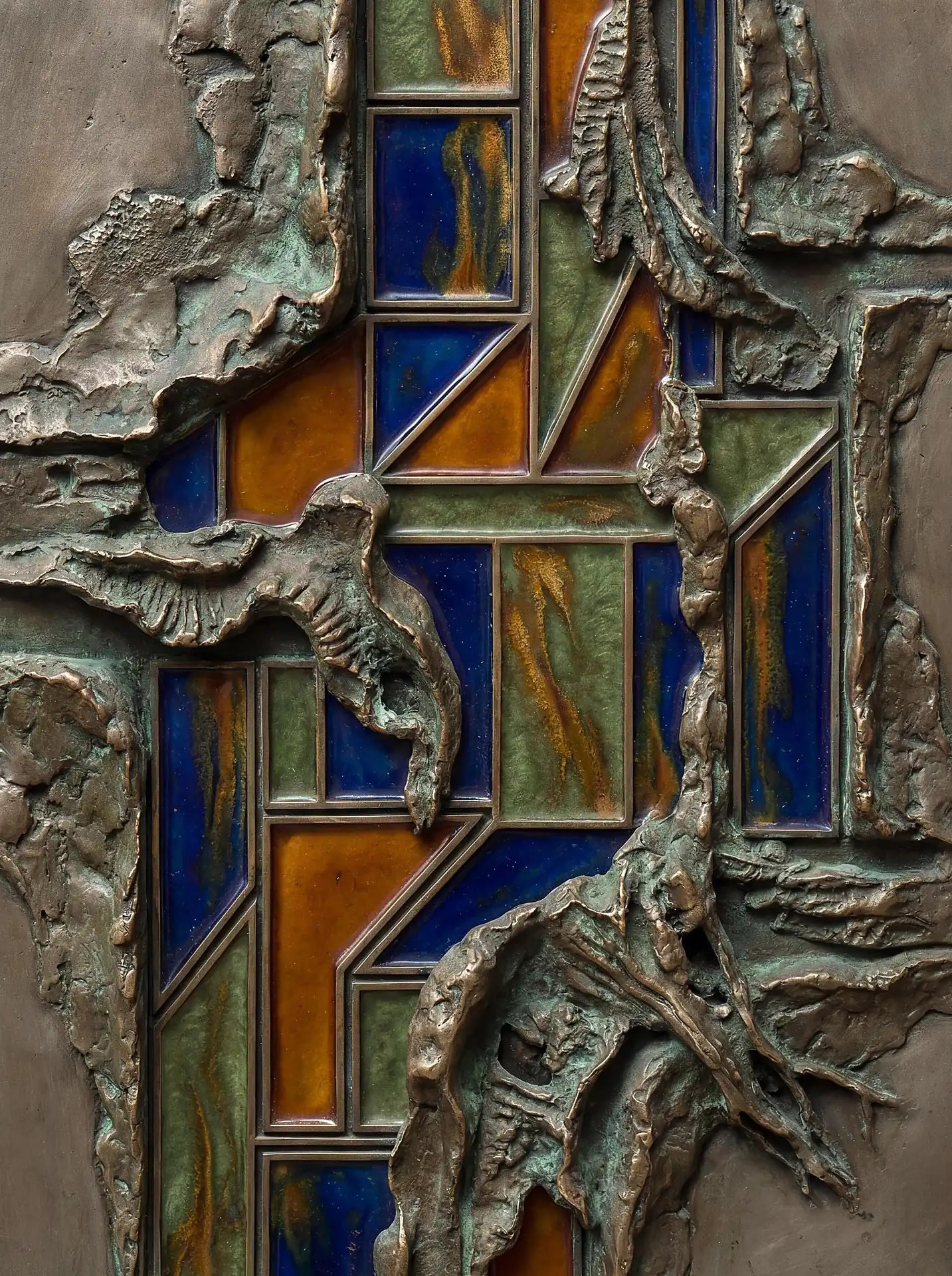
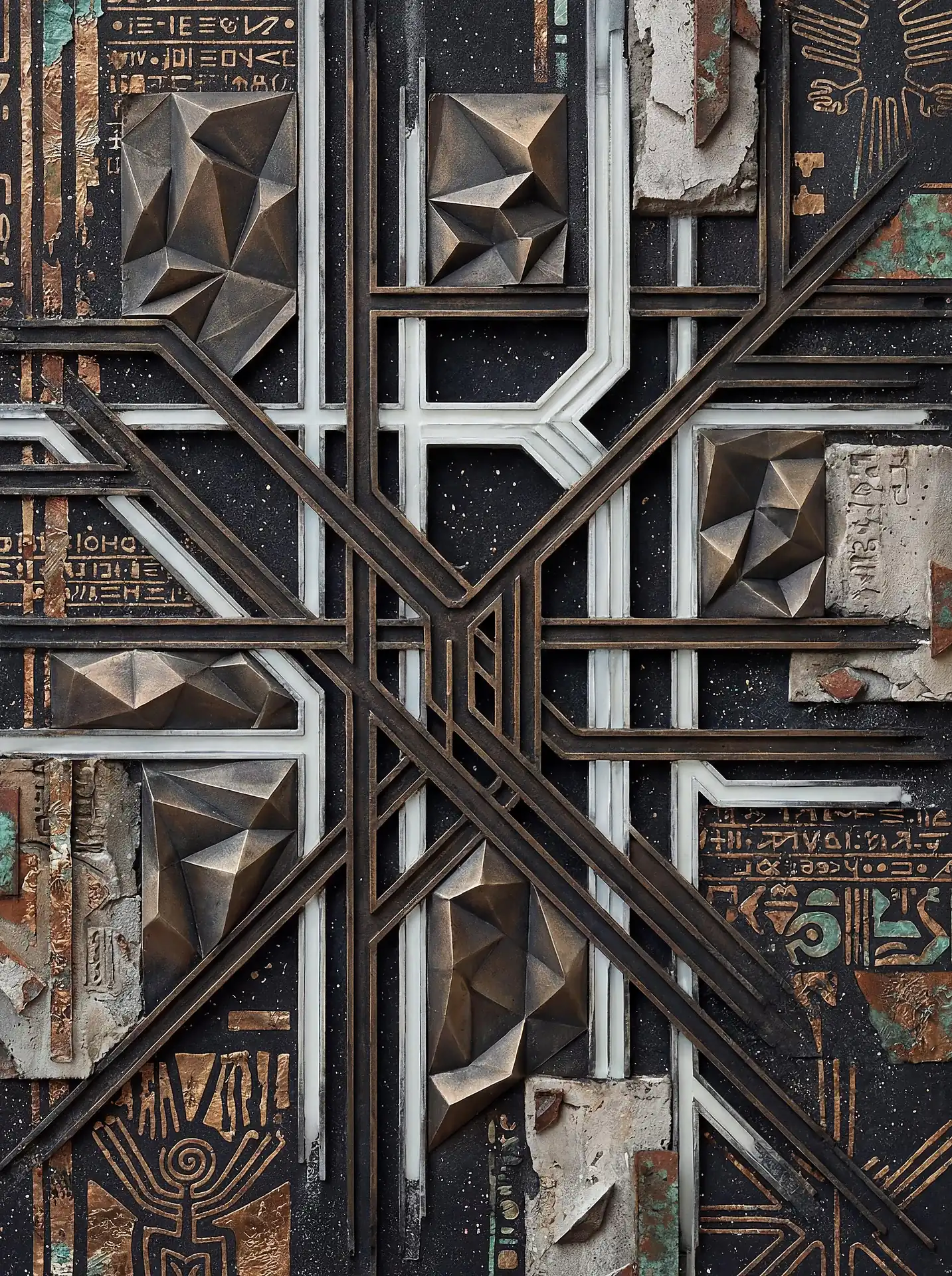
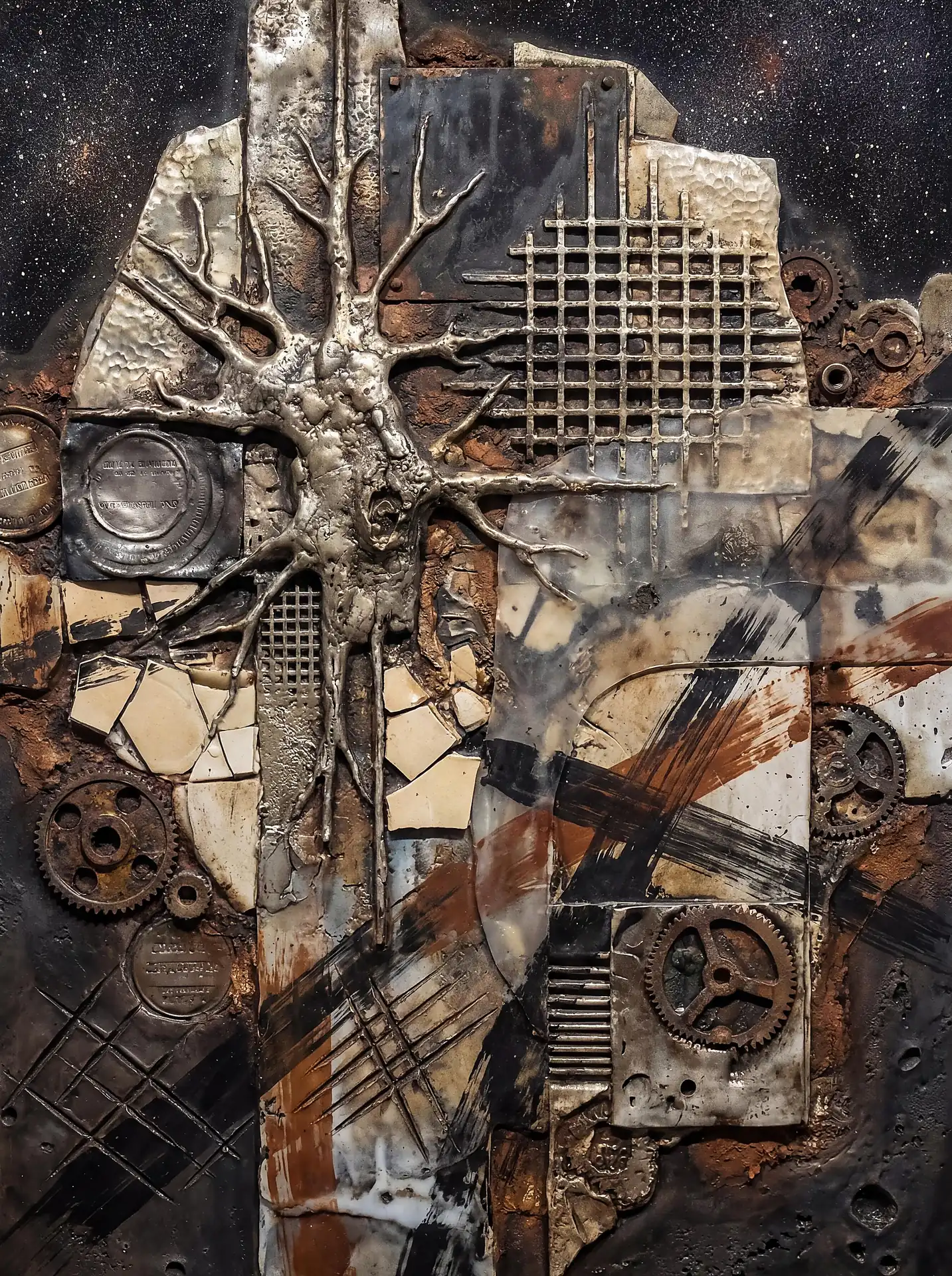
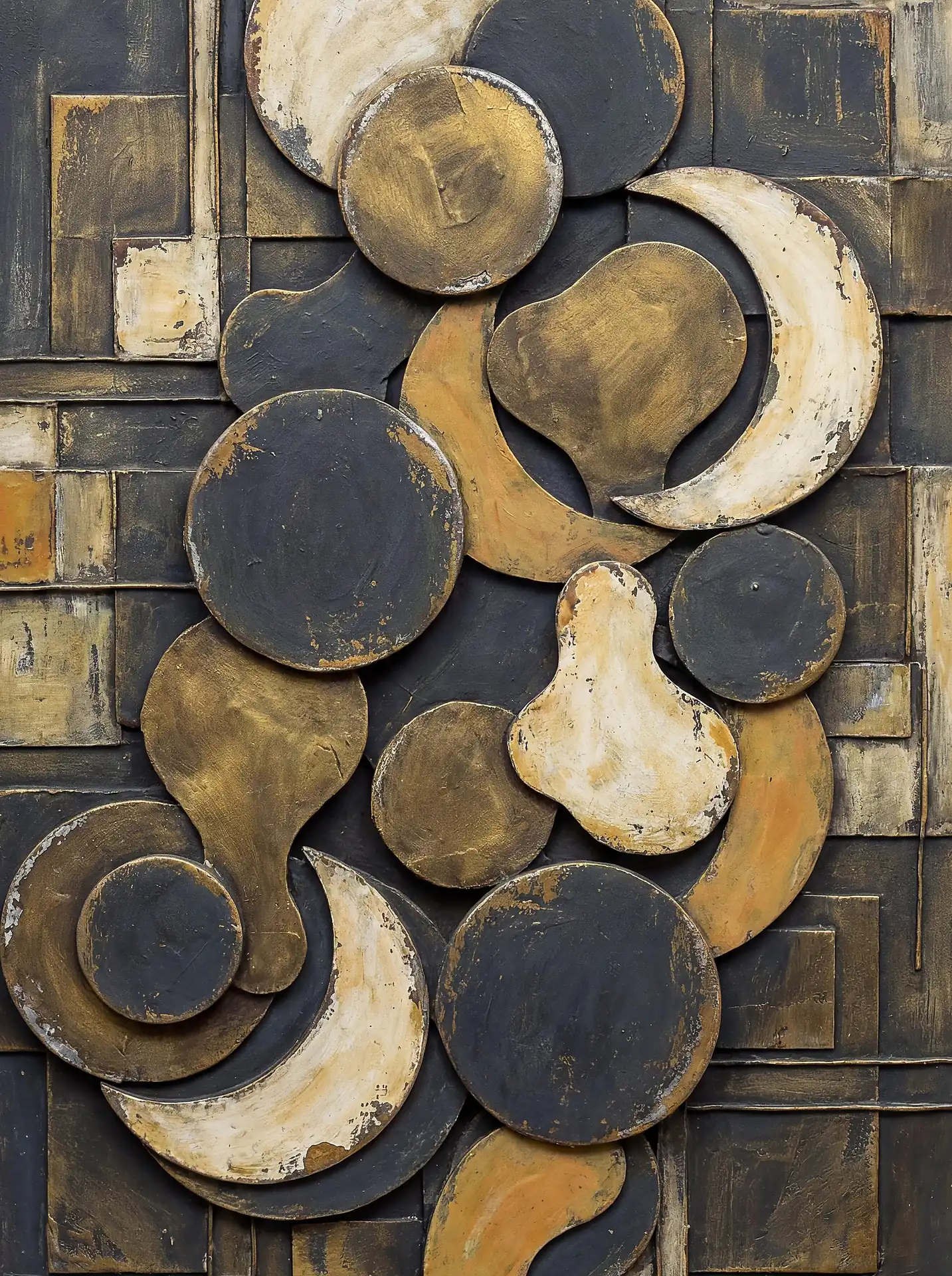
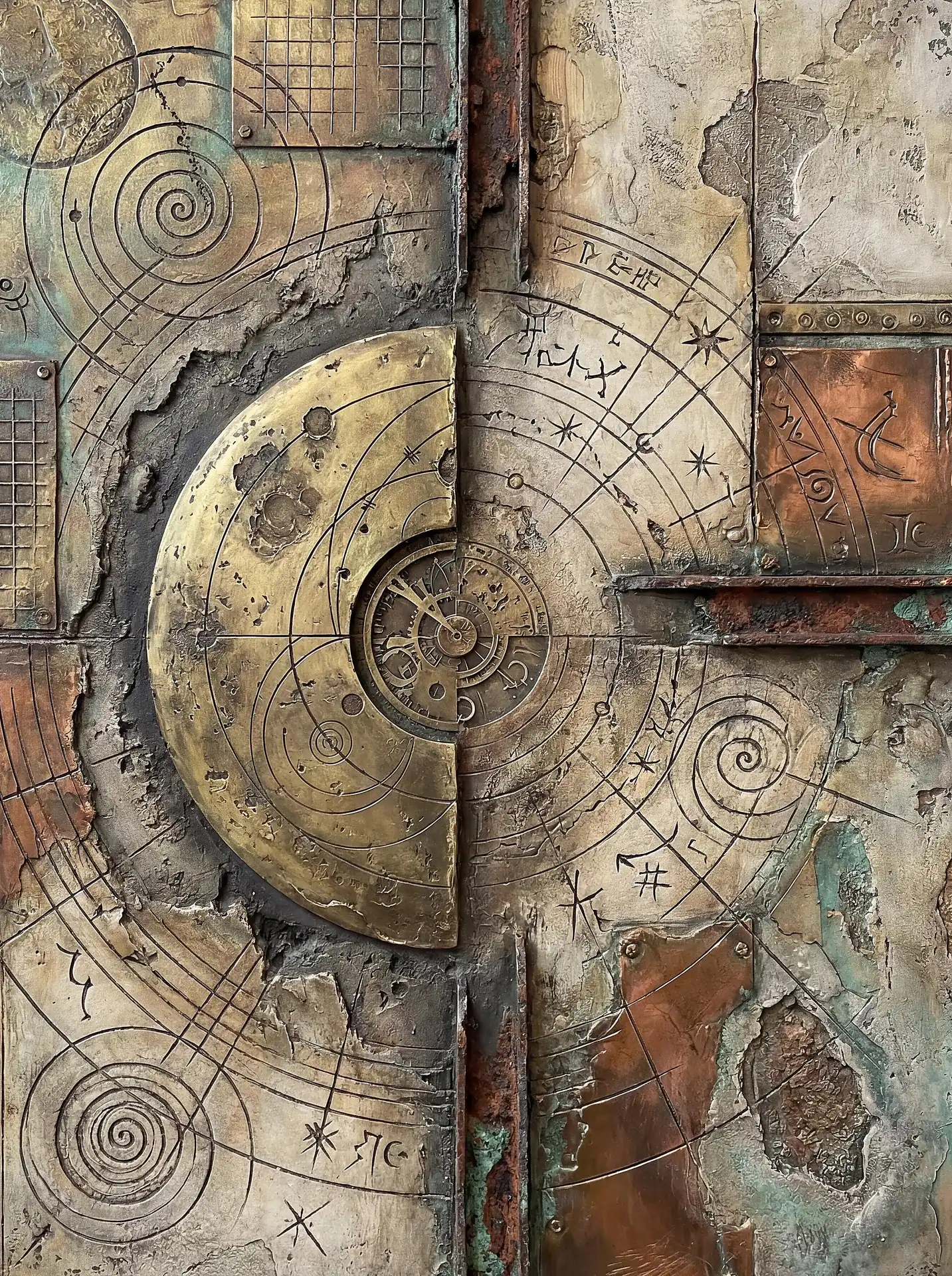
173 Magnificent Industrial Relief Artworks refuse to stay flat. These pieces push outward from their surfaces, building dimension through layered forms that cast real shadows across their own topographies. The work occupies contested territory between painting and sculpture, creating objects that exist in actual physical space rather than merely depicting imaginary space on canvas. Every piece demands to be walked around, examined from angles, experienced as a three-dimensional presence.
DIMENSION AS PRIMARY LANGUAGE
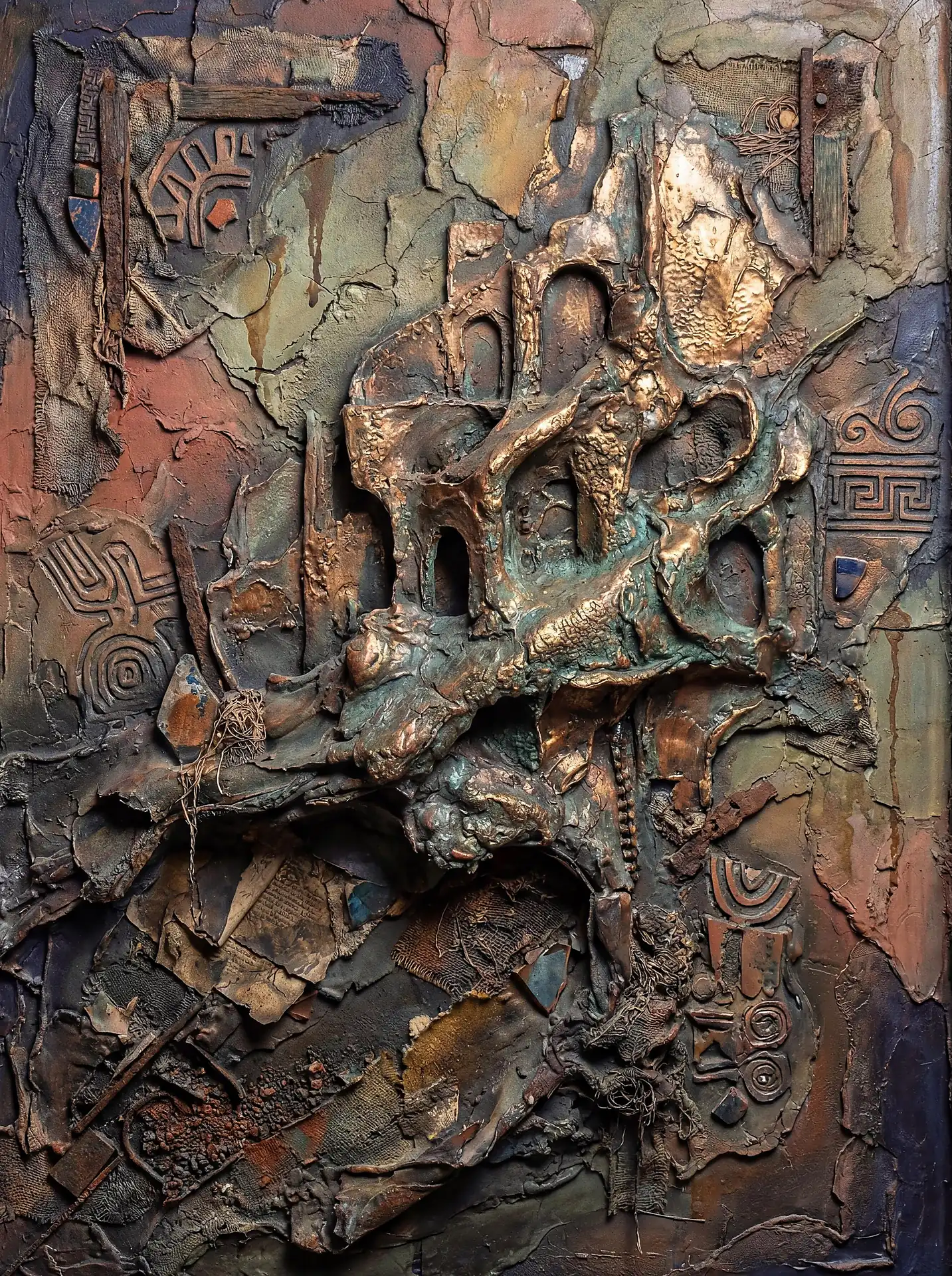
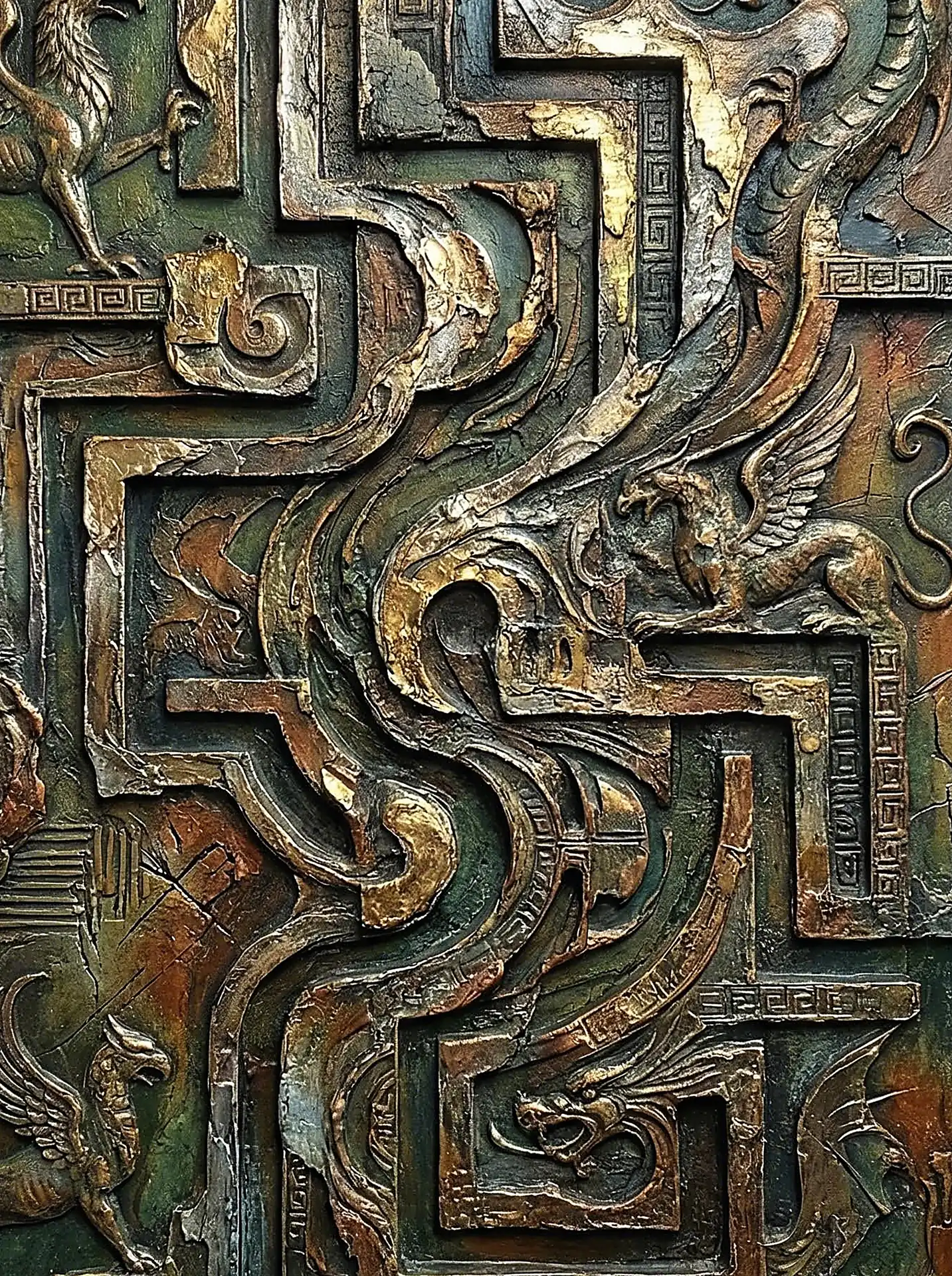
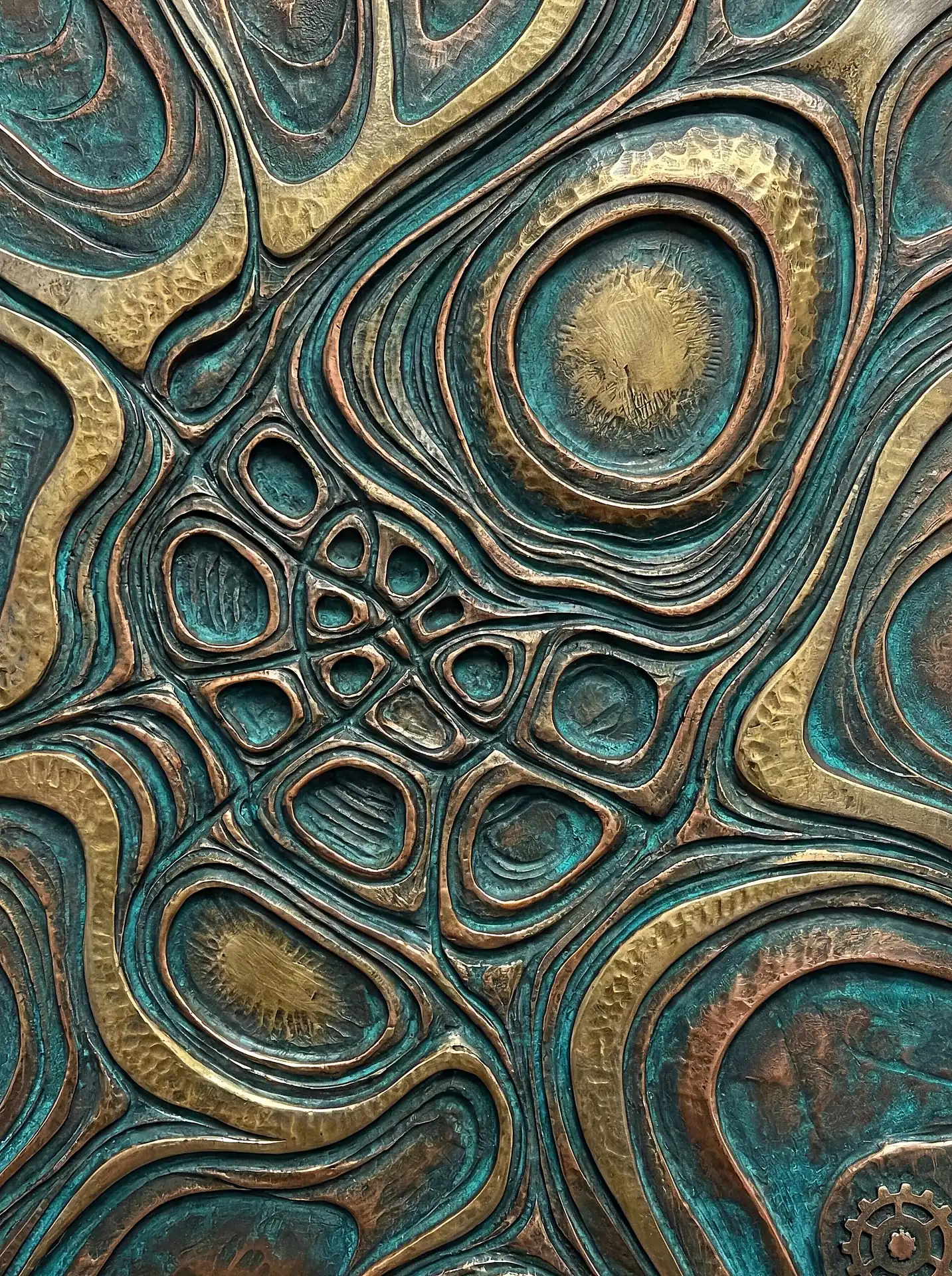
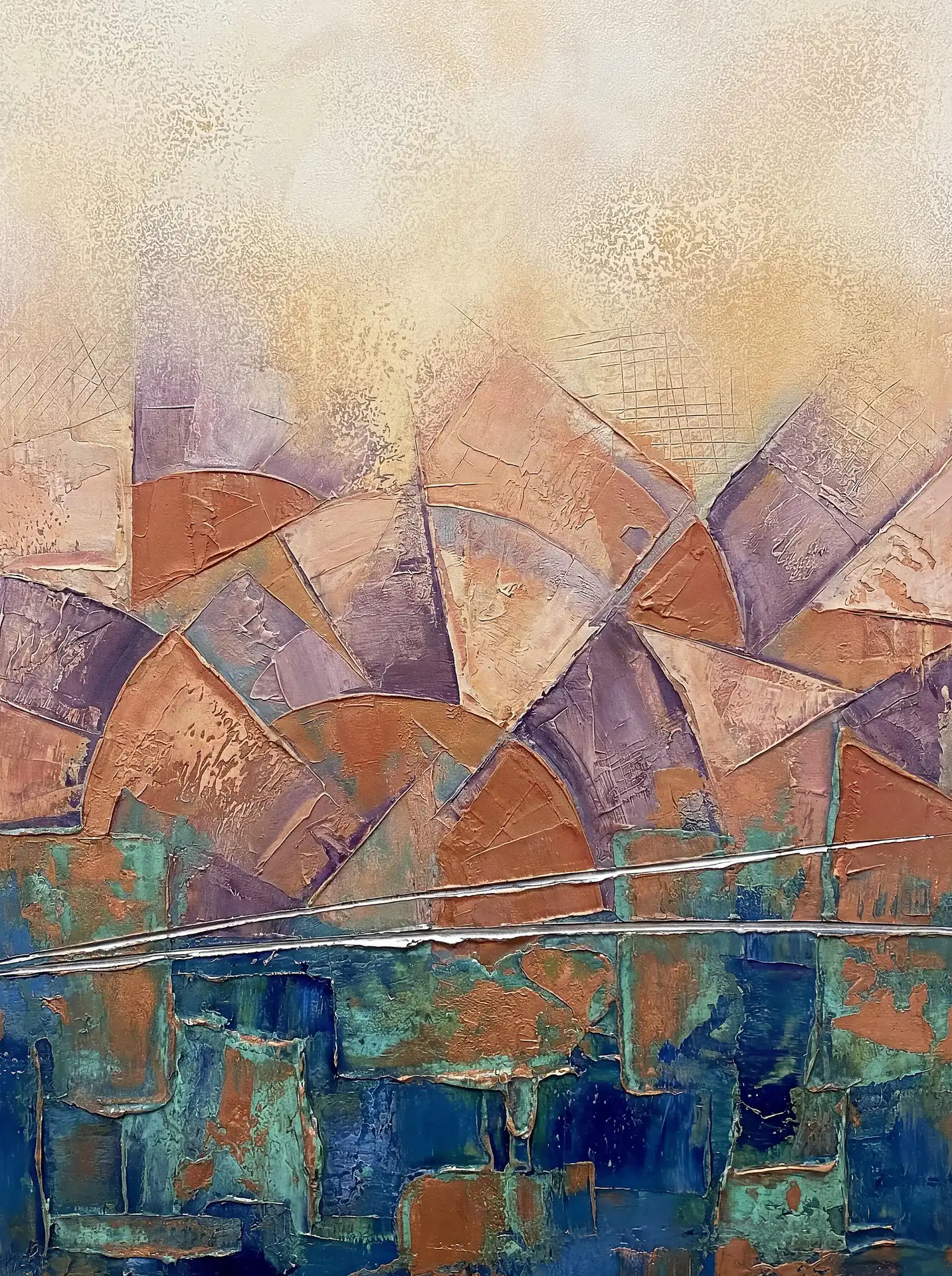
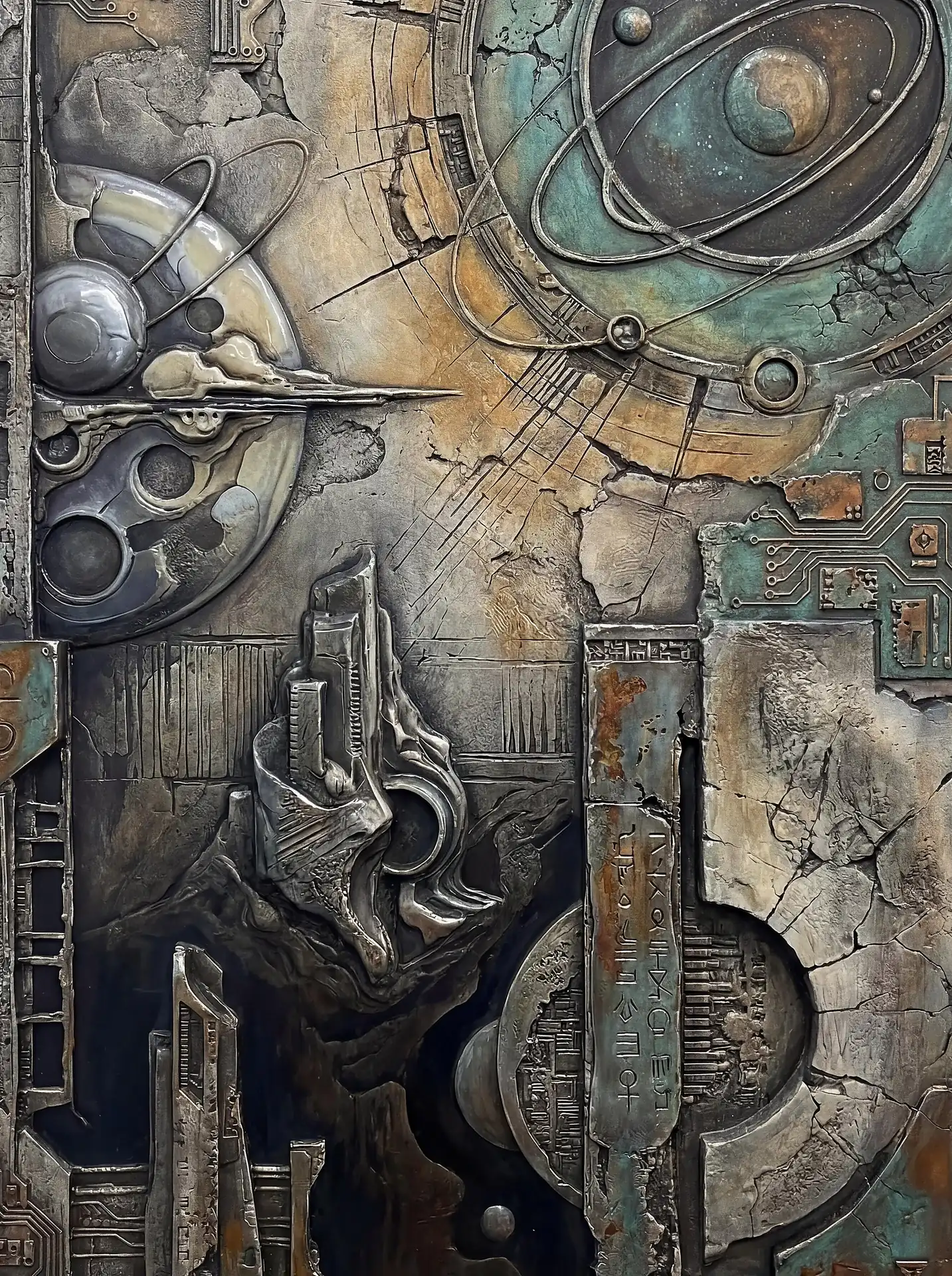
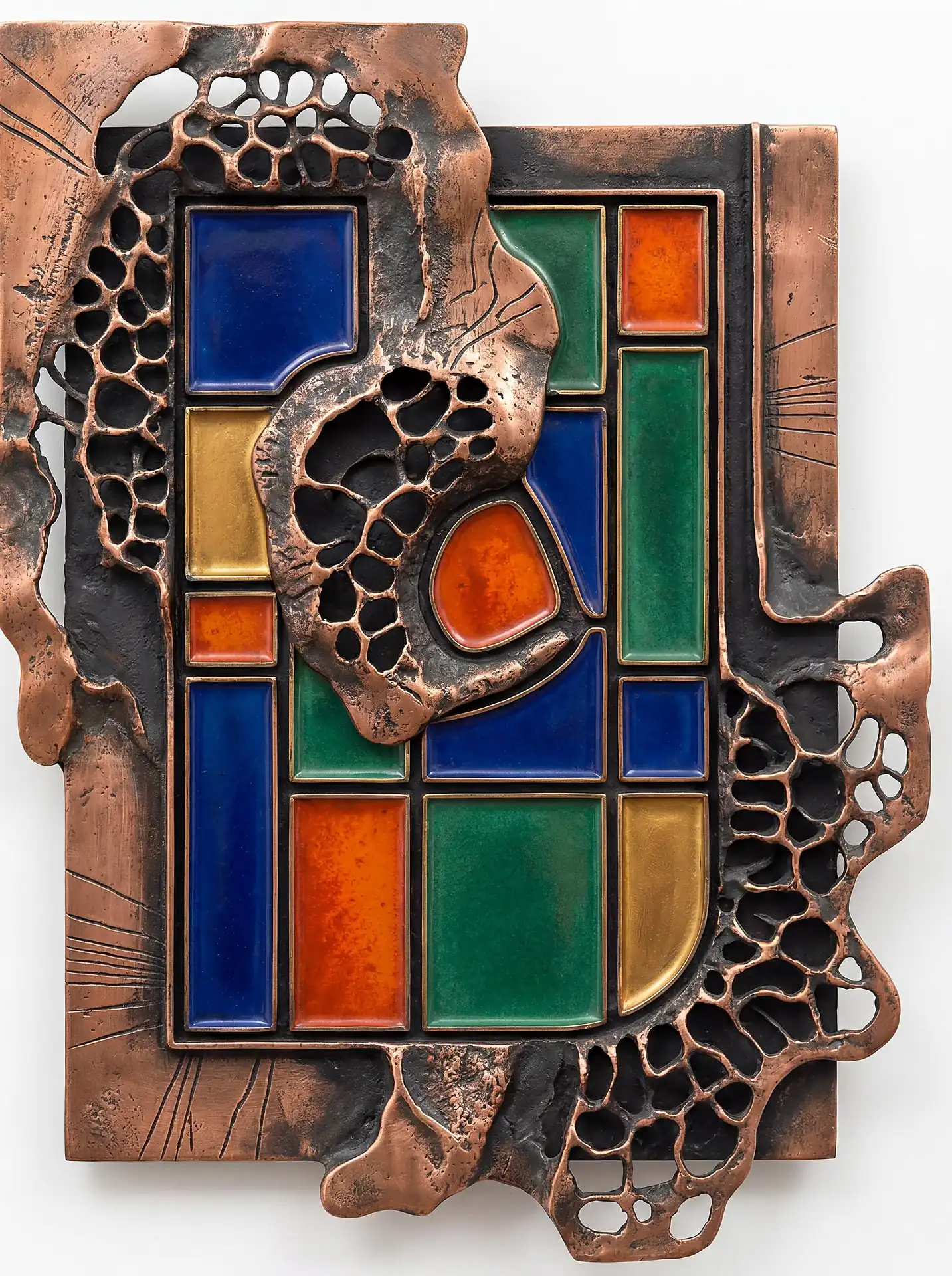
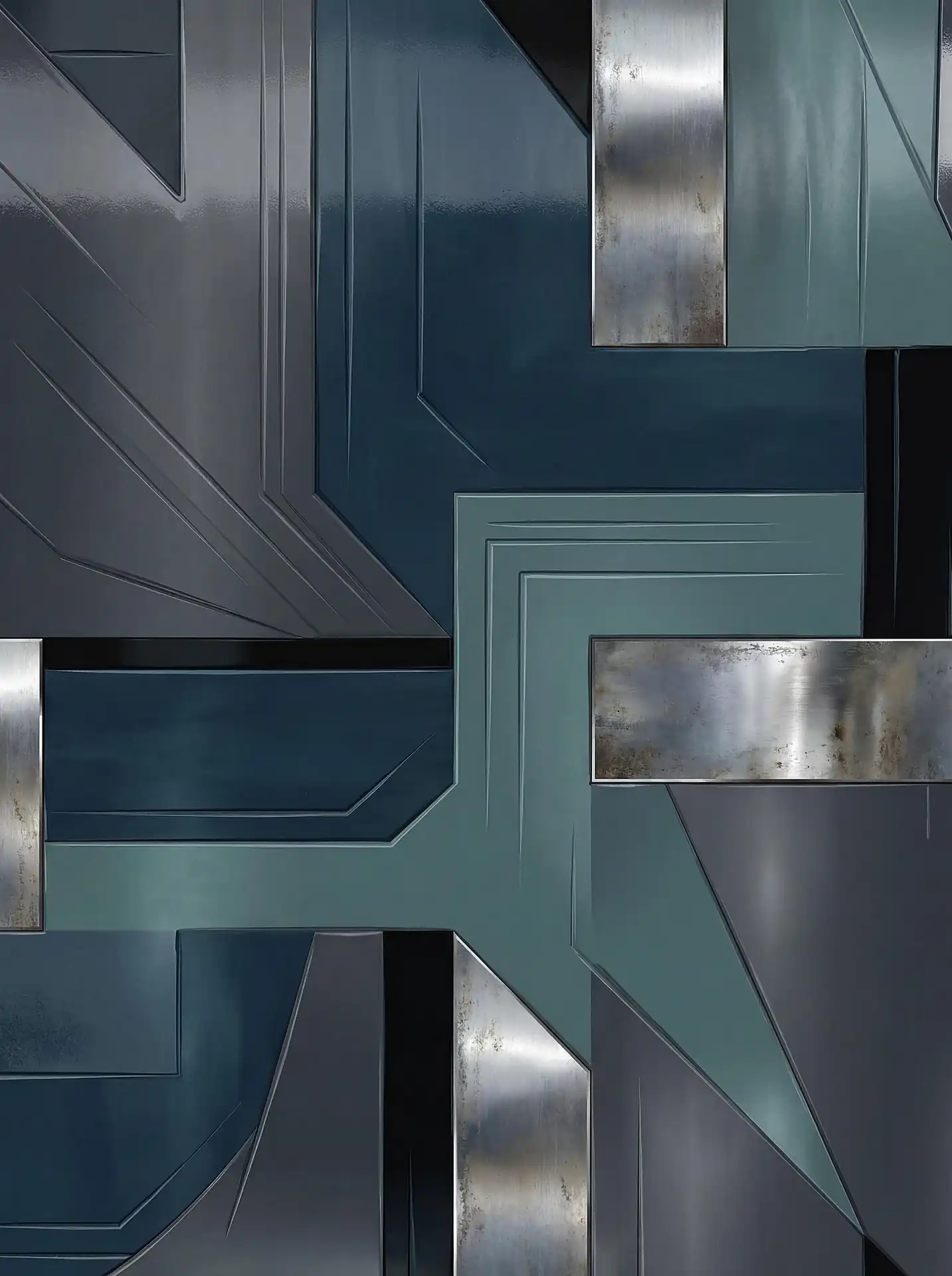
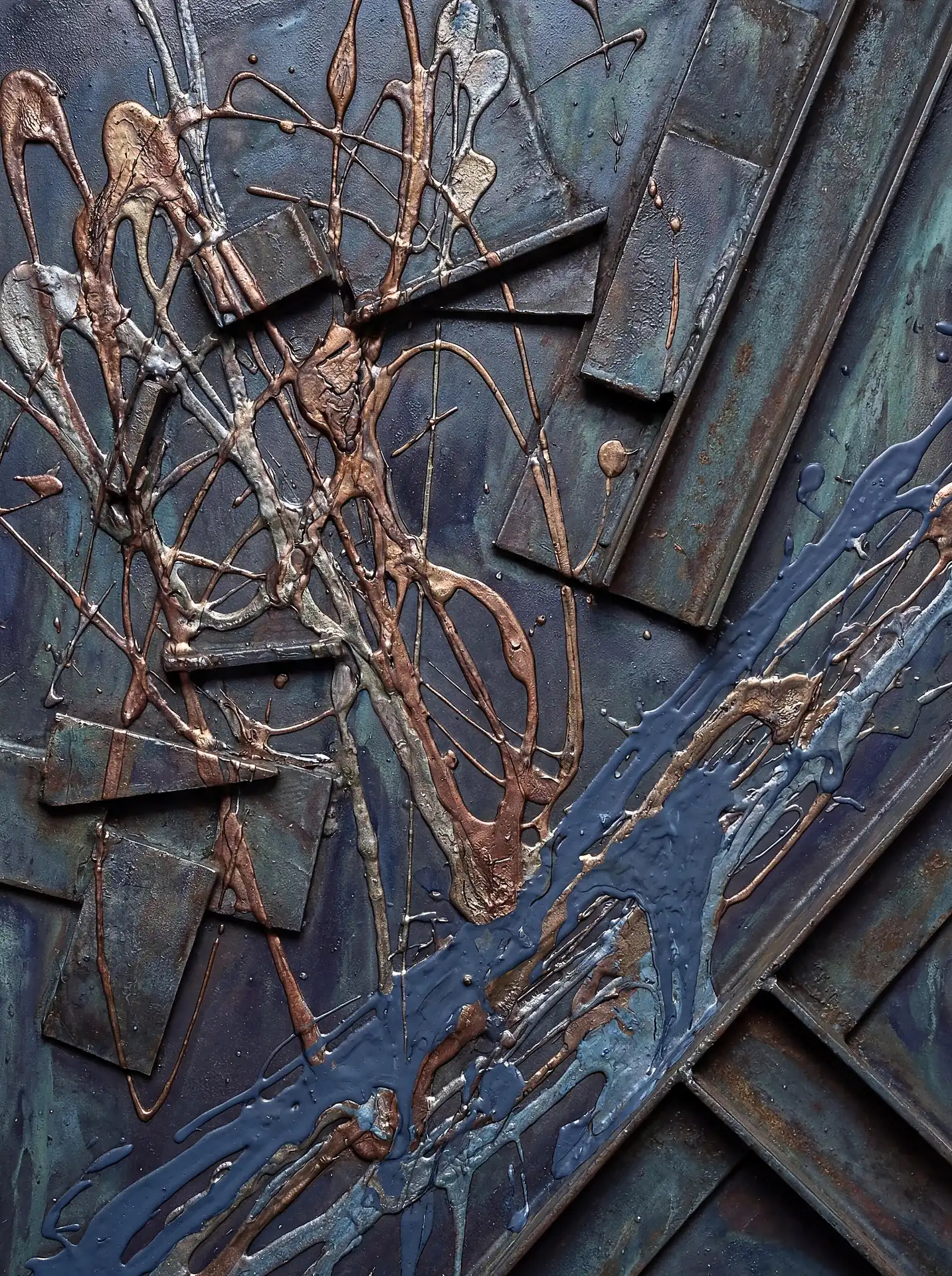
These 173 Magnificent Industrial Relief Artworks speak through elevation and recession. Forms rise and fall, stack and overlap, creating landscapes that shift and change depending on viewing angle. Move left and shadows transform. Move right and new details emerge from behind raised edges that previously concealed them. Step closer and micro-textures appear that distance had flattened into uniformity. The work rewards physical movement, asking viewers to engage with their entire bodies rather than just their stationary eyes. This dimensionality fundamentally transforms how color operates across the surface. Pigment doesn’t simply sit on a flat plane waiting to be observed—it wraps around forms, pools in recesses, catches and reflects light on raised edges. The same bronze tone reads completely differently on a peak than in a valley. Highlights and shadows aren’t painted illusions but actual optical phenomena created by actual depth. Color becomes directional, responsive to ambient light sources in ways that flat painting can never achieve regardless of the painter’s skill.
MECHANICAL POETRY WITHOUT FUNCTION
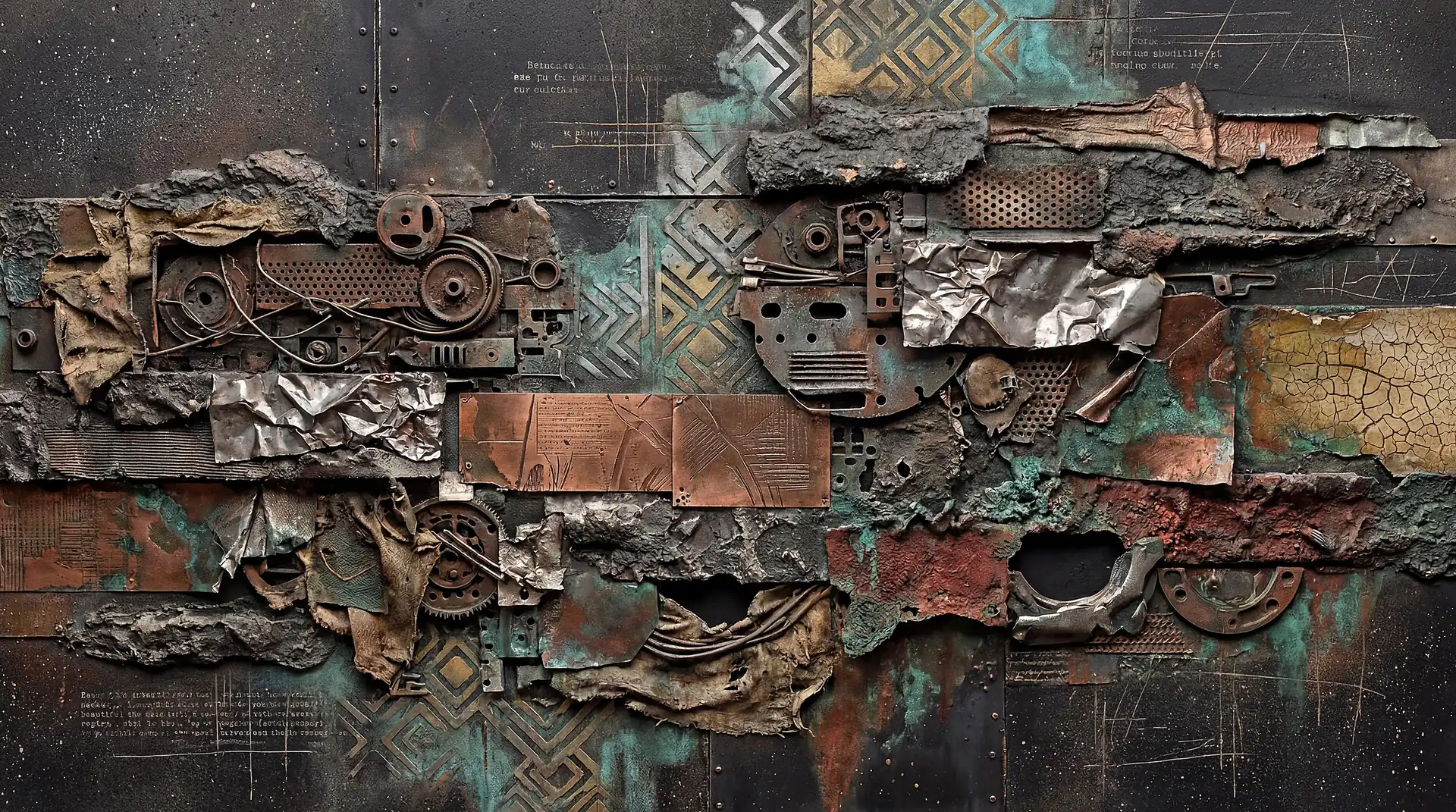
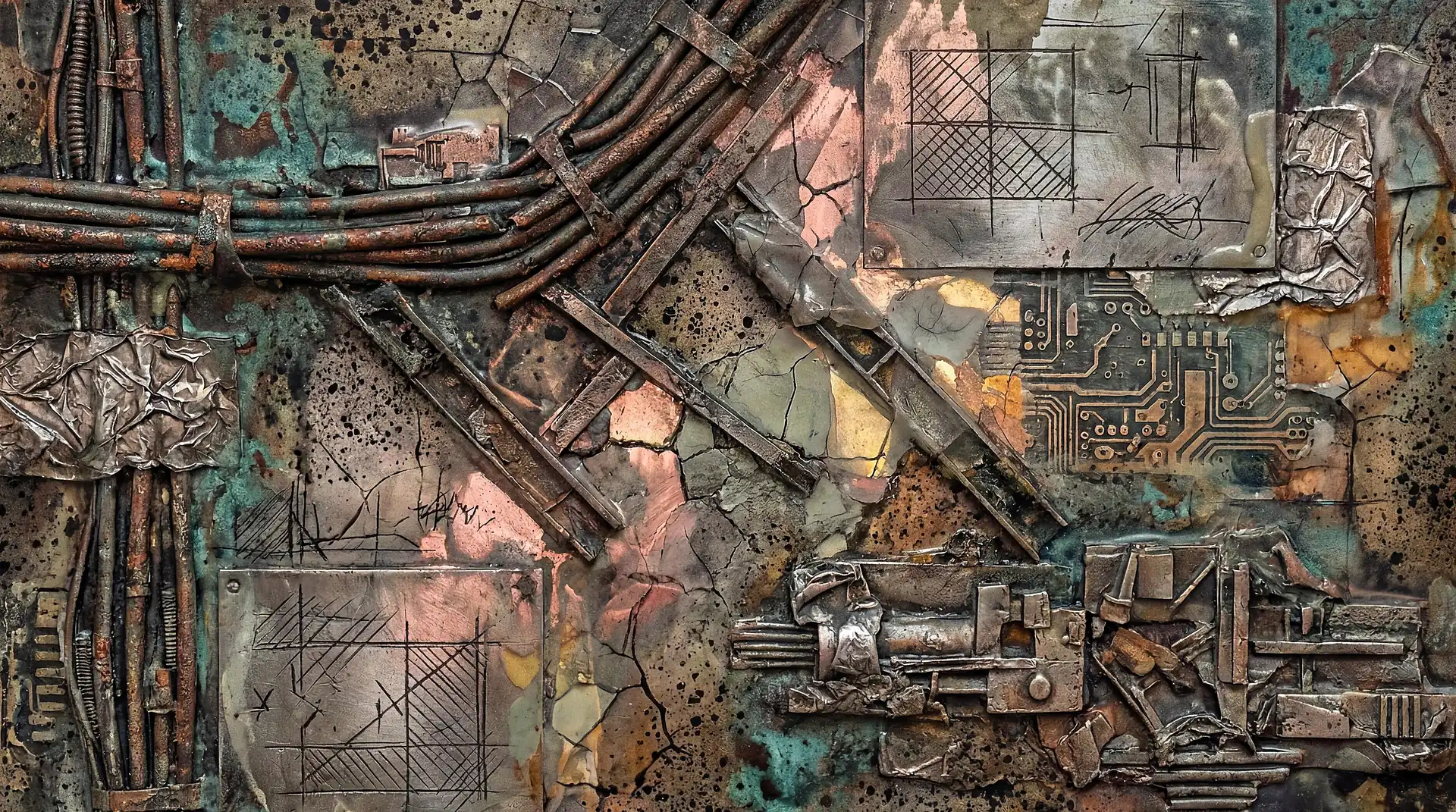
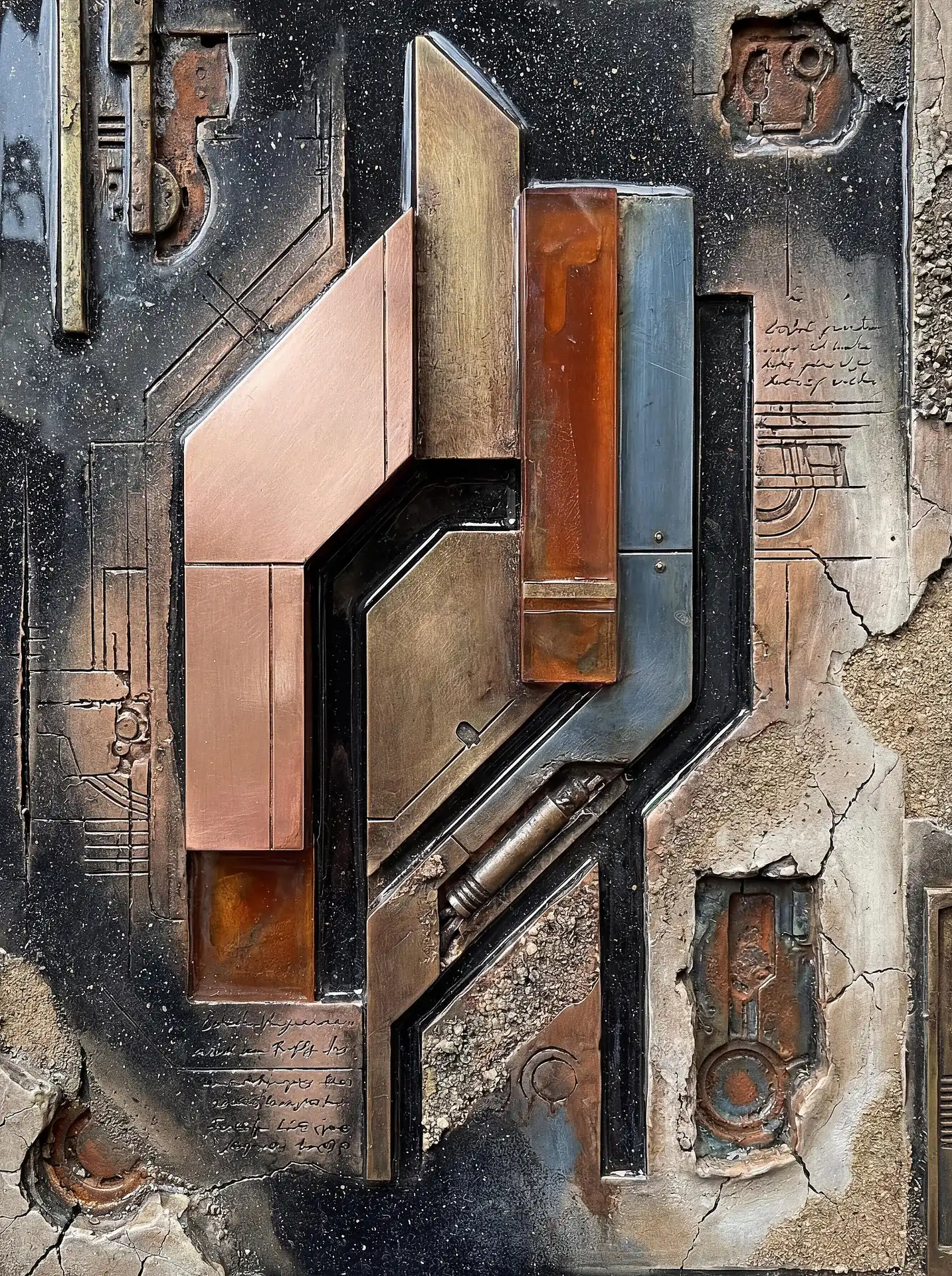
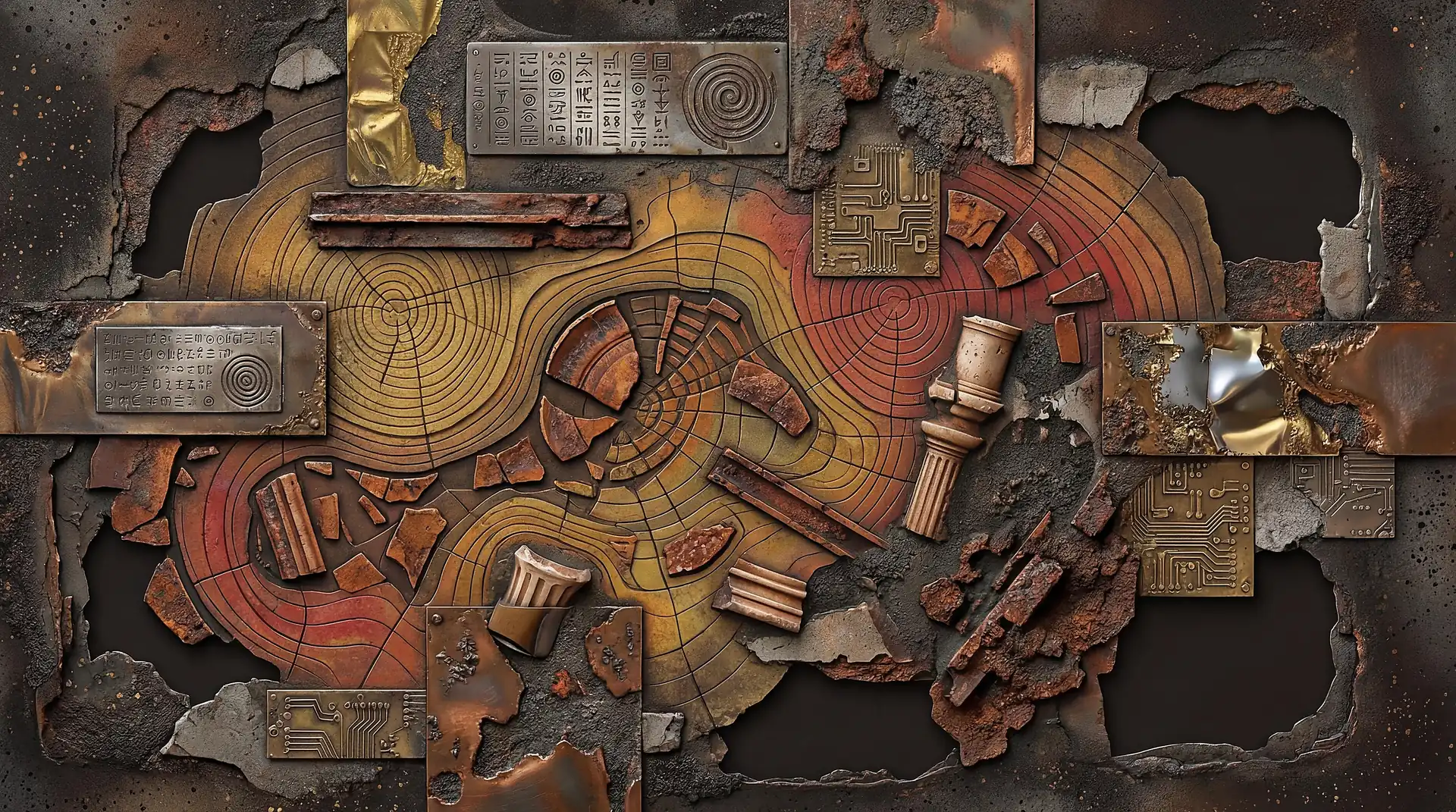
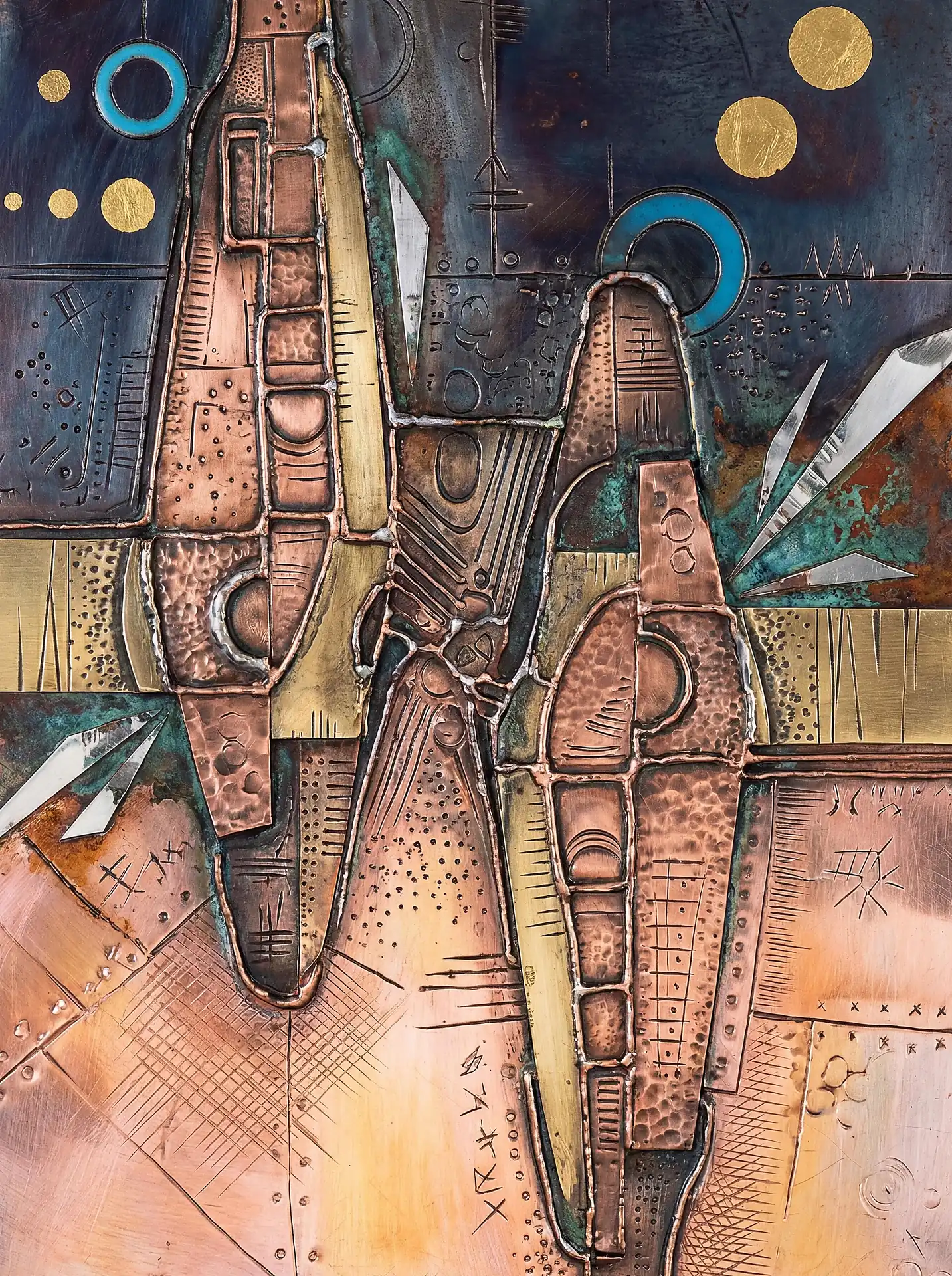
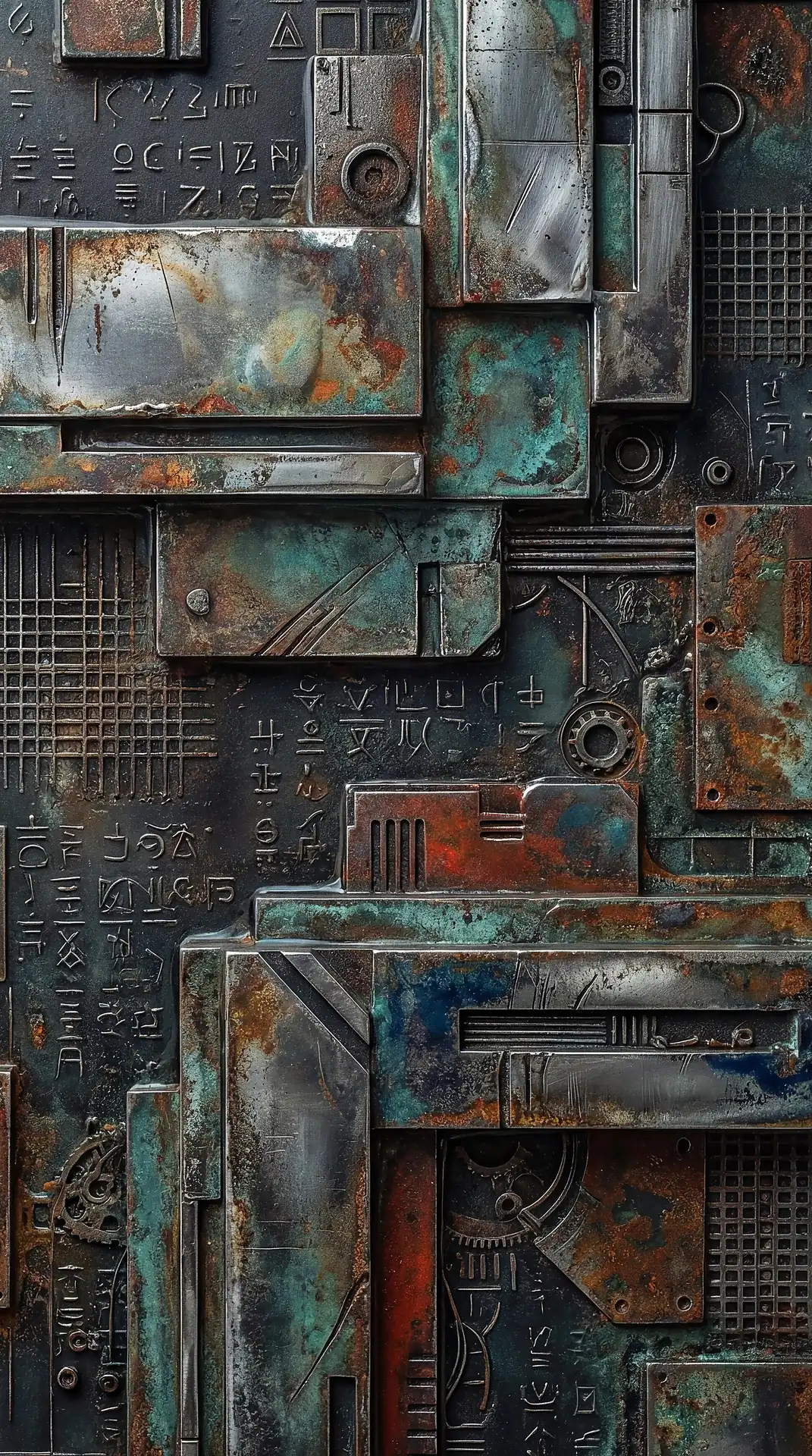
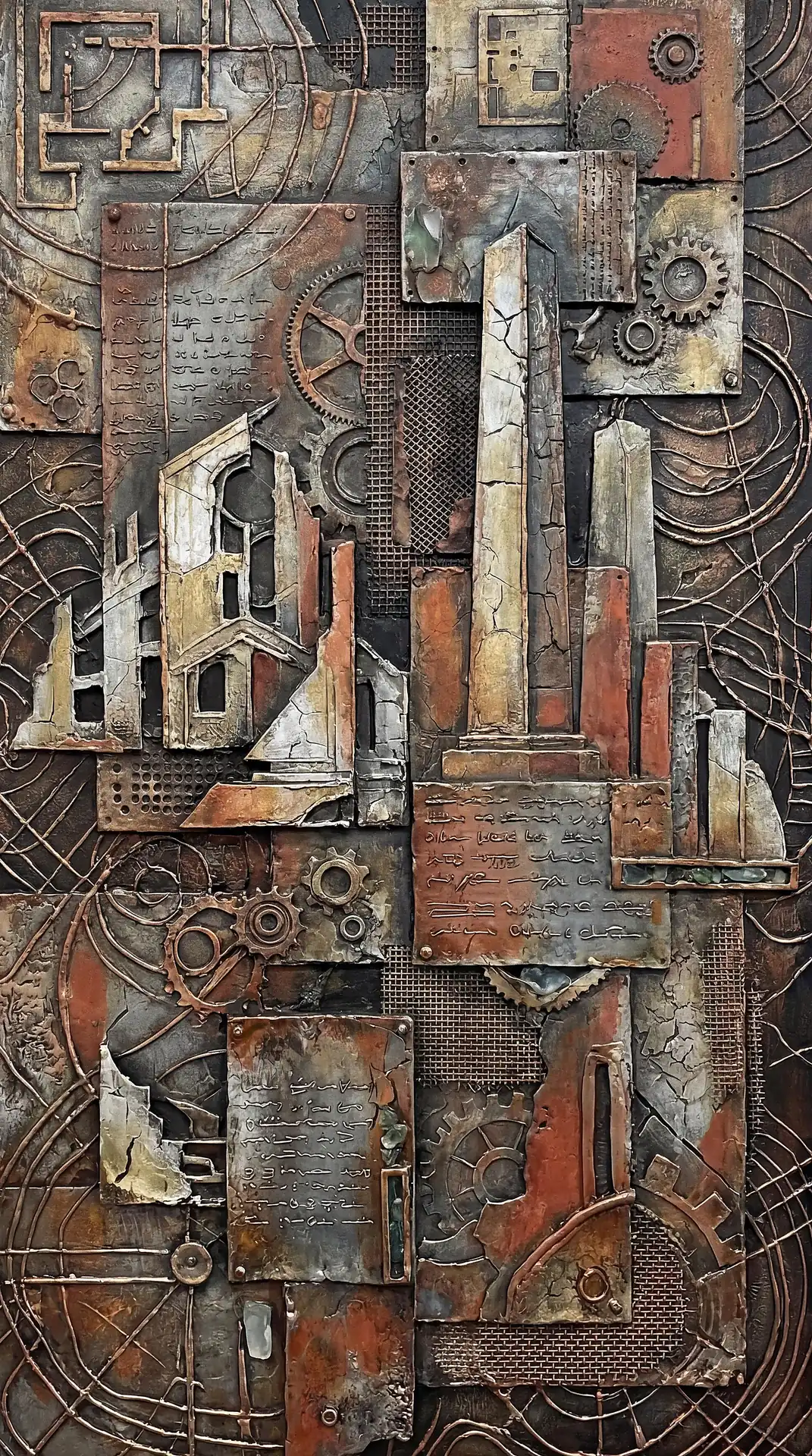
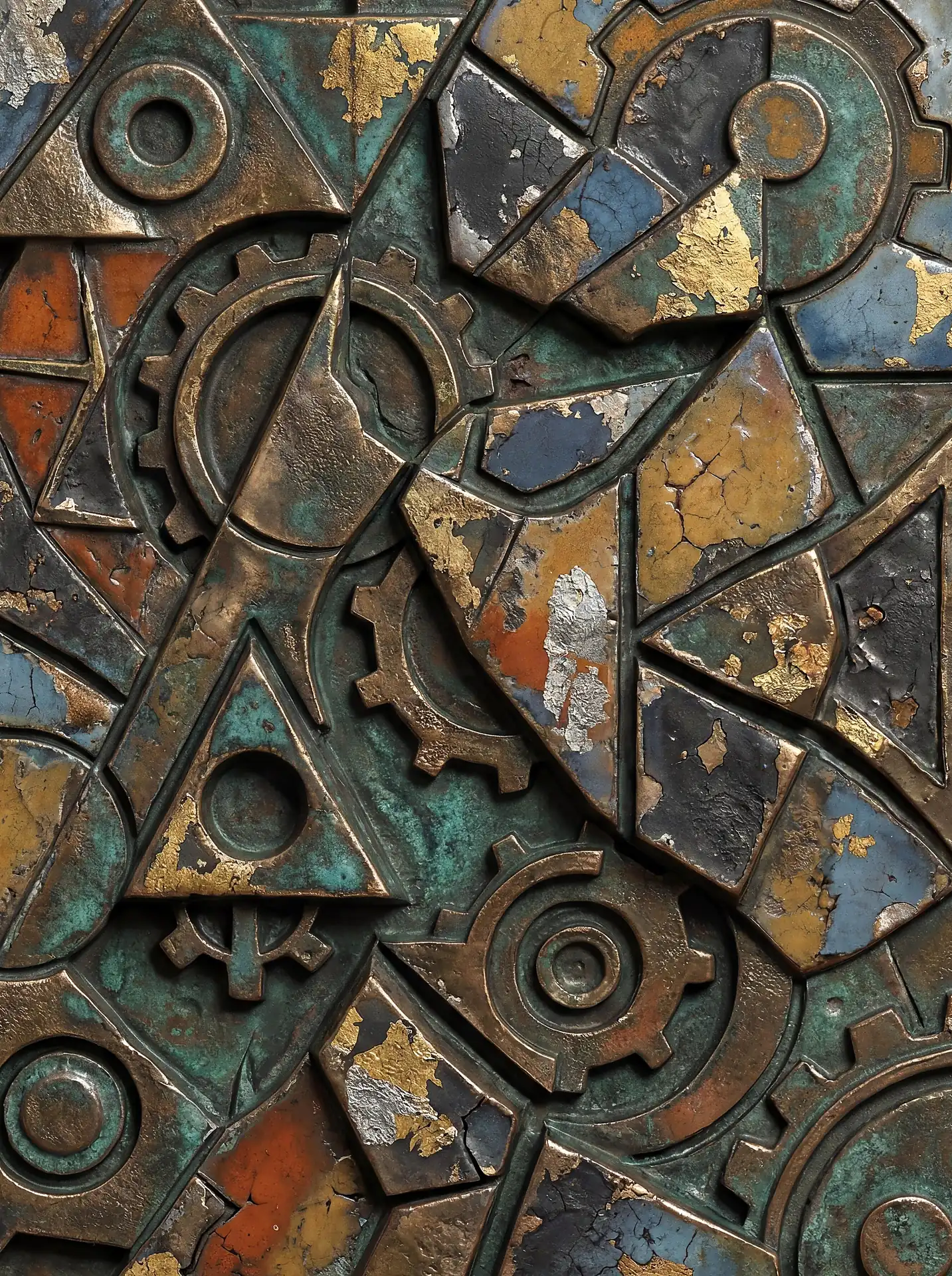
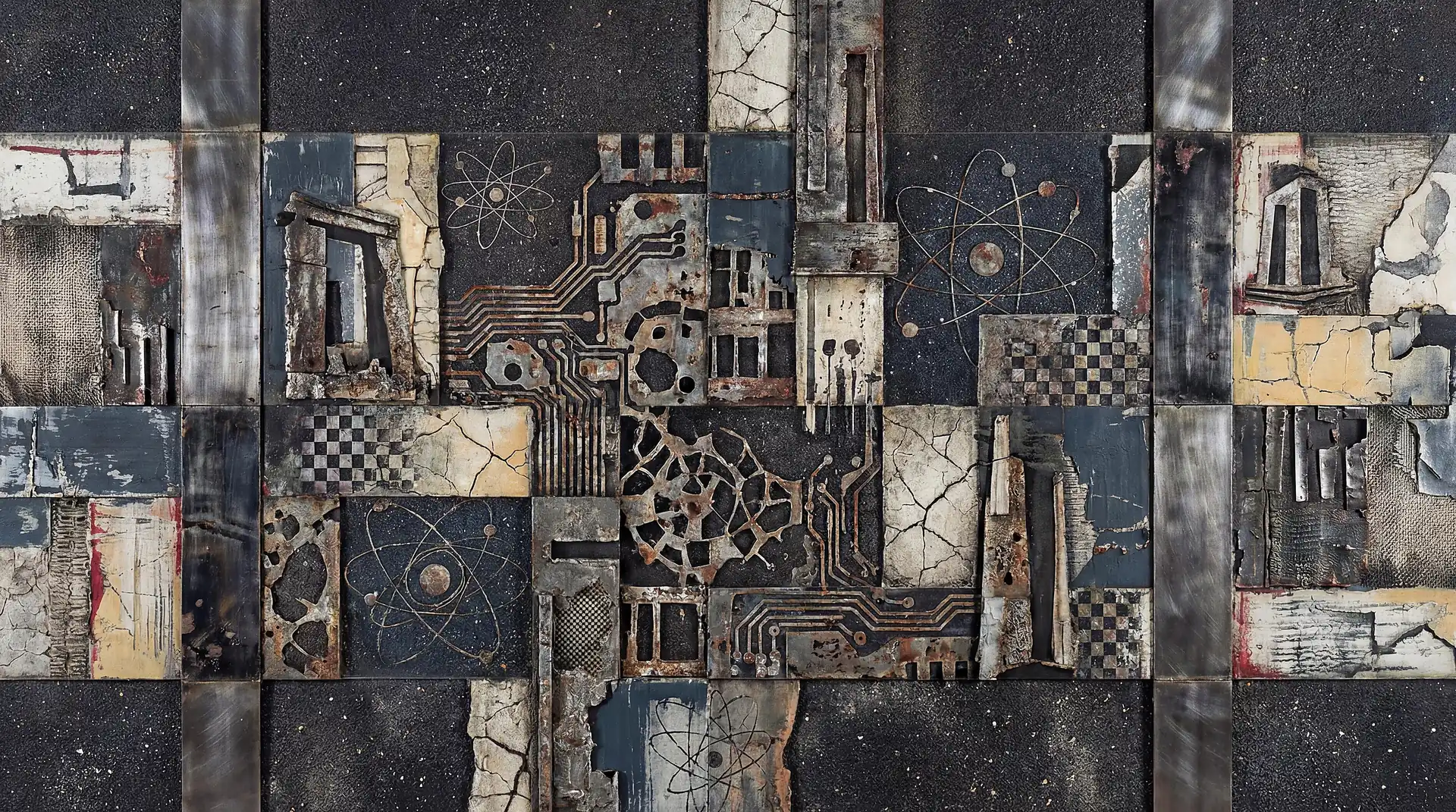
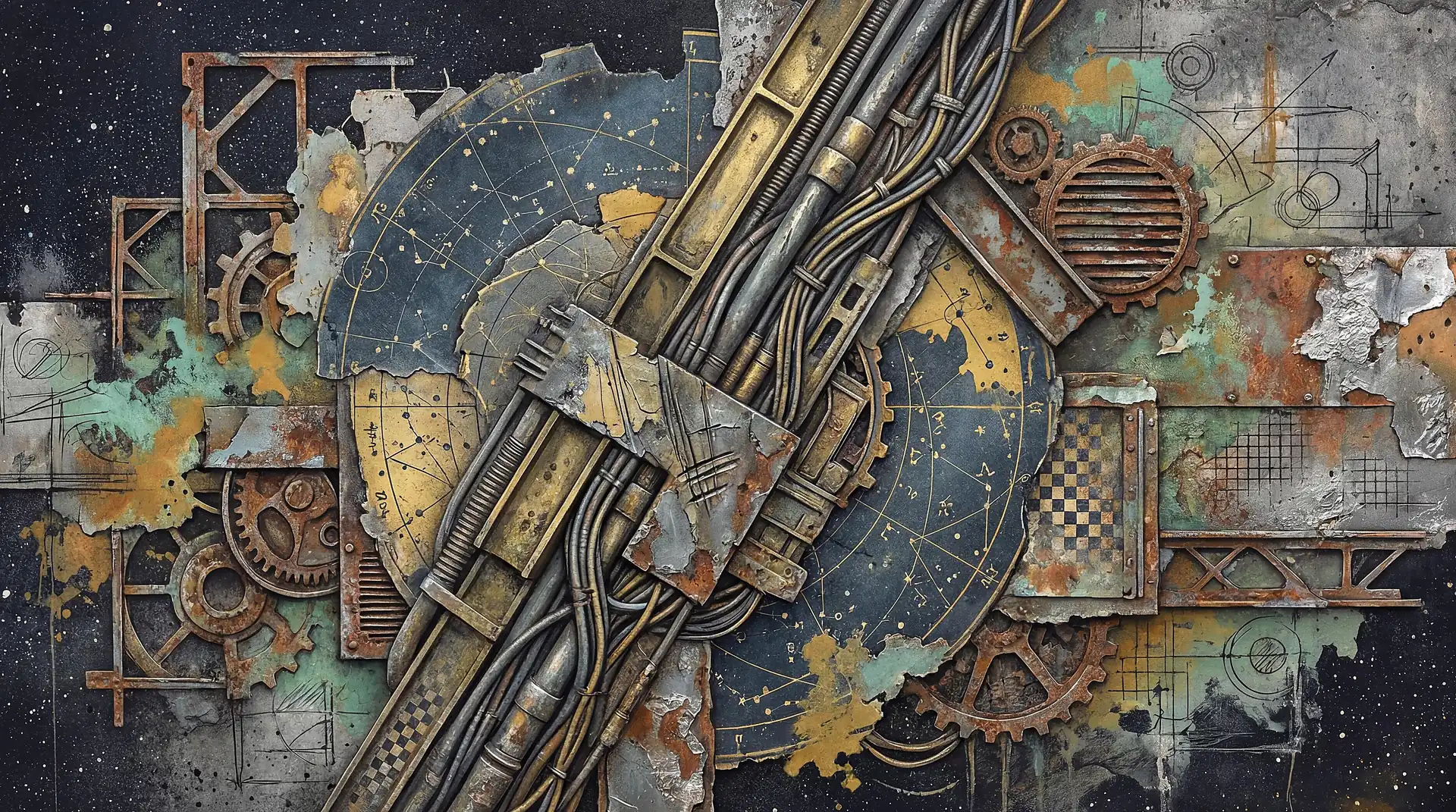
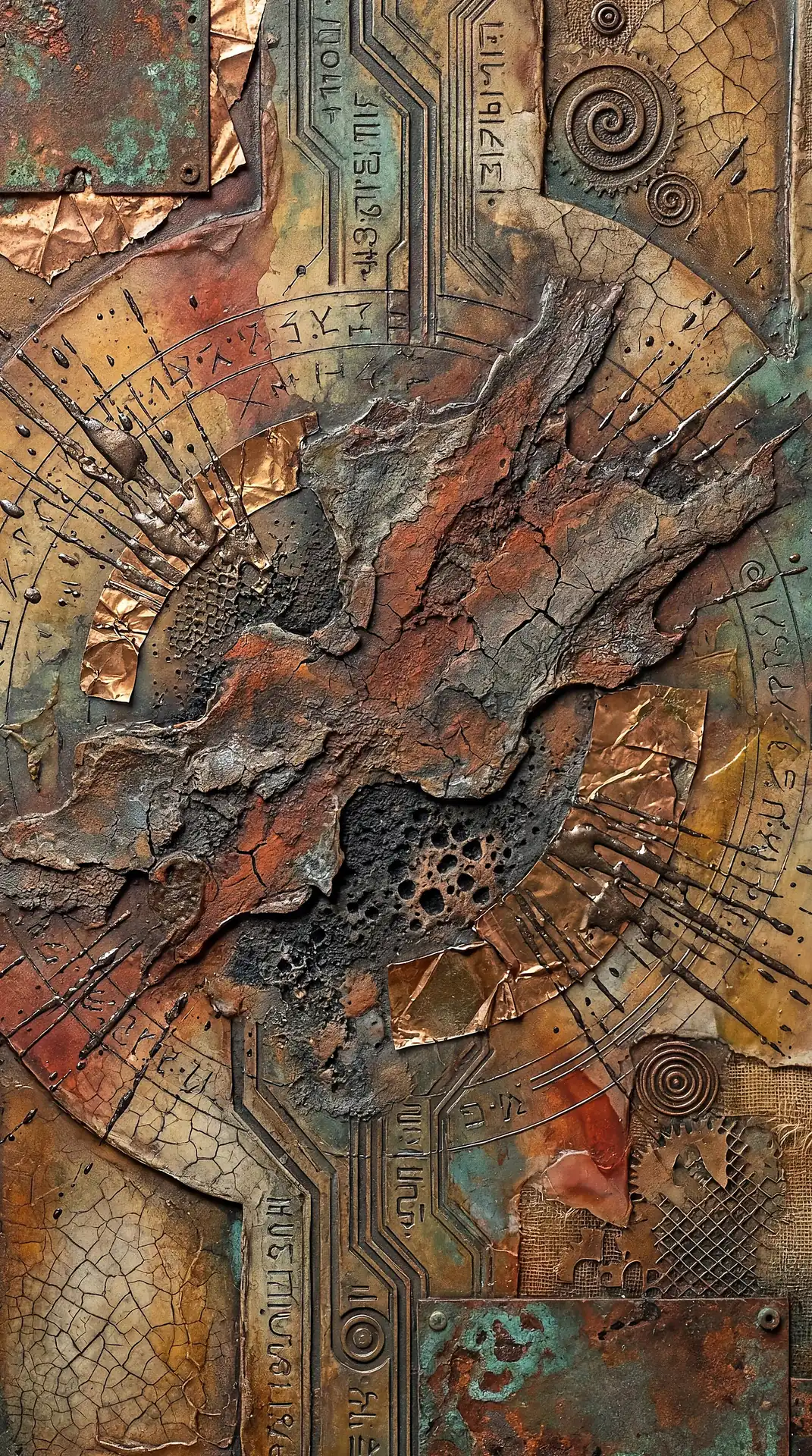
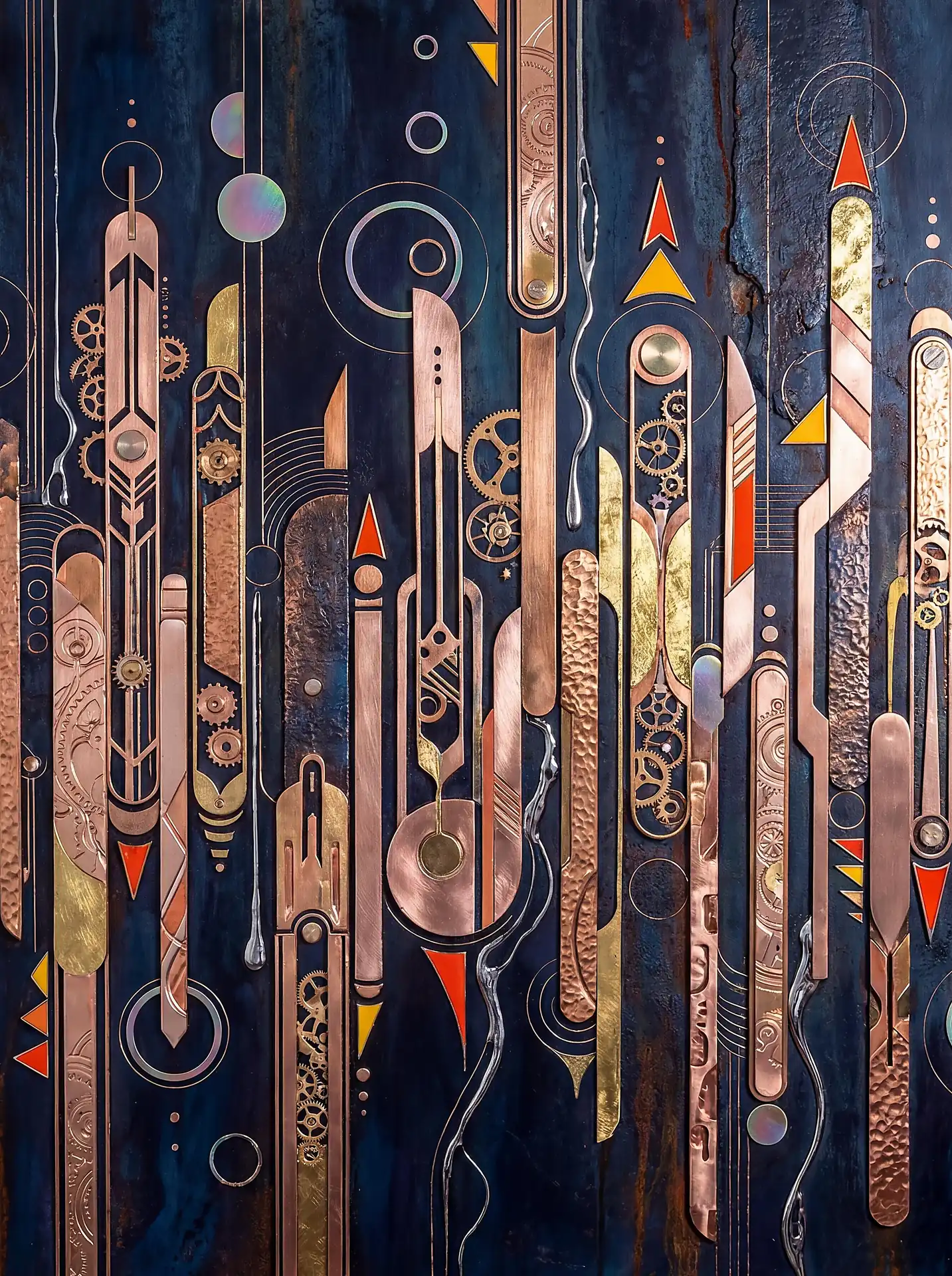
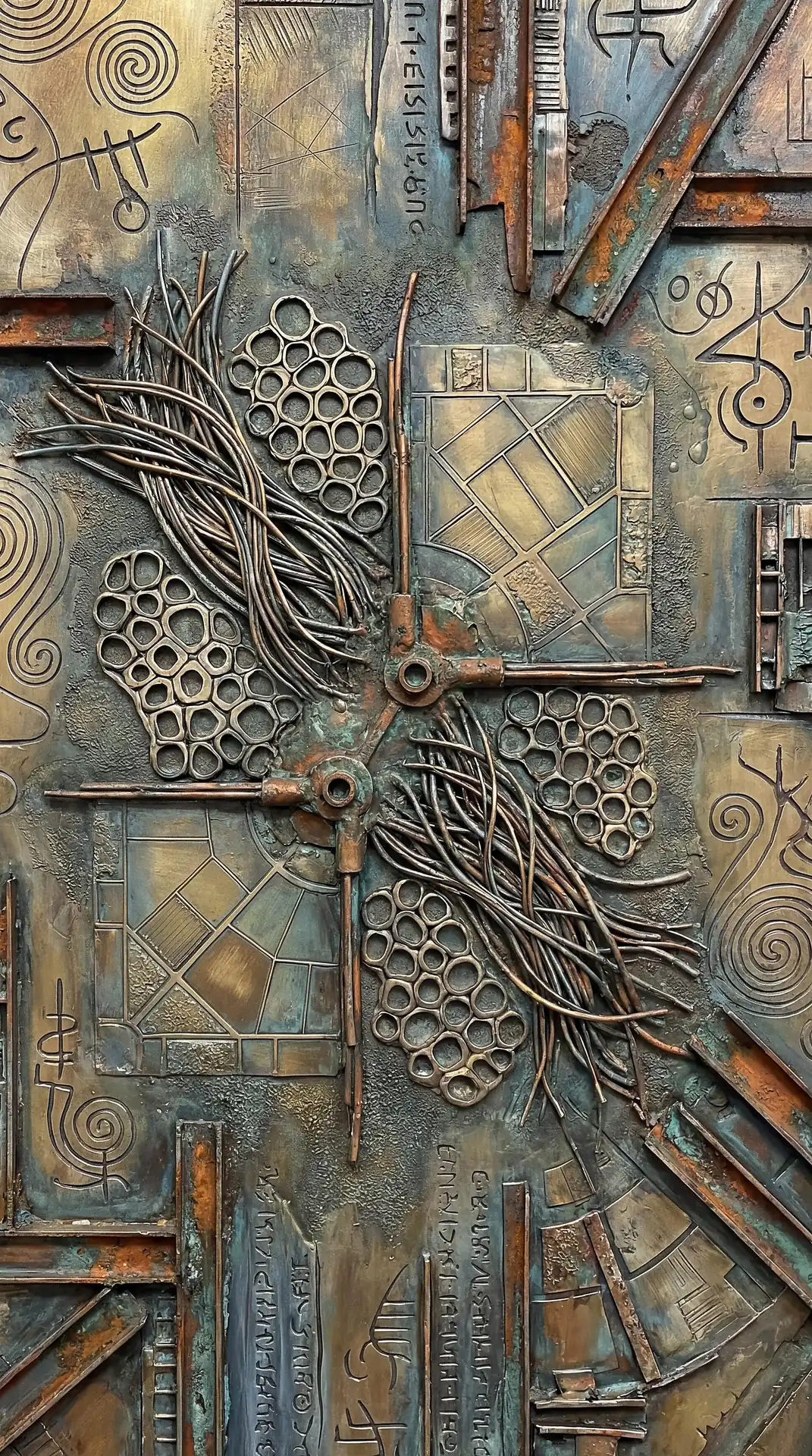
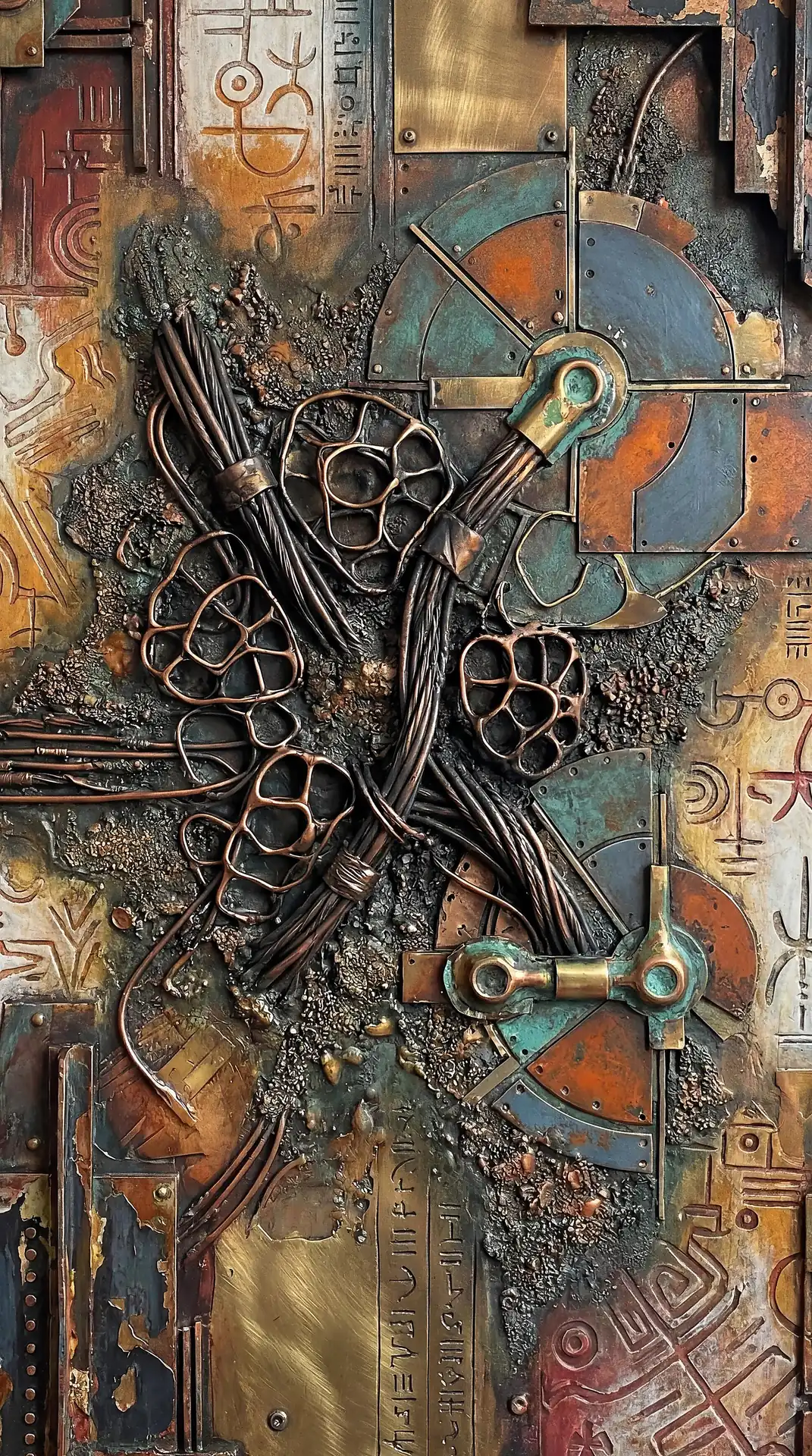
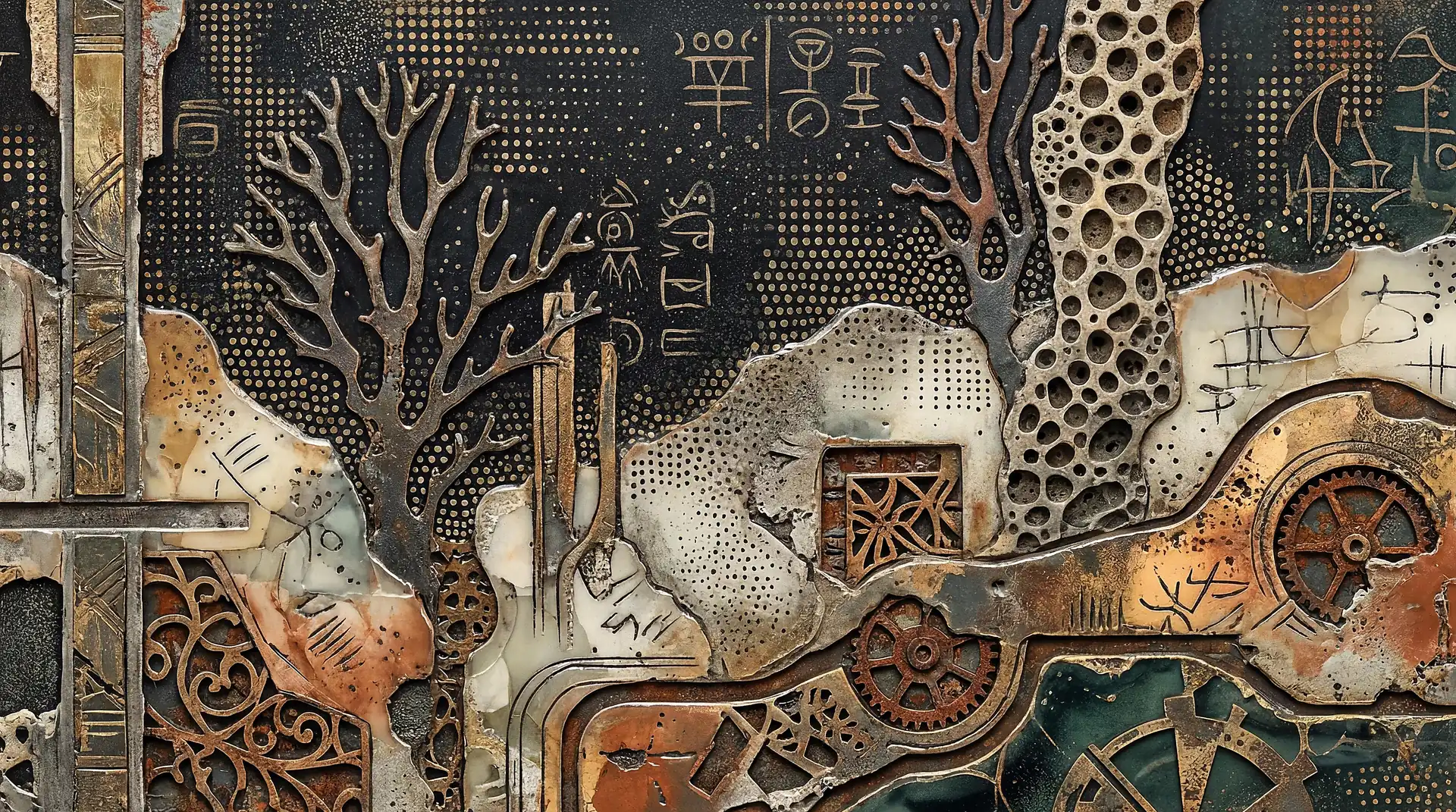
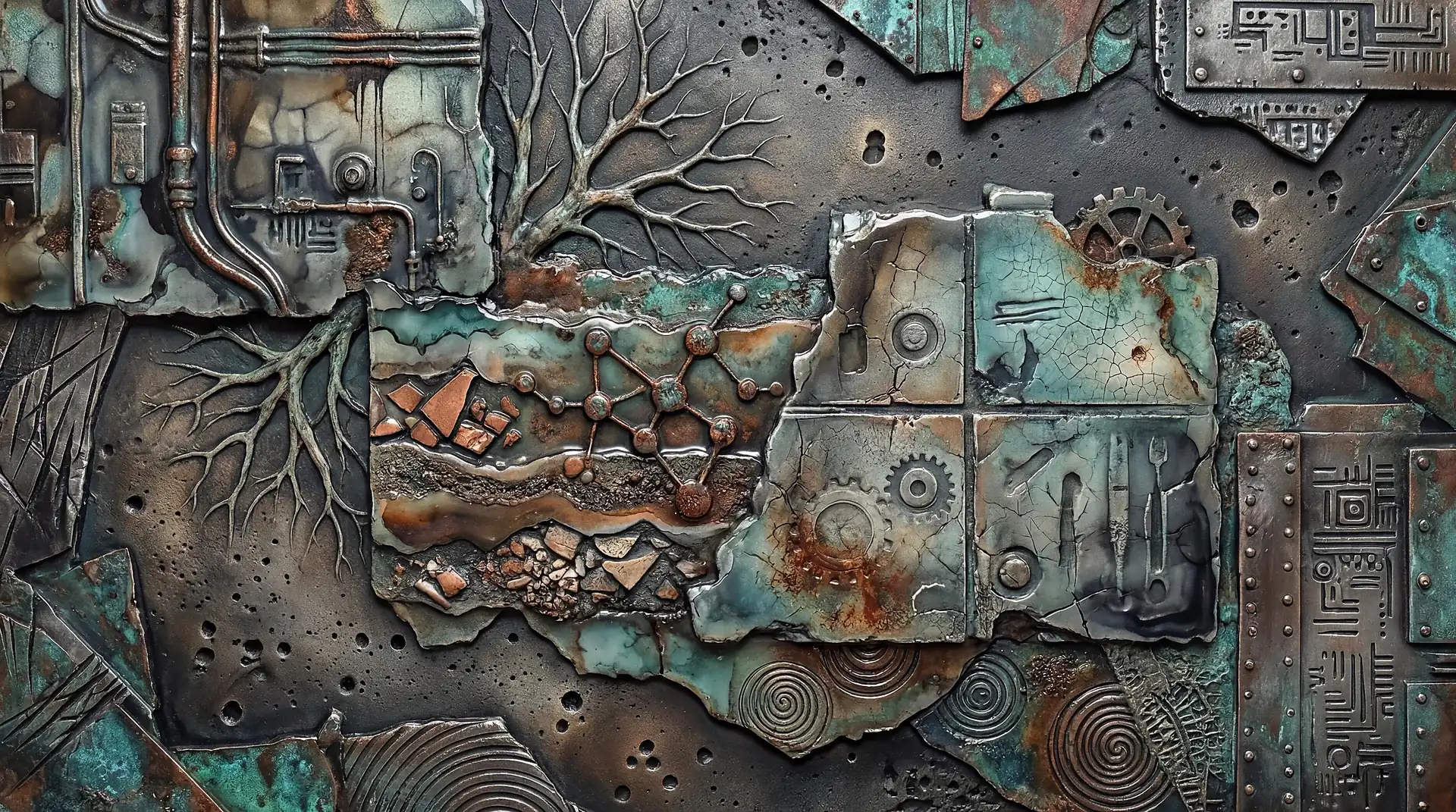
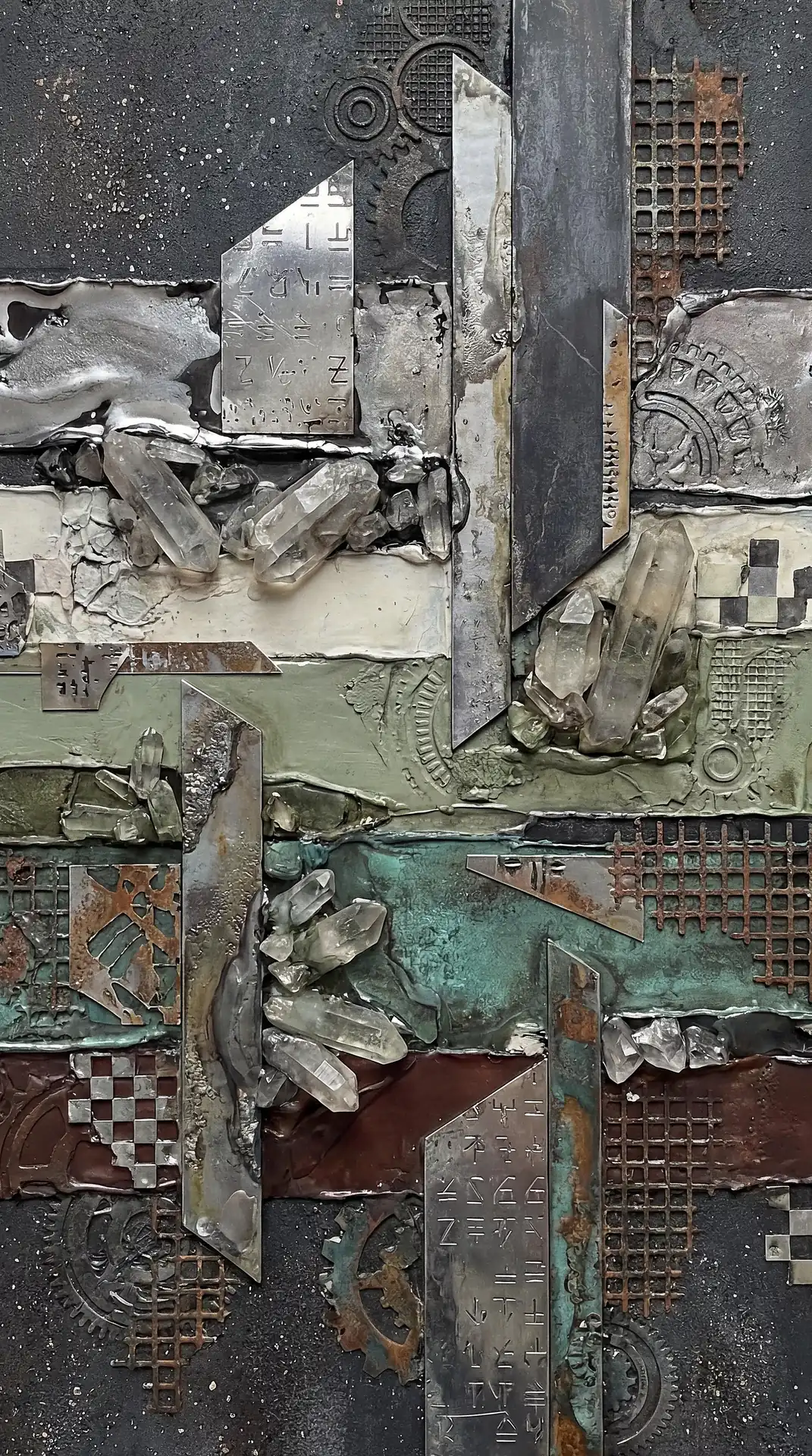
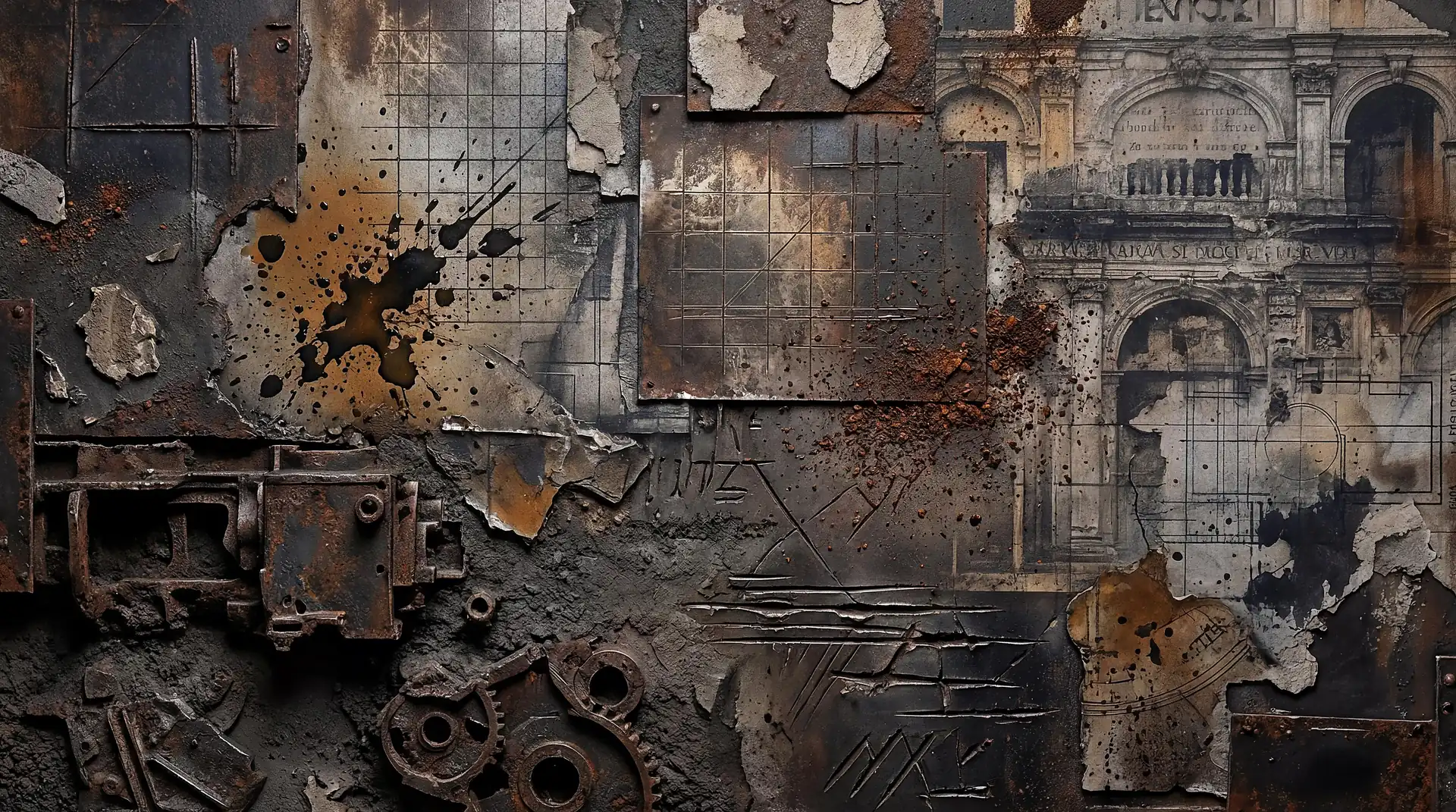
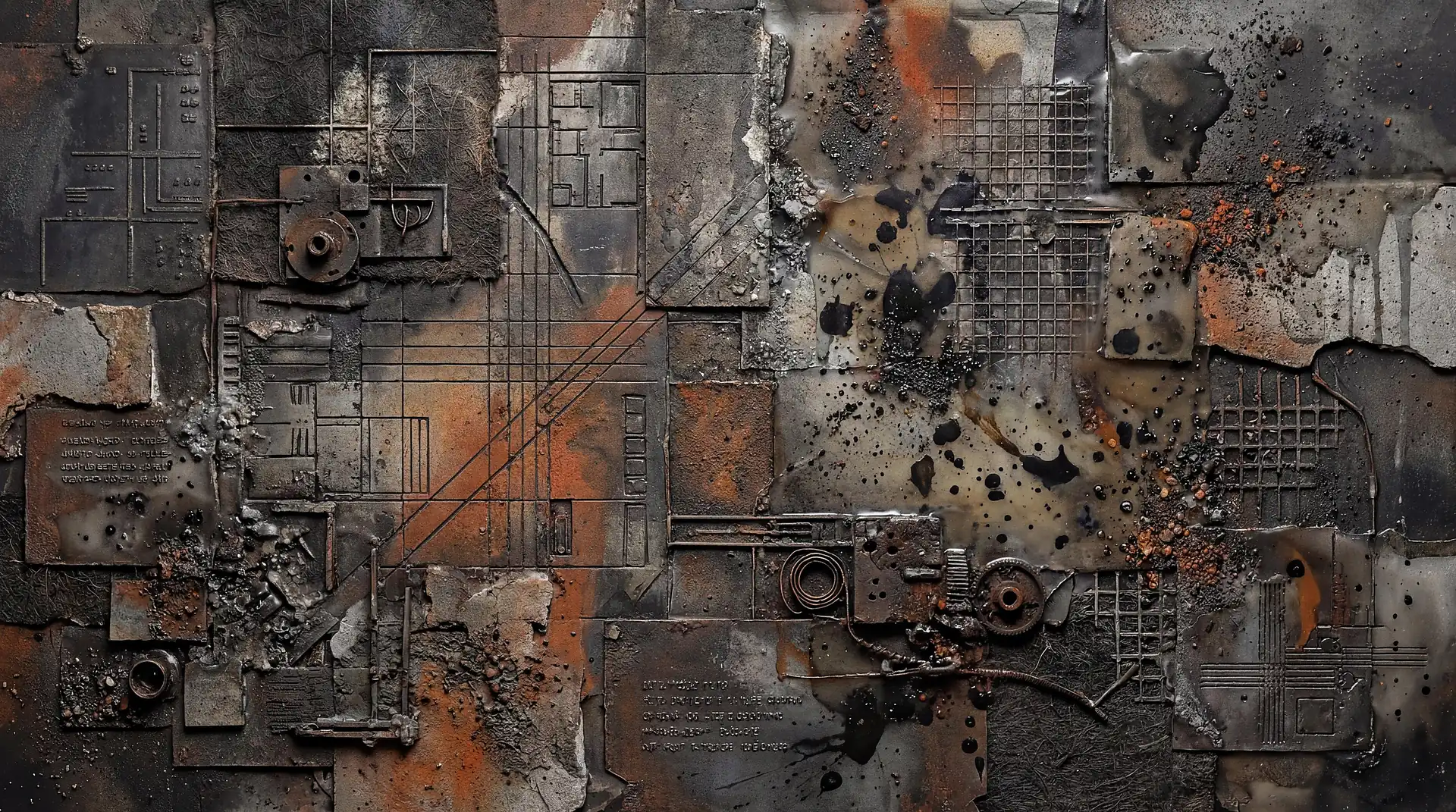
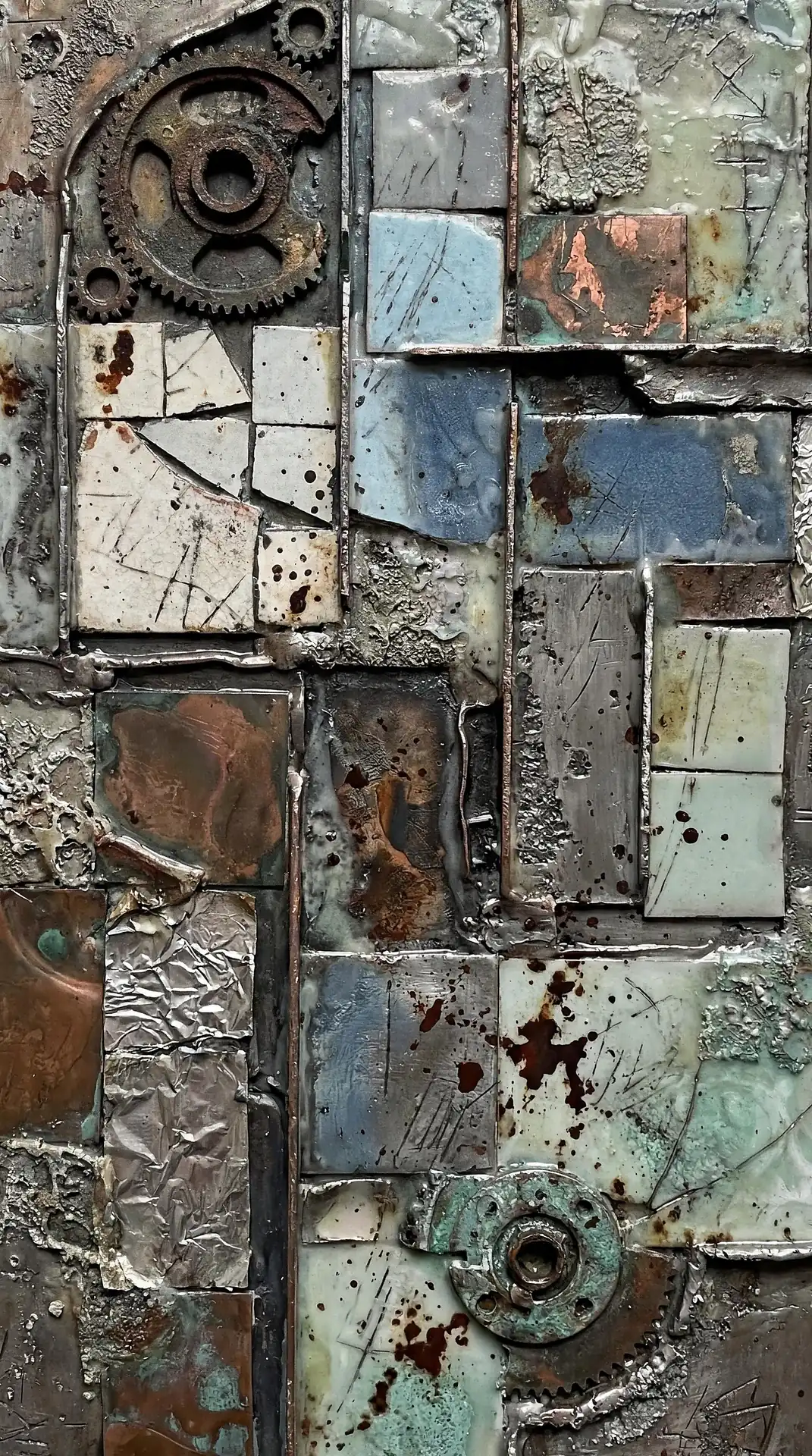
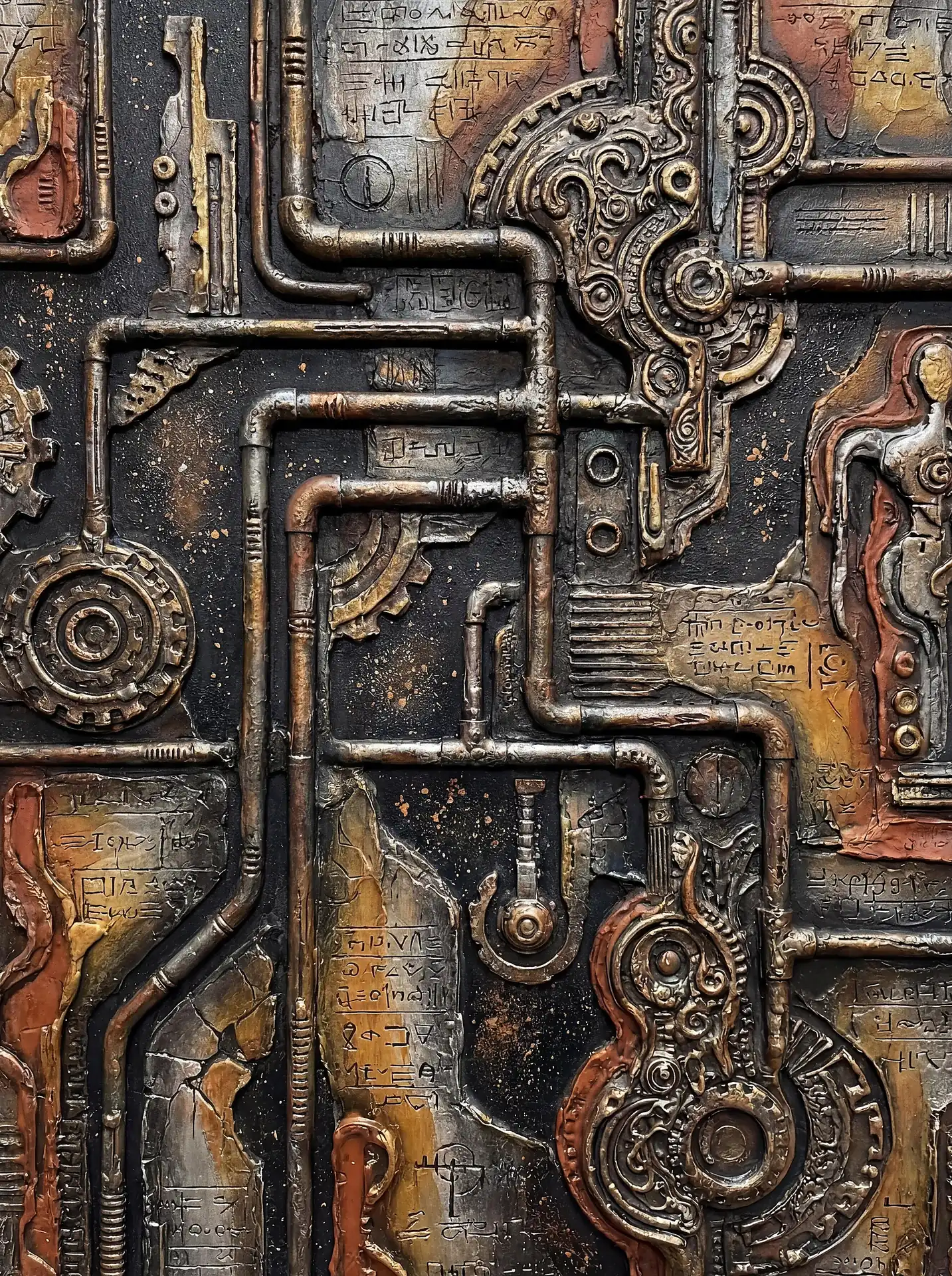
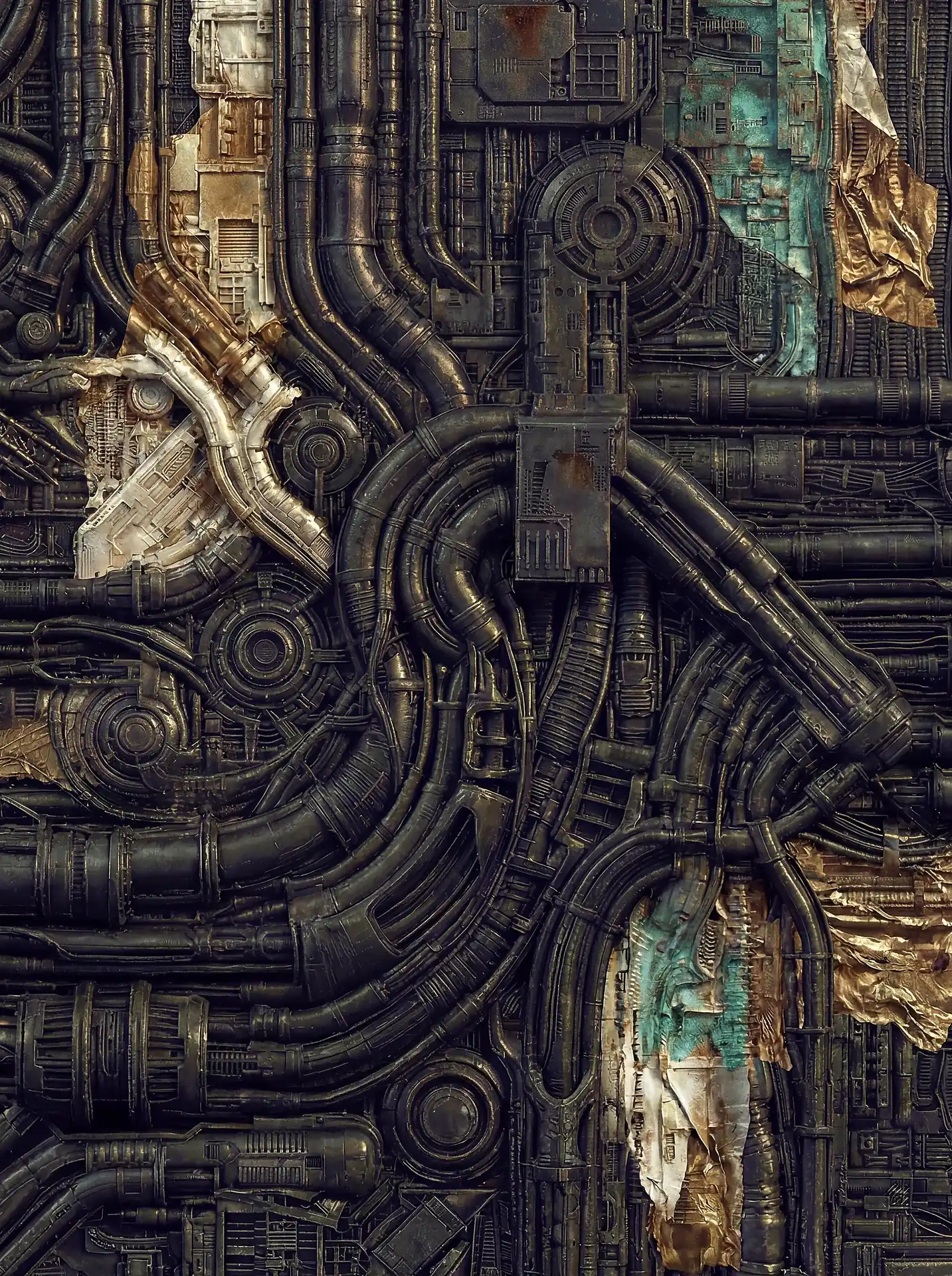
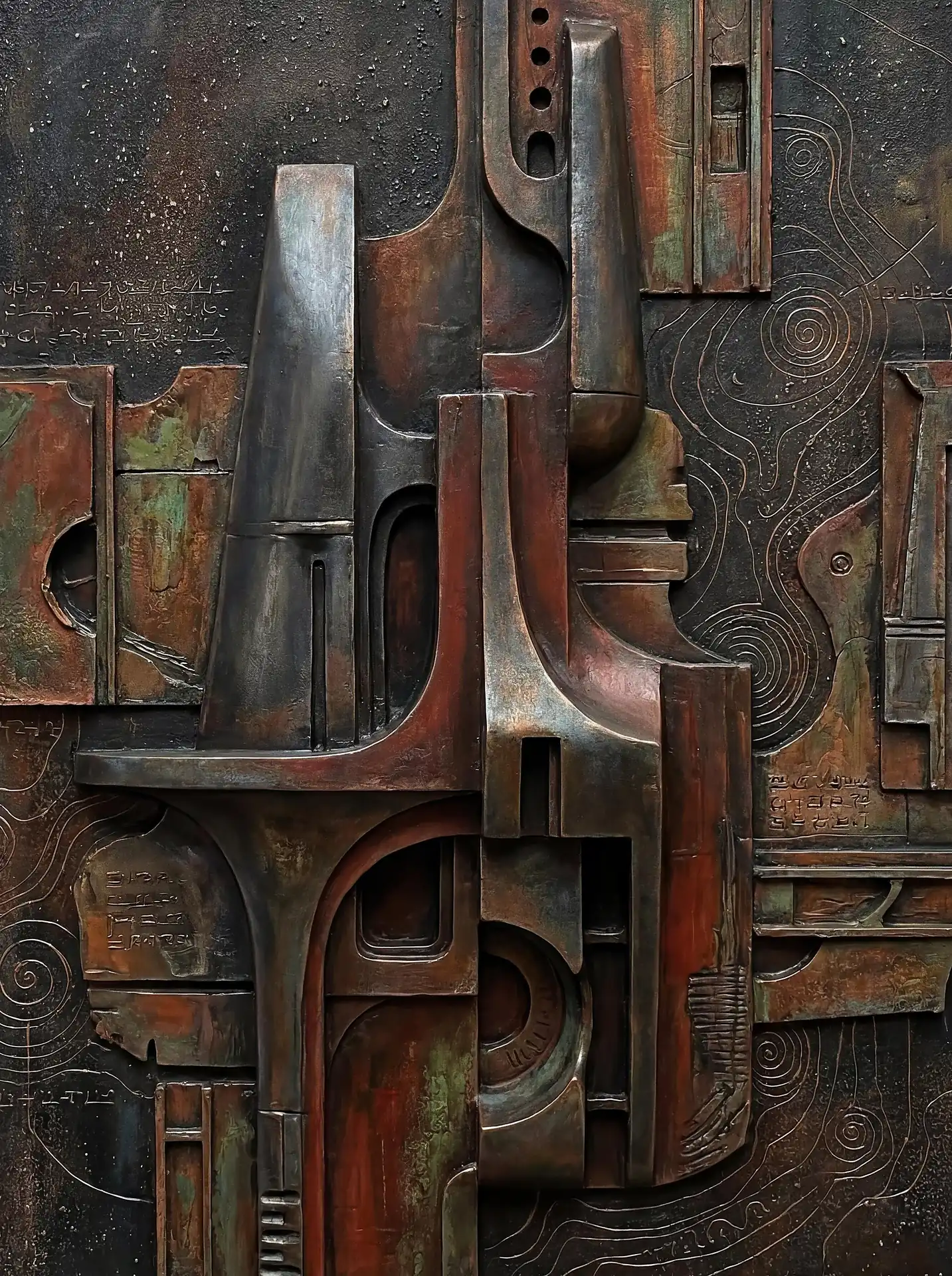
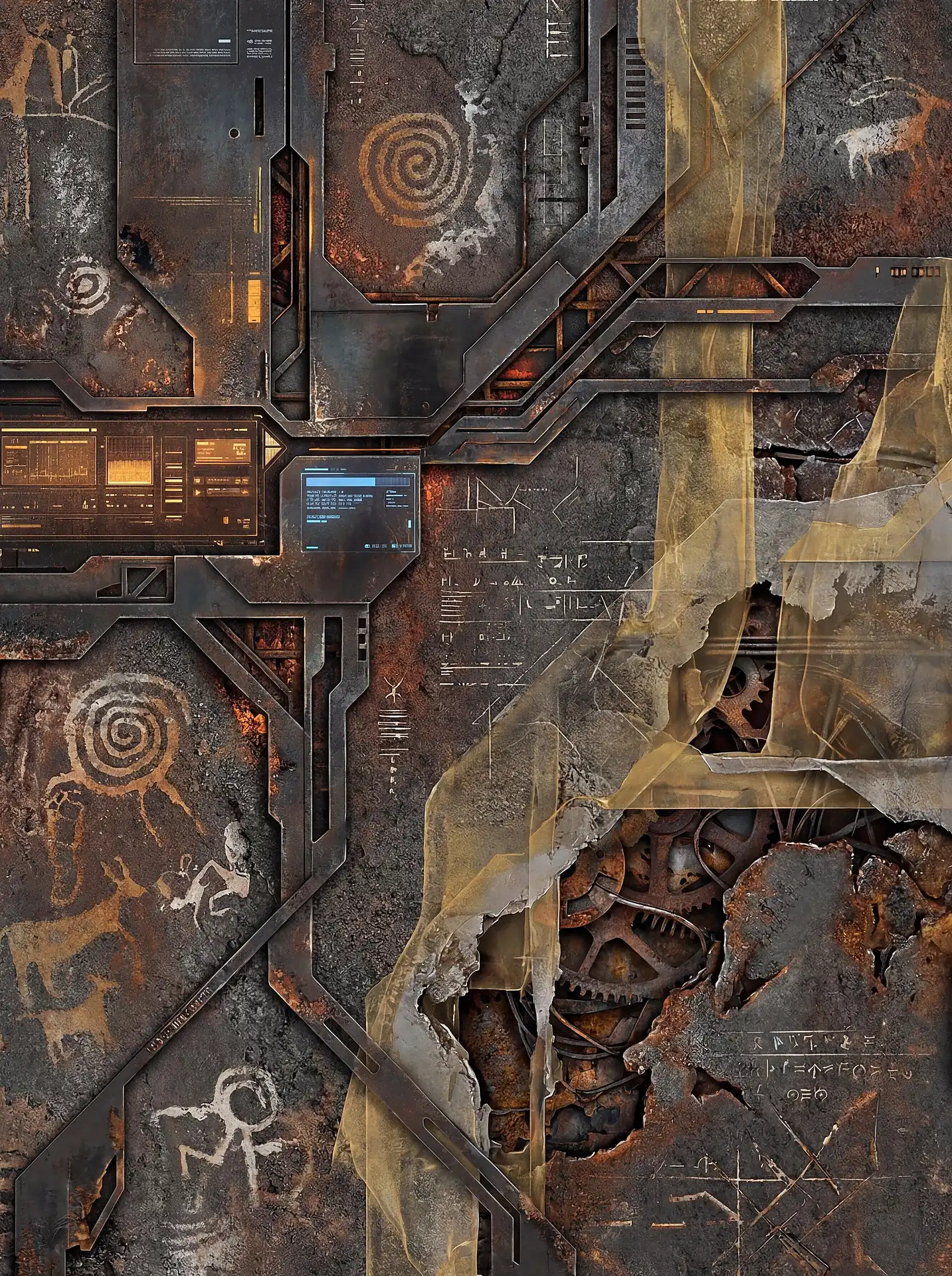
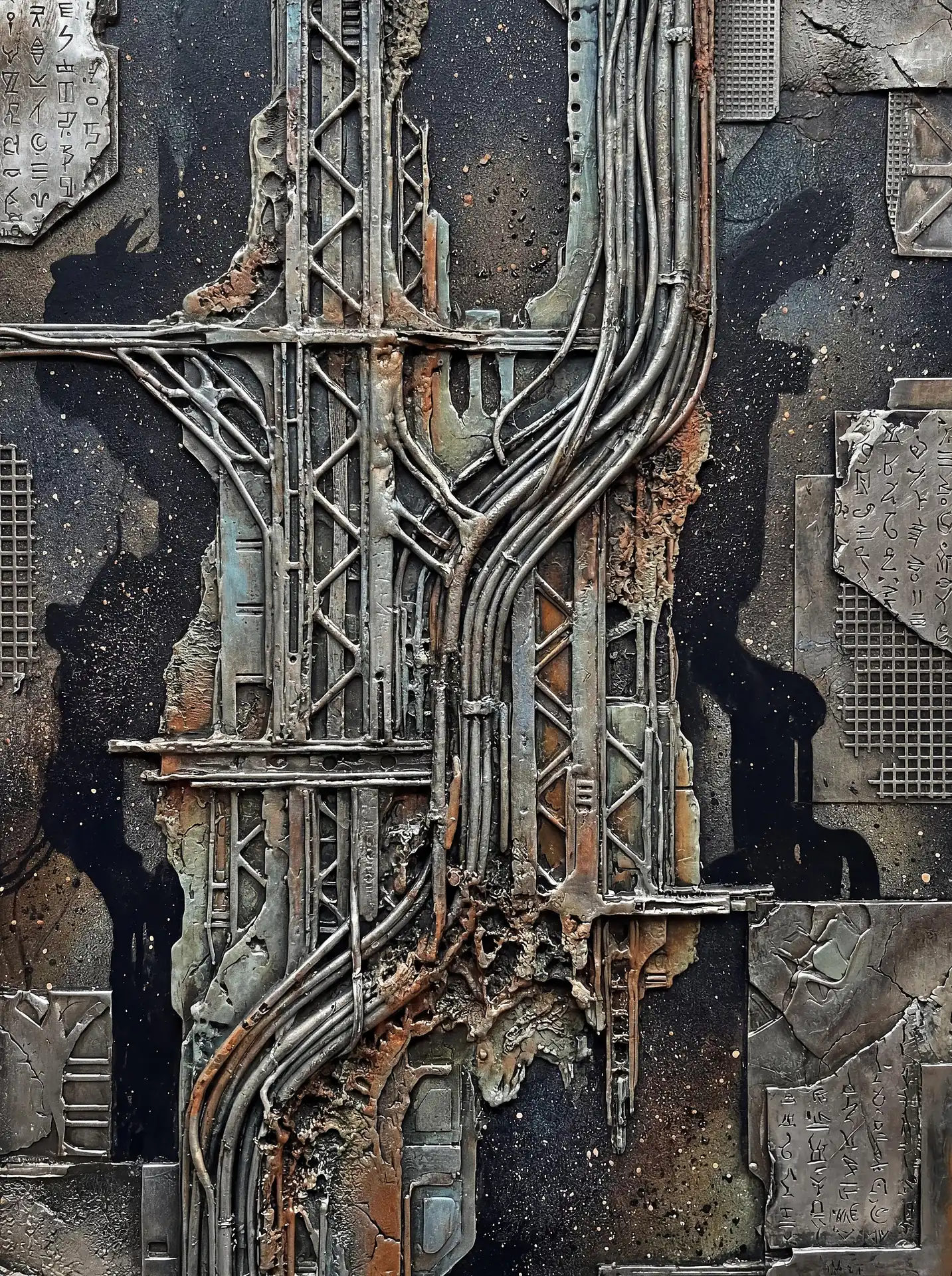
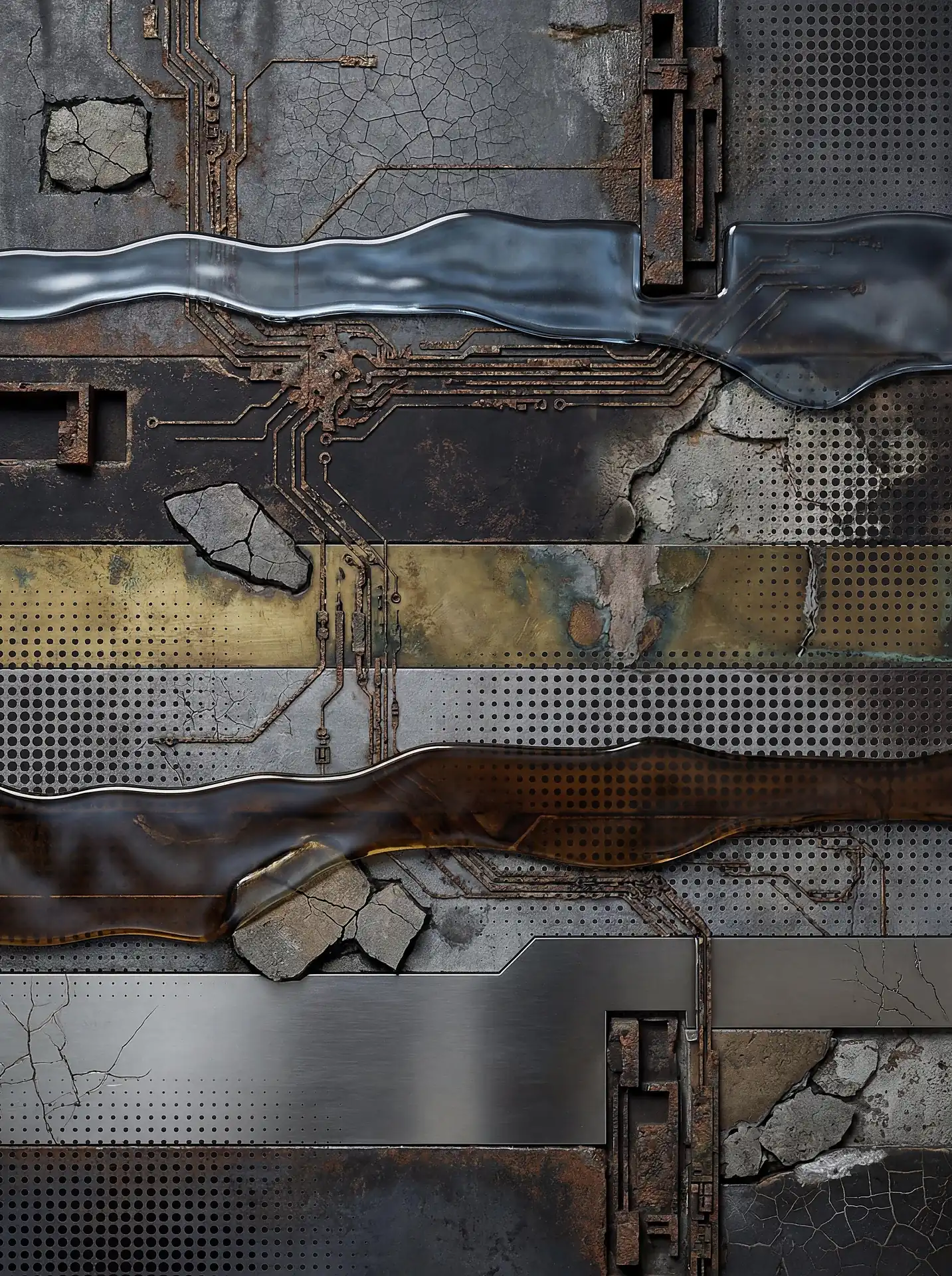
Gears, pipes, circuits, connectors, and junction boxes populate these 173 Magnificent Industrial Relief Artworks. The vocabulary borrows heavily from engineering and manufacturing—flanges and housings, conduits and mounting brackets, valve assemblies and pressure gauges—but deploys these mechanical elements entirely without functional logic. Nothing actually connects to anything else in any operational sense. Systems begin arbitrarily and end just as arbitrarily. The mechanical language becomes purely decorative, industrial syntax repurposed exclusively for visual rhythm and compositional structure.
Yet something of the original utilitarian meaning stubbornly persists despite the obvious dysfunction. These pieces somehow feel operational, as if they might suddenly hum to life if the right switch were thrown. The persistent suggestion of function creates productive tension with obvious non-function. These are beautiful machines that accomplish nothing, elaborate systems serving only contemplation, engineering divorced from purpose and married instead to pure aesthetics.
PATINA AS EVIDENCE OF TIME
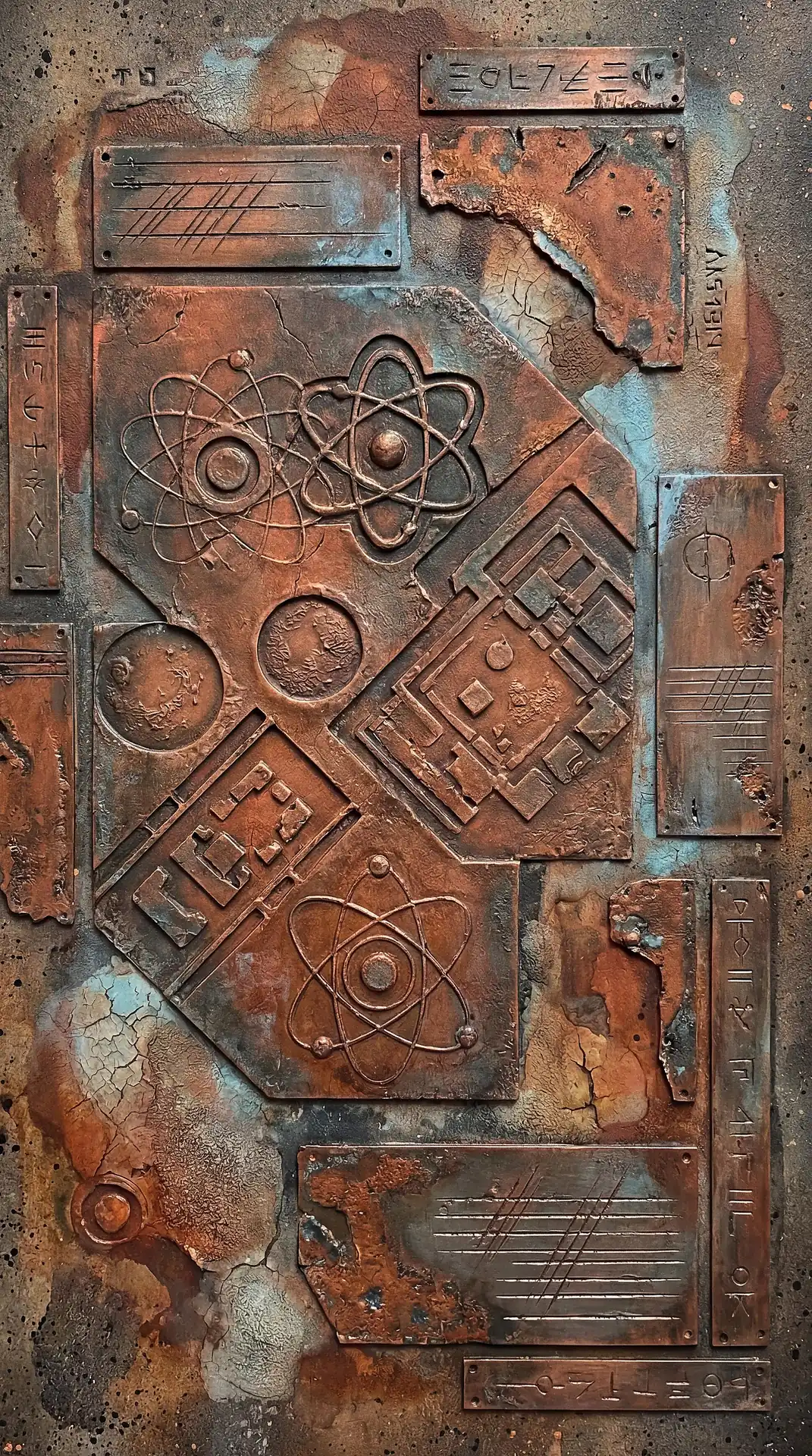
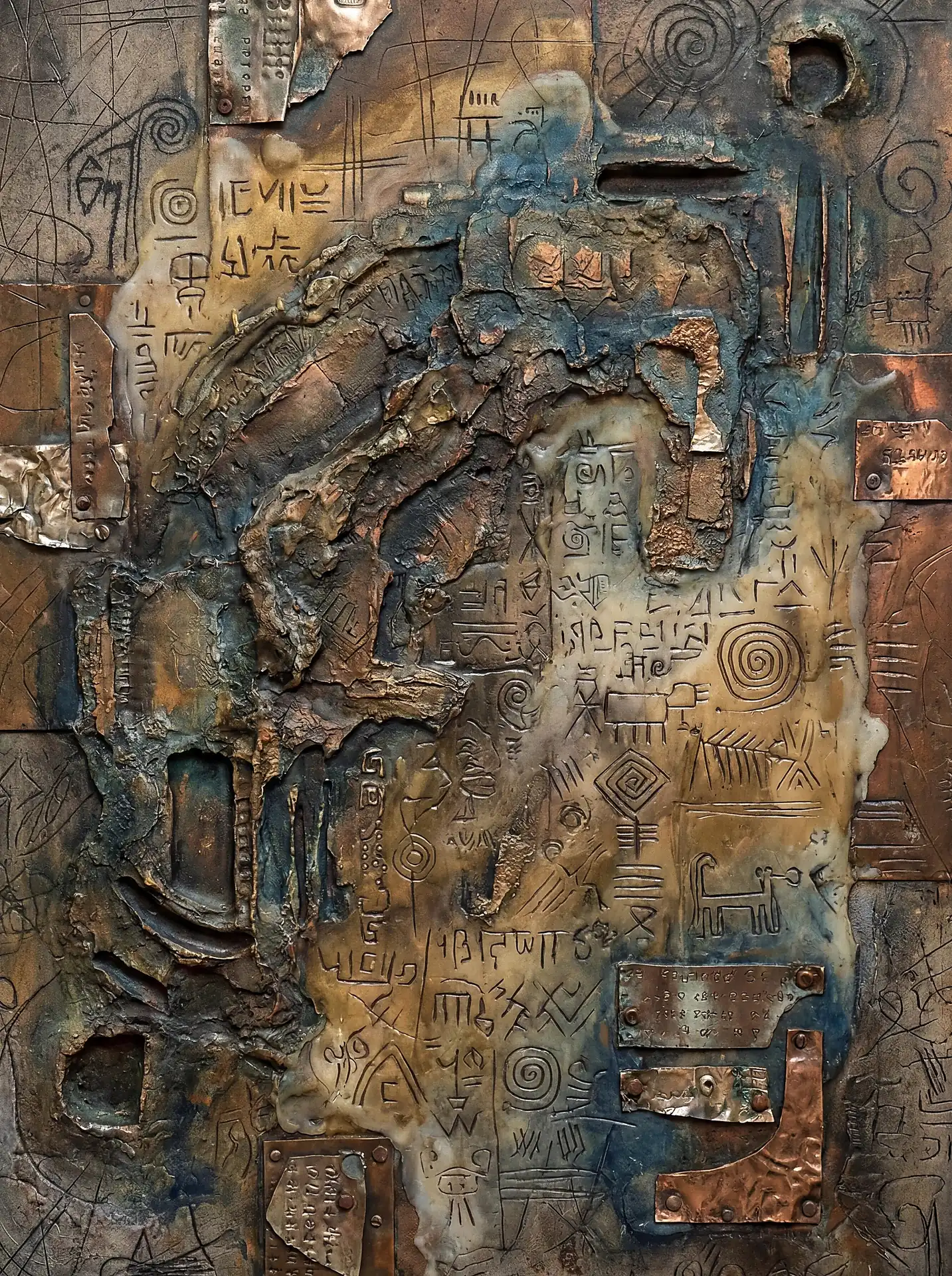
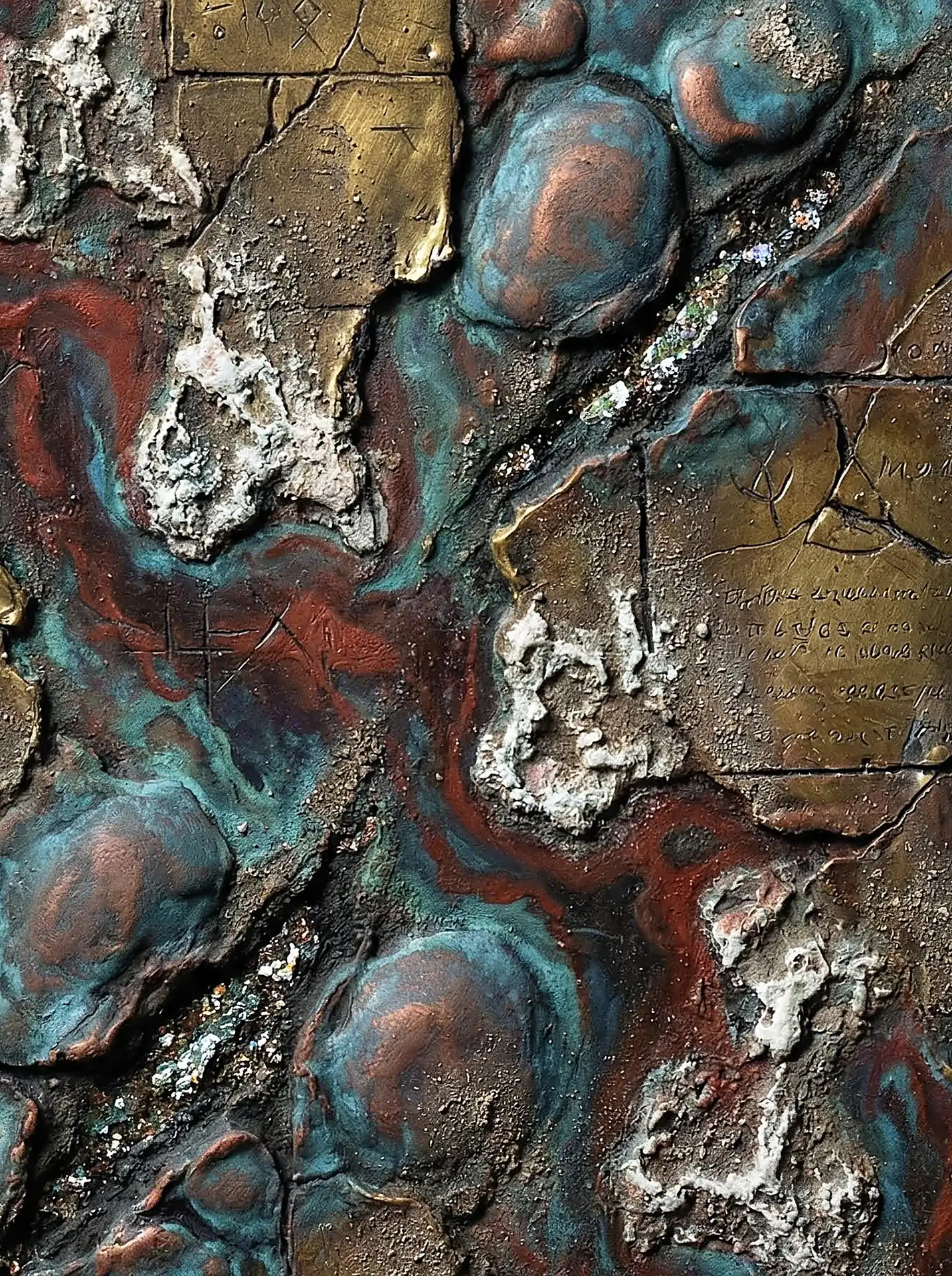
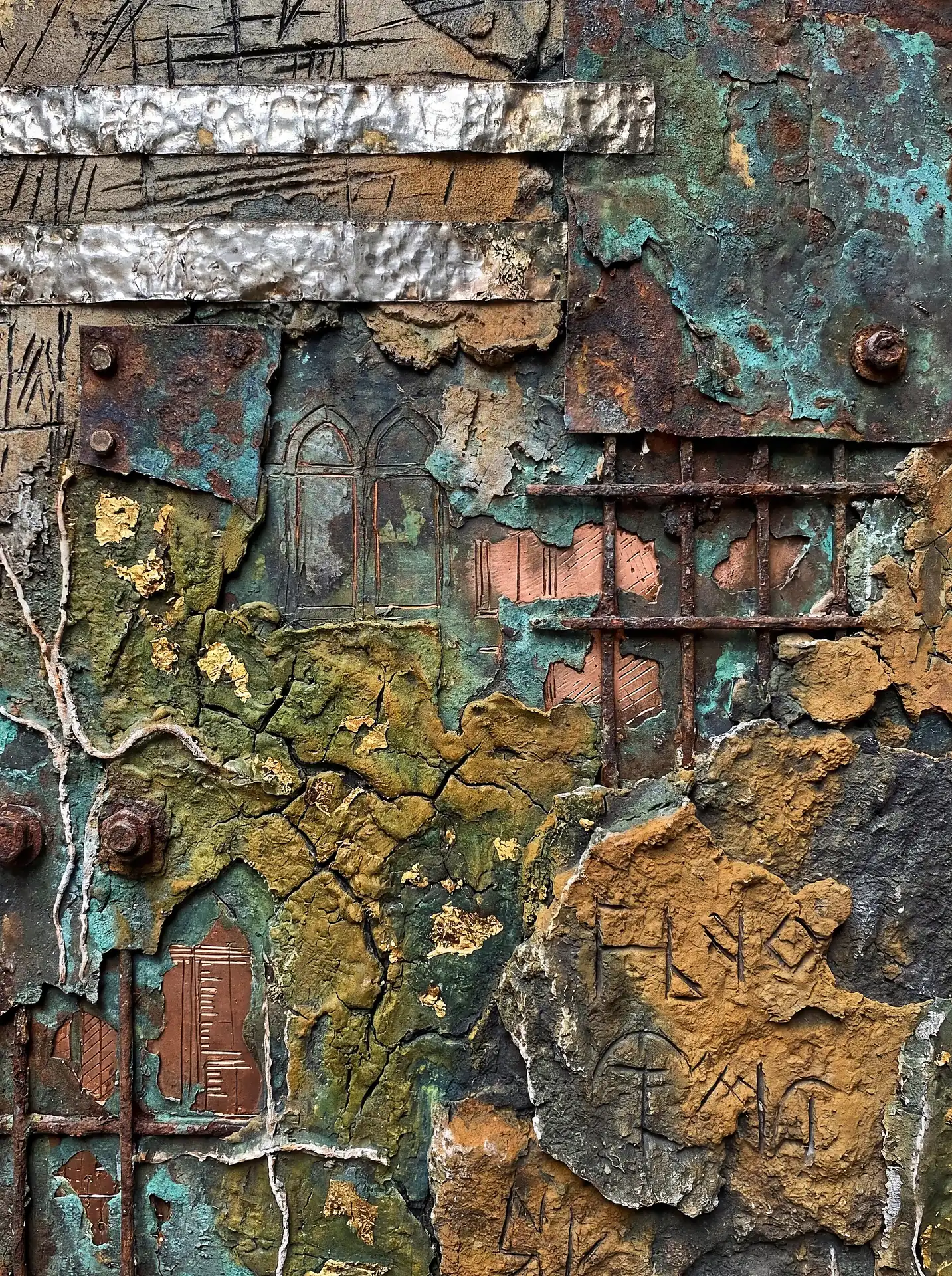
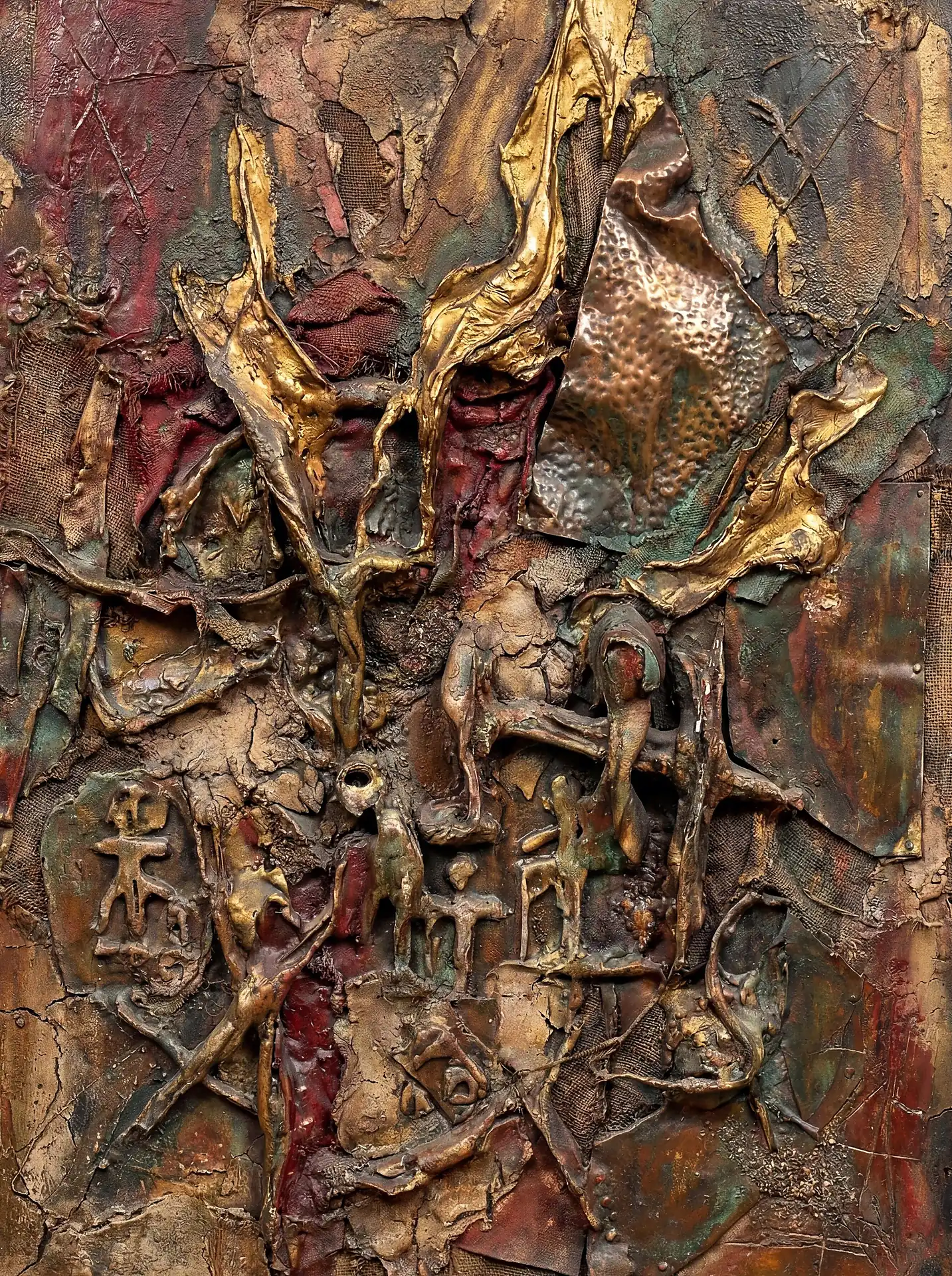
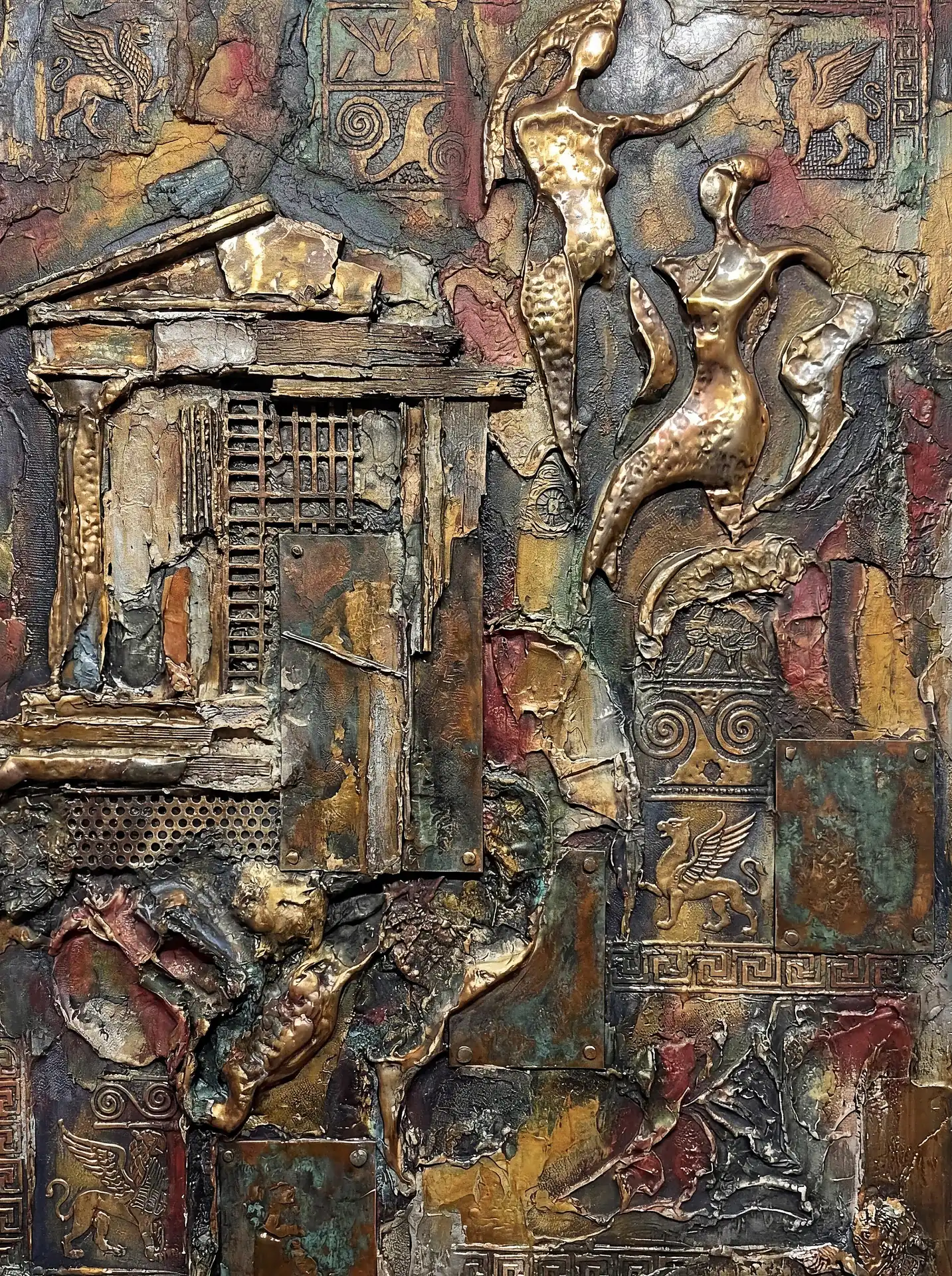
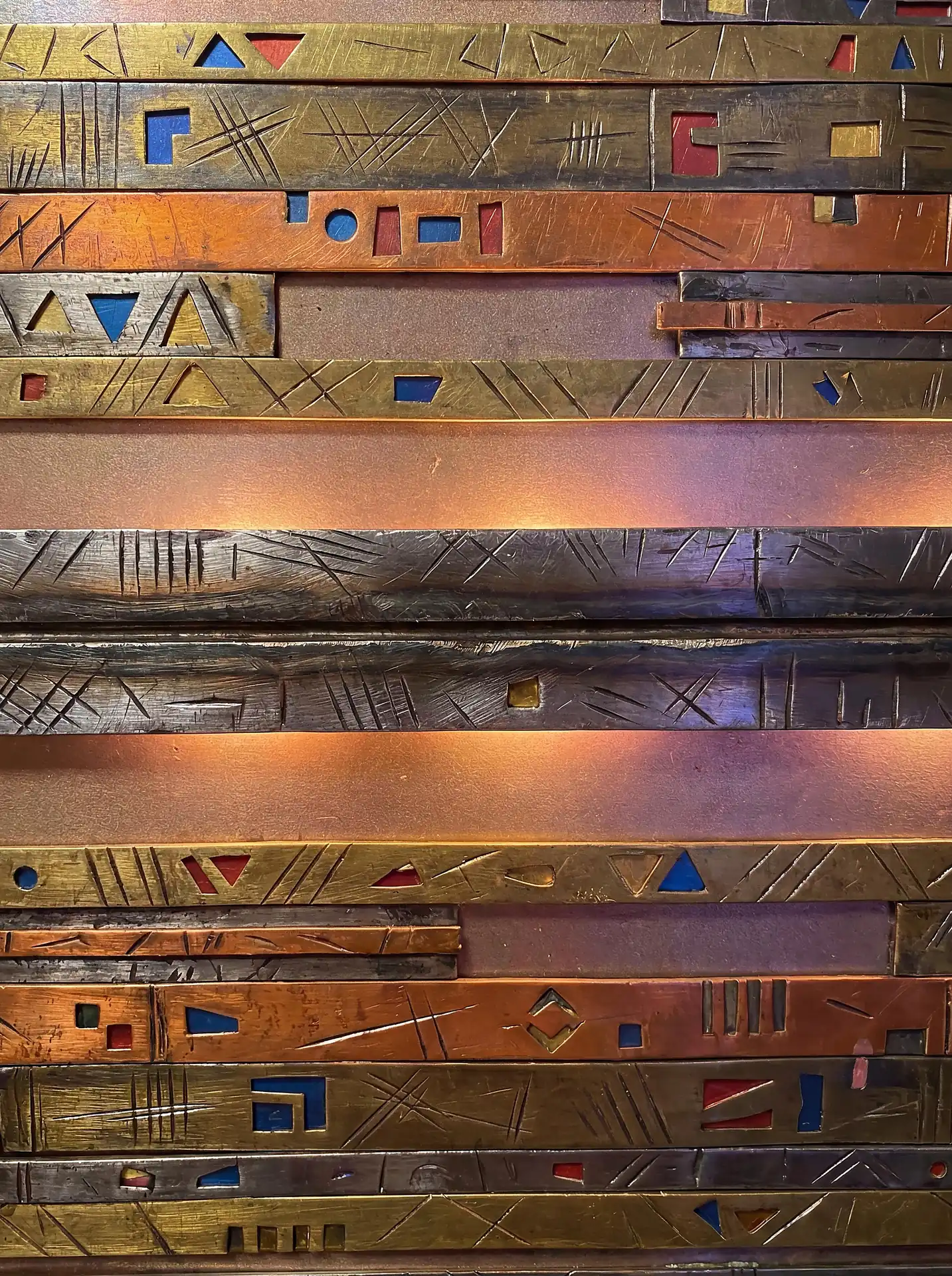
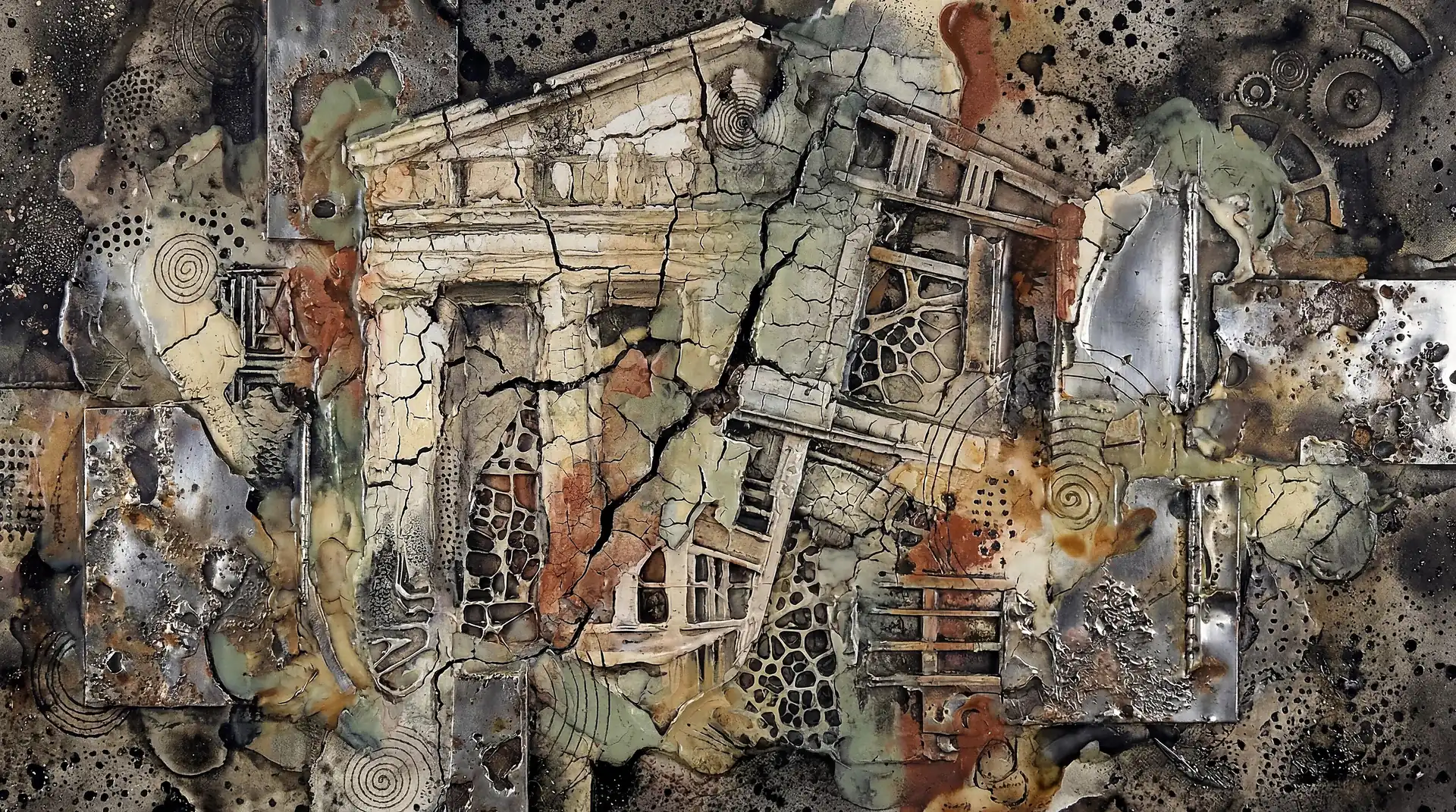
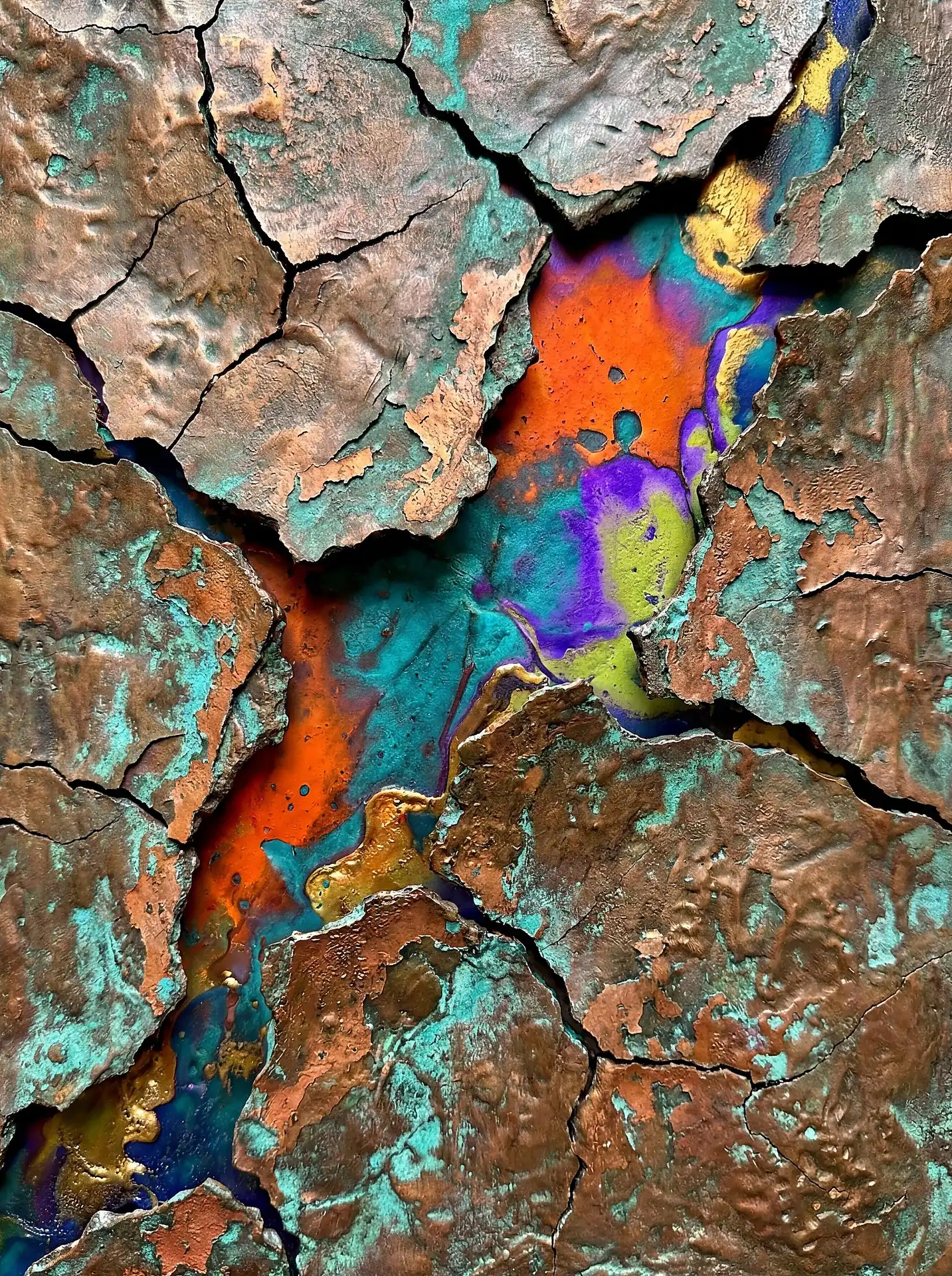
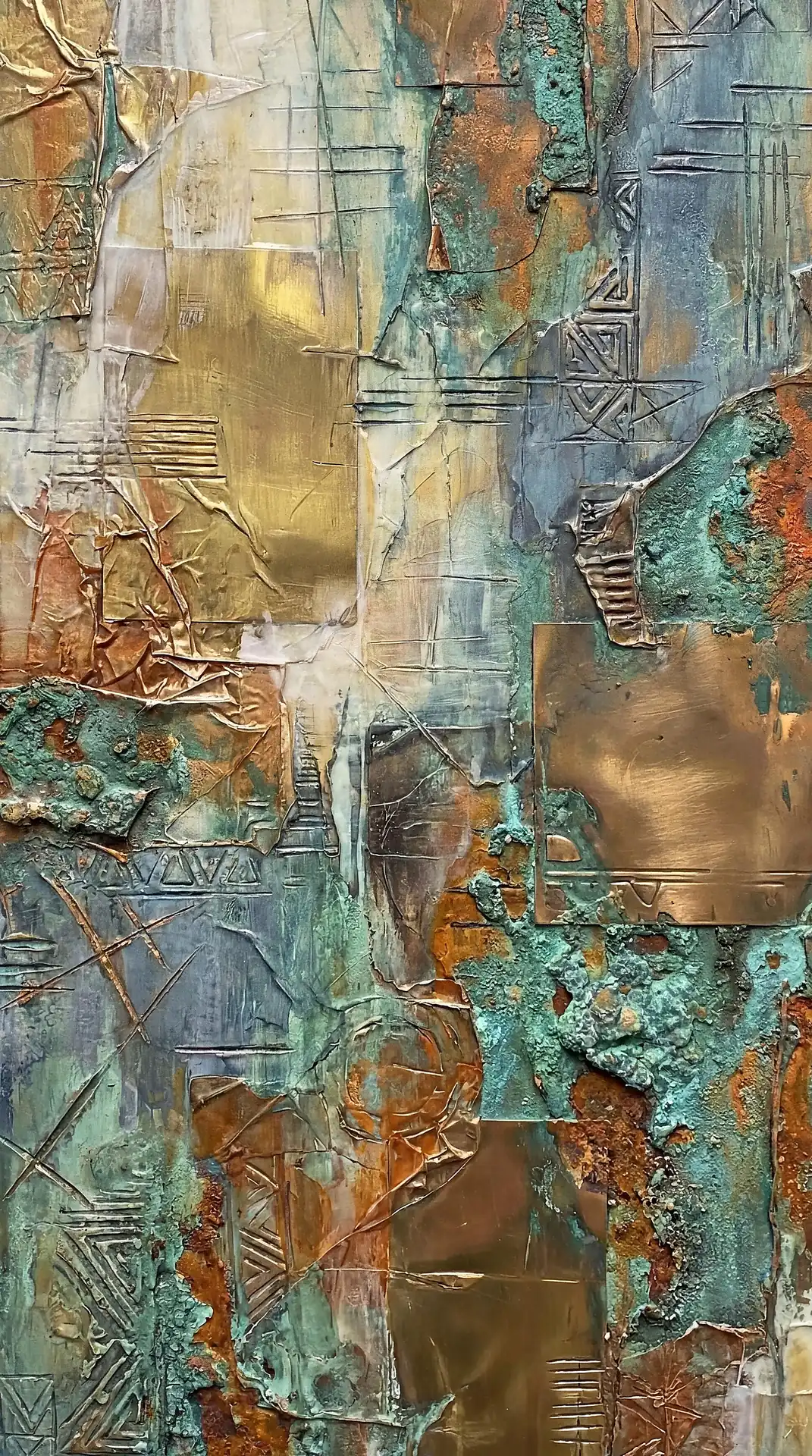
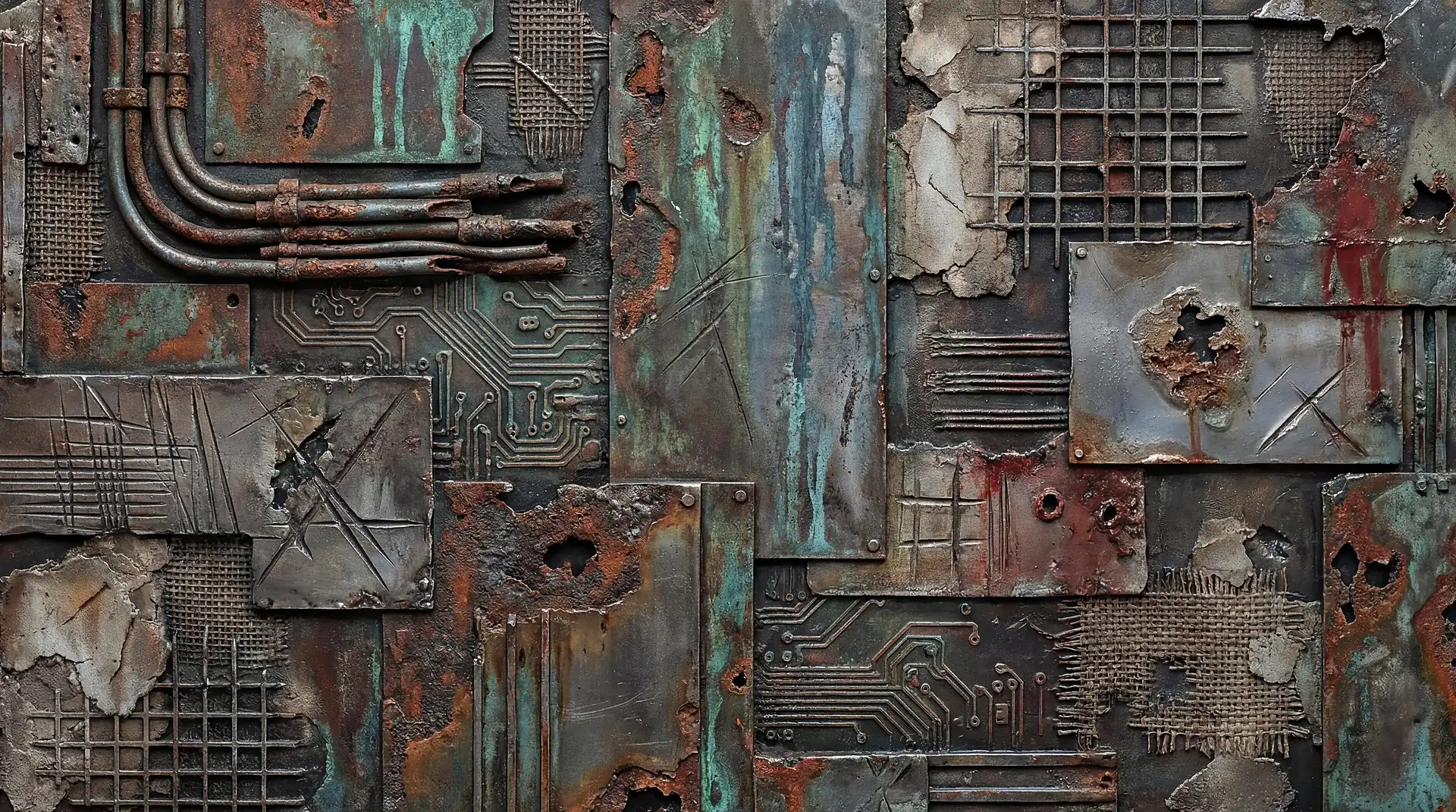
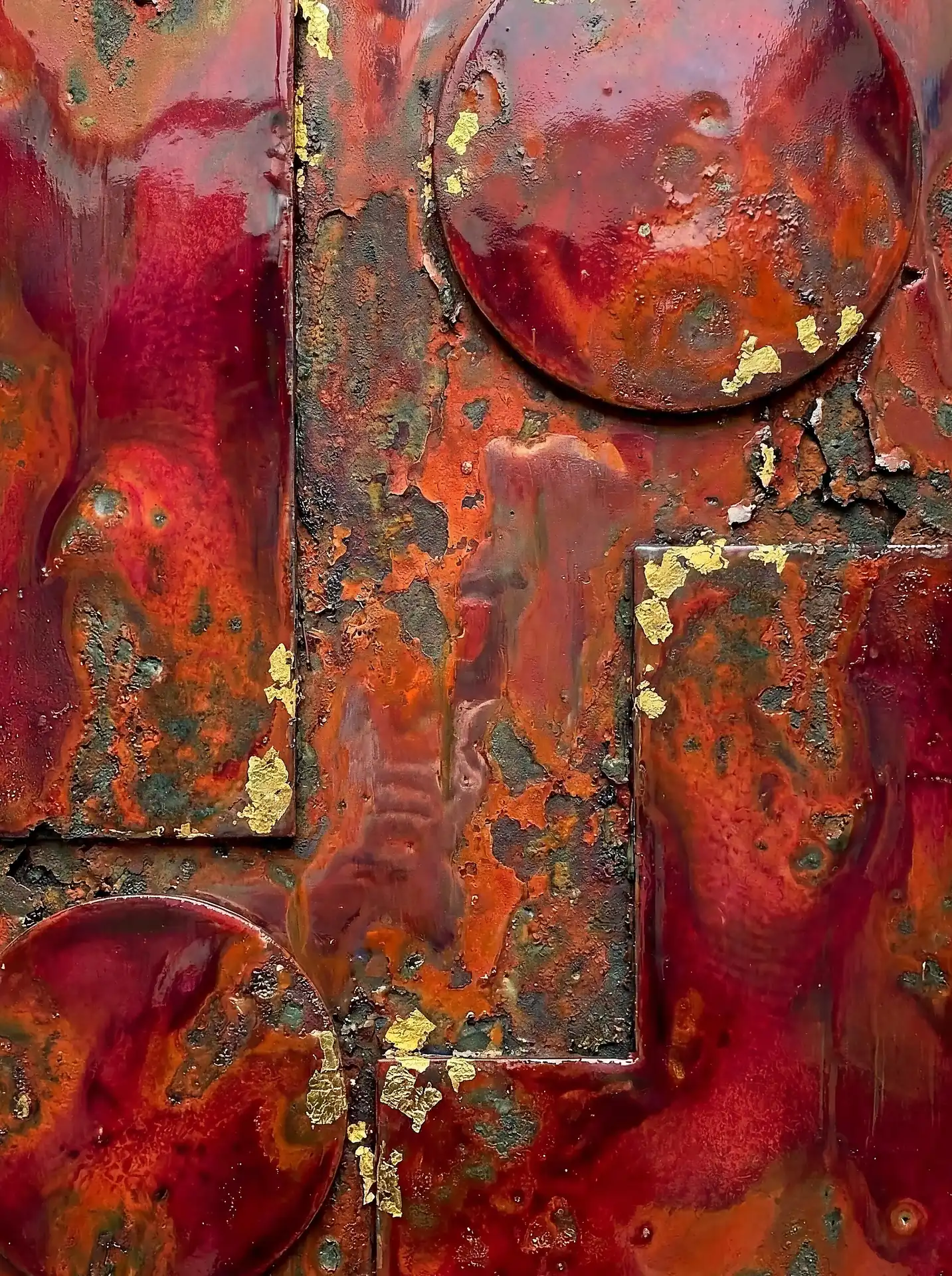
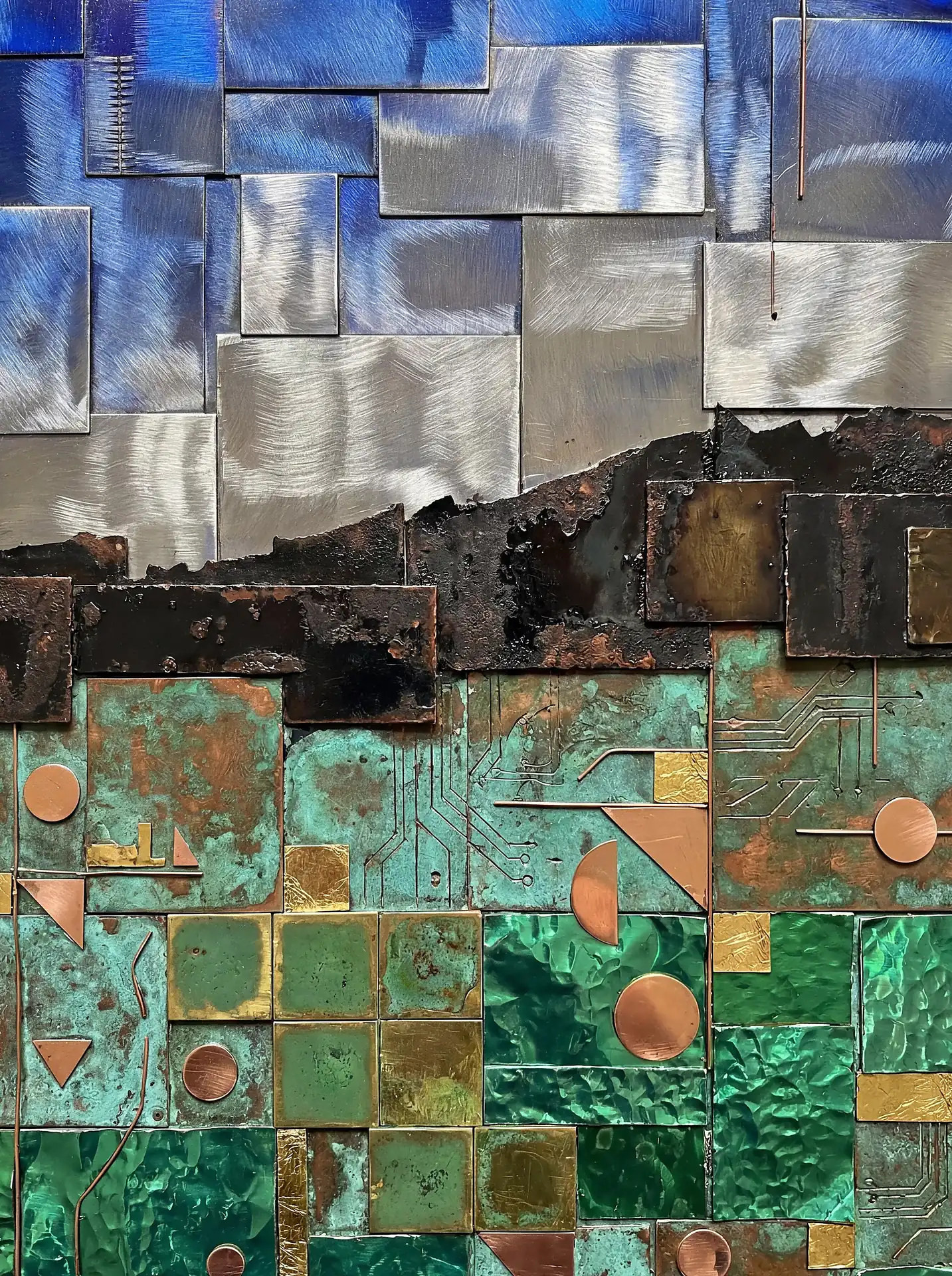
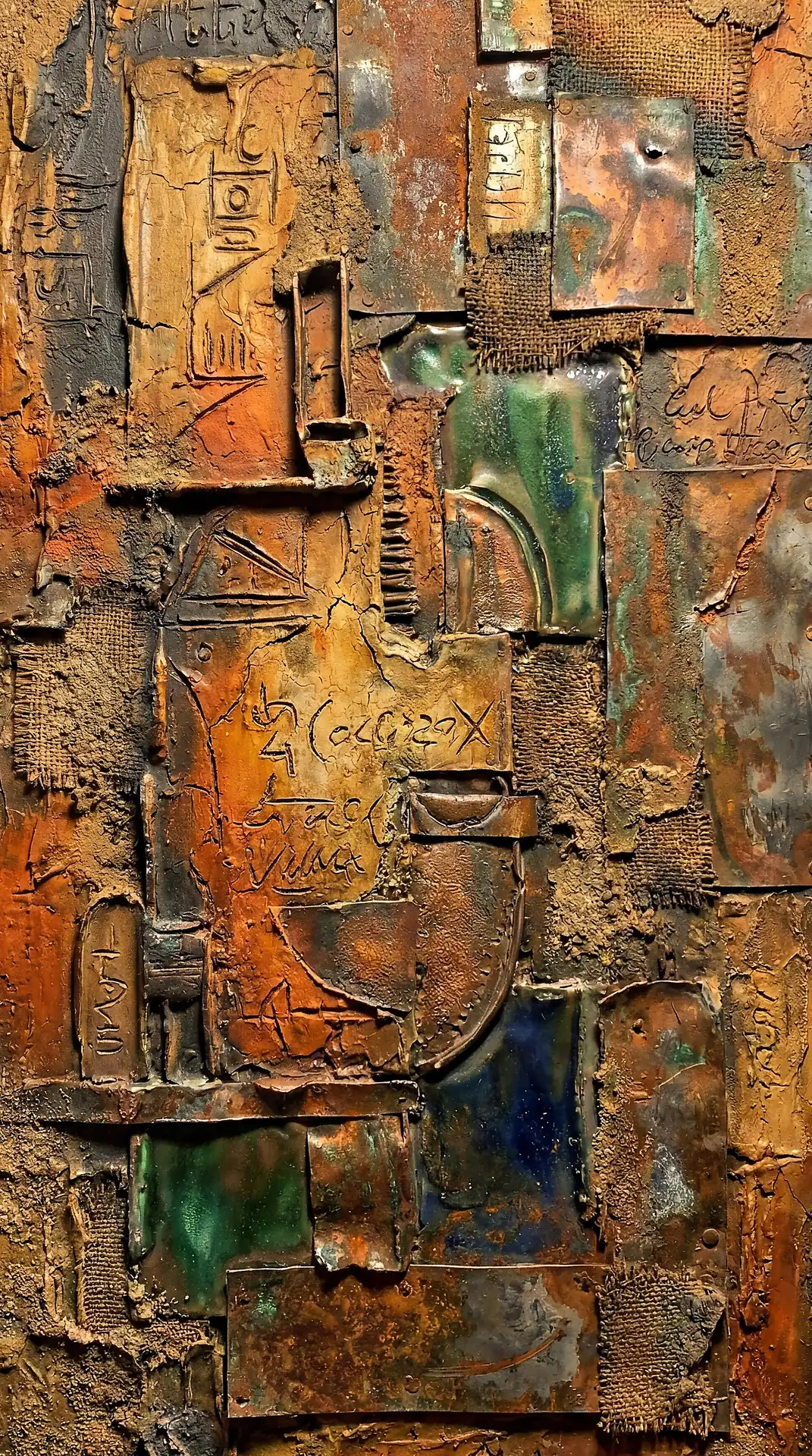
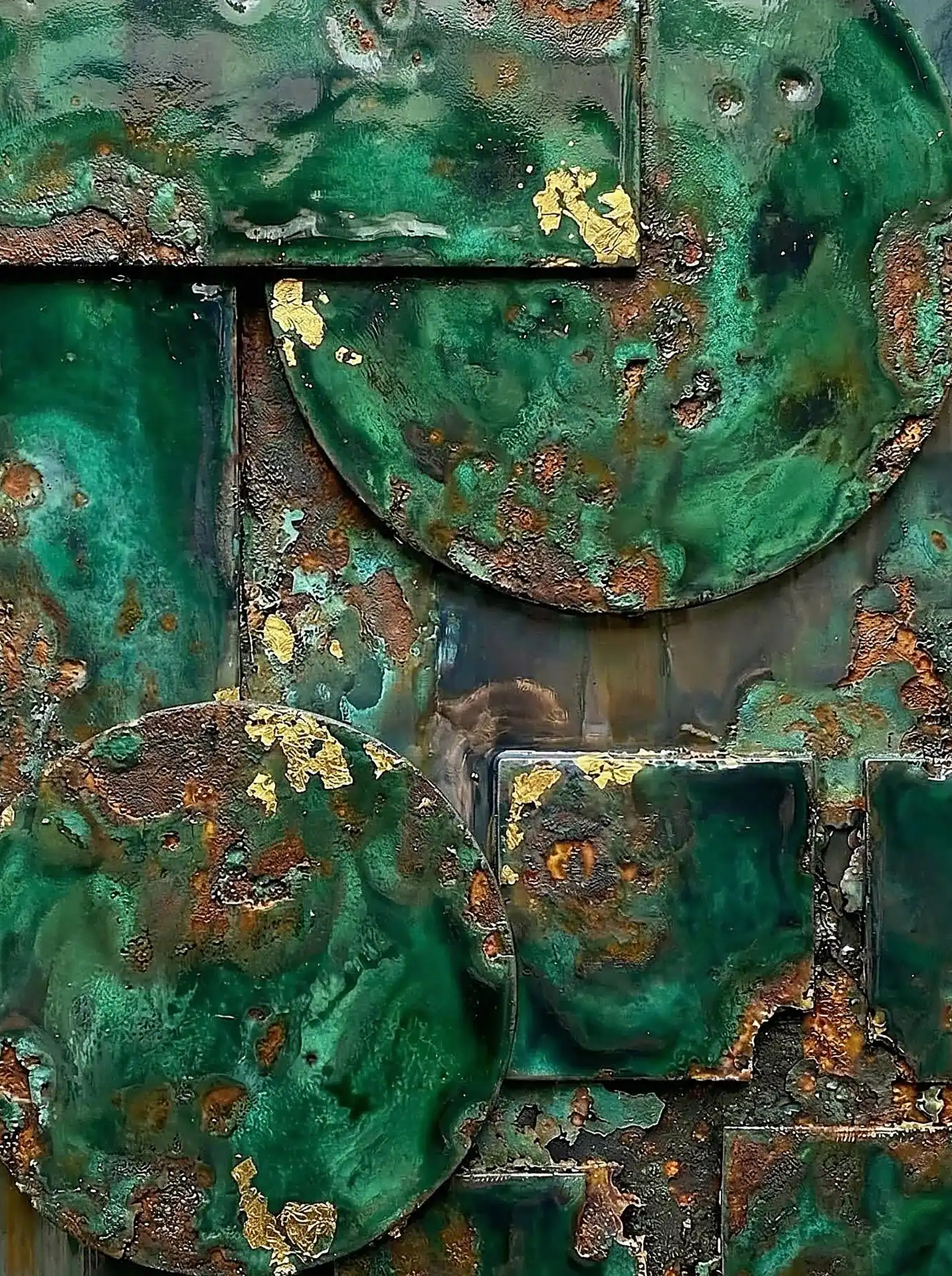
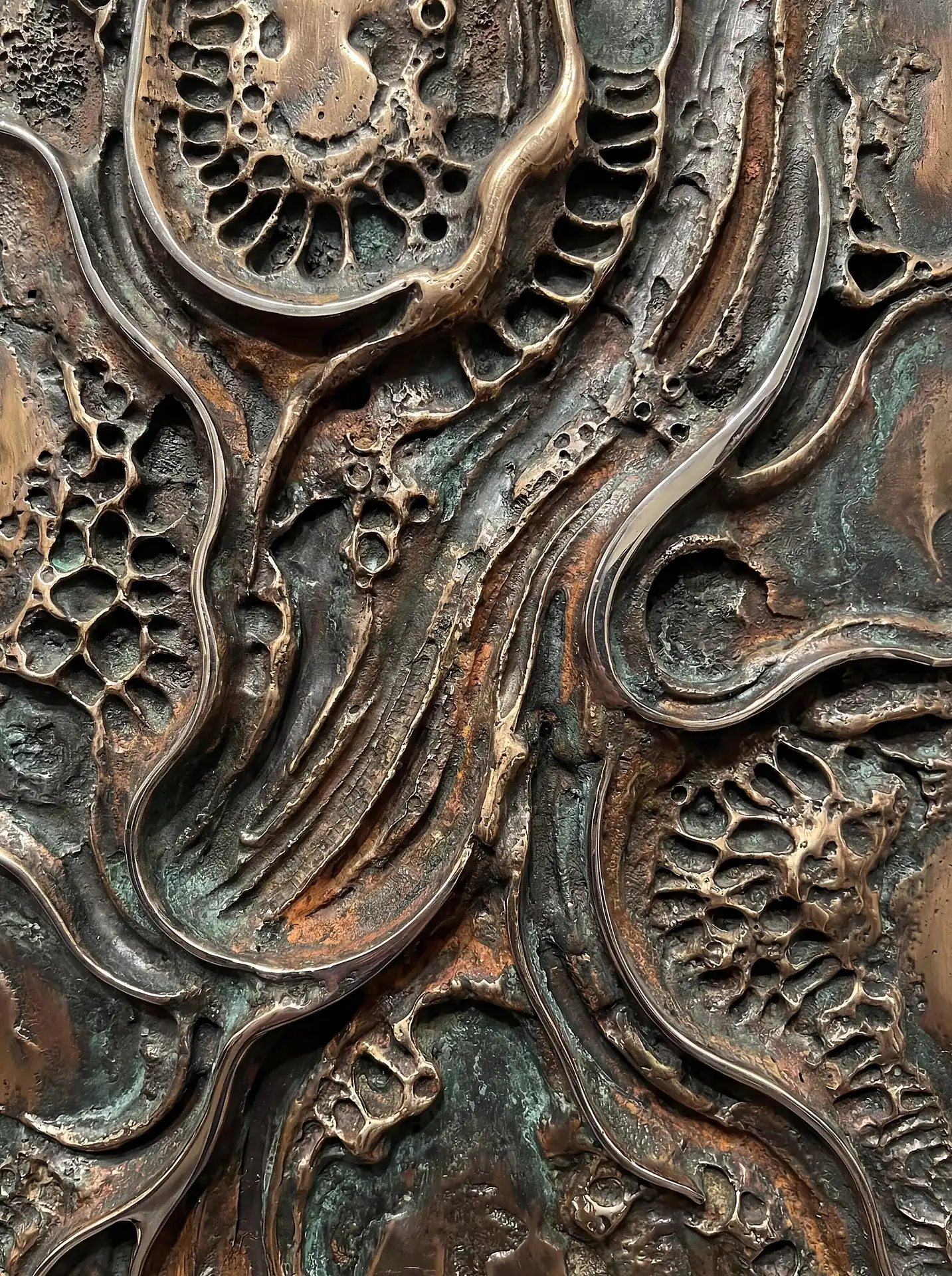
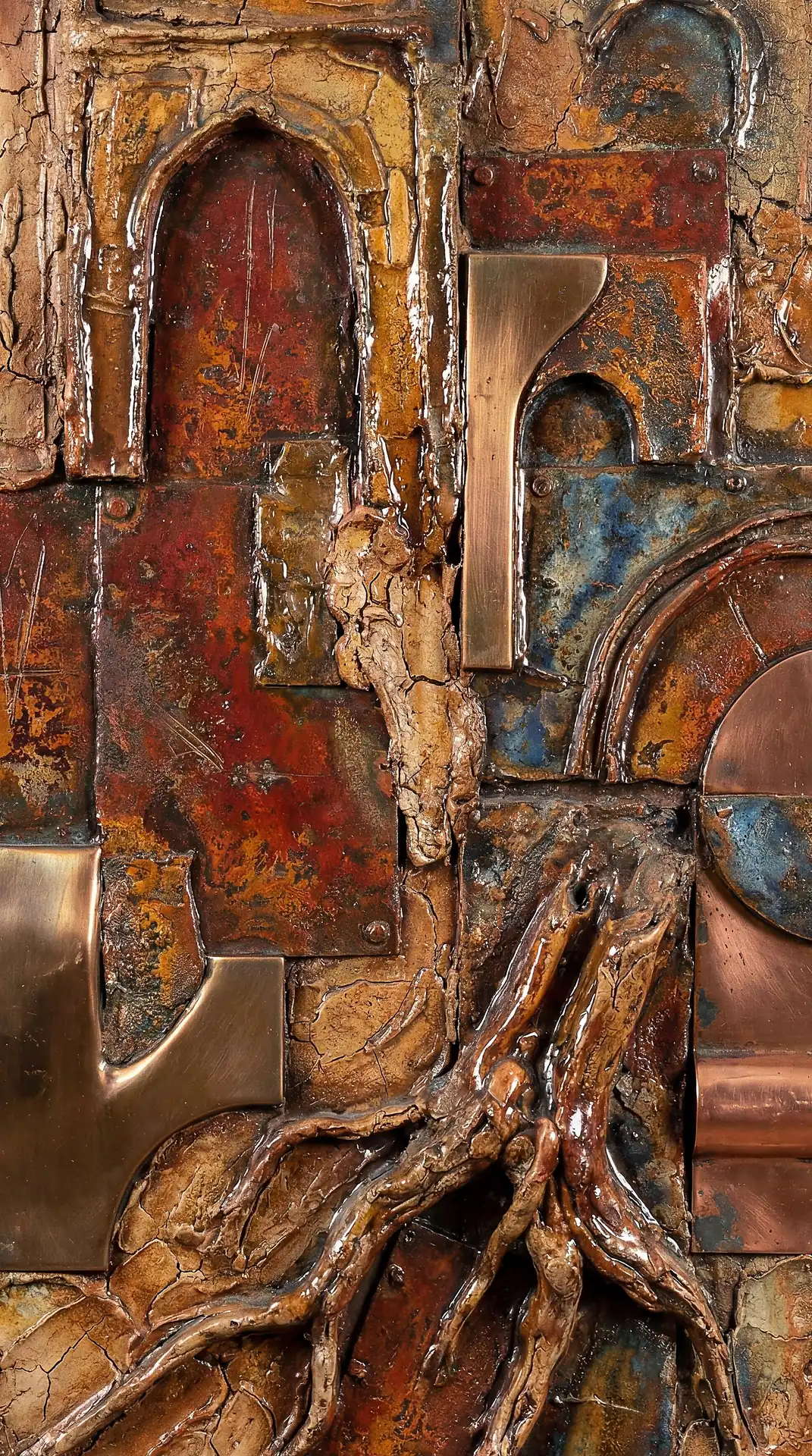
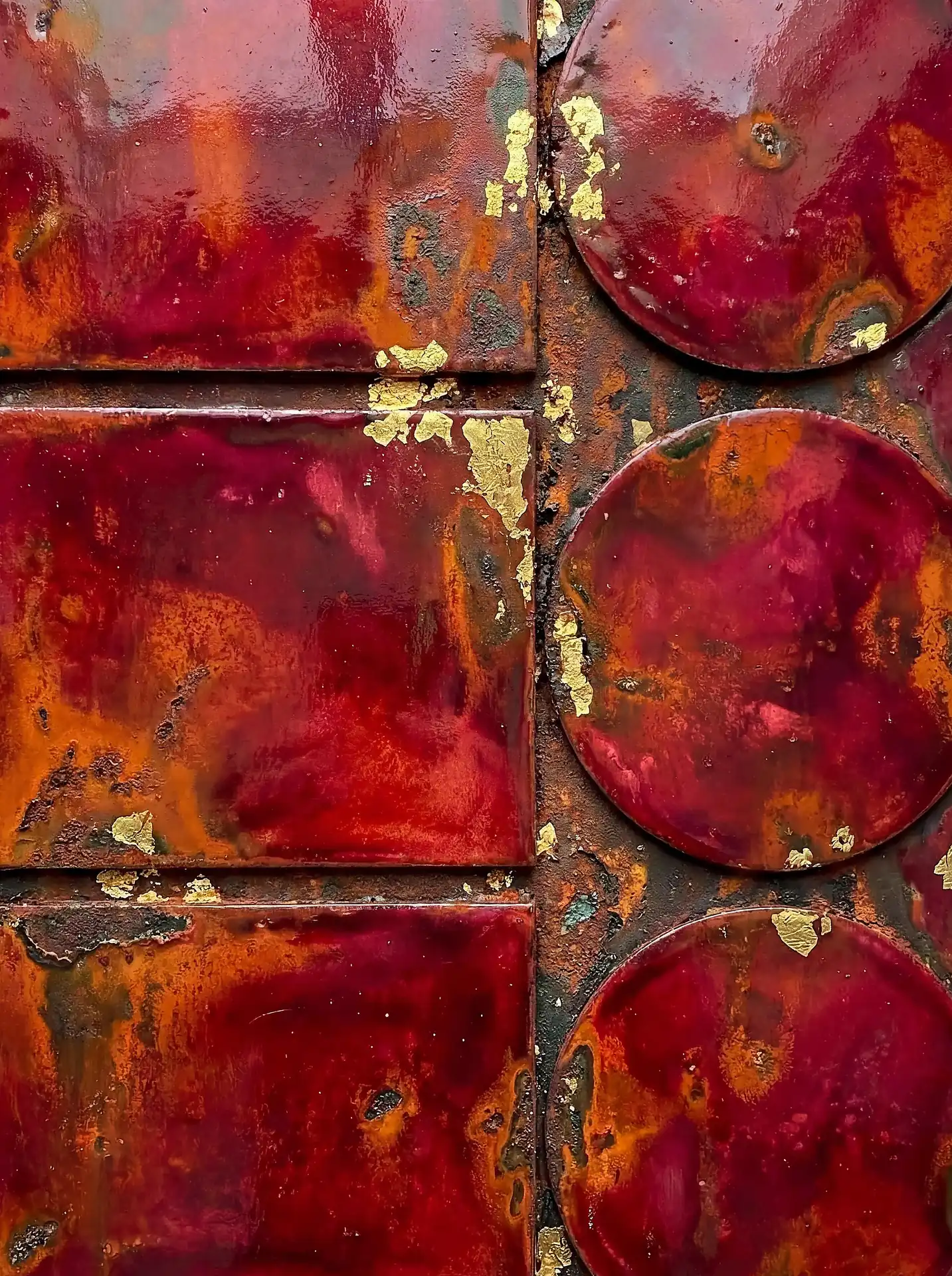
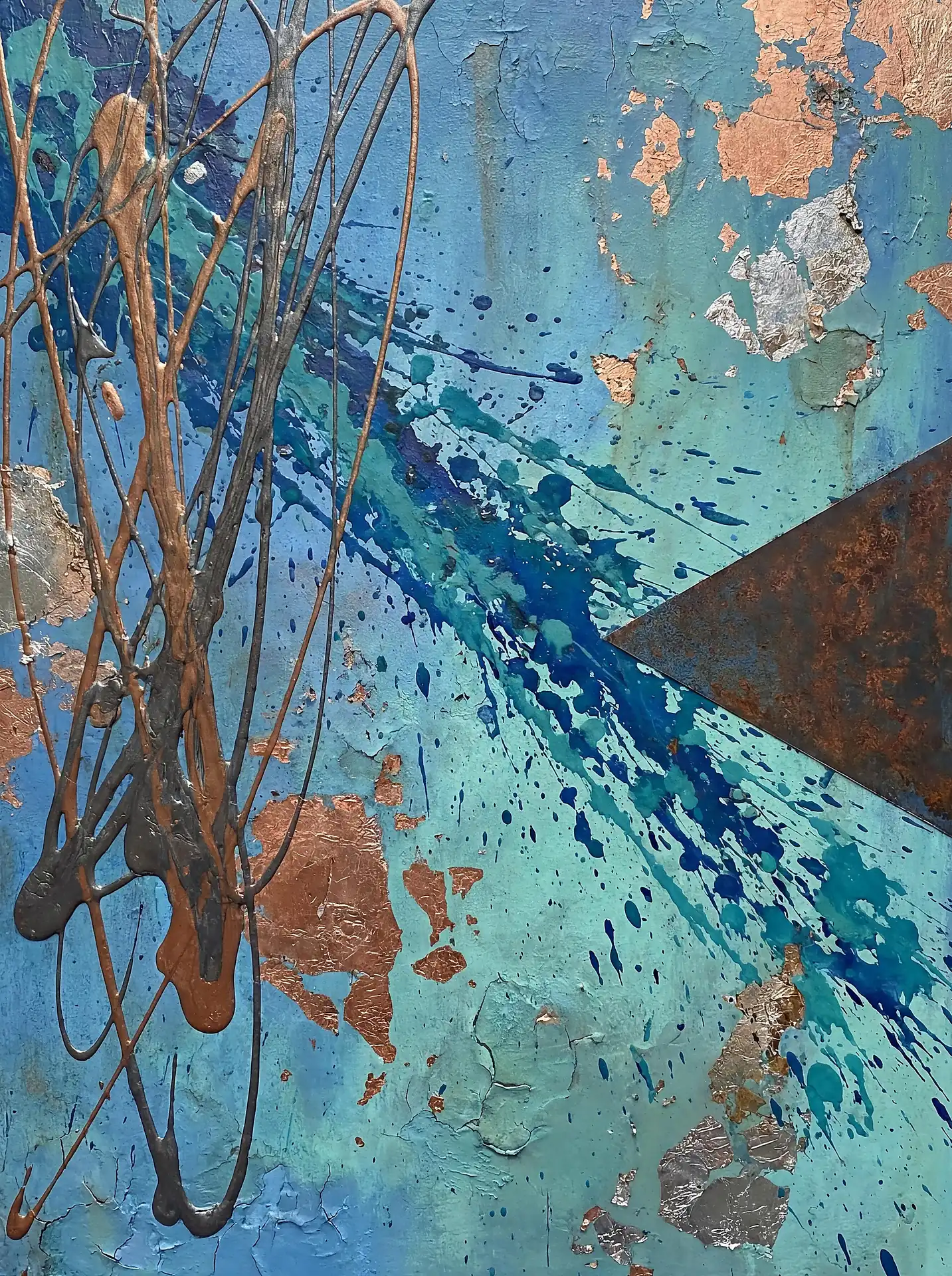
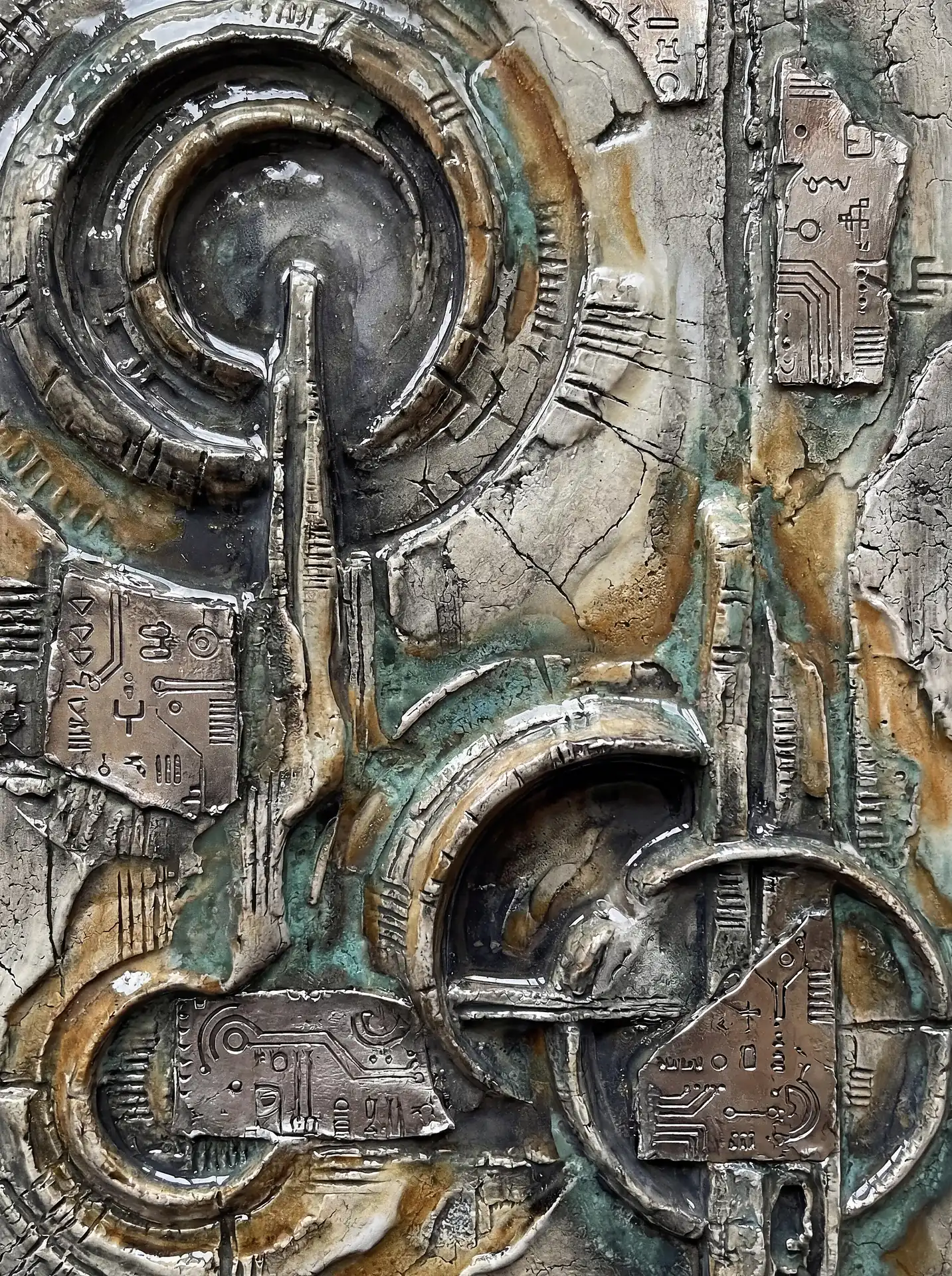
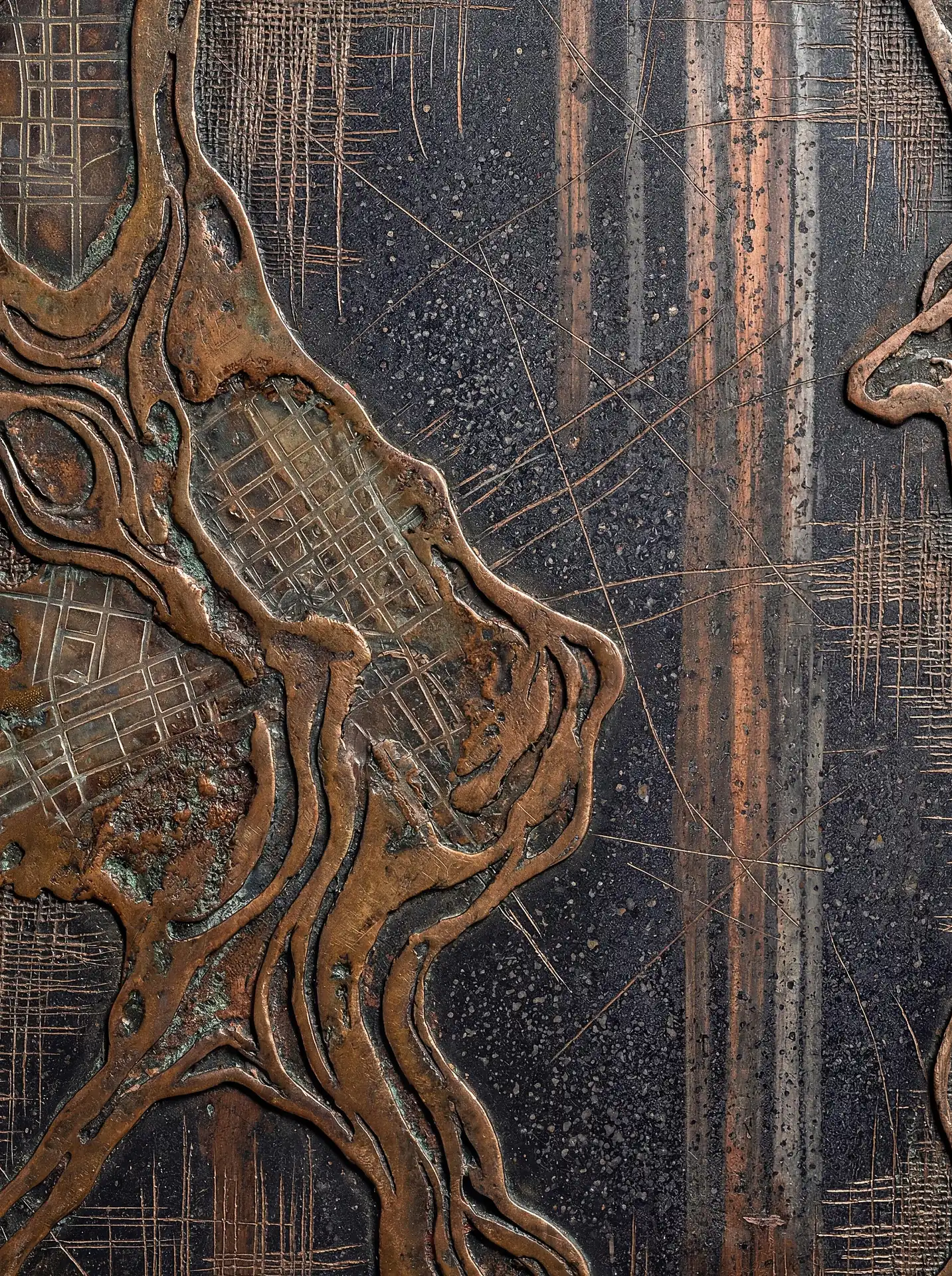
Oxidation marks every available surface in these 173 Magnificent Industrial Relief Artworks. Verdigris blooms across copper elements in characteristic blue-green eruptions. Rust creeps through iron components in orange and brown bleeding. Bronze darkens dramatically in protected recesses while wearing bright and warm on exposed edges where handling would naturally occur. The work doesn’t merely depict age through painted illusion—it embodies age through actual chemical processes, or at least convincingly performs those processes through meticulous artistic technique. This weathering creates crucial authenticity that new-looking surfaces could never provide. Fresh industrial forms would inevitably read as sterile, cold, merely decorative exercises in geometric arrangement. The accumulated patina adds history and narrative. It suggests extended use over years or decades. It implies that these strange machines once served purposes now long forgotten, functions lost to time even if the physical evidence remains. Decay becomes dignity. Corrosion becomes character. Entropy becomes aesthetic virtue rather than something to prevent or repair.
EARTH TONES MEETING METAL
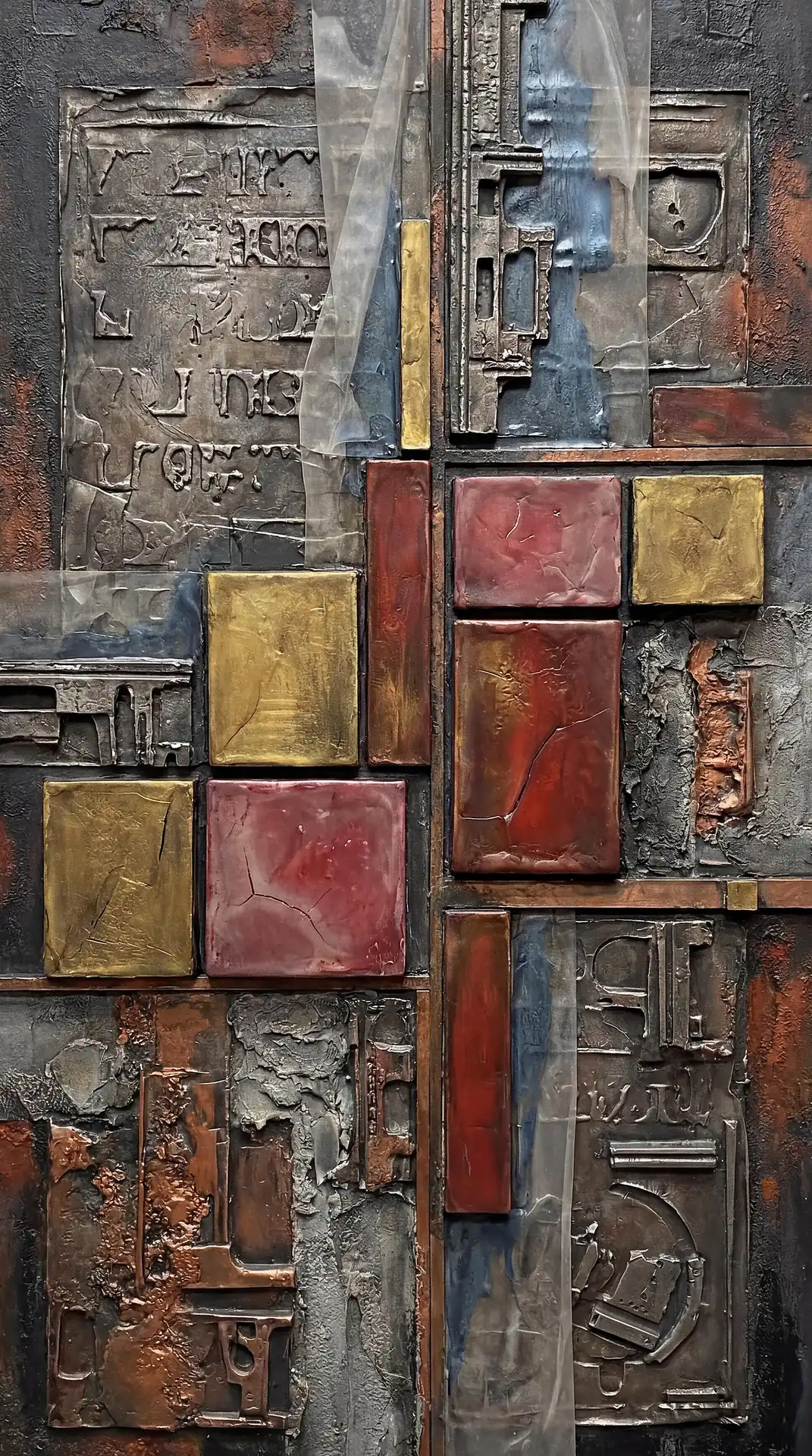
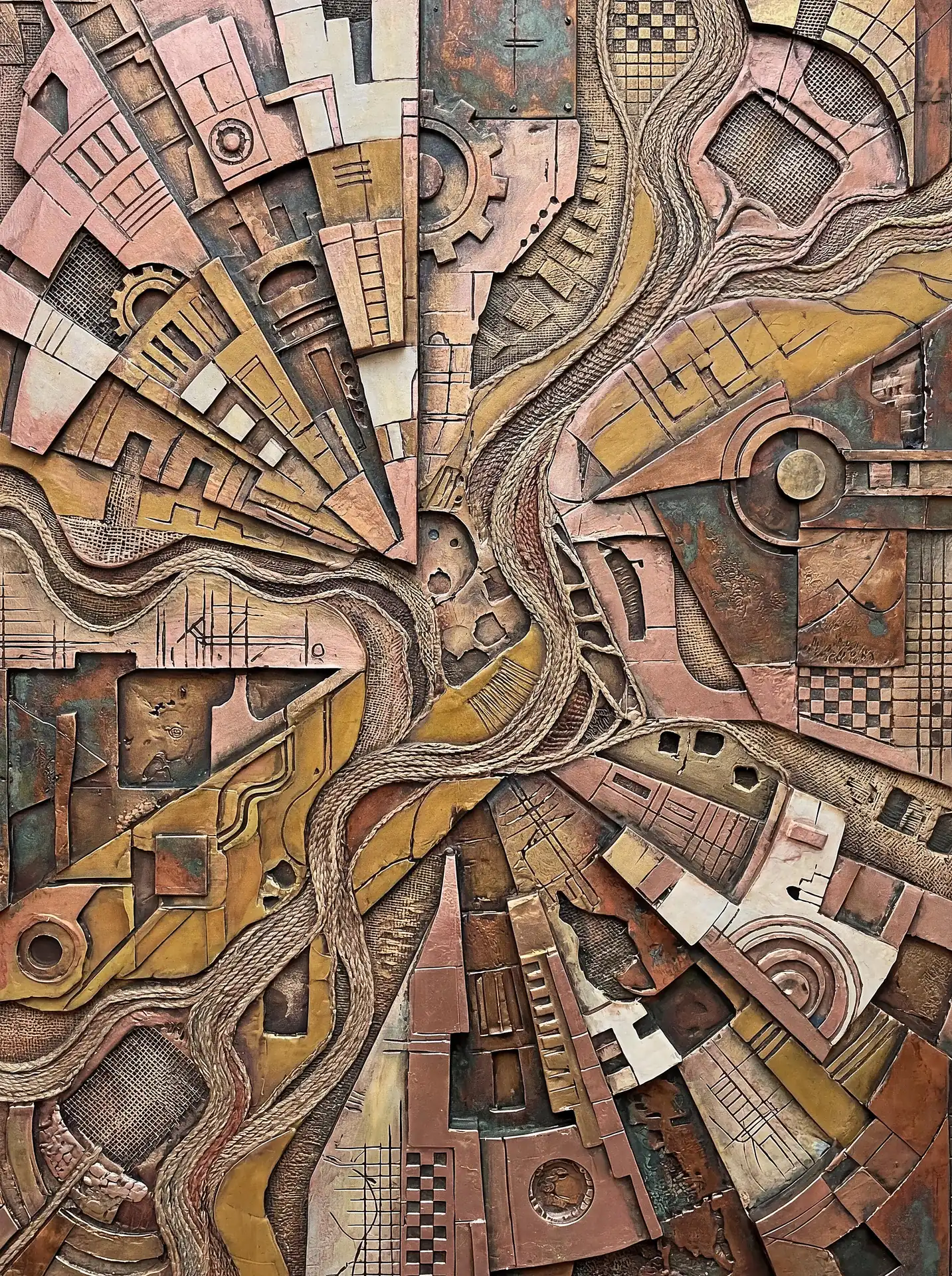
Color stays fundamentally grounded throughout these 173 Magnificent Industrial Relief Artworks. Copper and bronze absolutely dominate the palette—warm metallics ranging from bright new-penny gleam to dark aged-chocolate depth. Turquoise accents cut through strategically, the distinctive blue-green of oxidized copper providing essential cool contrast against overwhelming warmth. Occasional rusts and ochres add earthy undertones. Deep charcoals provide shadow anchors. The overall palette feels genuinely dug from mineral earth, refined from raw ore, shaped over time by chemistry and atmospheric exposure.
This earthiness productively grounds the industrial content in natural origins. Machines typically read as cold, artificial, definitively separate from anything organic or natural. Here the machinery consciously returns to its mineral beginnings. Metal remembers being rock before human intervention. Industry reconnects with the geology that provided its raw materials. The work deliberately bridges categories that industrial society typically keeps rigidly distinct, reminding viewers that even the most artificial-seeming human creations ultimately derive from natural sources.
TEXTURE ACTIVATING TACTILE IMAGINATION
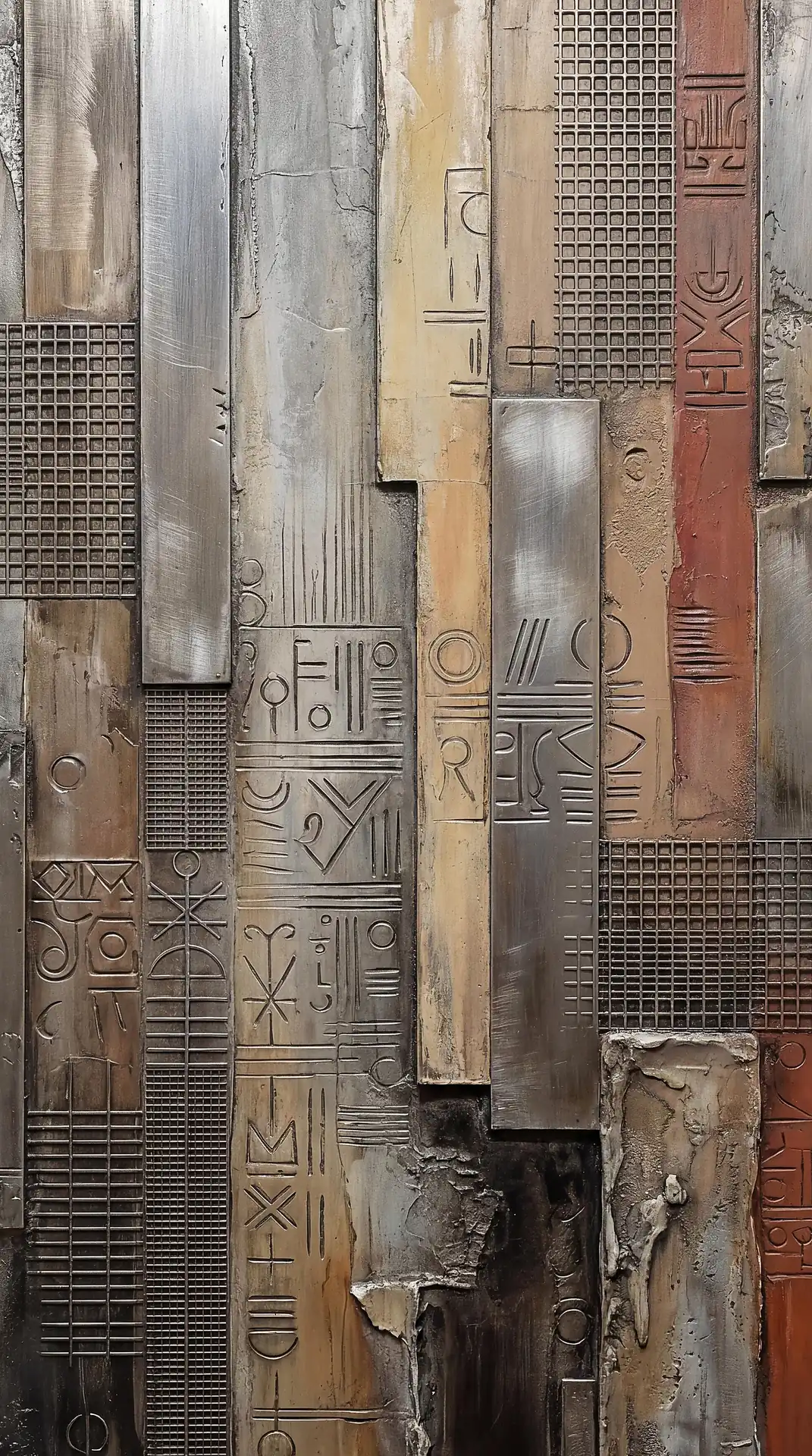
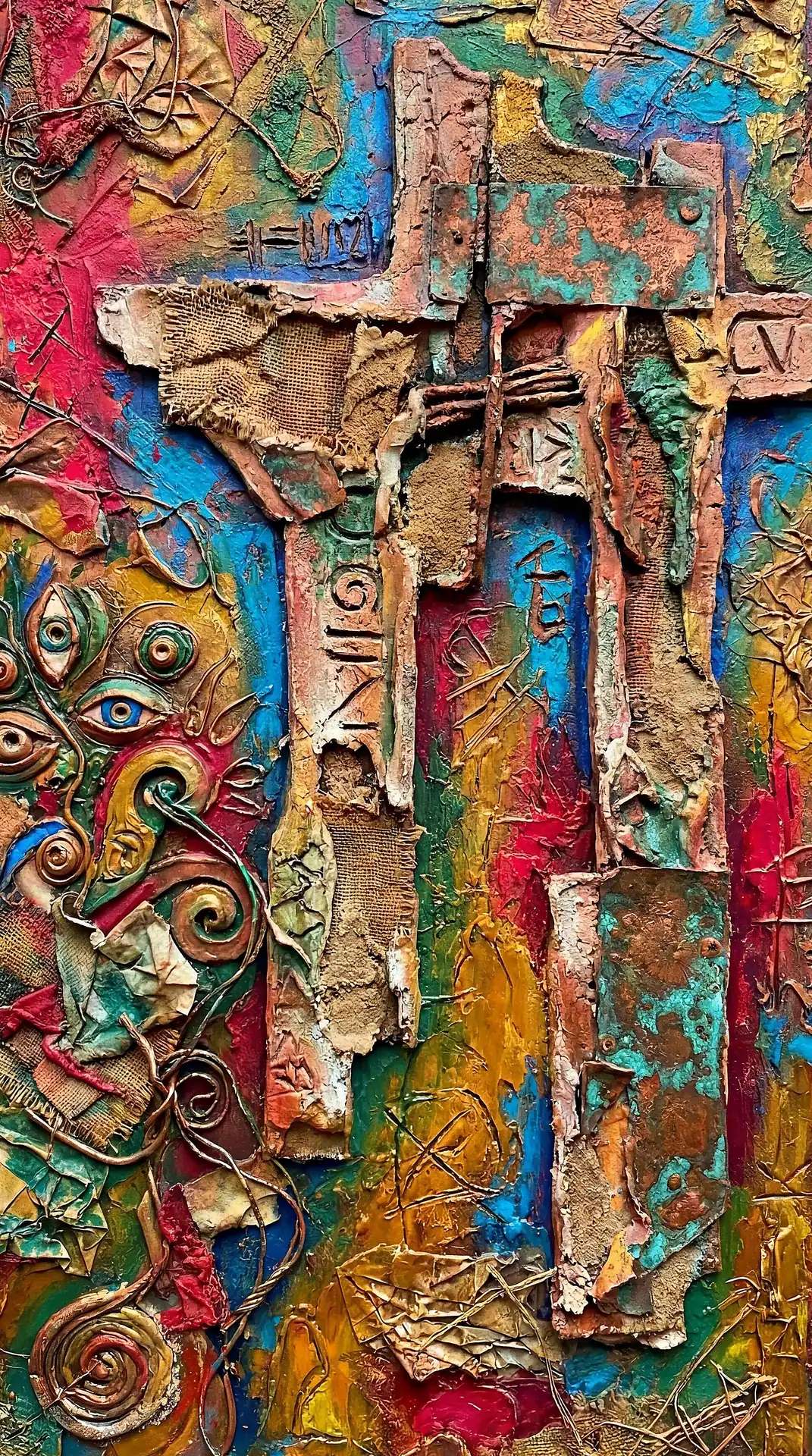
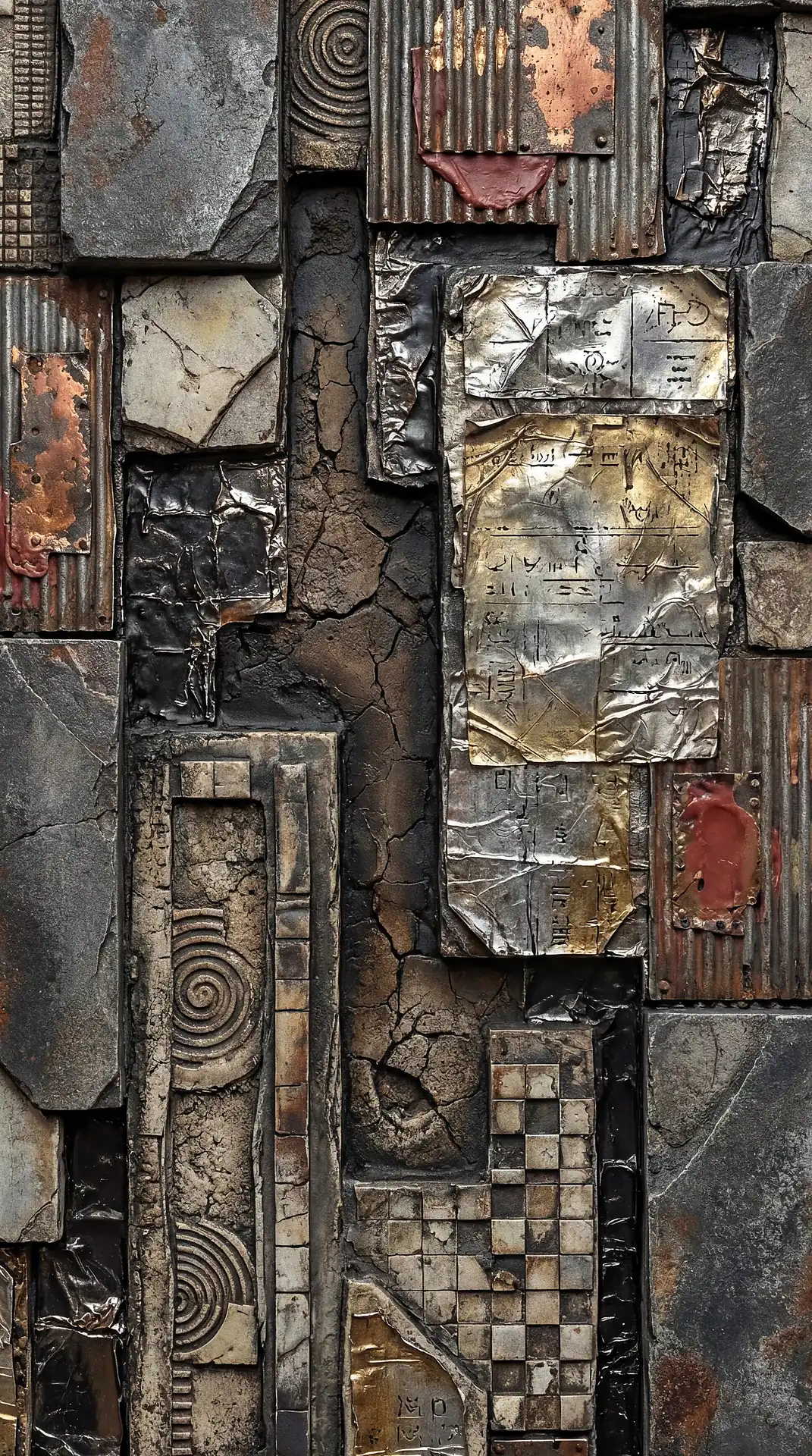
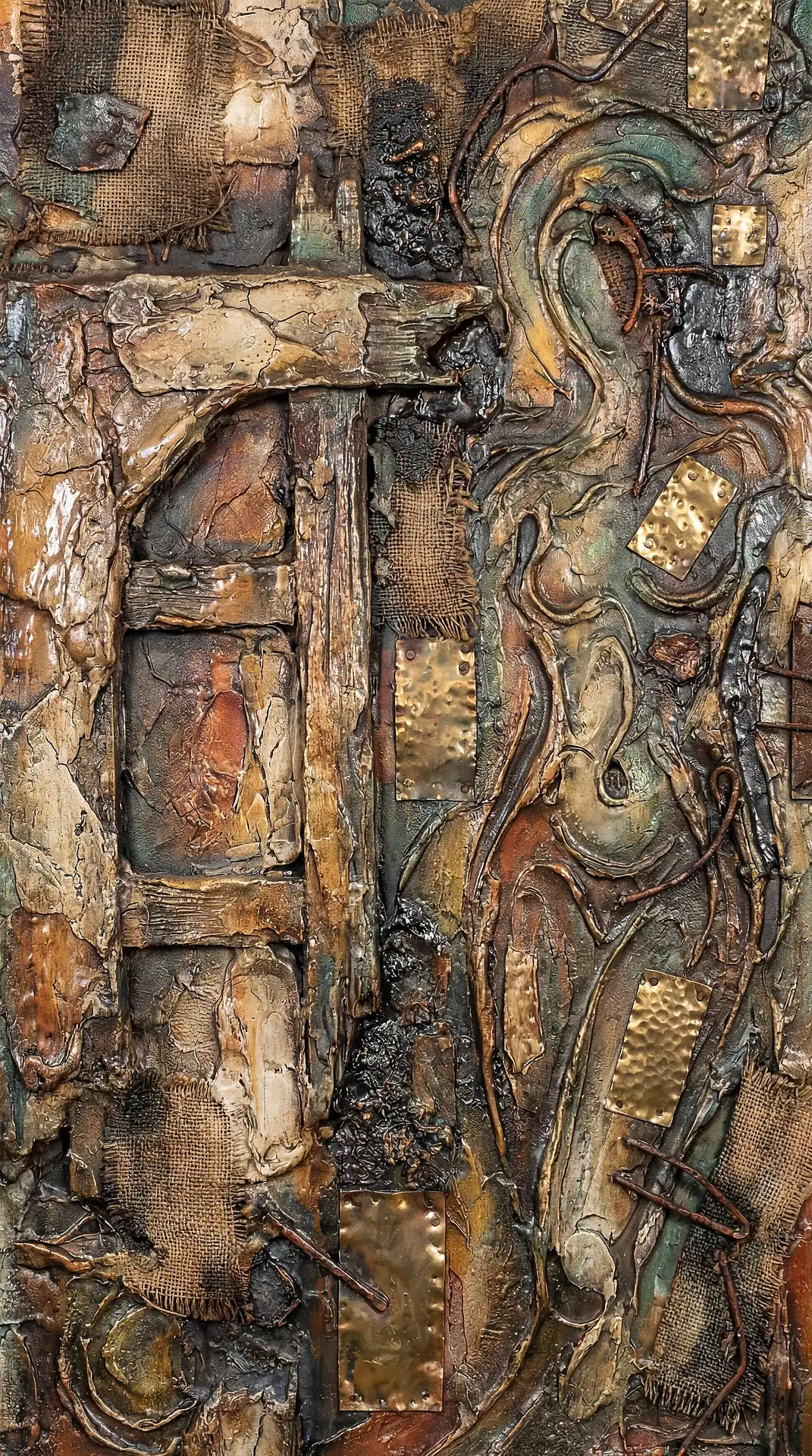
Every square inch of these 173 Magnificent Industrial Relief Artworks carries intense surface incident demanding attention. Smooth polished areas suddenly give way to rough corroded patches. Sections that gleam with apparent recent finishing neighbor deeply pitted zones suggesting centuries of exposure. The eye can almost physically feel what exploring fingers would discover—the cool of metal, the grit of crystalline corrosion, the sharp edges where fabricated plates meet and overlap. The work powerfully activates tactile imagination, making viewers newly conscious of their hands and their frustrated desire to reach out and touch. This texture operates simultaneously at multiple scales demanding different viewing distances. Large sculptural forms create overall compositional rhythm visible from across the room. Medium-scale details add complexity rewarding approach to arm’s length. Fine textures—individual brush marks, granular mineral deposits, hairline stress cracks—reveal themselves only to close examination from inches away. The pieces contain far more visual information than any single viewing from any single distance can possibly absorb, guaranteeing fresh discoveries on return visits.
CHAOS ORGANIZED INTO COHERENCE
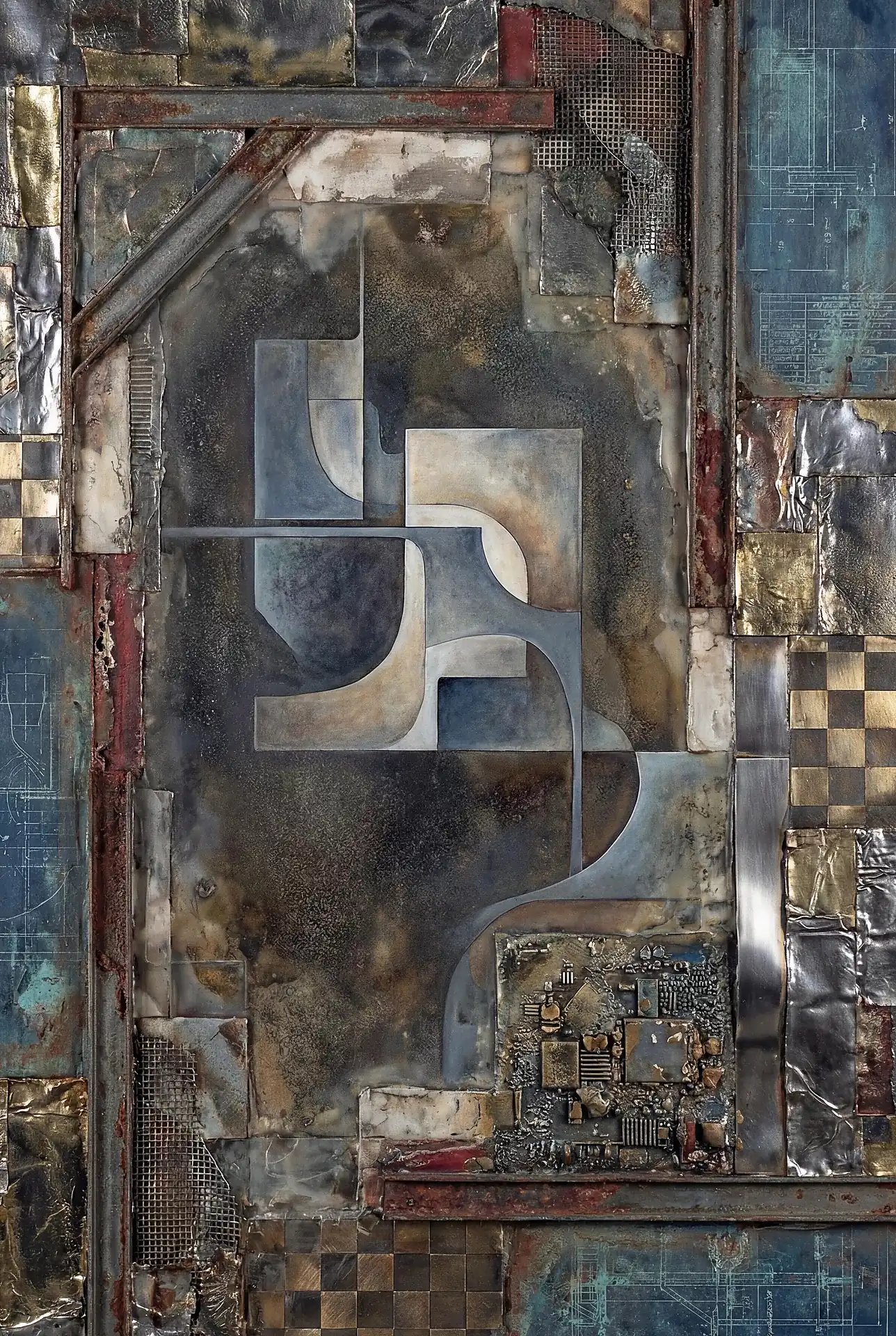
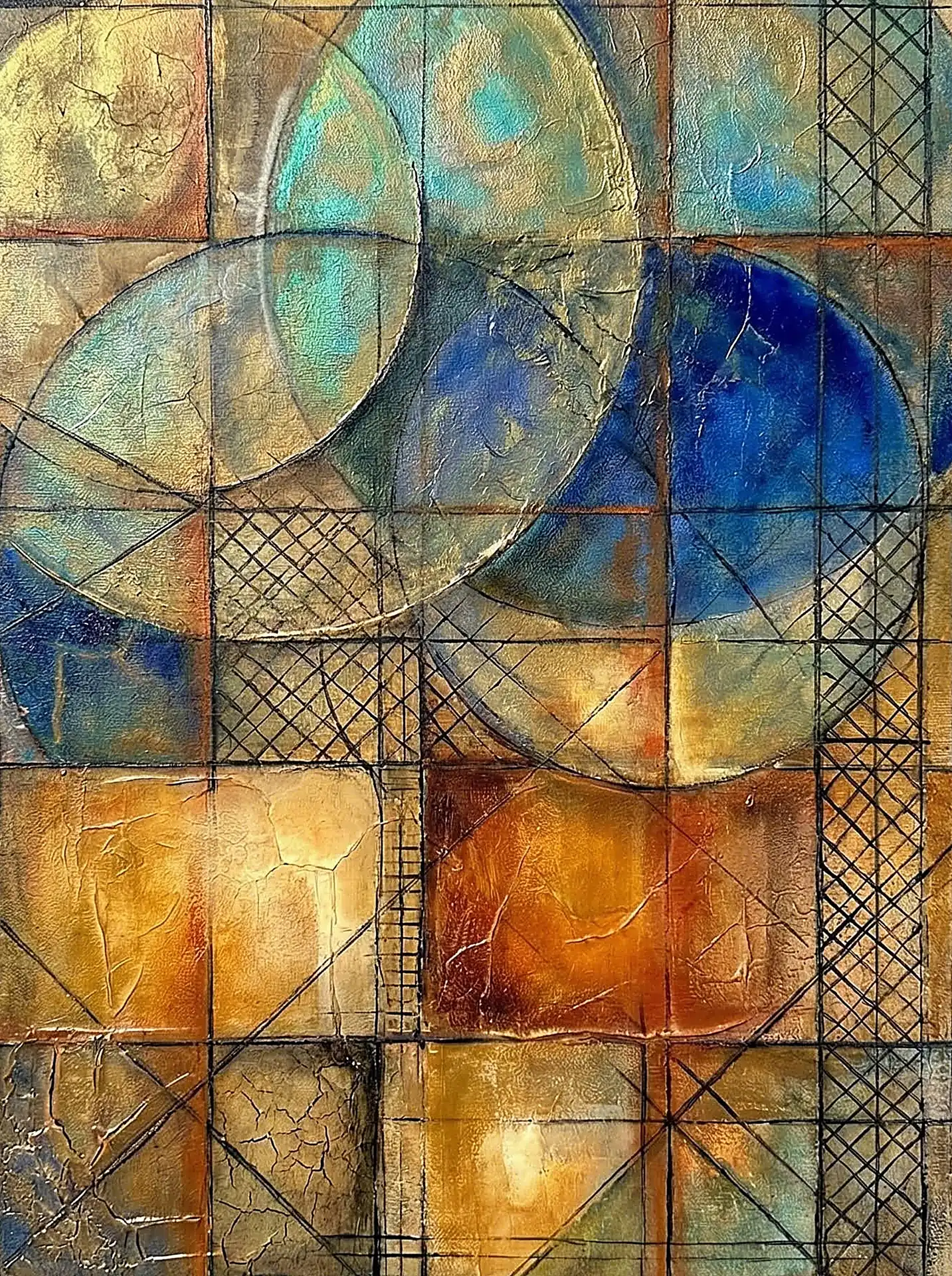
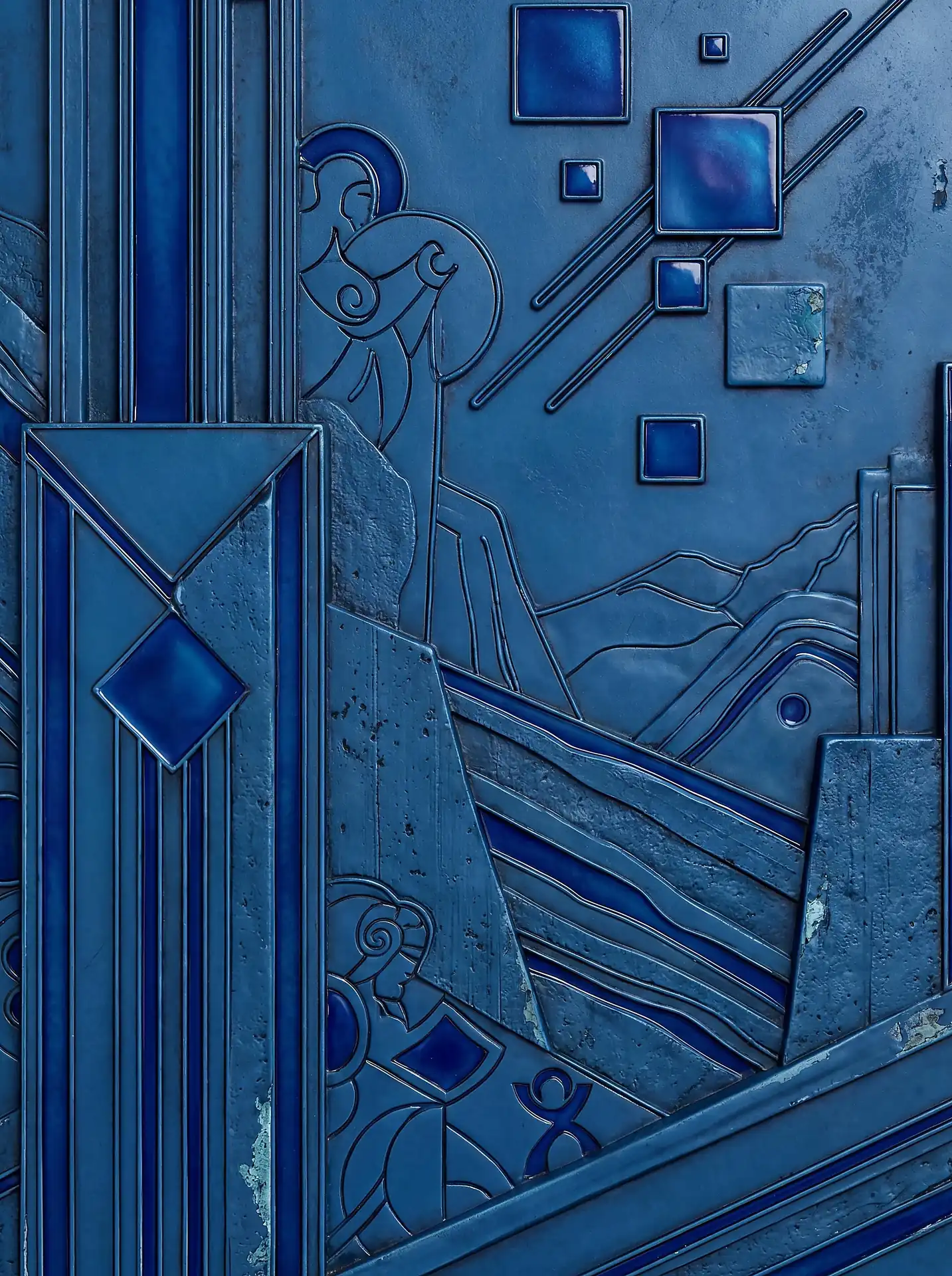
Despite their overwhelming complexity, these 173 Magnificent Industrial Relief Artworks maintain strong compositional coherence throughout. Robust geometric frameworks organize the proliferating mechanical elements into legible arrangements. Circles anchor corners and create focal points. Rectangles establish underlying grids. Diagonal pipes and conduits create movement and directional energy. The underlying organizational structure prevents visual chaos from becoming actual cognitive chaos, reliably guiding the eye through even the most elaborate arrangements without losing it entirely in undifferentiated detail. This delicate balance between complexity and structure matters enormously for sustained viewing. Pure rigid order would quickly bore any attentive viewer. Pure unstructured chaos would rapidly exhaust attention and drive viewers away. The work finds the productive middle ground—enough proliferating complexity to sustain genuinely extended looking across multiple sessions, enough underlying organization to make that extended looking pleasurable and rewarding rather than frustrating and overwhelming.
THE INDUSTRIAL SUBLIME RECONSIDERED
Across all 173 Magnificent Industrial Relief Artworks, this collection achieves something genuinely unexpected—making heavy industrial machinery beautiful without ever making it pretty or conventionally attractive. The aesthetic fully embraces weight, complexity, accumulated age, and visible entropy as positive values rather than problems requiring solutions. Beauty emerges from industrial processes honestly and directly presented rather than sweetened, softened, or sanitized for easy consumption. The sublime traditionally located exclusively in untouched nature—towering mountains, violent storms, vast oceanic spaces—transfers here convincingly to evidence of human making, to the accumulated testimony of countless hands shaping resistant matter into deliberate form across extended time.