182 Magnificent Earth Tone Abstract Artworks


182 Magnificent Earth Tone Abstract Artworks
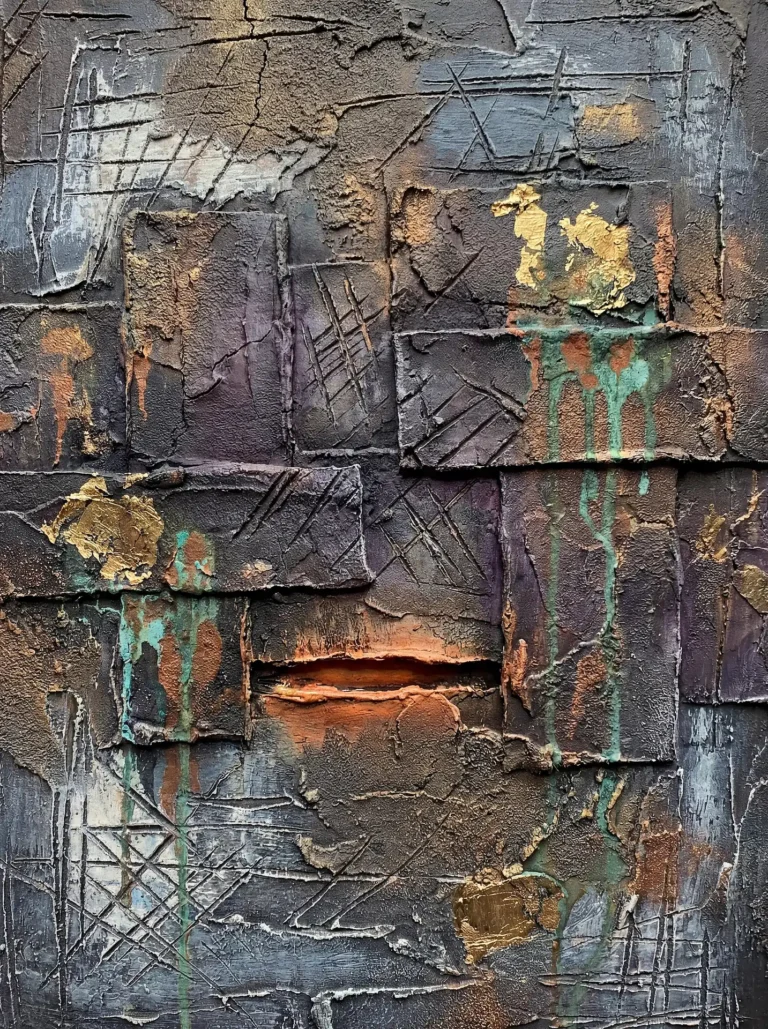
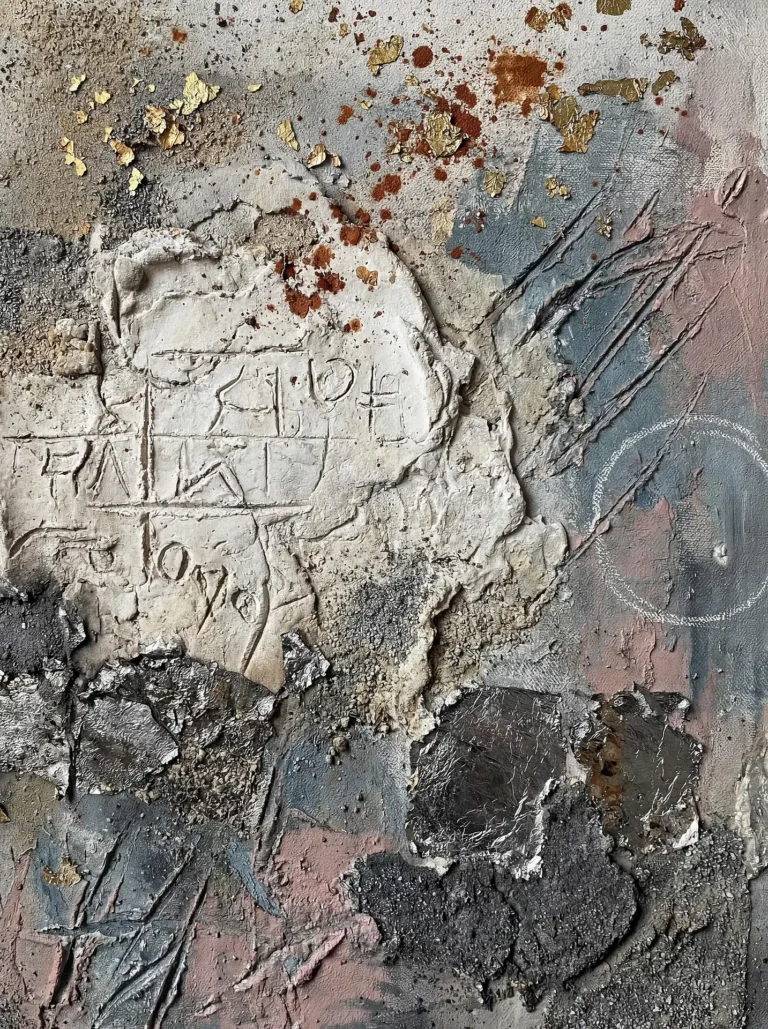
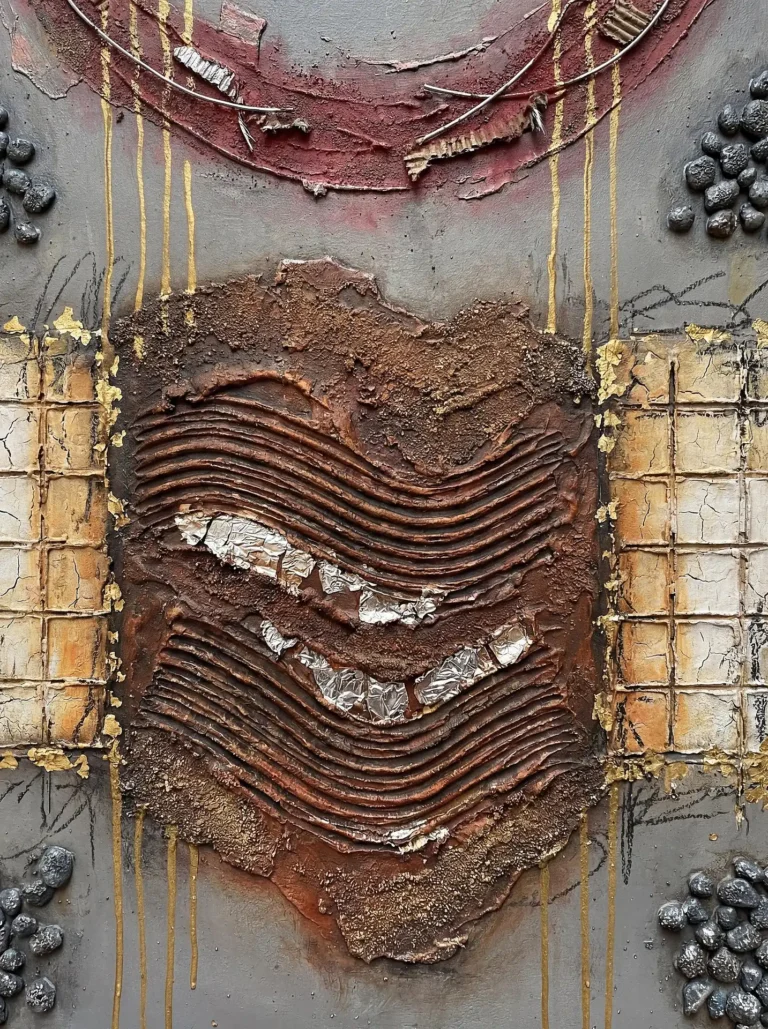
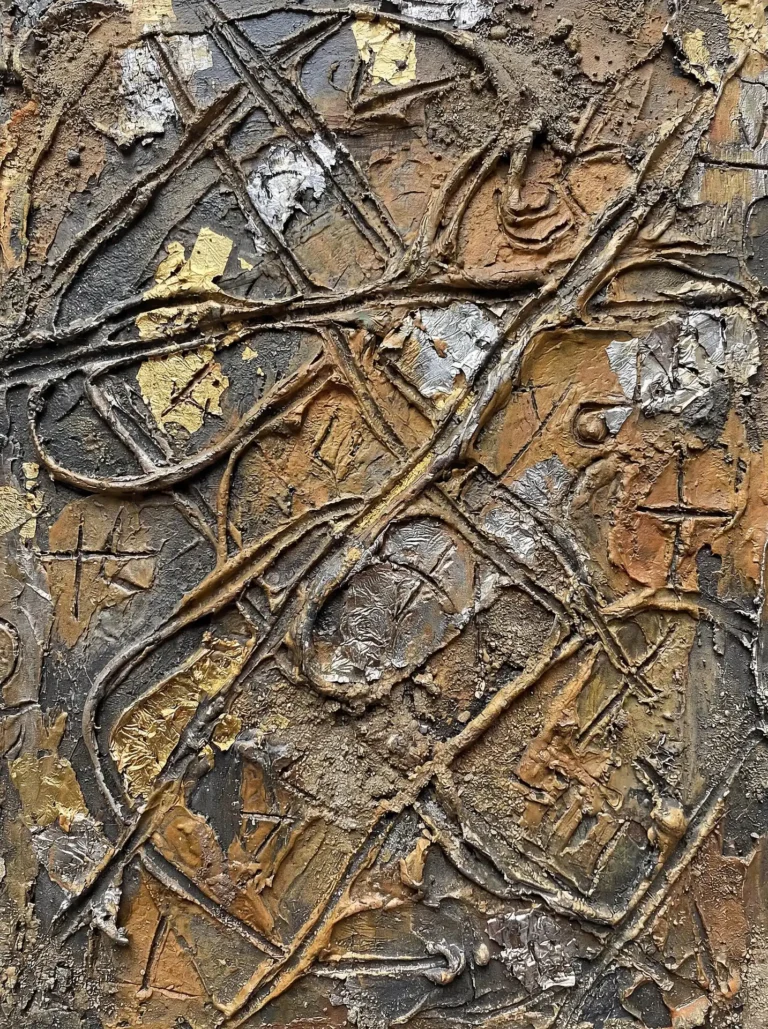
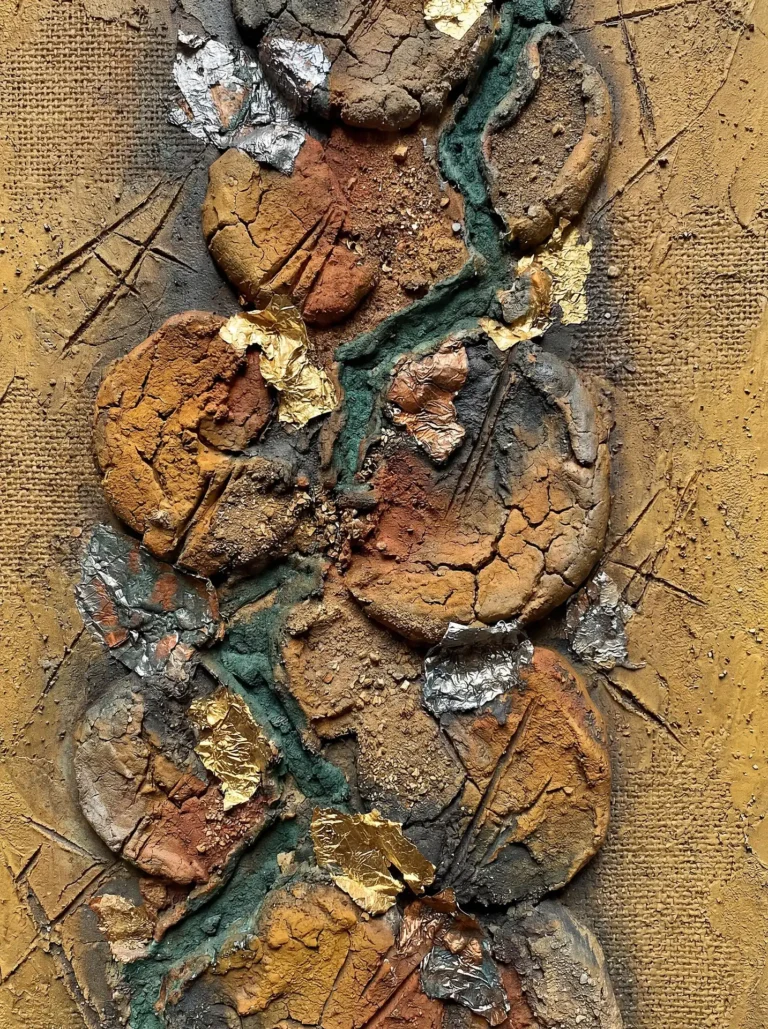
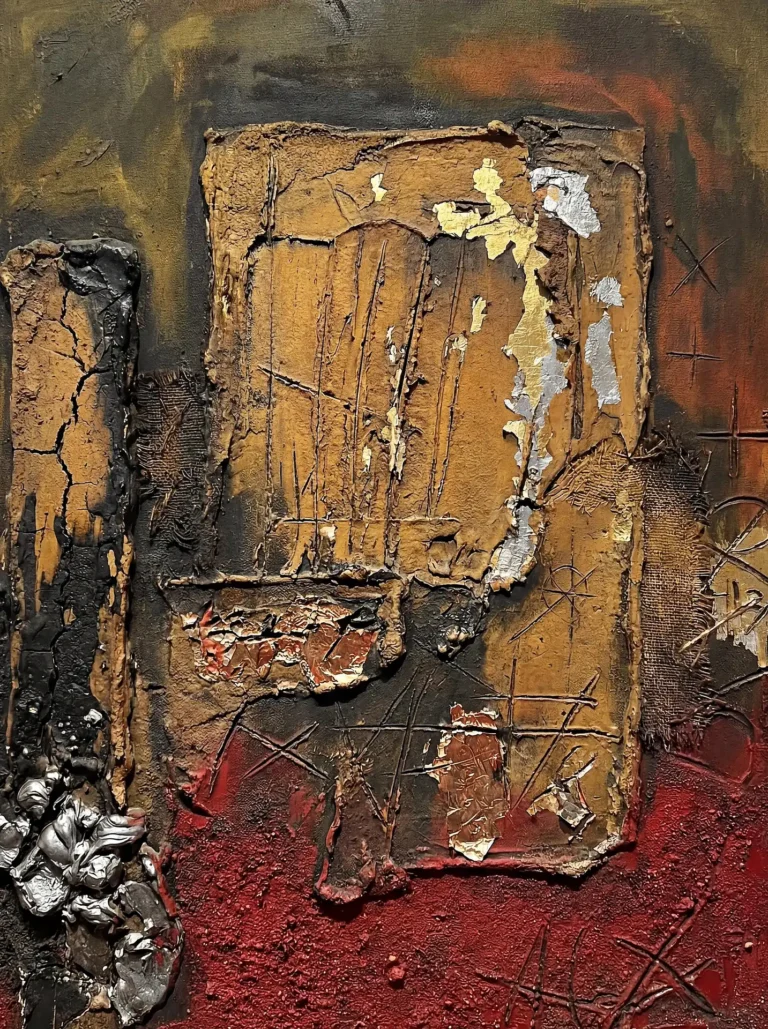
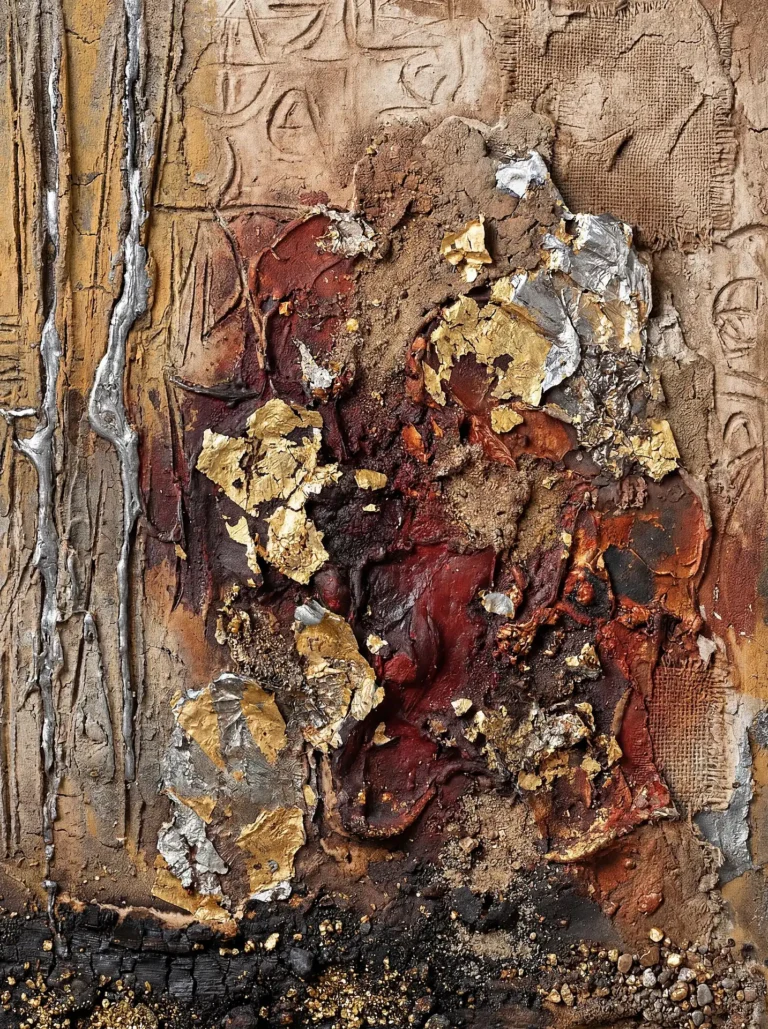
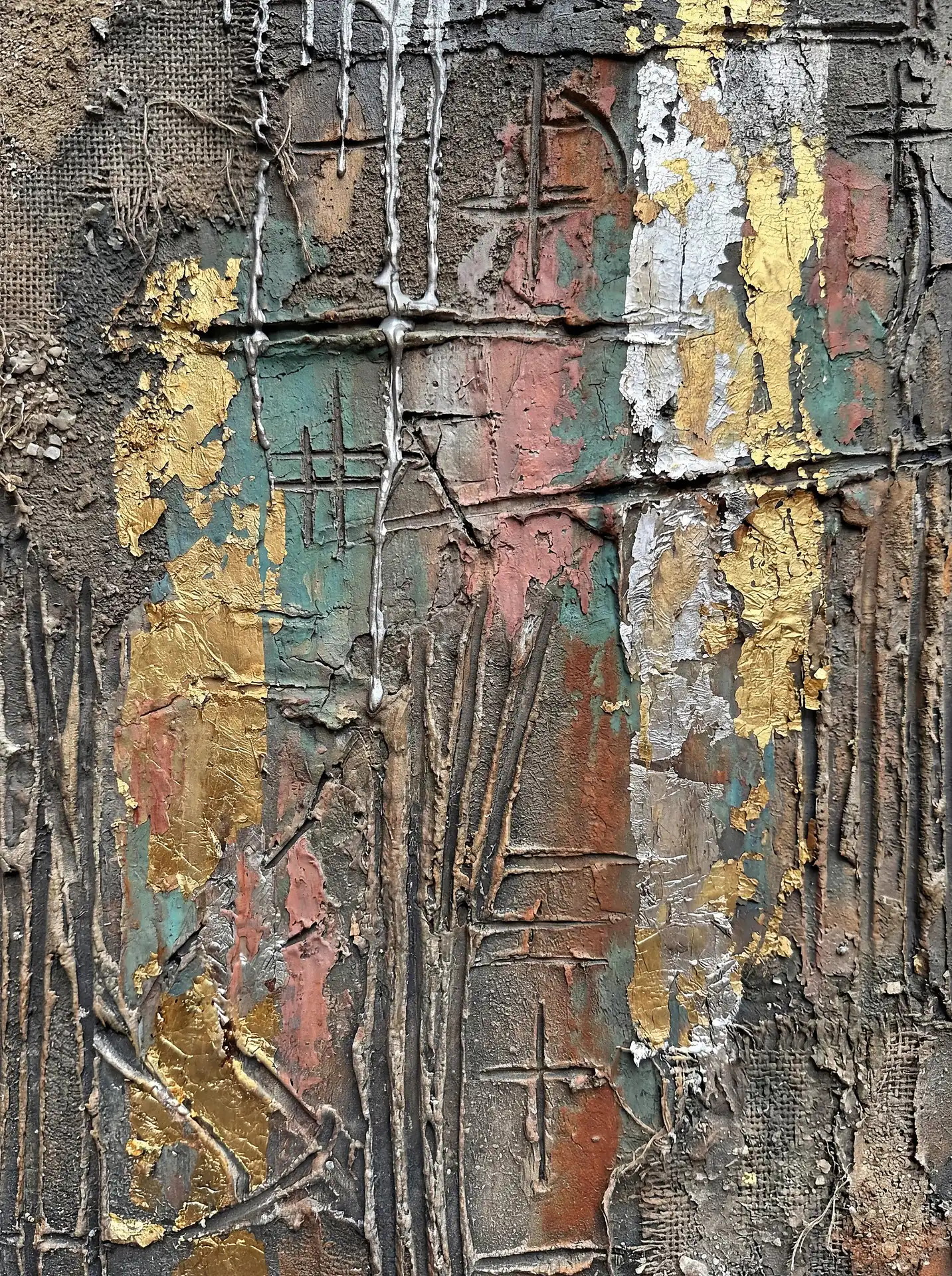
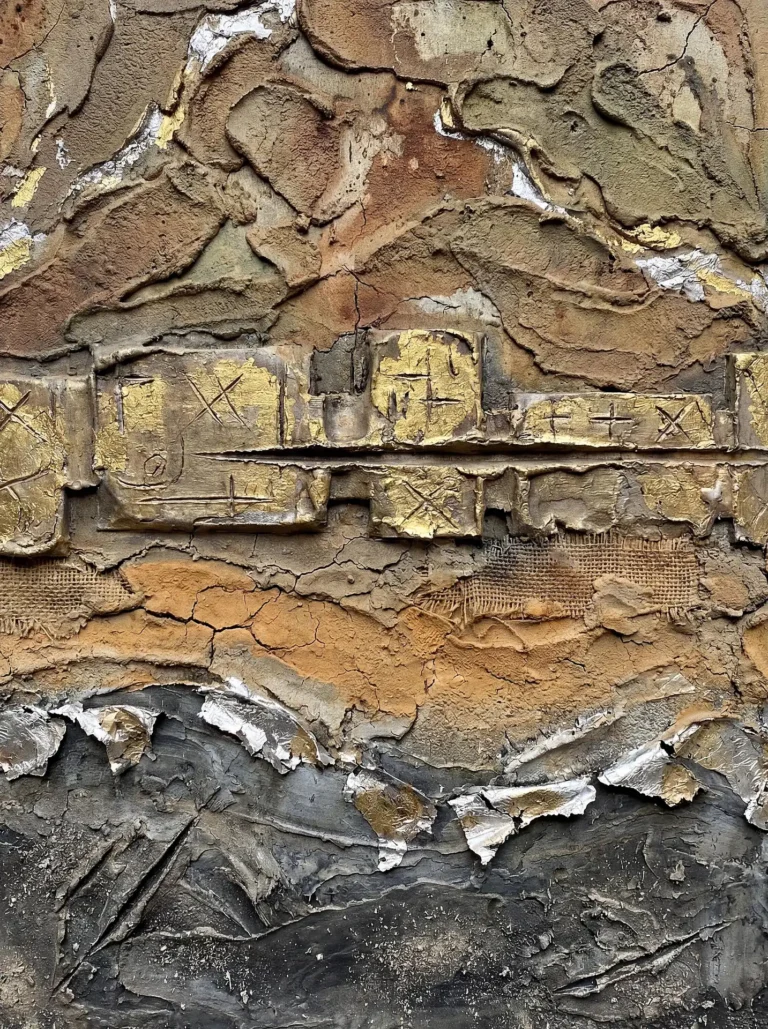
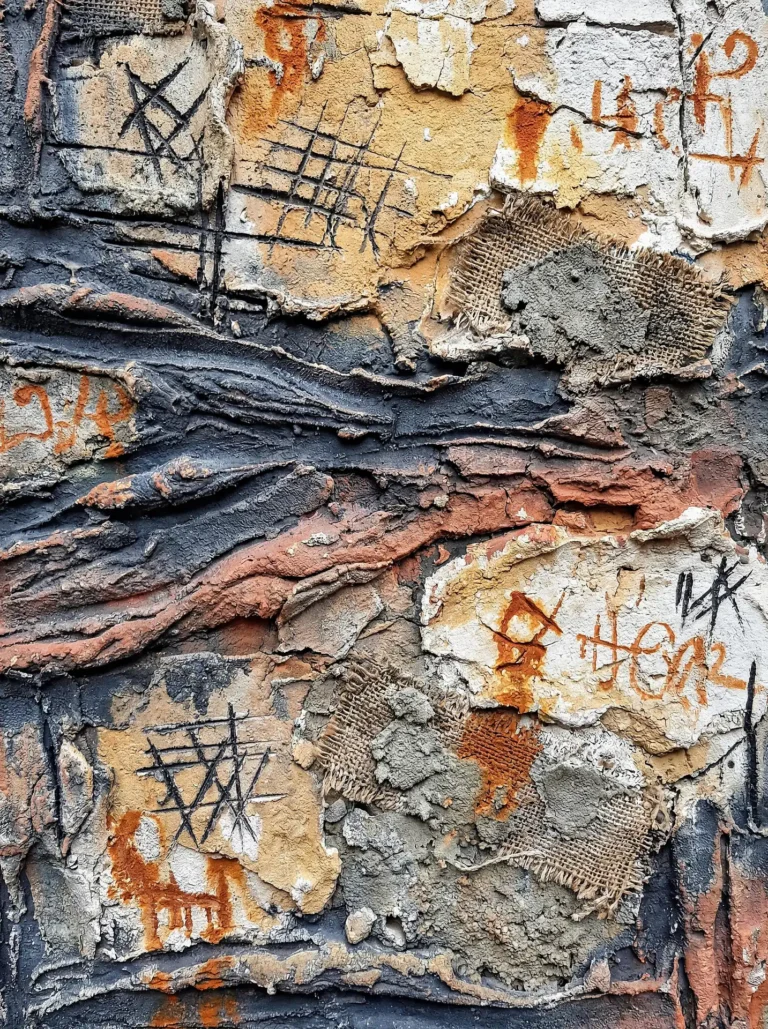
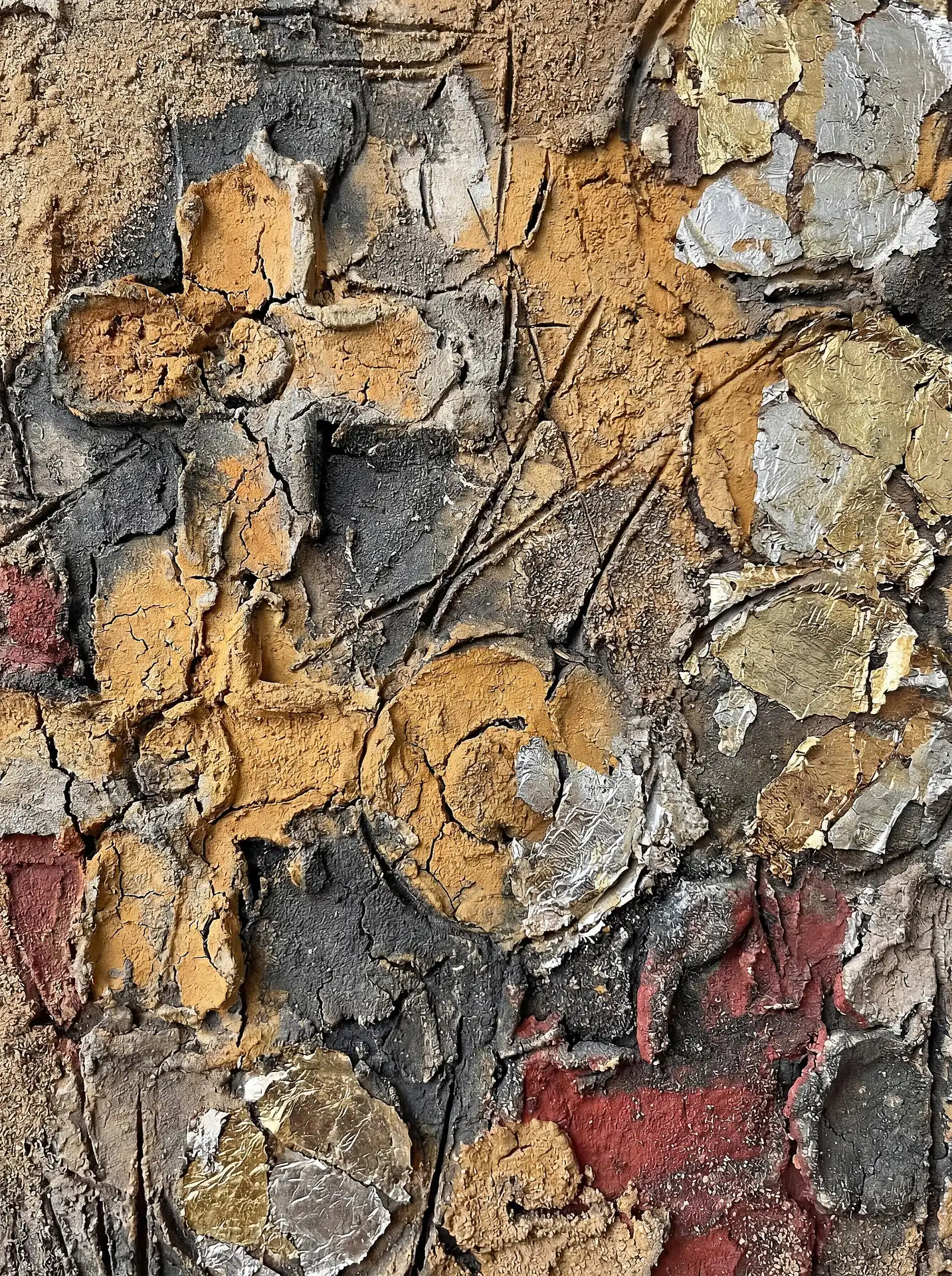
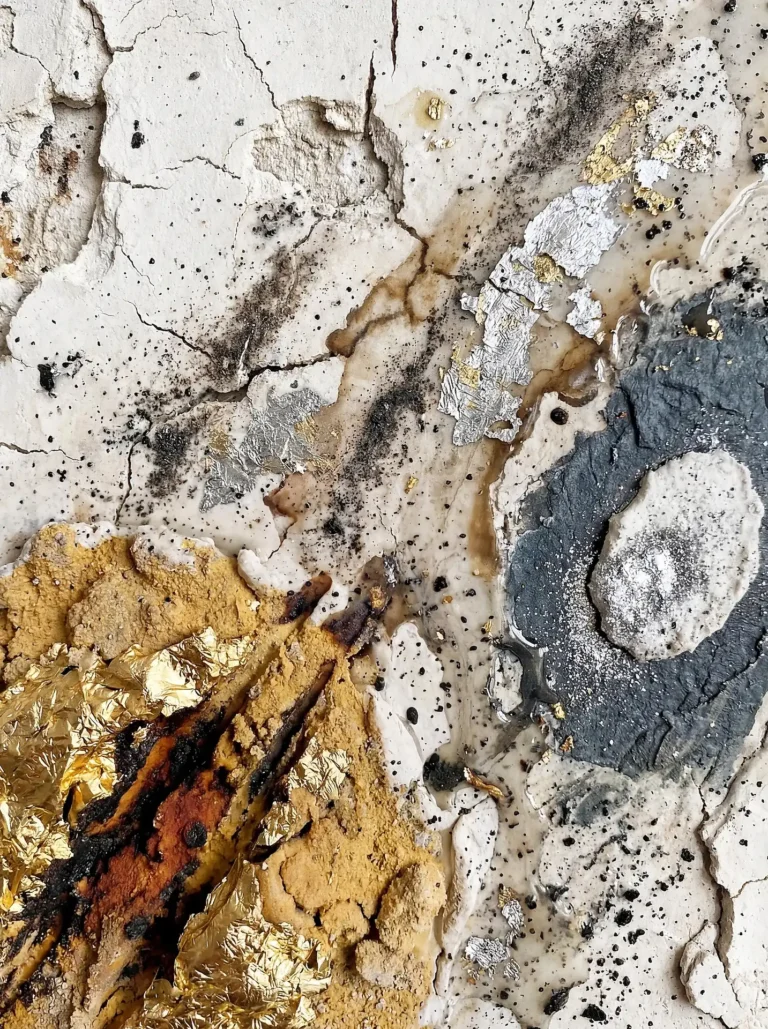
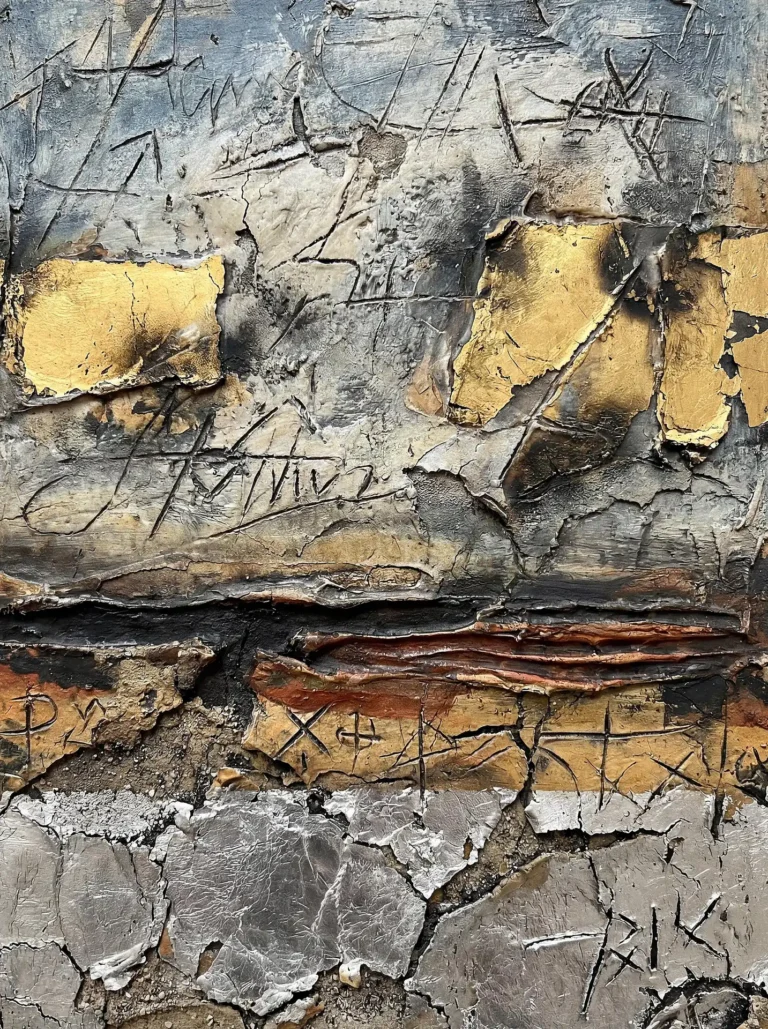
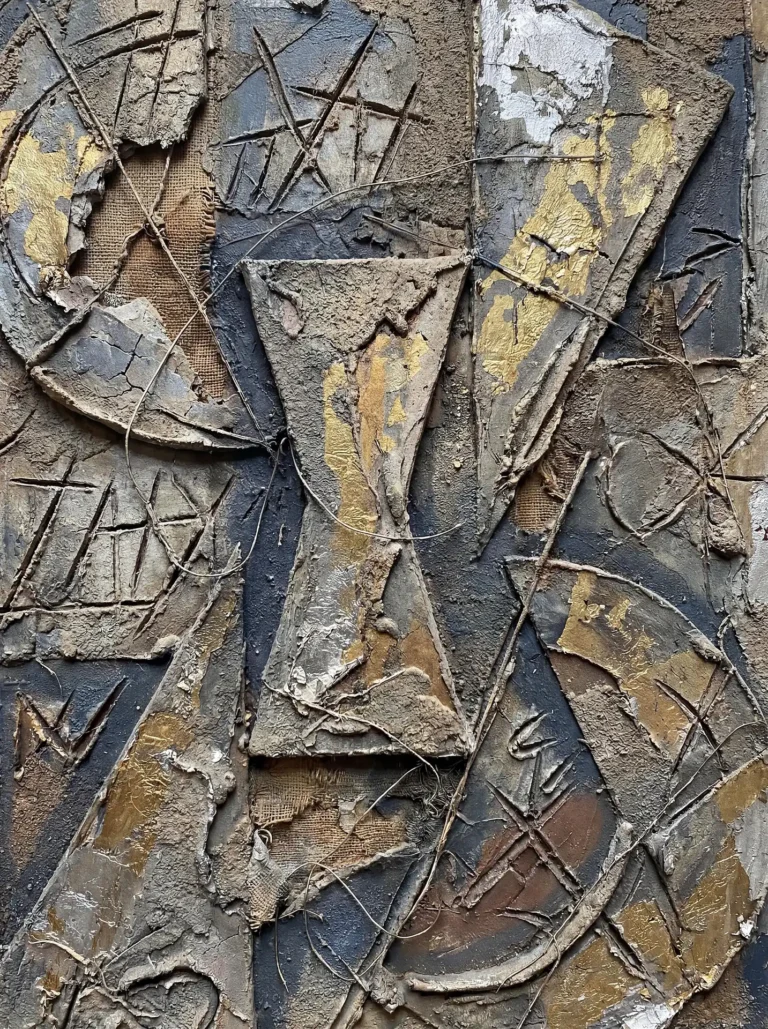
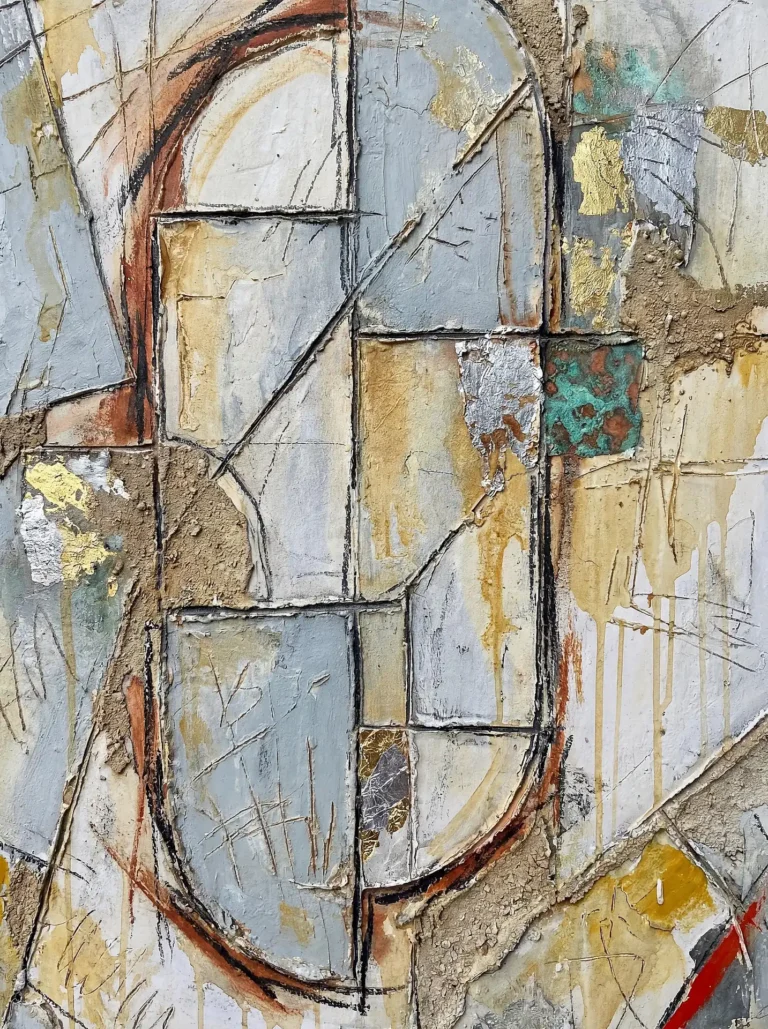
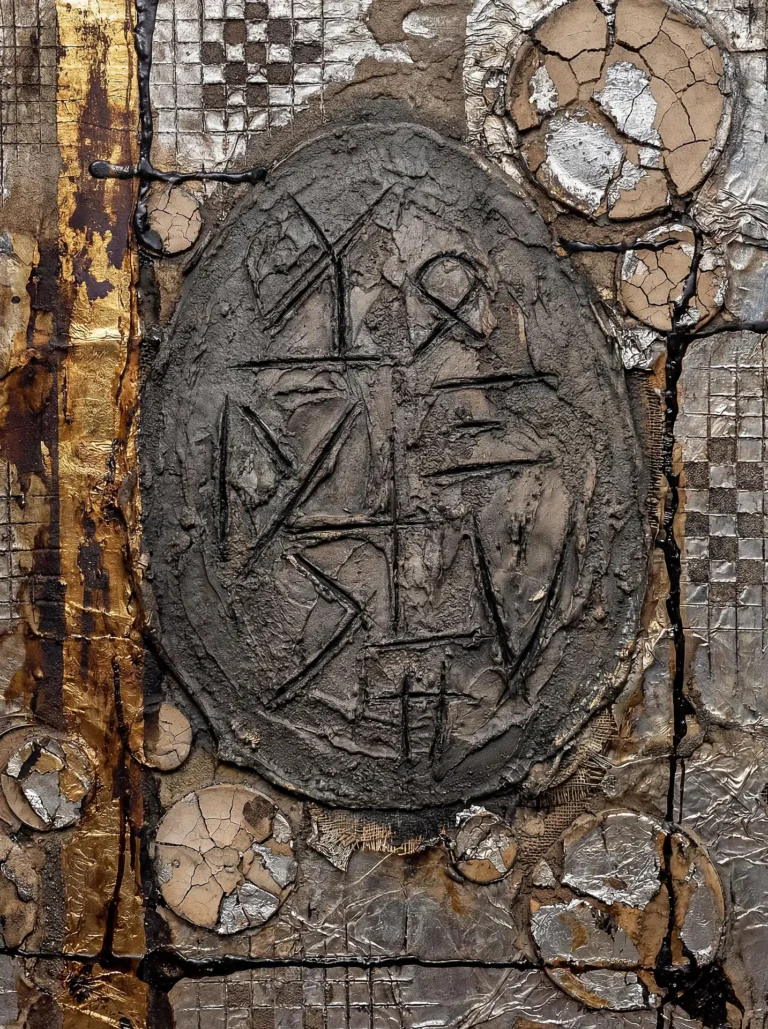
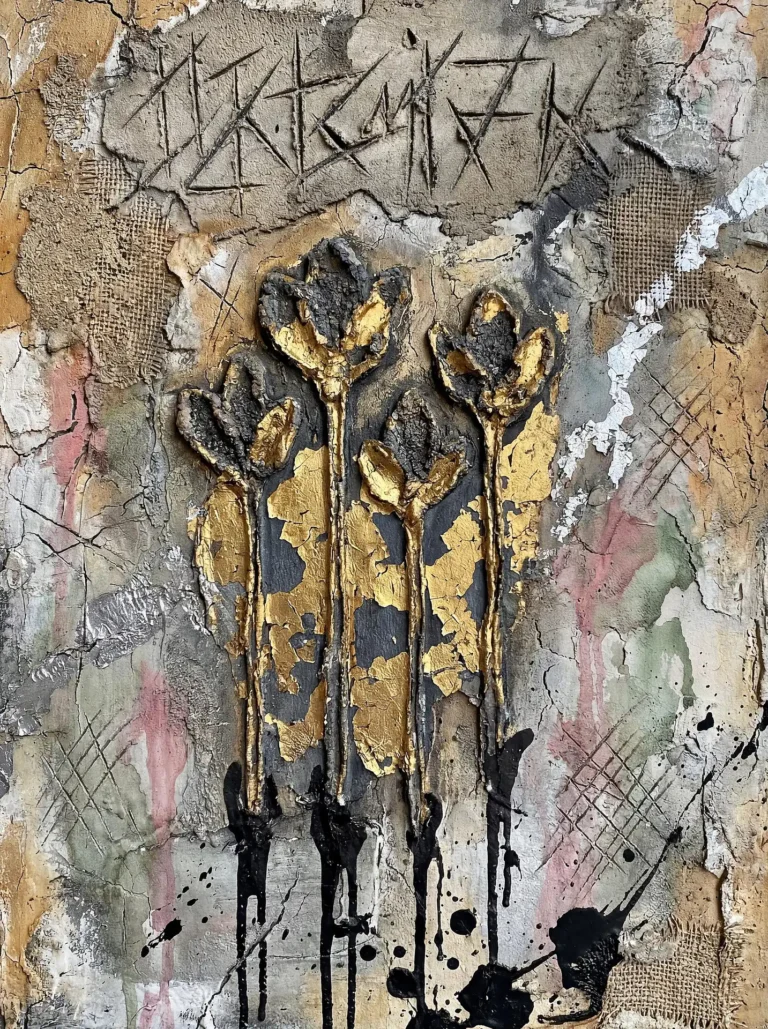
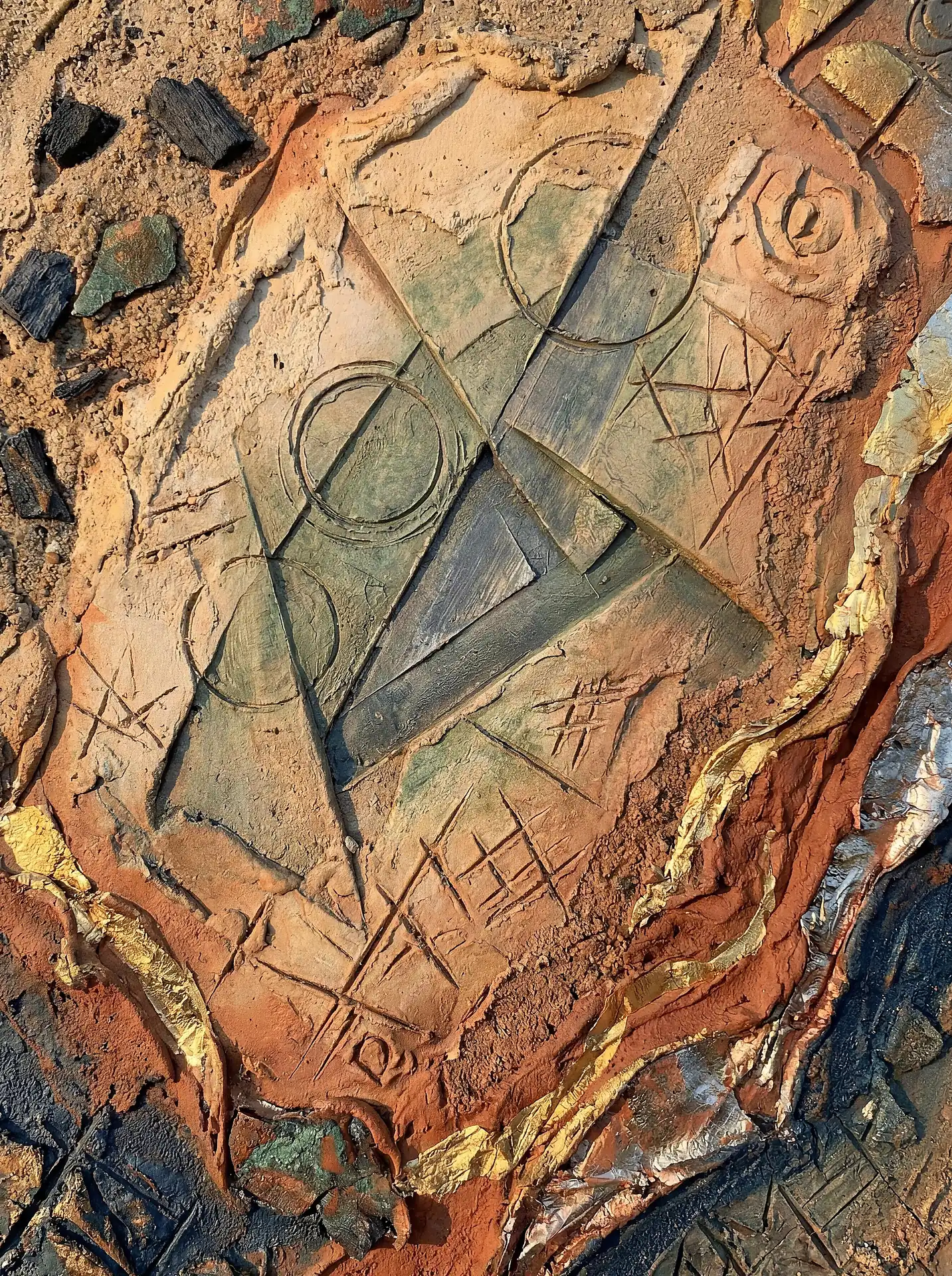
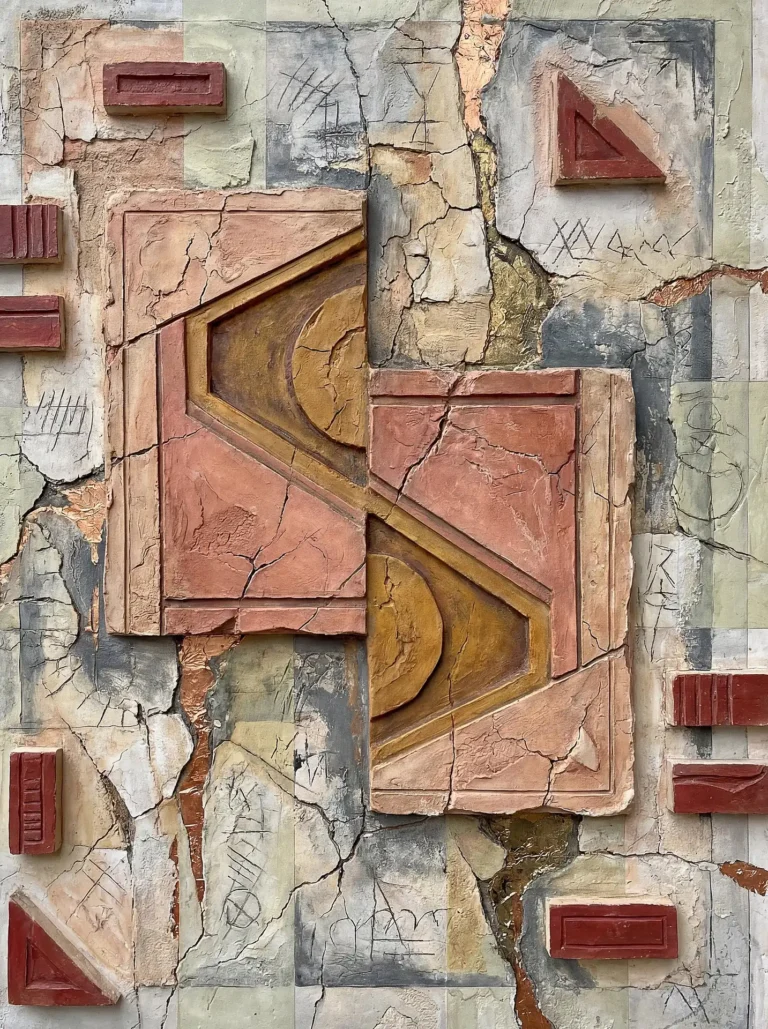
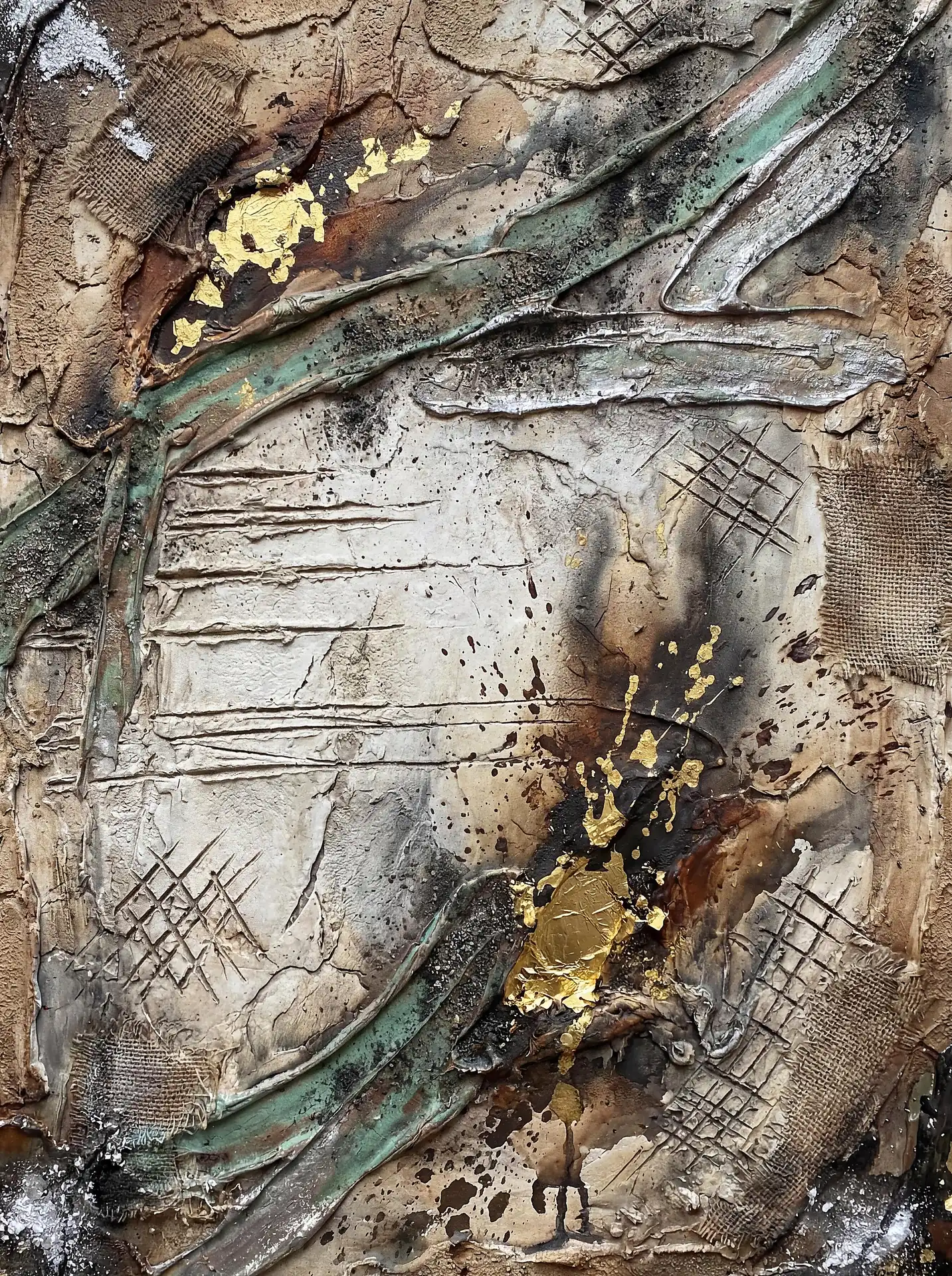
182 Magnificent Earth Tone Abstract Artworks want touch. This collection practically demands physical interaction—surfaces so textured they cast their own shadows, built up in thick layers that hold the memory of tools and hands. The work bridges painting and relief sculpture, creating objects as much as images.
THICKNESS AS LANGUAGE
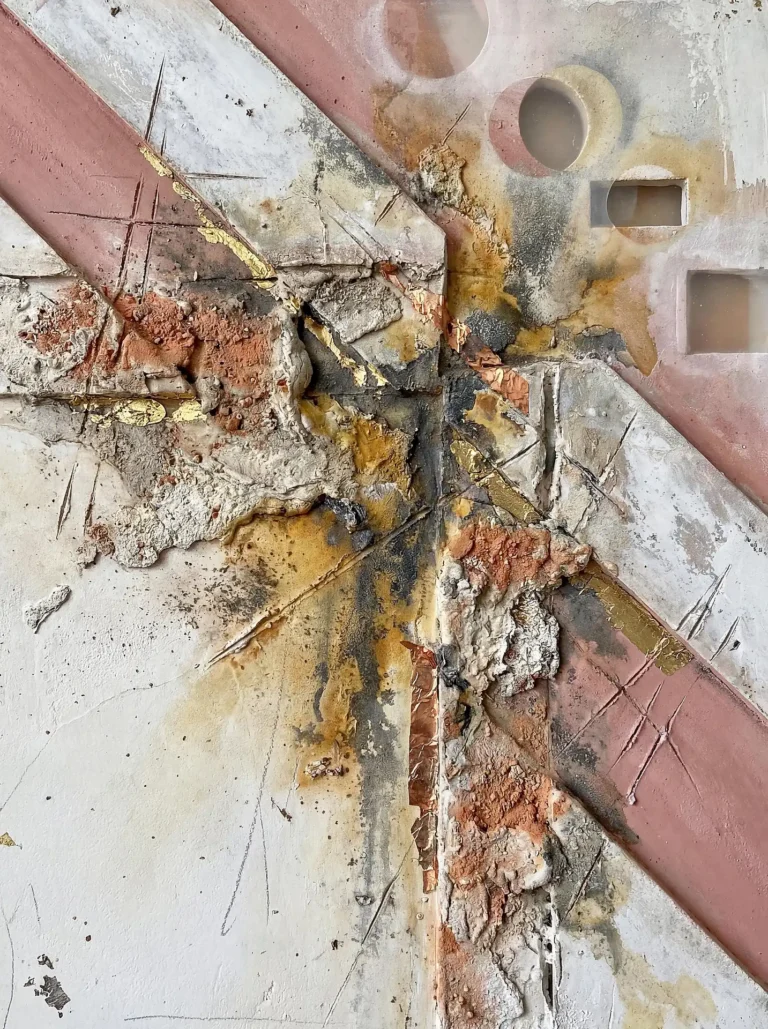
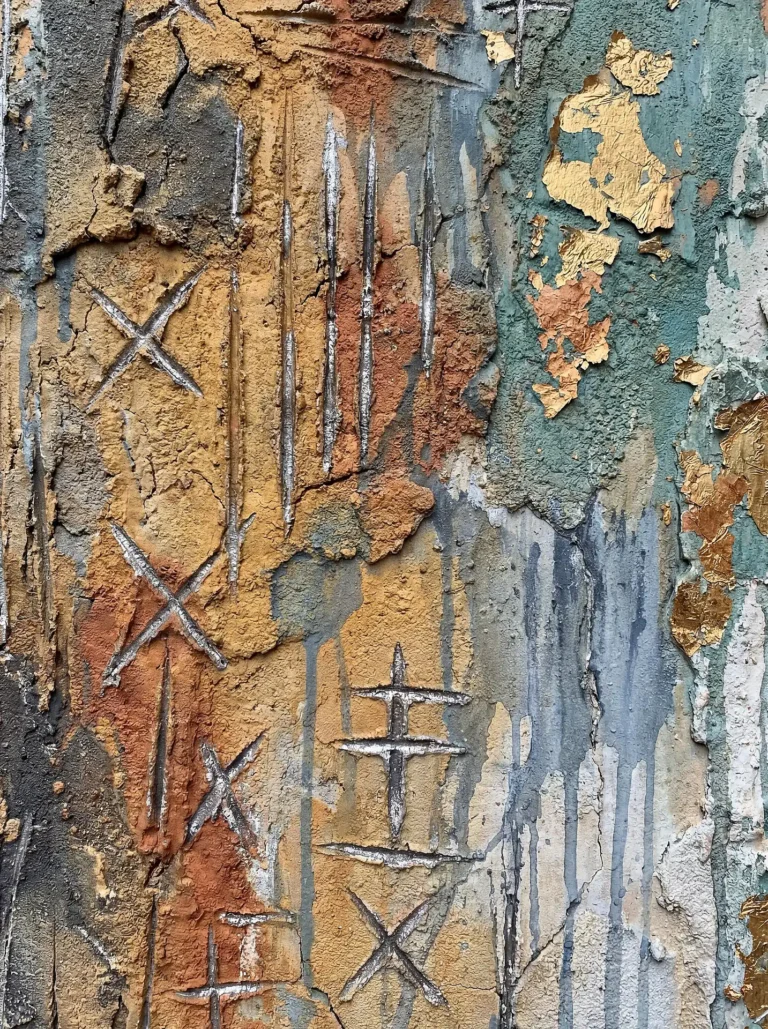
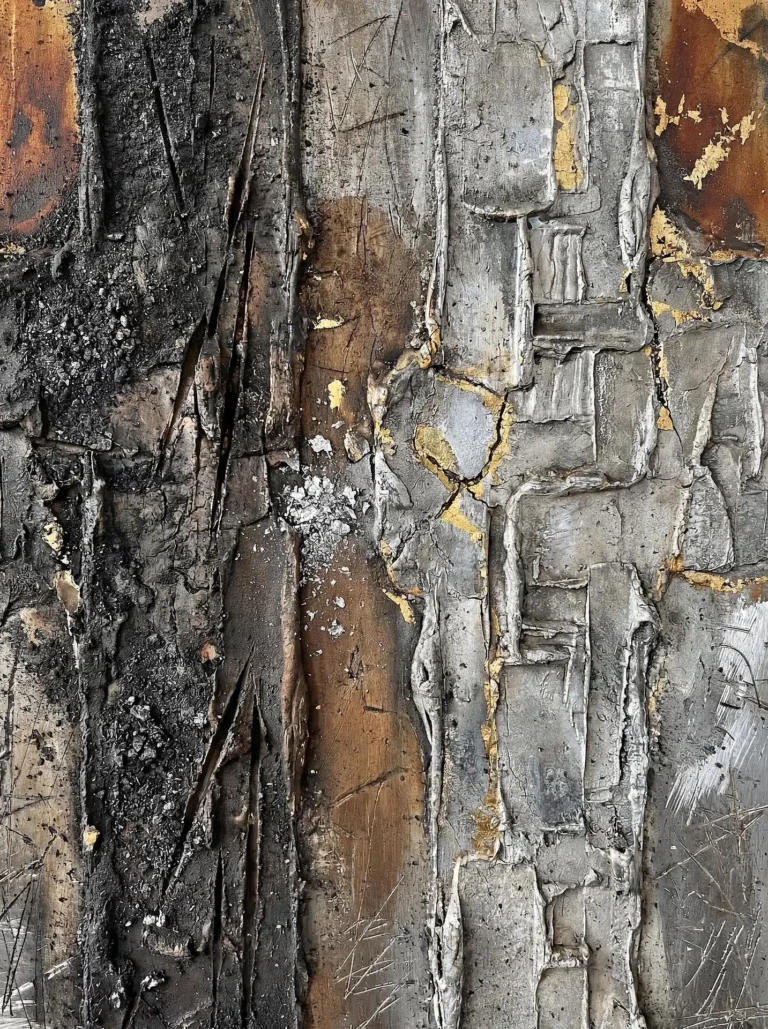
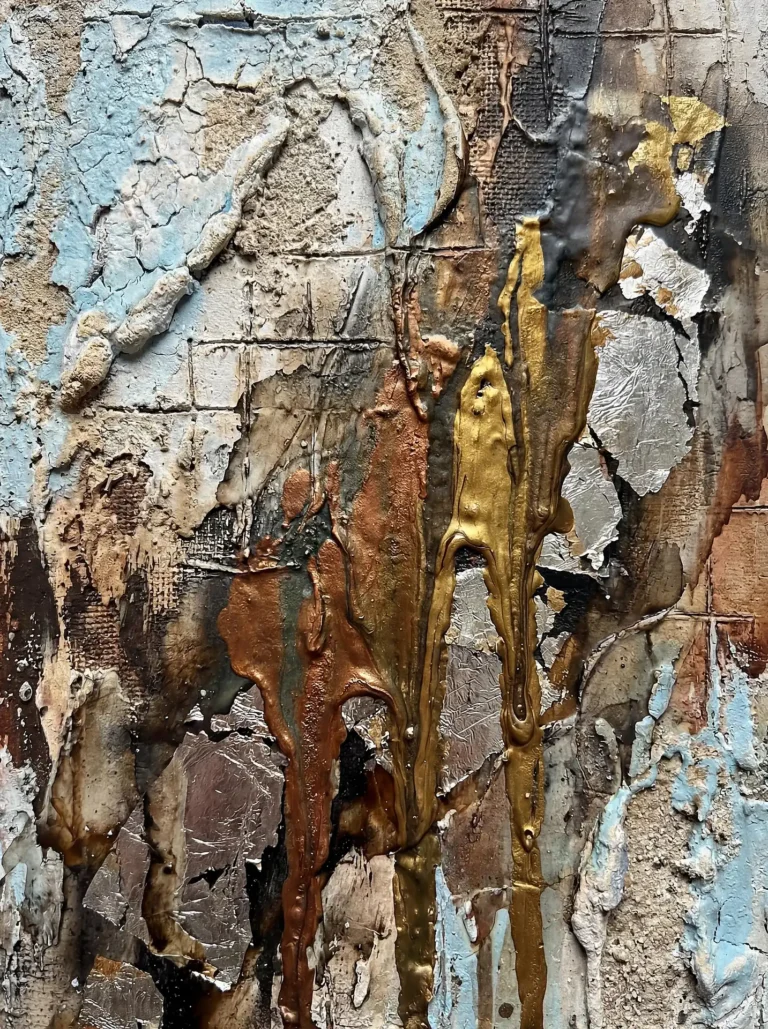
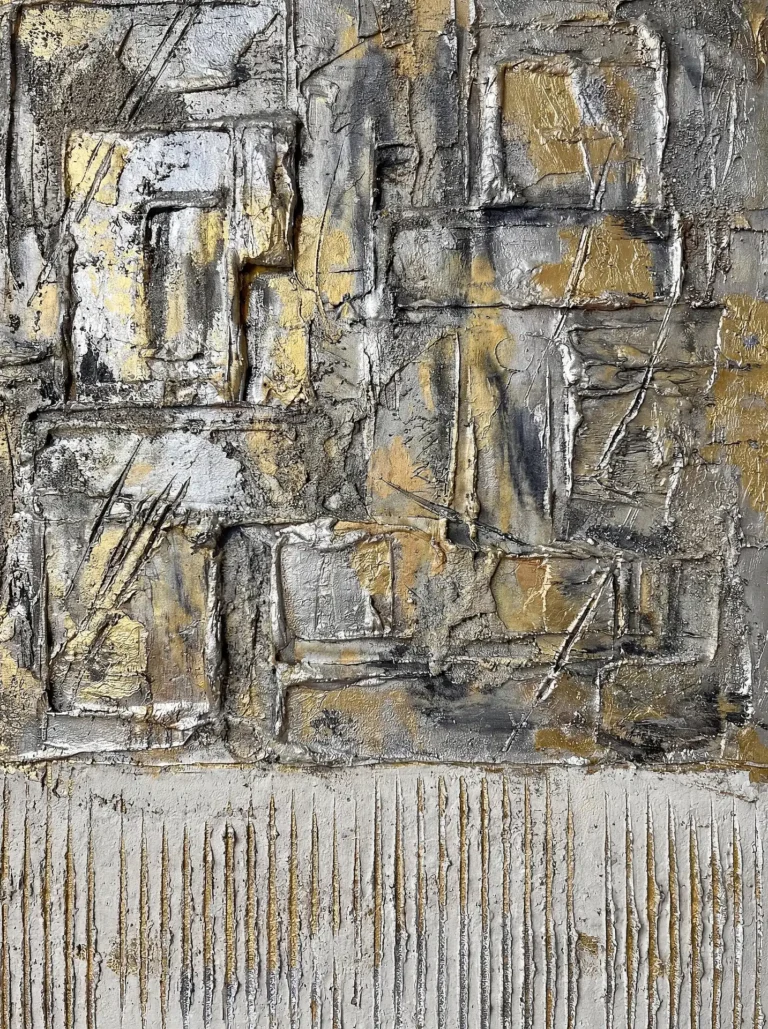
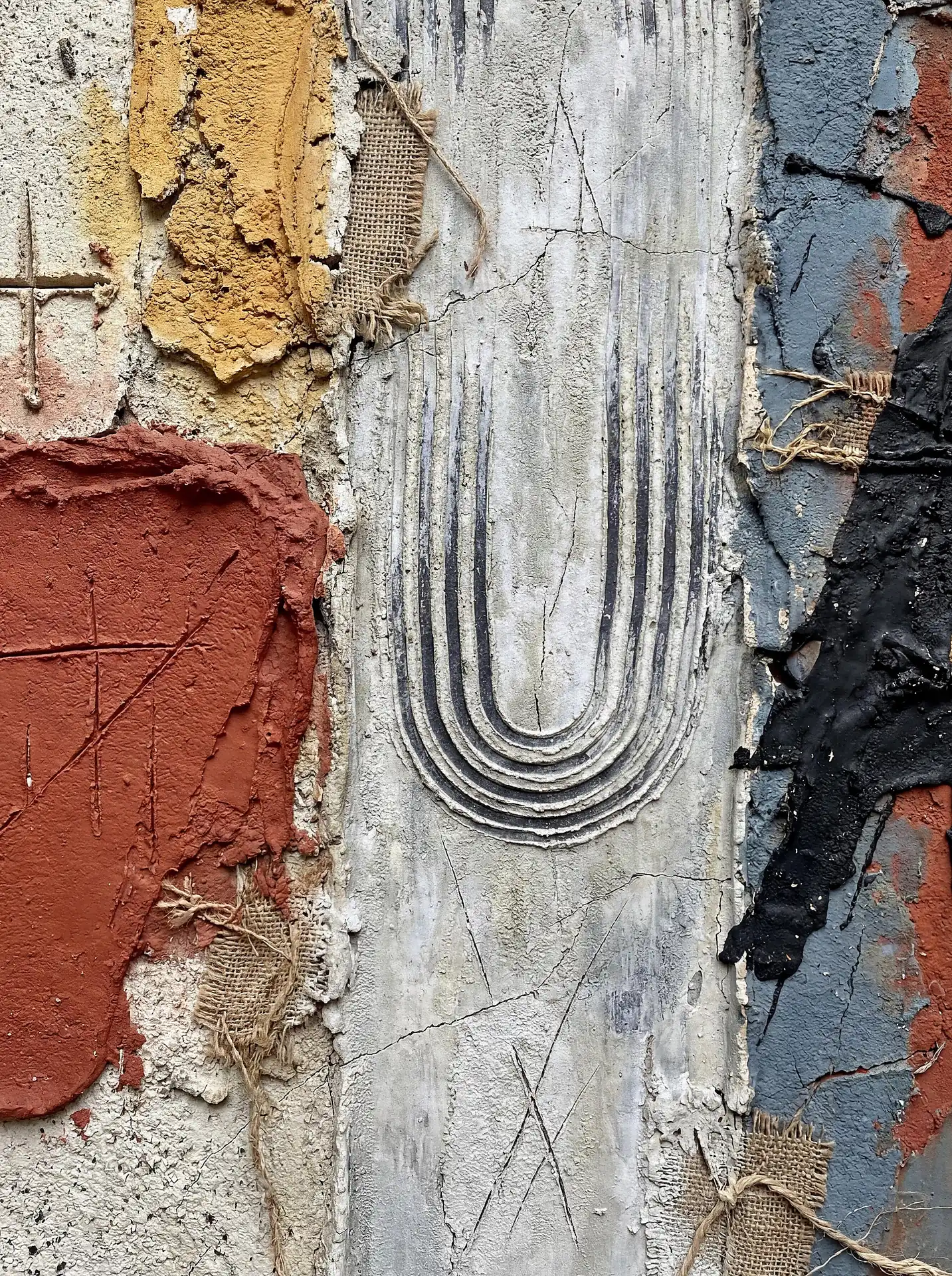
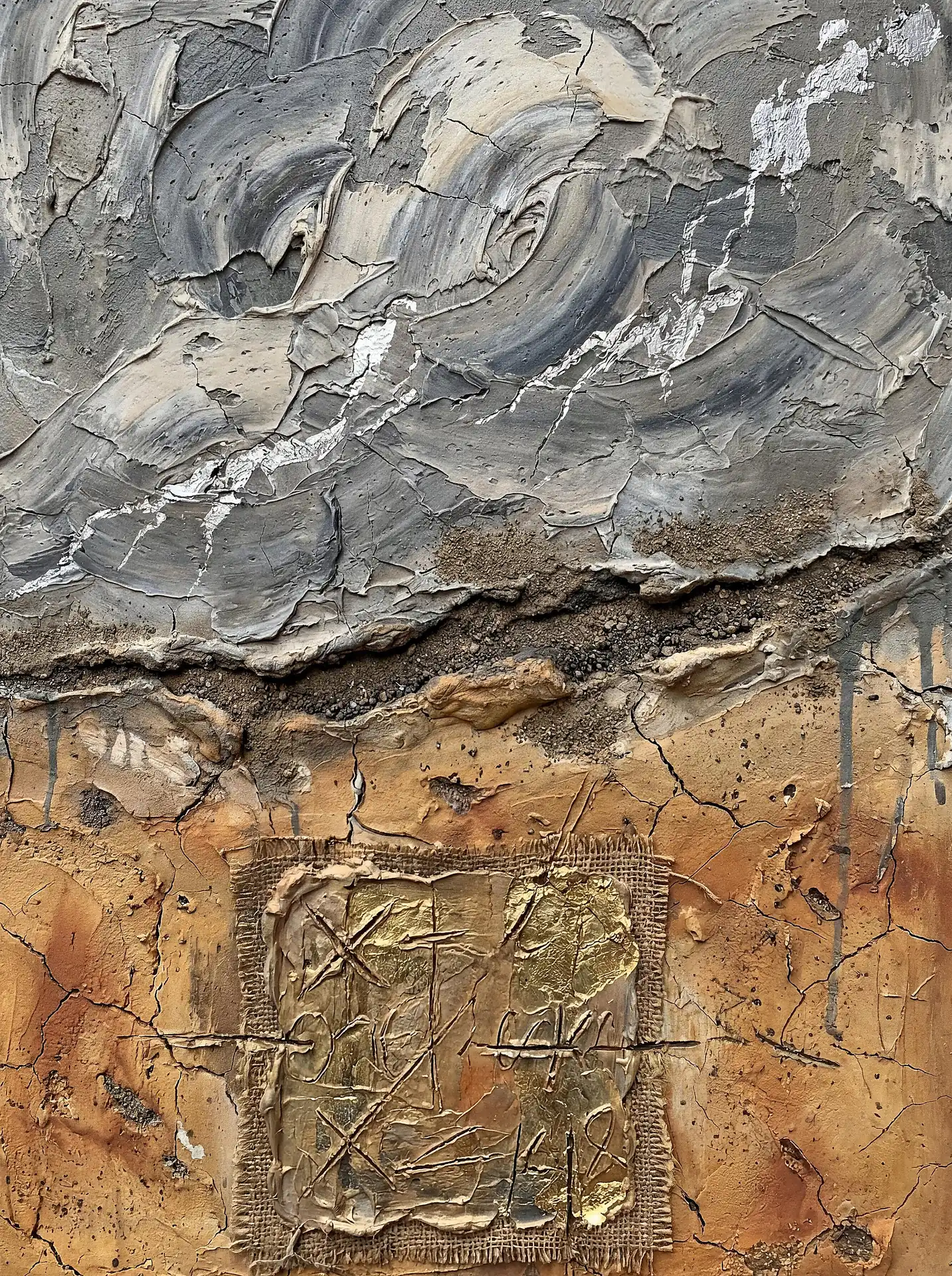
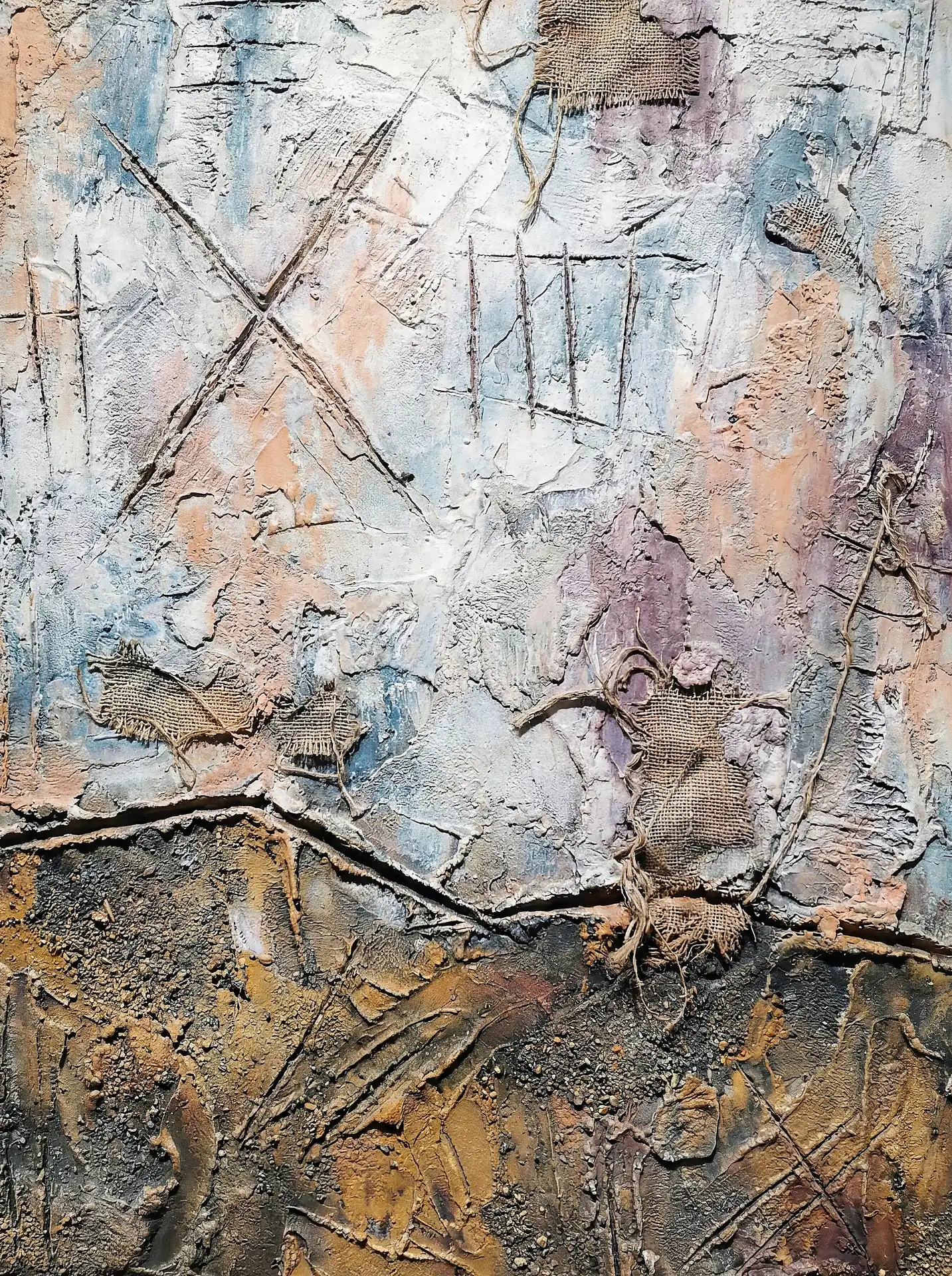
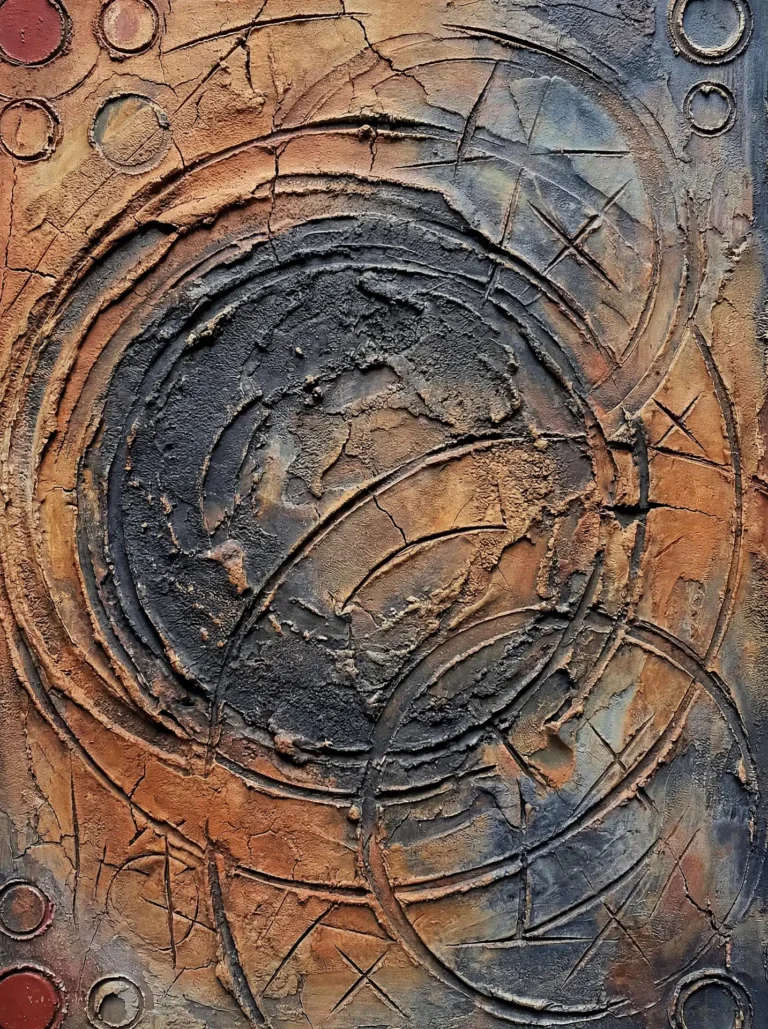
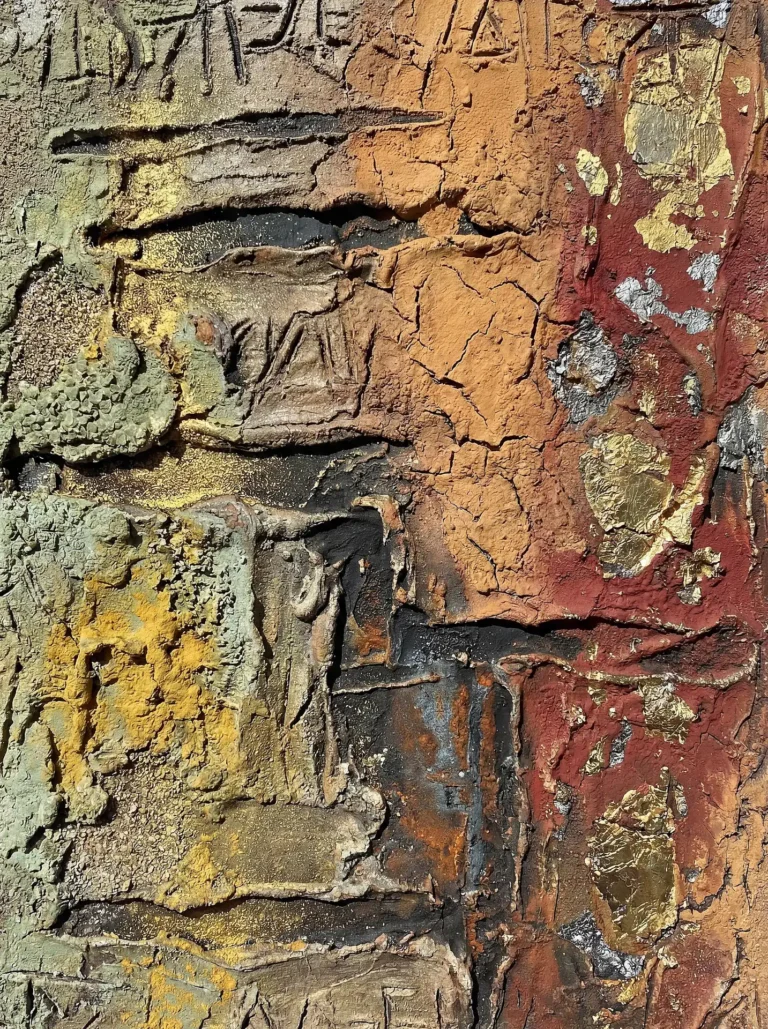
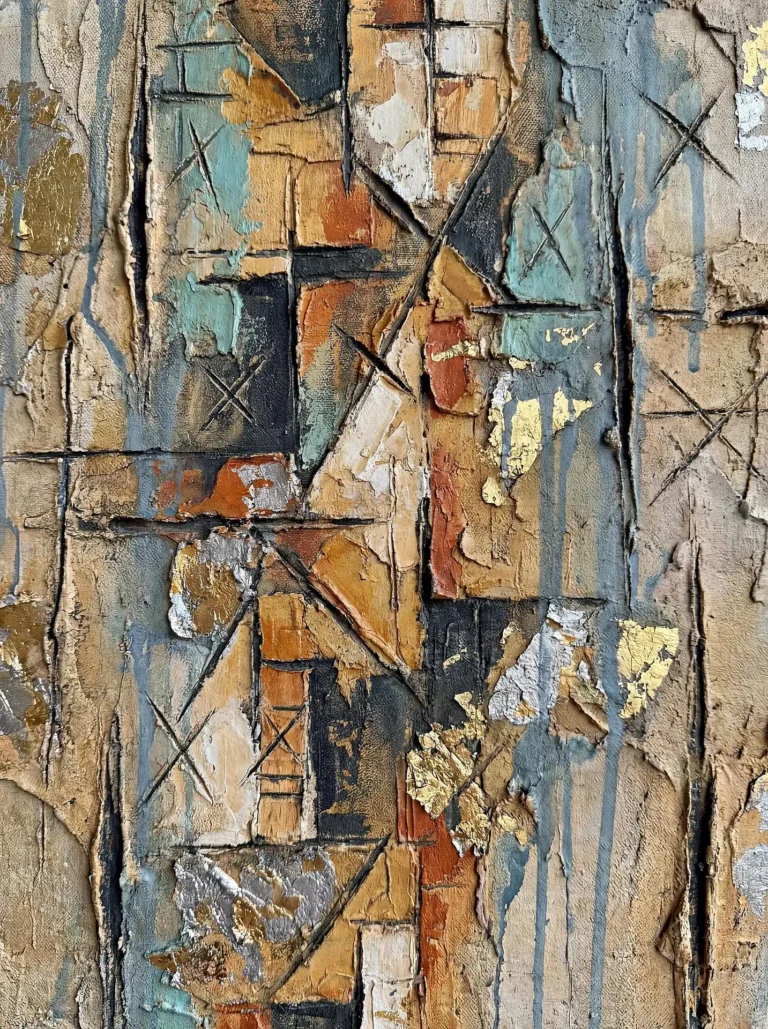
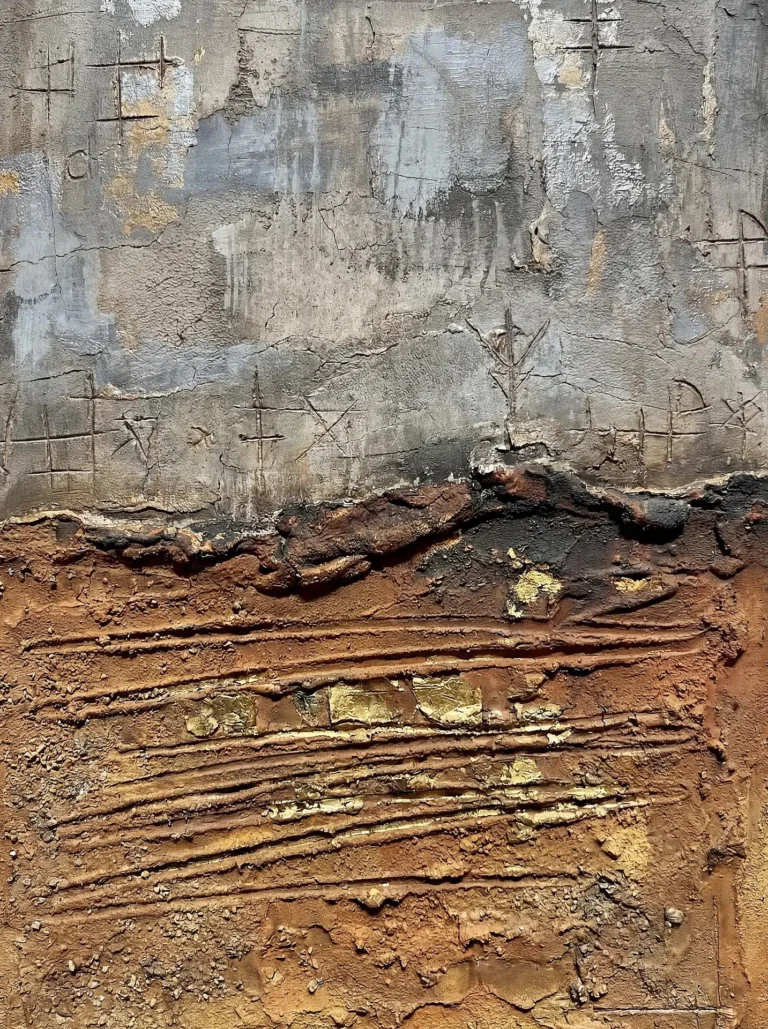
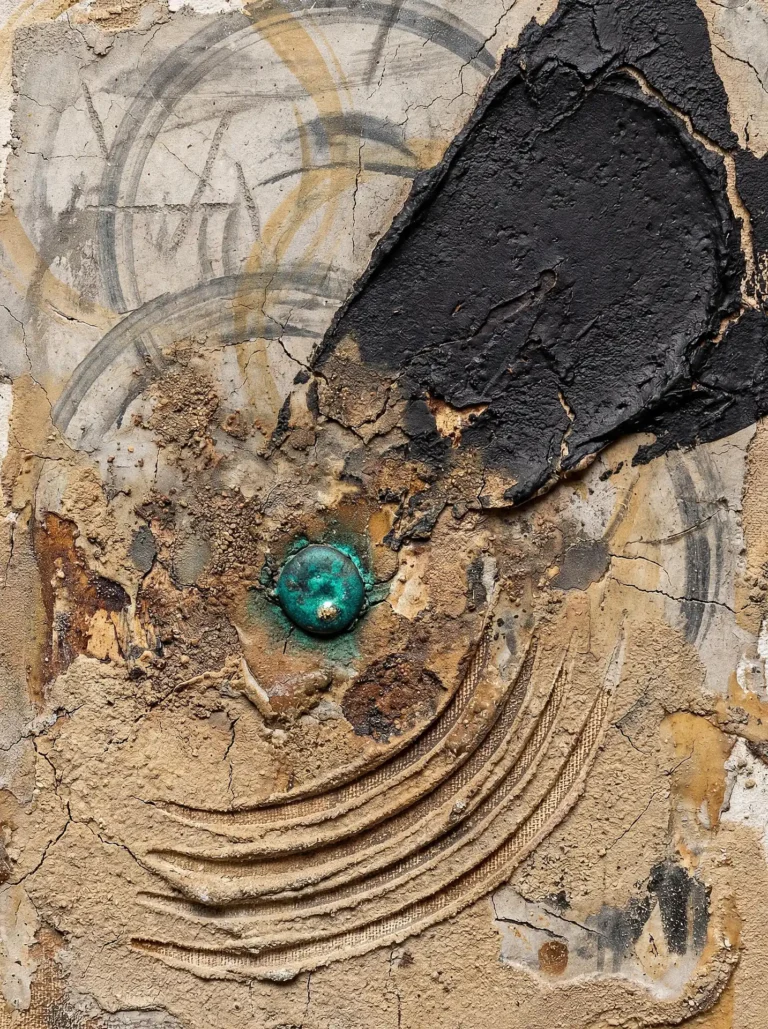
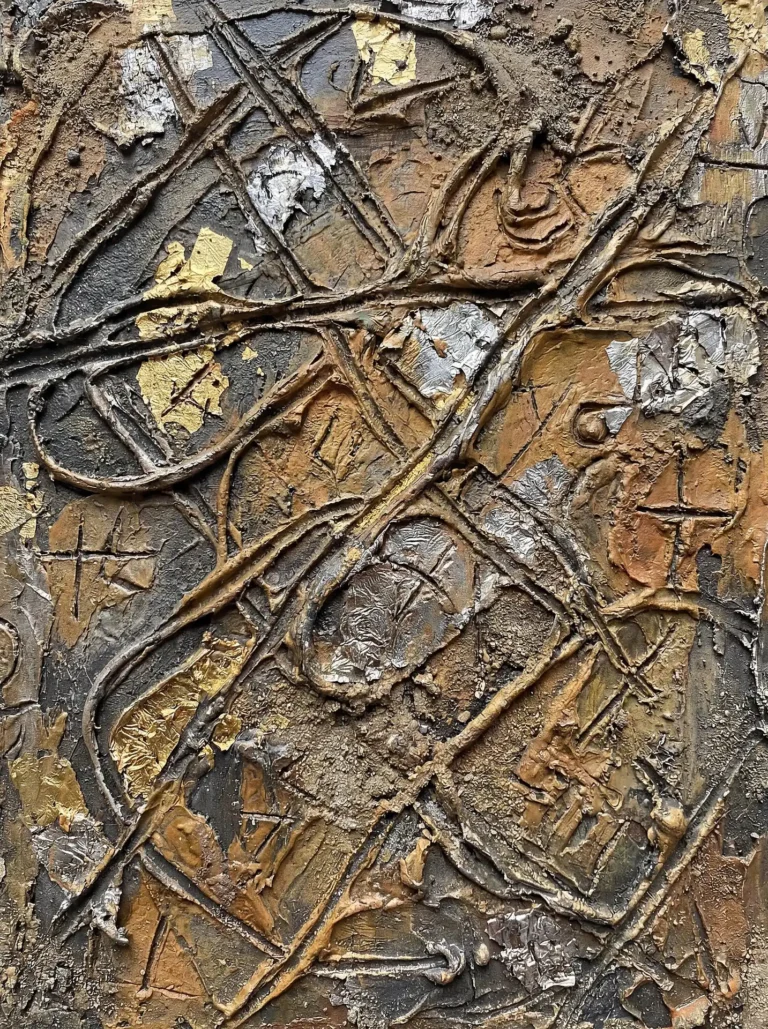
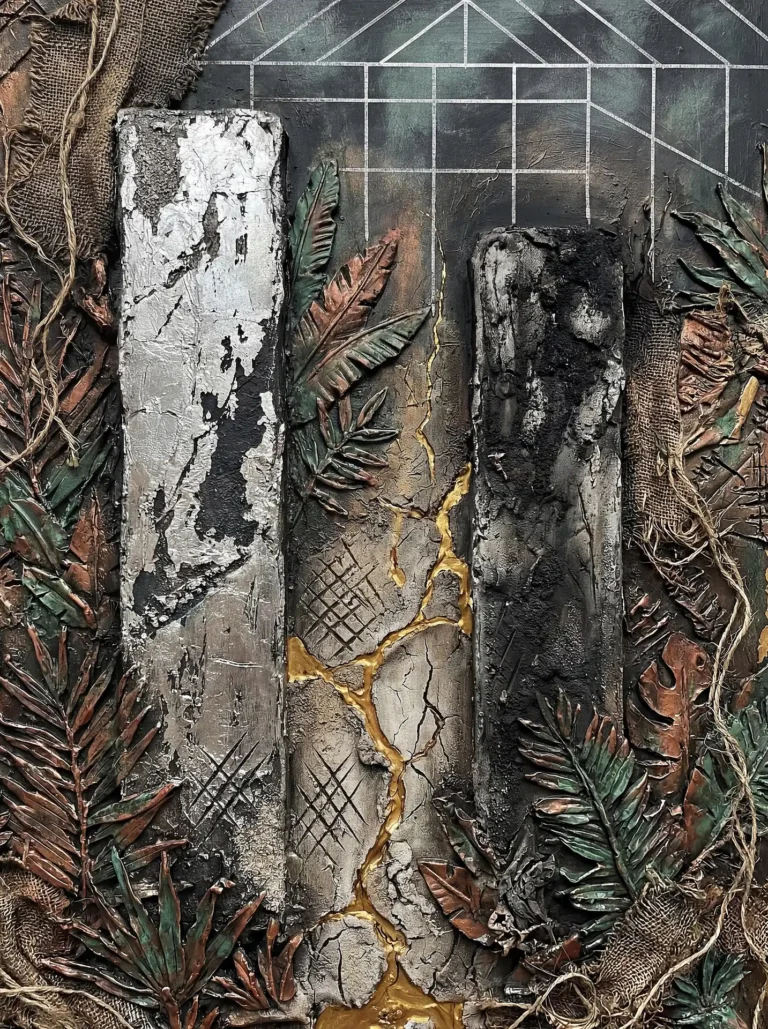
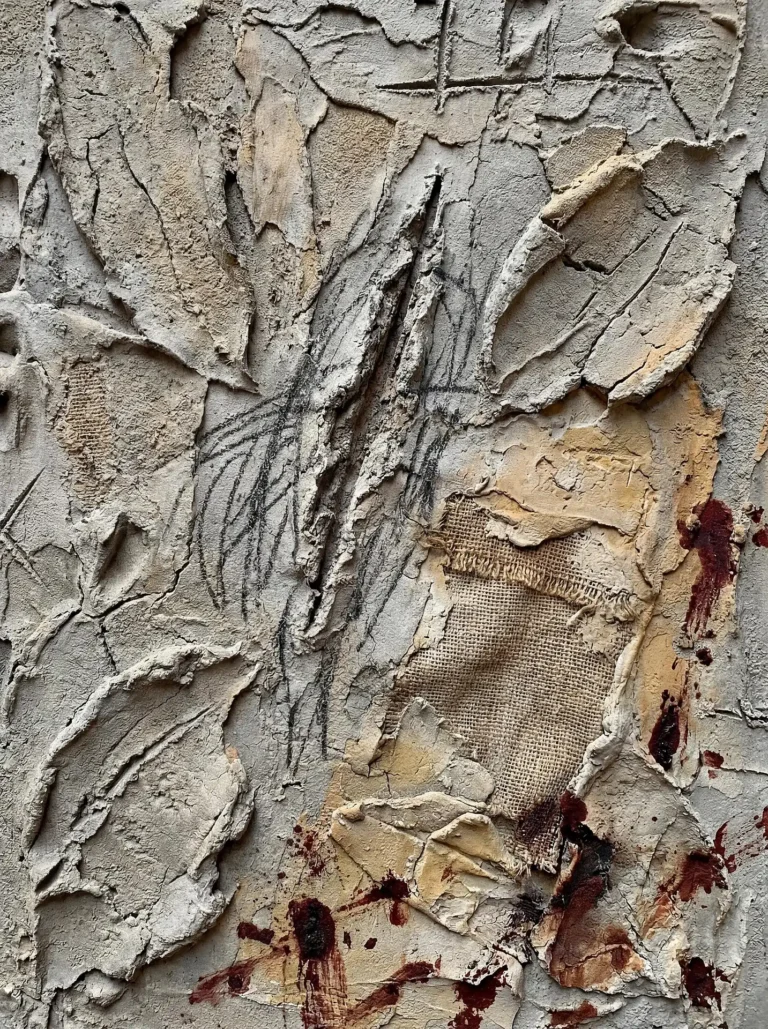
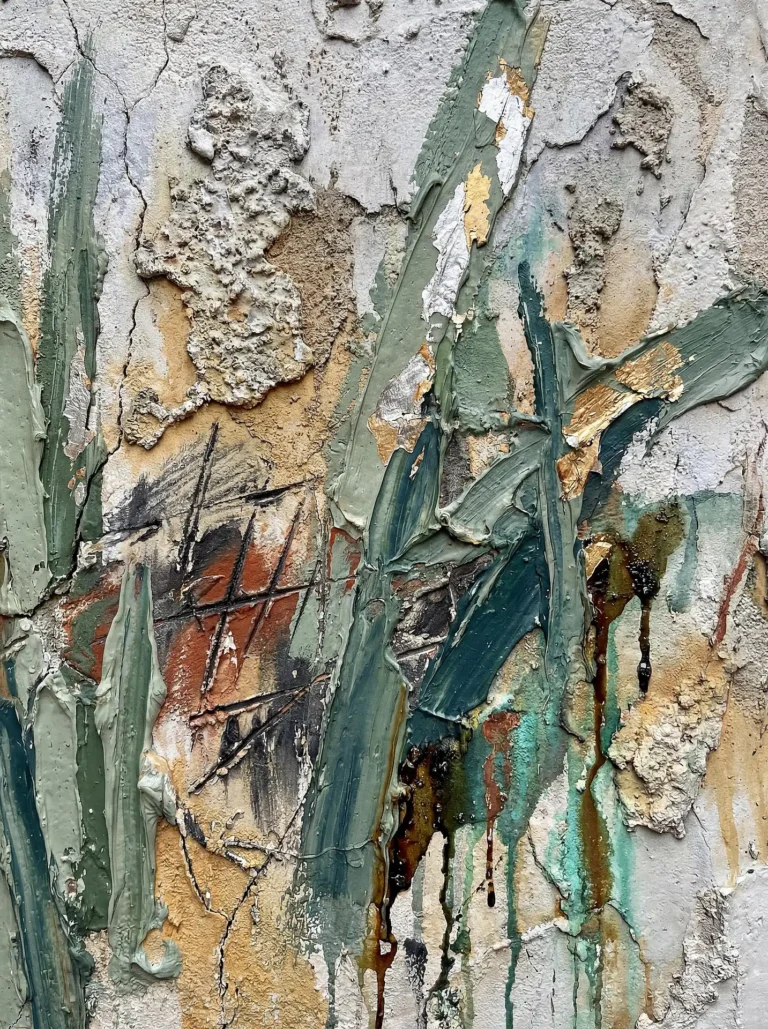
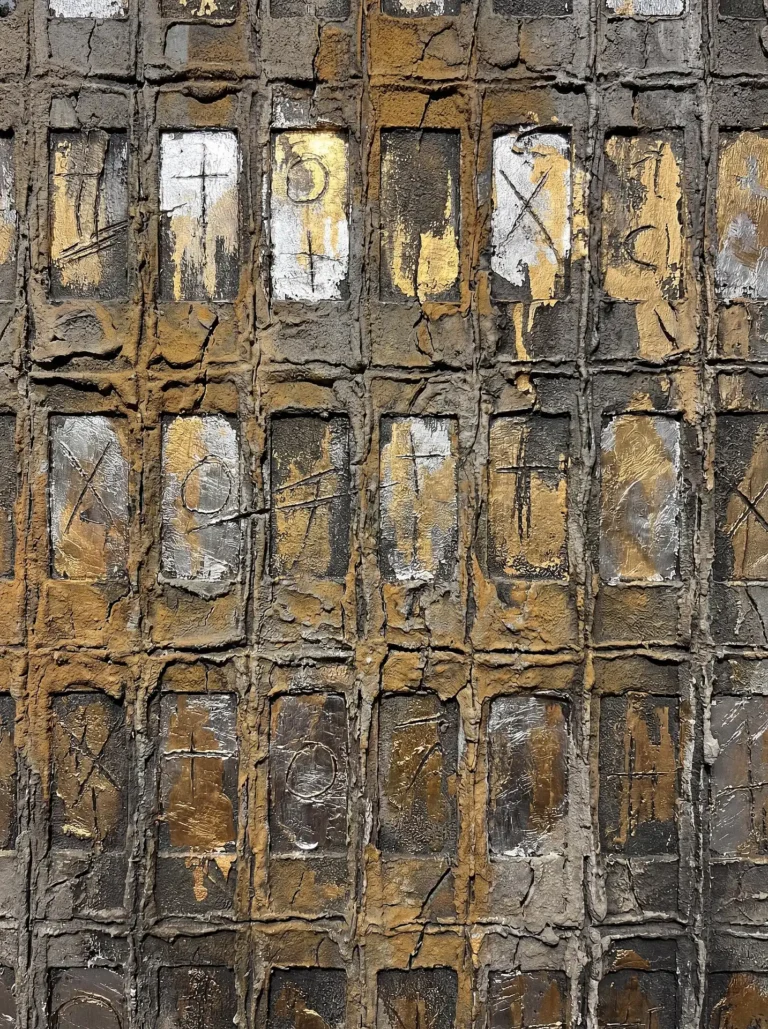
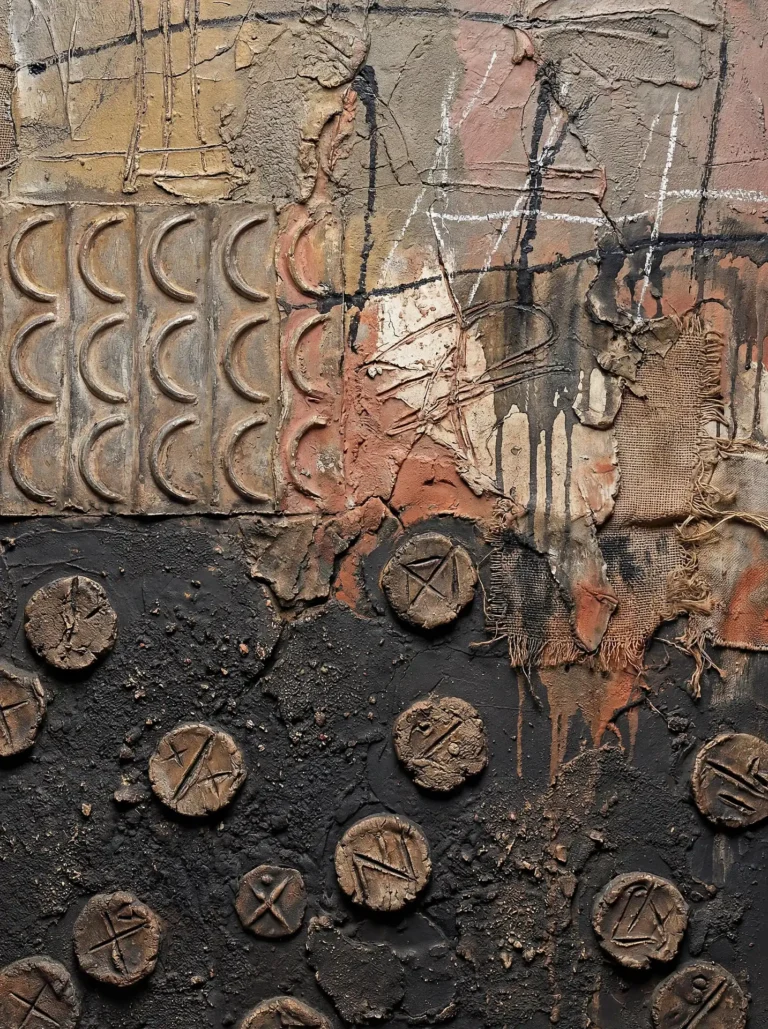
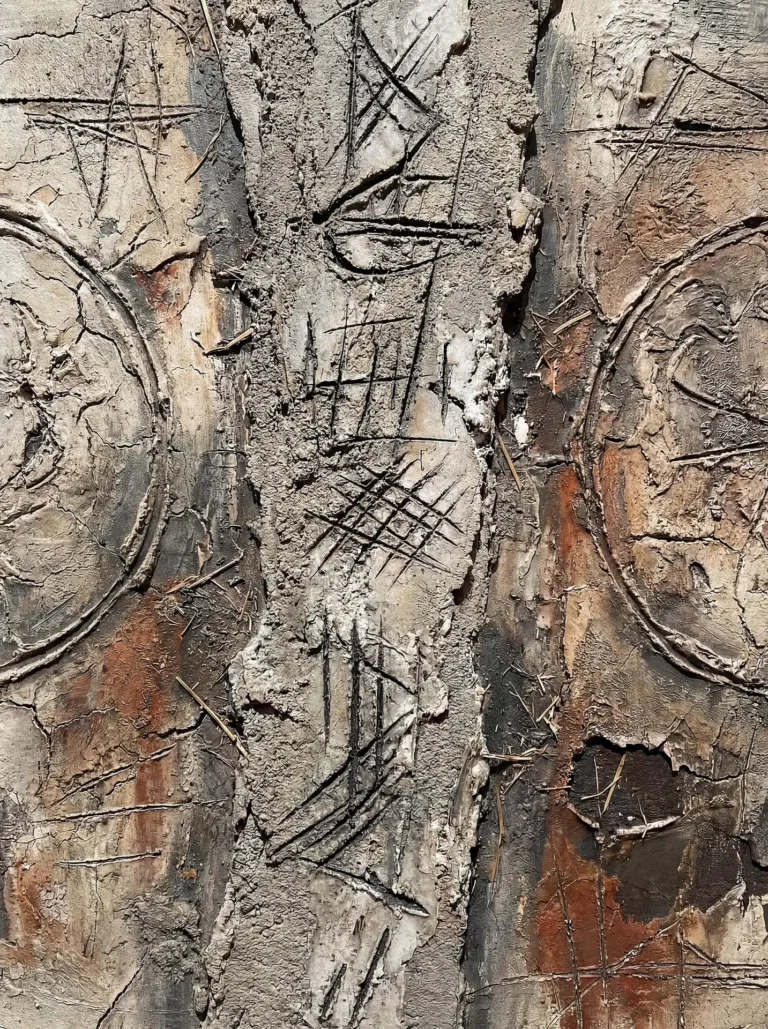
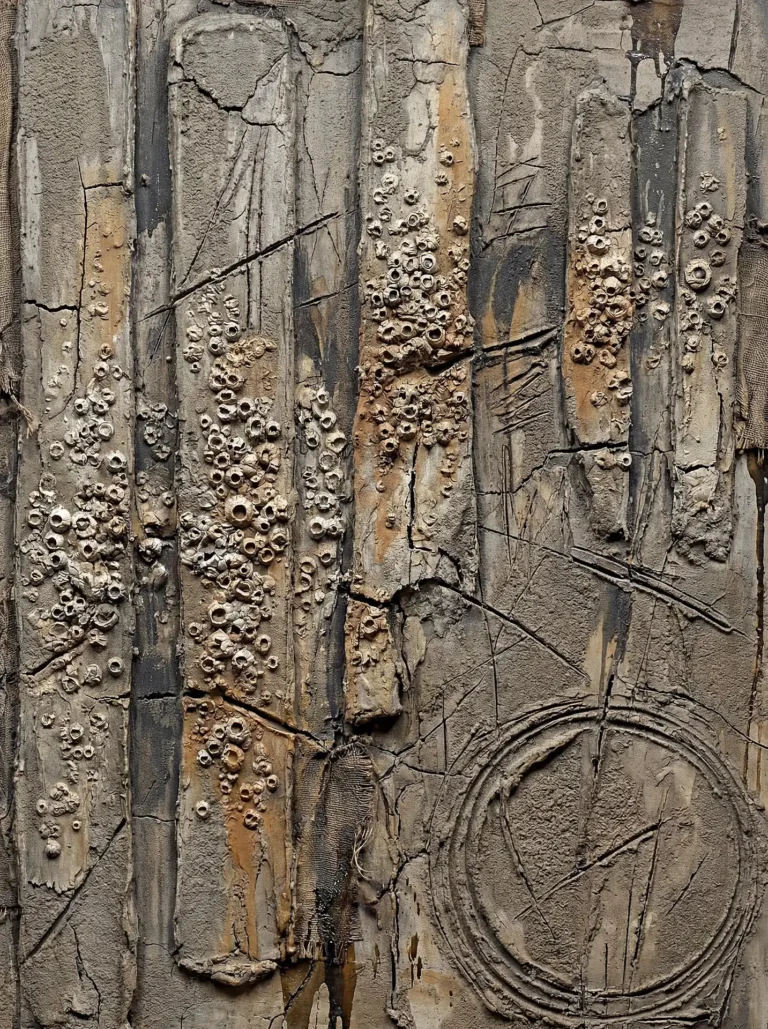
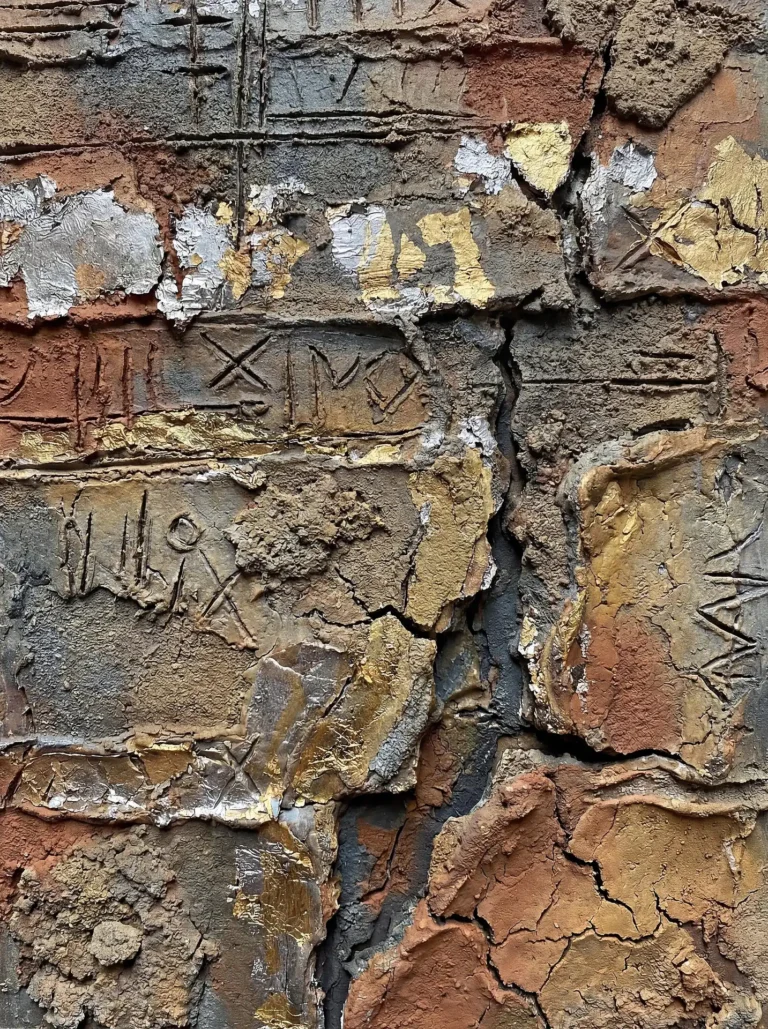
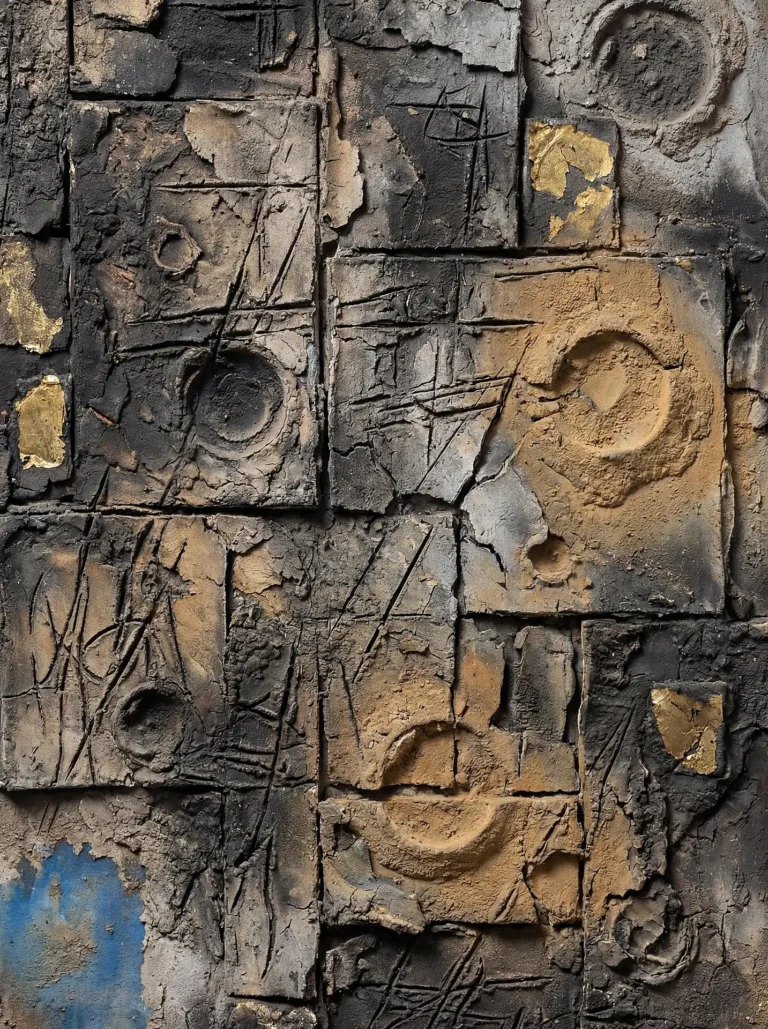
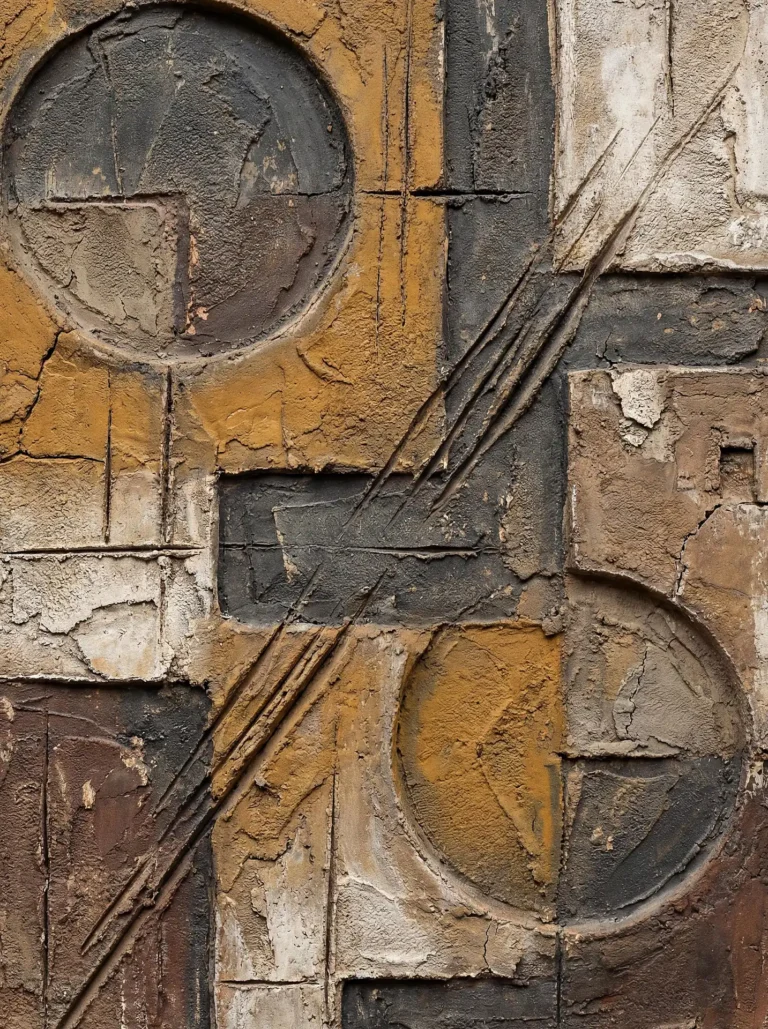
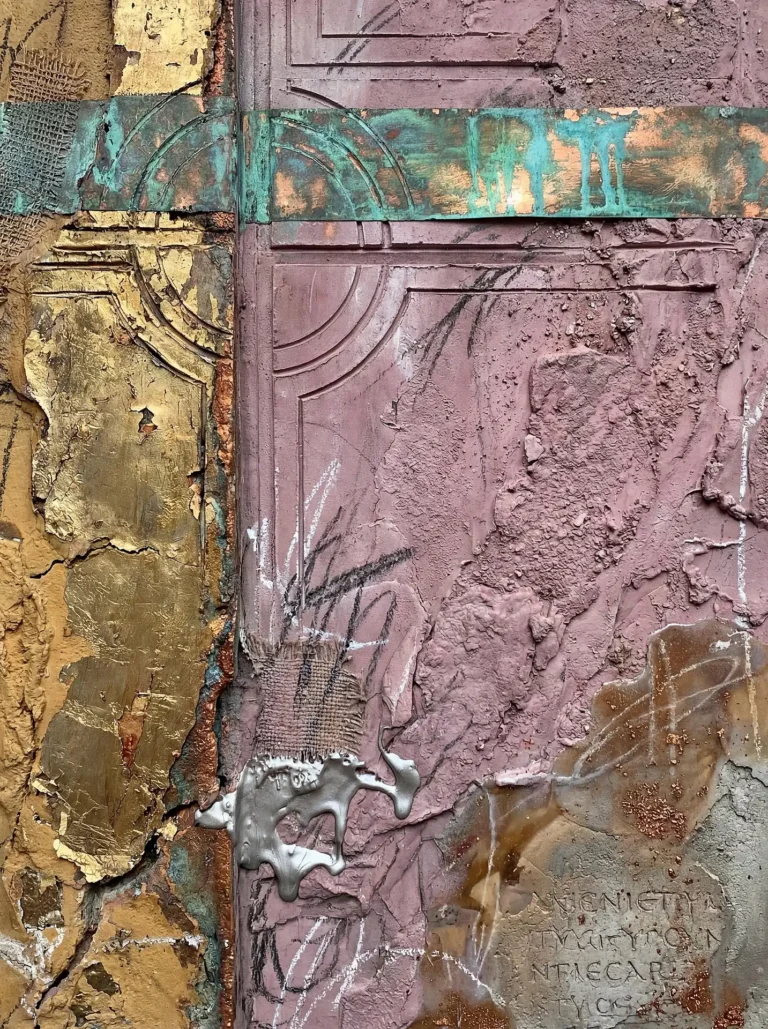
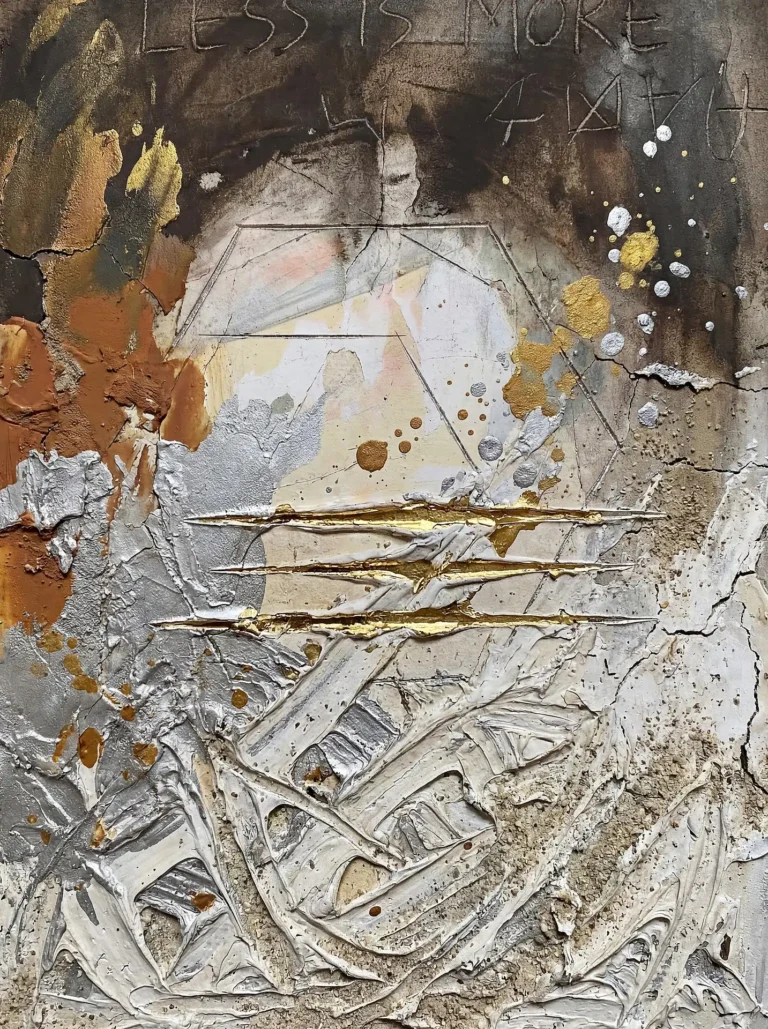
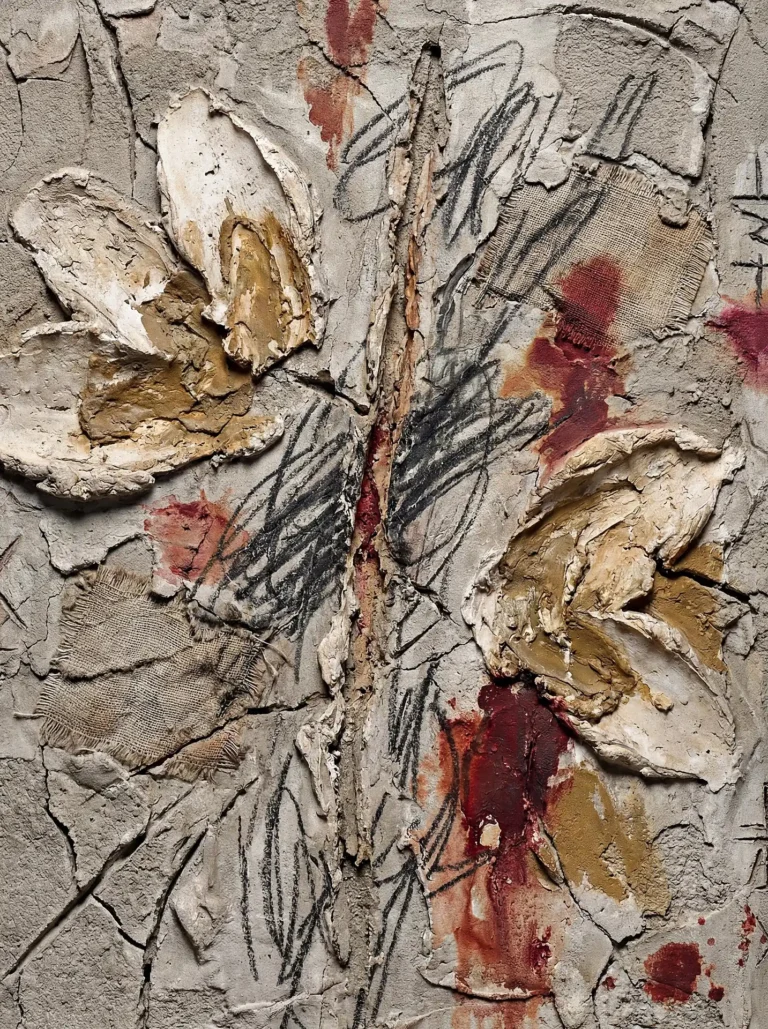
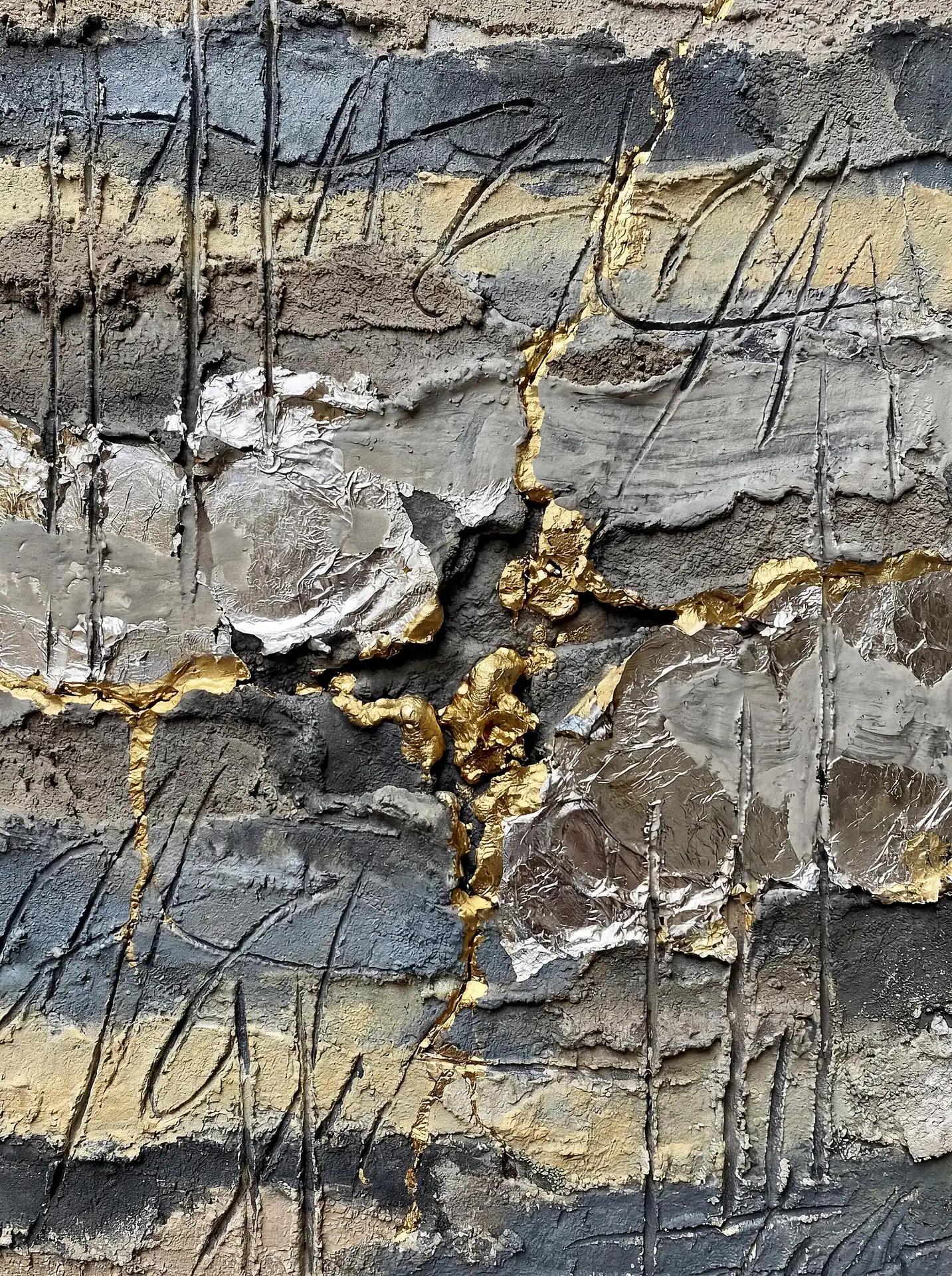
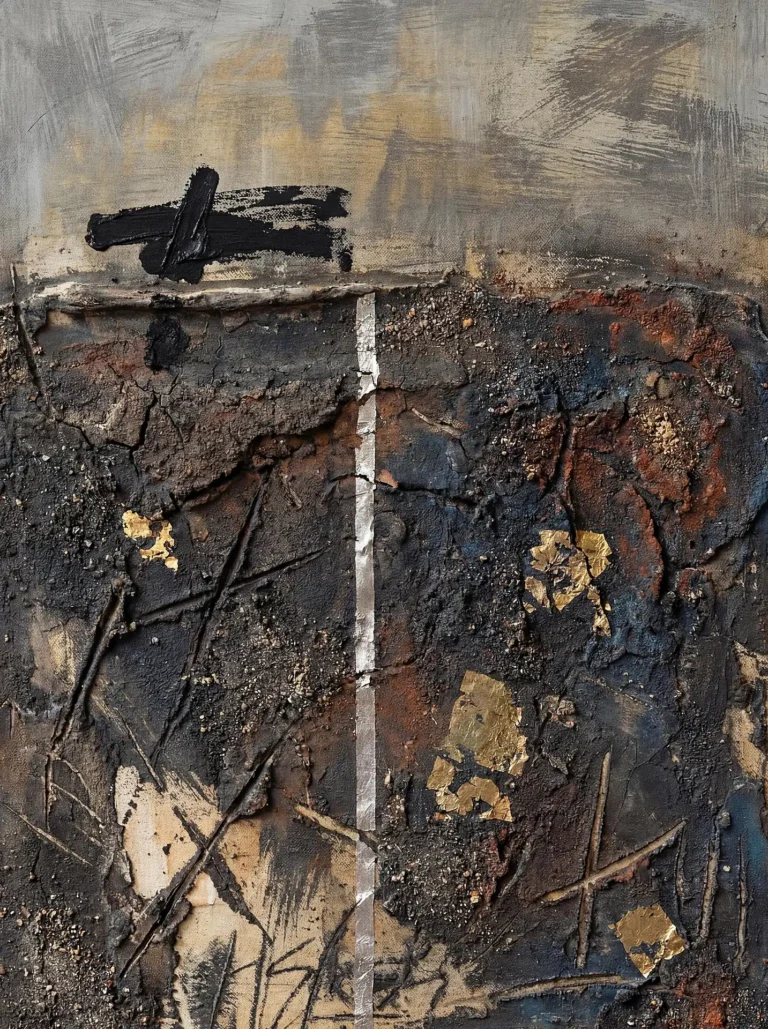
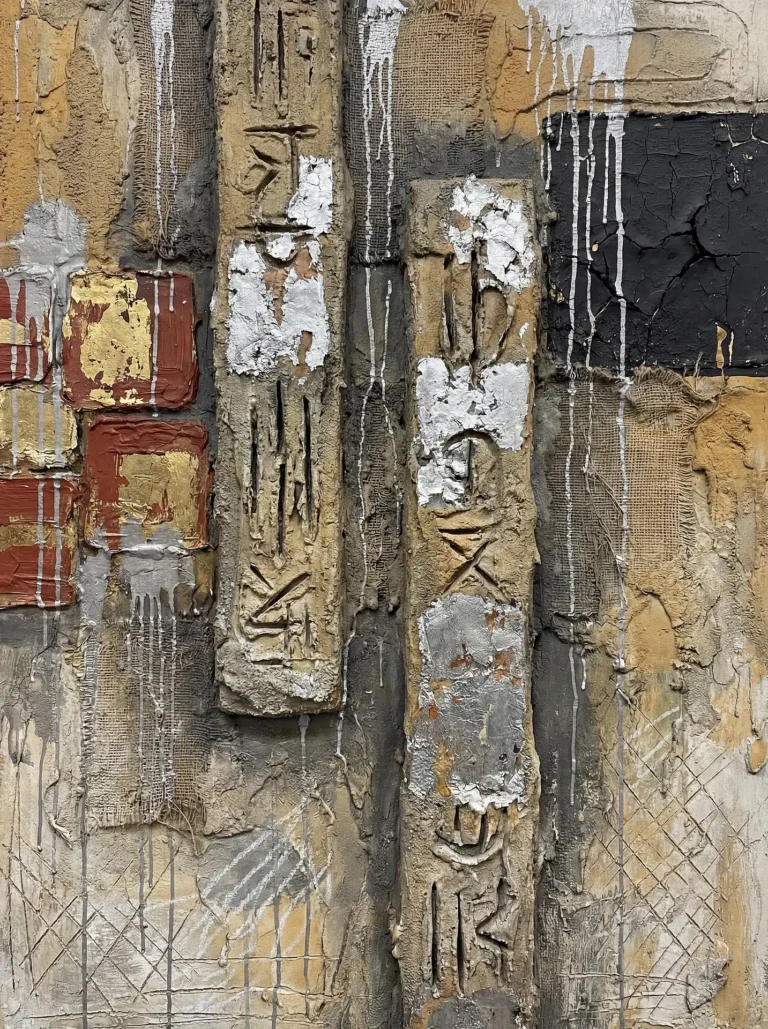
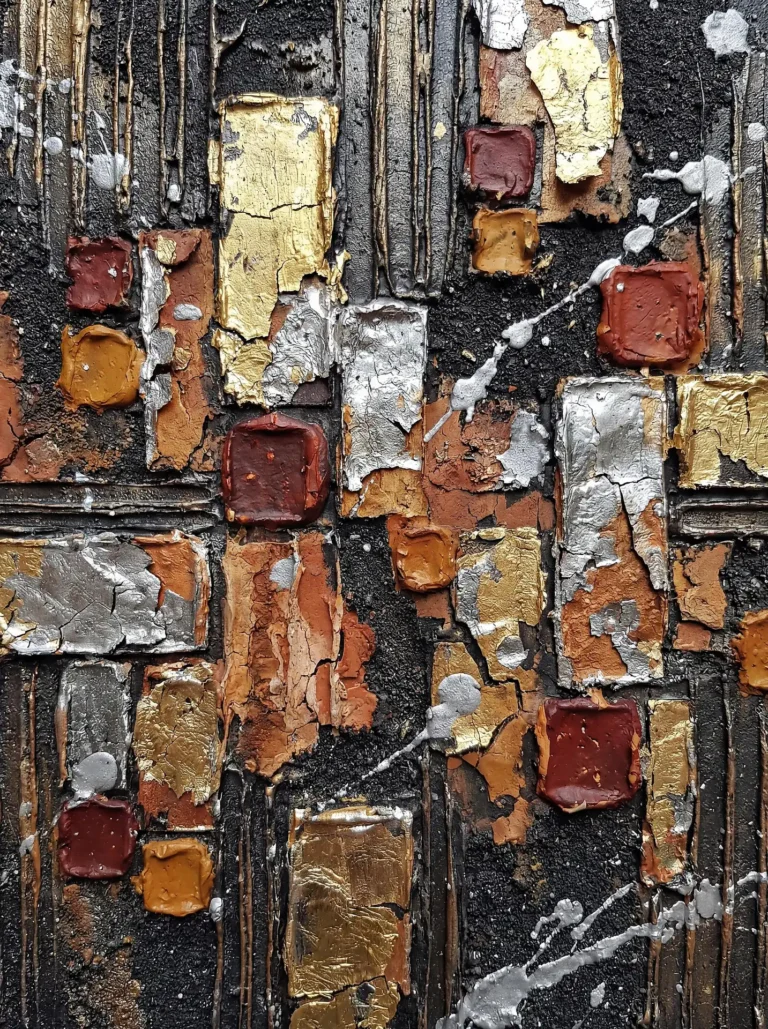
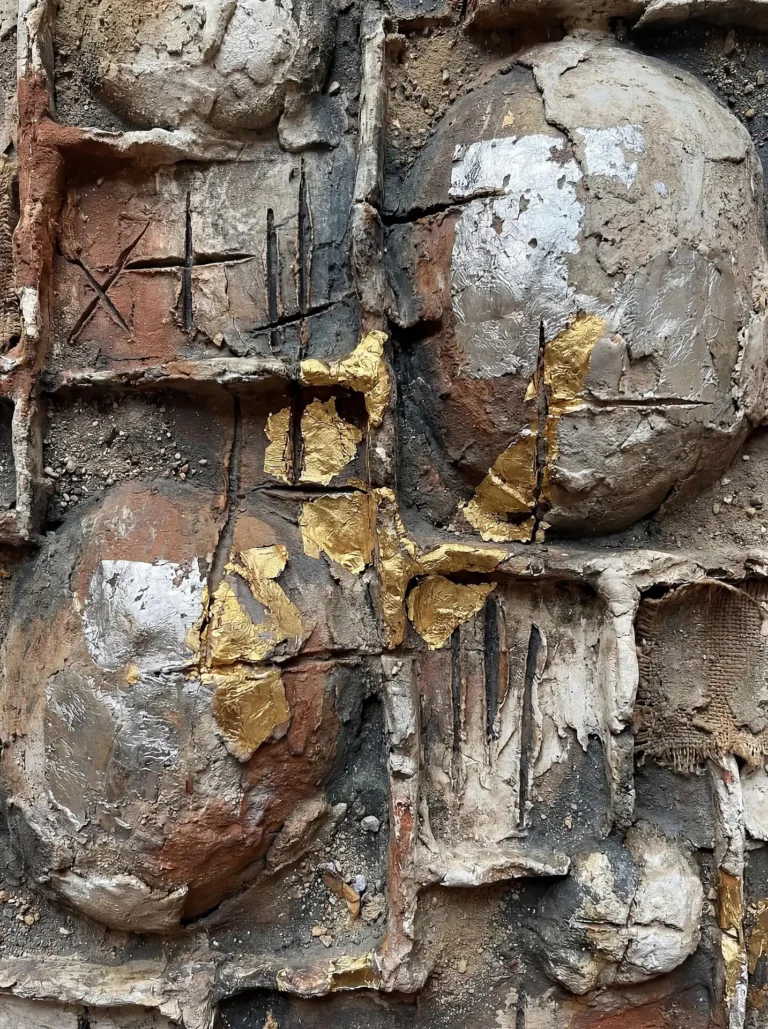
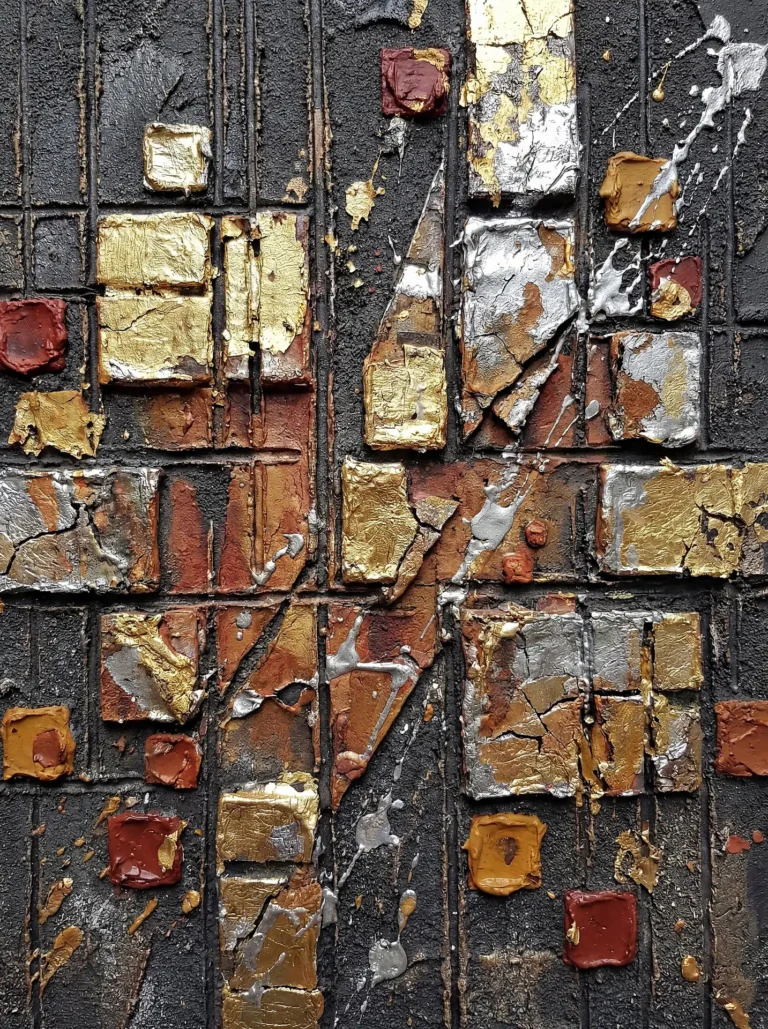
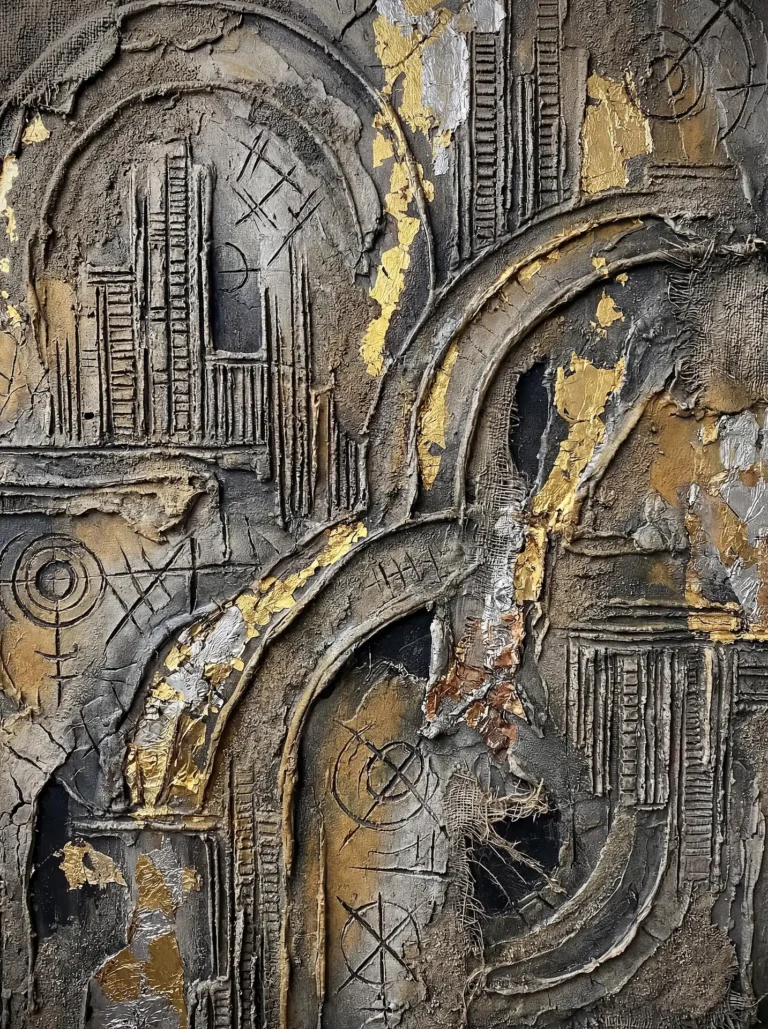
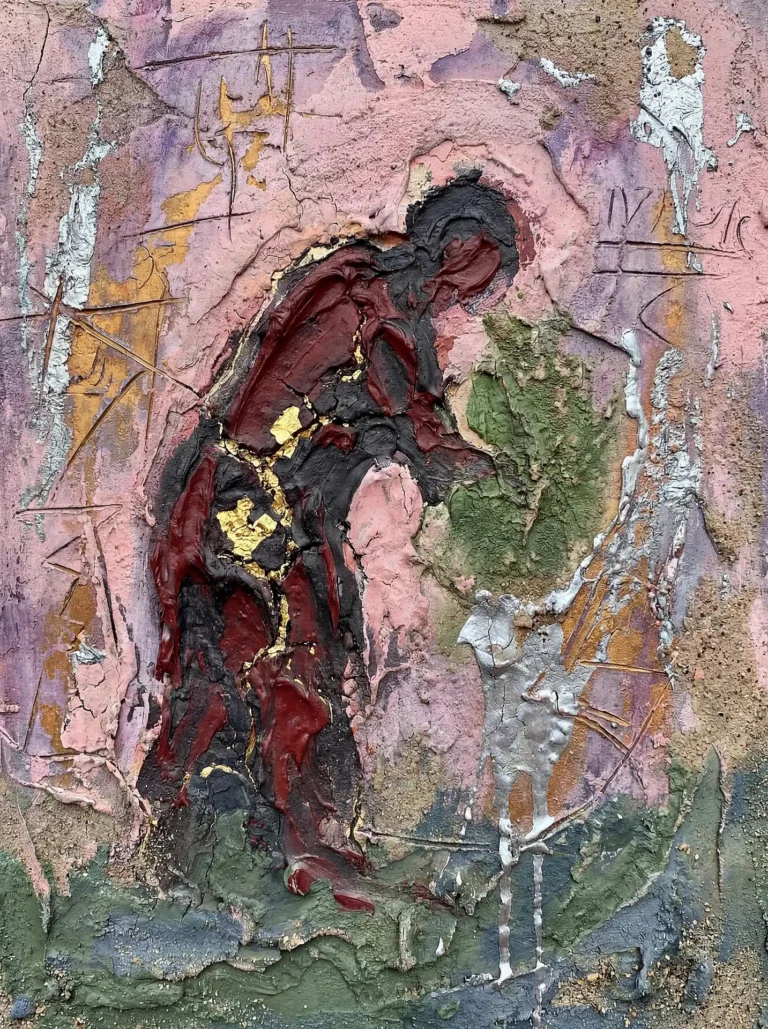
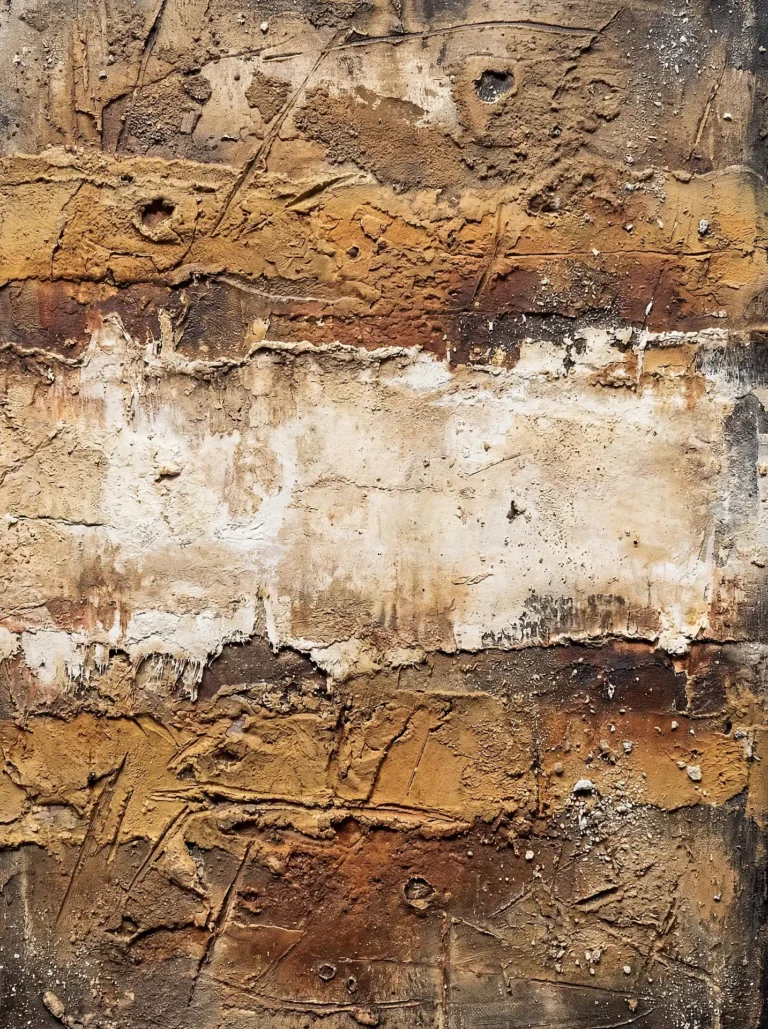
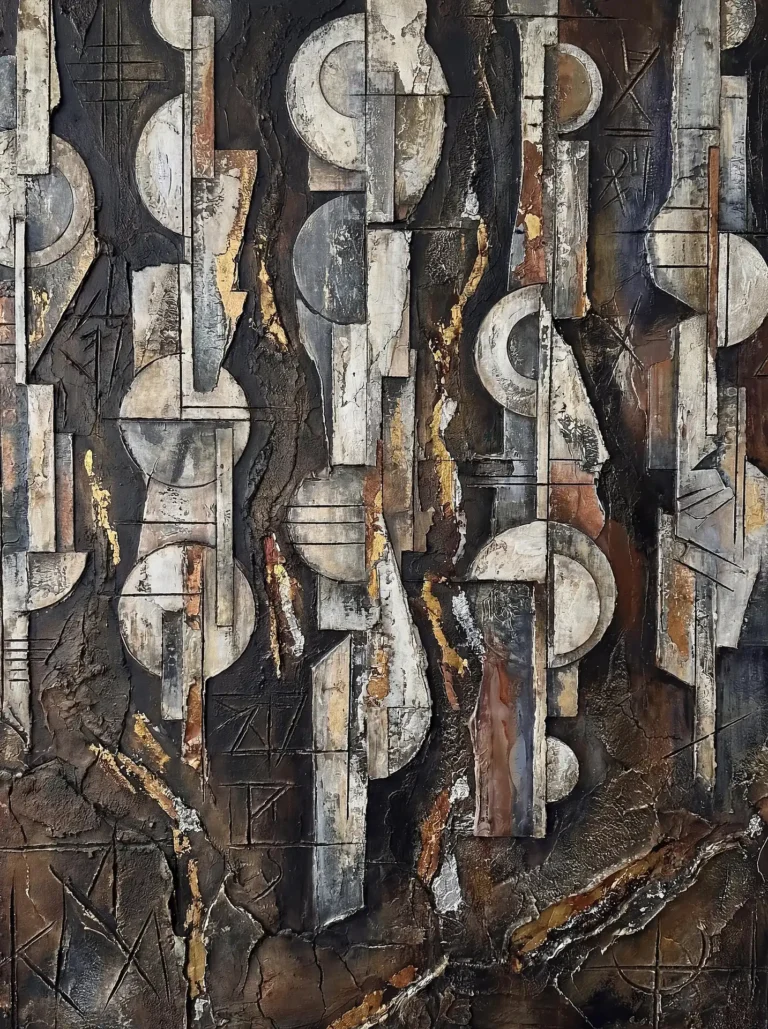
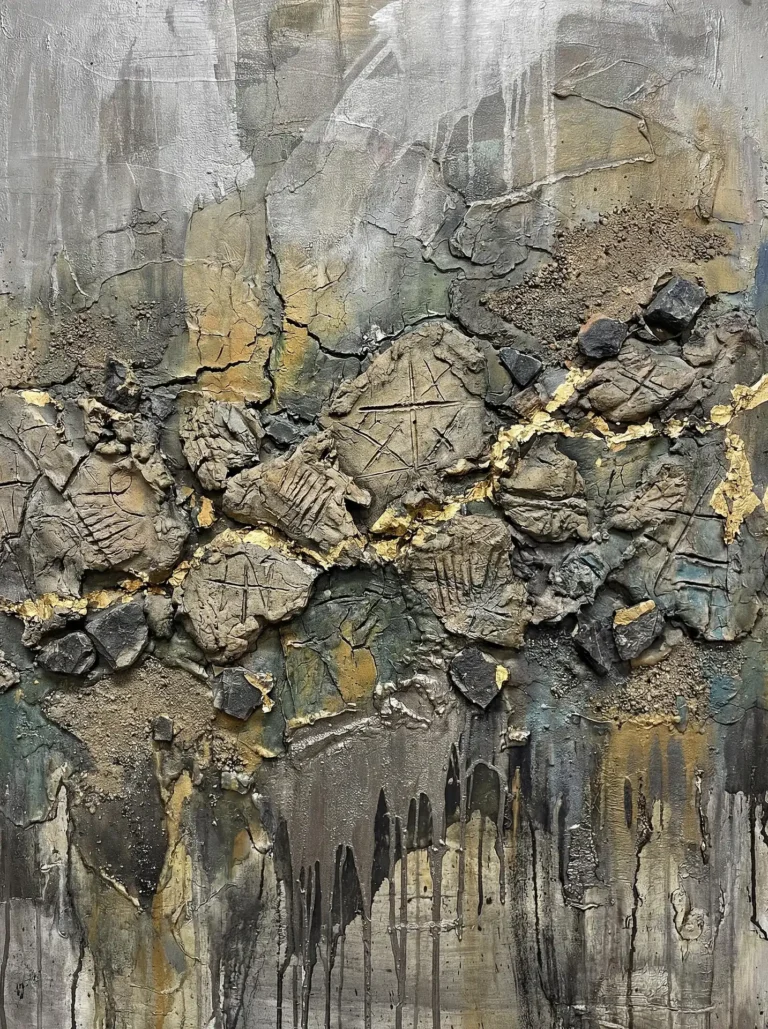
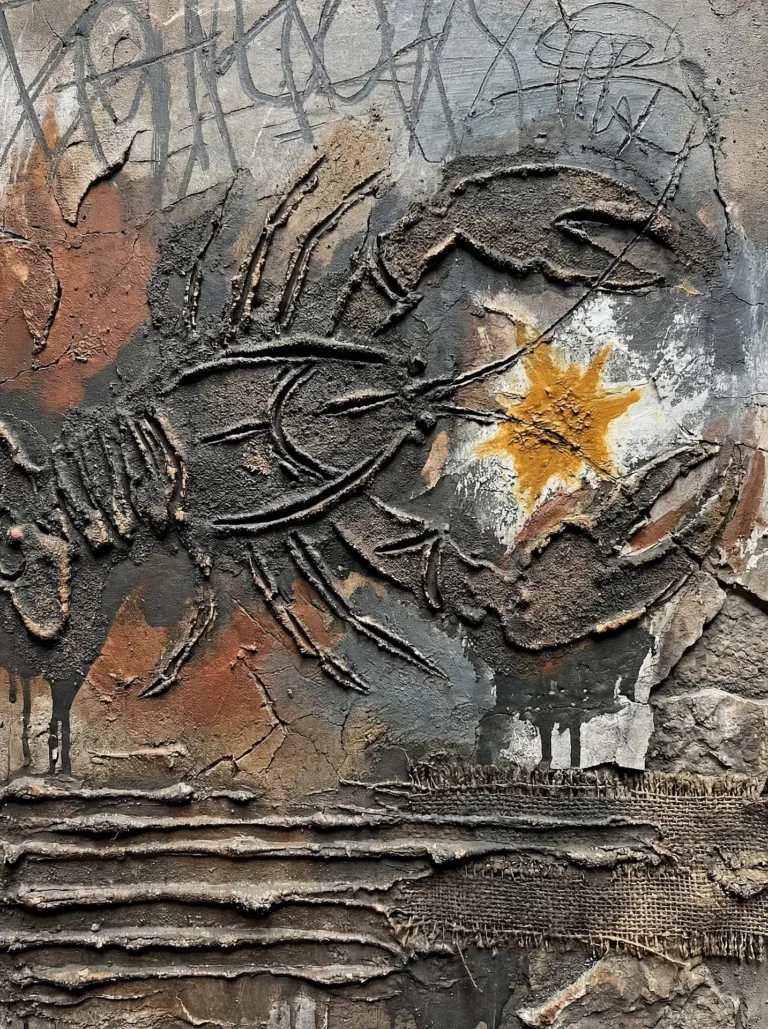
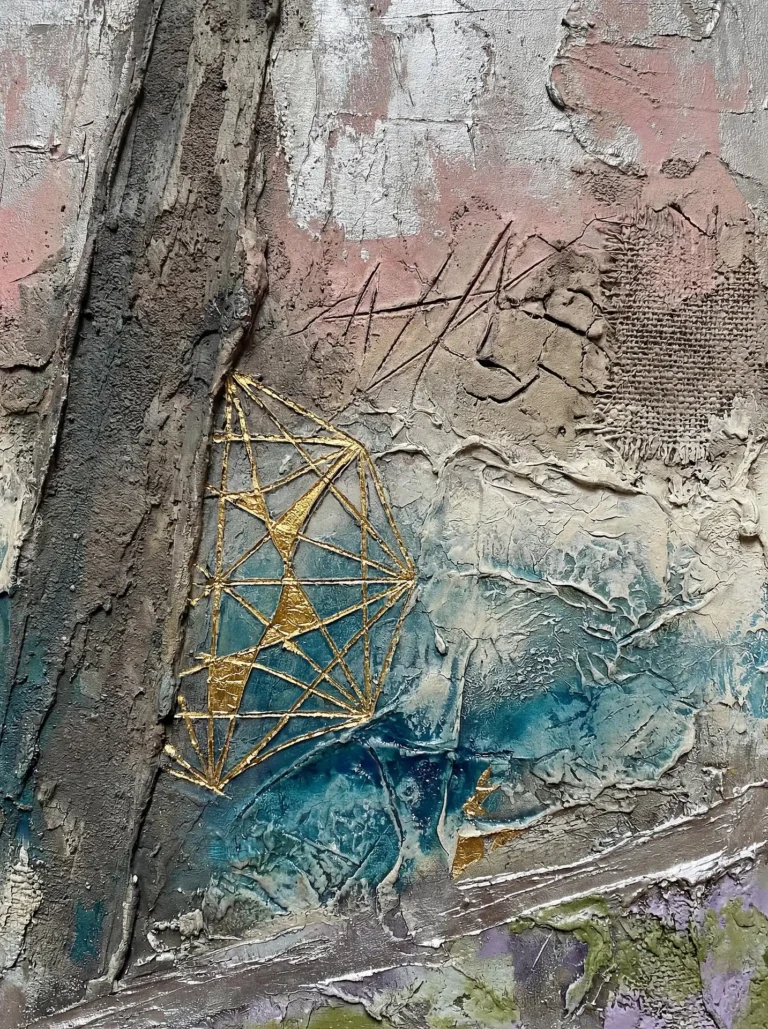
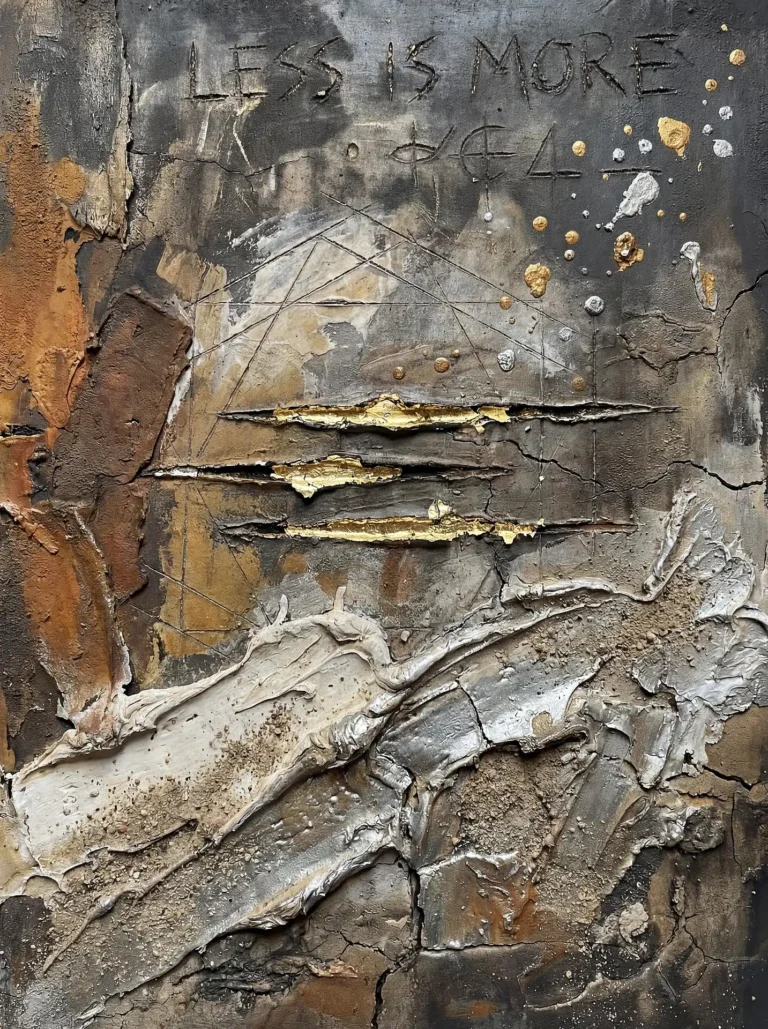
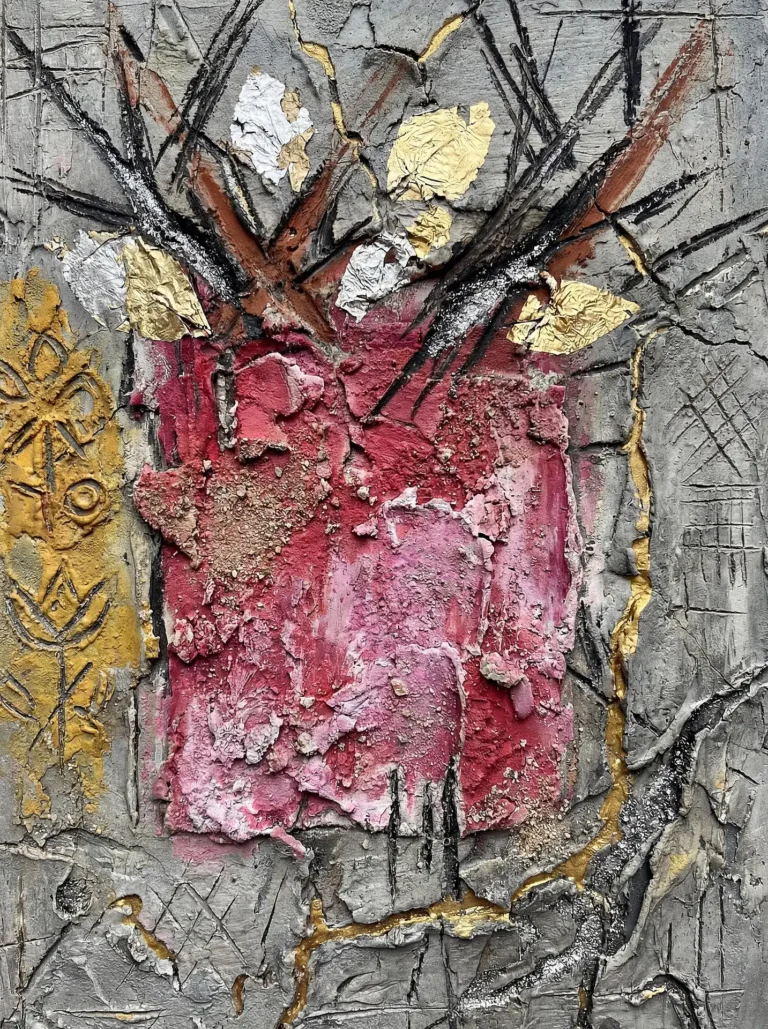
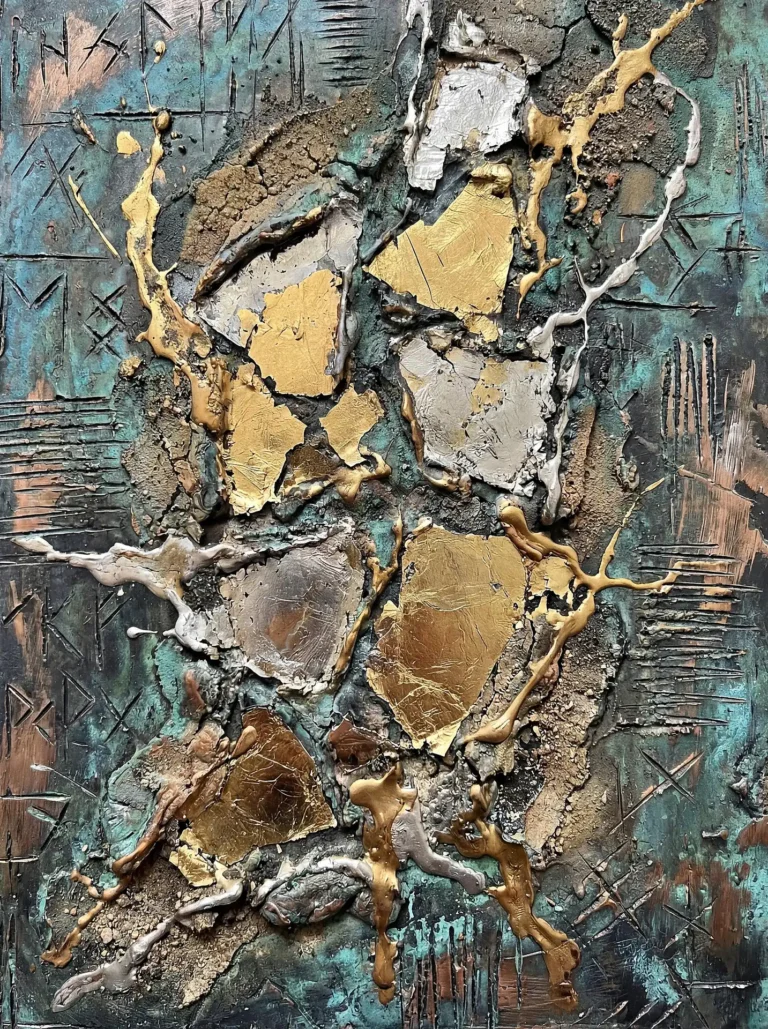
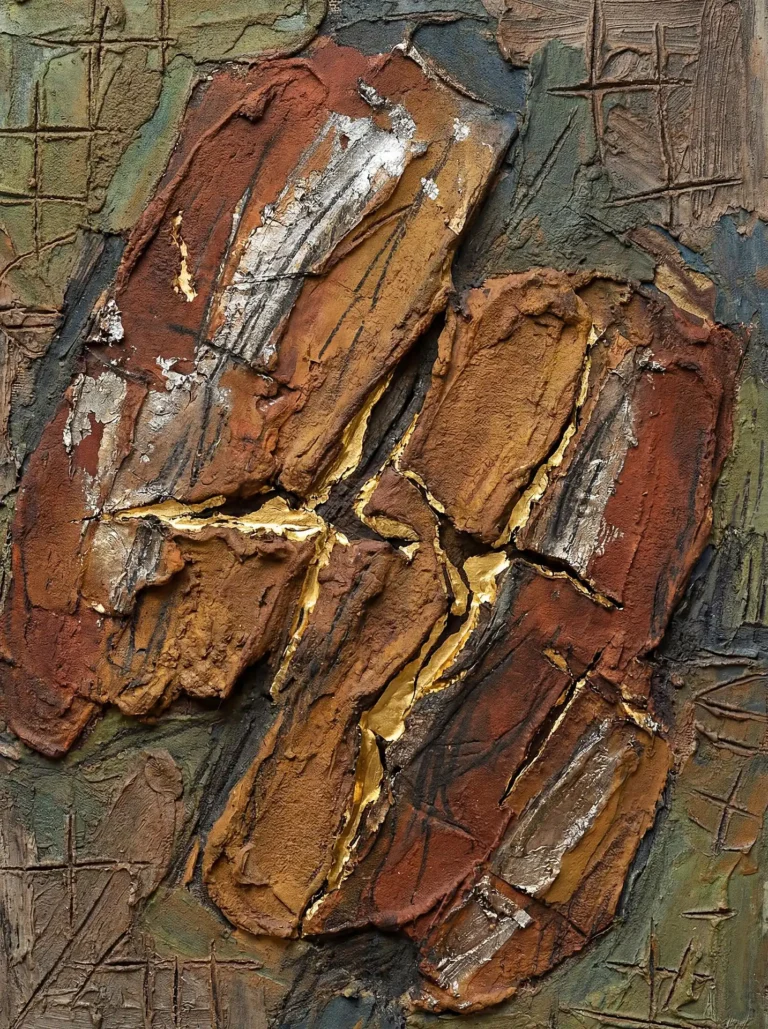
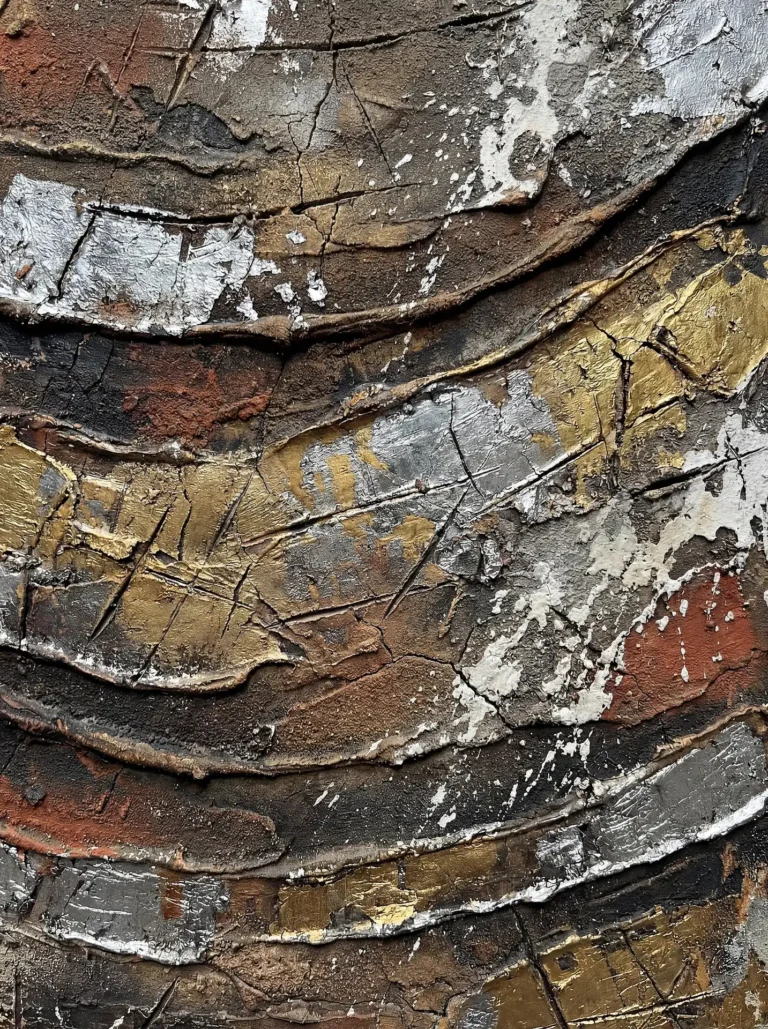
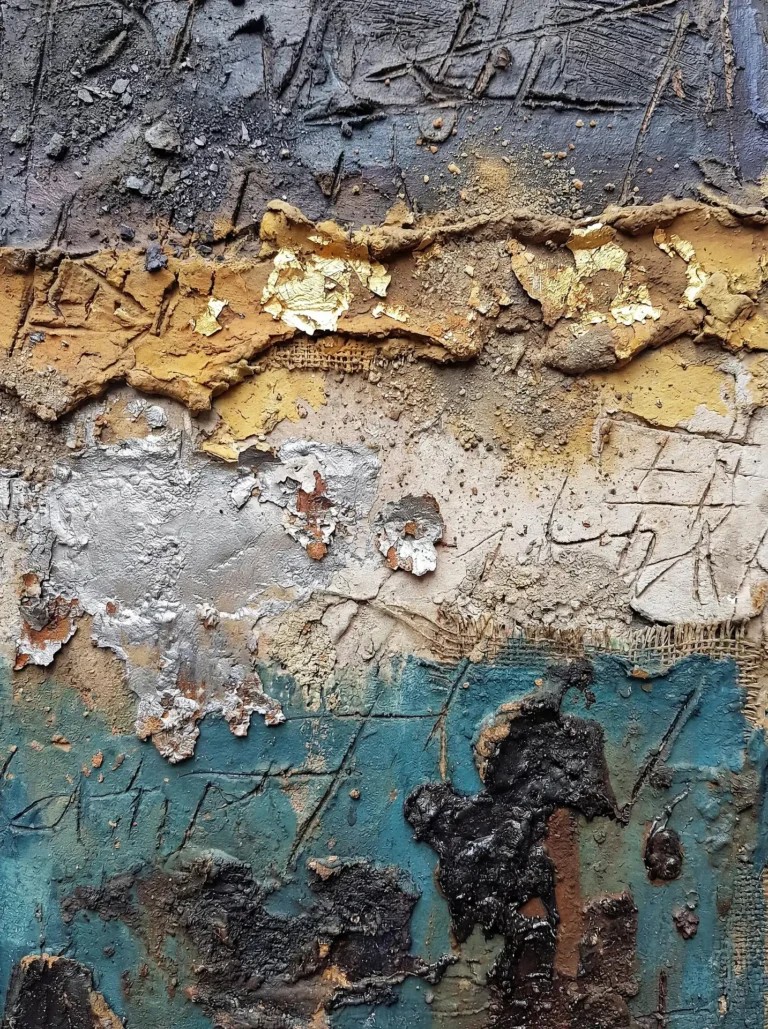
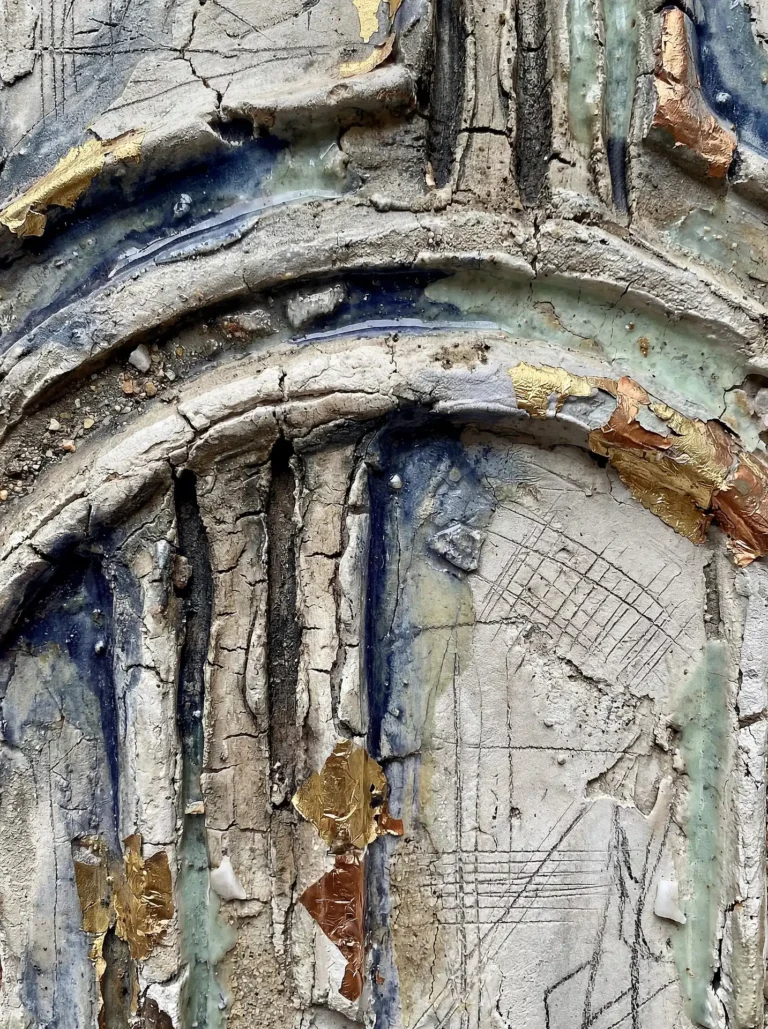
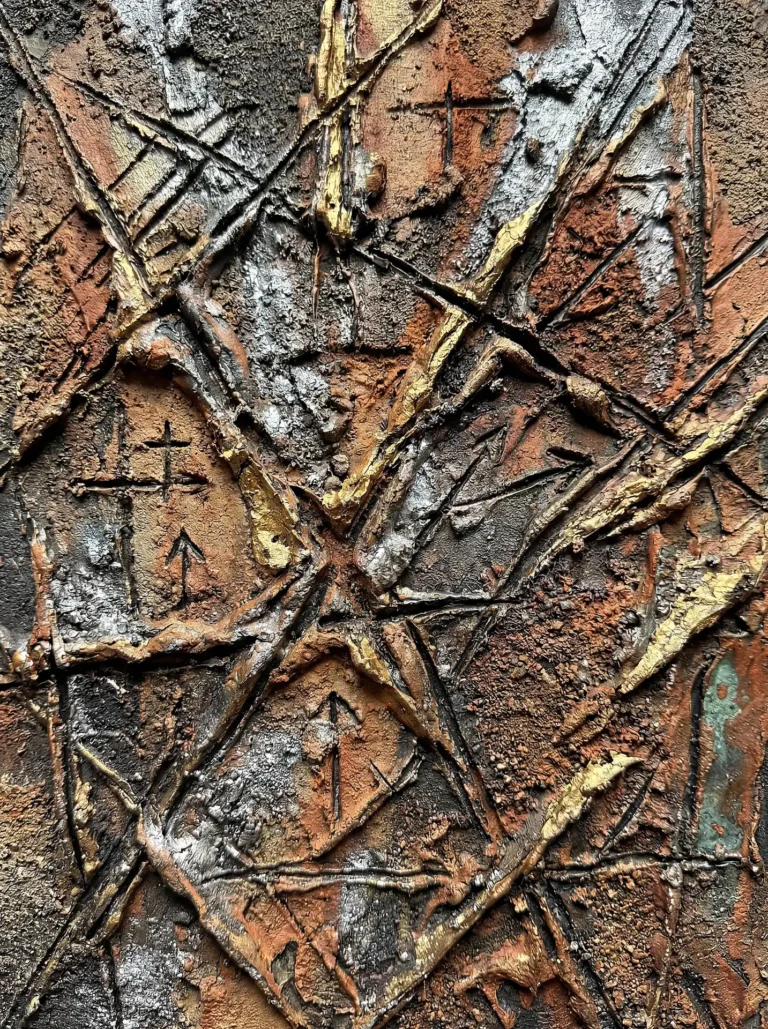
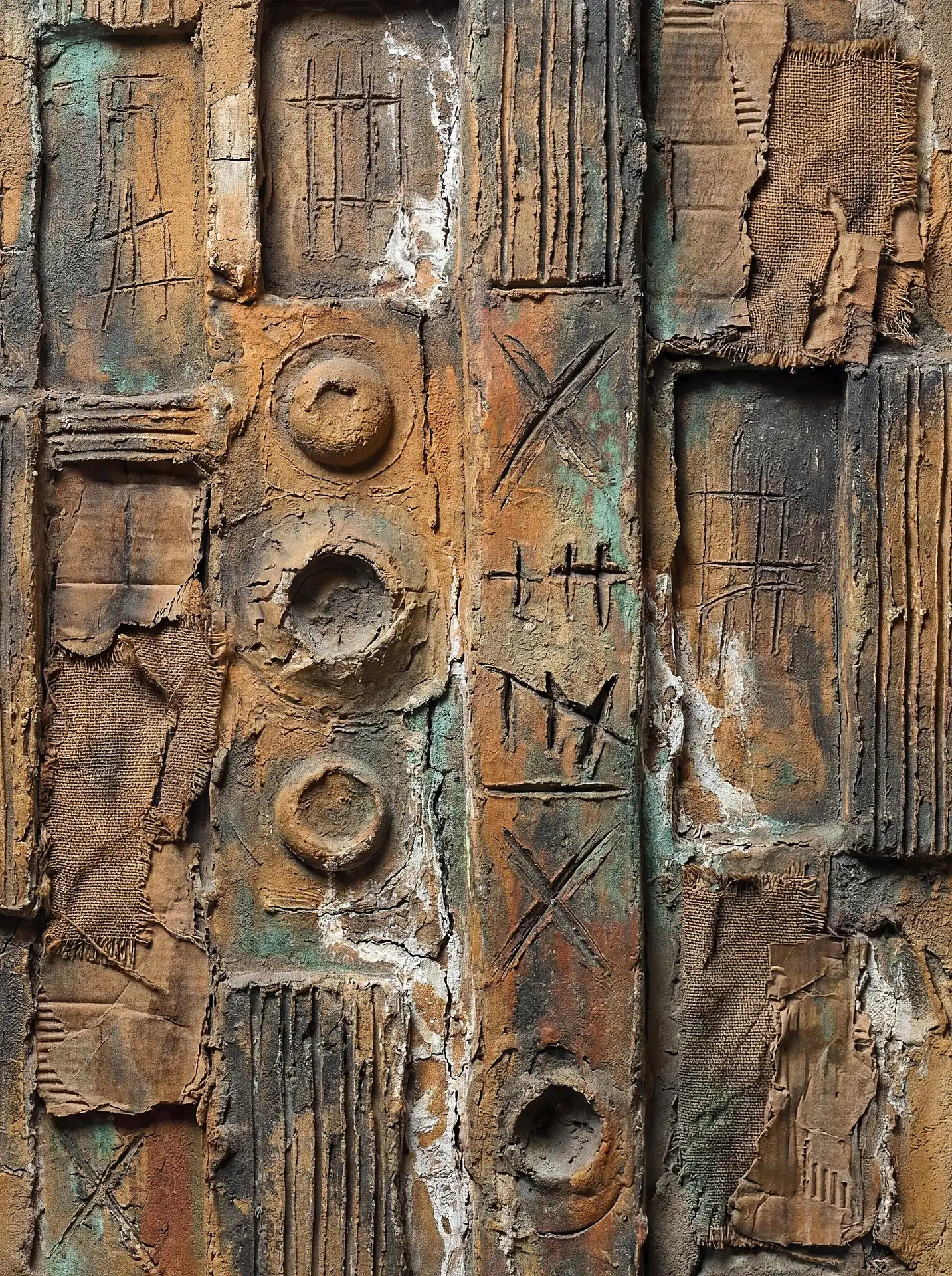
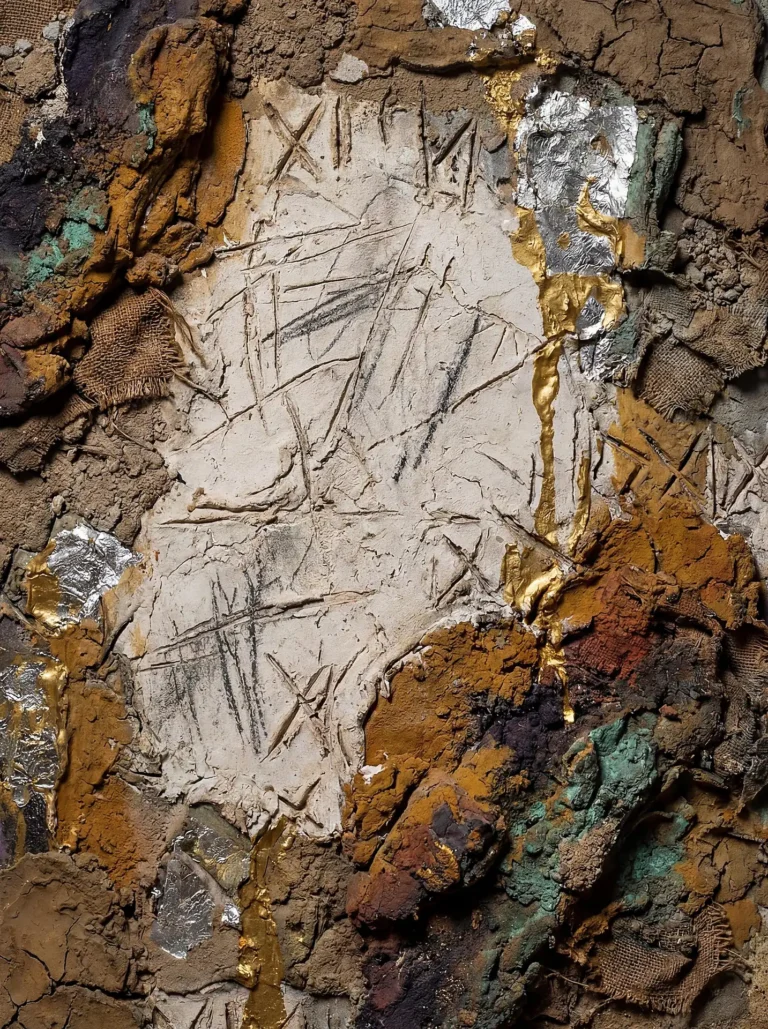
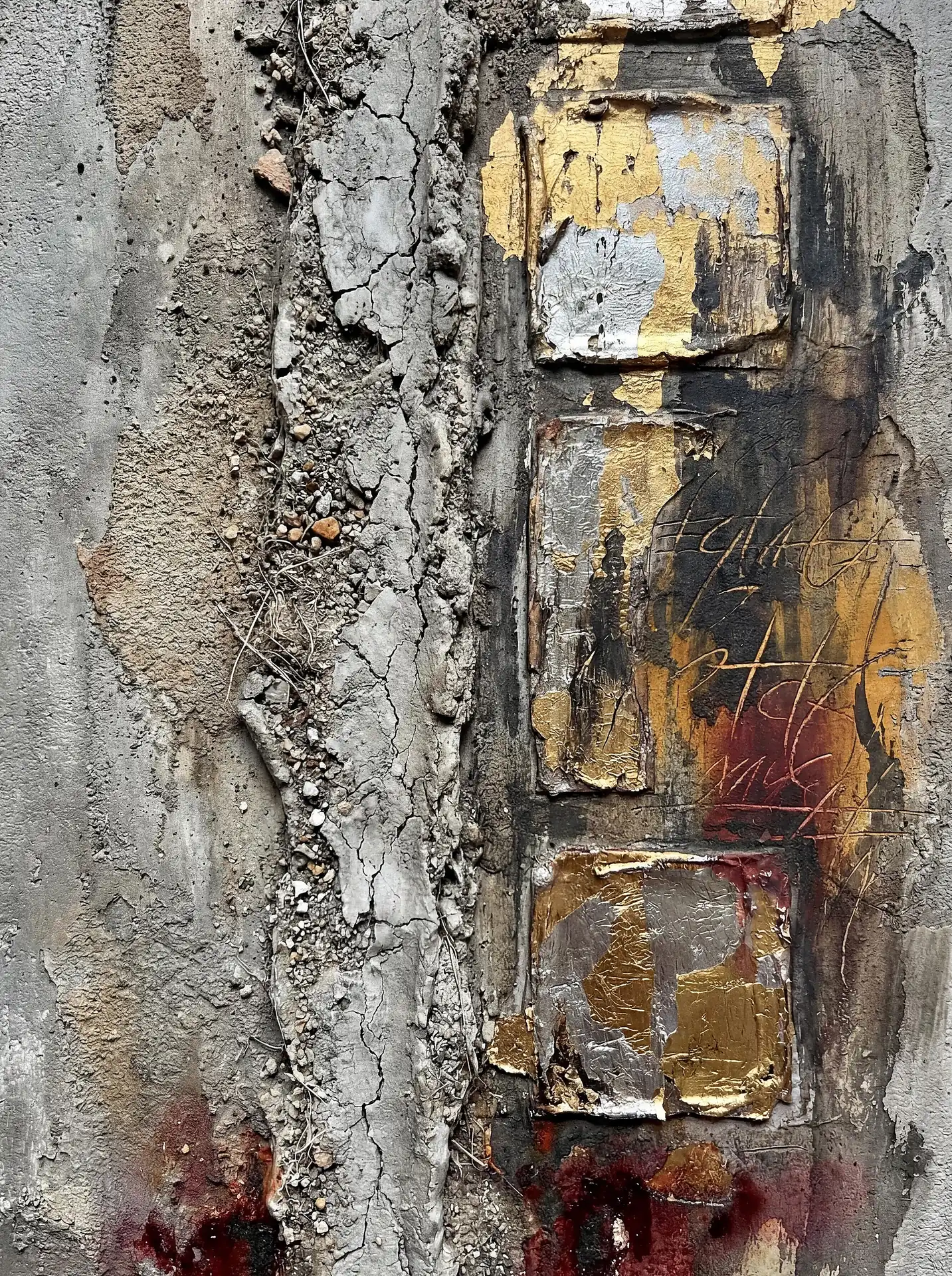
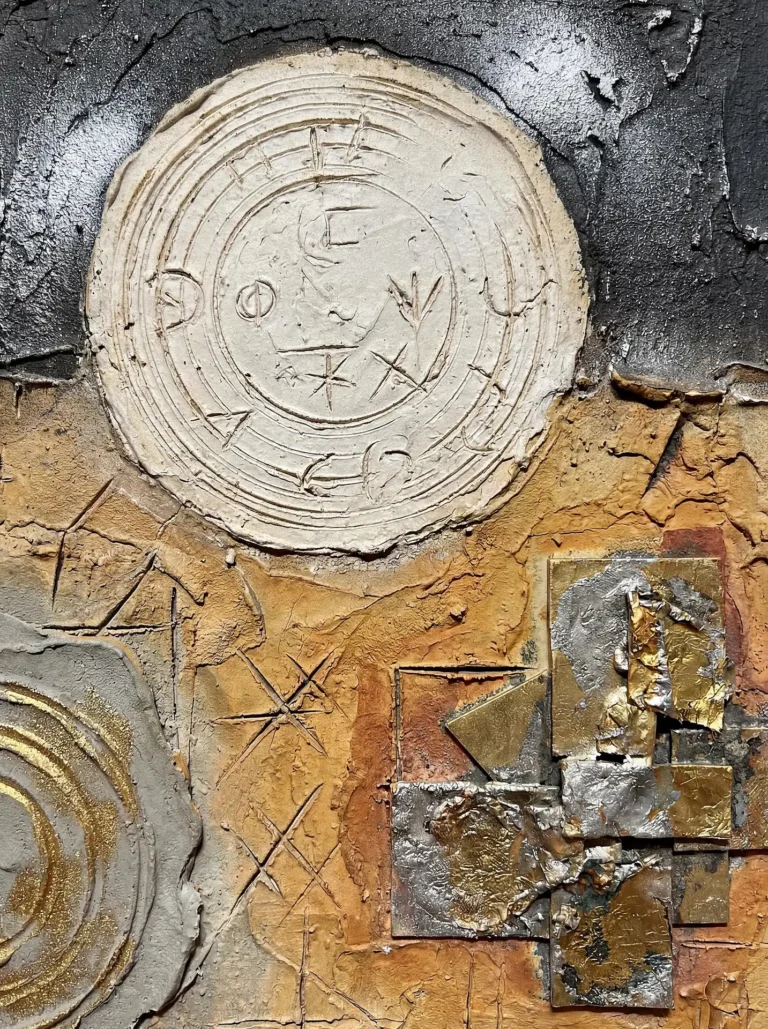
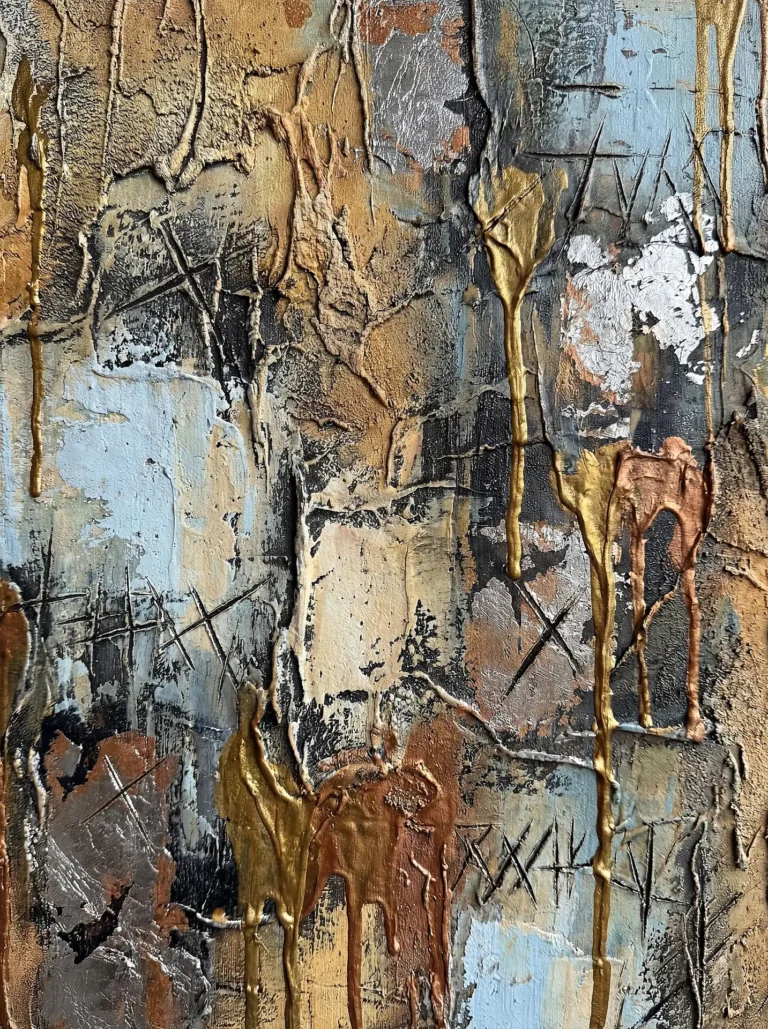
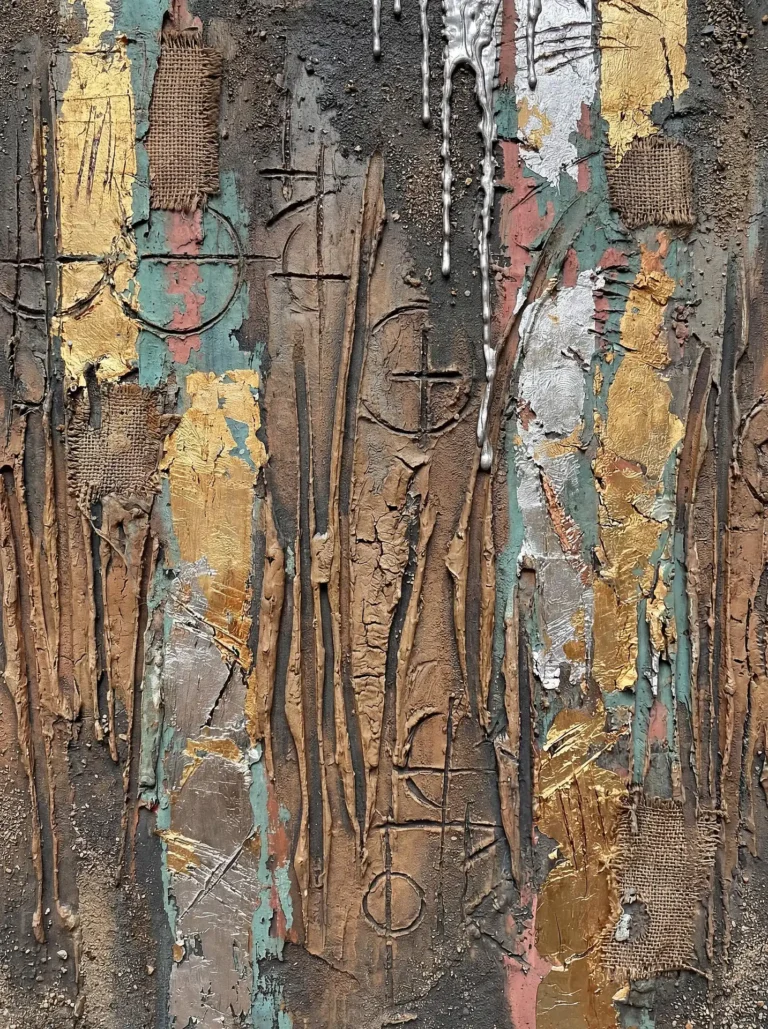
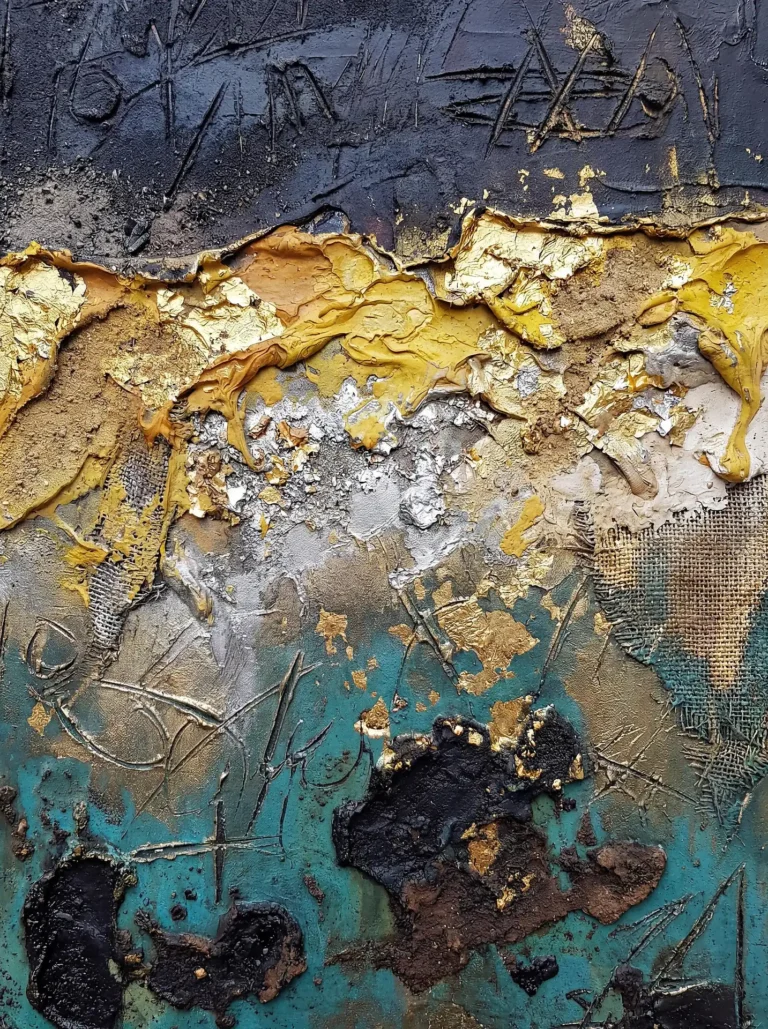
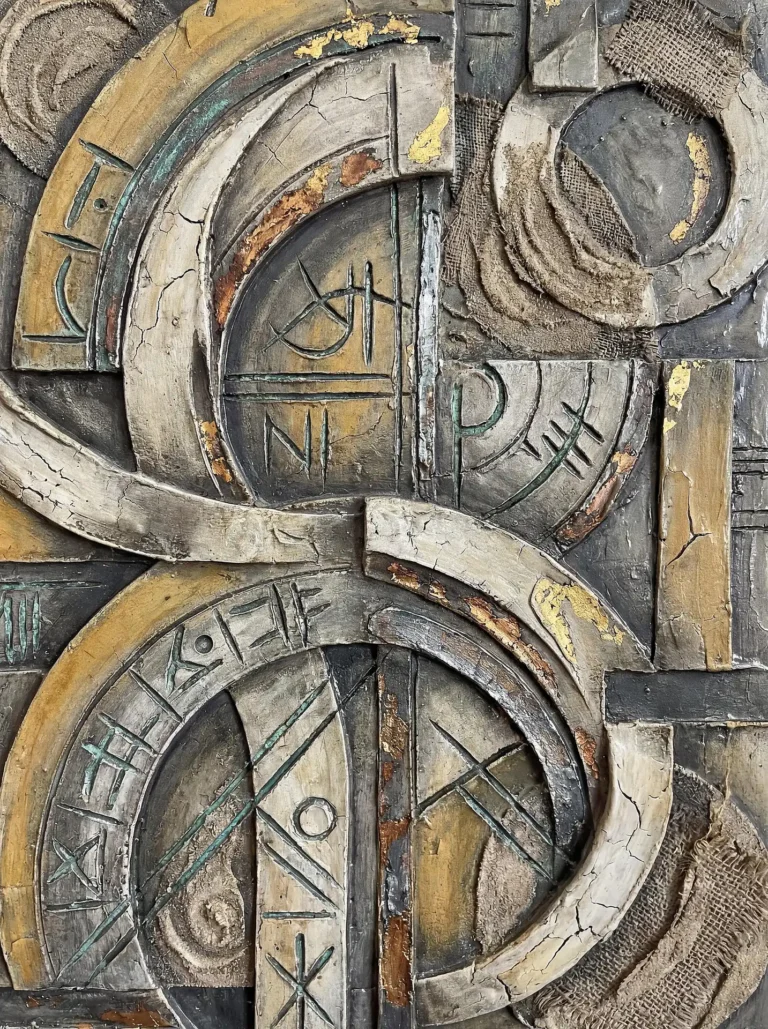
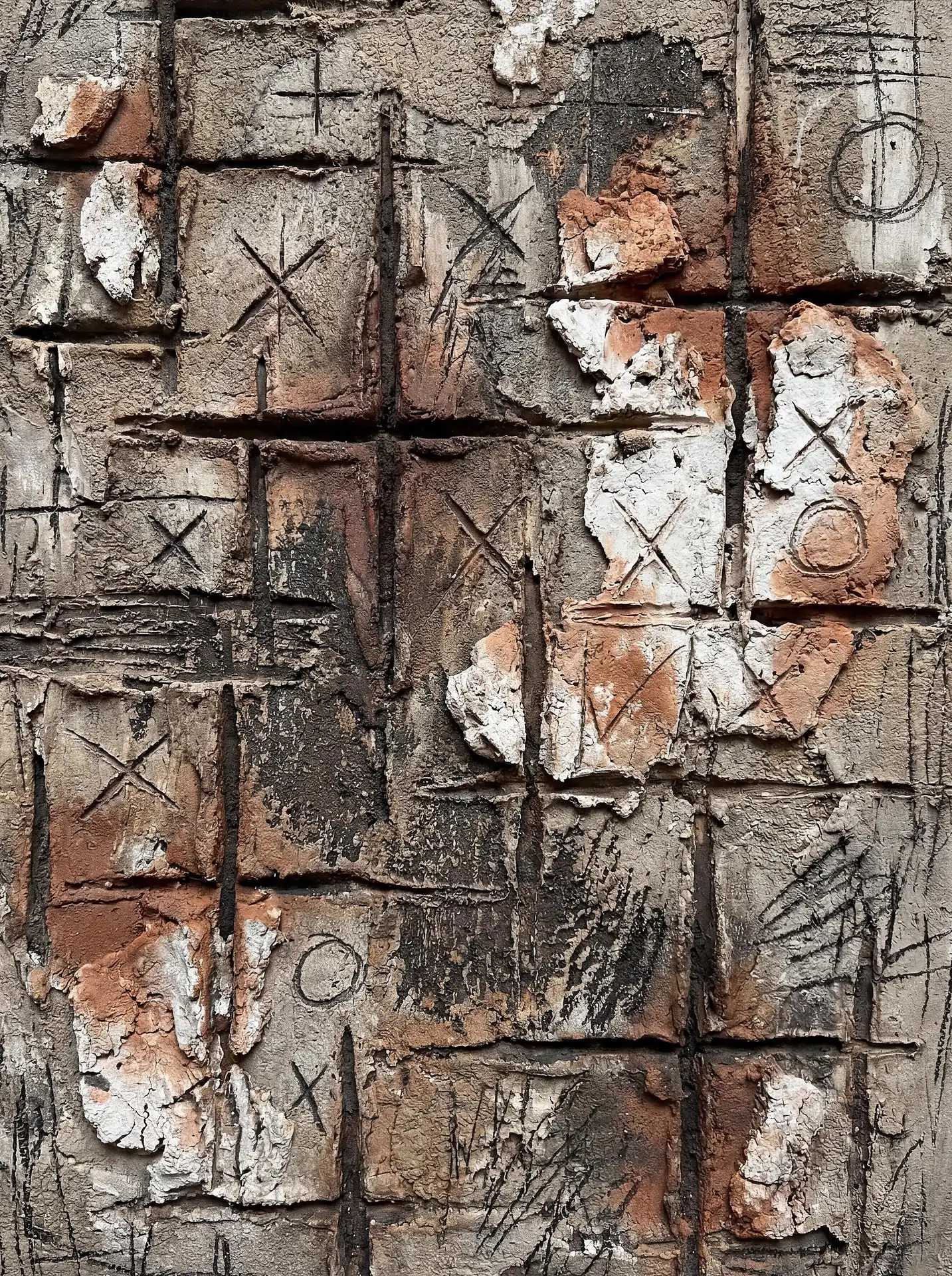
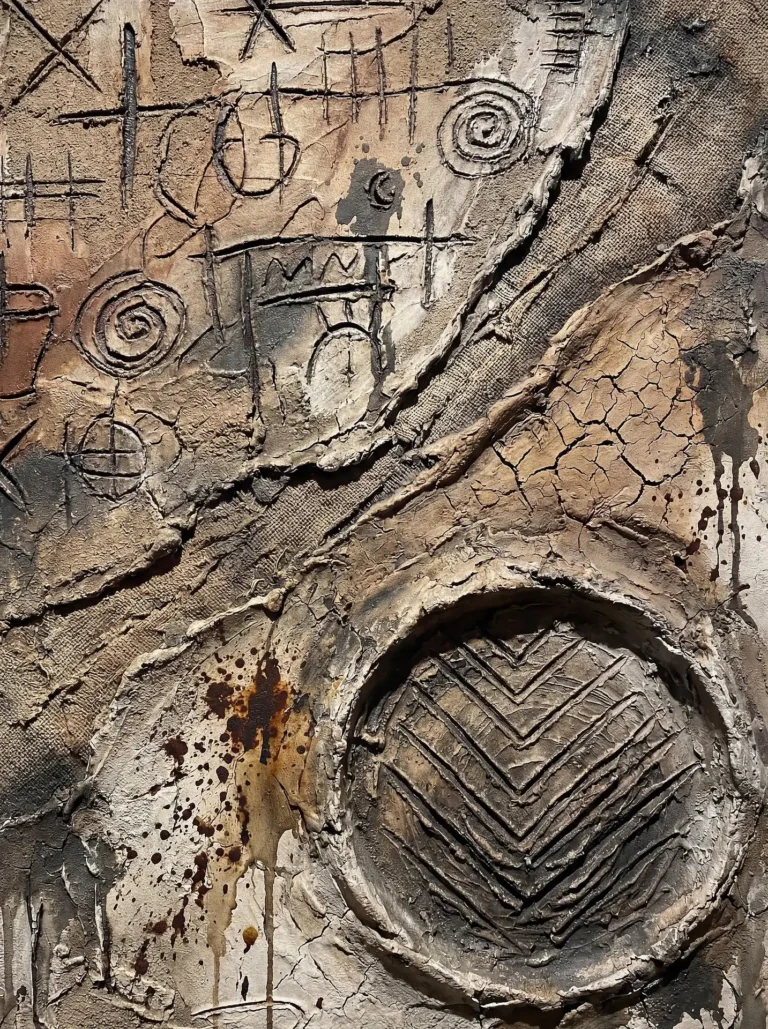
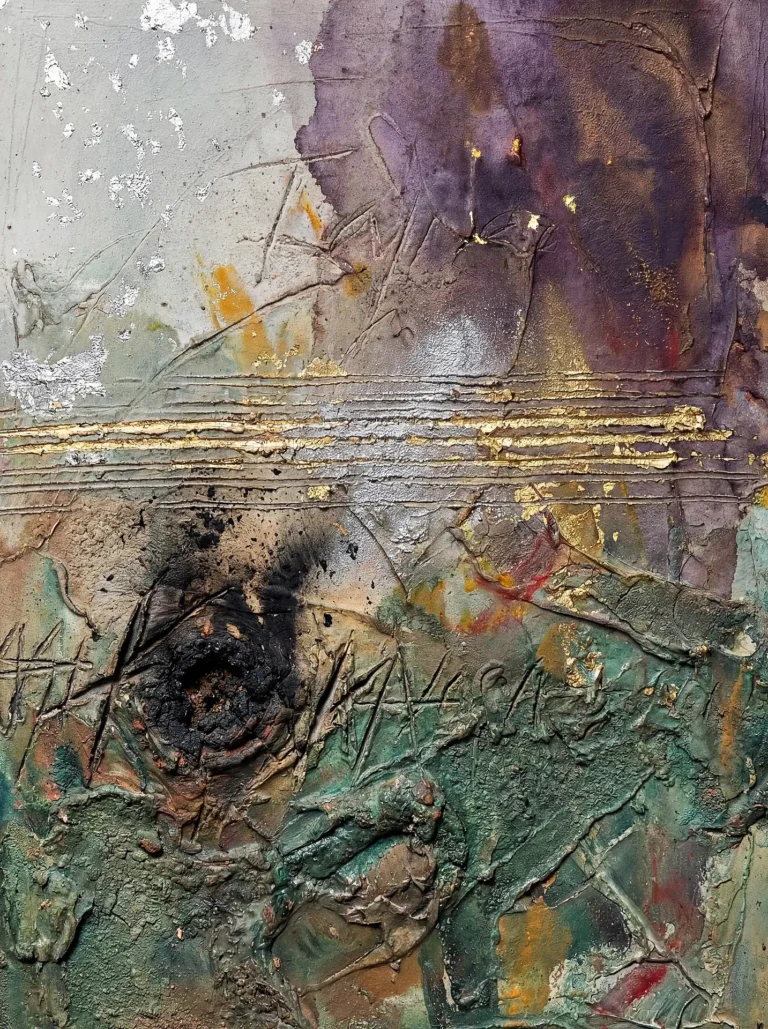
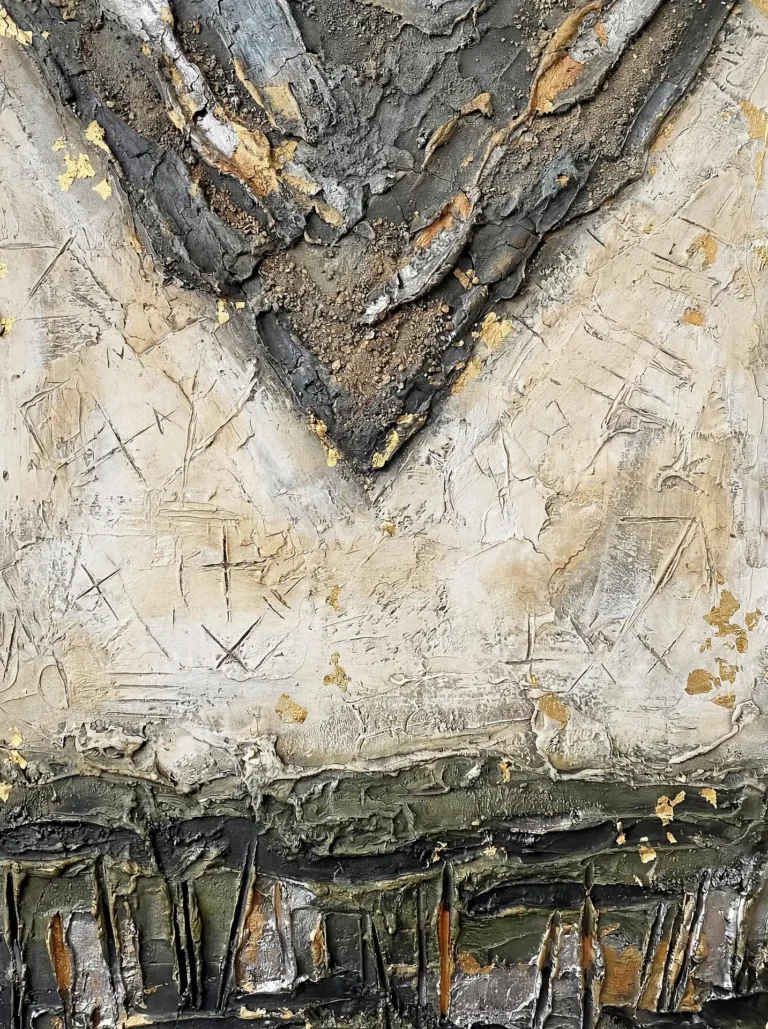
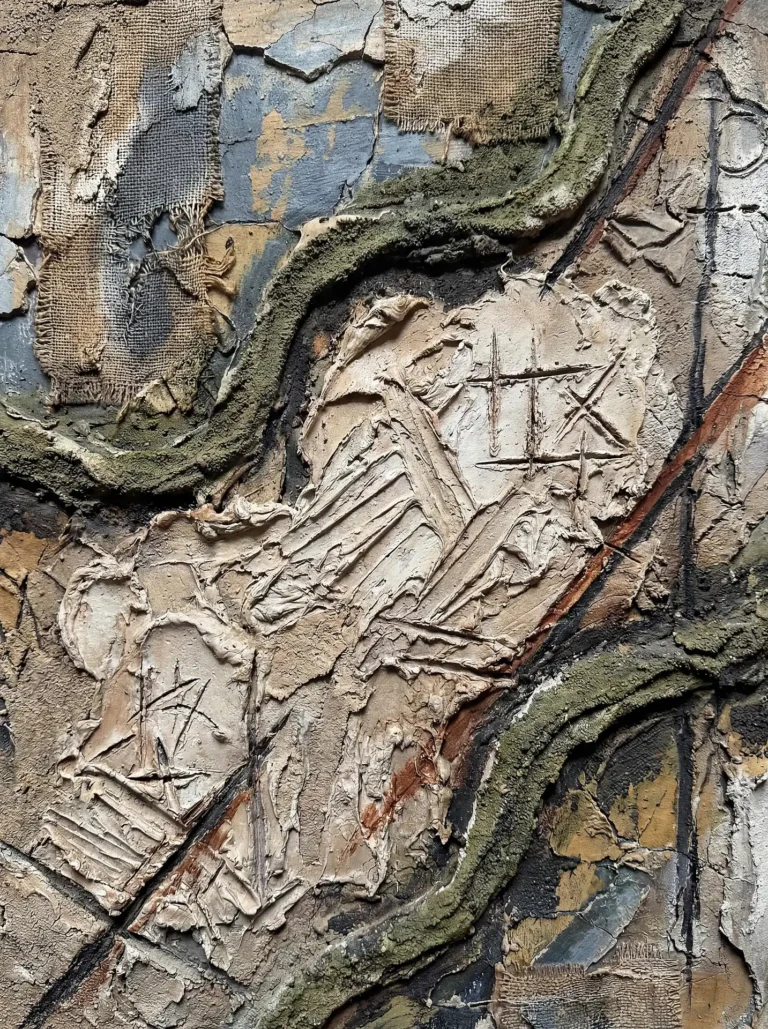
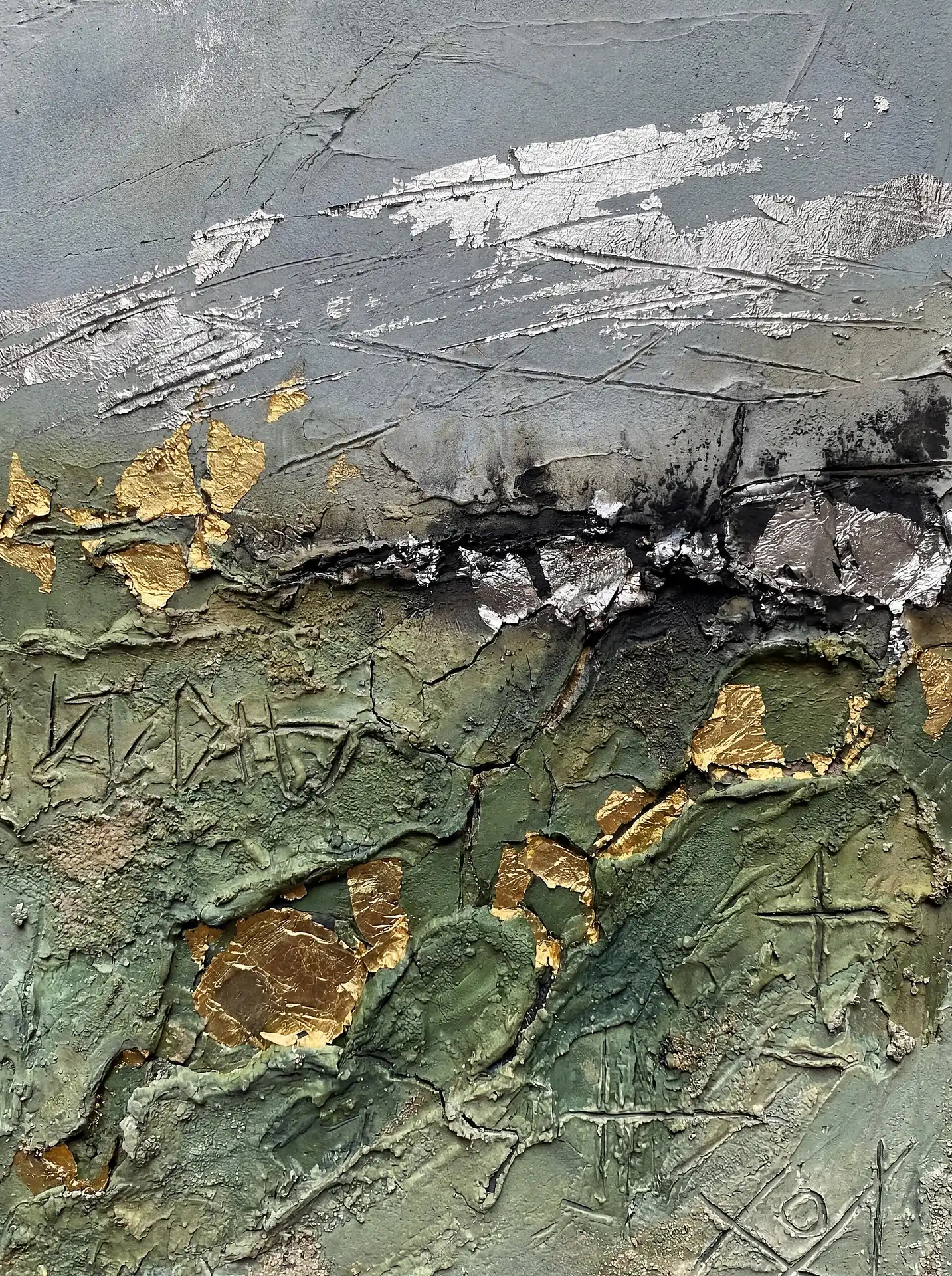
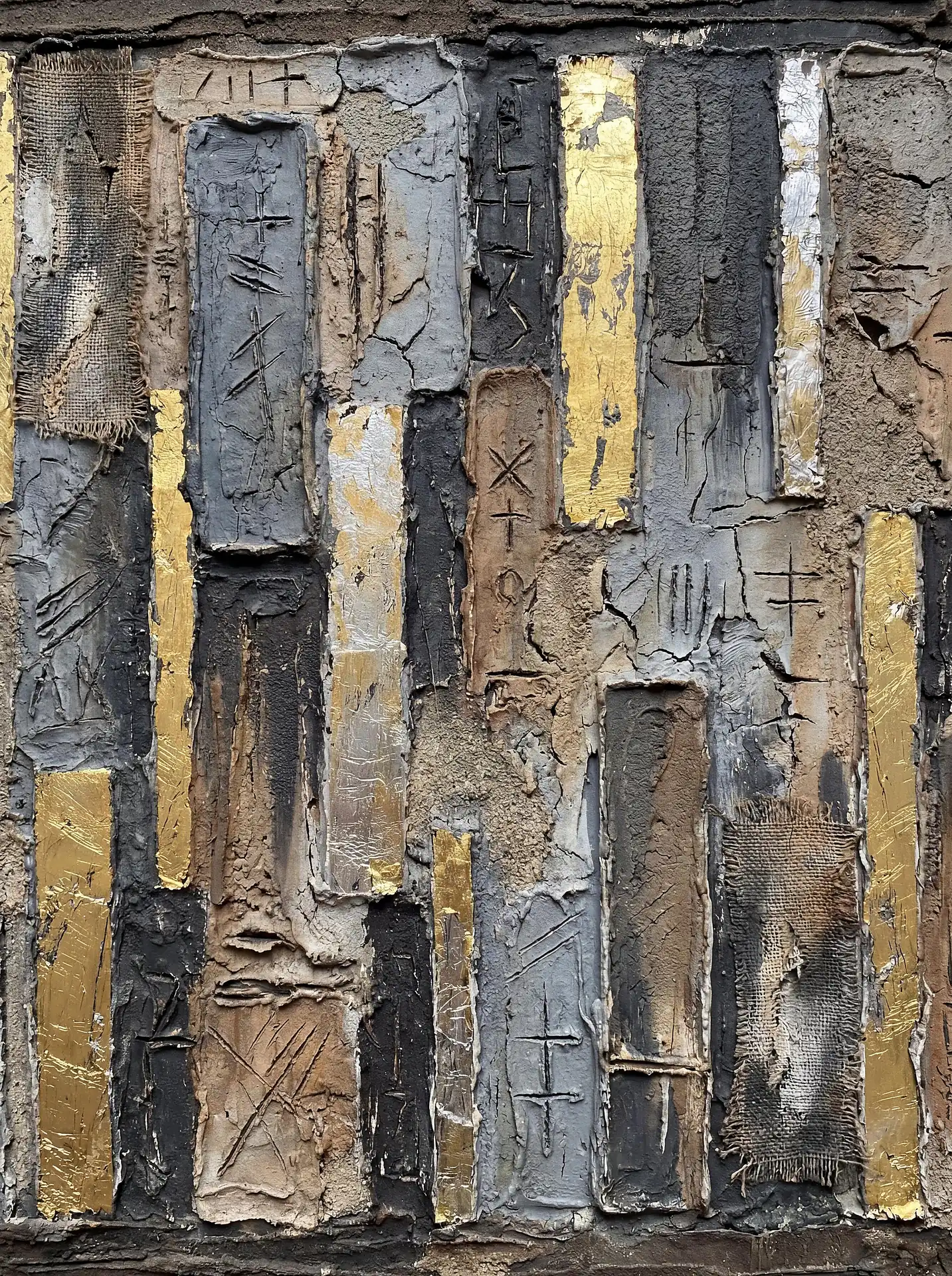
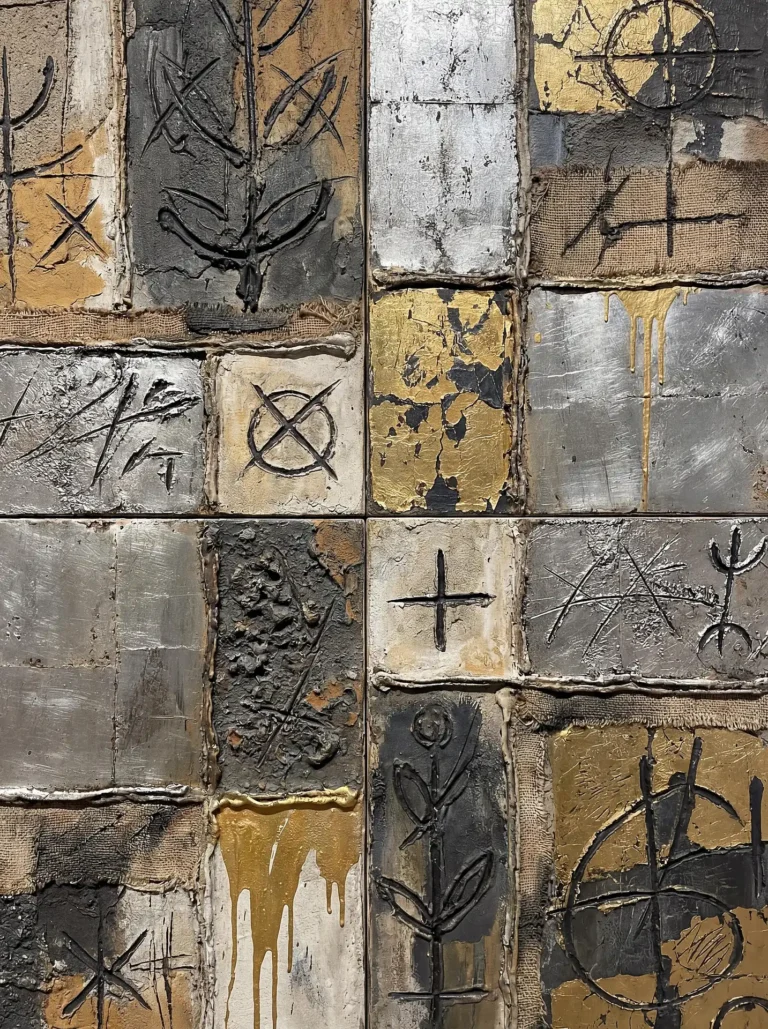
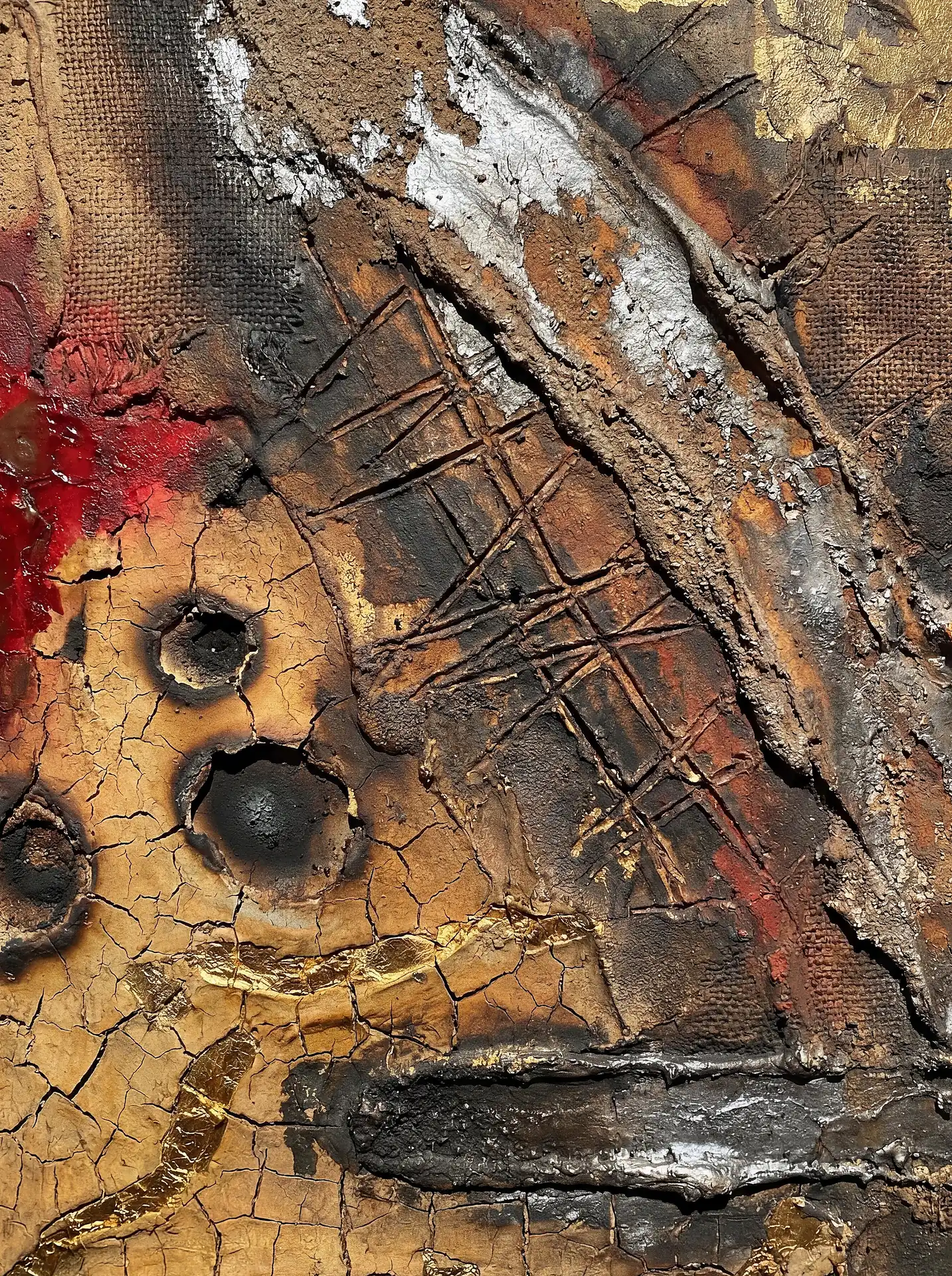
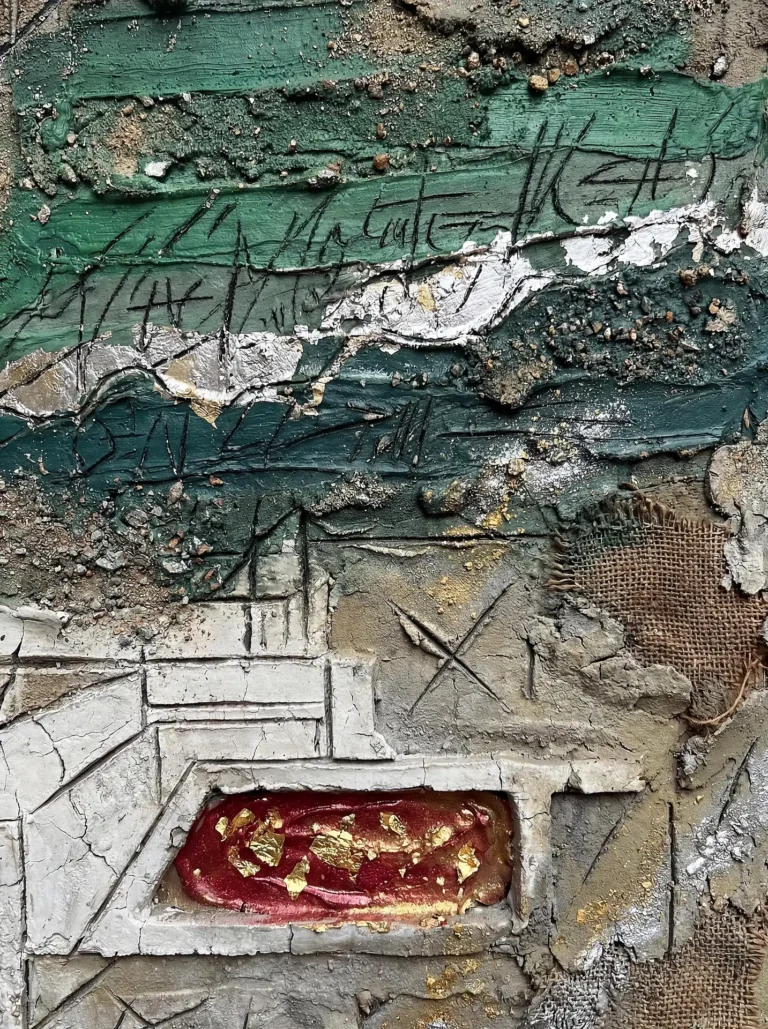
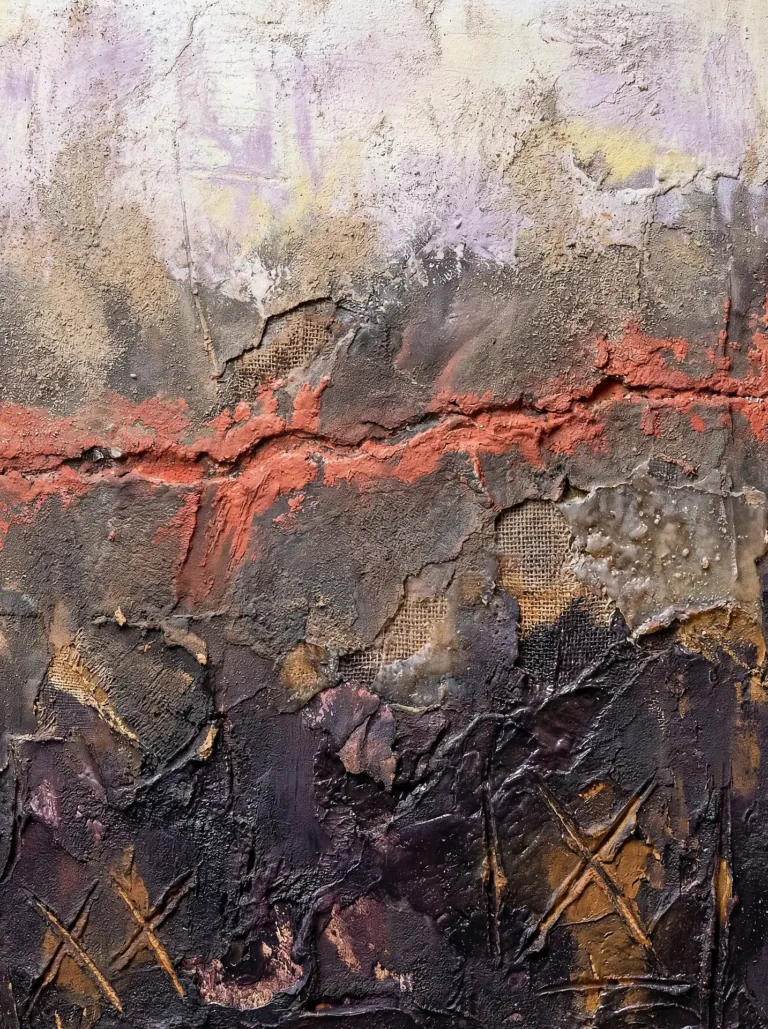
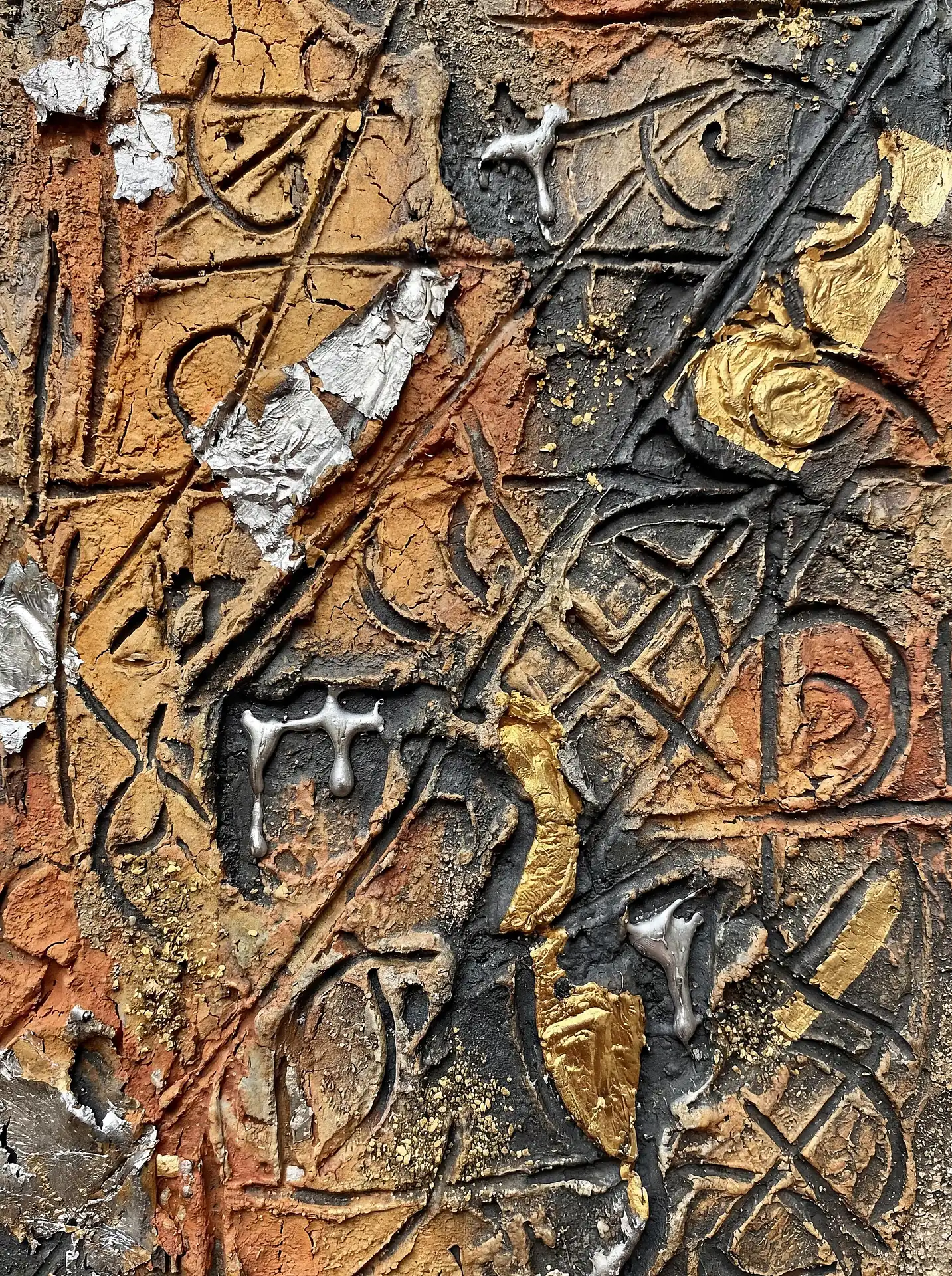
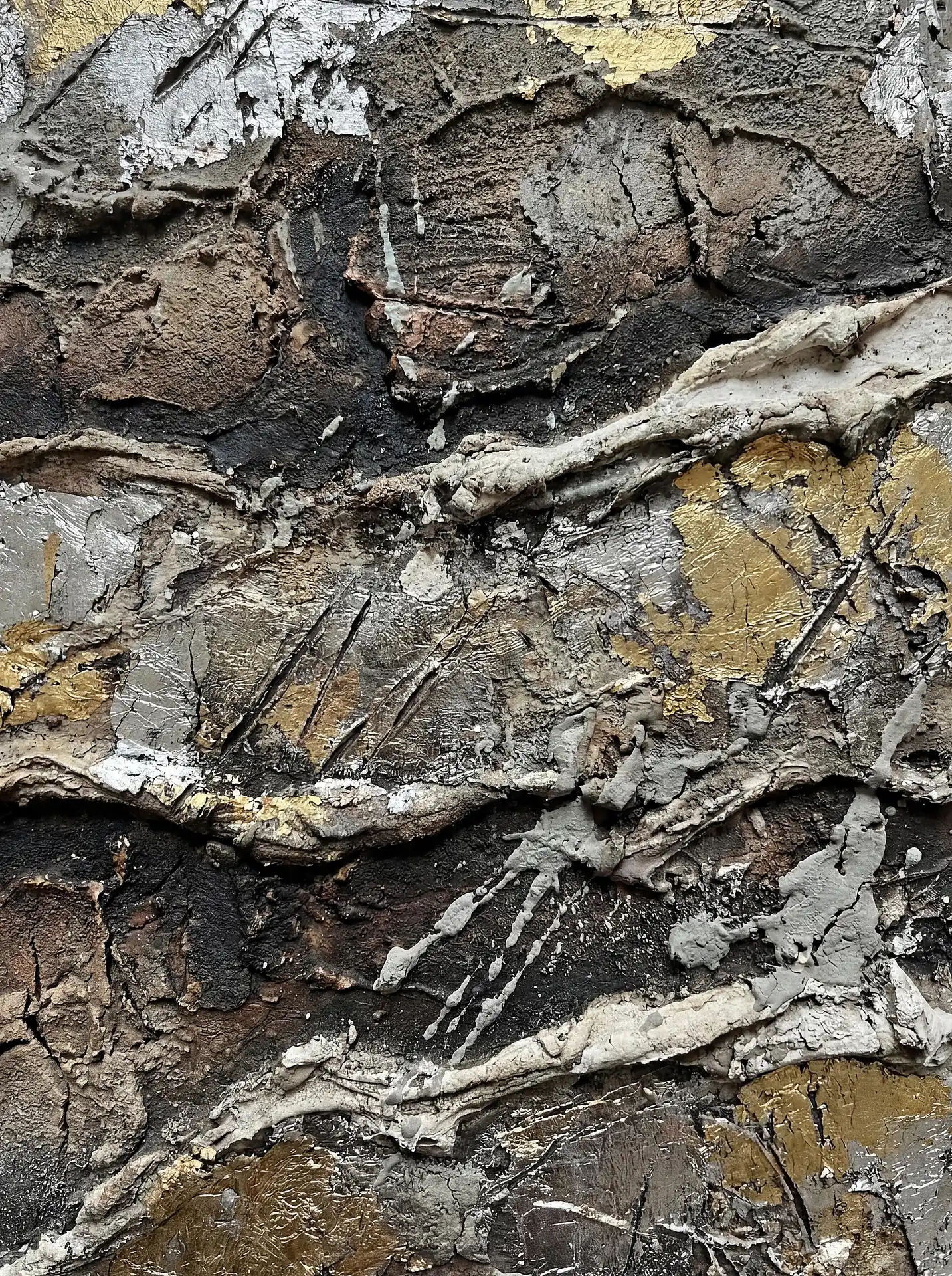
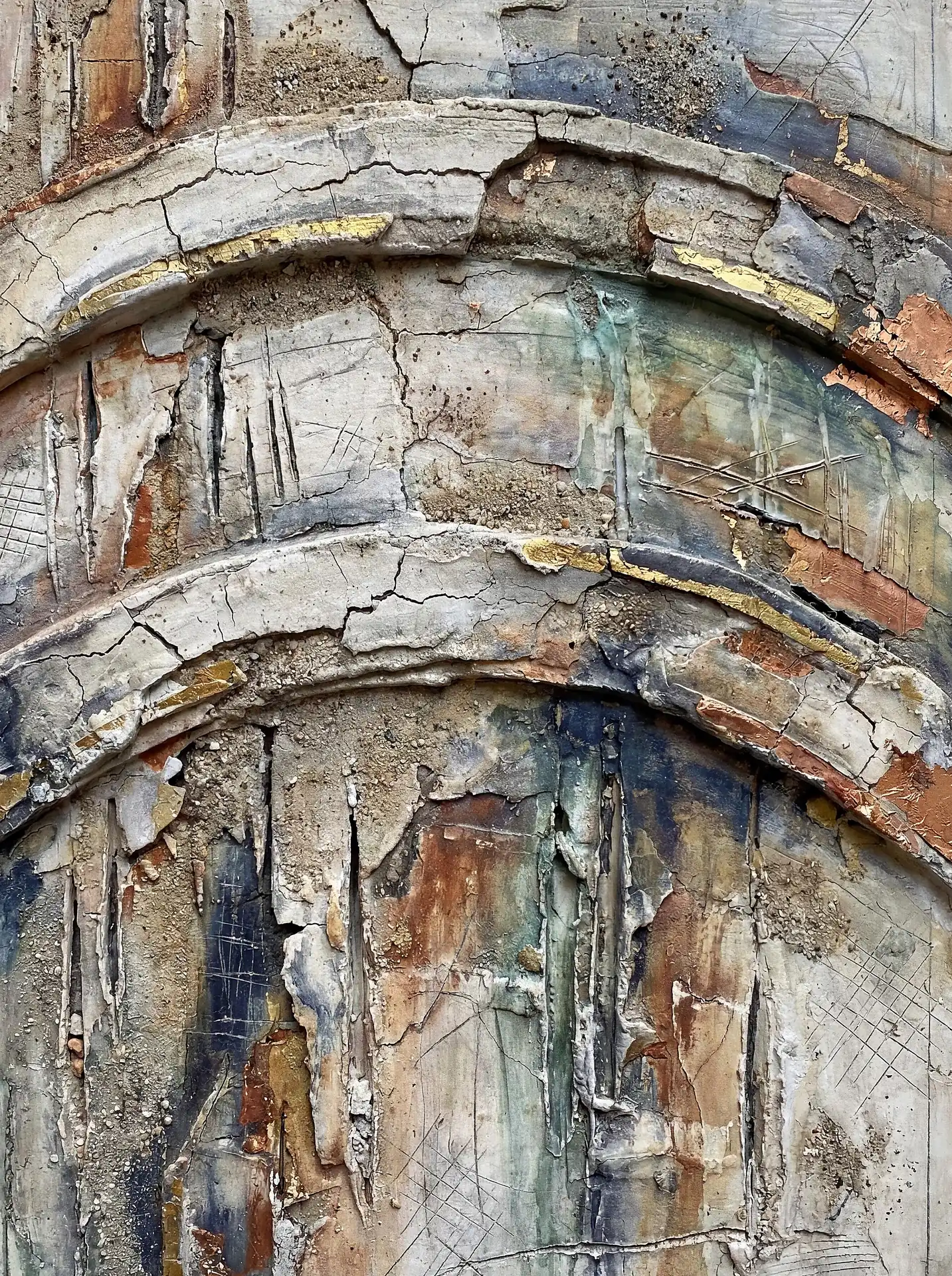
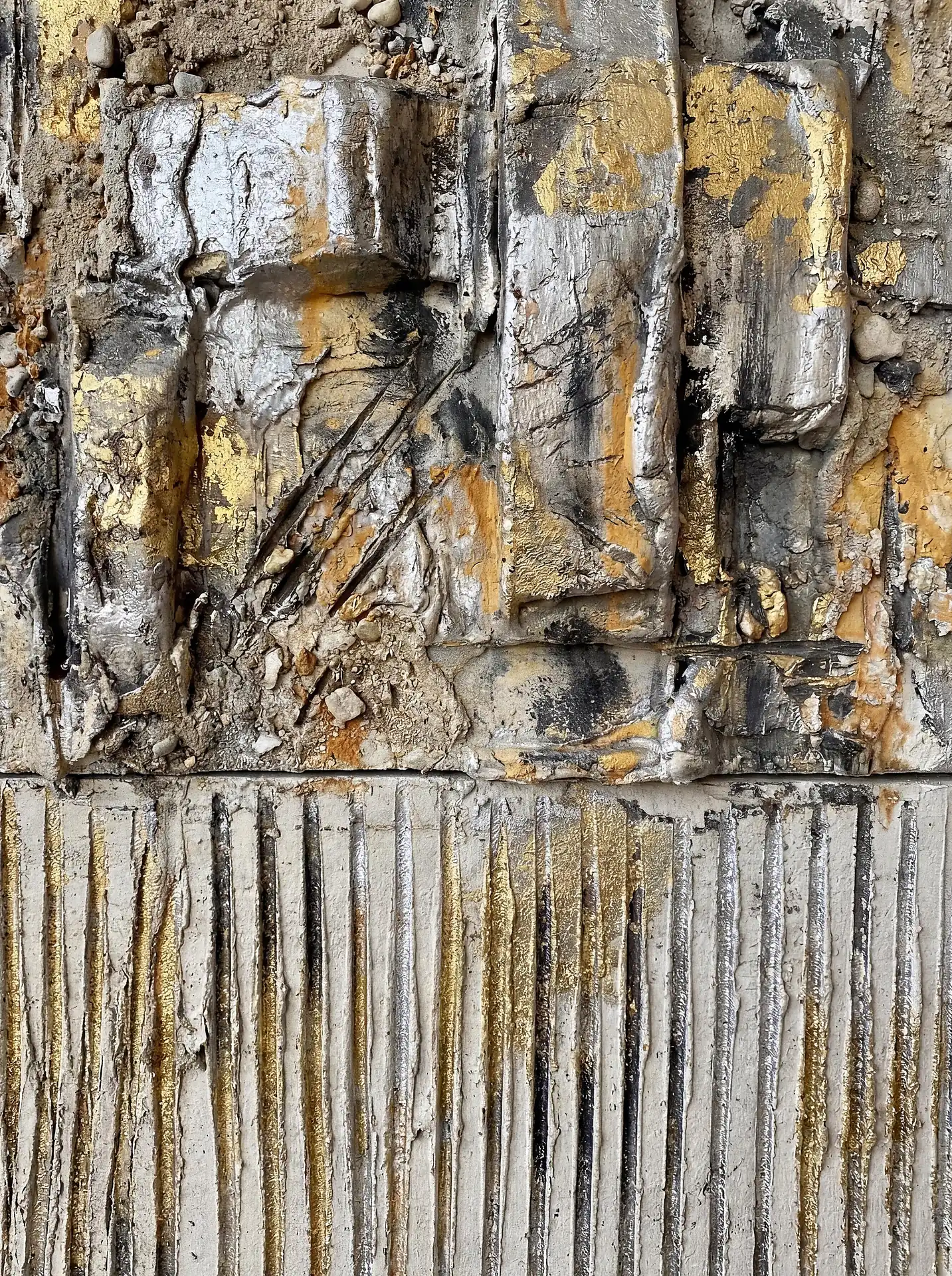
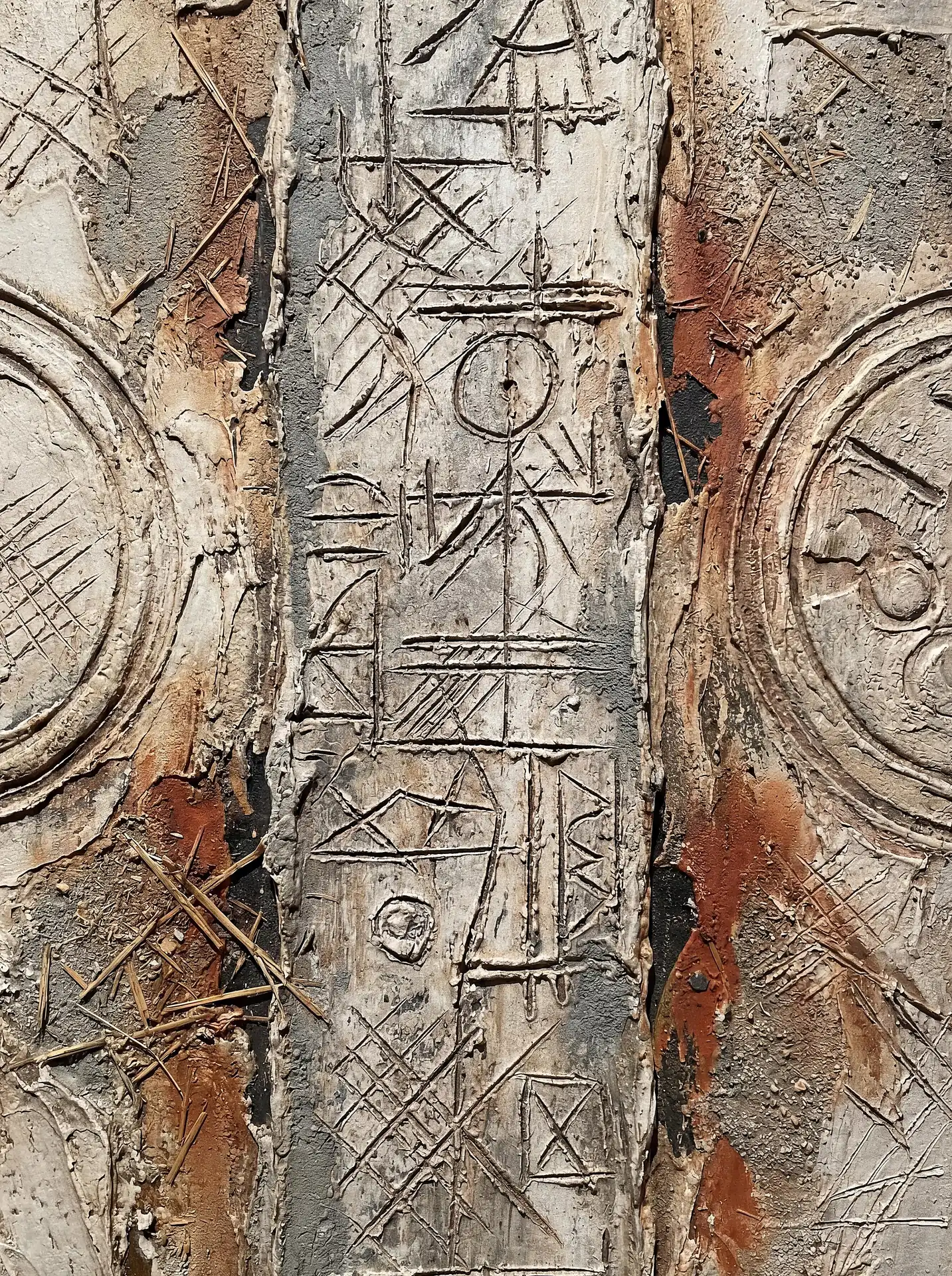
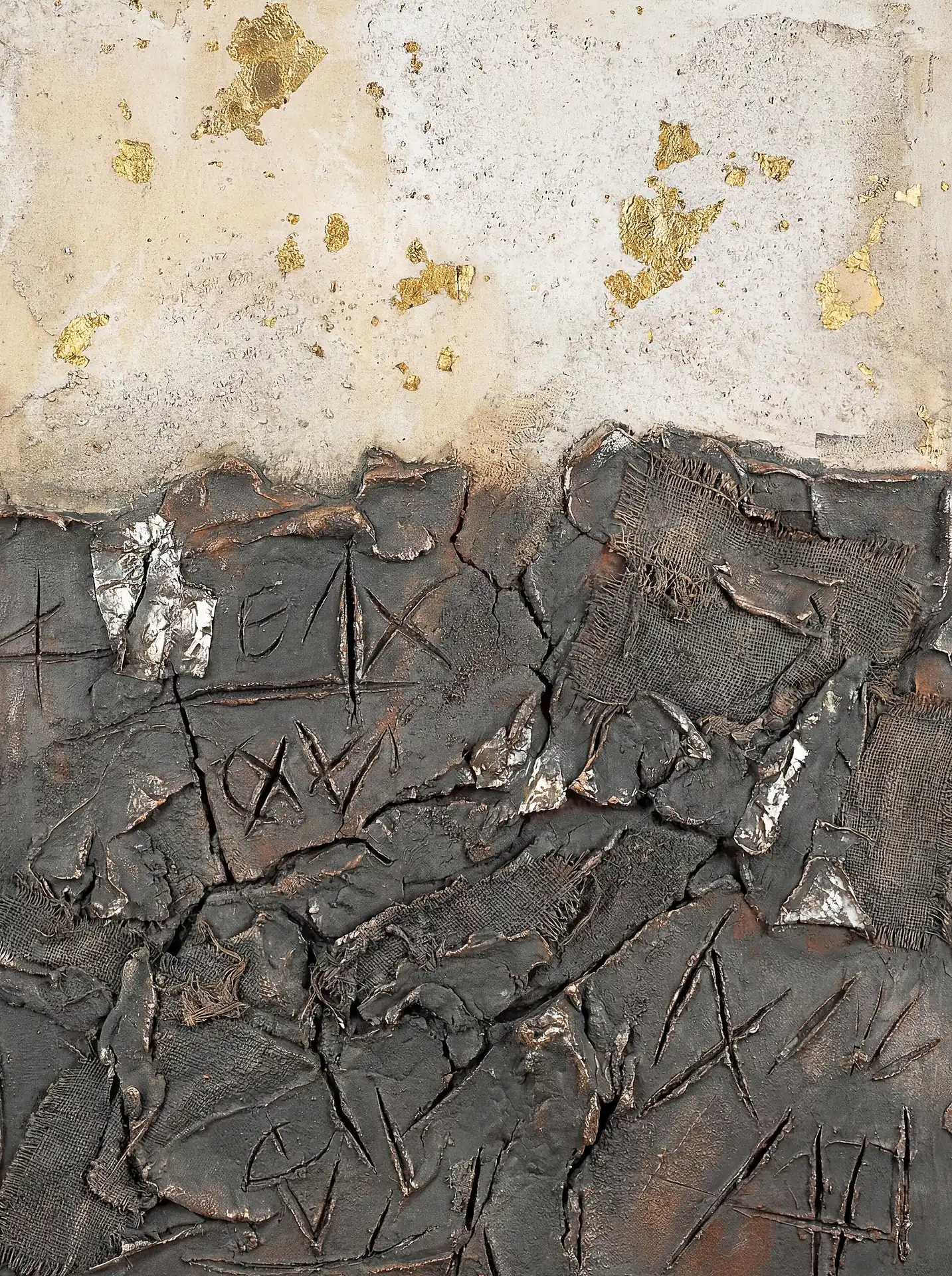
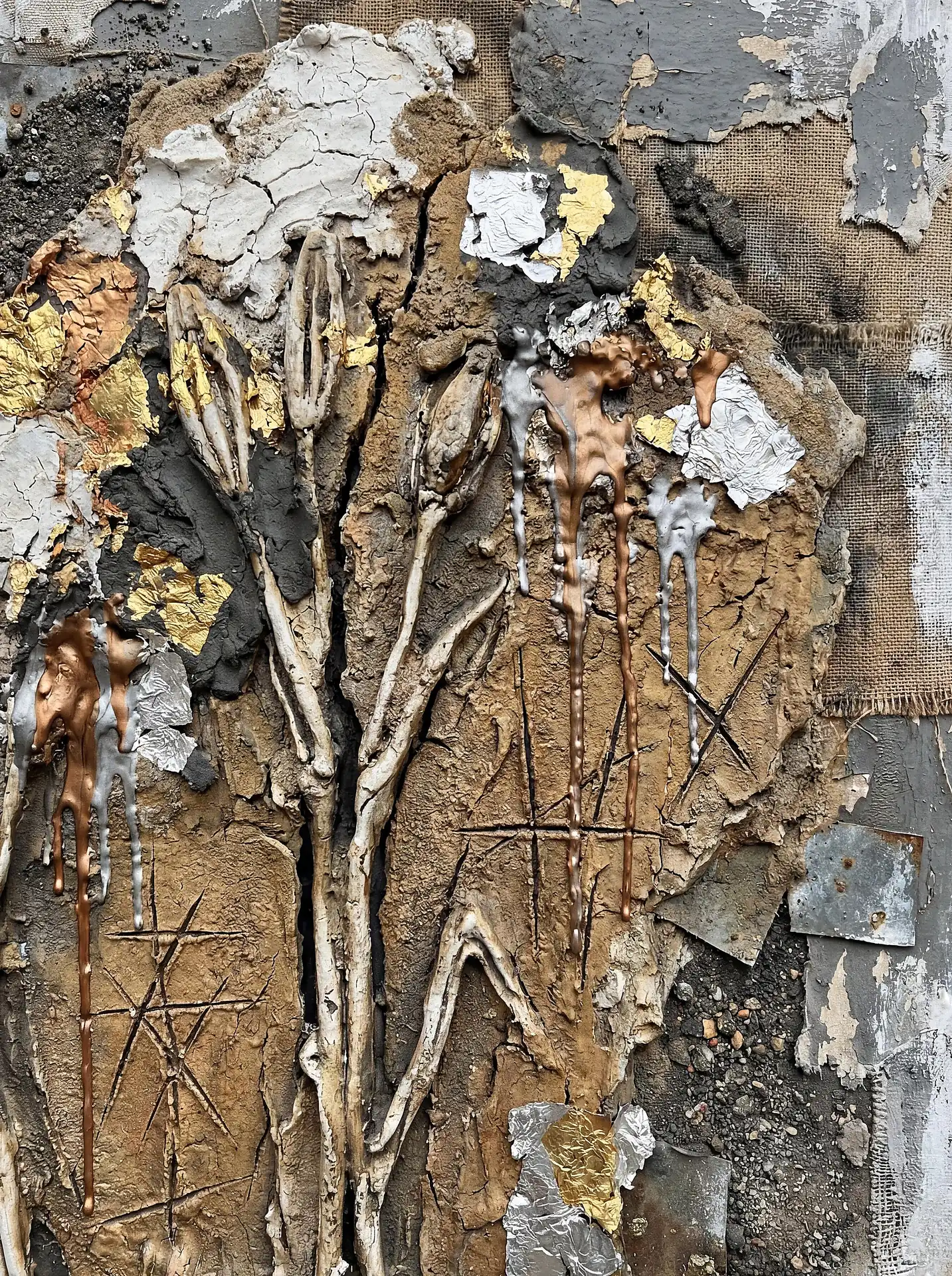
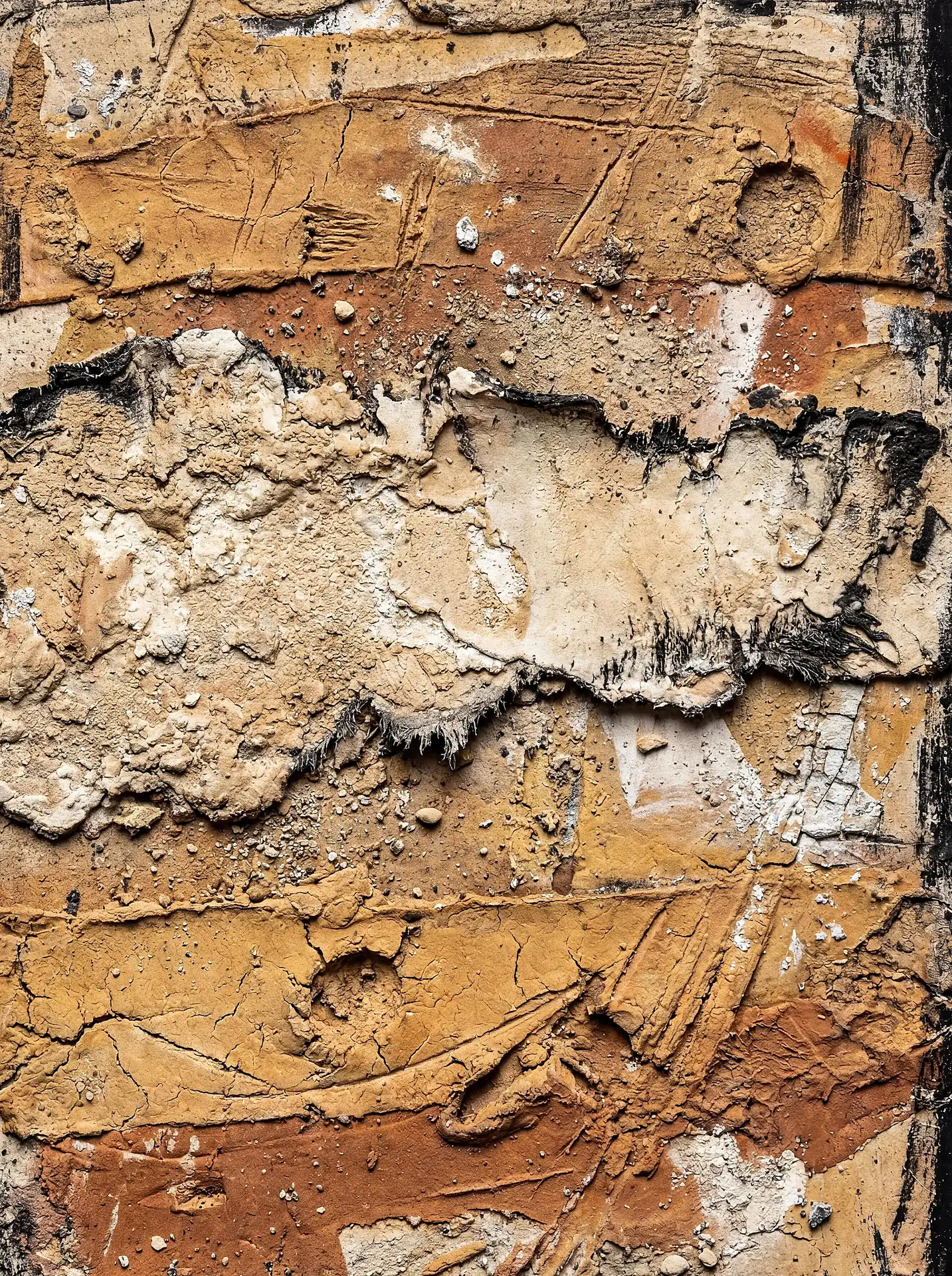
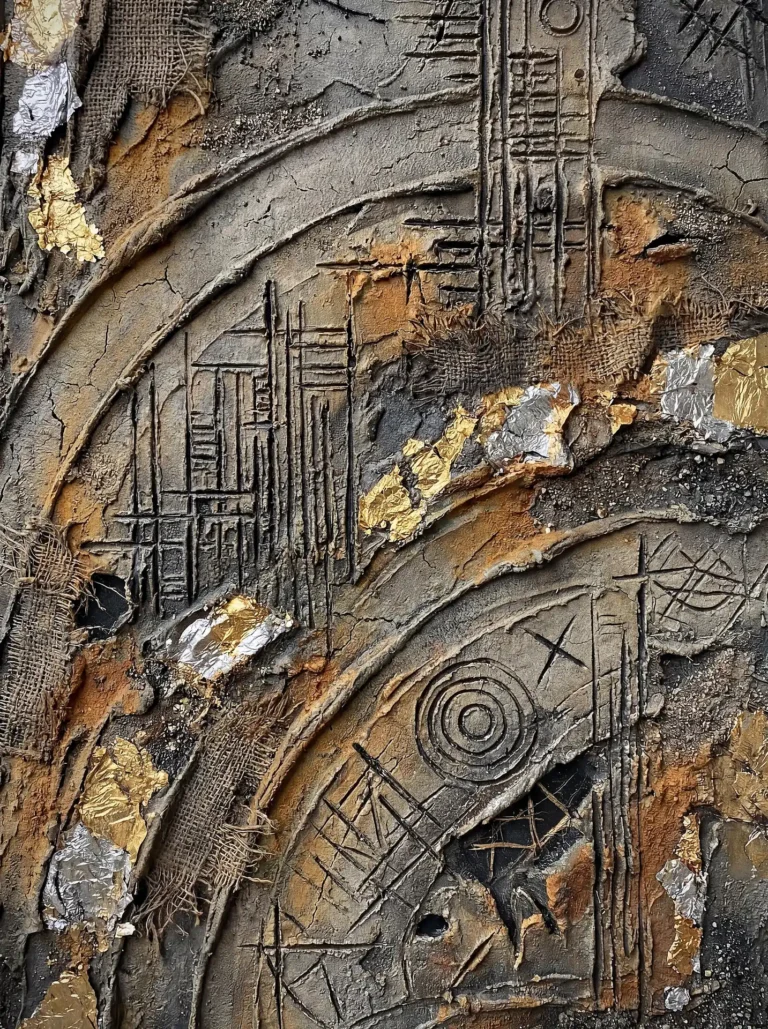
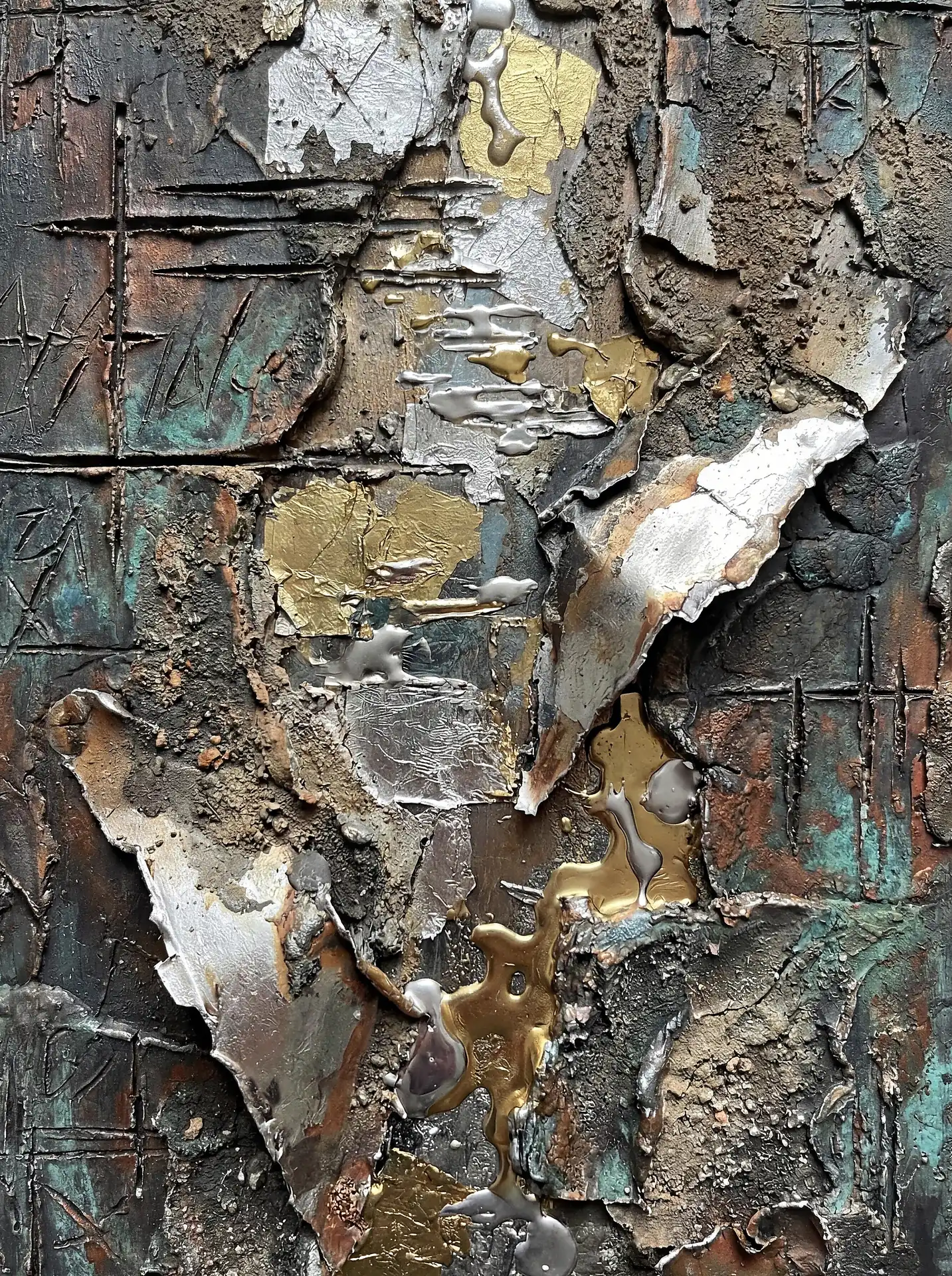
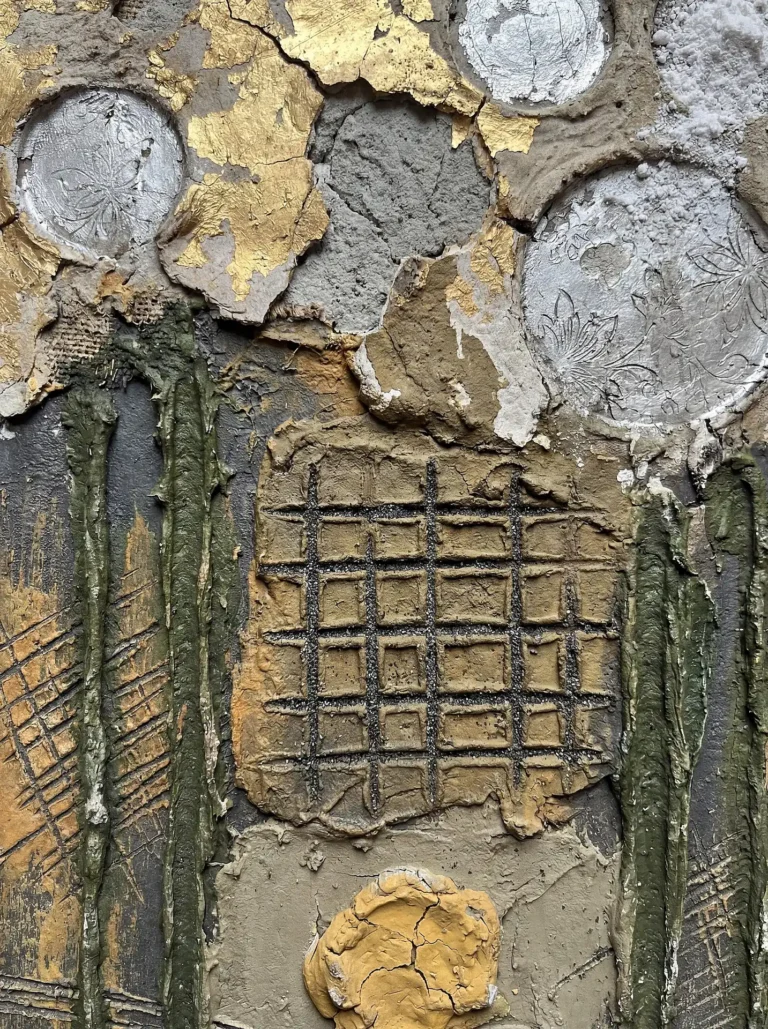
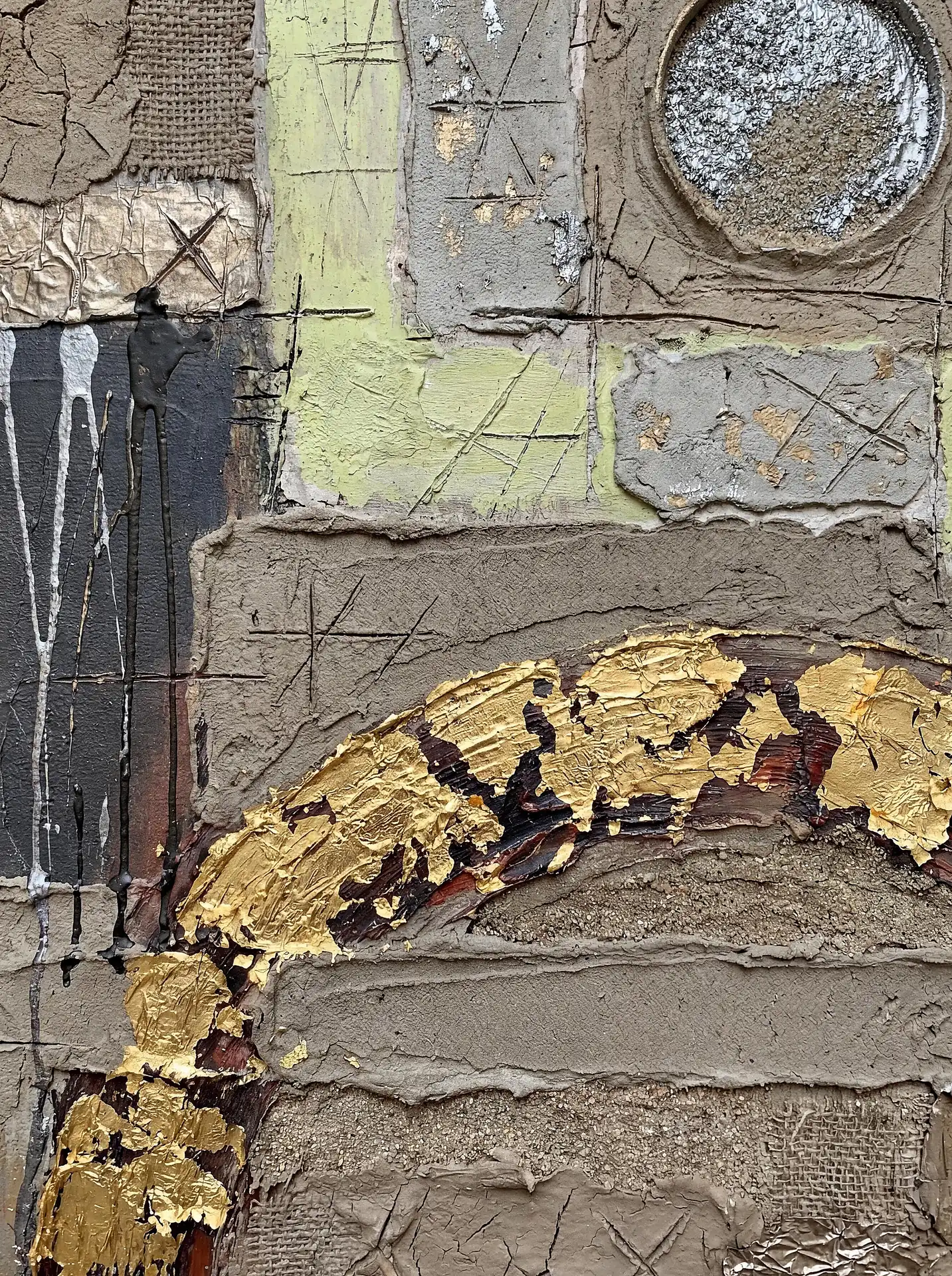
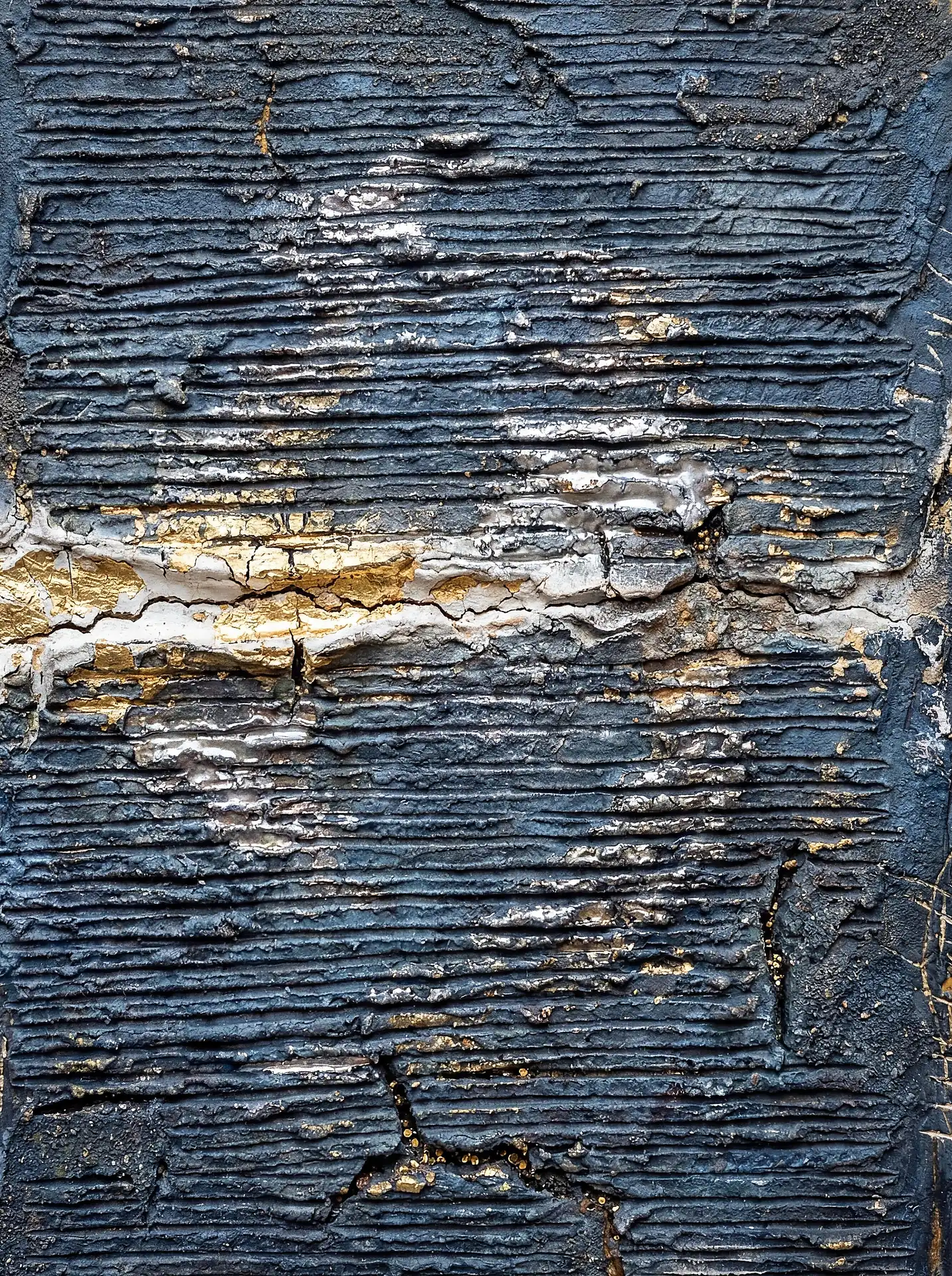
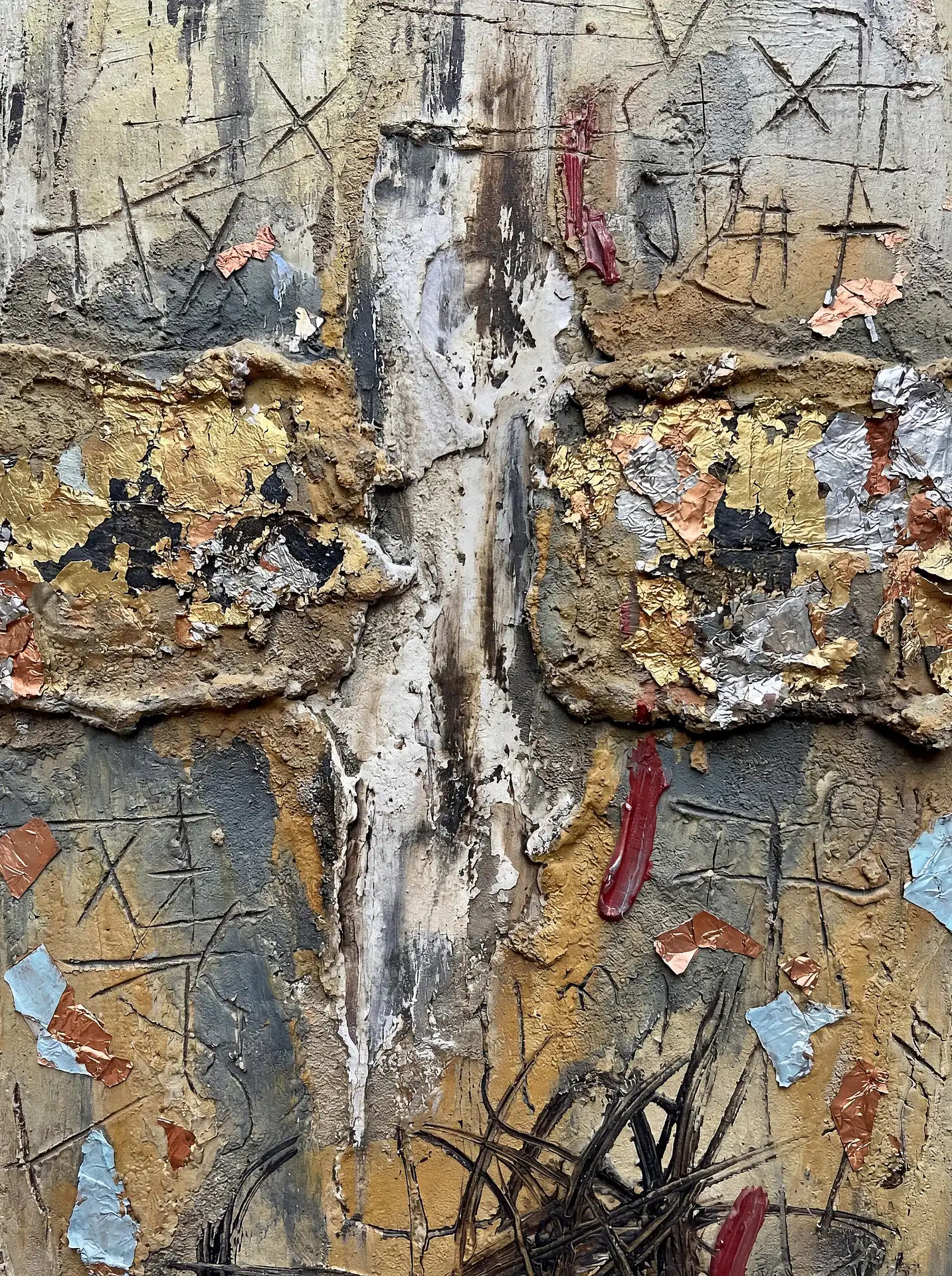
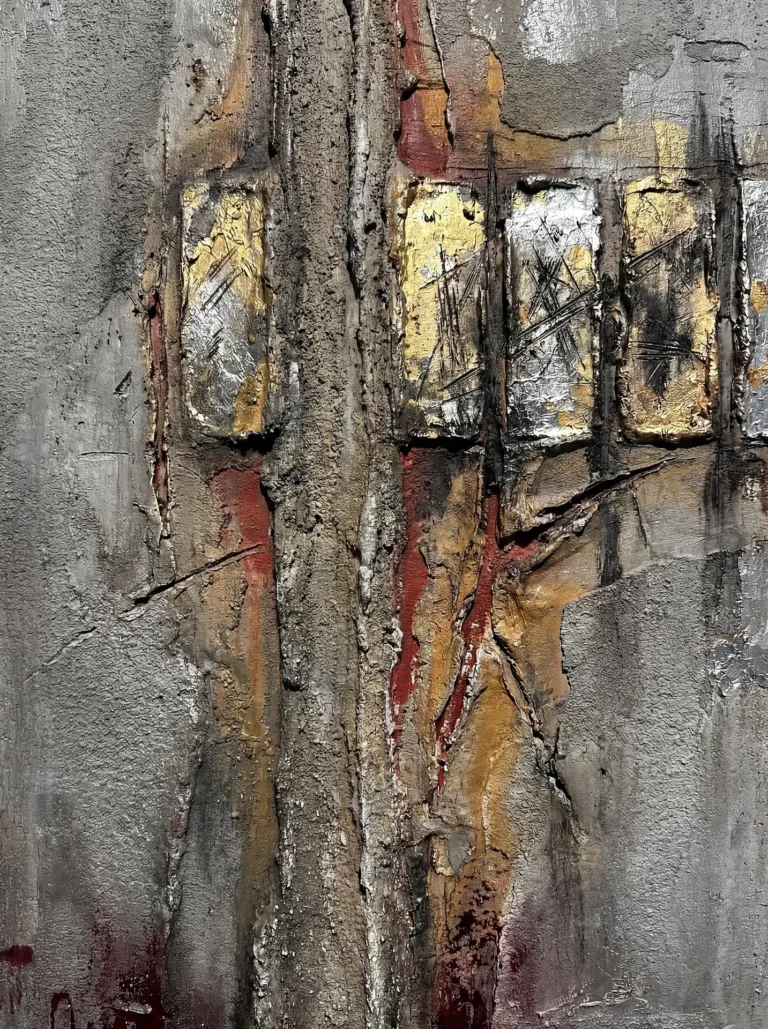
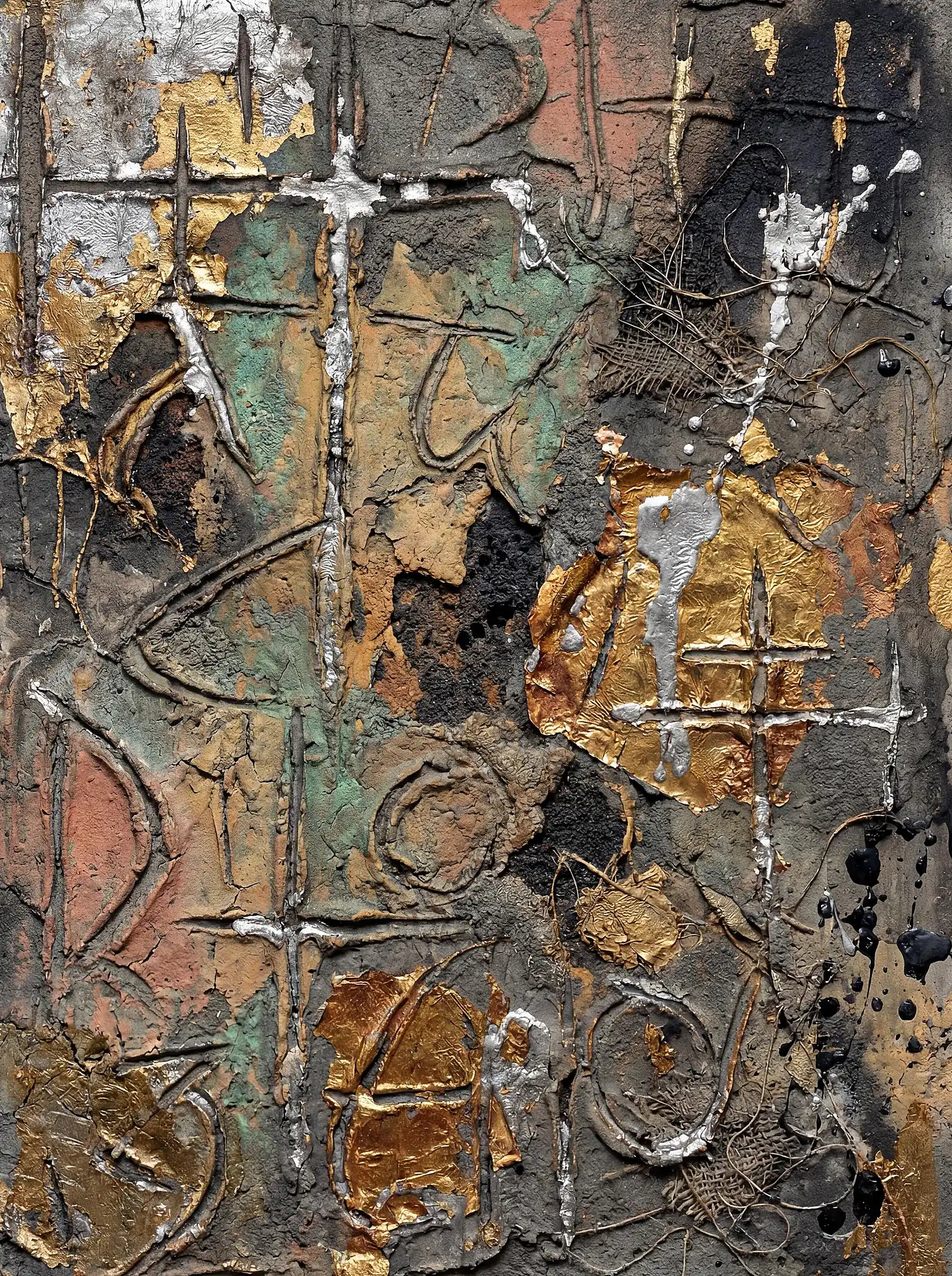
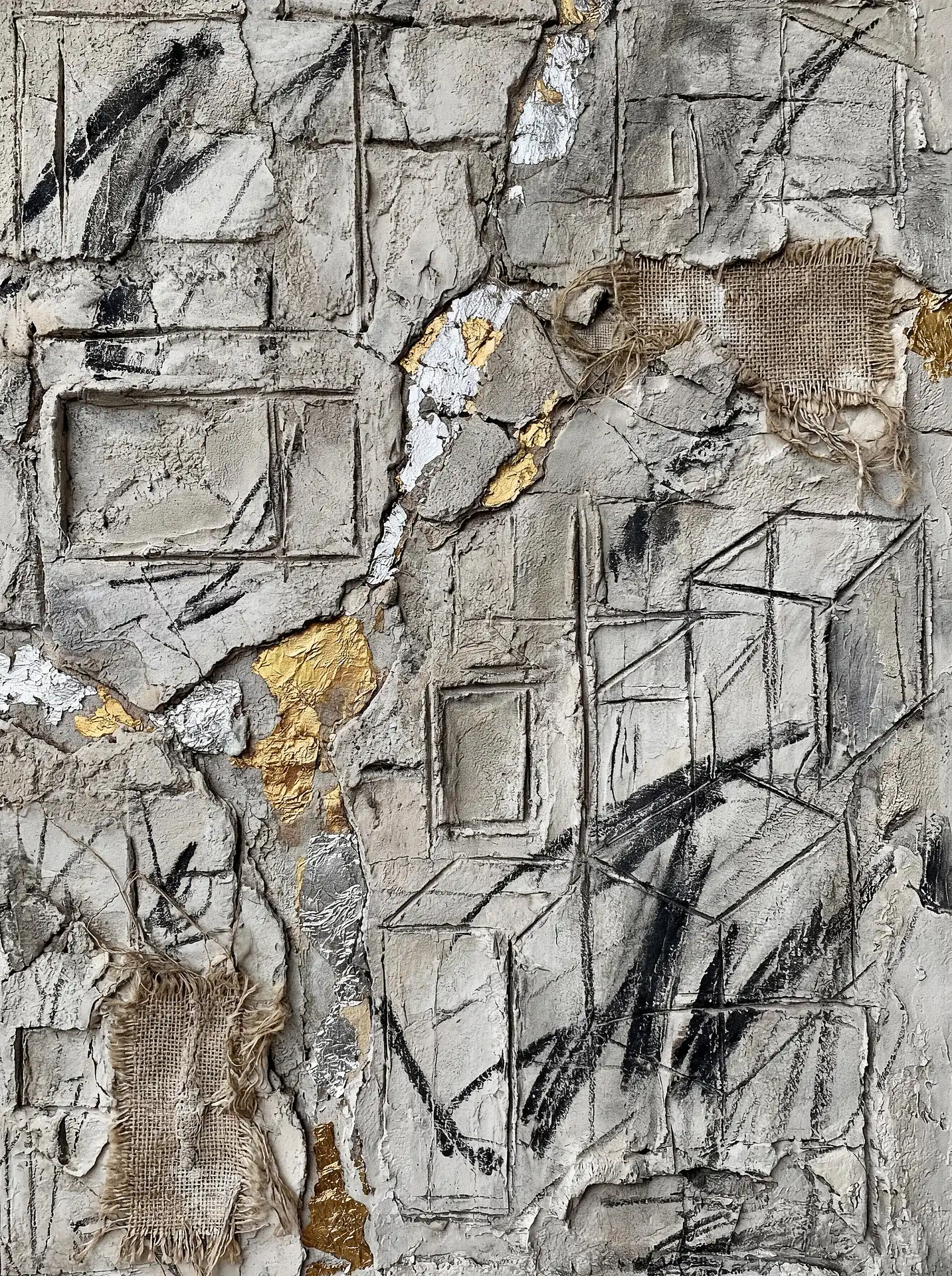
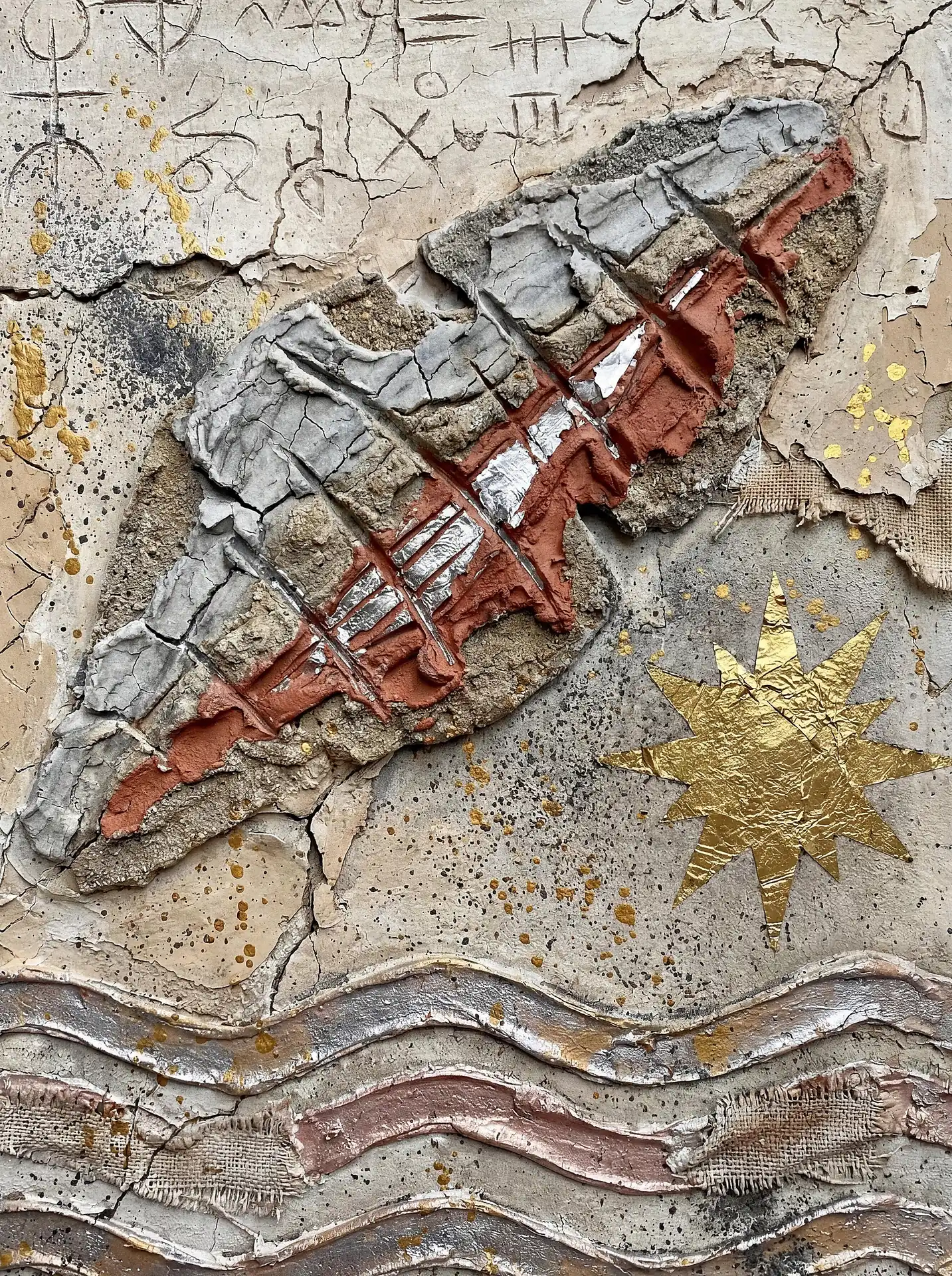
These 182 Magnificent Earth Tone Abstract Artworks go heavy with impasto. Paint doesn’t sit on surface—it becomes surface. Ridges and valleys, peaks and troughs, built up through repeated application until the material achieves genuine topography. Paint as sculptural medium, physicality creating dimension that flat color never could.
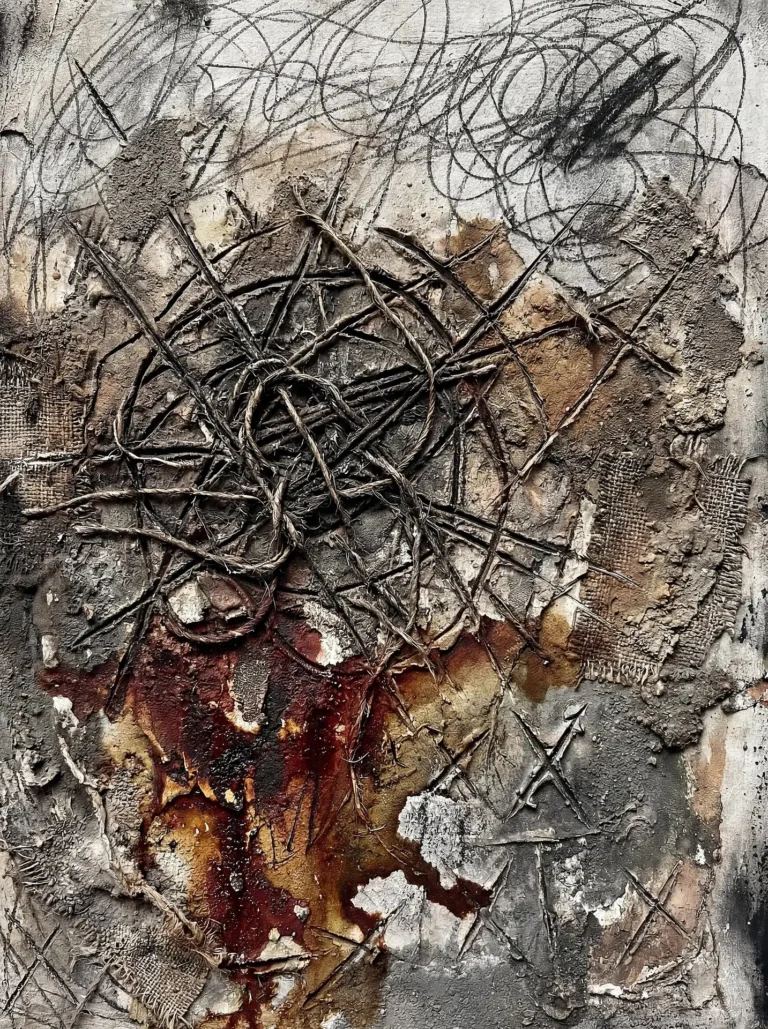
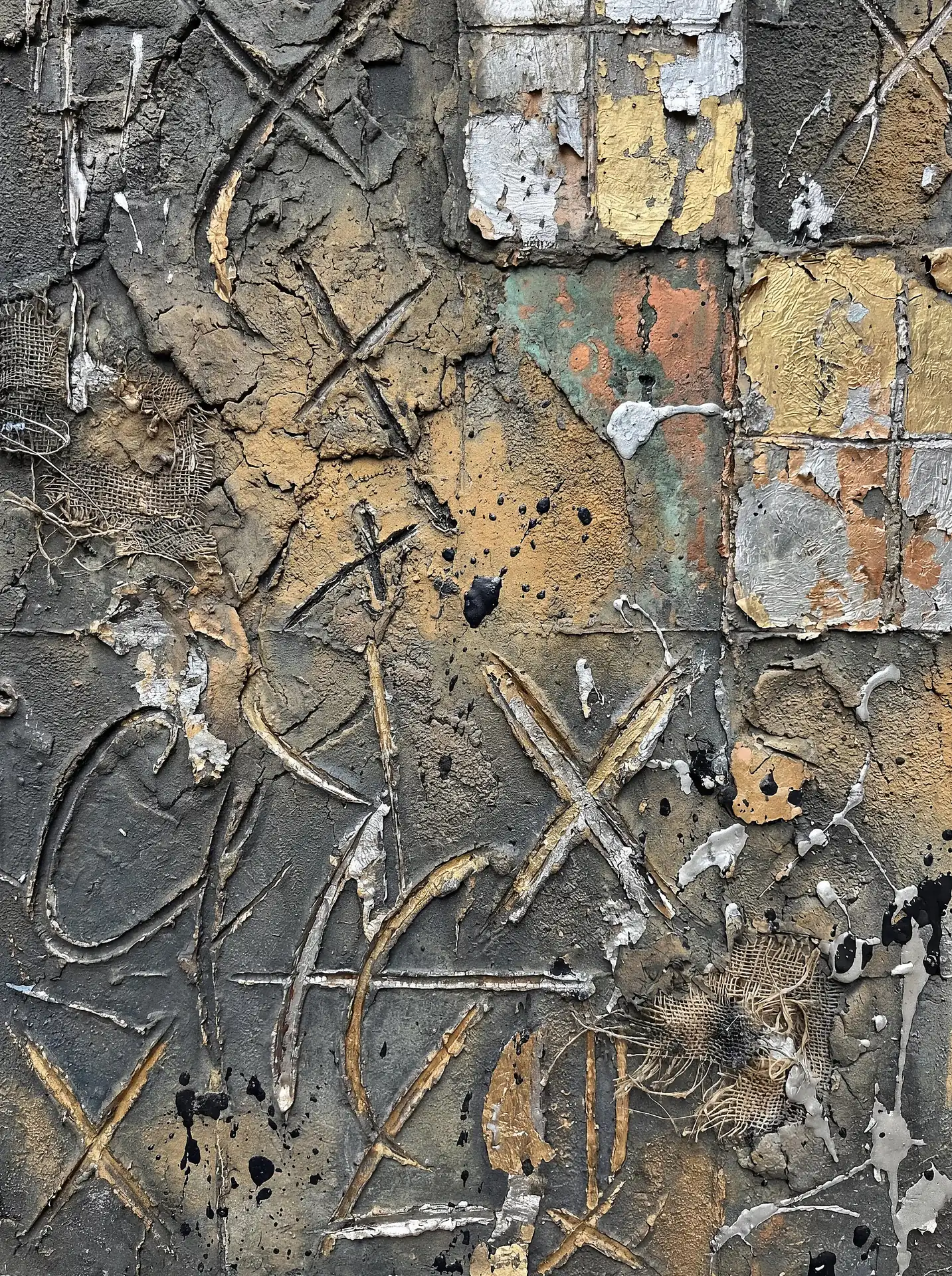
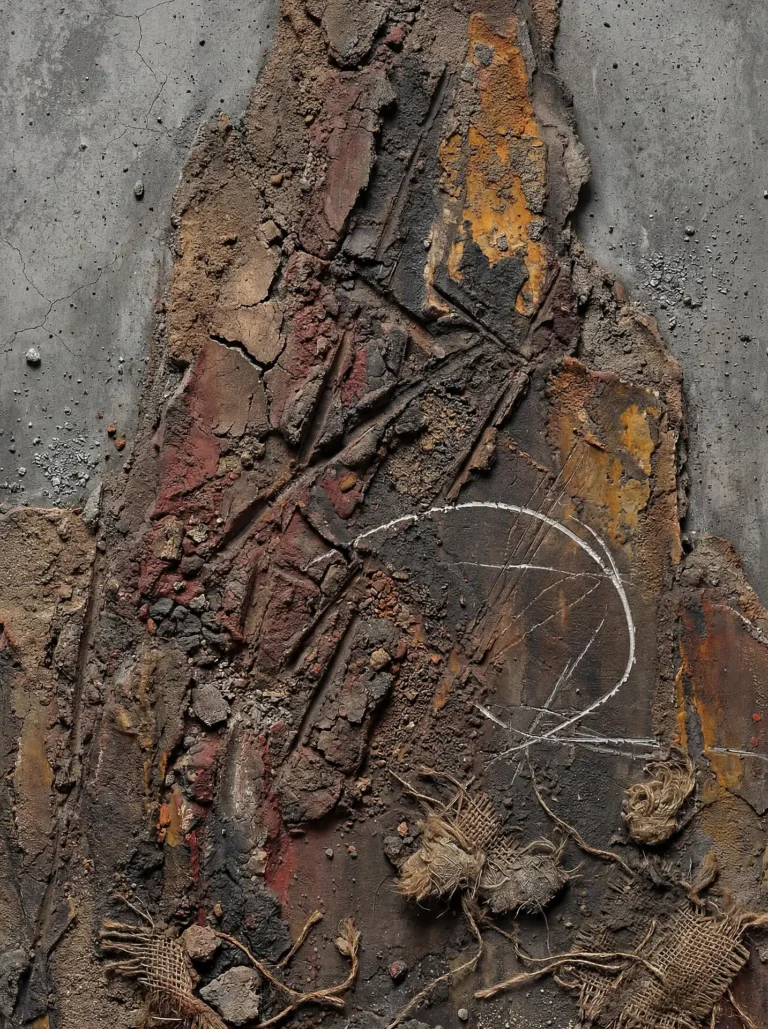
This thickness carries meaning beyond visual texture. It records process. Every brushstroke or knife-mark remains legible, preserved in the dried medium. The work shows its own making, holds evidence of every decision and gesture. Time compressed into material that you could theoretically run your fingers across.
THE GROUND BENEATH
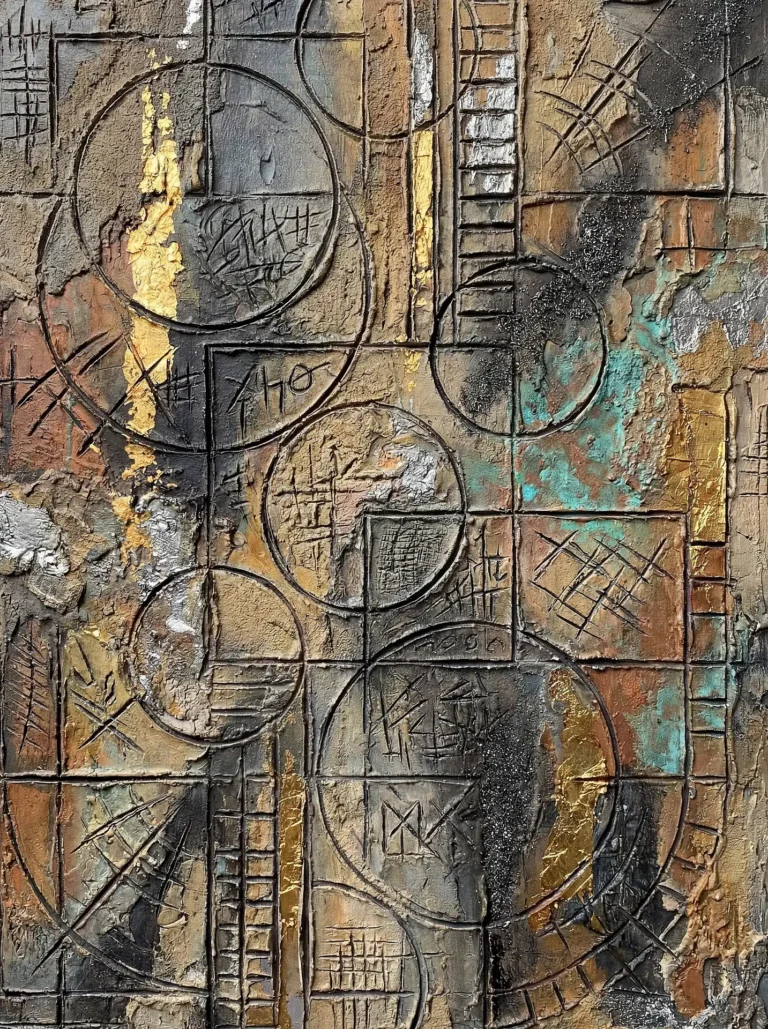
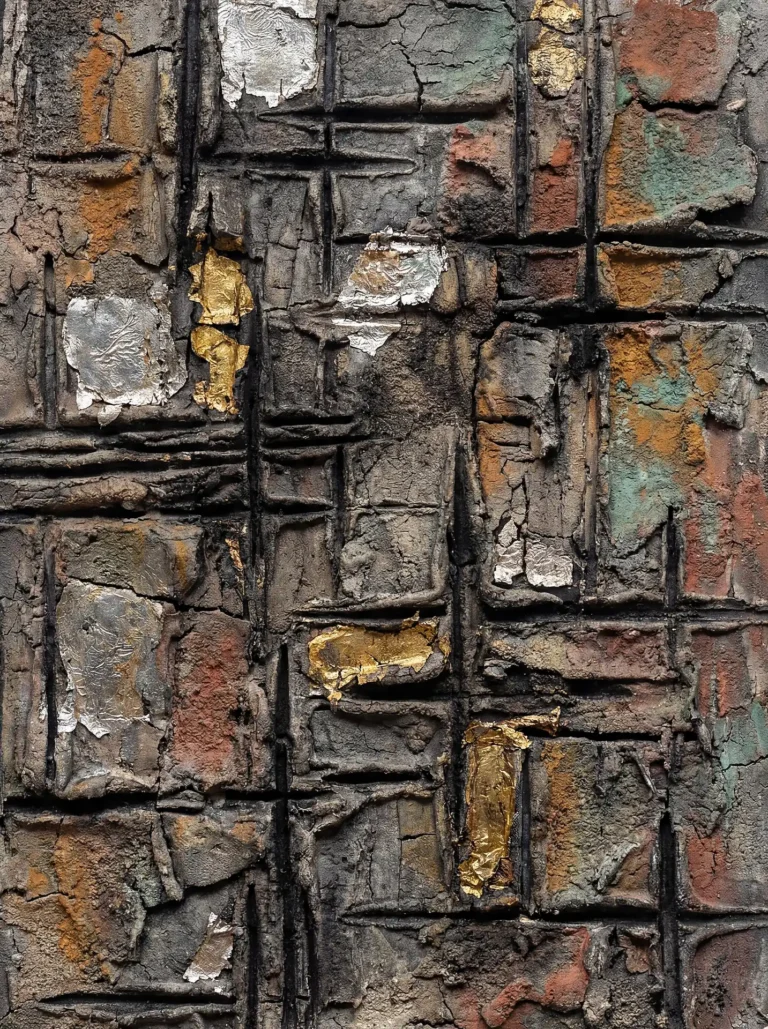
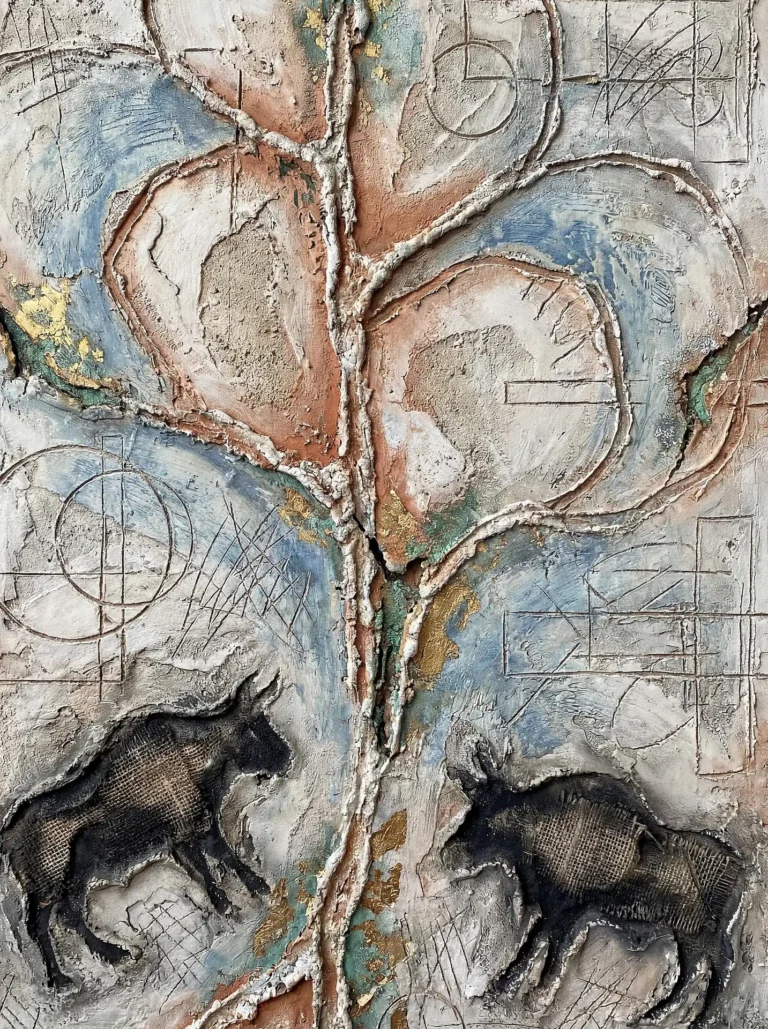
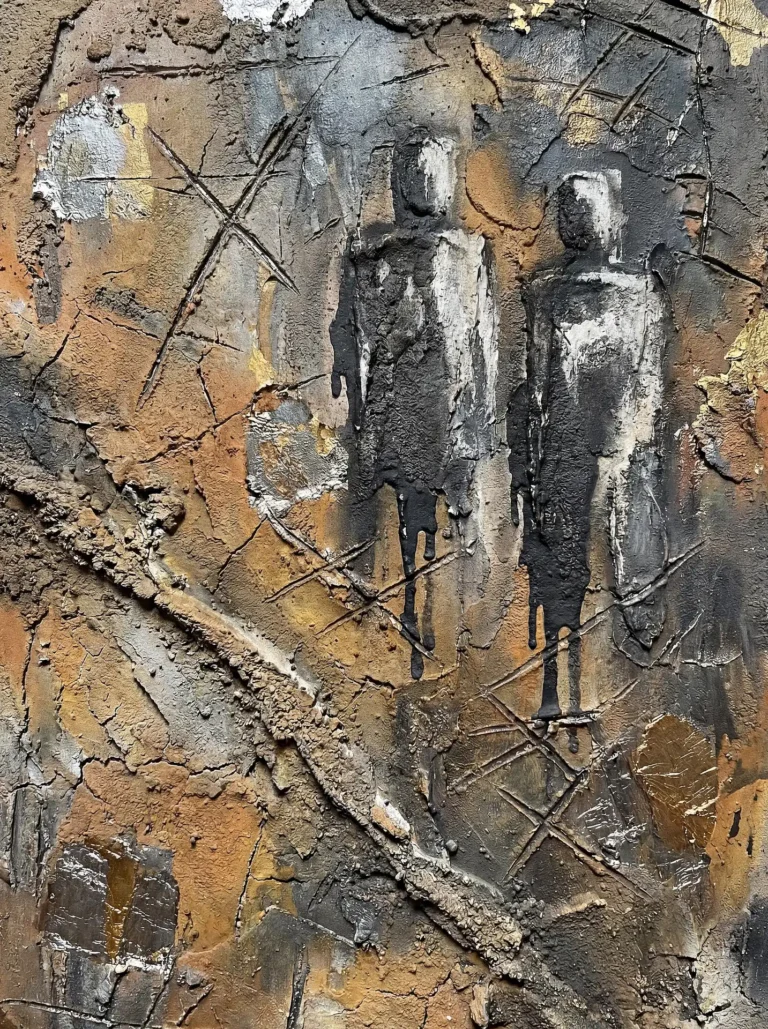
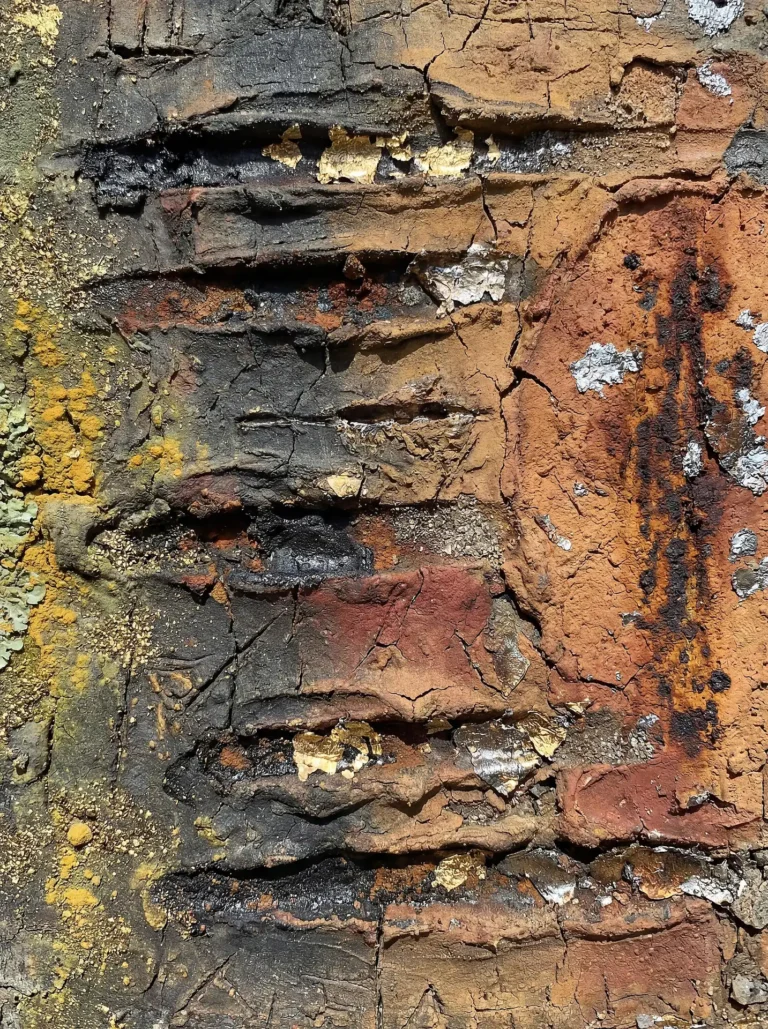
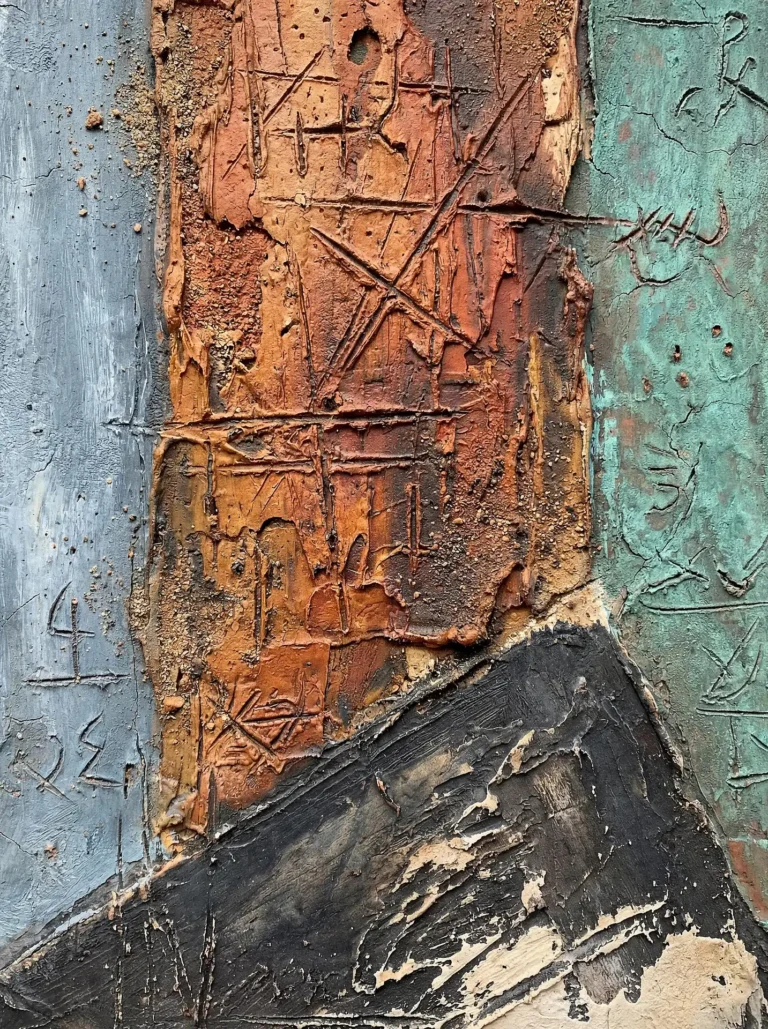
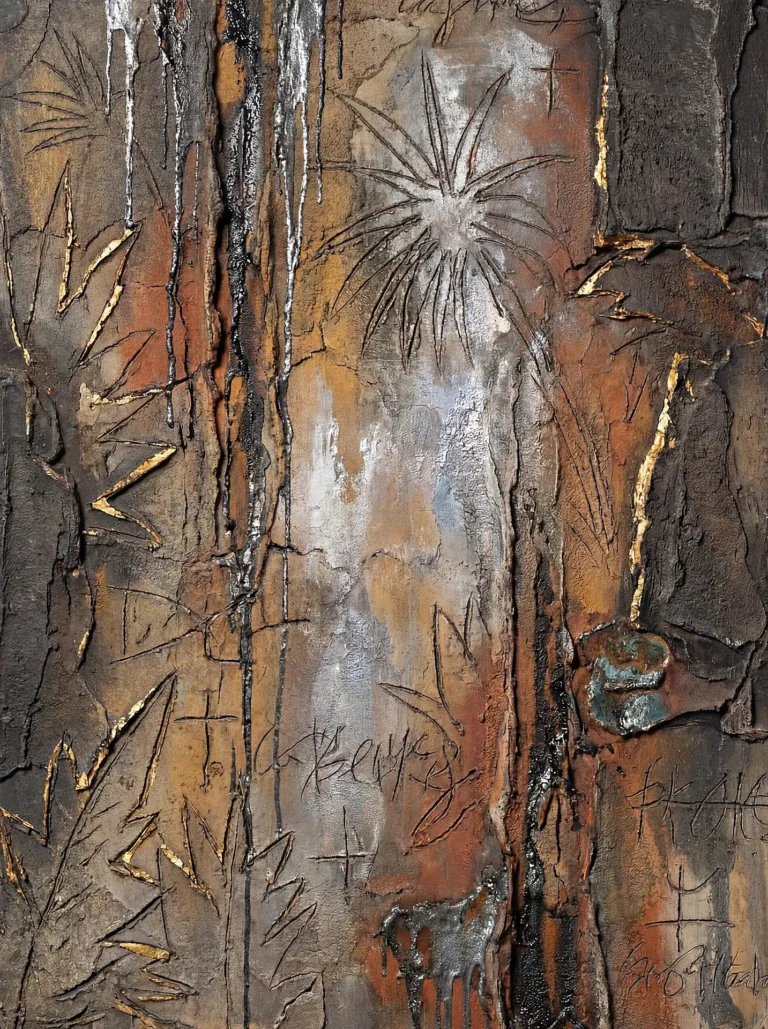
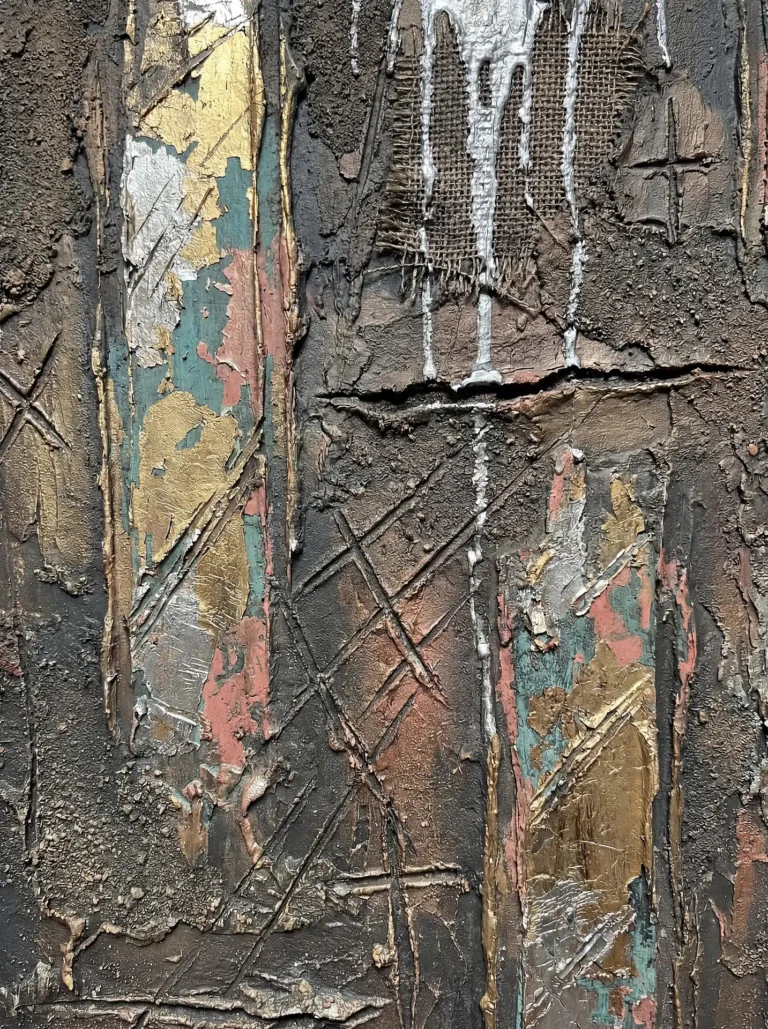
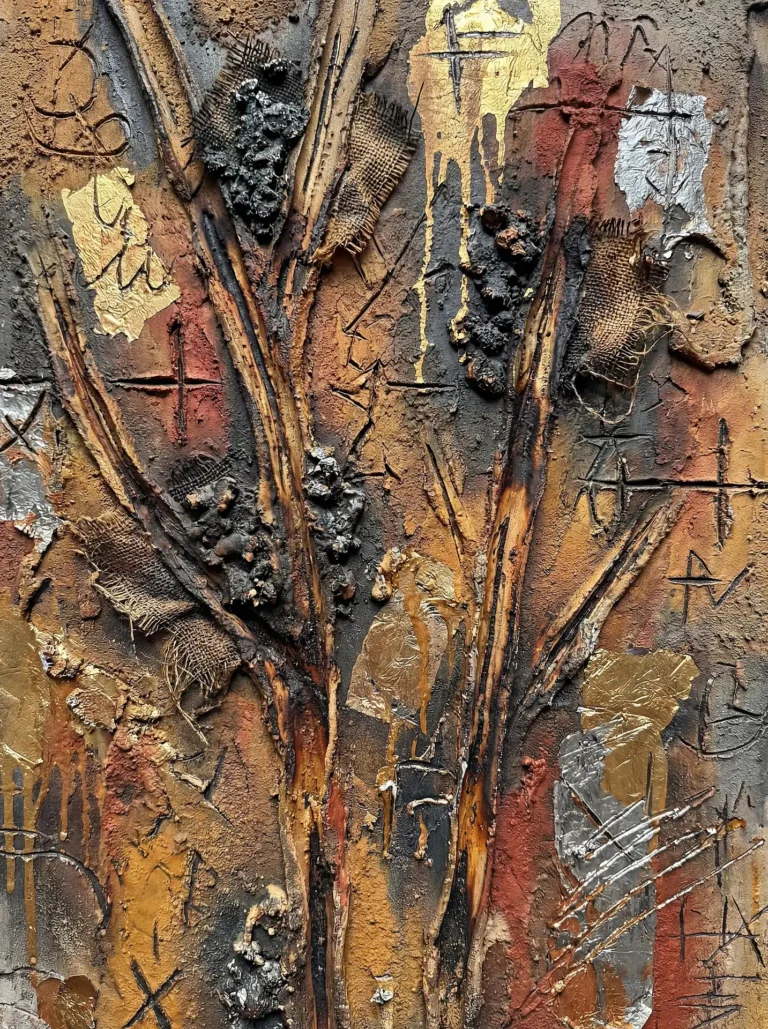
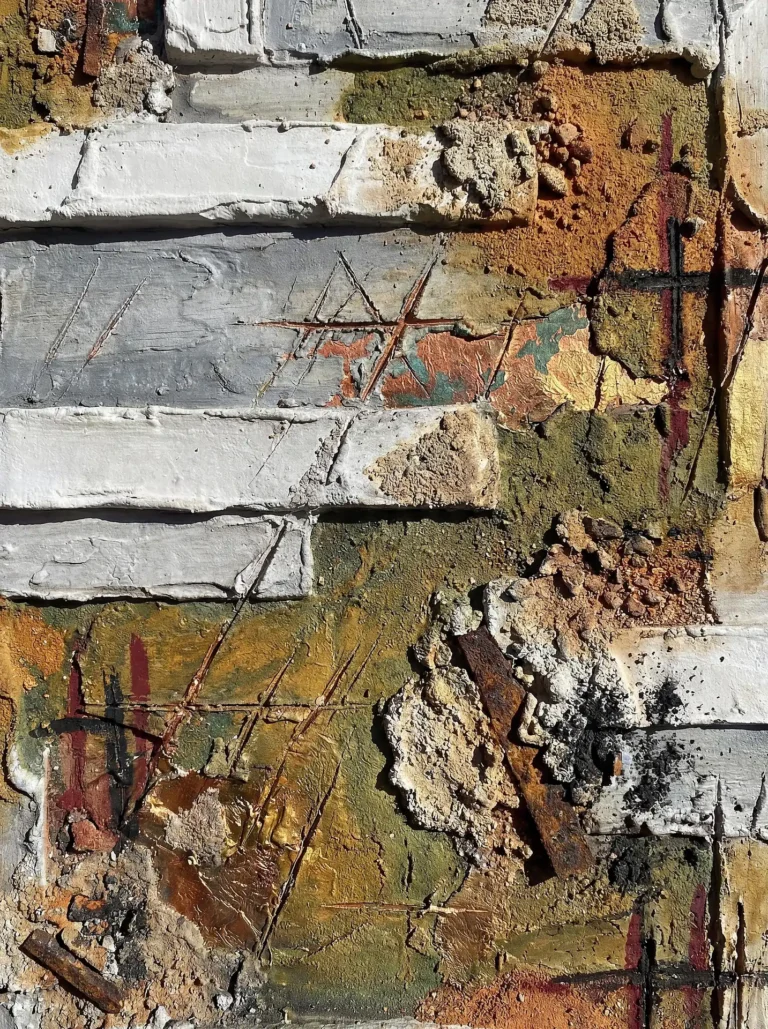
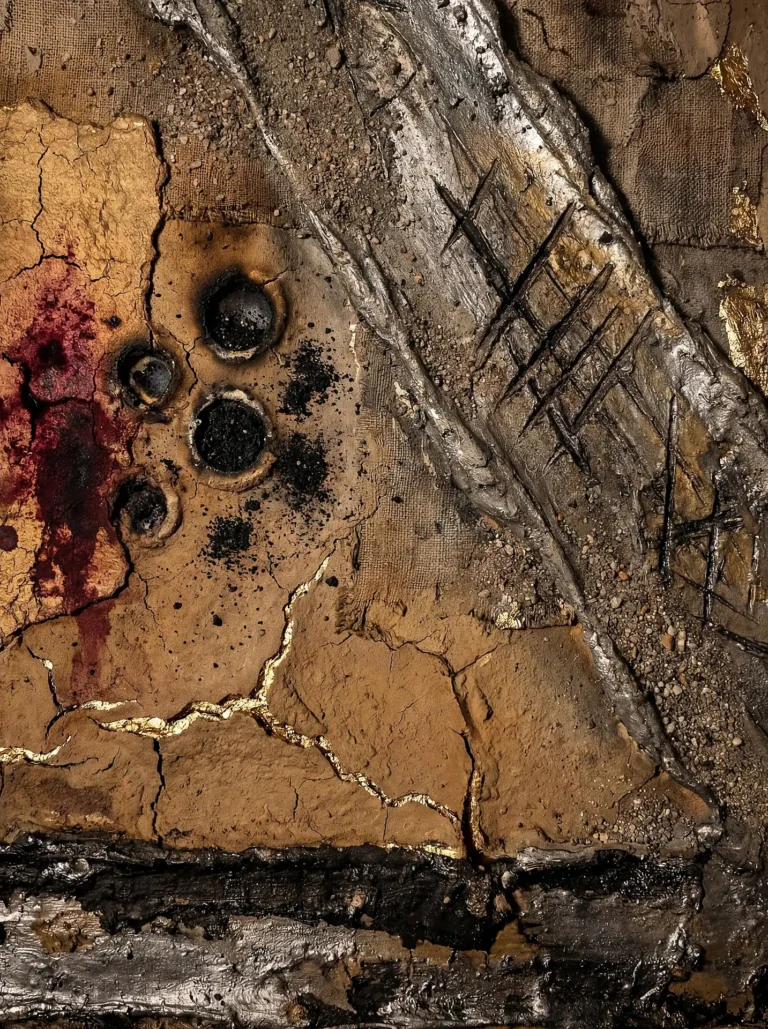
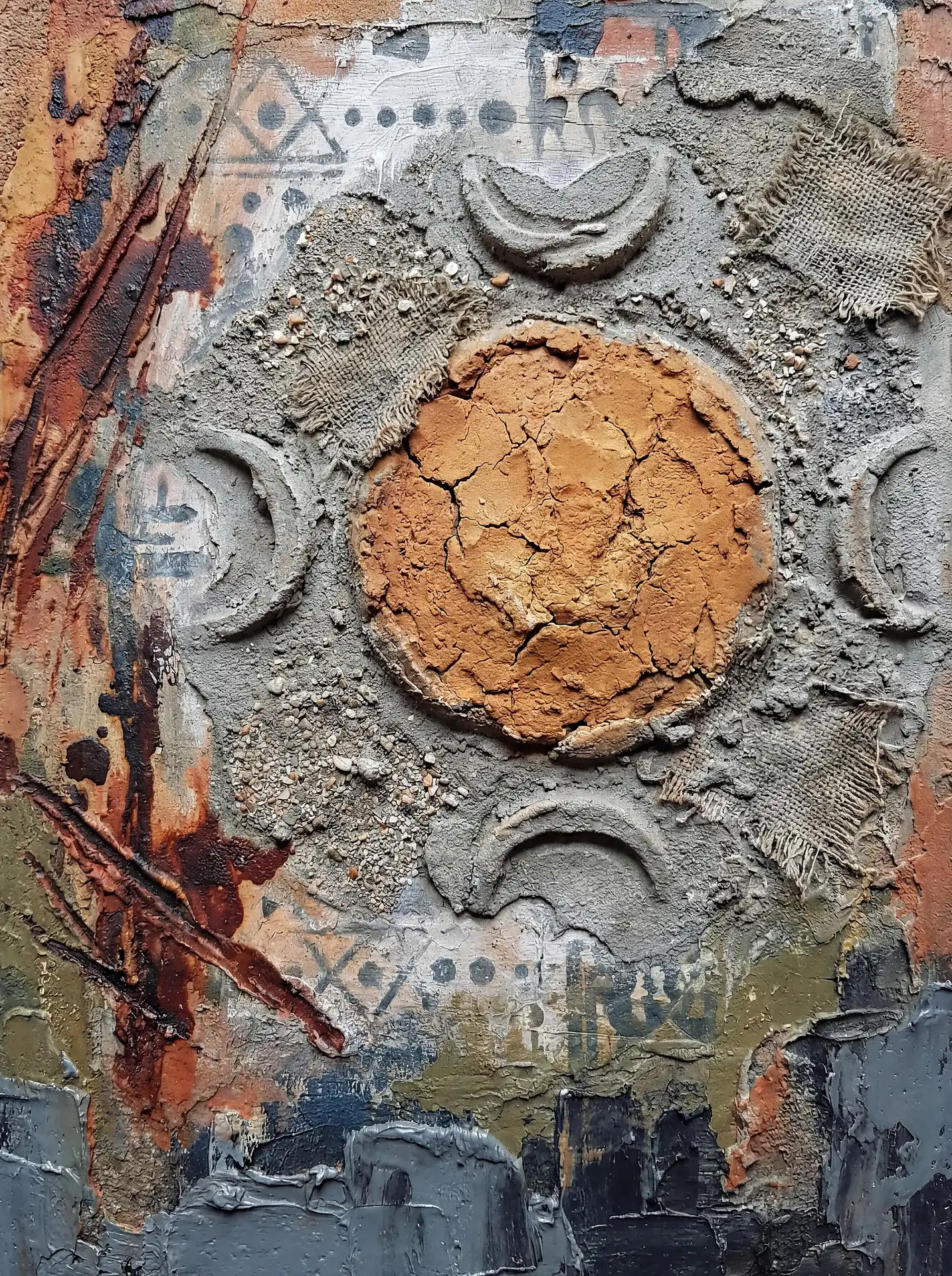
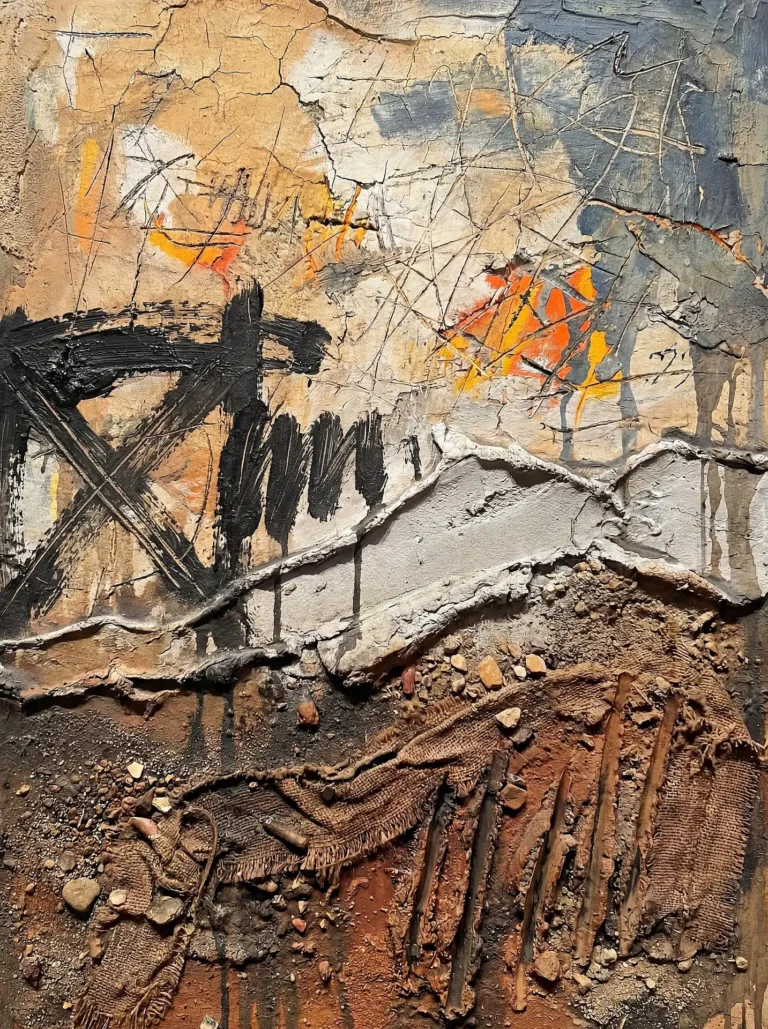
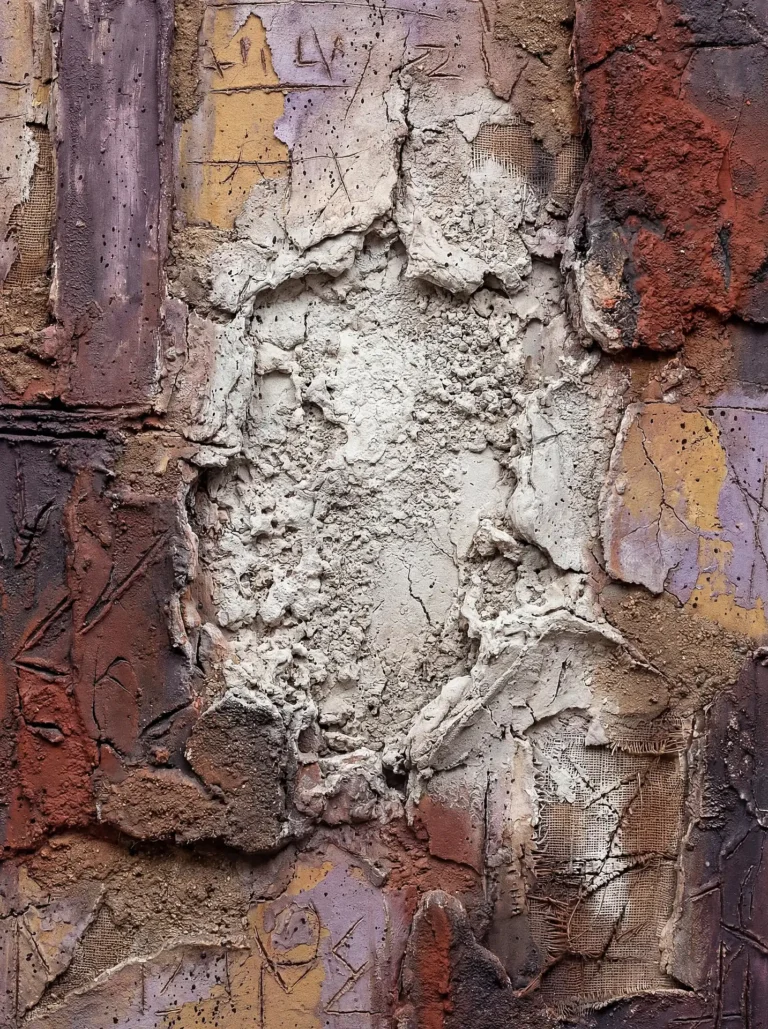
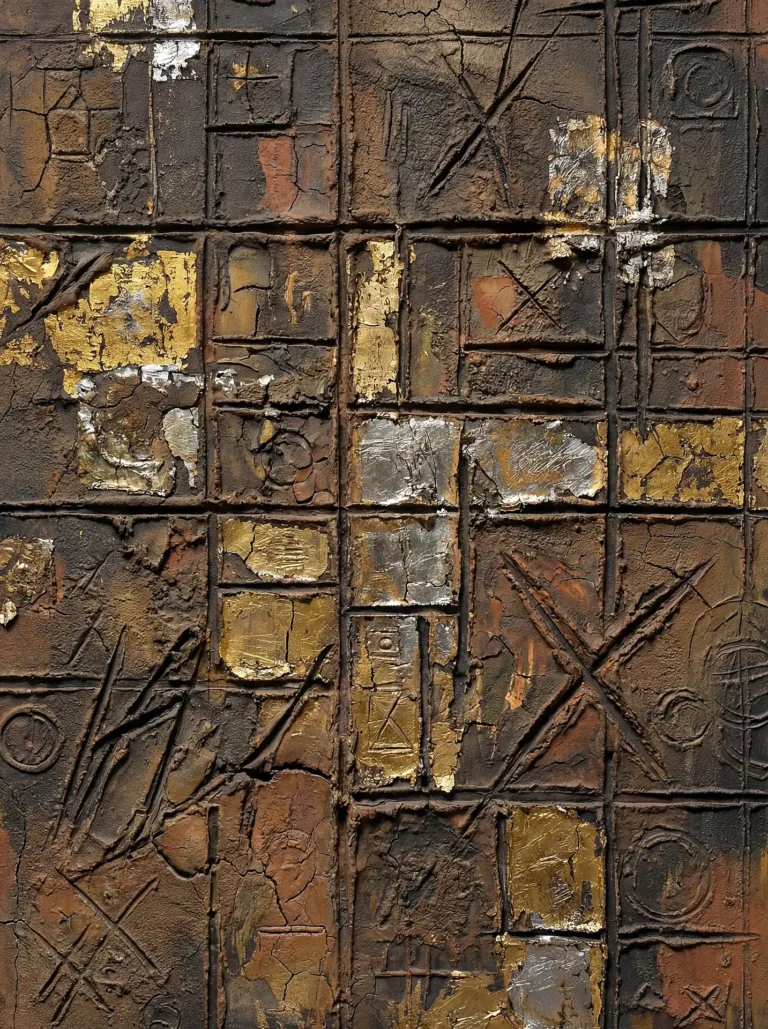
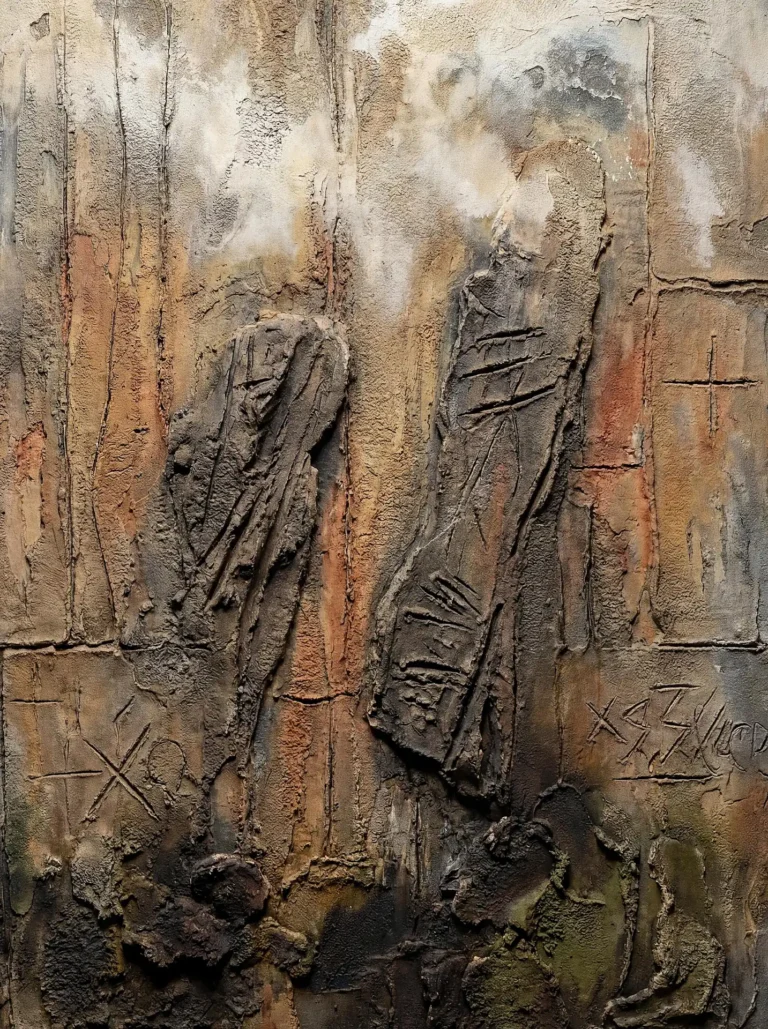
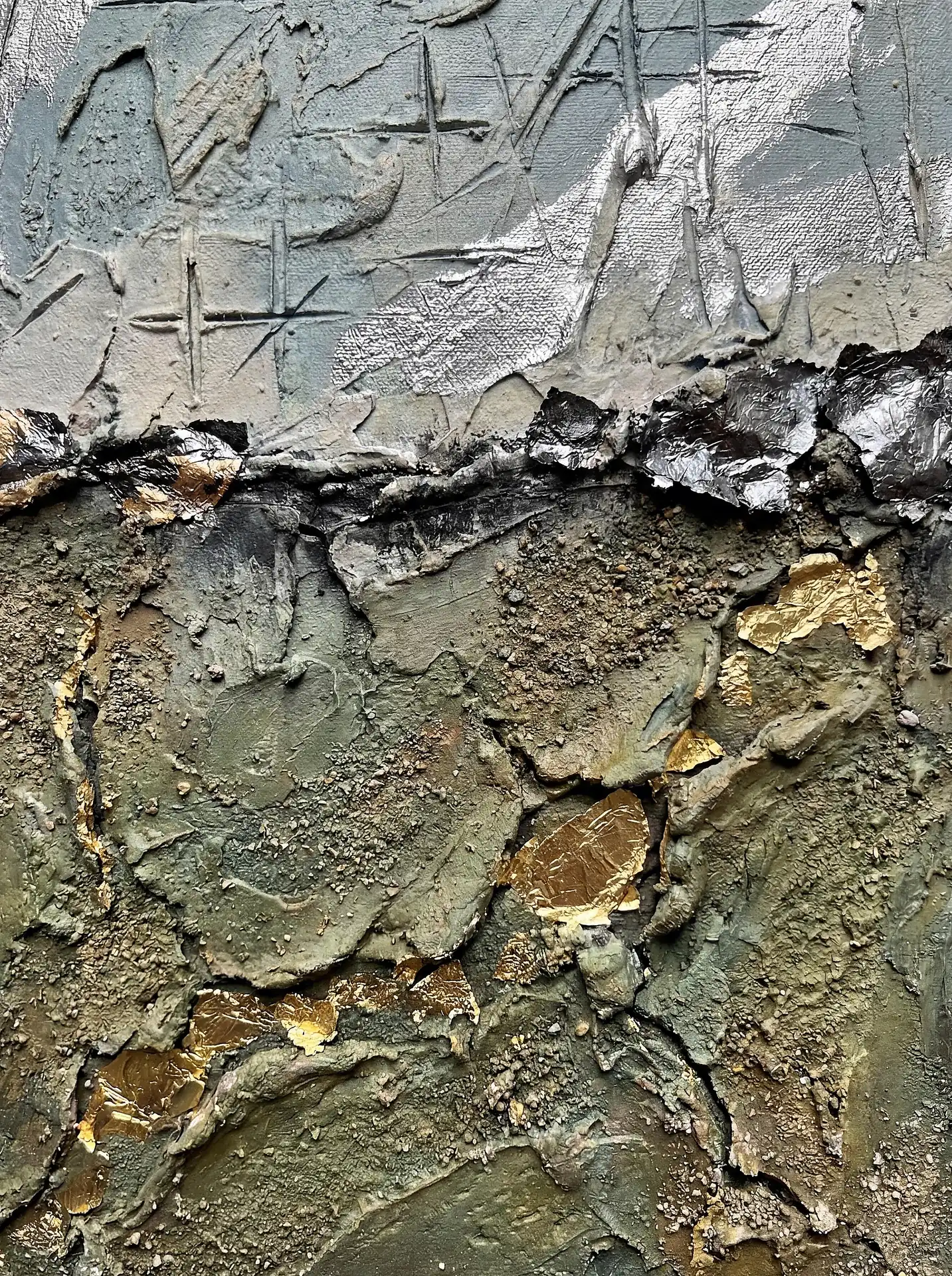
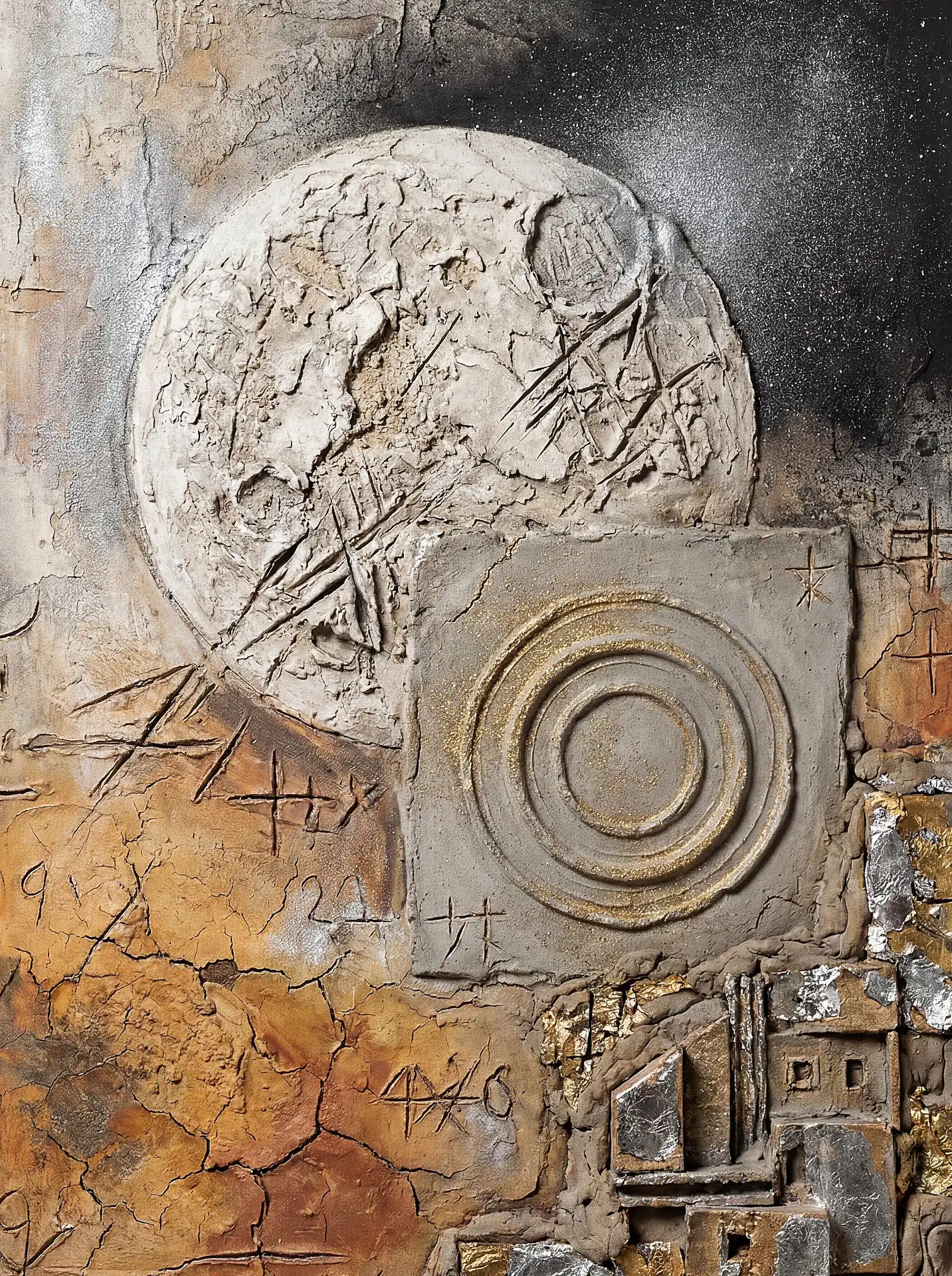
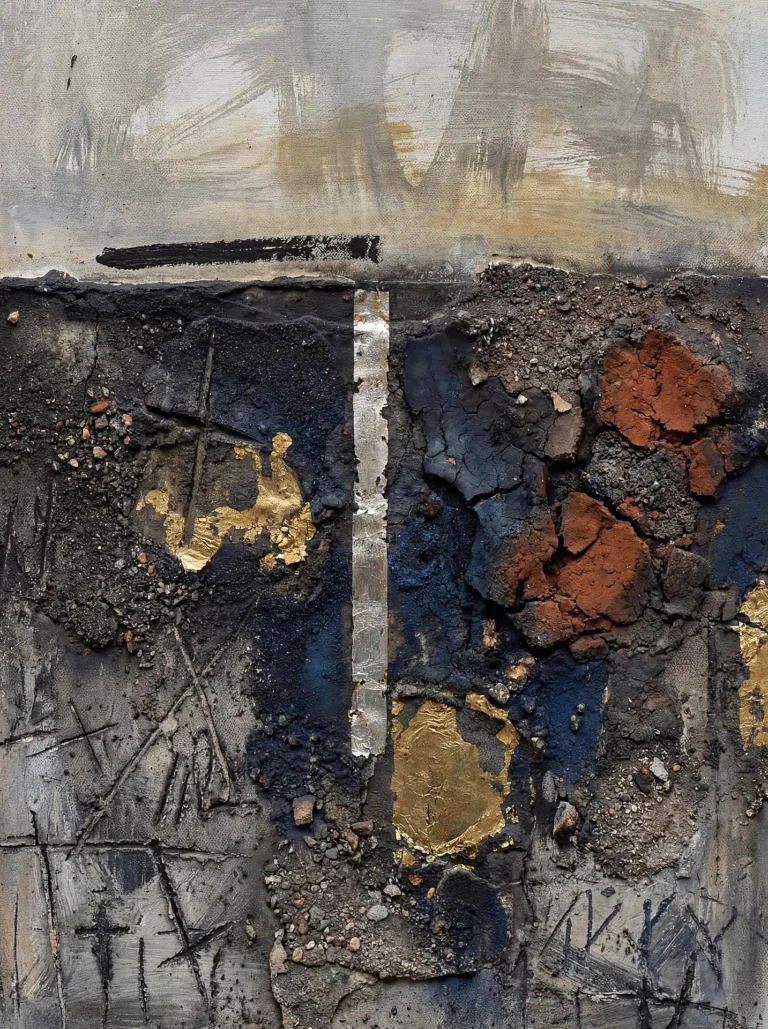
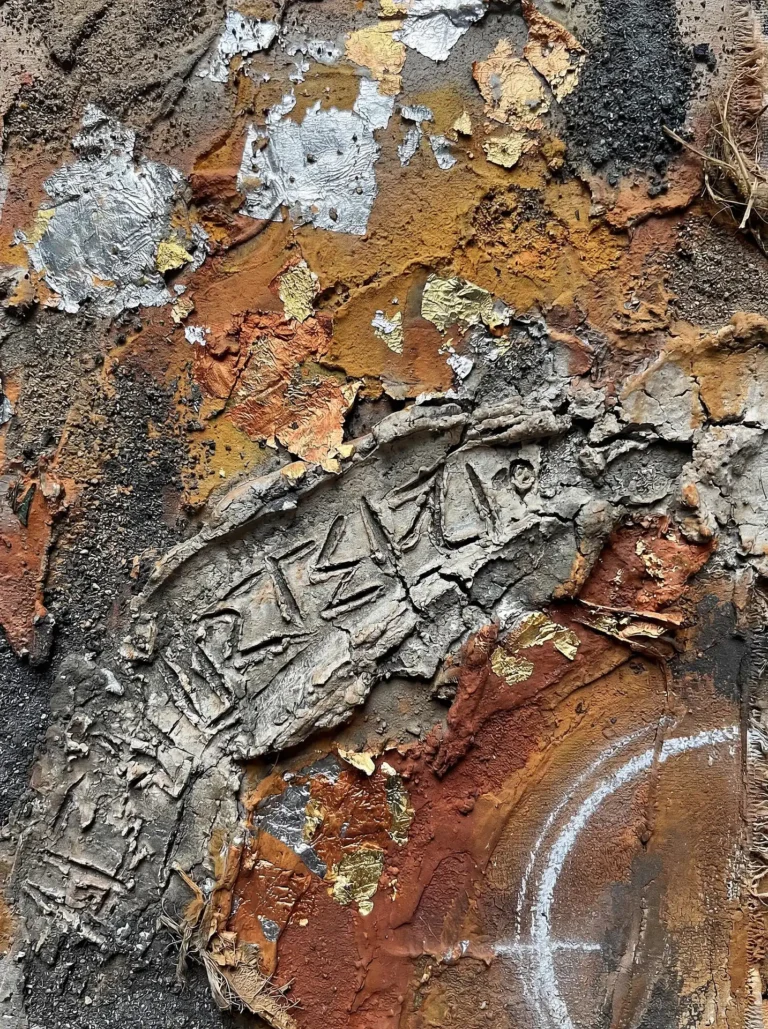
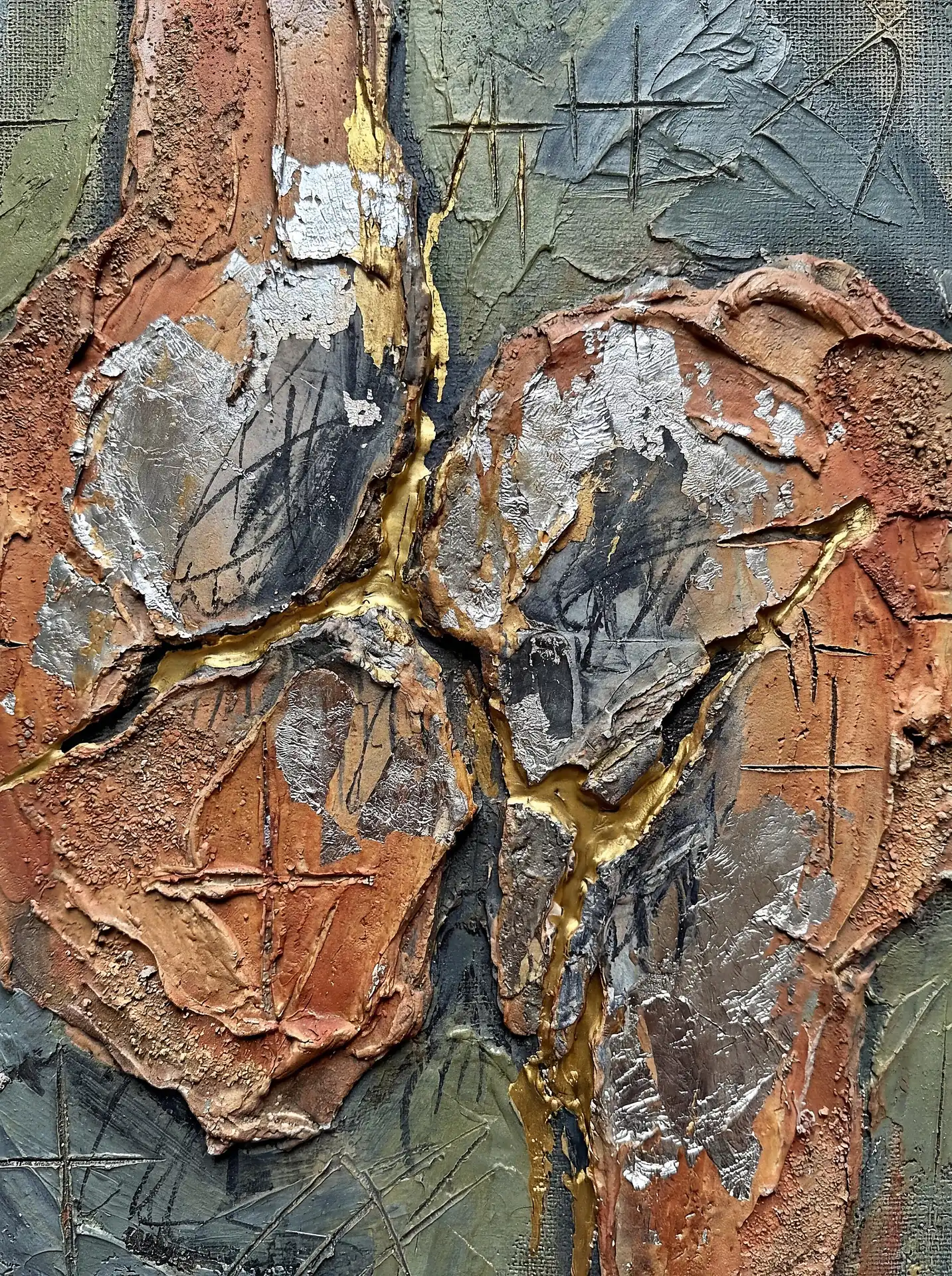
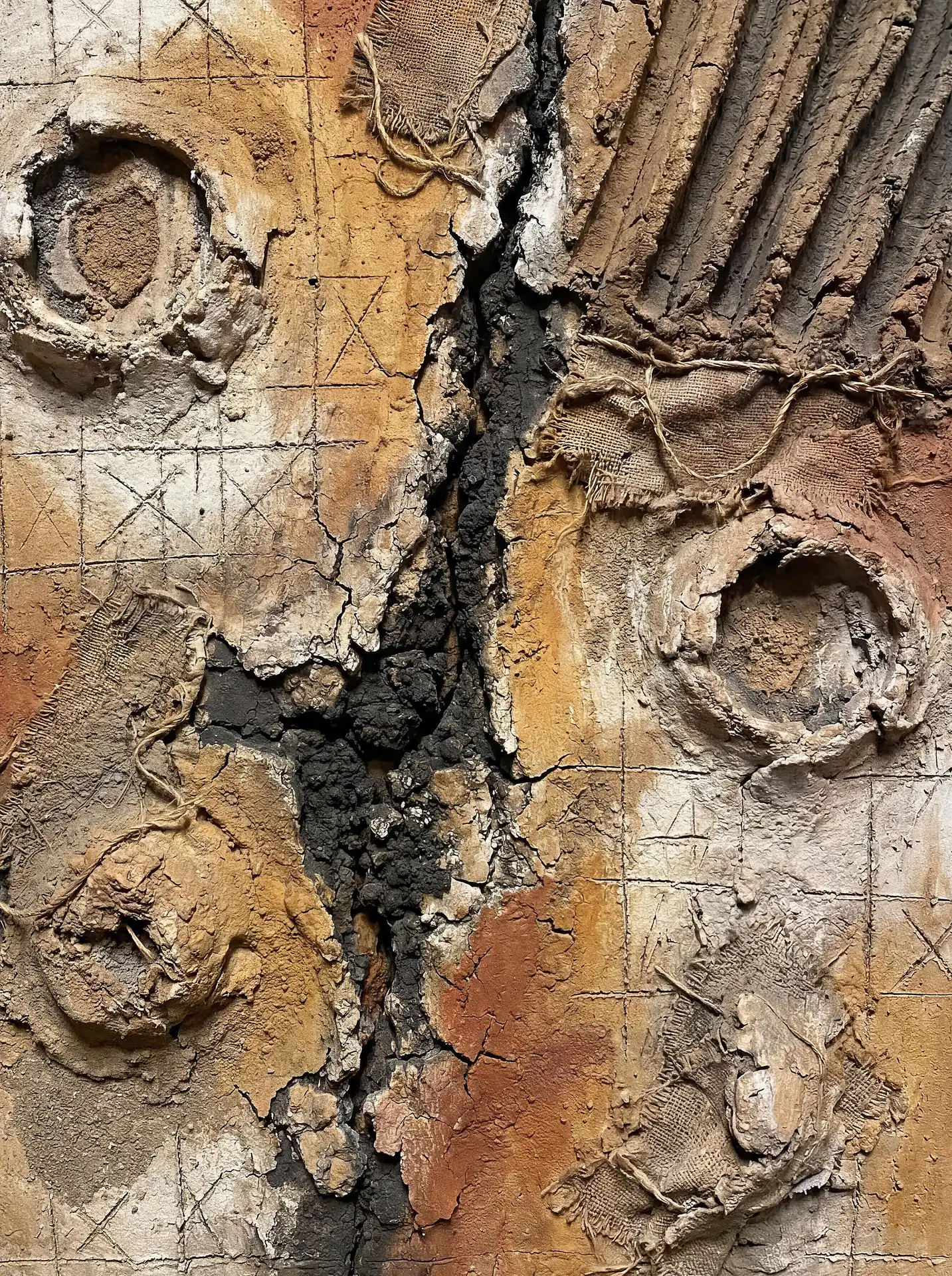
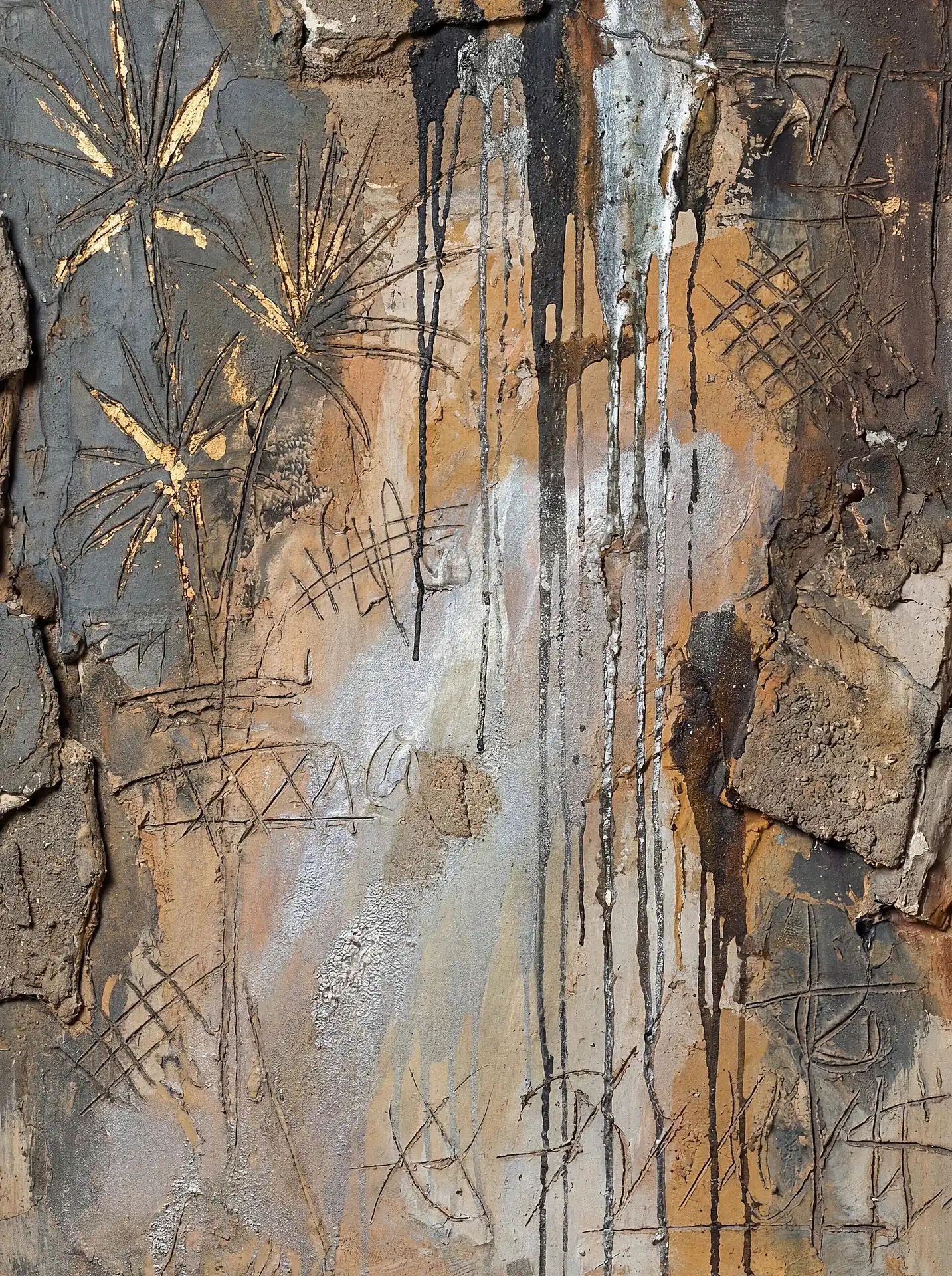
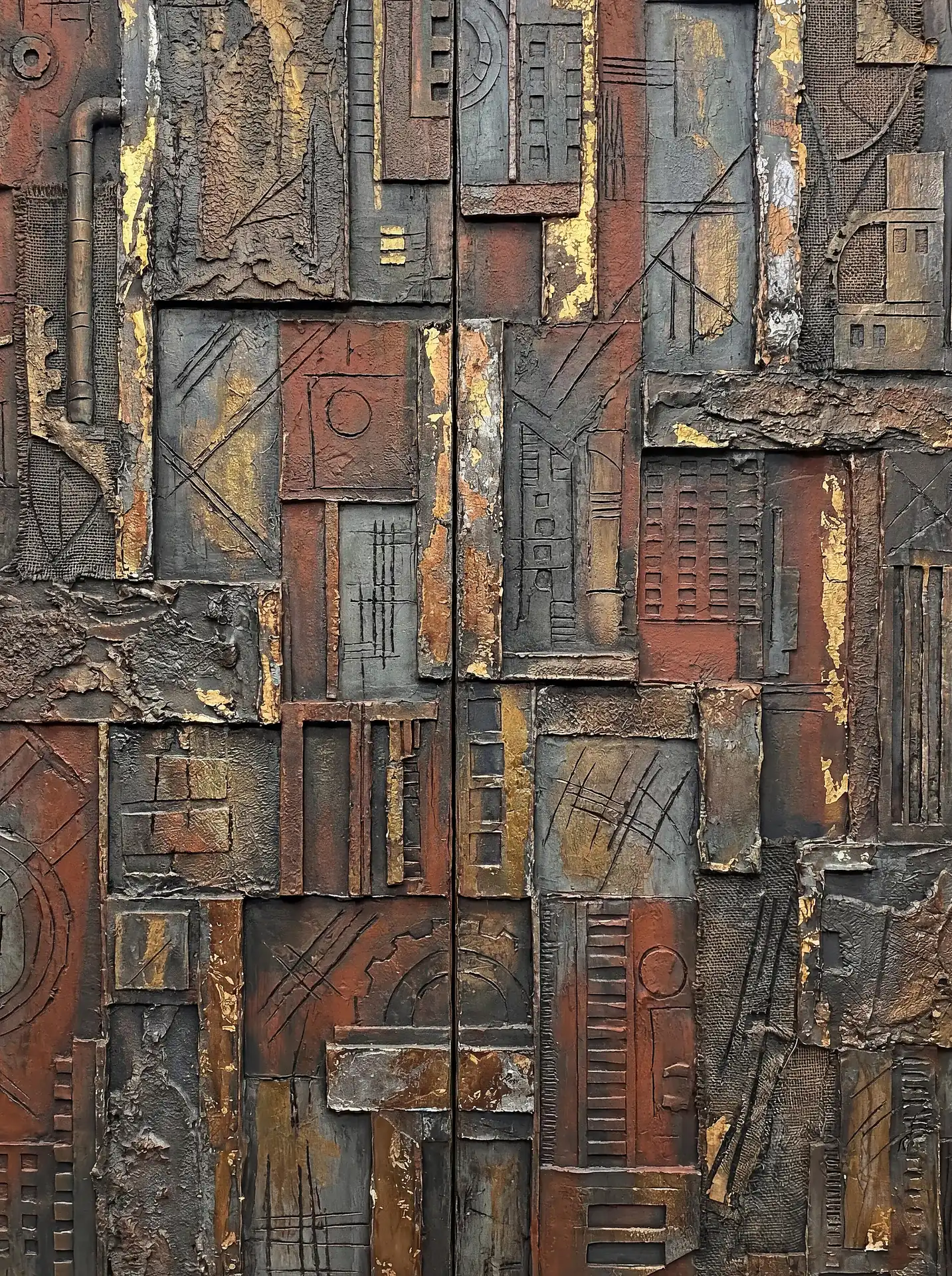
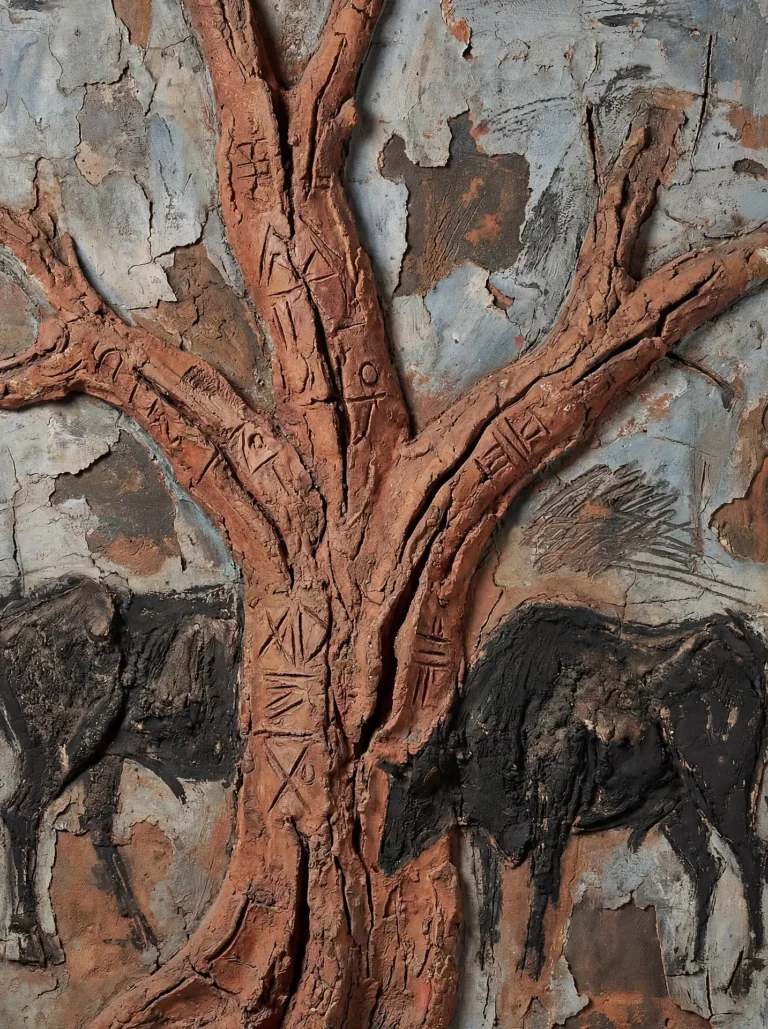
Color stays close to earth throughout these 182 Magnificent Earth Tone Abstract Artworks. Umber, sienna, ochre, terracotta—the palette of clay and soil and stone. Occasional darks push toward charcoal. Occasional lights lift toward cream. But the dominant register keeps returning to what emerges from ground, what hands dig up and shape into form.
This earthiness creates specific emotional temperature. Warmth without brightness. Weight without darkness. The collection feels rooted, stable, ancient in the way geological formations feel ancient. Not timeless exactly—these pieces clearly exist in time—but connected to timescales beyond human reckoning.
WEATHERED TRUTH
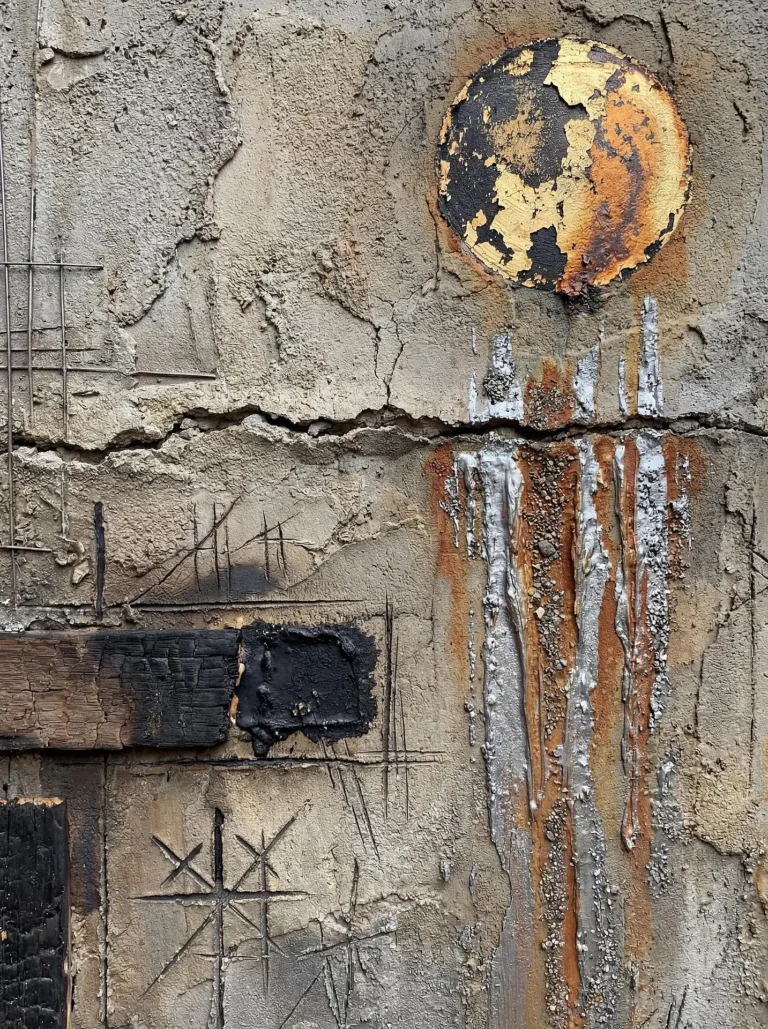
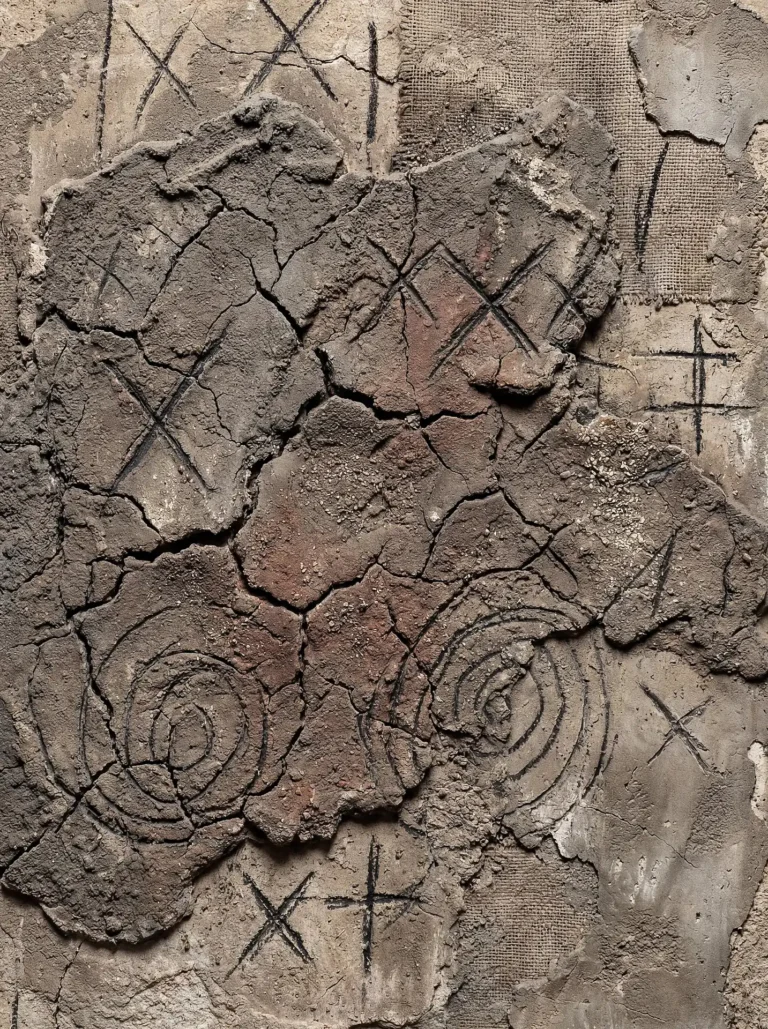
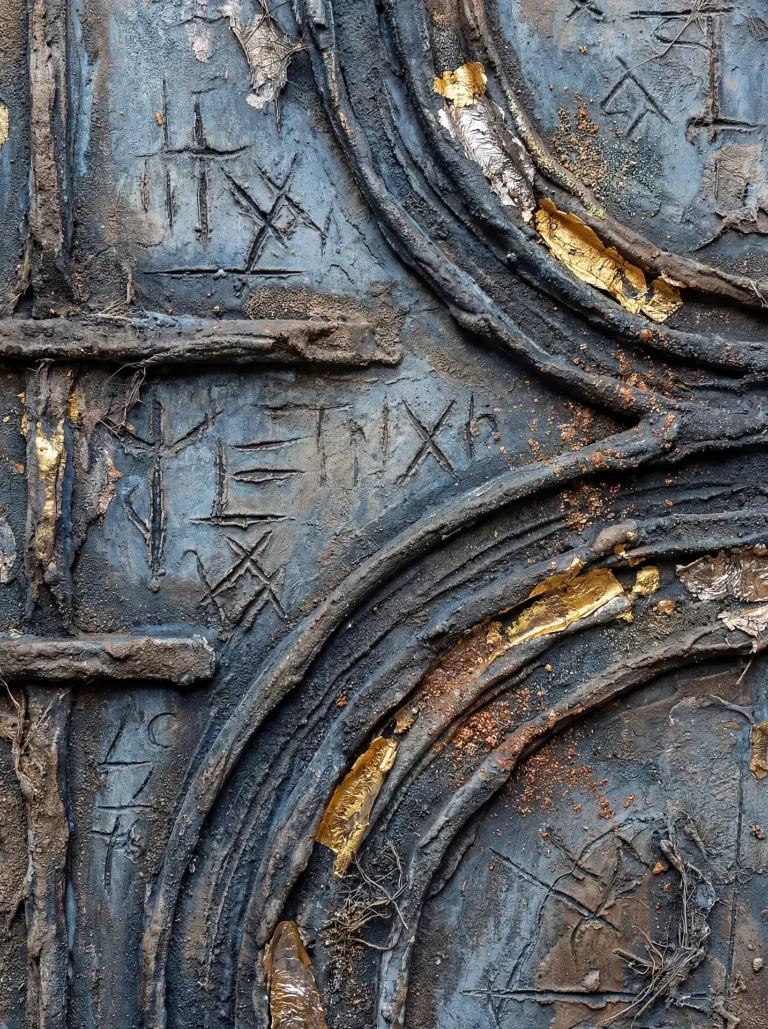
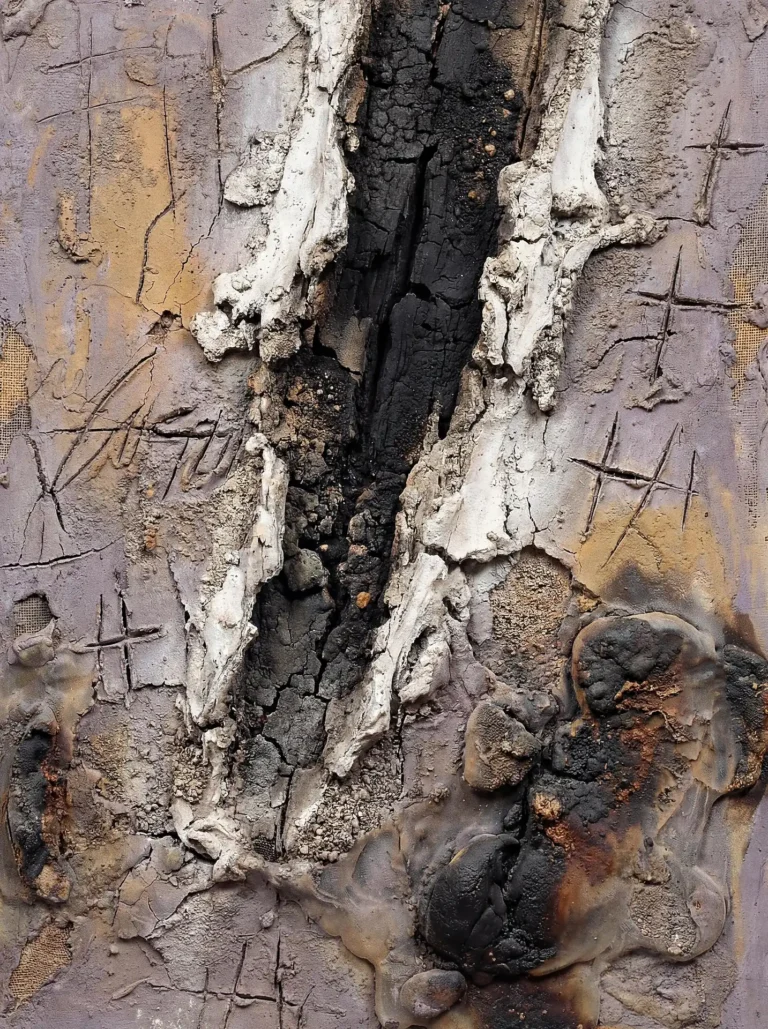
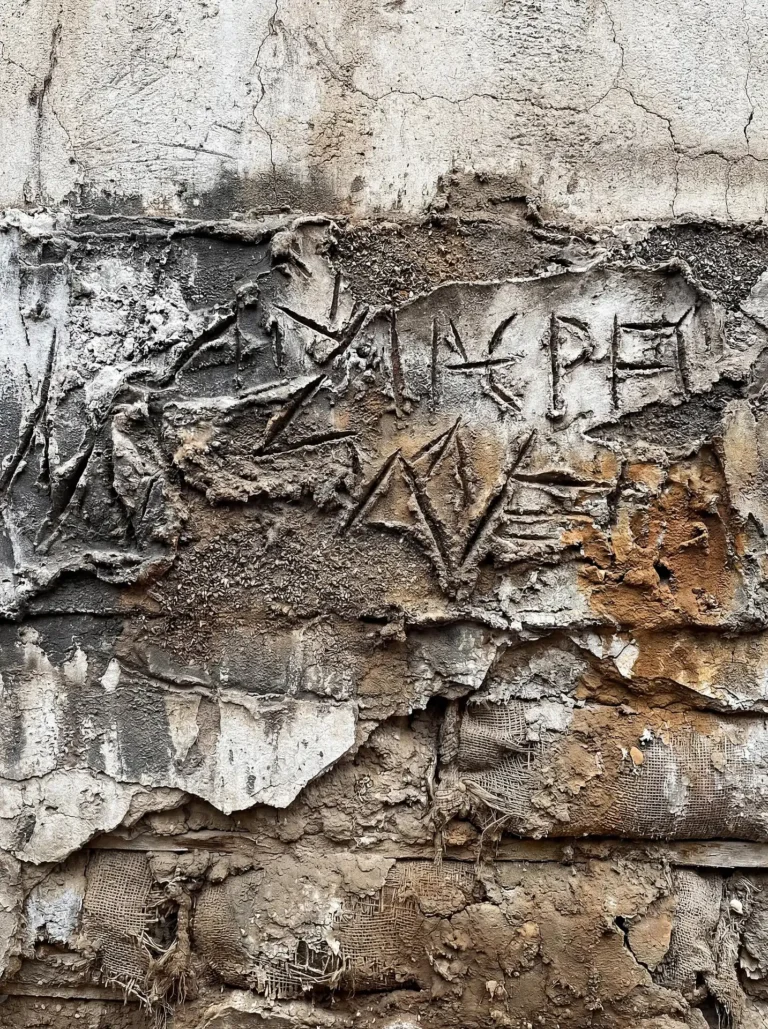
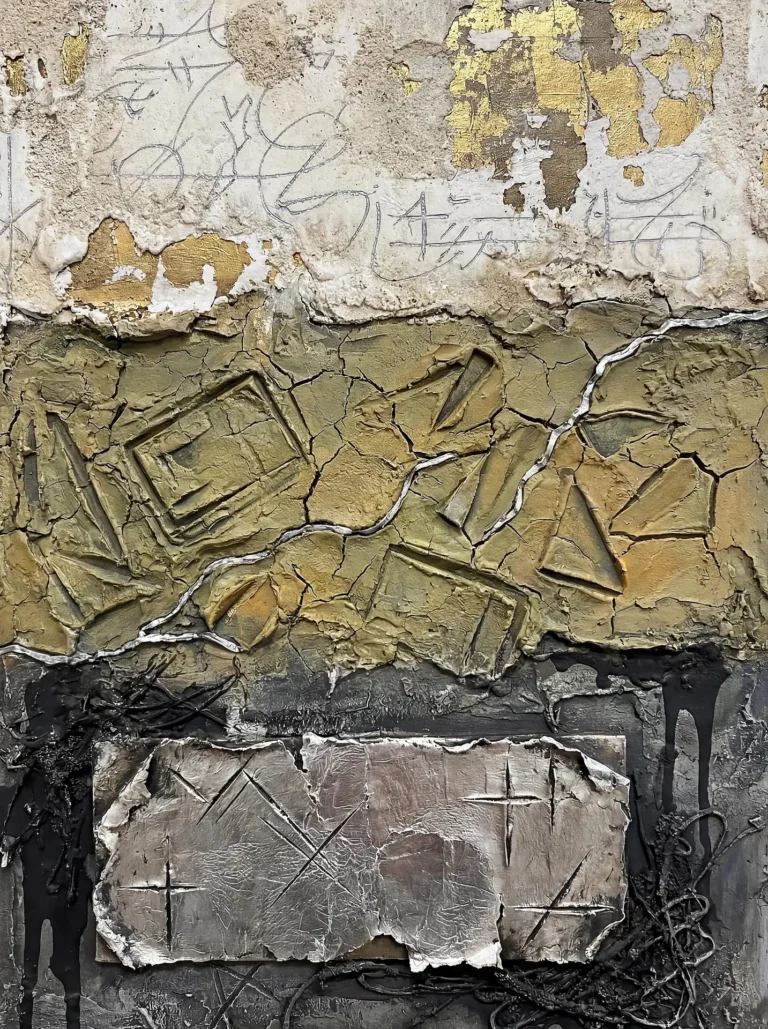
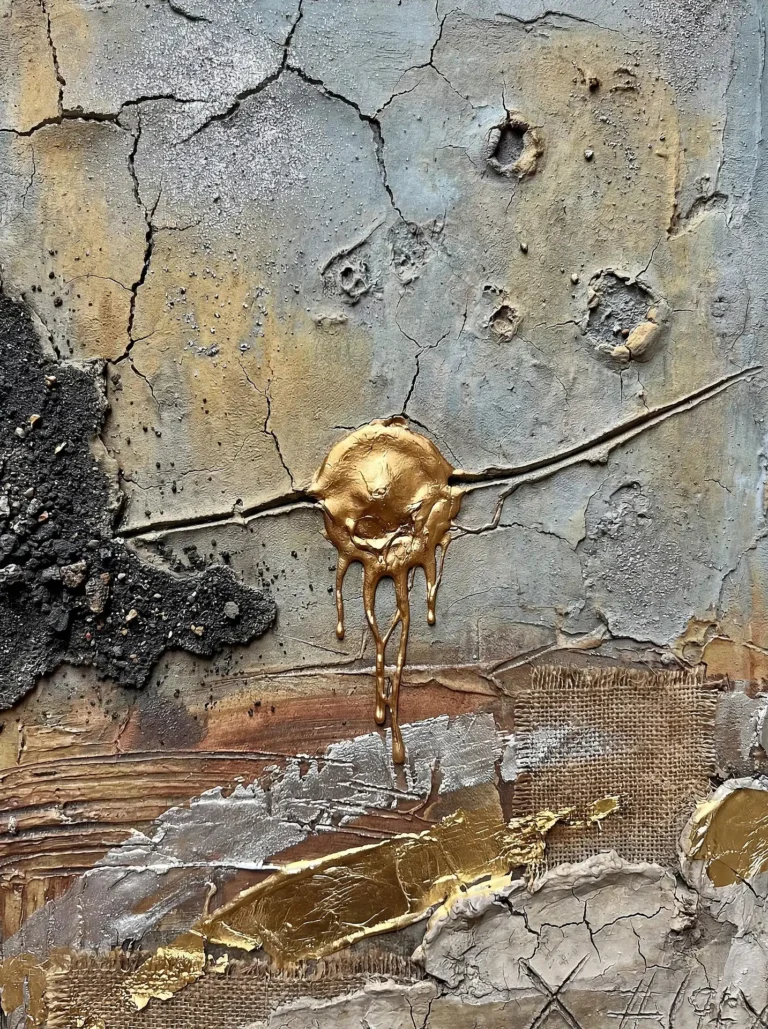
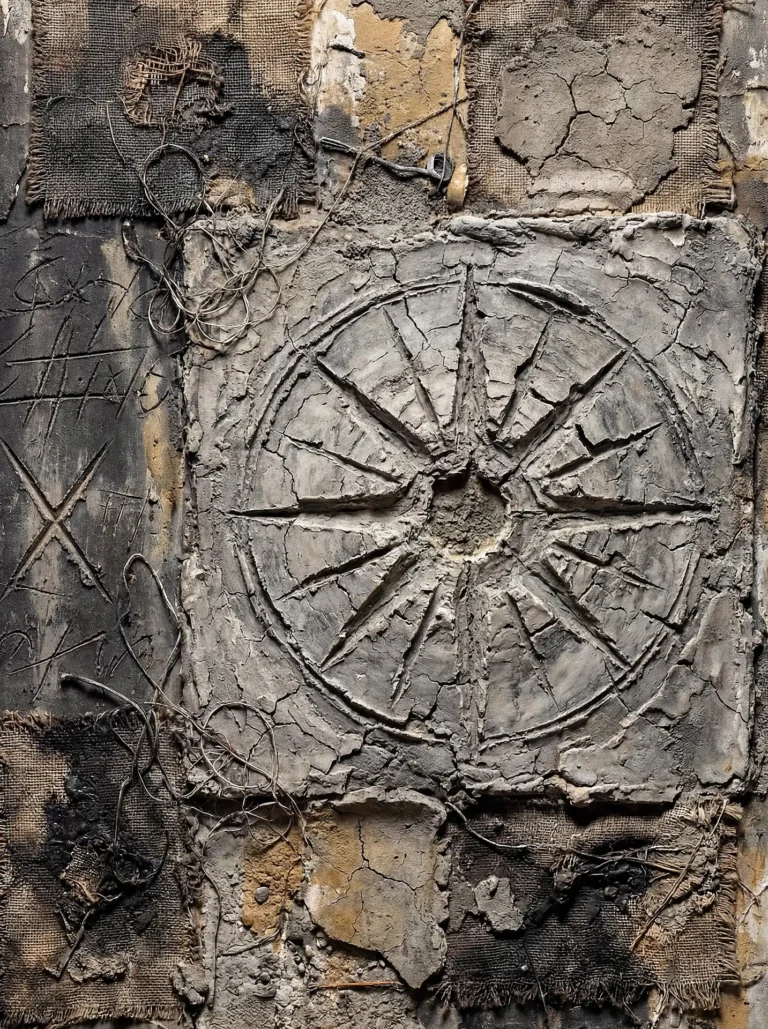
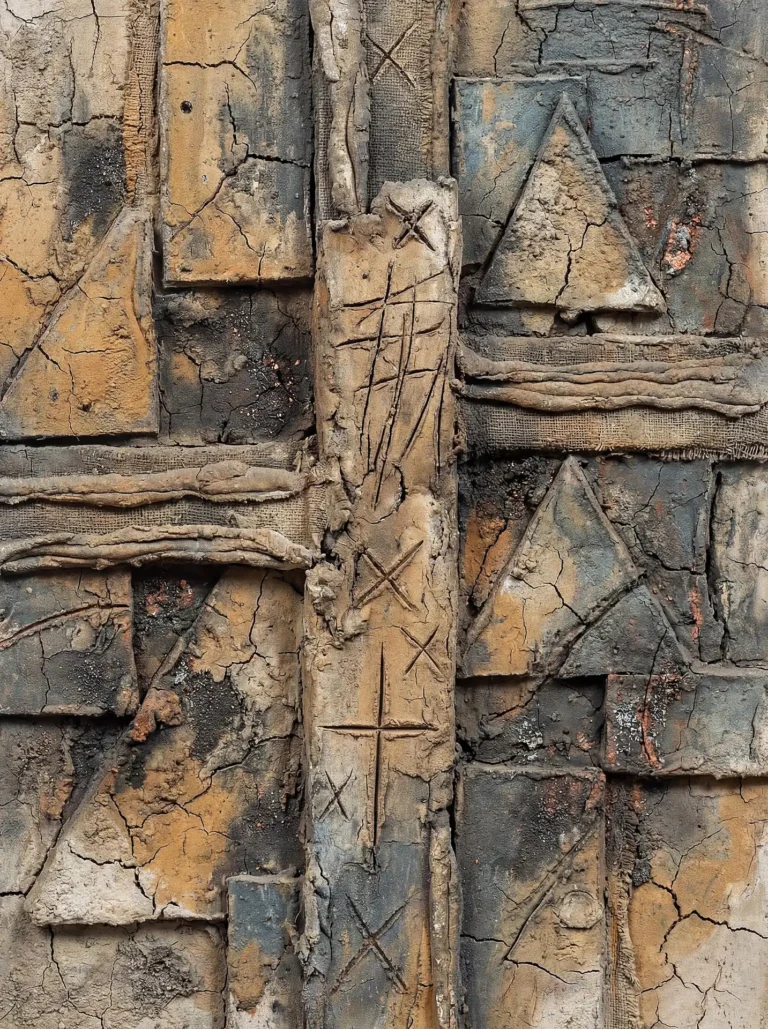
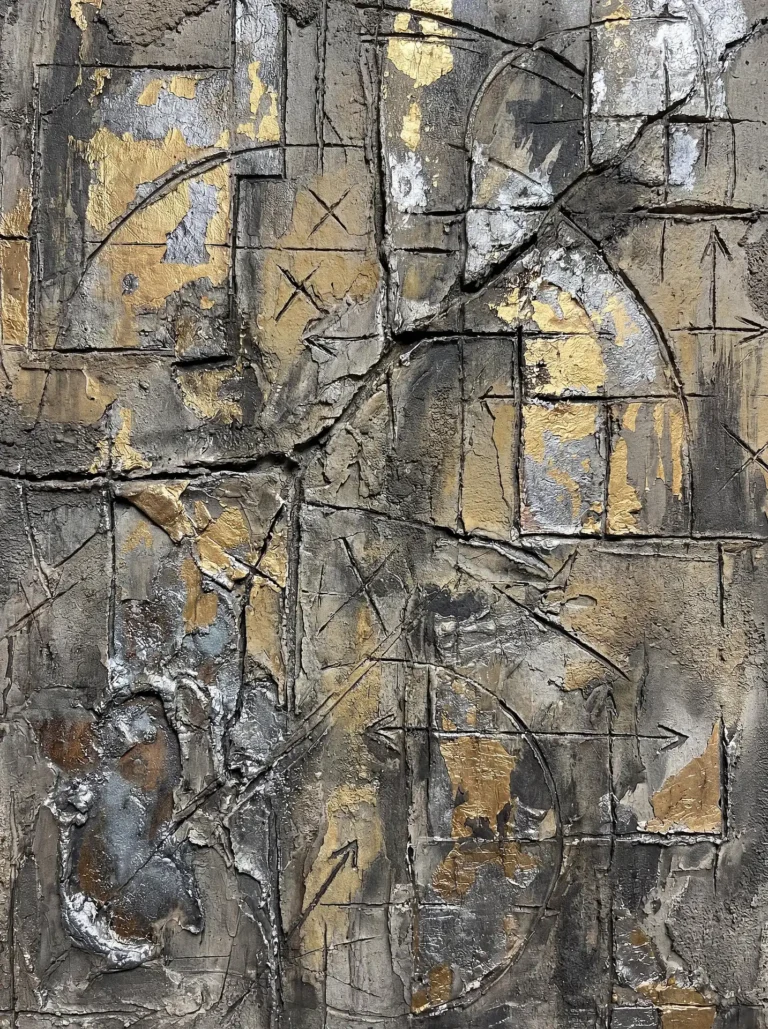
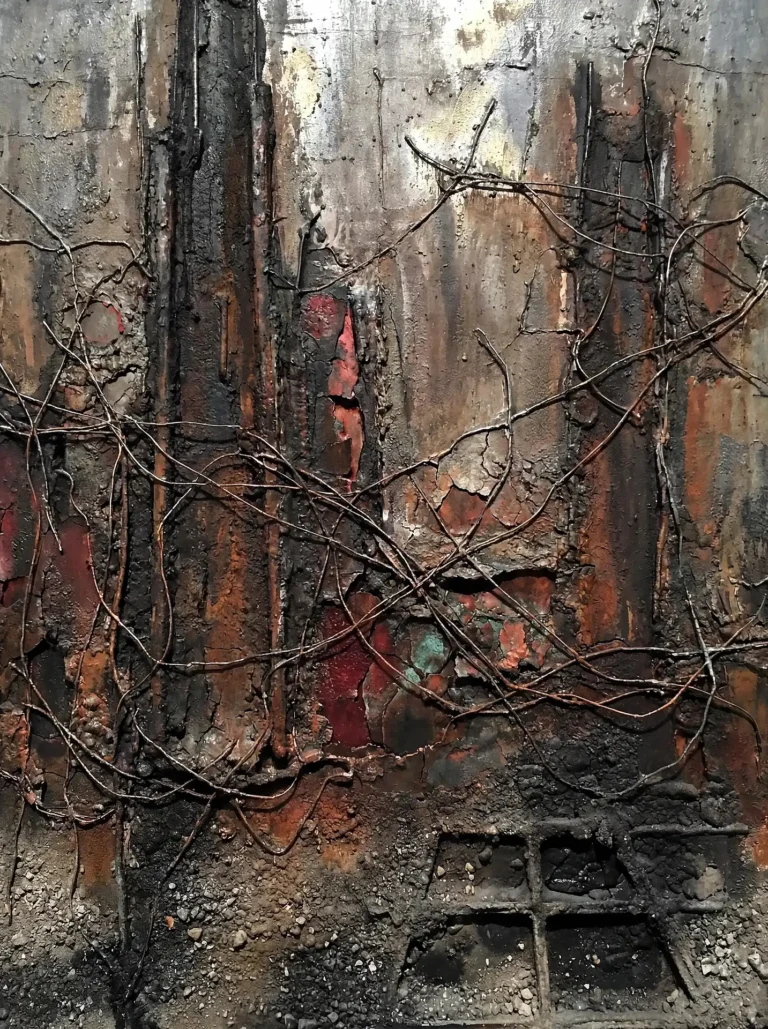
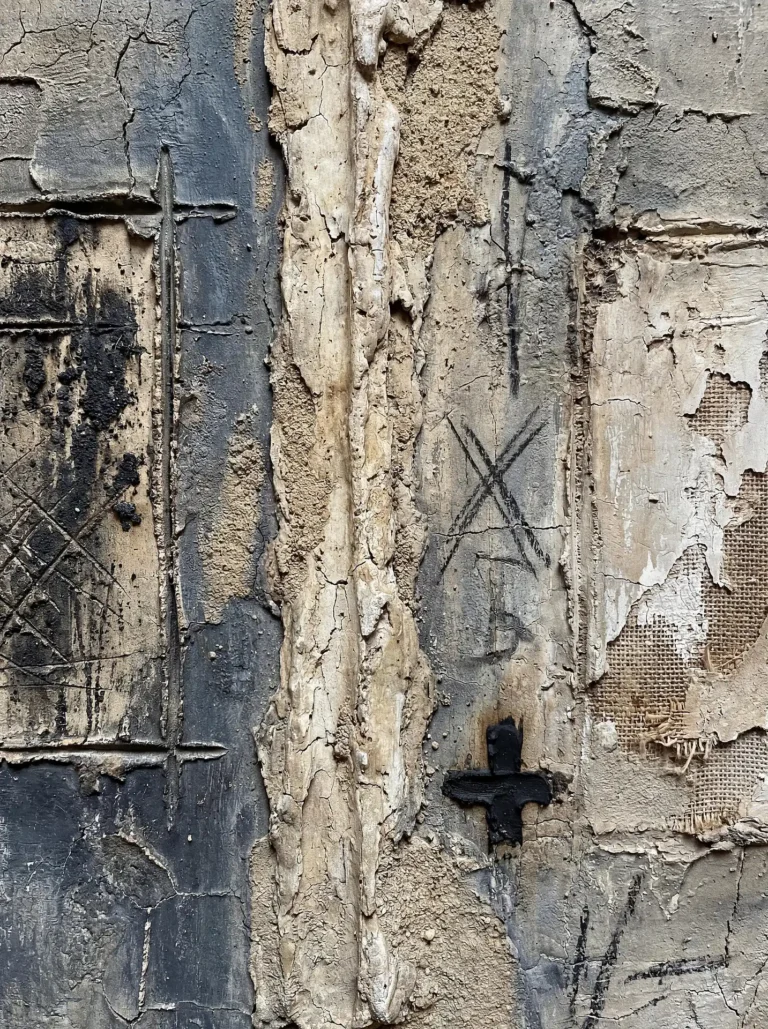
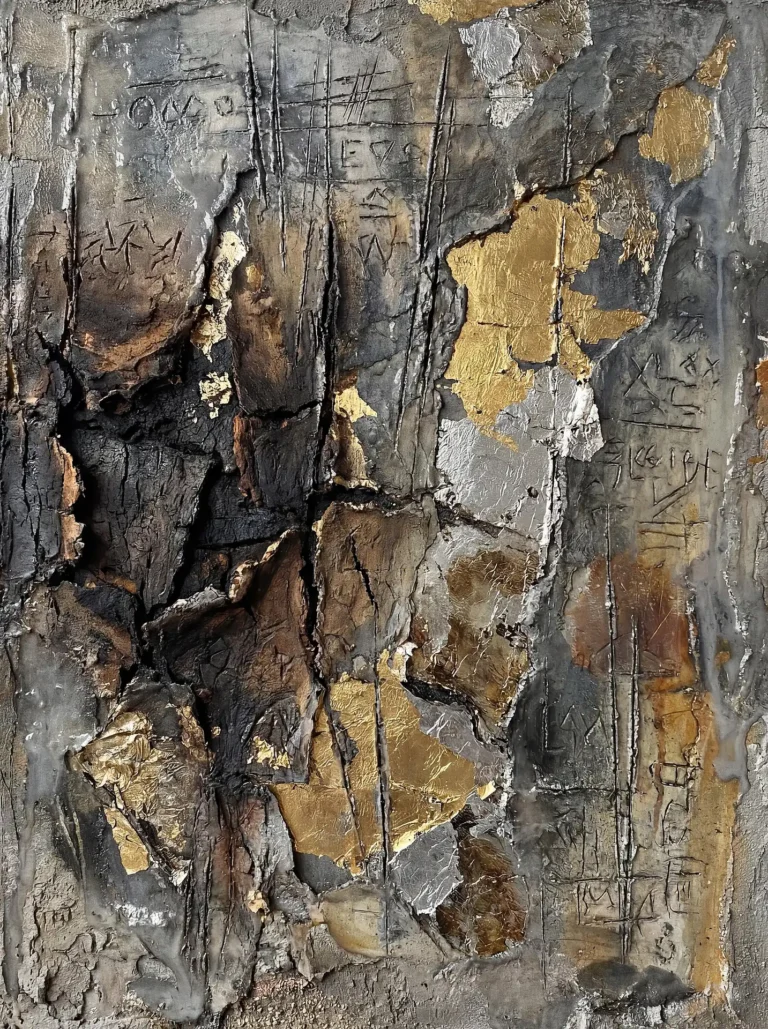
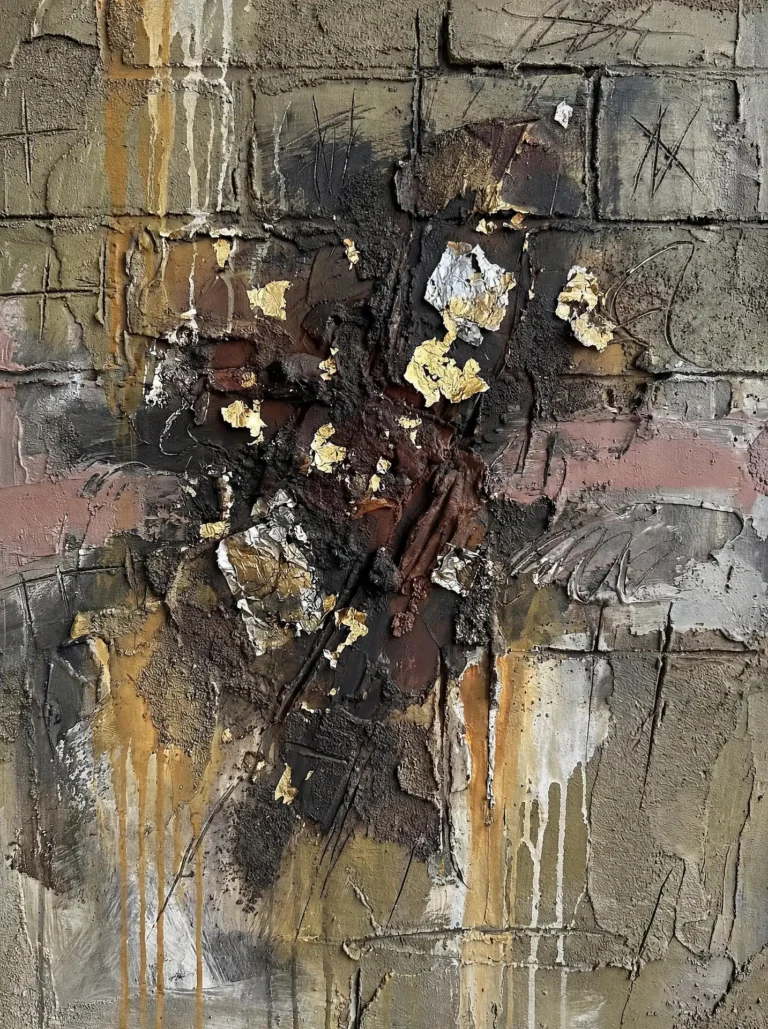
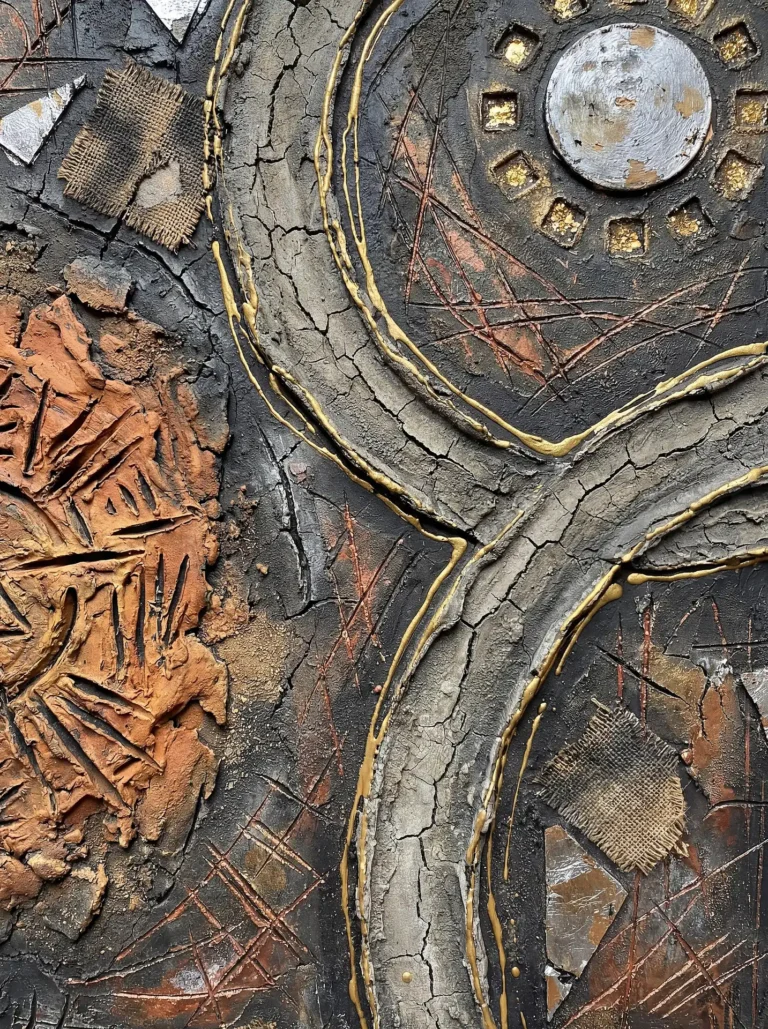
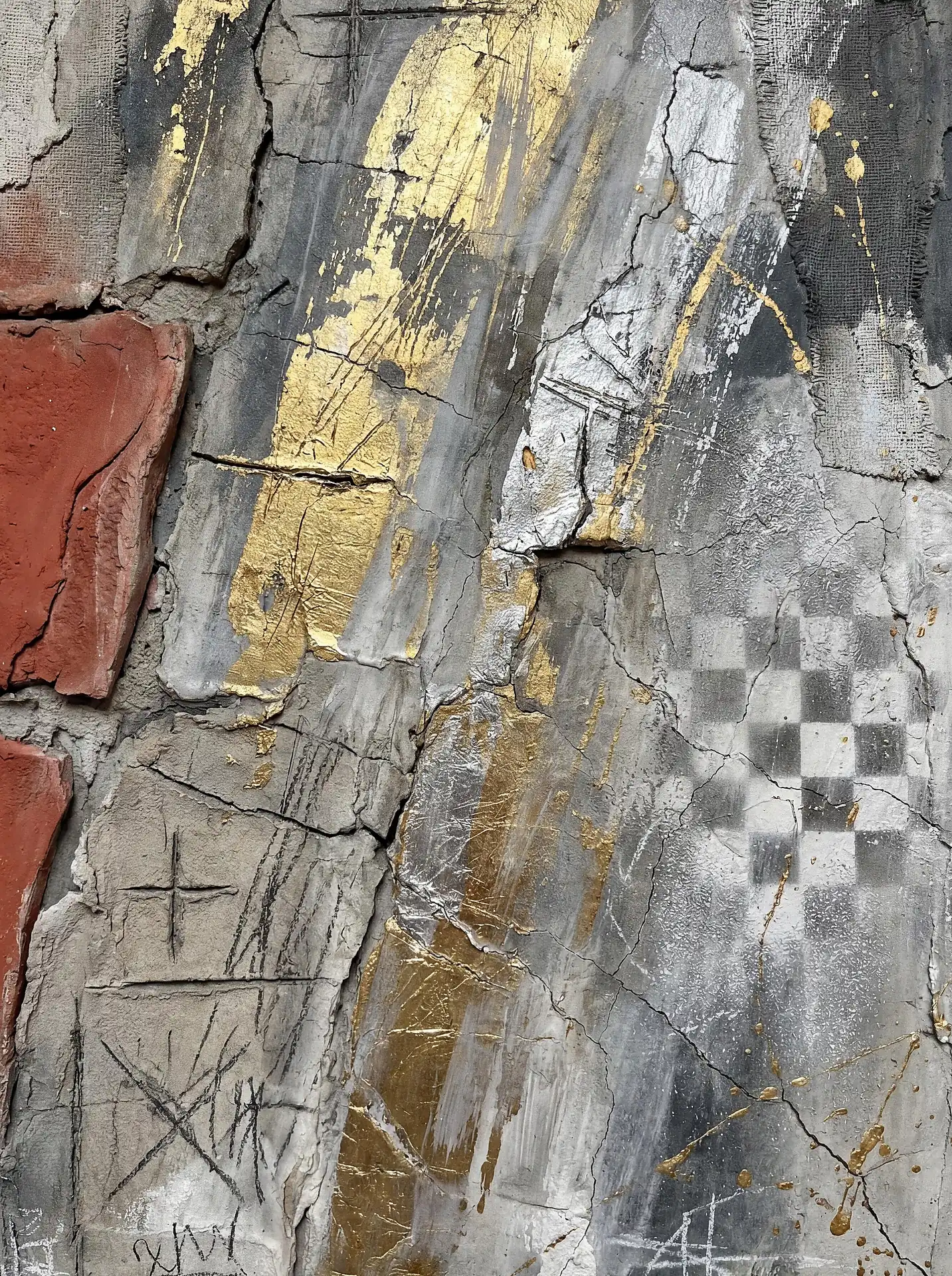
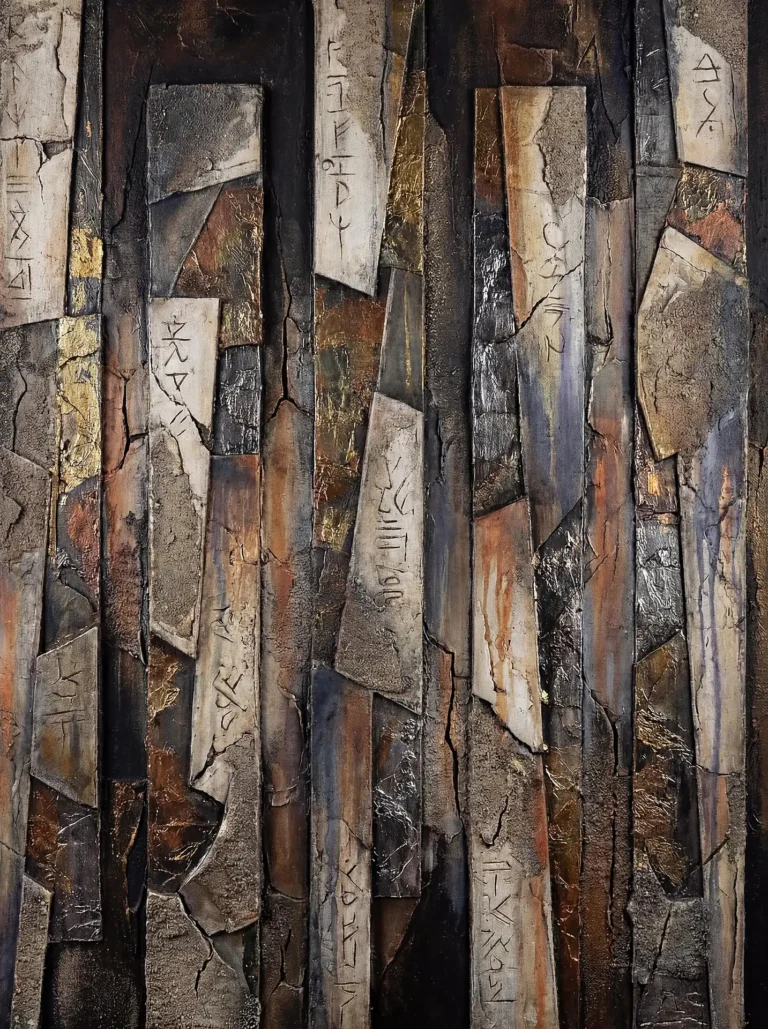
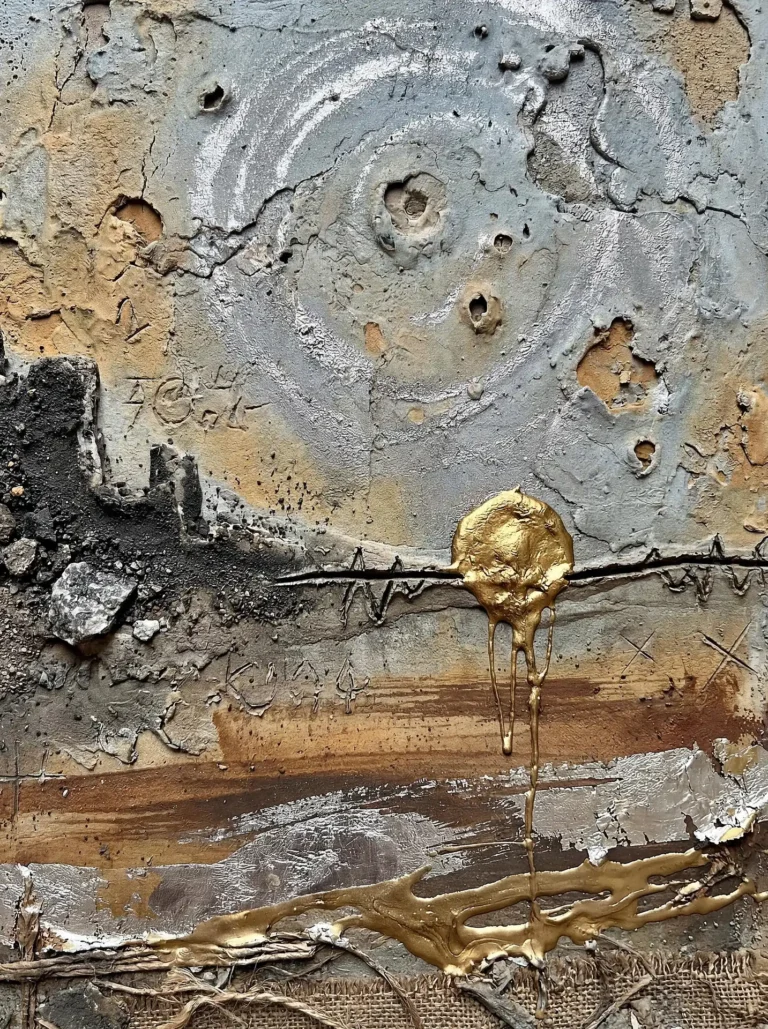
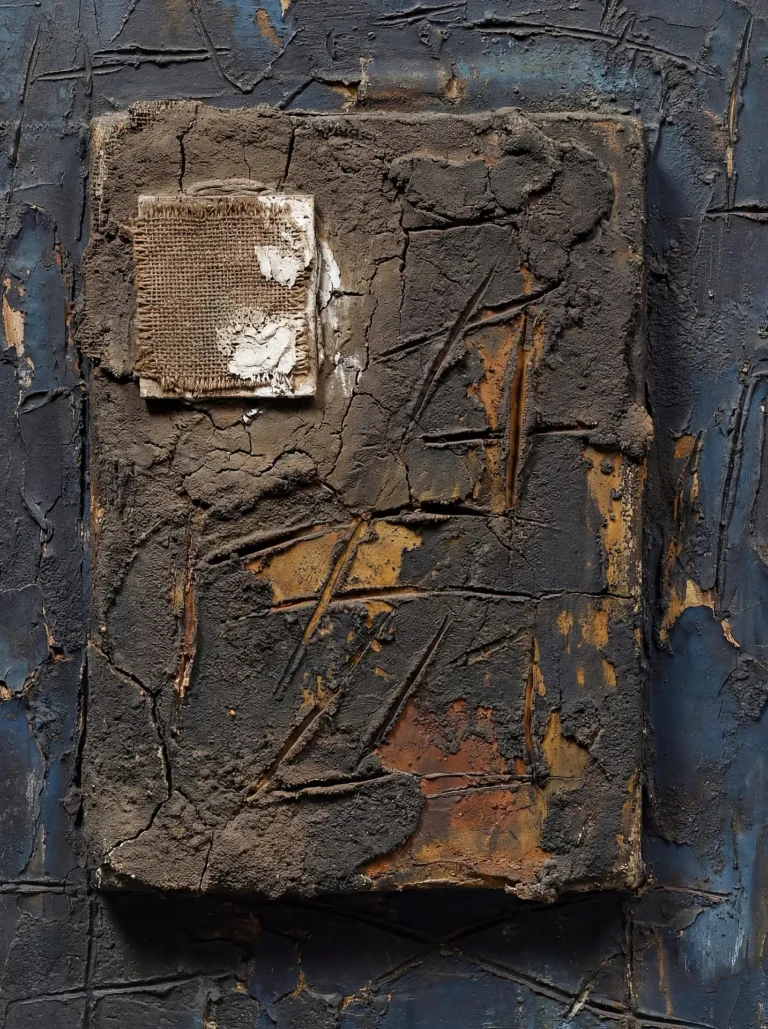
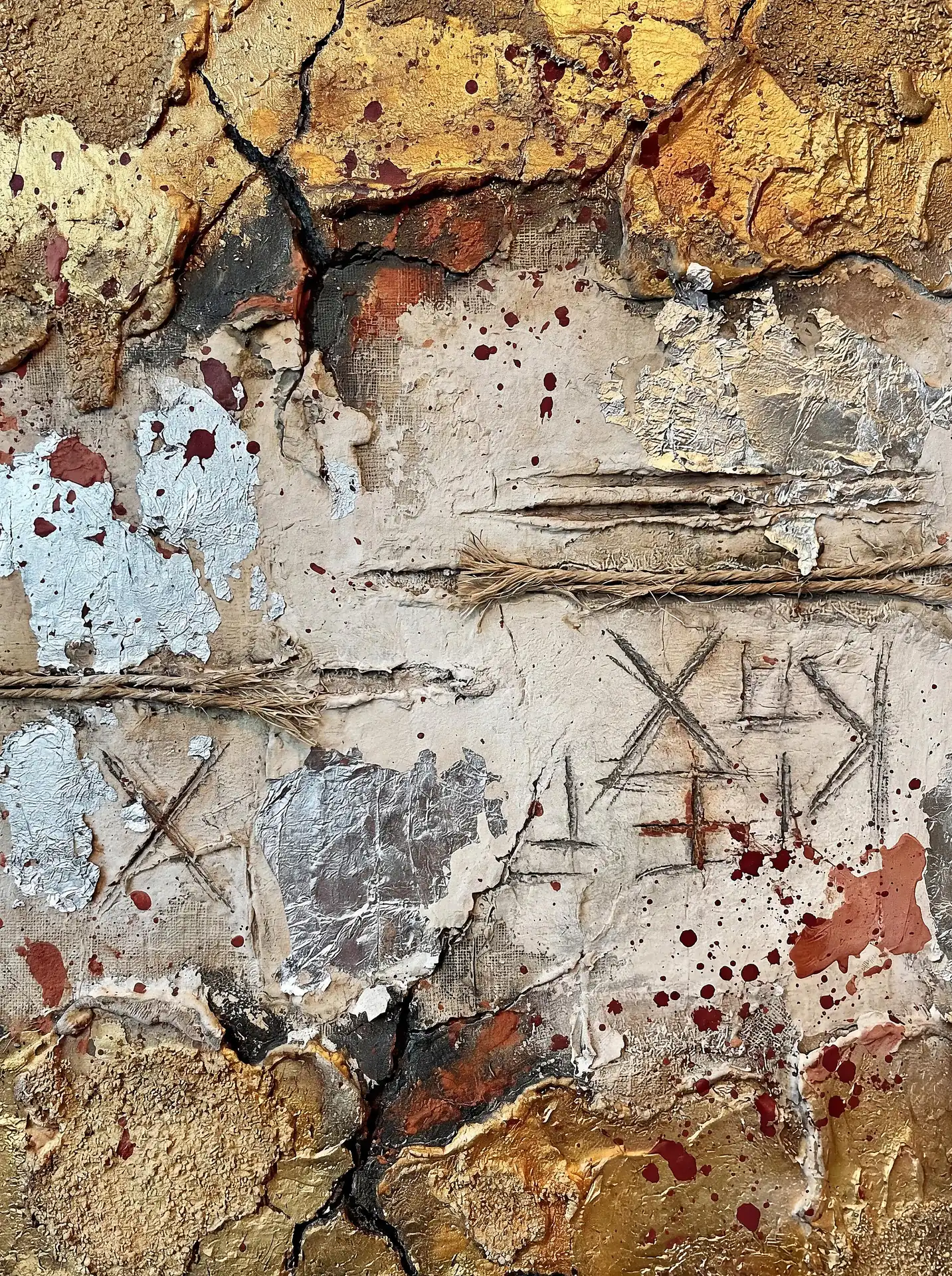
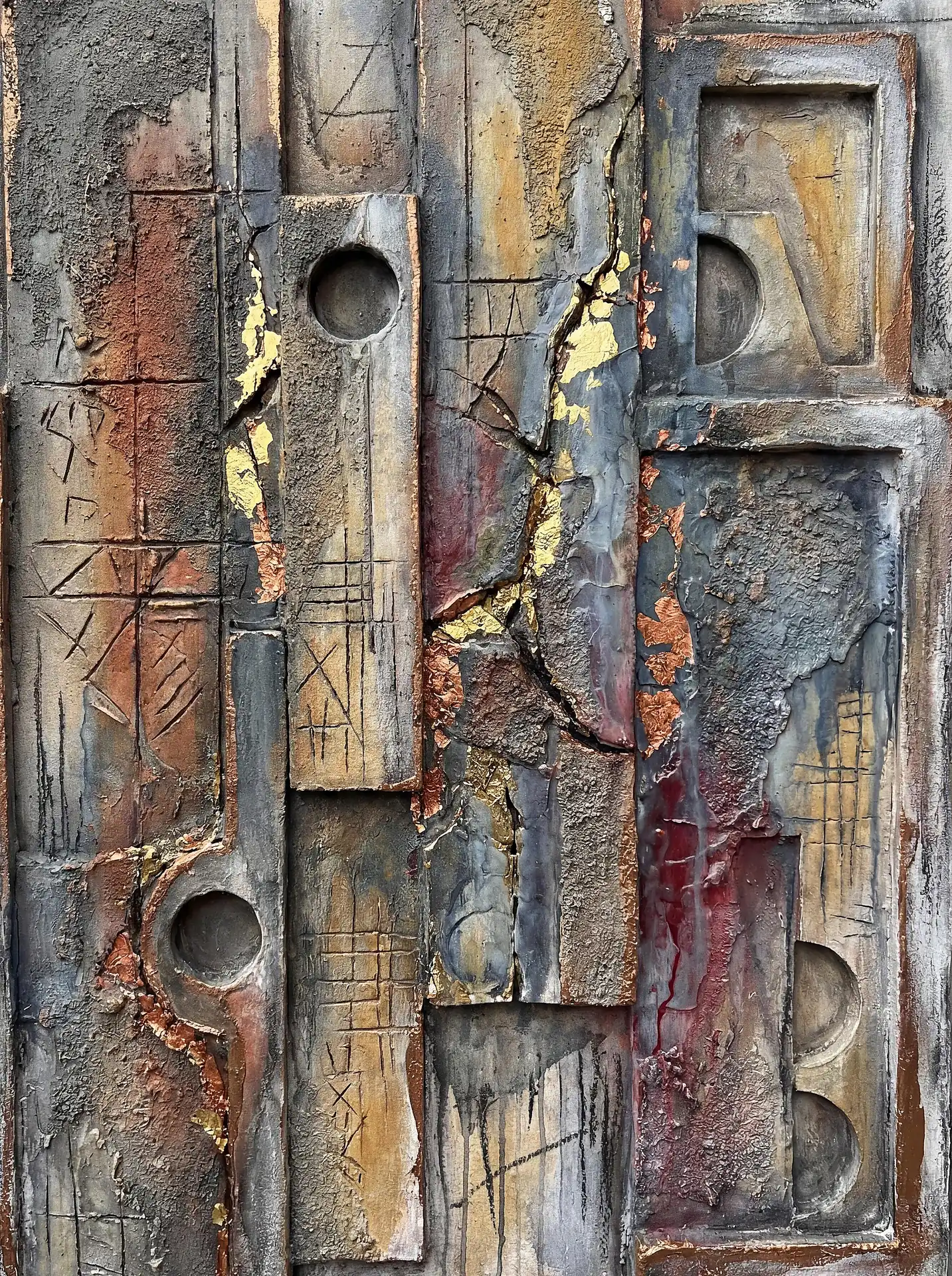
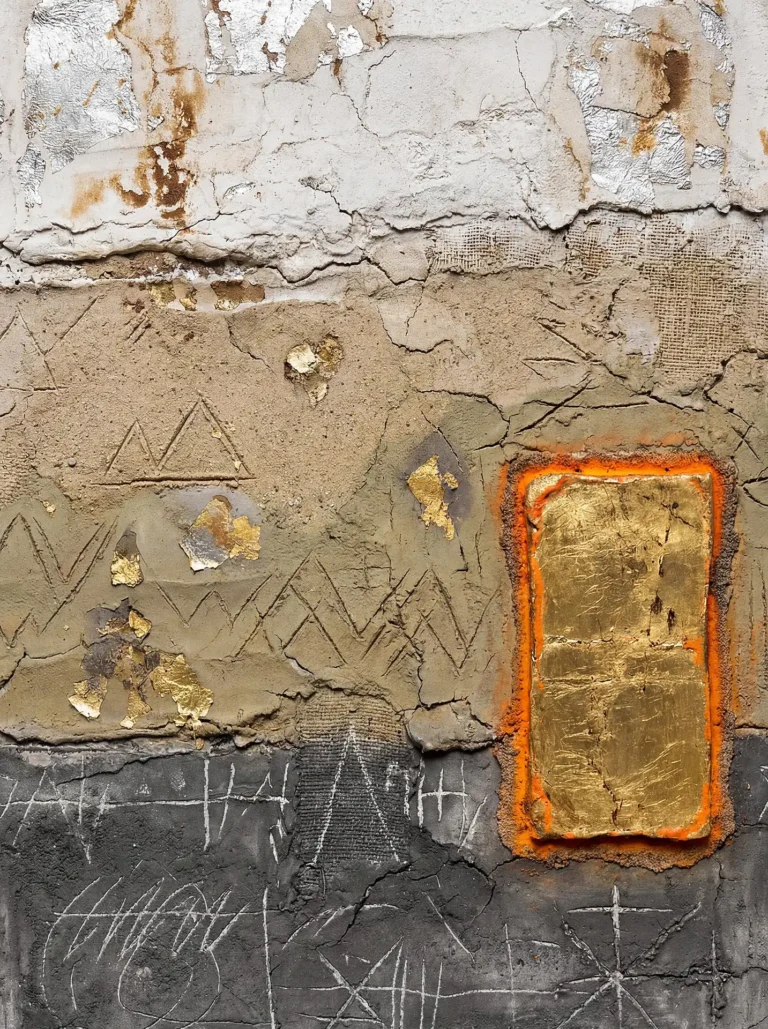
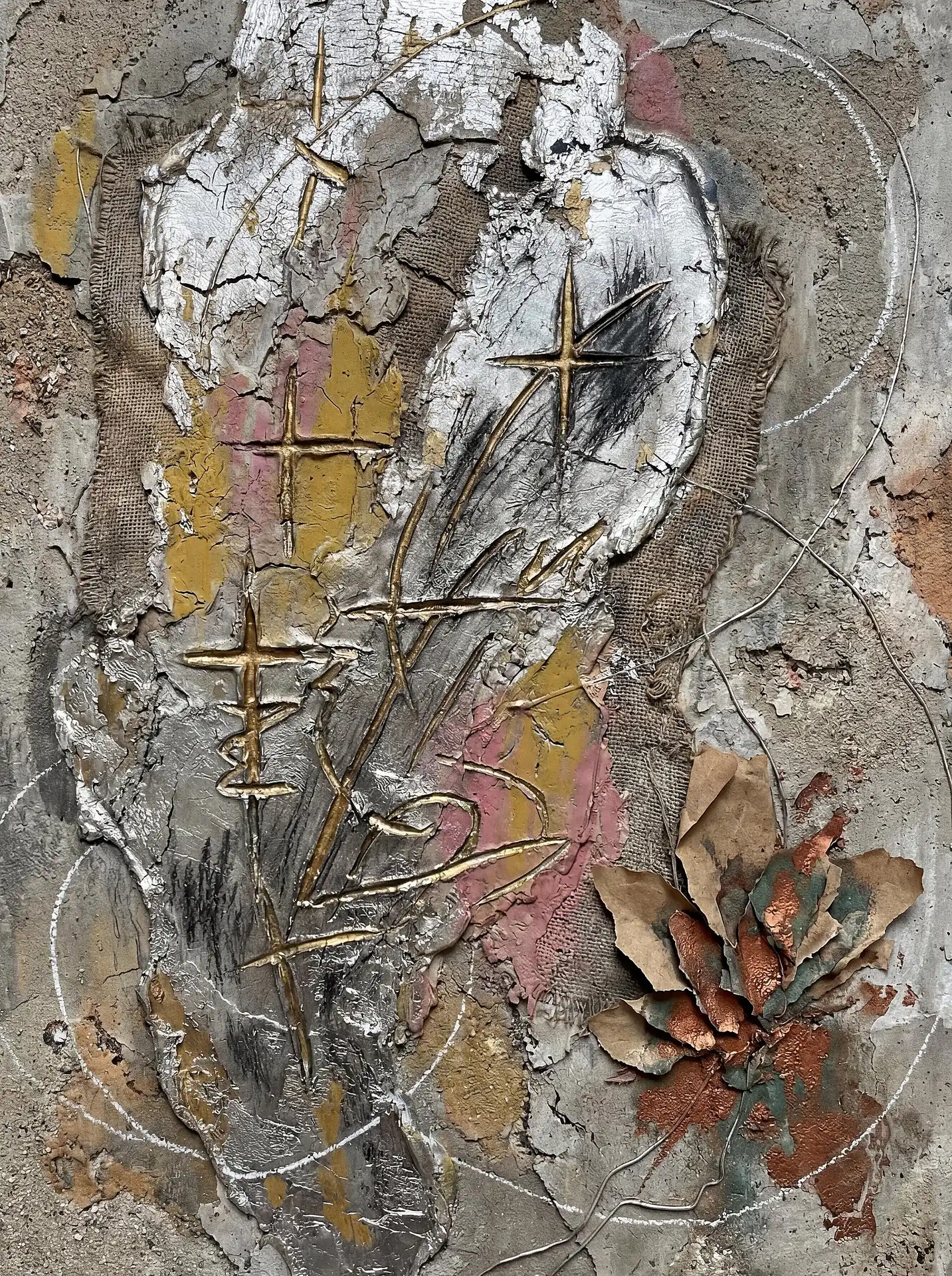
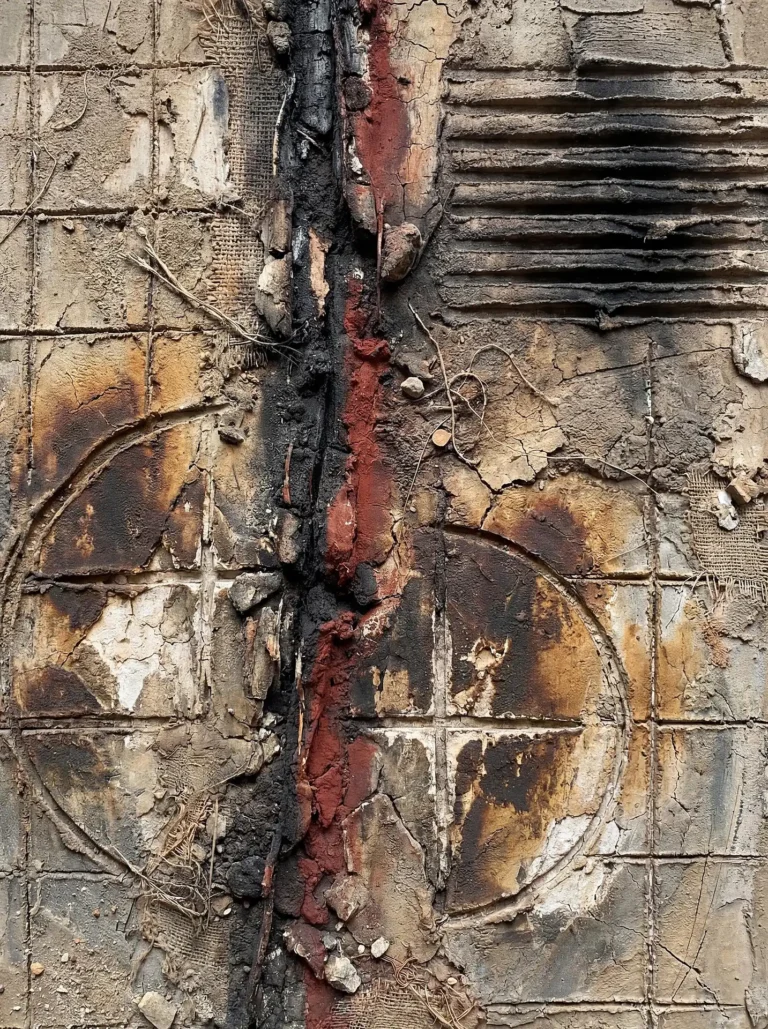
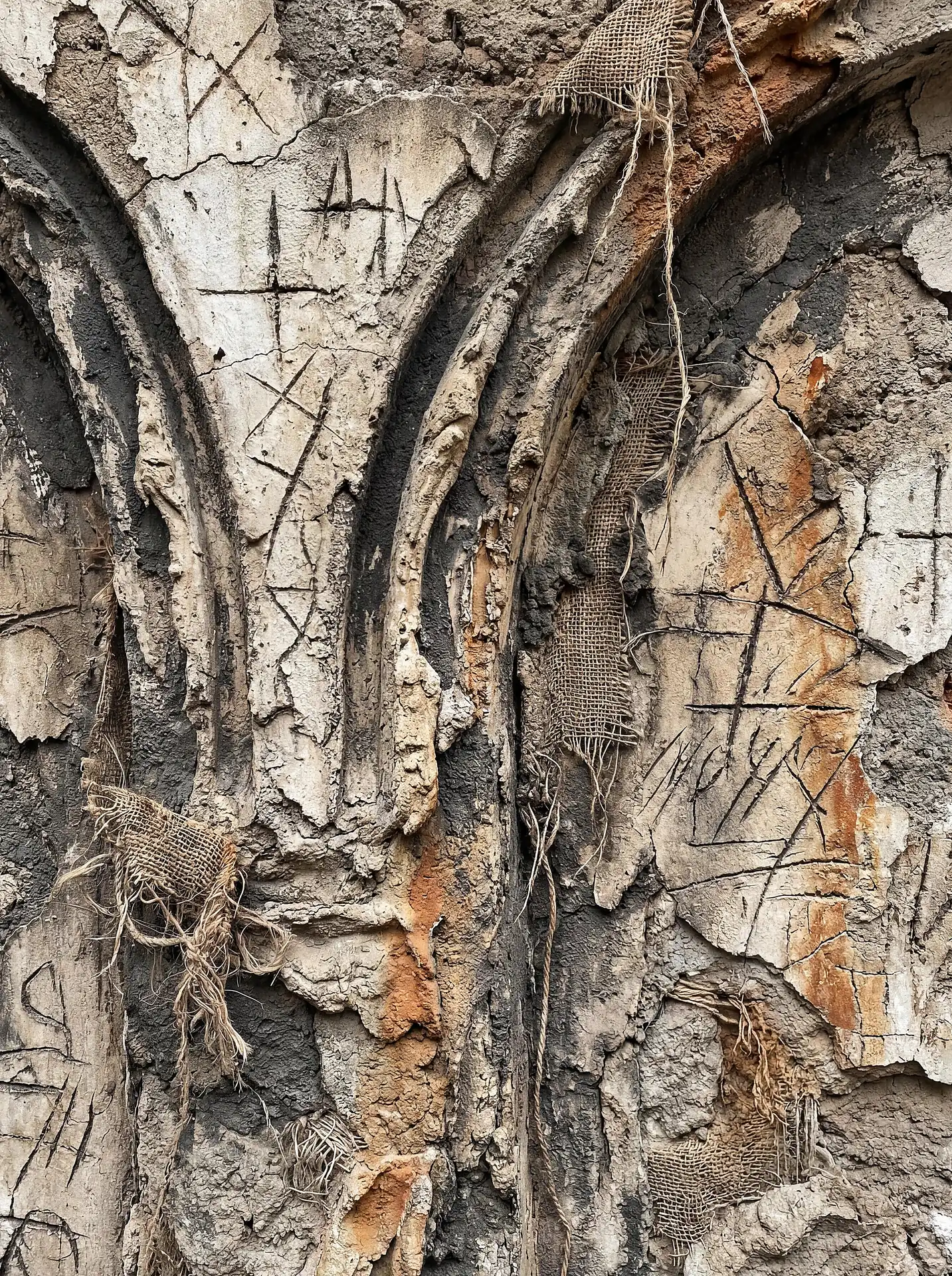
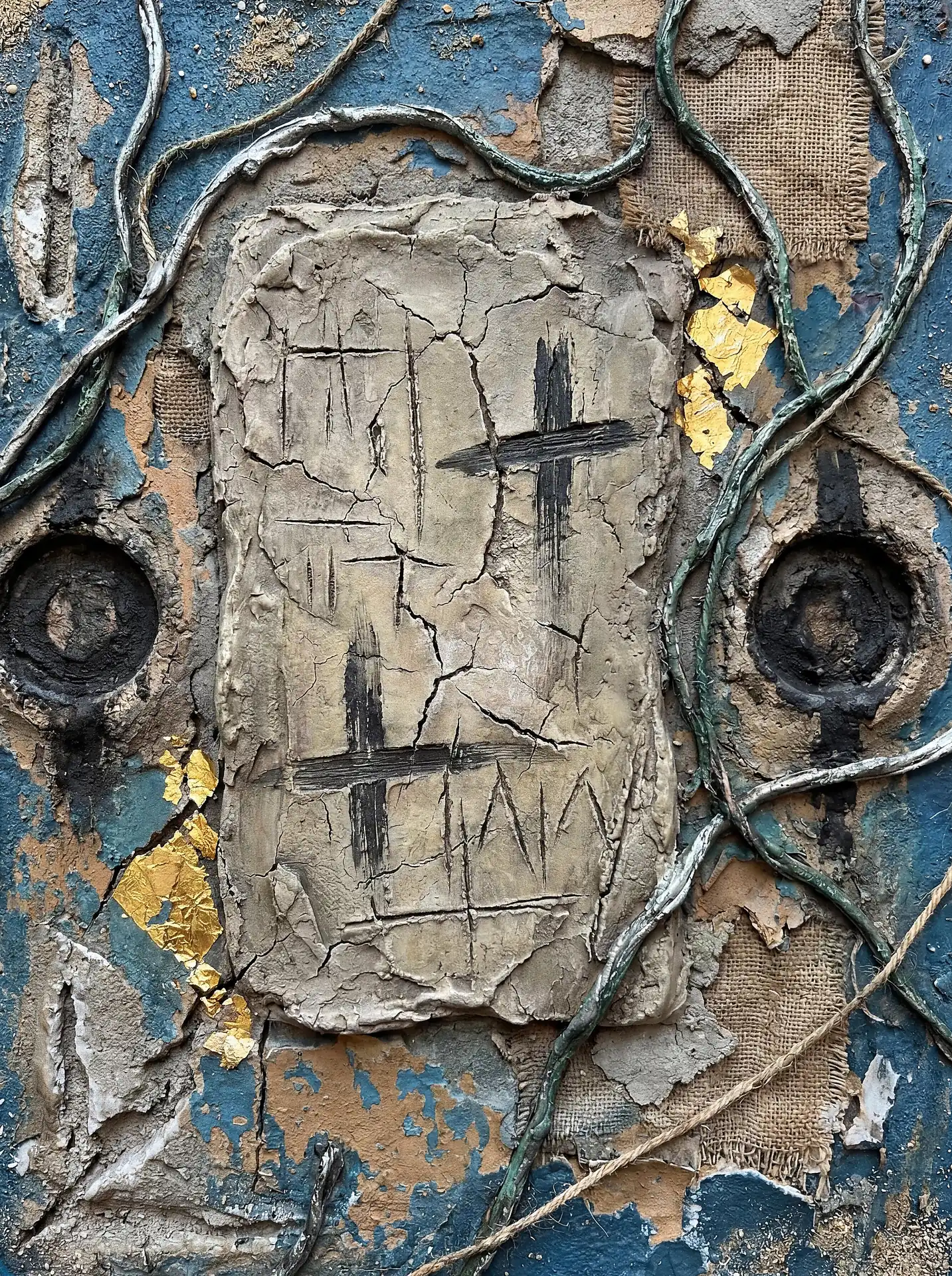
Age shows everywhere in these 182 Magnificent Earth Tone Abstract Artworks. Not depicted age but embodied age—surfaces that look worn, cracked, weathered by exposure. The pieces suggest walls that have stood through seasons, objects that have passed through hands for generations. Whether this weathering is actual or performed doesn’t matter. The effect creates authenticity.
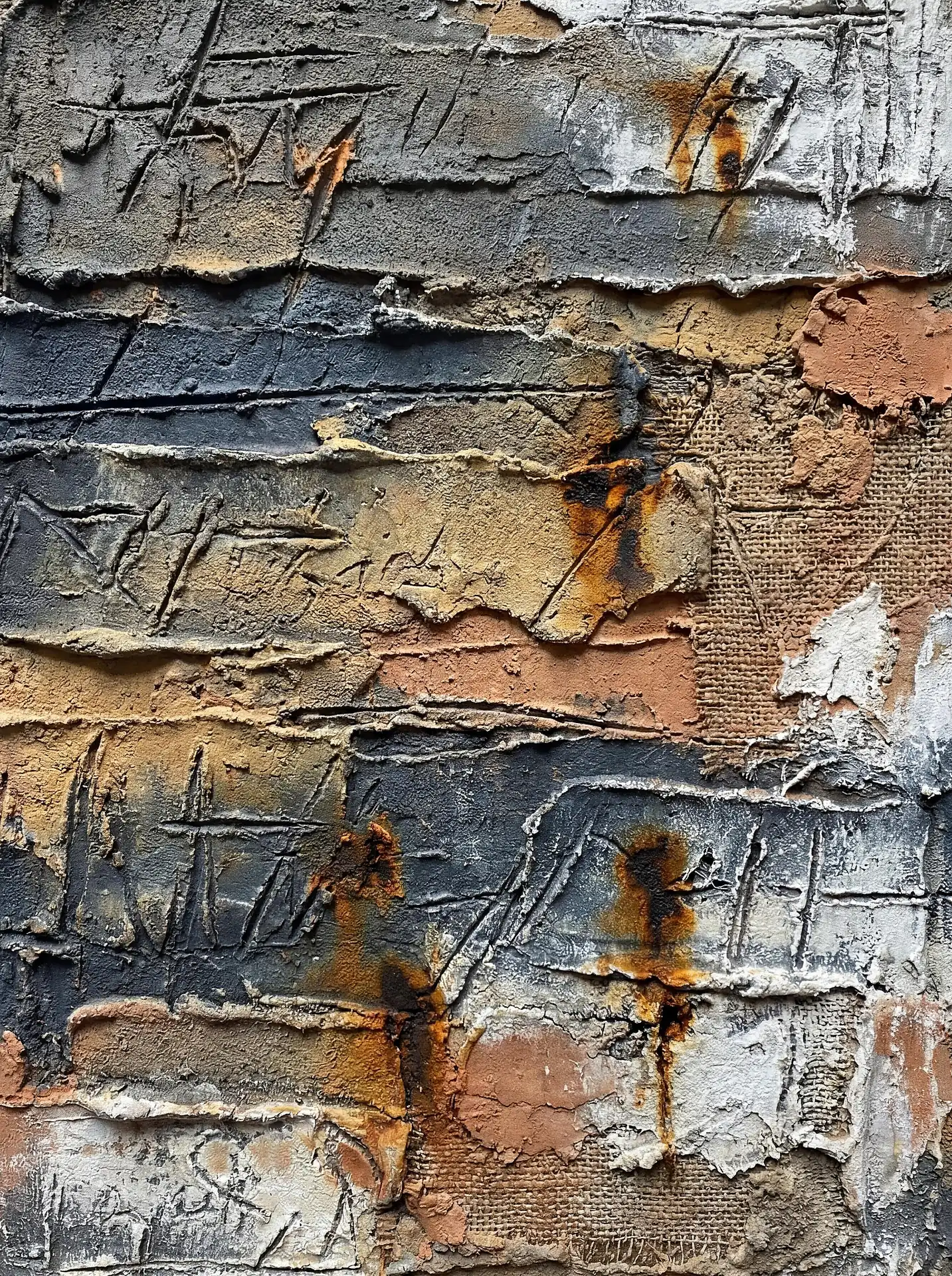
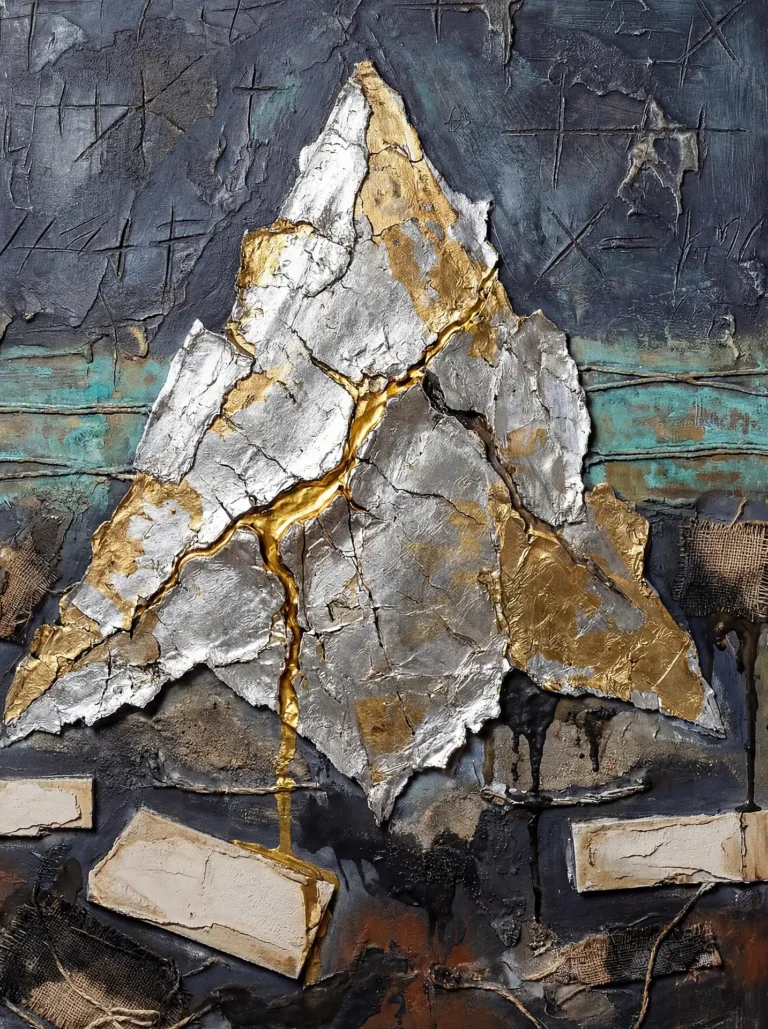
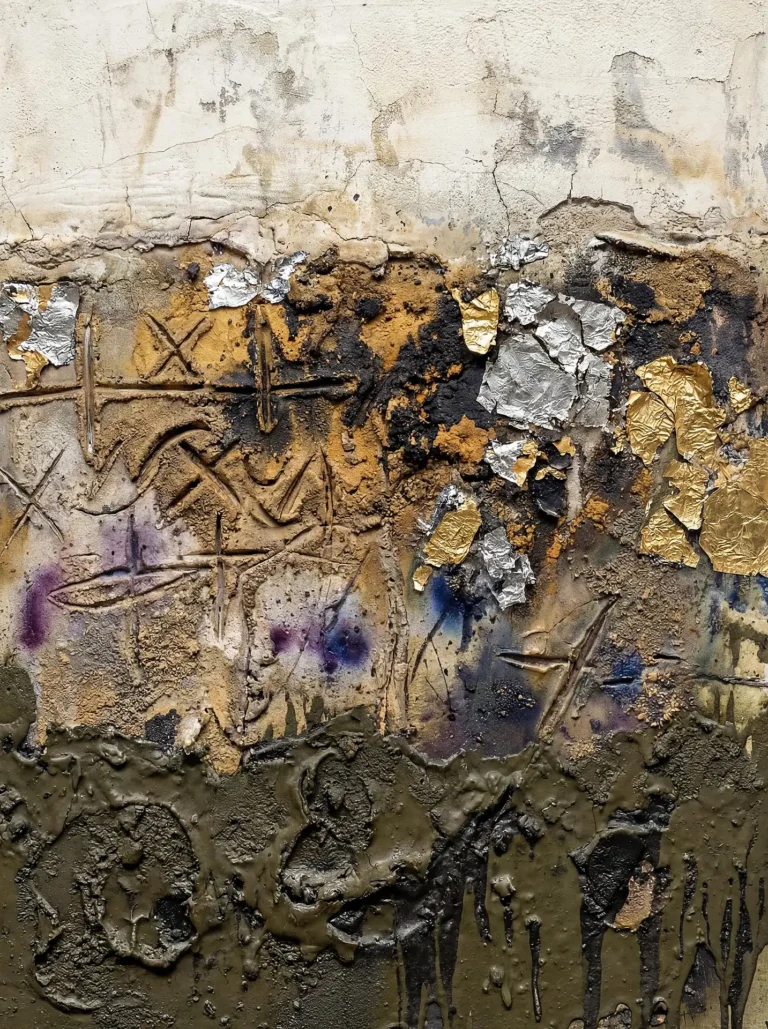
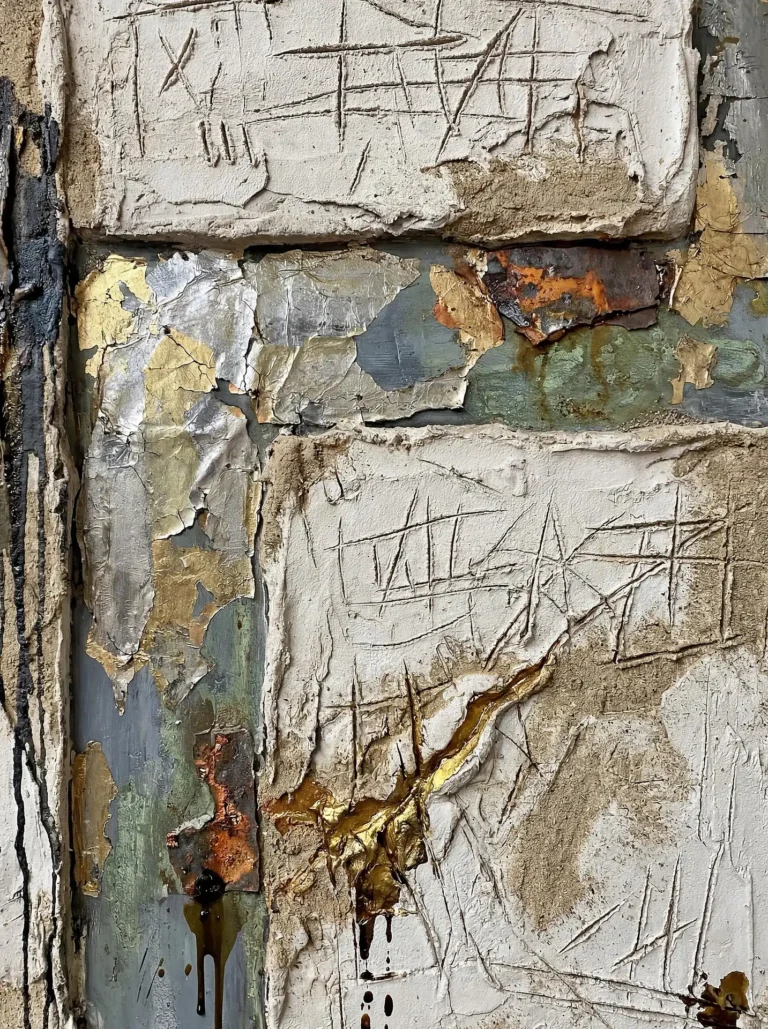
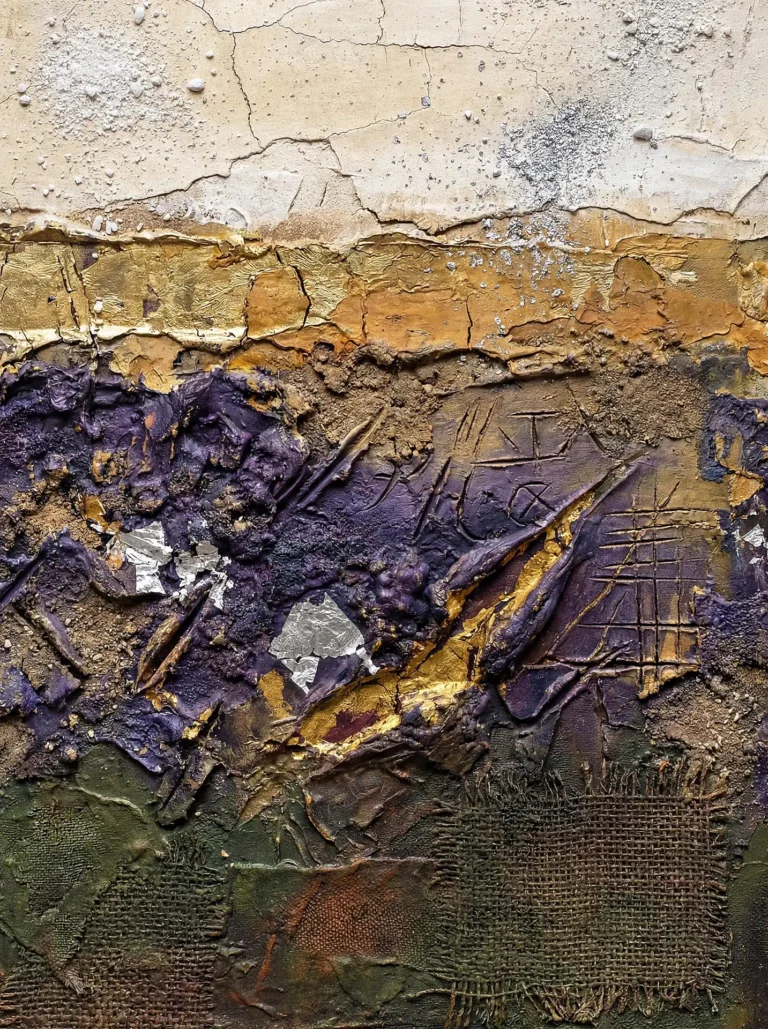
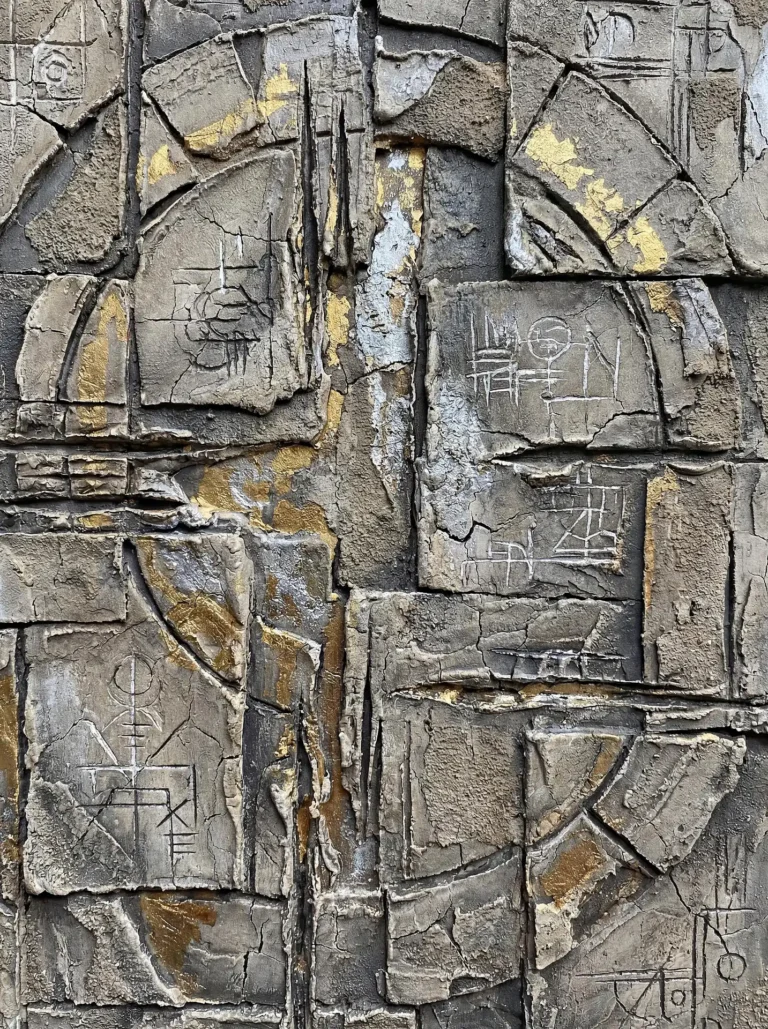
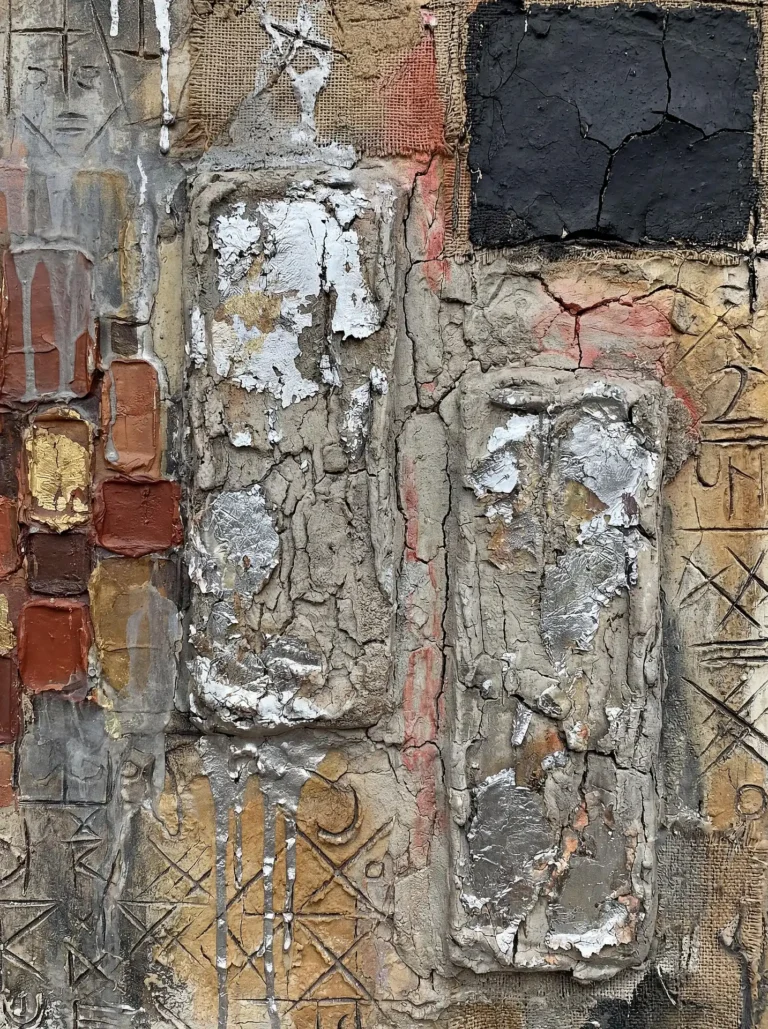
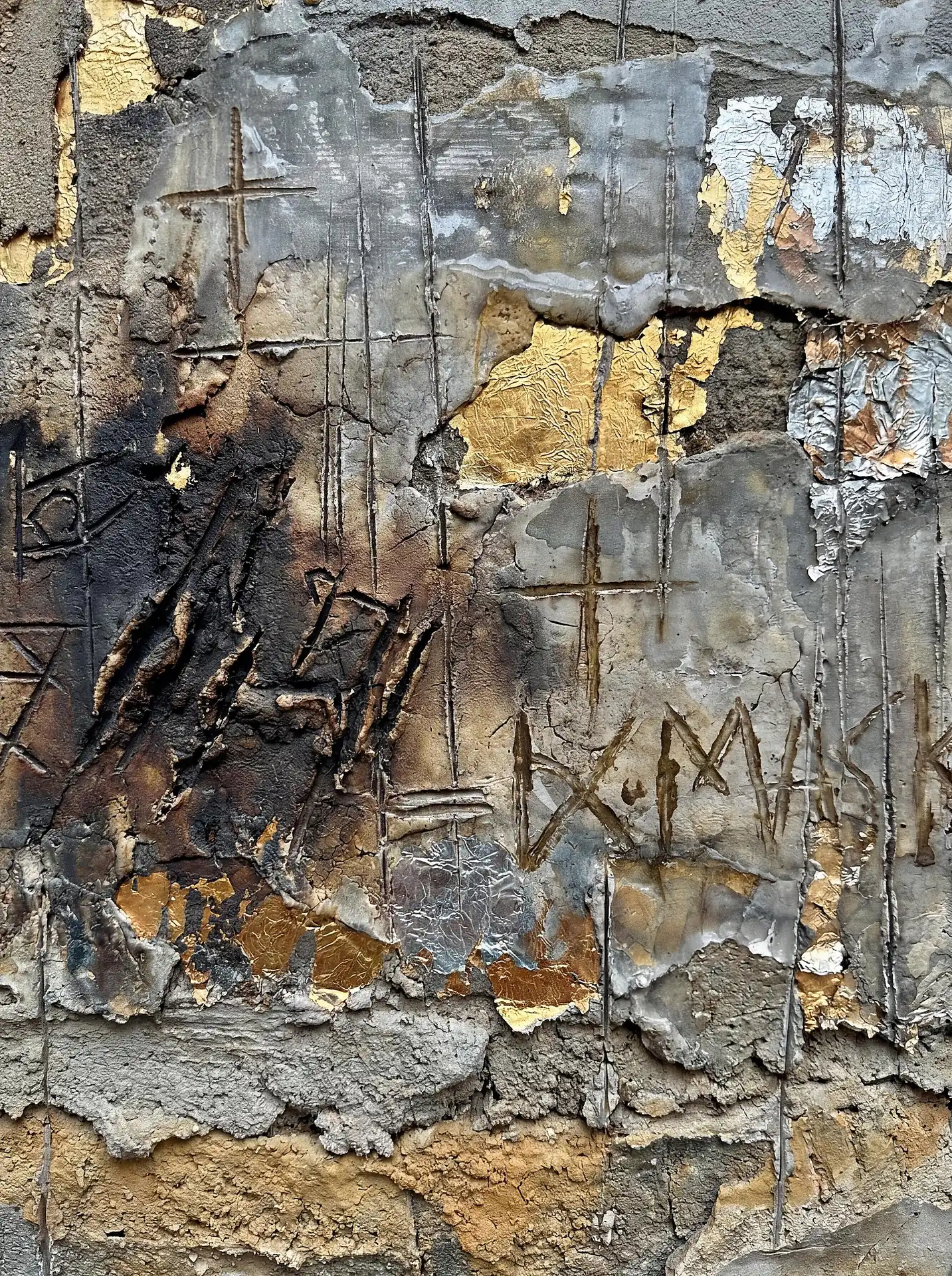
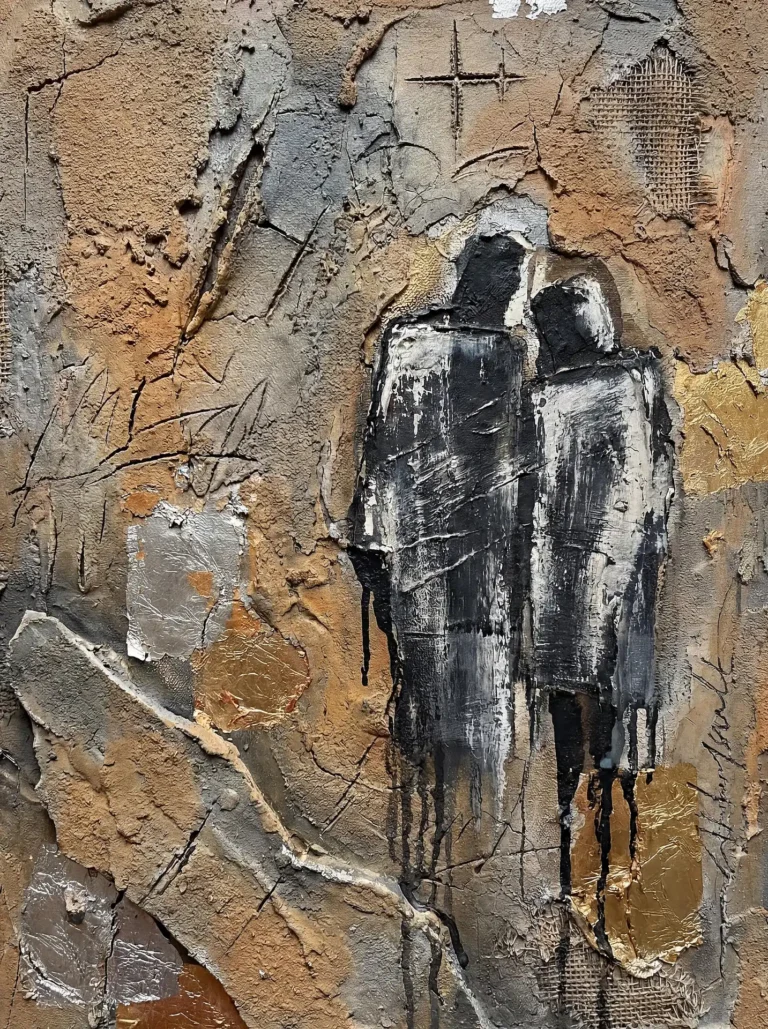
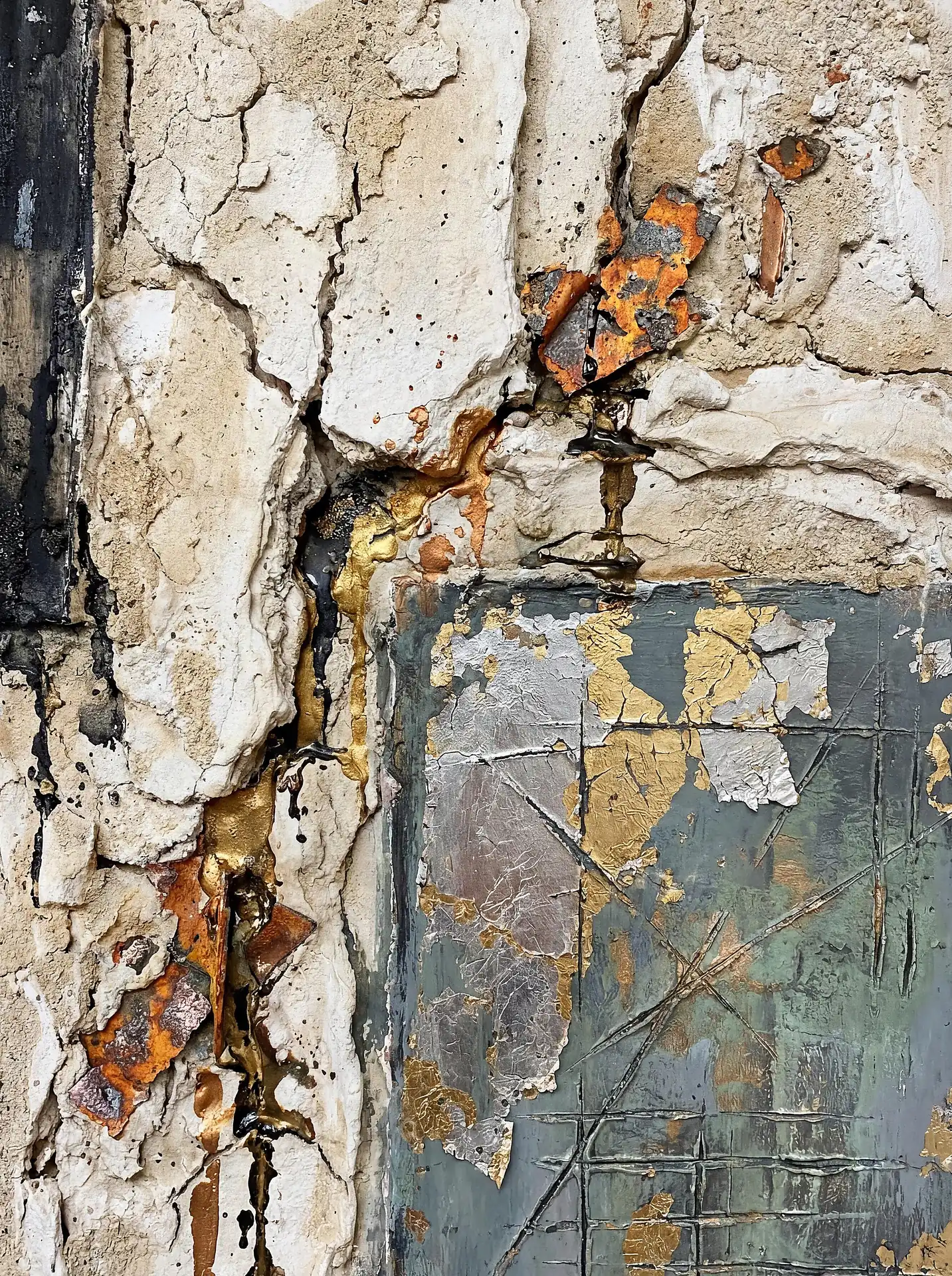
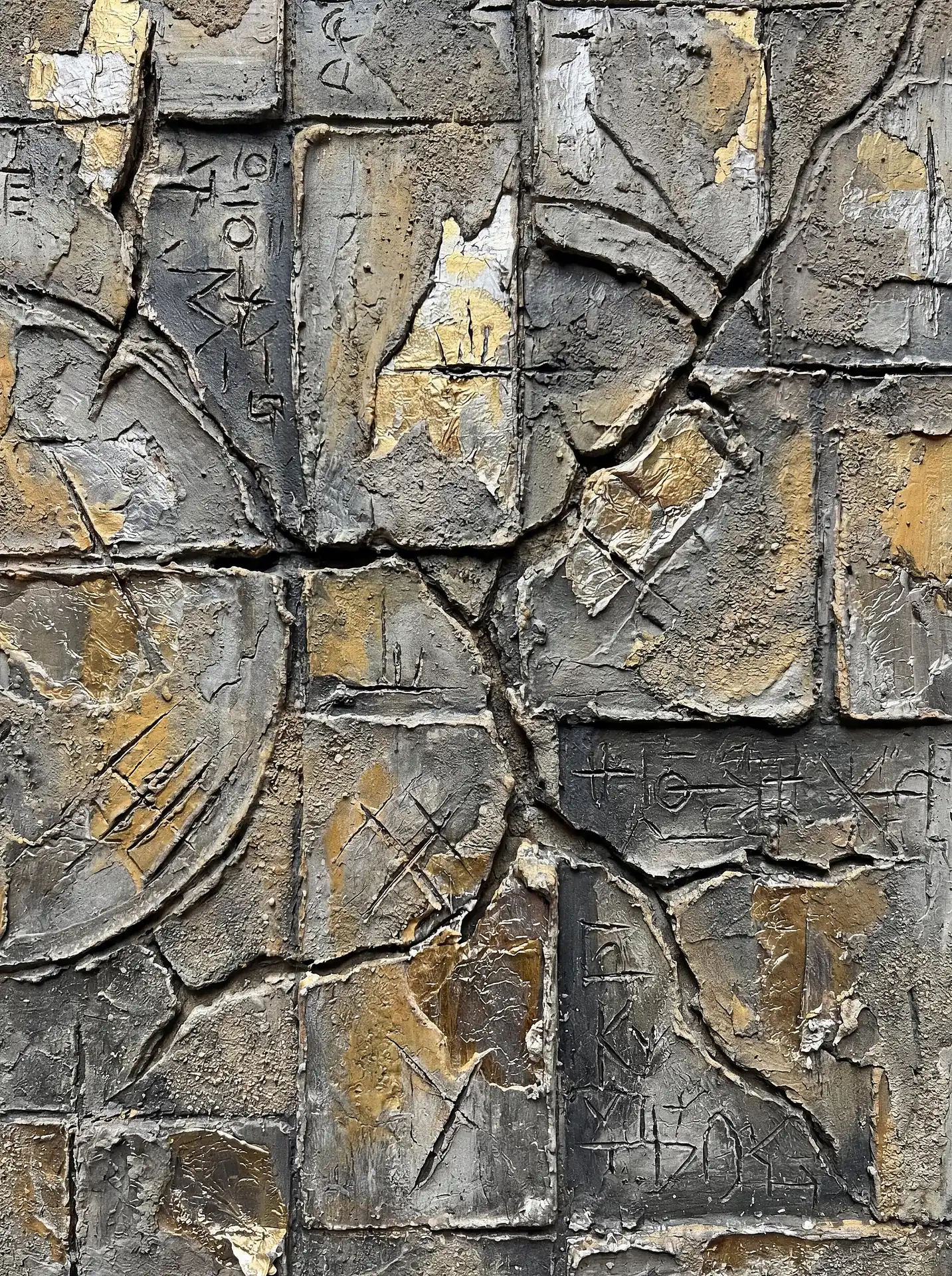
Cracks run through compositions, sometimes hairline, sometimes dramatic. Flaking reveals earlier layers beneath. Staining suggests water damage, smoke exposure, decades of accumulated atmosphere. The work celebrates these marks of time rather than disguising them, treating damage as character.
COLLAGE LOGIC
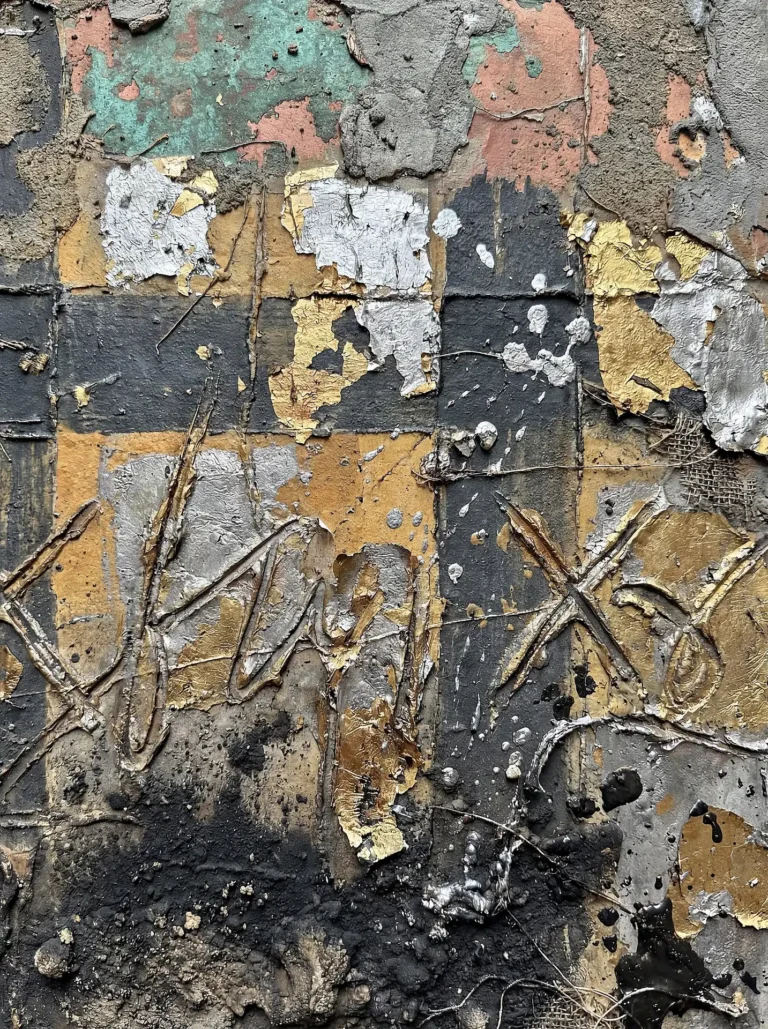
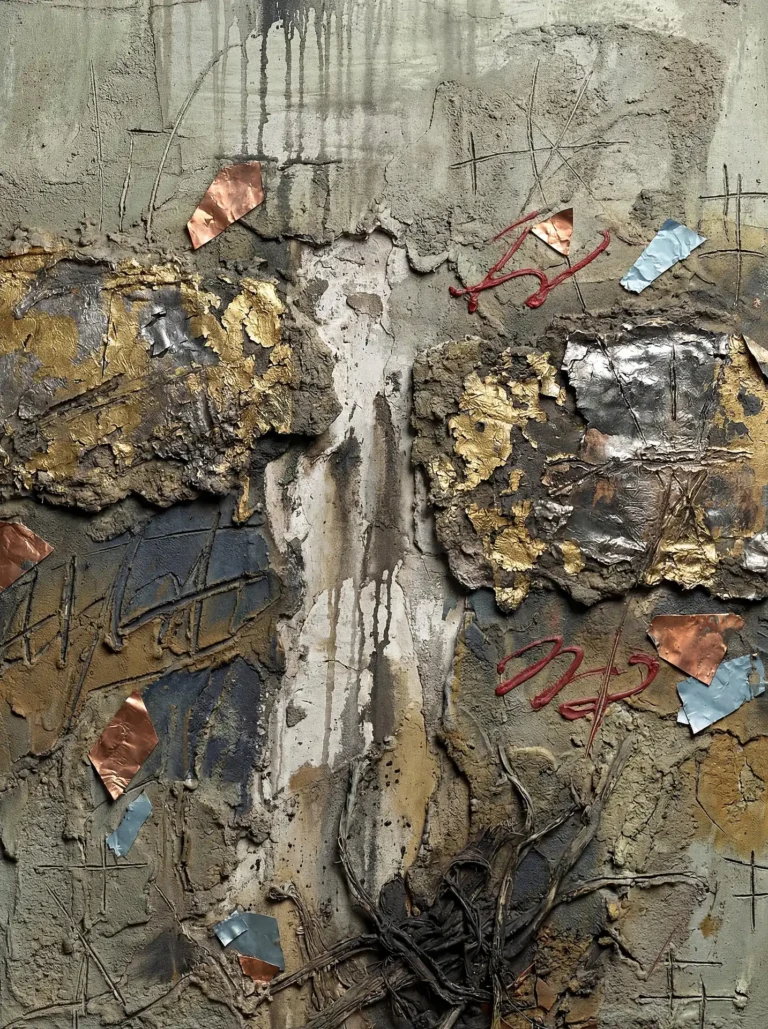
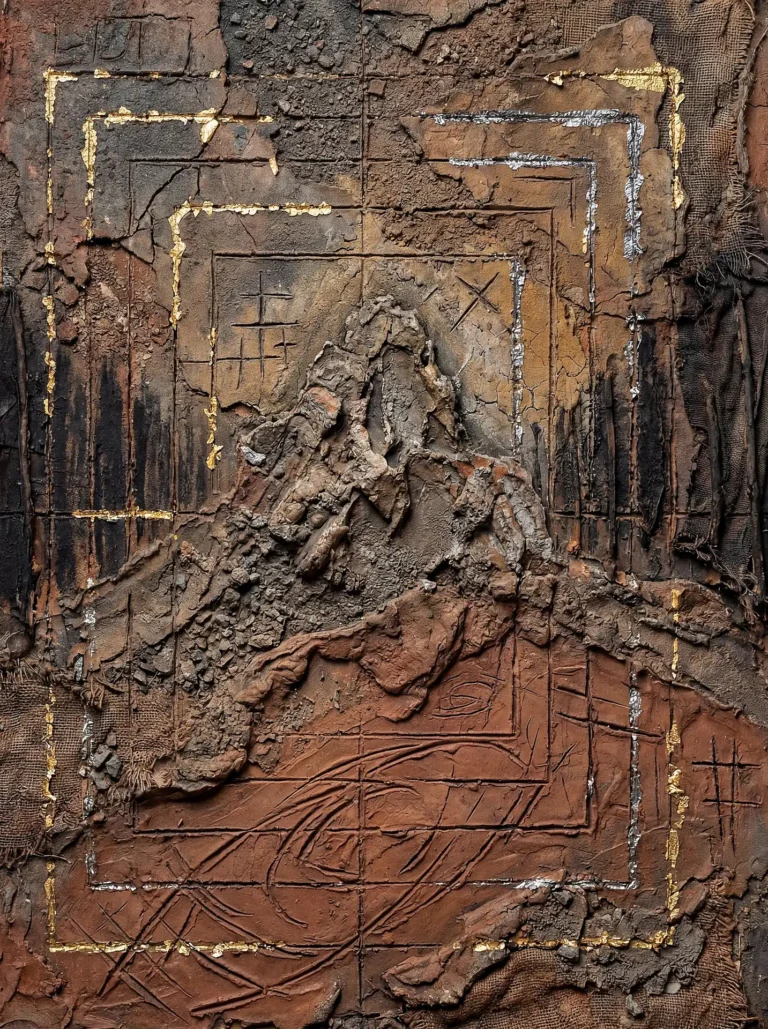
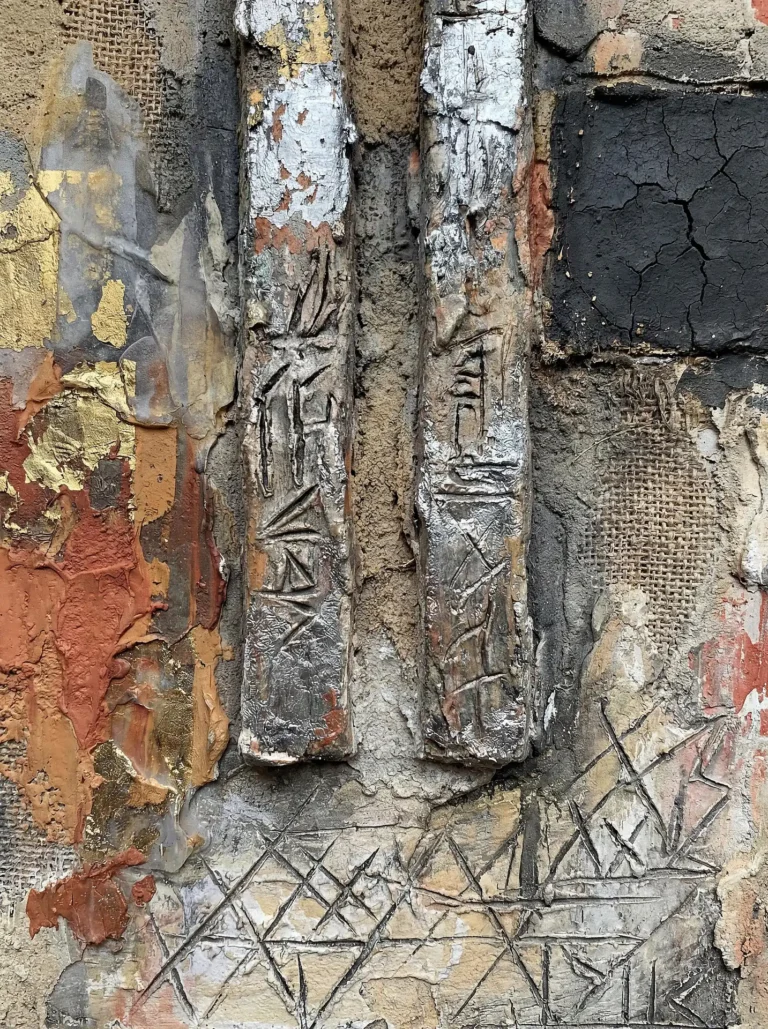
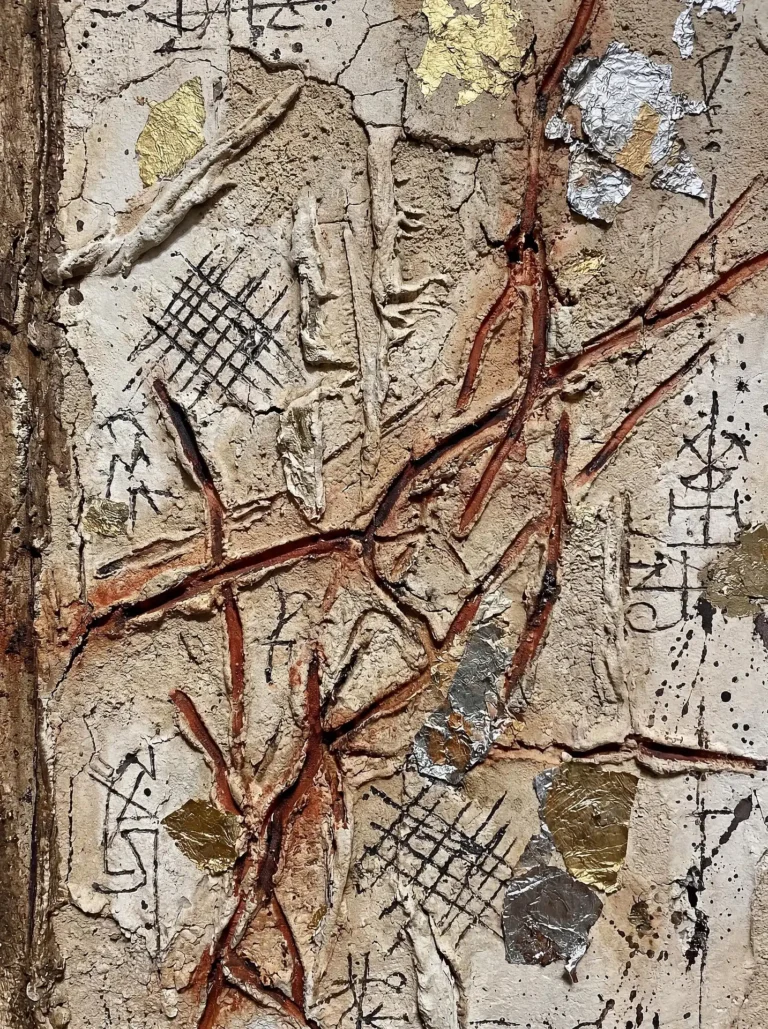
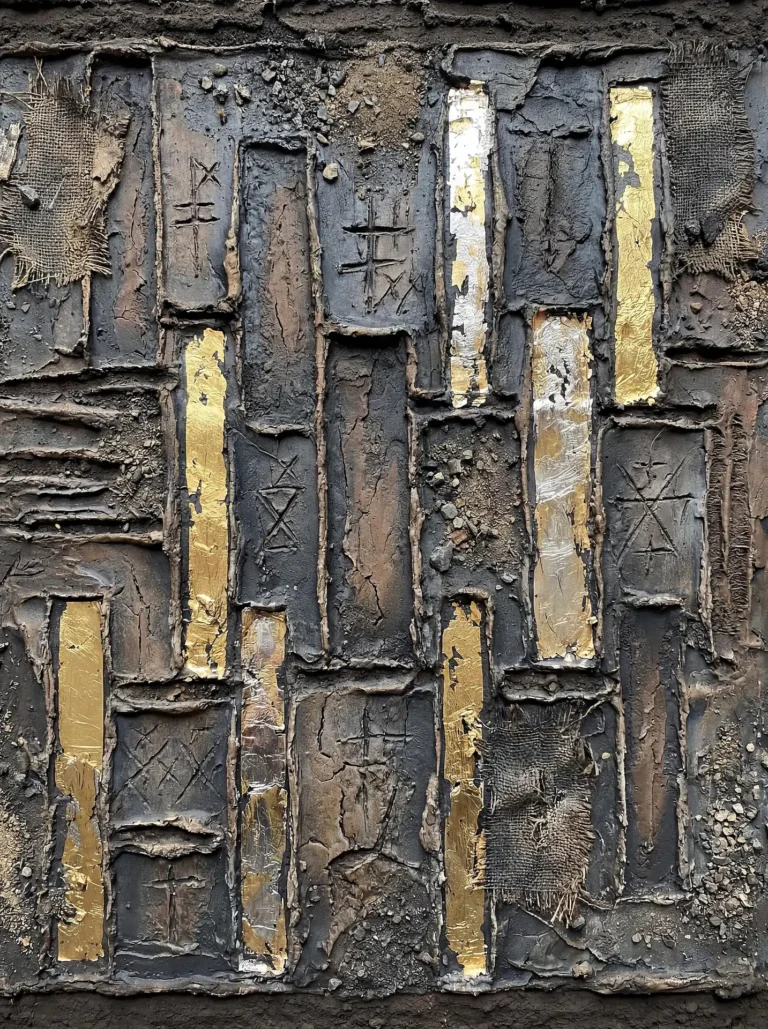
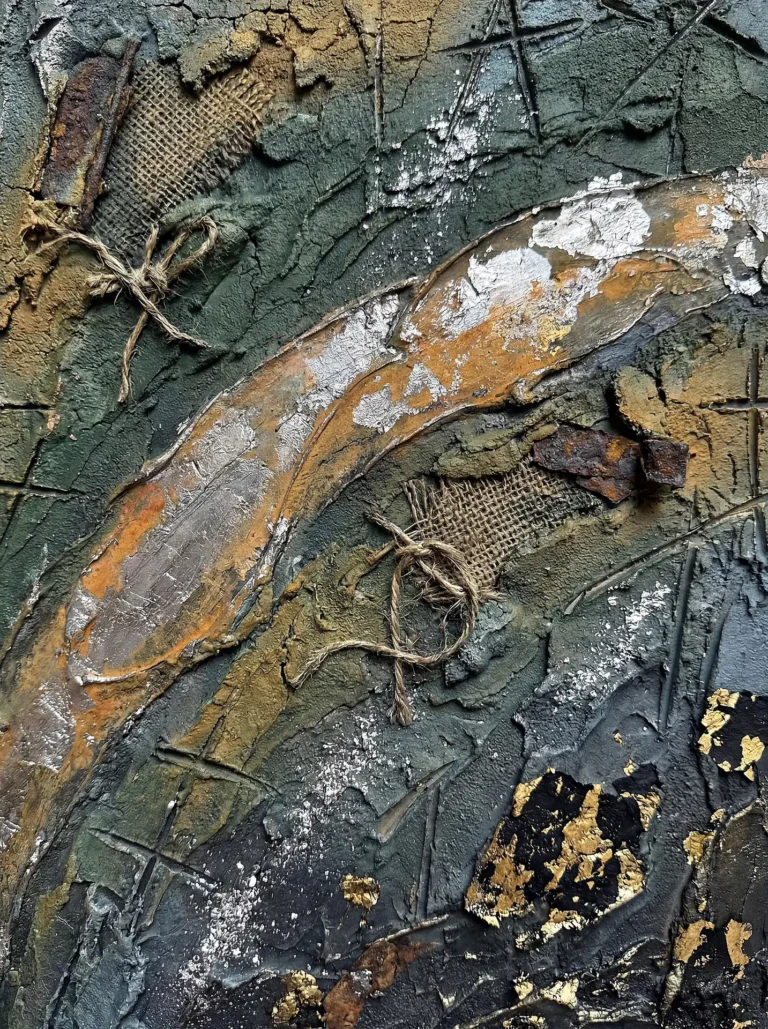
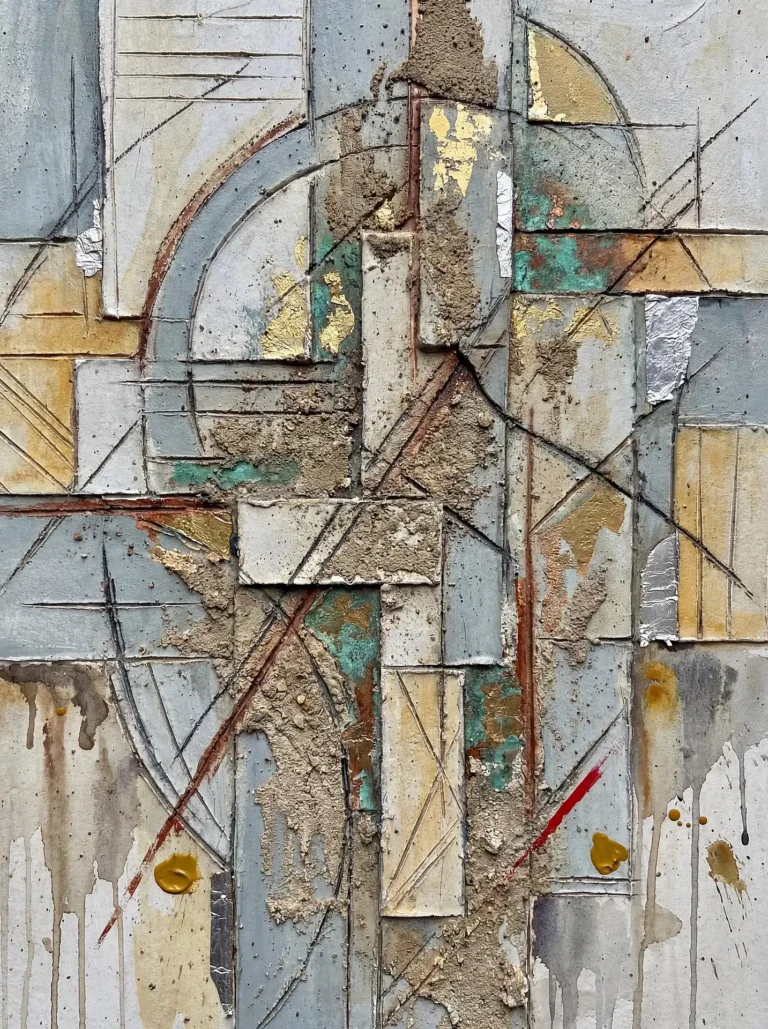
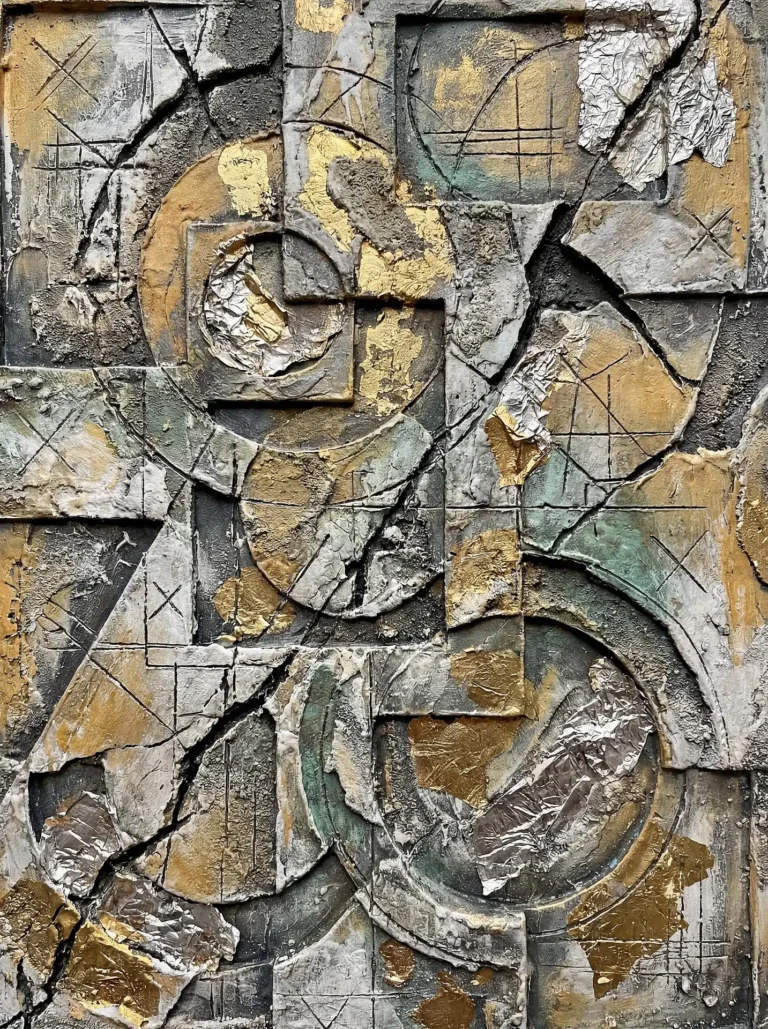
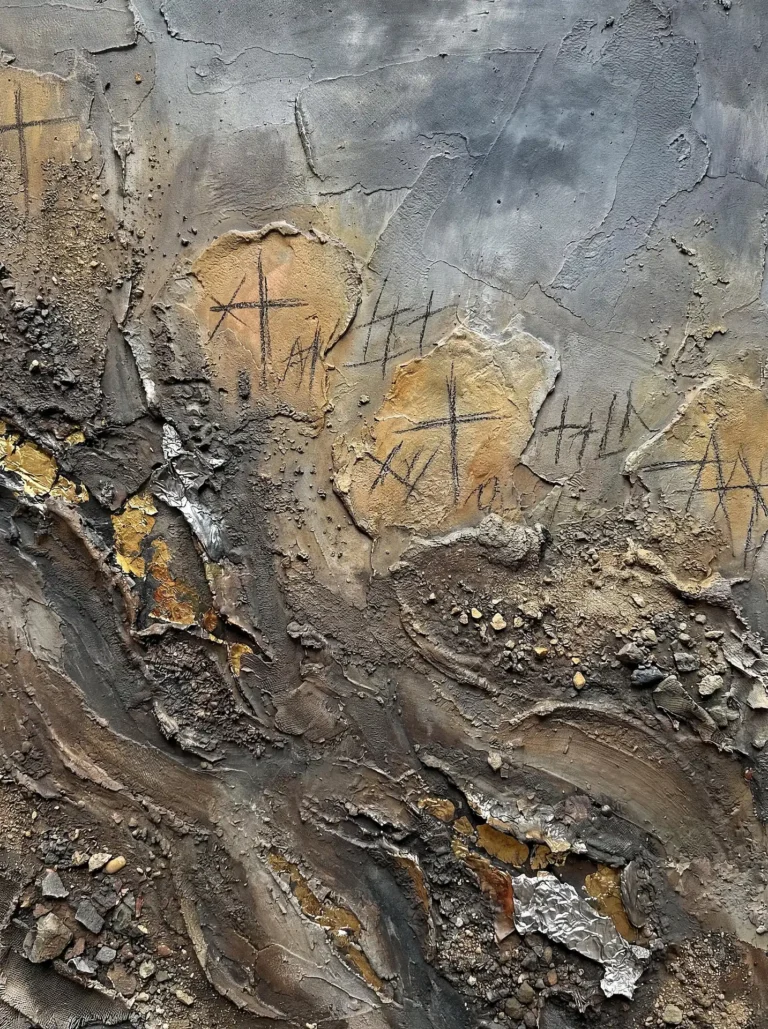
Many of these 182 Magnificent Earth Tone Abstract Artworks layer materials beyond paint. Found elements embedded in surface. Paper fragments. Metal oxidation. What might be actual rust or actual mud integrated into compositions. The boundary between paint and material blurs—everything becomes surface, becomes texture, becomes part of the same tactile whole.
This collage approach reinforces the archaeological quality. Each piece feels excavated rather than created, assembled from fragments of something older. The collection has the density of compressed history, strata visible in cross-section as if cut from the earth itself.
INTIMATE SCALE
Despite their material presence, most of these 182 Magnificent Earth Tone Abstract Artworks feel approachable rather than monumental. The intimacy of handled objects. Things meant to be held, examined, turned in light. The texture demands close viewing—patterns only visible inches away, details that reward leaning in.
This creates contemplative viewing experience. The work slows attention down. Scanning won’t reveal what these pieces offer. Only sustained looking—looking with almost touch-like intention—unlocks the depth the collection contains.
WHAT THE HANDS KNEW
Across 182 Magnificent Earth Tone Abstract Artworks, the collection makes a quiet argument for material intelligence. The knowledge that lives in fingers, in the feel of wet medium meeting dry surface, in the accumulated skill of building up and scraping back. This is thinking that happens through making, understanding arrived at through physical process rather than planning.