240 Captivating Industrial Abstract Artworks





240 Captivating Industrial Abstract Artworks
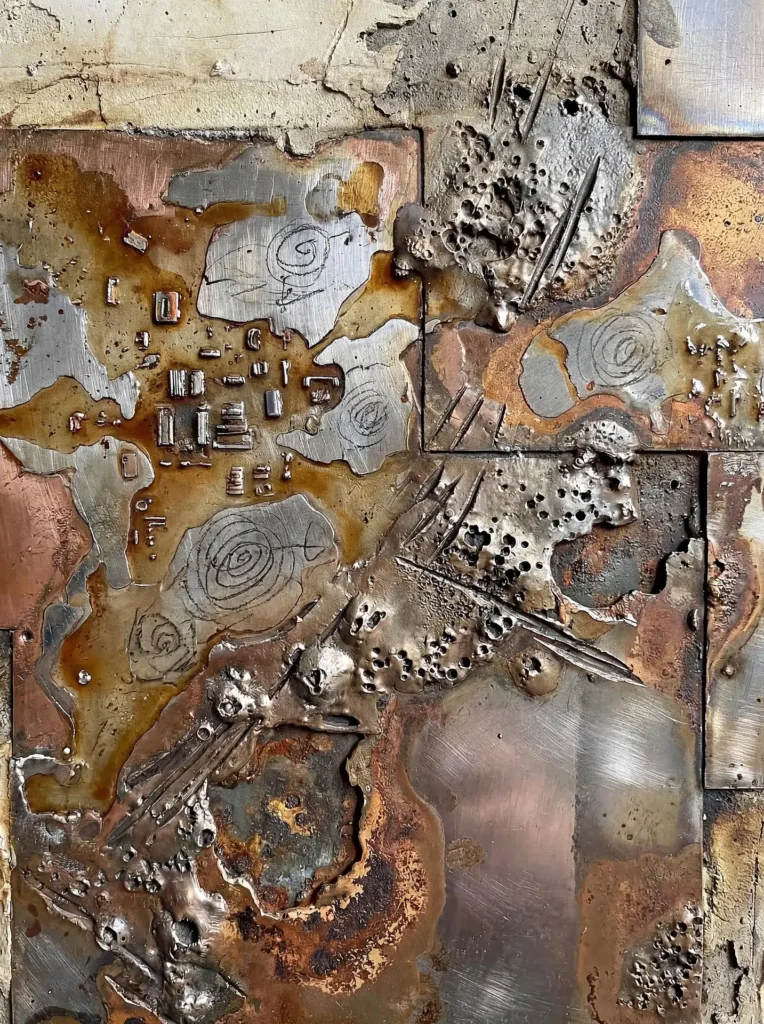
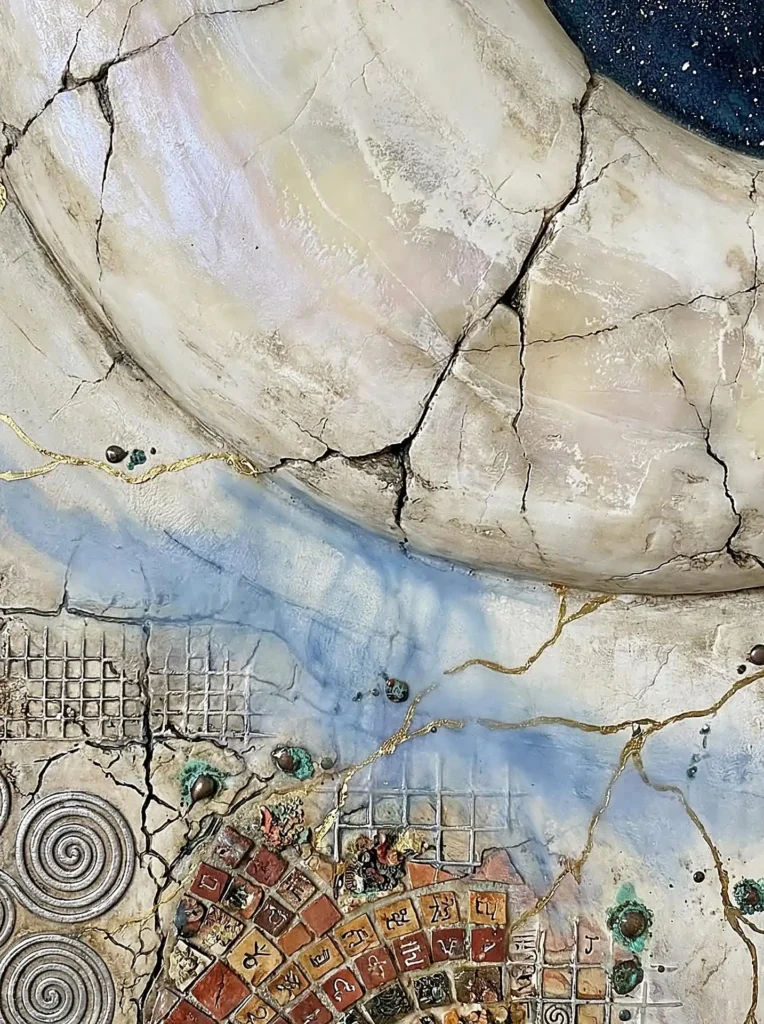
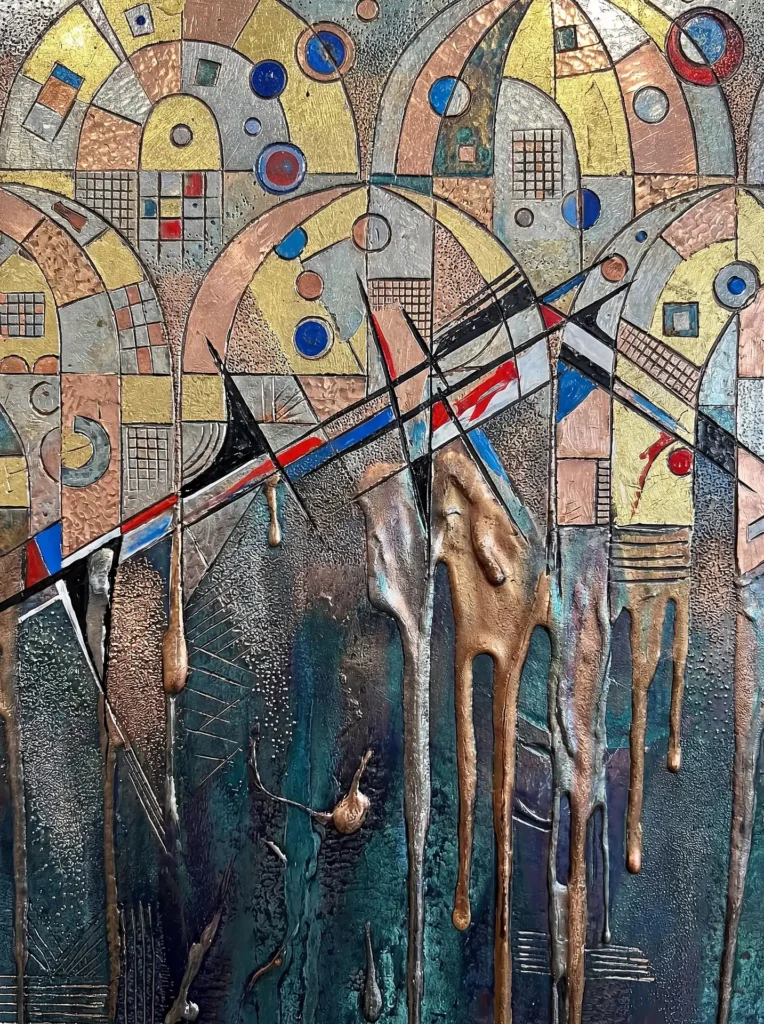
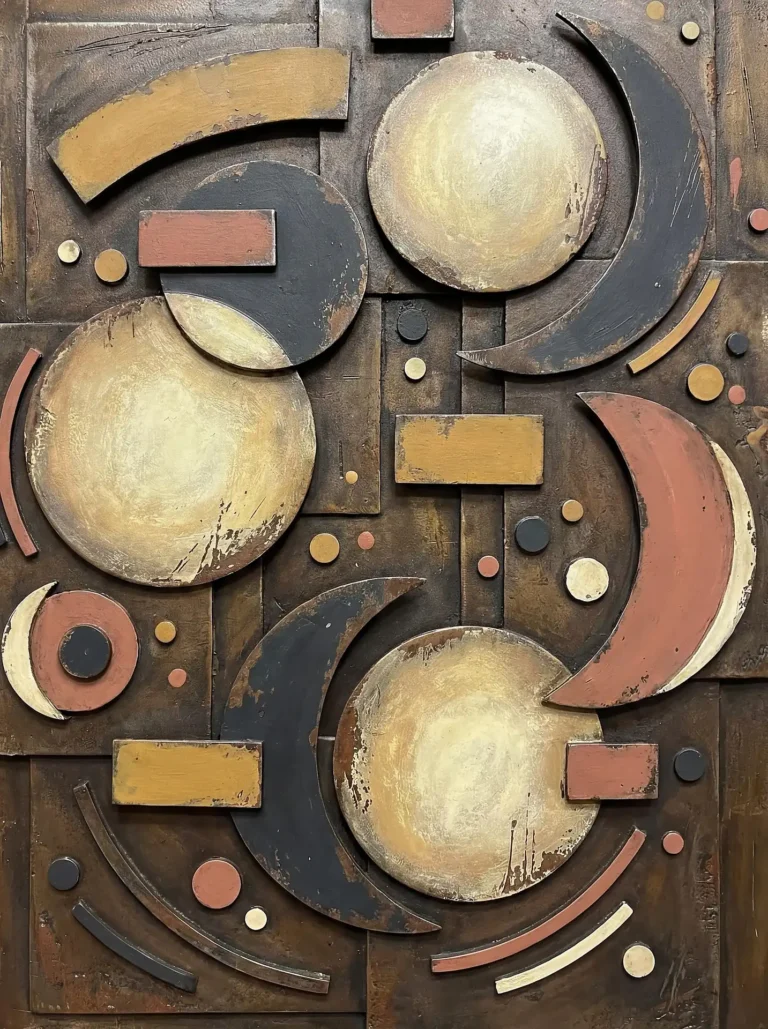
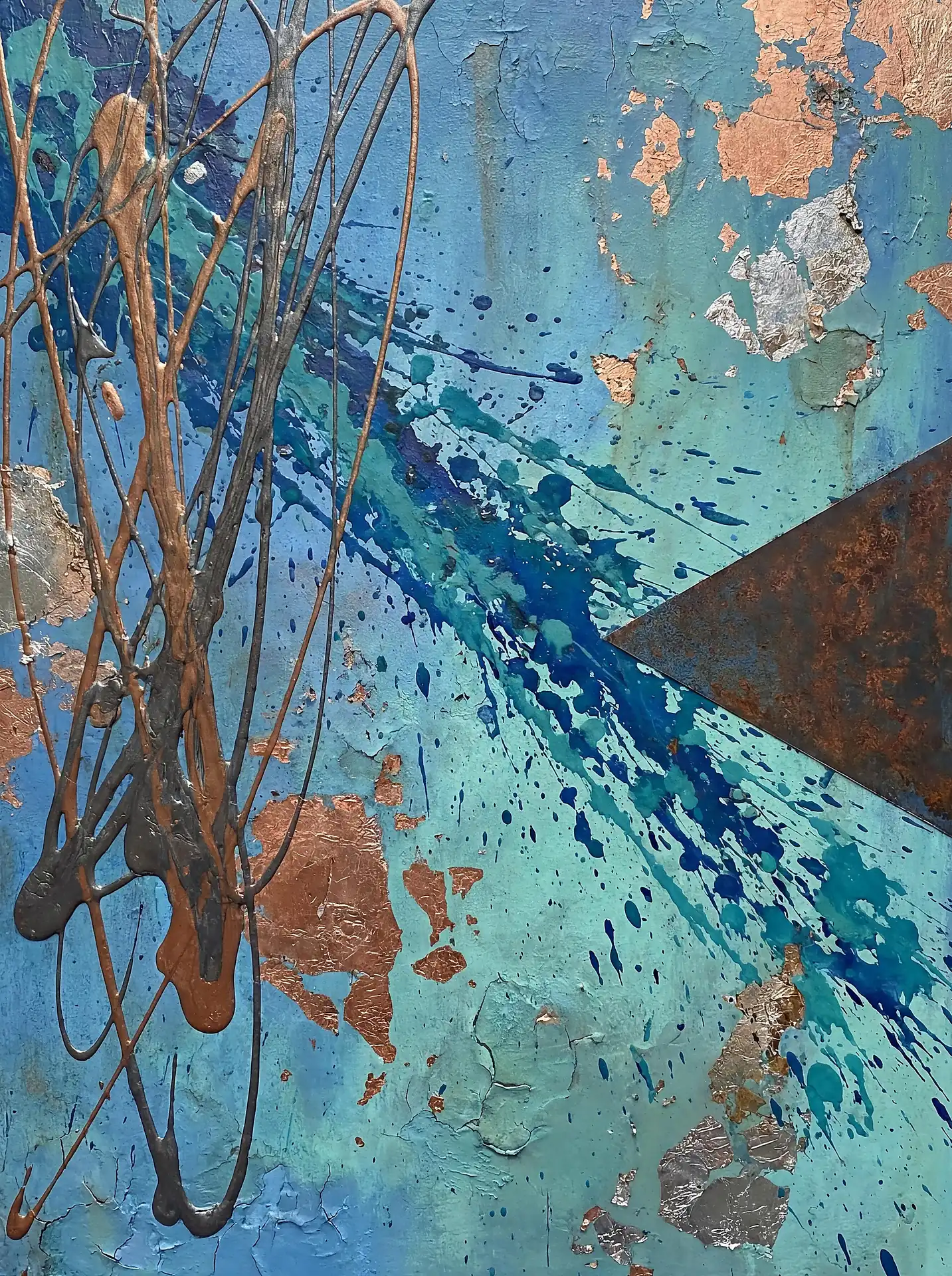
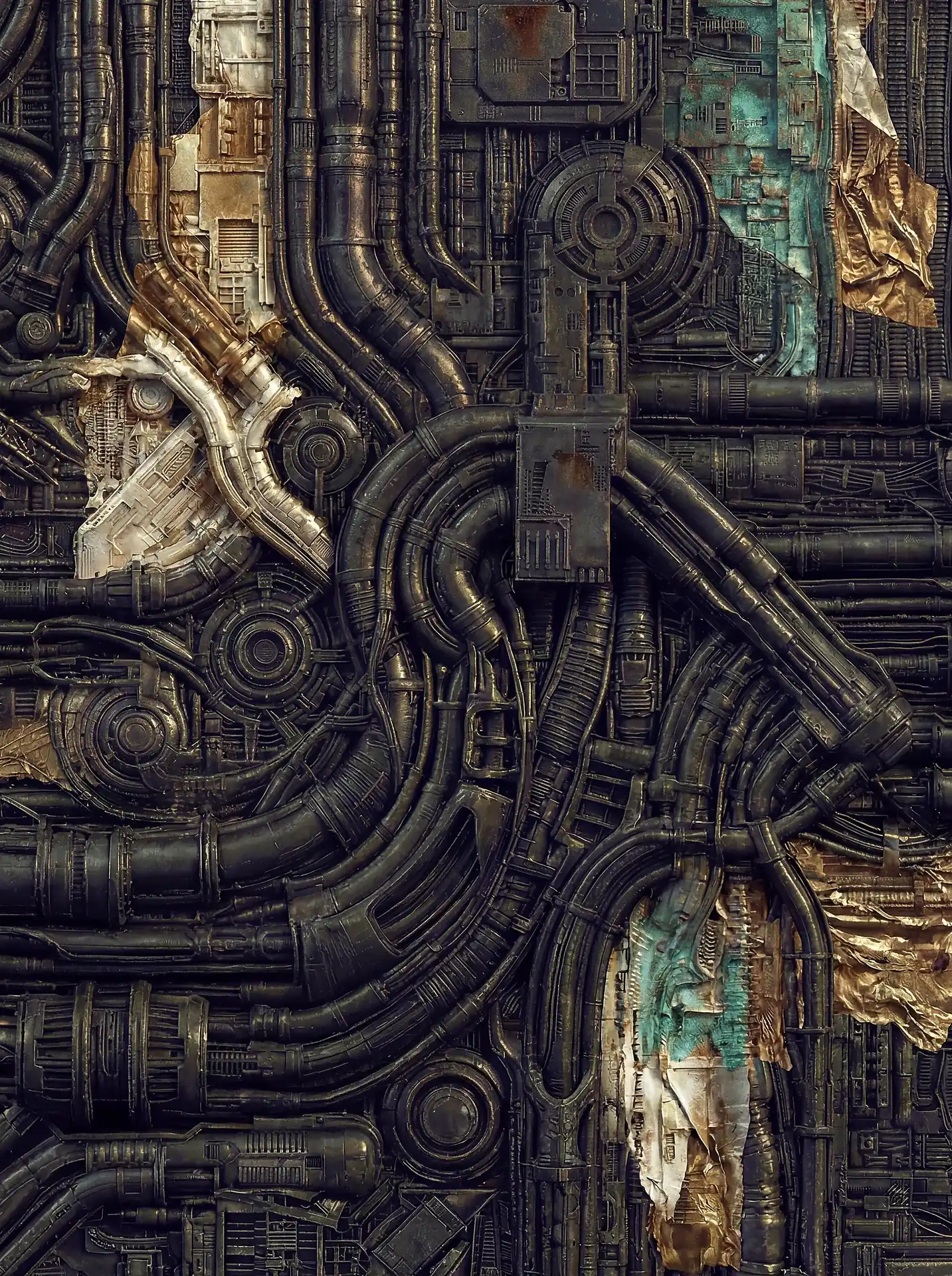
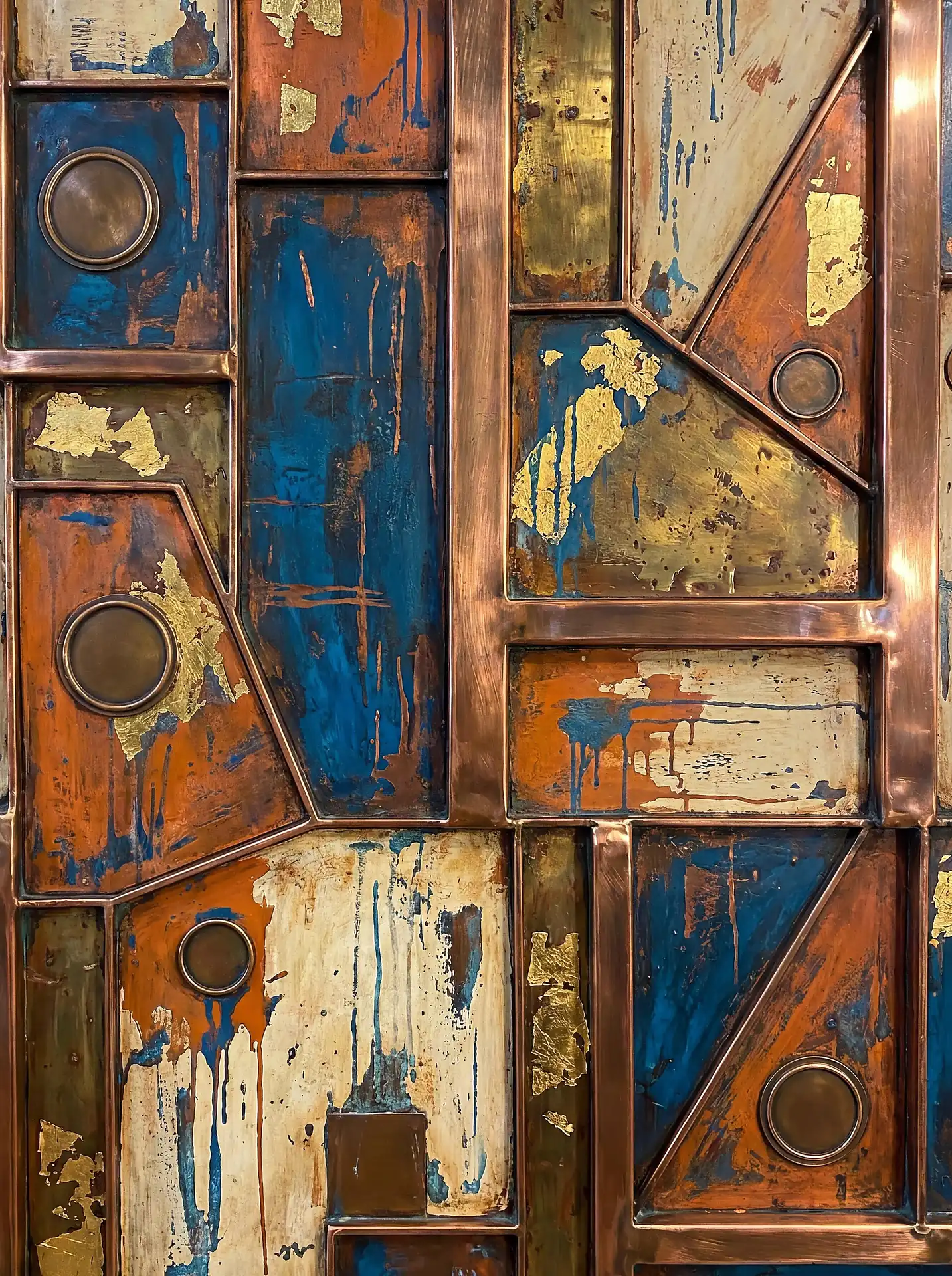
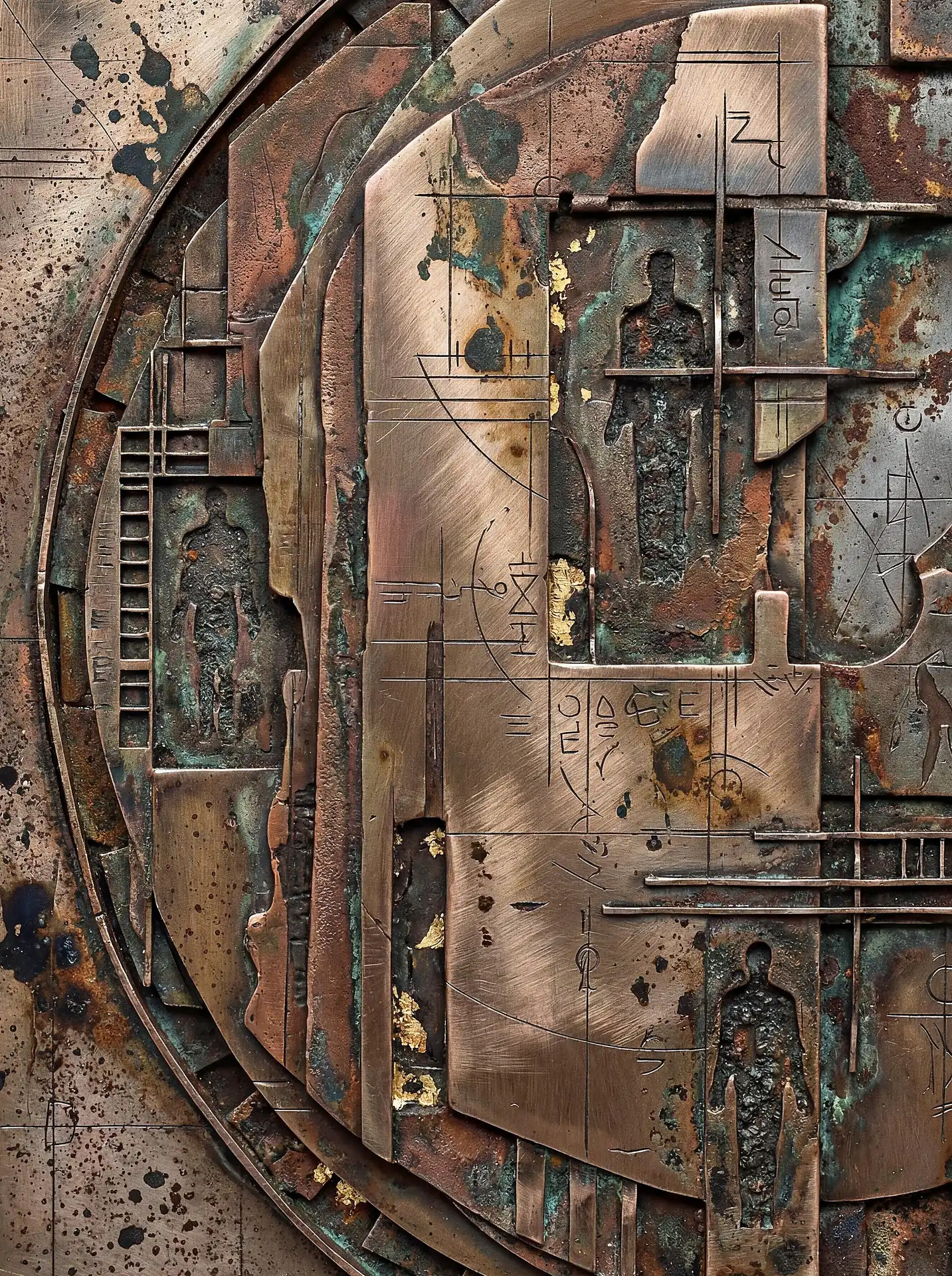
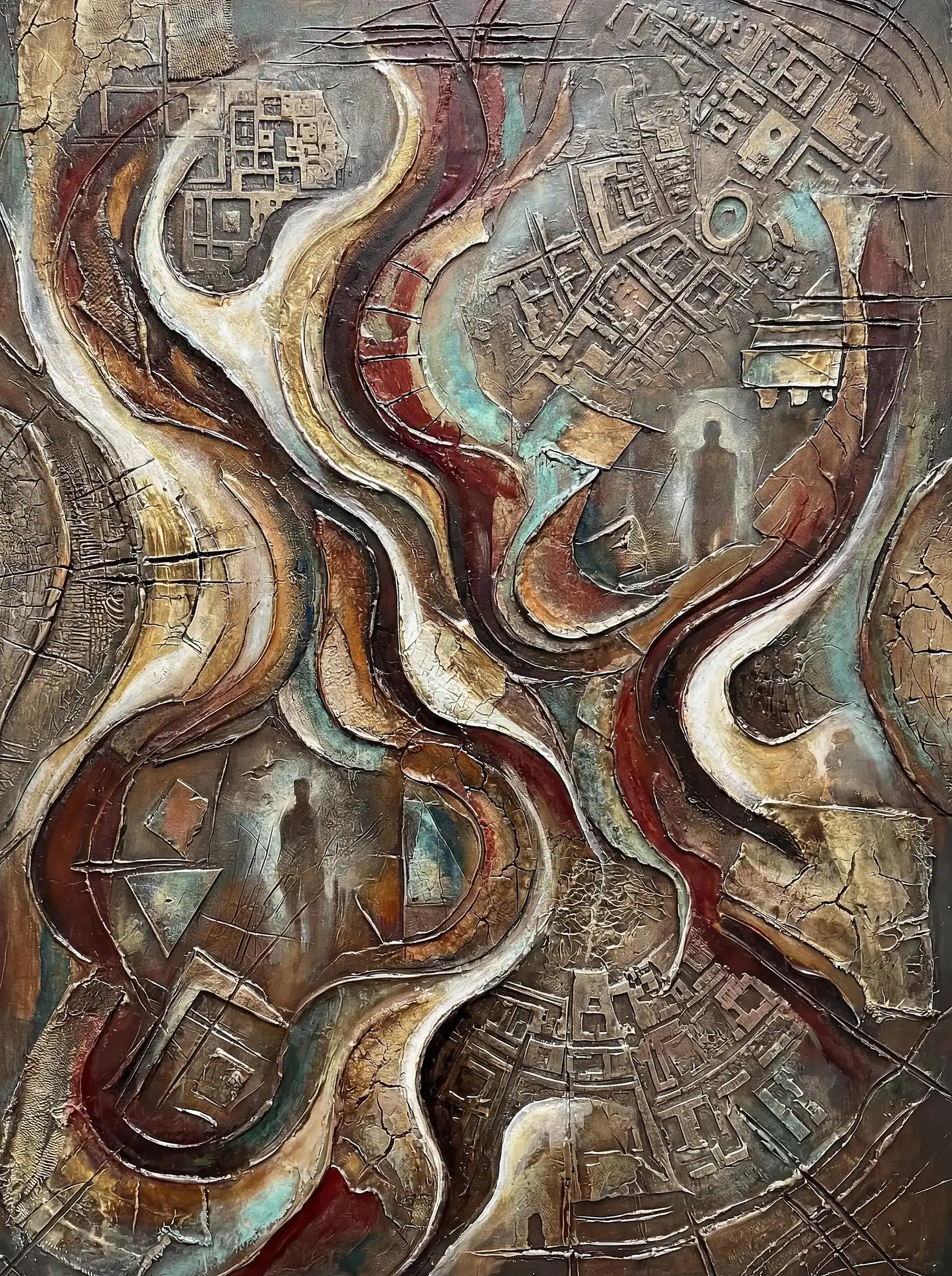
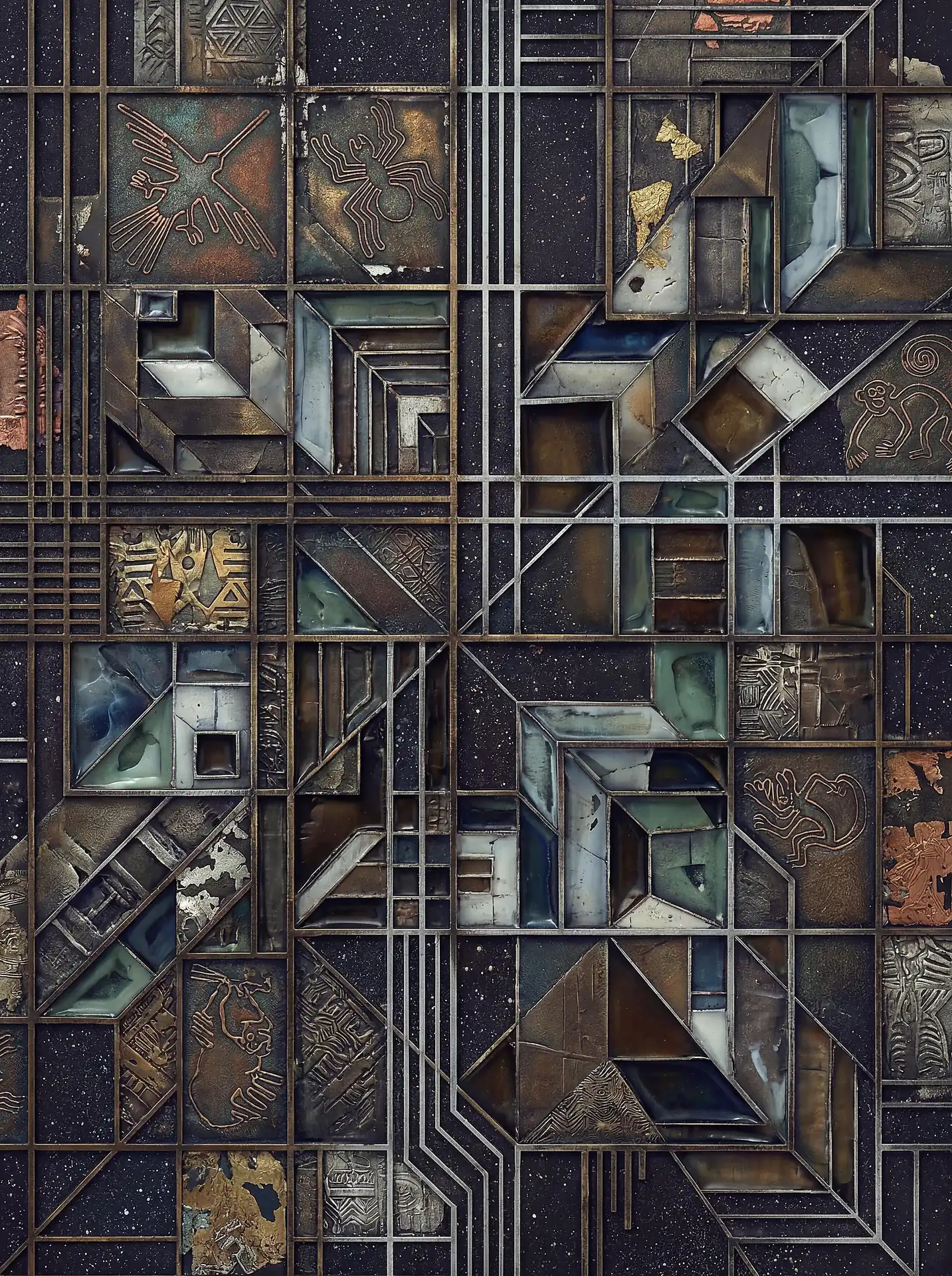
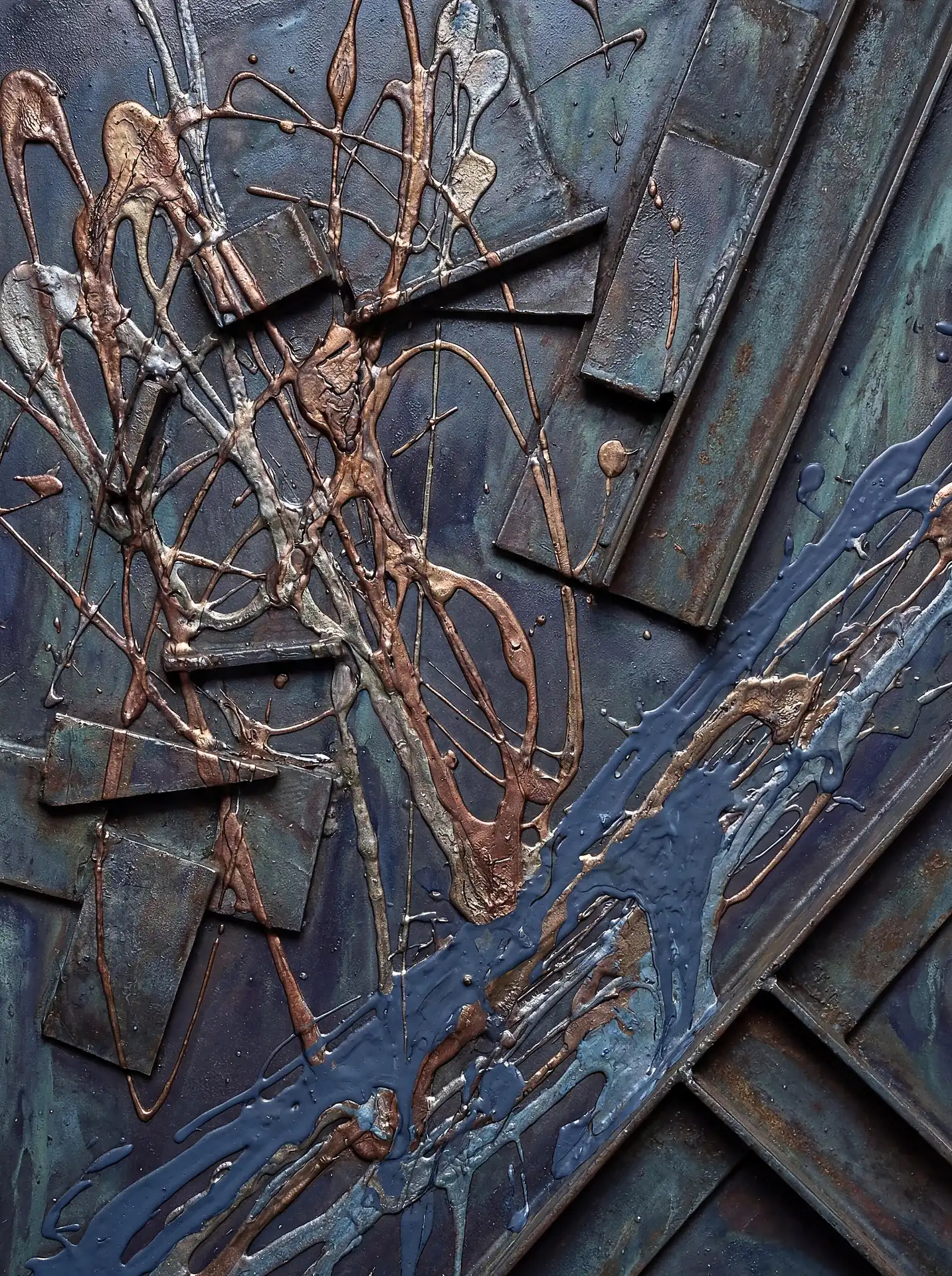
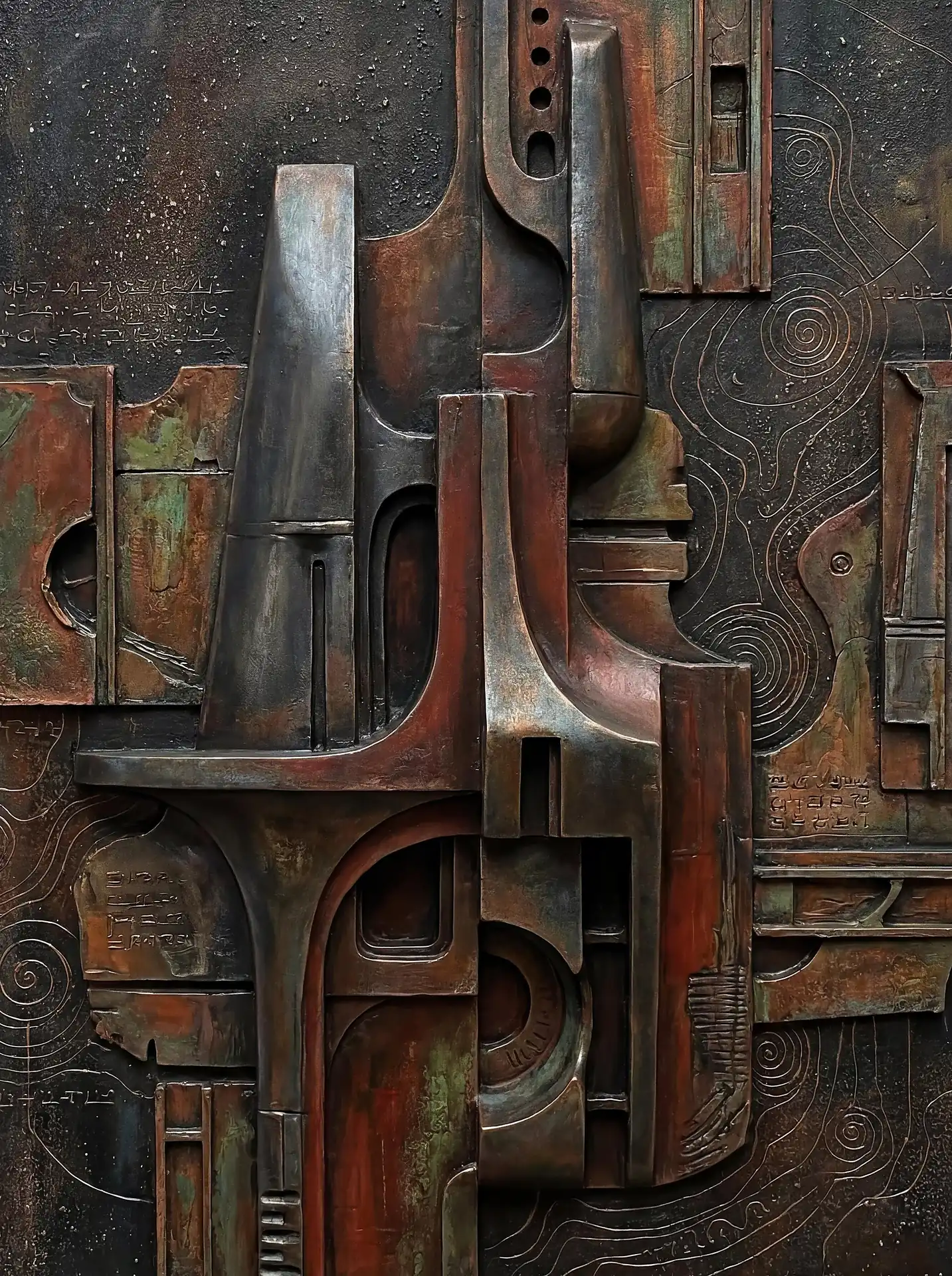
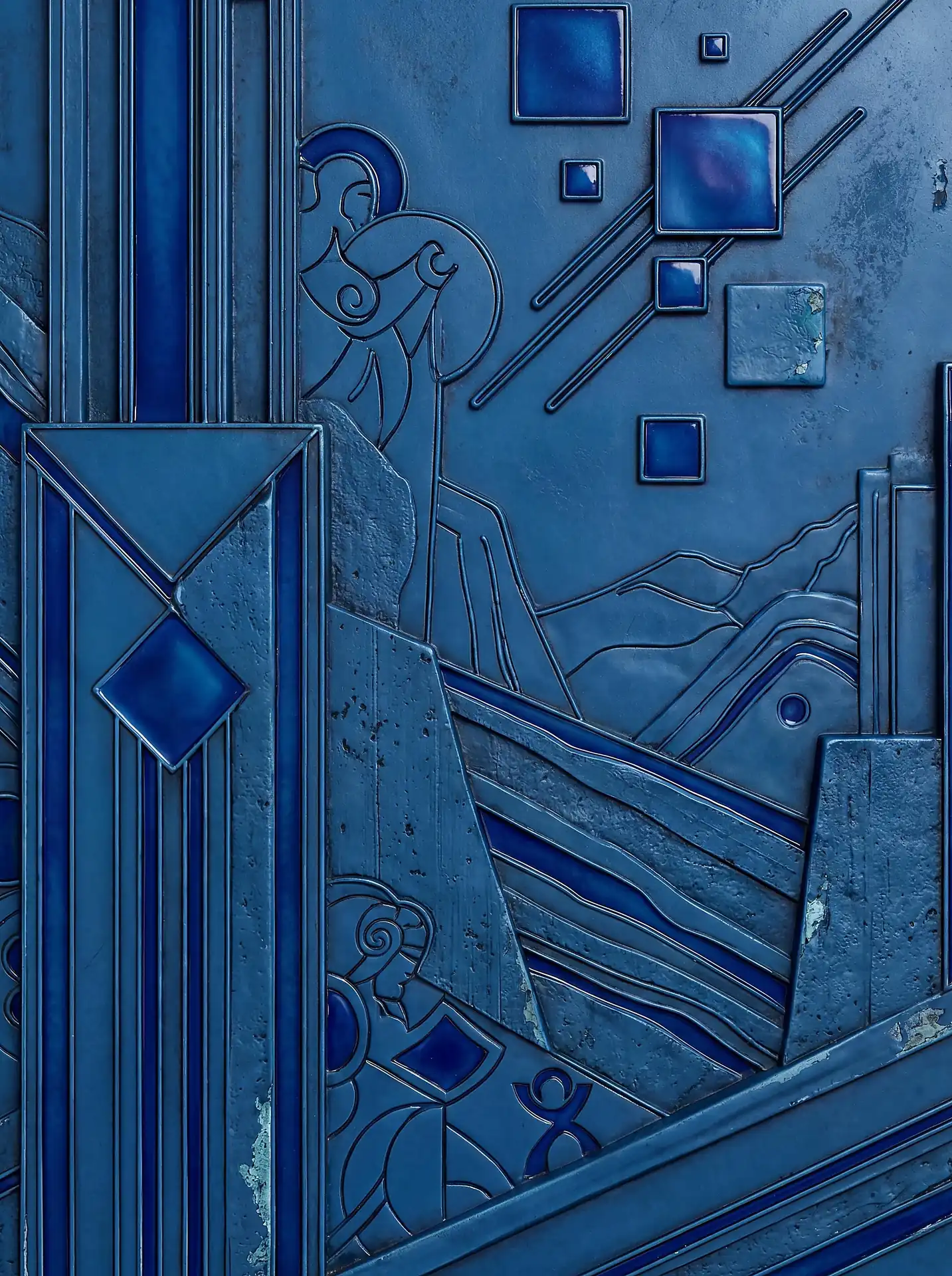
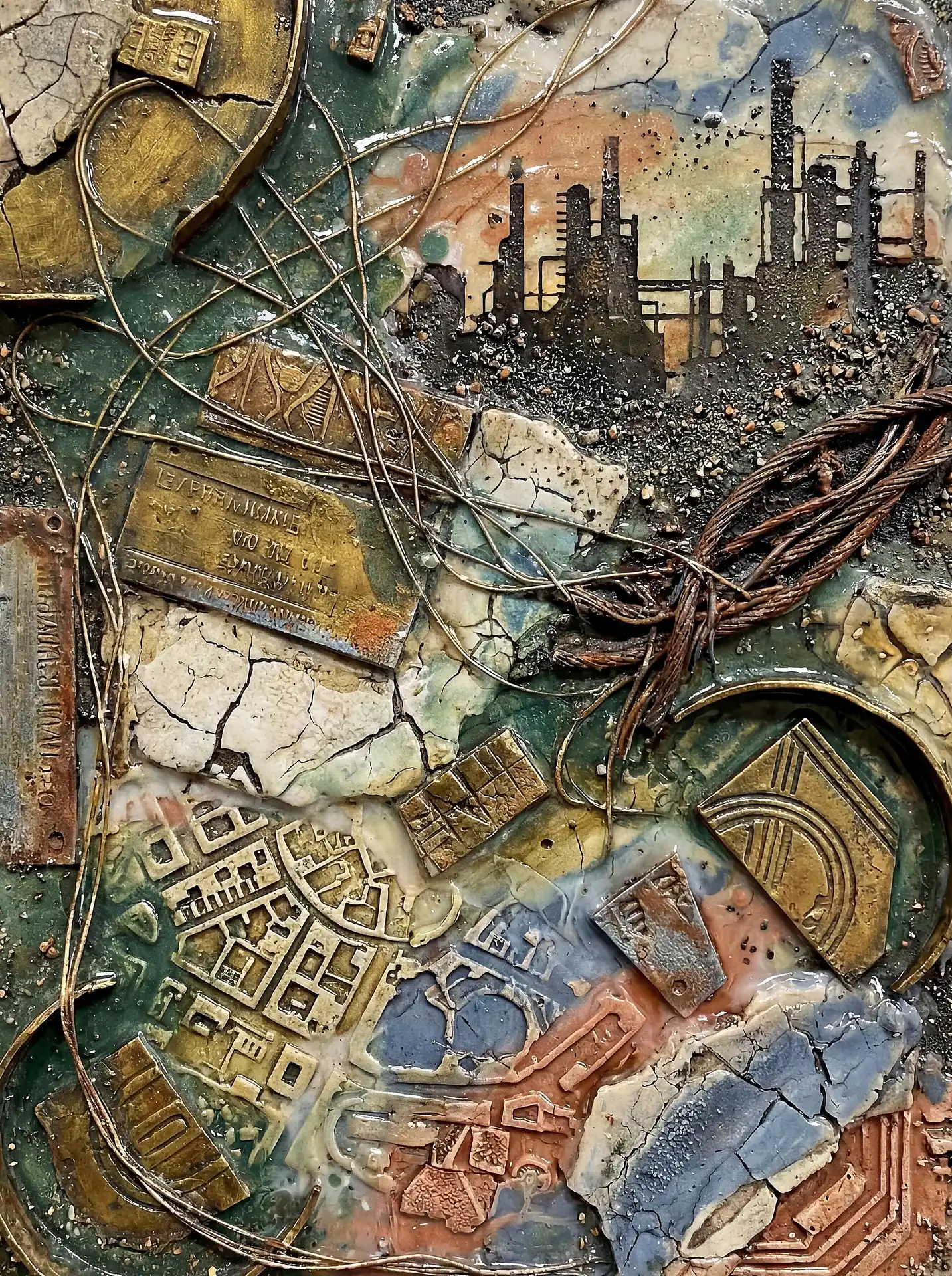
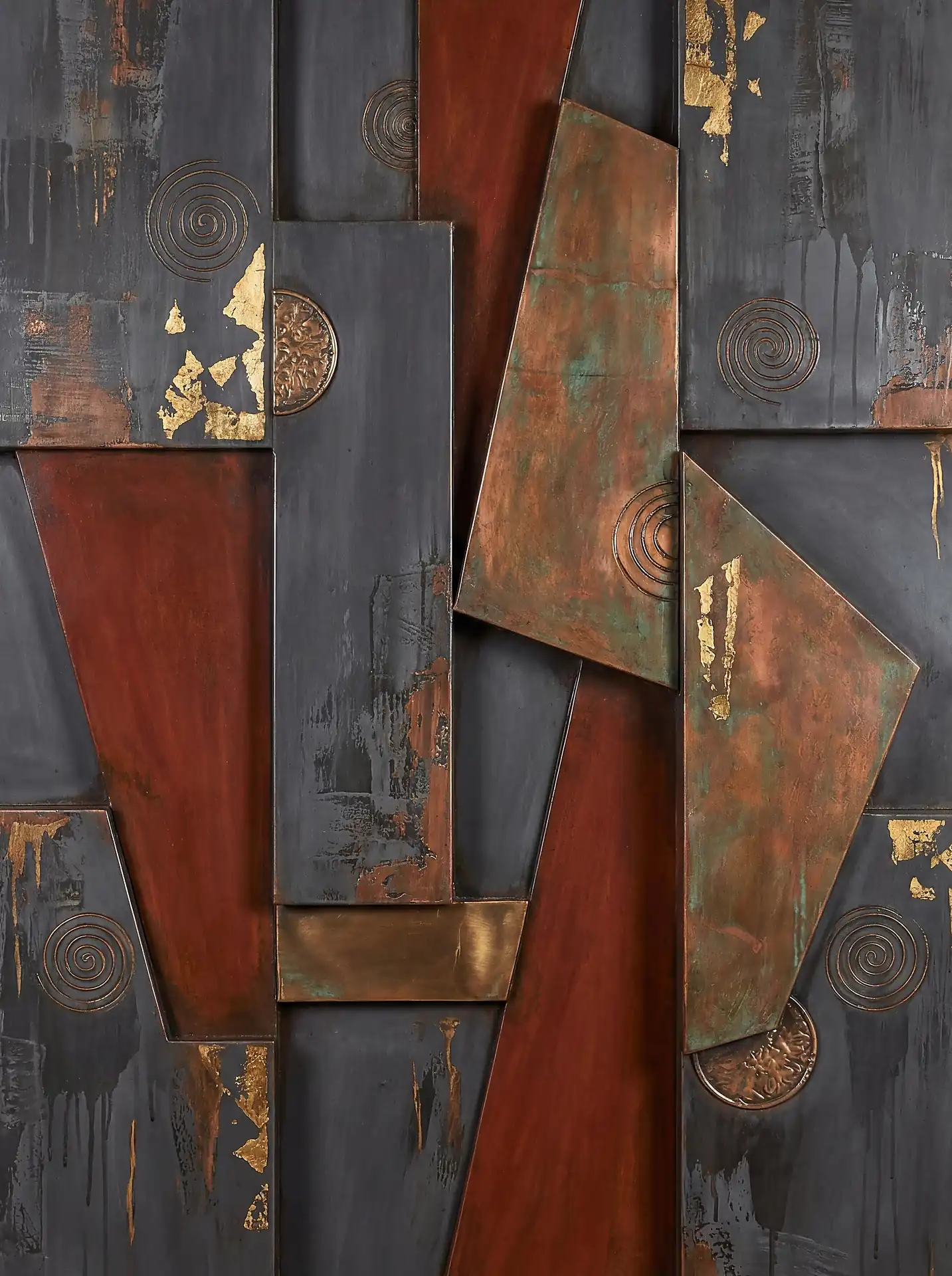
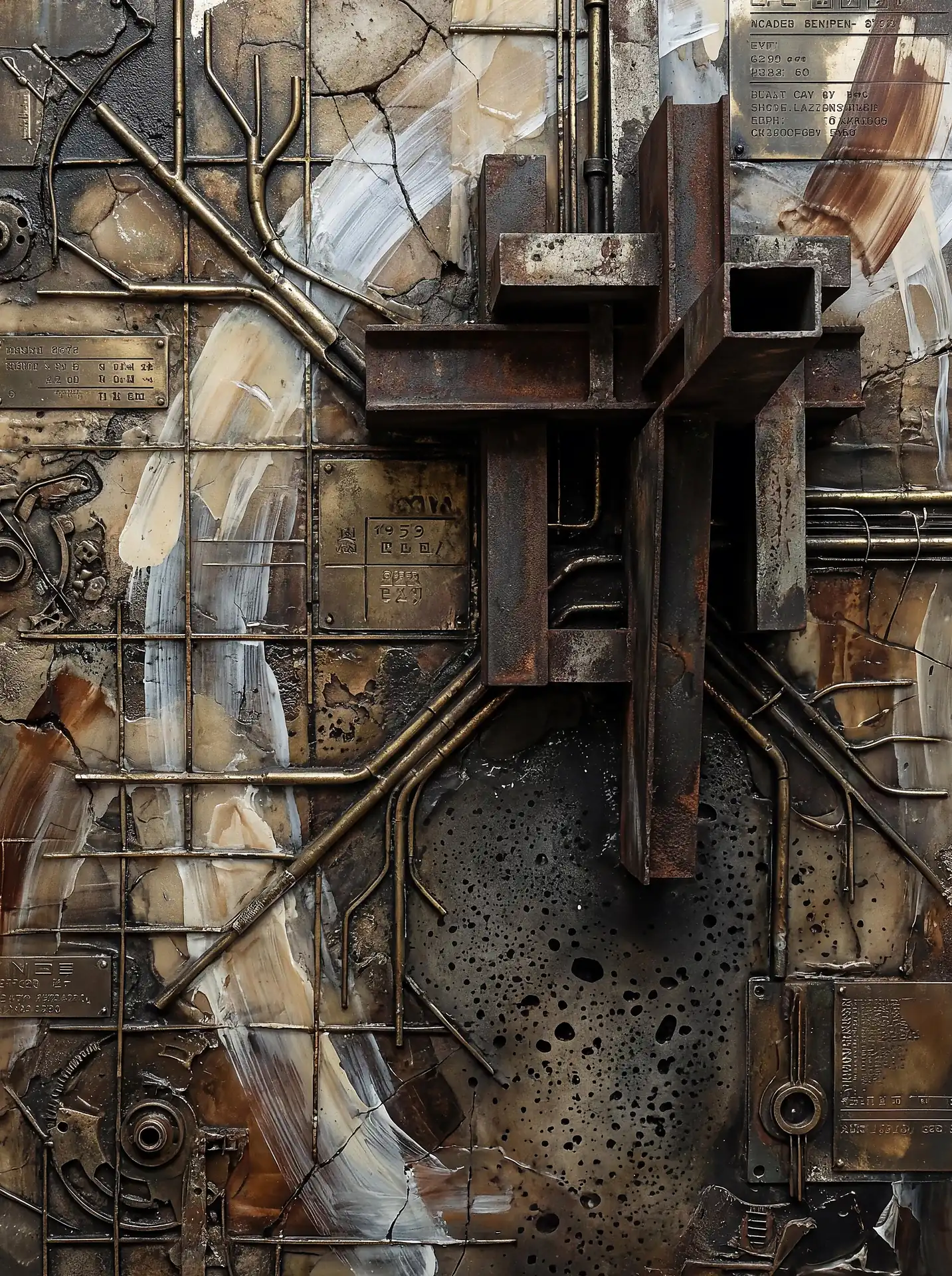
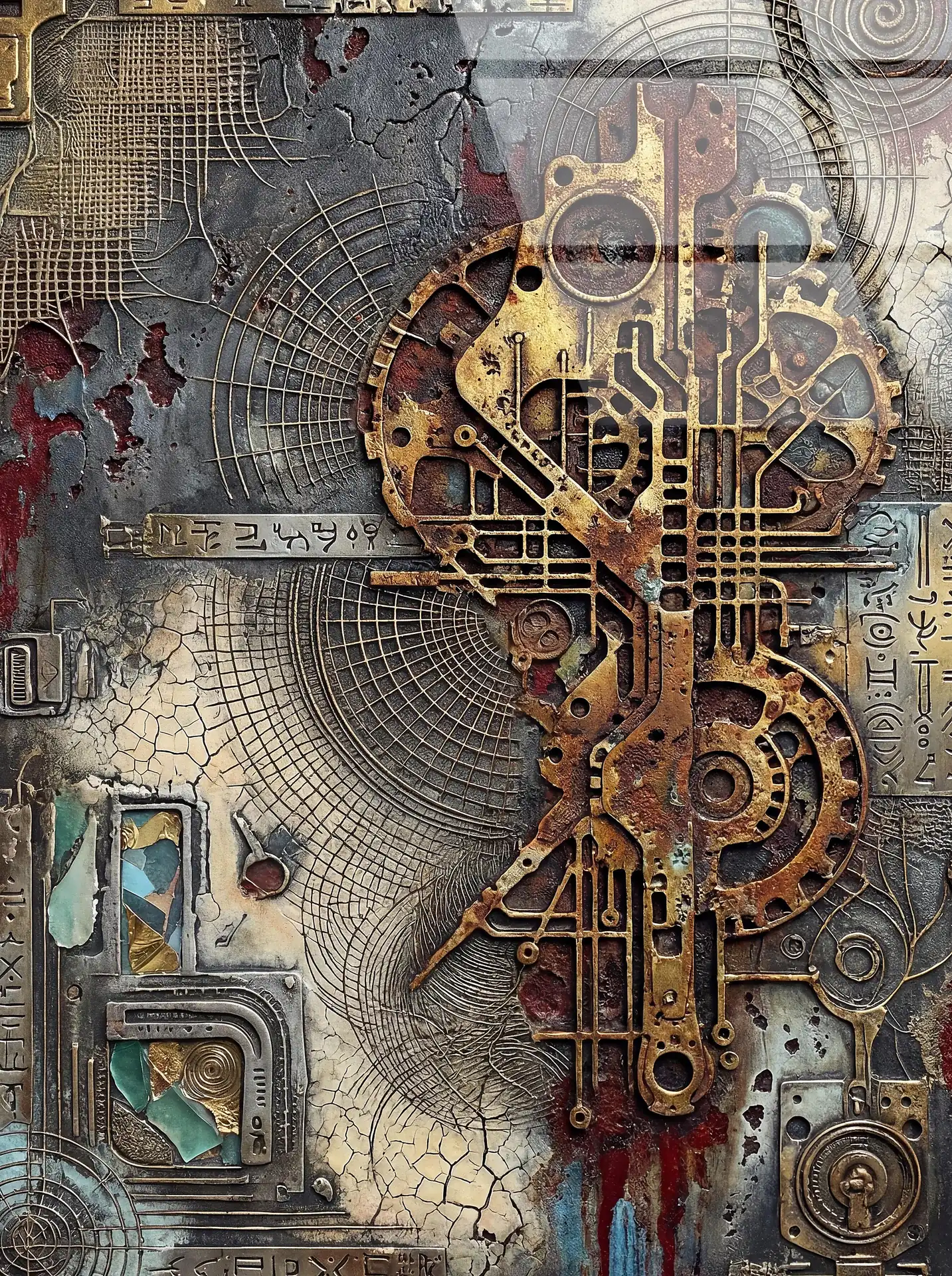
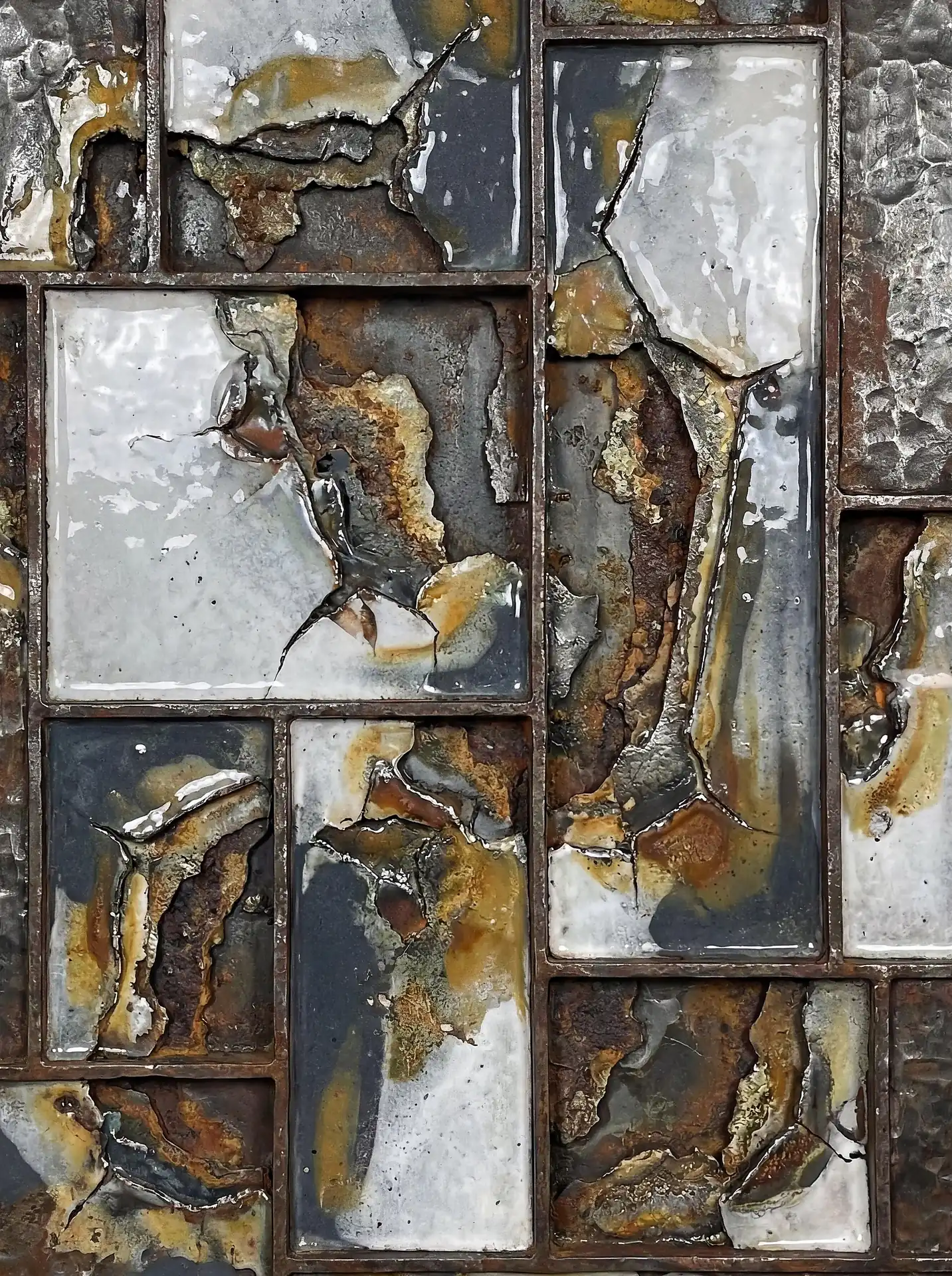
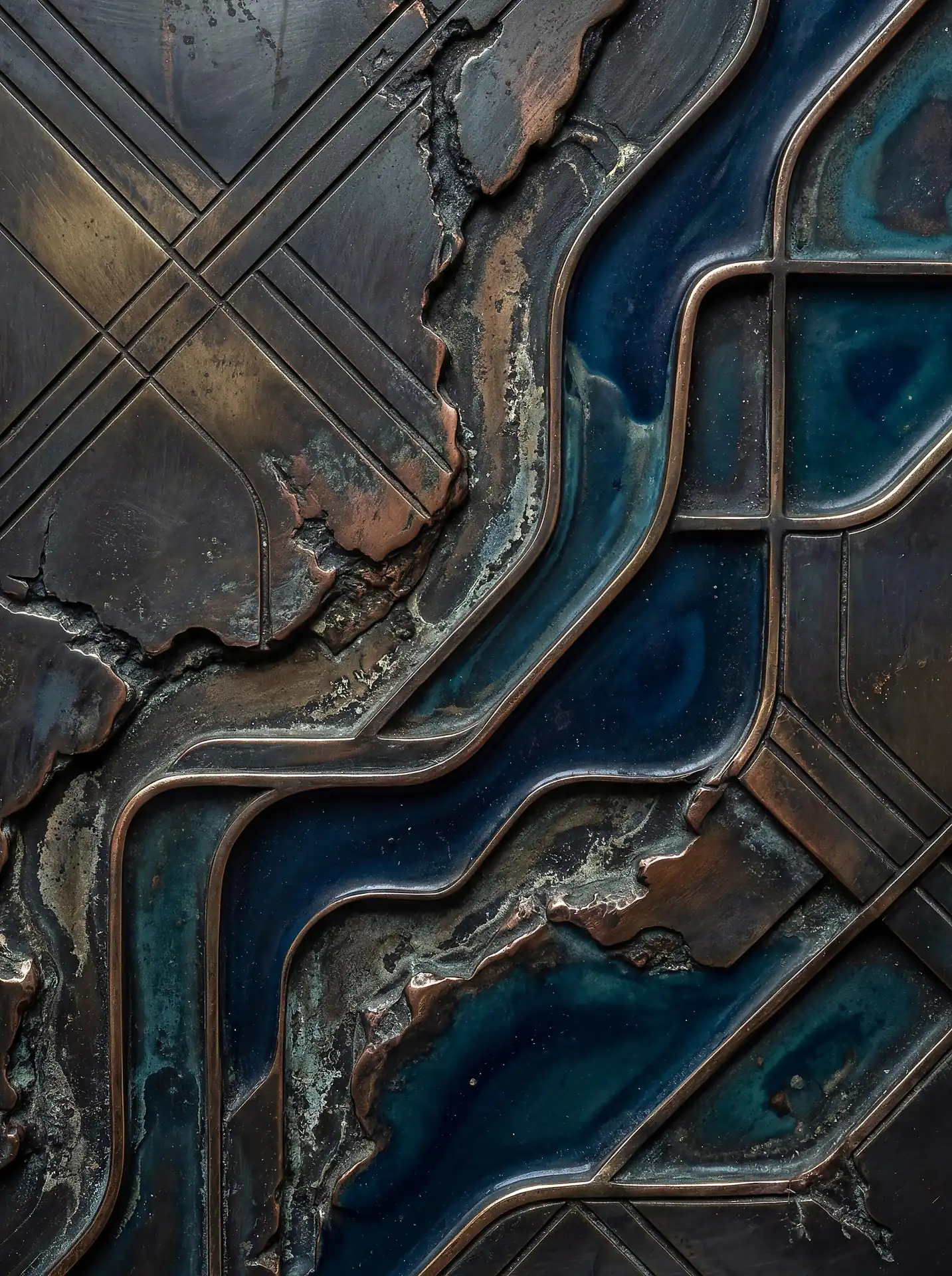
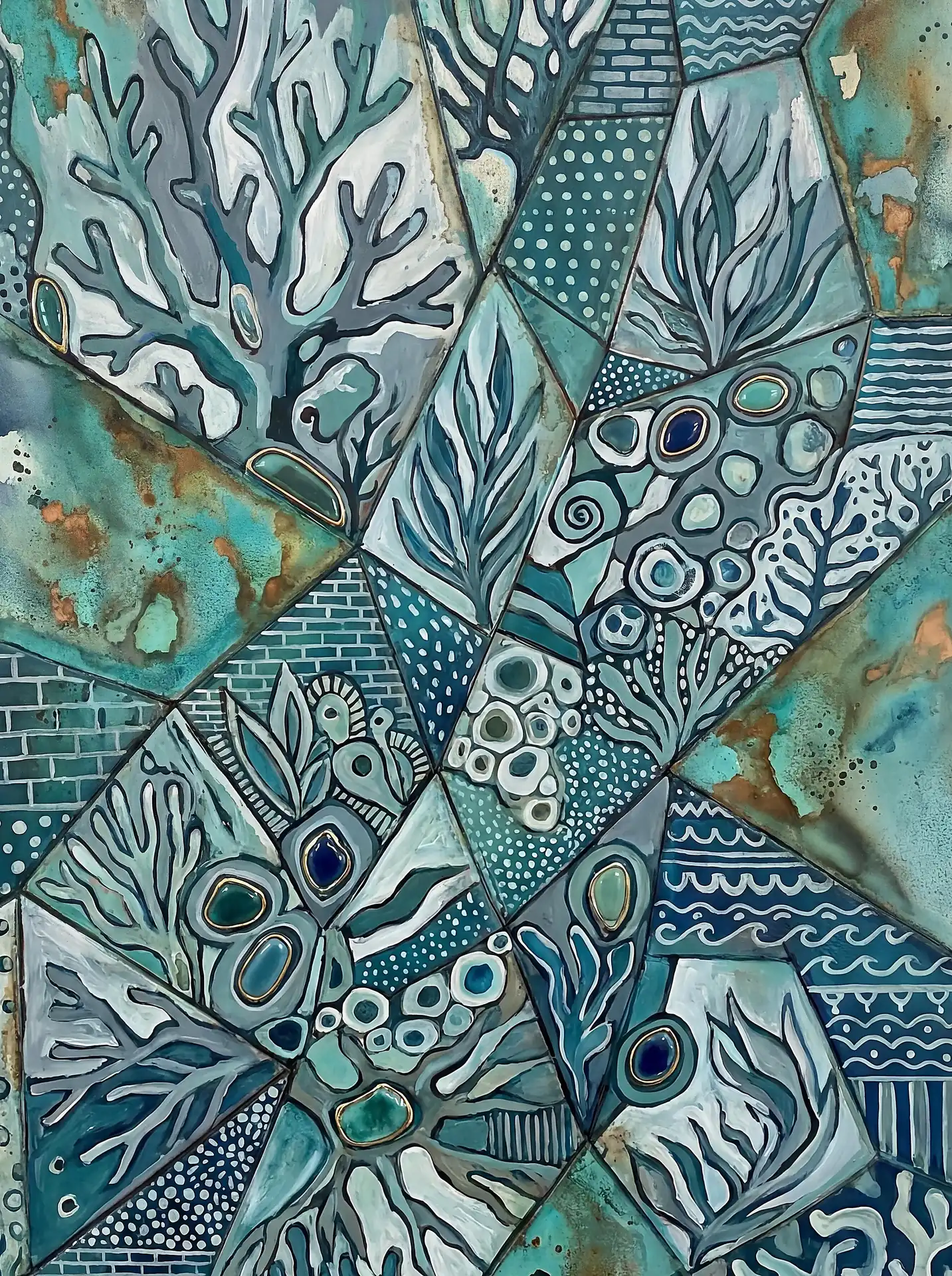
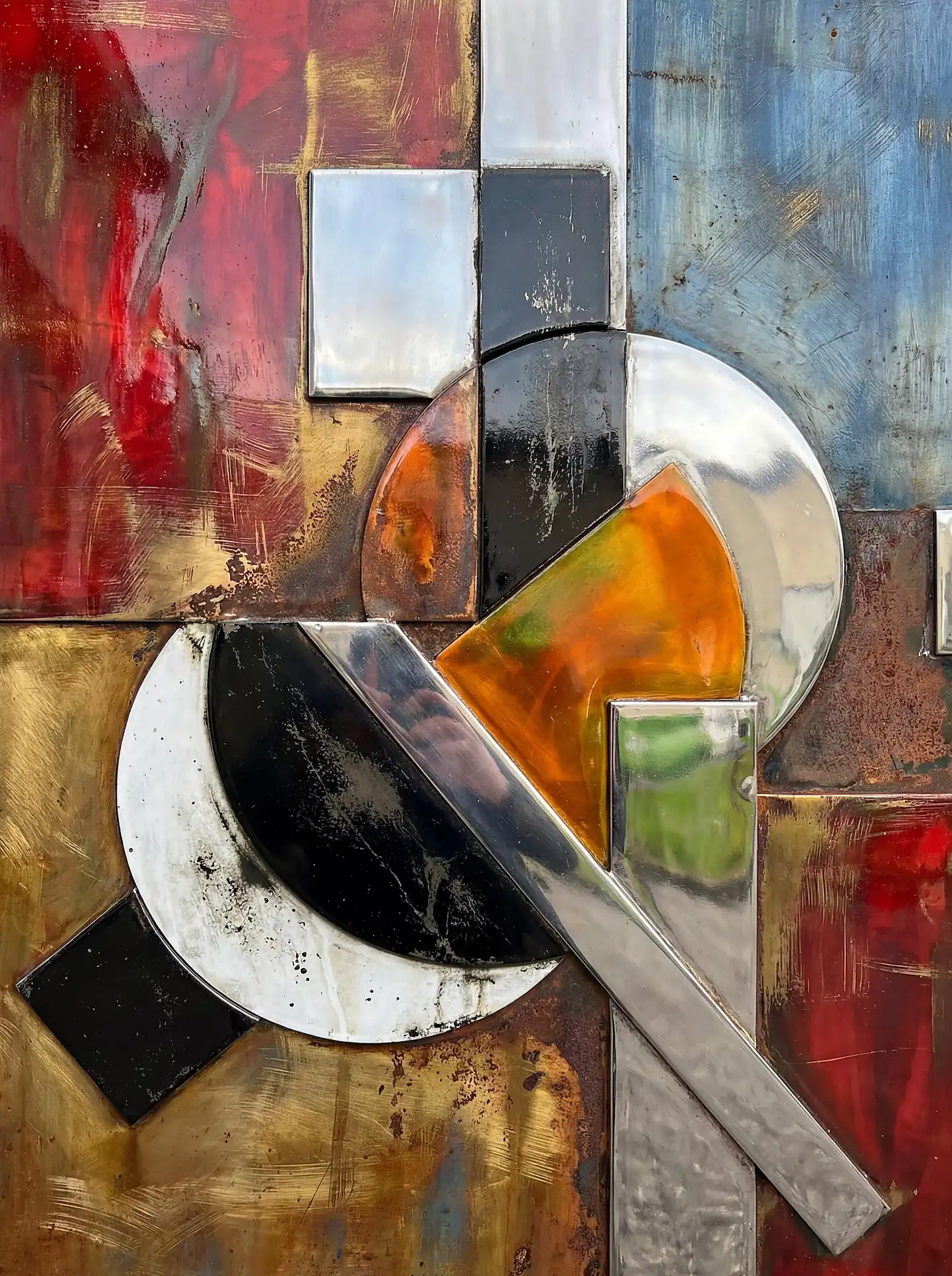
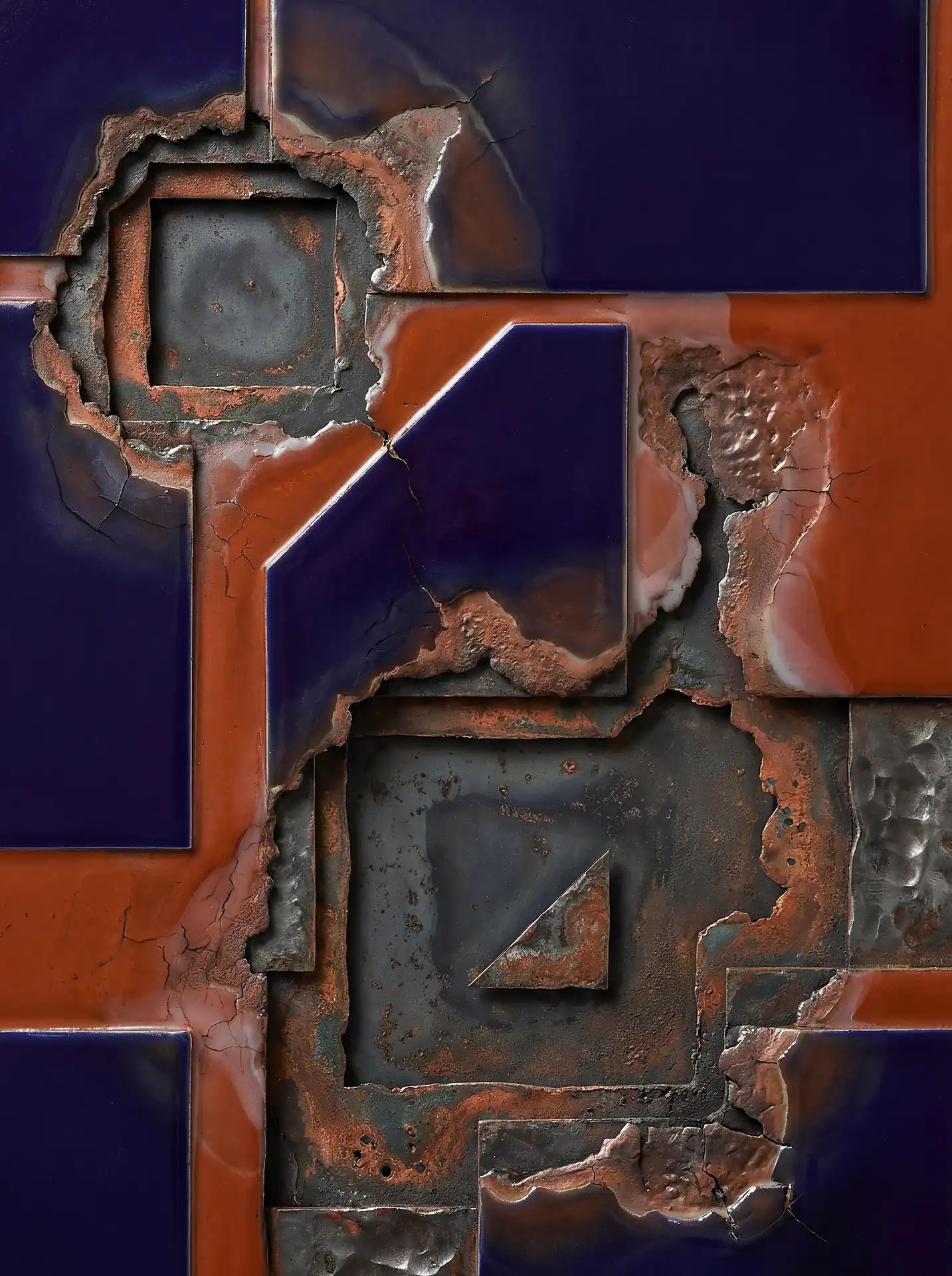
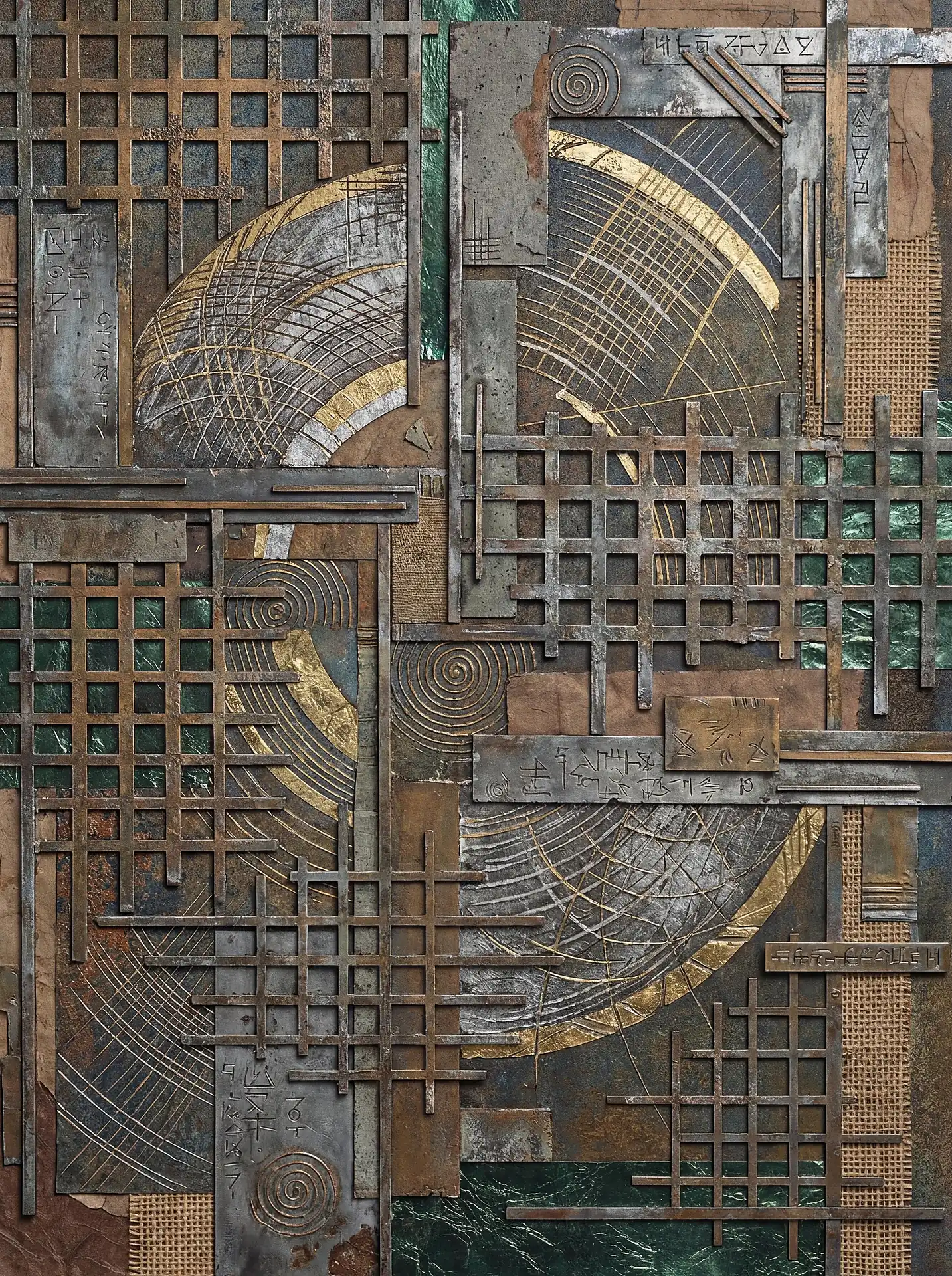
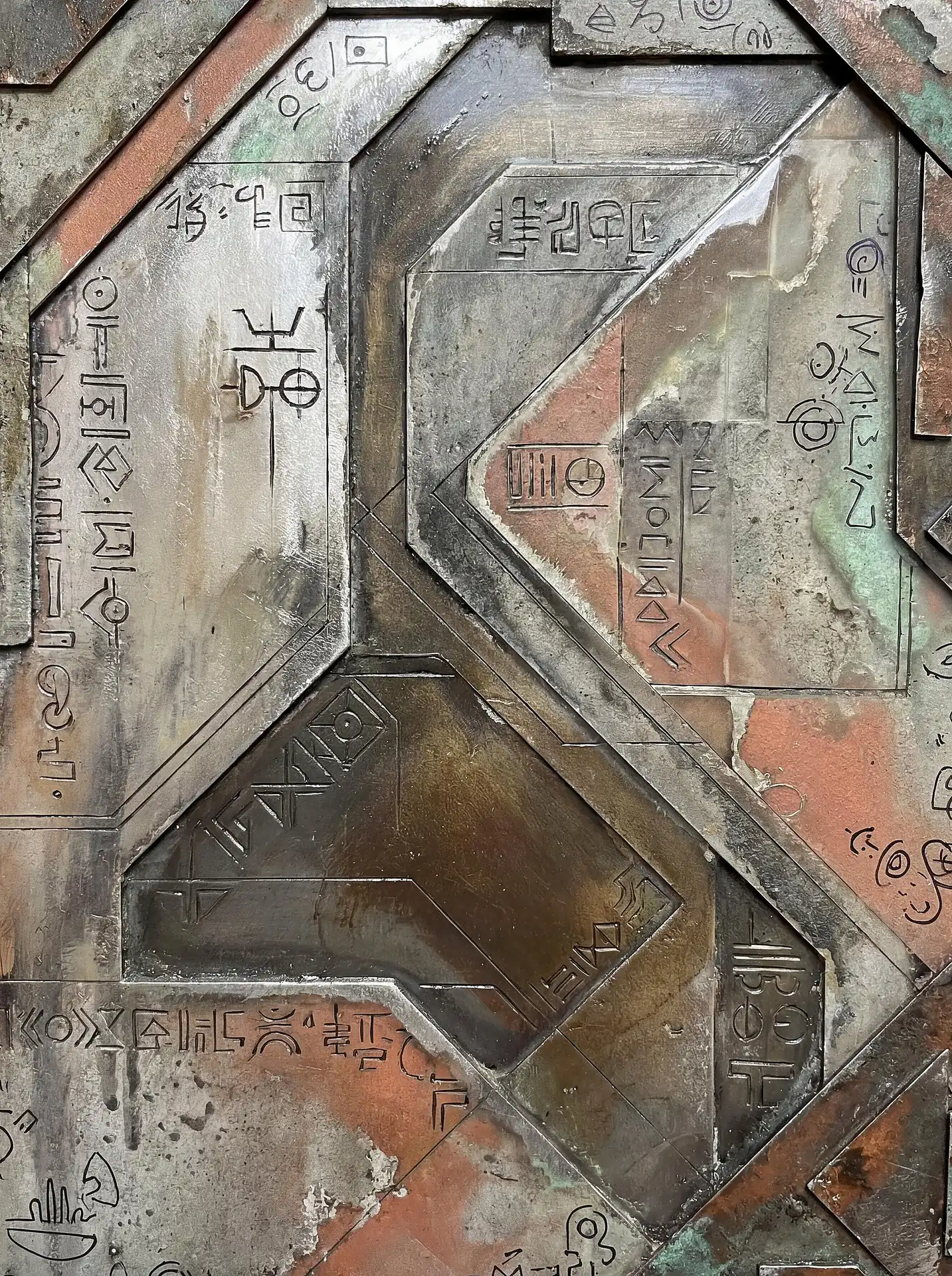
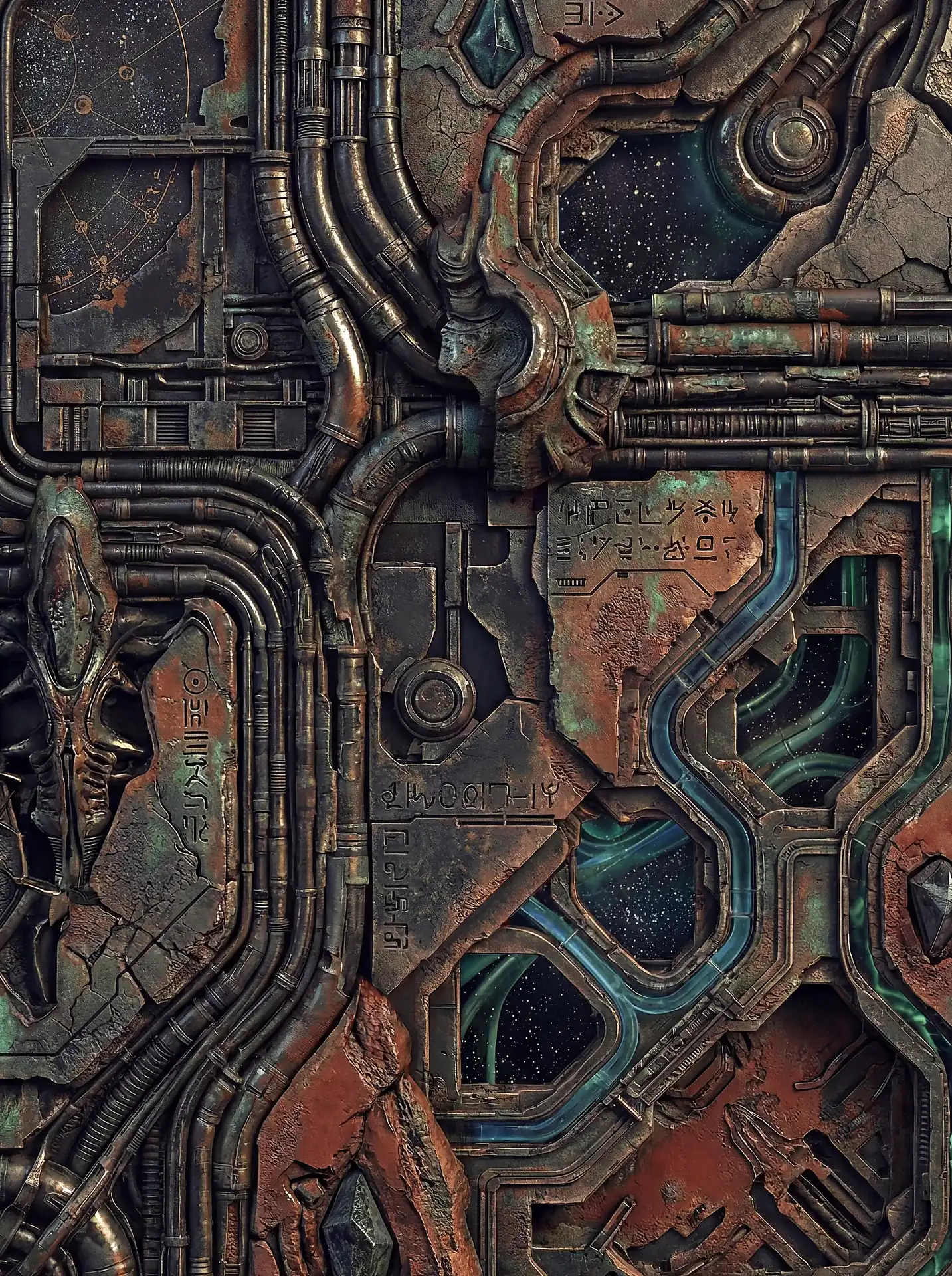
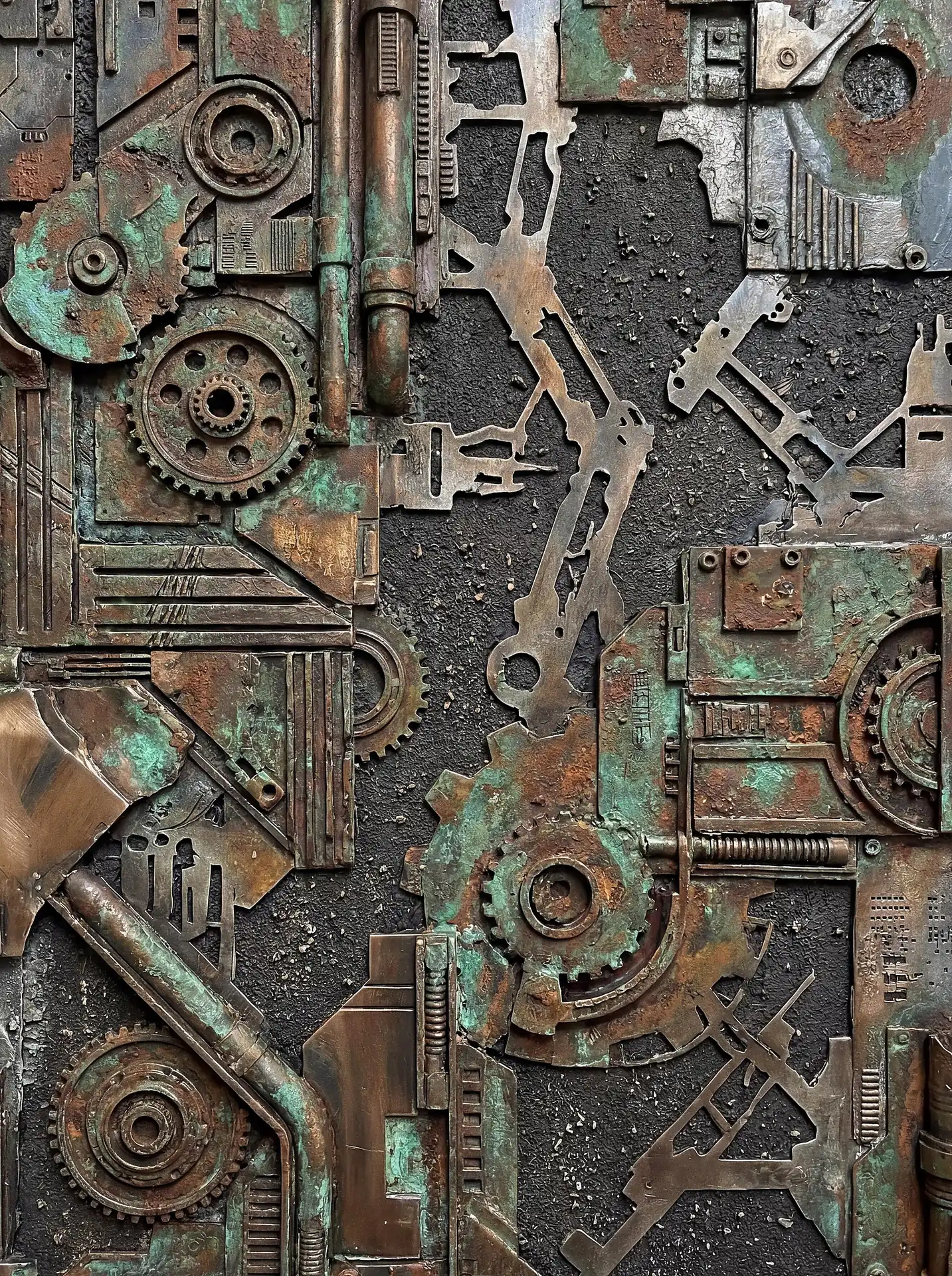
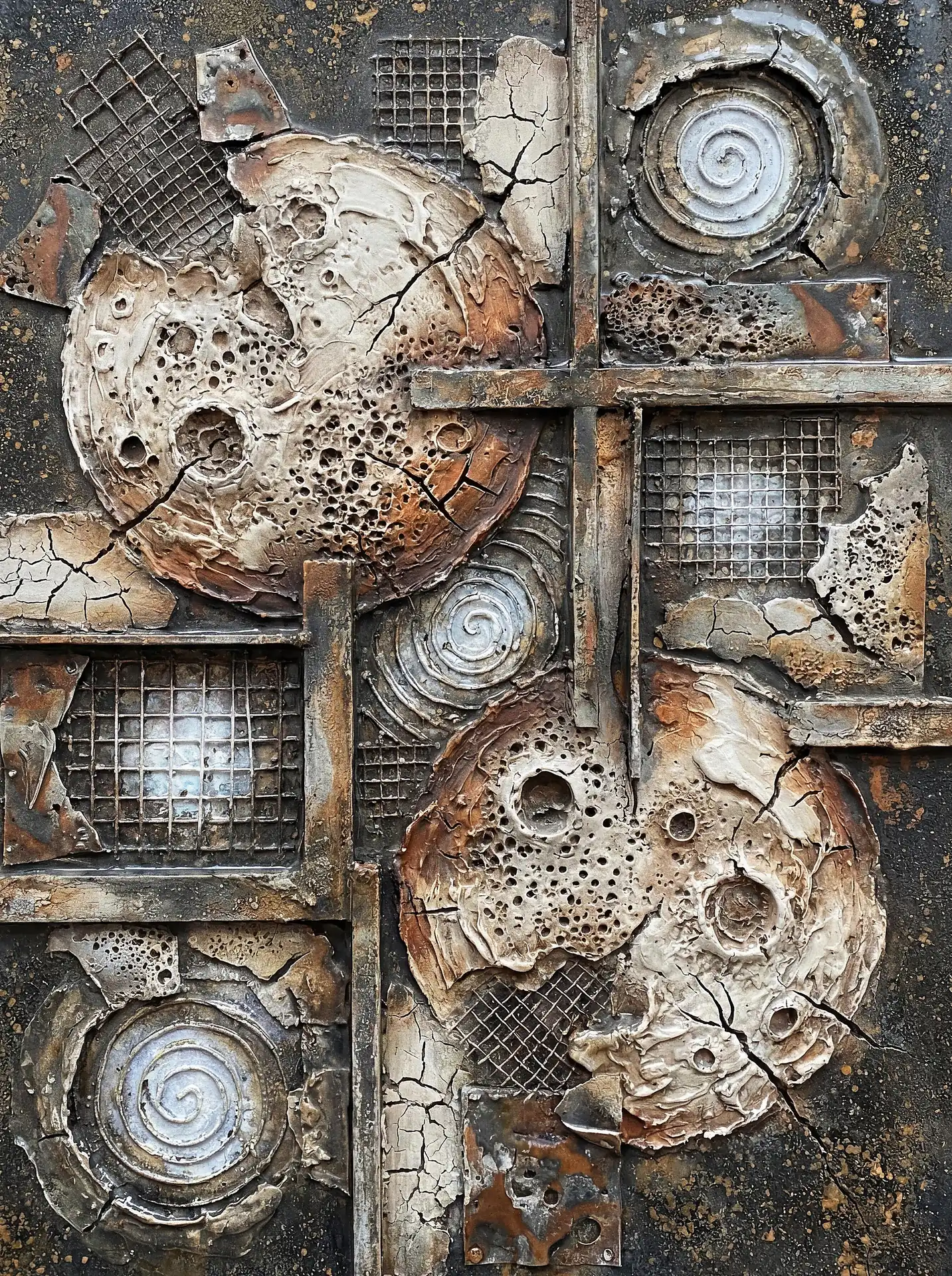
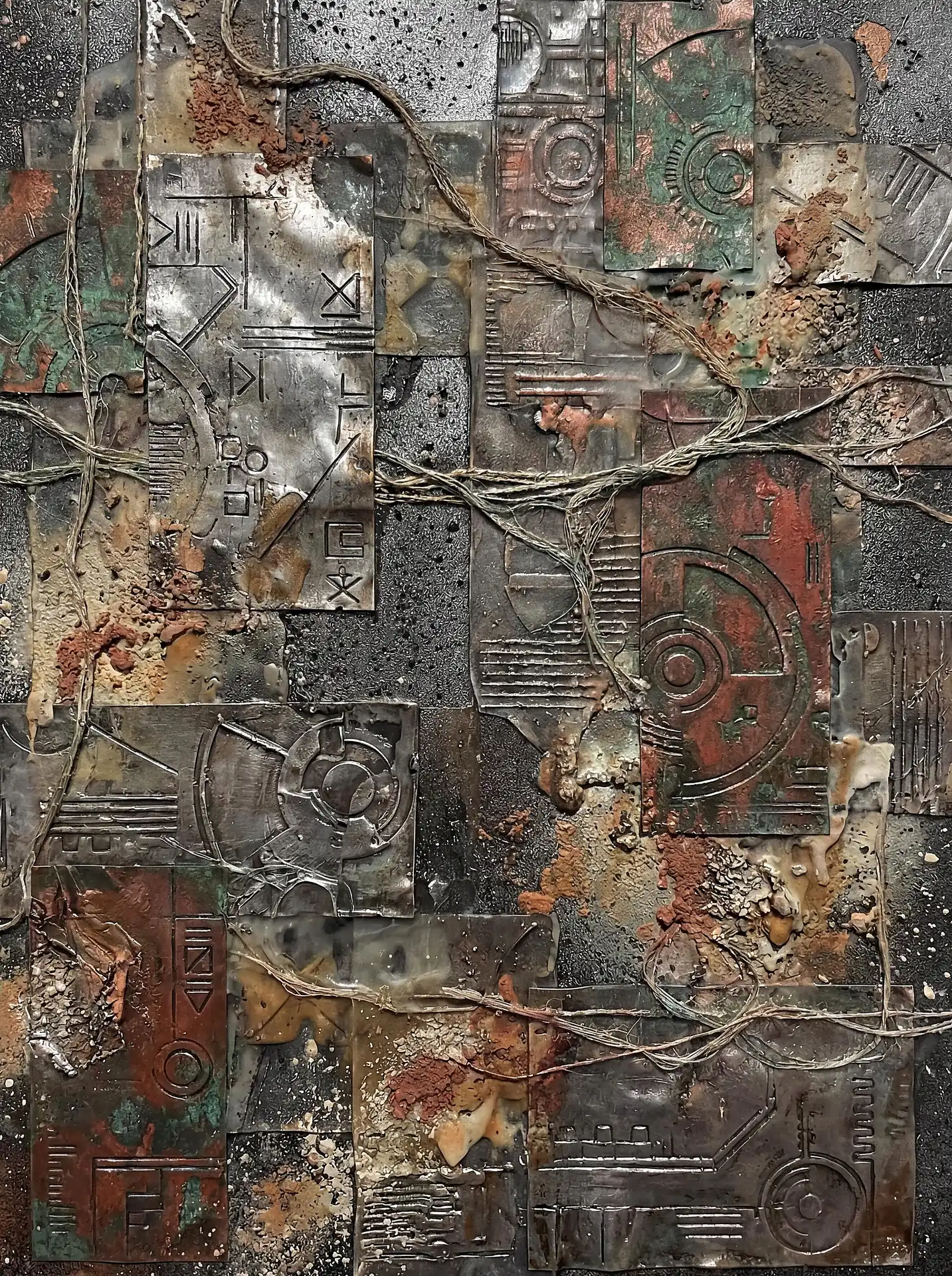
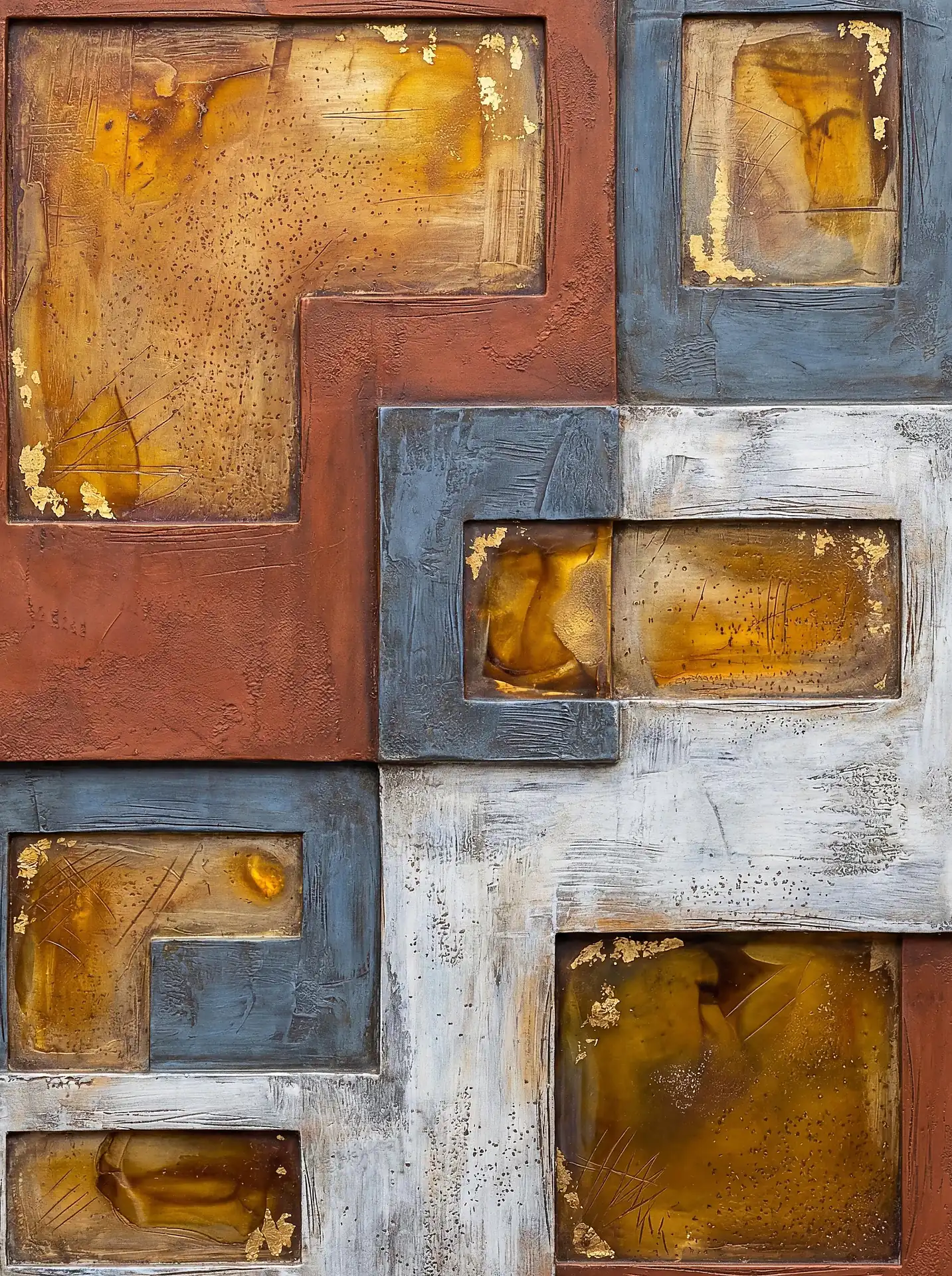
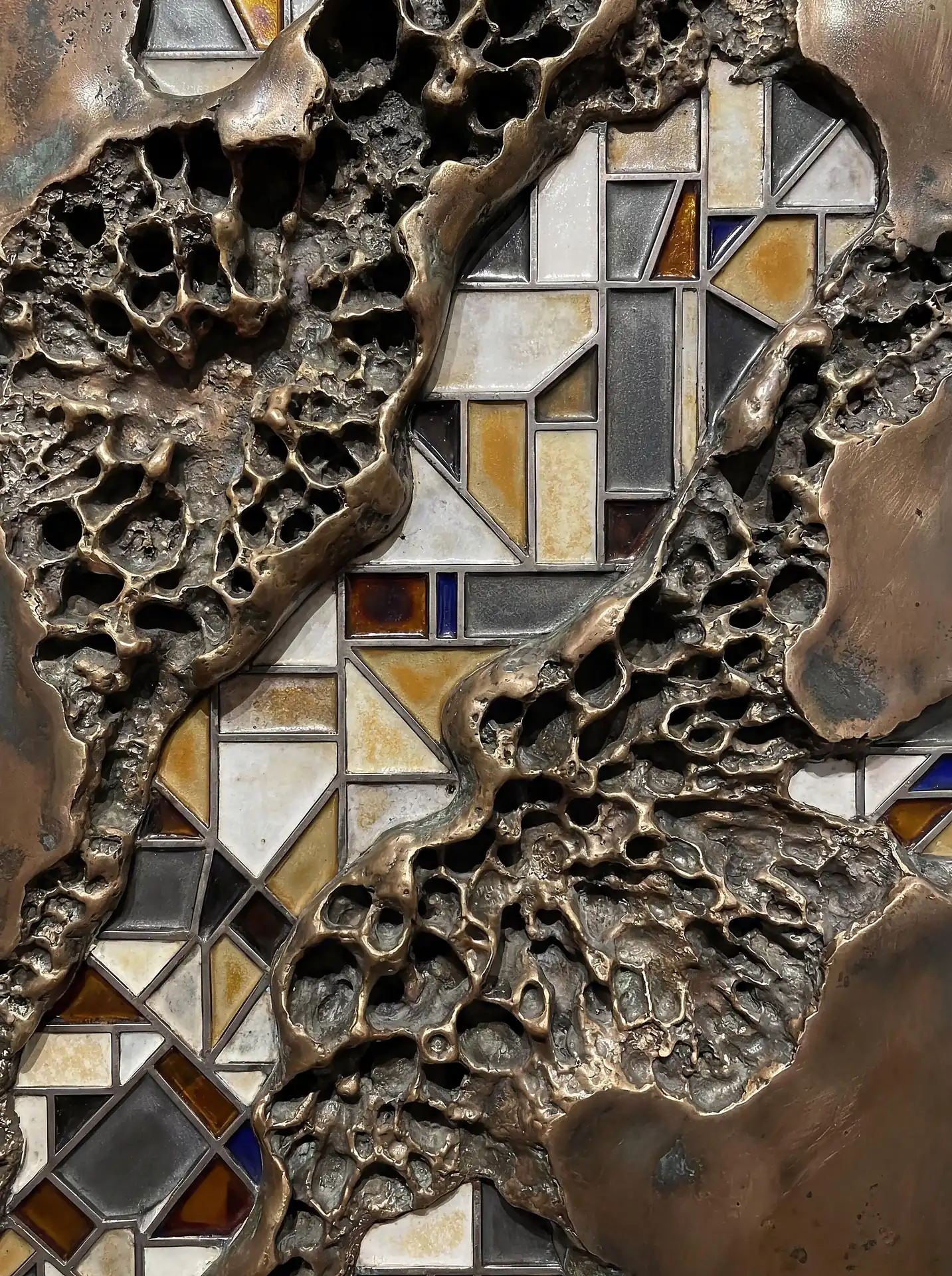
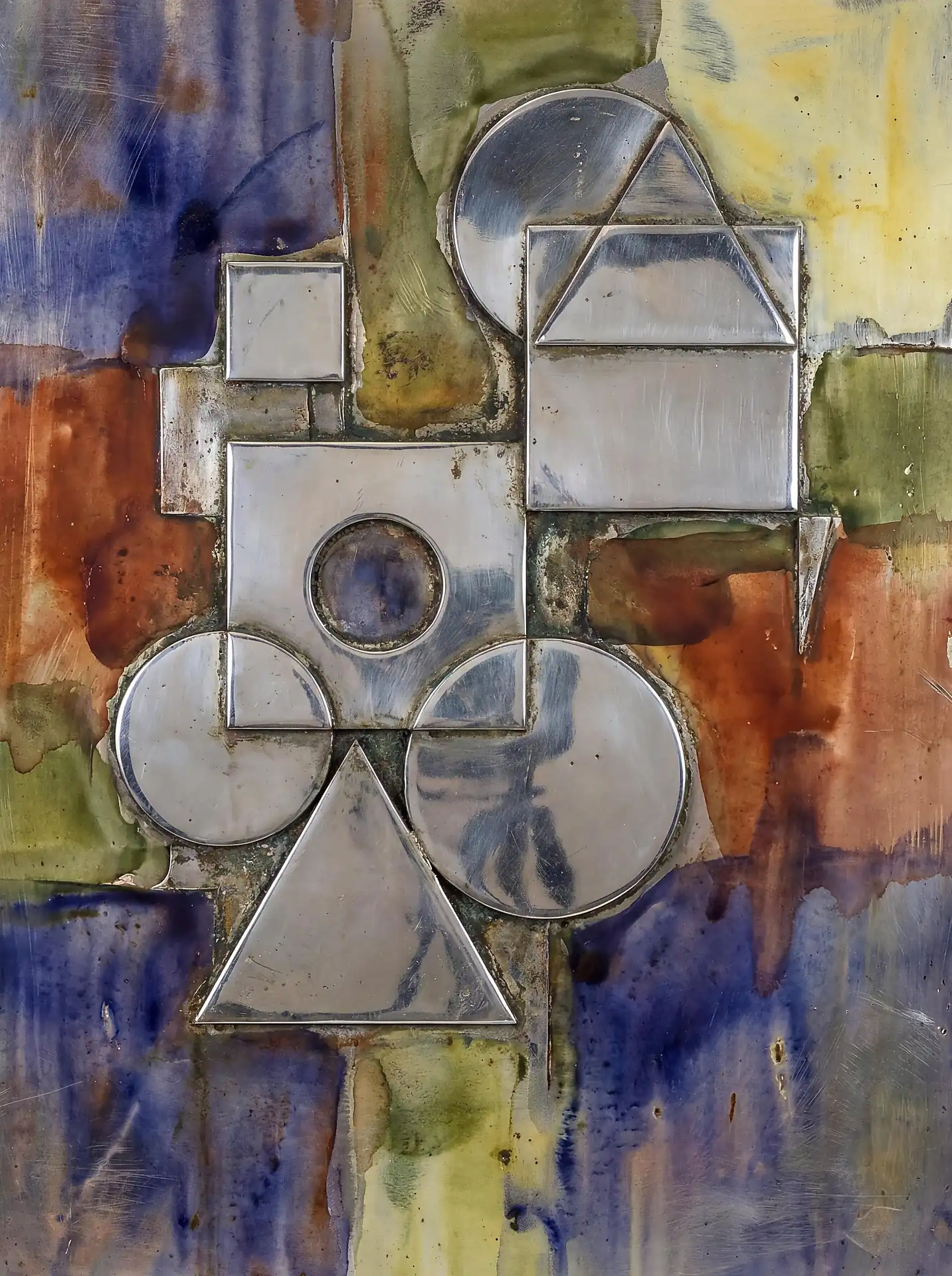
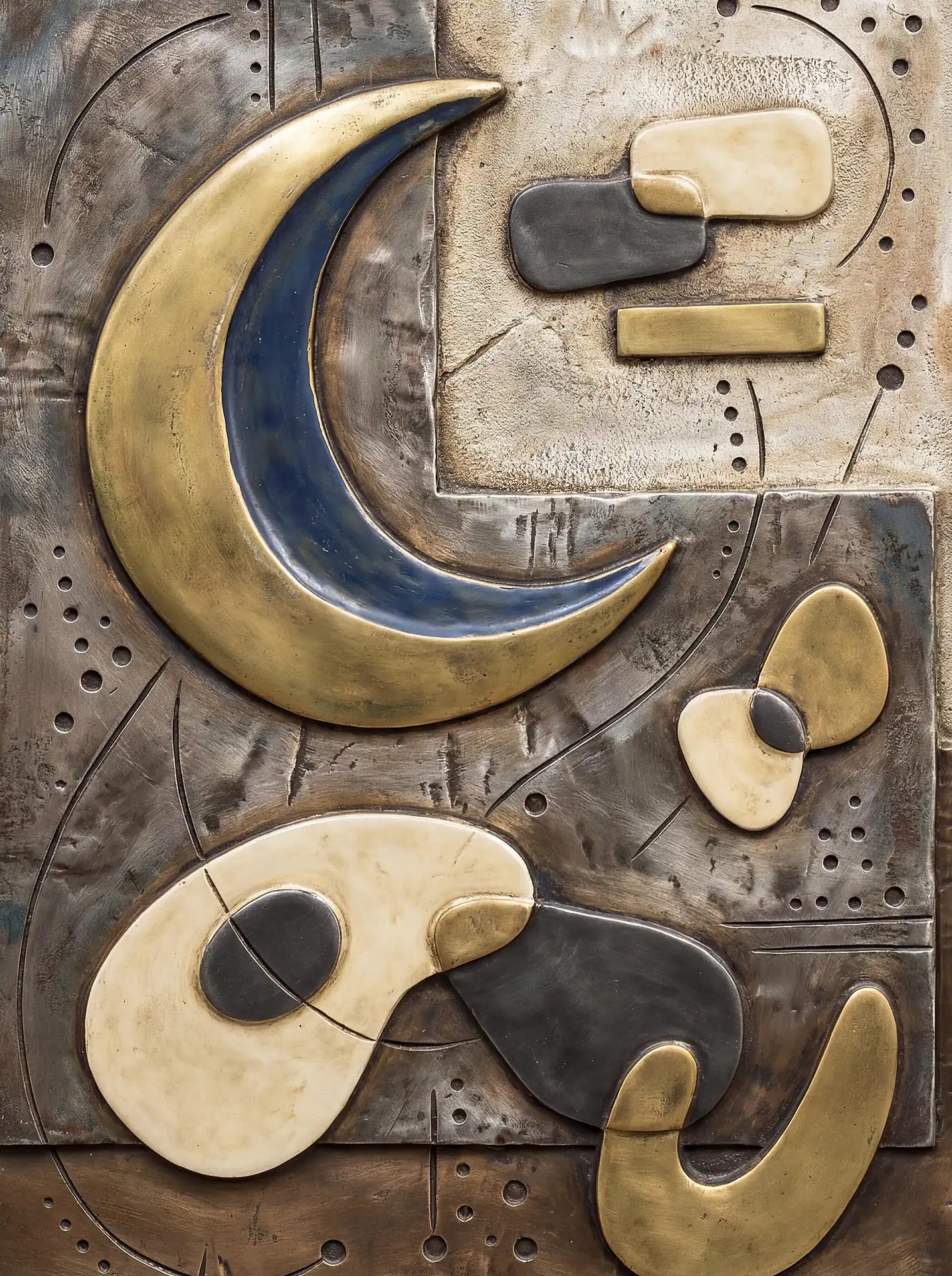
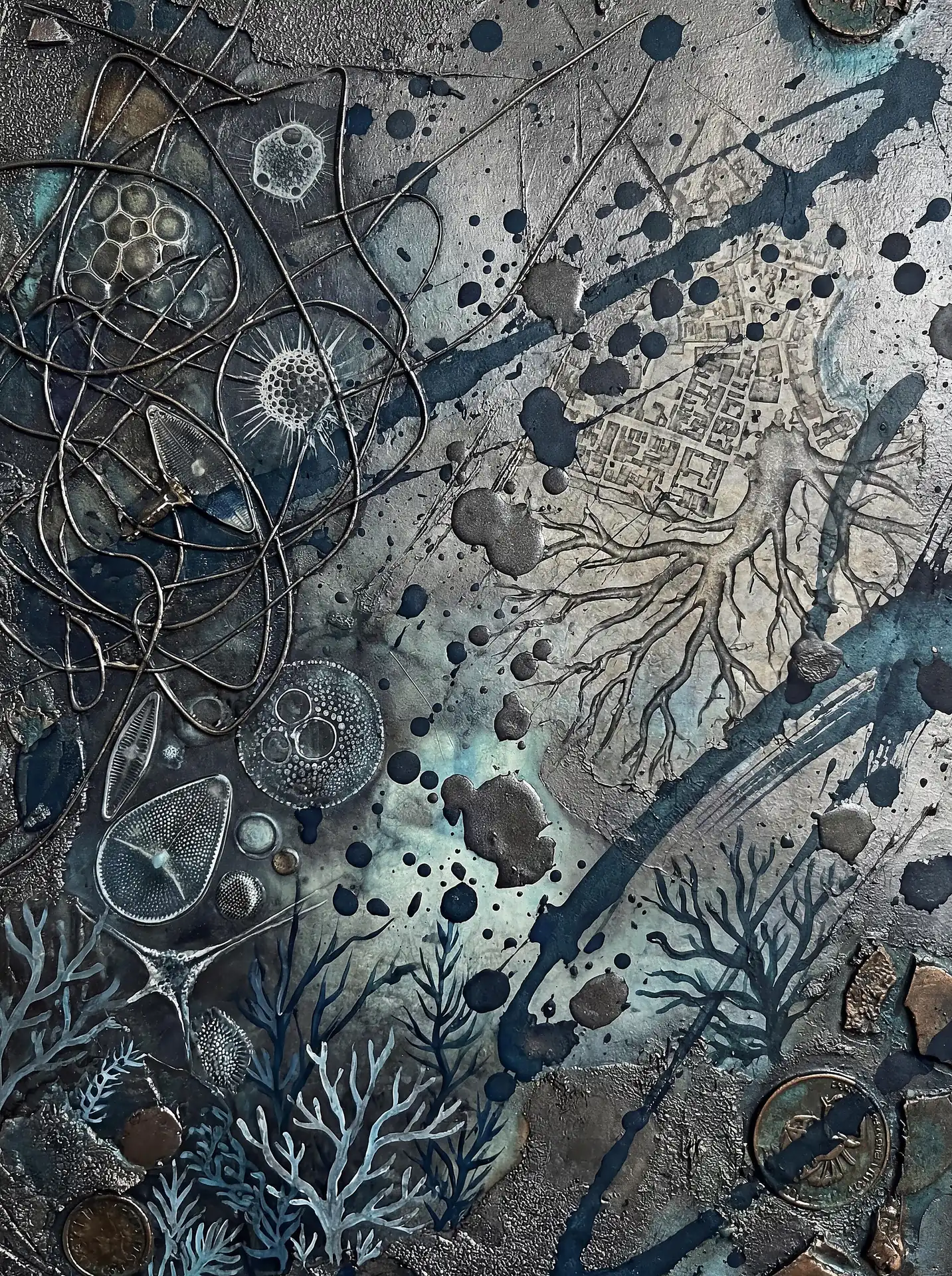
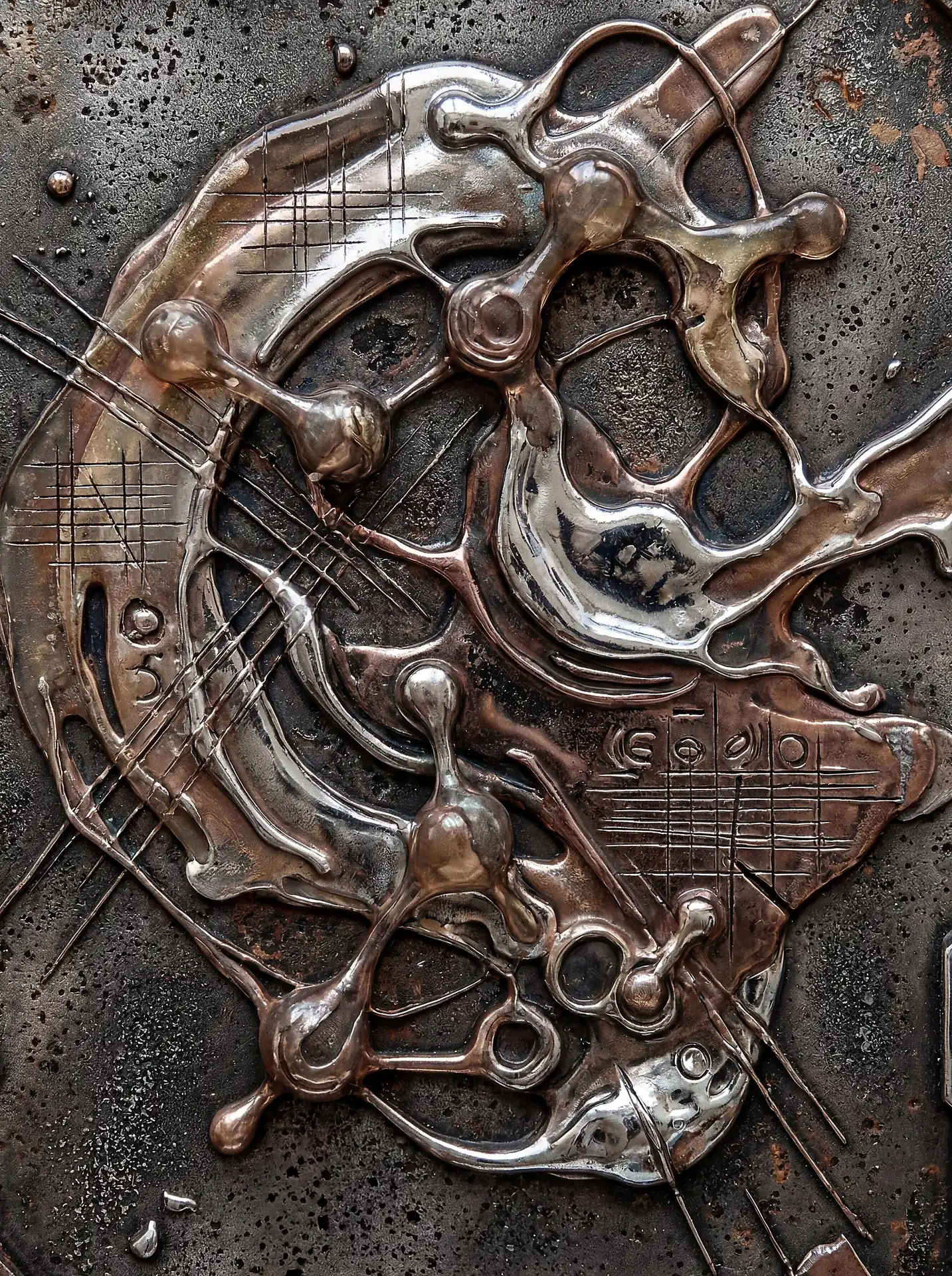
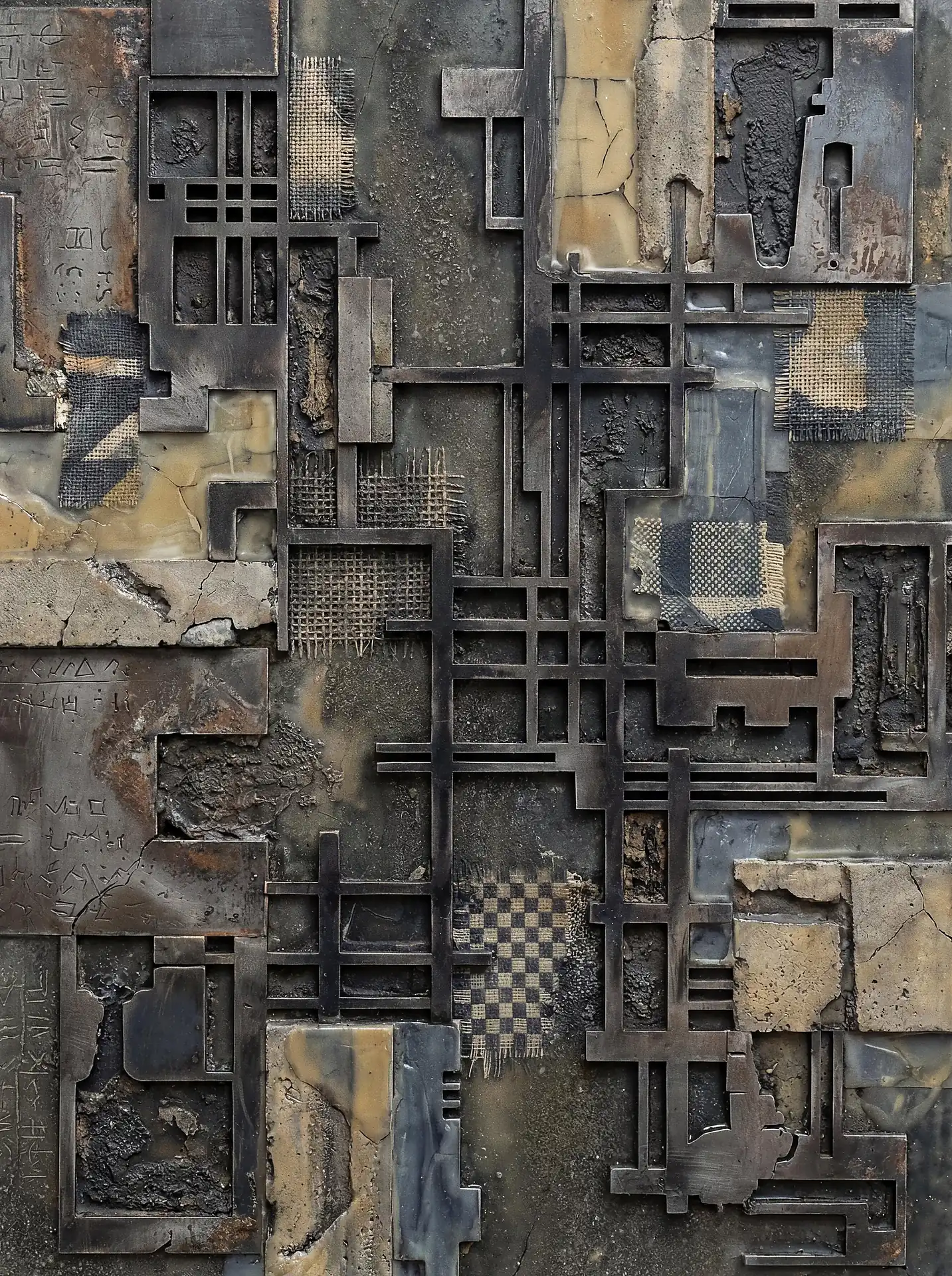
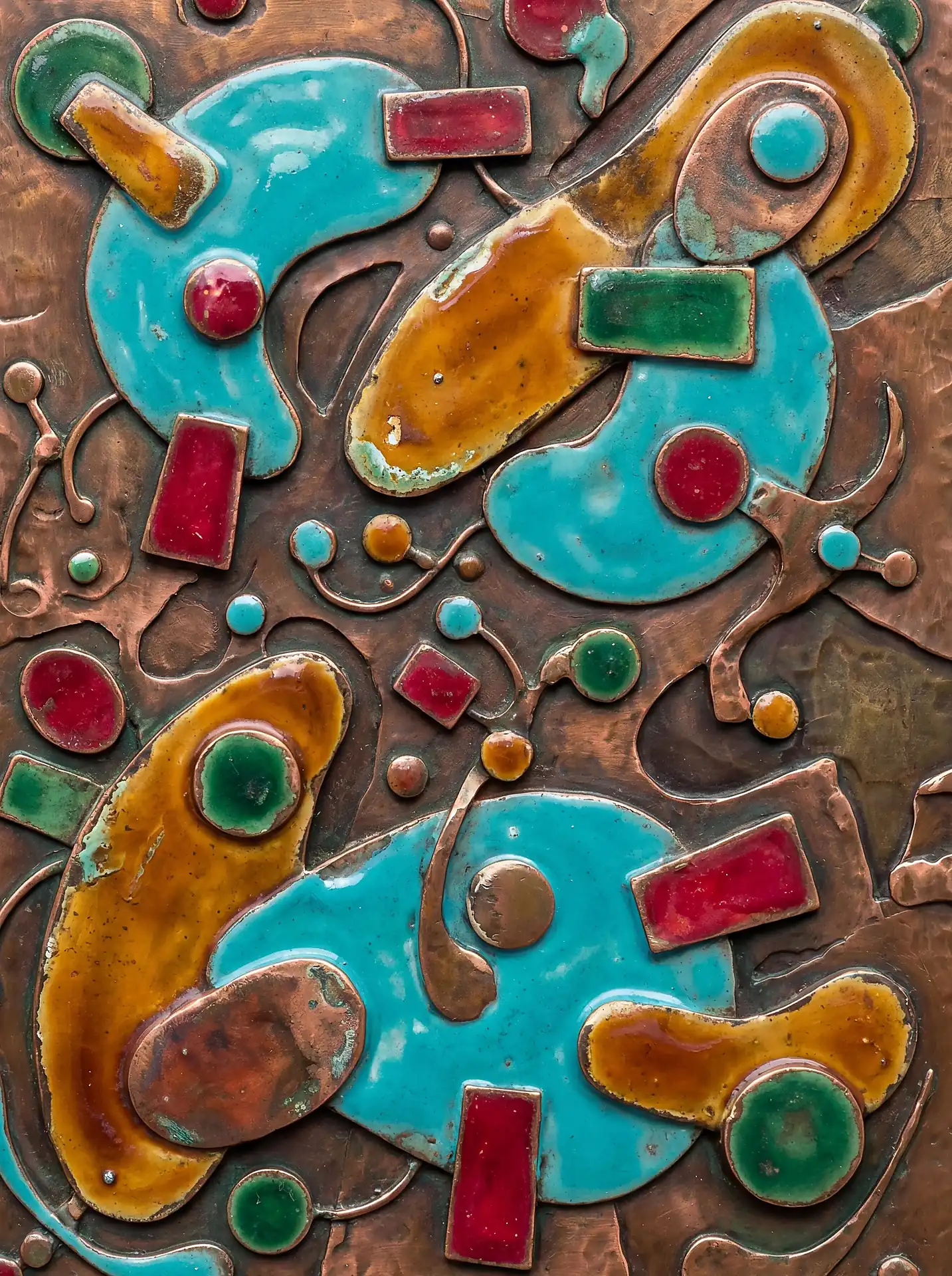
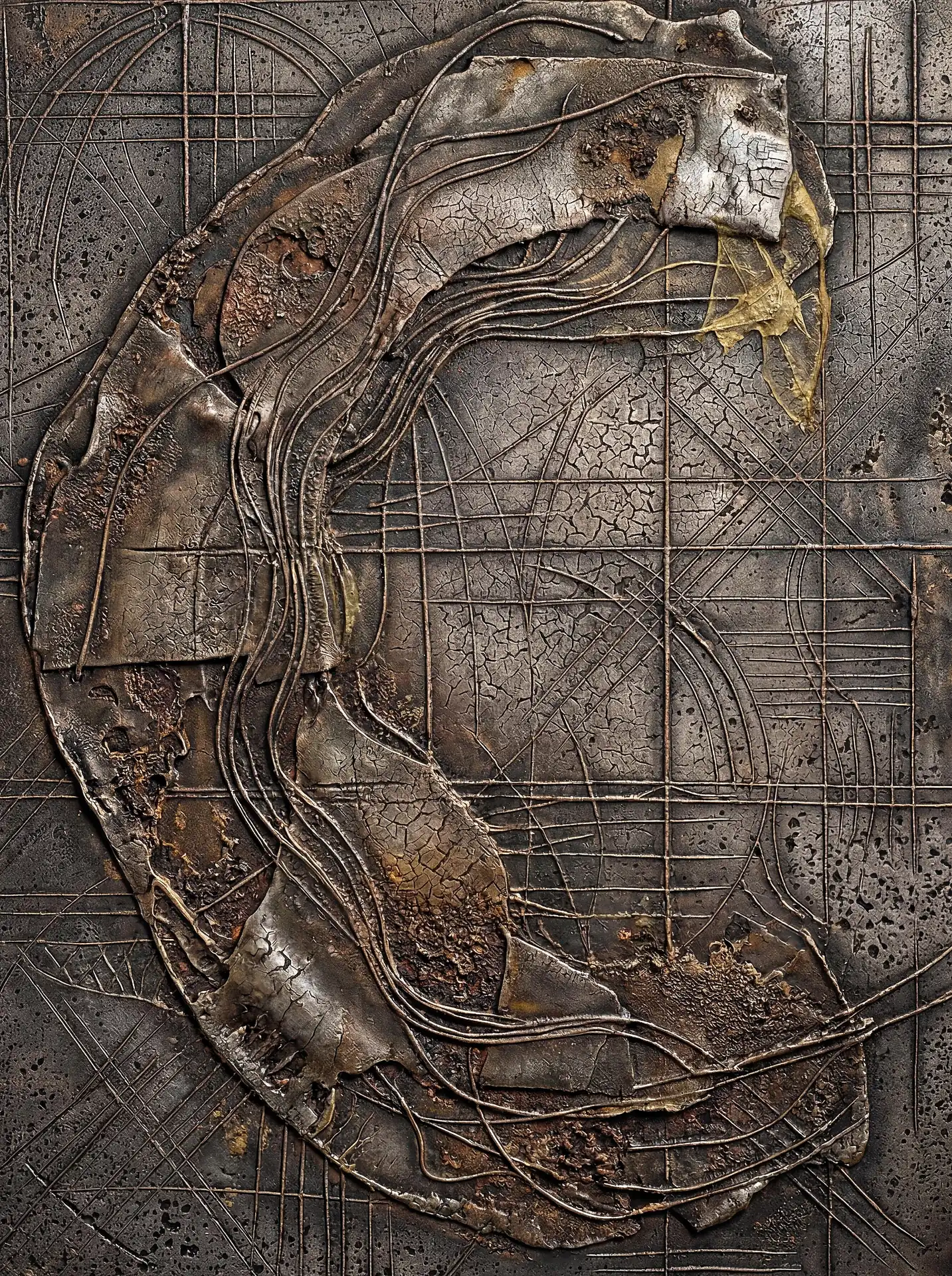
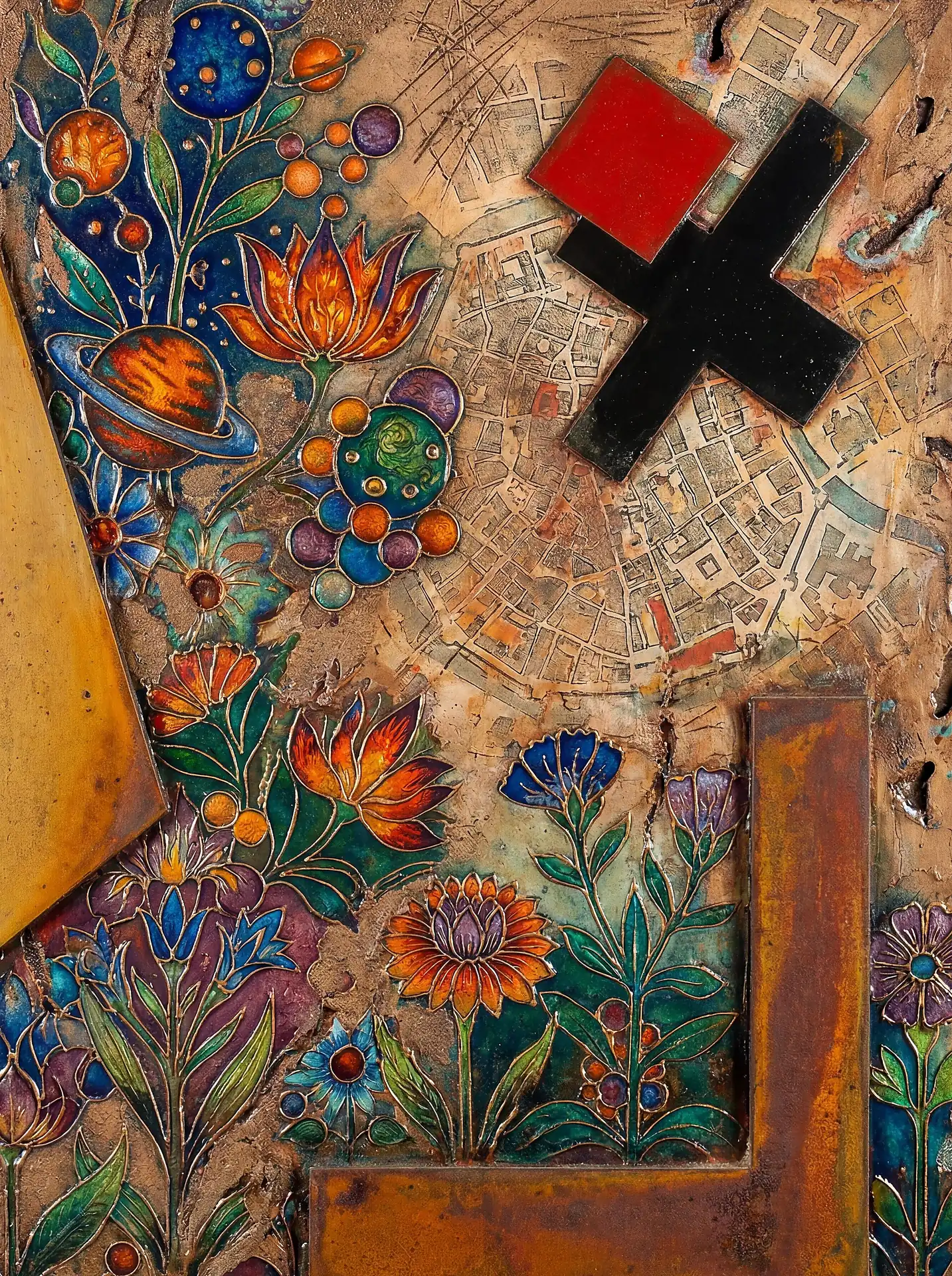
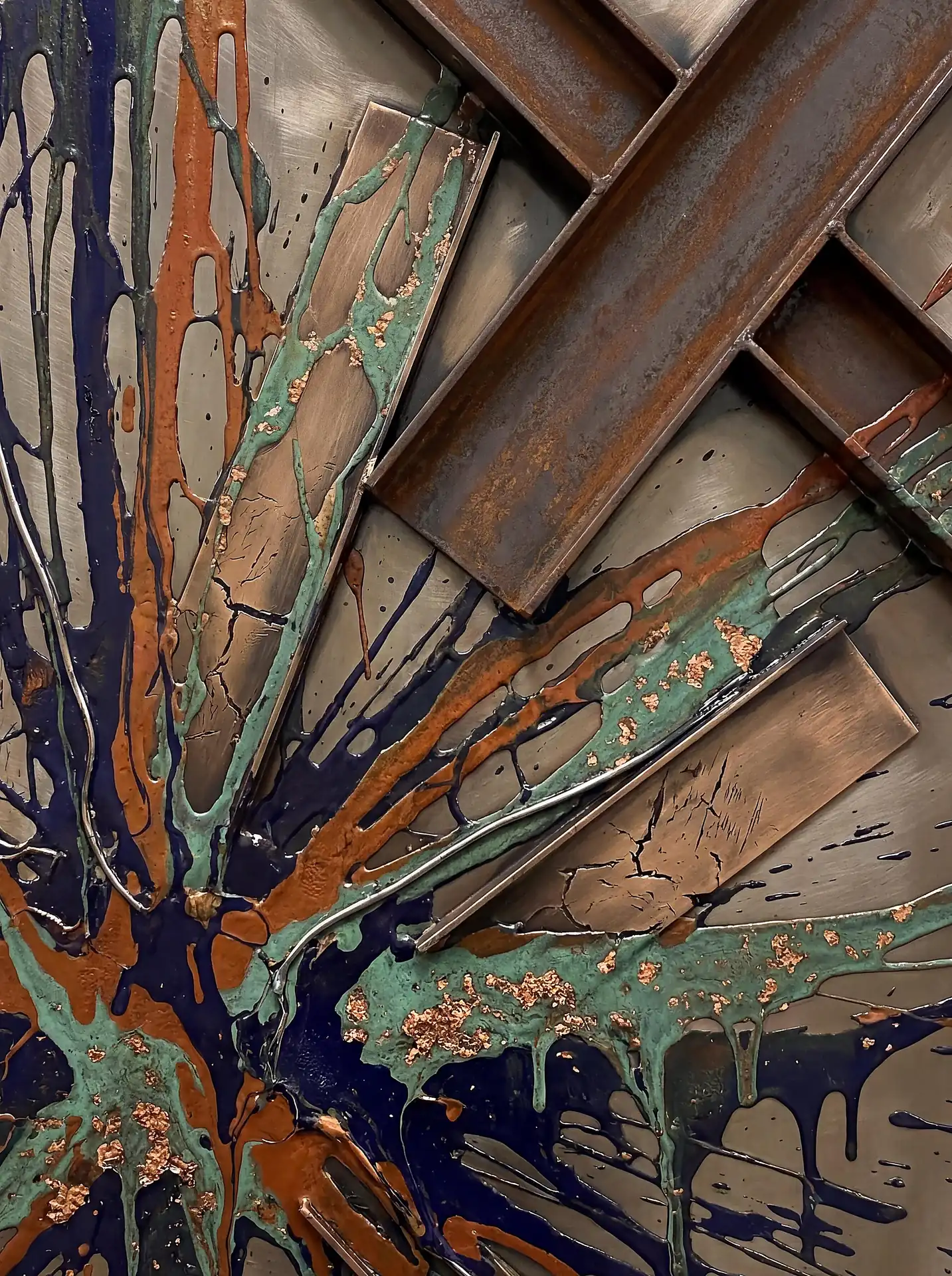
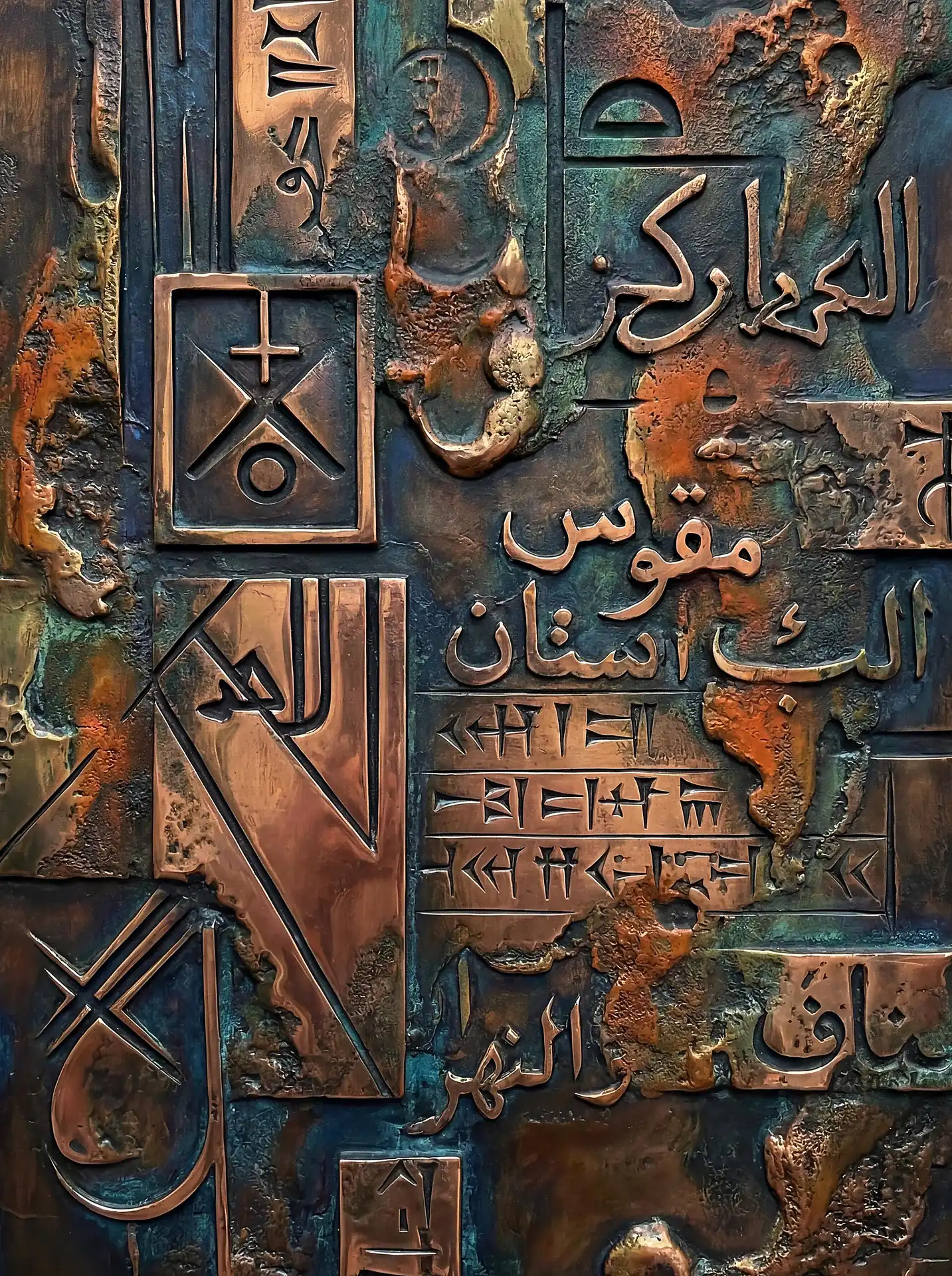
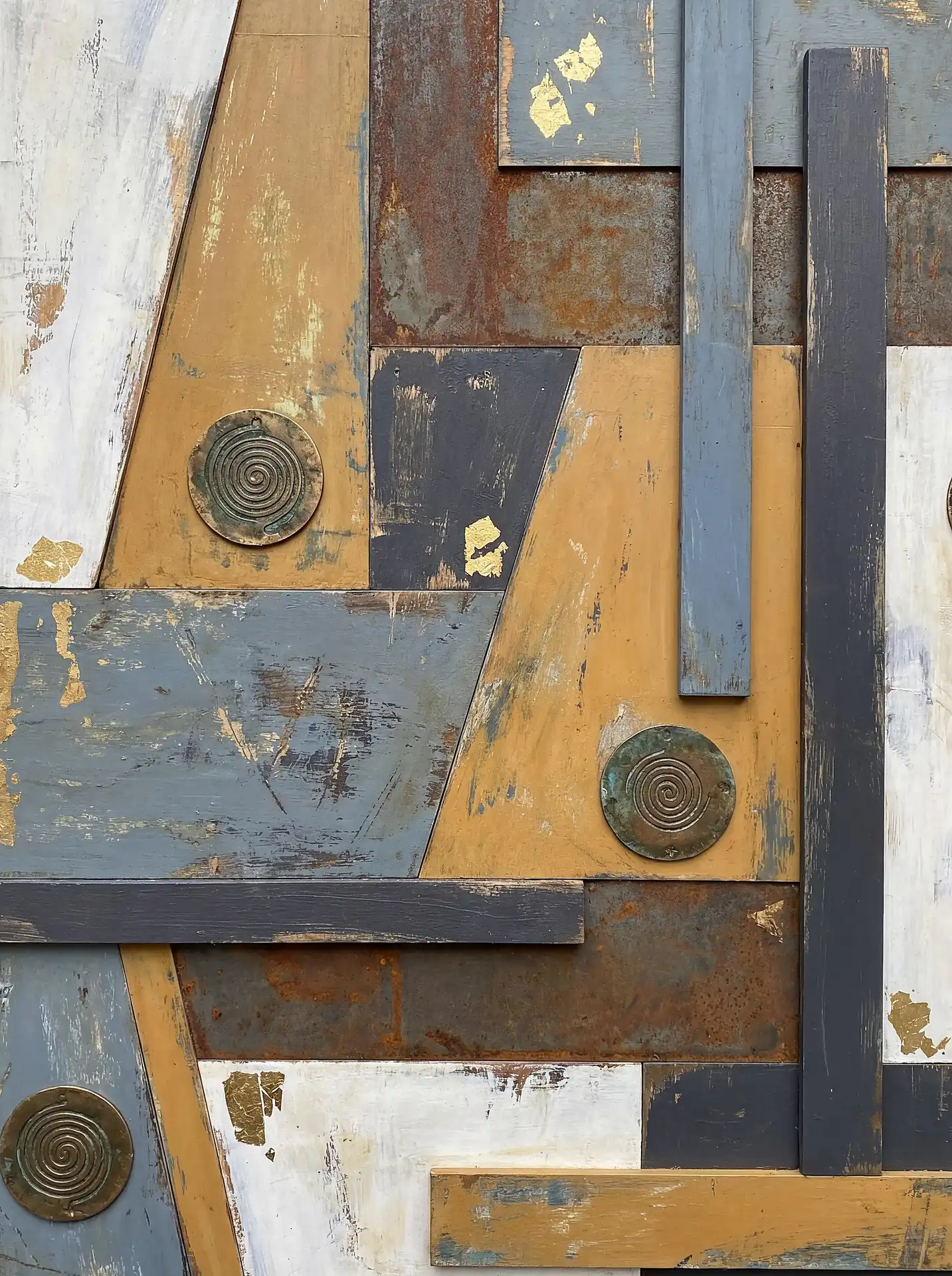
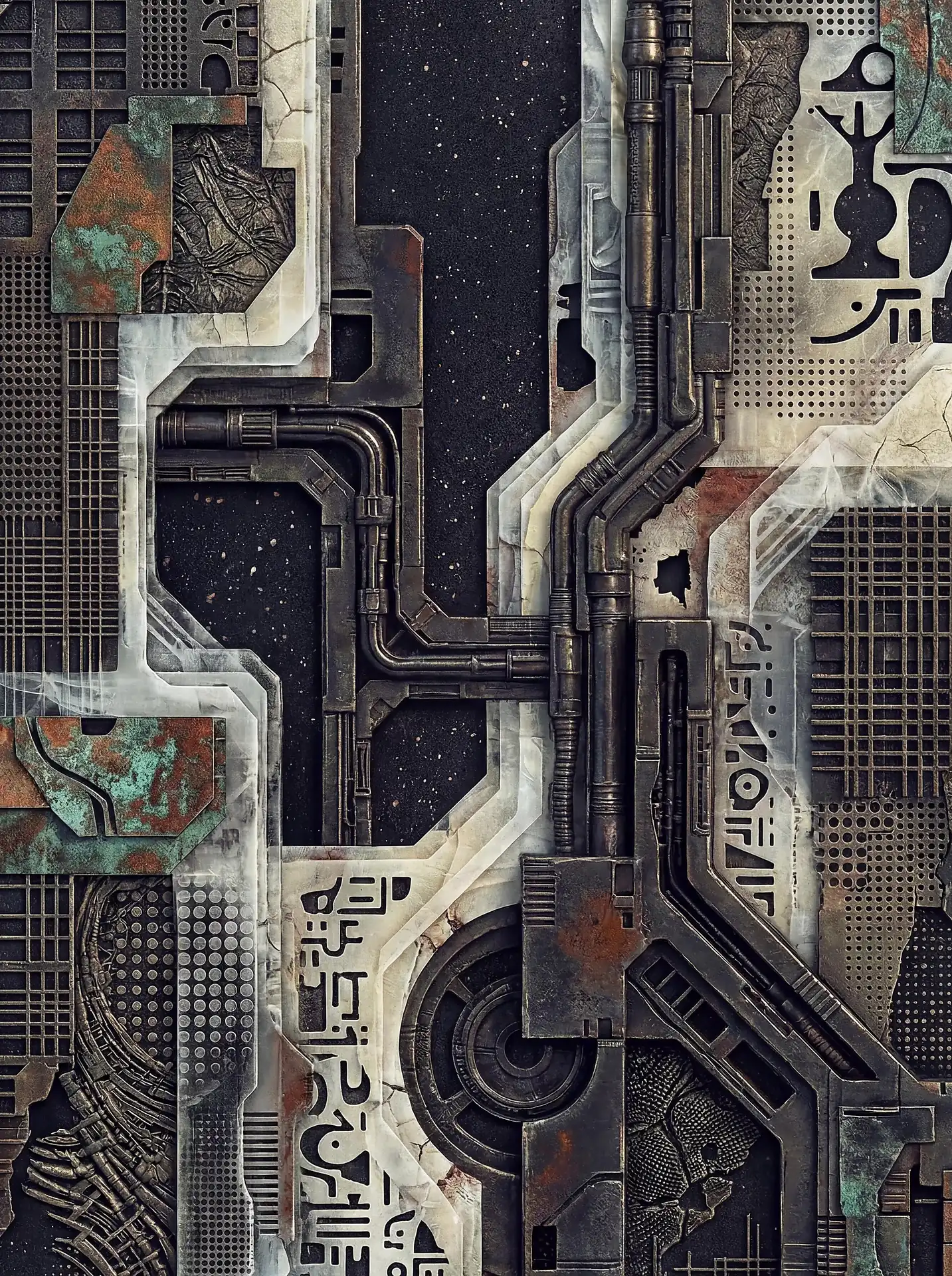
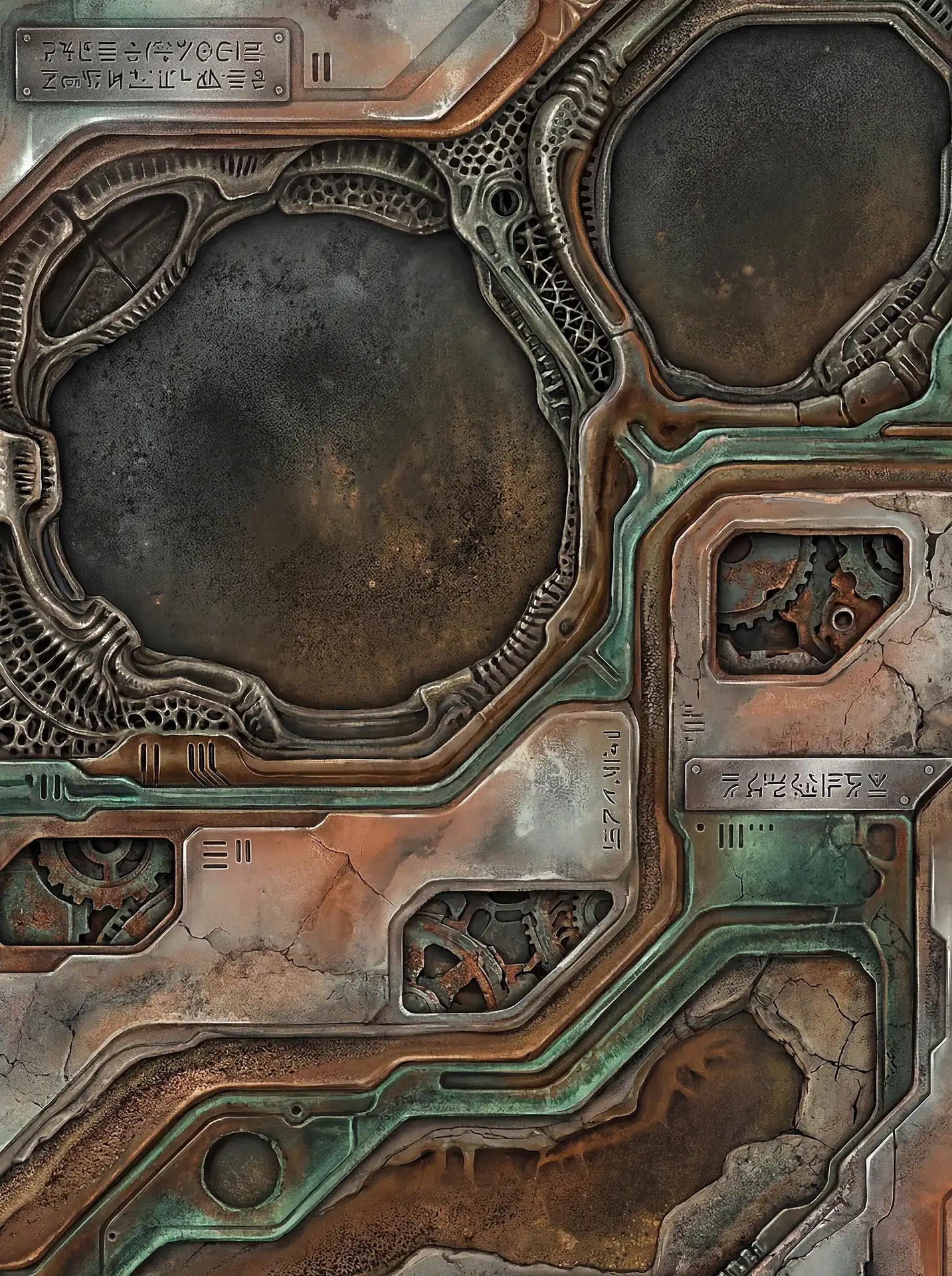
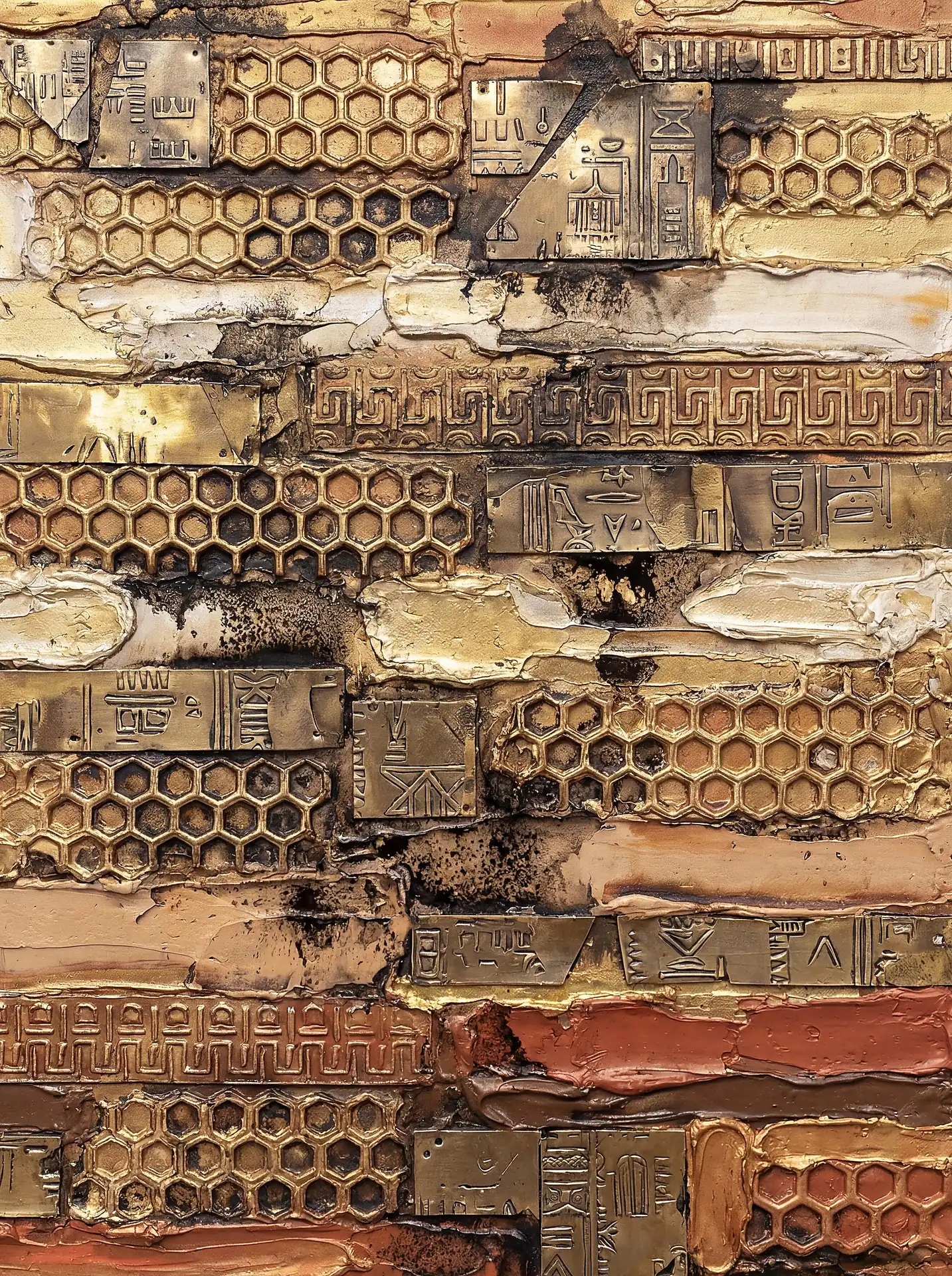
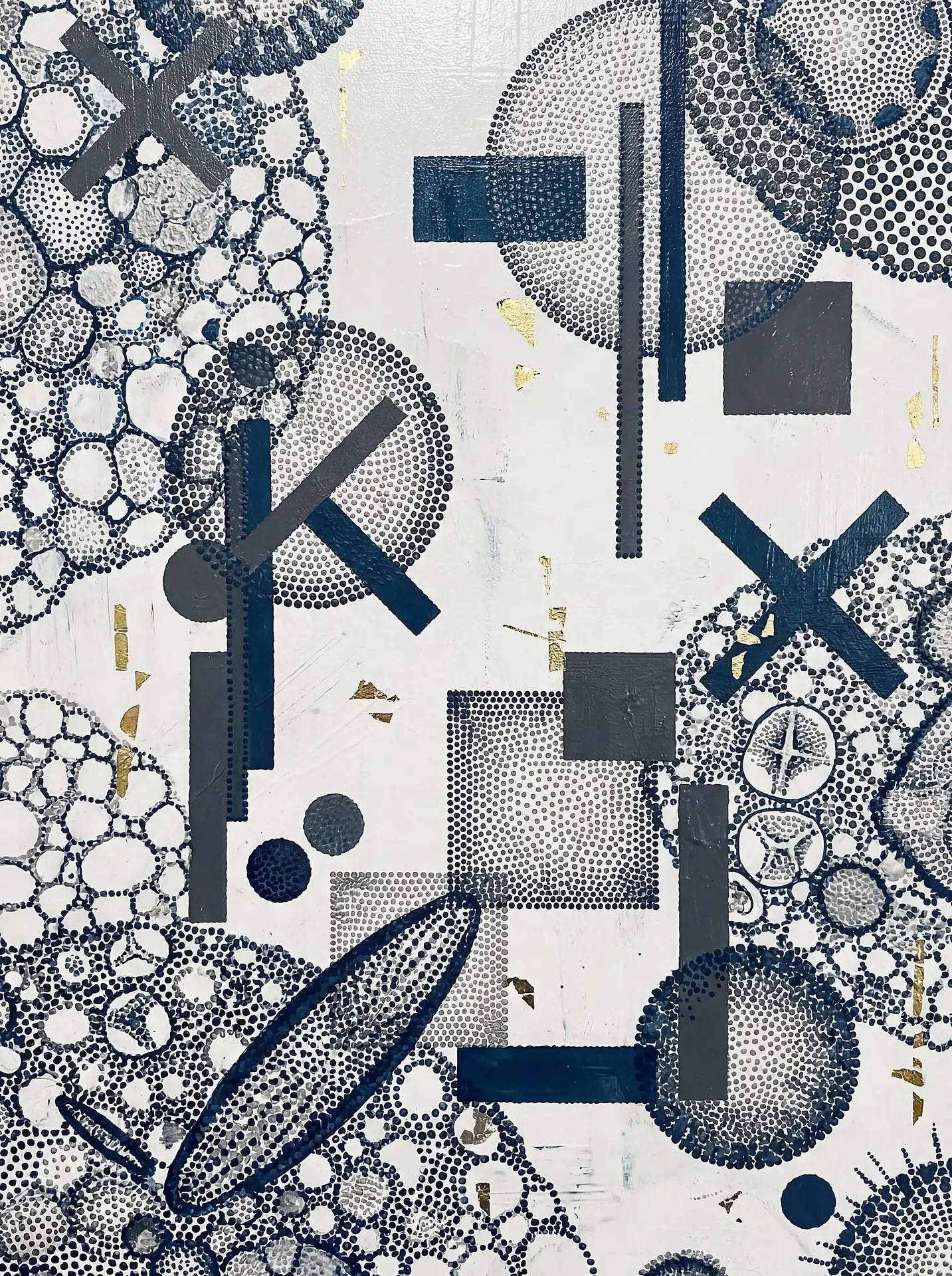
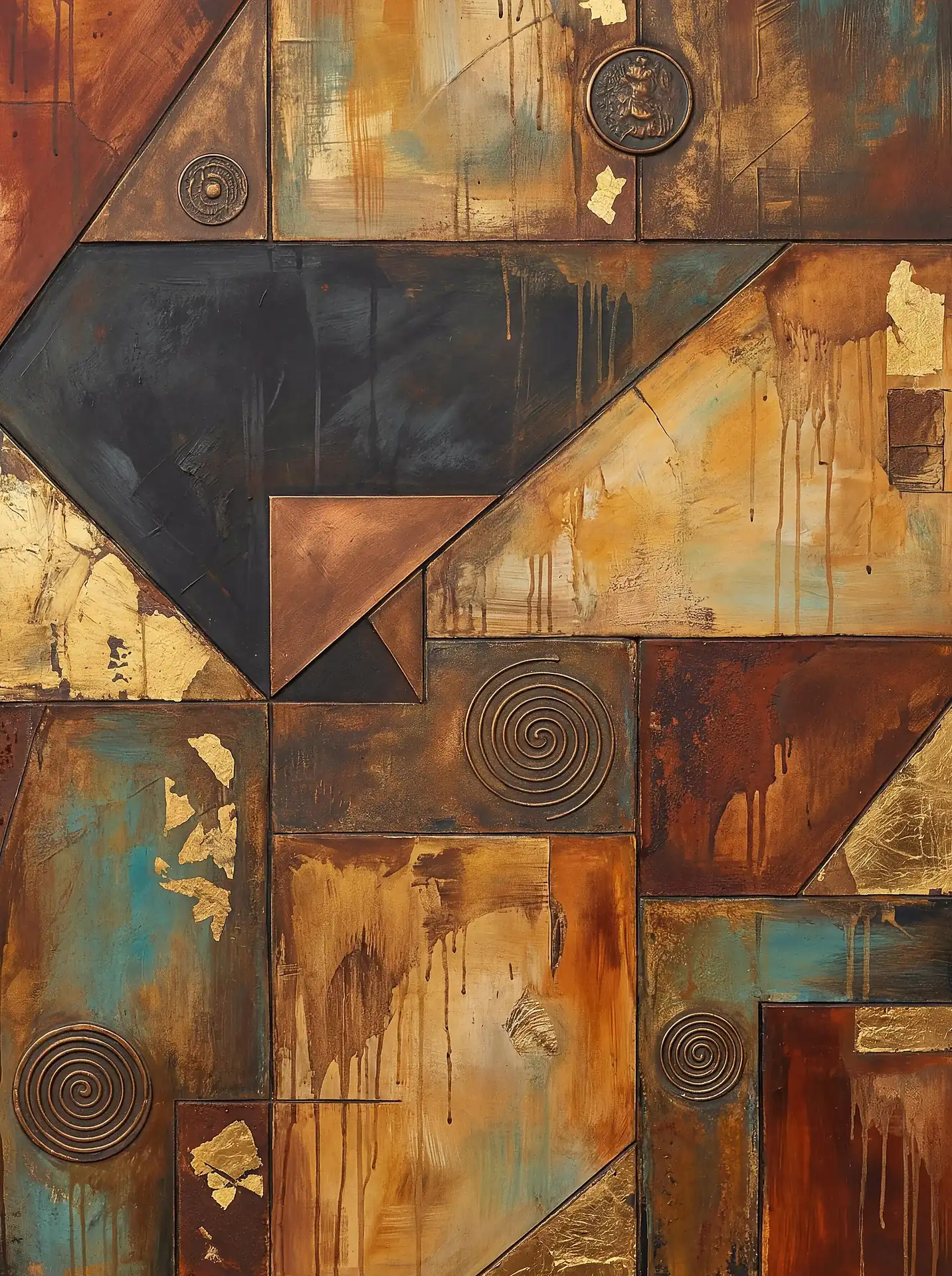
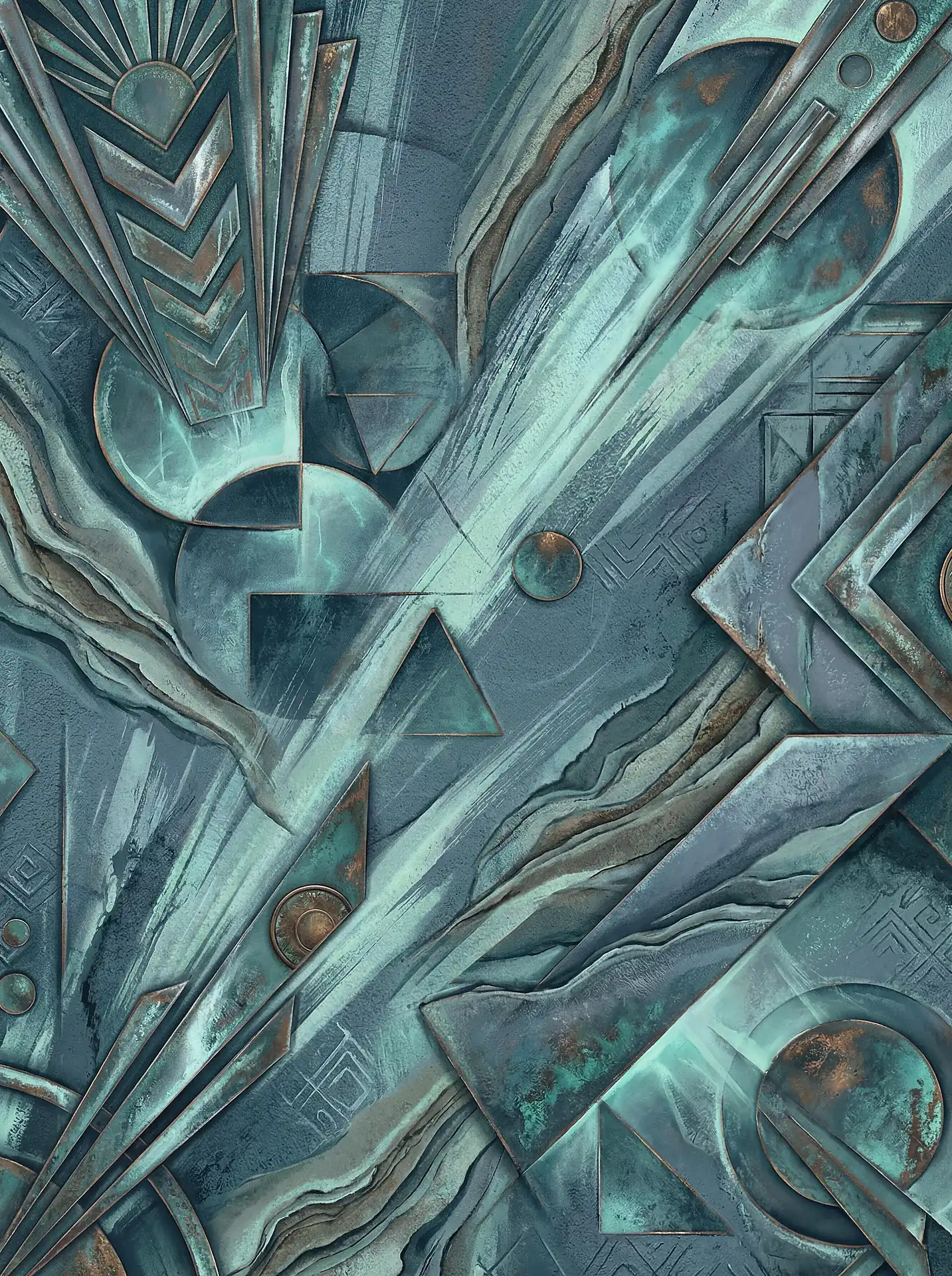
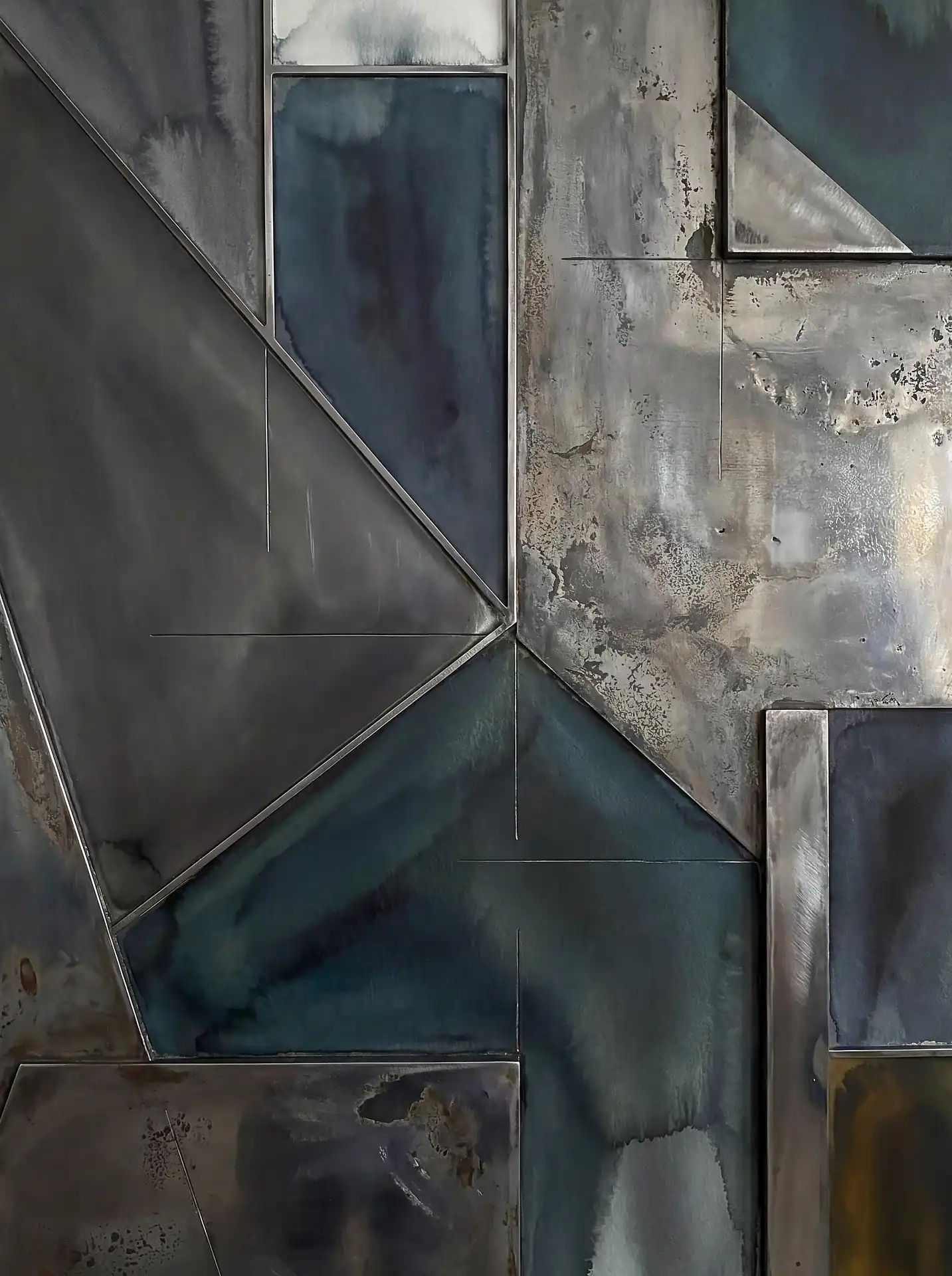
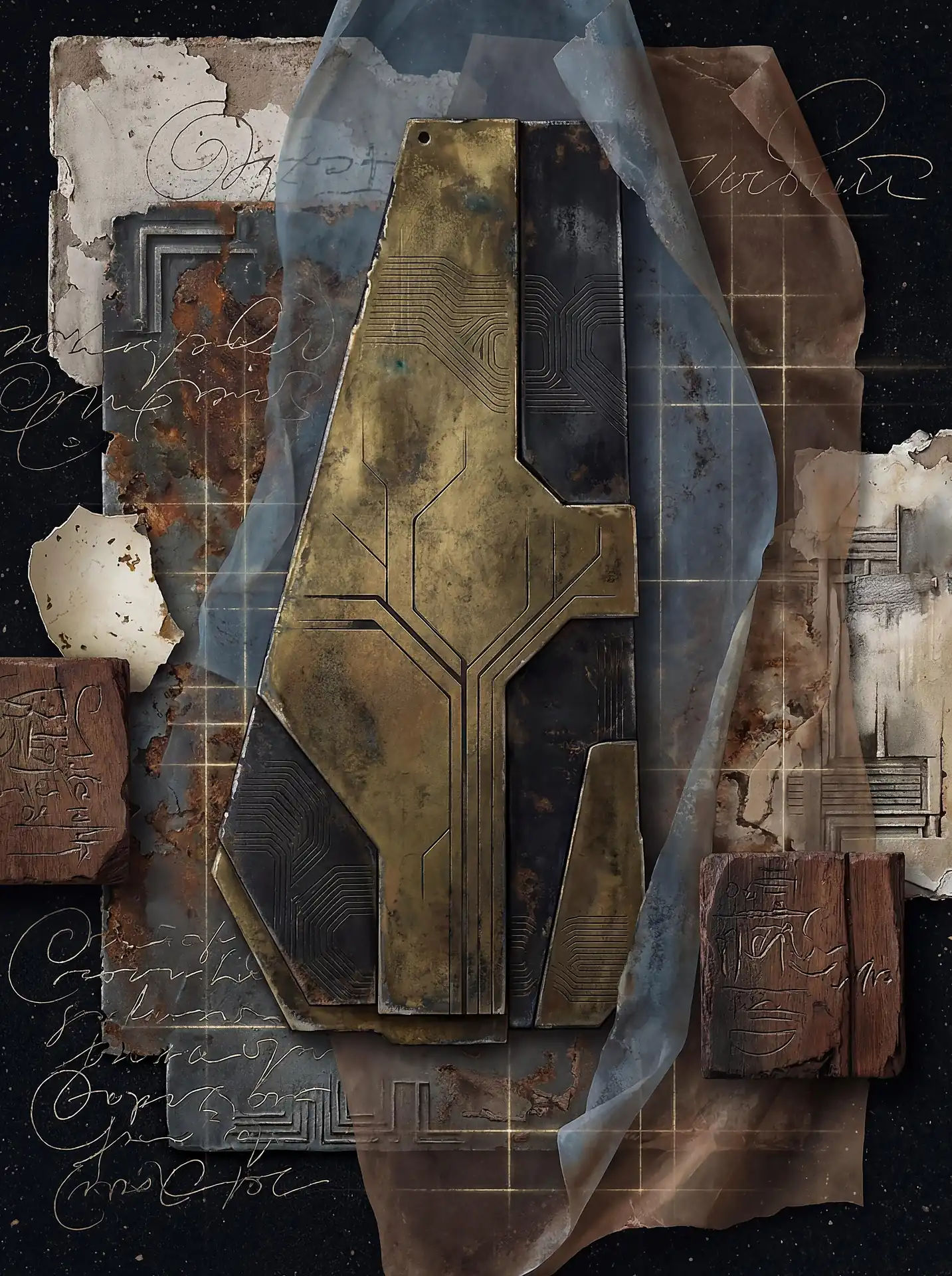
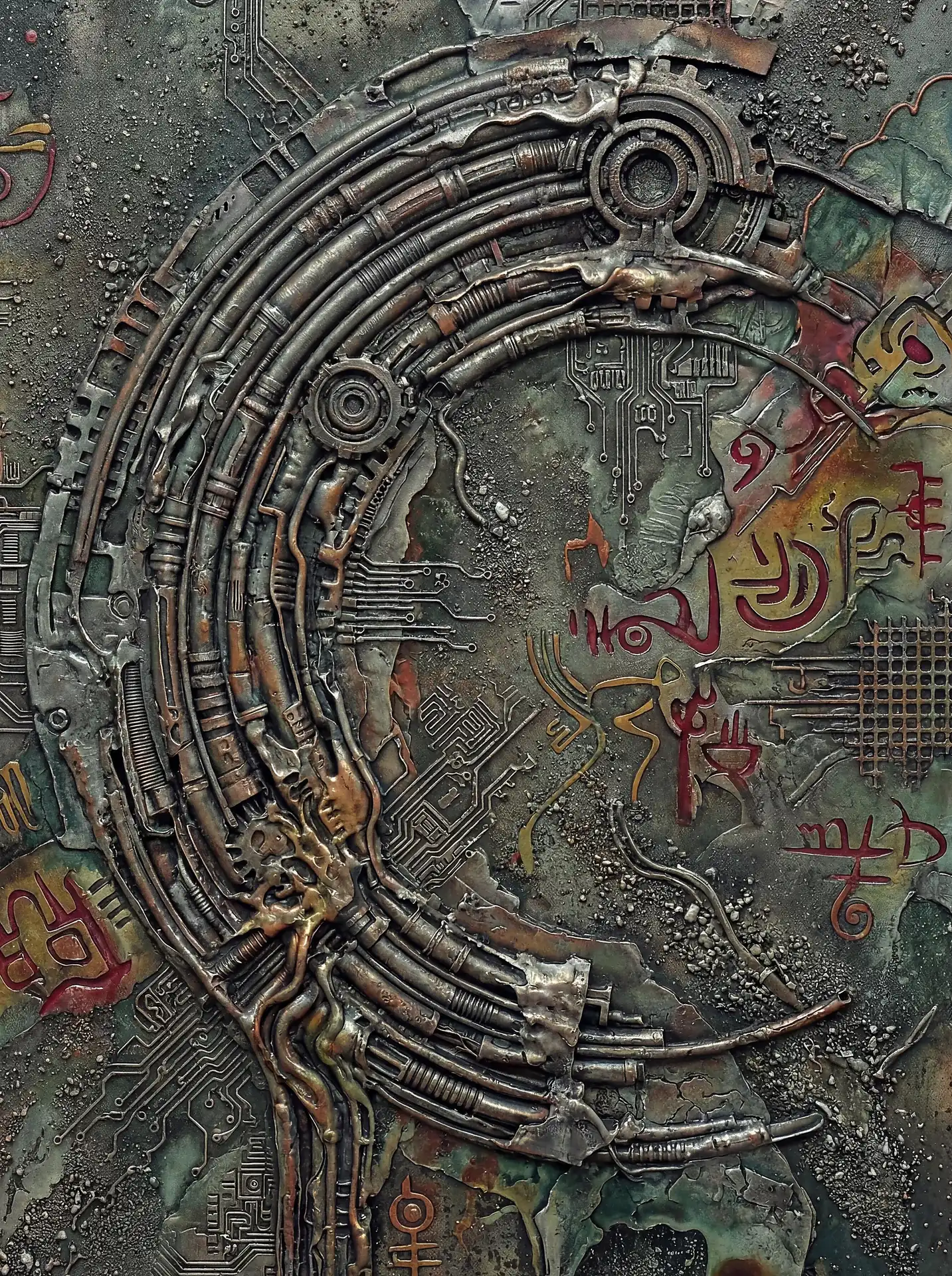
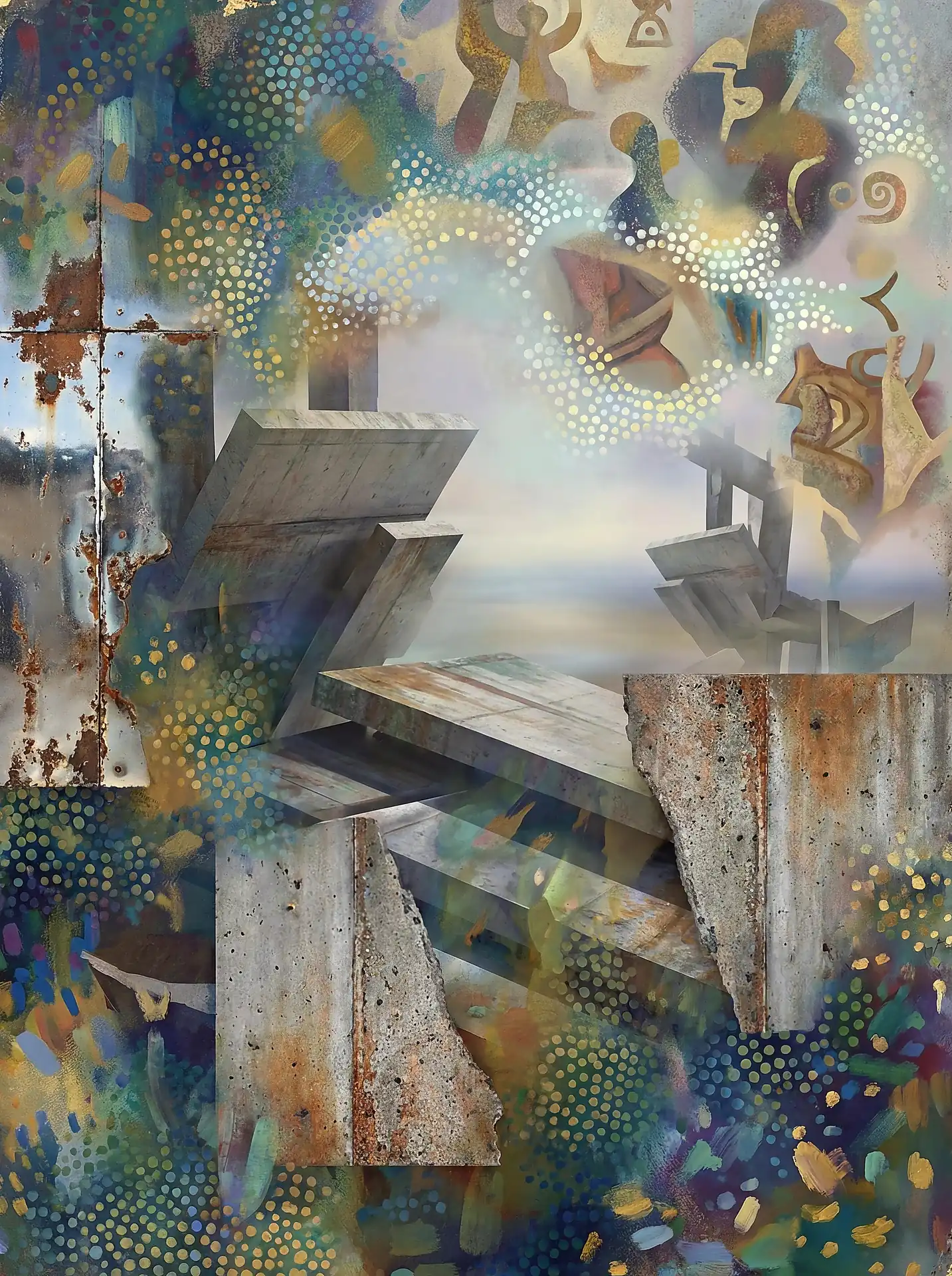
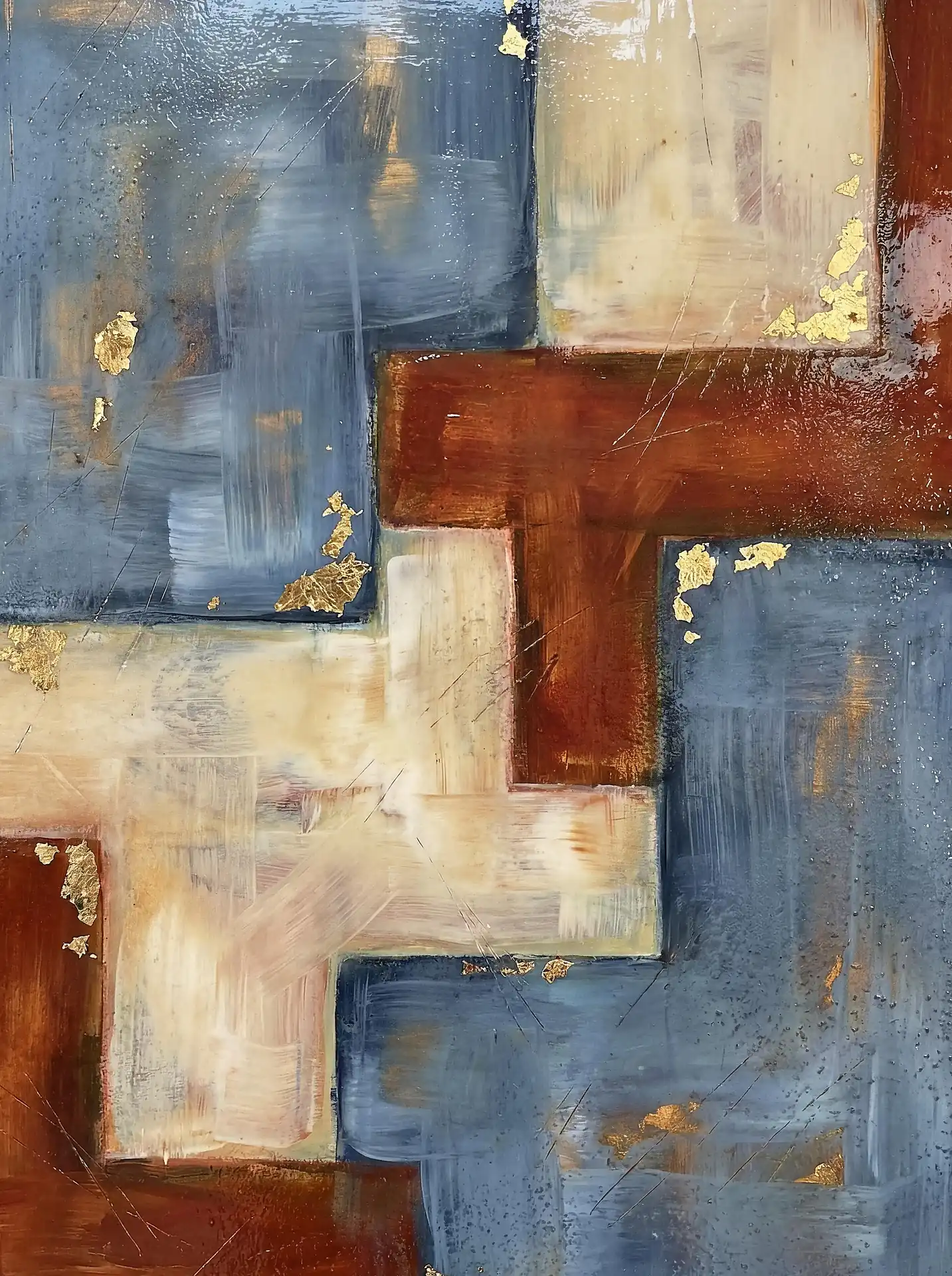
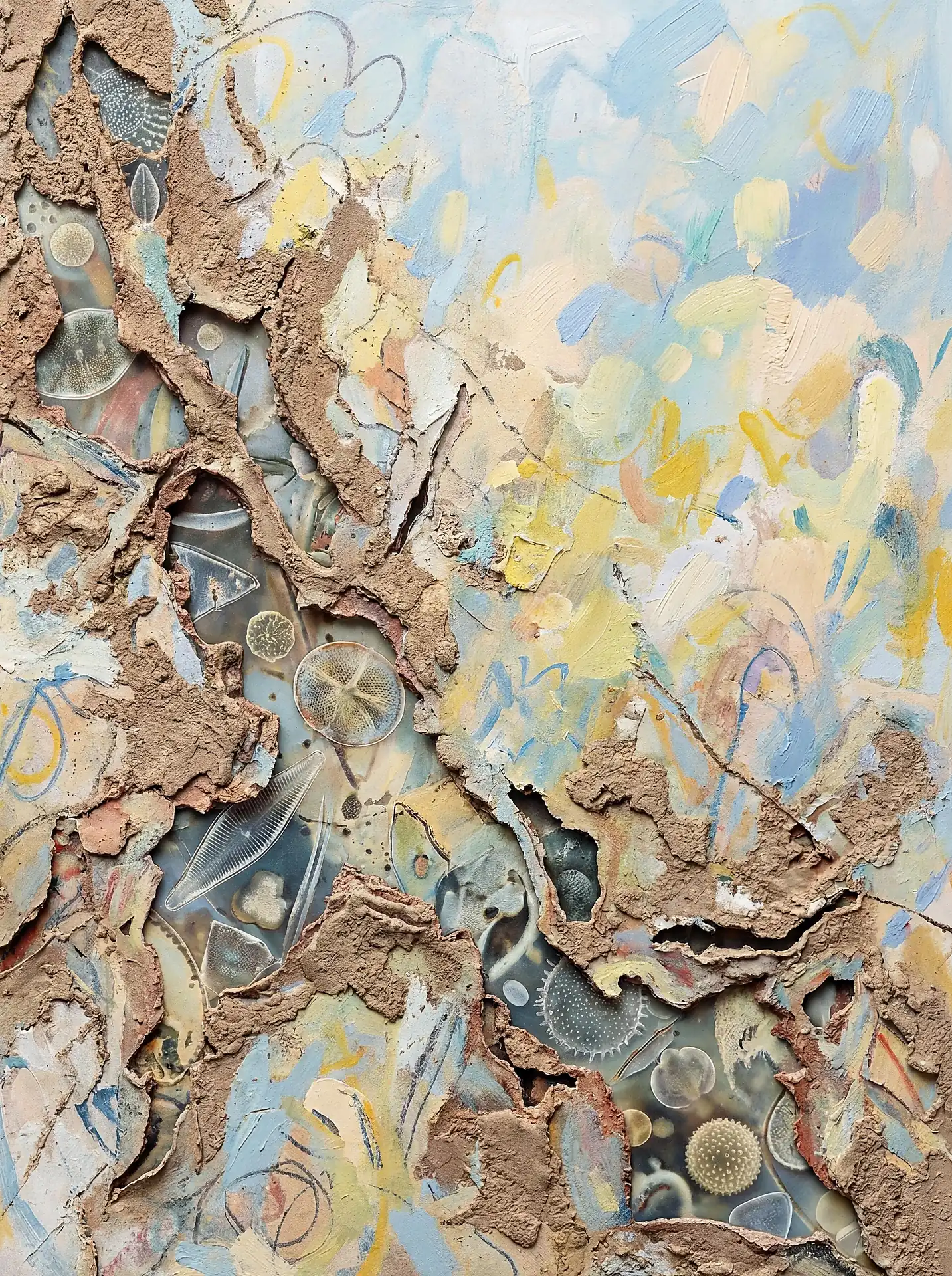
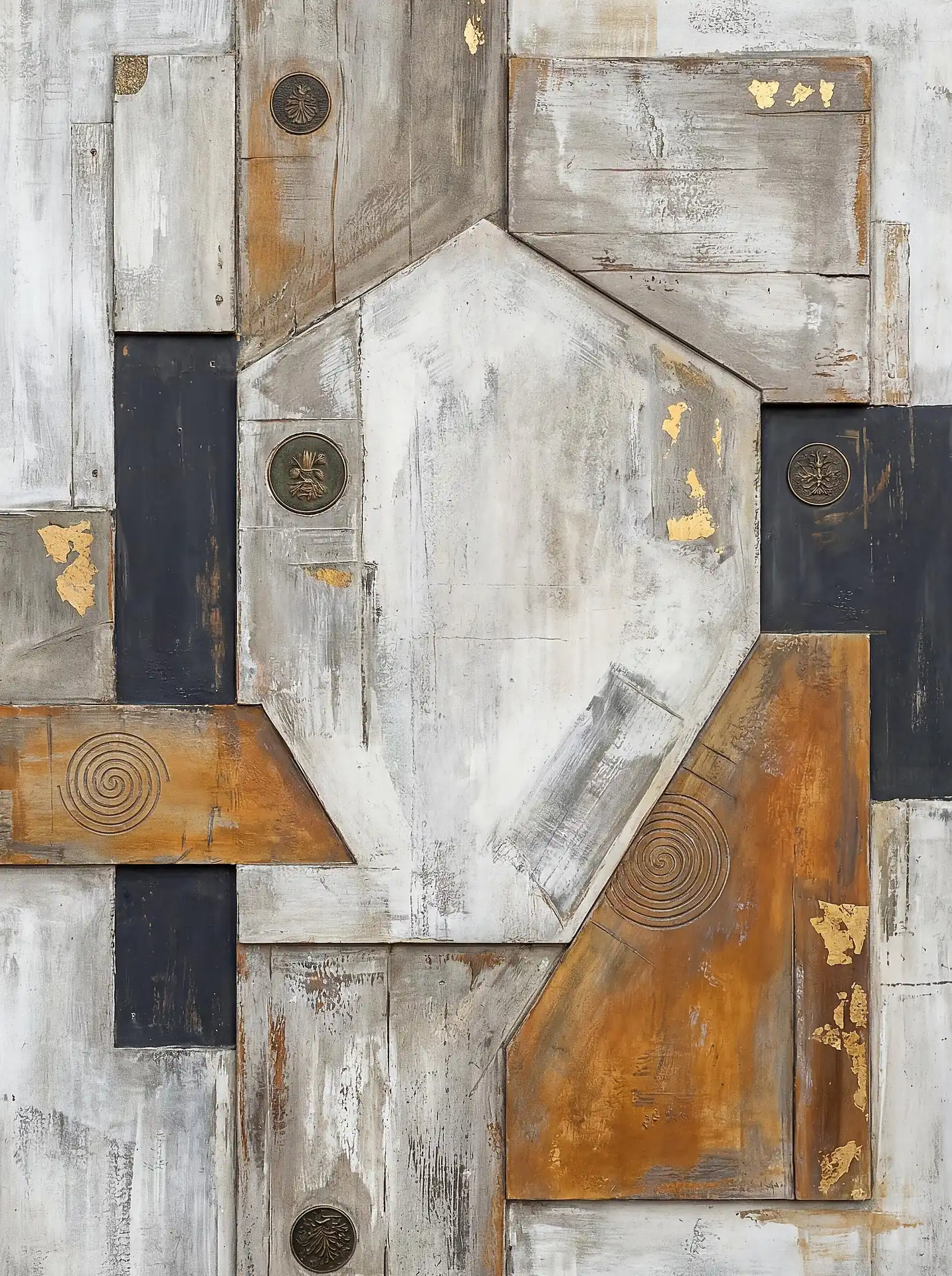
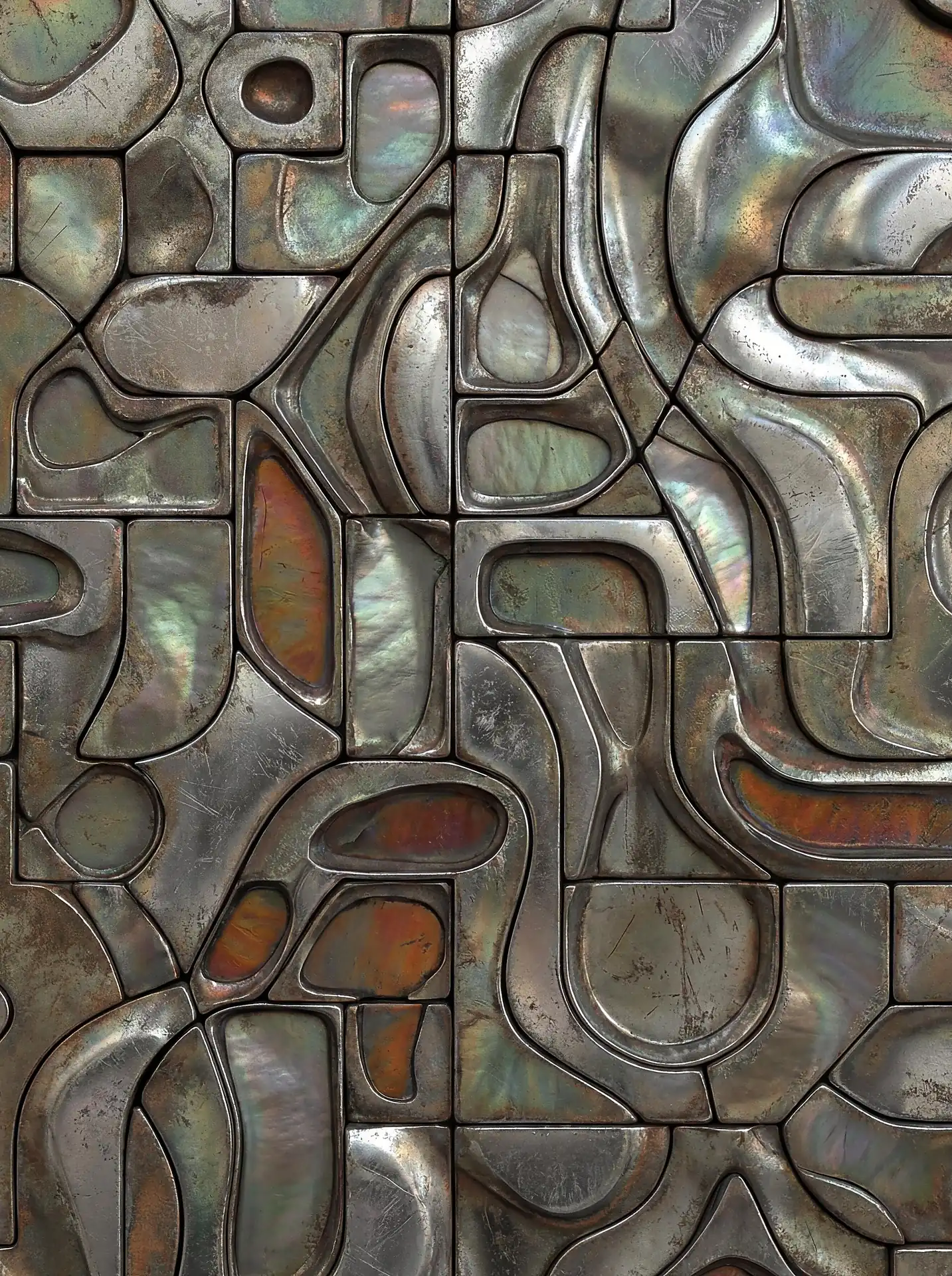
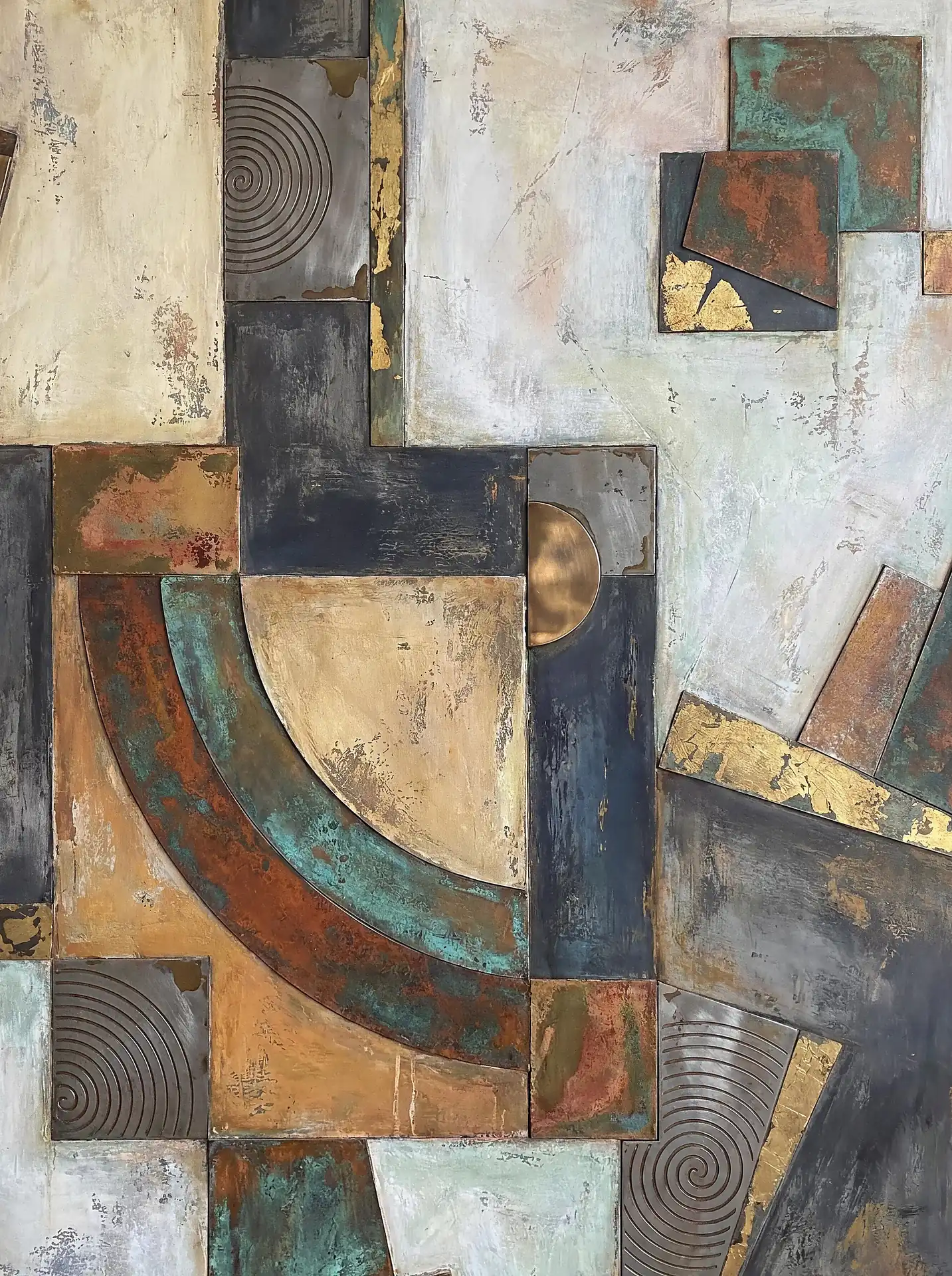
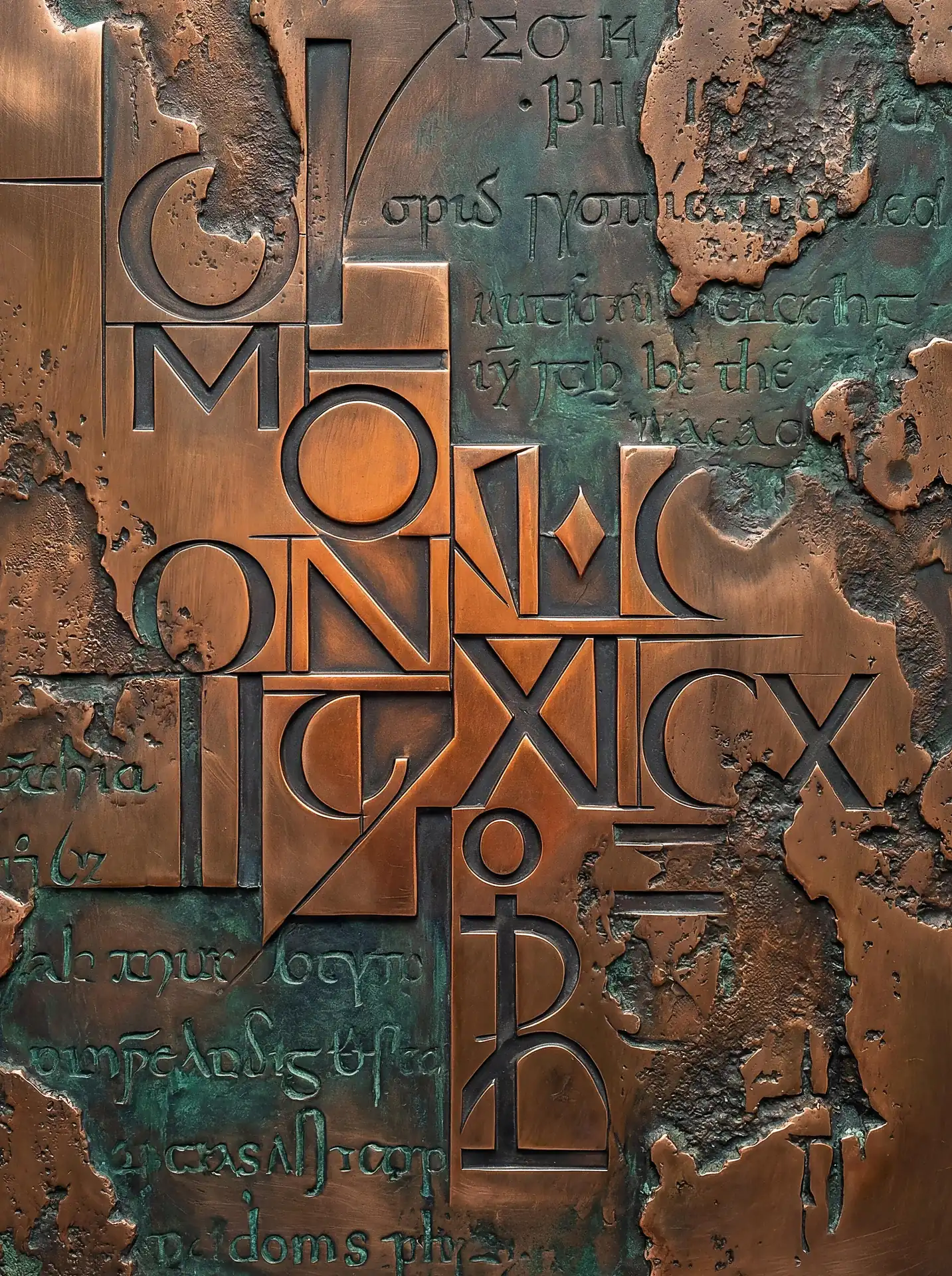
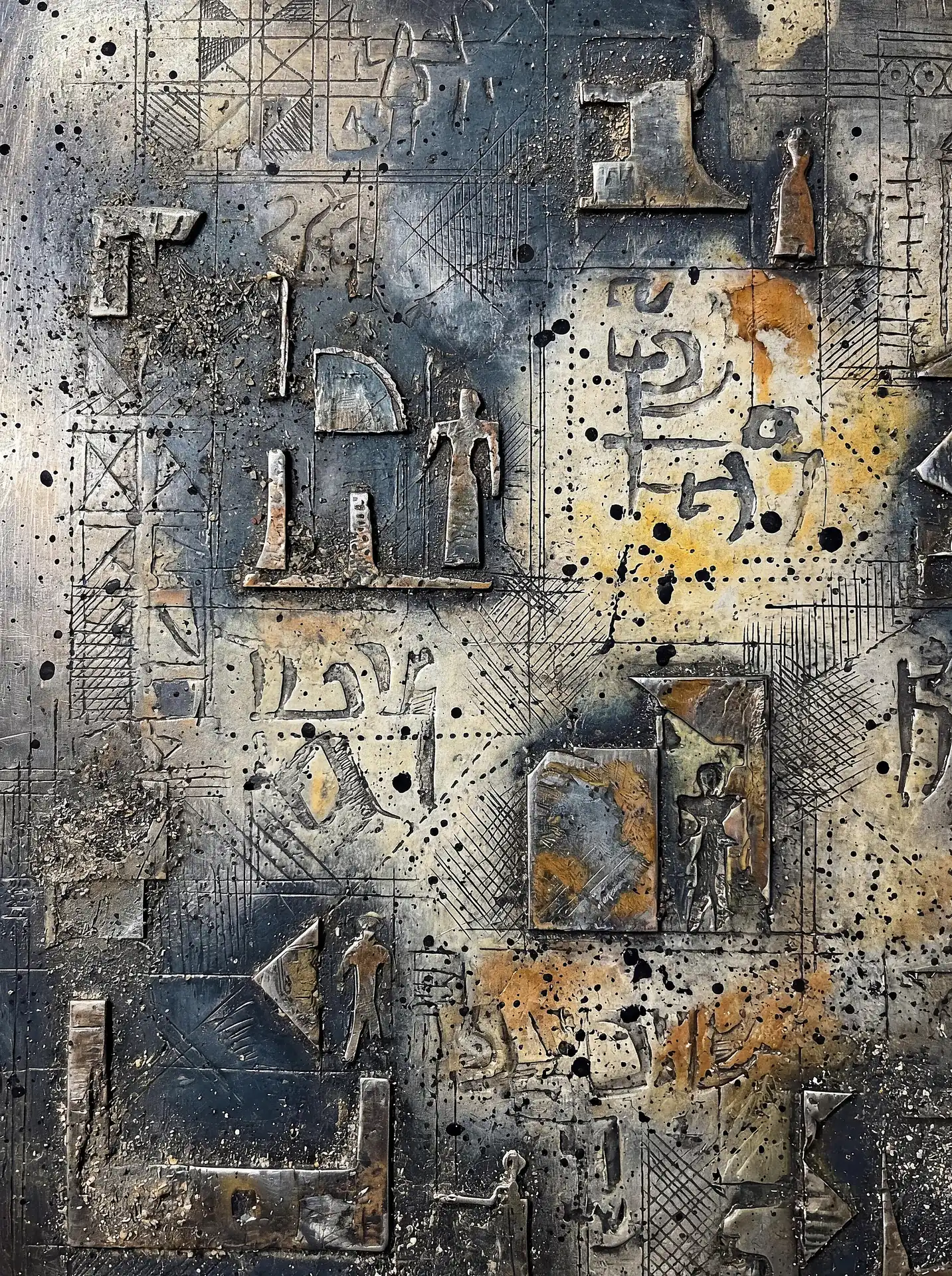
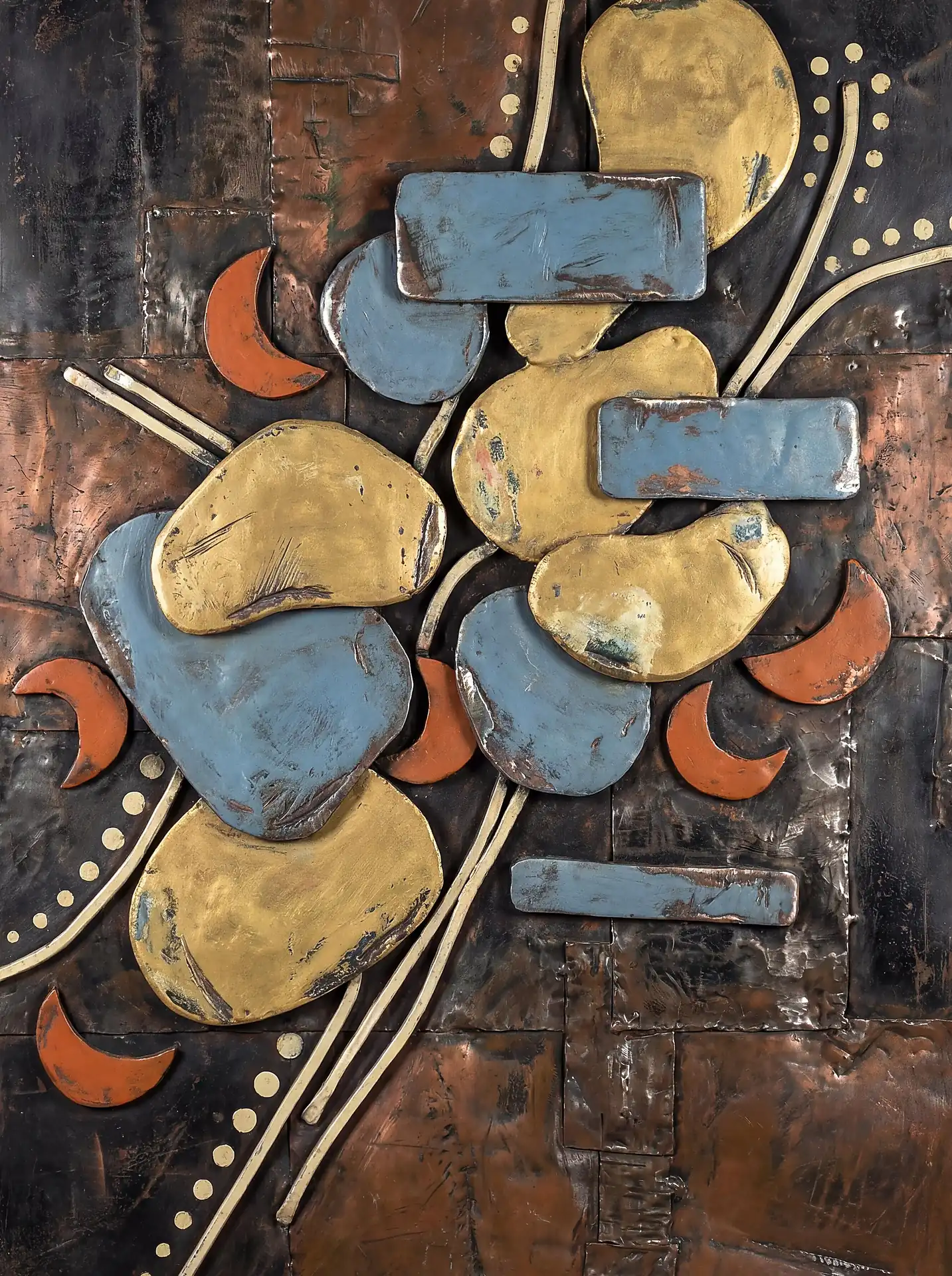
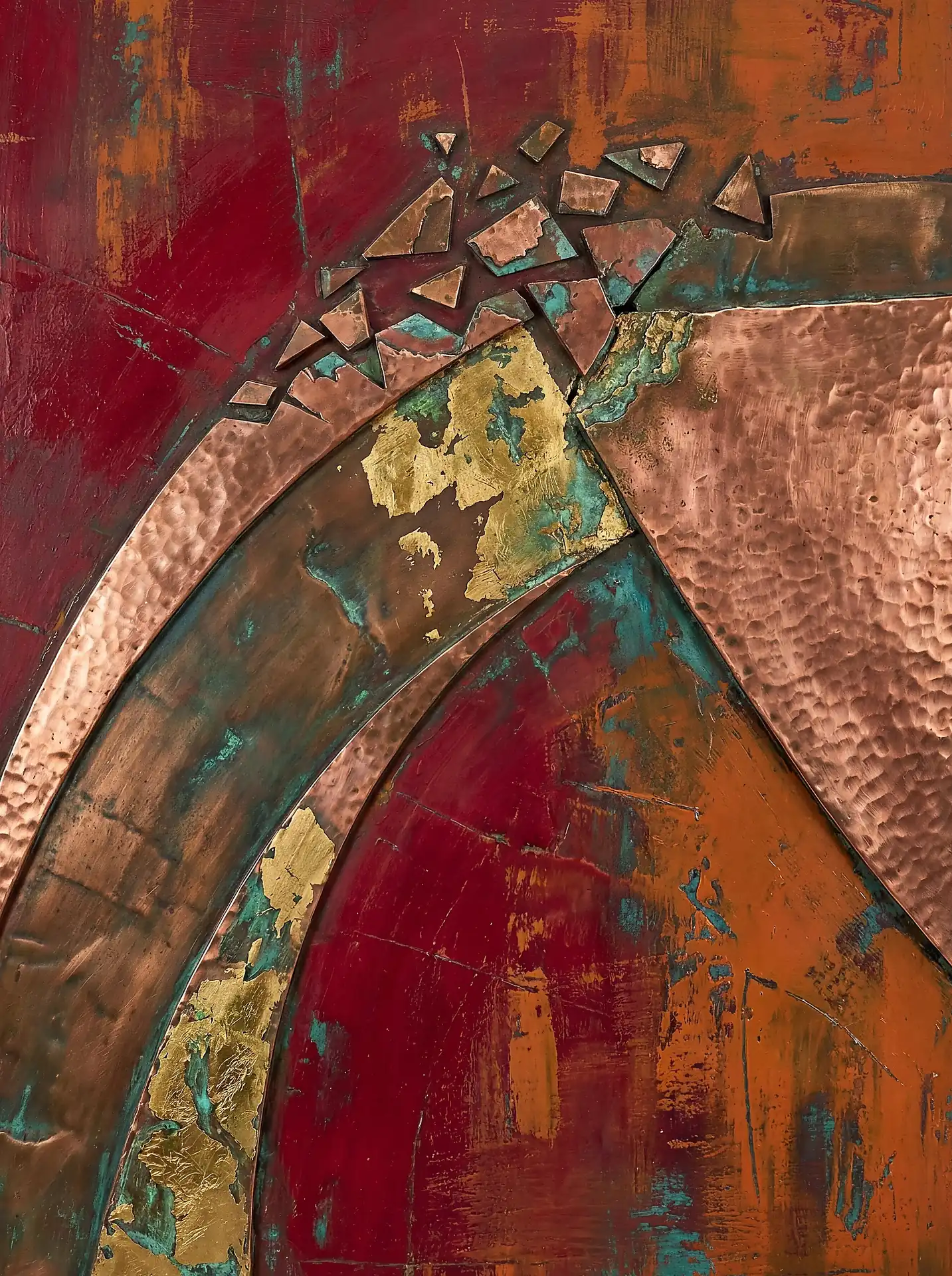
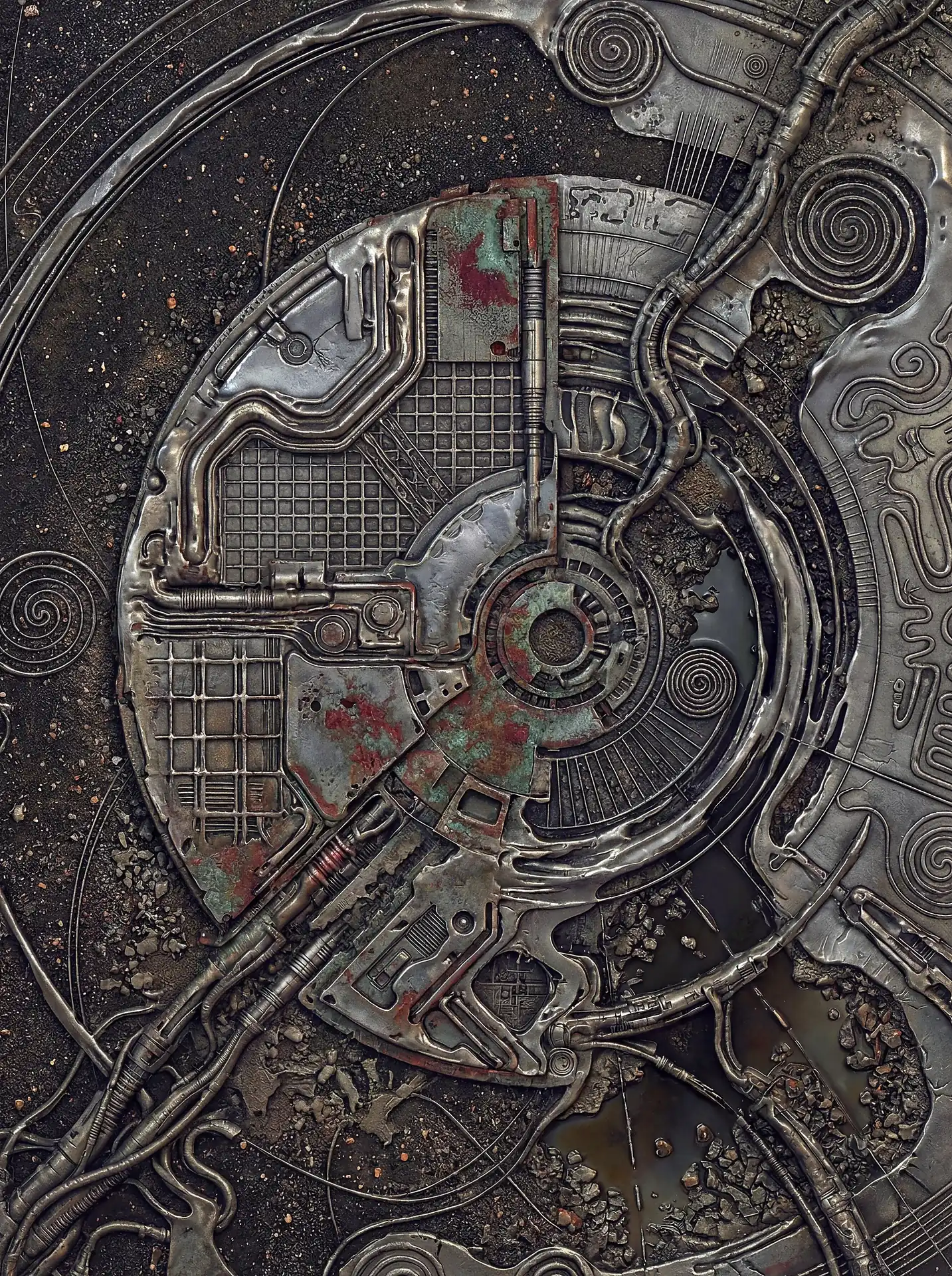
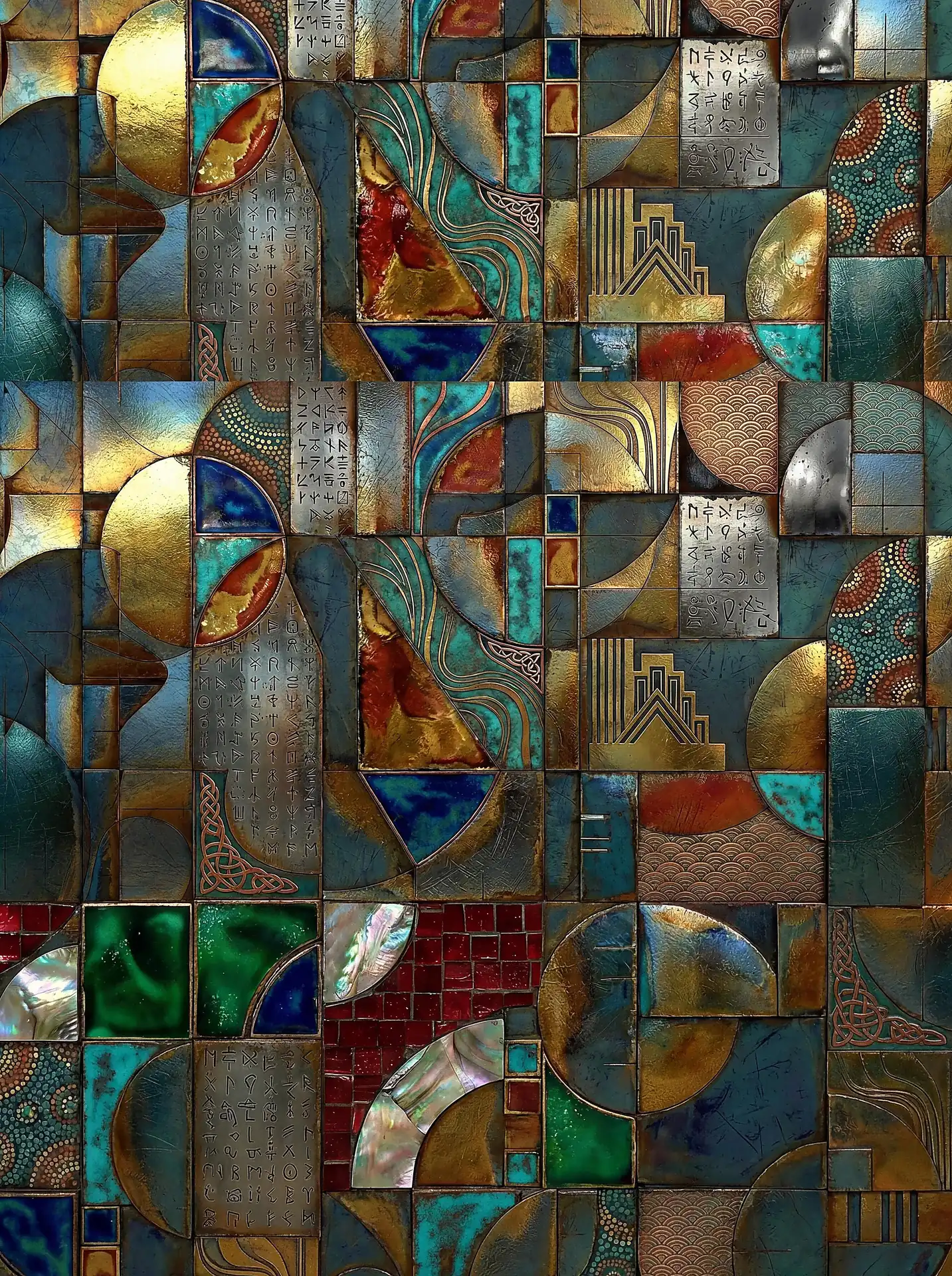
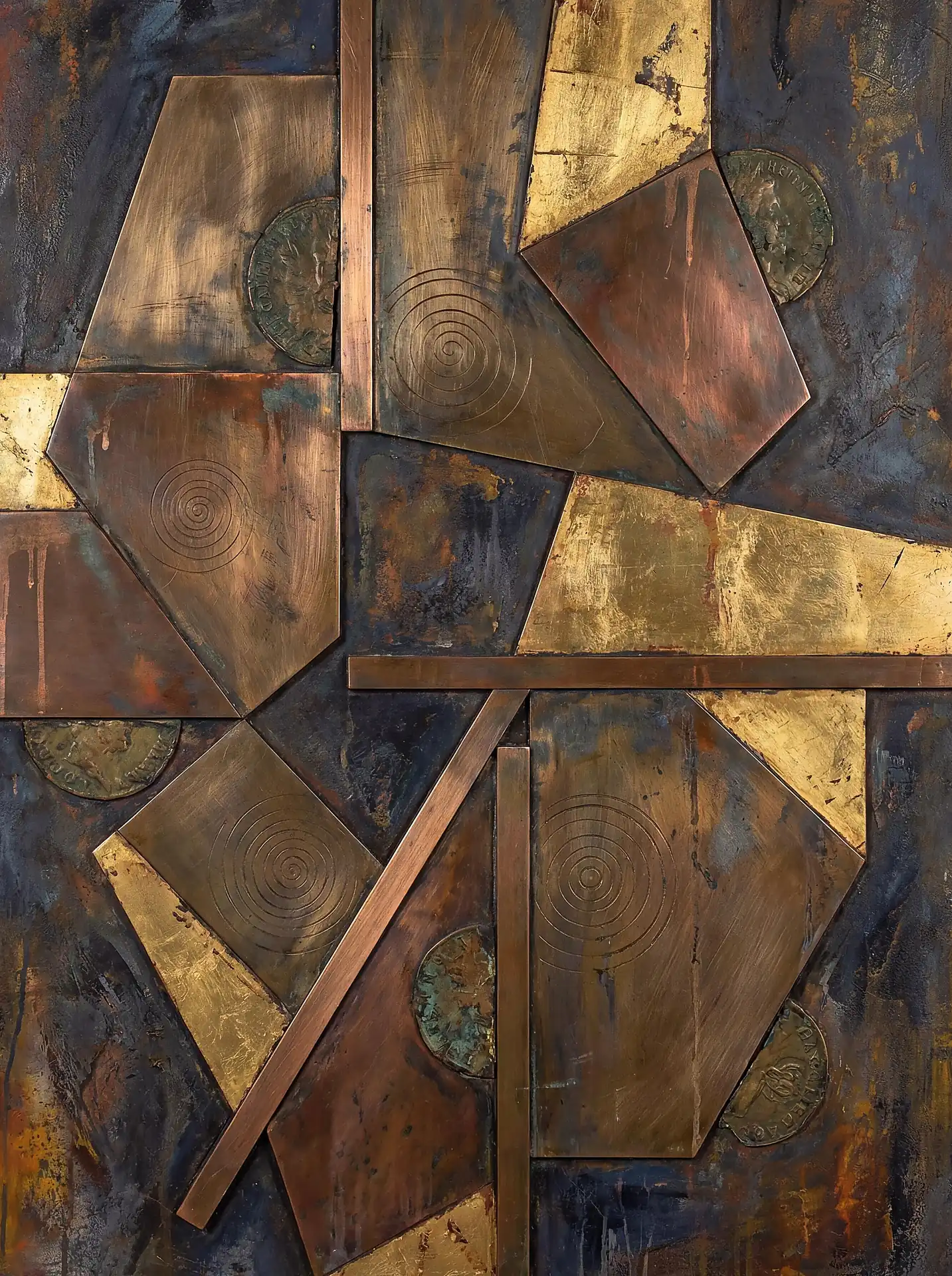
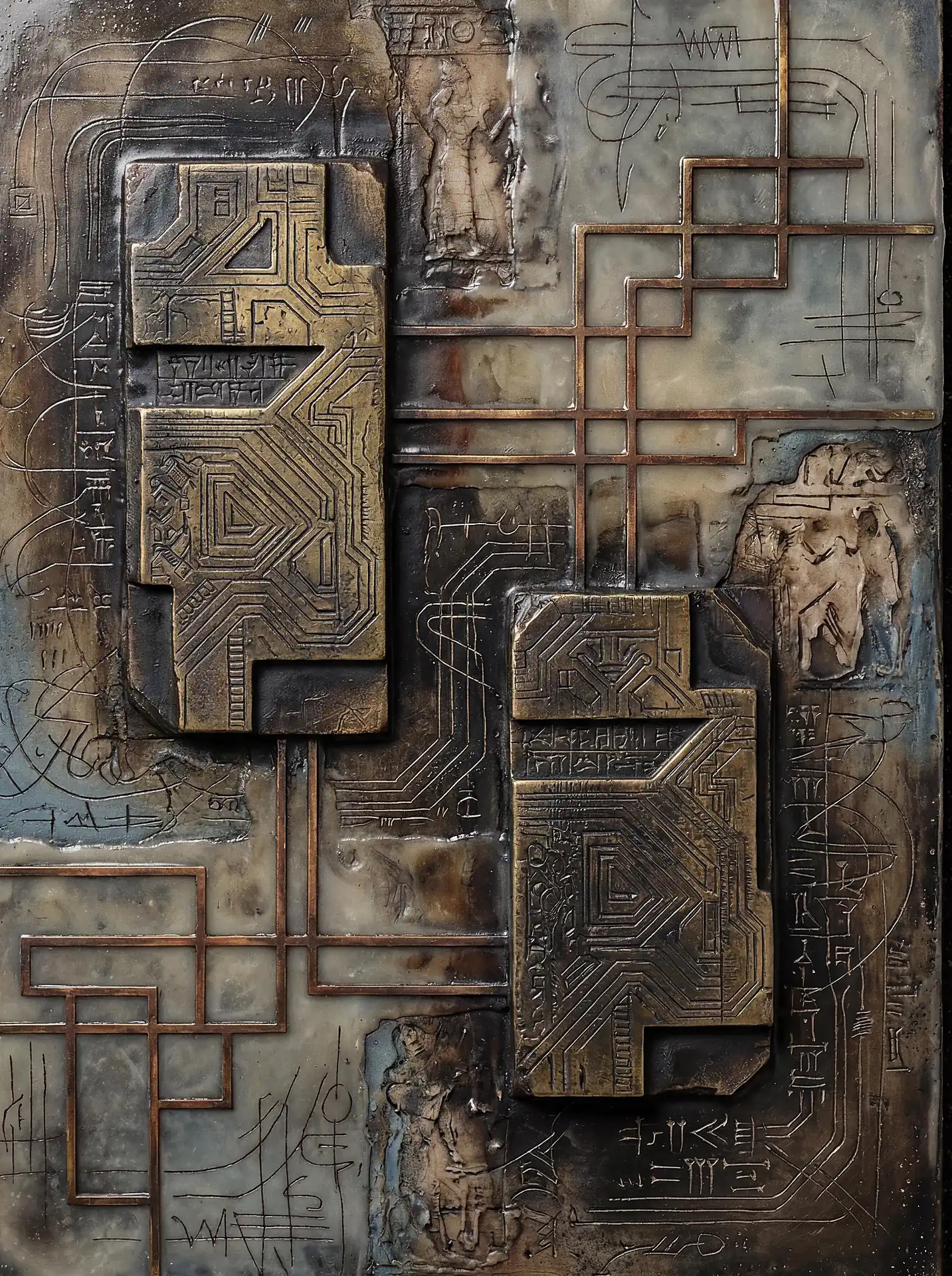
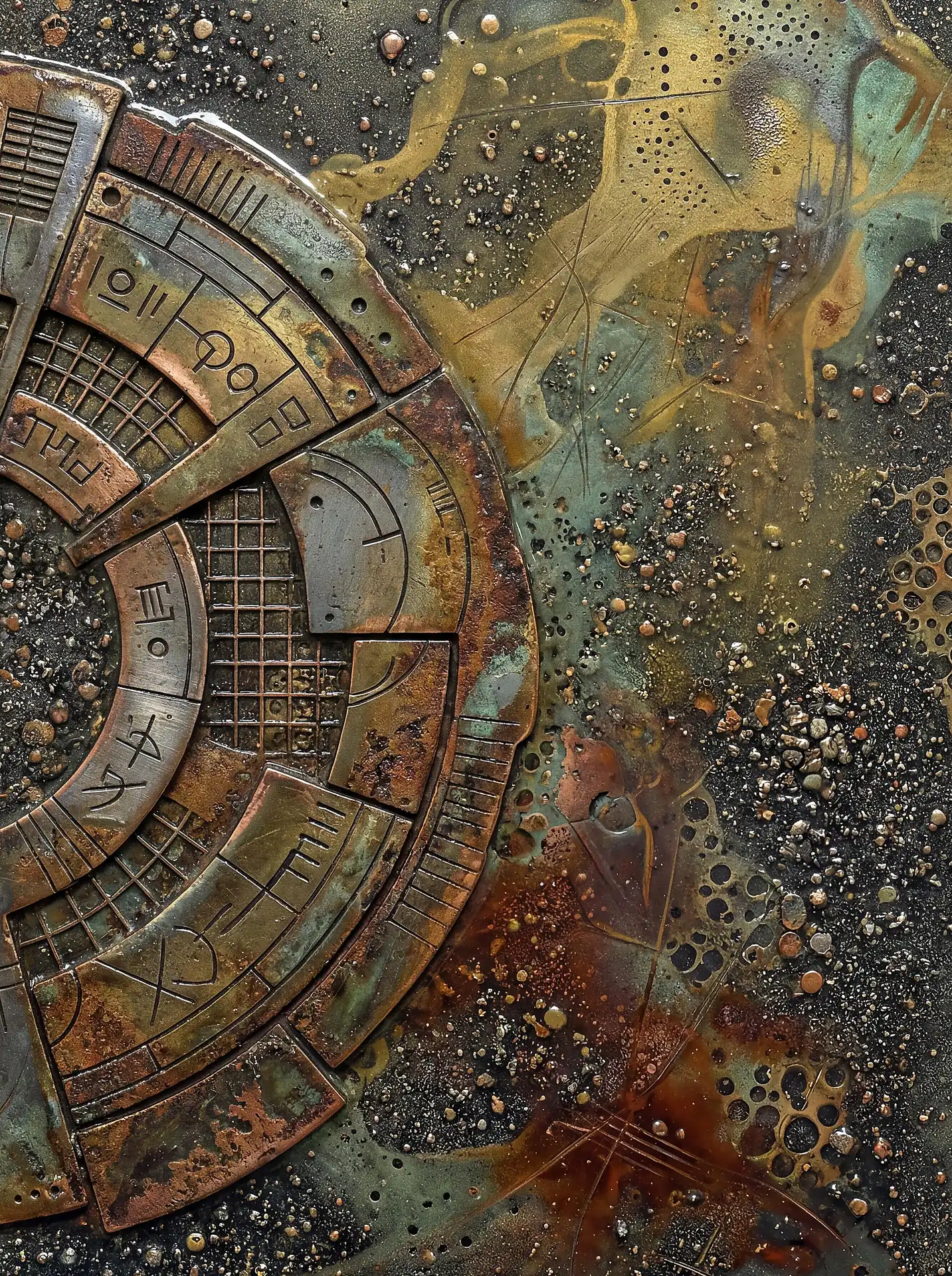
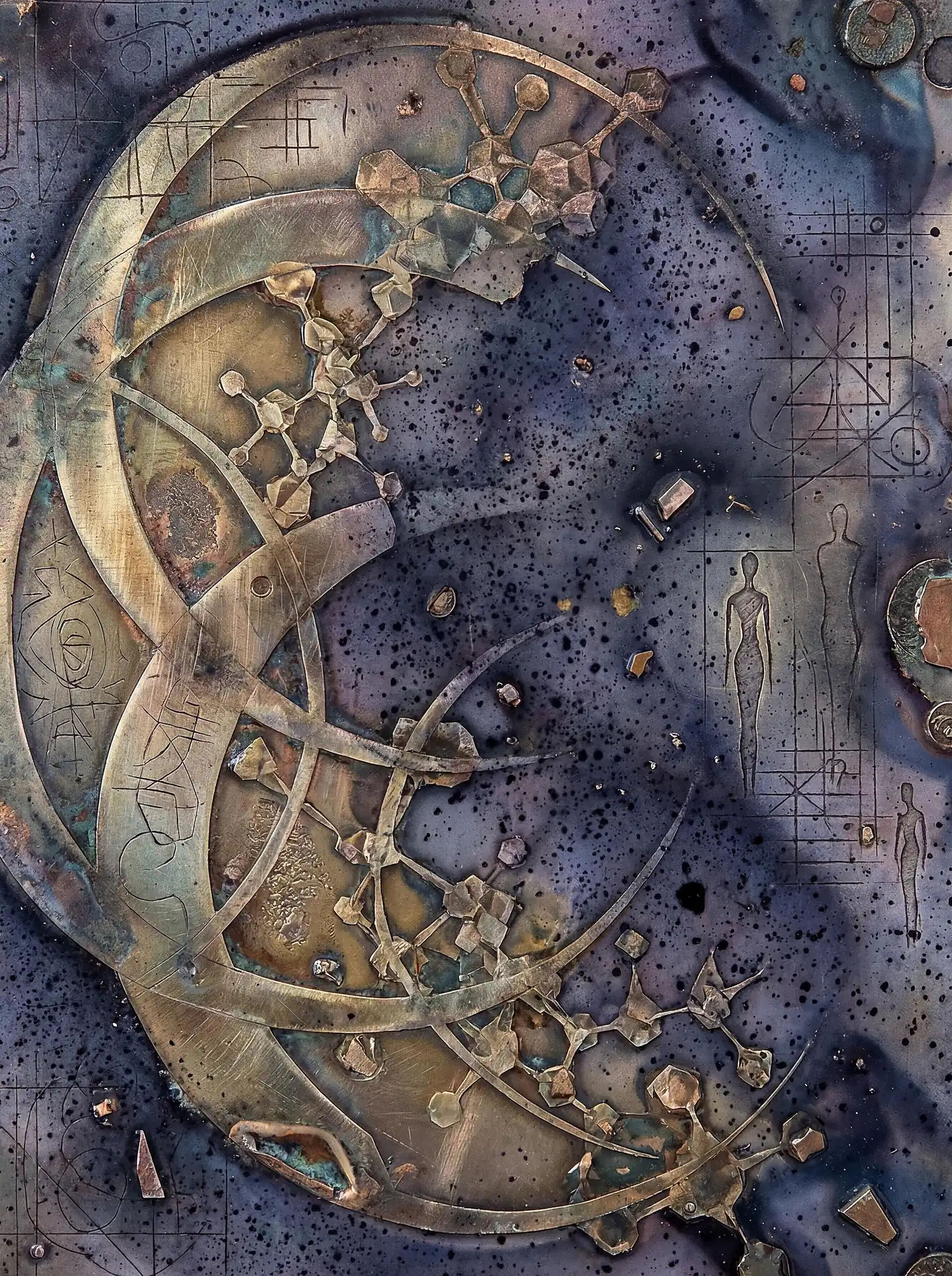
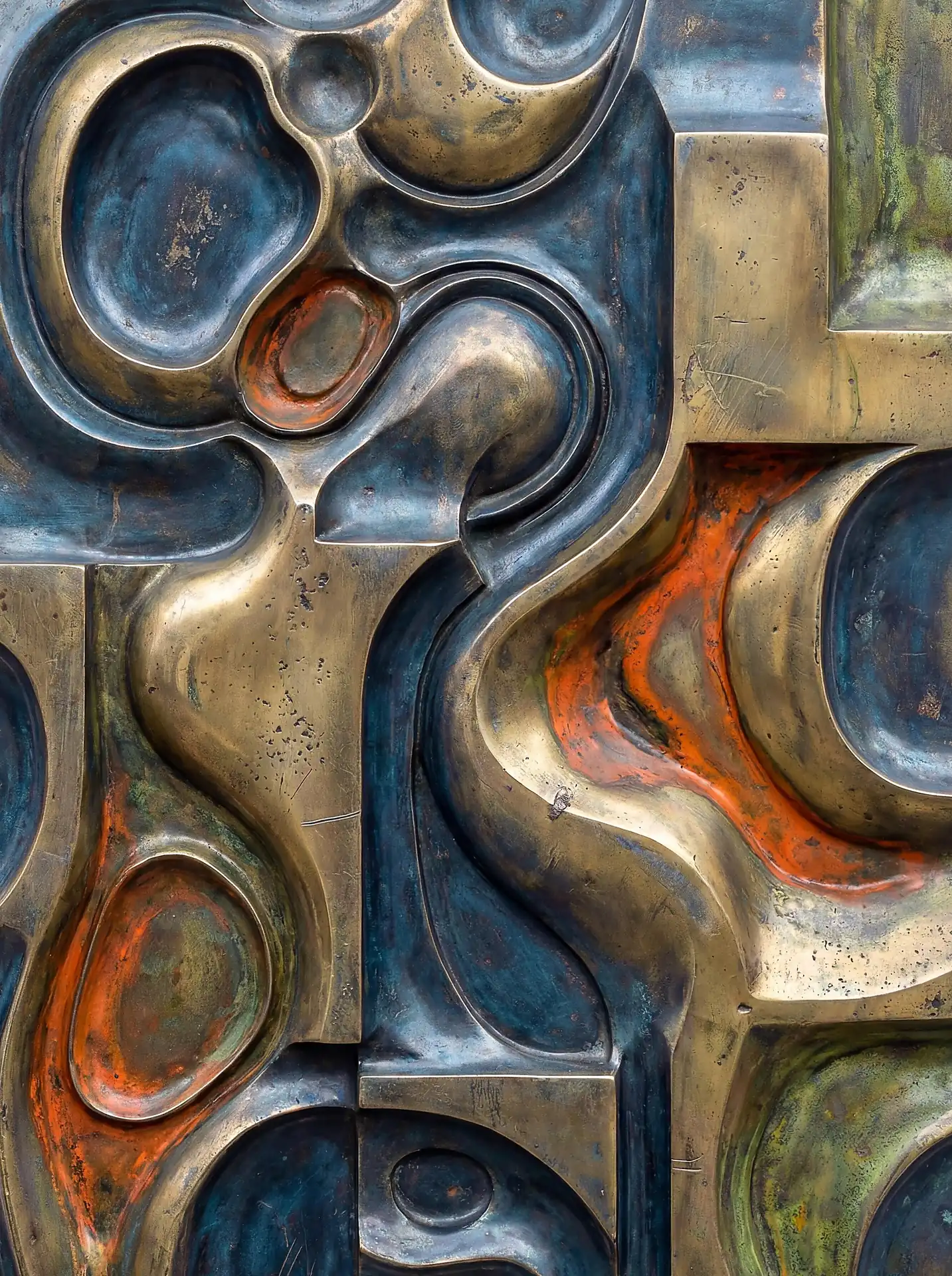
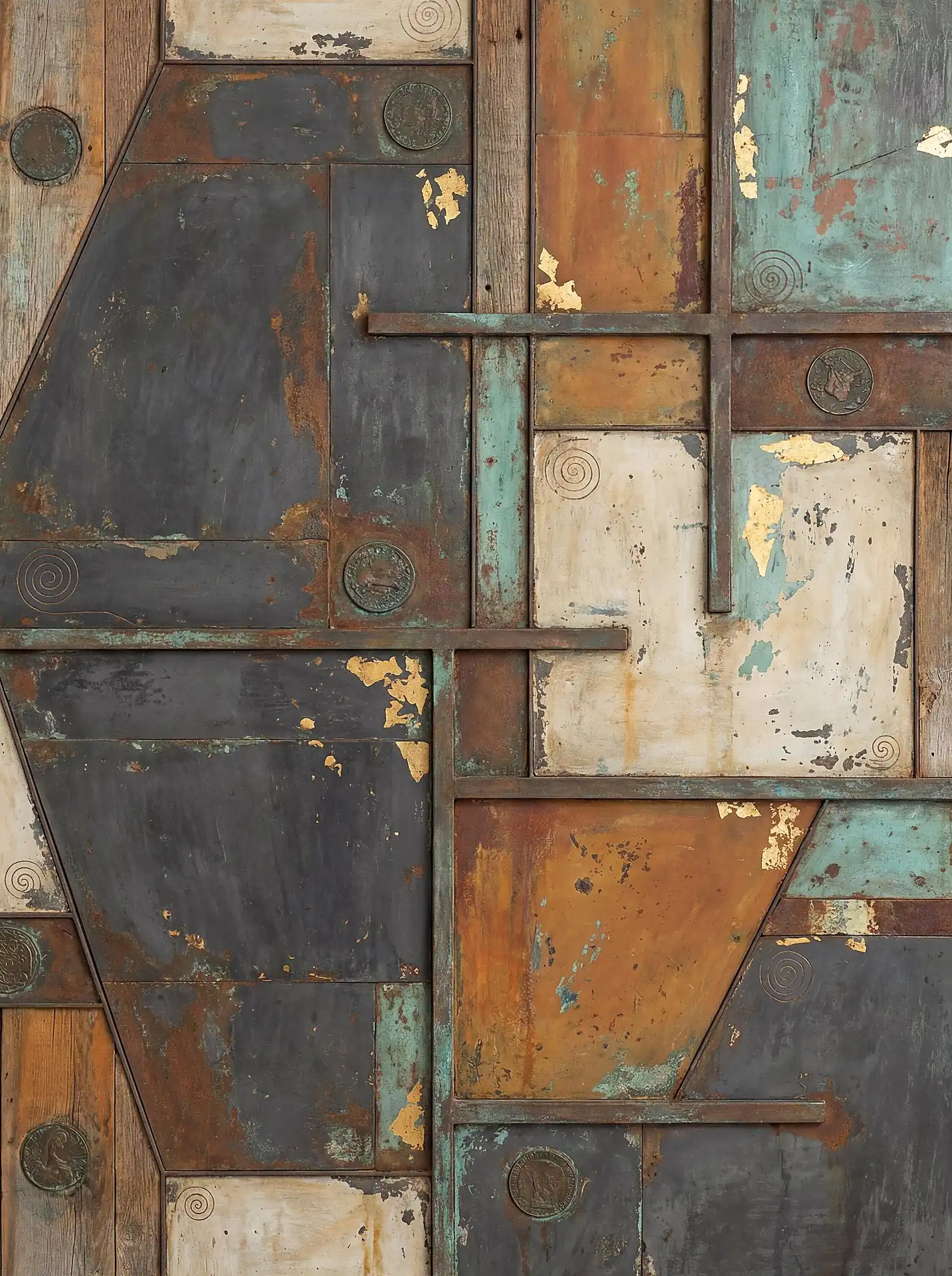
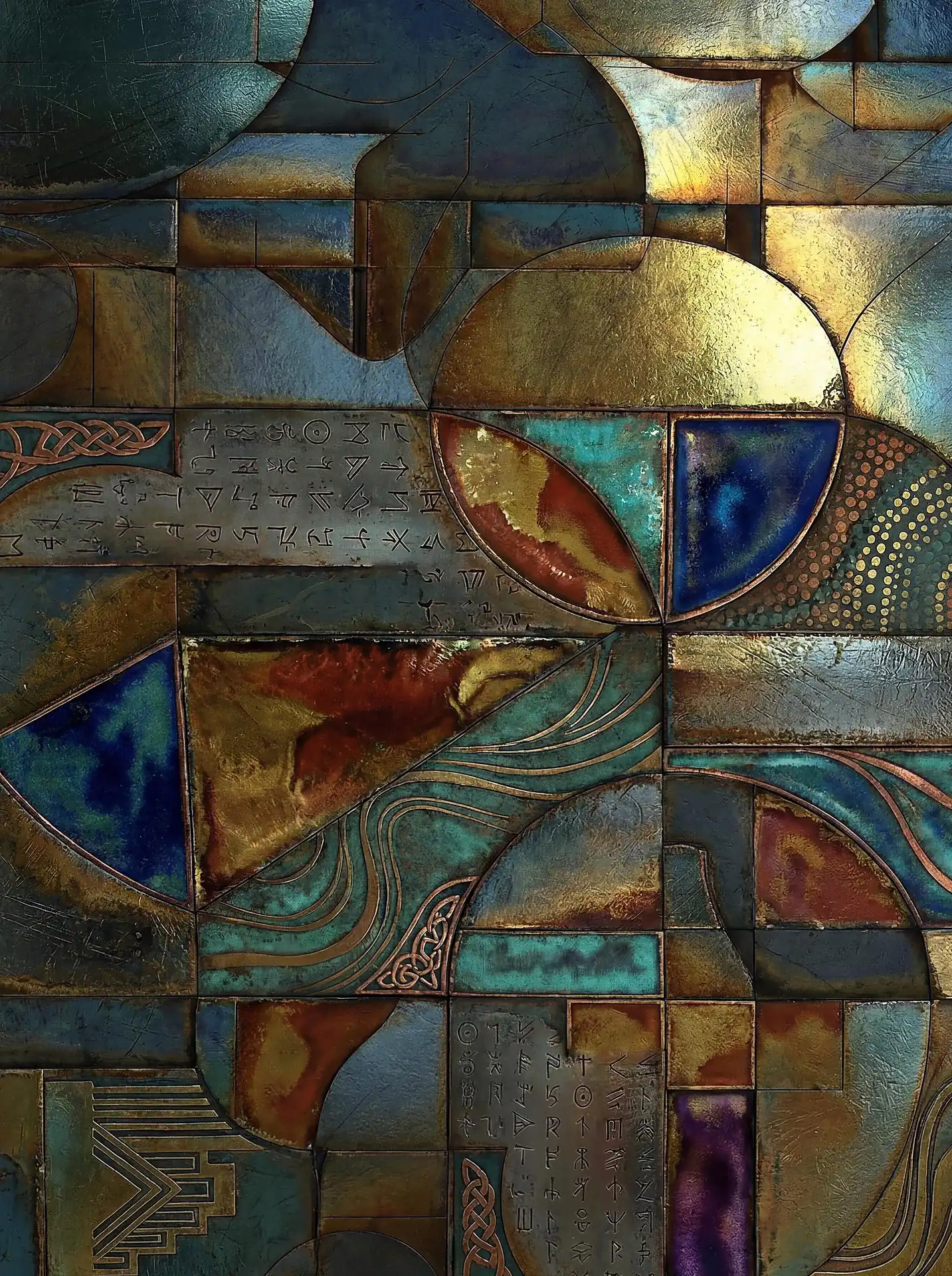
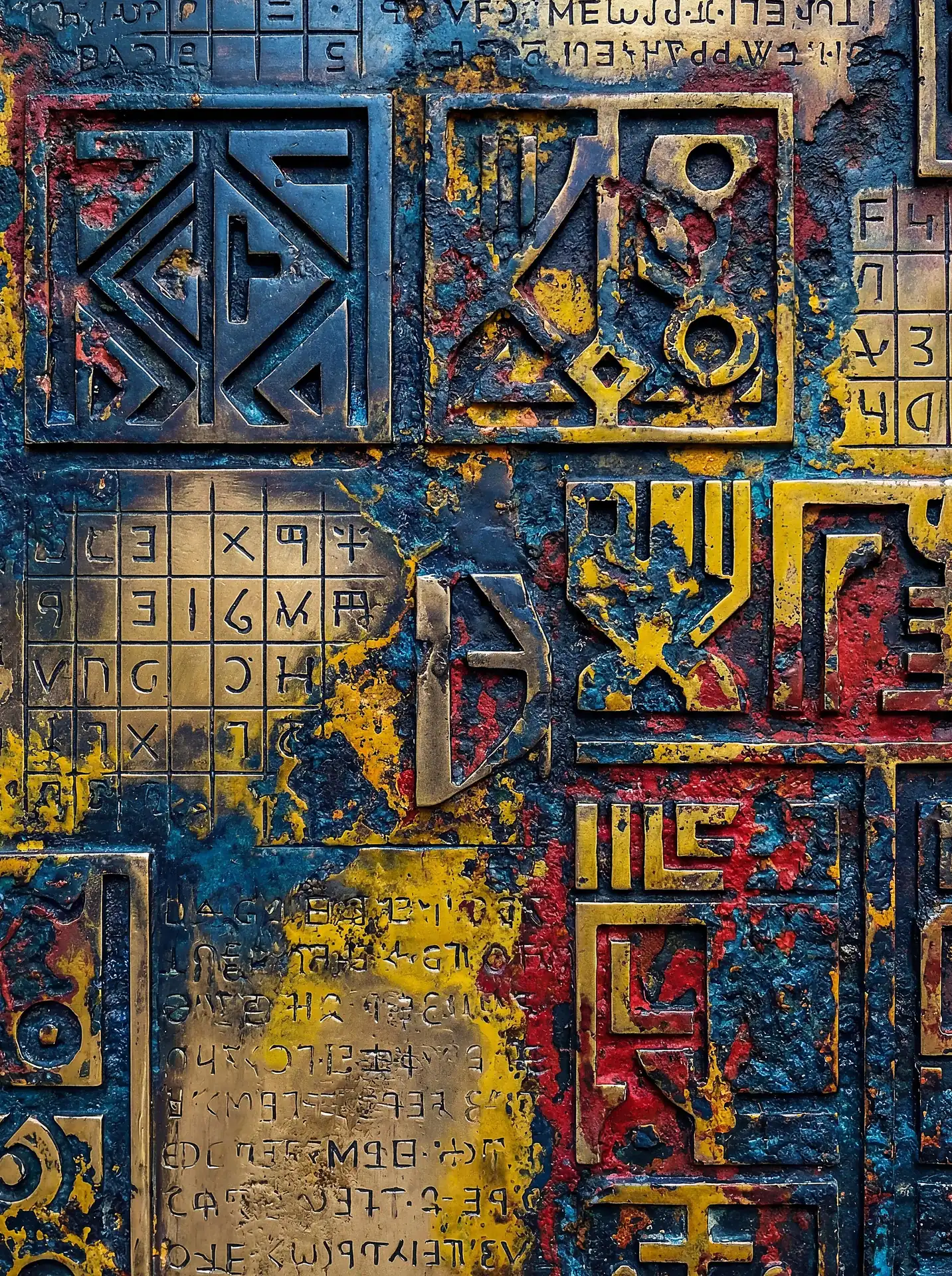
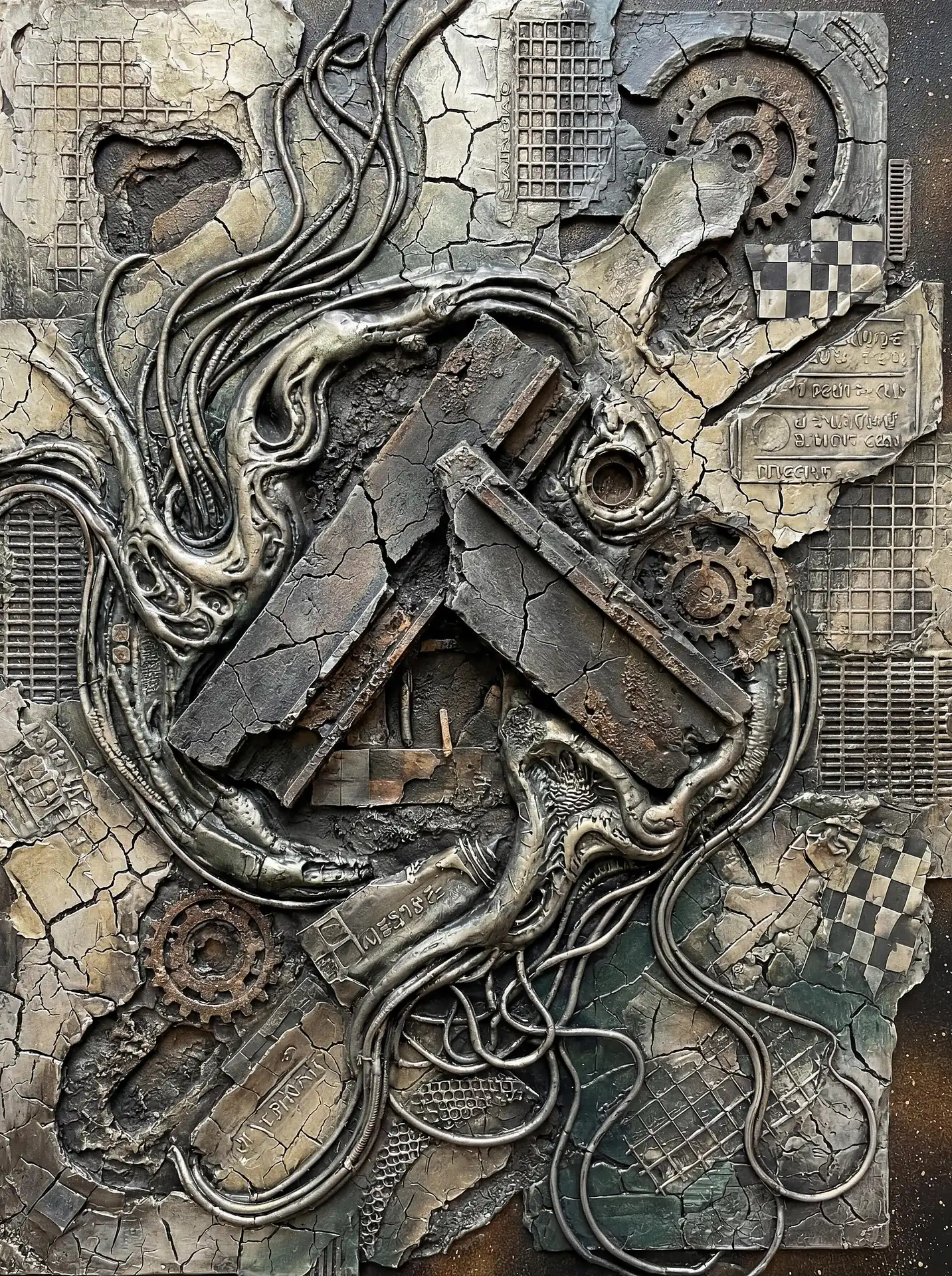
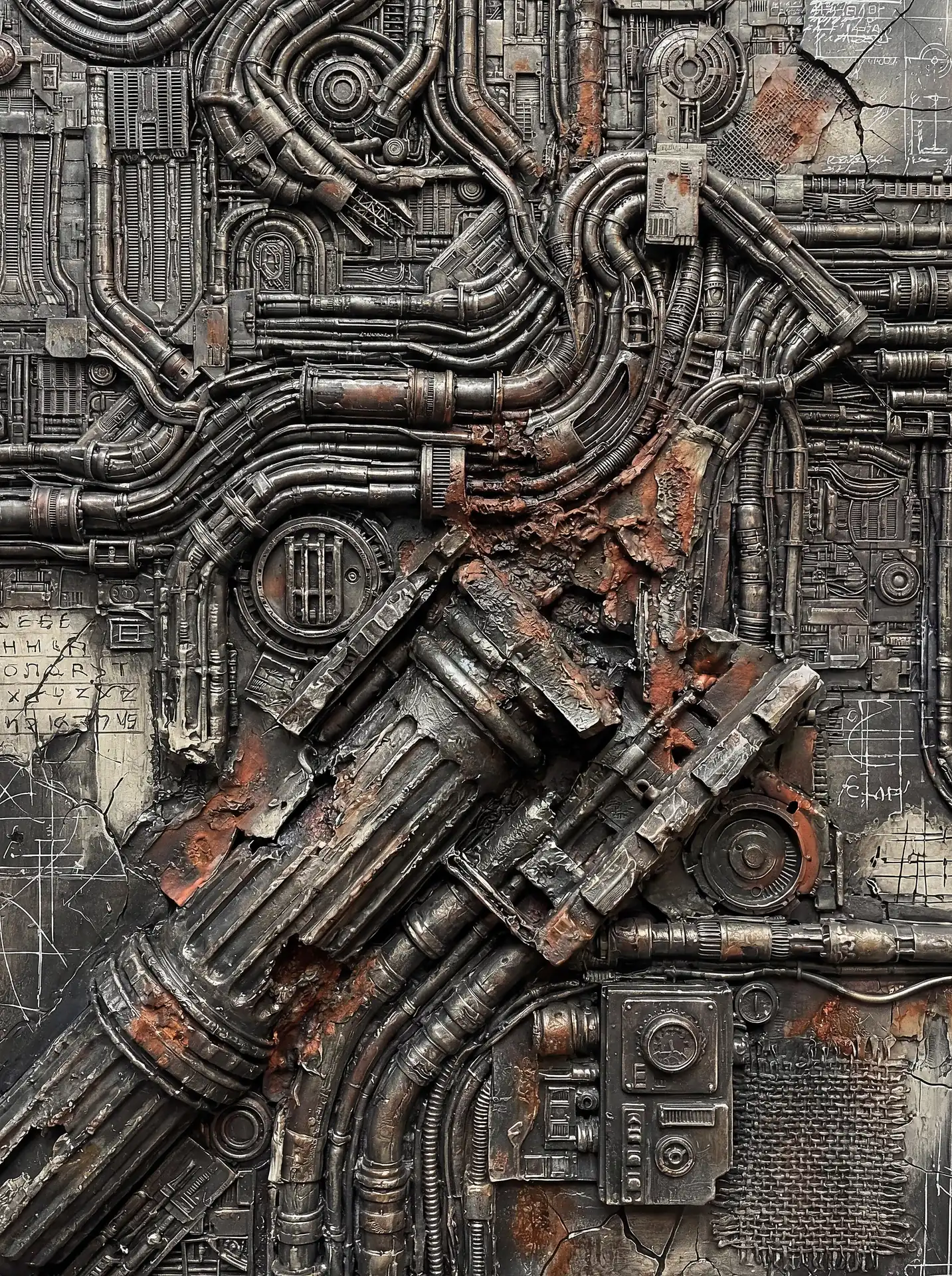
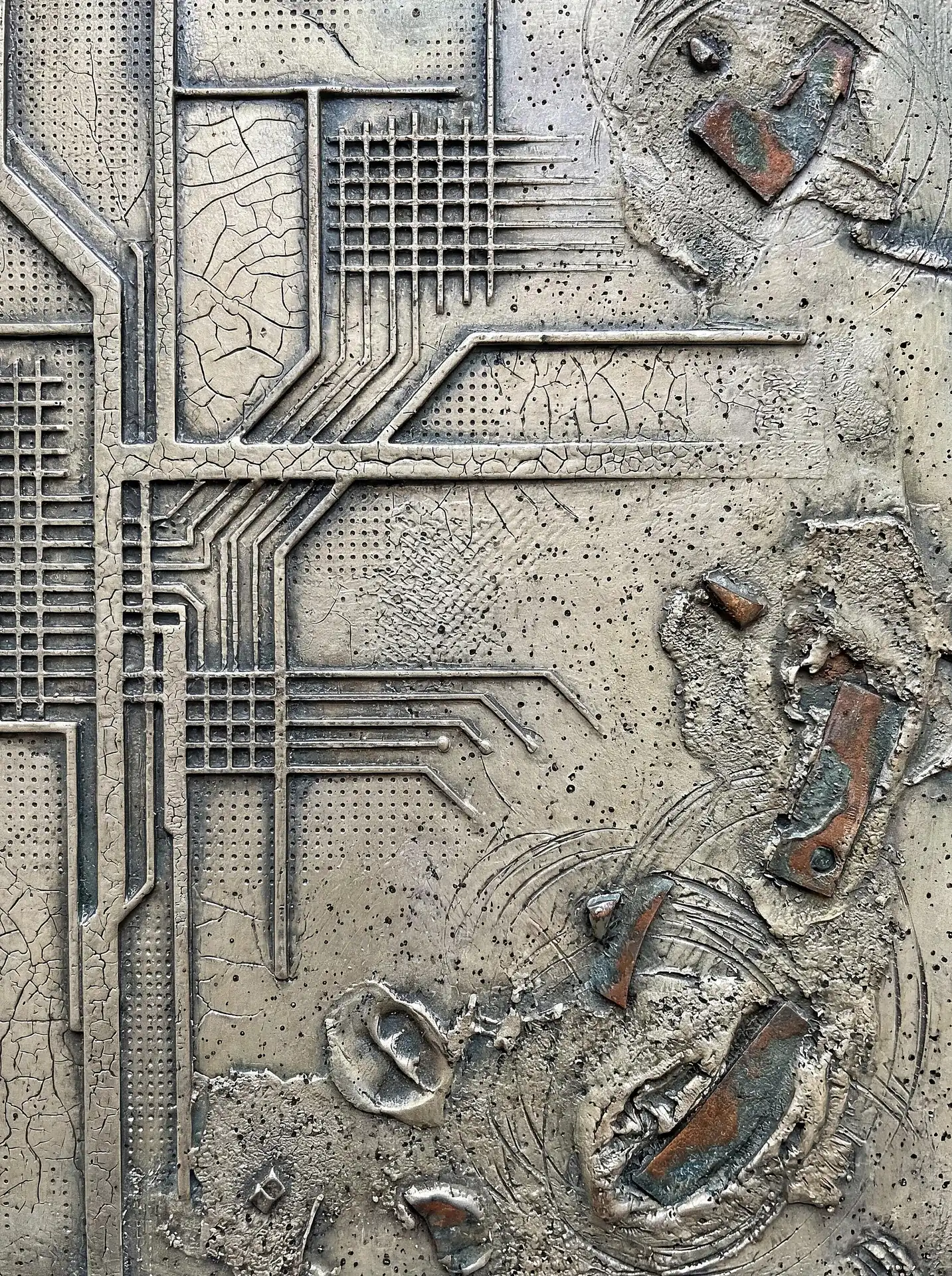
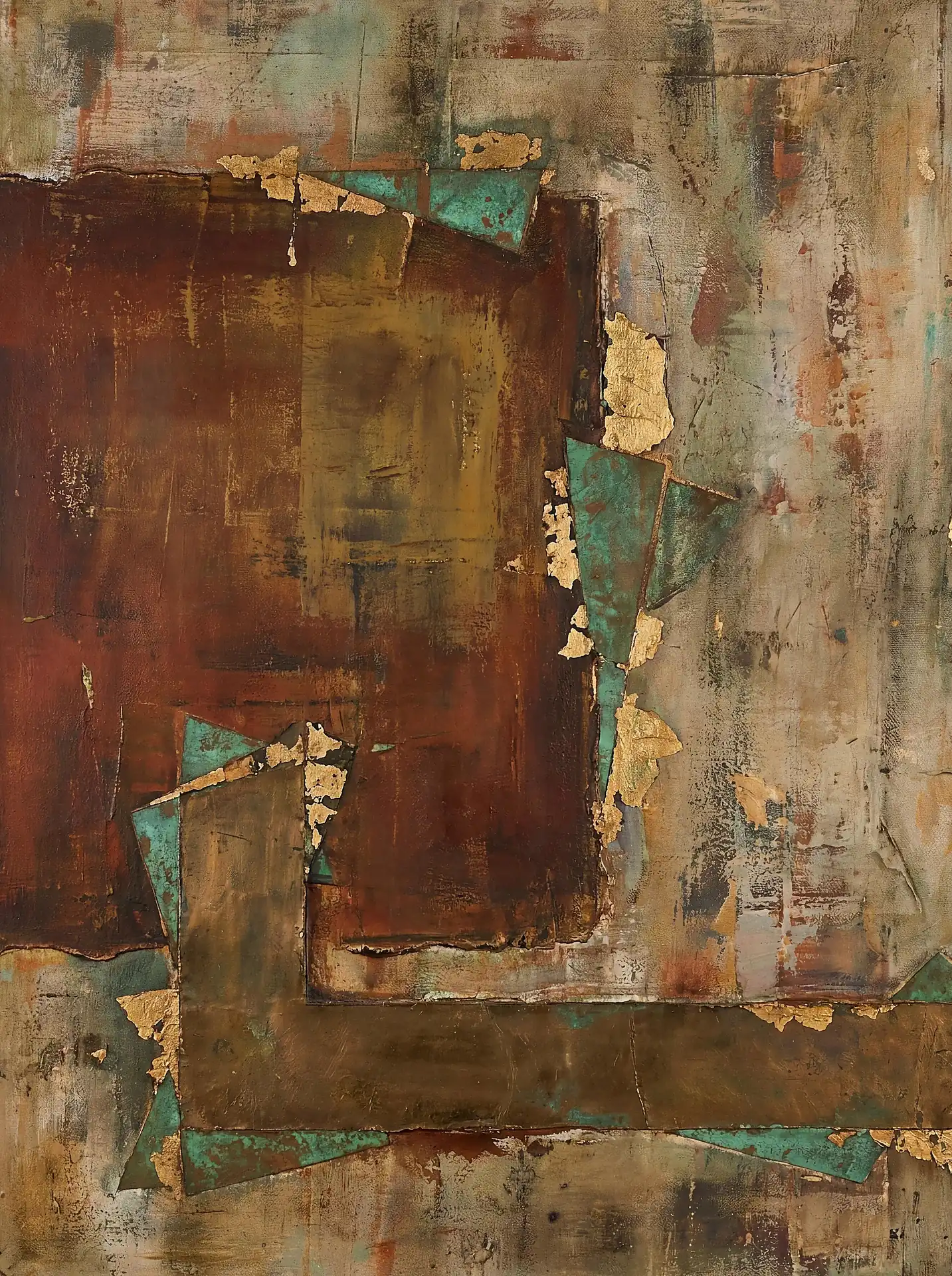
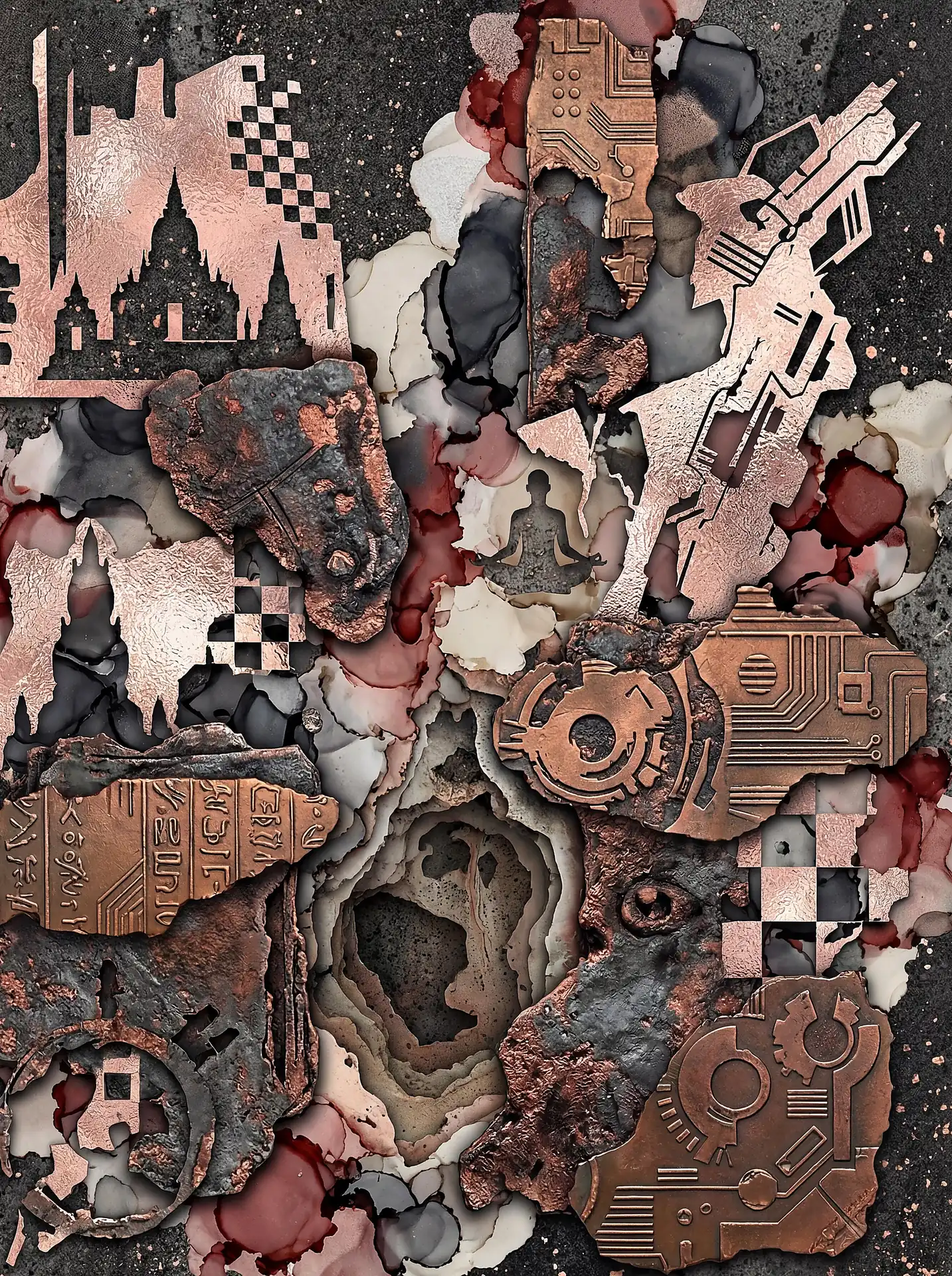
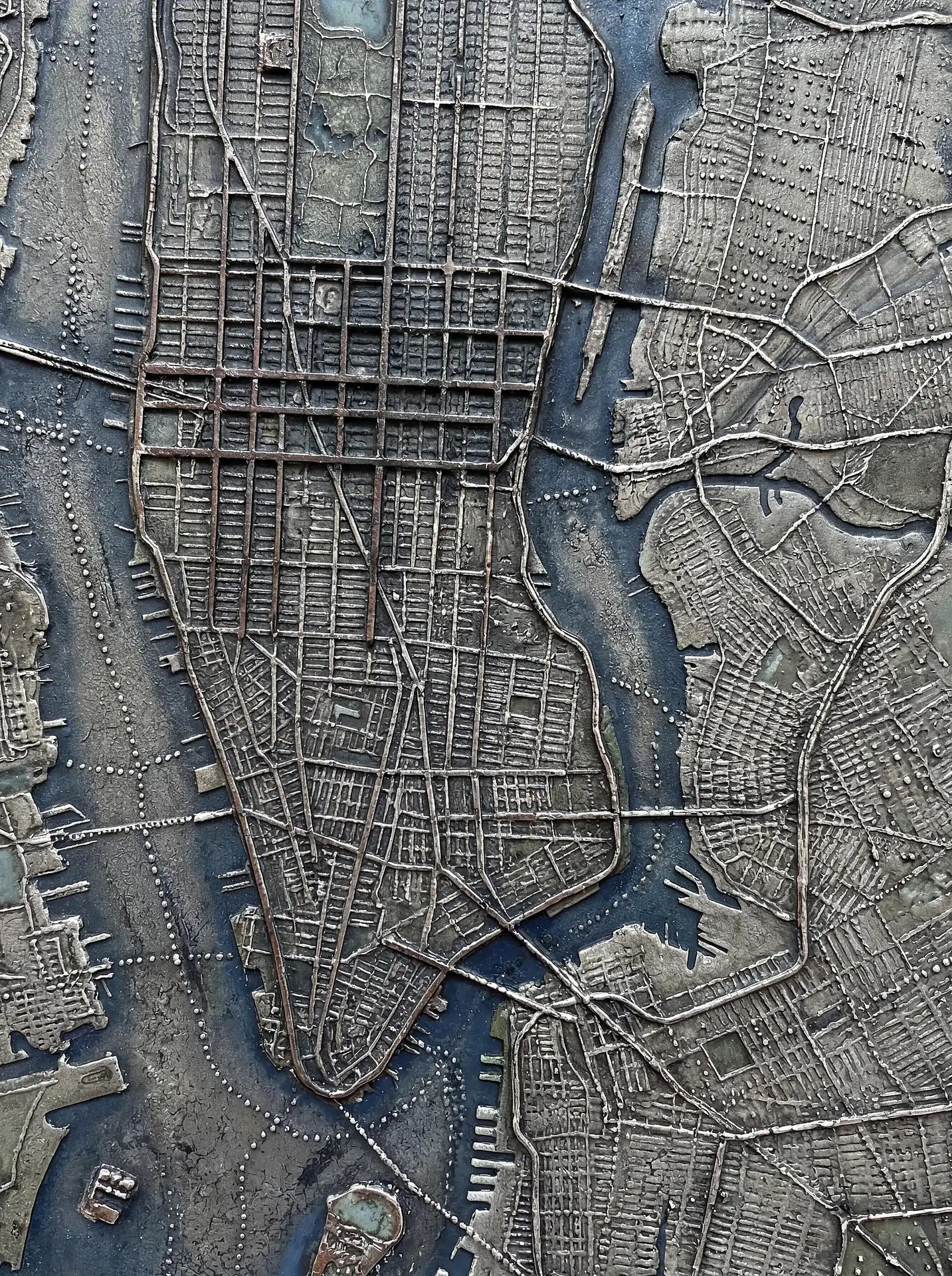
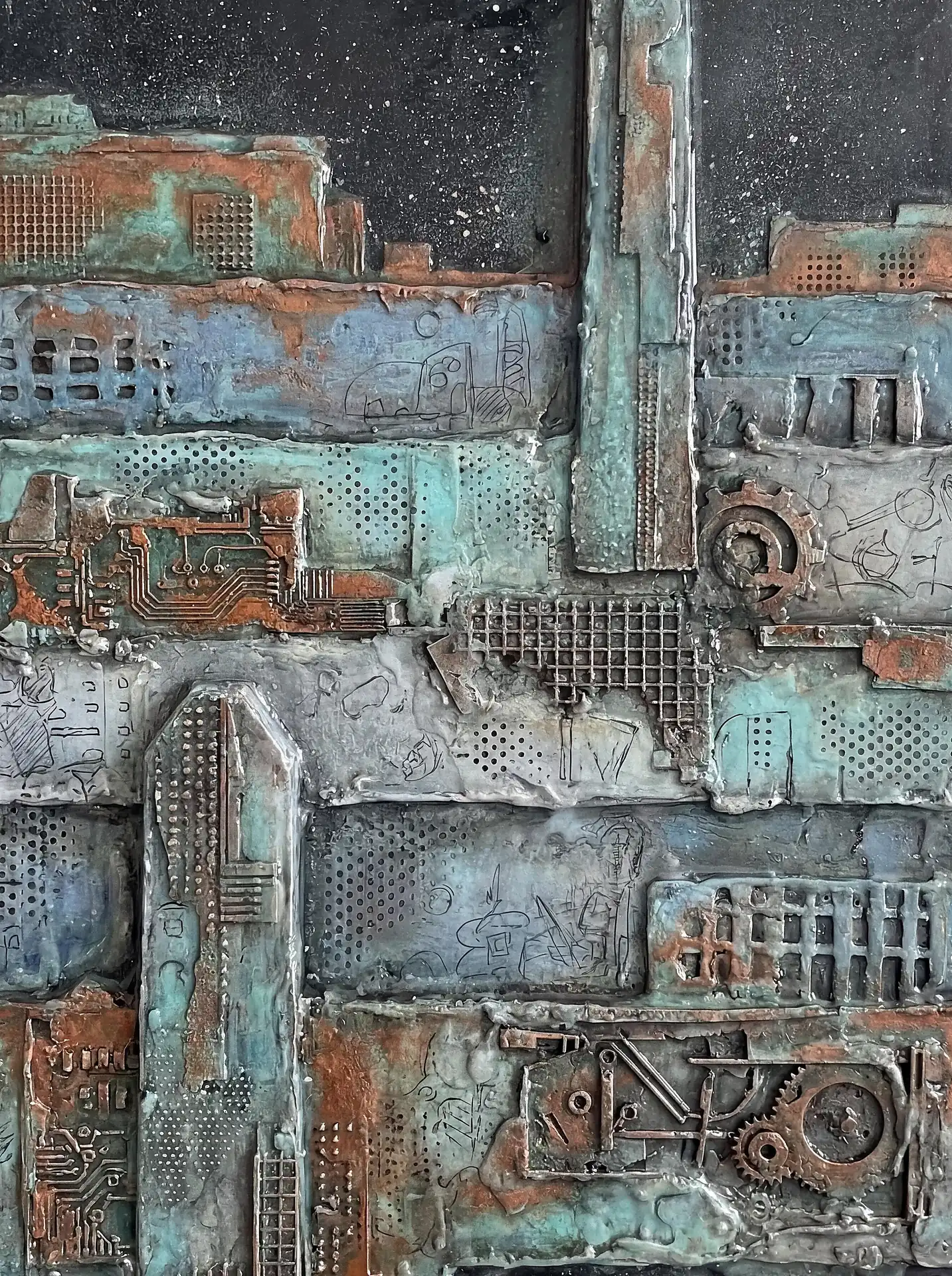
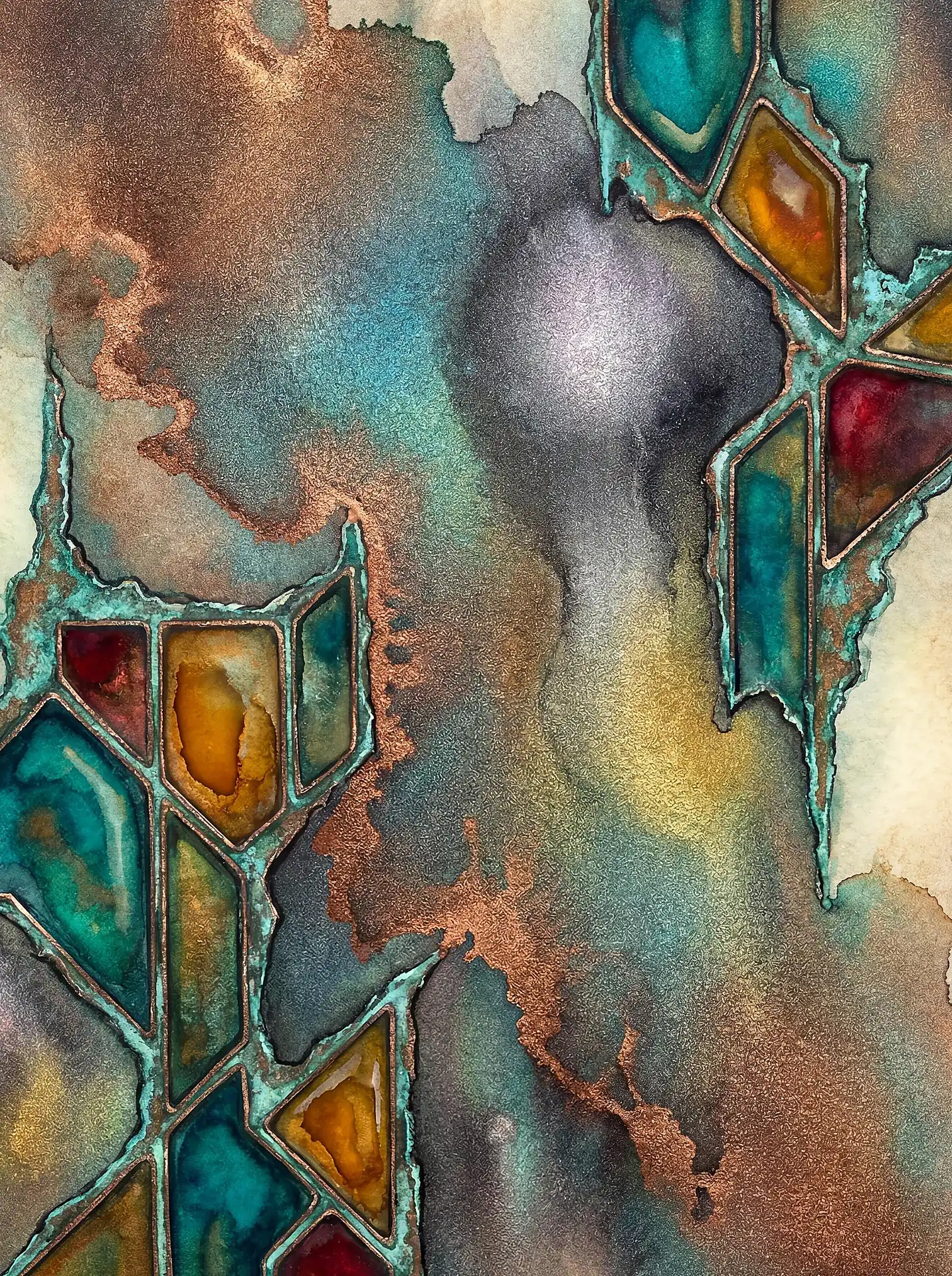
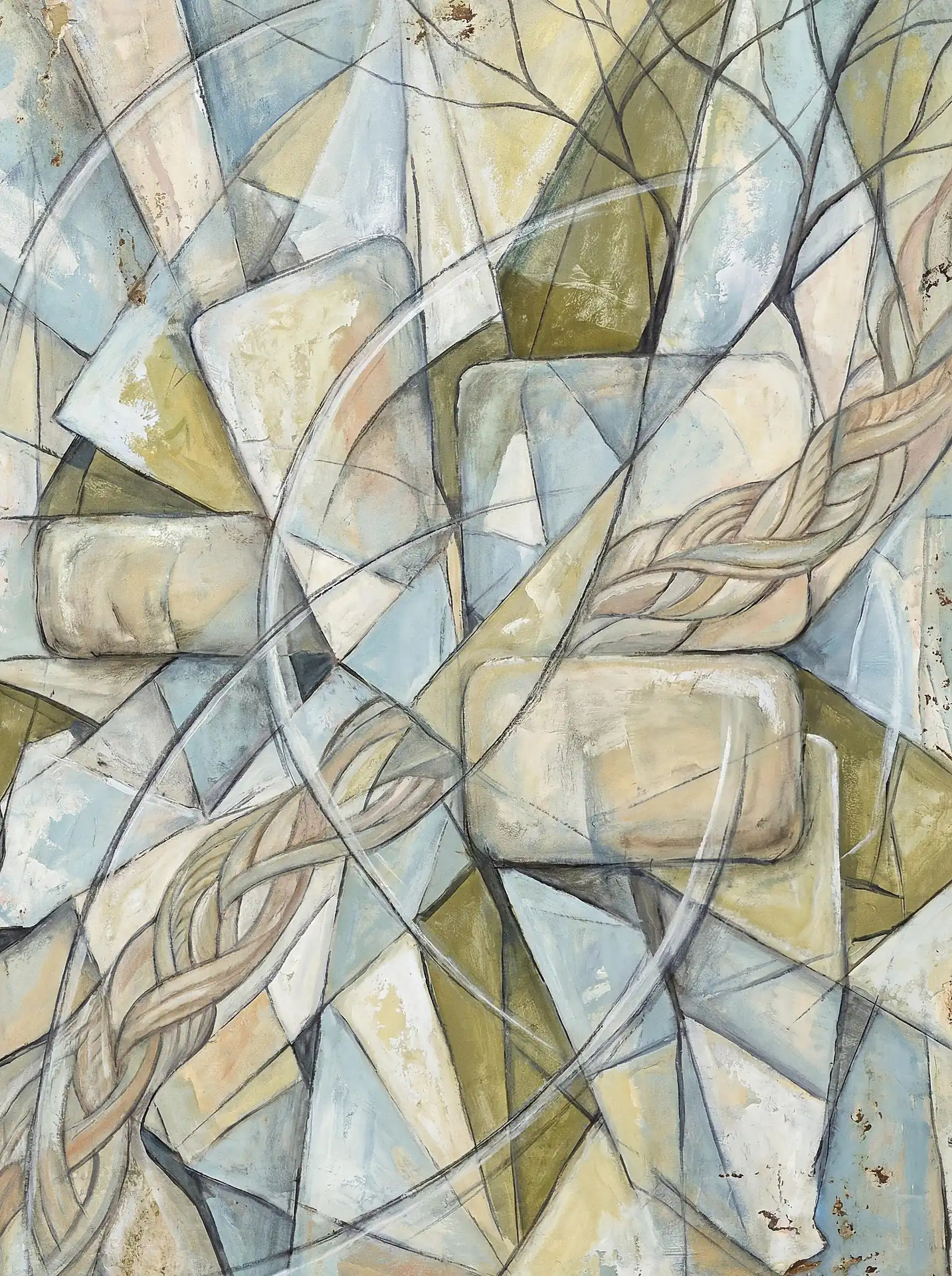
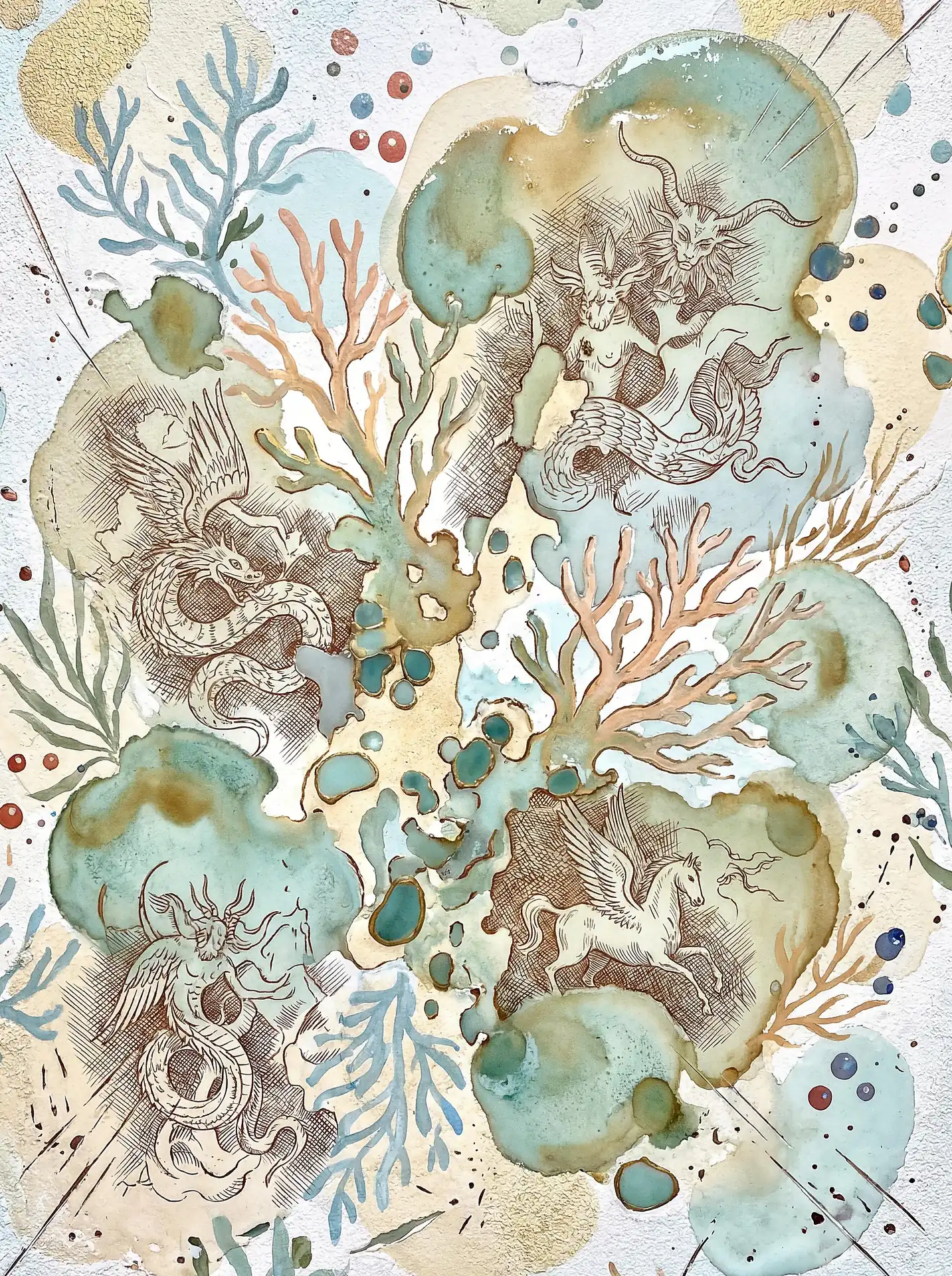
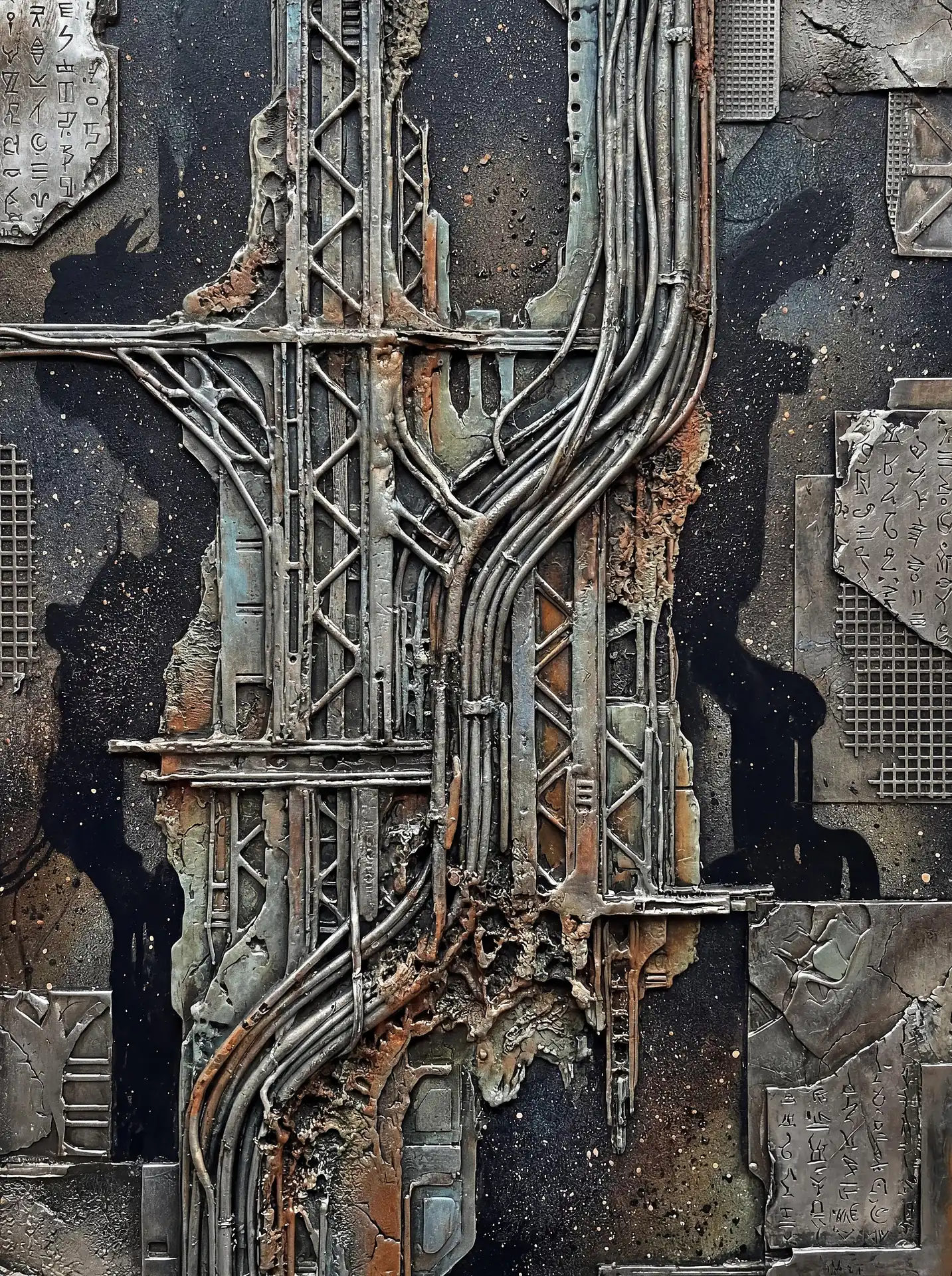
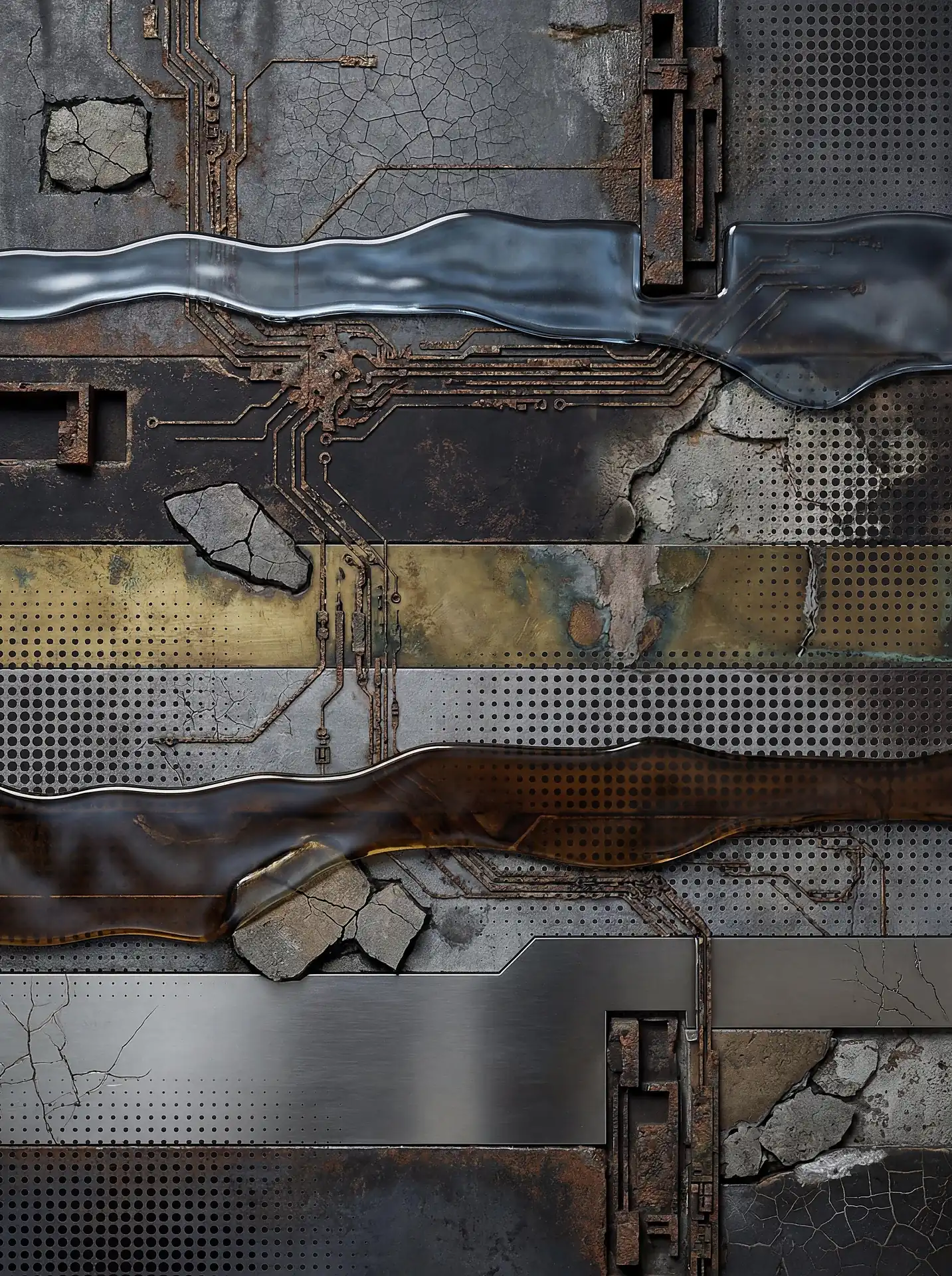
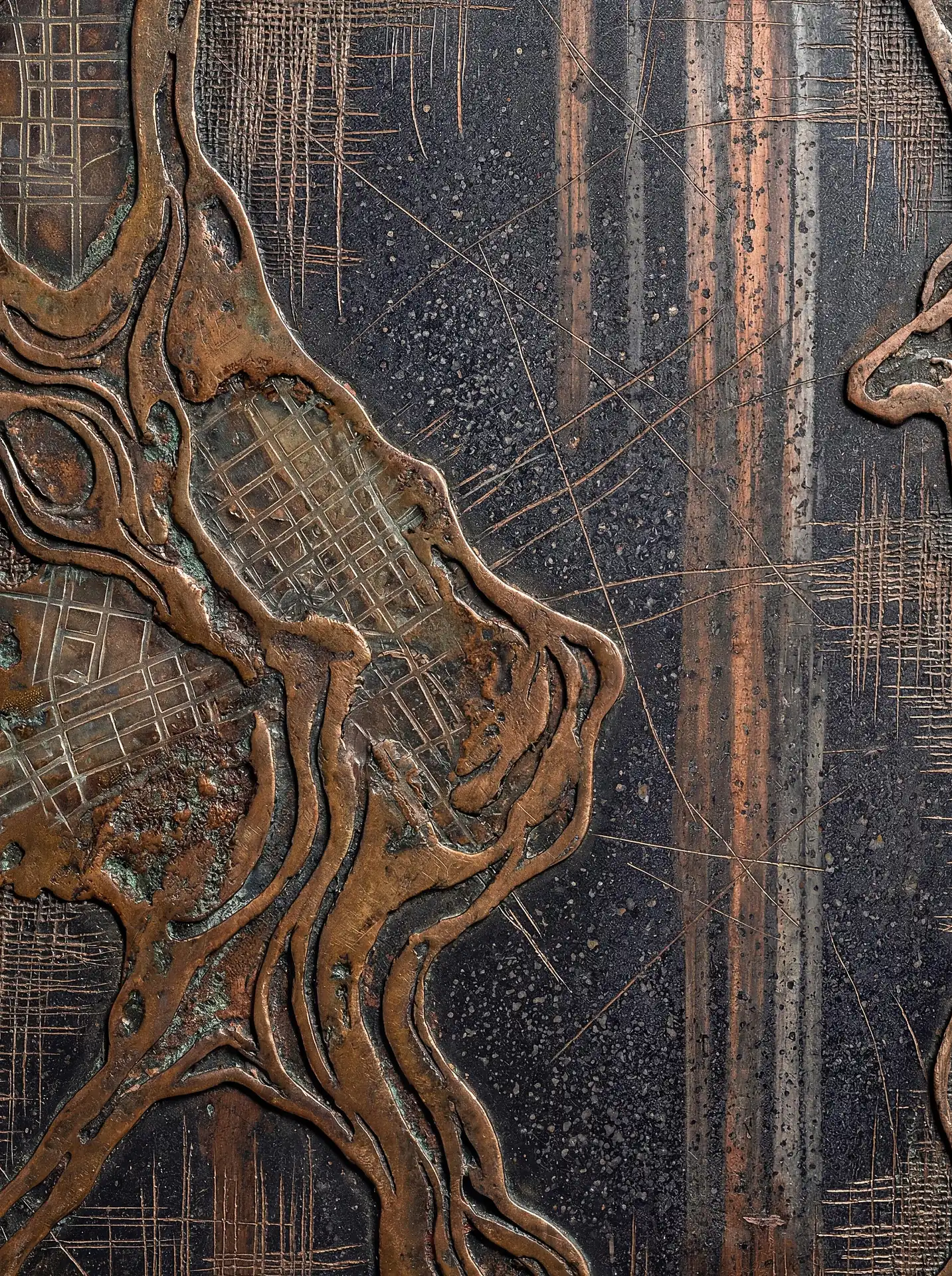
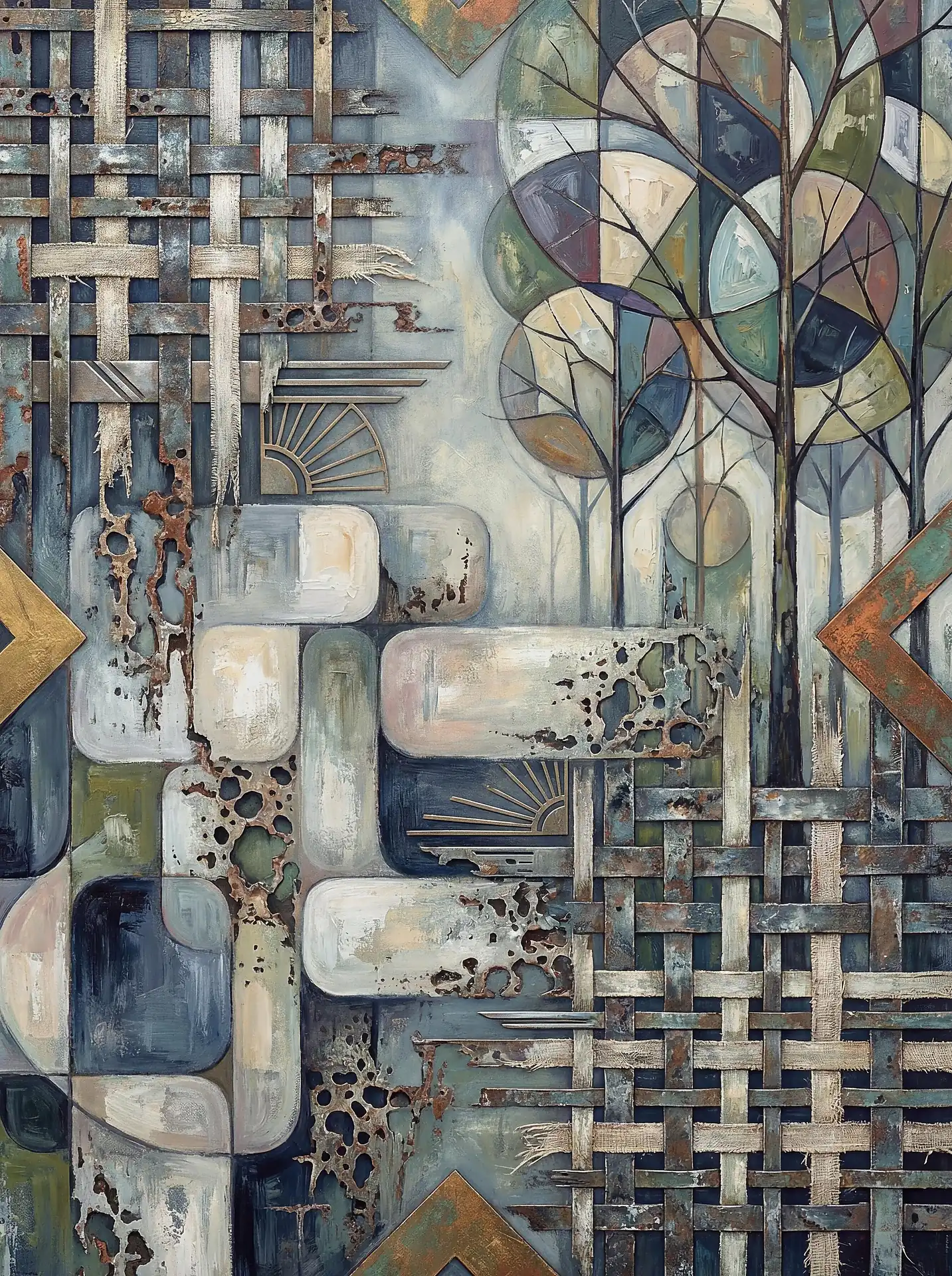
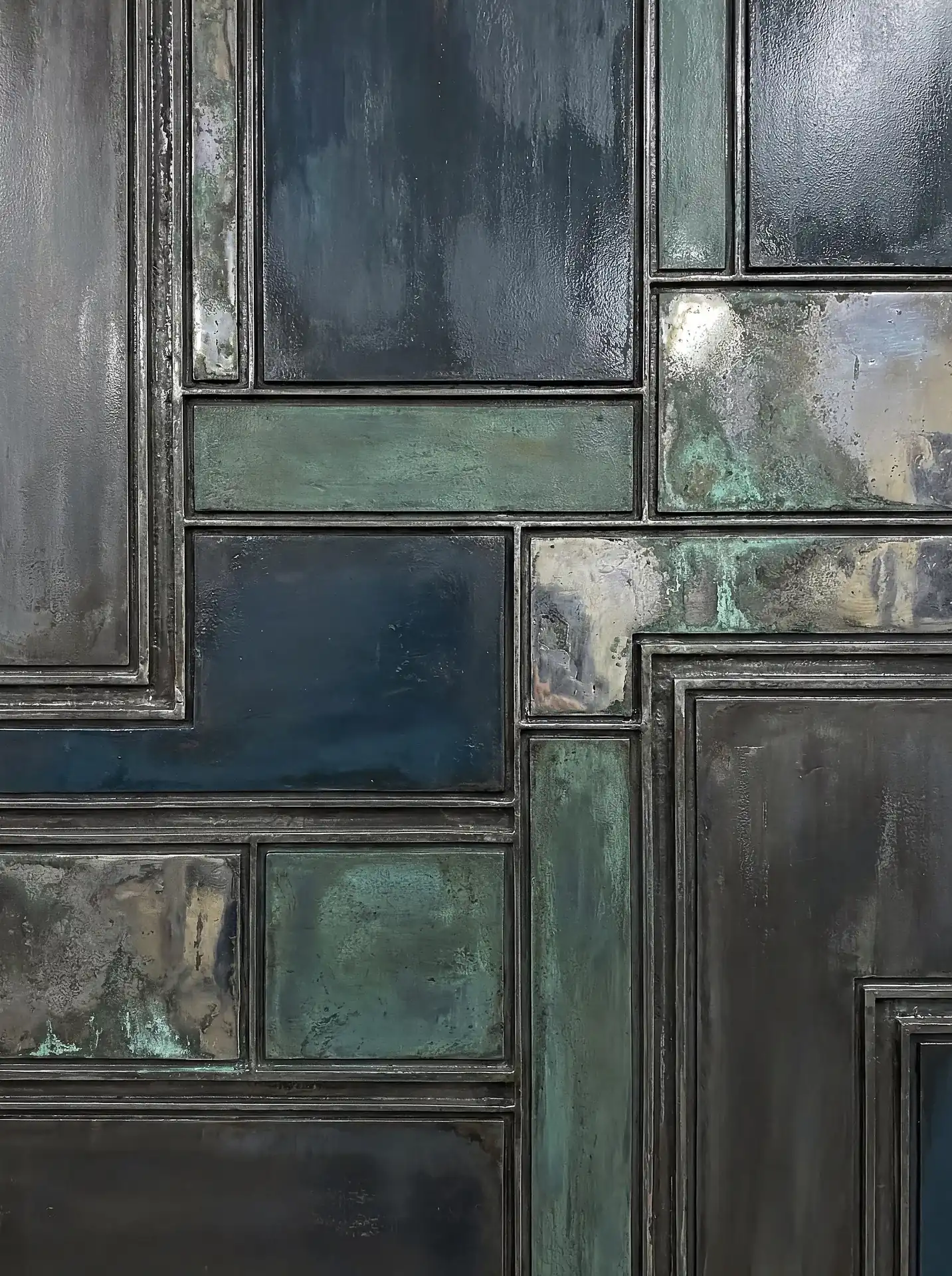
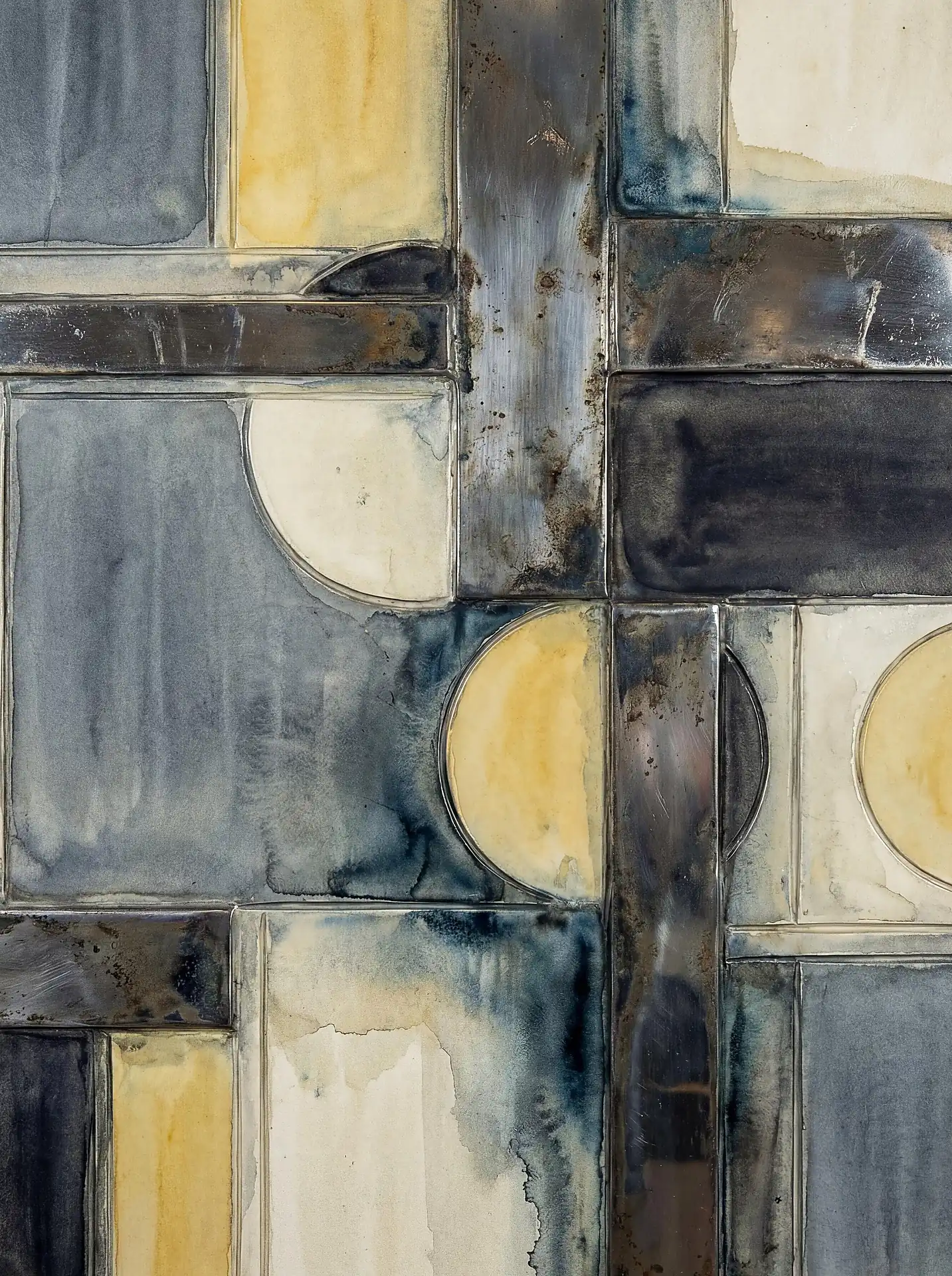
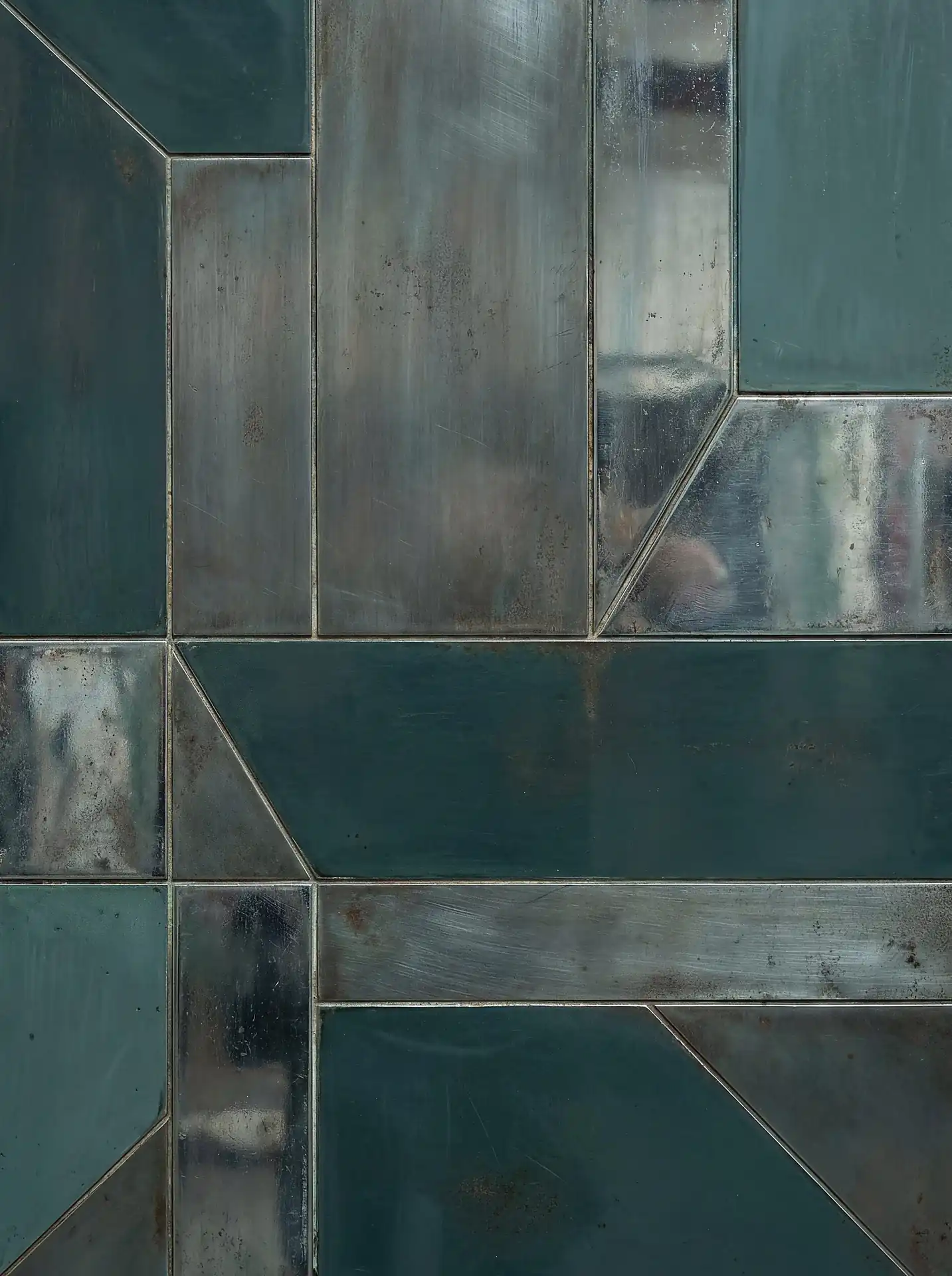
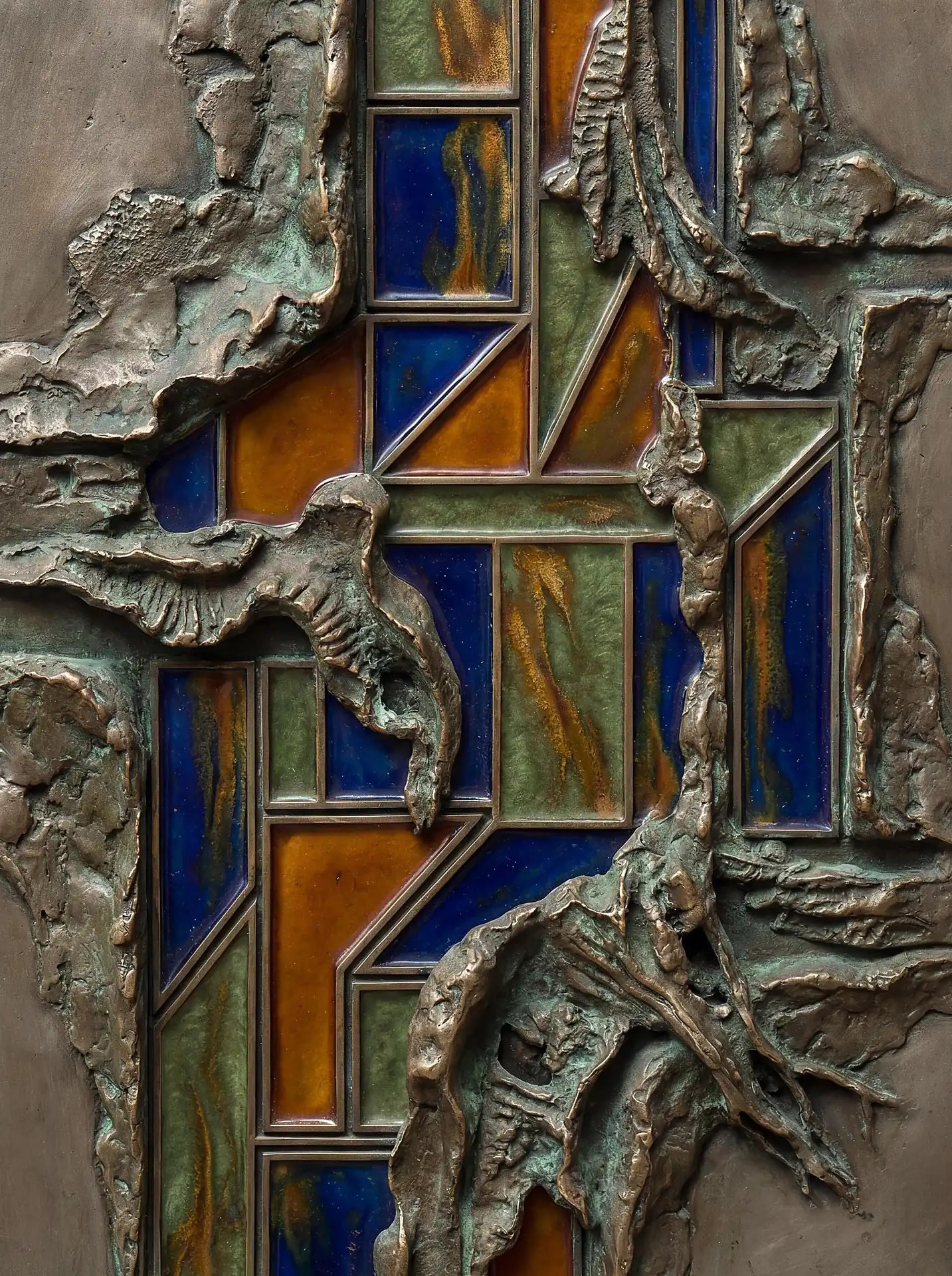
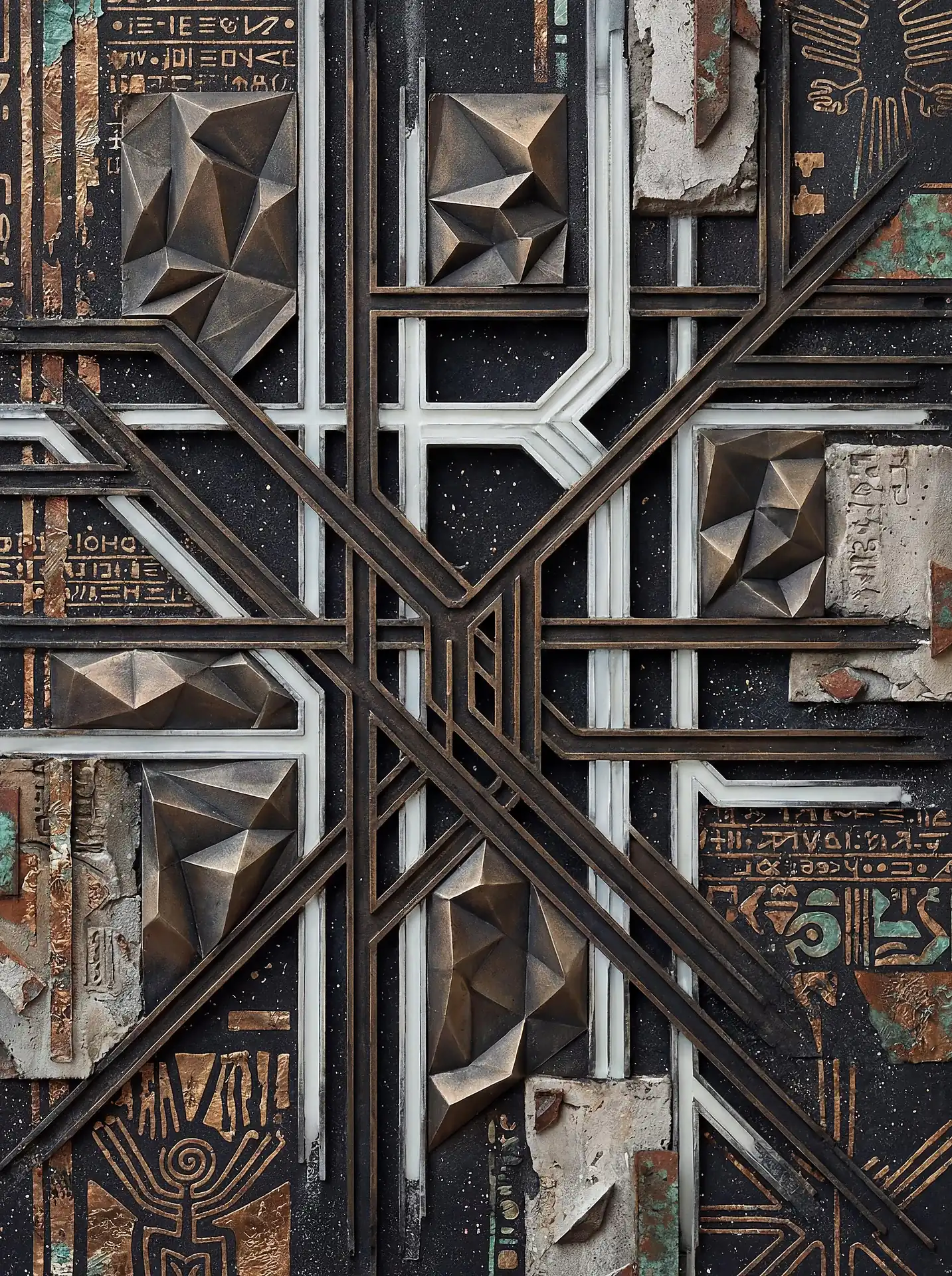
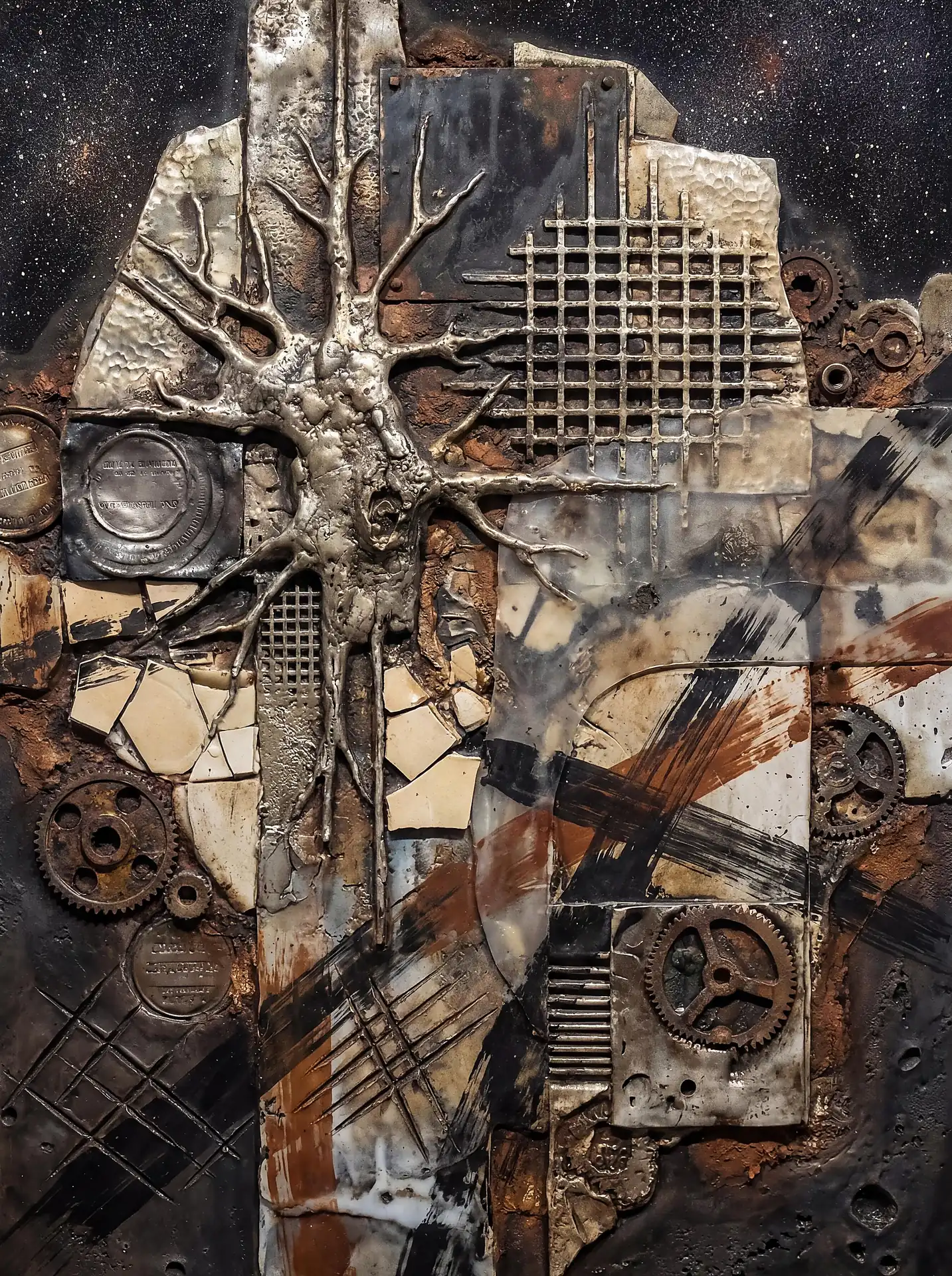
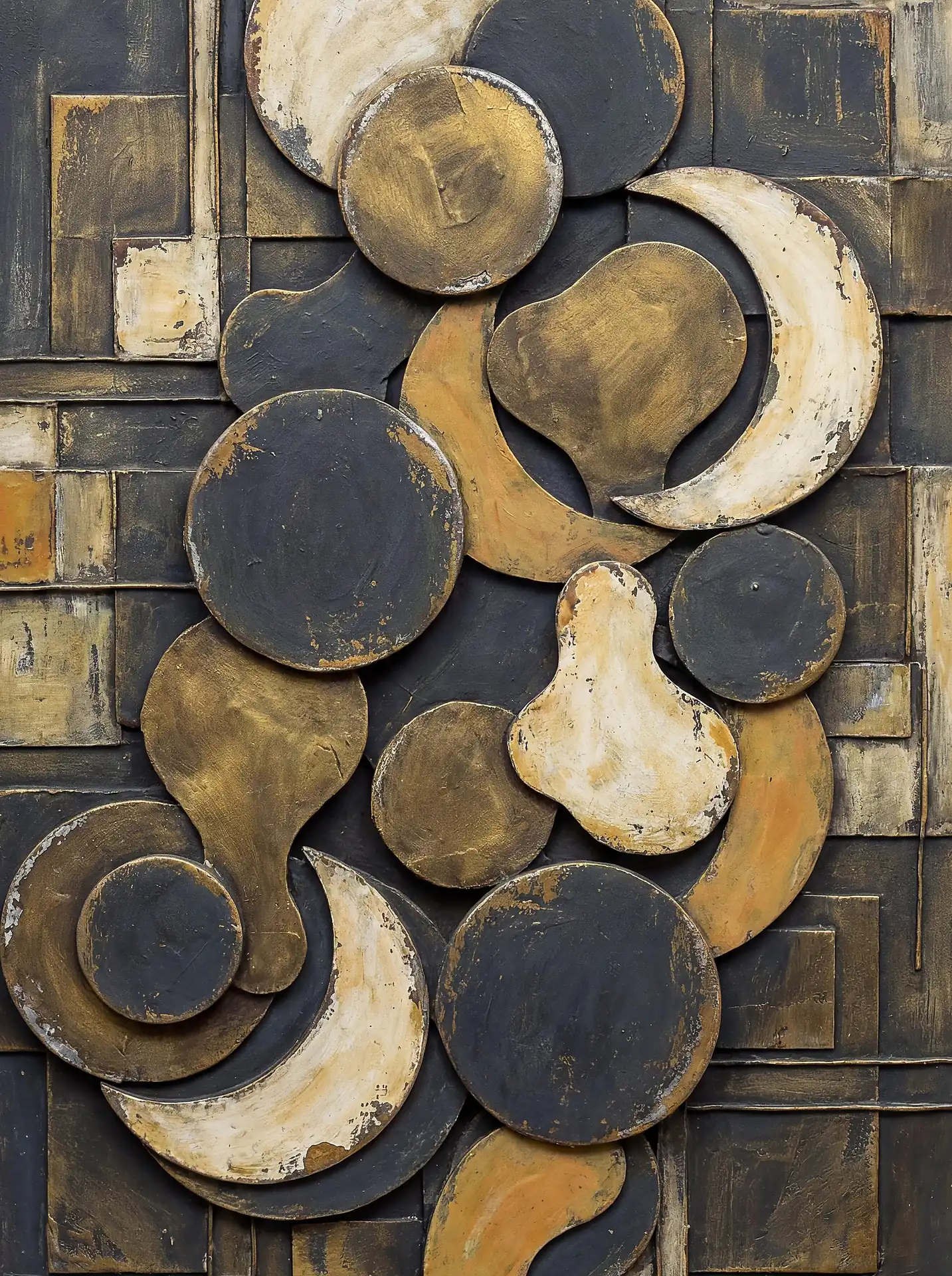
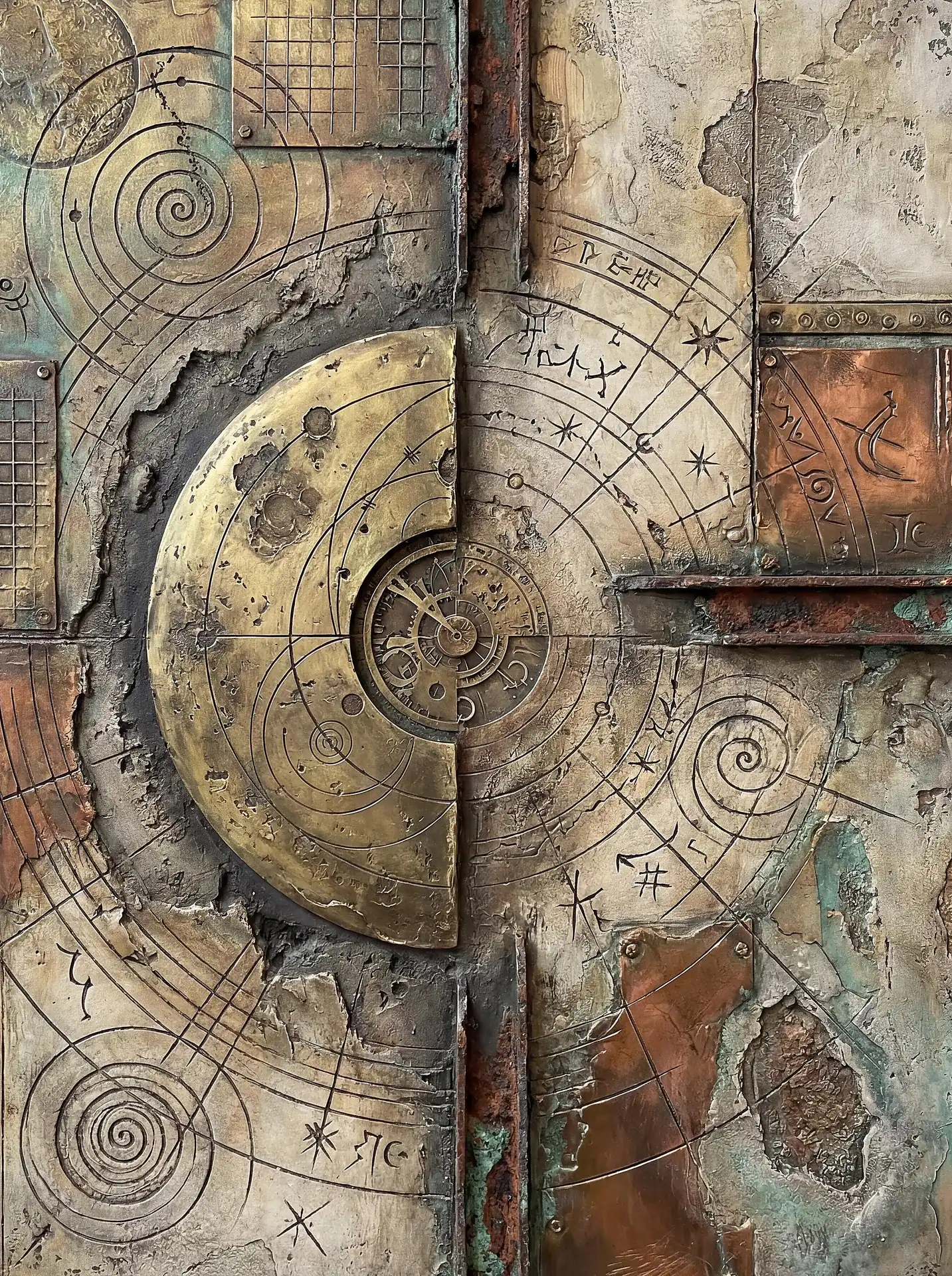
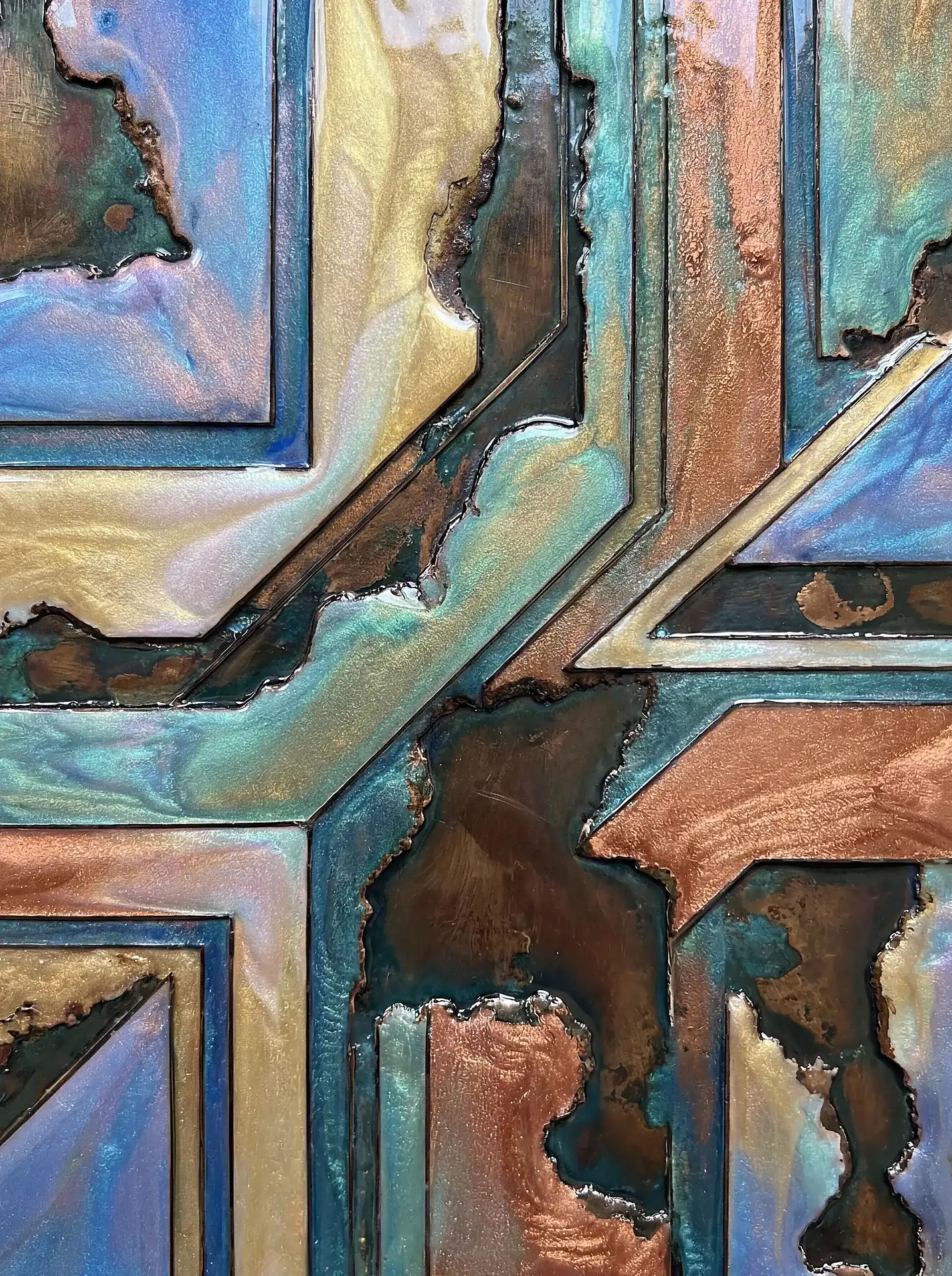
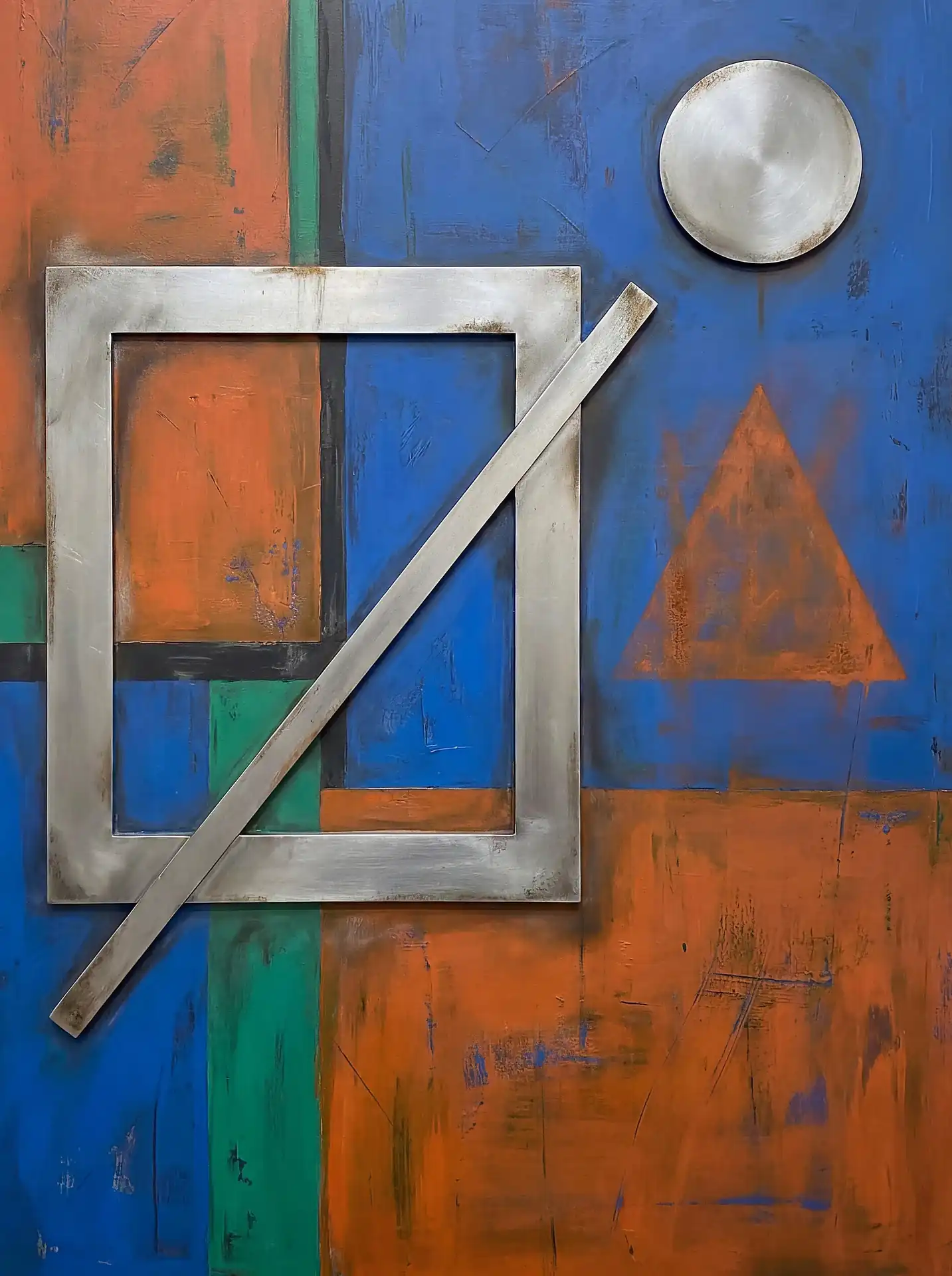
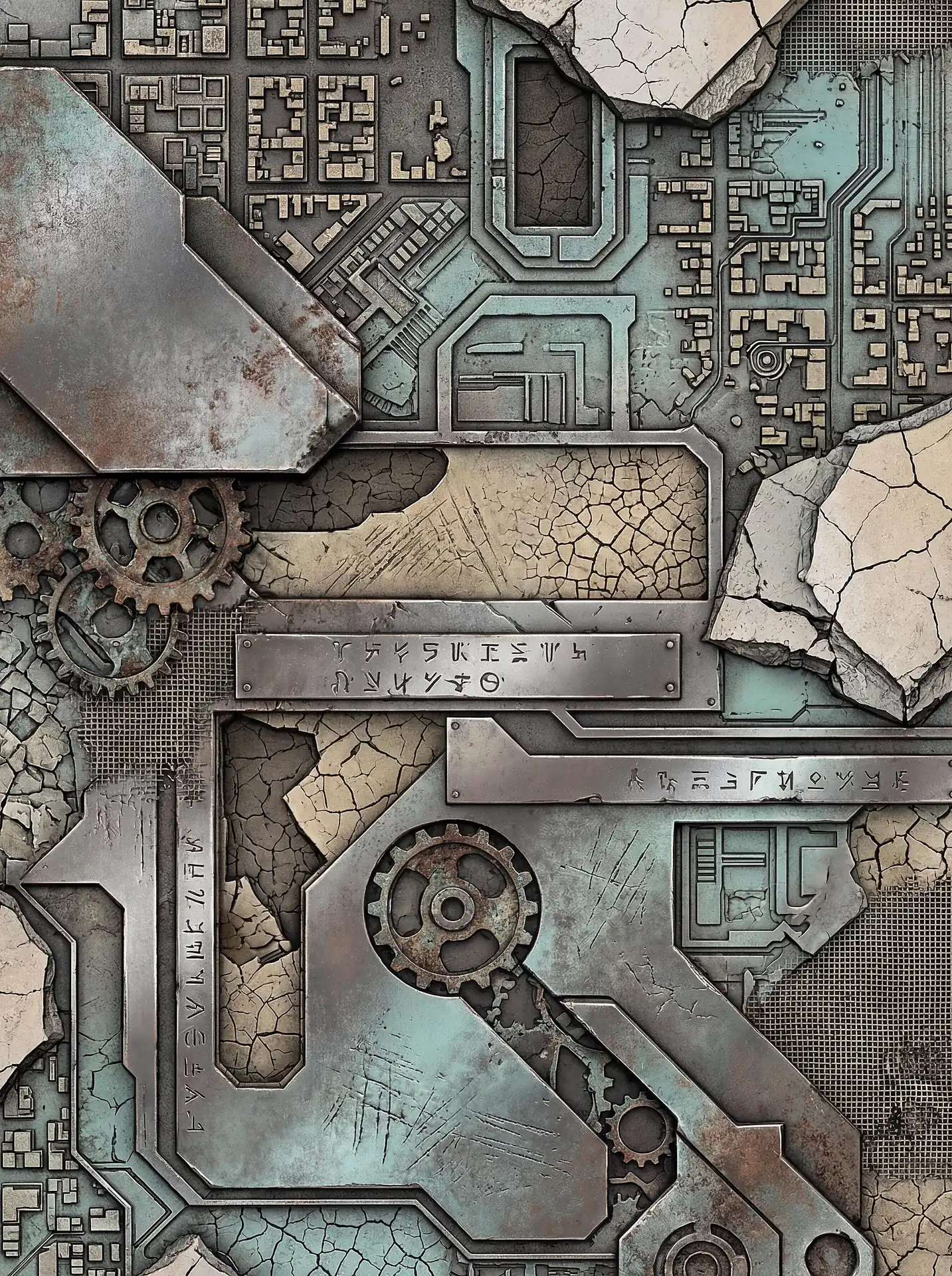
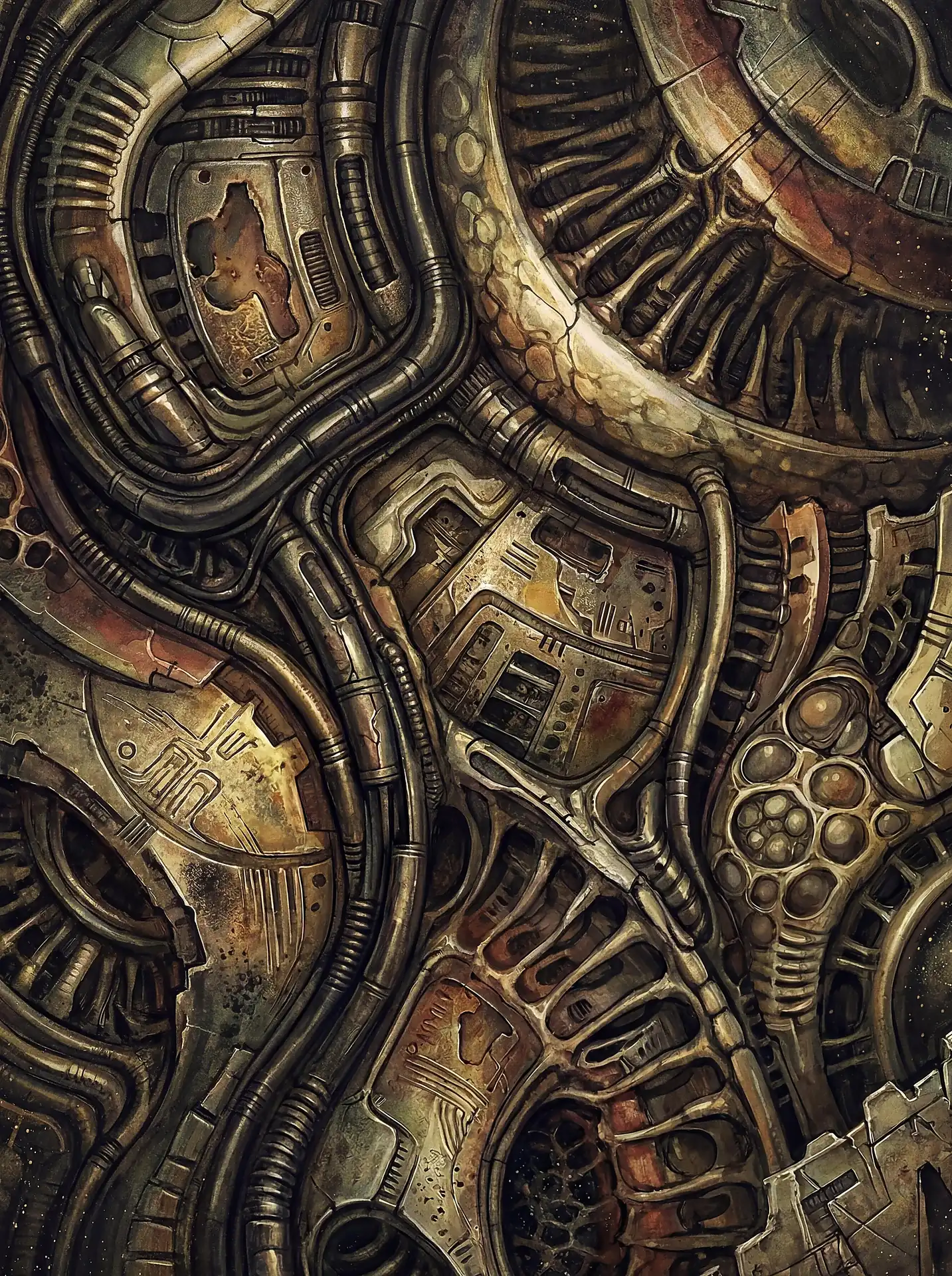
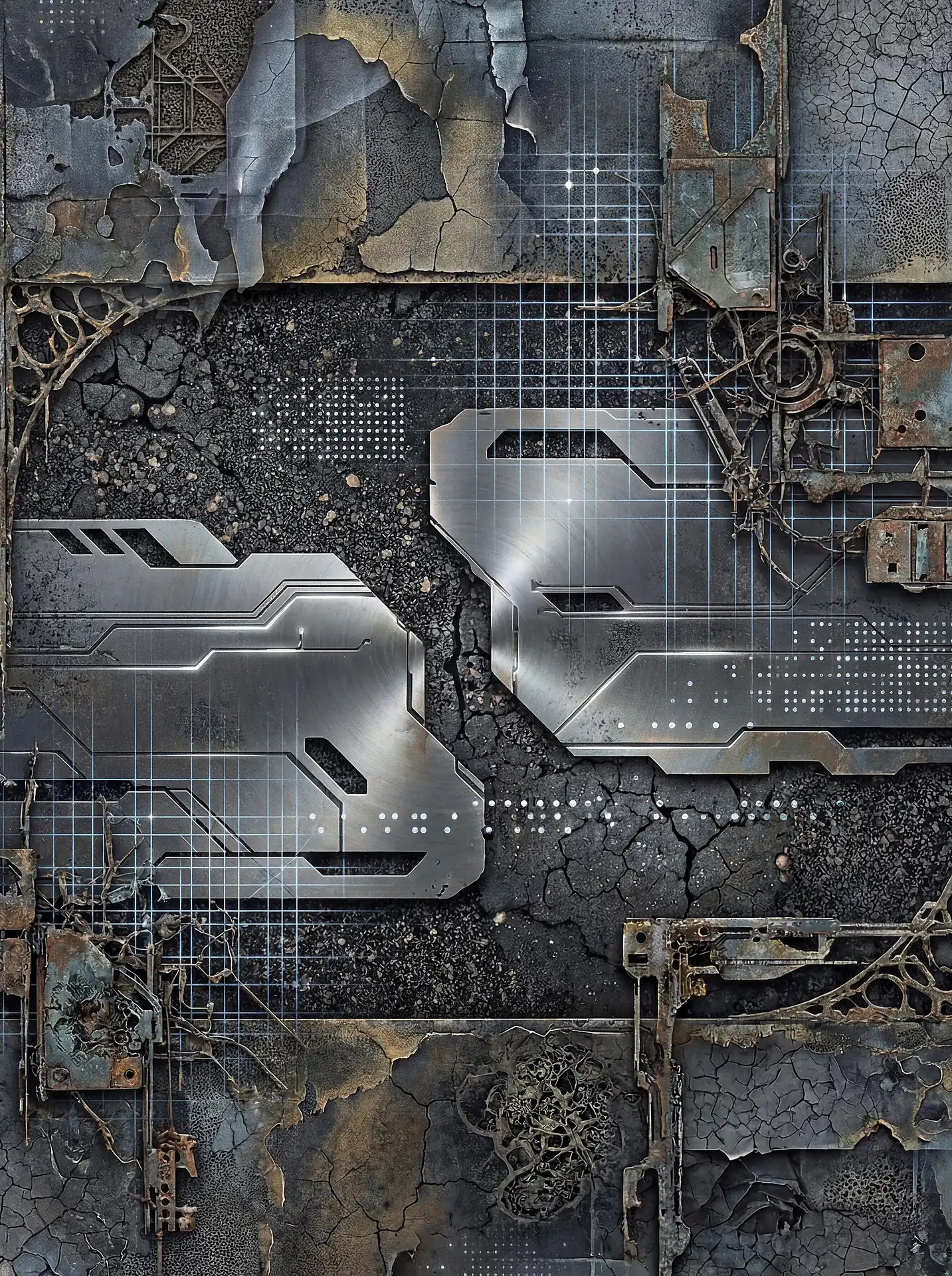
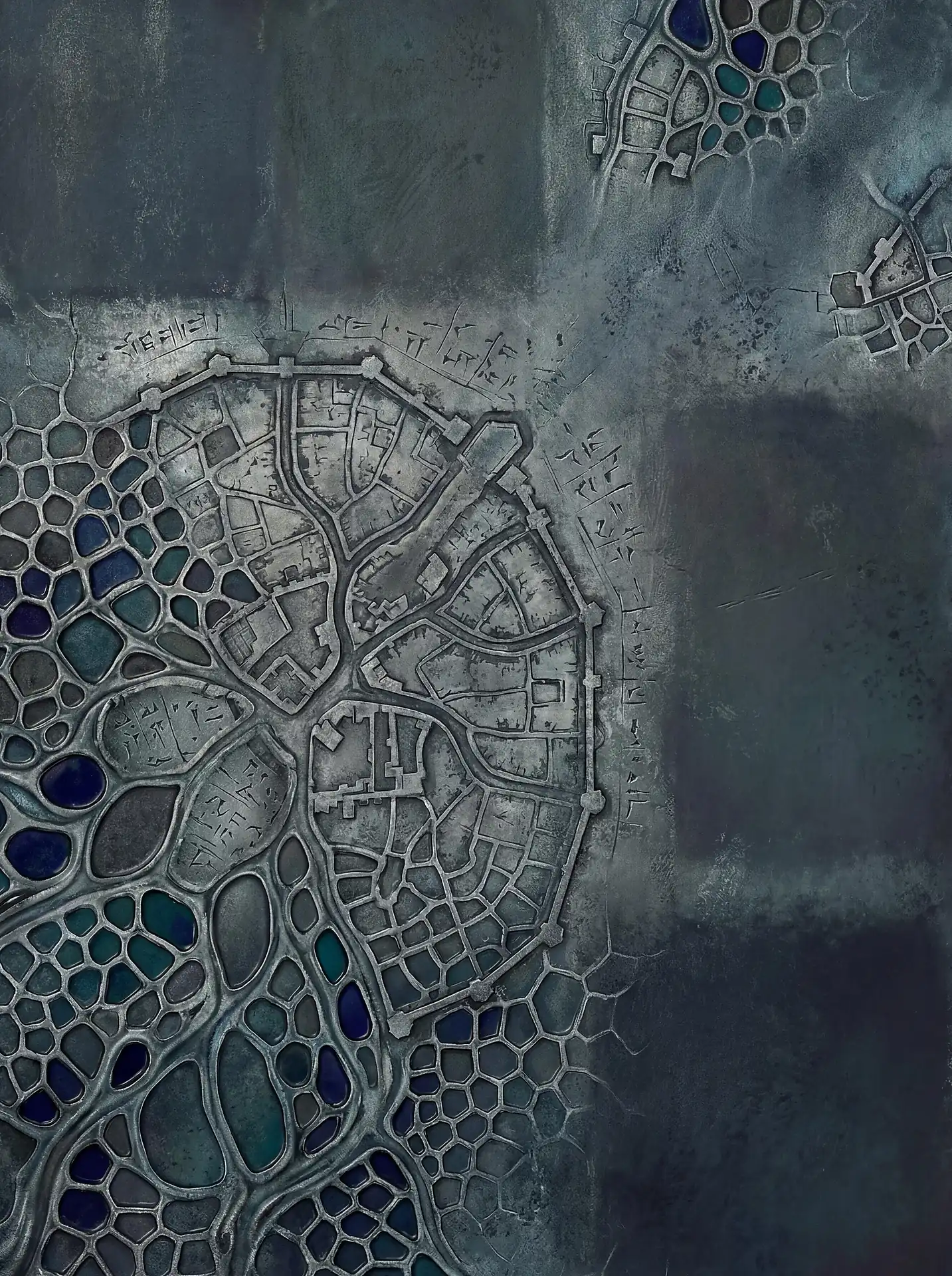
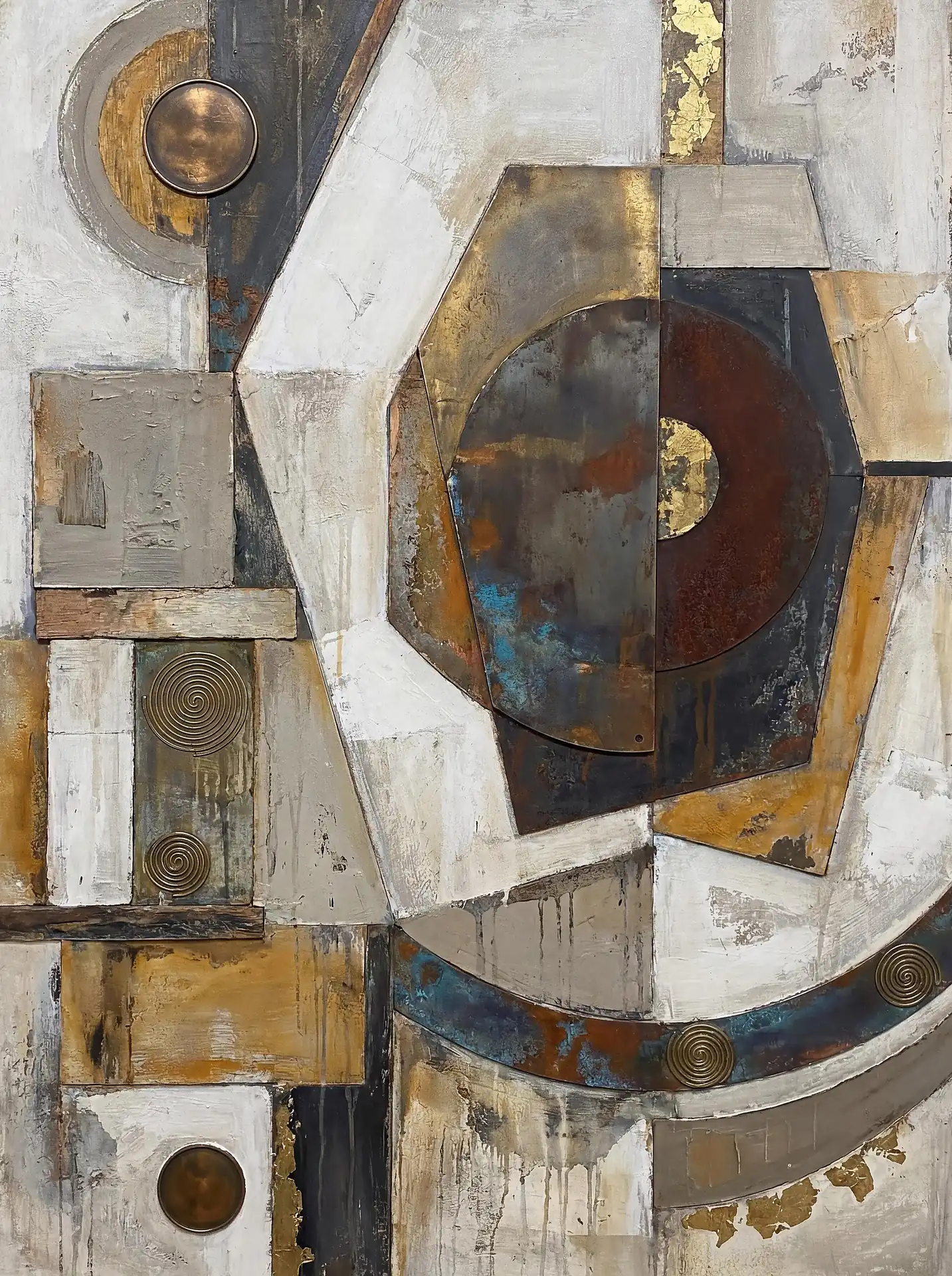
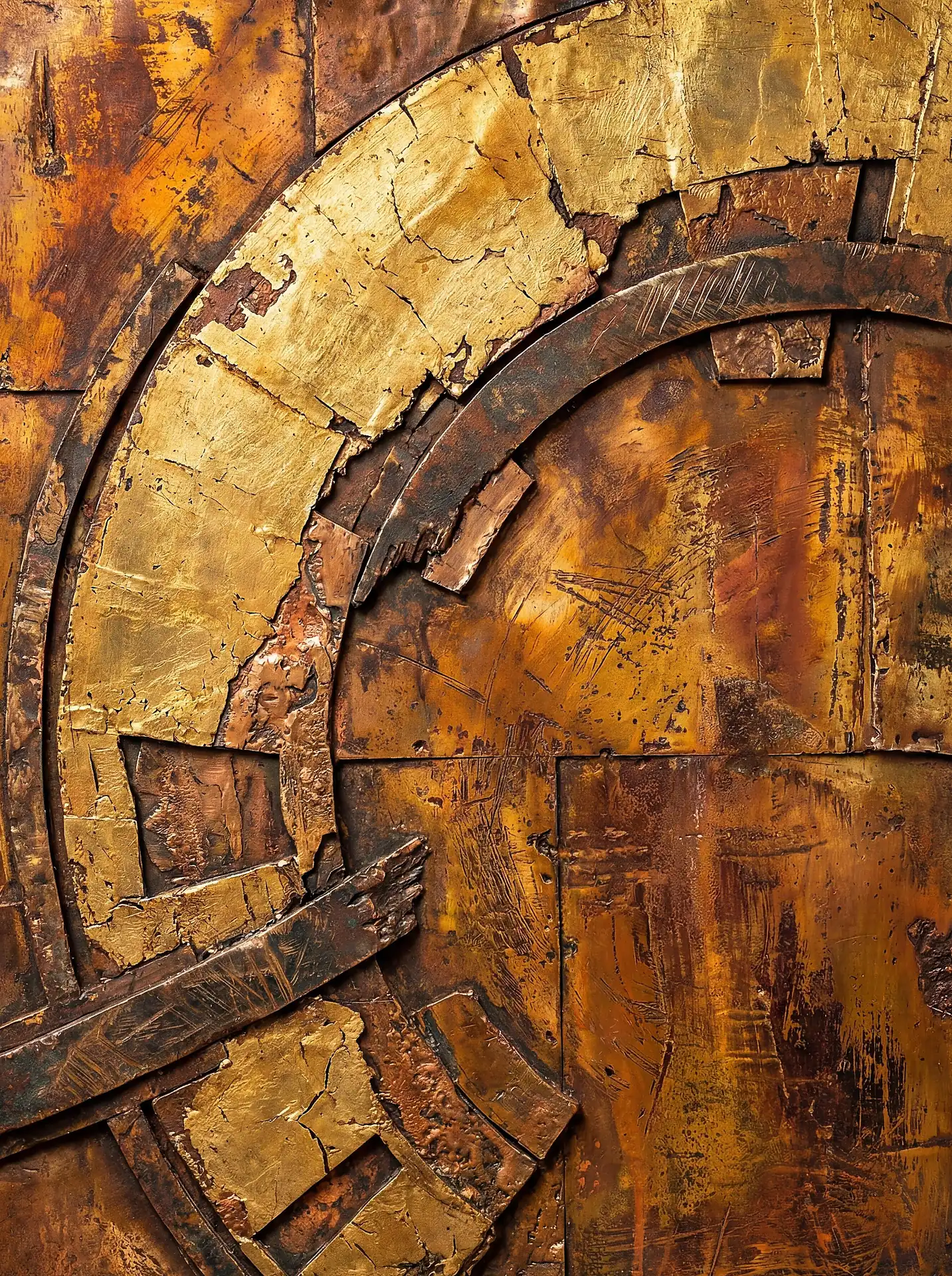
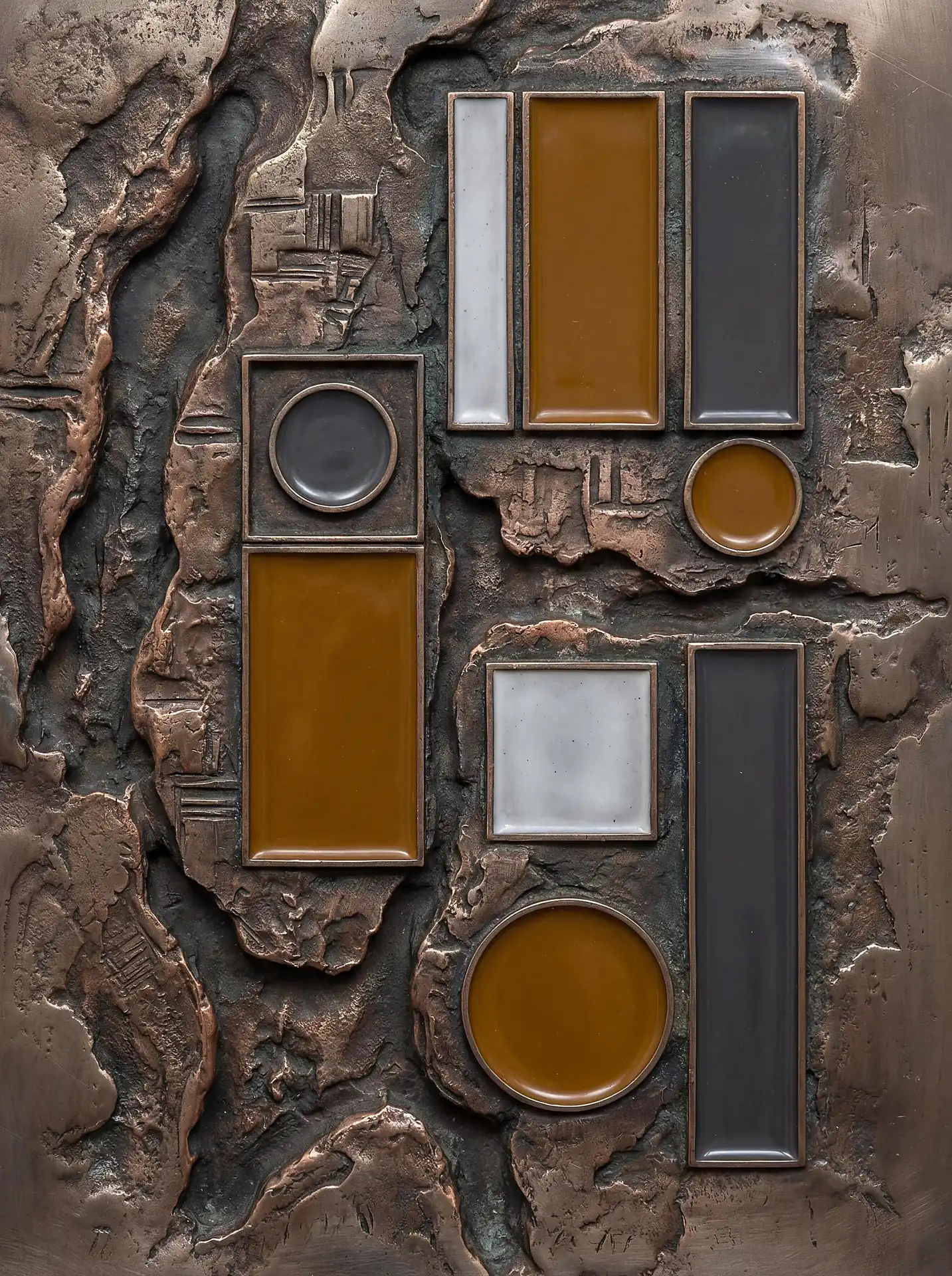
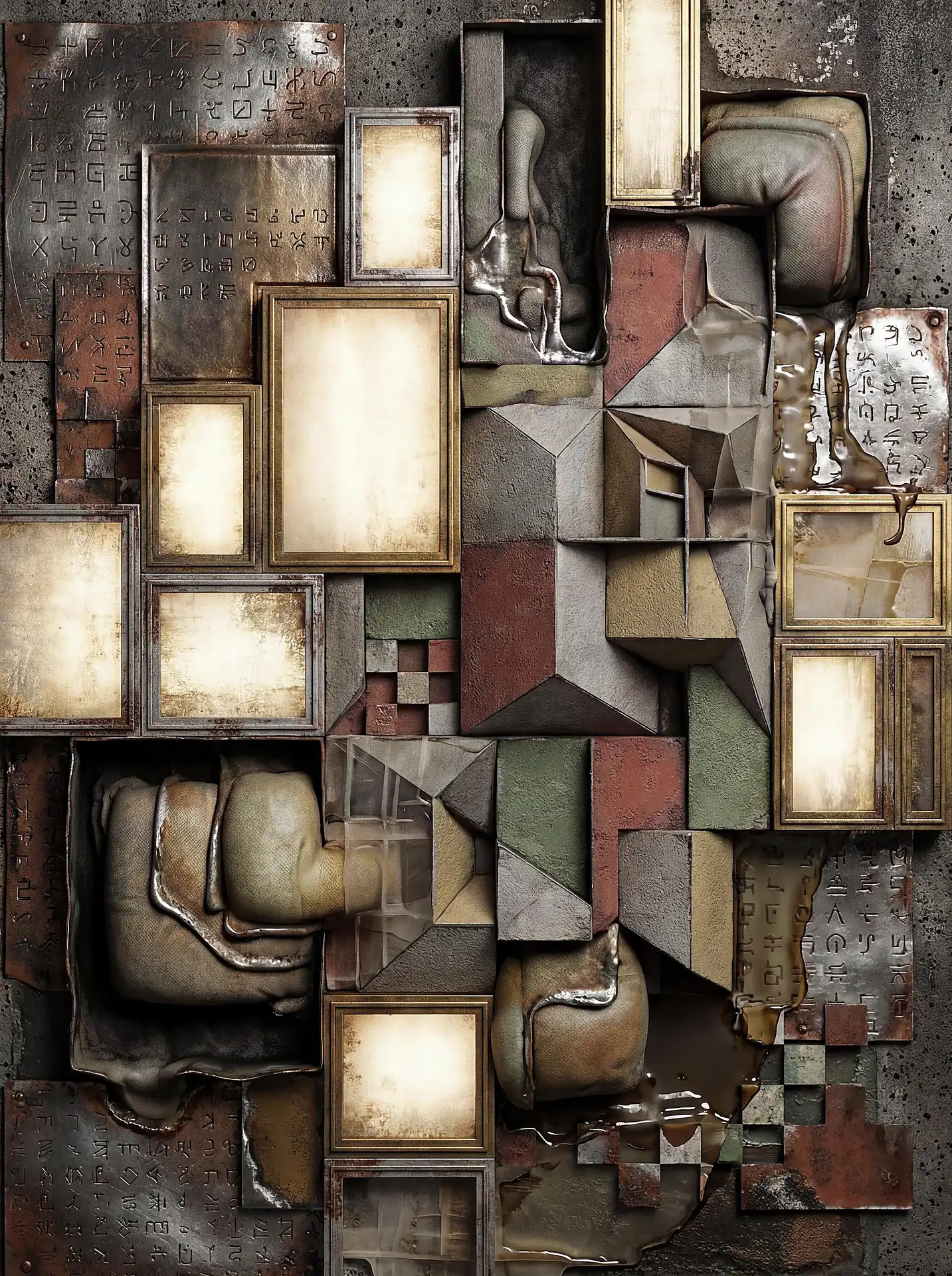
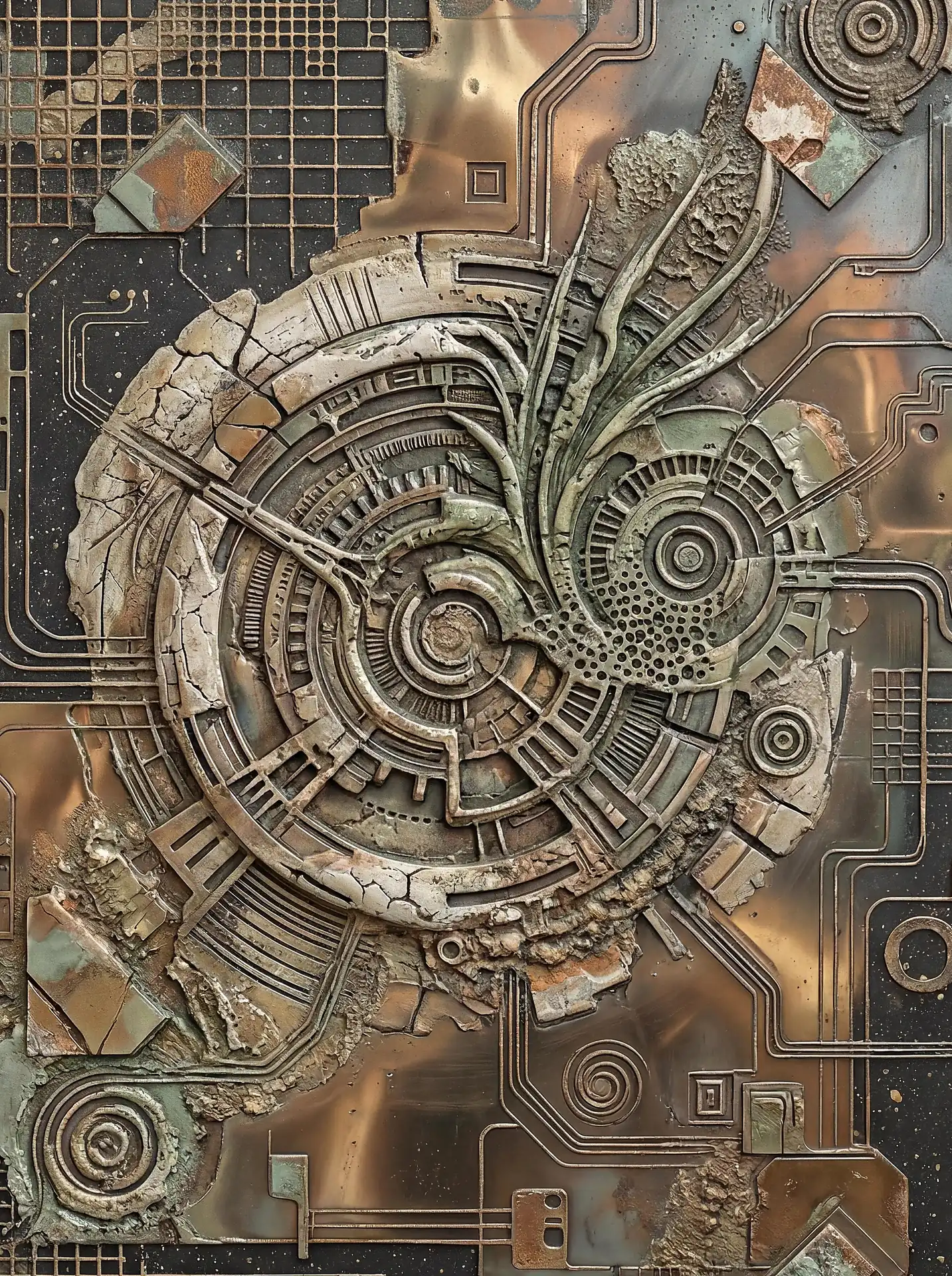
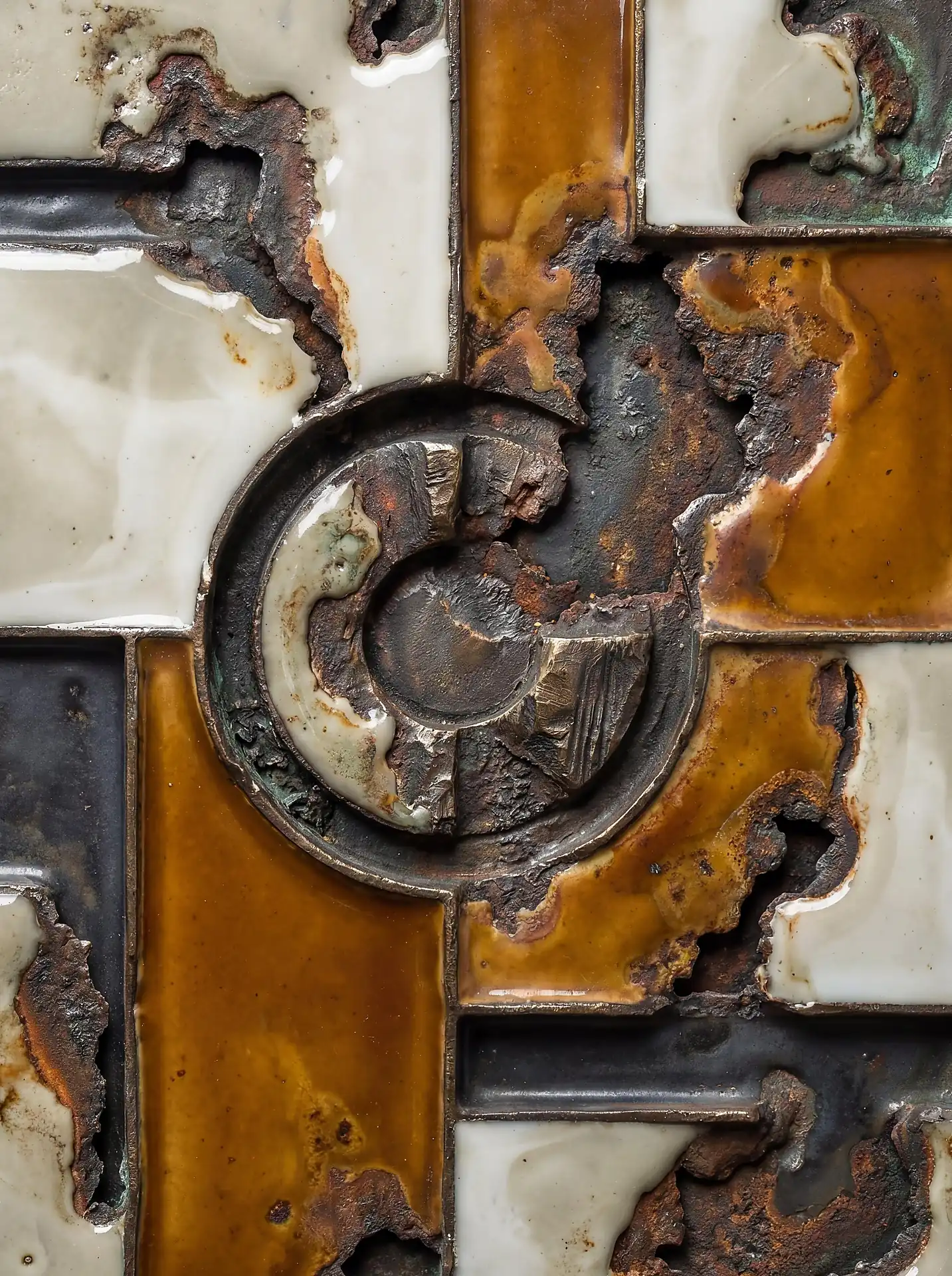
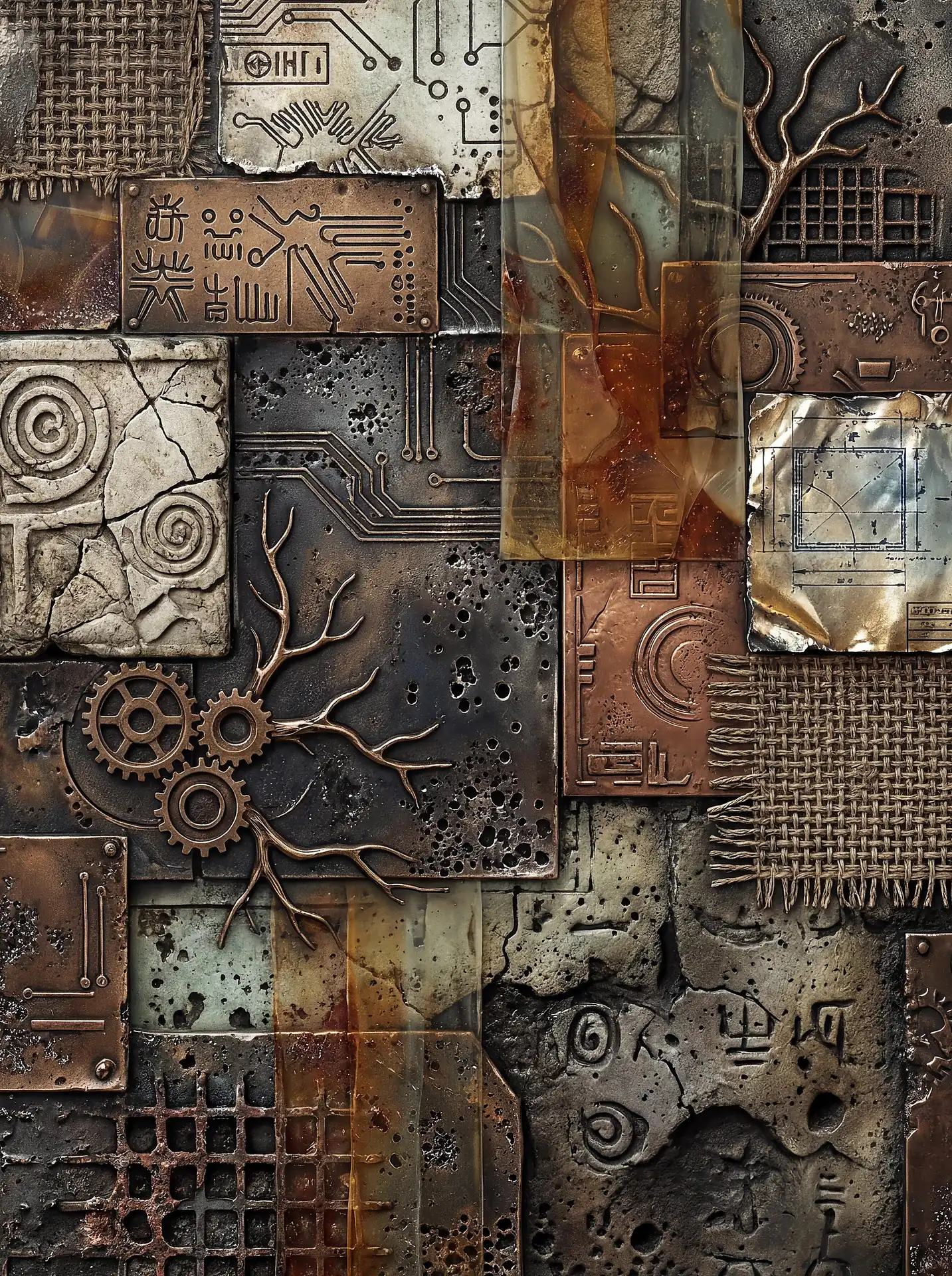
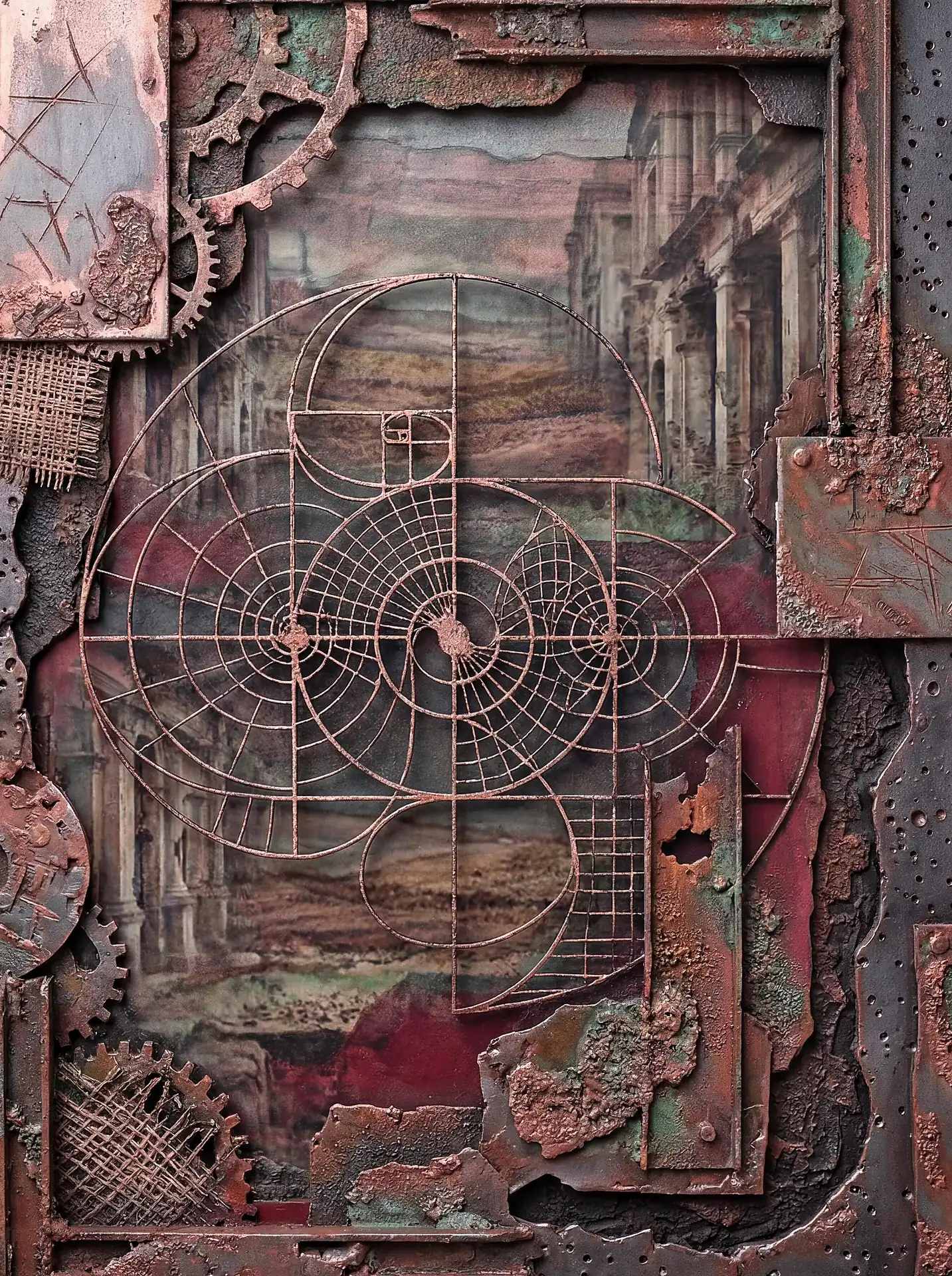
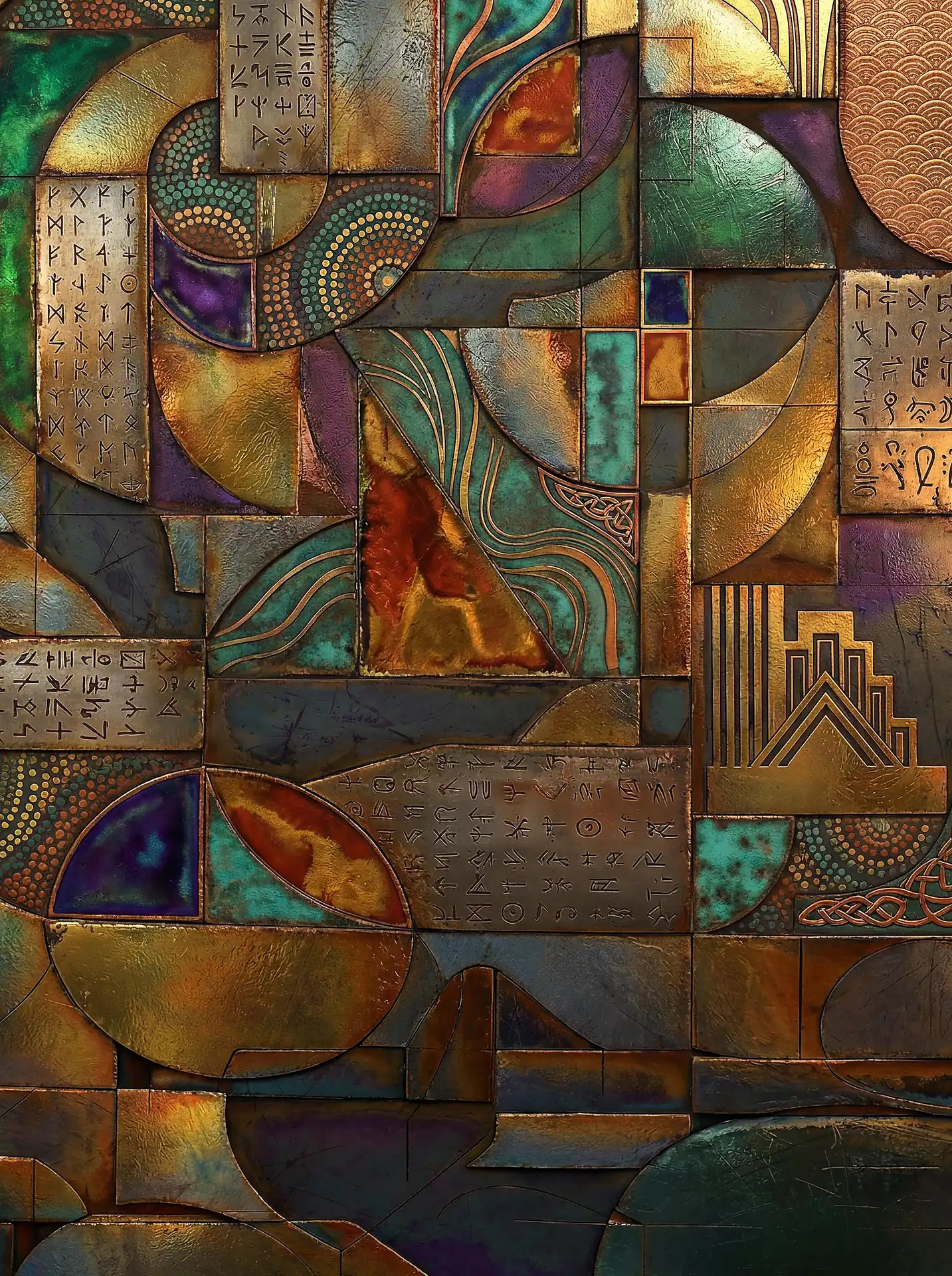
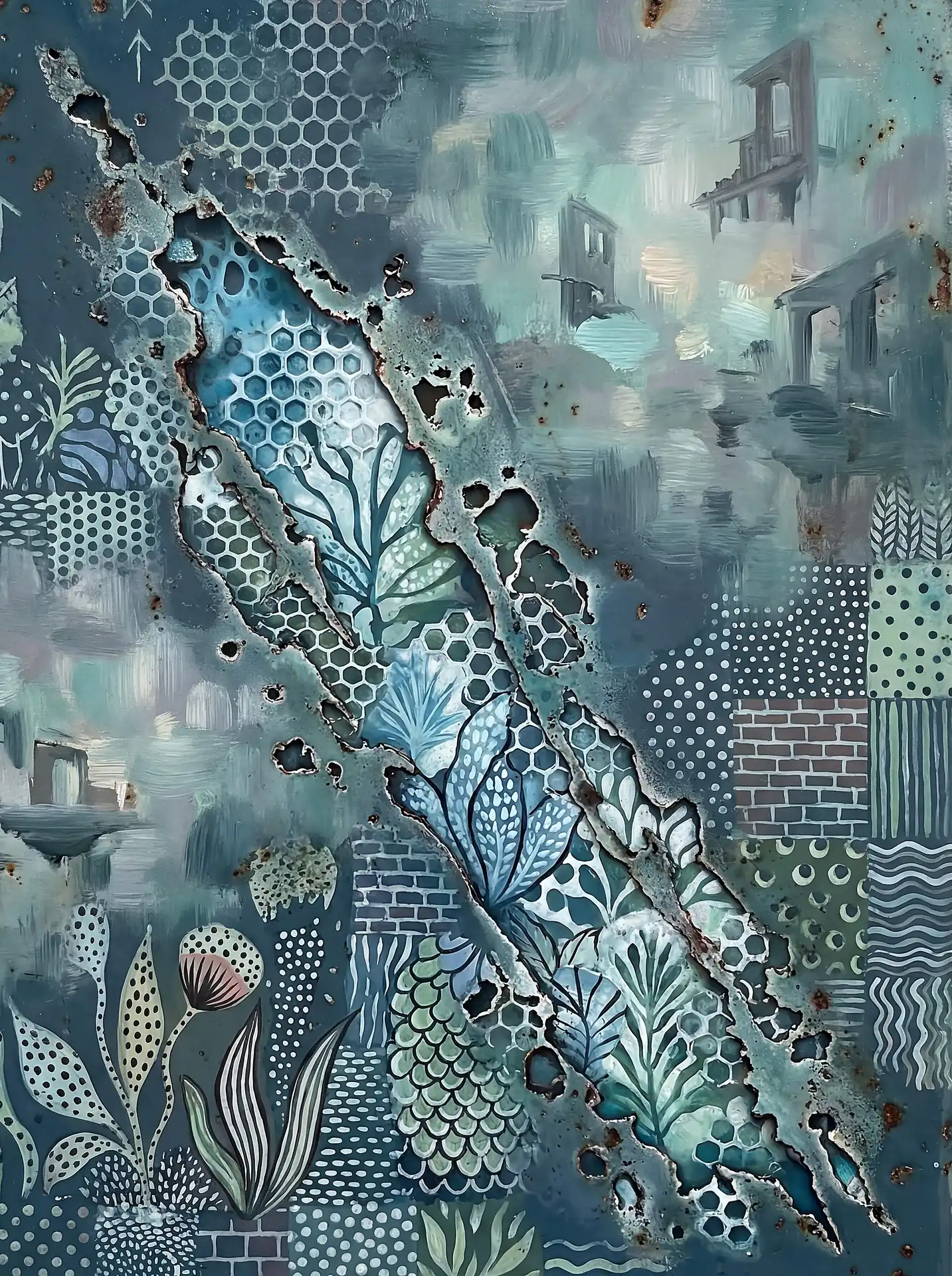
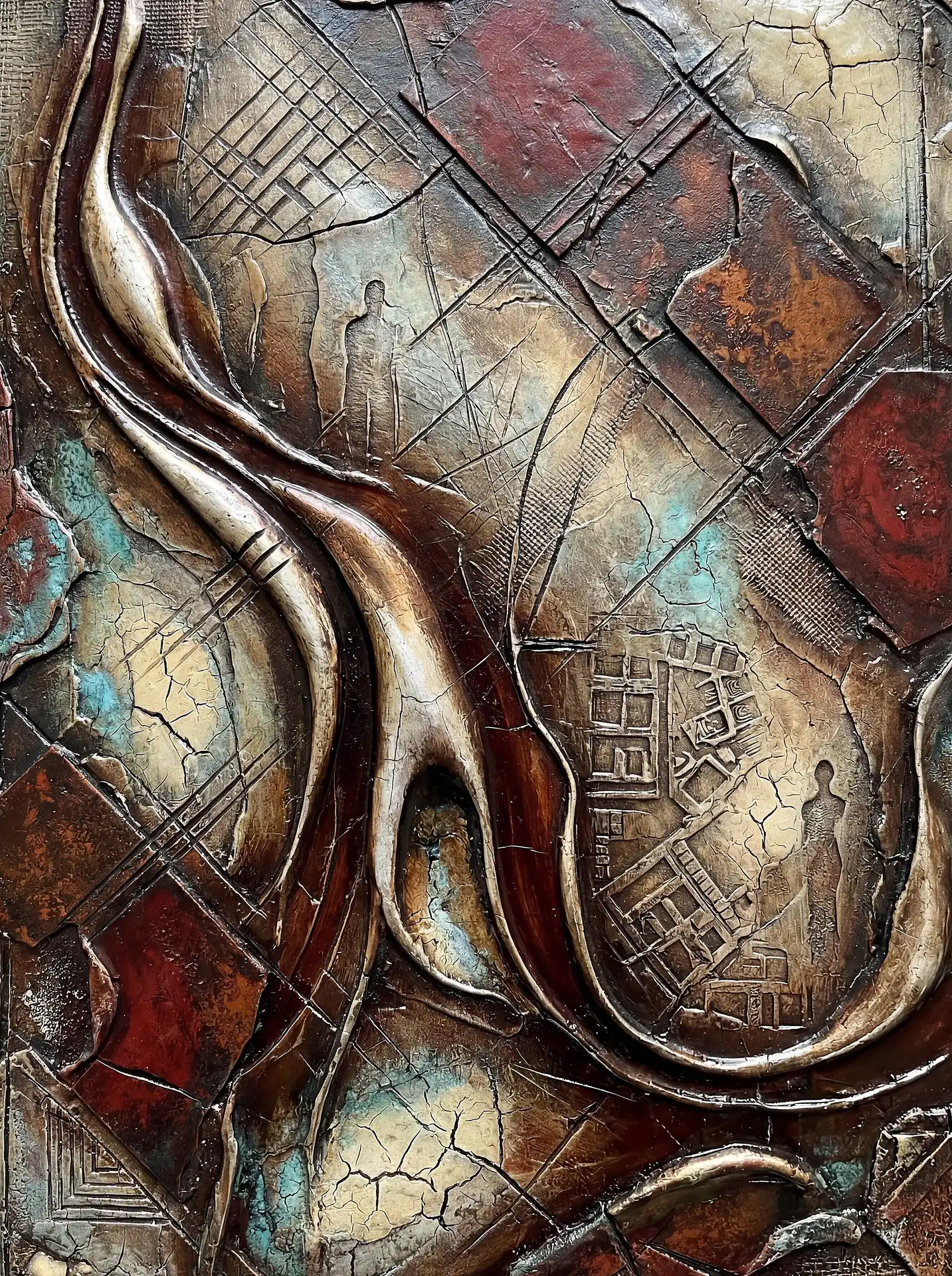
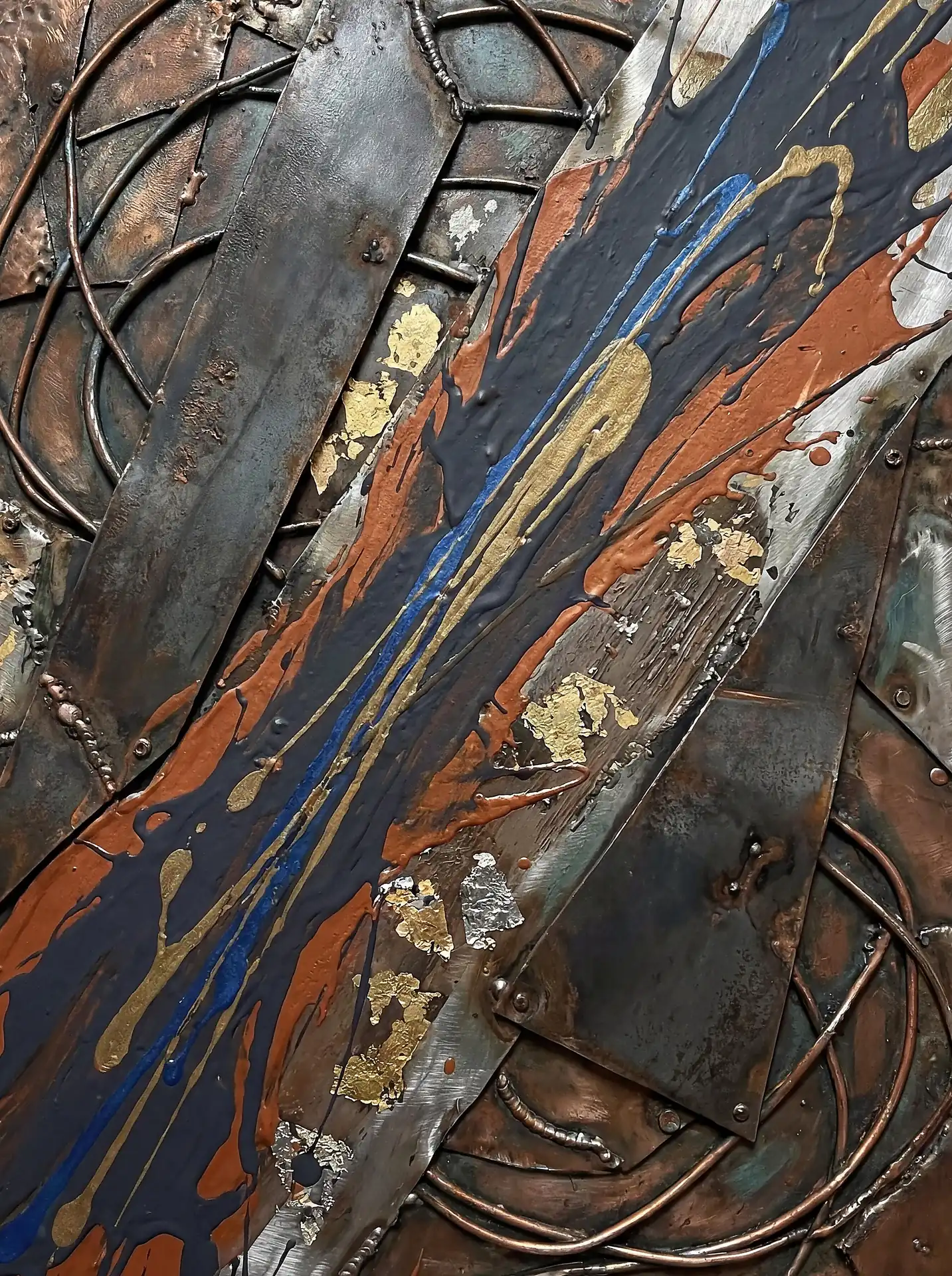
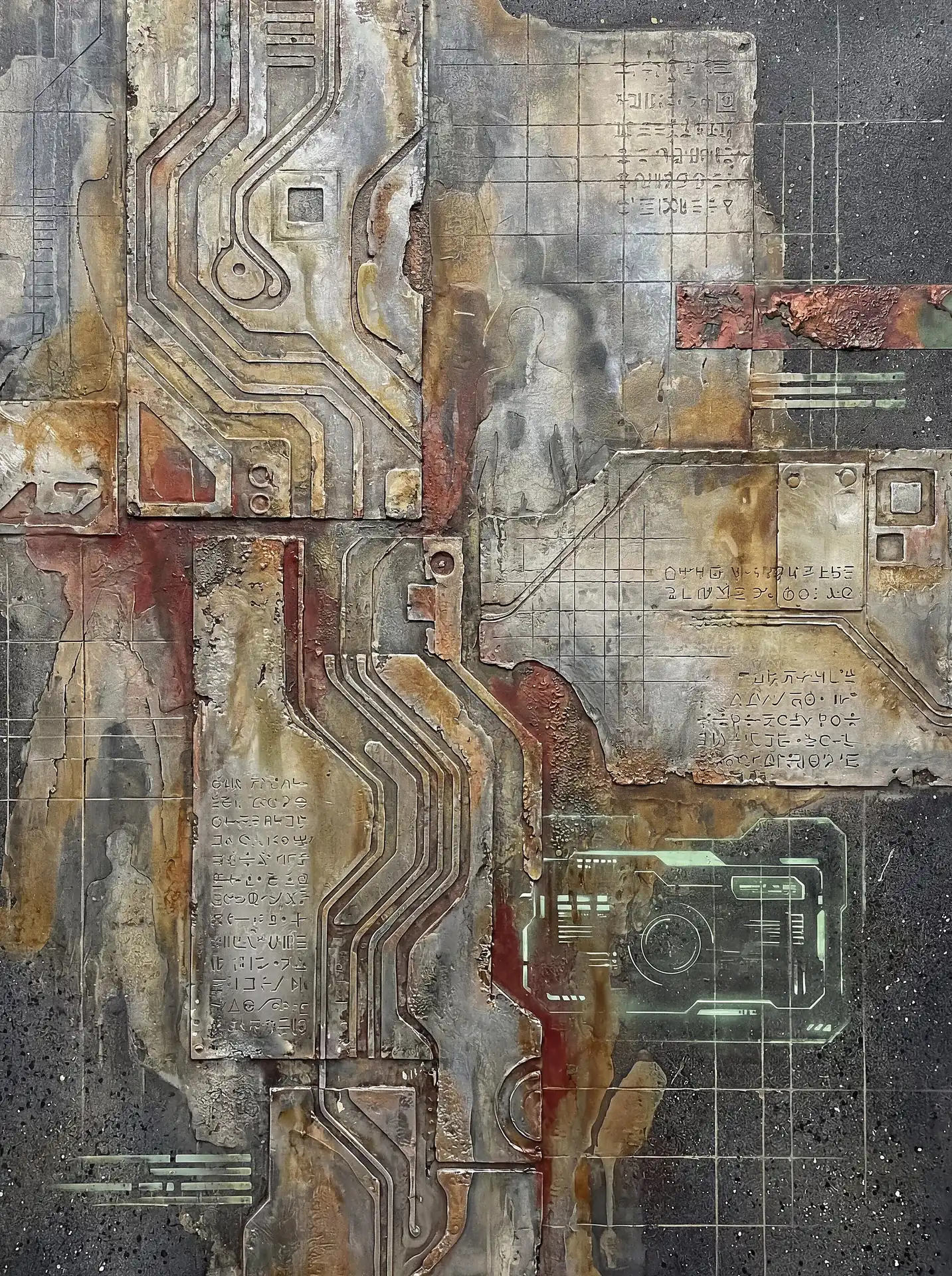
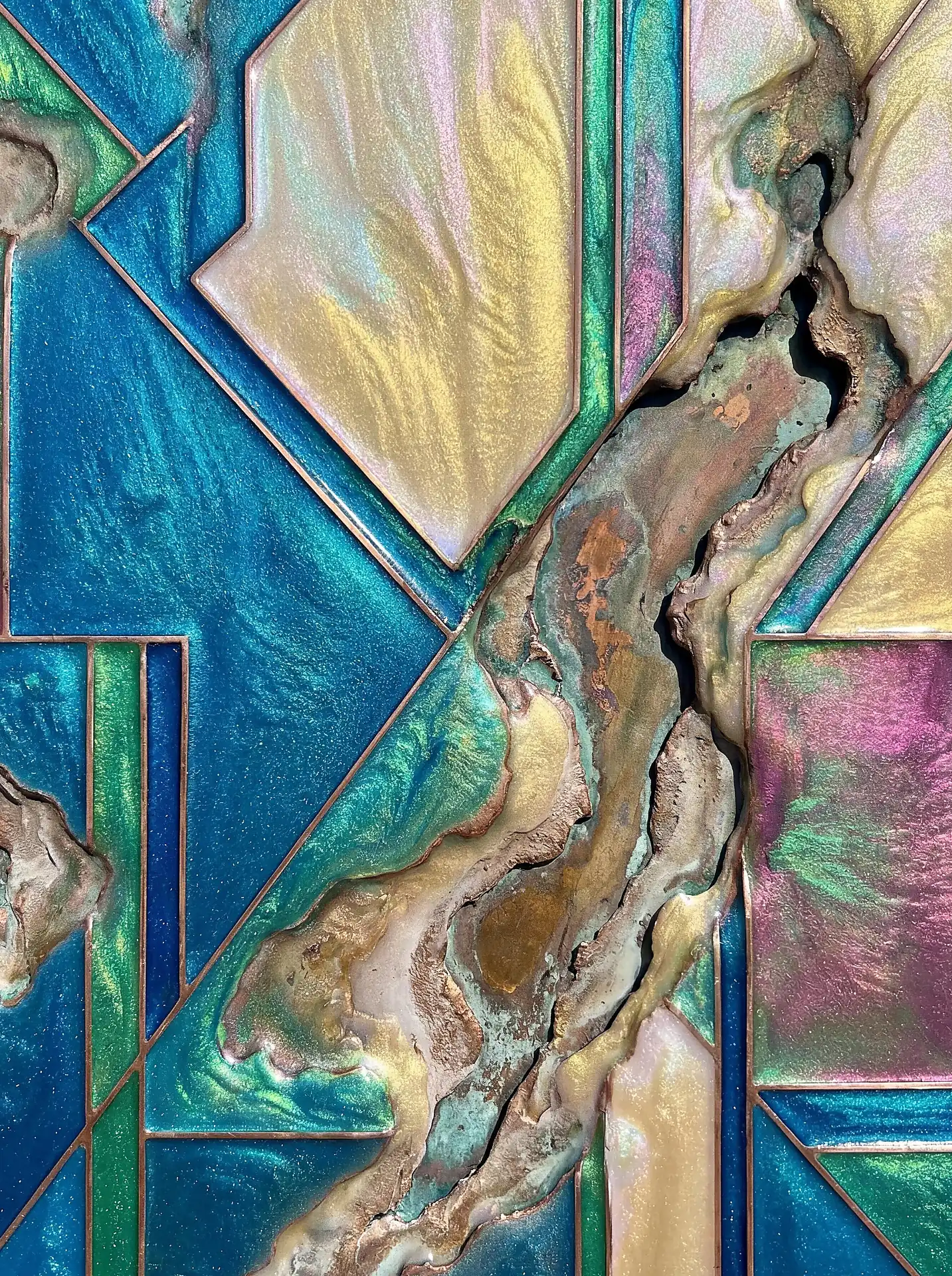
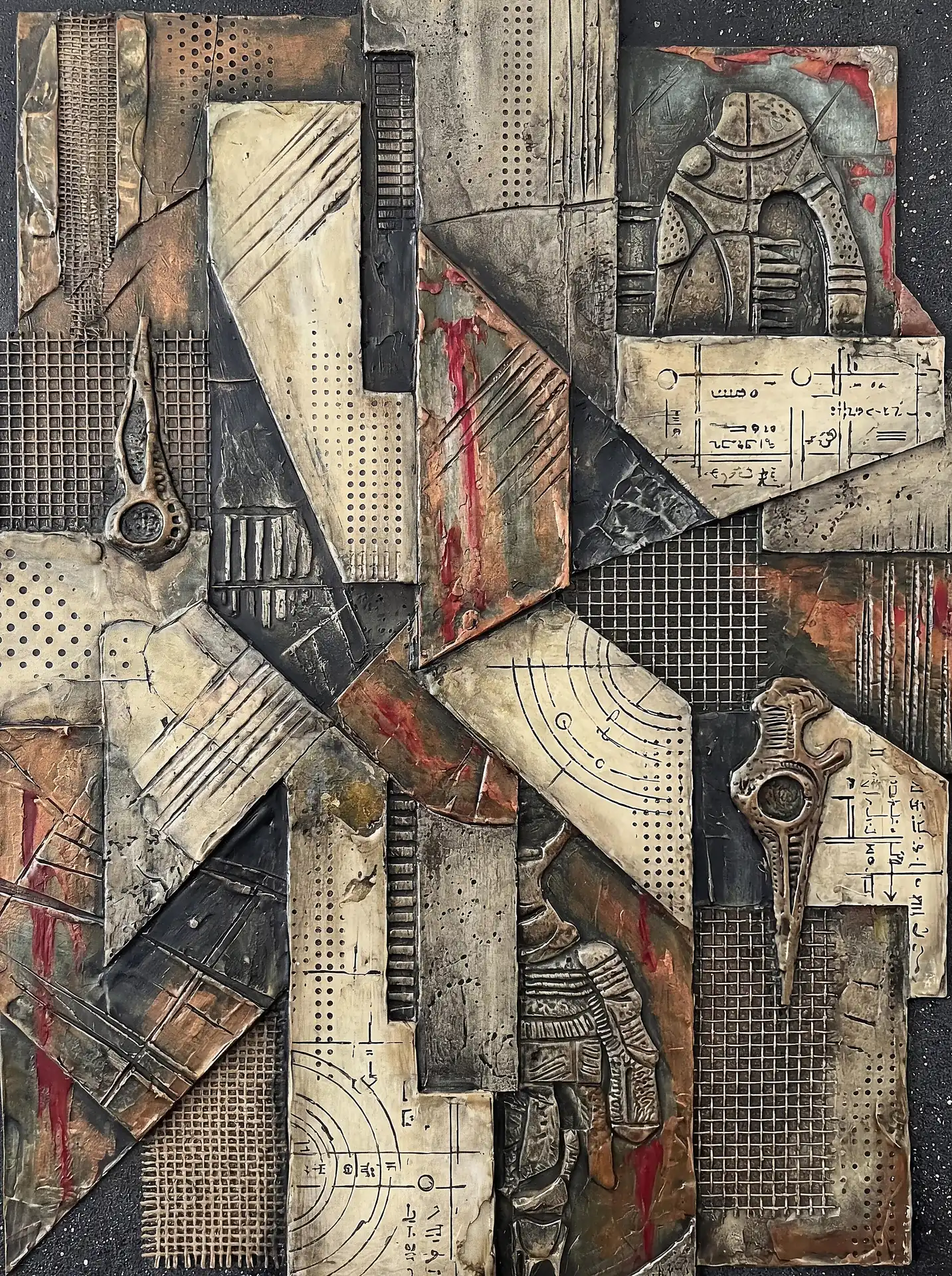
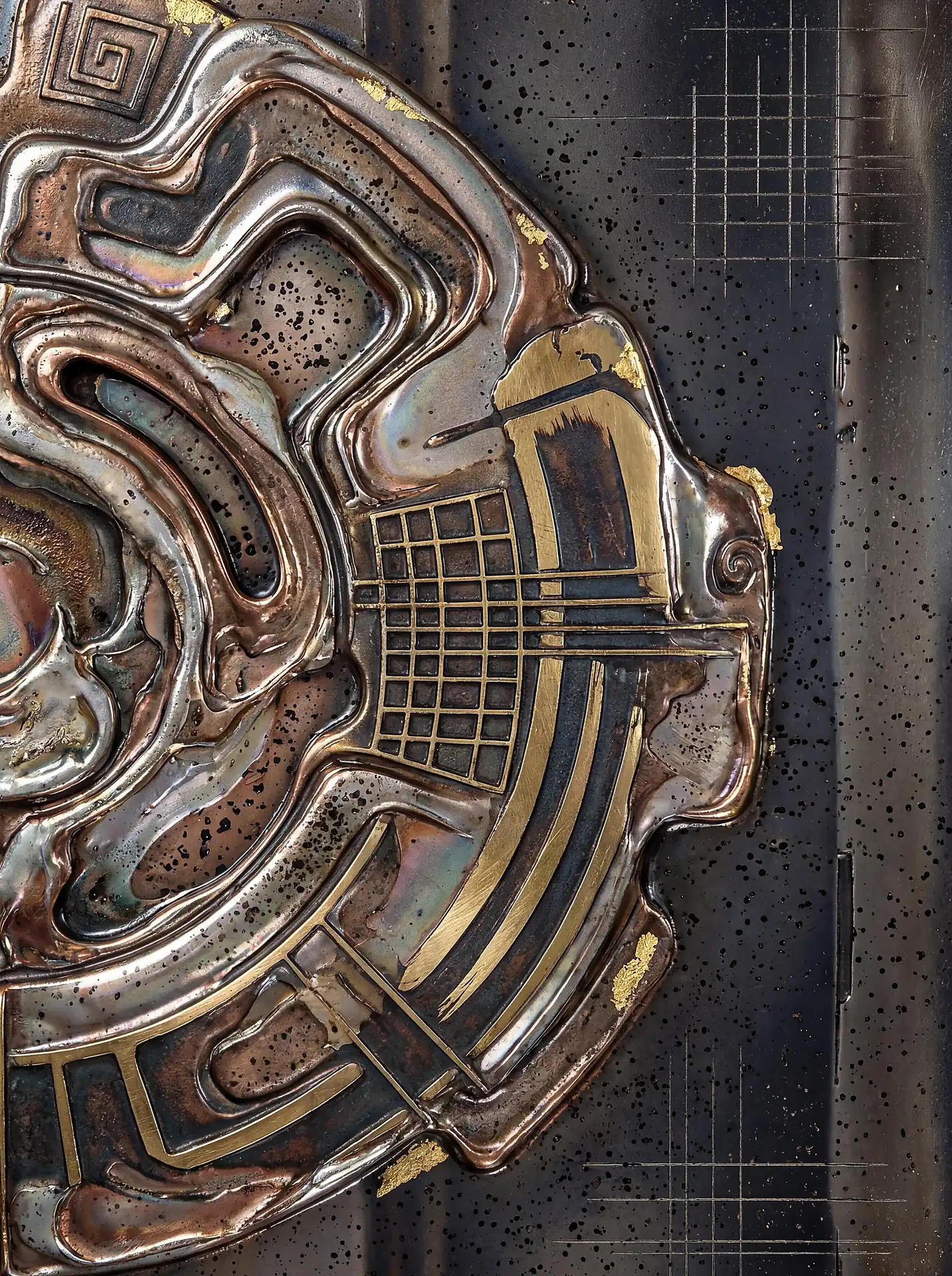
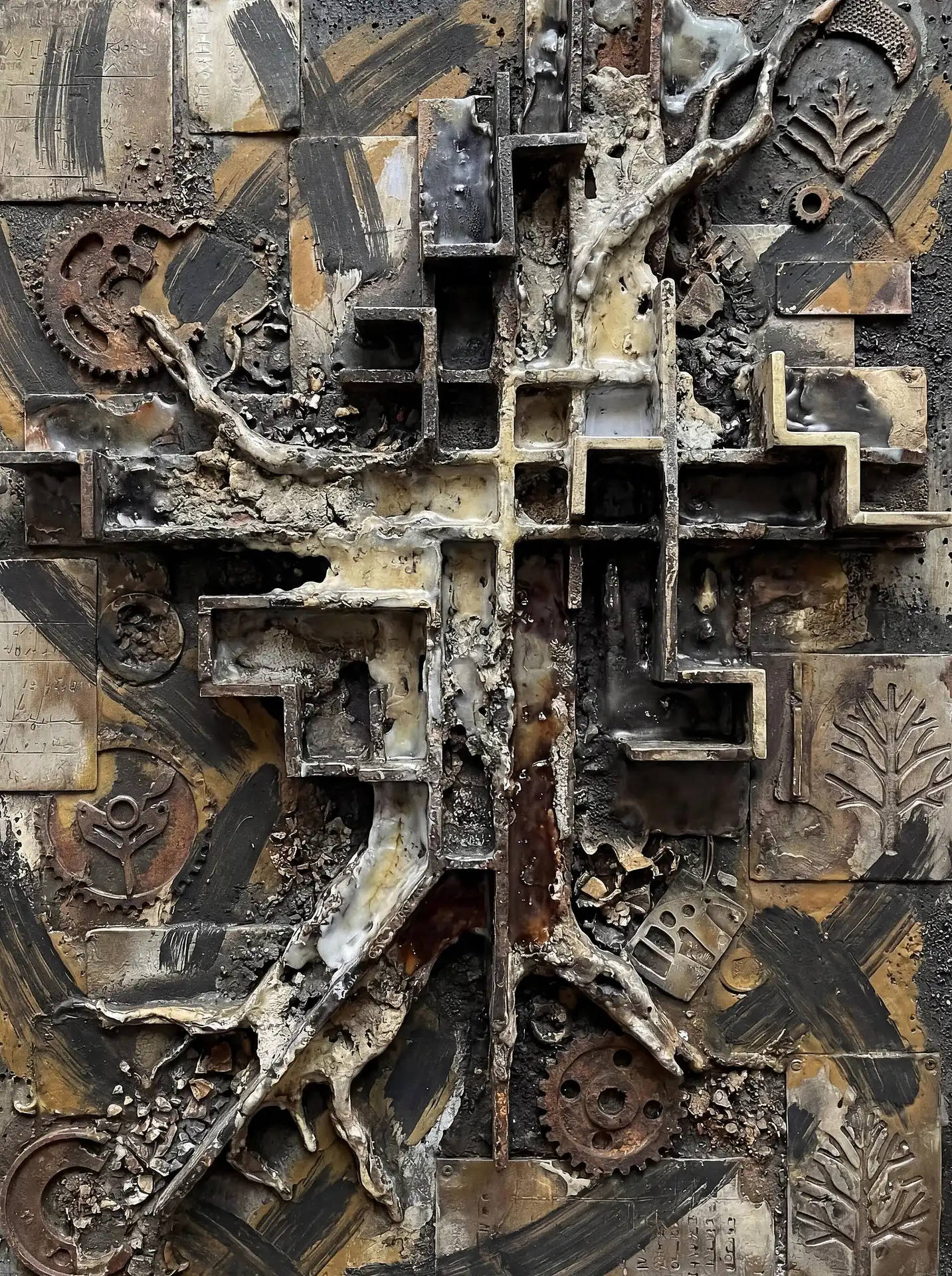
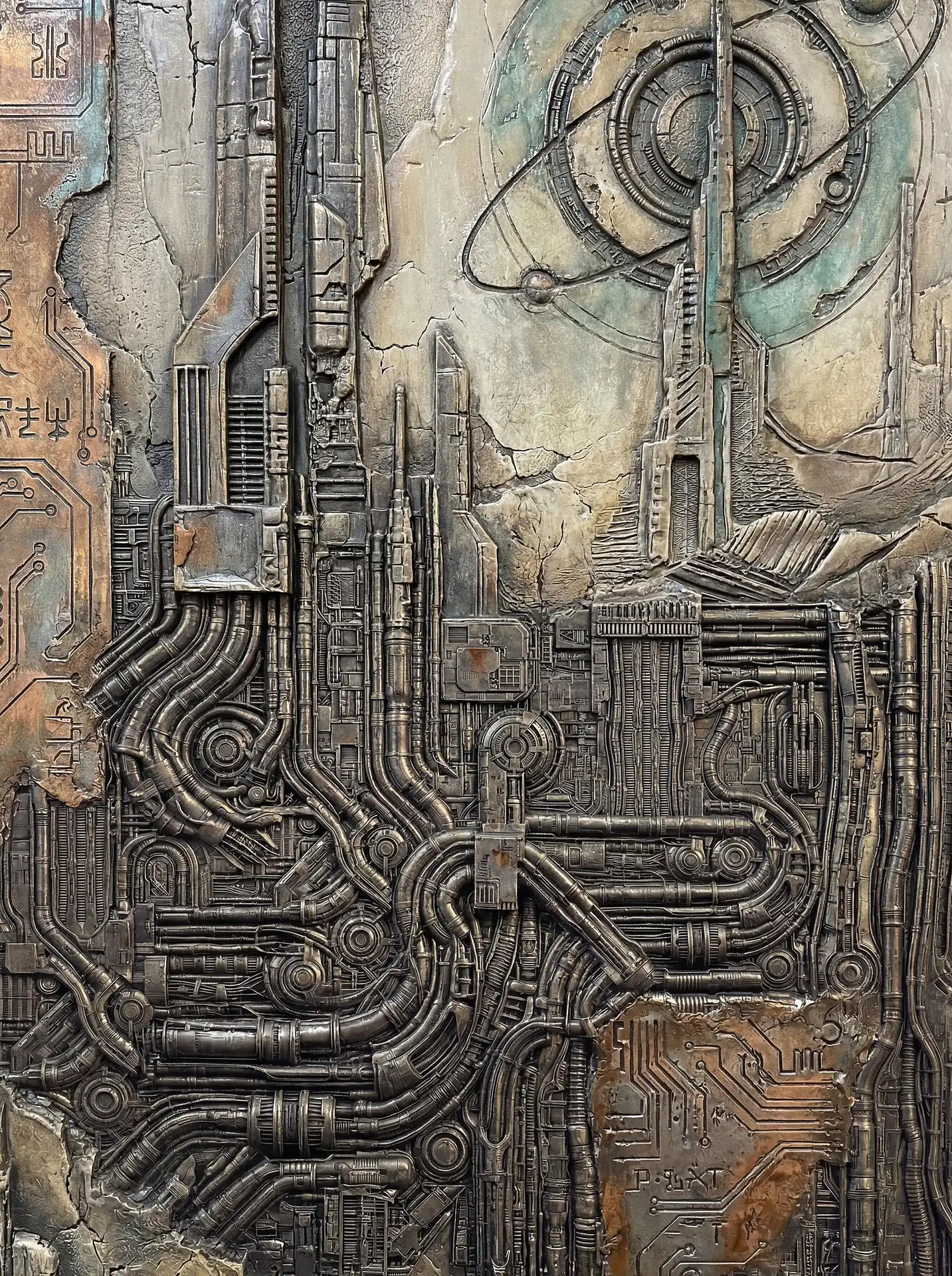
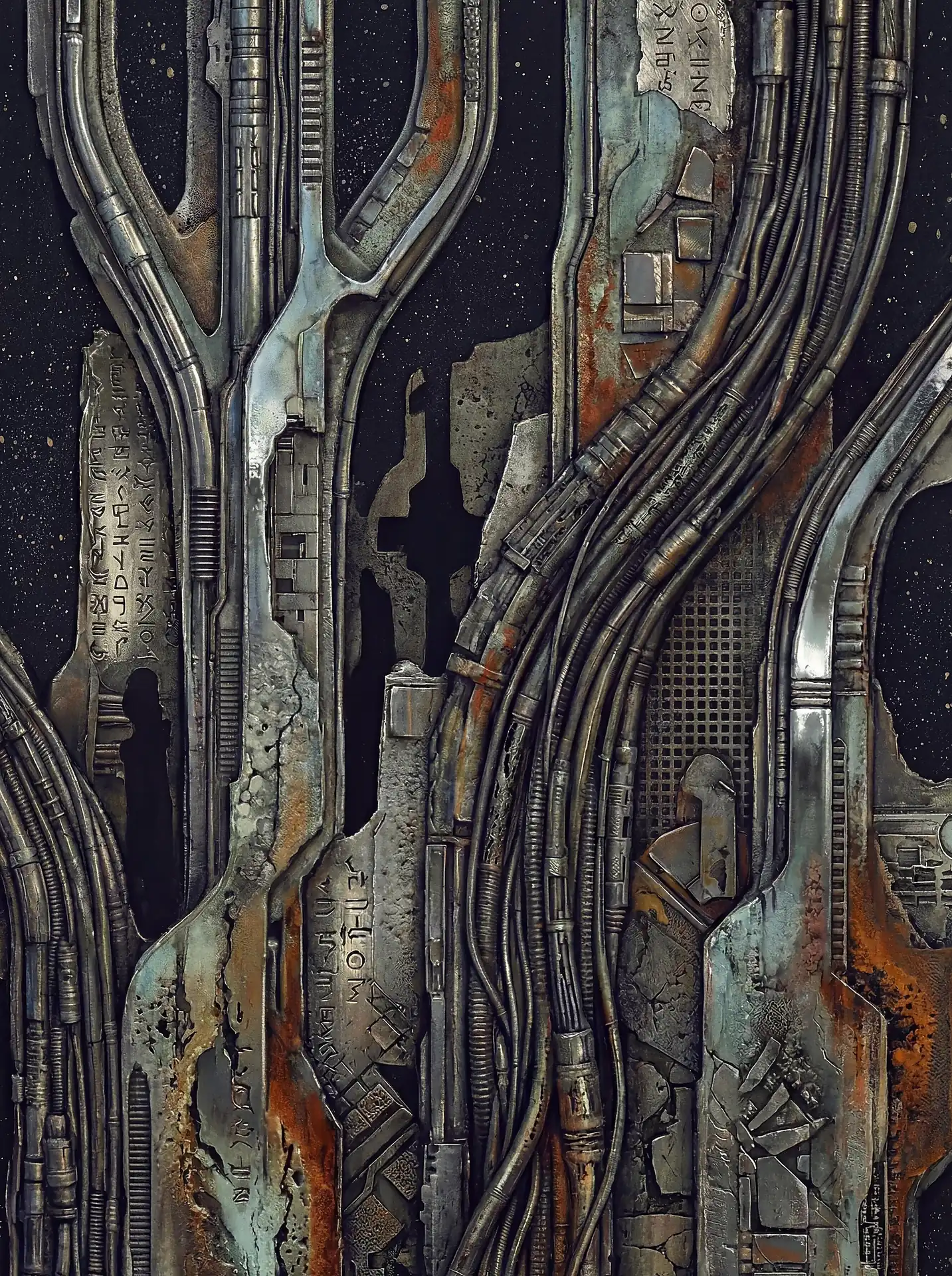
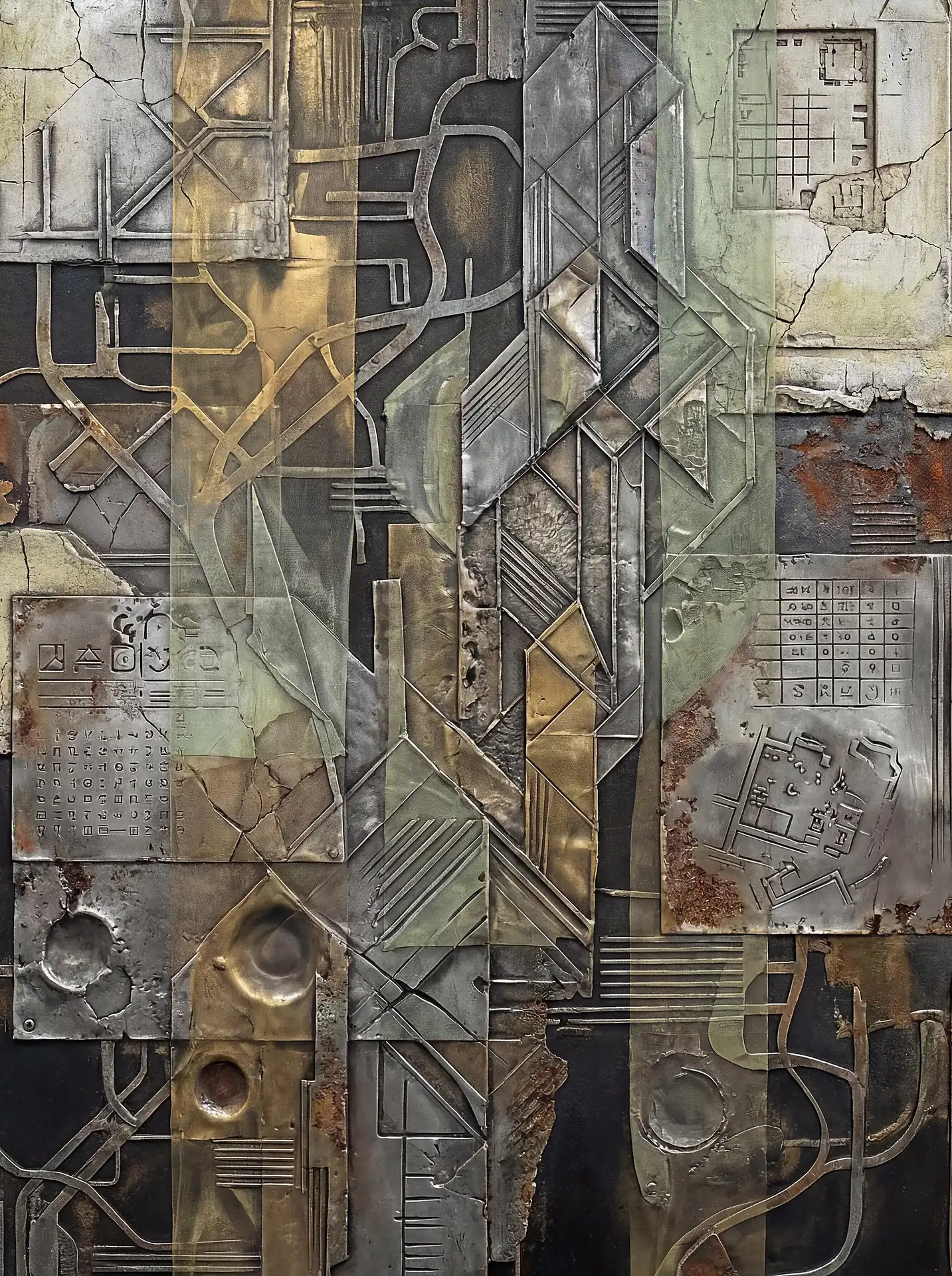
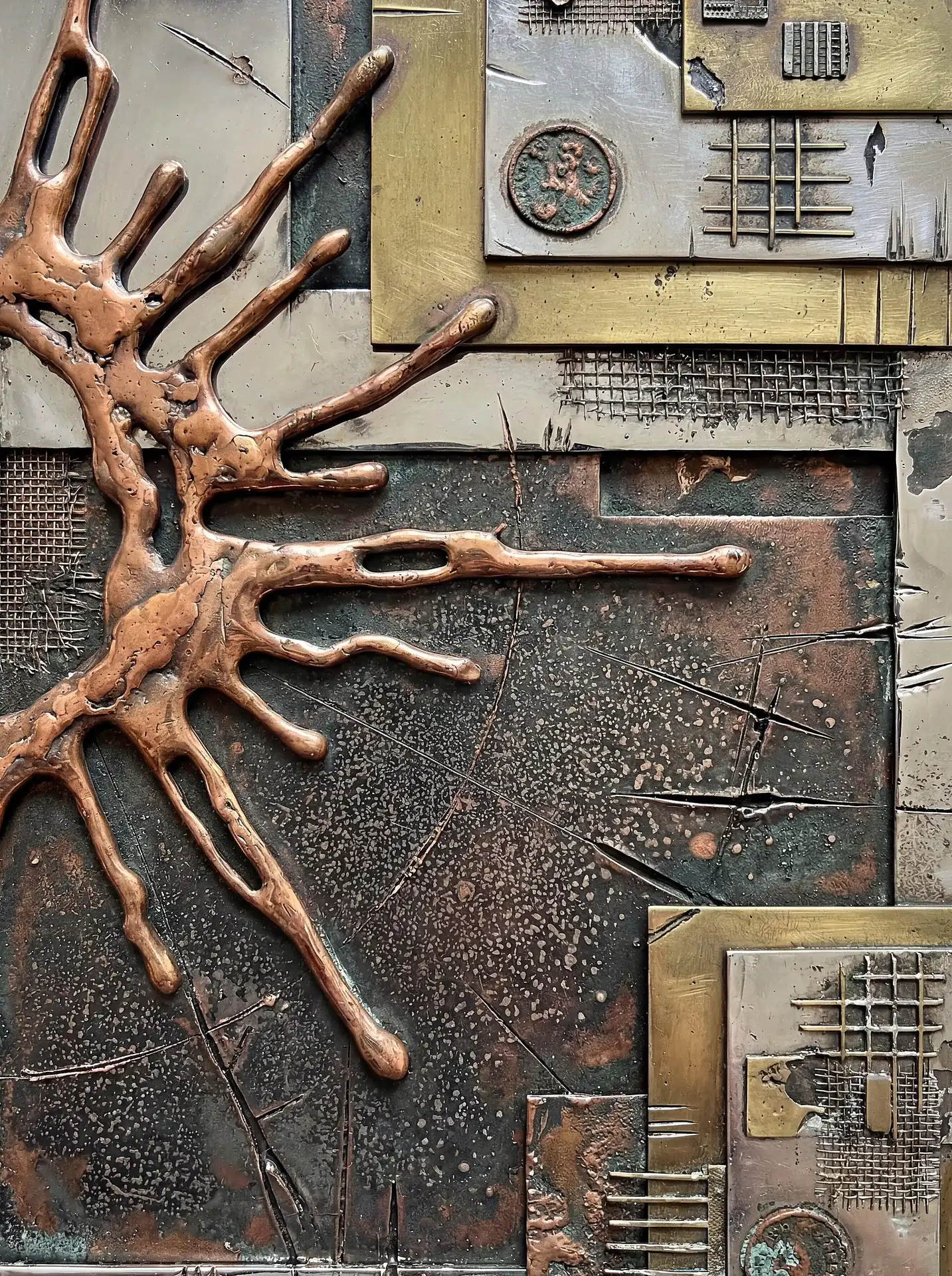
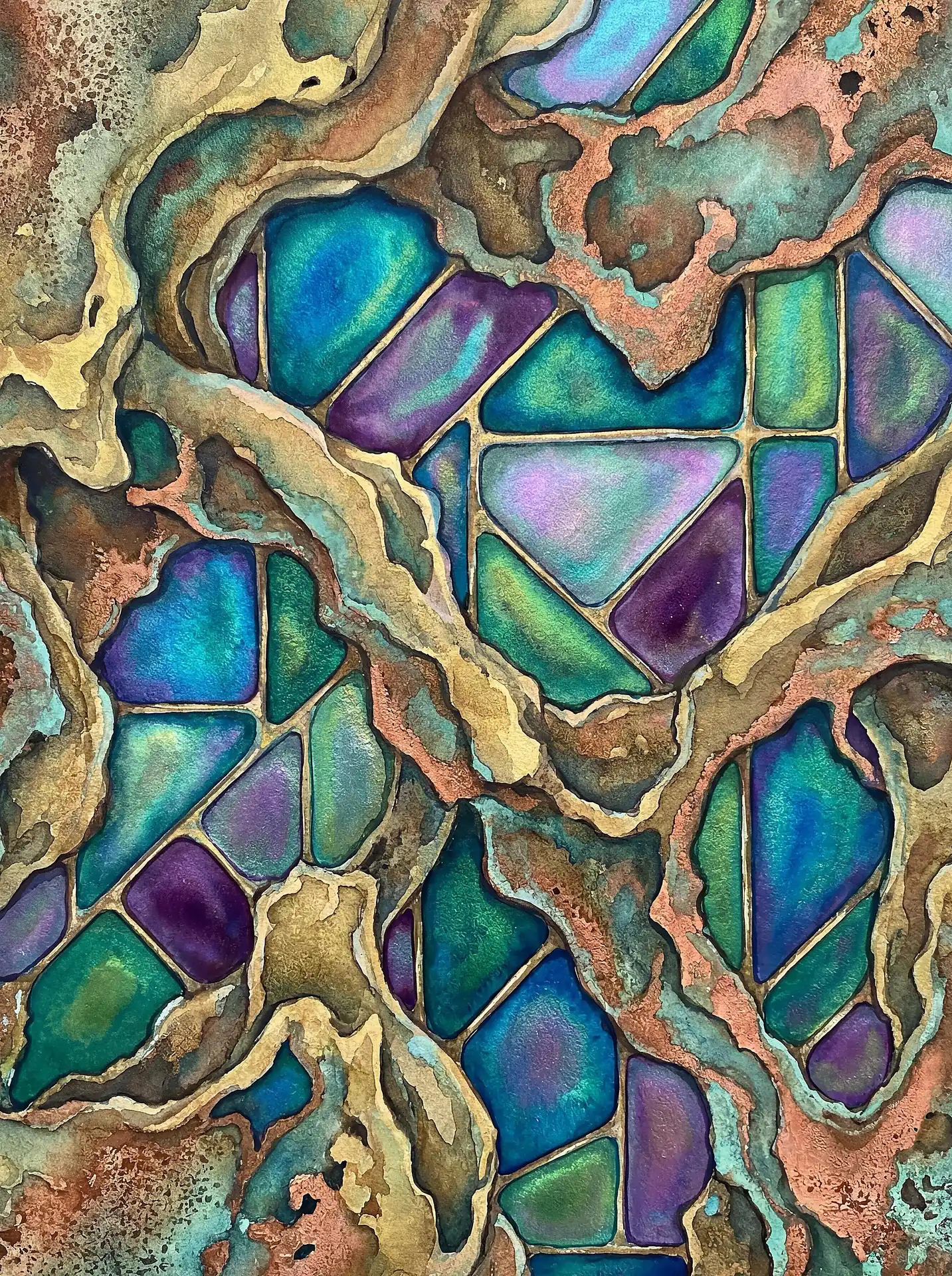
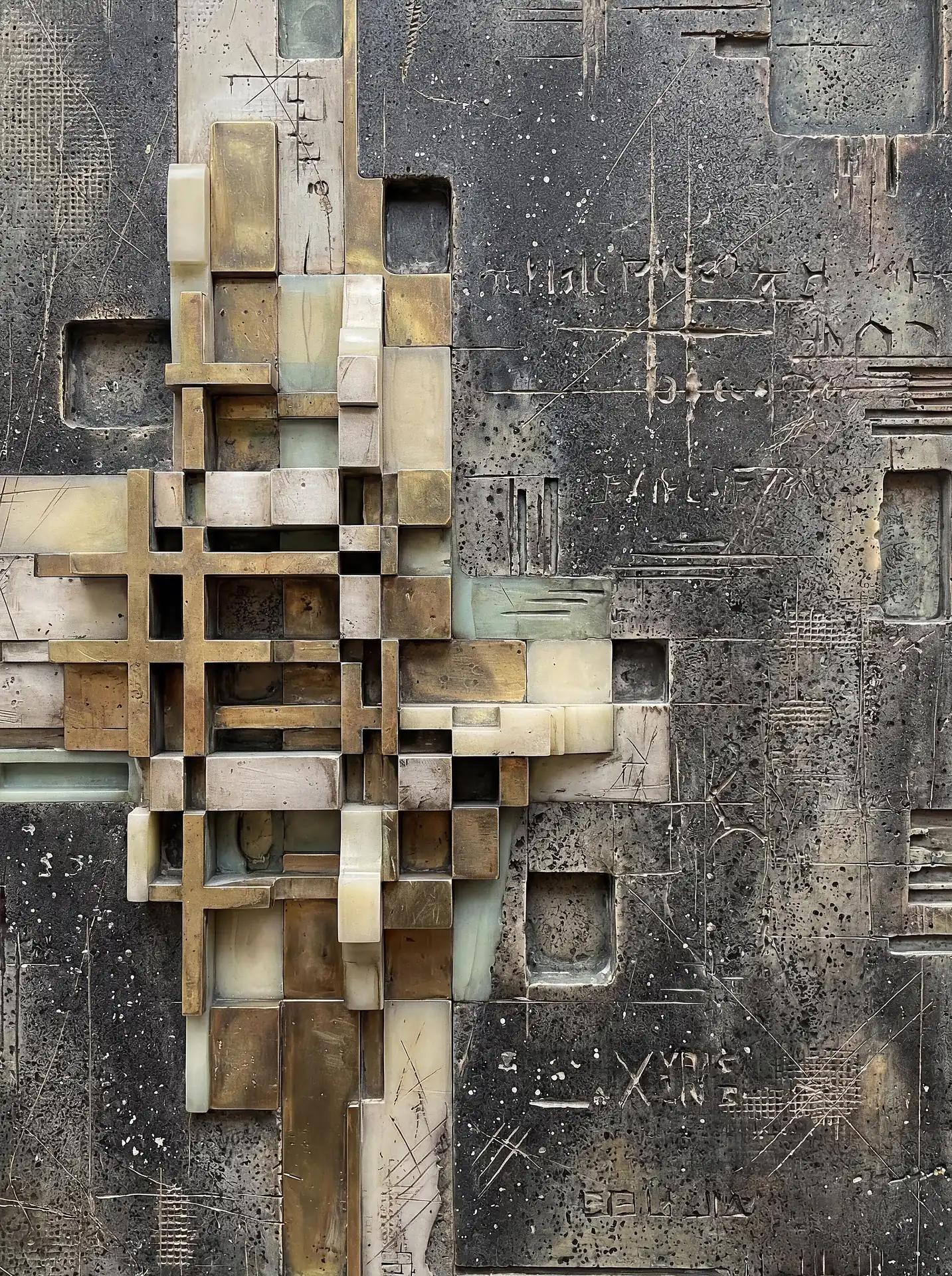
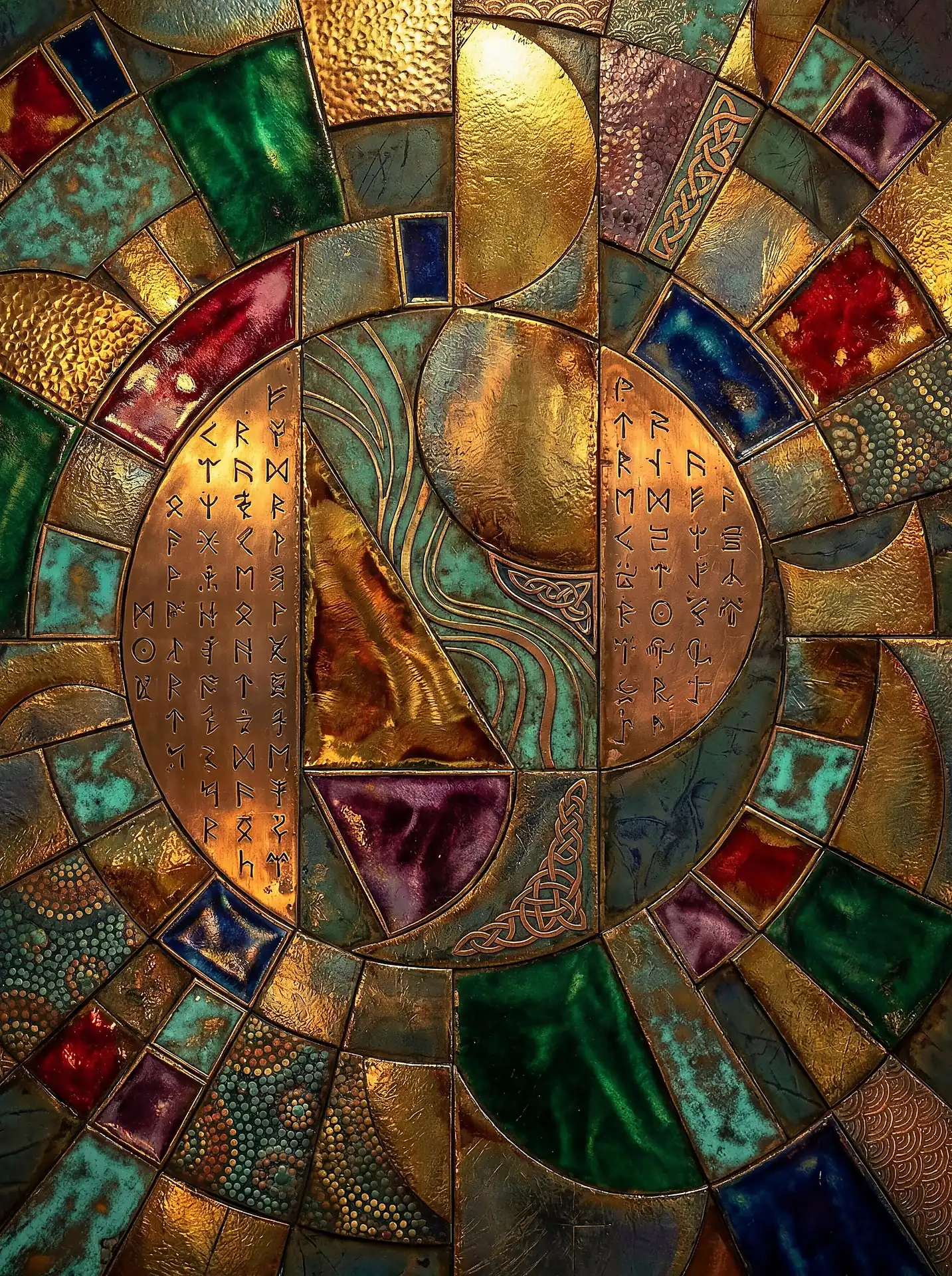
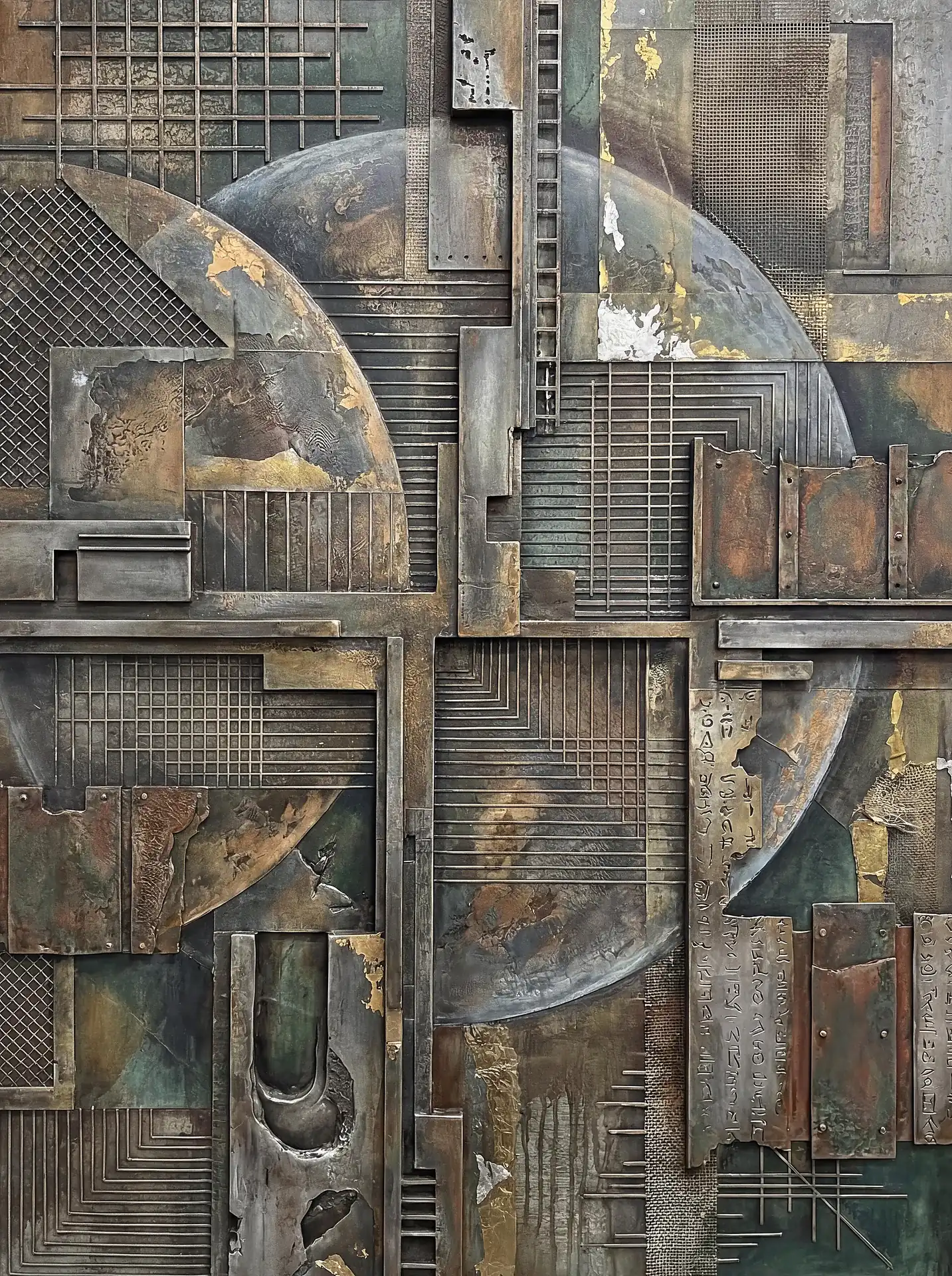
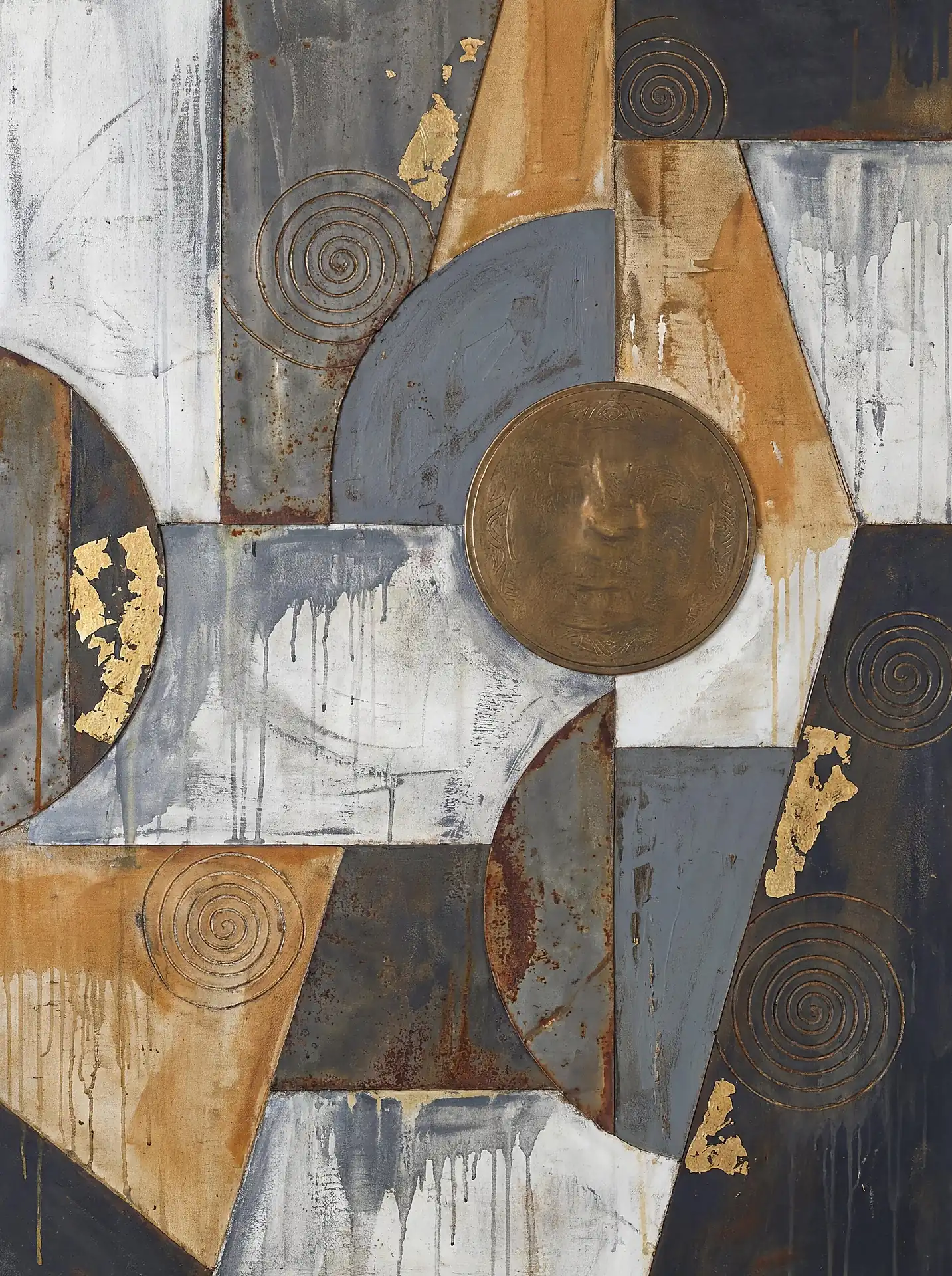
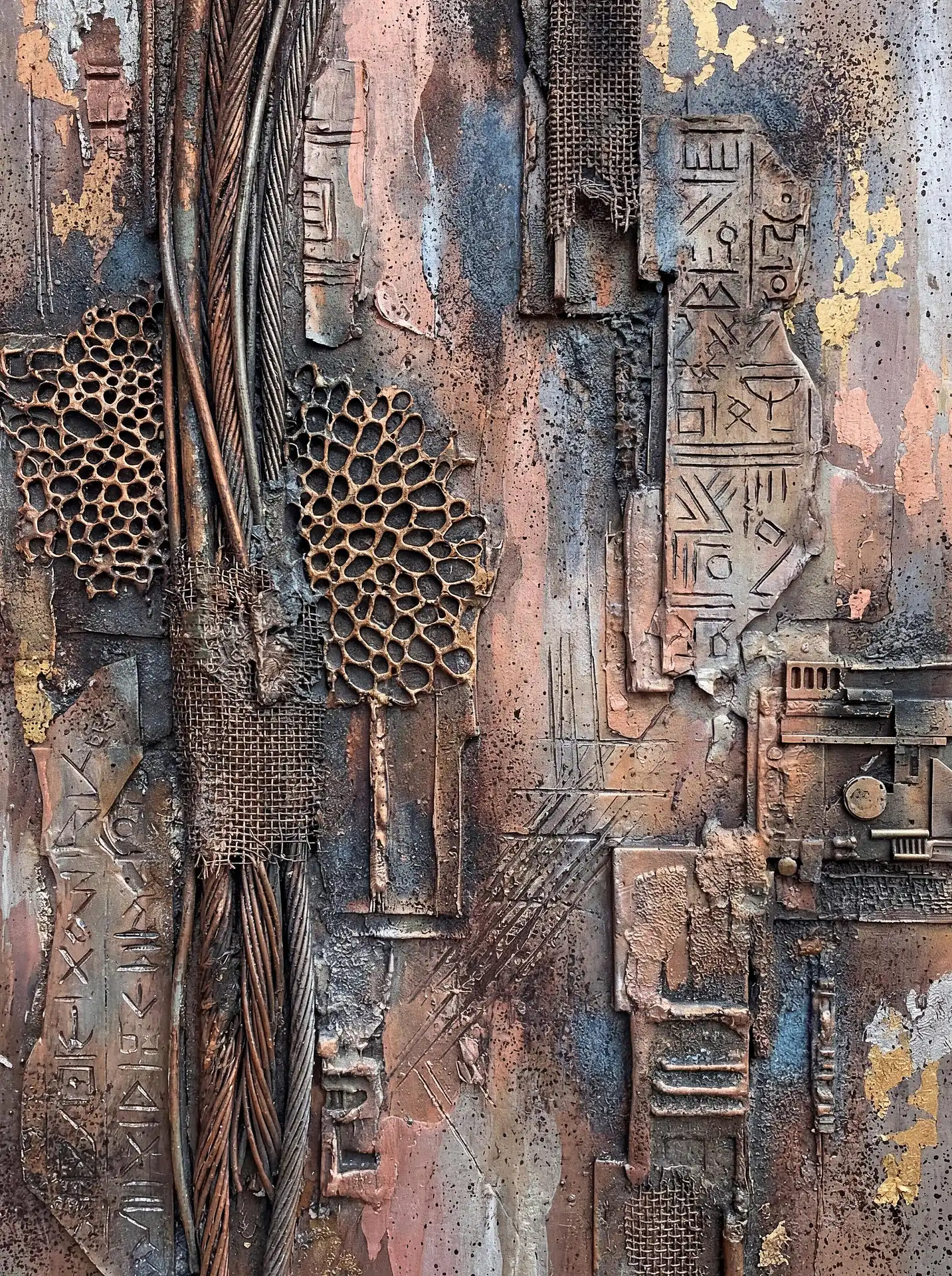
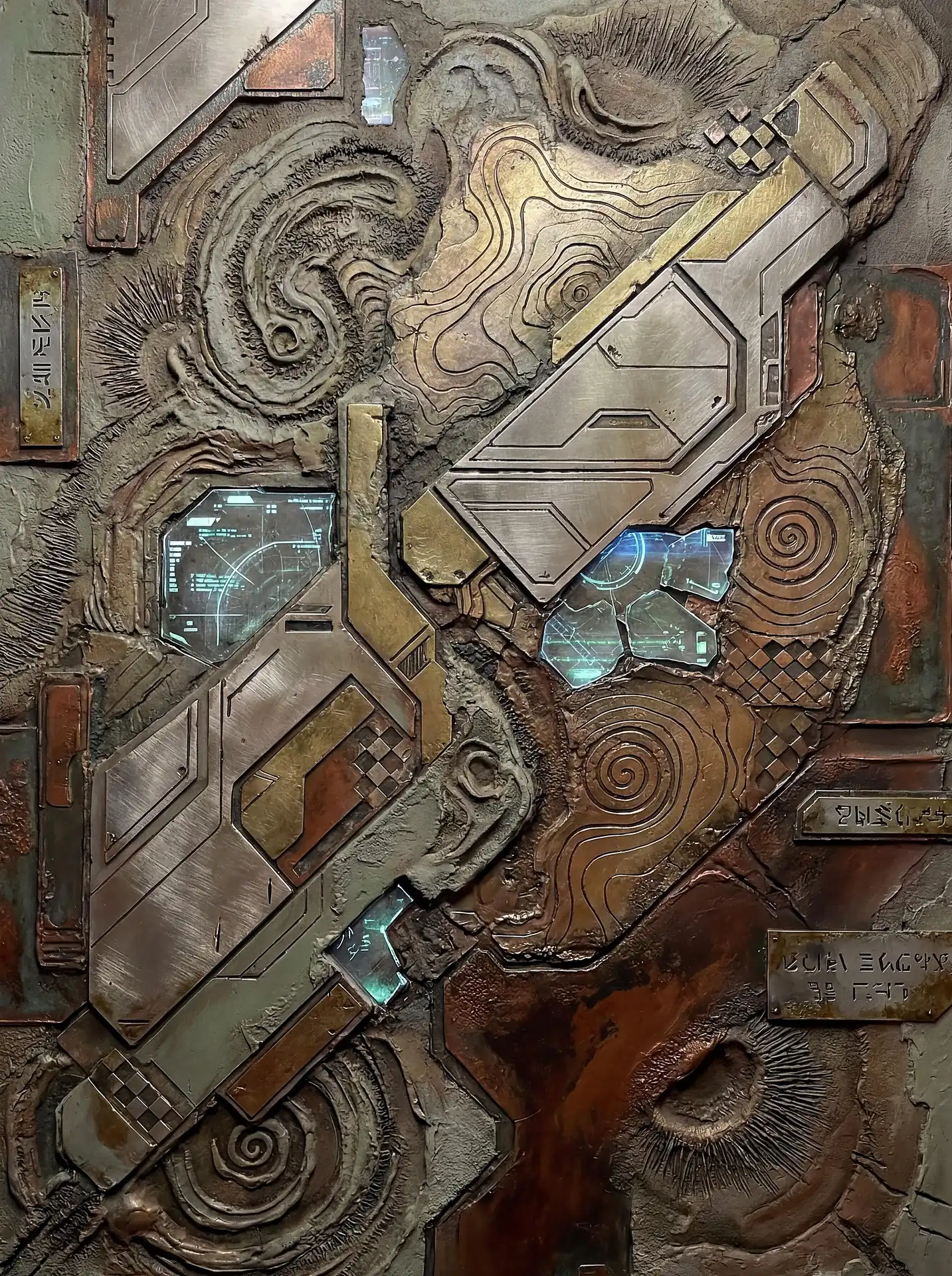
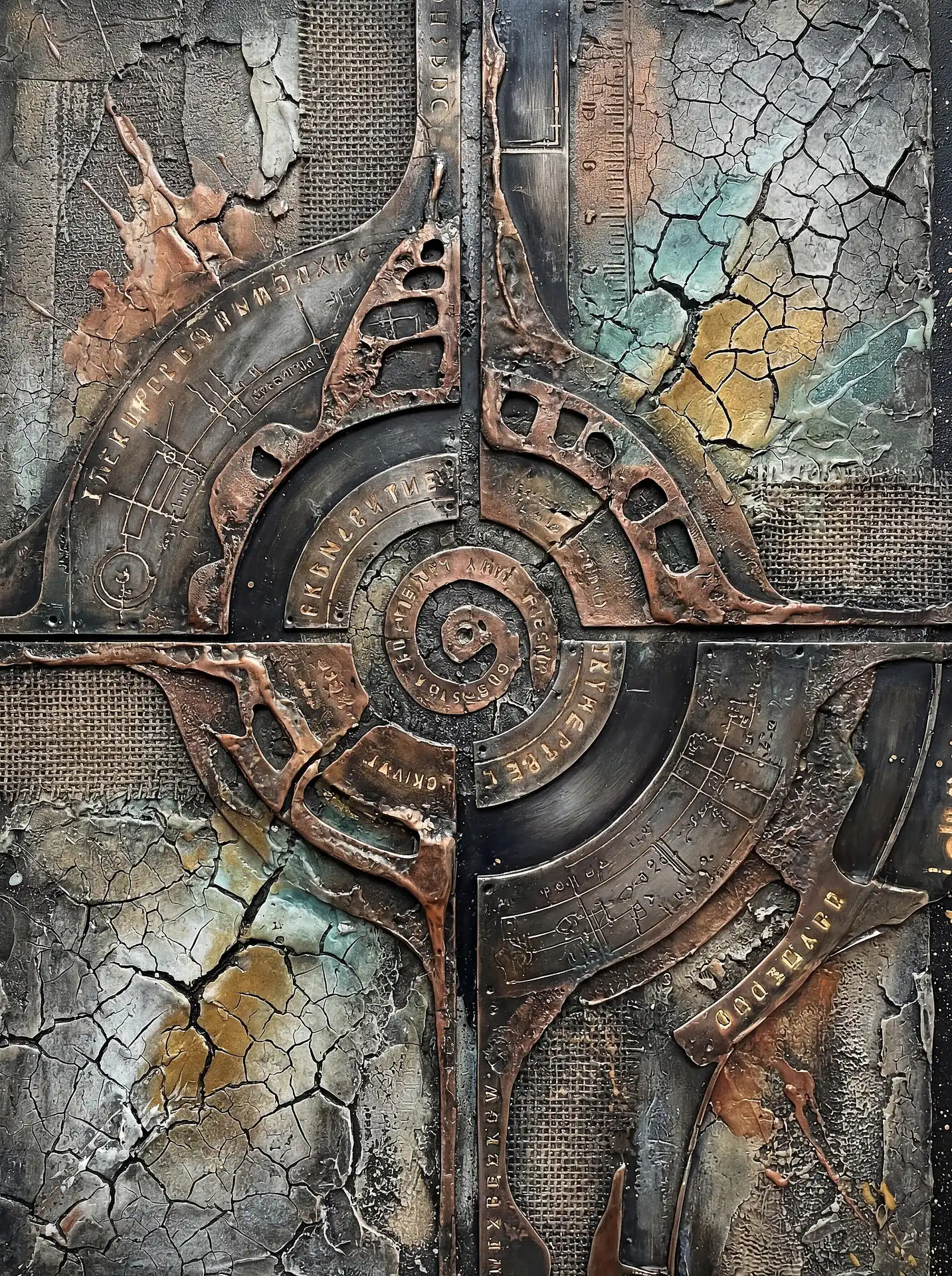
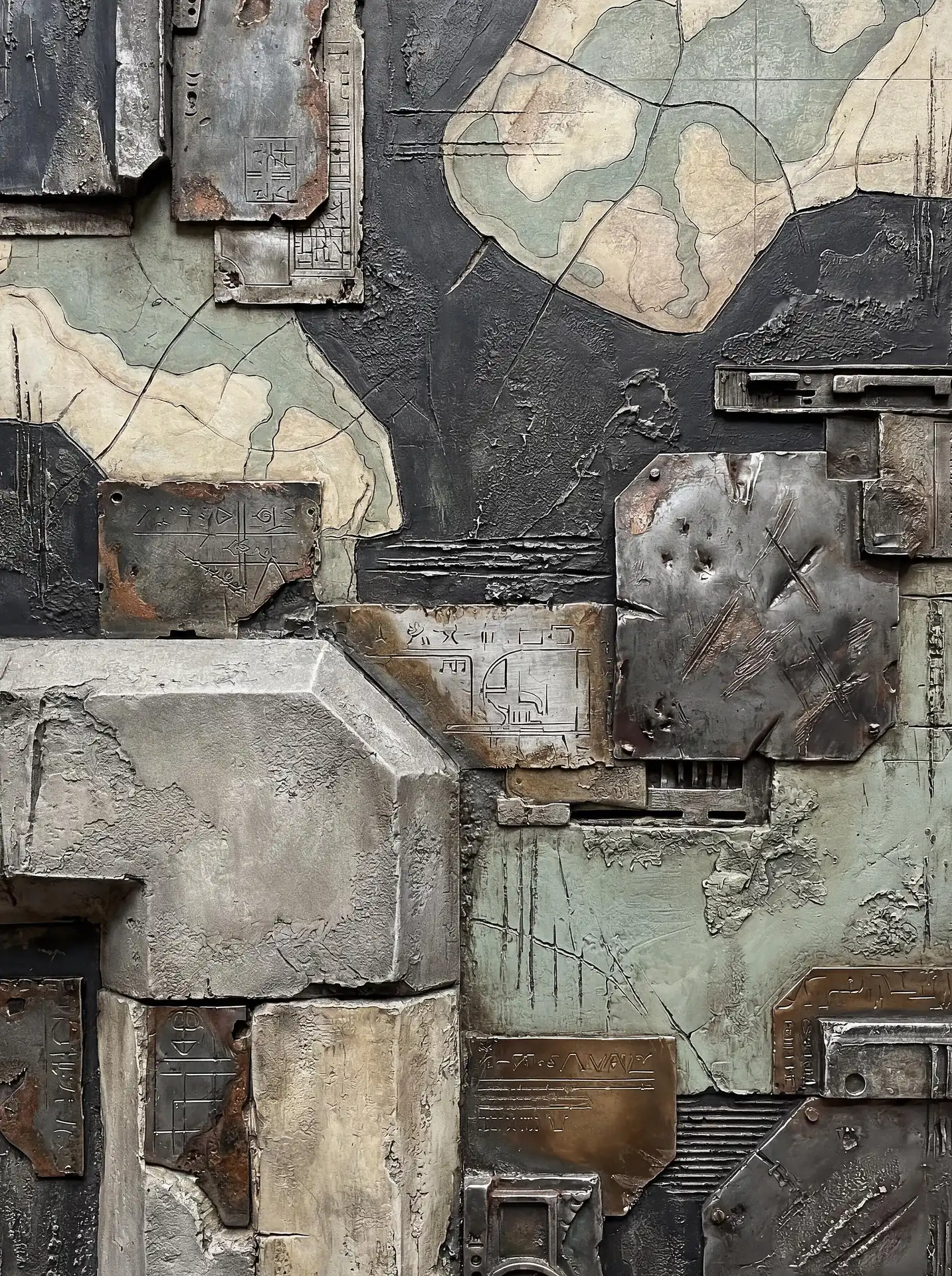
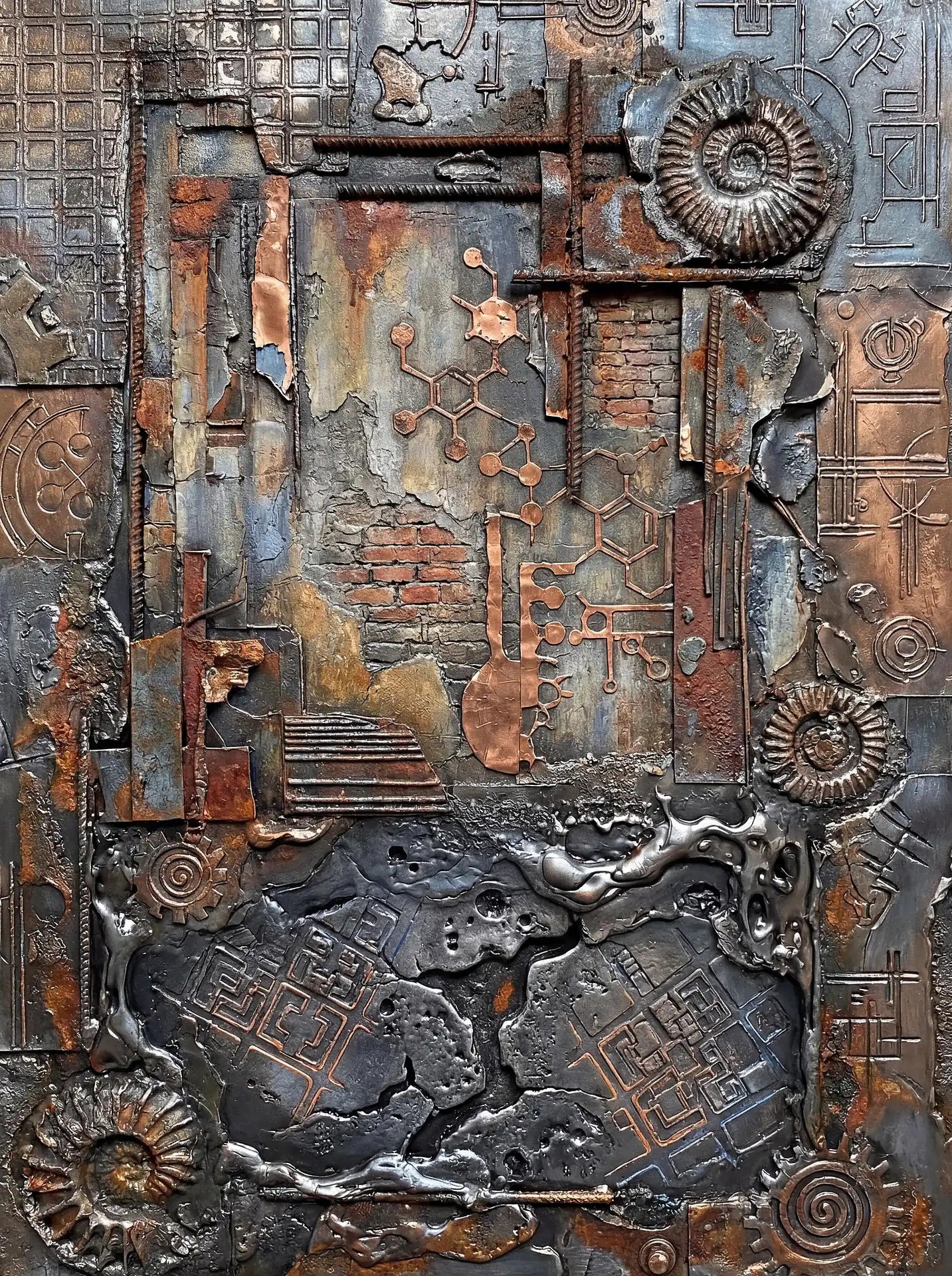
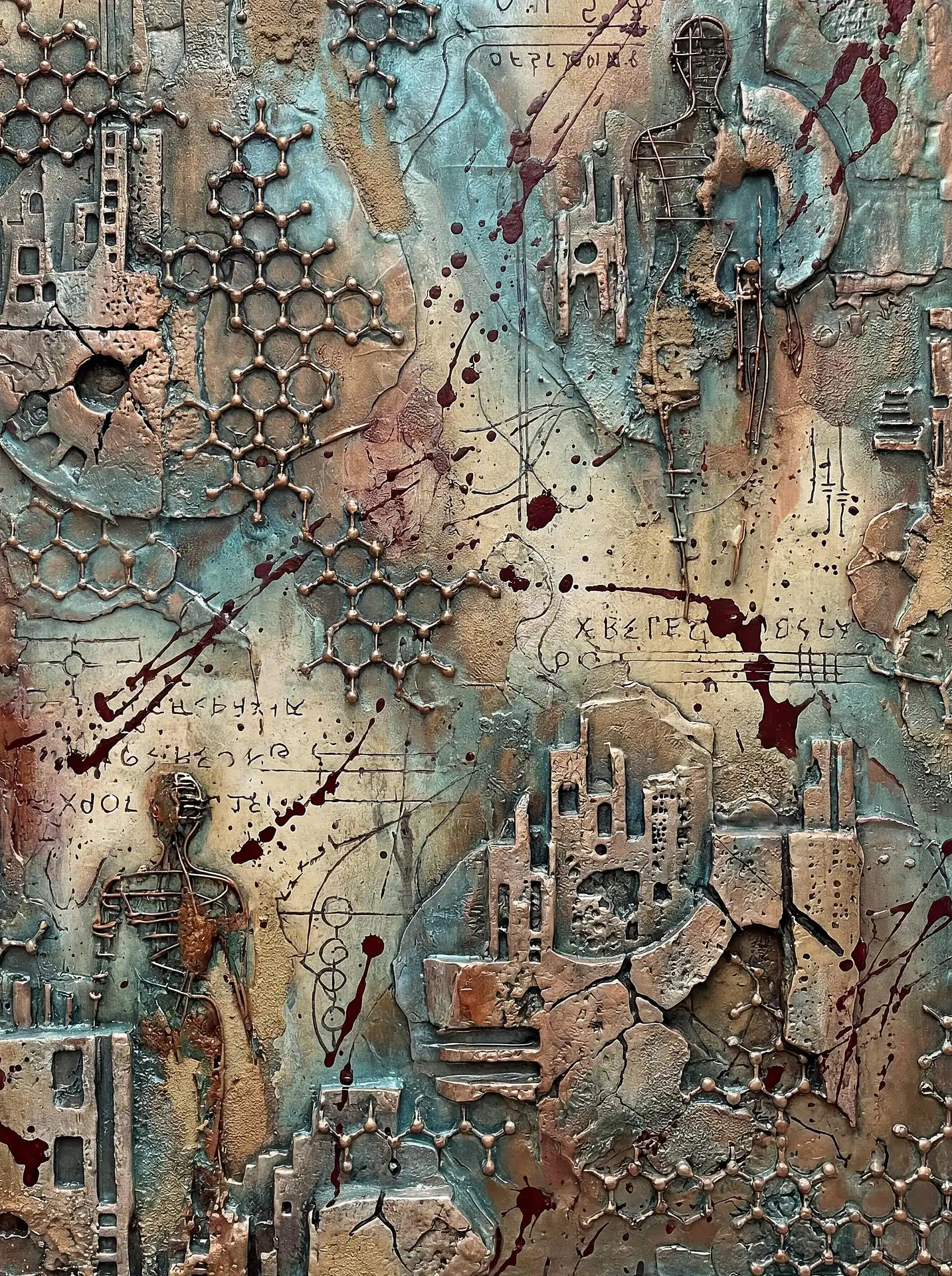
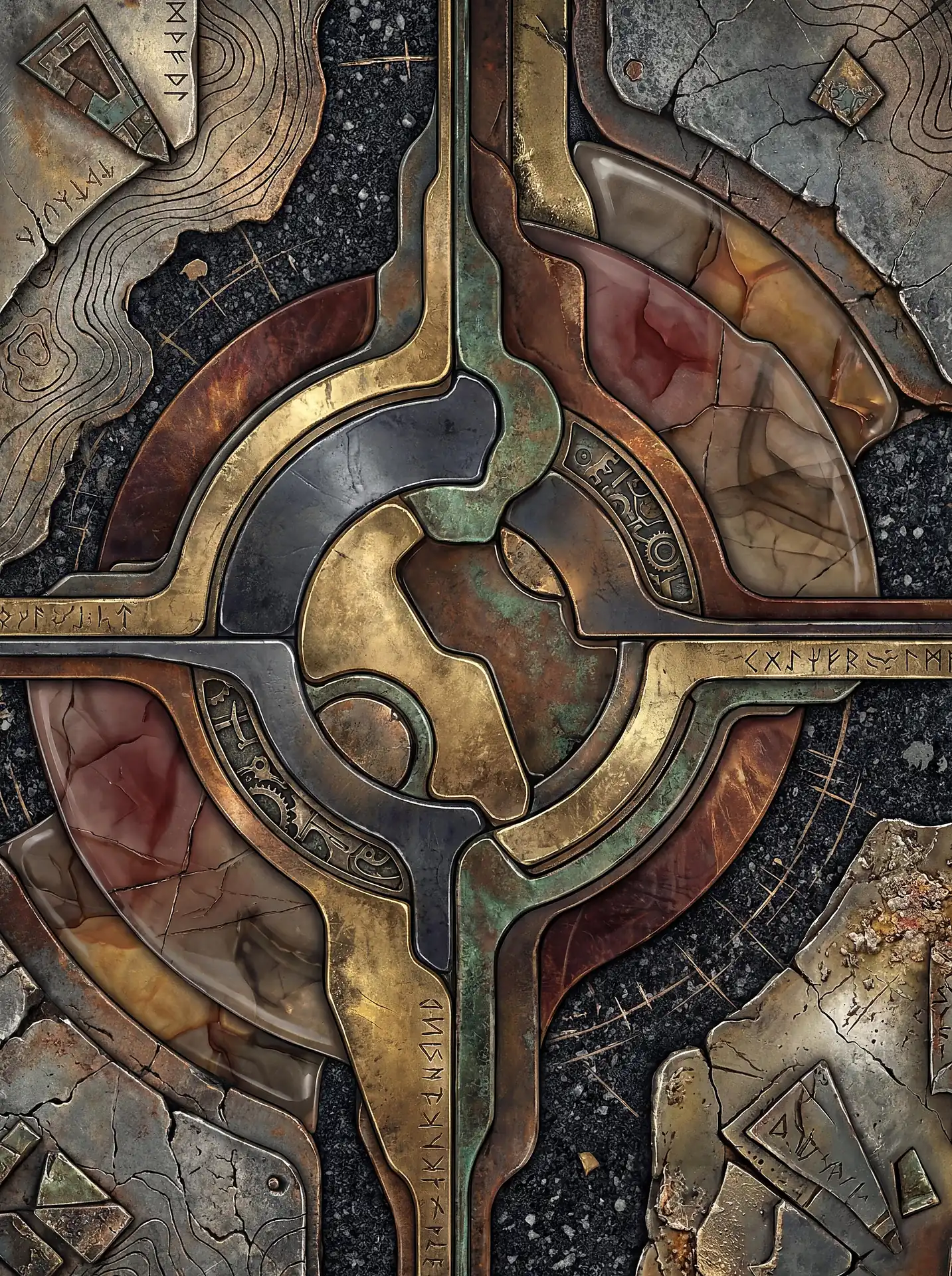
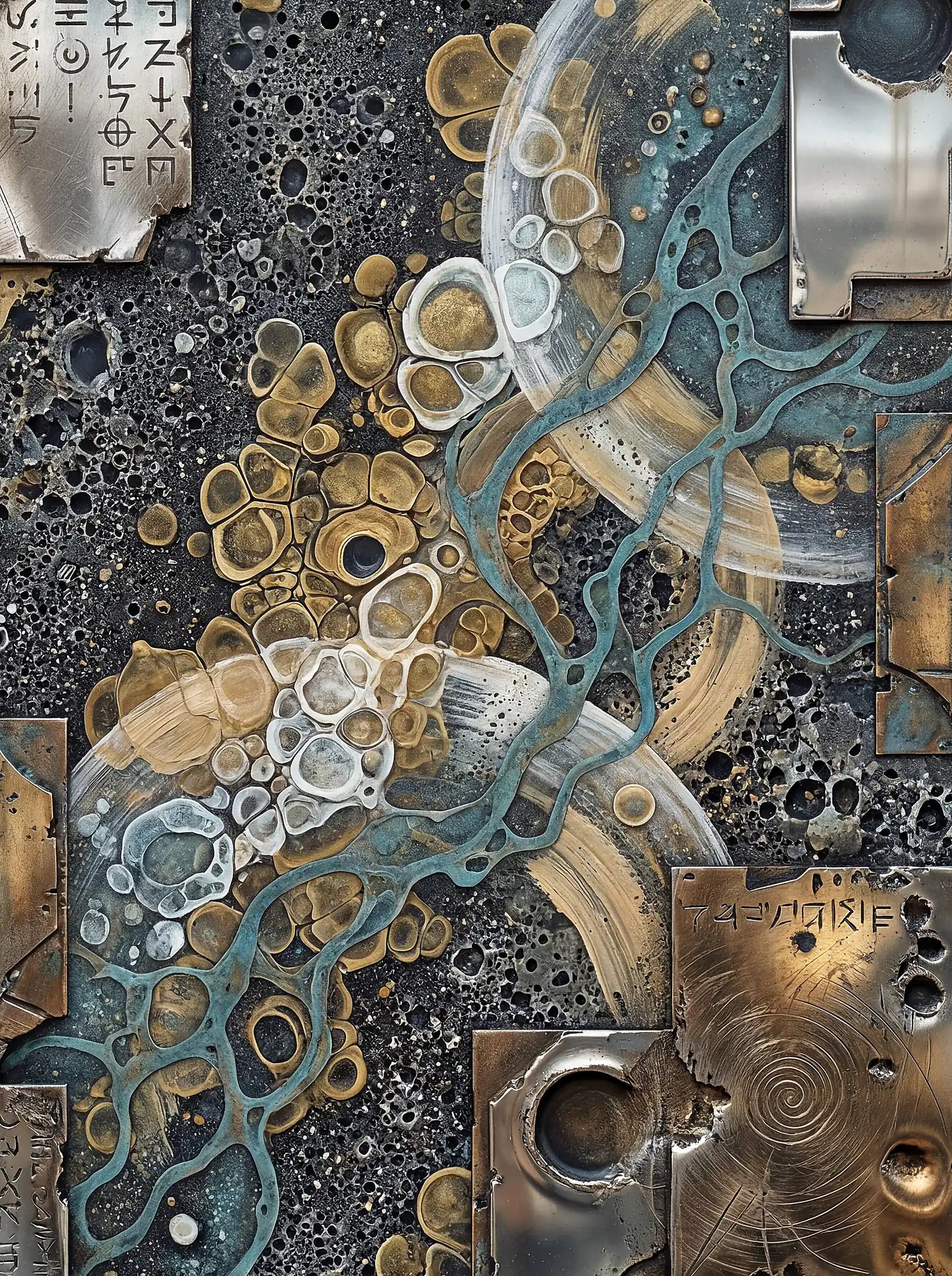
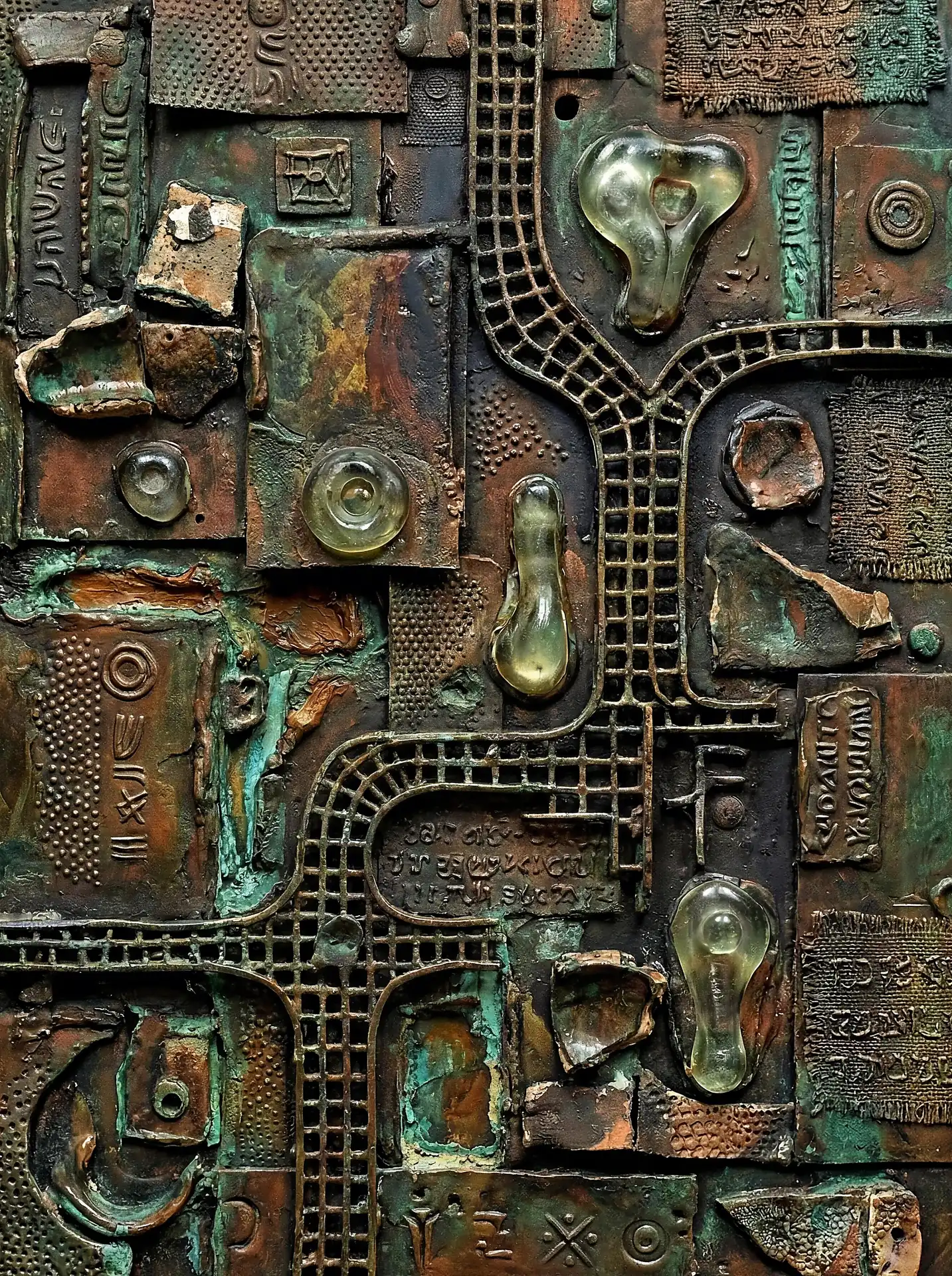
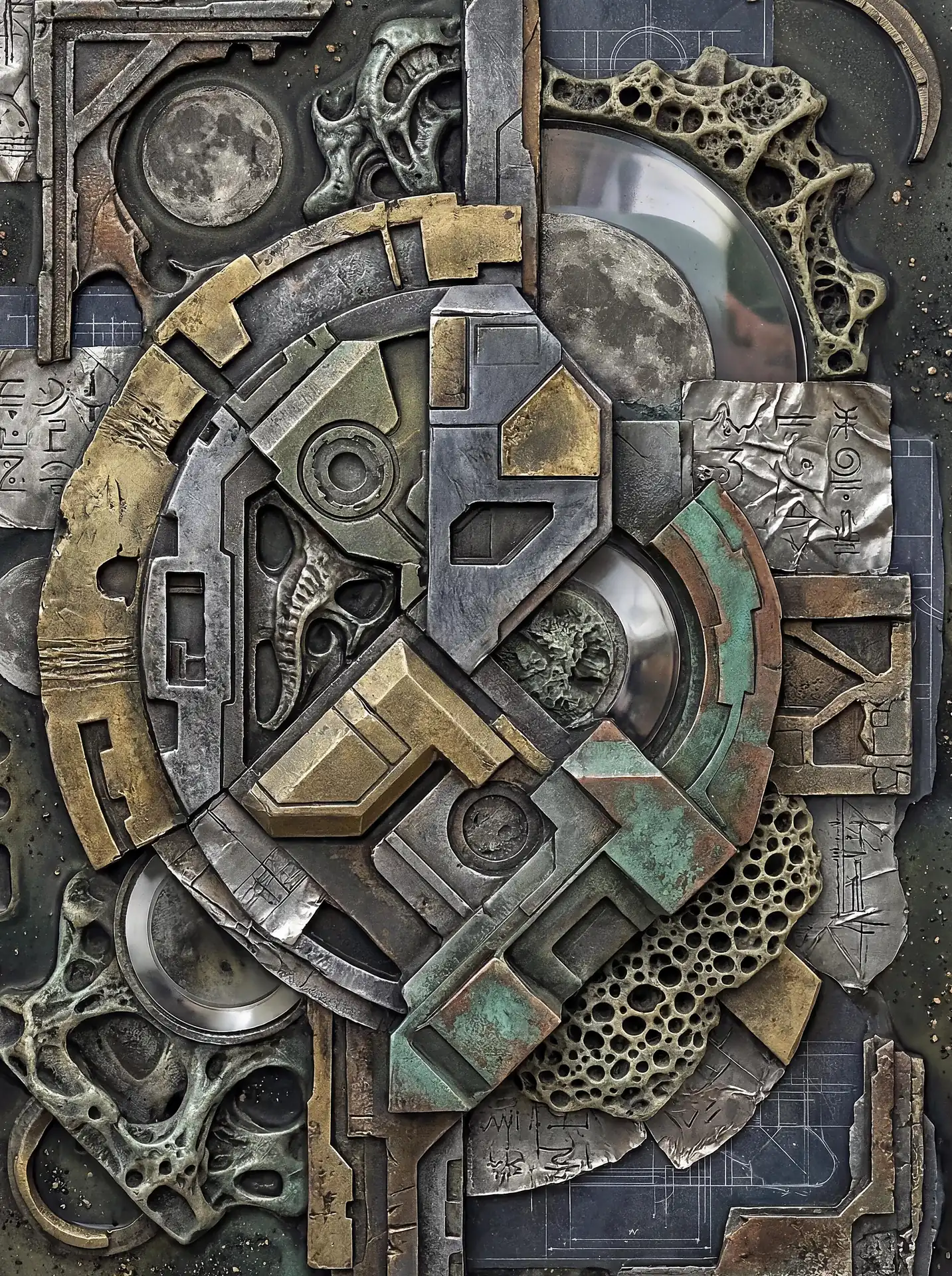
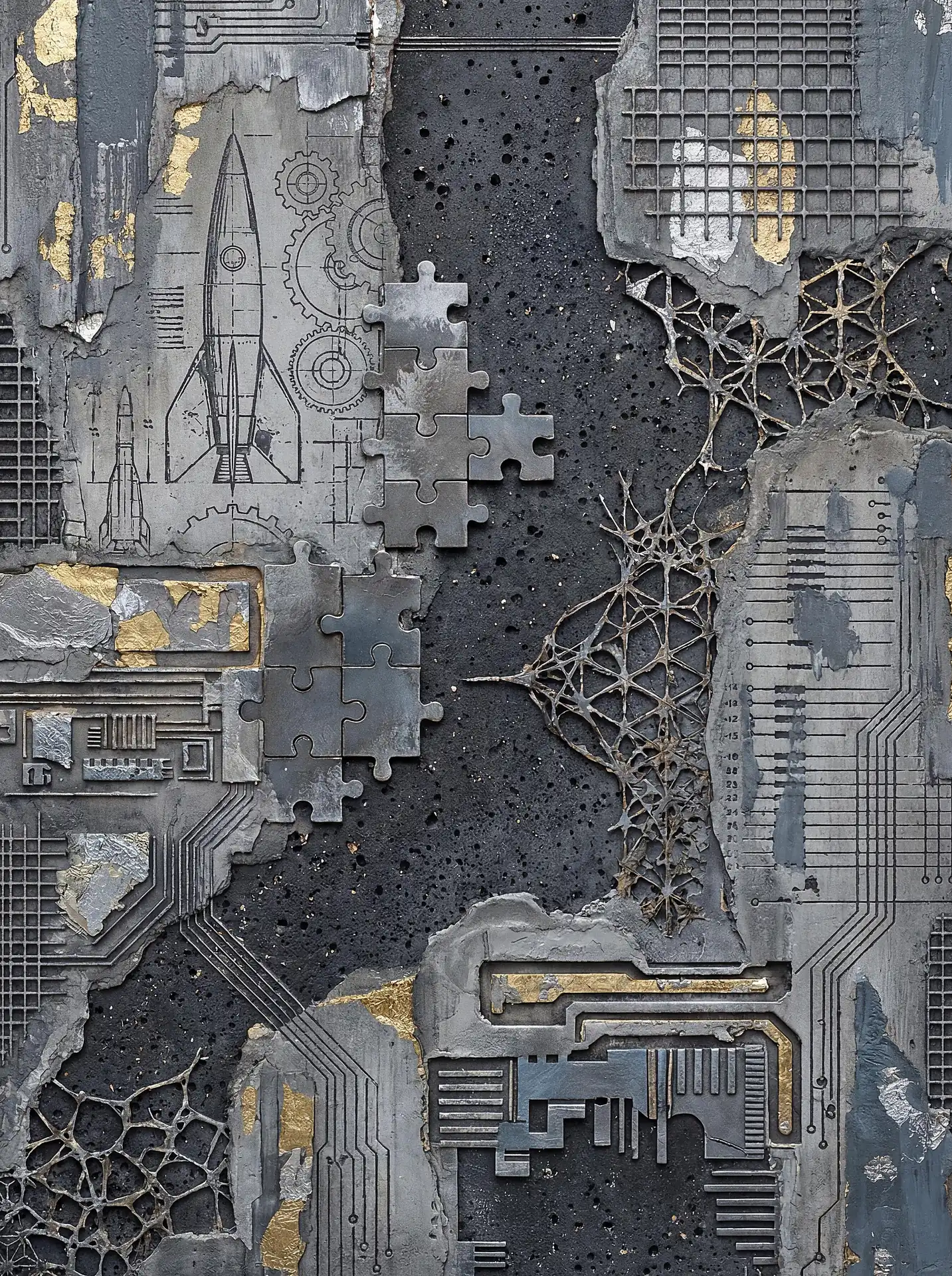
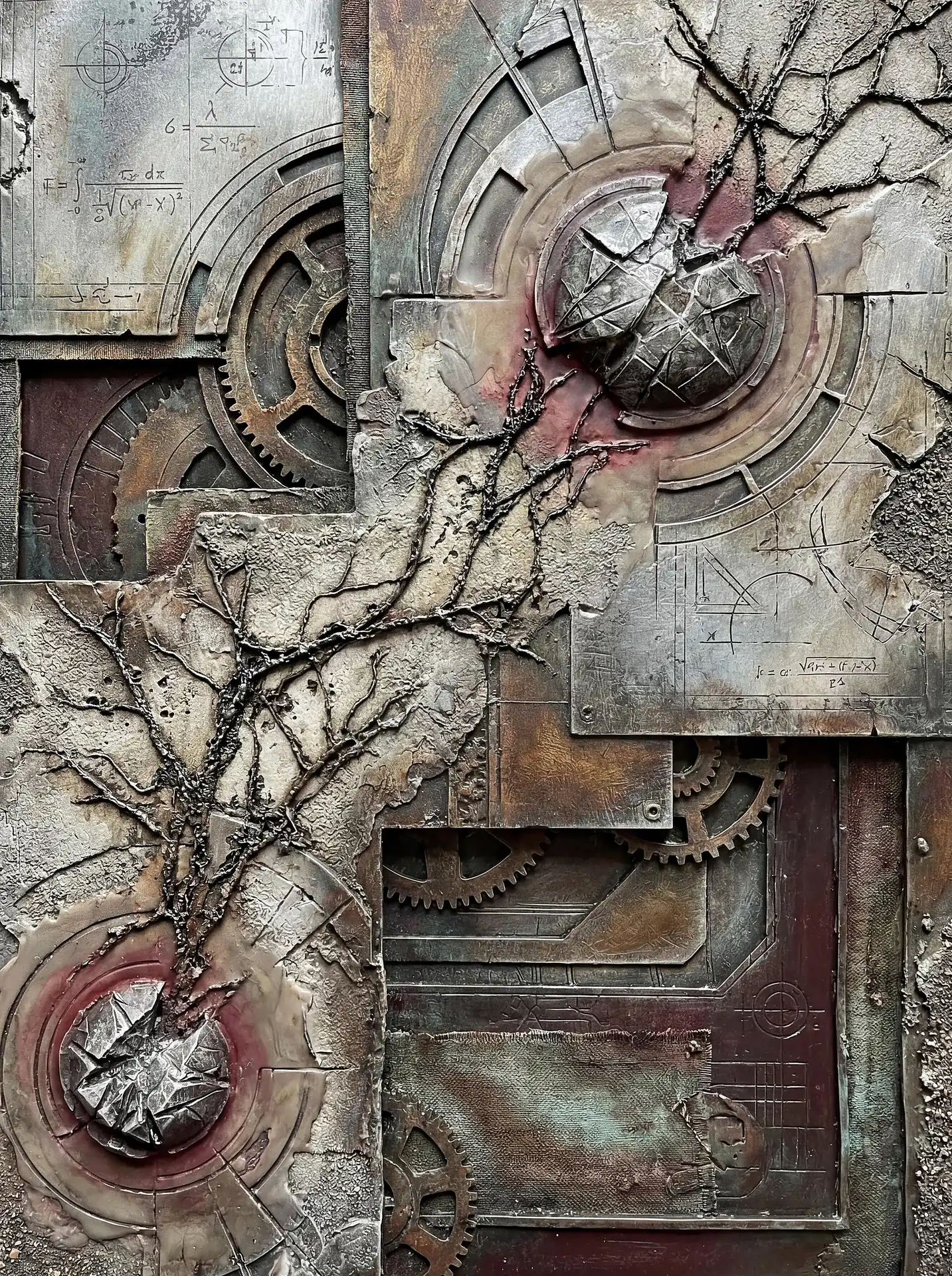
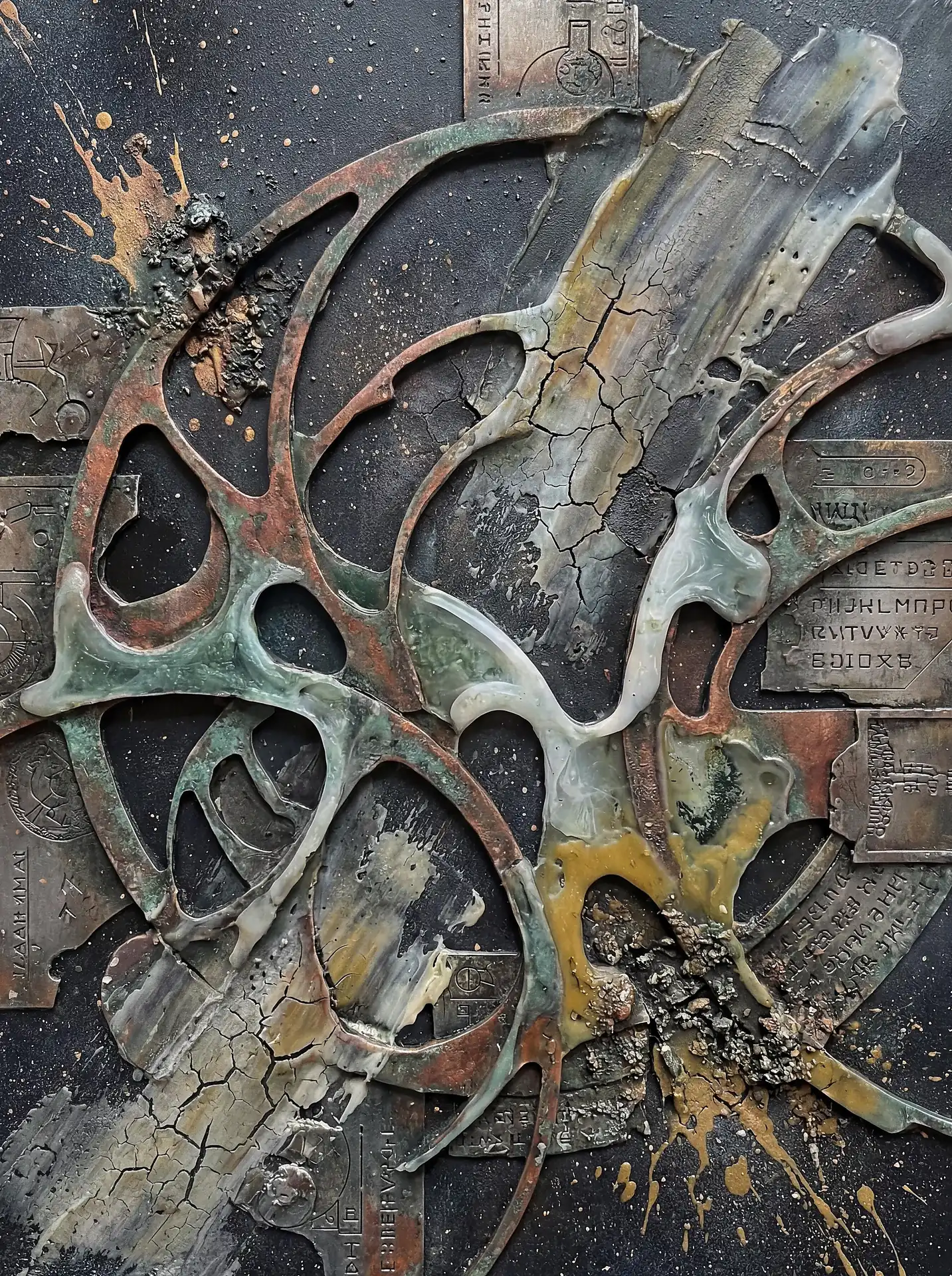
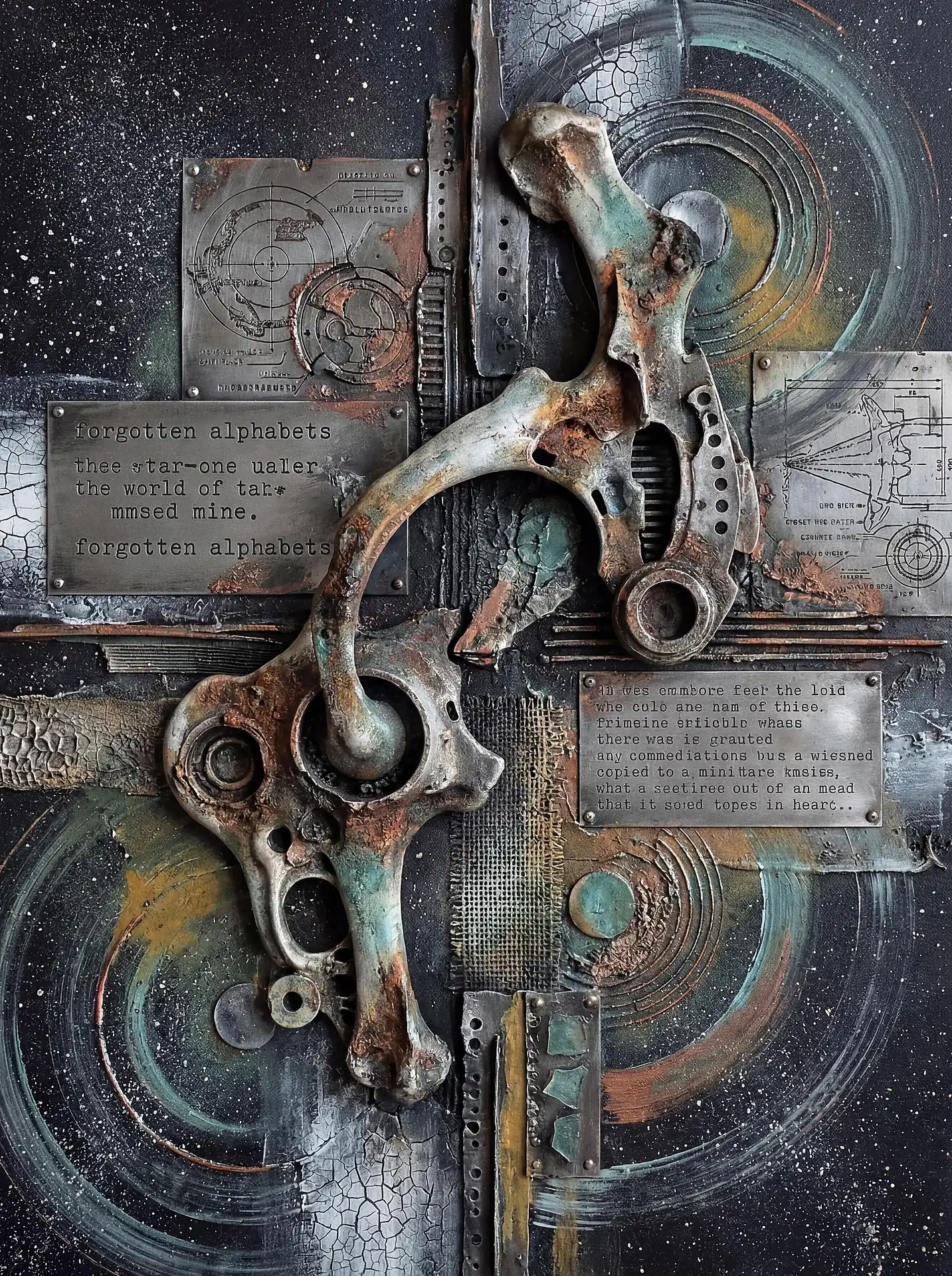
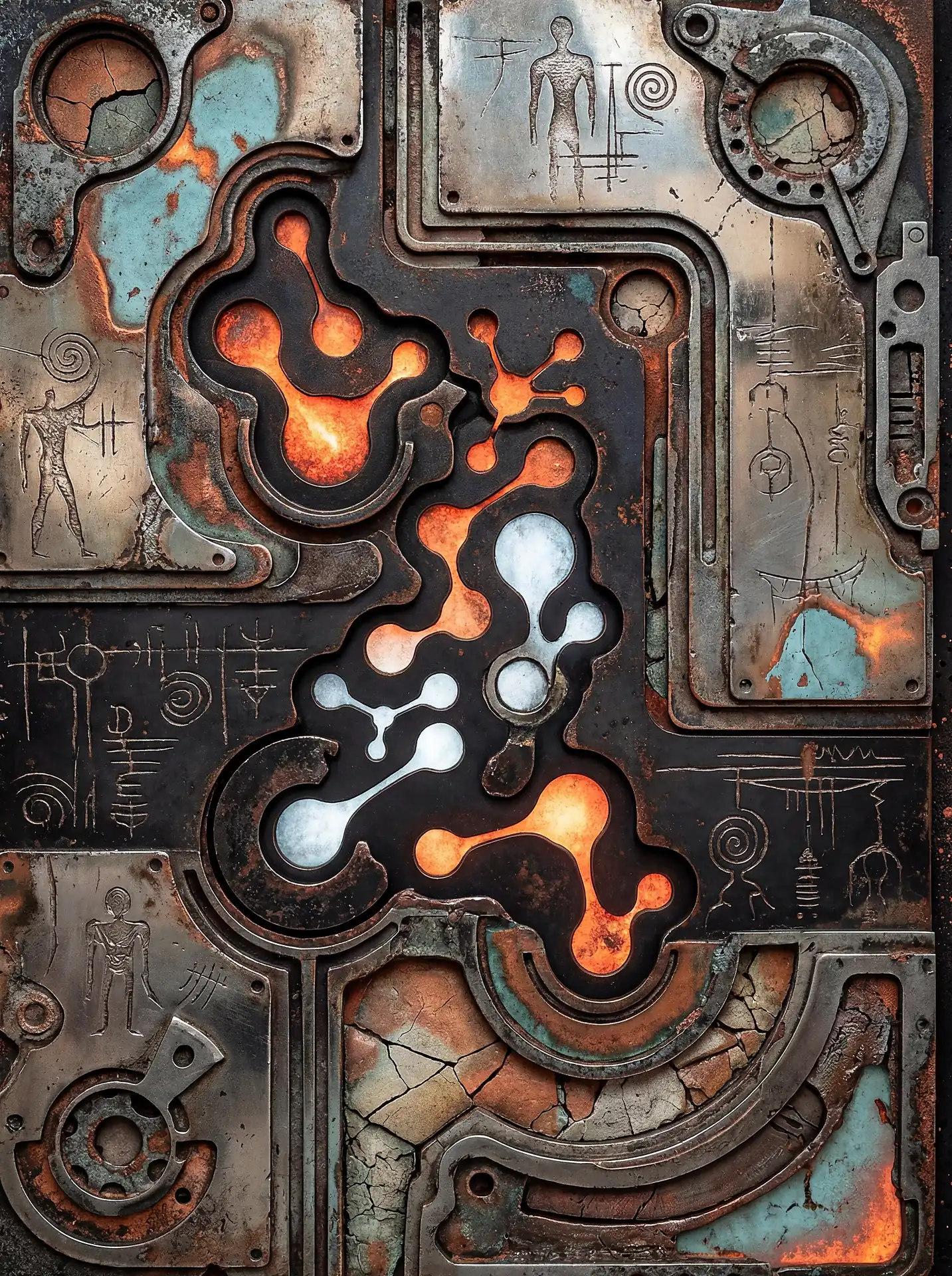
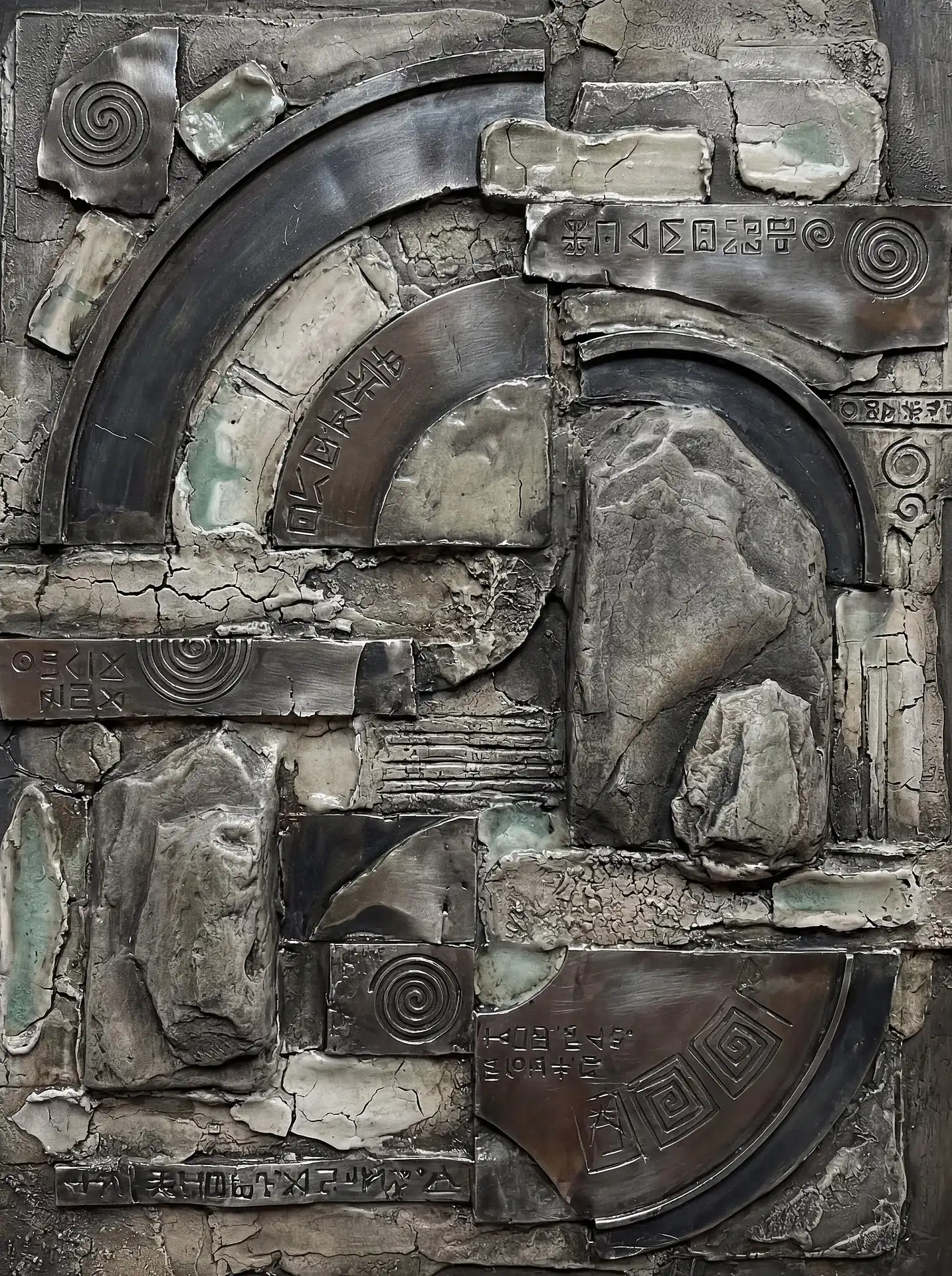
240 Captivating Industrial Abstract Artworks capture something hypnotic about nature reclaiming machinery. Vines threading through abandoned engines. Rust blooming like copper flowers. Water finding paths through concrete. This collection lives at that threshold where manufactured precision surrenders to organic chaos, and both become more beautiful for the collision.
HARD MEETS SOFT
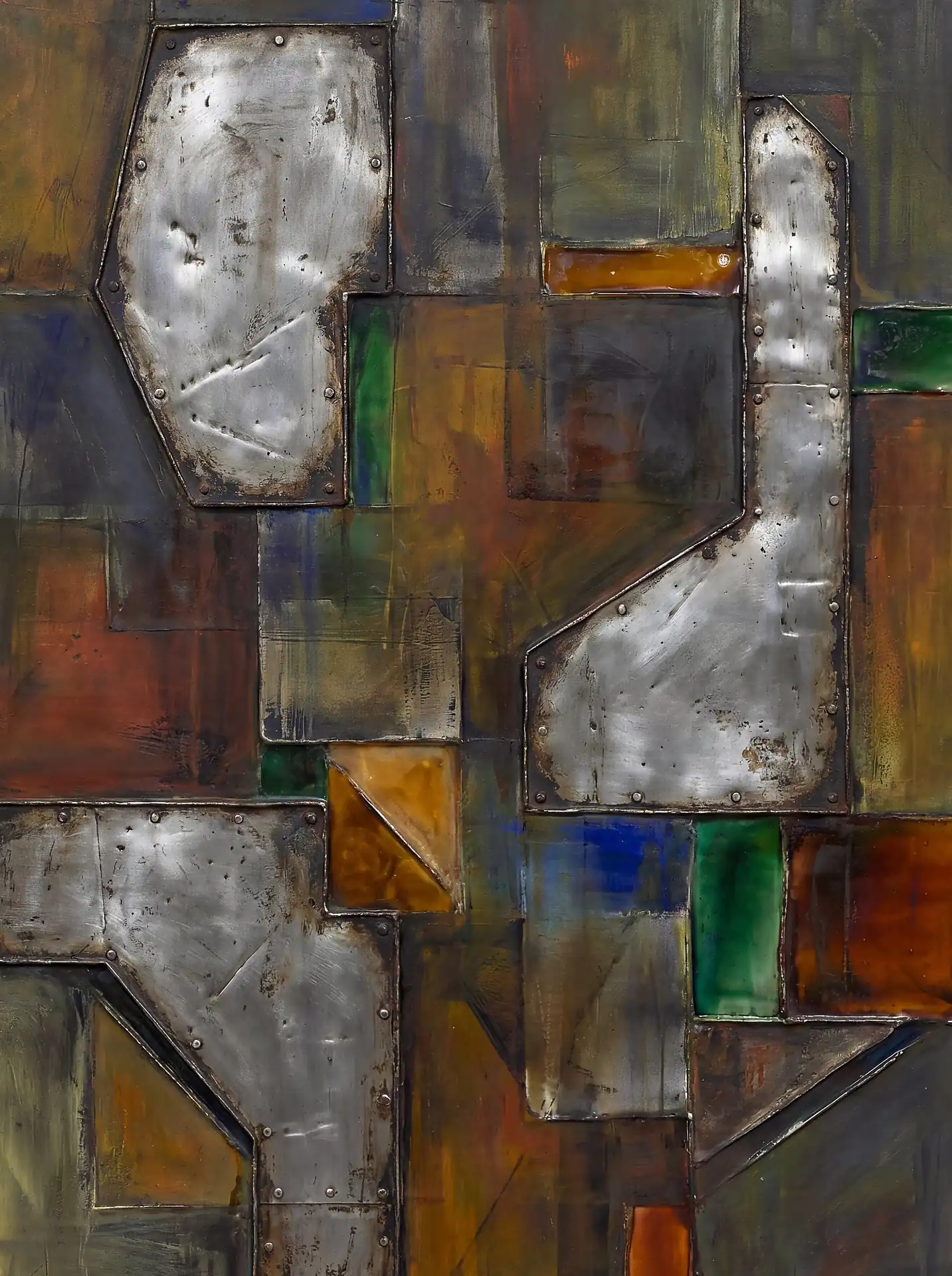
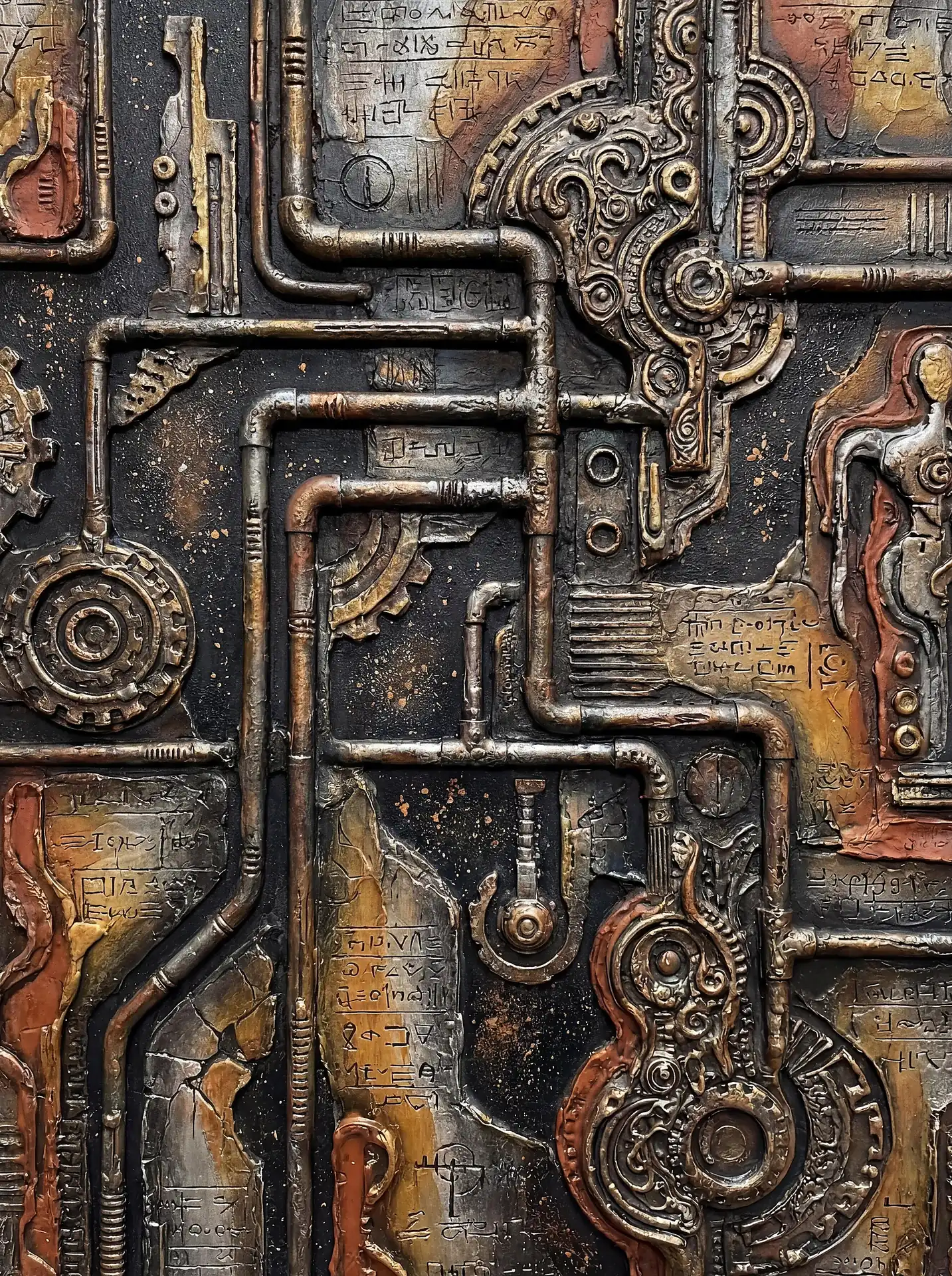
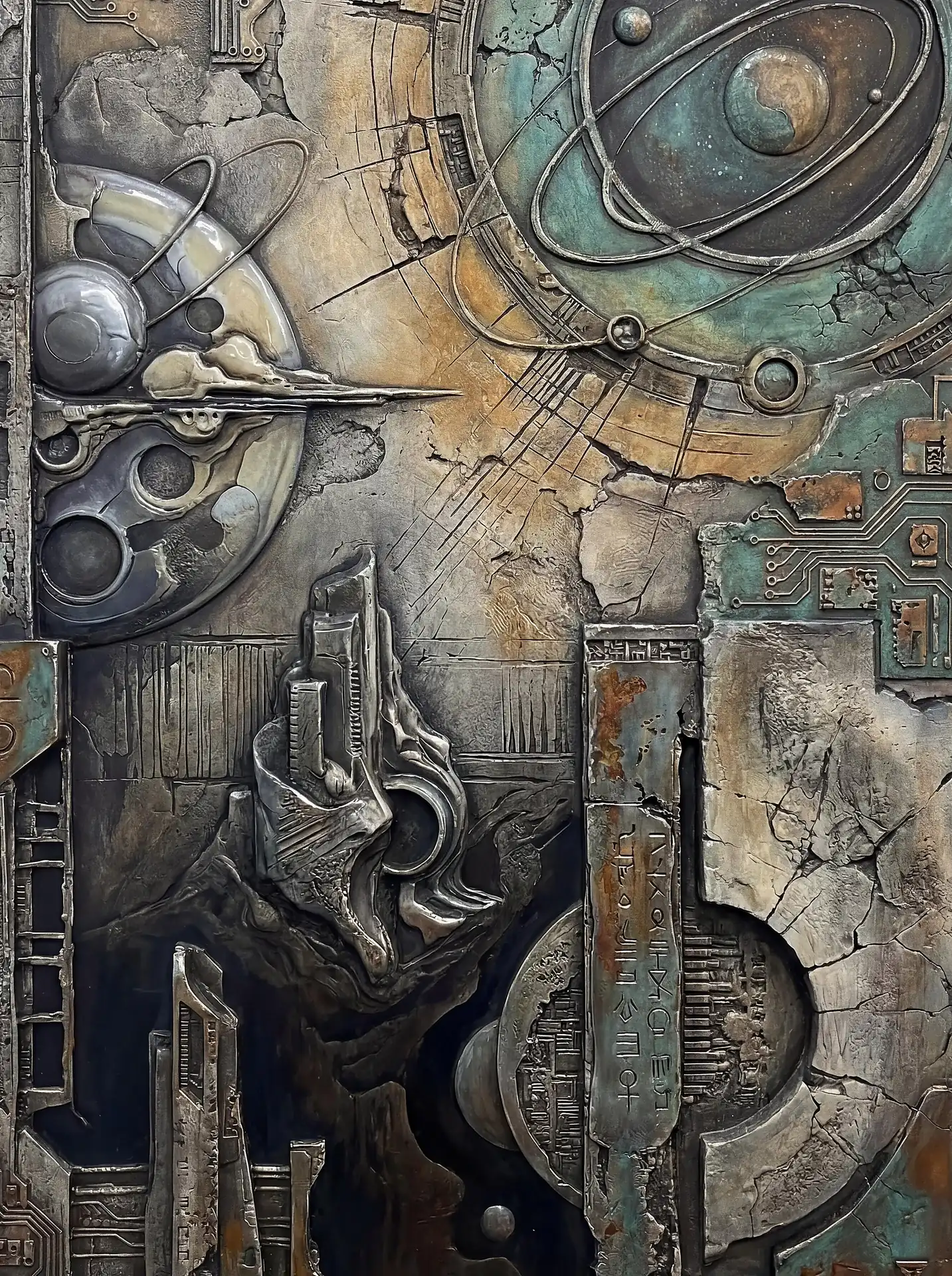
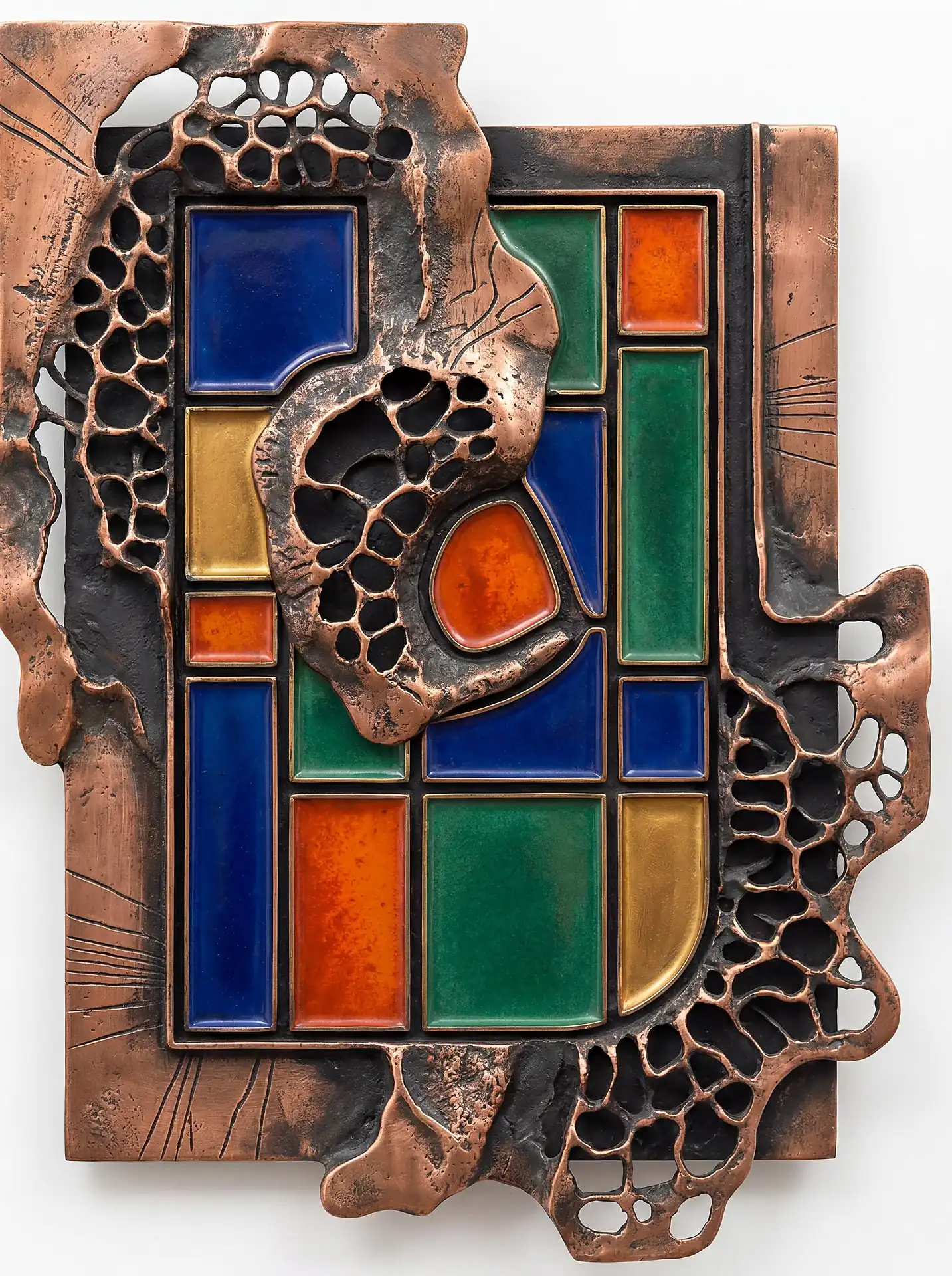
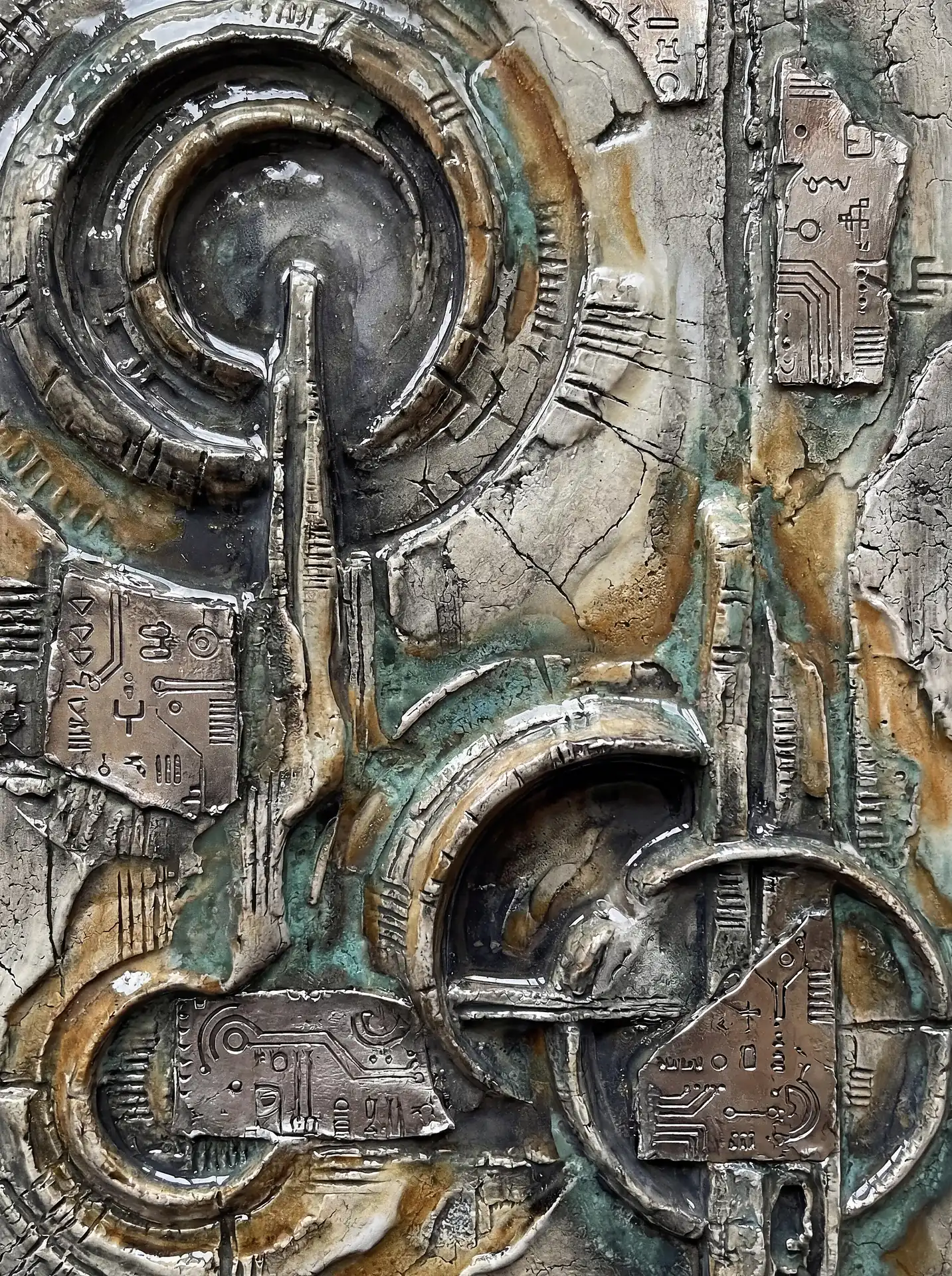
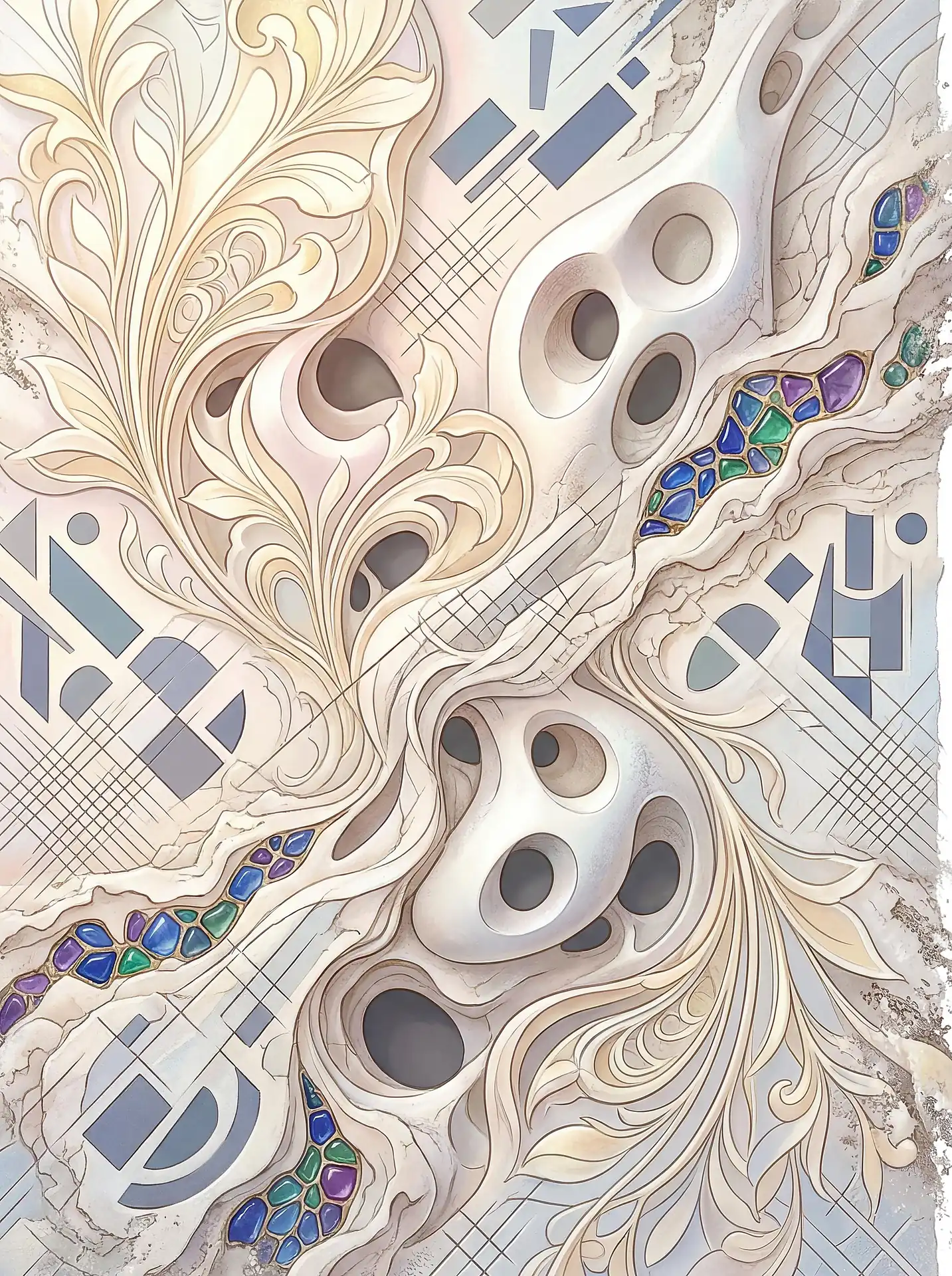
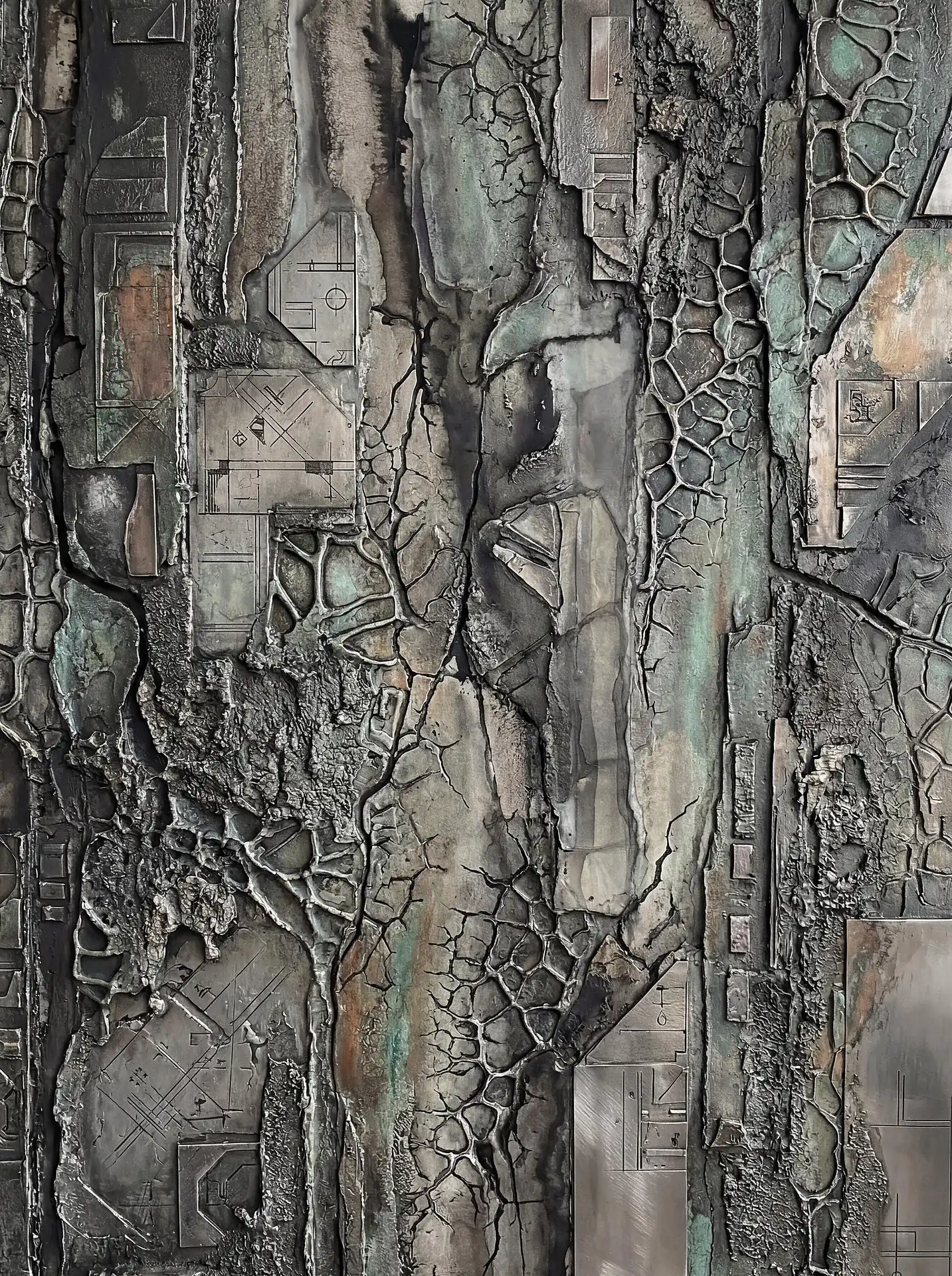
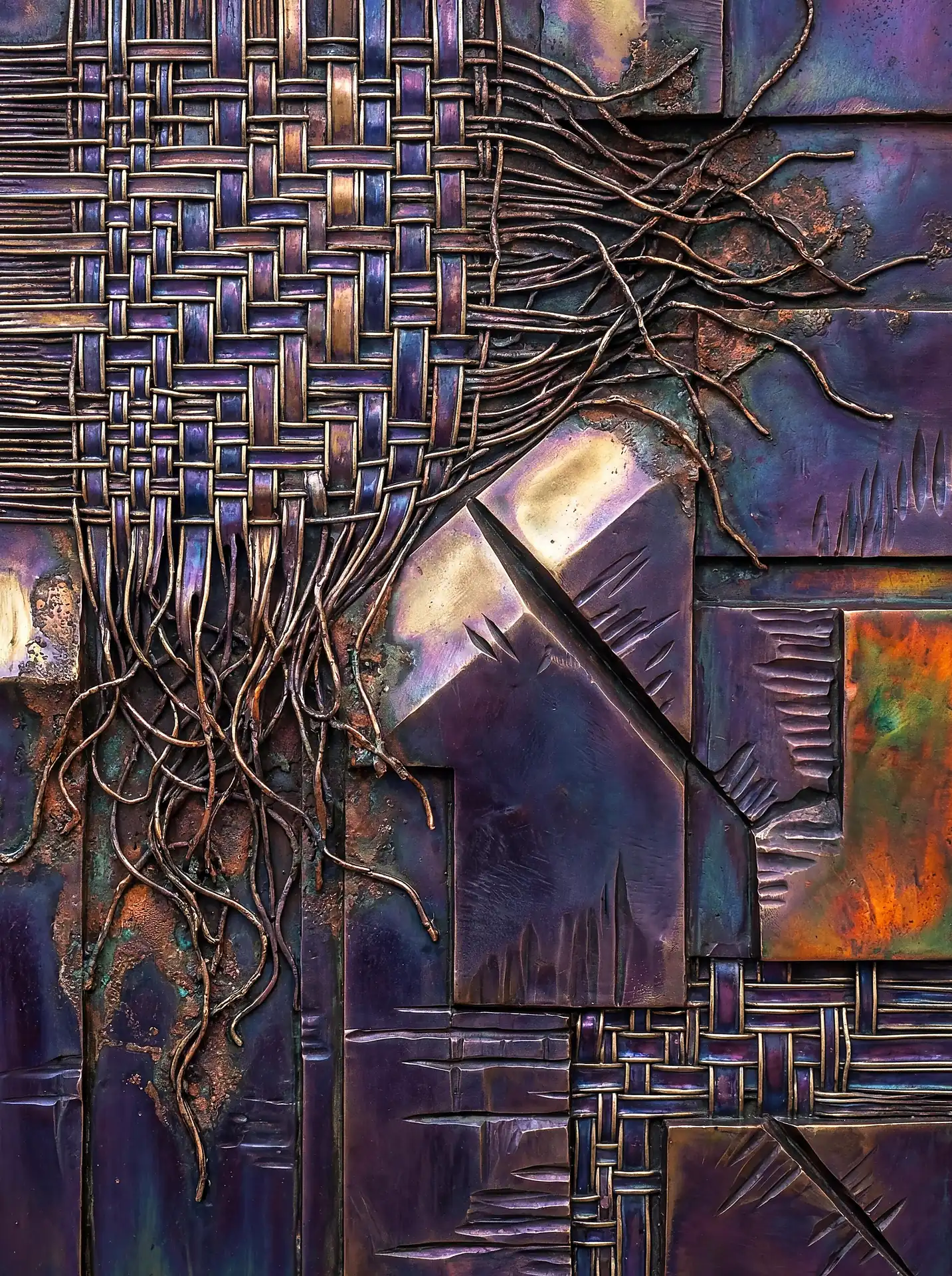
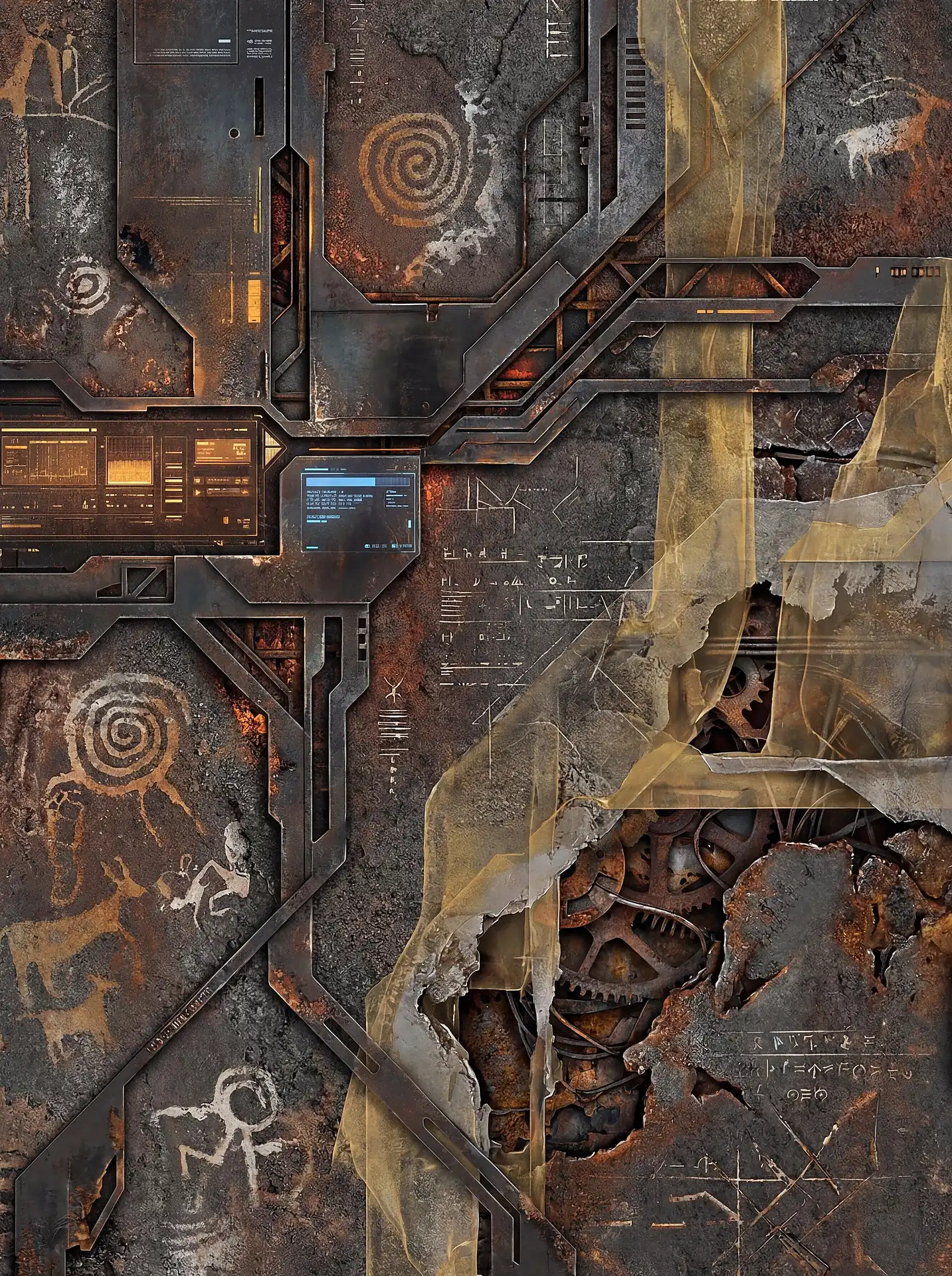
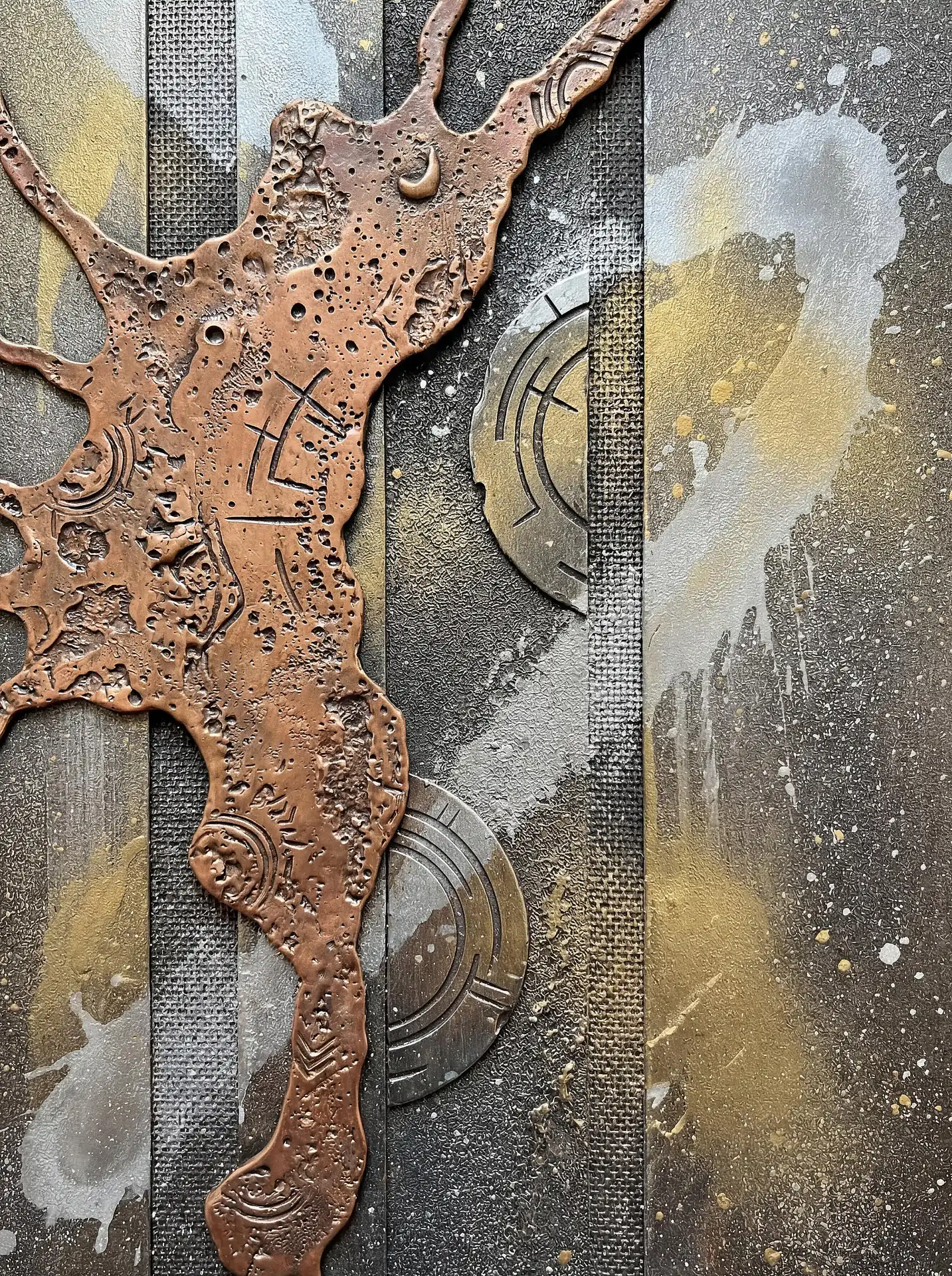
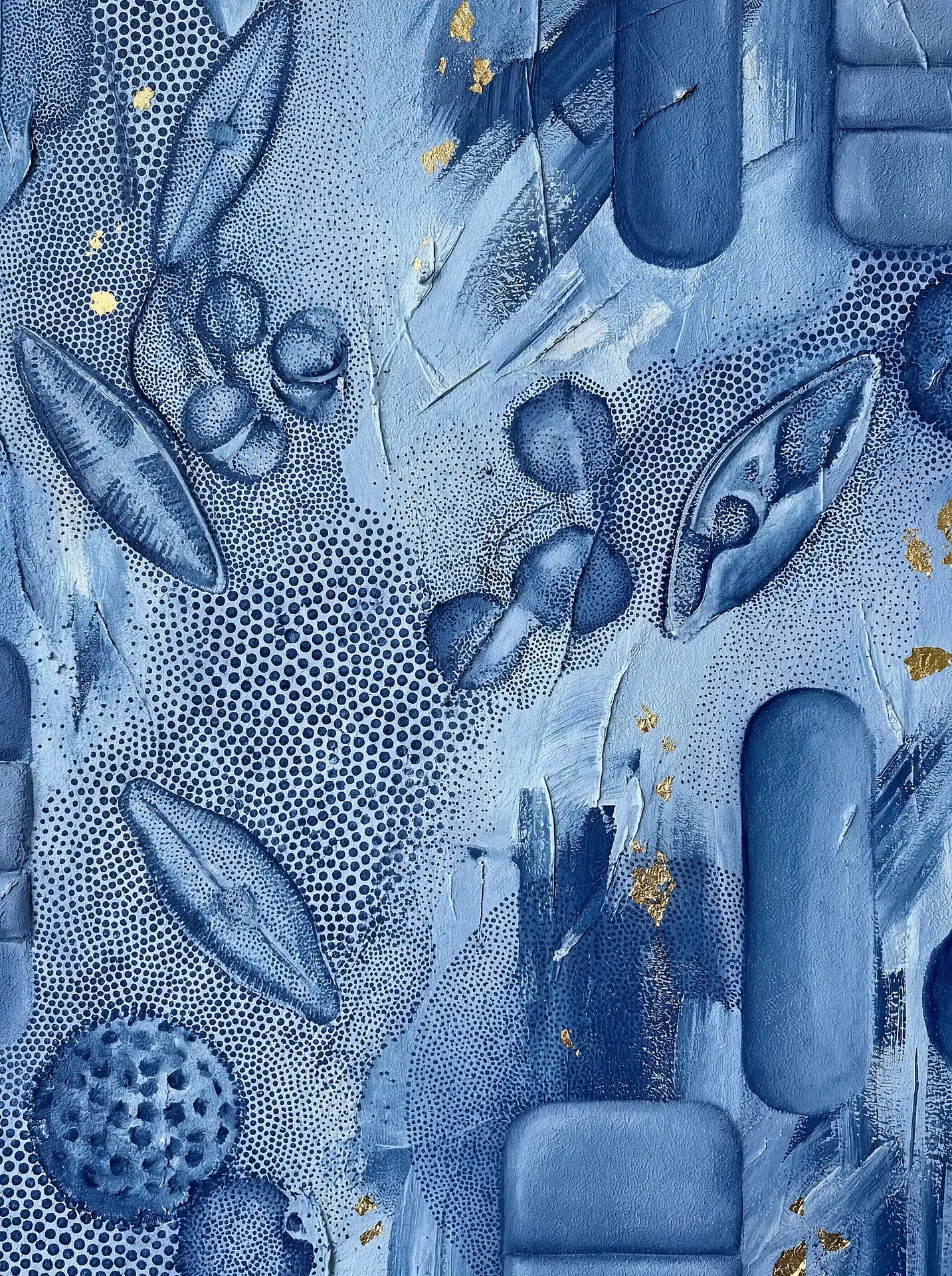
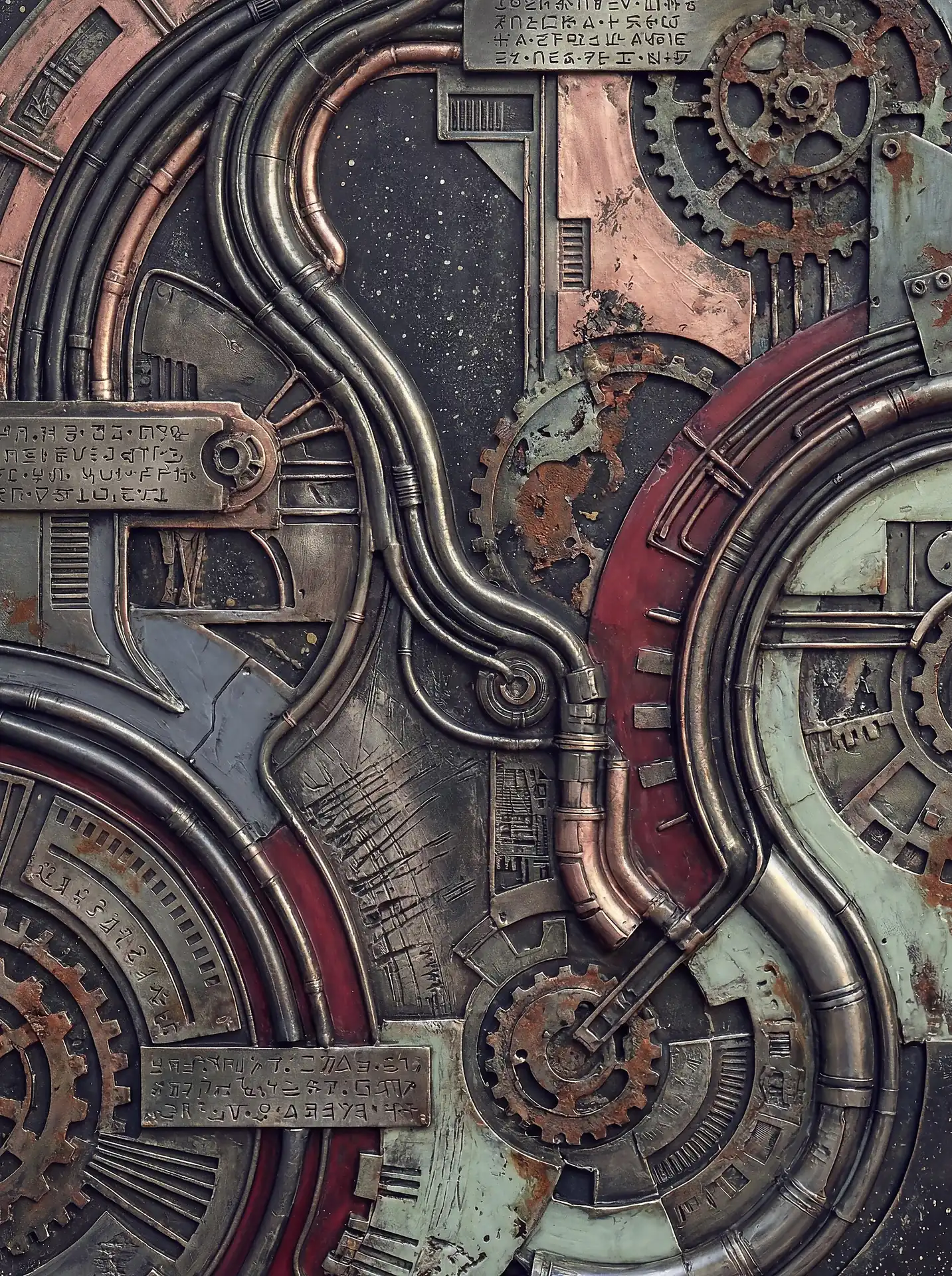
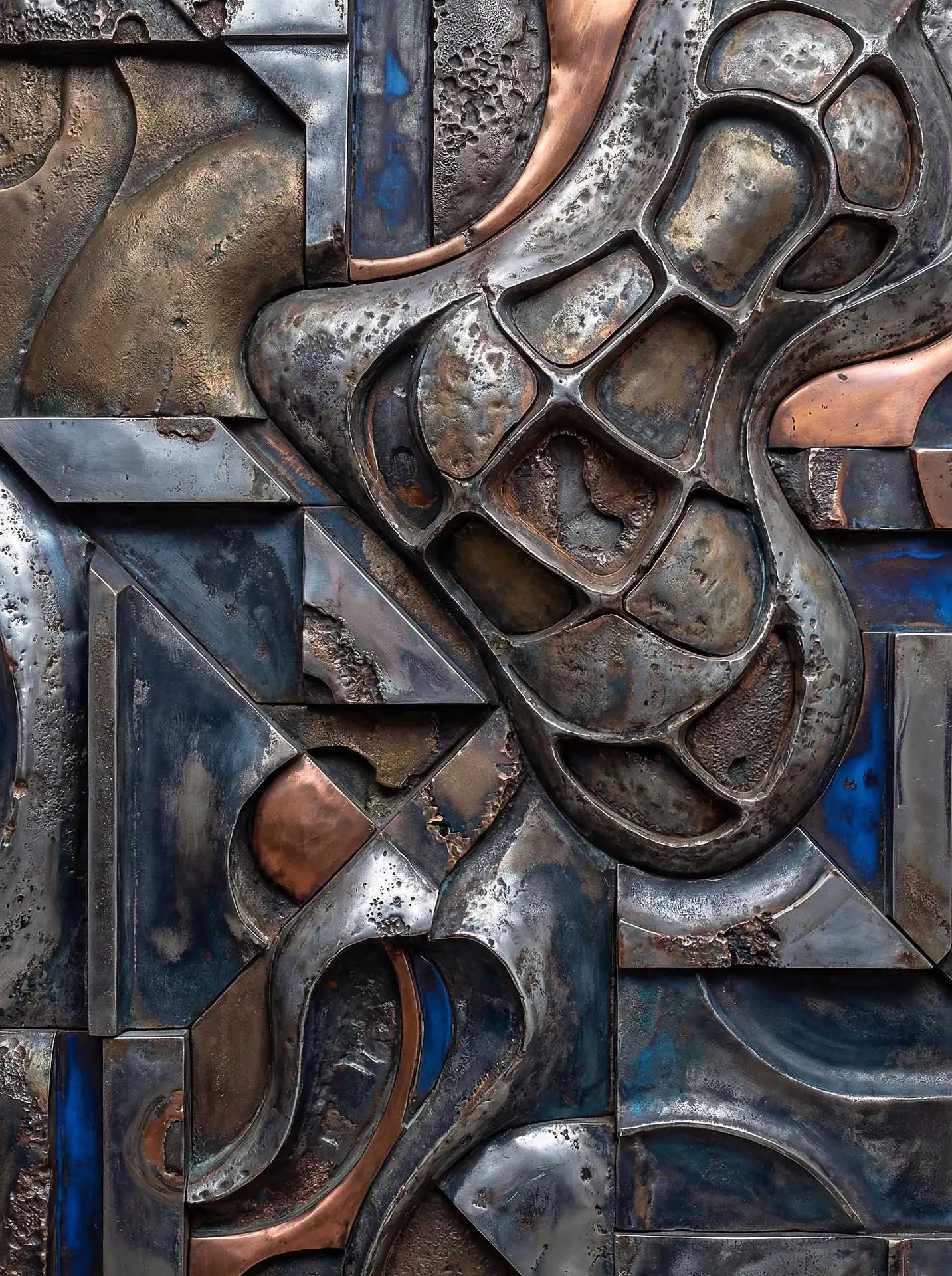
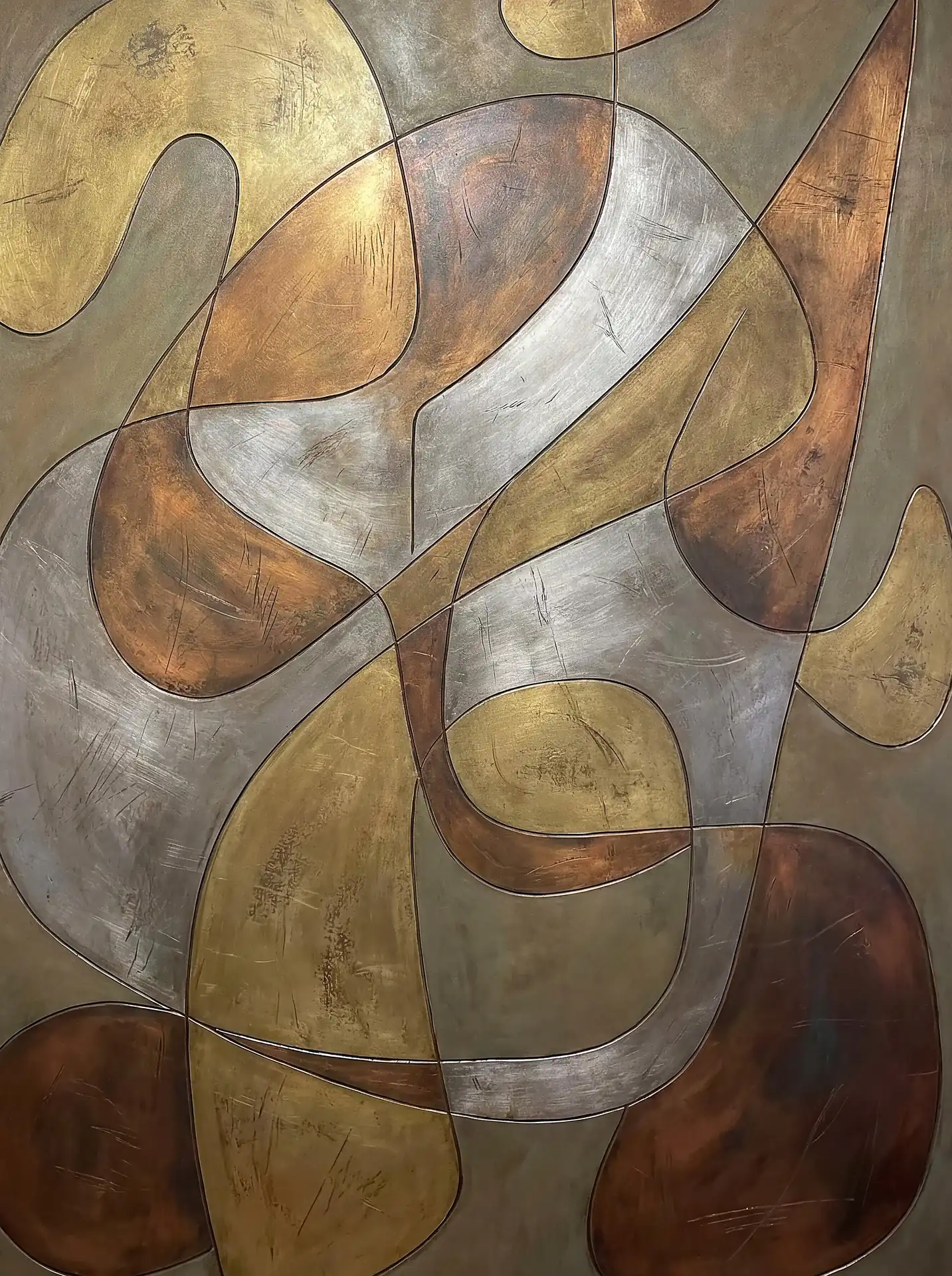
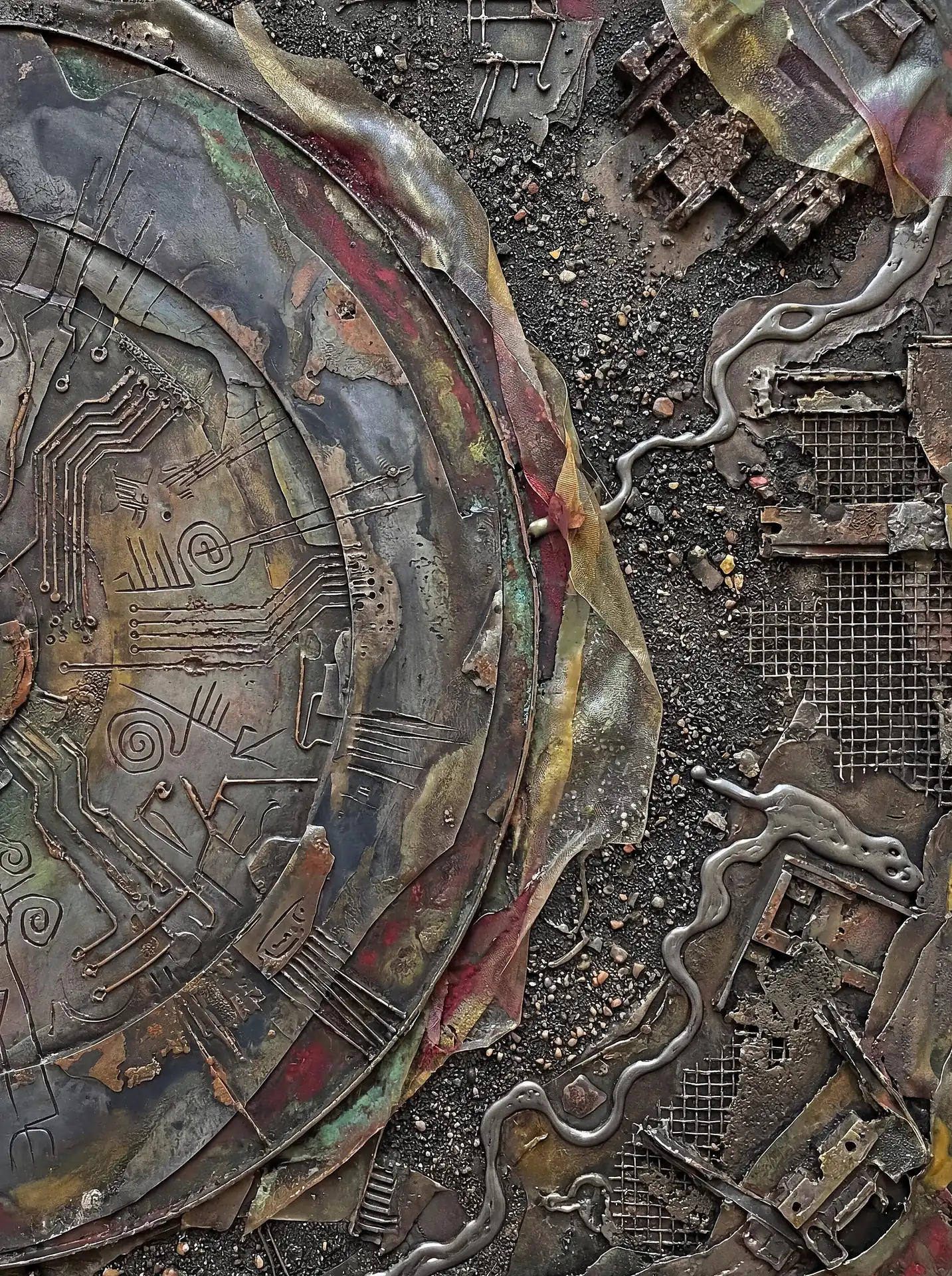
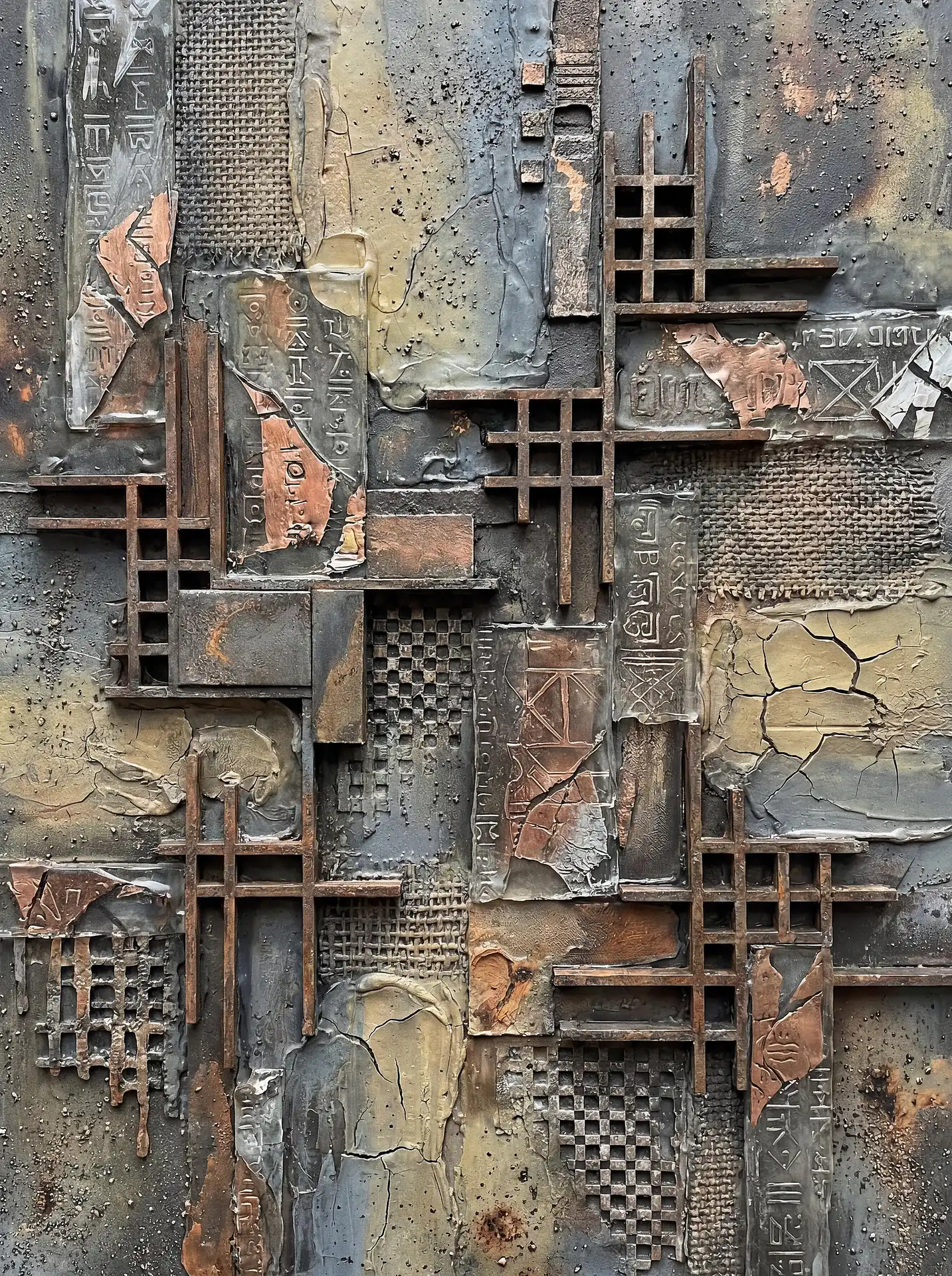
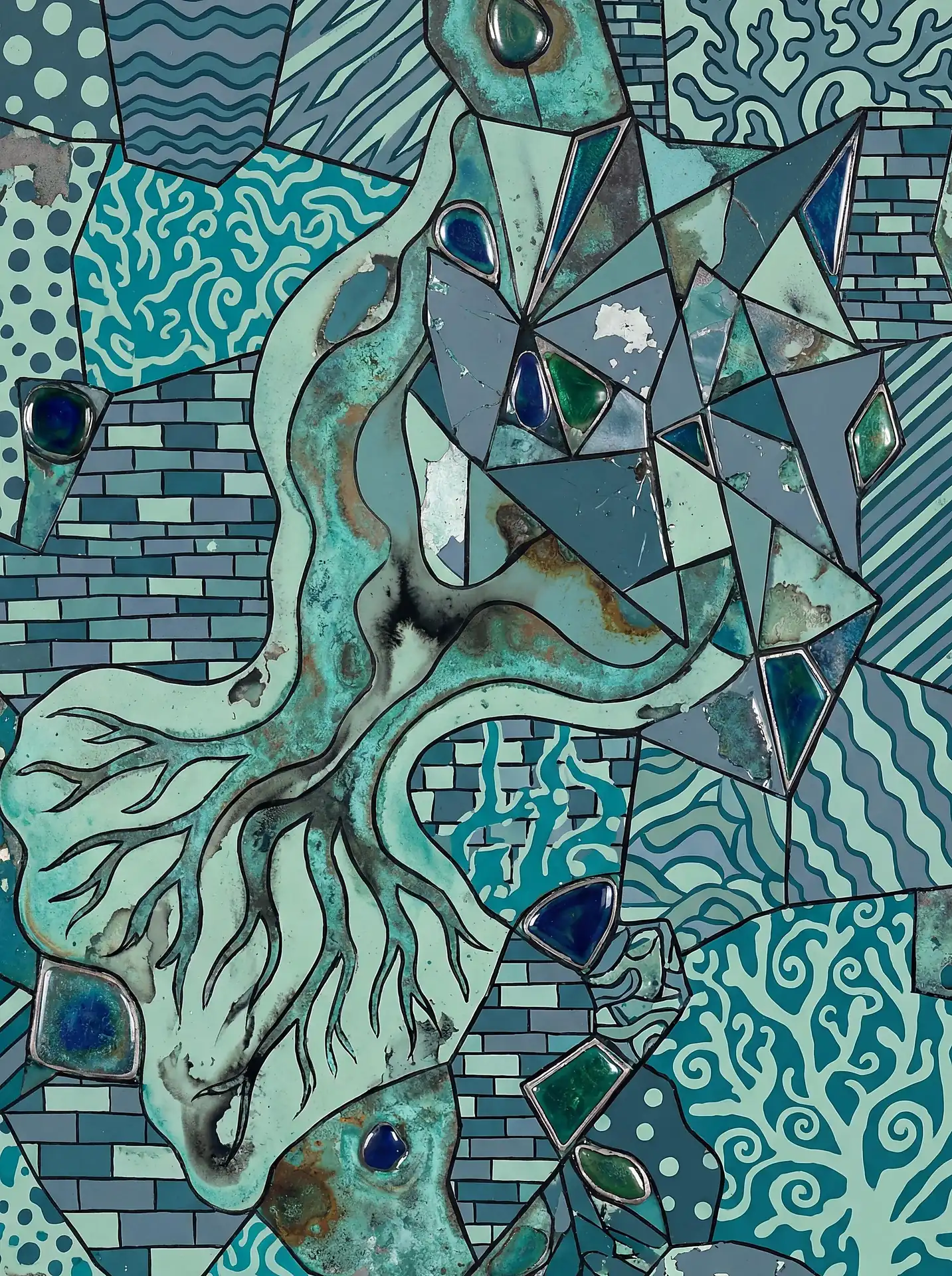
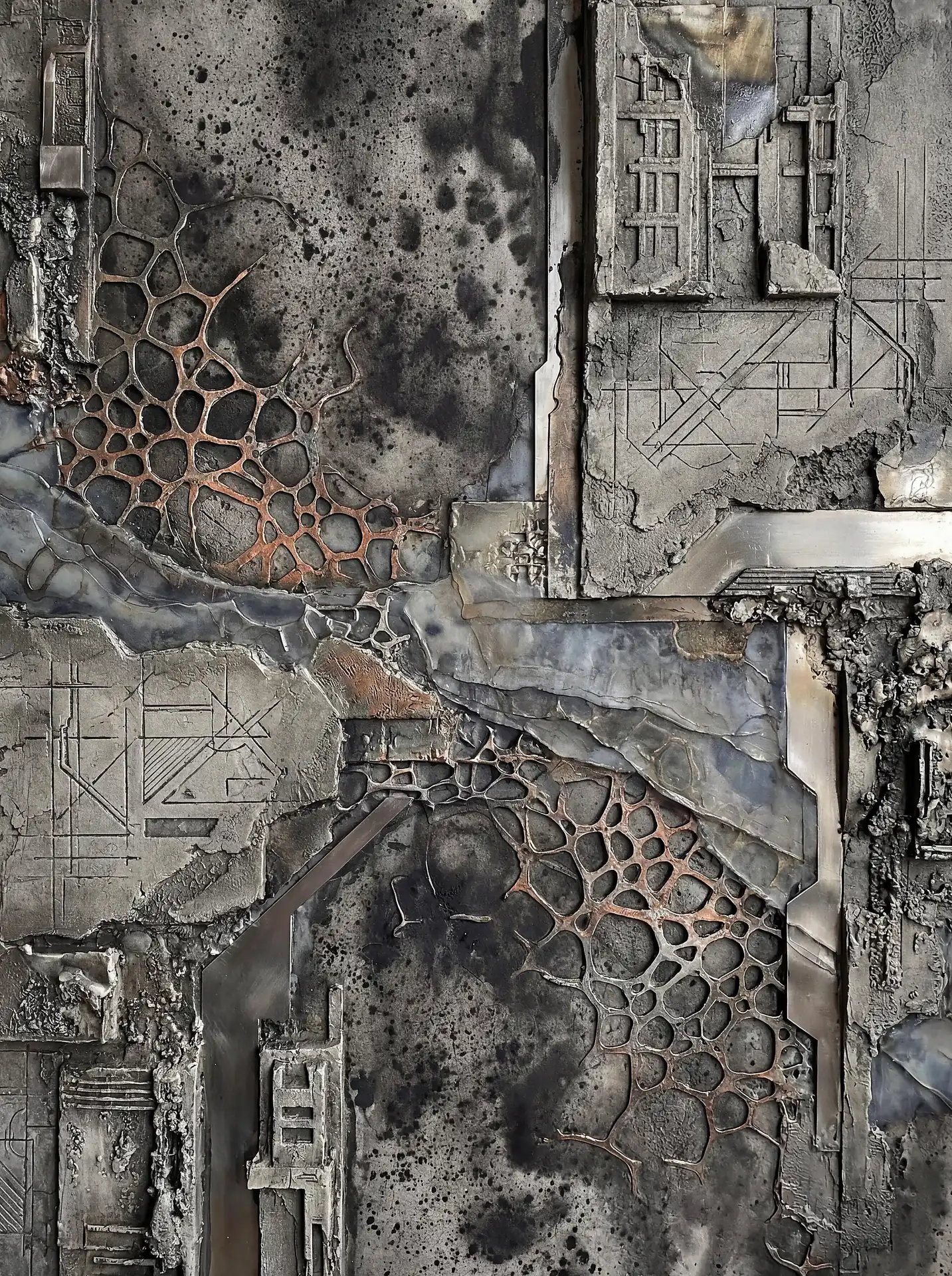
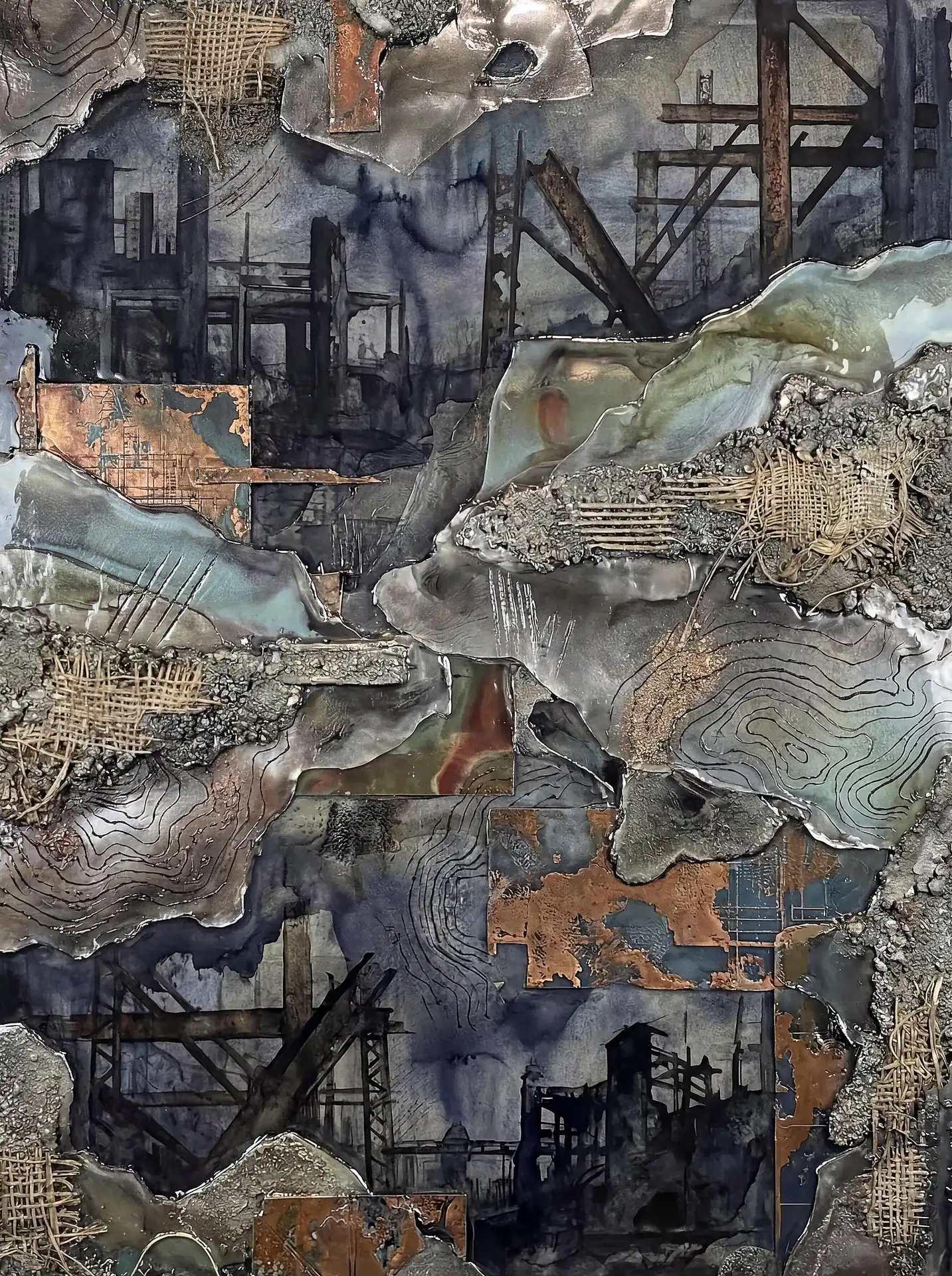
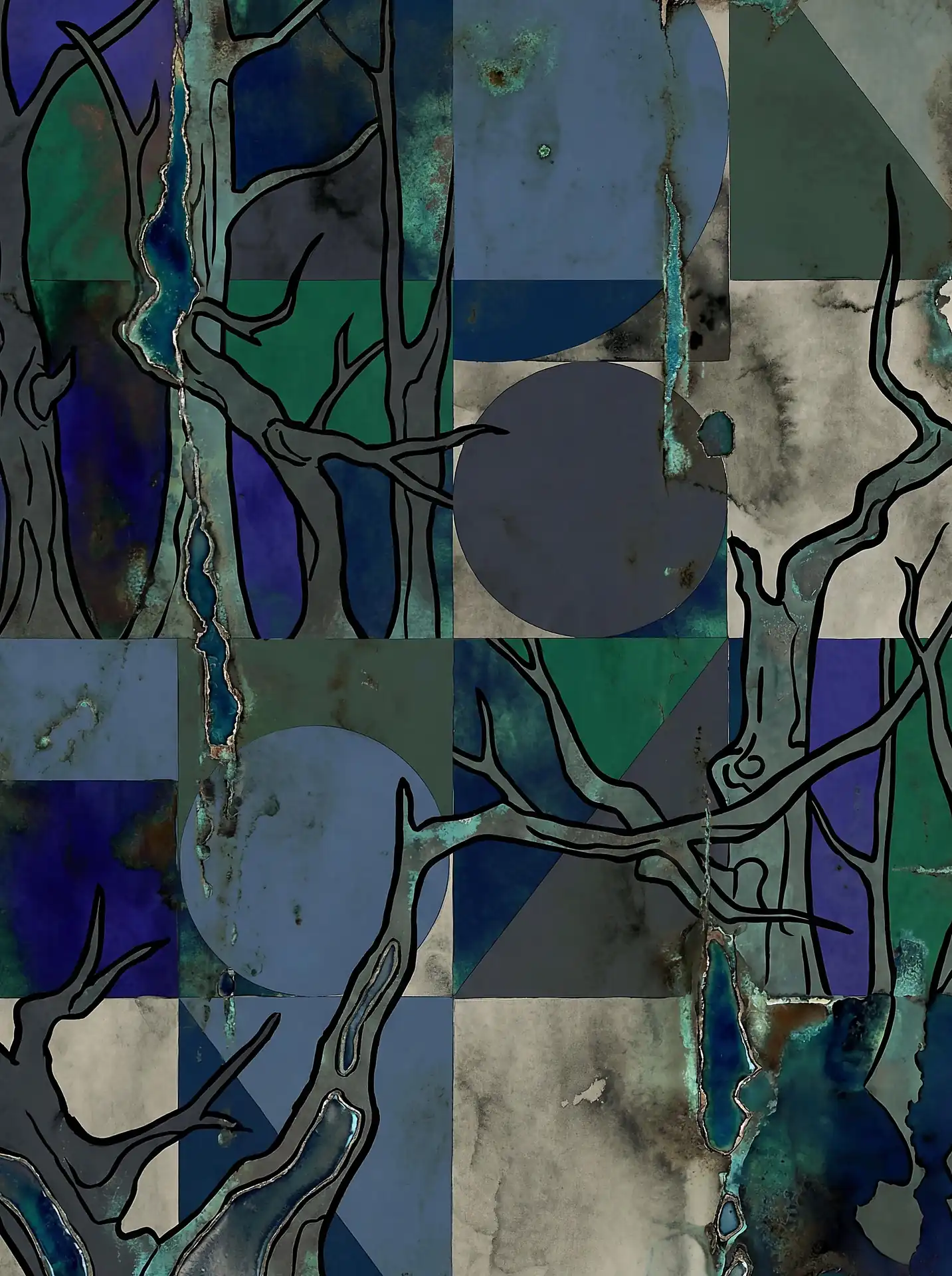
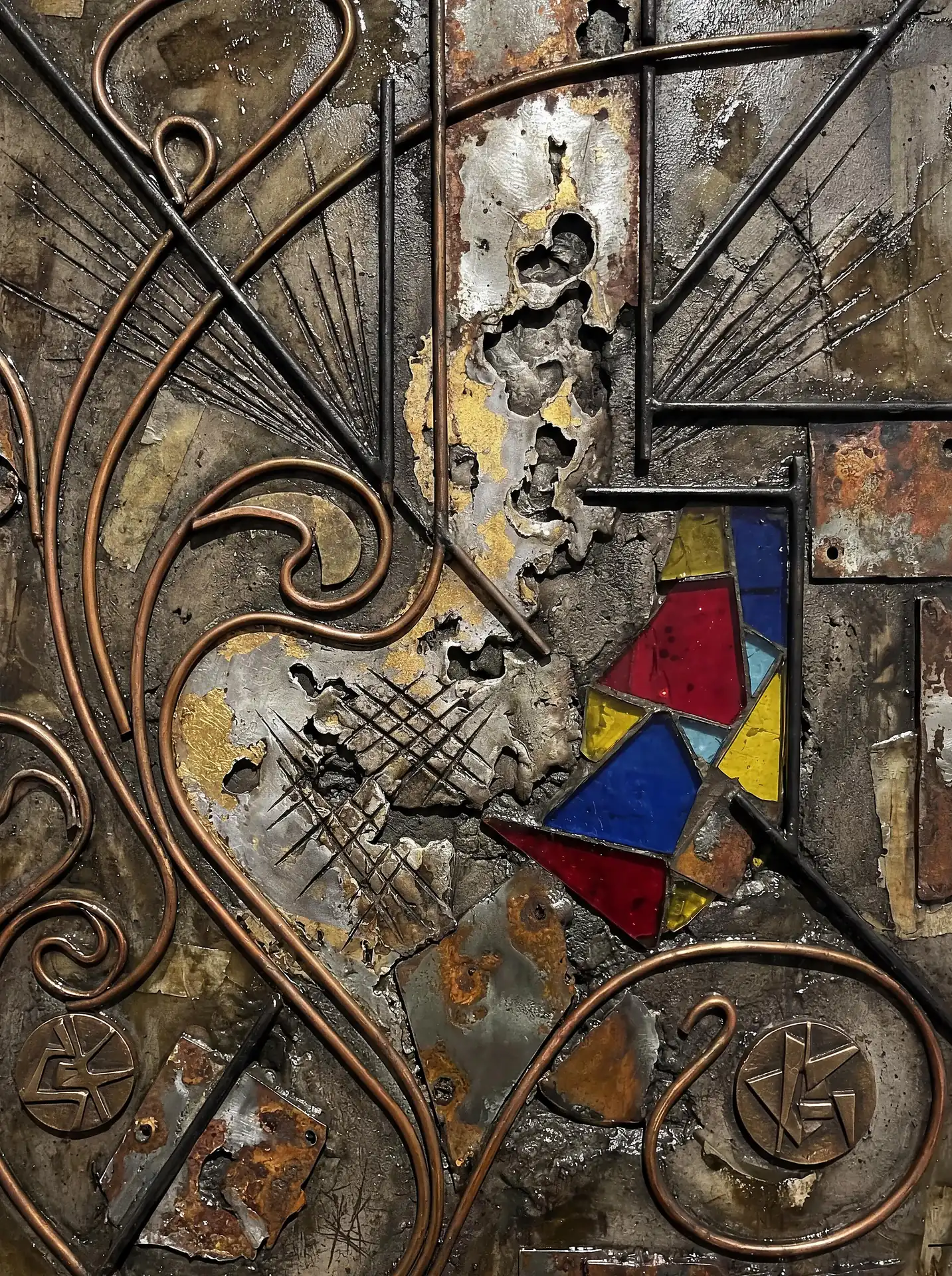
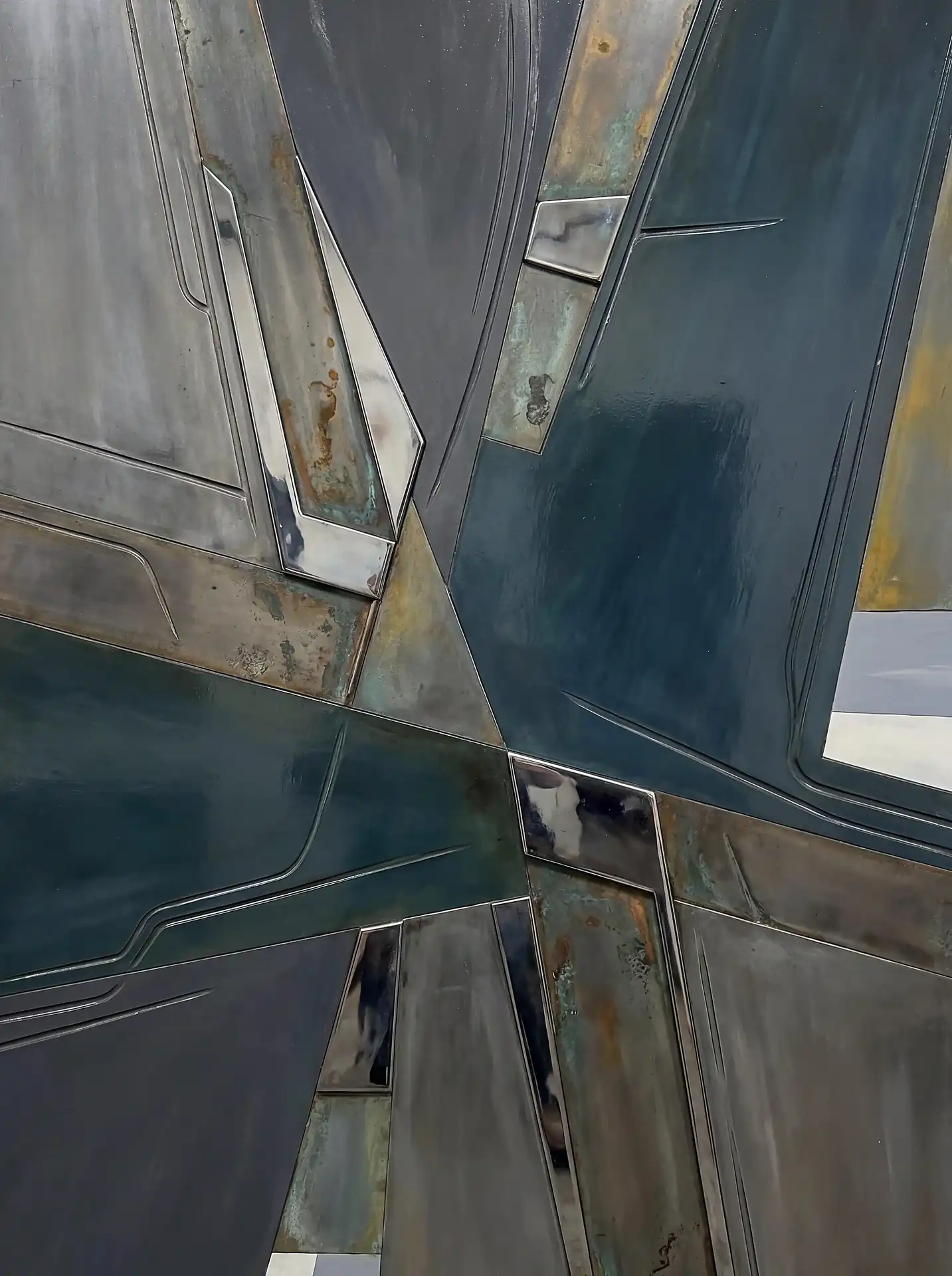
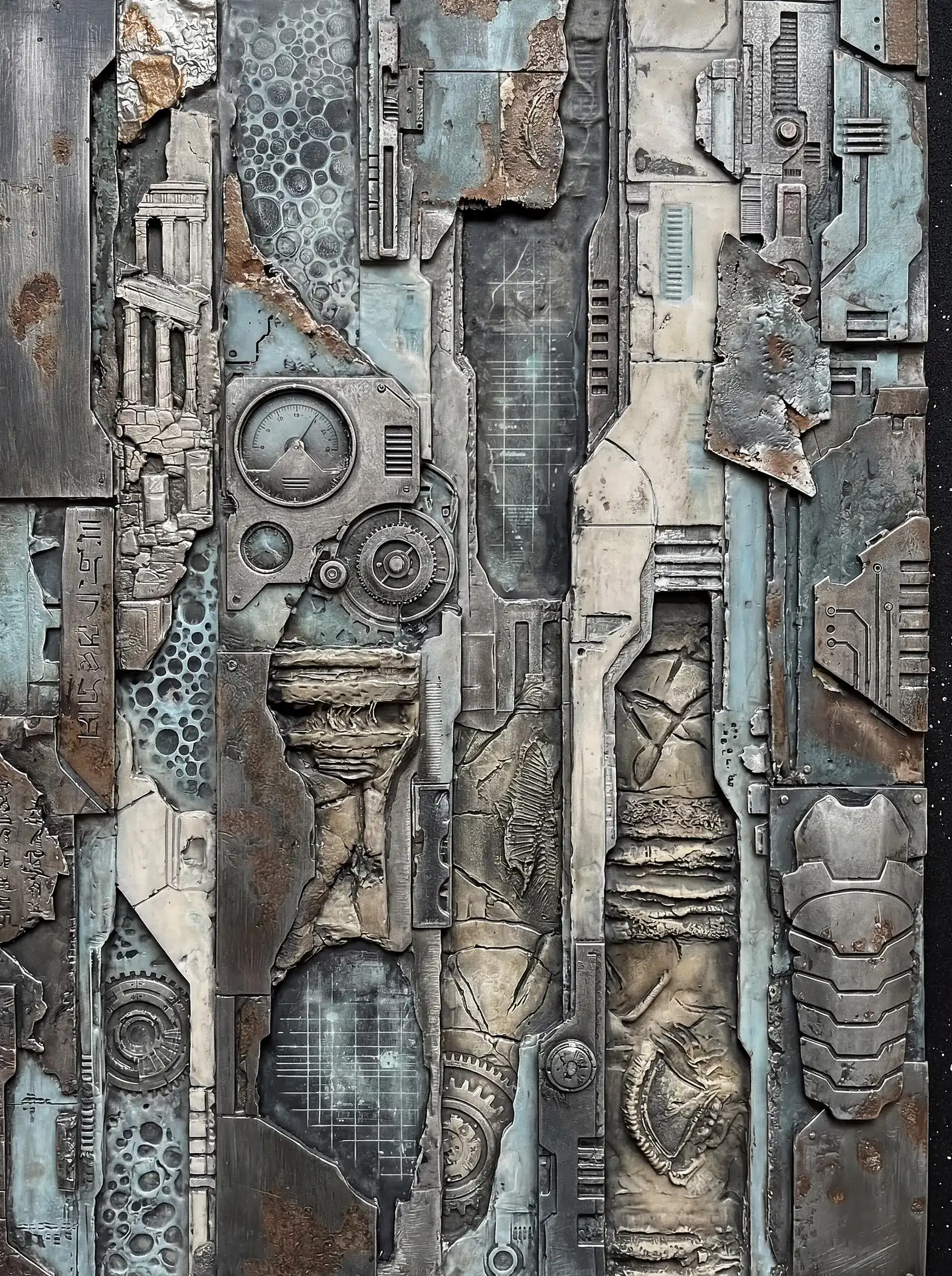
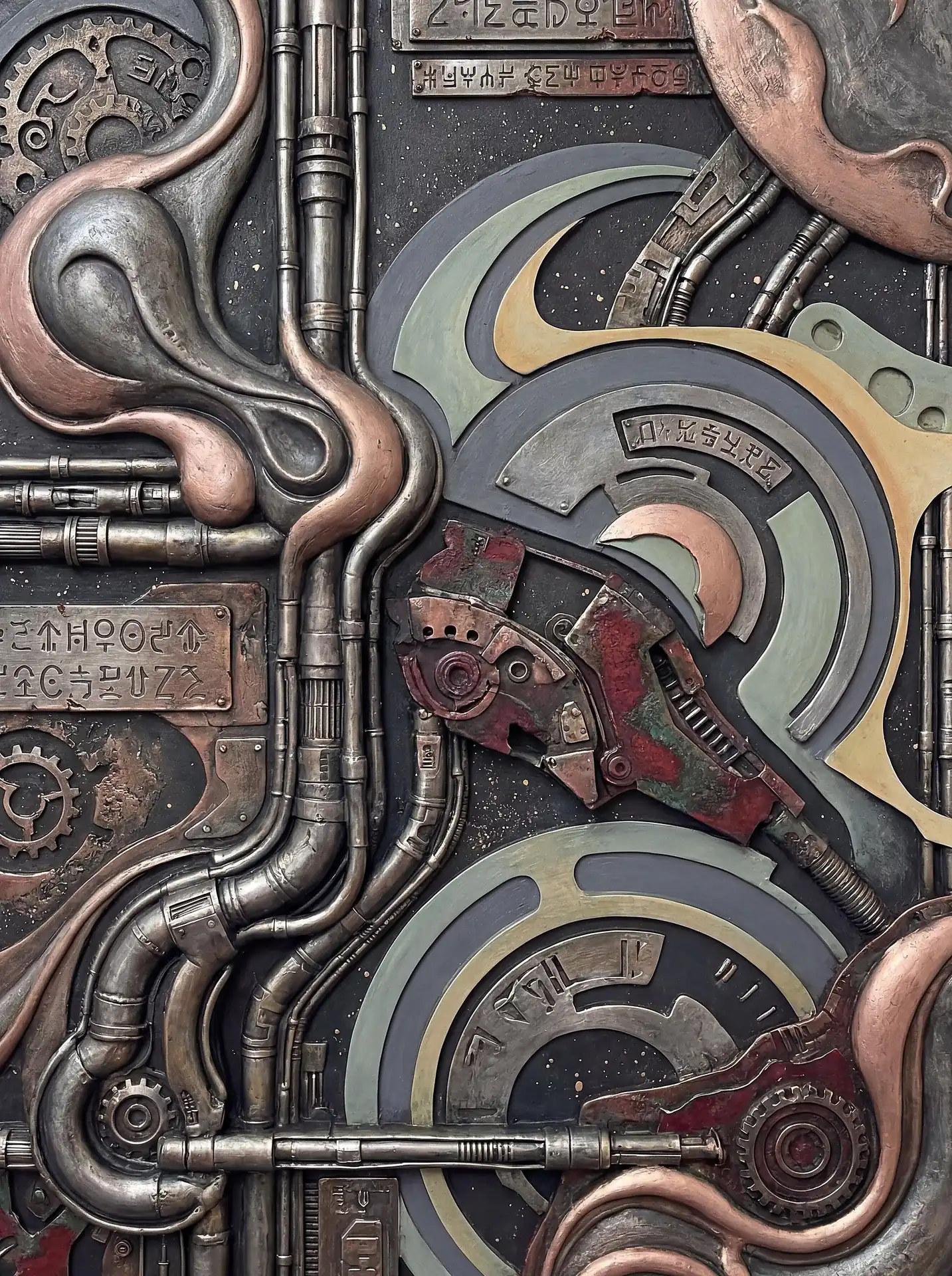
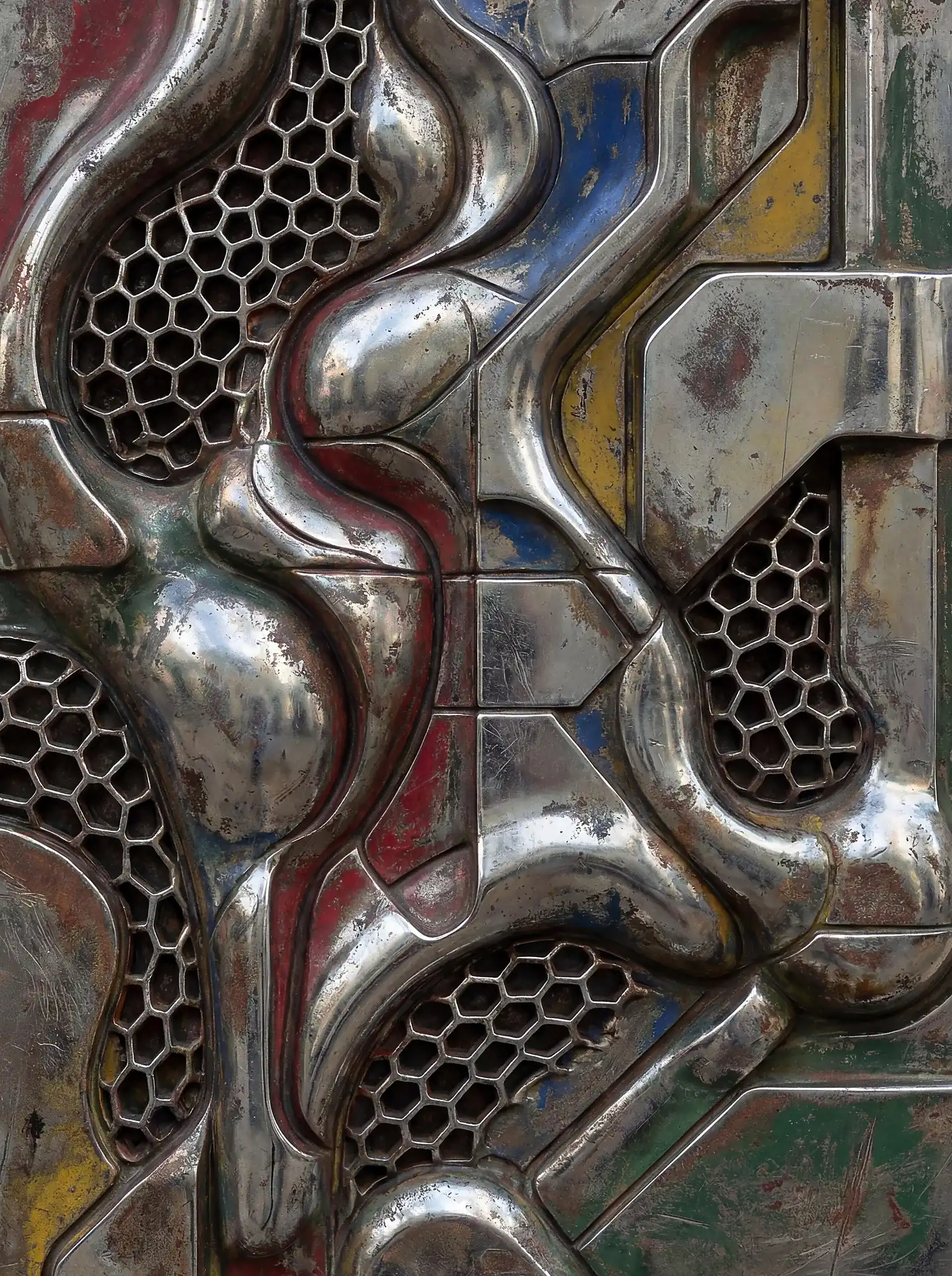
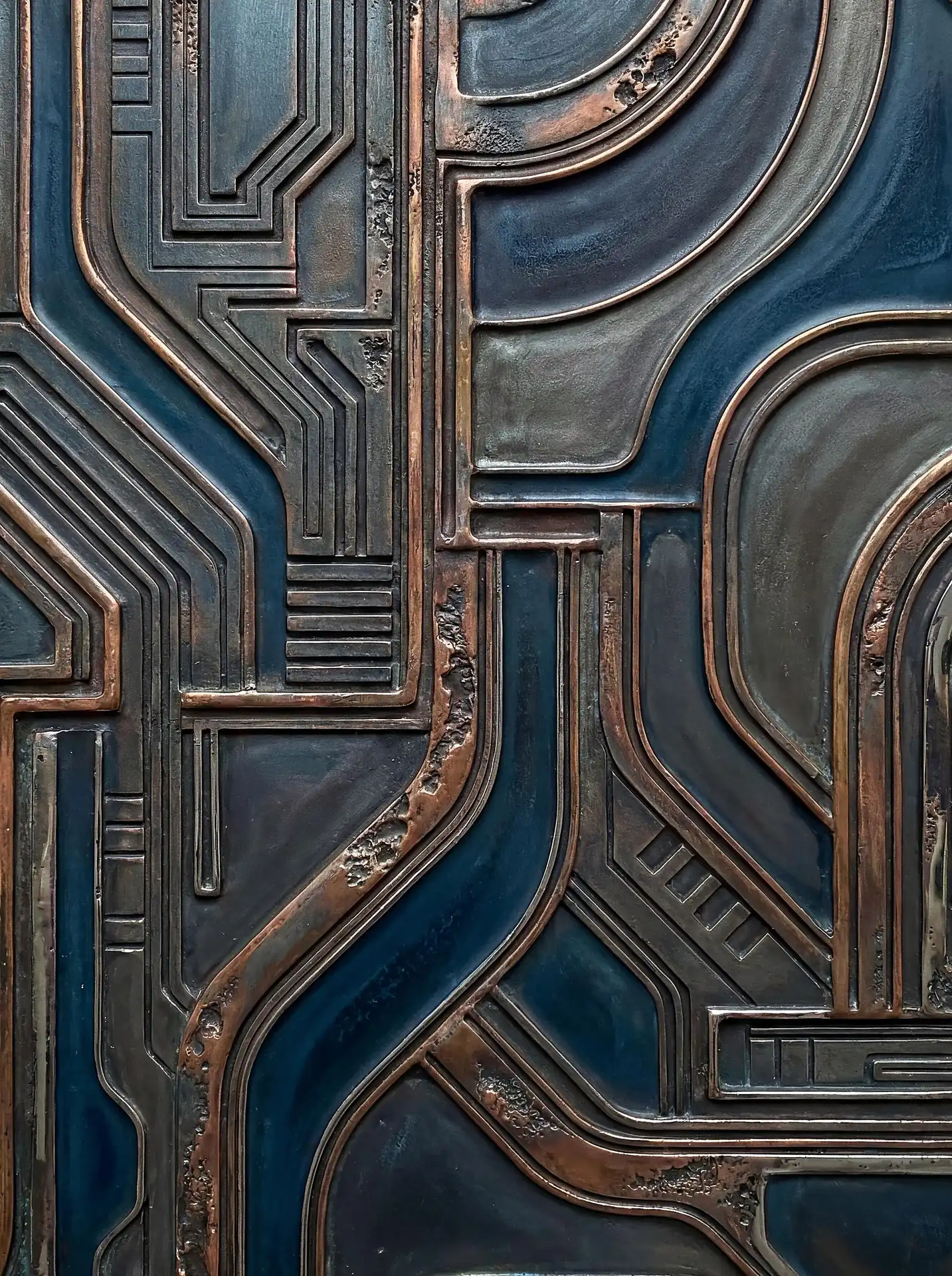
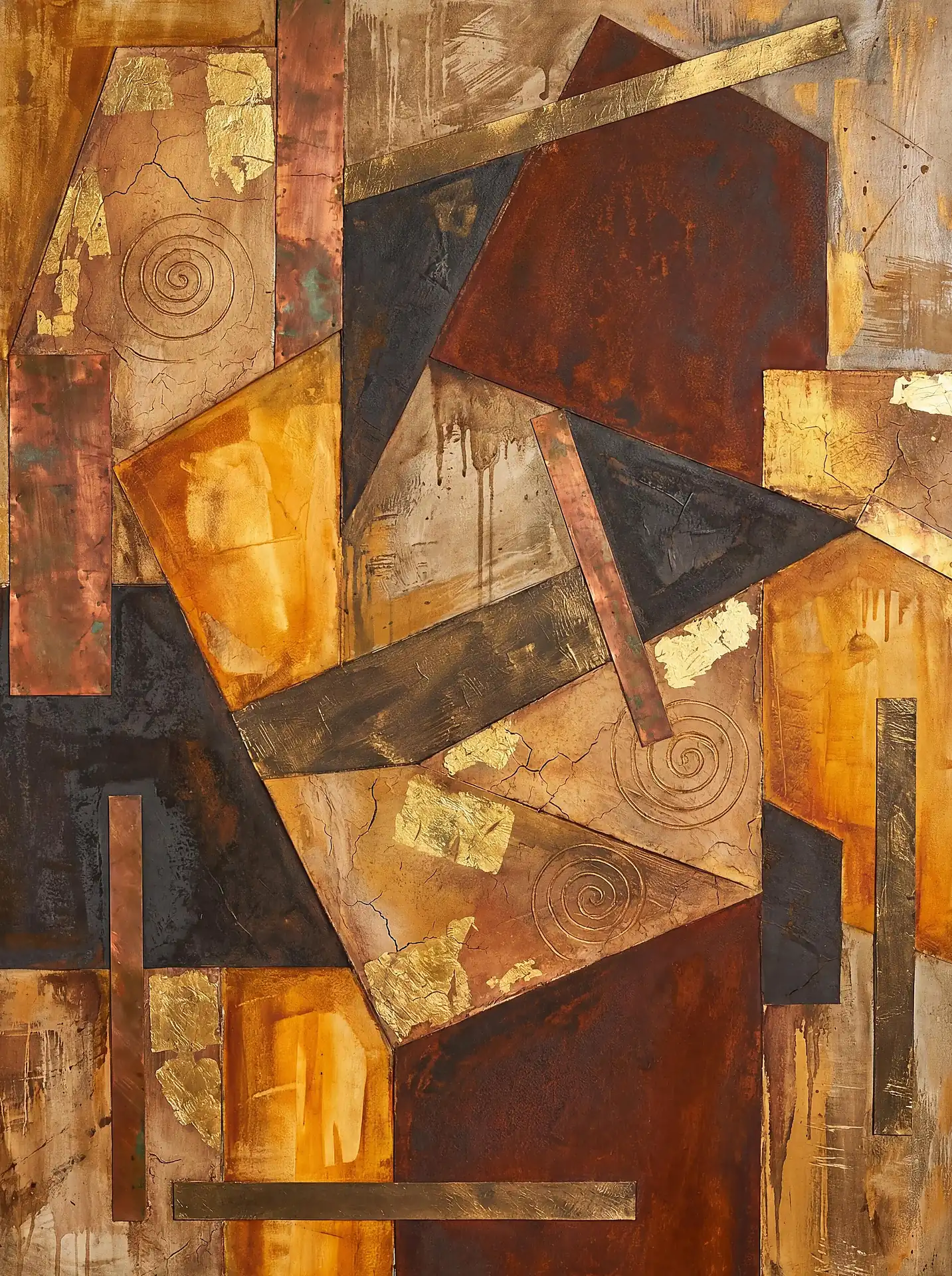
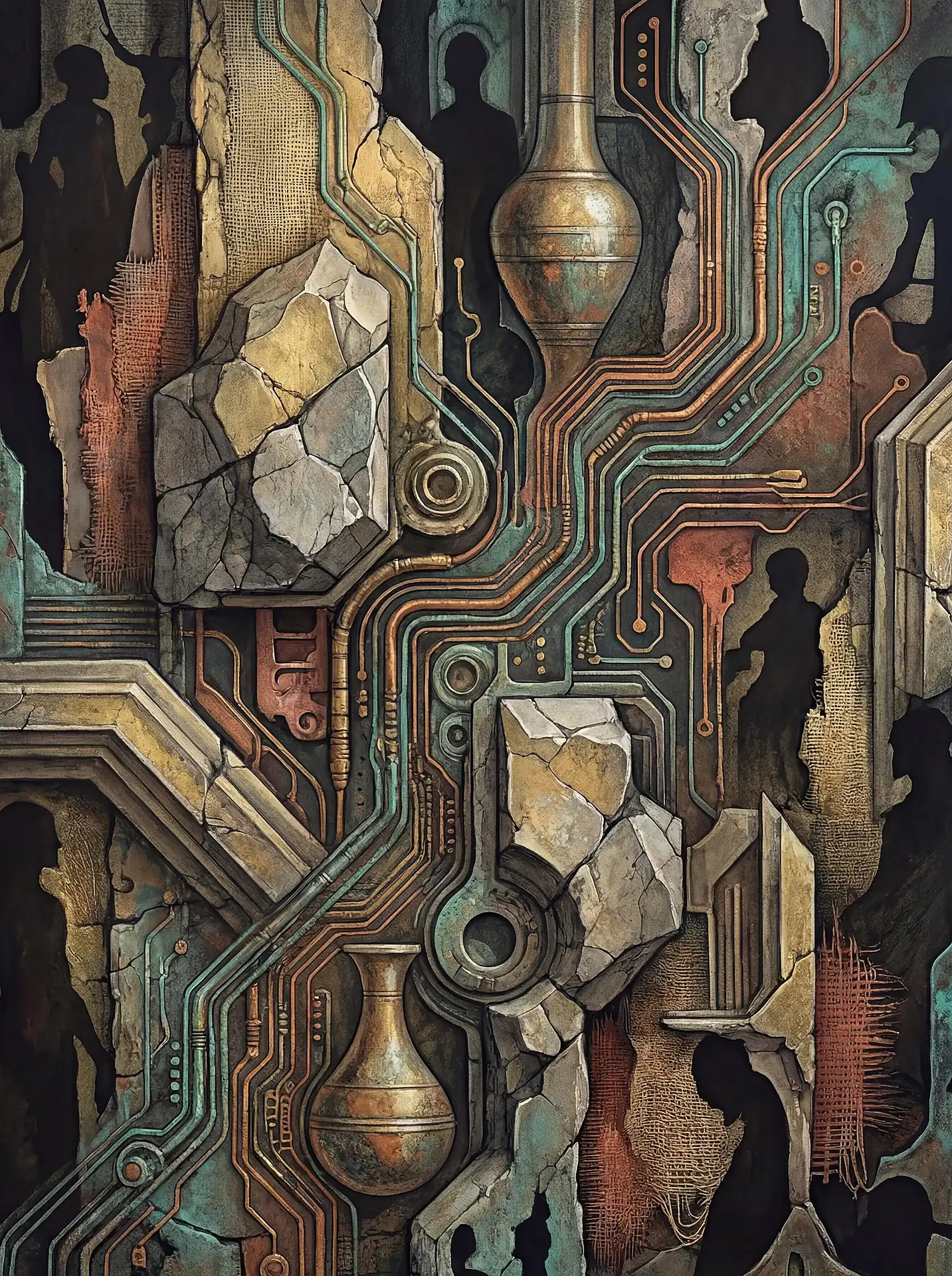
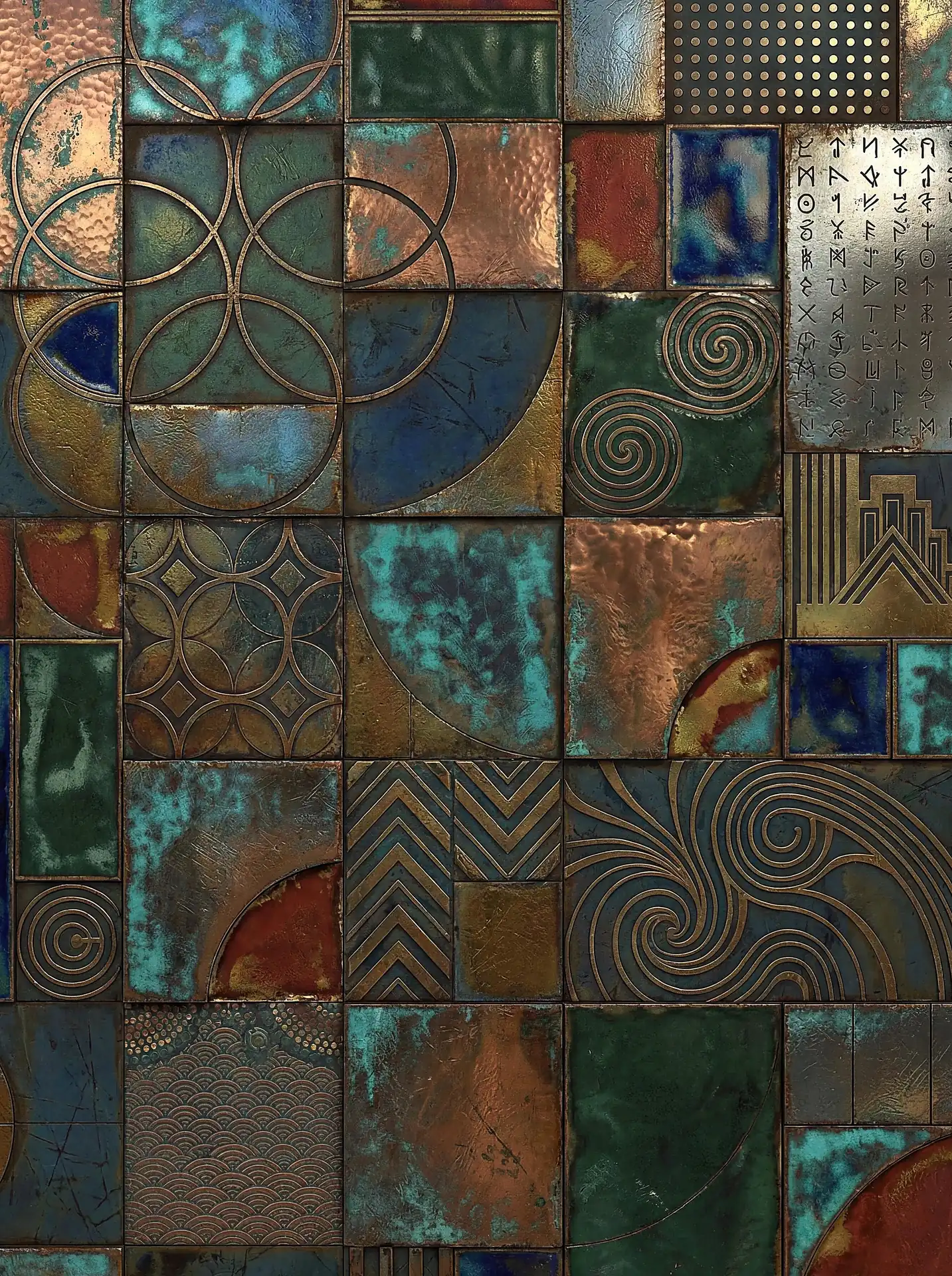
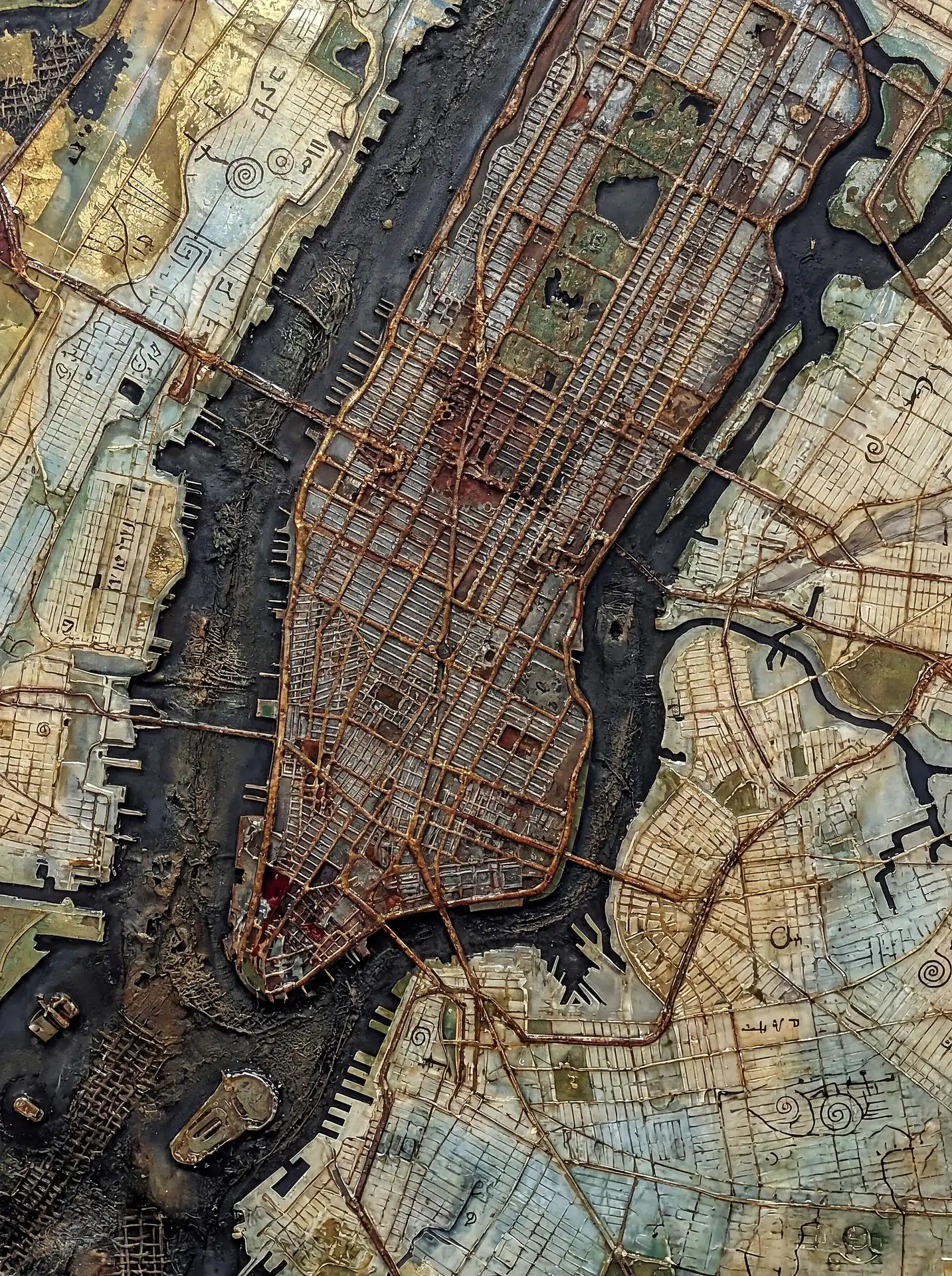
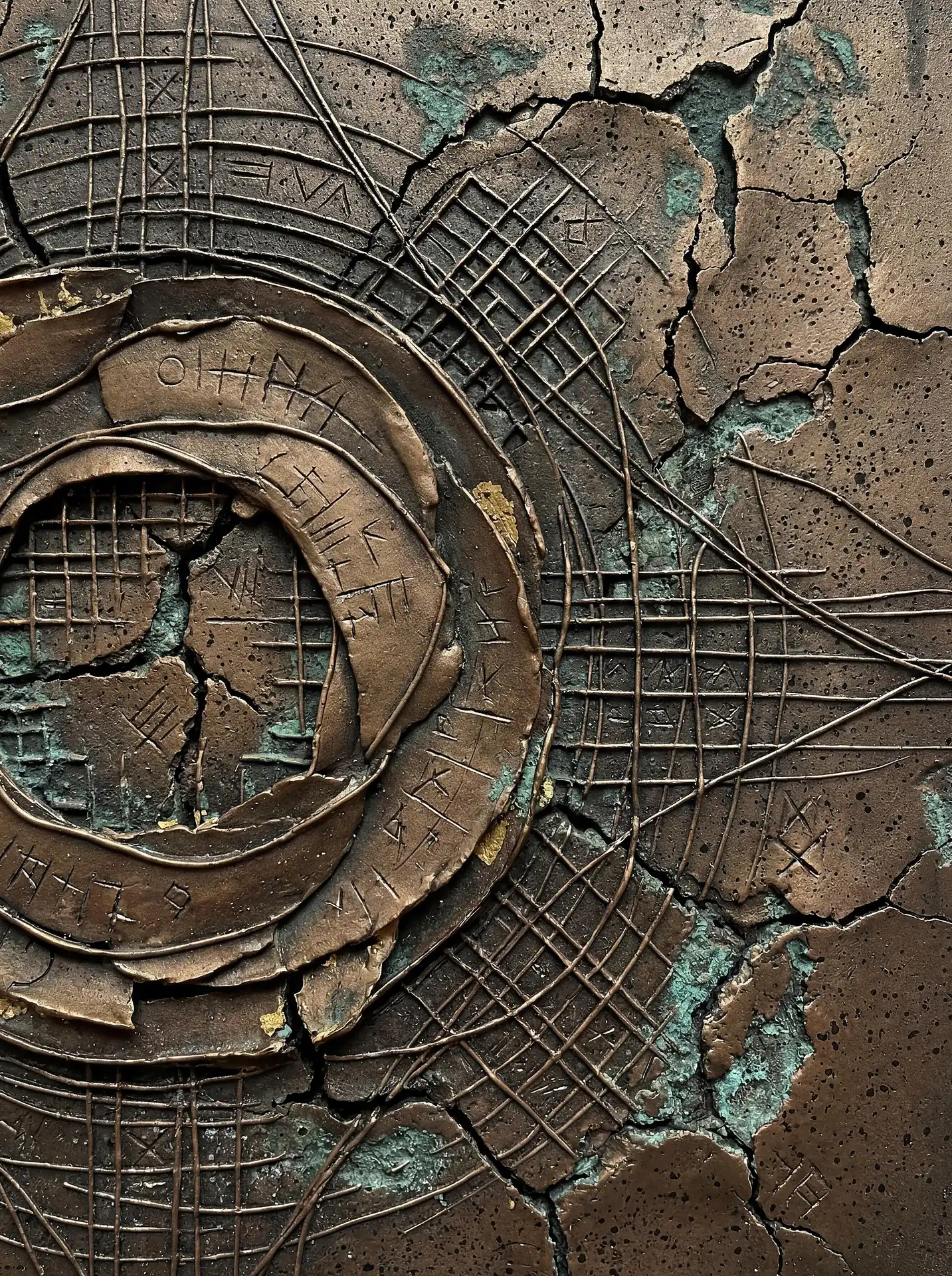
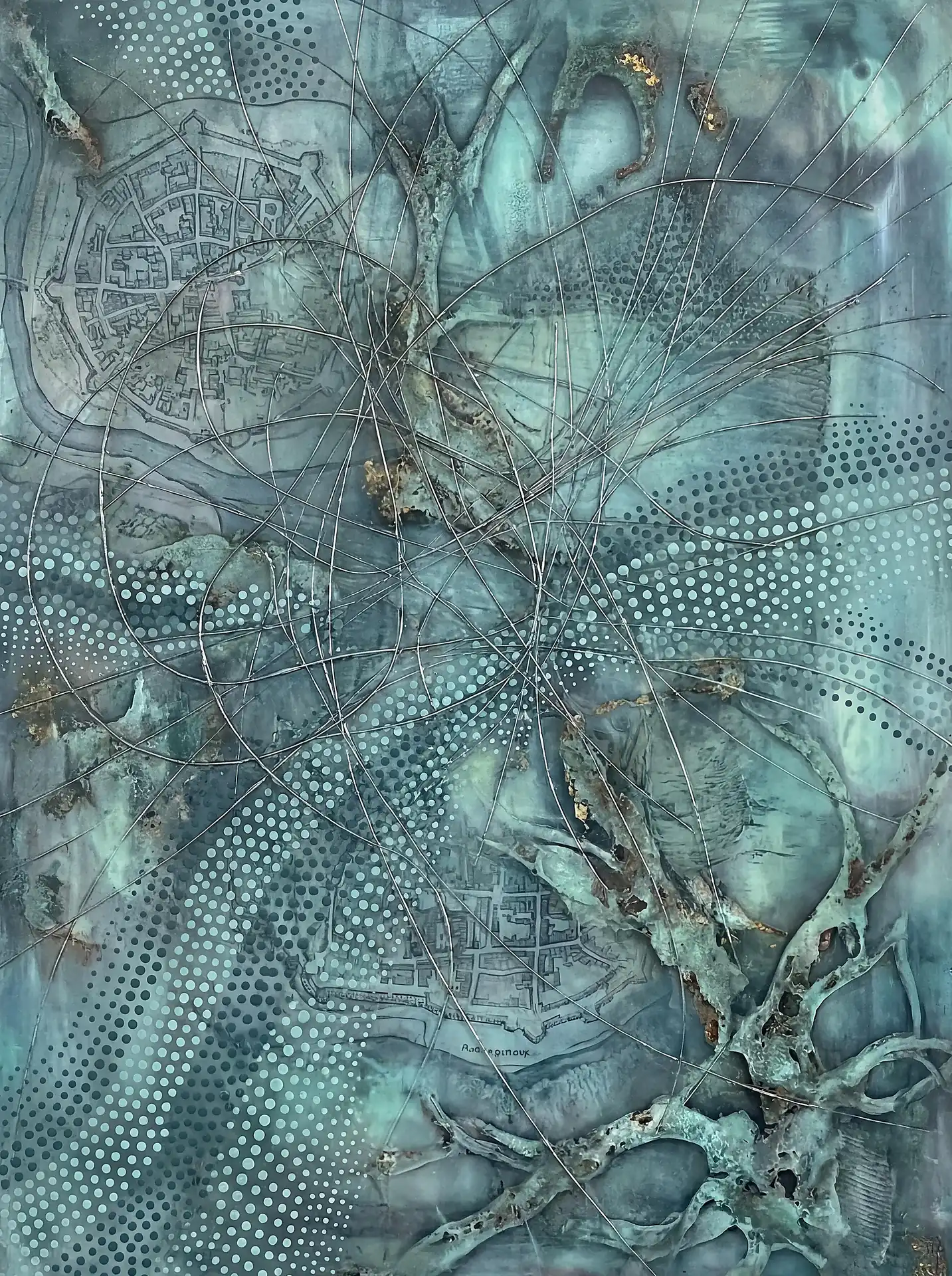
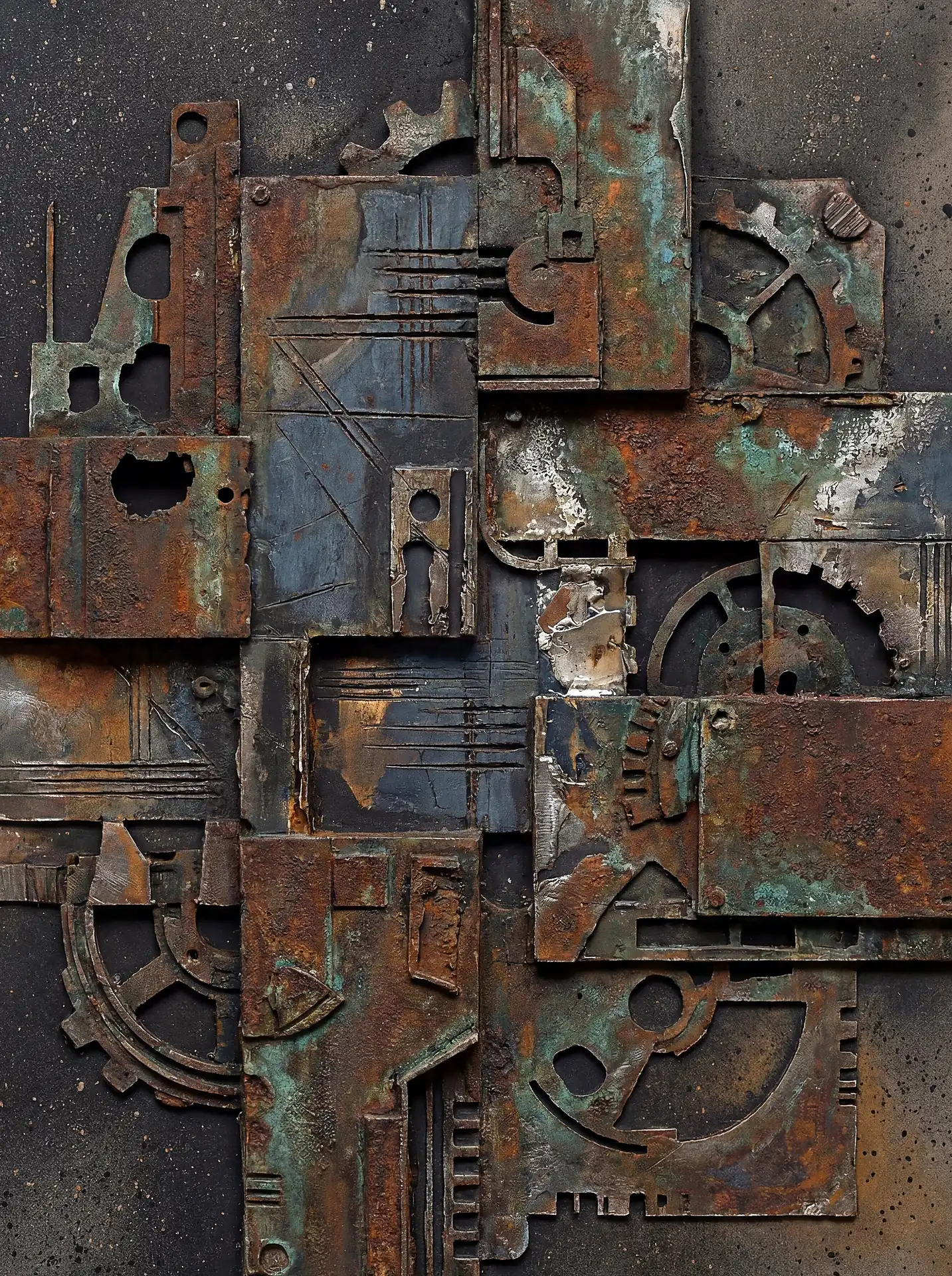
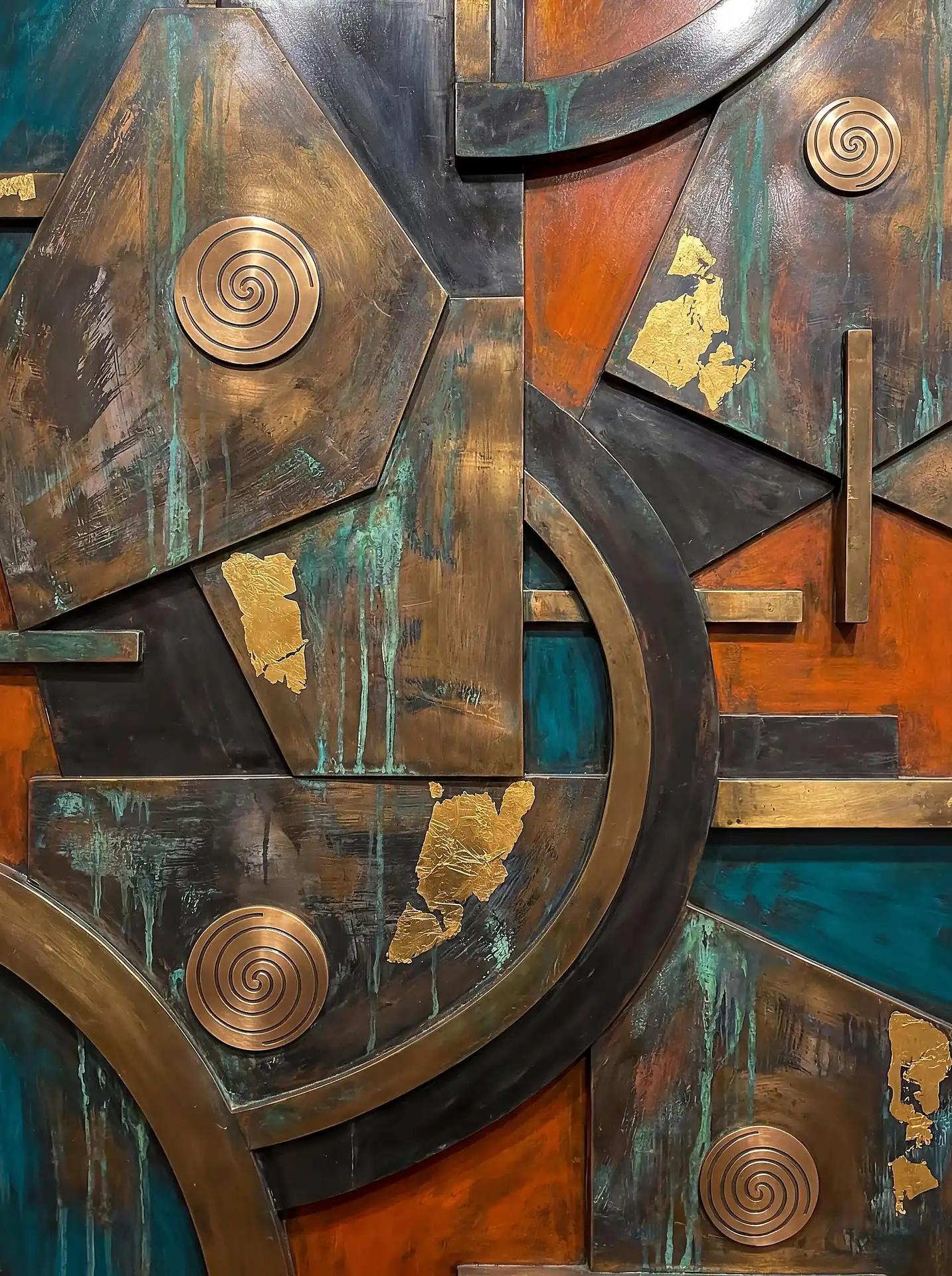
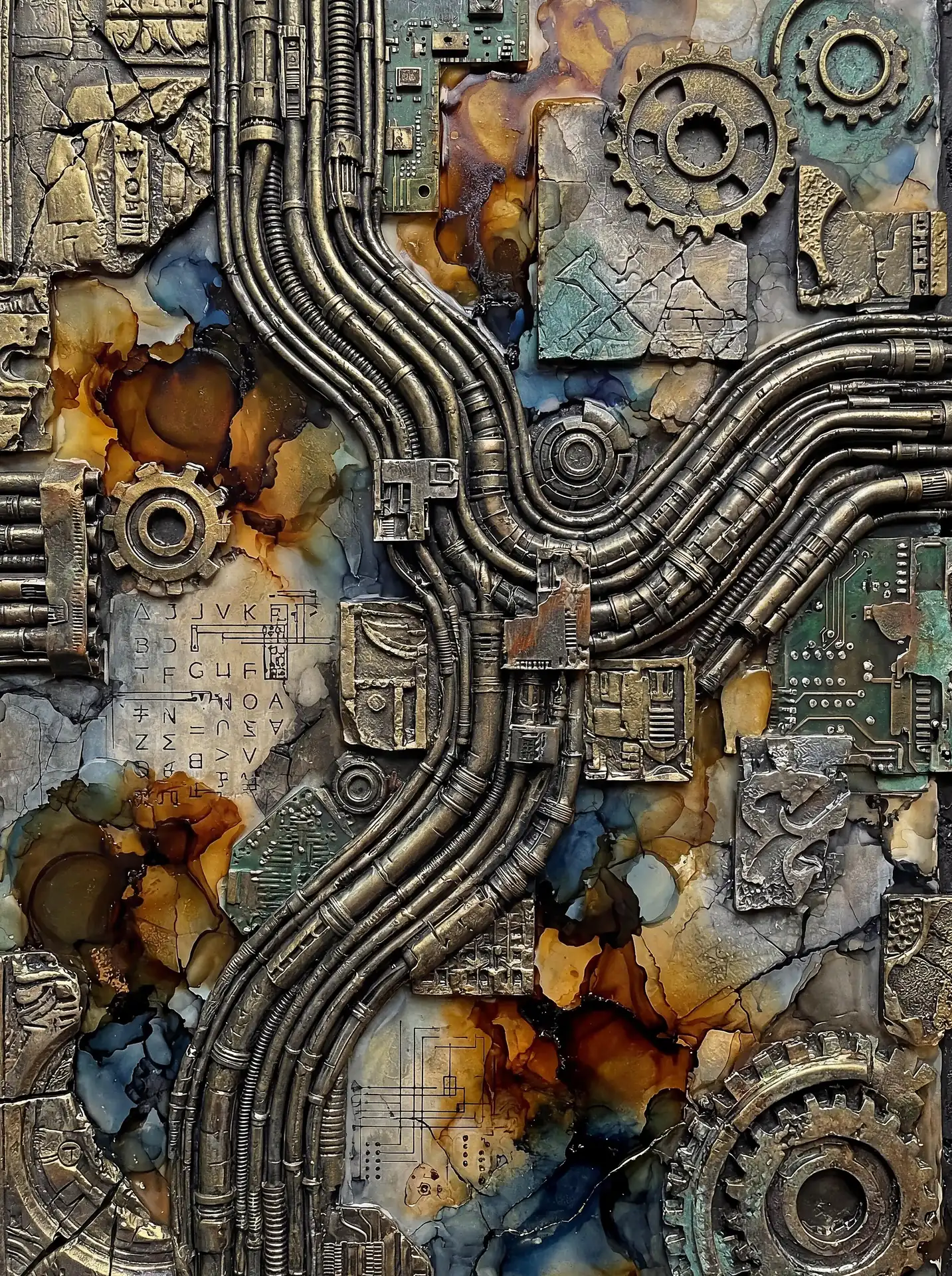
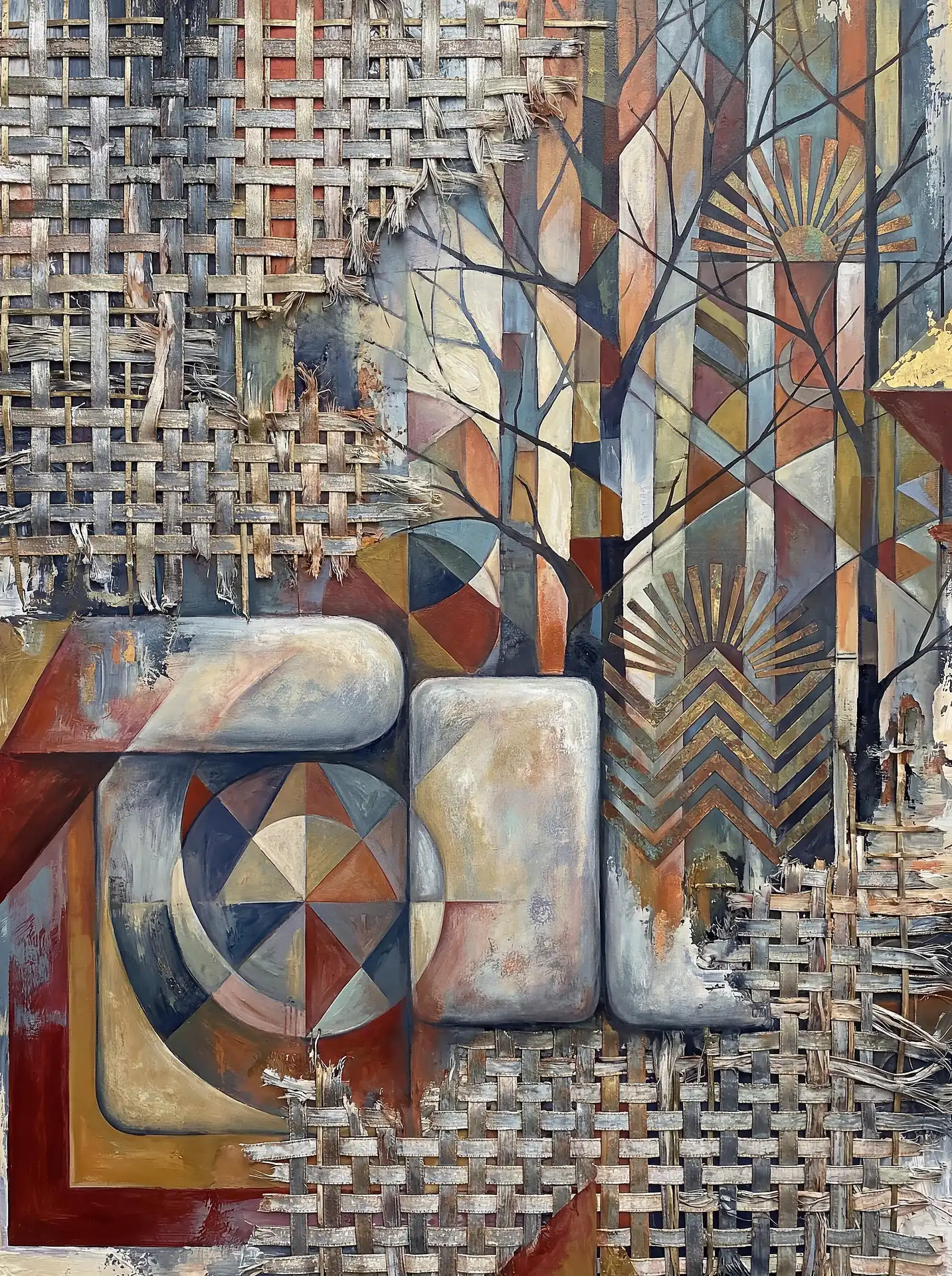
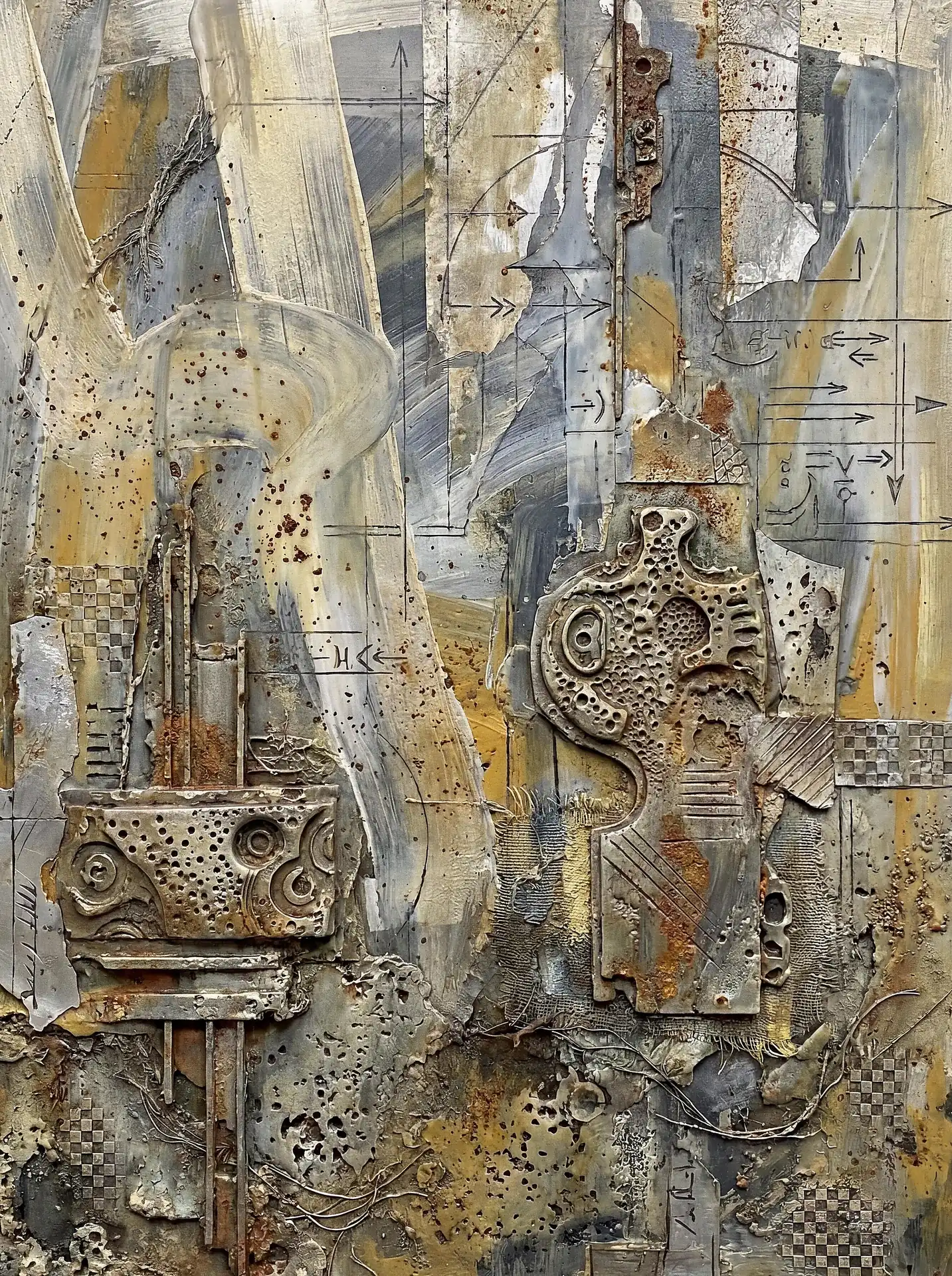
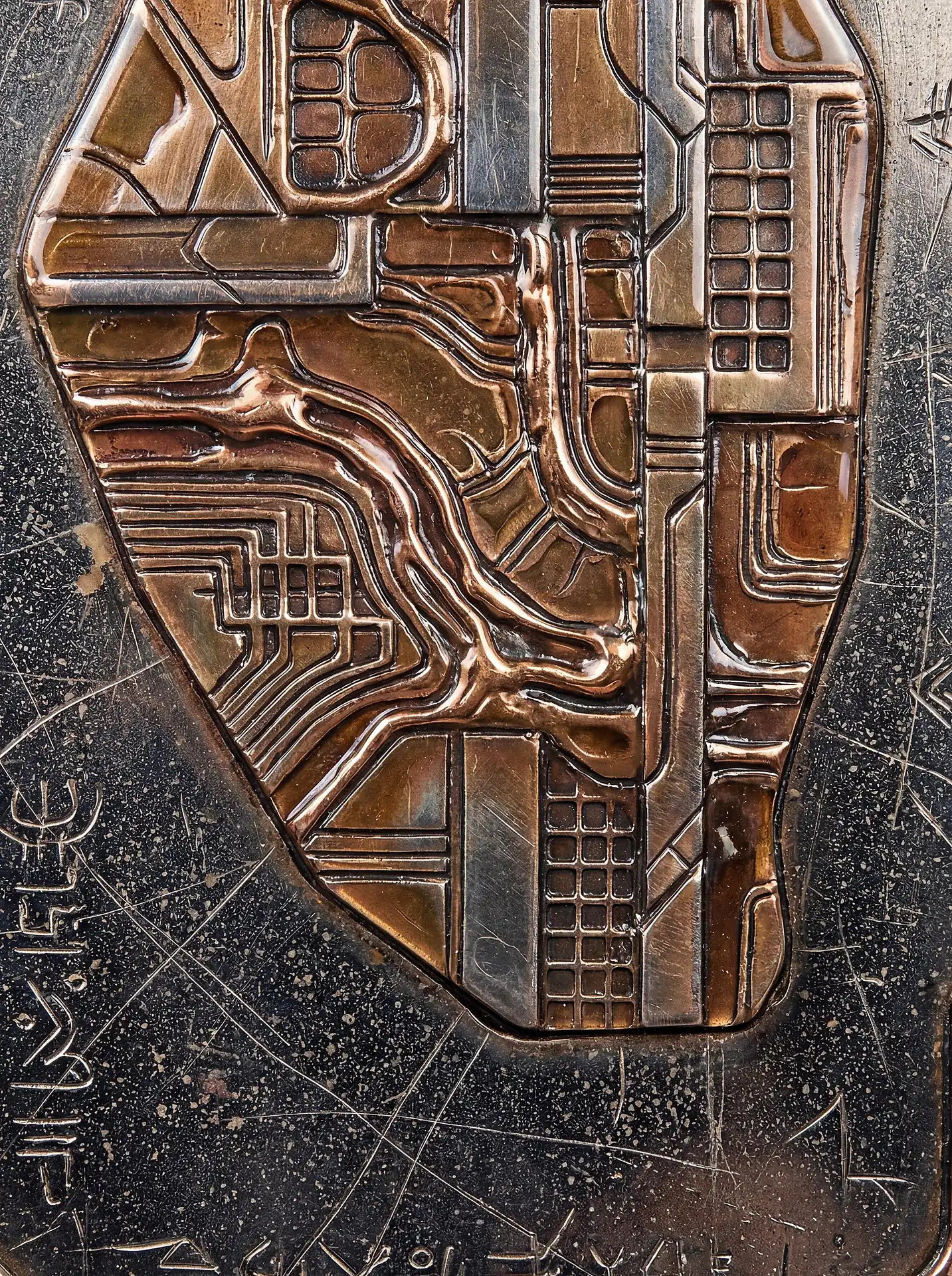
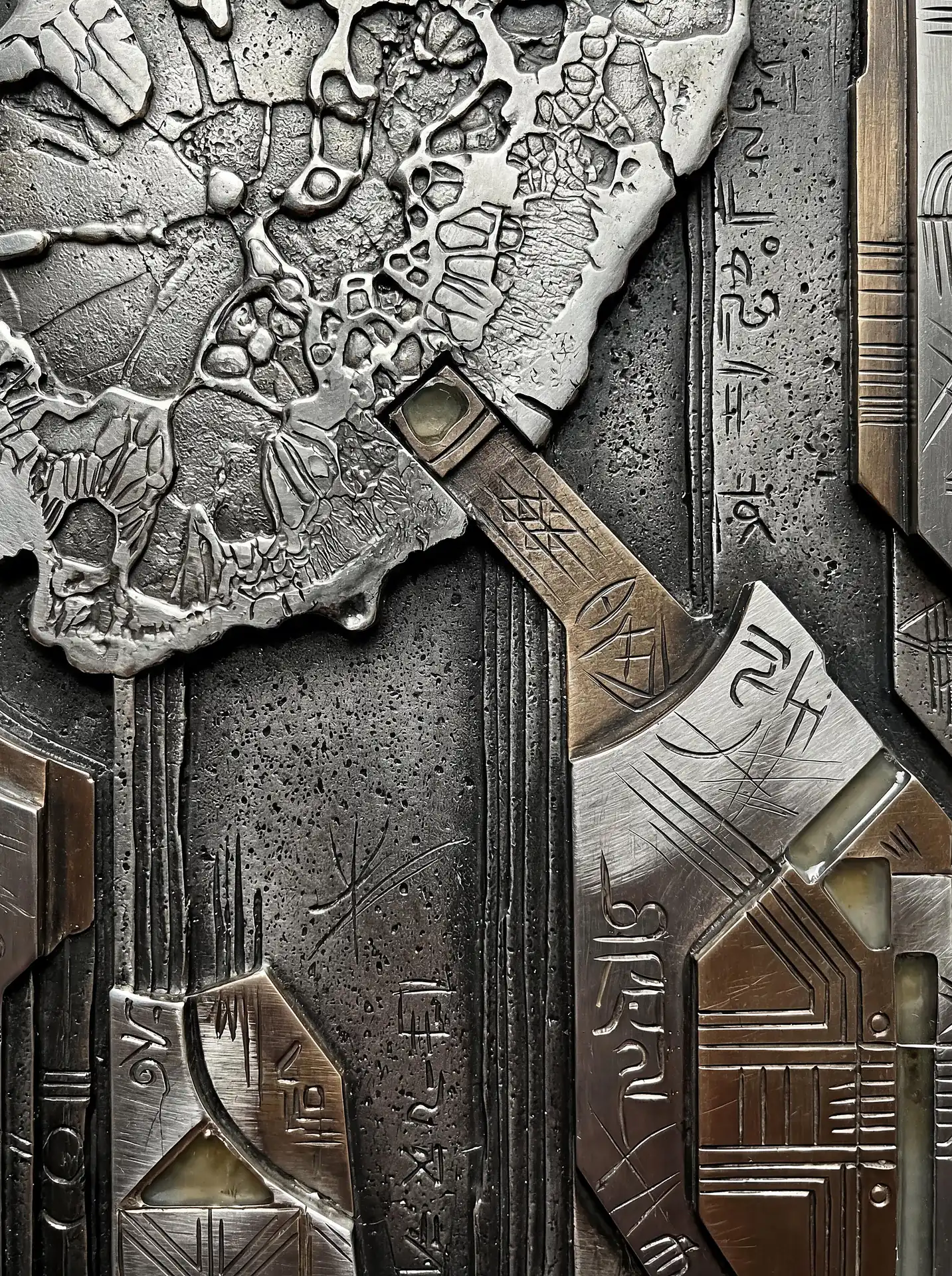
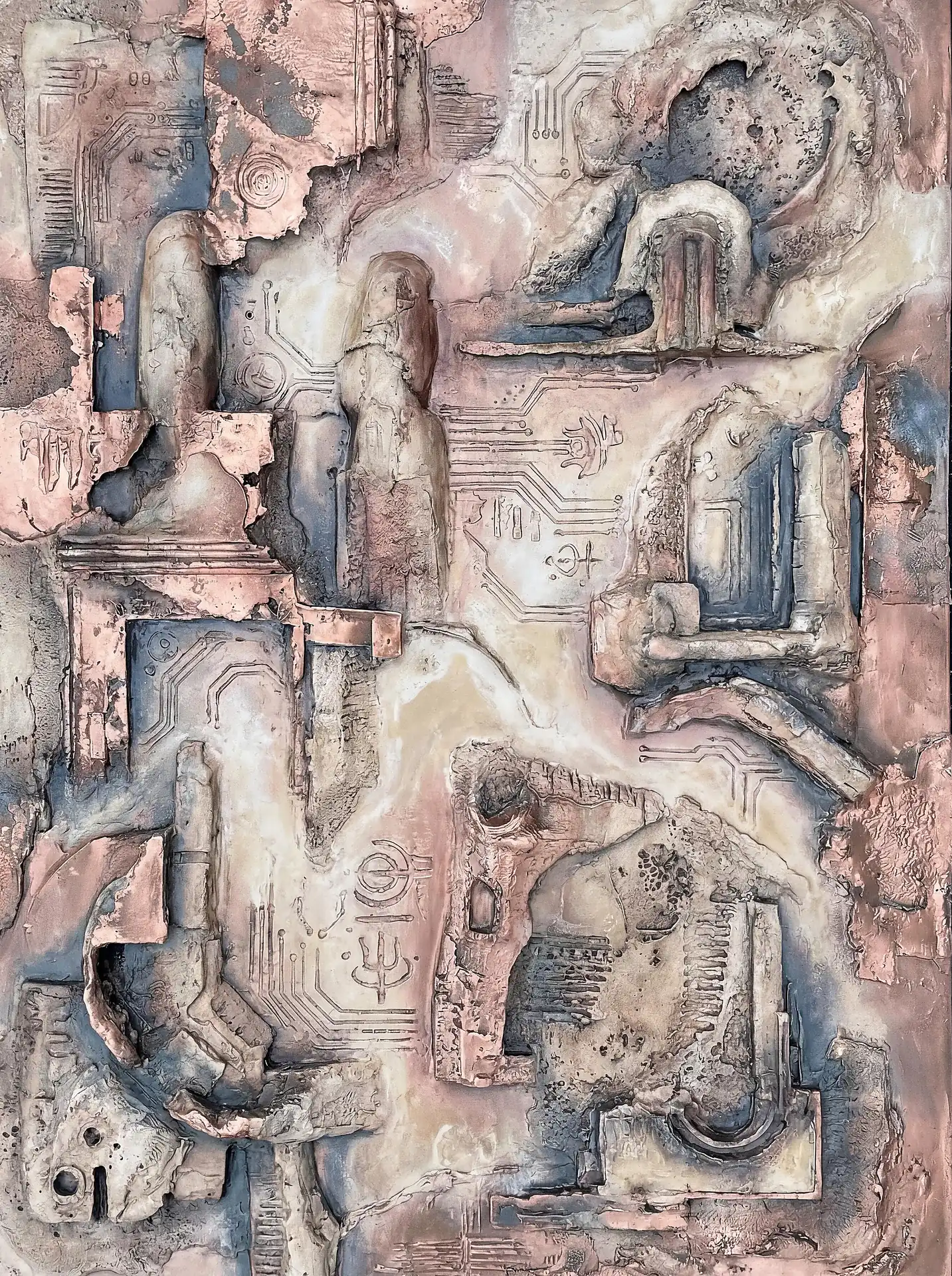
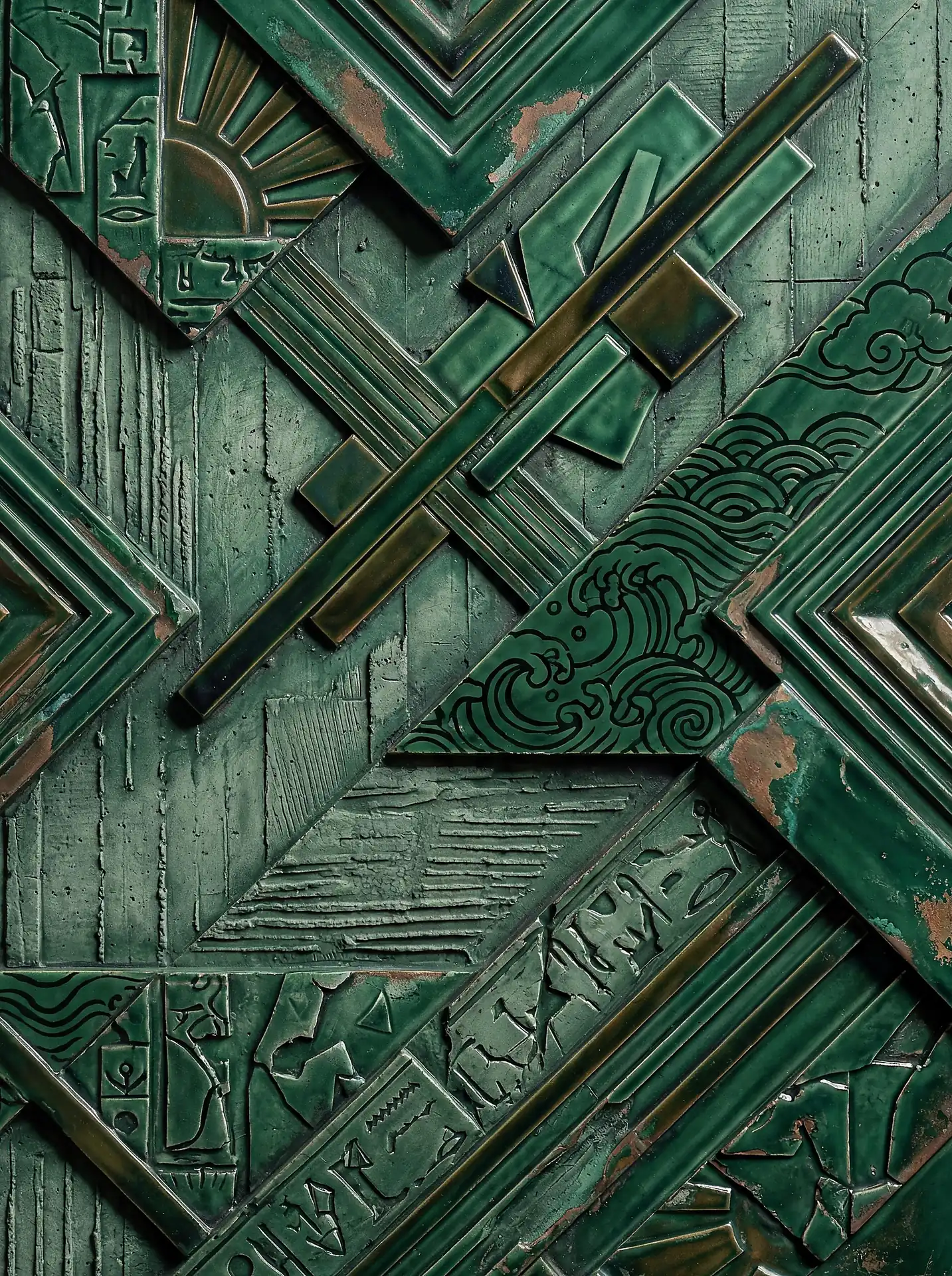
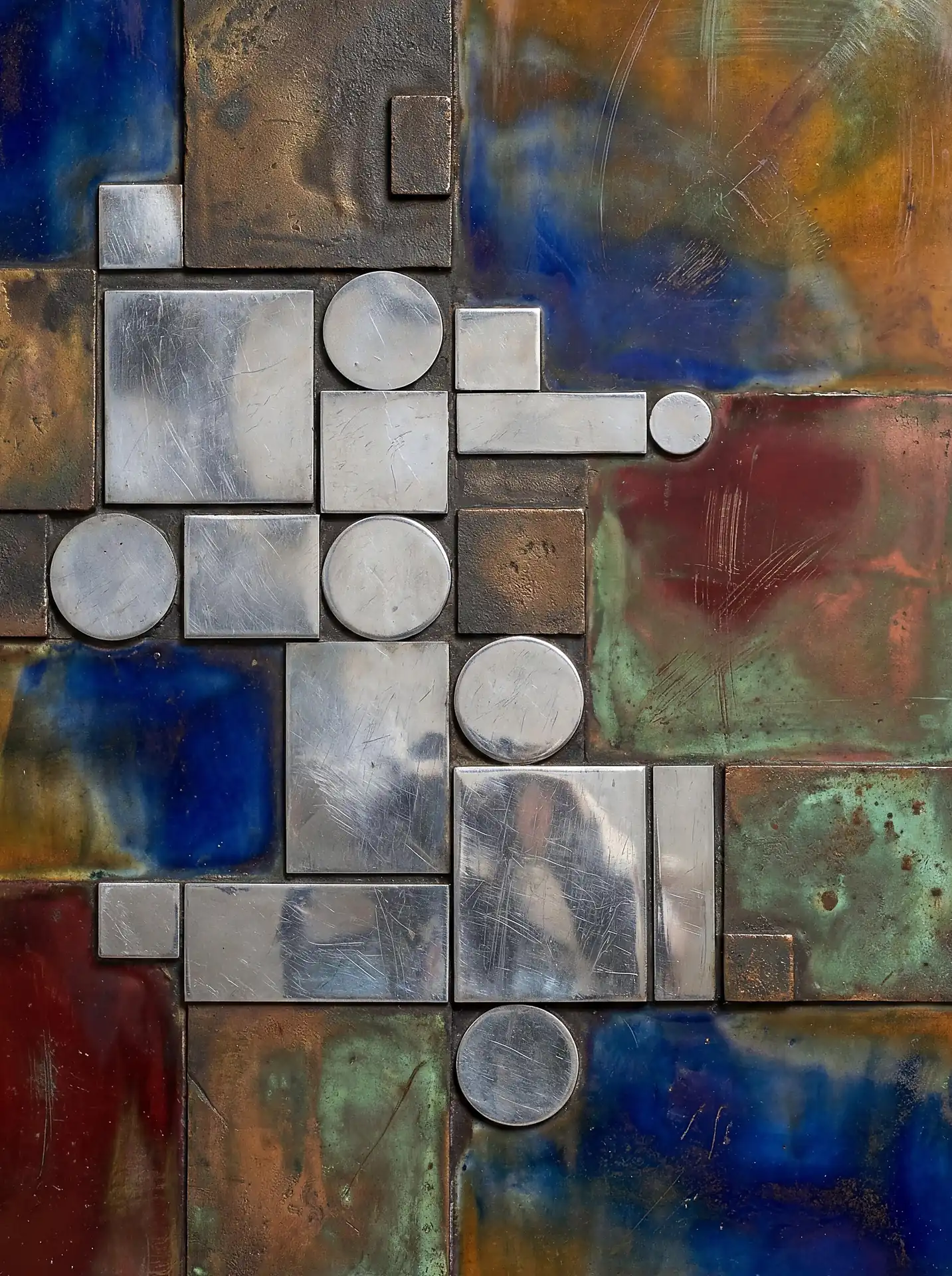
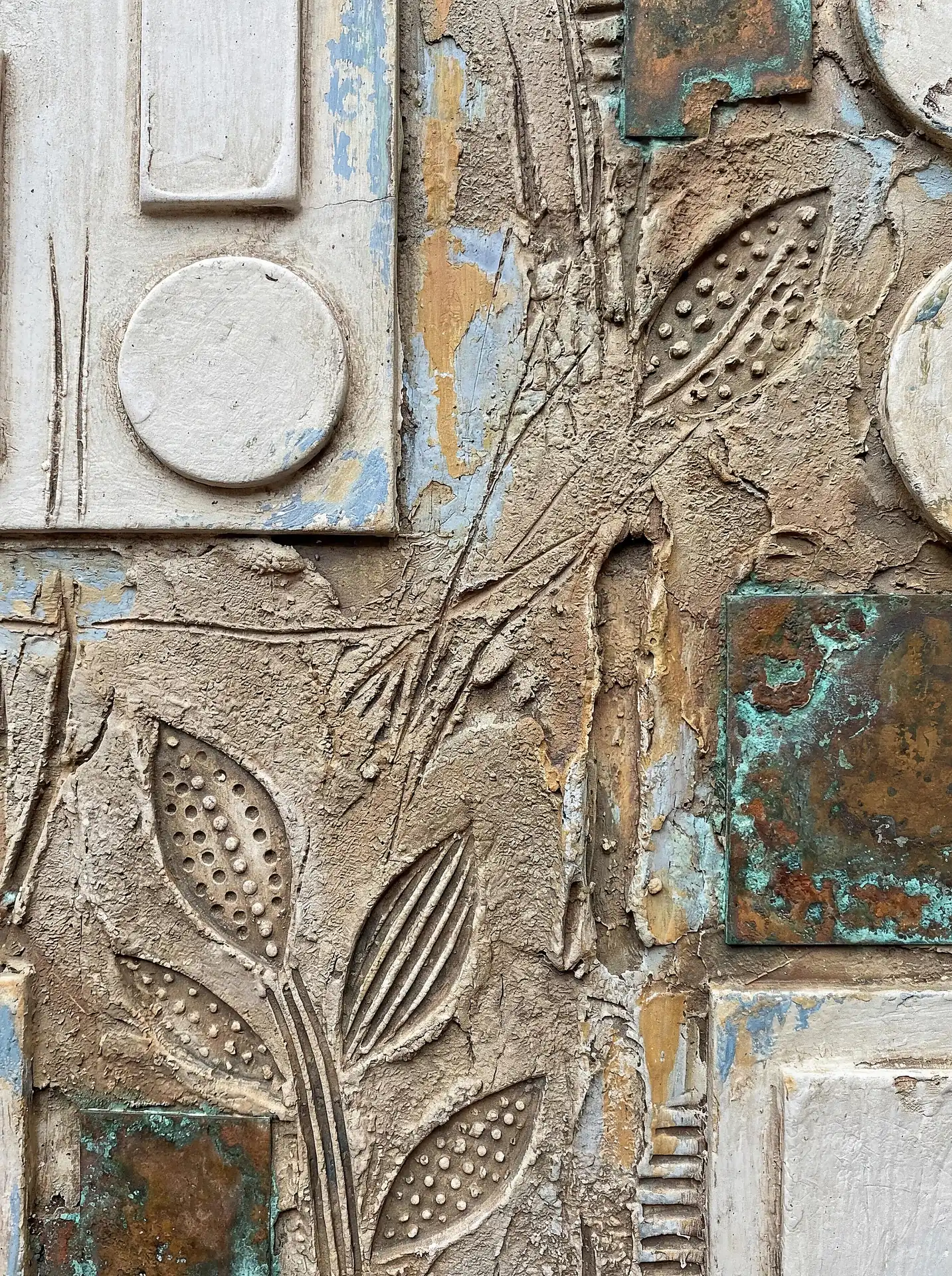
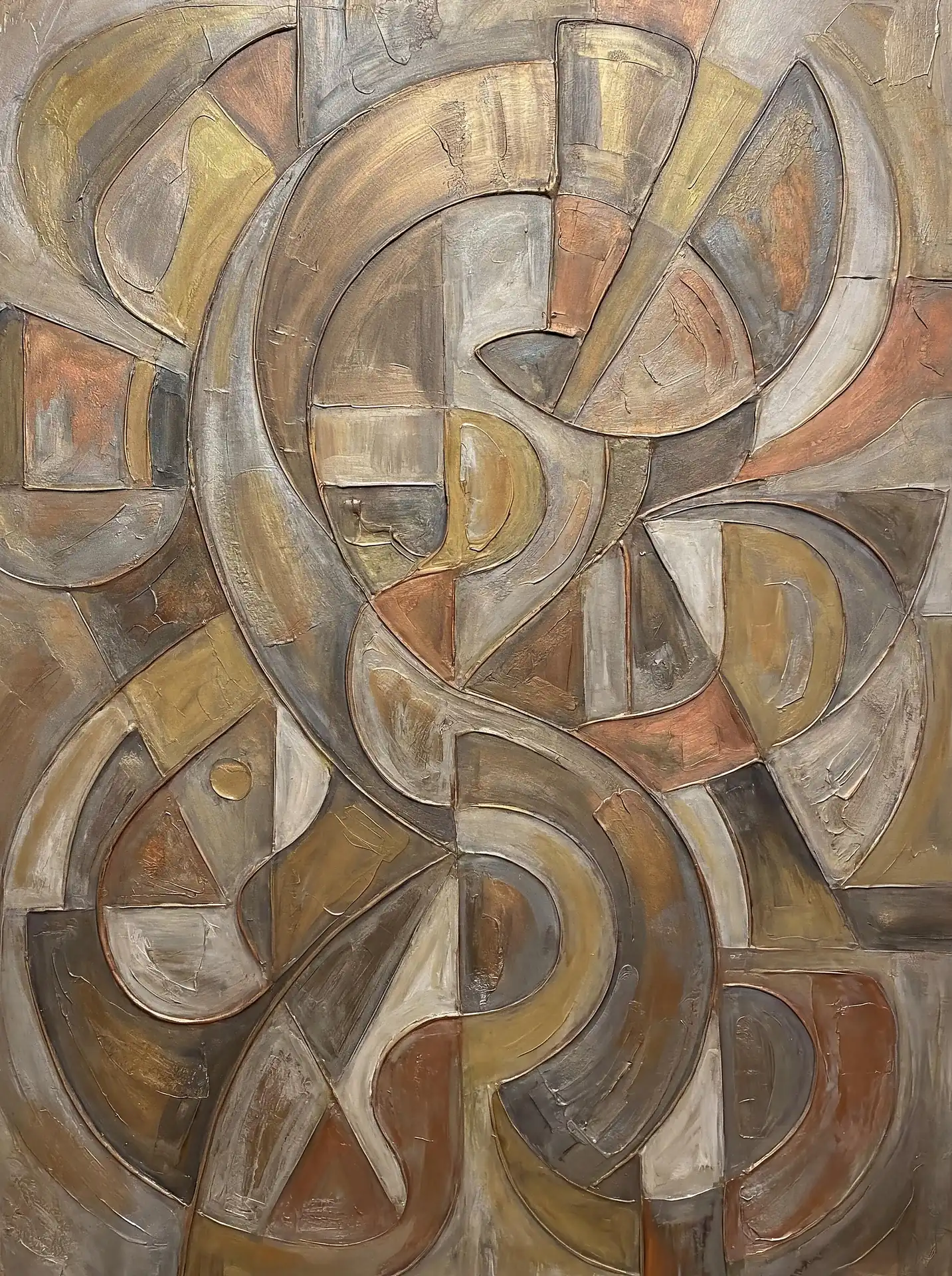
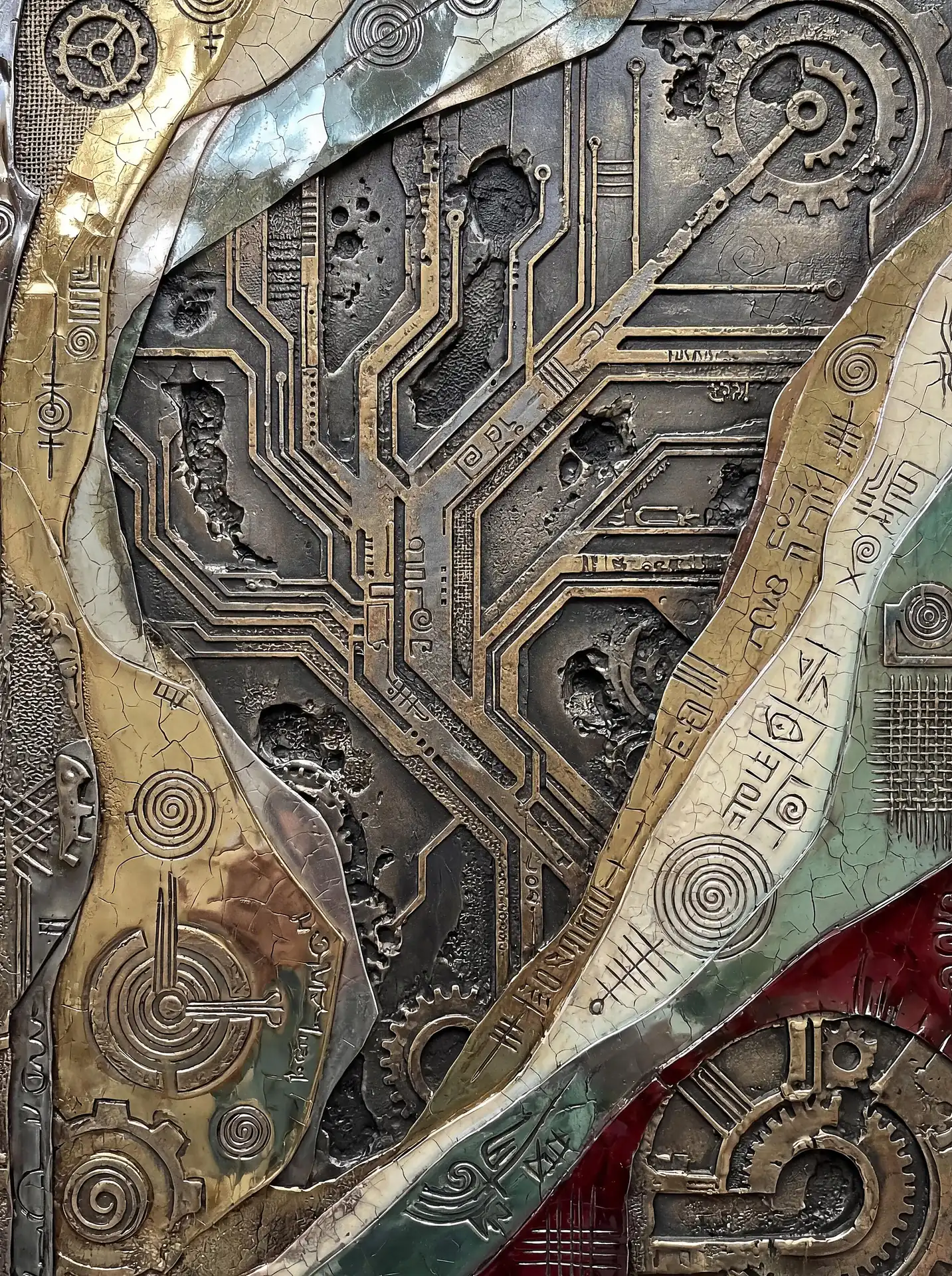
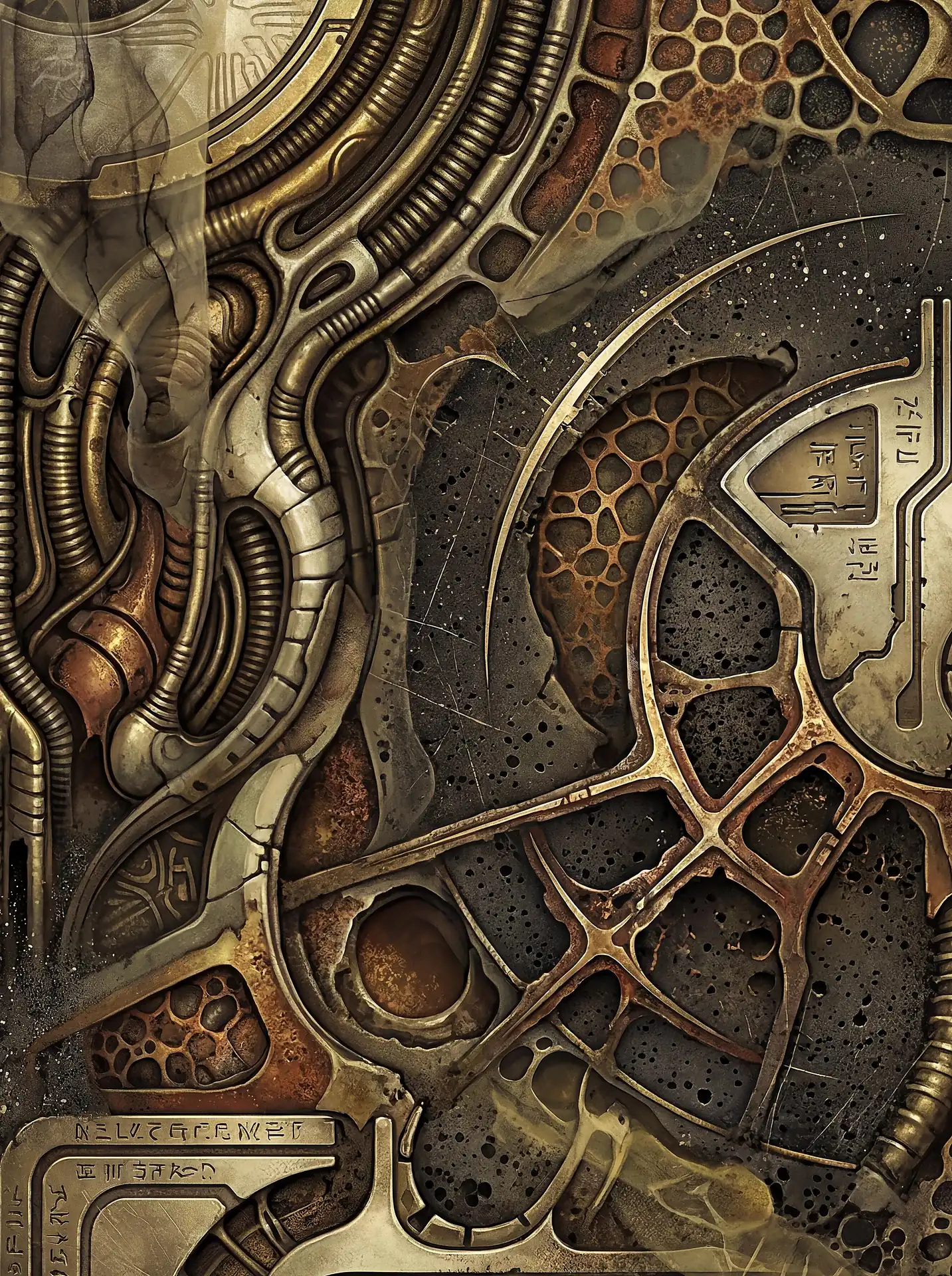
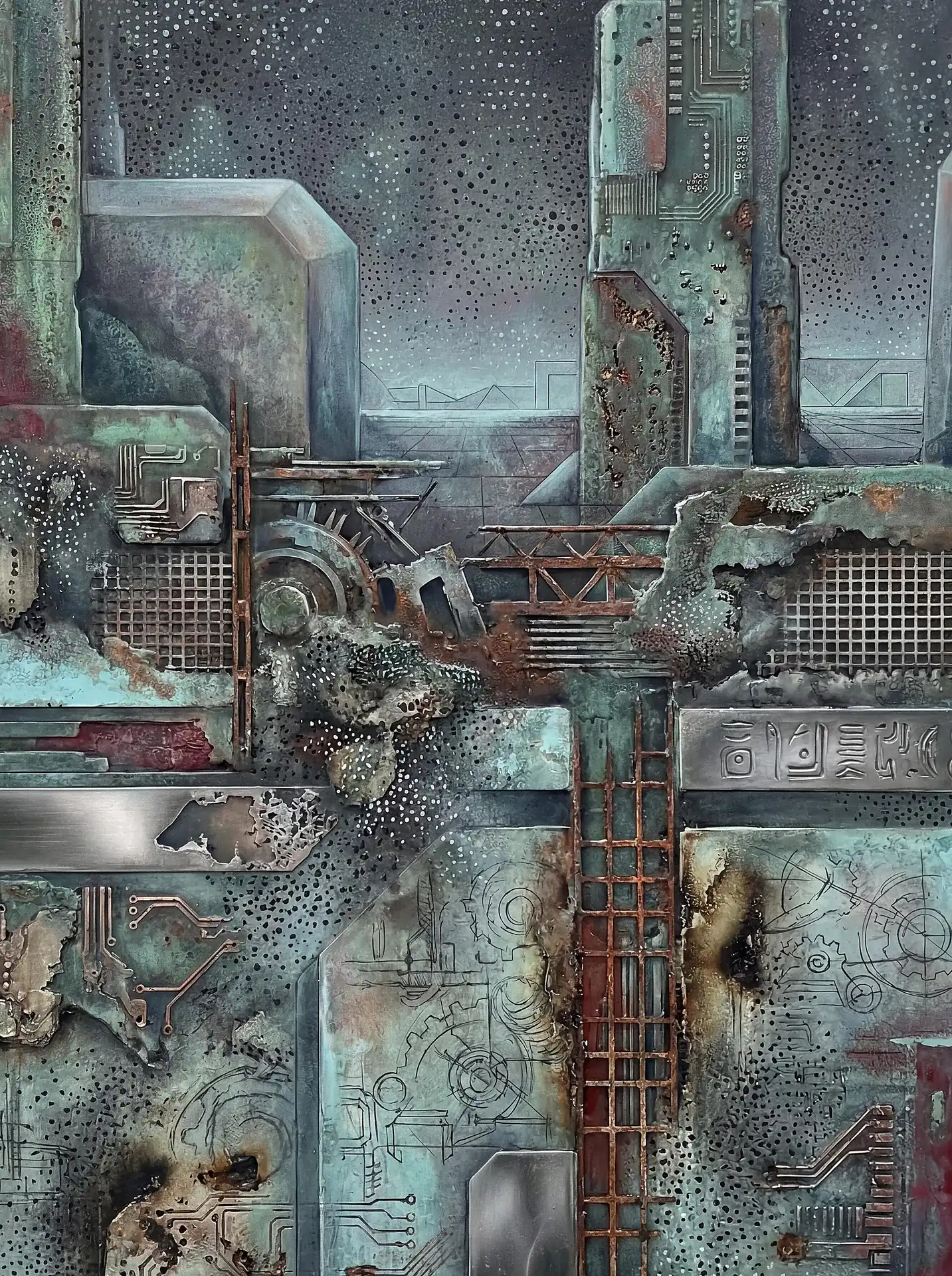
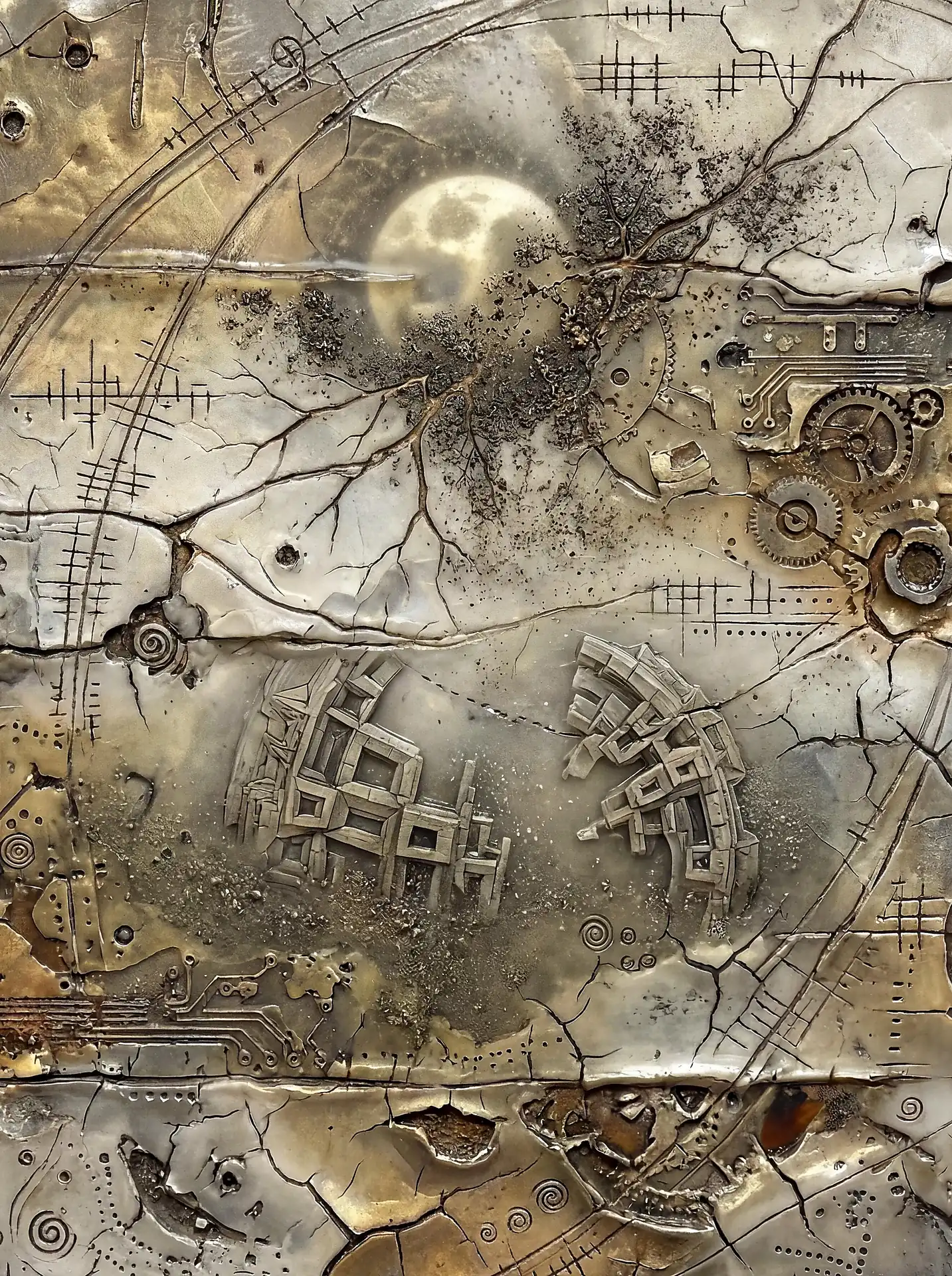
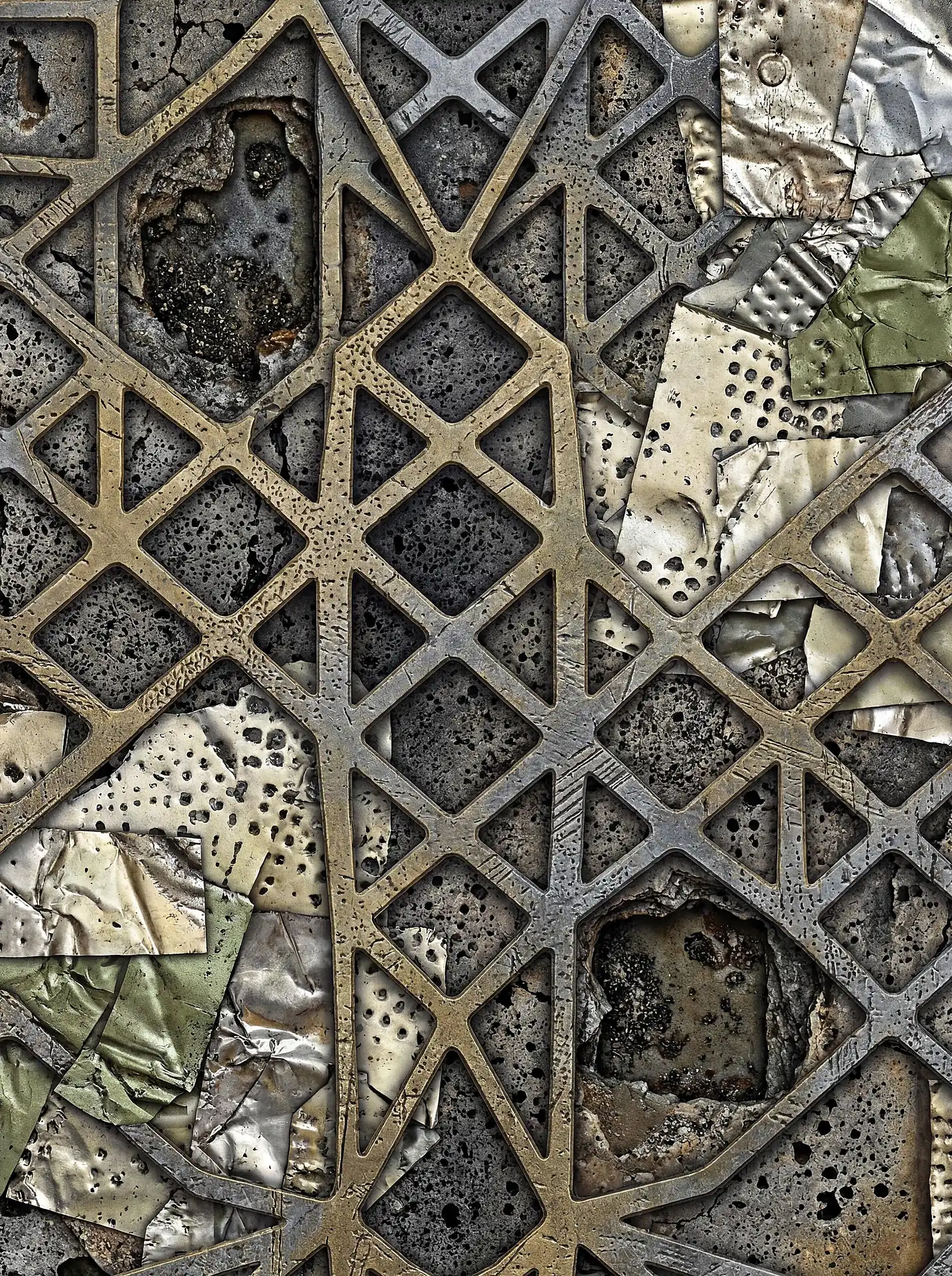
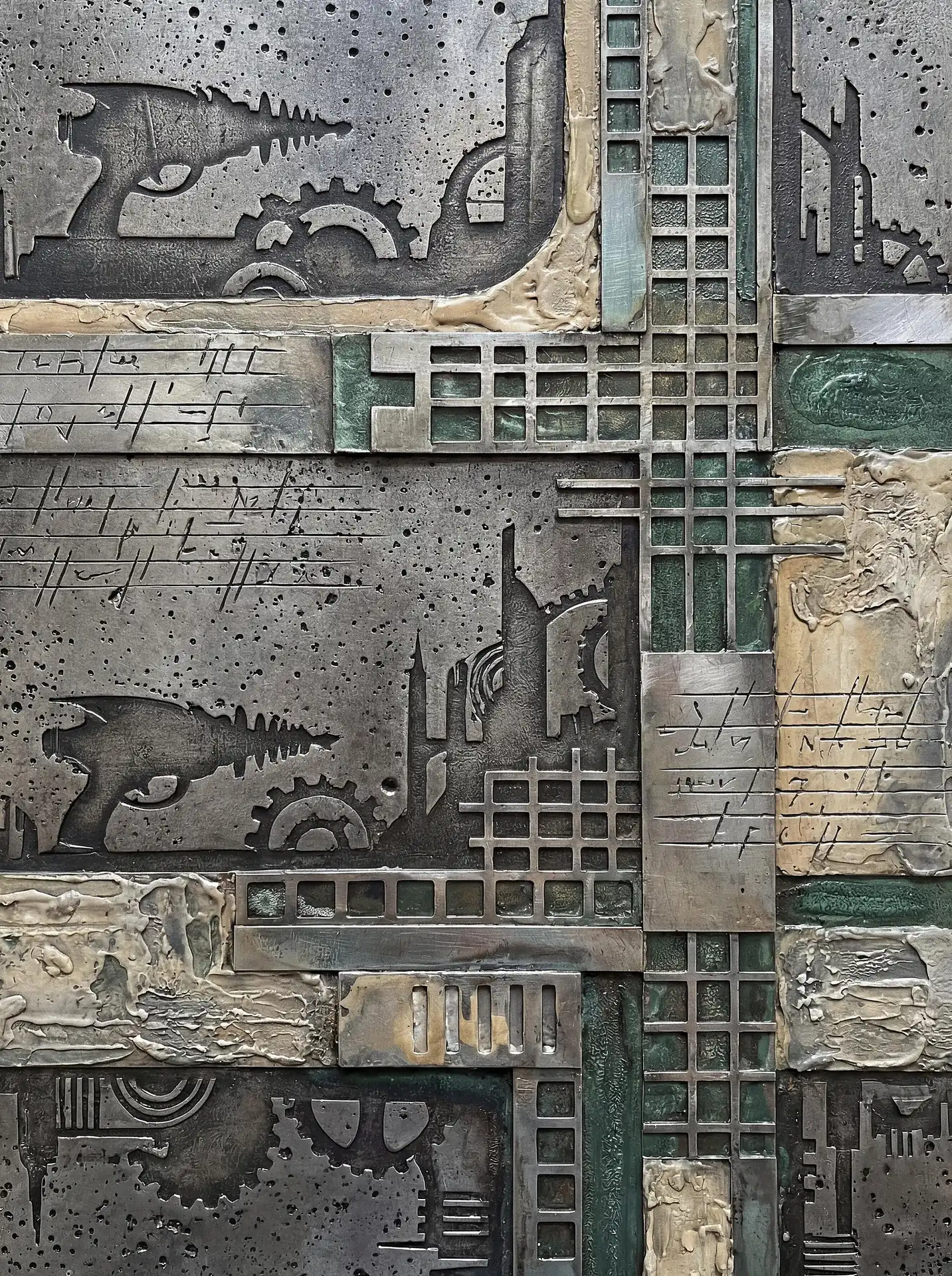
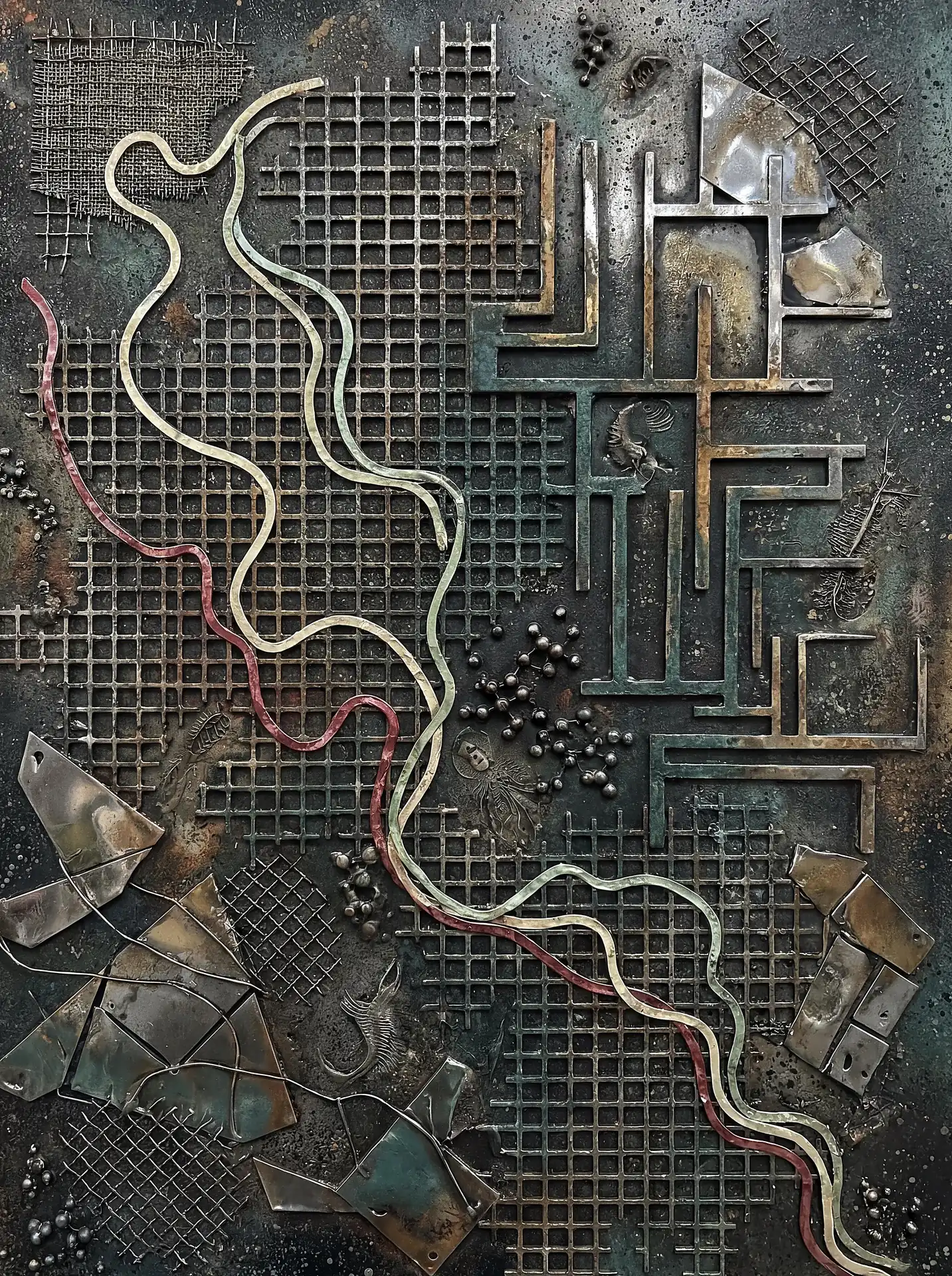
These 240 Captivating Industrial Abstract Artworks stage a dialogue in every piece. Rigid geometry meets flowing curves. Mechanical repetition encounters irregular growth. The works don’t pick sides—they let the tension hold, suspended in liminal space where a gear might be a flower, where a circuit might be a river system, where the difference between built and grown stops mattering entirely.The visual language borrows from archaeology of abandoned places. Surfaces excavated from some alternate timeline where factories grew rather than were constructed. Pipes become roots. Panel seams become leaf veins. The suggestion throughout is that technology and biology were never as separate as we assumed.
COLOR AS EMOTIONAL ARCHITECTURE
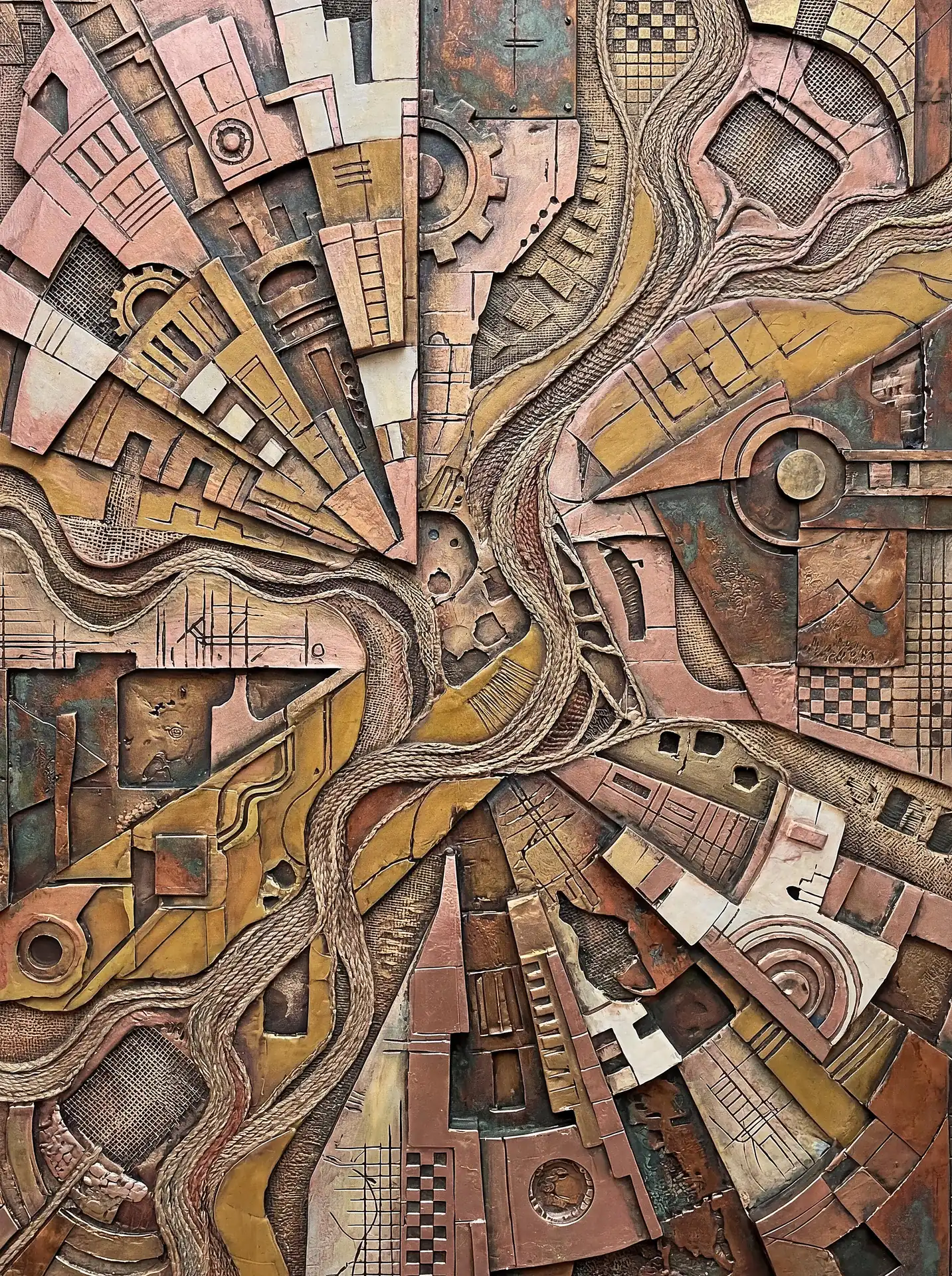
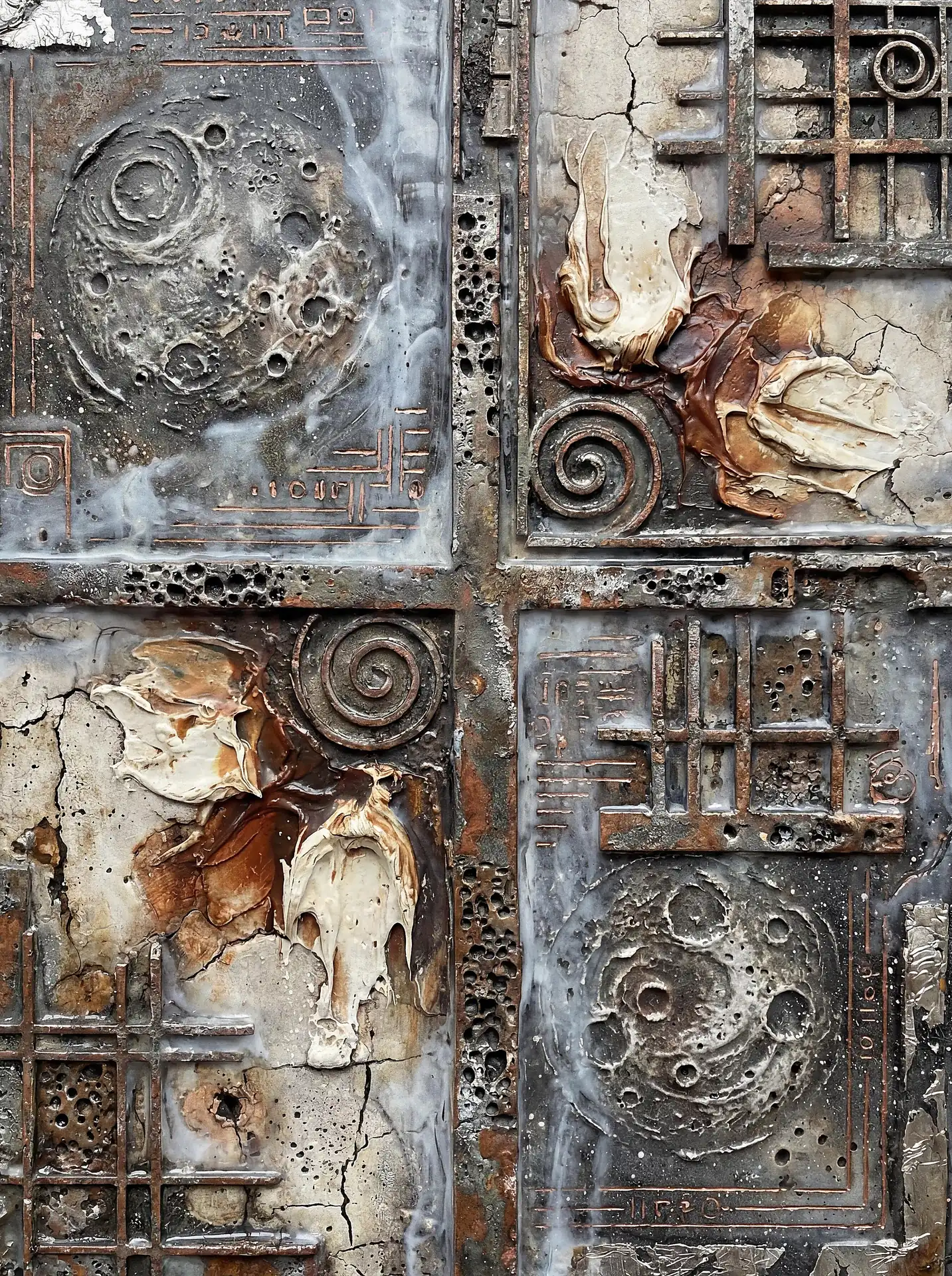
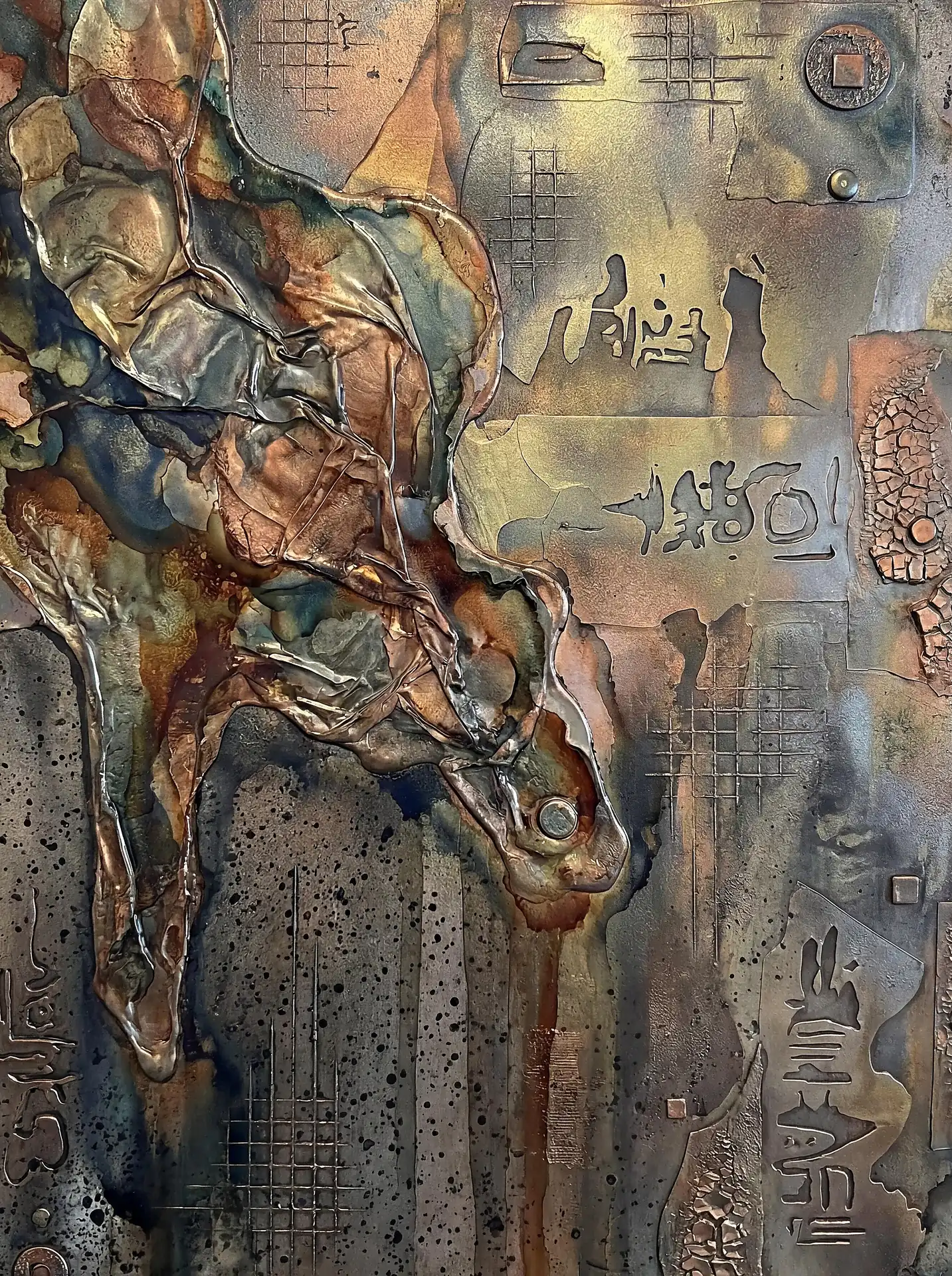
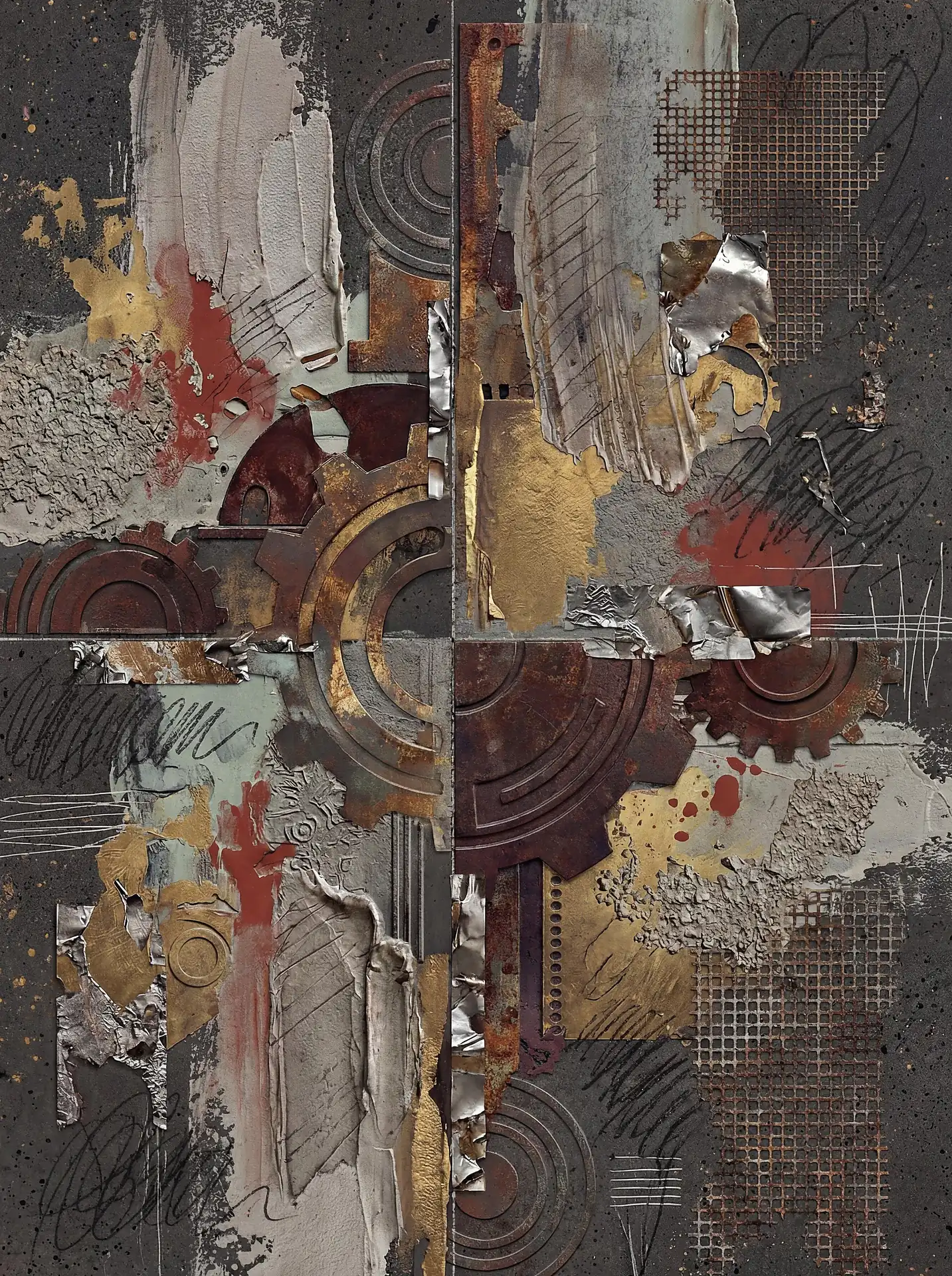
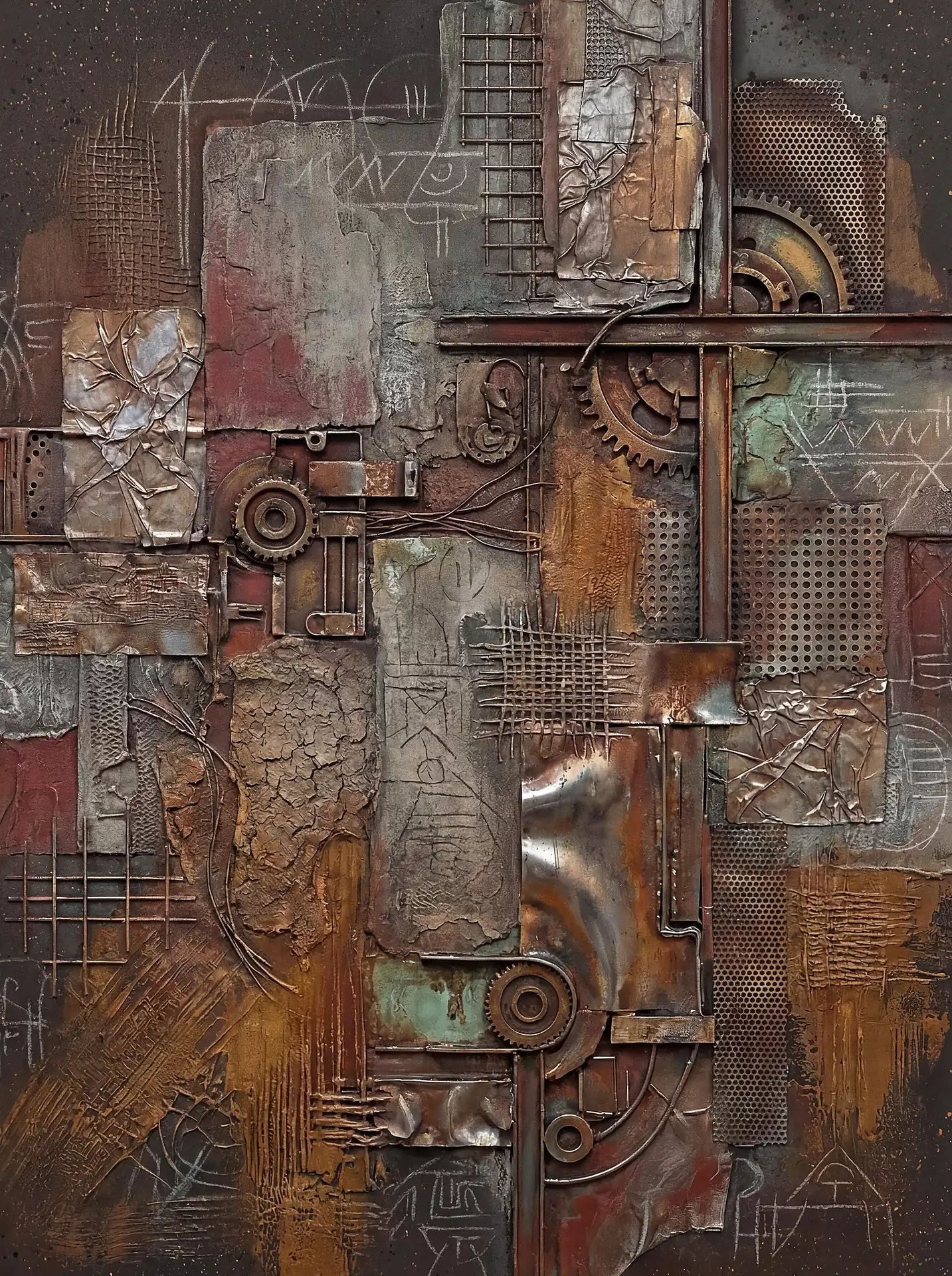
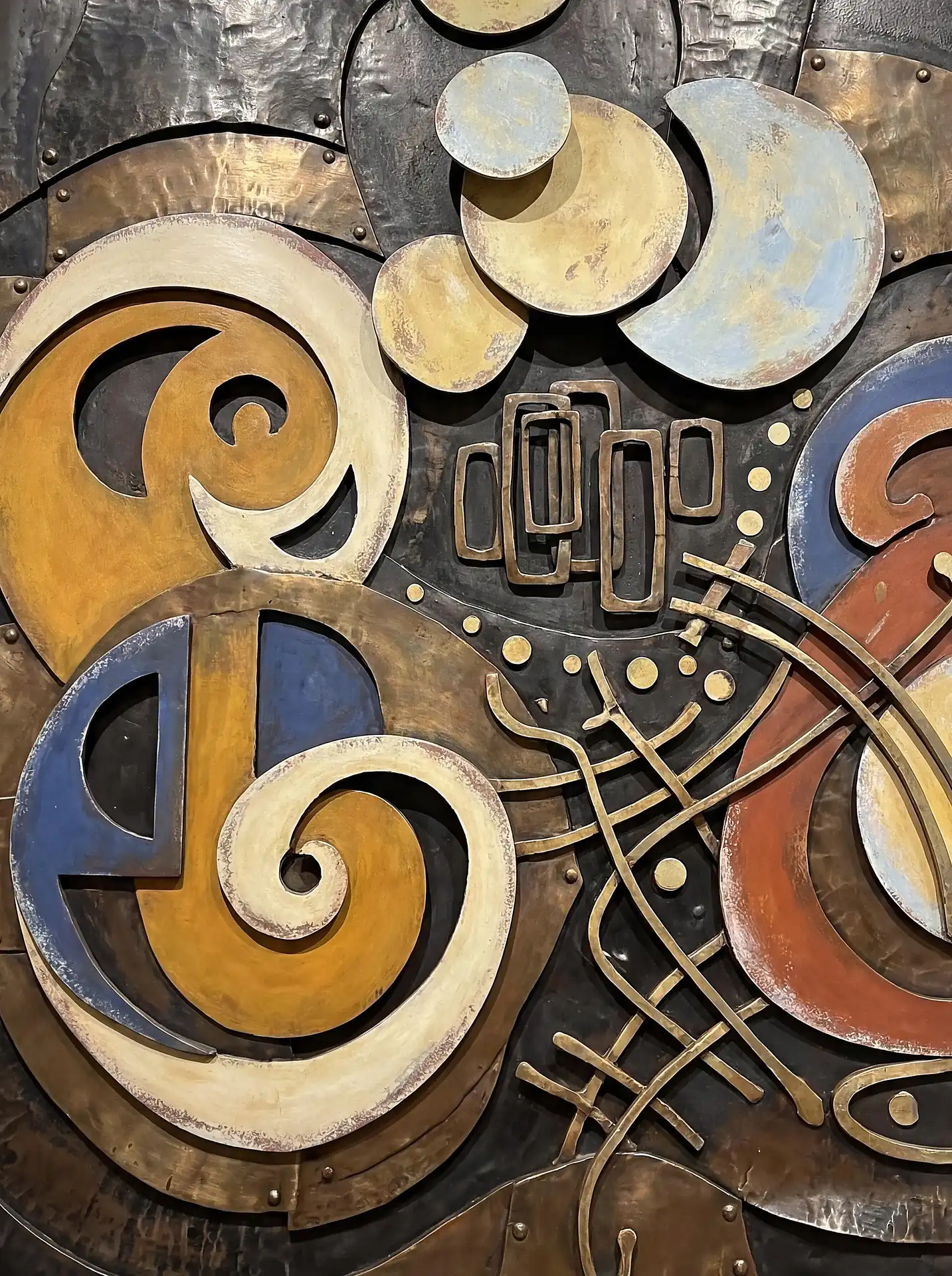
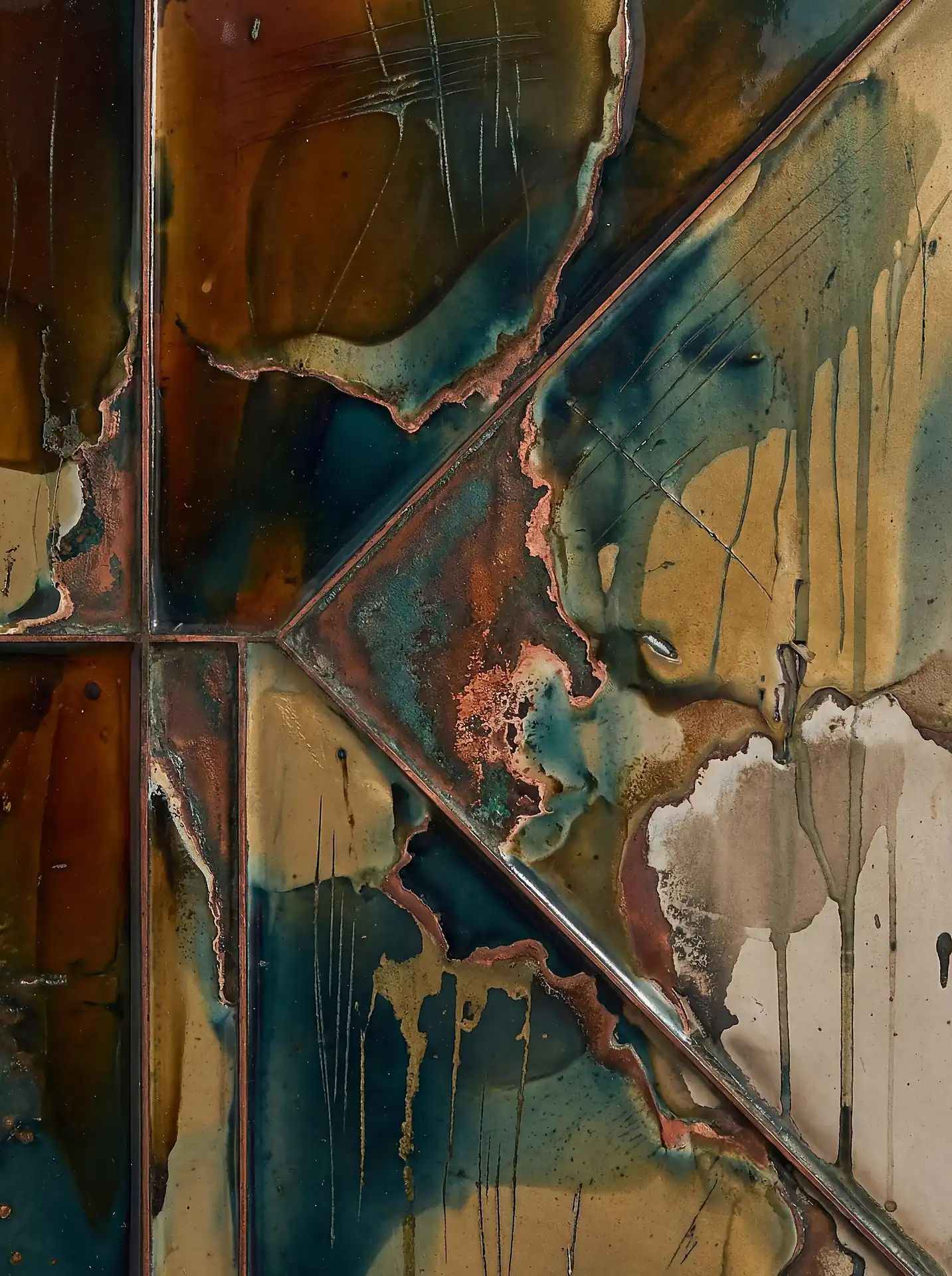
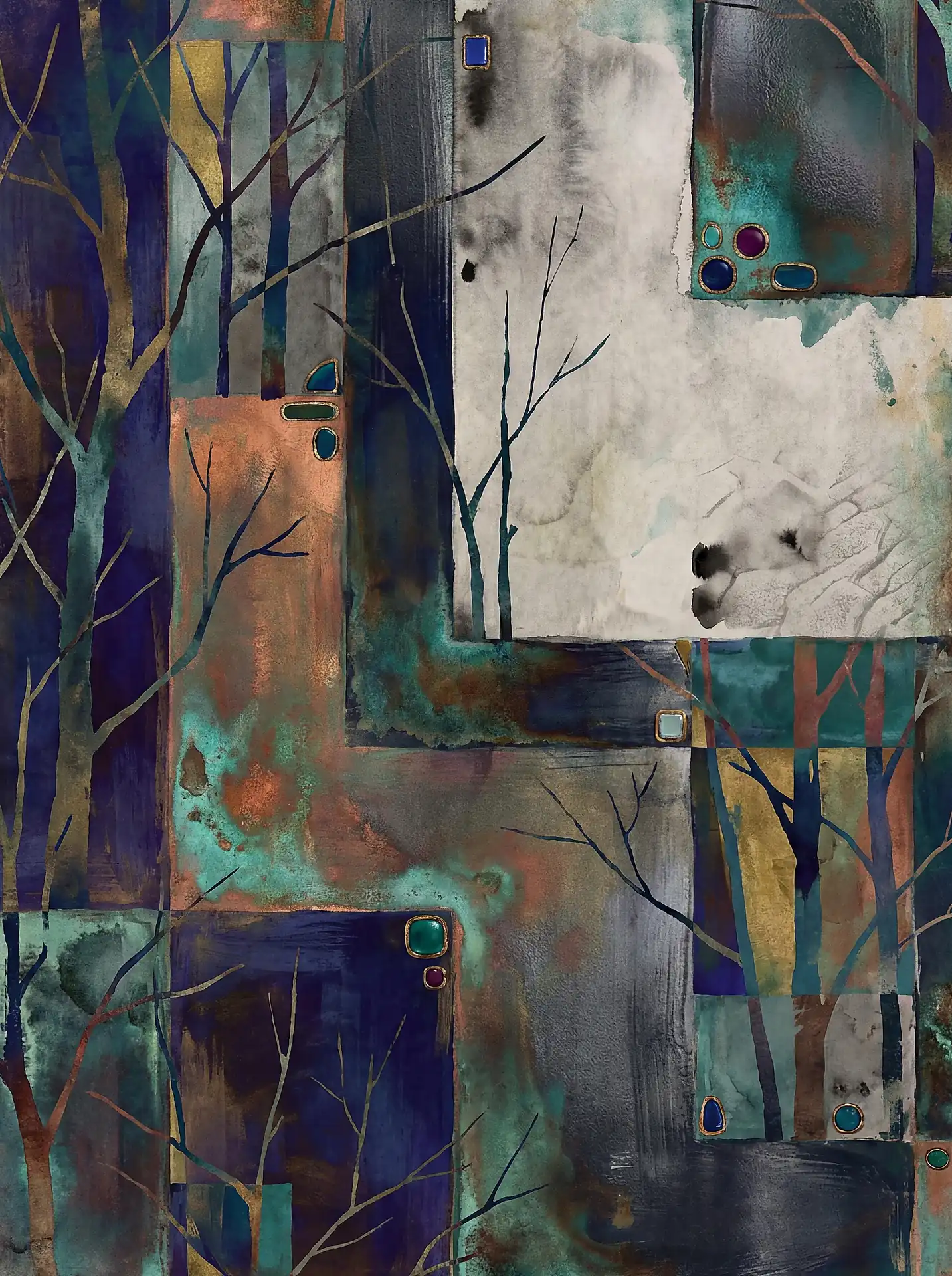
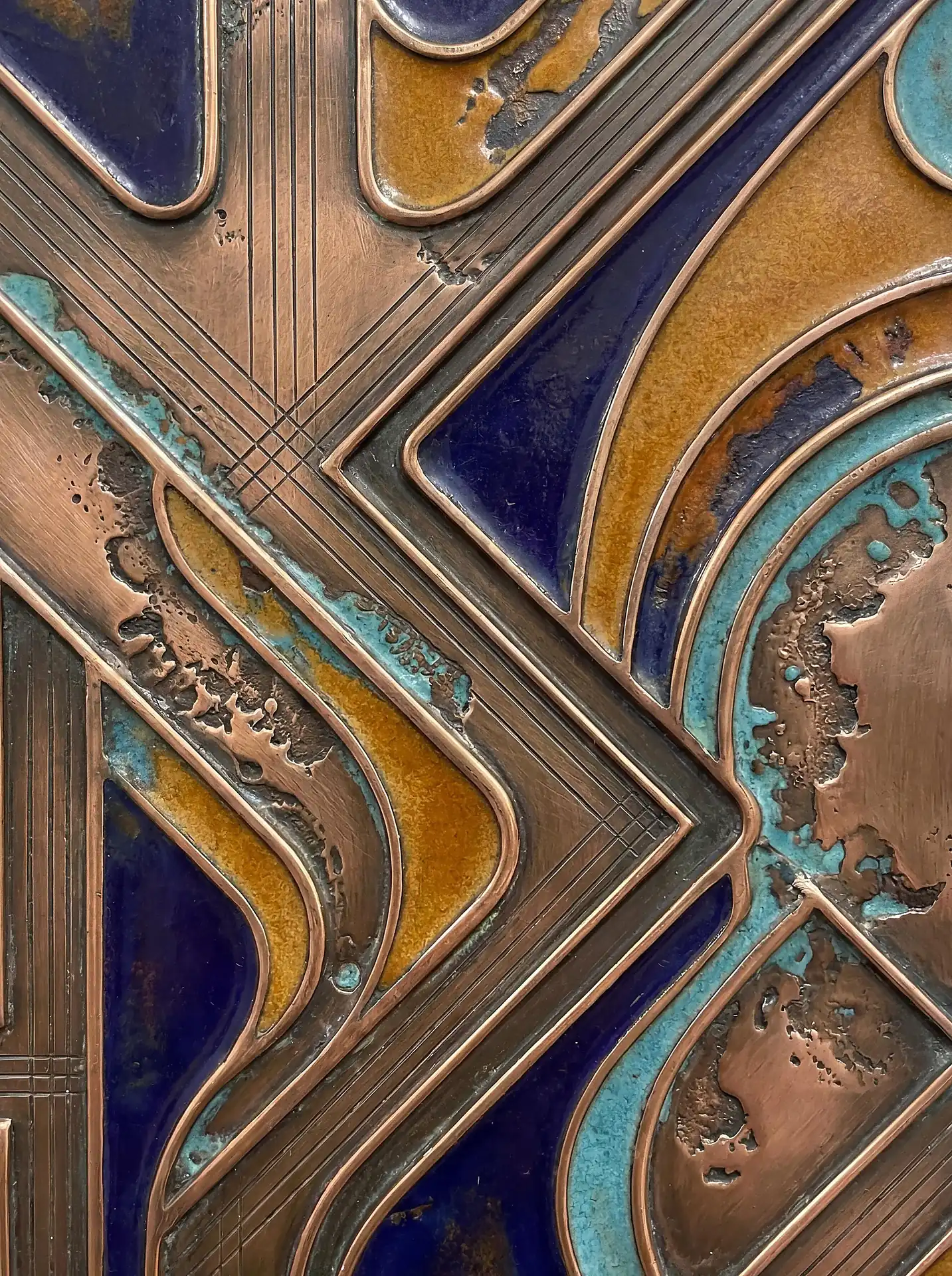
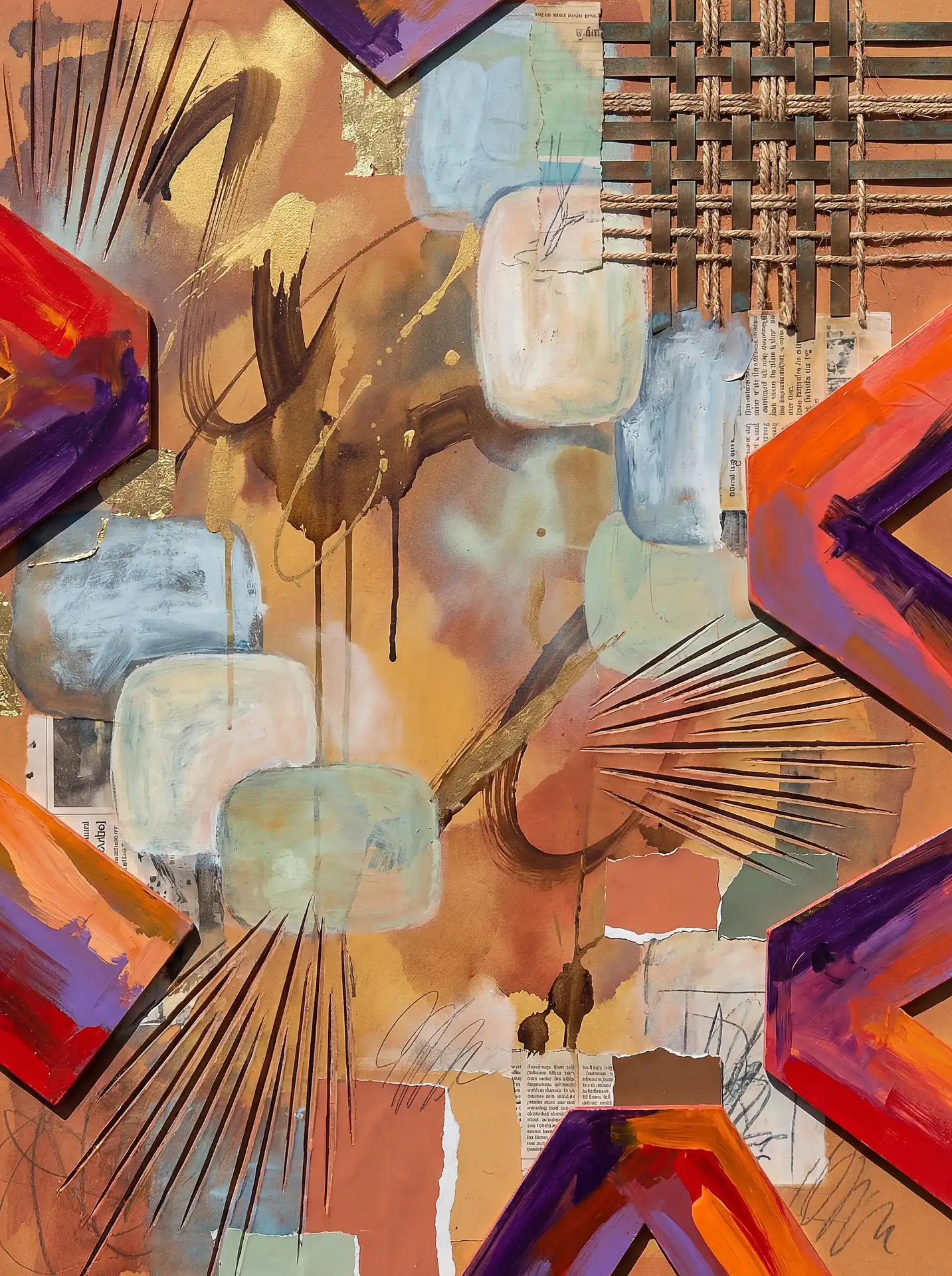
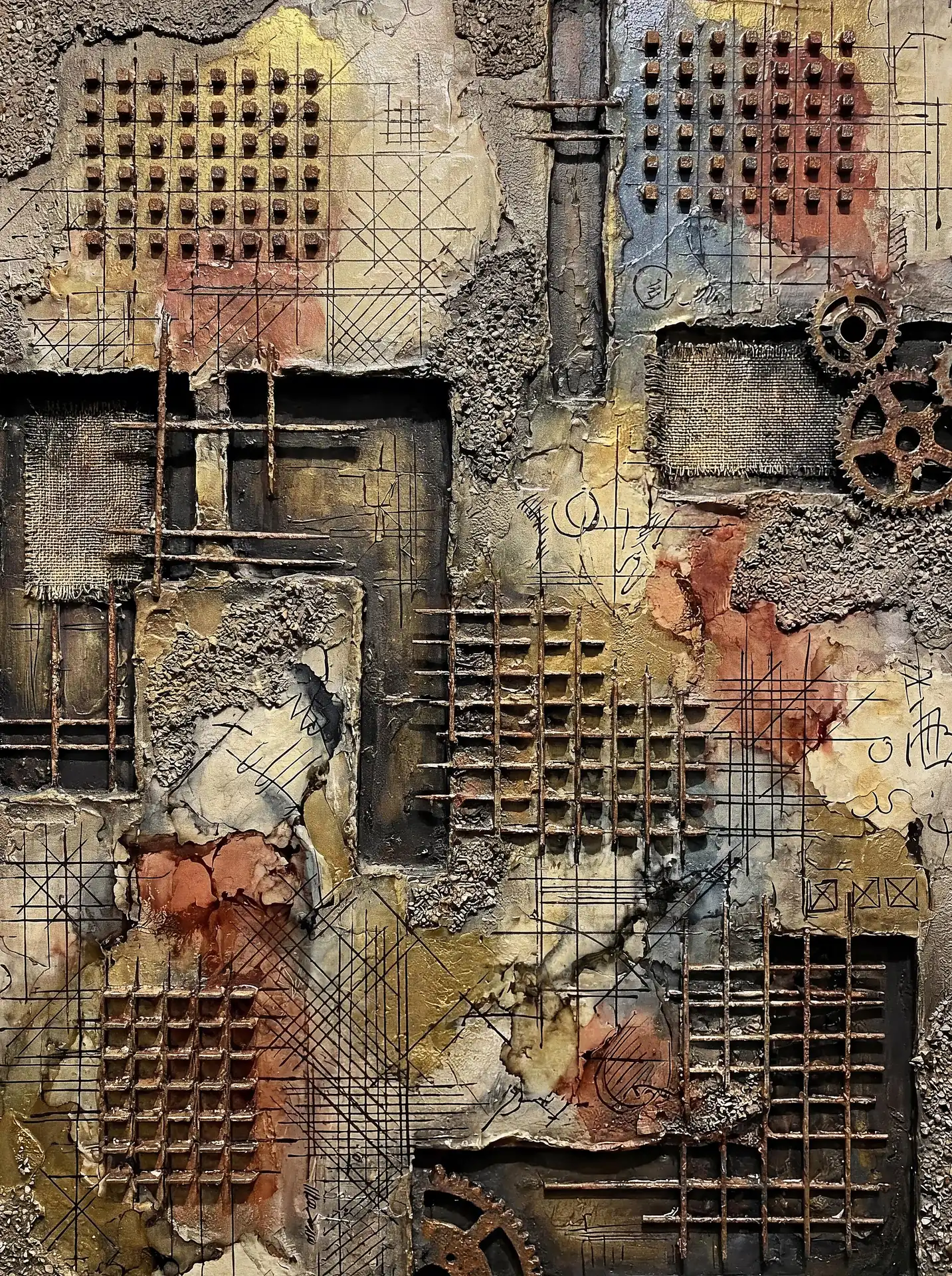
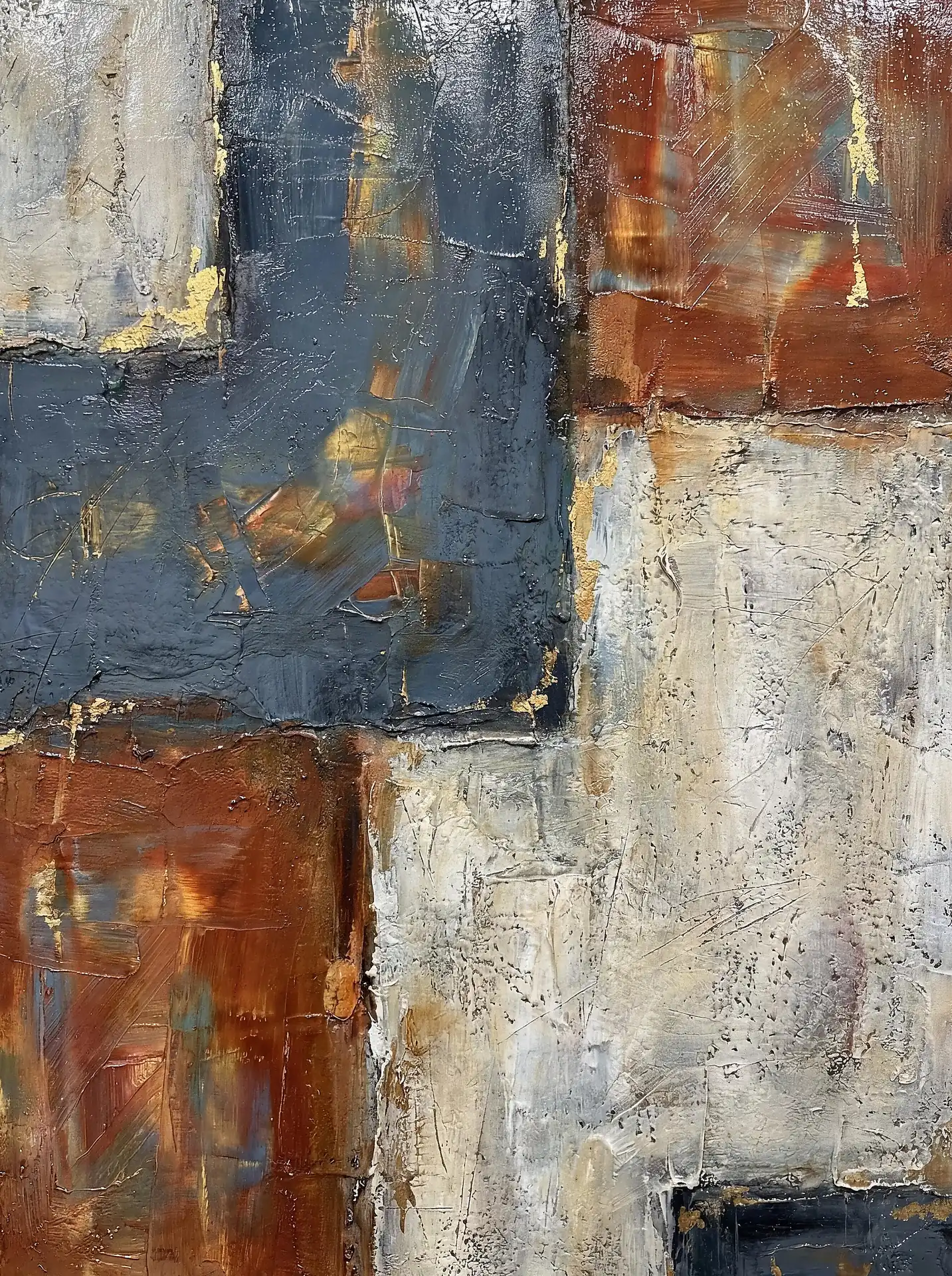
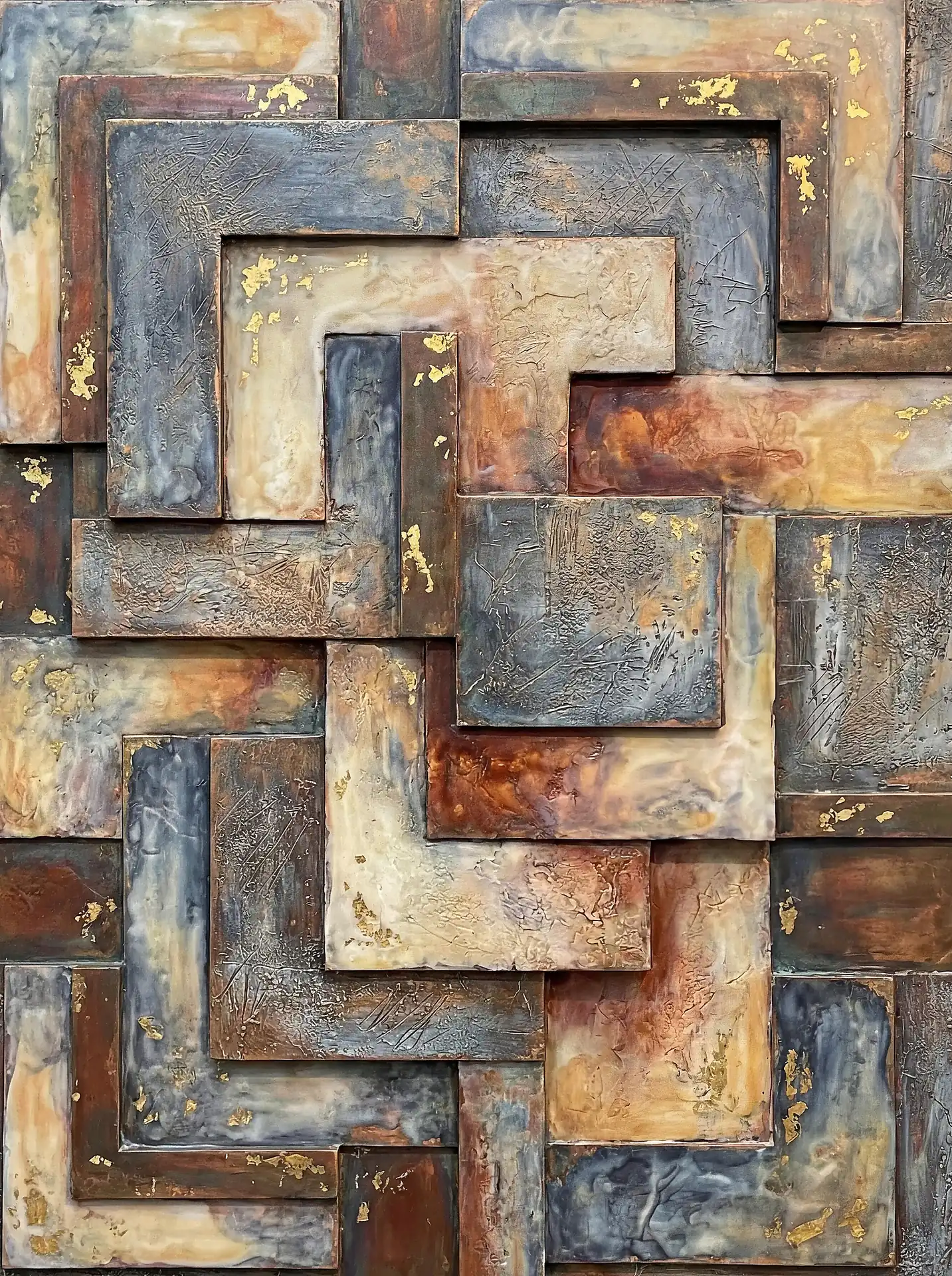
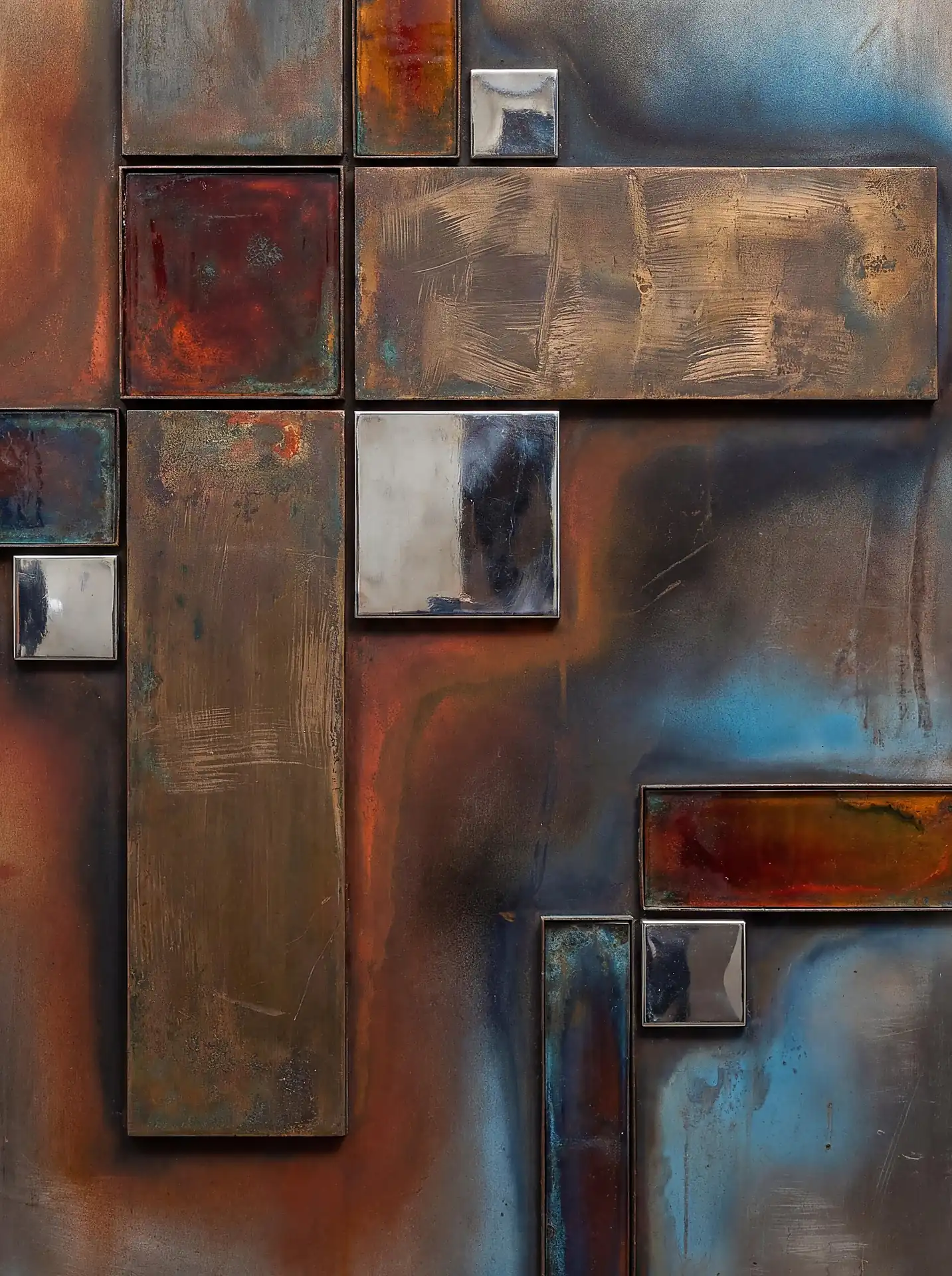
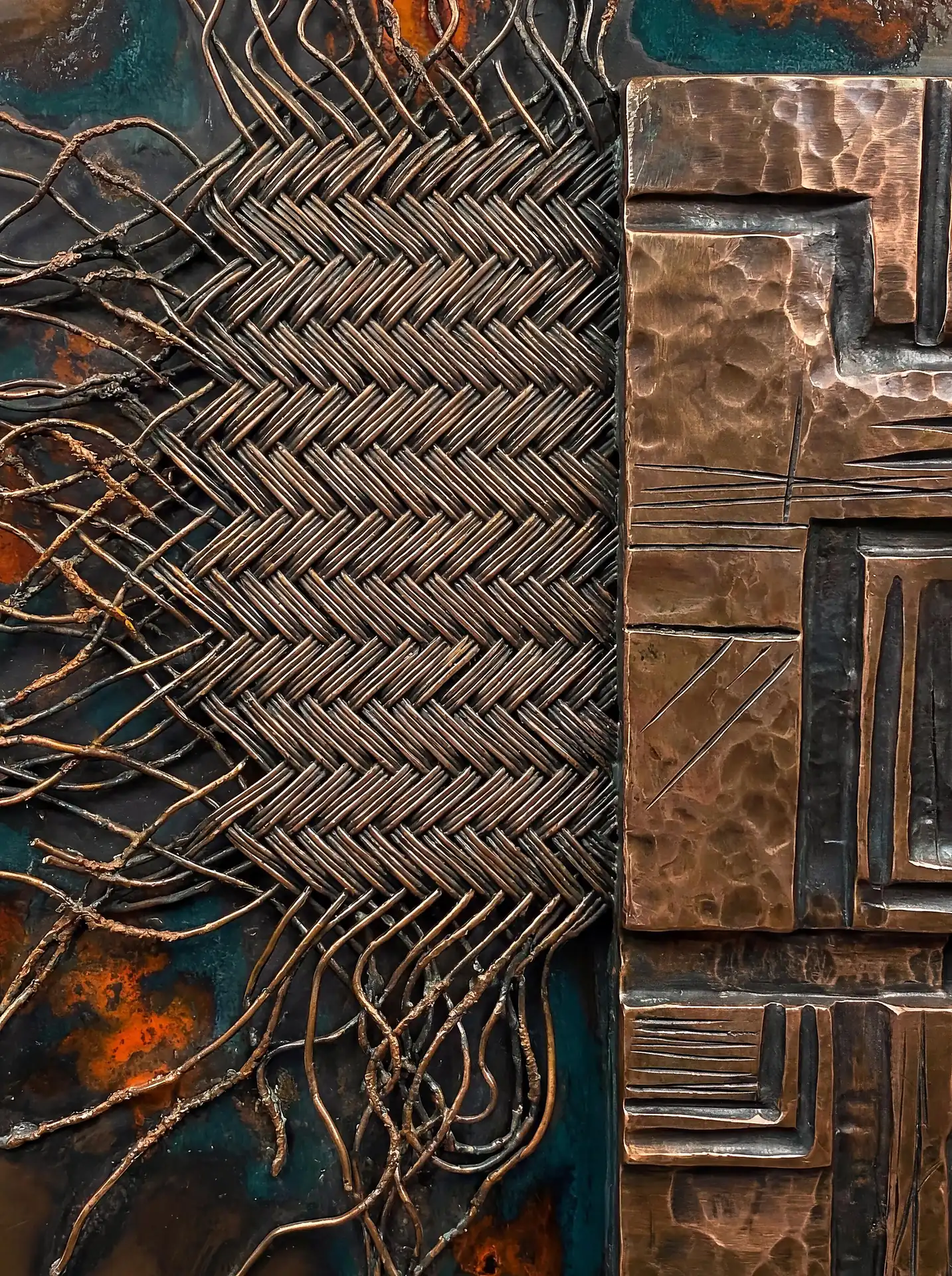
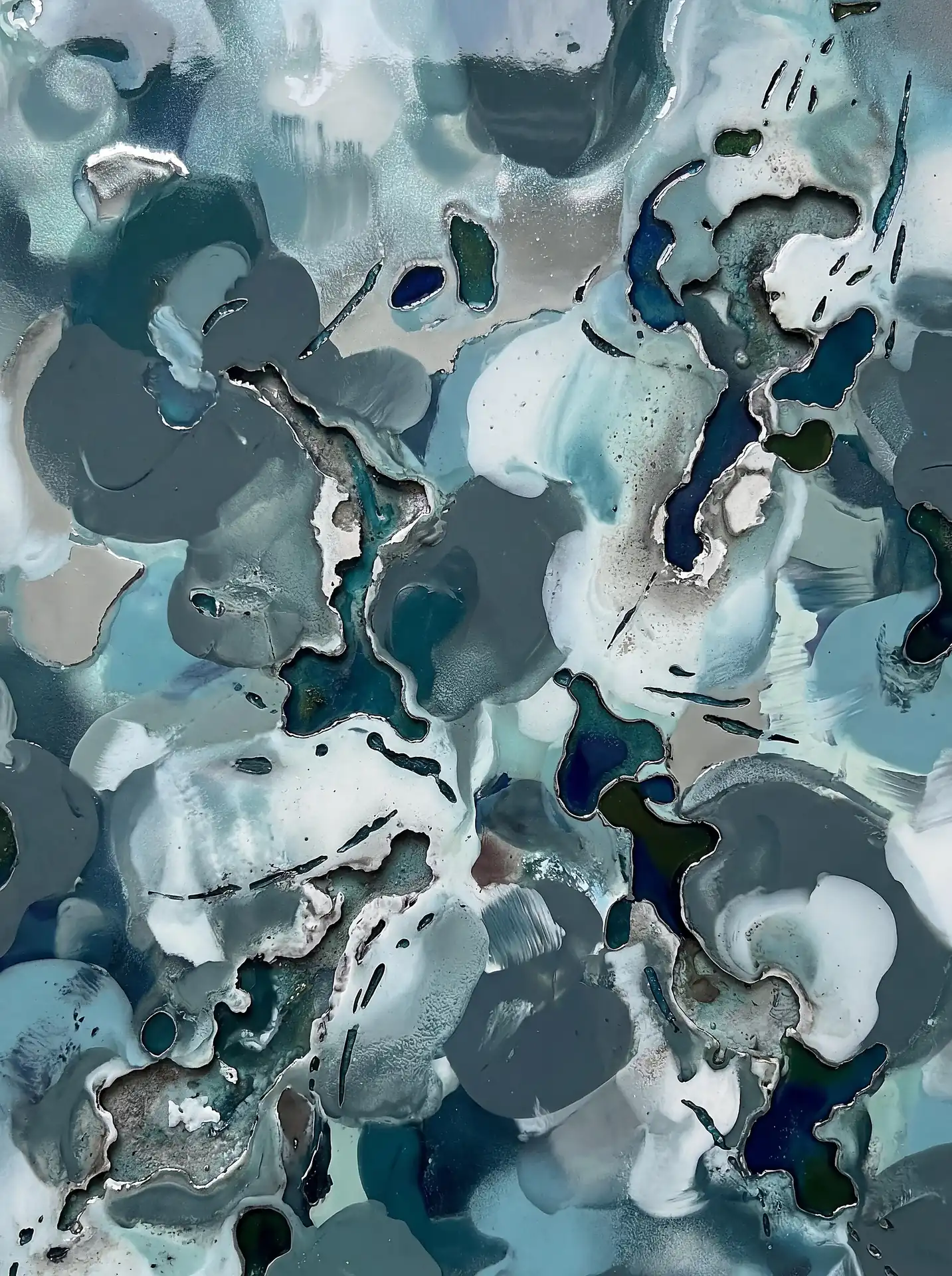
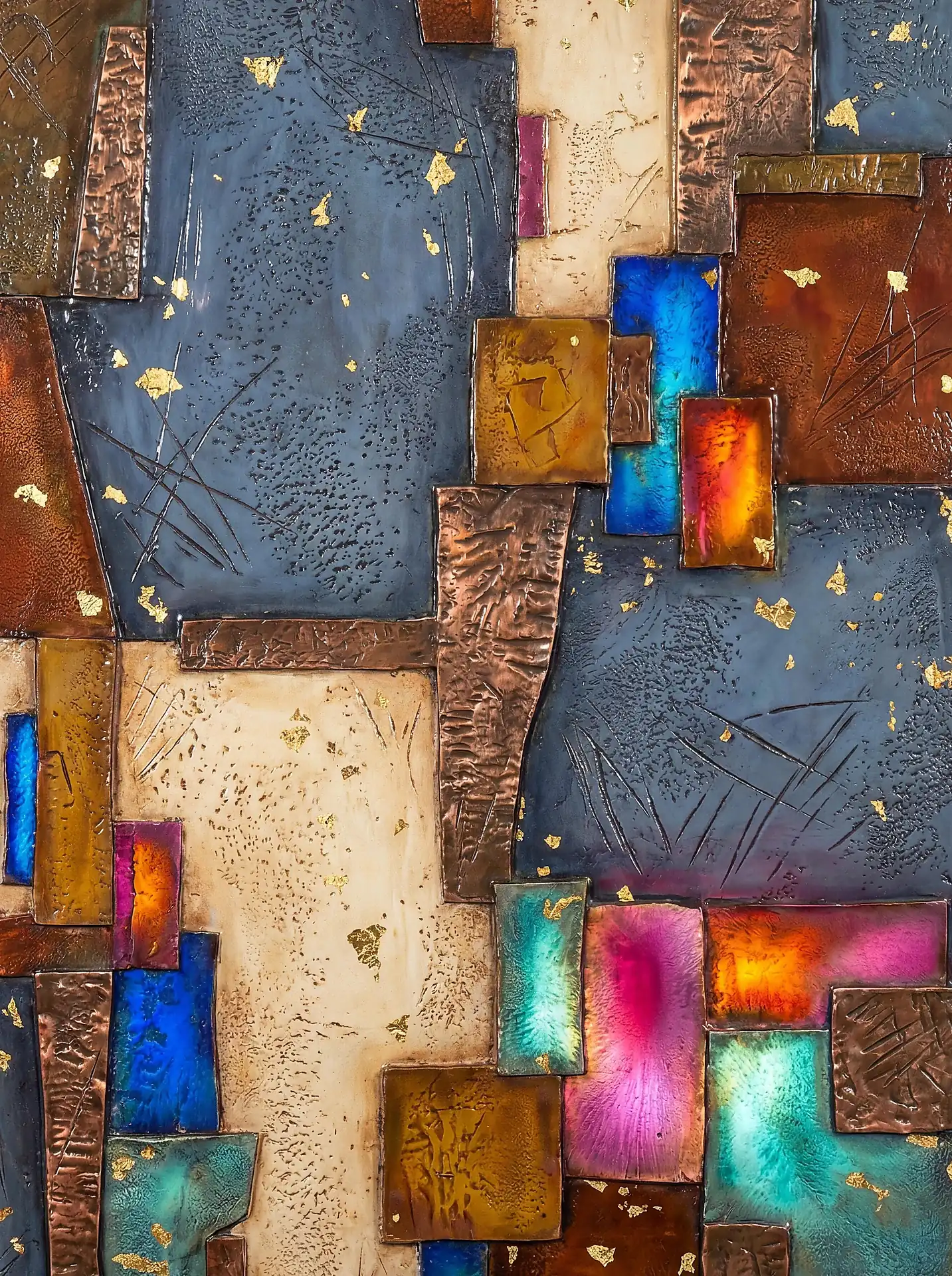
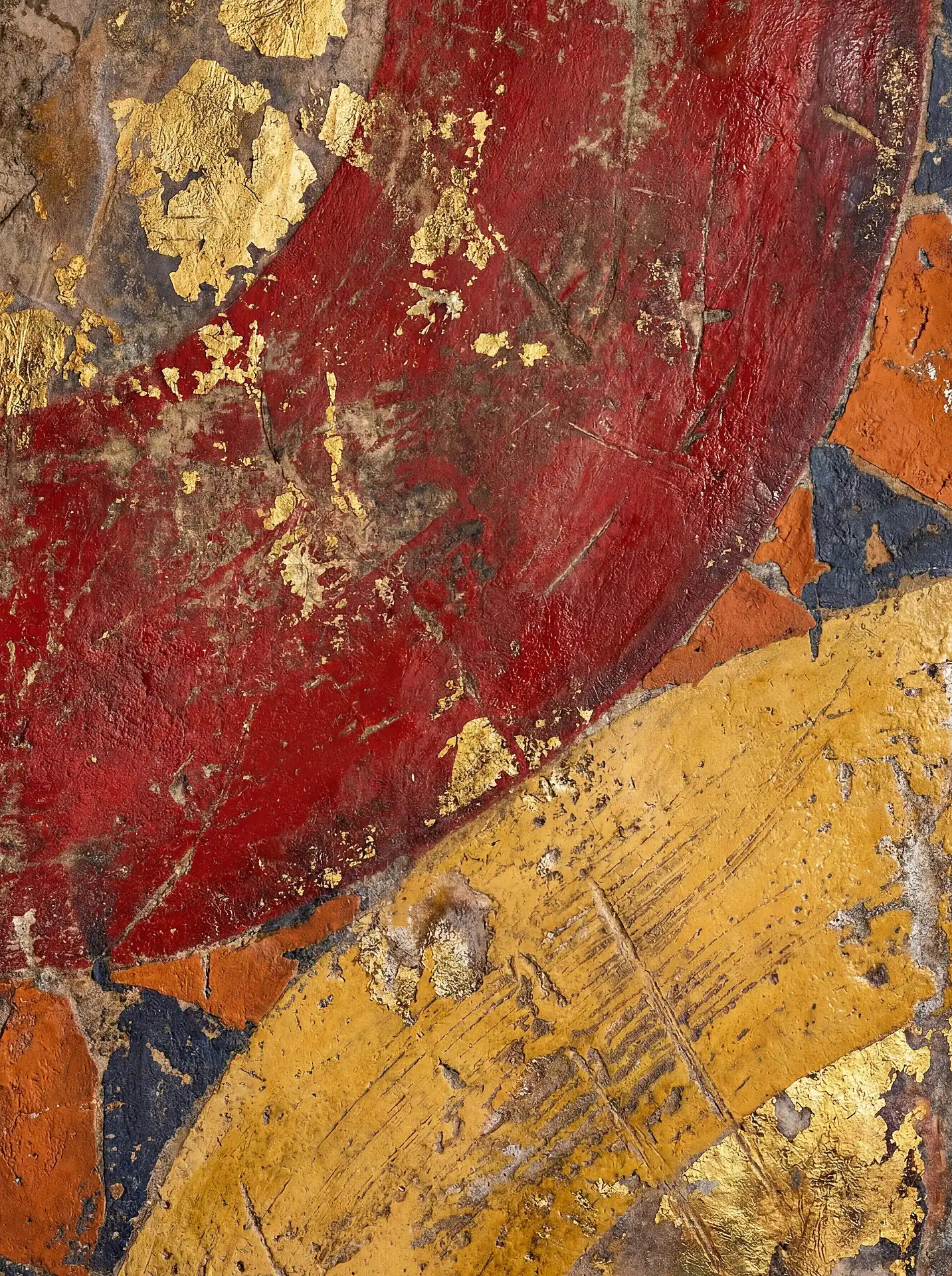
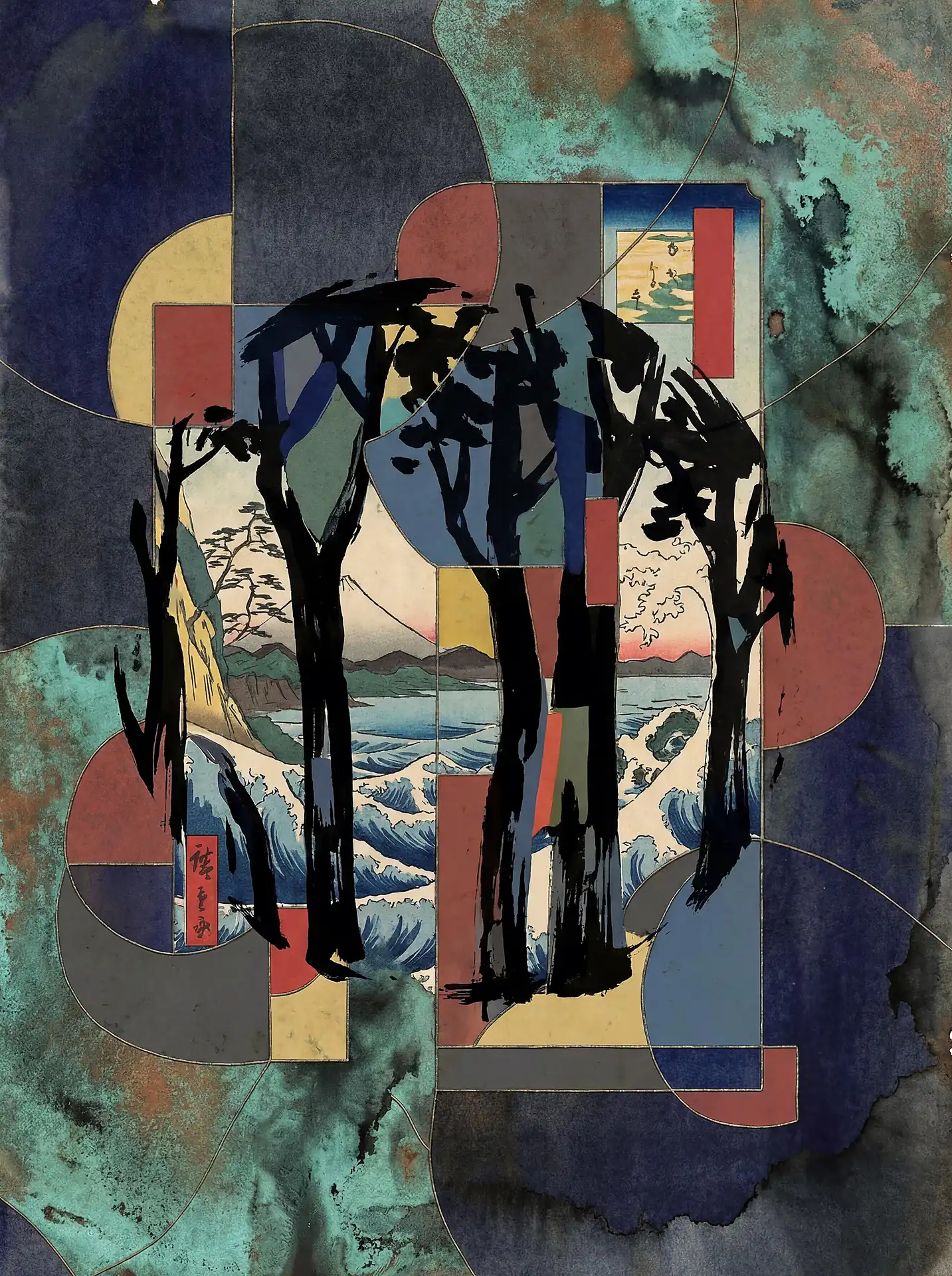
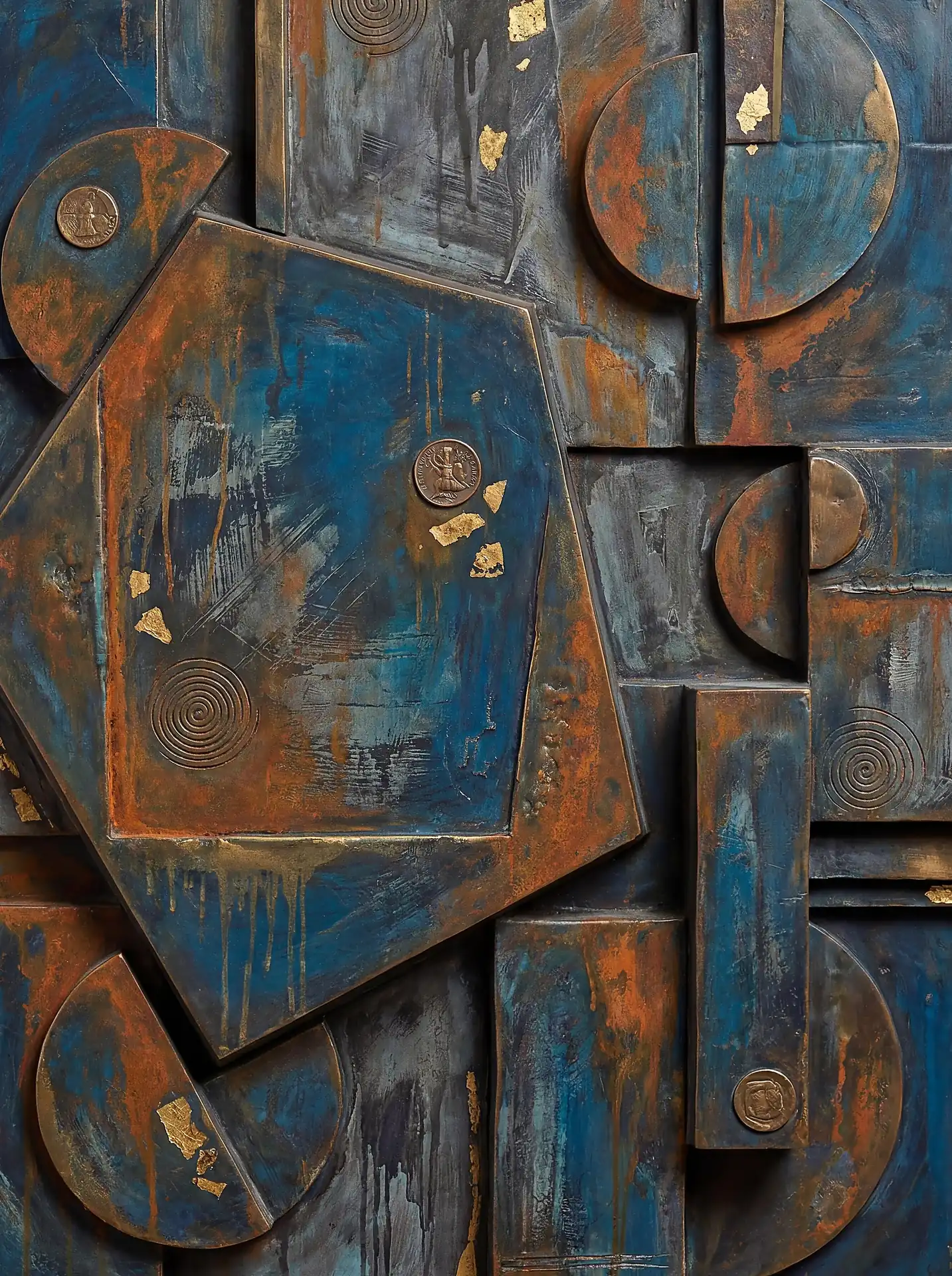
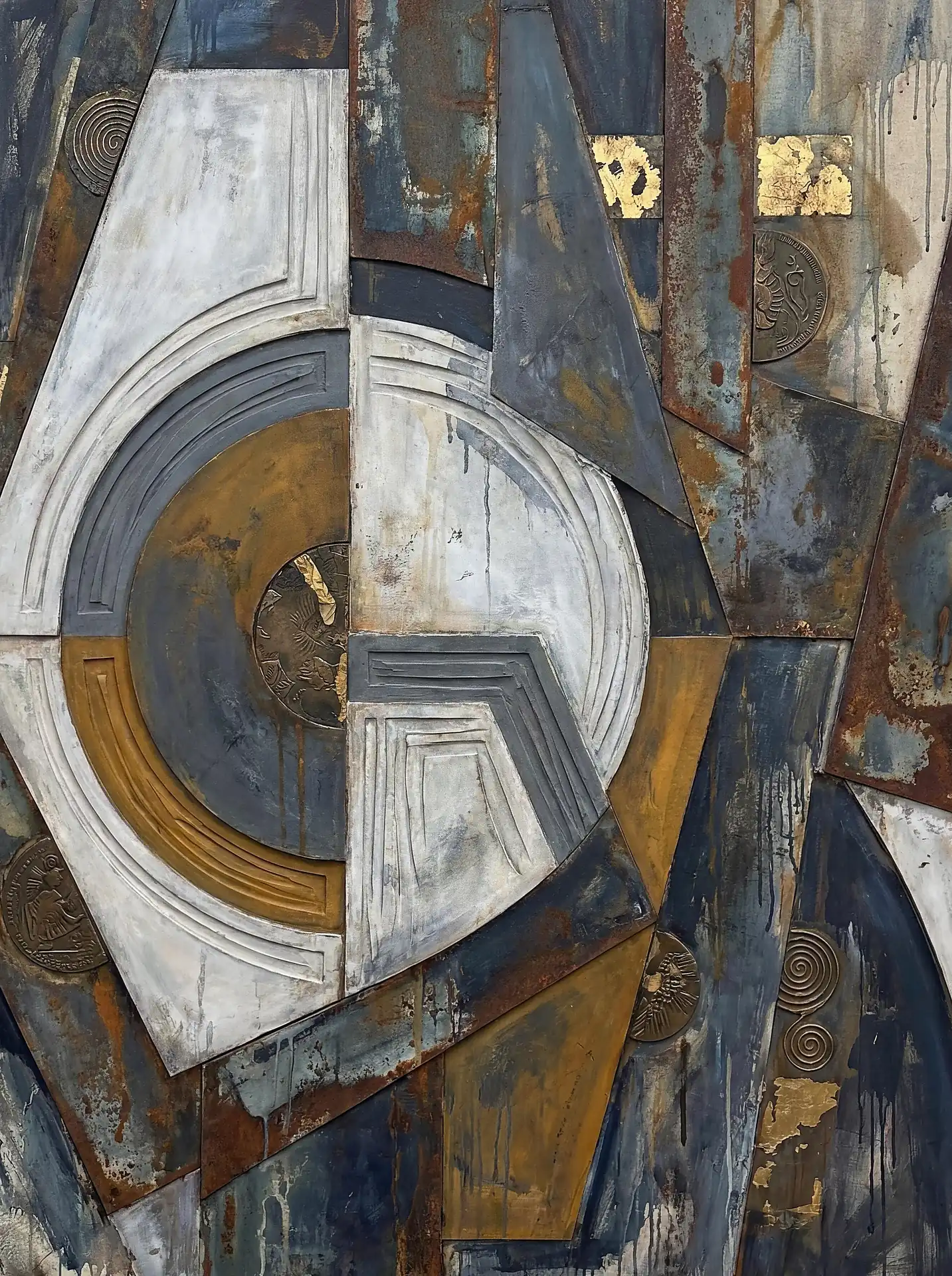
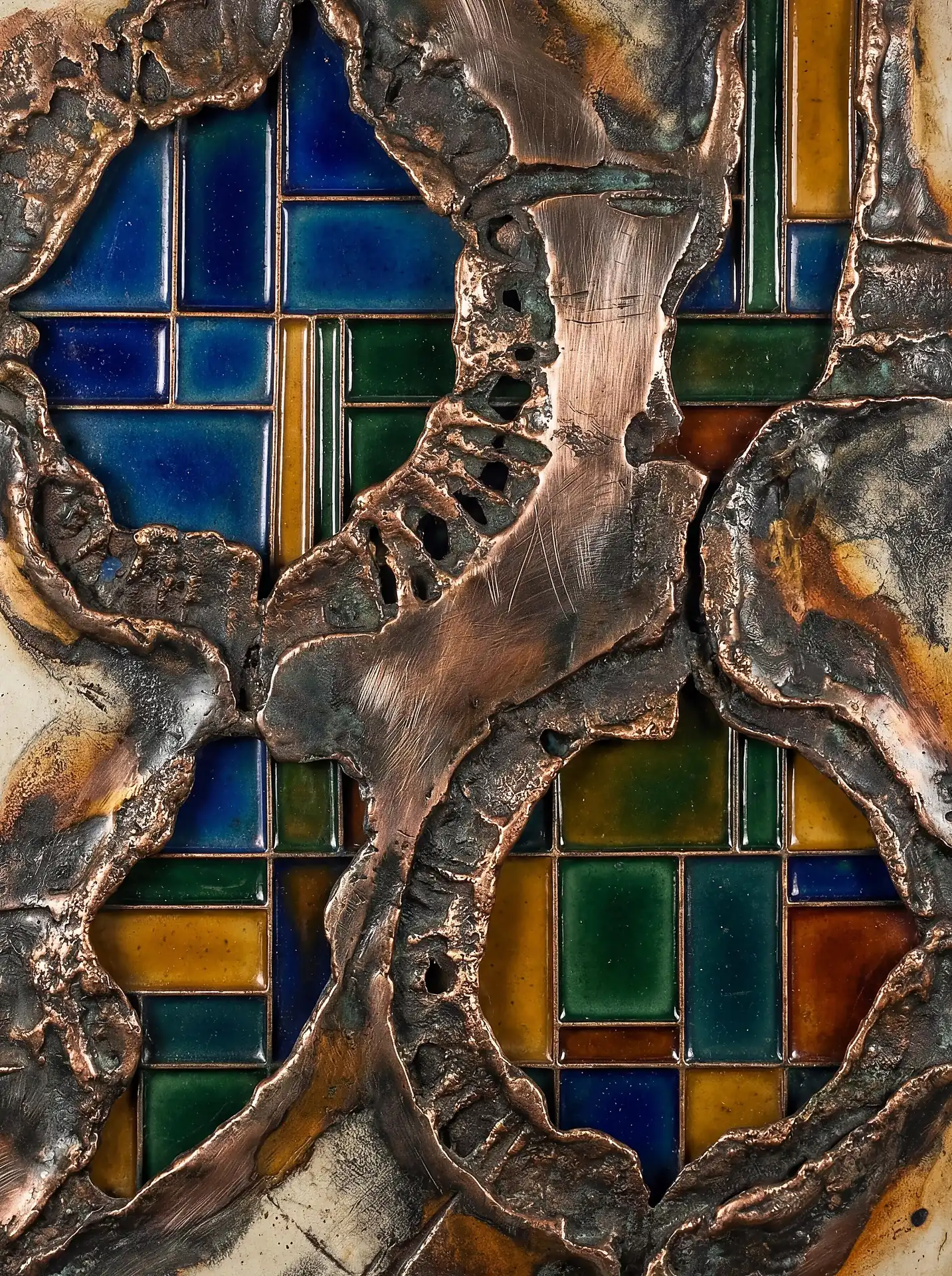
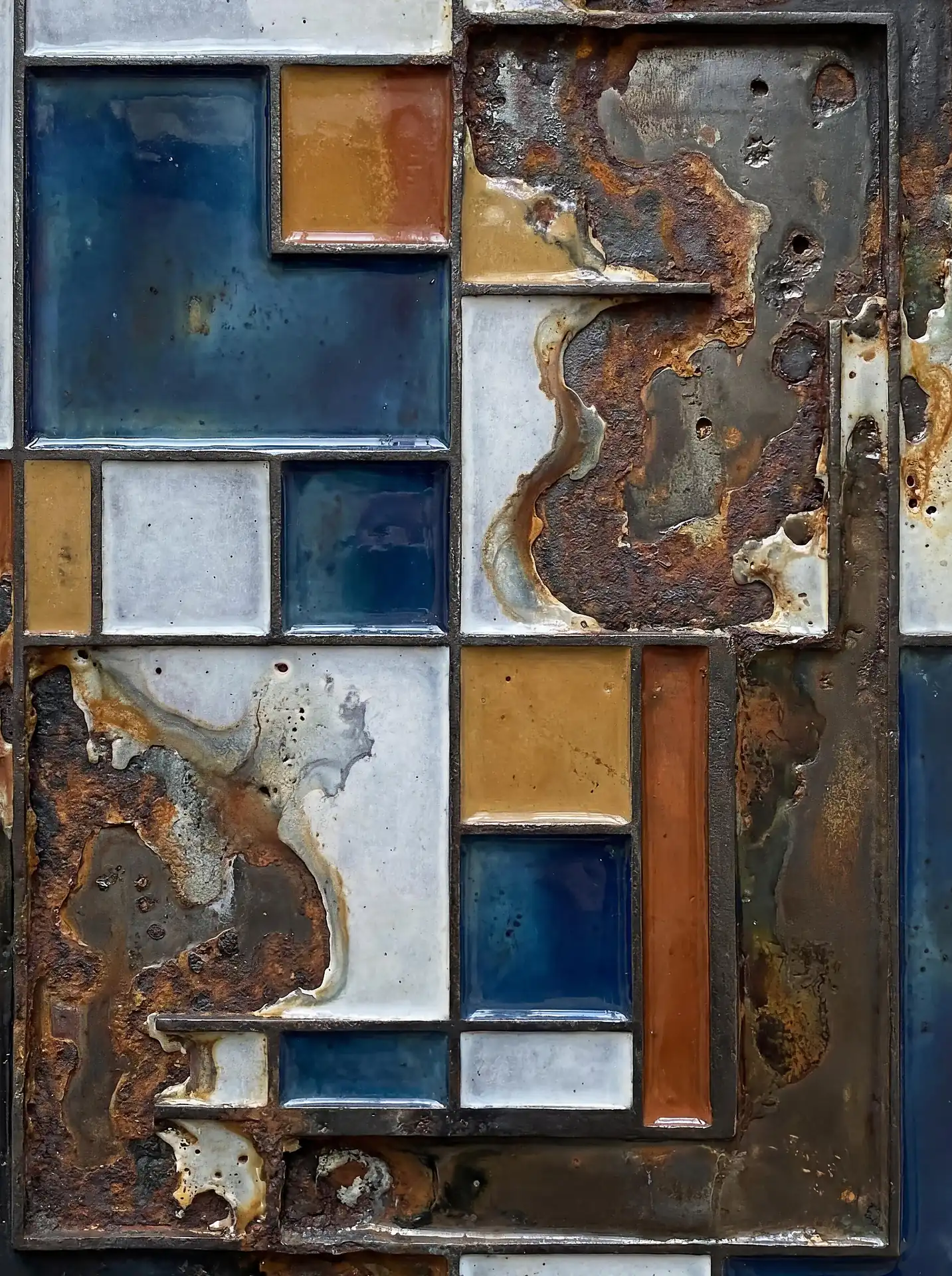
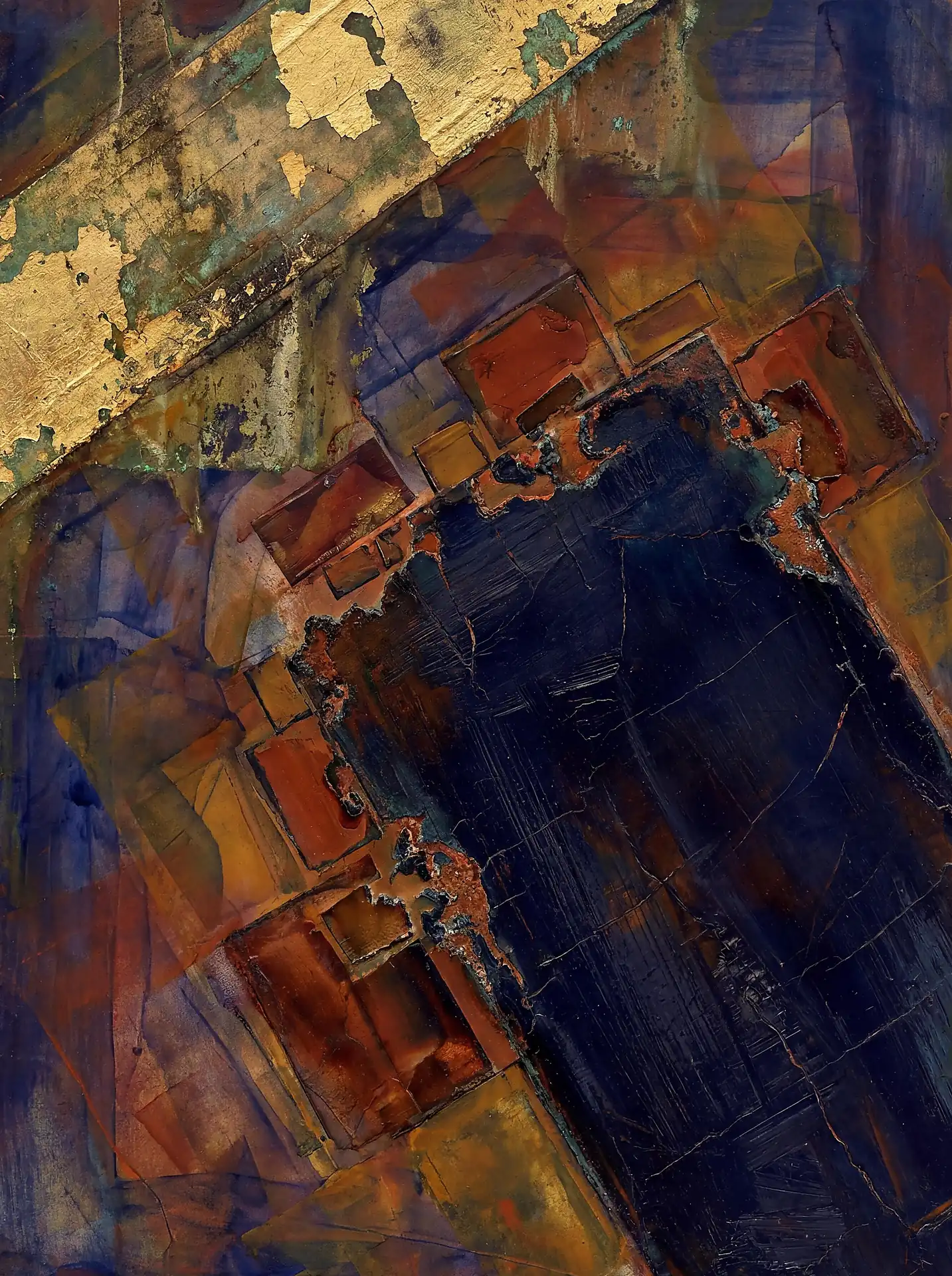
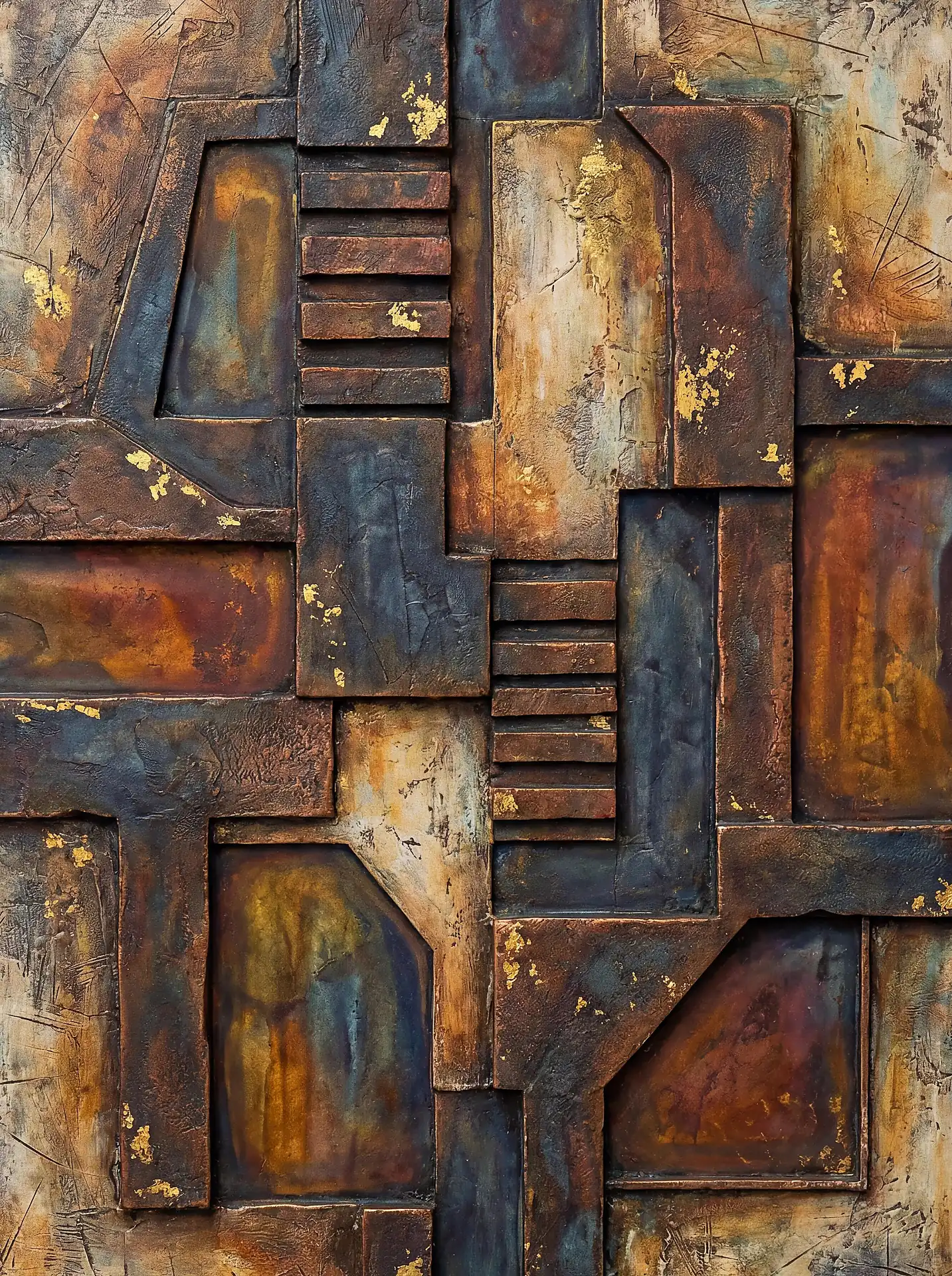
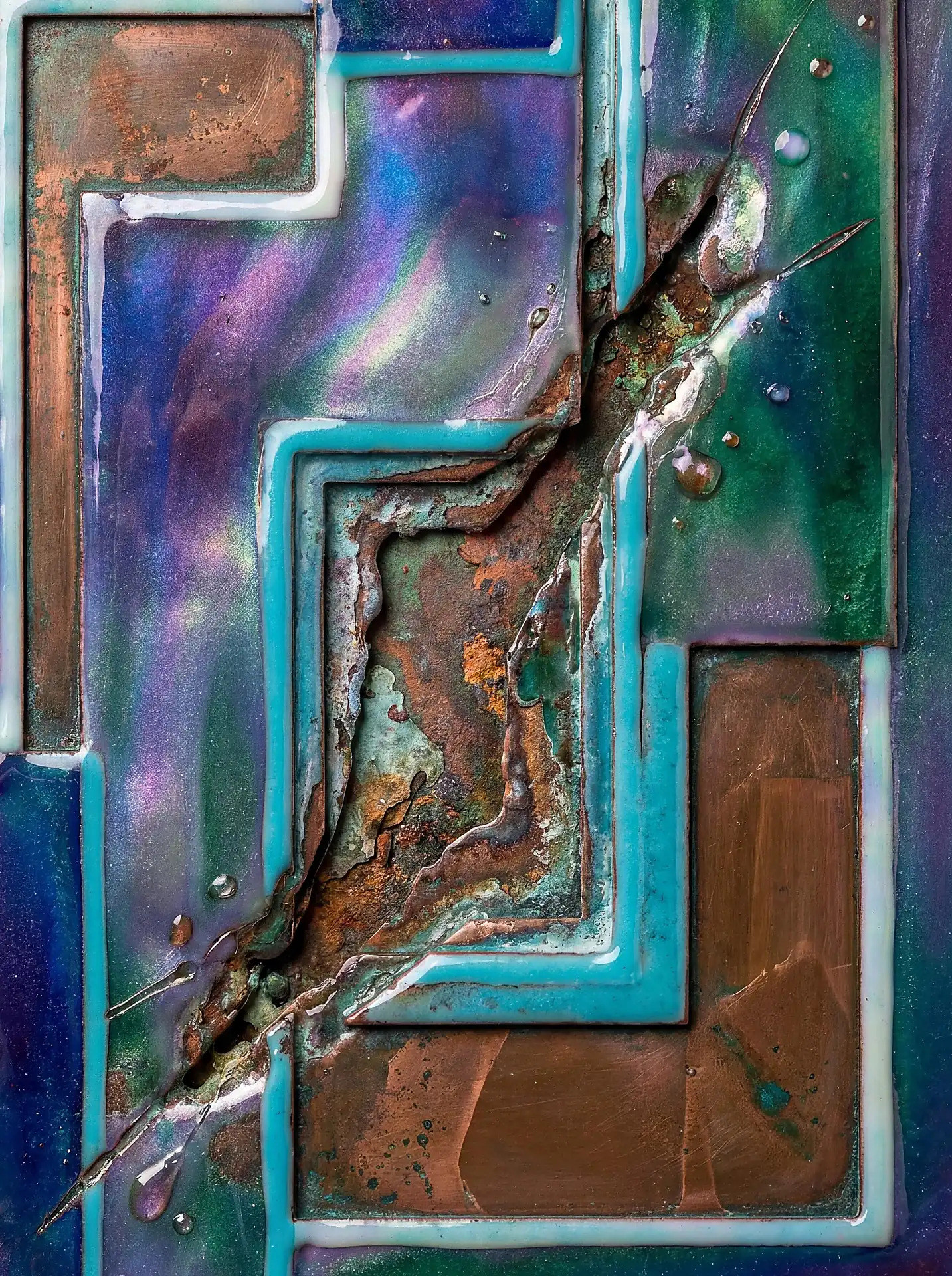
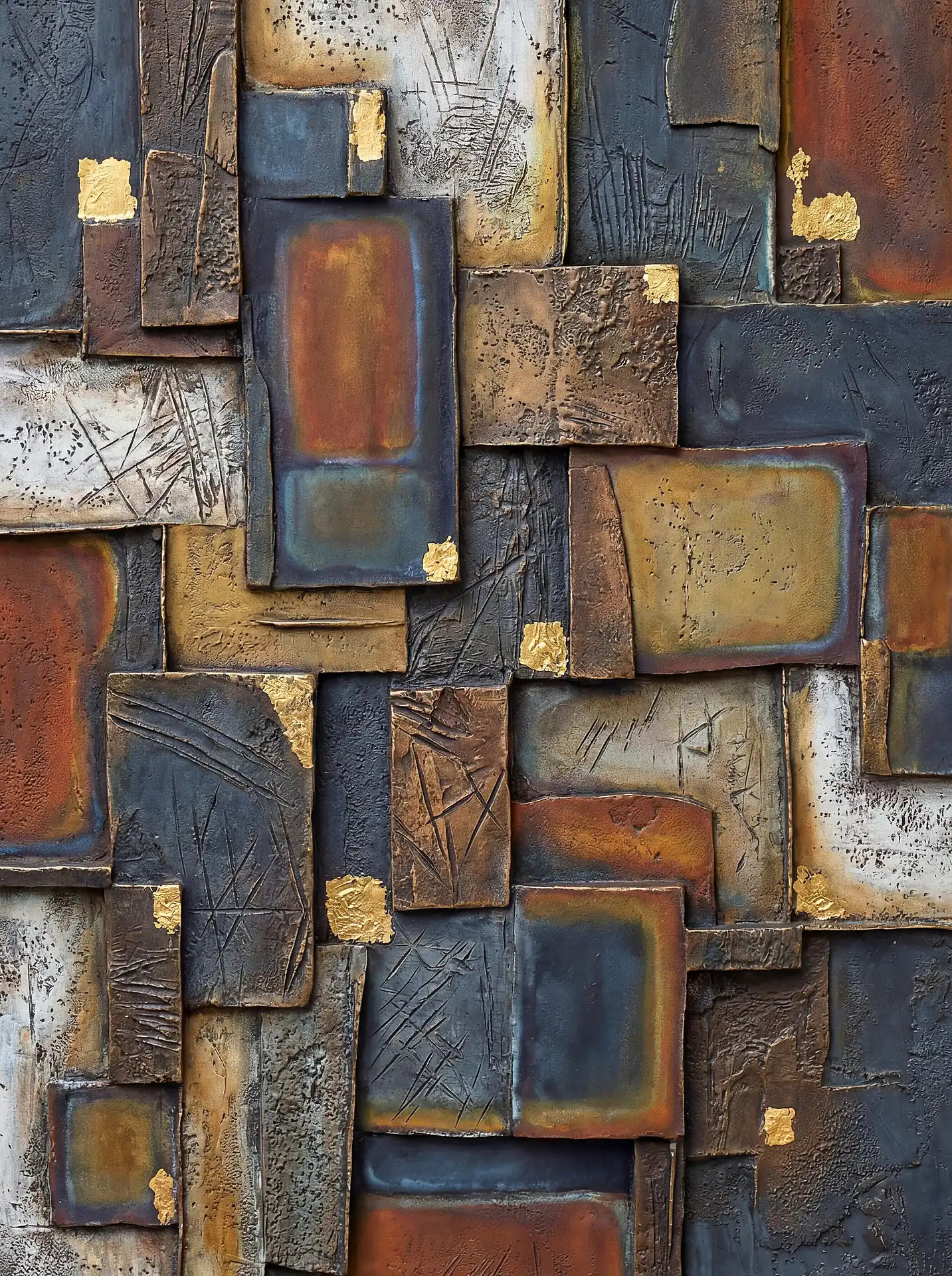
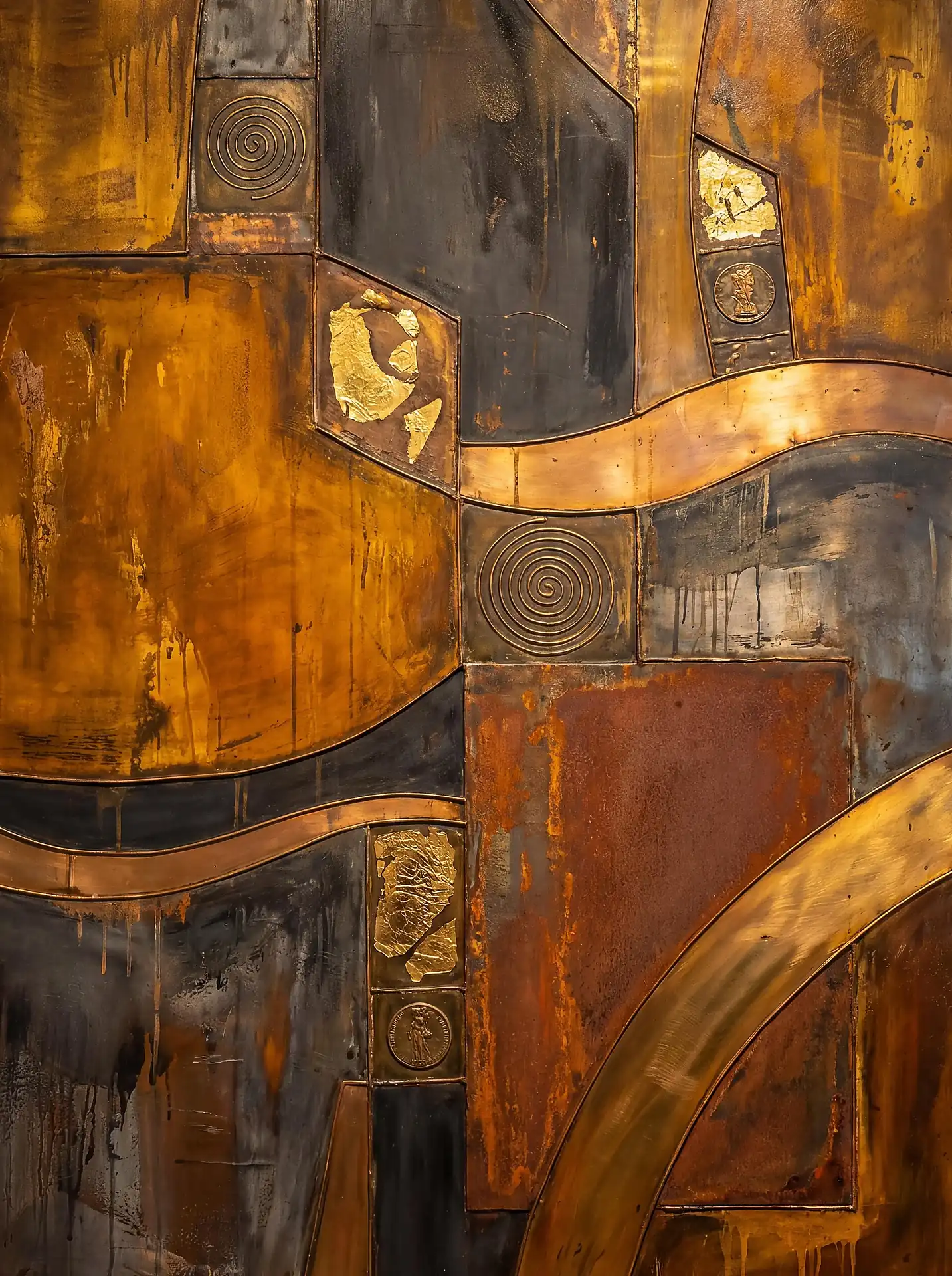
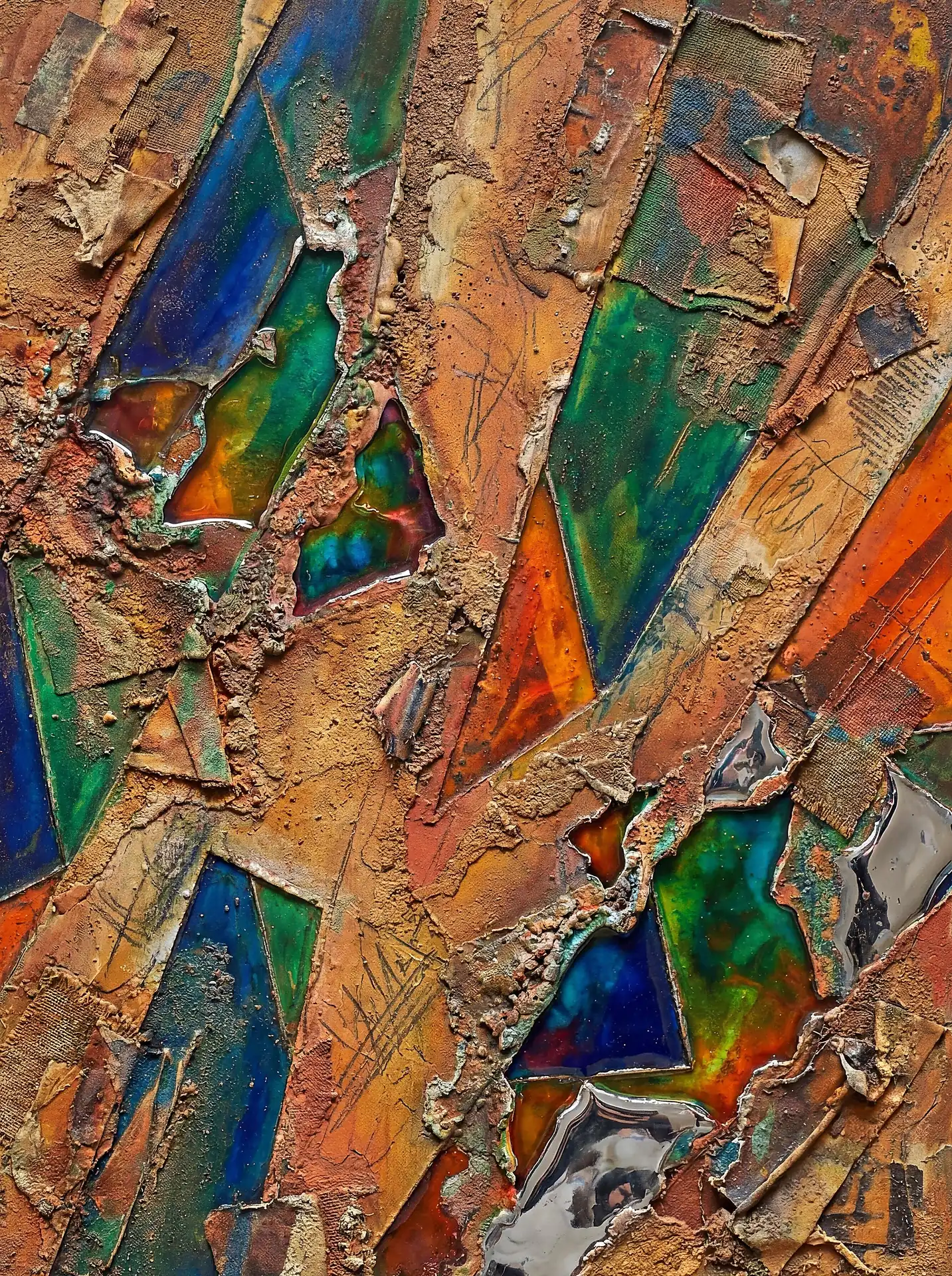
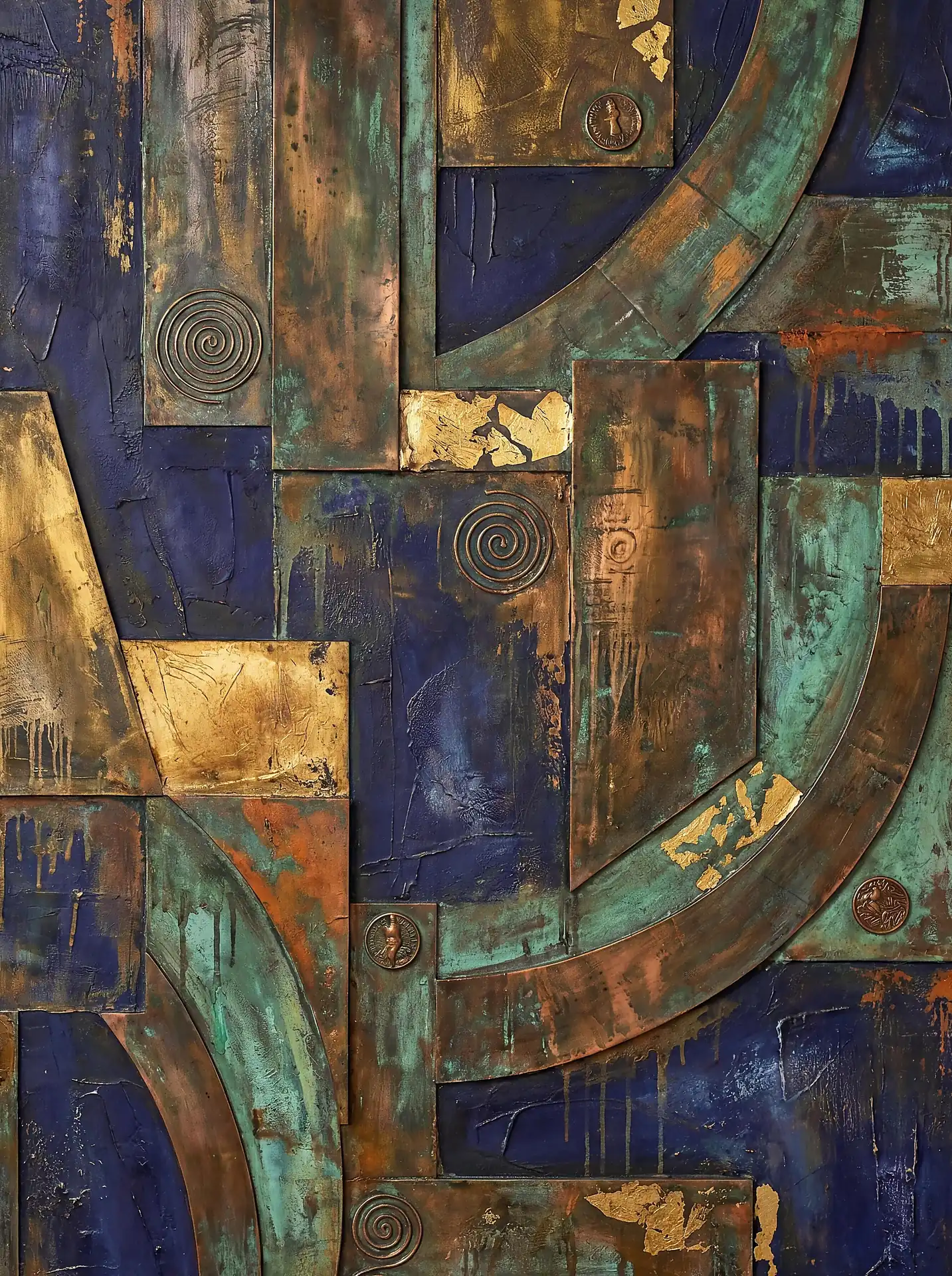
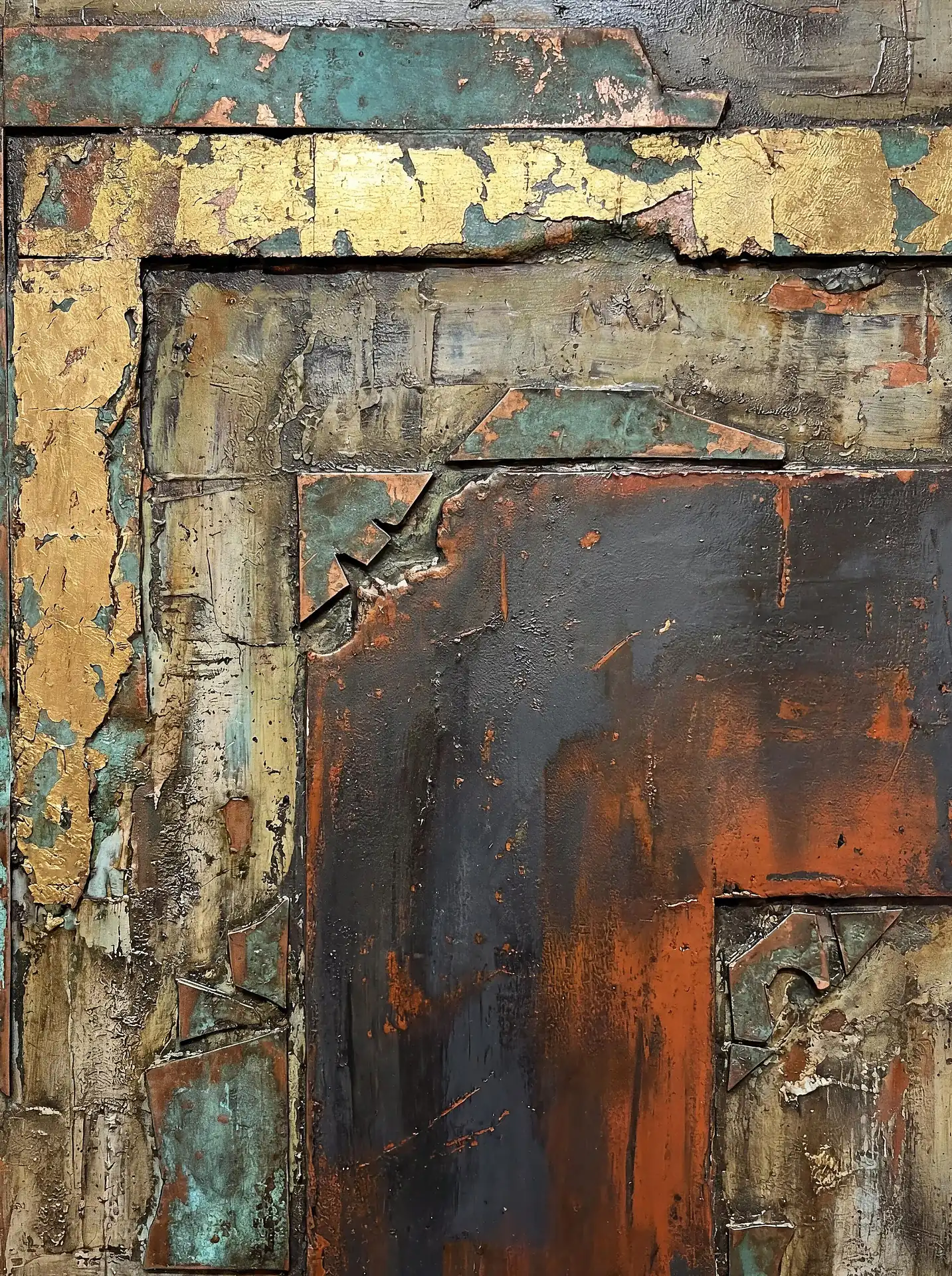
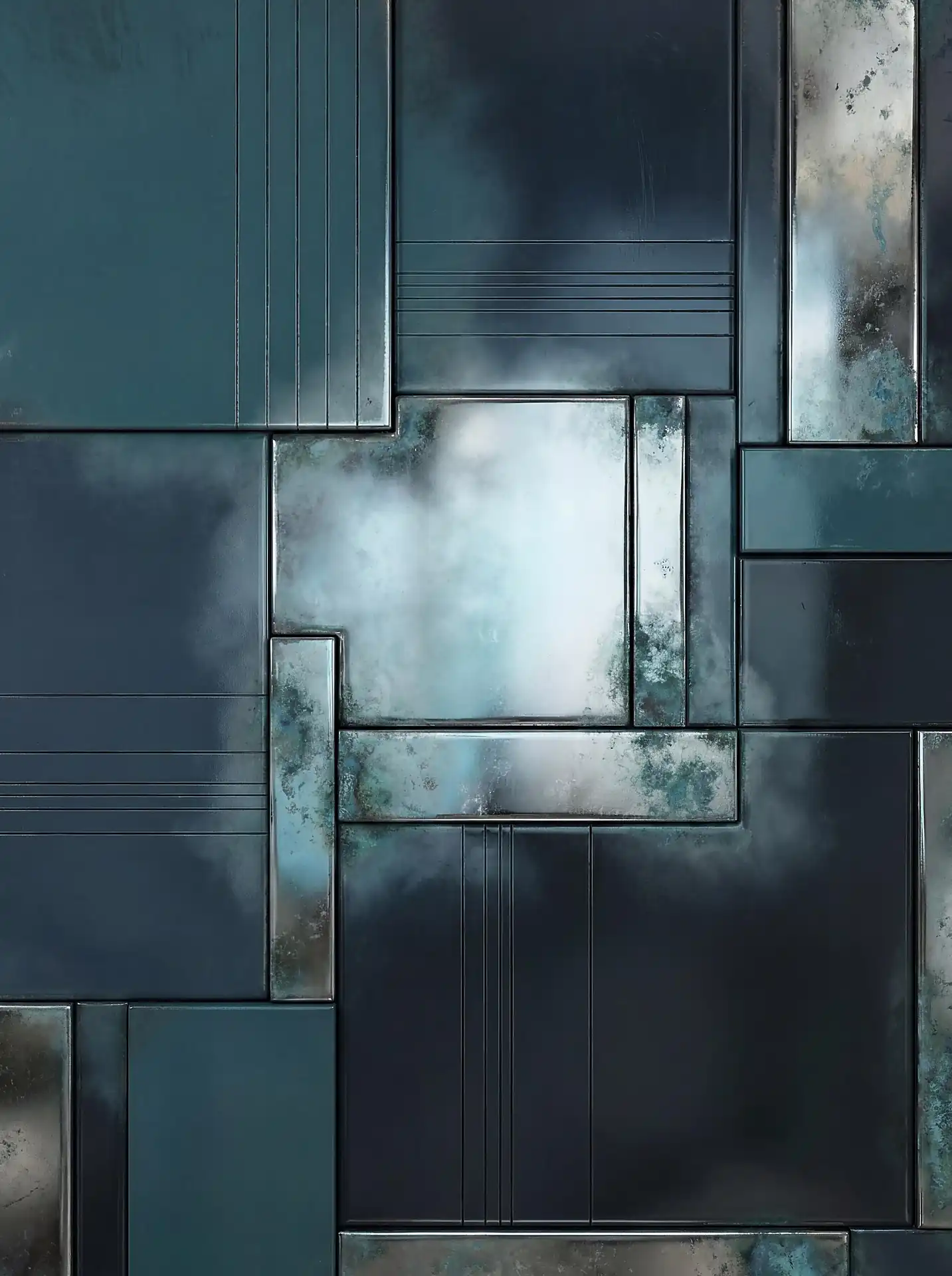
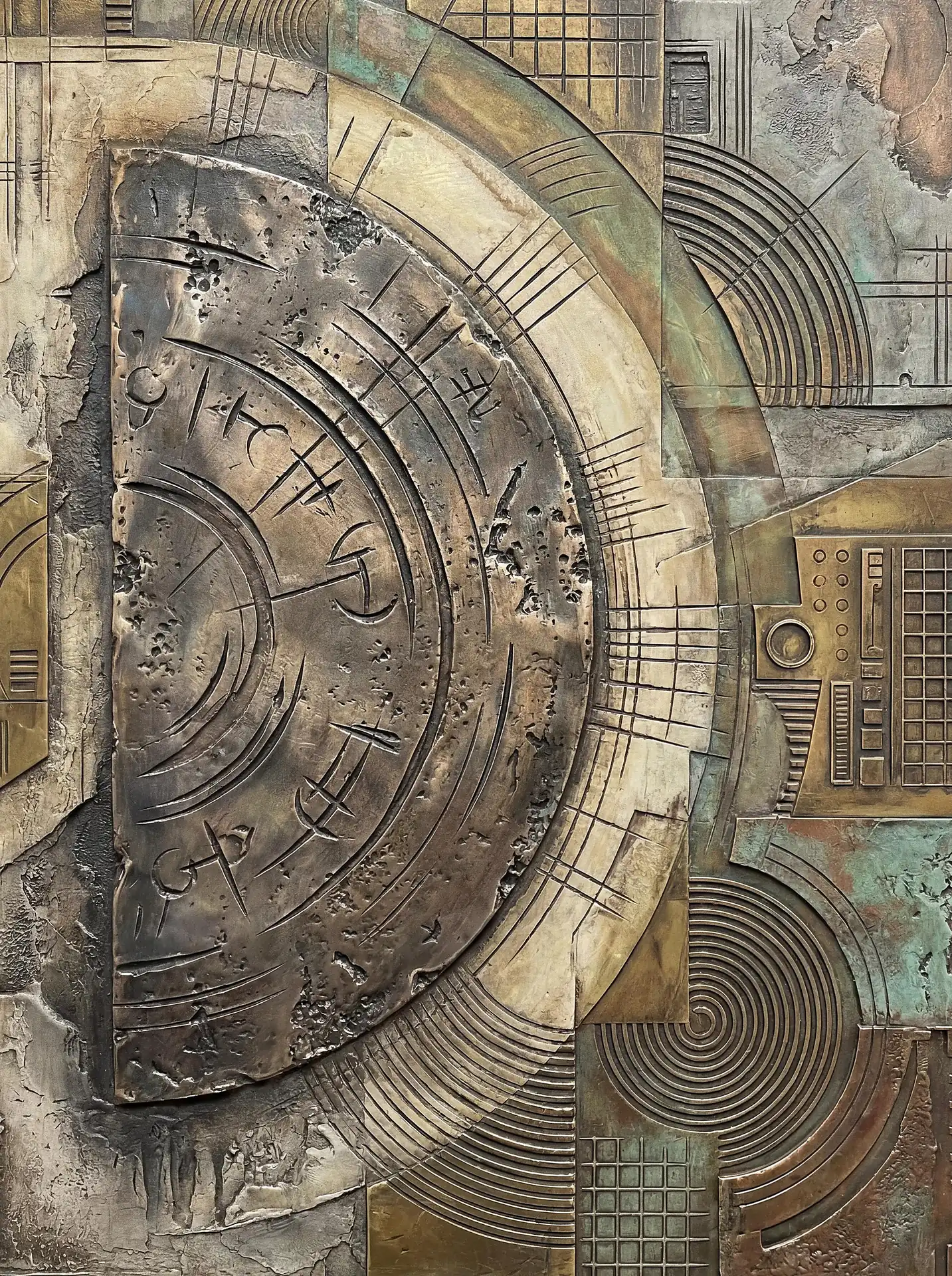
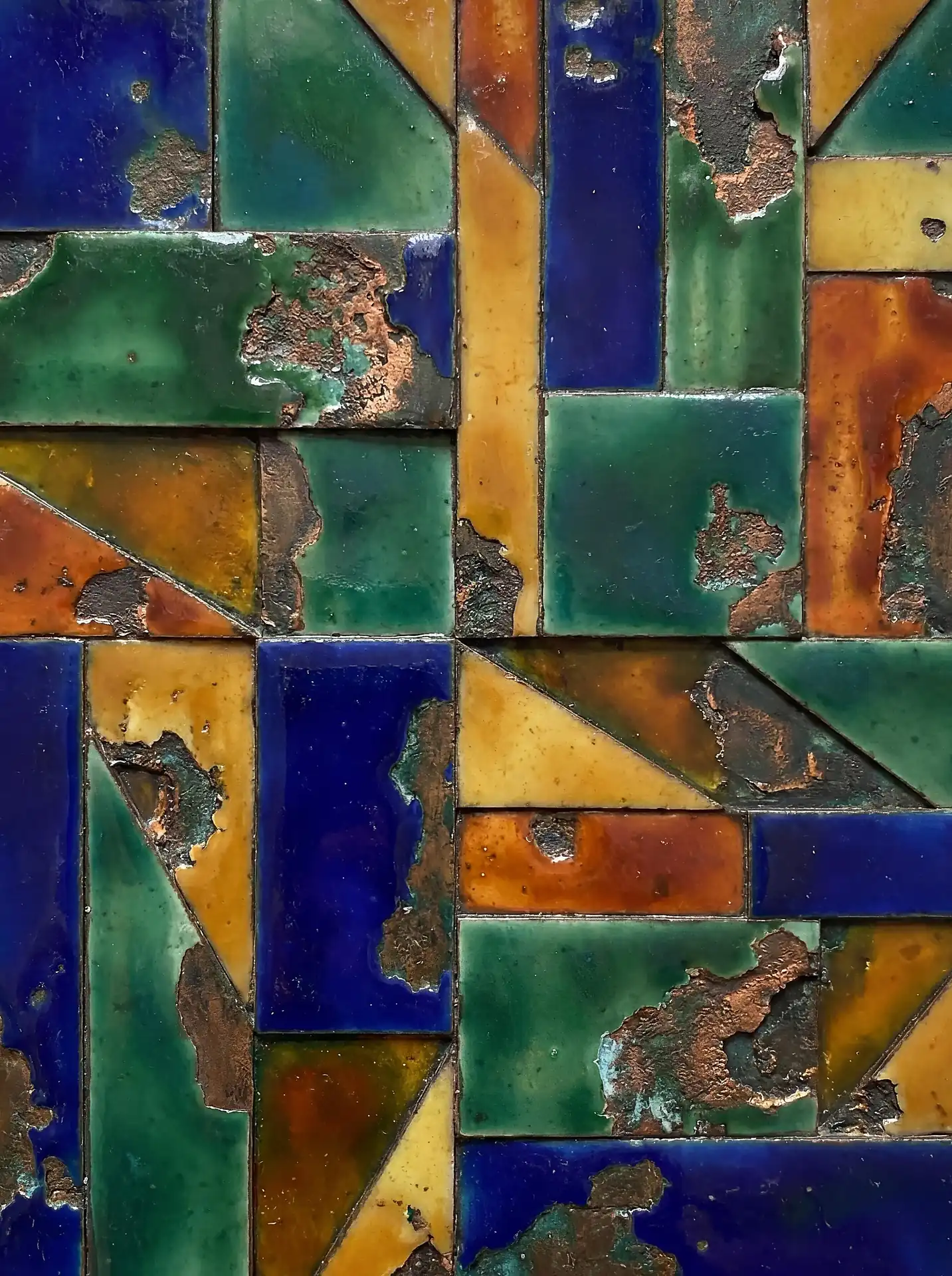
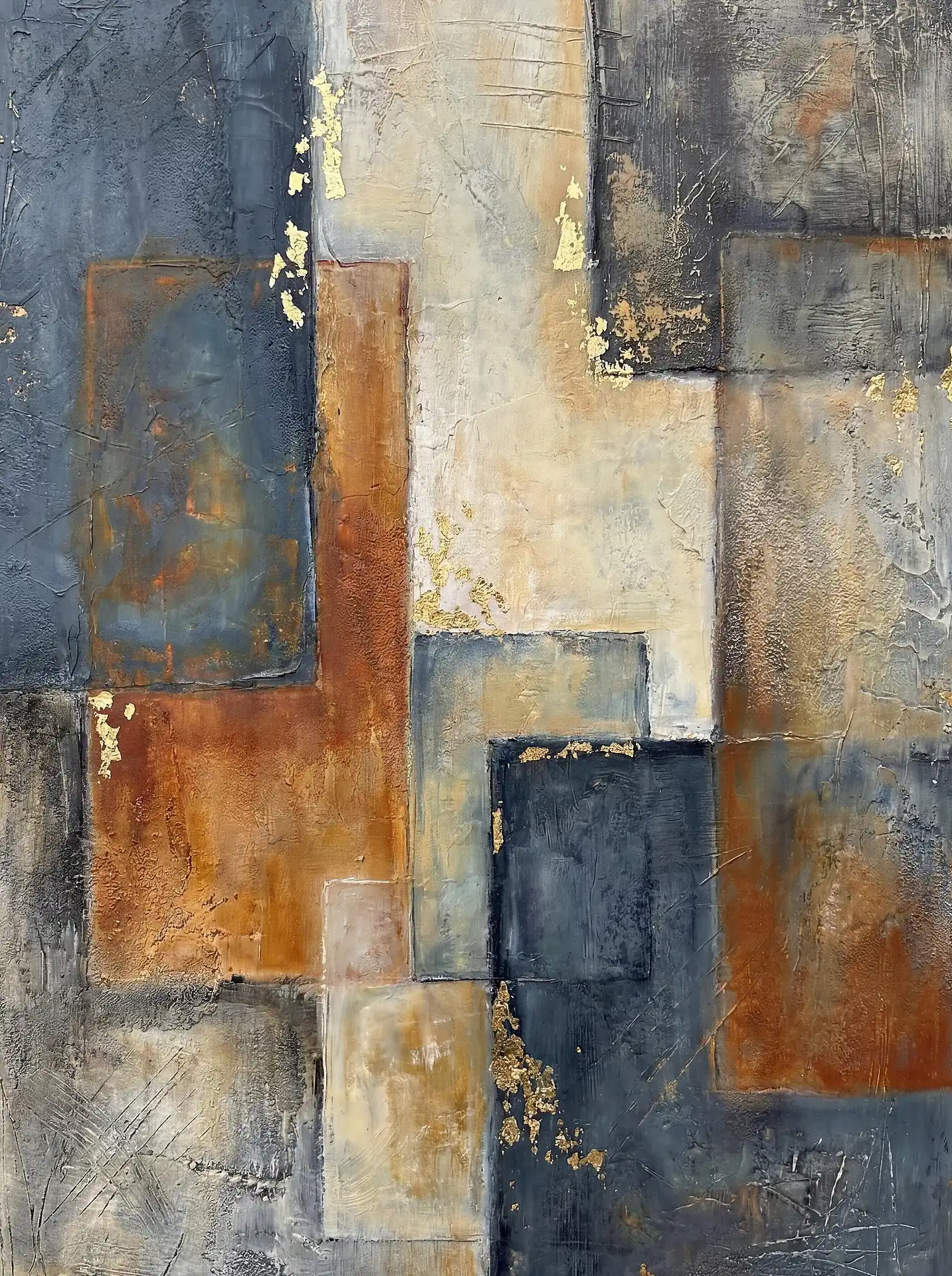
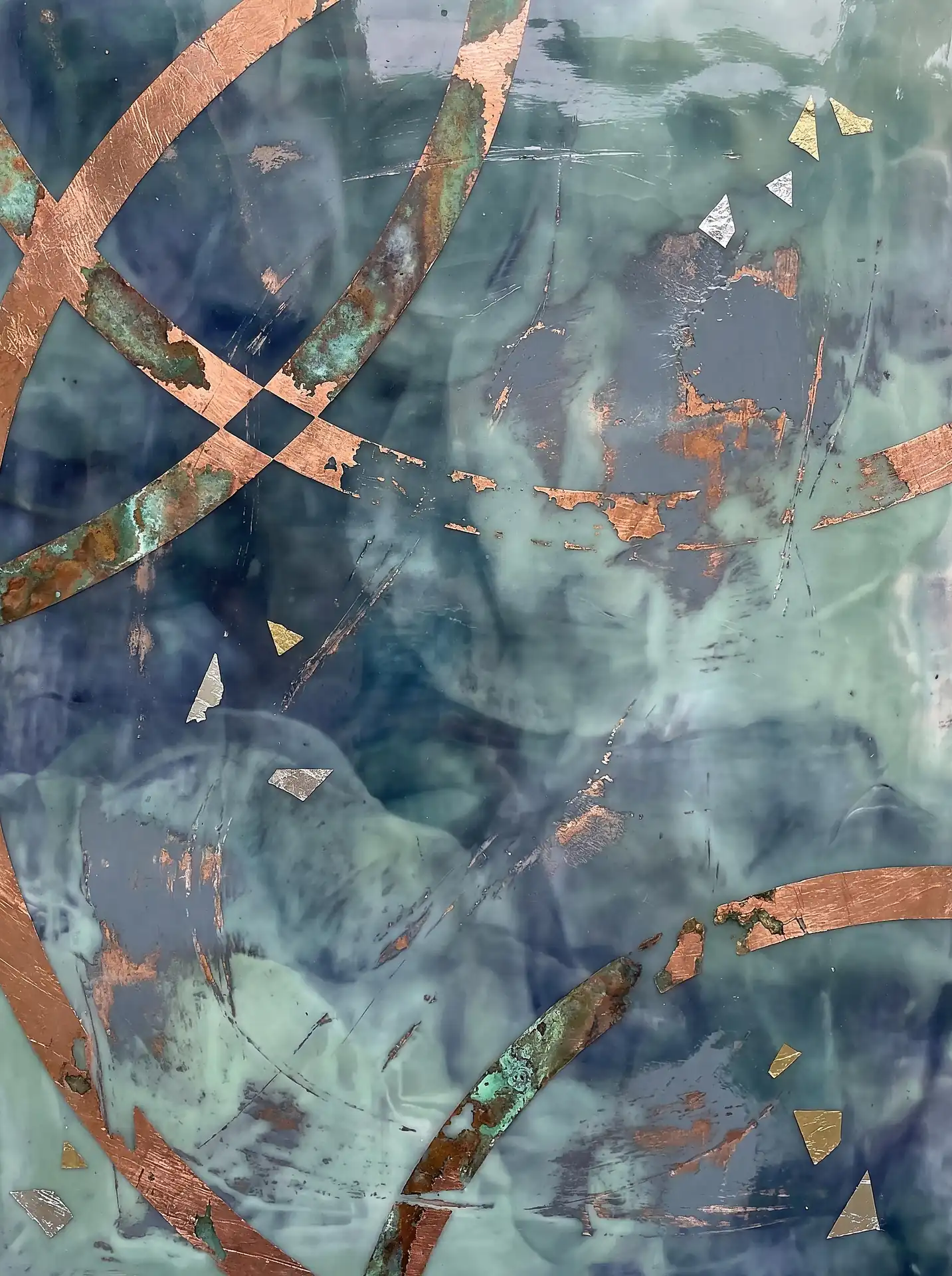
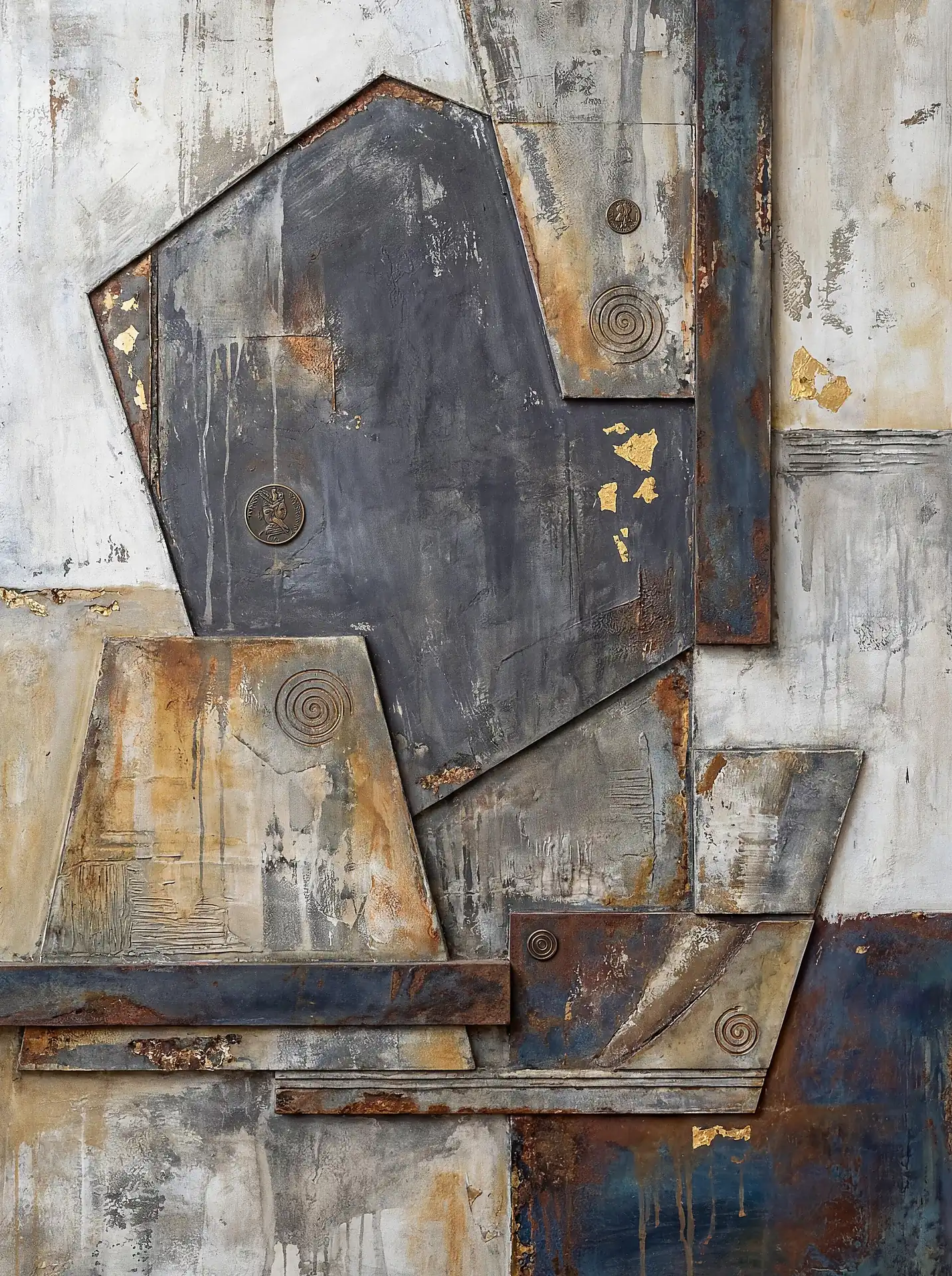
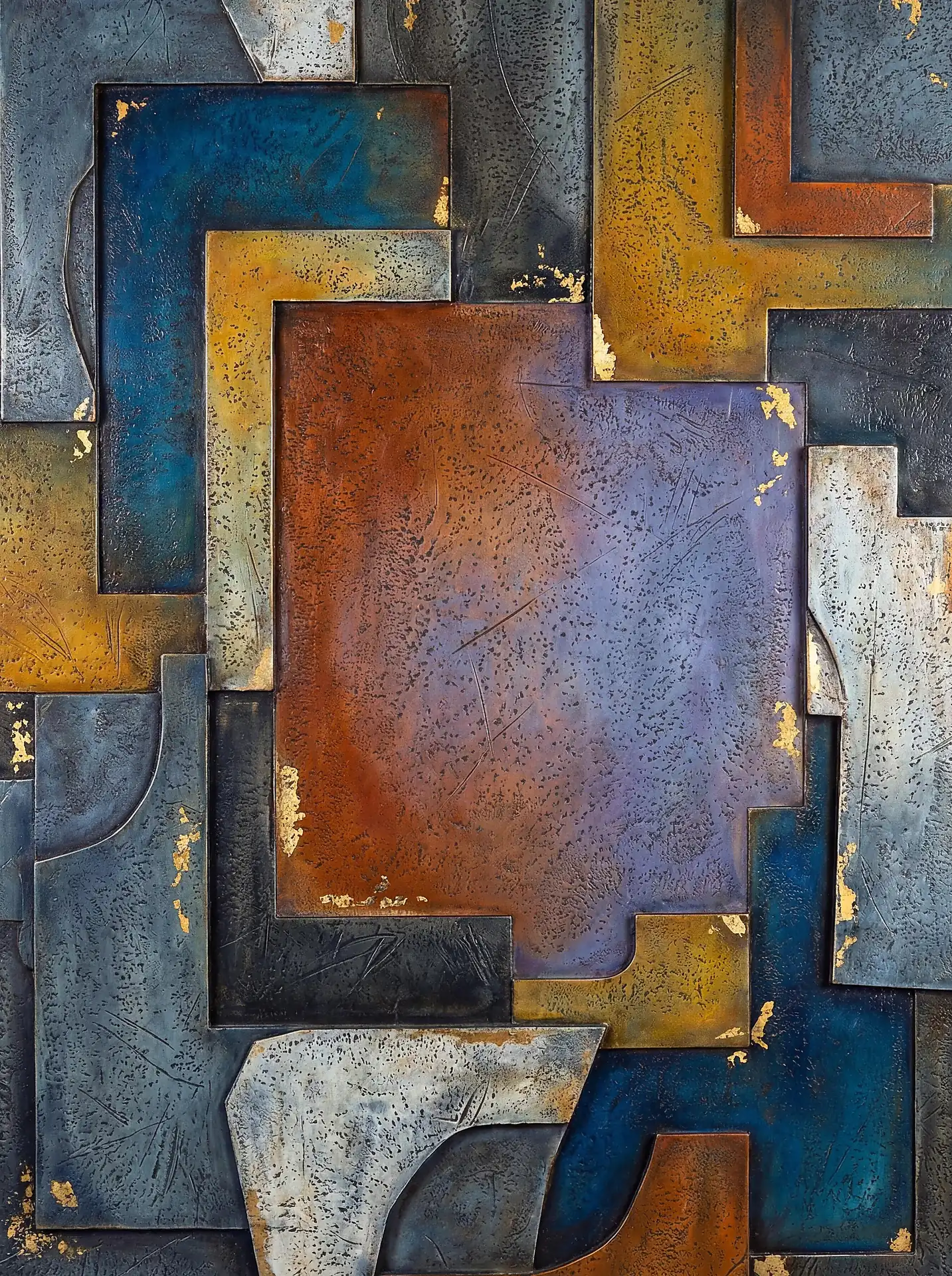
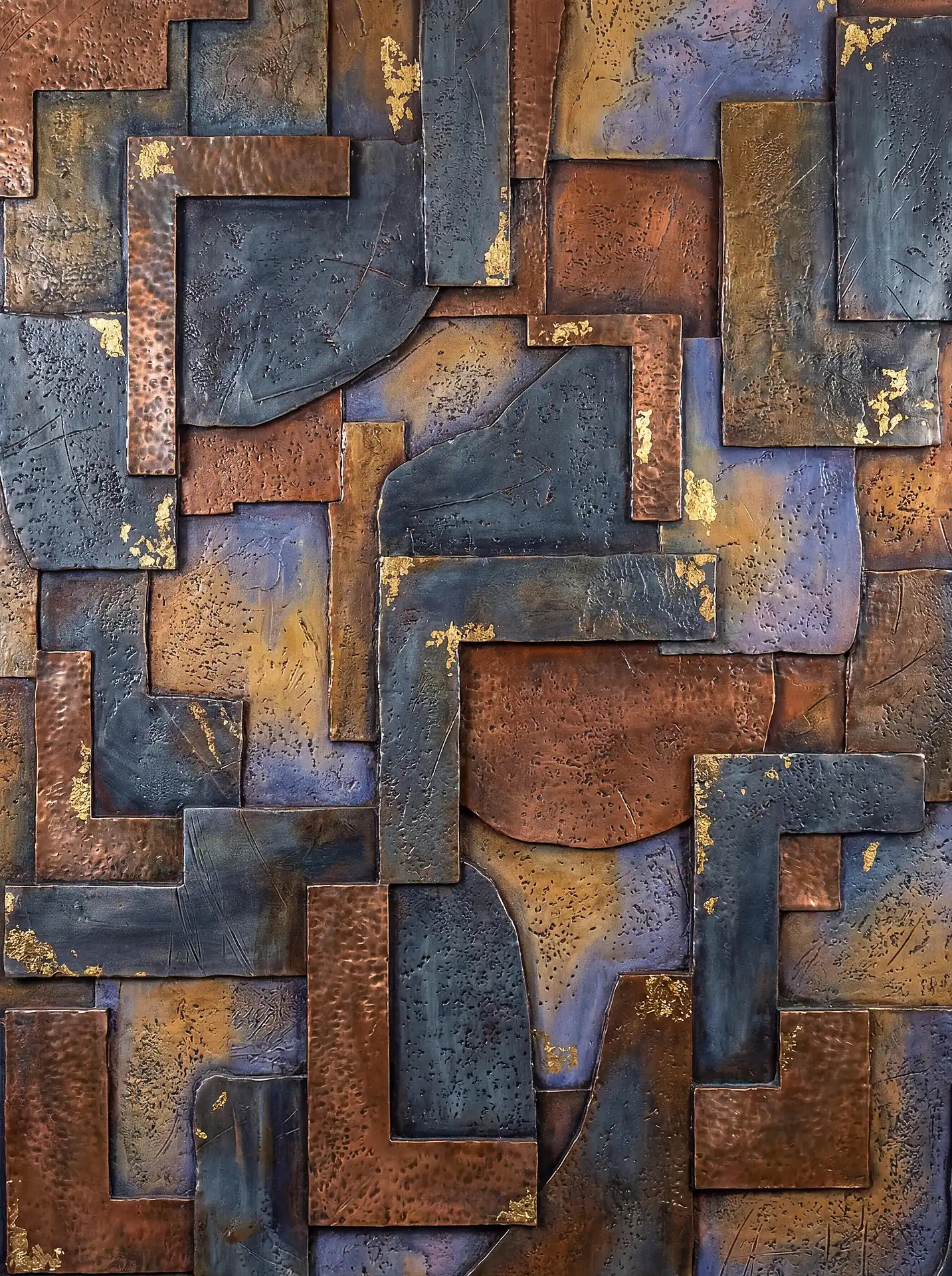
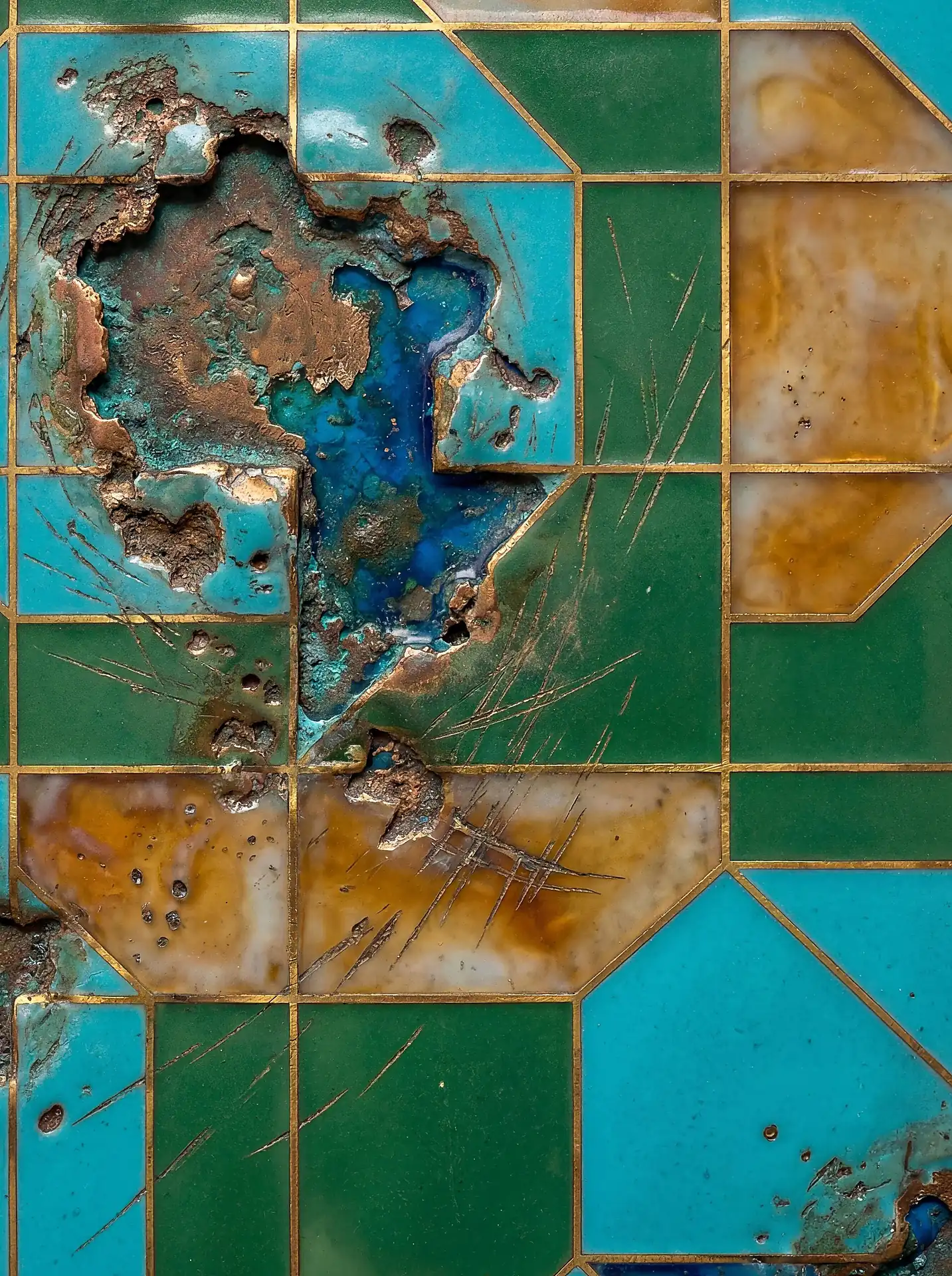
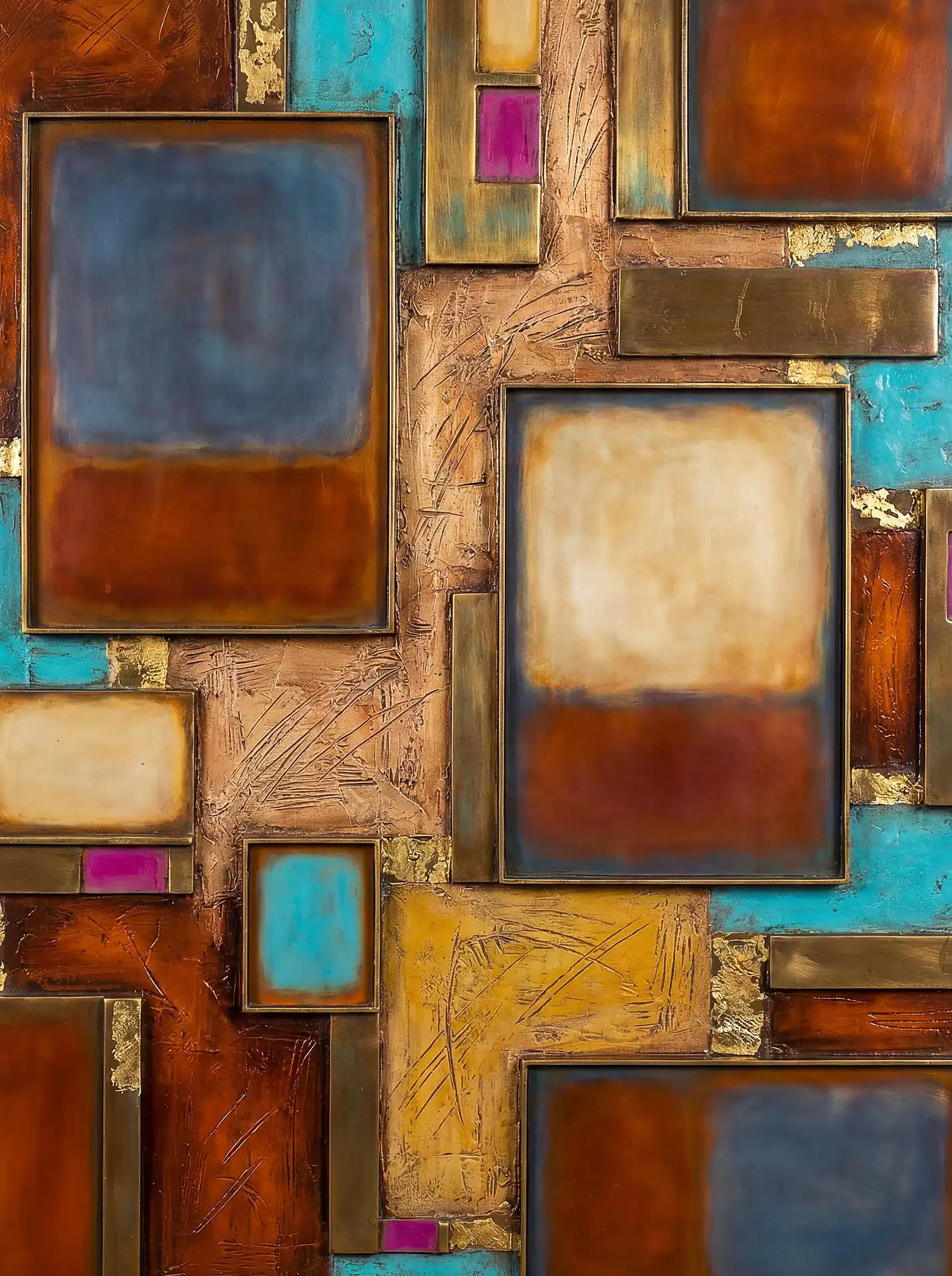
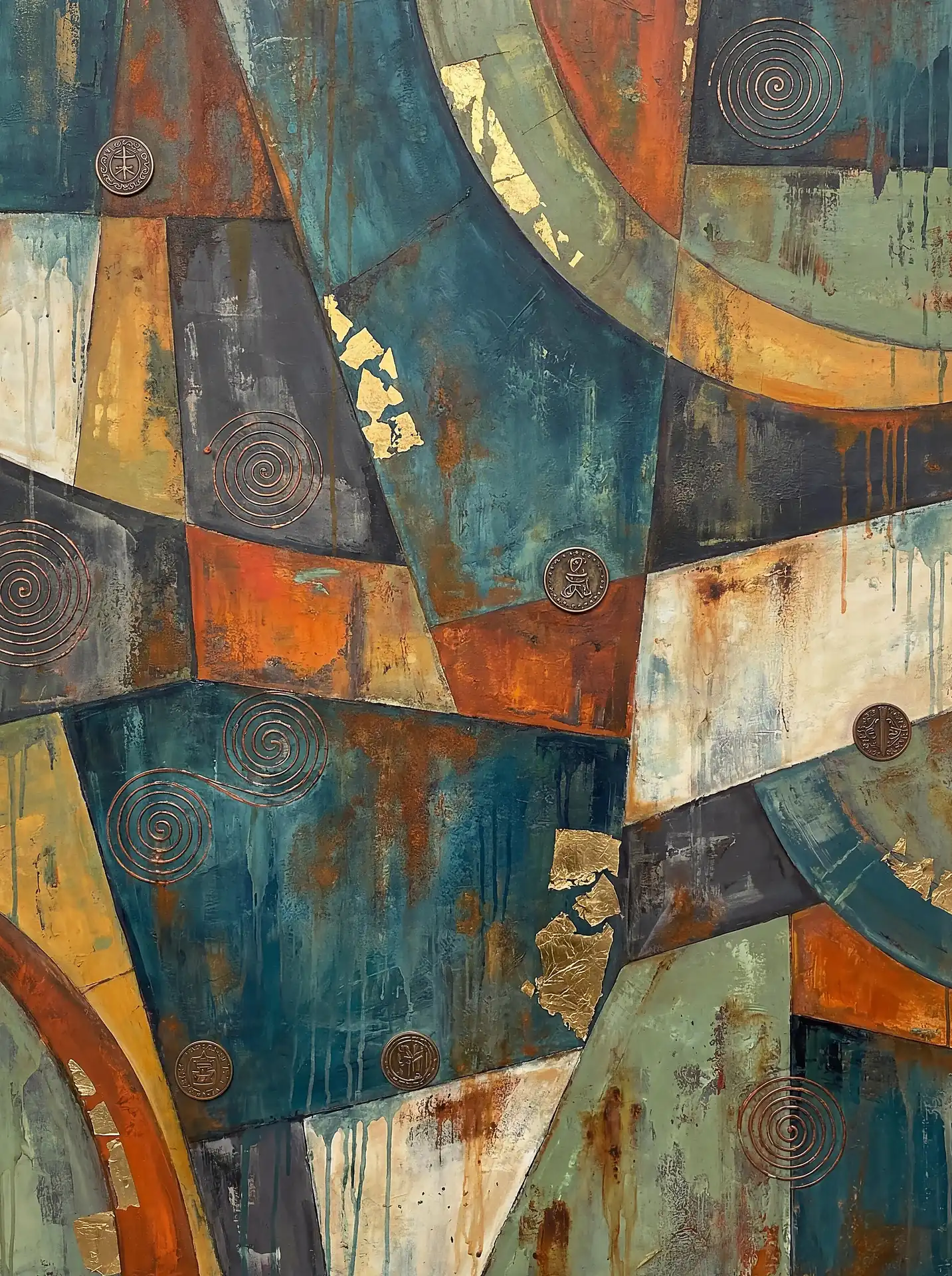
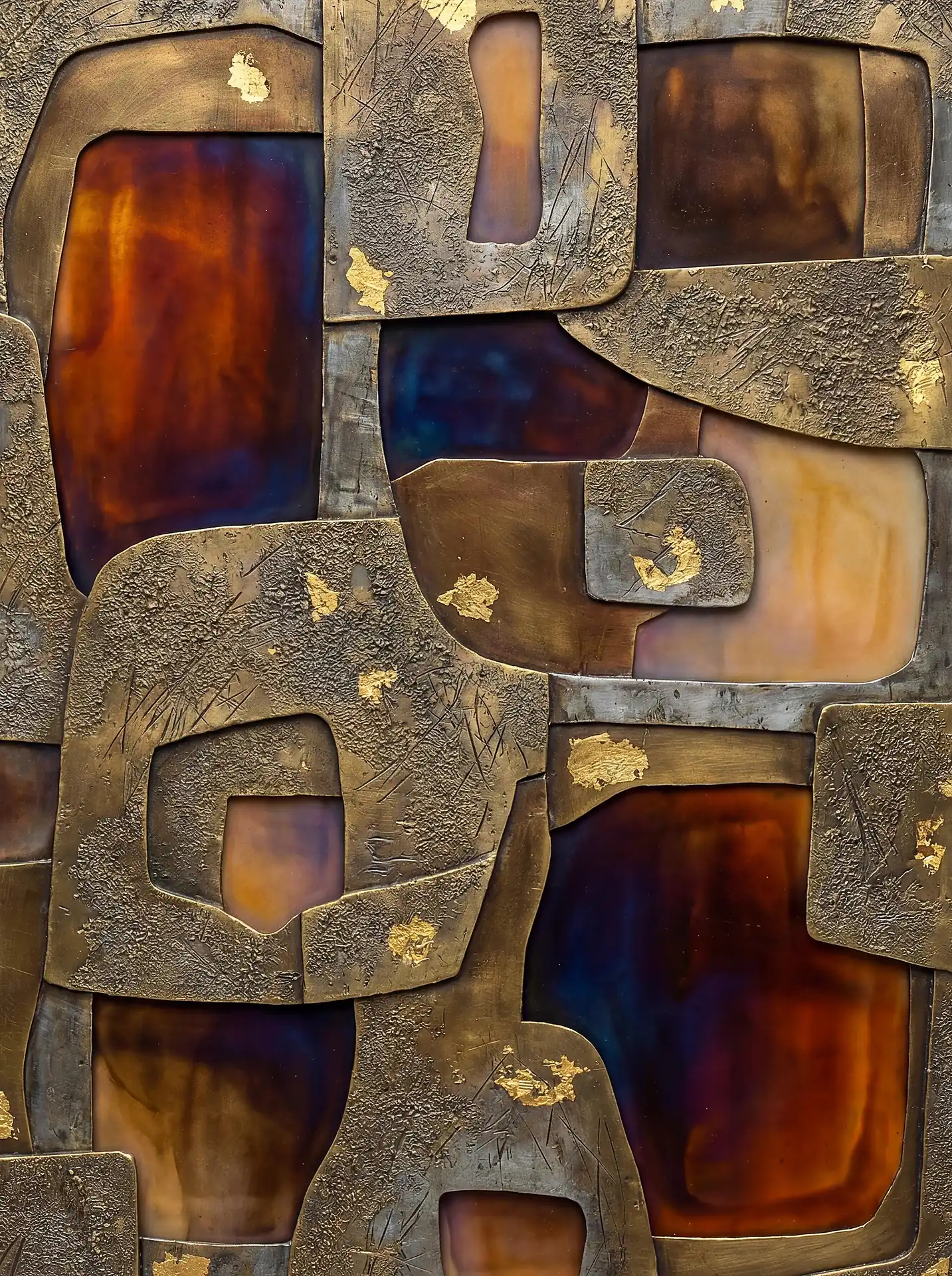
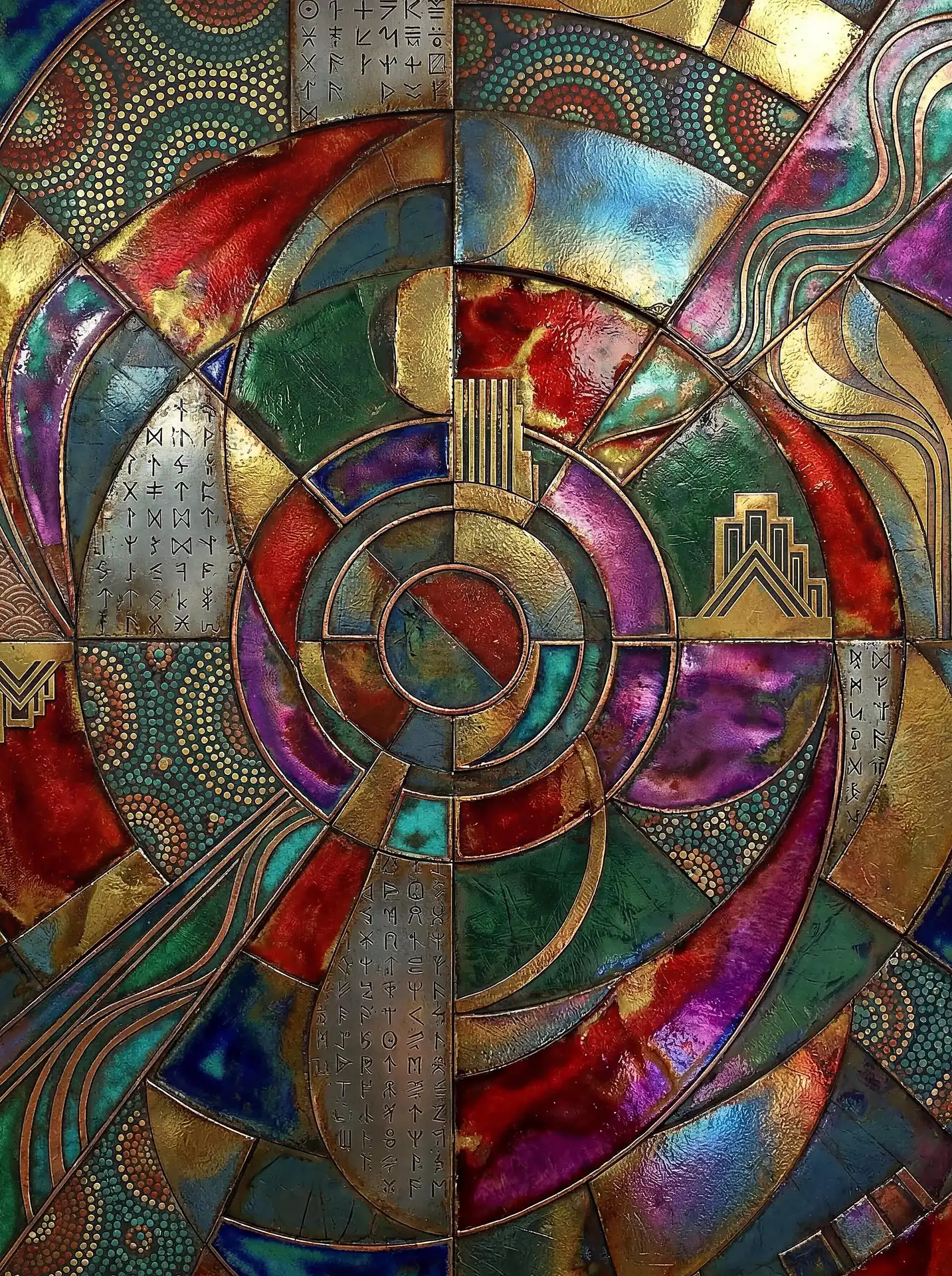
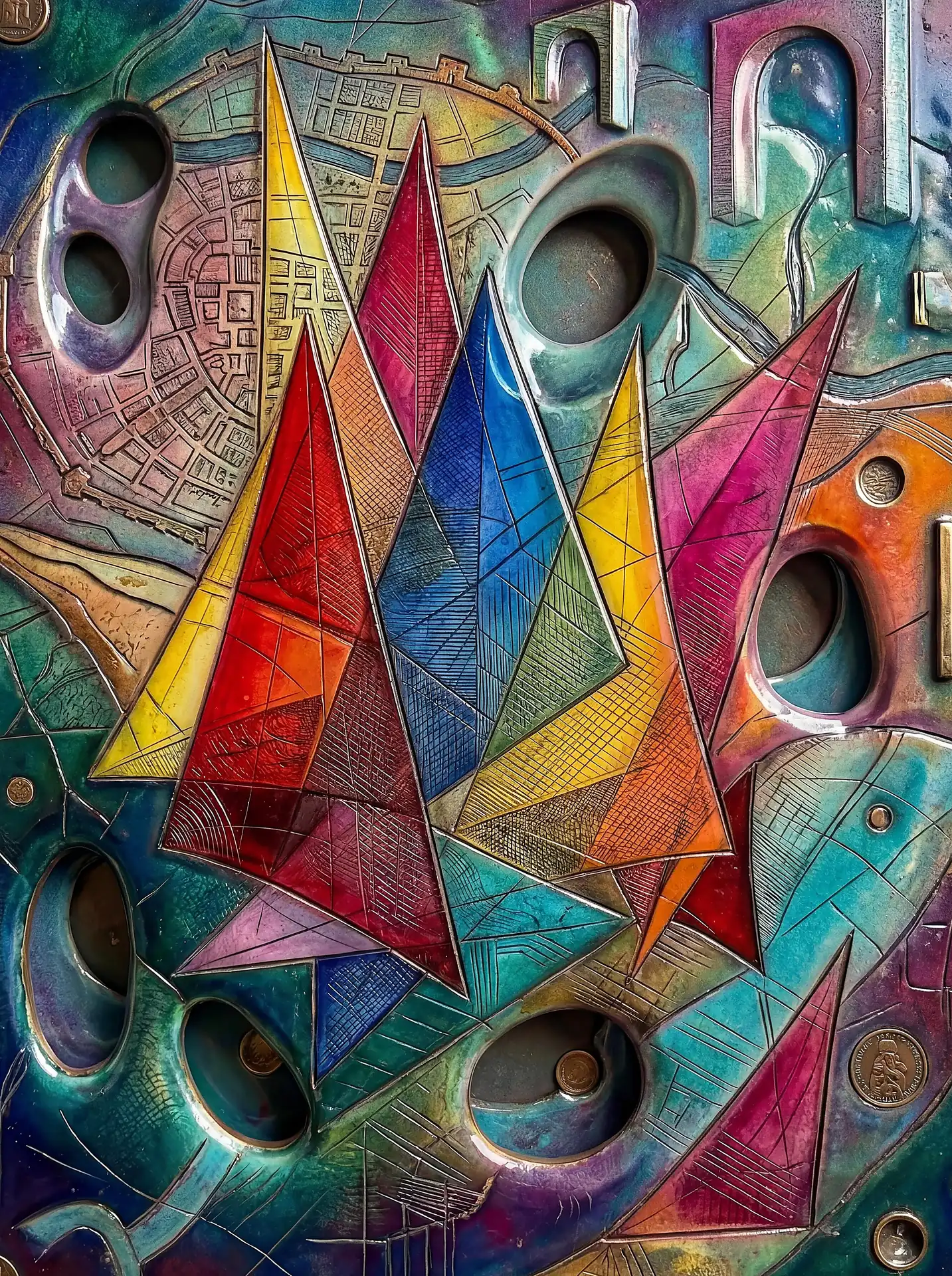
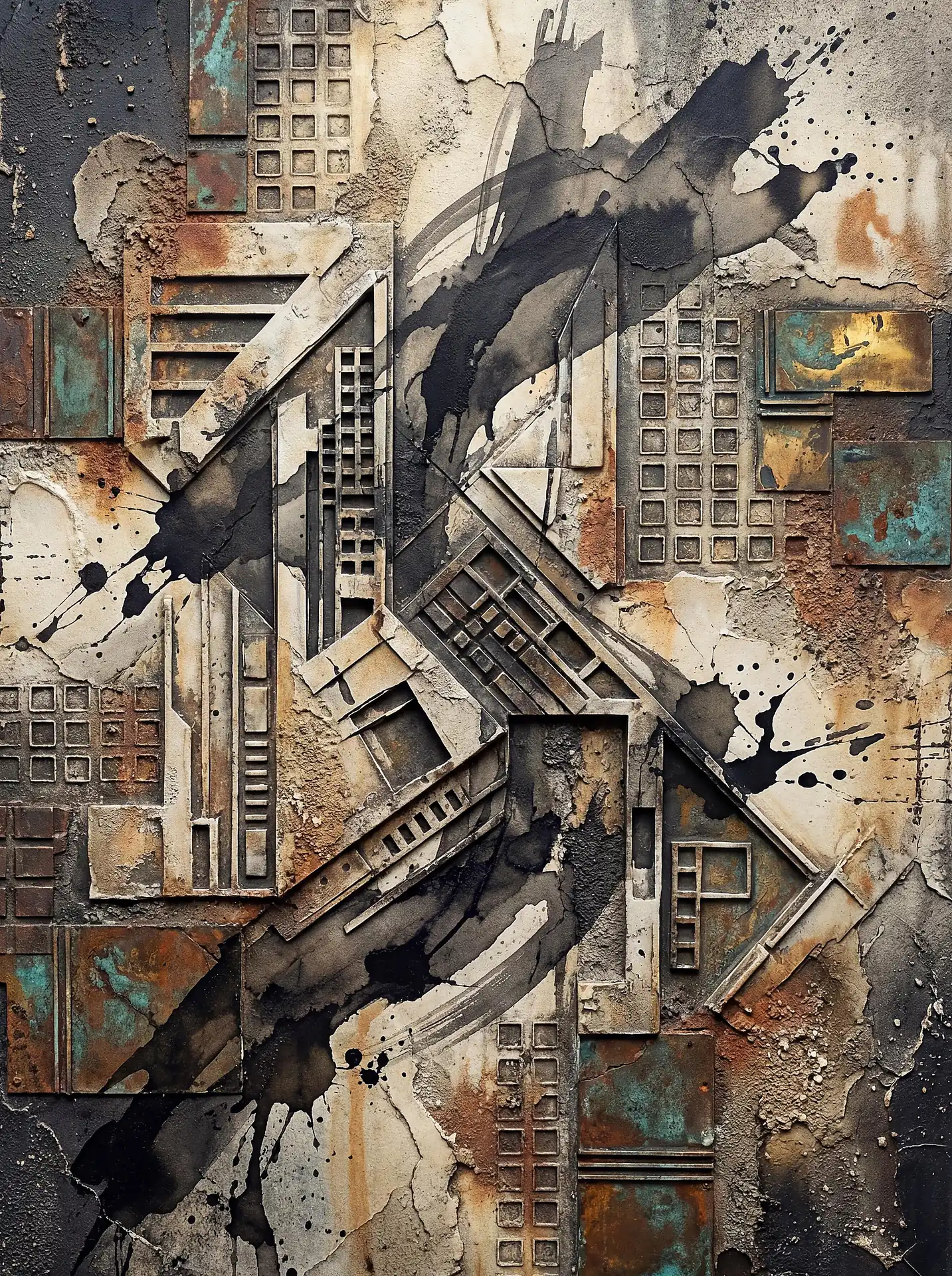
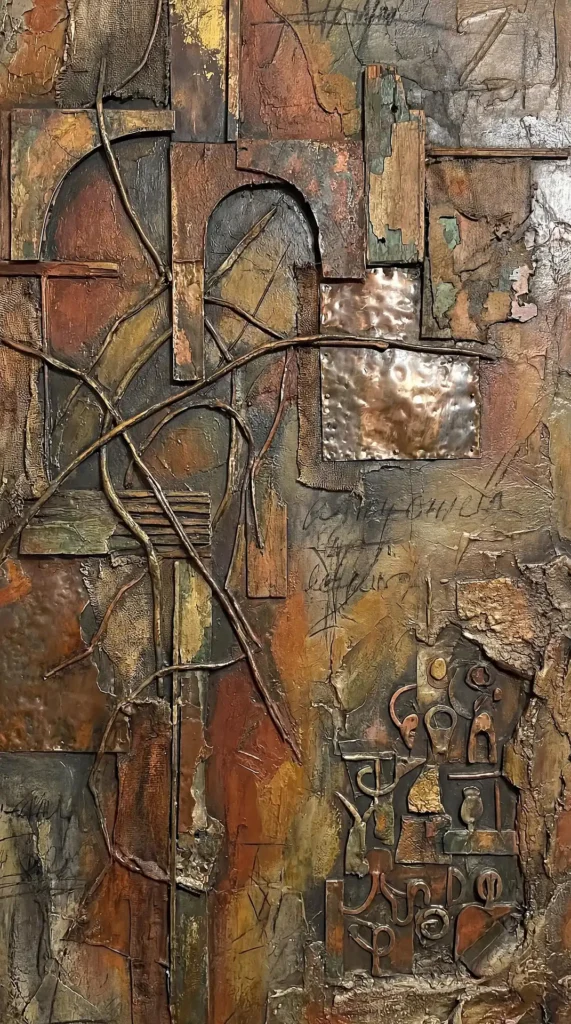
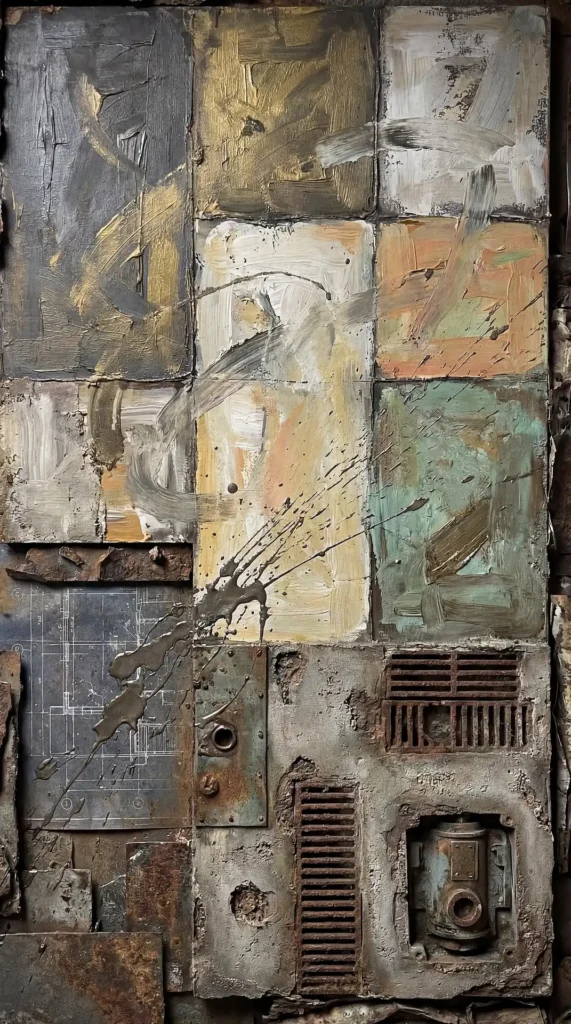
The palette across these 240 Captivating Industrial Abstract Artworks grounds itself in warmth. Earthy bronzes and burnt siennas dominate—these aren’t cold machine images. They feel fired in kilns, weathered by centuries, handled by generations. Against that warmth, deep teals and slate blues push through like sky glimpsed through factory skylights or water pooling in foundry floors. Bursts of brighter color—terracotta, oxidized copper green, golden ochre—act as focal points, drawing the eye through otherwise dense compositions. The colors feel alchemical, as if heat and time and chemical reaction produced them rather than deliberate mixing. There’s history in these hues that no digital filter could replicate.
RHYTHM AND VISUAL WEIGHT
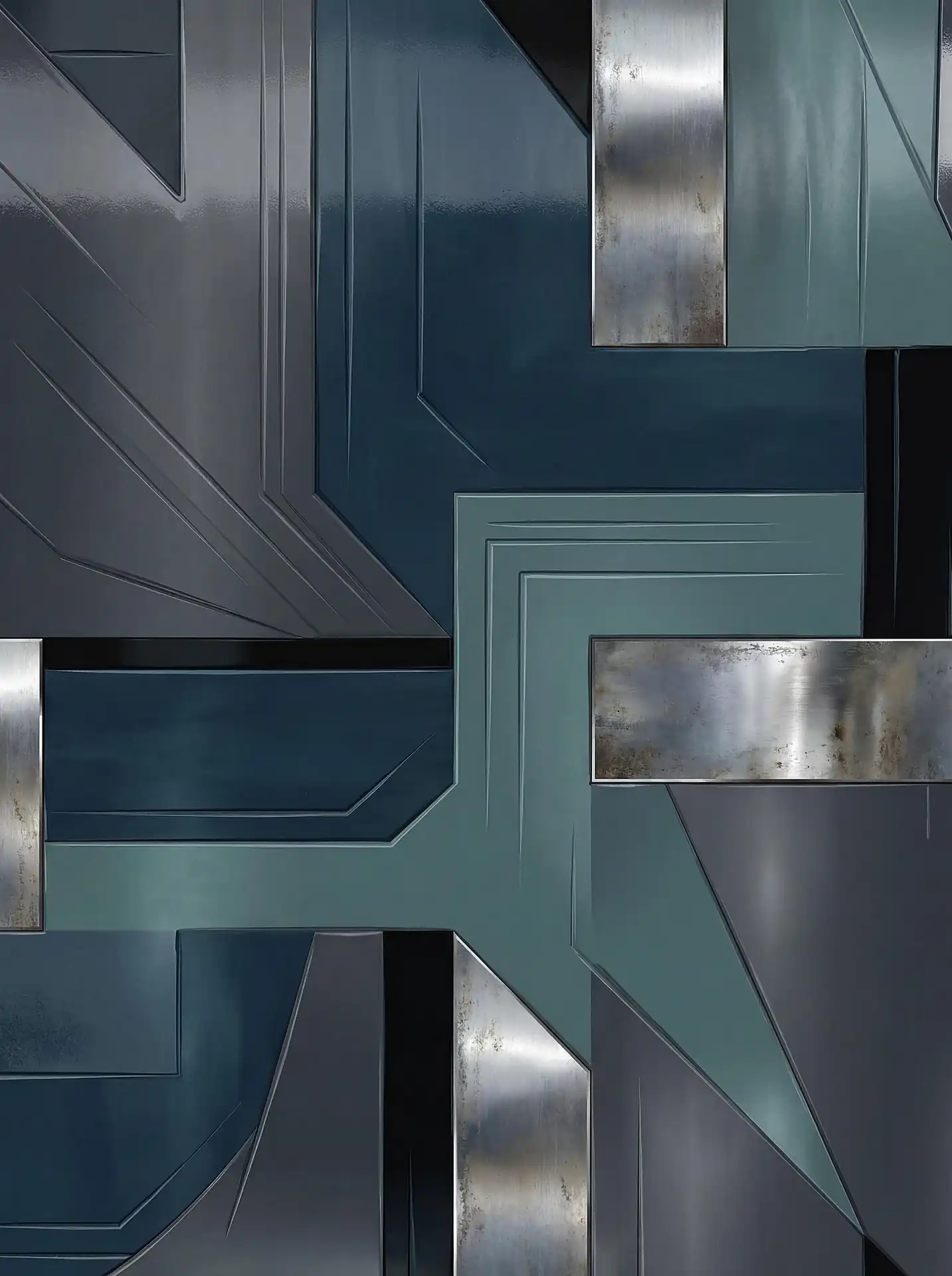
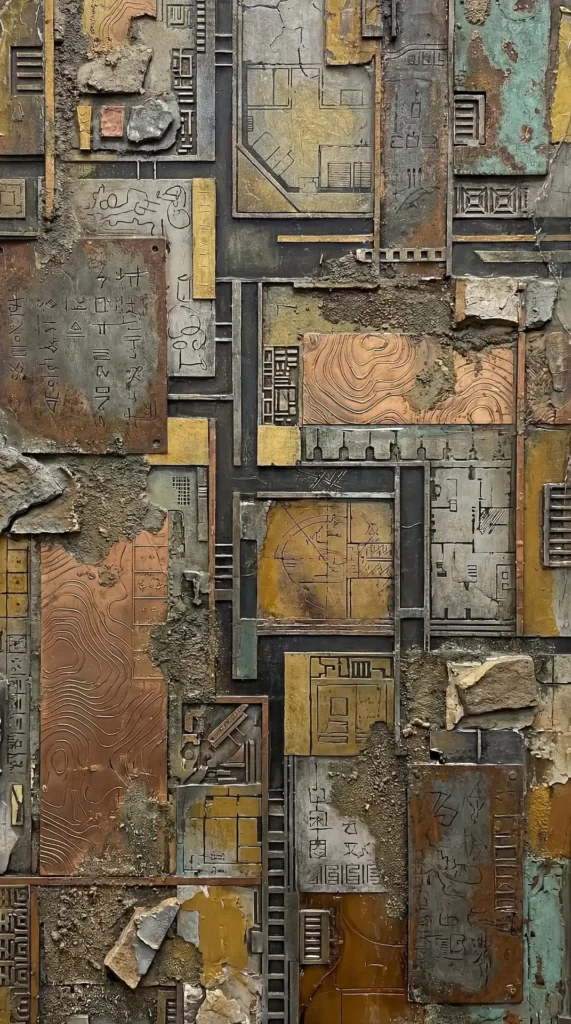
240 Captivating Industrial Abstract Artworks tend toward density. Compositions layer element over element, building visual depth that rewards slow viewing. Some pieces pulse with mechanical rhythm—repeated forms suggesting pistons, turbines, printing press drums. Others flow with organic asymmetry, shapes bleeding into each other like ink in water or roots seeking moisture. Many combine both approaches, creating visual syncopation where regular beats get interrupted by improvisational flourishes. First glance registers overall tone and movement. Second look finds structure and repetition. Third pass discovers small details—a texture within a texture, a shape hiding inside another shape. These pieces don’t give up everything immediately. They hold reserves for patient viewers.
READING THE SURFACES
The 240 Captivating Industrial Abstract Artworks suggest three-dimensional surfaces convincingly. Raised areas catch imaginary light. Recessed channels fall into shadow. The effect mimics relief sculpture or architectural fragments—as if these were photographs of physical objects rather than images born digital. That materiality matters. It grounds the work in physical reality even when subjects veer into pure abstraction. Weathering appears everywhere. Not as damage but as character. Scratches, worn edges, accumulated residue, oxidation patterns—all the marks that time leaves on metal and stone. The pieces celebrate age rather than disguising it. They suggest that beauty deepens rather than diminishes with wear, that surfaces with history outperform pristine ones.
WHAT THE WORK EVOKES
Standing before these works triggers something primal. Recognition of patterns we’ve seen in nature and machine alike. Memory of abandoned places where industry and wilderness overlap. Meditation on how everything built eventually returns to earth, and how that return creates its own strange beauty that neither starting point could achieve alone. The collision of mechanical precision and organic flow mirrors tensions we carry internally—order versus chaos, control versus surrender, preservation versus change. These pieces make those tensions visible, and in doing so, make them somehow easier to hold and understand.